Storia
Foundation and the first estates
Poderi Luigi Einaudi began in Dogliani in 1897, when the young economist Luigi Einaudi bought his first farm at San Giacomo. The purchase reflected both his attachment to his rural origins and his conviction that agriculture could help Piedmont emerge from the economic crisis of the period, strengthen the Langhe and improve the lives of its inhabitants.
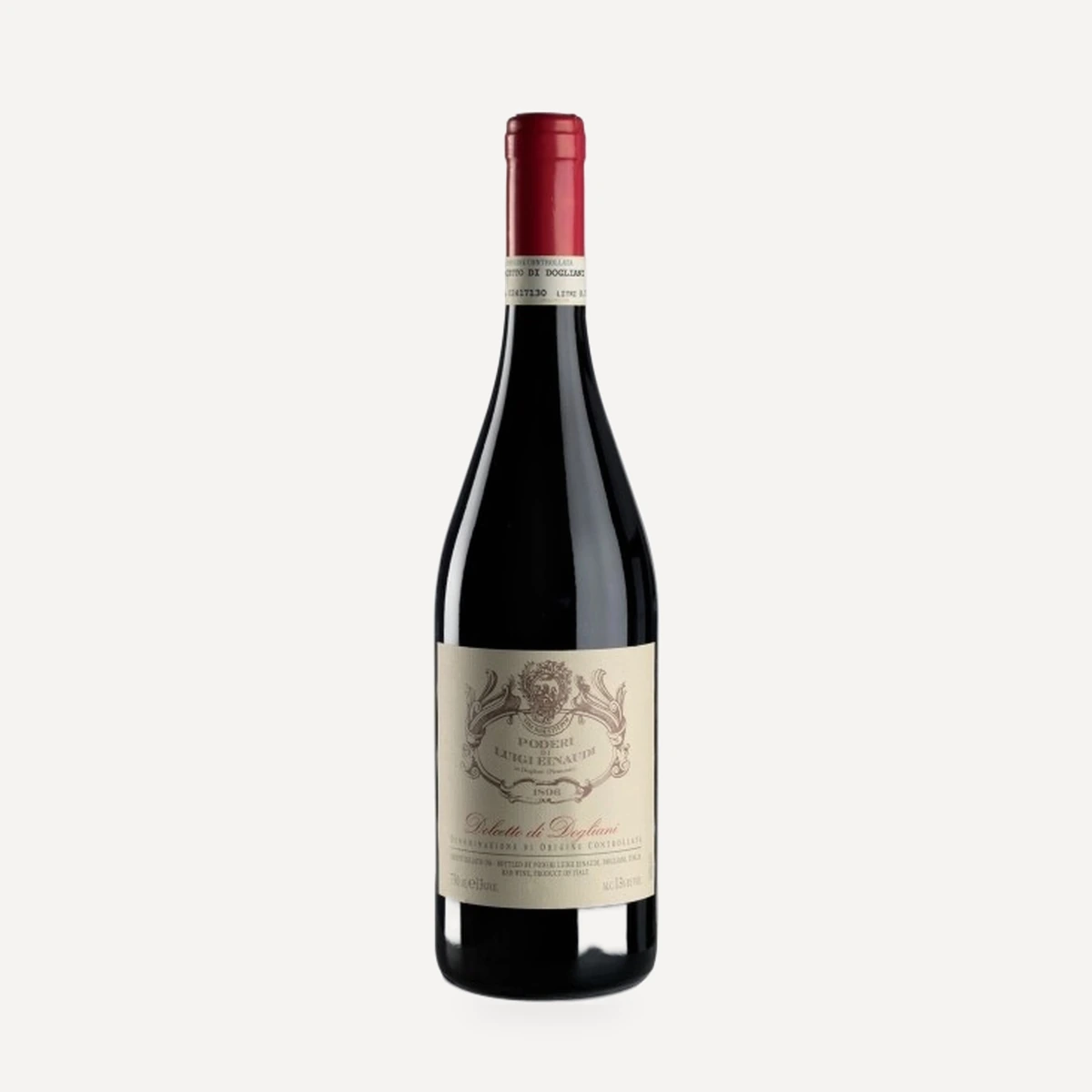
After San Giacomo, he acquired 8 hectares at San Luigi, a Dogliani subzone associated with Dolcetto. He was the first in the estate’s history to bottle this local variety and introduce it beyond its immediate area. He subsequently bought Nebbiolo vineyards at Neive and, later, Barolo.
Einaudi introduced grafted vines on American rootstock to counter phylloxera. He also restored farmhouses and supplied tenant families with tractors, mechanical elevators, mowing machines and trailers. Each farm retained a degree of autonomy, while the tenant families continued to manage the land and shared in the prosperity they helped create.
The cellar and the Barolo ambition
In 1915 Luigi Einaudi resolved to establish a cellar so that the company could make and bottle its own wine instead of limiting itself to selling grapes. Vineyard purchases were guided by position, exposure and soil quality.
His final vineyard acquisition was Terlo in Barolo, completed in 1958. The 4.8-hectare property lies between Barolo and the upper road connecting Novello with La Morra. Einaudi explained that the purchase was partly a matter of pride: when Barolo was served at his table, he disliked having to admit that it was not his own.
Luigi Einaudi remained closely involved with Dogliani and is remembered as never missing a harvest, even during the years he spent in Rome as governor of the Banca d’Italia, a government minister and President of the Republic.
Roberto Einaudi
Management passed to Luigi’s second son, Roberto Einaudi, who had been born at Cascina San Giacomo in Dogliani. While attending secondary school in Turin, Roberto encountered figures including Cesare Pavese, Norberto Bobbio and Massimo Mila. He trained as a mechanical engineer, pursued a career in the steel industry and co-founded the Techint group with Agostino Rocca. He nevertheless maintained his connection with Dogliani, investing energy in the estate and becoming a principal force in its renewal.
An earlier attempt to acquire Cannubi had failed about half a century before the eventual purchase. Once the owner learned that the prospective buyer was Einaudi, by then President, the price was raised and the transaction was abandoned.
Paola Einaudi and the late-20th-century renewal
At the end of the 1980s, Roberto’s daughter Paola left Milan and moved to Dogliani with her lifelong partner, Giorgio Ruffo, to work alongside her father. Through investment, commercial development and an emphasis on quality, she relaunched the historic name. The wines became more polished while retaining their territorial identity. She also strengthened the company’s organization and assembled a team described as one of the estate’s most important assets.
Paola remained closely involved with Dogliani and its community. Her son Matteo remembers her as the family member who most fully absorbed its agricultural values and attachment to the land.
In 1997 Roberto and Paola acquired 2 hectares in Cannubi from the Gancia family, finally completing the project that had failed decades earlier. That same centenary year also saw the creation of Langhe DOC Luigi Einaudi.
Dogliani DOCG and the fourth generation
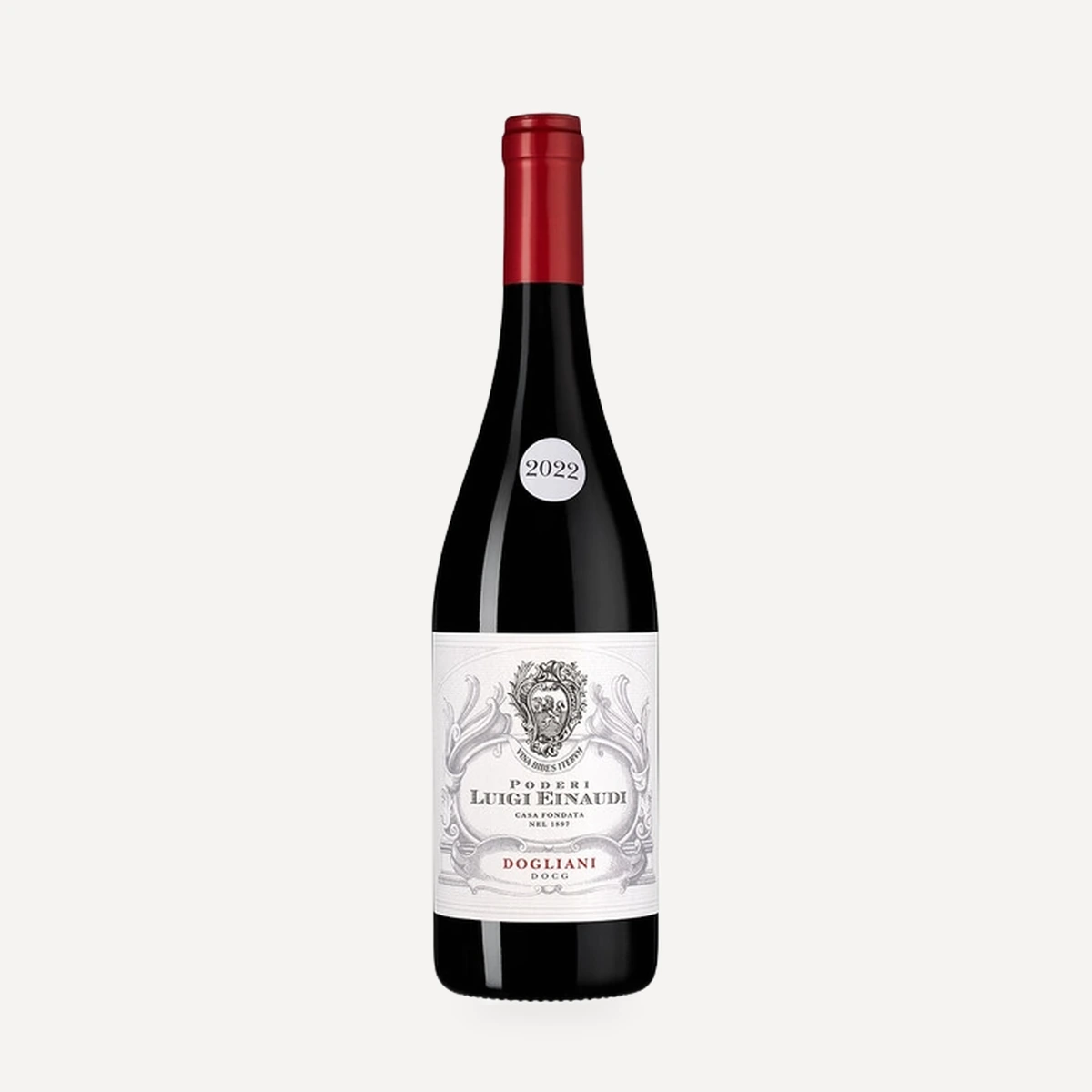
The family worked with other local producers through the long process that led to Dogliani receiving DOCG status in 2006. The classic Dolcetto di Dogliani bottling adopted the Dogliani DOCG designation from the 2011 harvest.
Matteo Sardagna Einaudi, Paola’s son and the fourth generation, now leads the company. He received a Steiner education and graduated in architecture. Childhood walks through the vineyards with his grandfather Roberto developed into what he describes as a deeply emotional rootedness in the land. His interest in modern and contemporary art has also influenced the estate’s cultural projects.
Matteo continued the family’s gradual expansion into distinguished Langhe sites. In 2016 he acquired 9 hectares at Bussia in Monforte d’Alba, including 4 hectares planted for Barolo in the Dardi subzone and 0.5 hectares of Barbera. Monvigliero in Verduno joined the estate in 2017, adding 1.5 hectares in one of the northernmost parts of the Barolo denomination. The first estate Monvigliero was the 2018 vintage, released in 2022.
A further 0.5 hectares at Villero in Castiglione Falletto subsequently entered estate management. The estate’s Barolo holdings now extend across Terlo, Cannubi, Bussia, Monvigliero and Villero, alongside the multi-site Barolo Ludo.
The 125th anniversary and recent development
The estate marked its 125th anniversary in 2022. Barolo Monvigliero 2018 debuted with Stefano Arienti’s artwork Cavalli su Colonne, an homage to Giulio Romano. A limited series comprised 250 numbered magnums signed by the artist and 250 wooden cases, each holding six 750 ml bottles with six variations of the artwork.
Dogliani also received a redesigned label combining the original visual identity with a contemporary treatment. Composer and pianist Ludovico Einaudi, a grandson of the founder, wrote 125 Note di Dogliani. A QR code linking to the music was placed on the back labels of Dogliani DOCG and Dogliani Superiore DOCG Tecc.
In 2023 the range expanded with Verduno Pelaverga DOC 2022. Matteo selected a small, west-facing vineyard beside the Monvigliero holding to broaden the estate’s interpretation of Verduno beyond Barolo.
Terroir
The holdings cross the Langhe diagonally, extending from their historic centre in Dogliani through Barolo, Monforte d’Alba and Verduno to Neive. The 13 farmhouses occupy approximately 150 hectares, with about 70 hectares under vine.
Dogliani
The original core lies on hills bordering the road from Monchiero and Novello toward Dogliani and in the direction of Monforte d’Alba and Belvedere Langhe. The vineyards stand at 300–400 metres and predominantly face south, southwest or southeast. Marl, clay and limestone recur across the Dogliani parcels. The principal plantings are Dolcetto and Nebbiolo, with Barbera, Merlot and Pinot Grigio also represented.
Neive
The Neive vineyards occupy hills along the route from Dogliani toward Barbaresco. They stand around 310 metres on the estate-area description, with east and southeast exposures. The detailed Bric Micca parcel lies at 300–350 metres, faces south to southwest and has sandy, calcareous soil.
Barolo: Terlo and Cannubi
Terlo lies on the hills between Barolo and the upper road connecting Novello with La Morra. The estate area is at 300–320 metres and faces southeast. Vigna Costa Grimaldi is identified at 310 metres on marl and limestone.
Cannubi occupies a small hill in the heart of the Barolo production zone. The estate’s vines stand at 220 metres with southern and southeastern exposures. The soil consists of grey-white Sant’Agata marls containing approximately 55% clay, 30% sand and 15% limestone.
Monforte d’Alba: Bussia
Bussia is situated at 300–350 metres, with southern and southwestern exposures. Its soils are described as marl and limestone with a distinctive mineral component. The estate’s Barolo vines are concentrated in the Dardi subzone.
Verduno: Monvigliero and Pelaverga
Monvigliero is among the northernmost parts of the Barolo denomination. The estate-area description places it at about 350 metres, while the detailed vineyard material gives a range of 220–310 metres. Exposures run from southeast to southwest, and the soils are rich in limestone and gypsum.
The adjacent Pelaverga parcel faces west and contains concentrated limestone, clay and sand.
Castiglione Falletto: Villero
Villero lies at 250 metres with southern and southwestern exposures. Its varied marine-origin soils combine grey marl, brown clay and grey sand; the detailed parcel description characterizes them as sandy marl and limestone.
Vinificazione
Vineyard selection has been central to the estate since Luigi Einaudi began acquiring sites for their position, exposure and soil quality. The contemporary property consists of 13 farmhouses across approximately 150 hectares, about 70 hectares of which are under vine.
Guyot is the documented training system across the principal detailed parcels. Planting density generally ranges from approximately 4,500 to 5,000 vines per hectare, reaching 5,200 vines per hectare in earlier Meira material. Rootstocks include 420 A, SO4 and combinations identified as 420 A/SO4 or A20 A/SO4, depending on the parcel and variety.
Planting dates preserve several generations of vines: Vigna Tecc includes a 1937 planting; the broader Dogliani Dolcetto holdings include vines from 1941 onward; Cannubi includes plantings from 1962, 1991 and 2002; Villero dates to 1969; Monvigliero includes 1969 and 1980 plantings; Terlo Vigna Costa Grimaldi dates to 1977; and Bussia includes 1980 and 1998 plantings.
The estate’s early response to phylloxera was the introduction of grafted vines on American rootstock. Modern vineyard operations are handled by a dedicated team working across vineyard management and production.
The original cellar project dates to 1915, when Luigi Einaudi decided to make and bottle wine rather than sell grapes alone. The Dogliani property now also includes a subterranean cellar whose curved architectural forms form part of the visitor route.
Across the red-wine production described for the estate, fermentation takes place in temperature-controlled steel, concrete or vitrified-concrete vessels. Documented fermentation temperatures generally range from approximately 27°C to 32°C. Depending on the grapes and intended expression, wines are racked after roughly 4–5 days, 8–10 days or 22–25 days; the Barolo processes include post-fermentation maceration. Malolactic fermentation is completed with temperature management.
Barolo from the individual crus matures for an extended period in oak casks, followed by bottle ageing. Other reds may use oak vessels of different capacities before further bottle maturation. Dogliani DOCG instead completes malolactic fermentation and rests for several months in steel. Dogliani Superiore Vigna Tecc moves from vitrified concrete to large French-oak vessels, returns to concrete and is bottled toward the end of the year.
The Bric Micca vinification extends over about 30 days with temperatures kept as low as practicable, followed by prolonged maturation in wood and bottle.
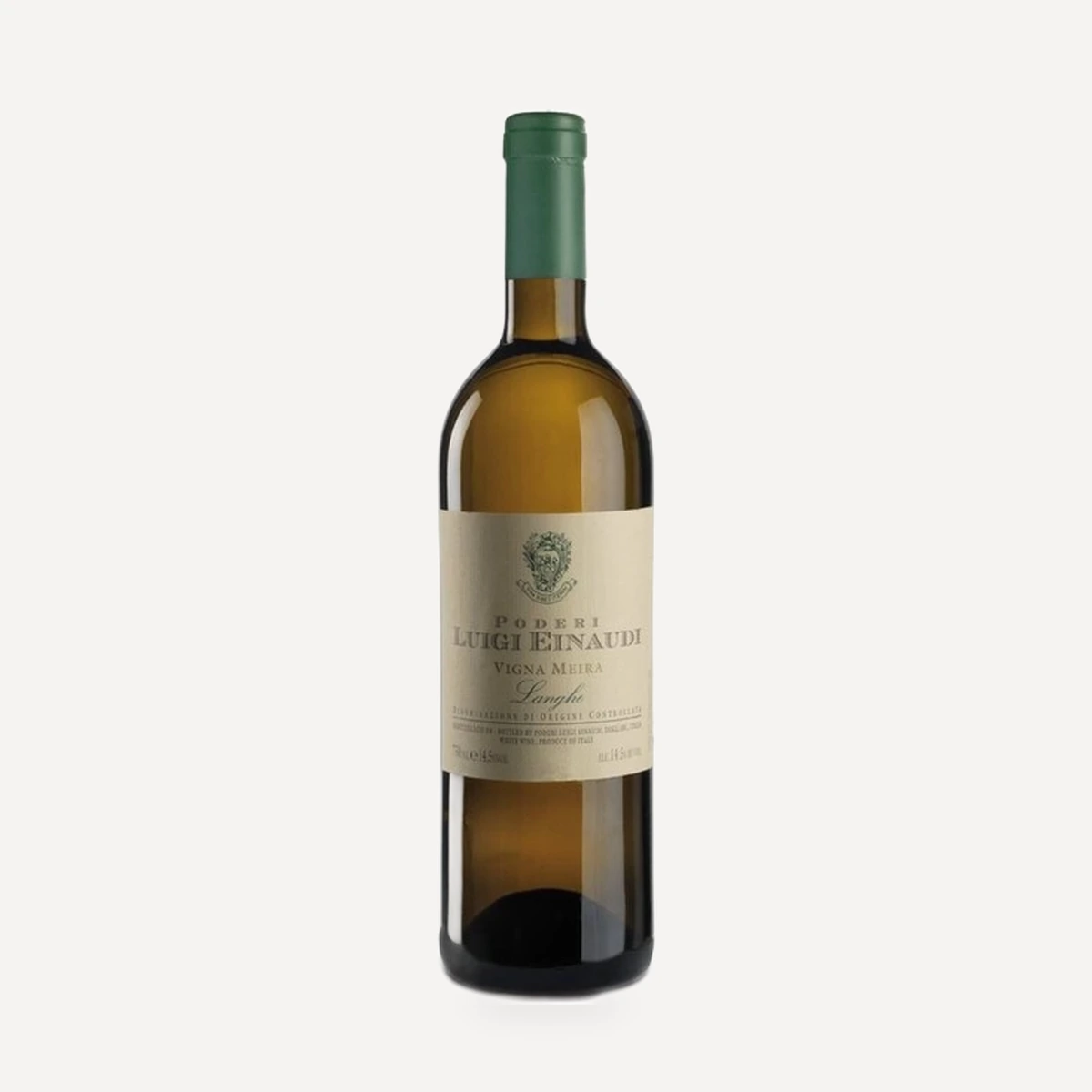
For Meira, Pinot Grigio is pressed and cold settled in steel at 9°C. Fermentation begins in steel before the wine is moved immediately to small and medium wooden vessels to complete alcoholic and malolactic fermentation. Bâtonnage, bottling and several months of bottle maturation follow.
Verduno Pelaverga is vinified and matured in steel for a few months at low temperatures.
Filosofia
The estate’s guiding idea is a “Culture of the Land” inherited from Luigi Einaudi: rigorous vineyard selection, long-term thinking and a strong emotional attachment to the Langhe. Each generation has expanded the holdings gradually while maintaining Dogliani as the historic centre of the property.
Matteo Sardagna Einaudi defines the objective as producing and developing wines capable of conveying emotion and acting as ambassadors for the Langhe’s rural and cultural world. The Barolo project applies this principle through separate expressions of sites such as Terlo, Cannubi, Bussia, Monvigliero and Villero, together with Ludo, which brings several parcels into one blend.
Tradition is paired with technical change rather than treated as static. Tenant farming has given way to salaried, trained vineyard workers, yet continuity is maintained by families associated with the farmhouses and by preserving the autonomy and identity of the individual estates. The current identity also combines viticulture with architecture, music and contemporary art.
Vini
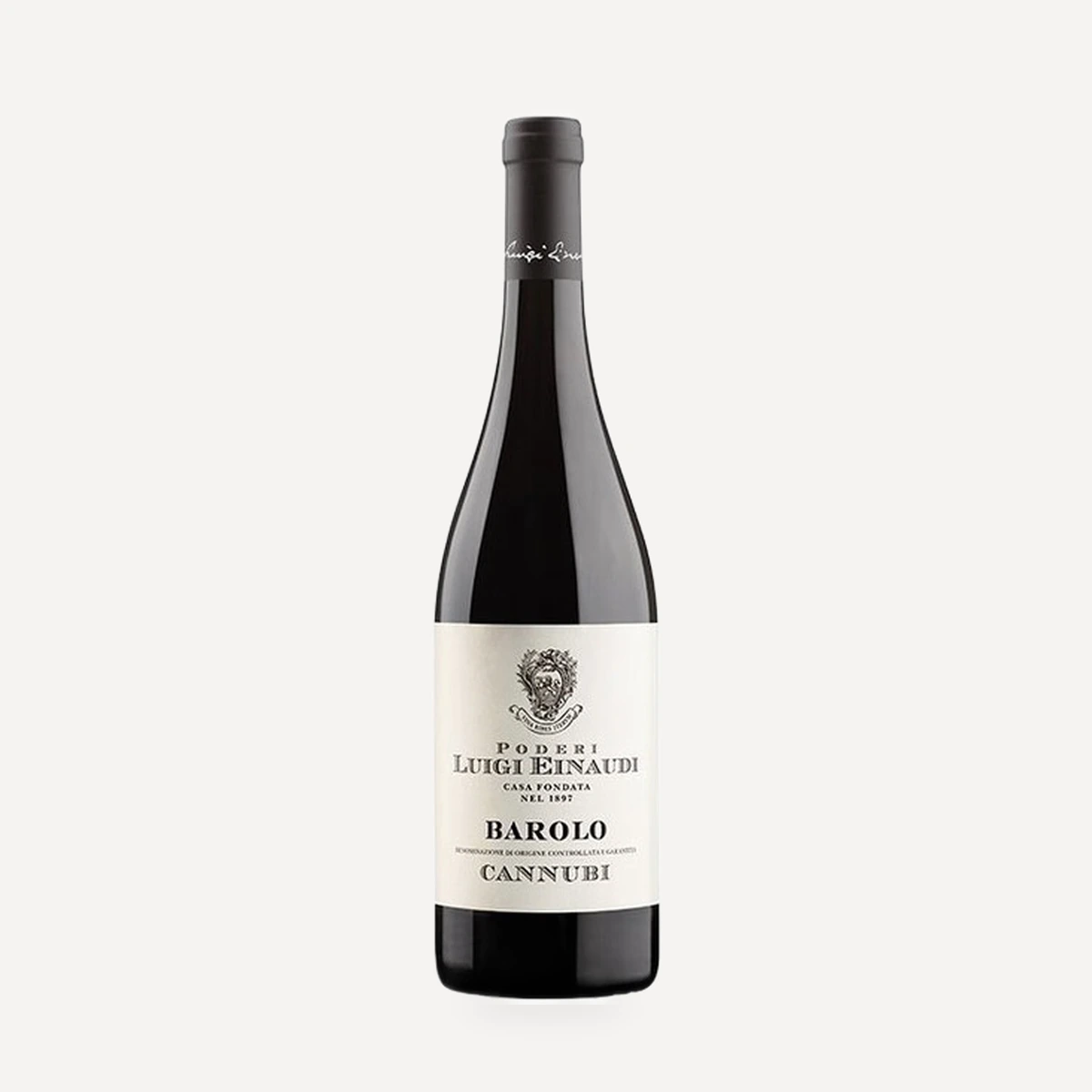
Barolo Cannubi DOCG
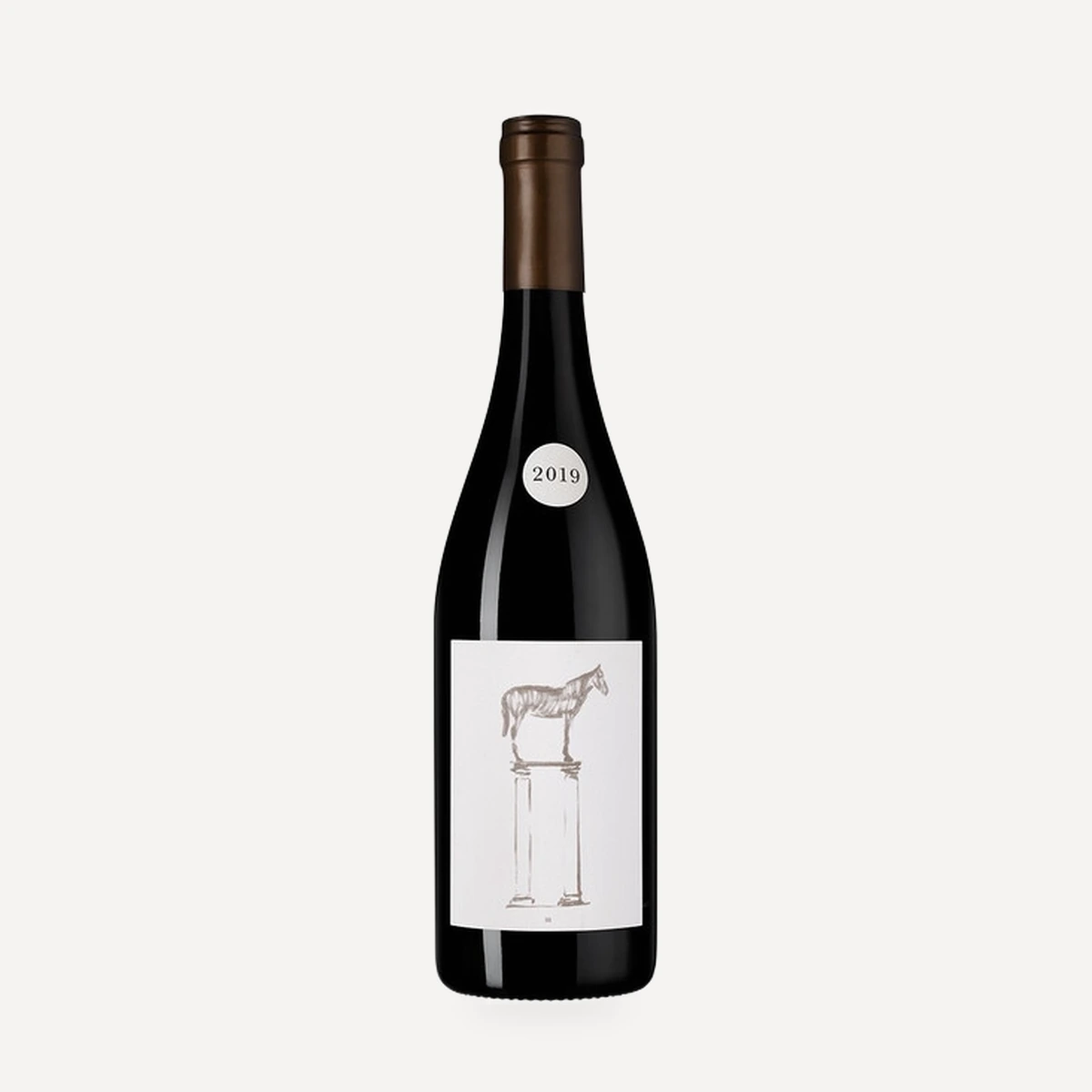
Barolo Monvigliero DOCG
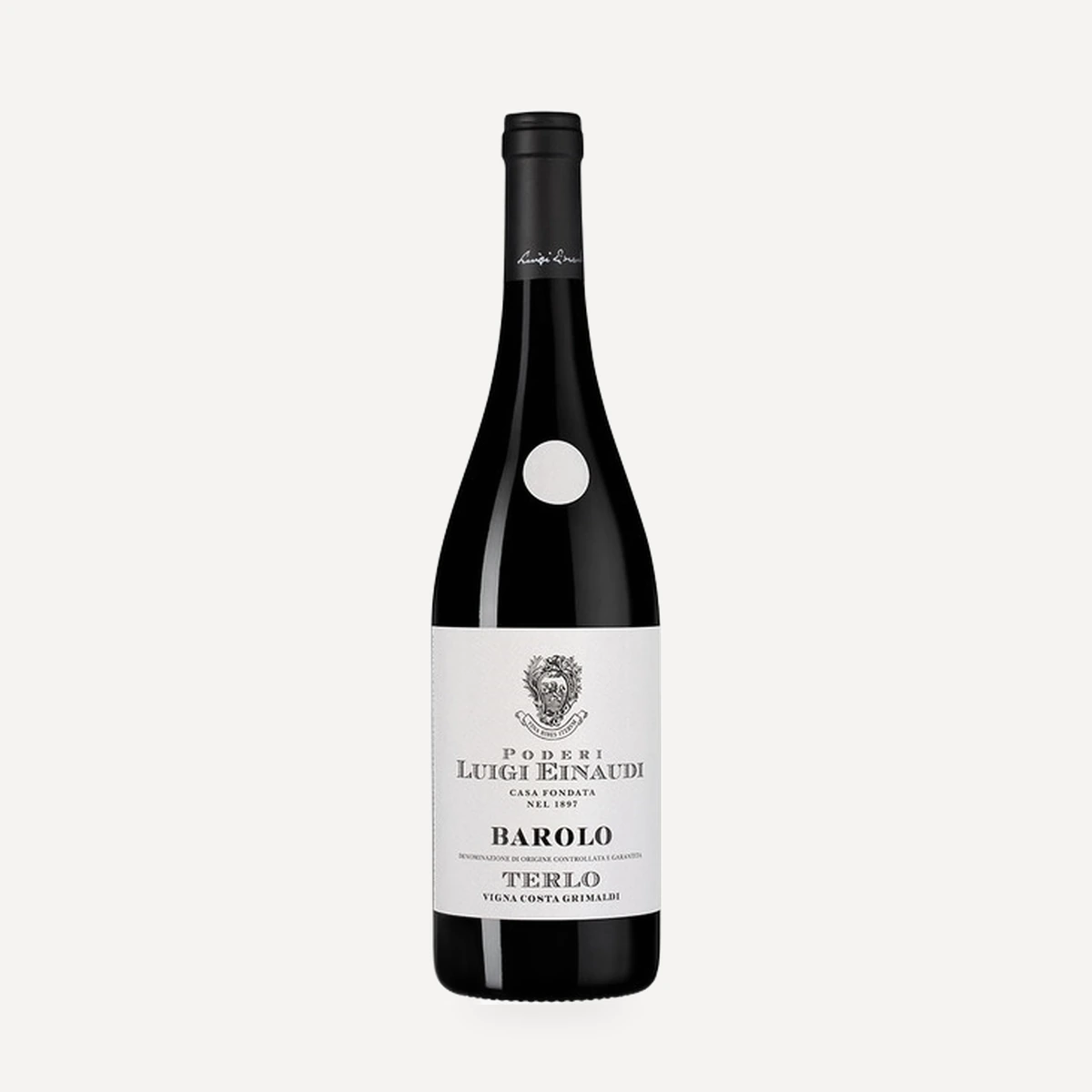
Barolo Costa Grimaldi DOCG
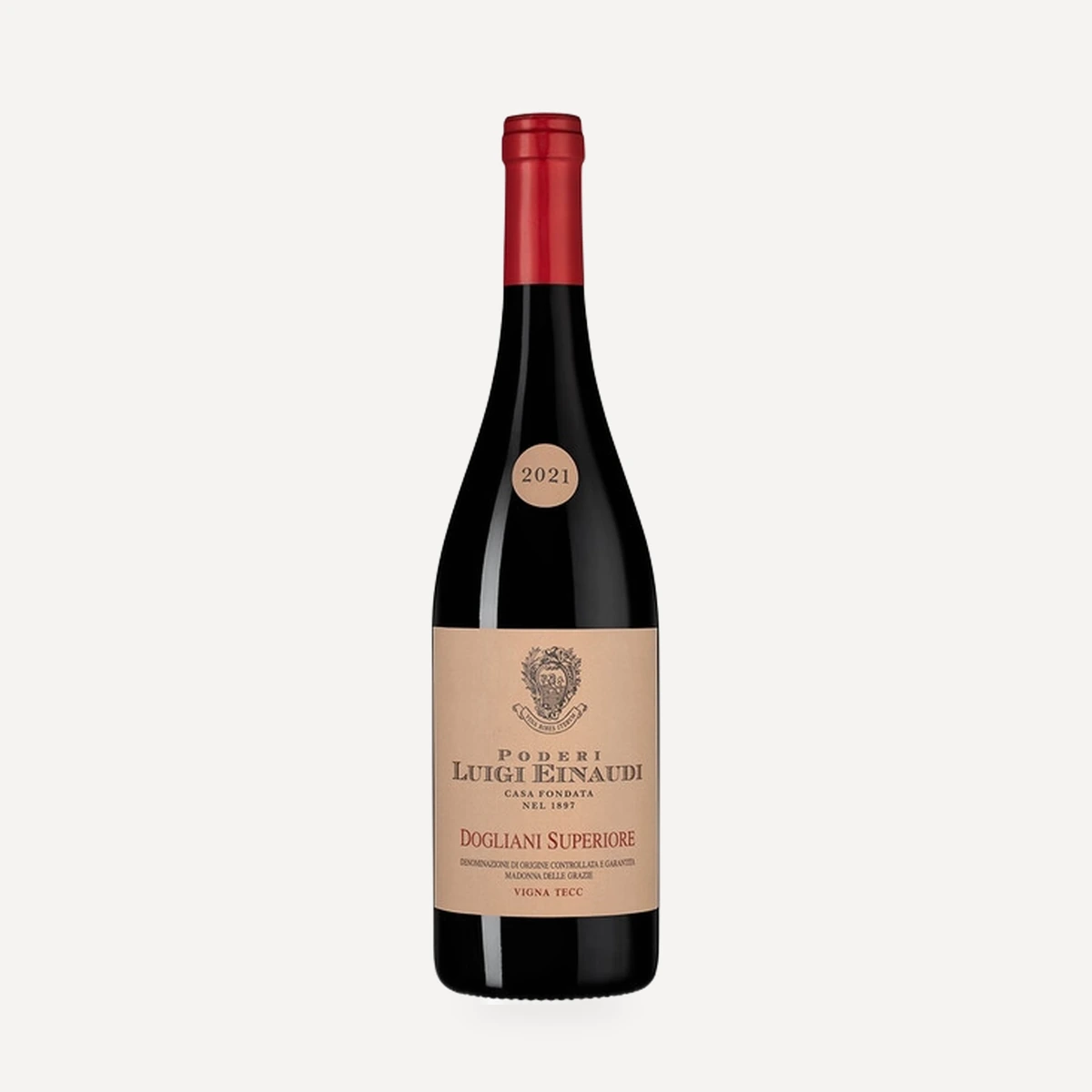
Dogliani Superiore Vigna Tecc DOCG
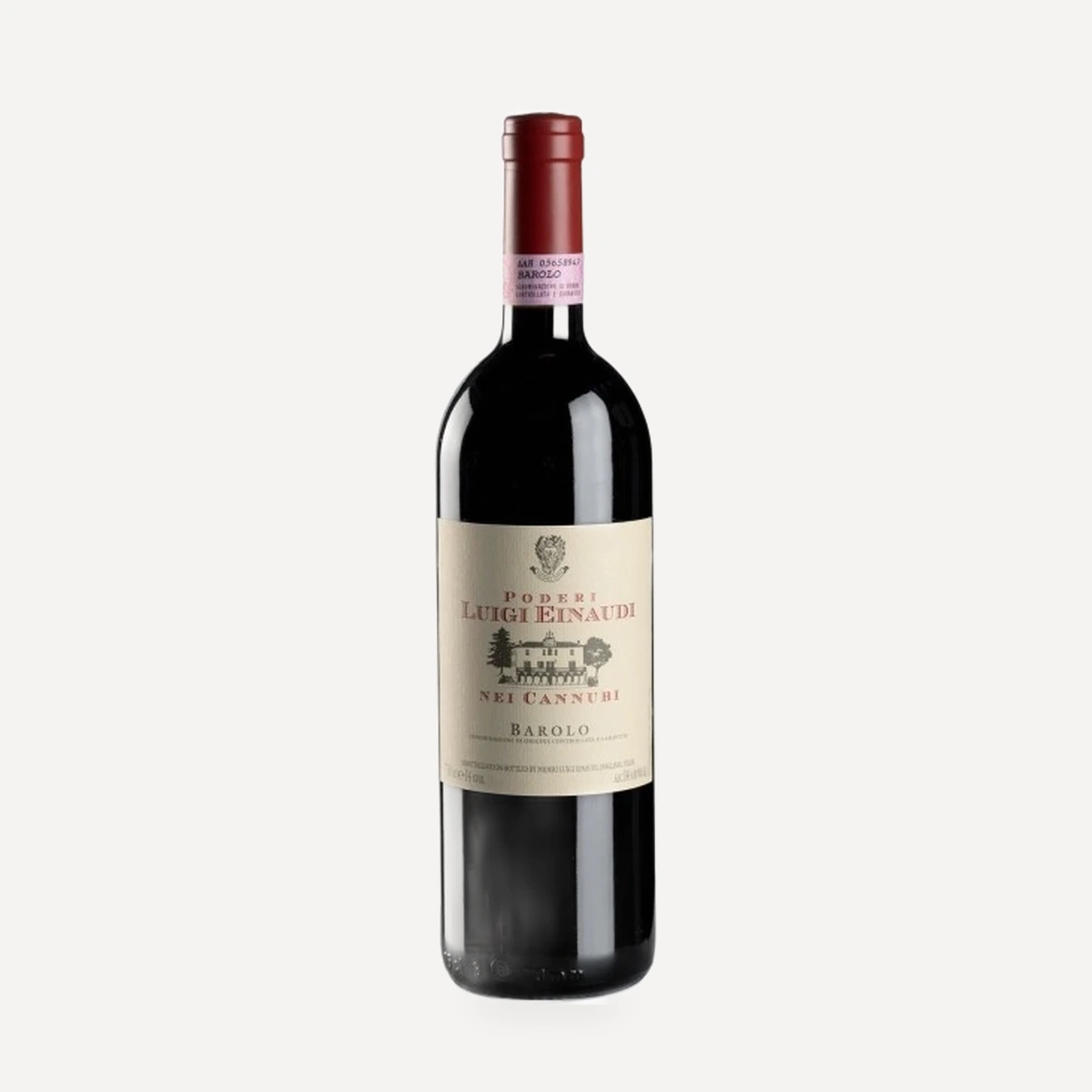
Barolo nei Cannubi
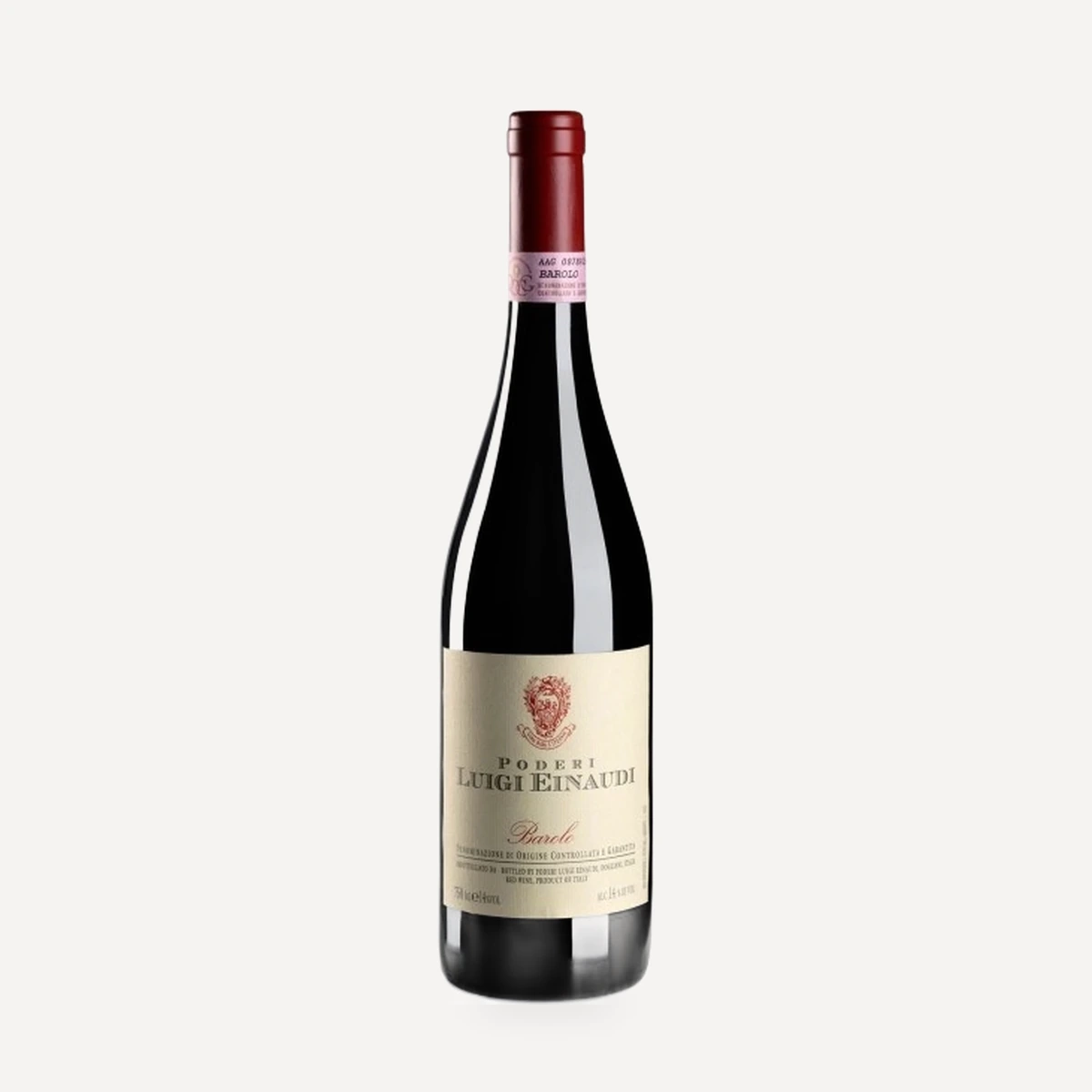
Barolo
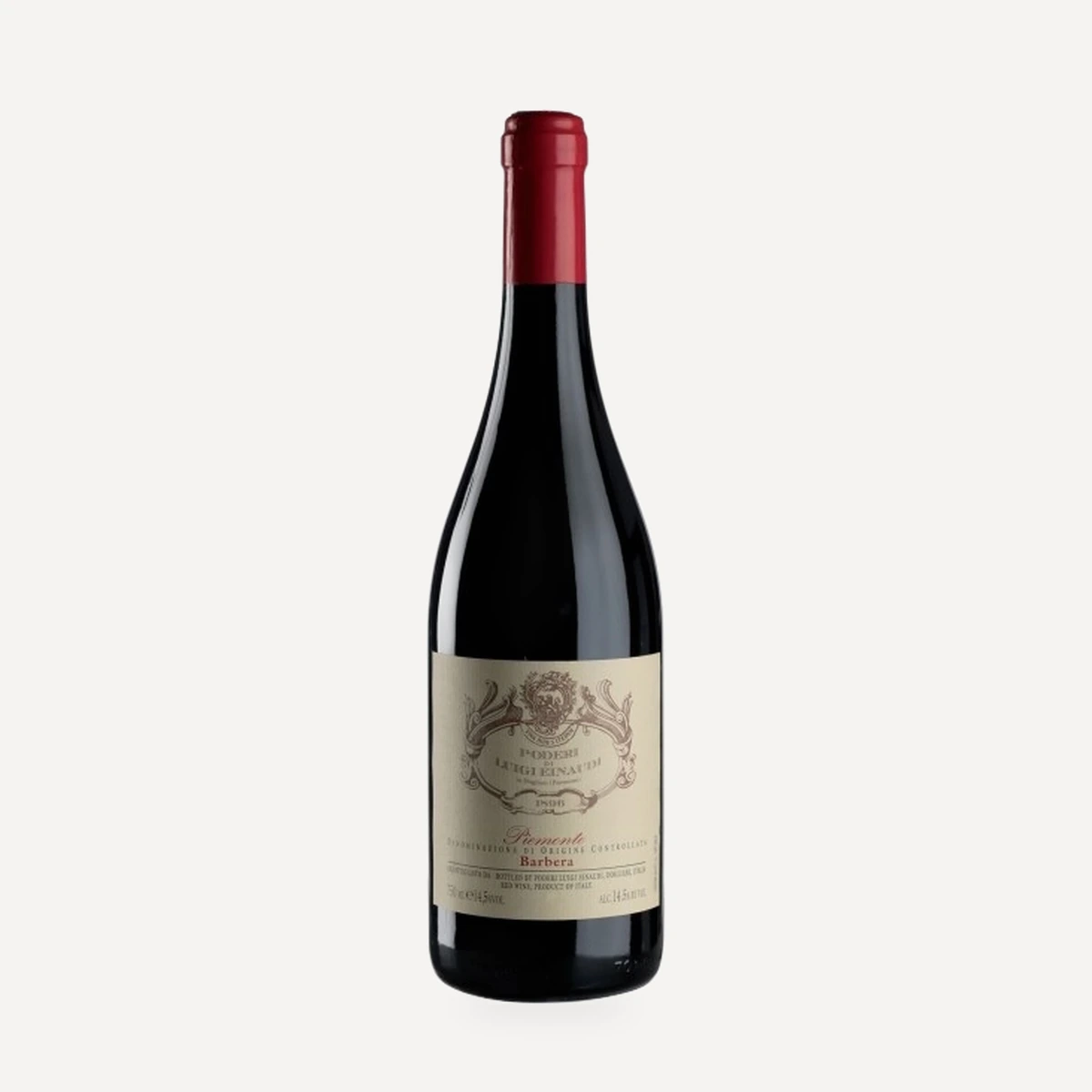
Barbera Piemonte DOC
Dogliani DOCG
Vigna Meira Langhe Bianco
Dolcetto di Dogliani DOC