Storia
1900–1960: the first Marziano and Celso
The first core of the family enterprise was created through the work of the first Marziano Abbona and his son Celso. Both were rooted in tradition but willing to take calculated risks. Celso was among the first members of his generation to invest seriously in the potential of Dogliani and in Dolcetto as the variety most closely associated with its hills.
Working with his family, Celso planted the Bricco Doriolo vineyard vine by vine in Santa Lucia di Dogliani. Doriolo became both the historical centre of the estate and the source of Papà Celso, the wine later dedicated to him.
1964–1980: conversion from mixed farming to winegrowing
Celso died in 1964. Control passed to his sons Marziano—named after his grandfather—and Enrico Abbona. During demanding years of transition, the brothers converted the traditional agricultural holding into a specialised winegrowing and winemaking business. They began bottling Dolcetto under the family name and continued investing in Dogliani land and vineyards.
Papà Celso entered production in the 1970s. A vintage dossier identifies 1975 as its first production year, while the family marked its thirtieth-vintage anniversary in 2007.
Early 1980s: expansion into Barolo territory
At a time when the commercial future of Barolo was still uncertain, Marziano and Enrico began acquiring land in Monforte d’Alba and Novello. Rather than buying indiscriminately, they selected individual positions, soils and historically respected sites. Their first choices included Ravera in Novello and Bricco Barone and Rinaldi in Monforte d’Alba. This parcel-by-parcel strategy preceded the formal prominence that the concept of cru would later acquire in the area.
1990s: new vineyards, Viognier and a generational transition
Marziano continued the search for Barolo sites, adding Pressenda in Monforte d’Alba and Cerviano in Novello. In 1996 the estate harvested Cinerino for the first time. The Langhe DOC Bianco was conceived after the Abbona family encountered Viognier in the Rhône Valley and Marziano sought to explore the variety on the family’s own hills.
Mara Abbona, Marziano’s daughter, entered the business in 1999 as the range was expanding and attracting international recognition. The same year, Enrico Abbona died after a serious illness. I Due Ricu was subsequently dedicated to him and to Marziano’s uncle, another Enrico; “Ricu” is a family nickname for Enrico.
By the end of the decade, the family had decided to bring every stage of production together in a new winery at Borgata San Luigi, among vineyards central to its history. The project adapted and enlarged the old Cascina Valle dell’Olmo while seeking to minimise its visual and environmental impact.
2004–2006: the San Luigi winery
Construction of the present winery began in 2004, and the building was inaugurated in 2006. Its production and ageing areas were placed underground, while the ancient farmhouse foundations and brick-vaulted cellars were retained. The building united all phases of winemaking in one location and deliberately connected the estate’s agricultural past with contemporary production facilities.
2007–2008: sparkling wines and the third generation
Between 2007 and 2008, the family began producing traditional-method sparkling wines from Chardonnay and Pinot Nero grown on the Dogliani hills. Zerosolfiti, a Langhe DOC Rosso blending Dolcetto, Barbera and Nebbiolo and made only in selected vintages, also represented the estate’s experimental side; its sulphite content was described as below 5 mg/L.
In 2007 the estate celebrated thirty vintages of Papà Celso. Chiara Abbona, Marziano’s younger daughter, joined in 2008 and began working alongside Mara and their father. The third generation also expanded digital communication, hospitality and guided visits as ways of connecting visitors directly with the family’s work.
2021: organic certification for Papà Celso
Papà Celso’s 2021 label carried organic certification for the first time. The Doriolo vineyard had already been managed according to those criteria for approximately twenty years before the certification was displayed.
Terroir
The 52 ha of directly owned vineyards extend through Dogliani, Monforte d’Alba and Novello. The main concentration lies between Santa Lucia and San Luigi in Dogliani, while the Barolo holdings extend north into Monforte d’Alba and Novello.
Dogliani
Dogliani vineyards lie broadly between 400 and 480 m above sea level and are described as medium-textured and clay-rich. Doriolo and San Luigi are the principal named sites. Doriolo occupies a southwest-facing slope, while San Luigi faces west to southwest. Both belong to the Miocene Tertiary Piedmont Basin and are associated with the Tortonian–Serravallian Lequio Formation, although their soil development differs markedly.
Doriolo contains grey calcareous marl with only thin, sporadic sandstone layers. Its deep red clay soil developed under former woodland with little erosion. San Luigi is shallower and more loamy, with marl emerging where erosion is strongest.
Monforte d’Alba
The Monforte vineyards lie approximately 5 km north of Dogliani. Rinaldi and Bricco Barone are planted on highly calcareous, shallow loam-clay soils with substantial sand and exposed marl. Pressenda, regarded as the qualitative centre of Castelletto, lies on Monforte’s western slope but has an easterly exposure. It occupies the boundary between Diano Sandstone and the Lequio Formation, with sandy marine deposits, Langhe Stone and fossils testifying to seabed origins.
Novello
The Novello holdings lie approximately 10 km northeast of Dogliani on the commune’s eastern slope. Ravera is the area’s most prominent cru, while Cerviano-Merli occupies the central section between Ravera and Sottocastello. Their Tortonian Sant’Agata Fossil Marl formed from mud and silt deposited in relatively calm, open marine conditions as the Tertiary Basin rose. Thick bluish marl with occasional thin sand layers produces pale, limestone-rich loam-clay soils. The slopes face southeast and average 25% gradient.
Vinificazione
The estate follows a sustainable management programme intended to reduce intervention and protect both the surrounding environment and vineyard workers. Synthetic treatments are kept to the lowest possible number. Cover crops are maintained between the rows, systemic pesticides are prohibited, and herbicides are being progressively phased out.
Vineyard work and harvesting are performed by hand using methods transmitted through the family. Some vines are as old as 60 years. The named parcels are Guyot trained at a density of 5,000 vines/ha, with stated yields ranging from 55 quintals/ha at Cerviano to 90 quintals/ha at San Luigi.
The vineyards are divided into qualitative parcels using microclimate, position and geology. Fruit from the highest and best-ranked sections is reserved for cru bottlings, while fruit from other sections contributes to the more broadly based wines.
The Doriolo vineyard connected with Papà Celso had been managed according to organic criteria for approximately twenty years when organic certification first appeared on the wine’s 2021 label.
The present winery at Borgata San Luigi was built from 2004 and inaugurated in 2006 on the foundations of Cascina Valle dell’Olmo. It was designed to contain every phase of wine production in one place while limiting its impact on the hills.
The contemporary winemaking and ageing rooms are completely underground. The sections that emerge above ground are grass-covered and finished with Langhe stone. Older brick-vaulted cellars from the farmhouse were preserved and converted in part into a tasting room.
During reconstruction, an aquifer was discovered beneath the barrel room. It was retained as part of the building and functions as a natural cooling system, helping maintain a constant temperature in the underground spaces.
Filosofia
Marziano Abbona defines the estate’s identity through traditional wines and argues that an affecting wine should communicate its own history. The vineyard, the hills of the Langhe and the particular relationship between Dogliani and Dolcetto remain central to that identity.
The family presents tradition and experimentation as complementary rather than opposing forces: knowledge of its roots is paired with the willingness to pursue new vineyards, varieties, sparkling-wine projects and technical solutions. Its stated standard is artisanal work and uncompromising quality.
Chiara Abbona frames the objective as expressing the best the family’s land can give rather than making wines to attract favourable reviews. Respect for the soil, rigorous work and pride in local roots are treated as Celso’s principal inheritance.
The estate also emphasises vintage rediscovery, curiosity about new refinements and the individual character of each wine. Environmental choices in both vineyard and winery—reduced treatments, non-invasive practices, underground production rooms and natural temperature control—extend this focus on the relationship between work and place.
Vini
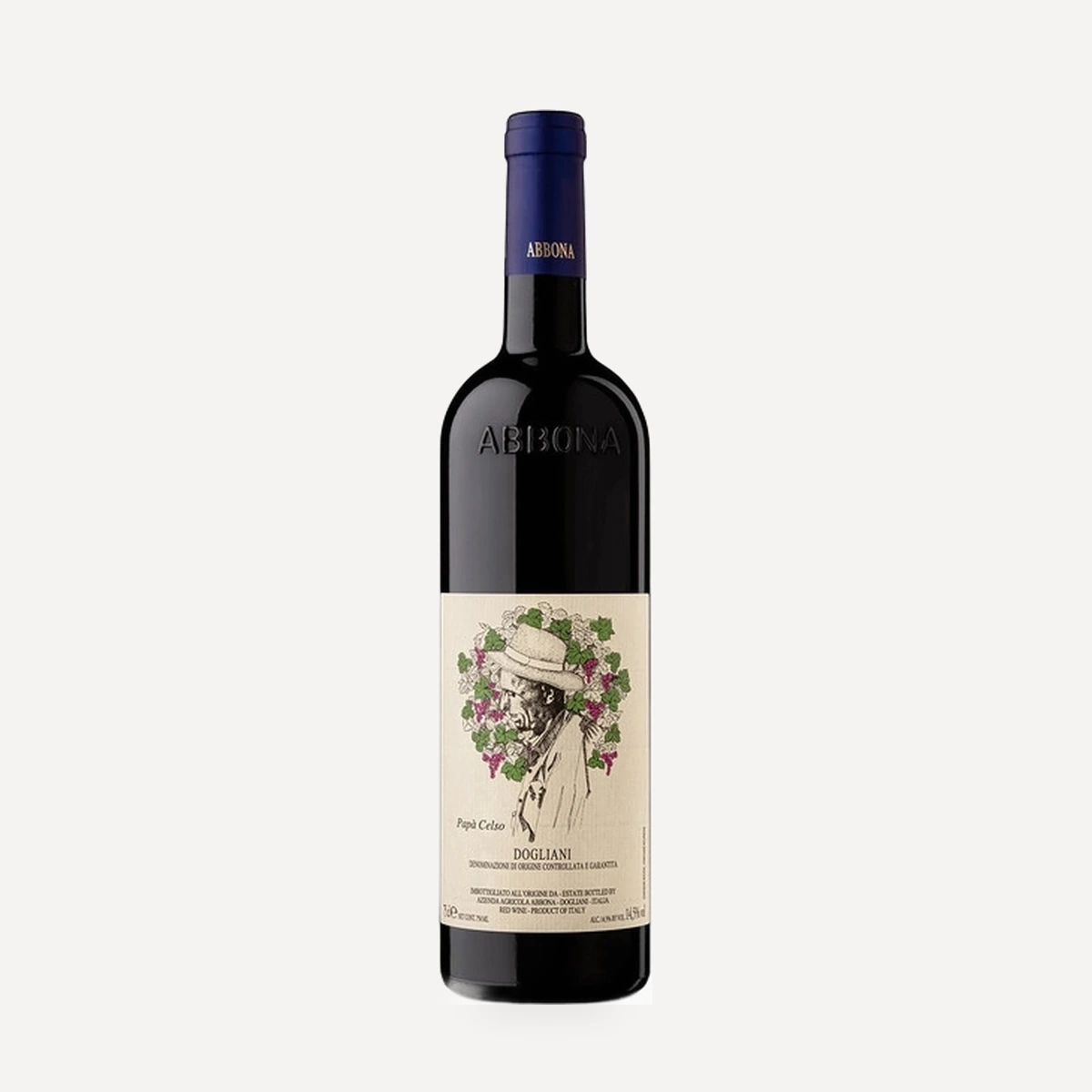
Dogliani Papà Celso DOCG
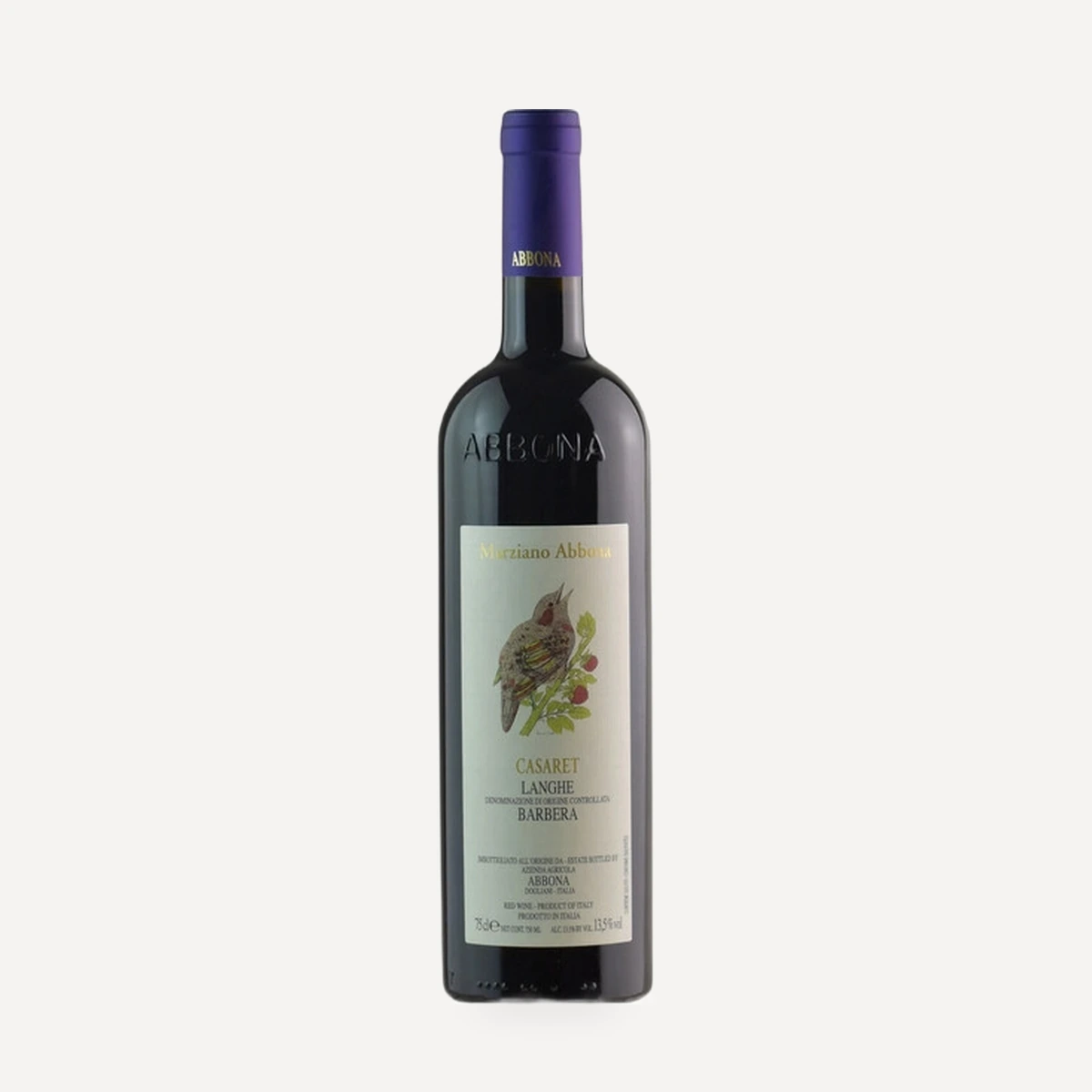
Langhe Barbera Casaret DOC
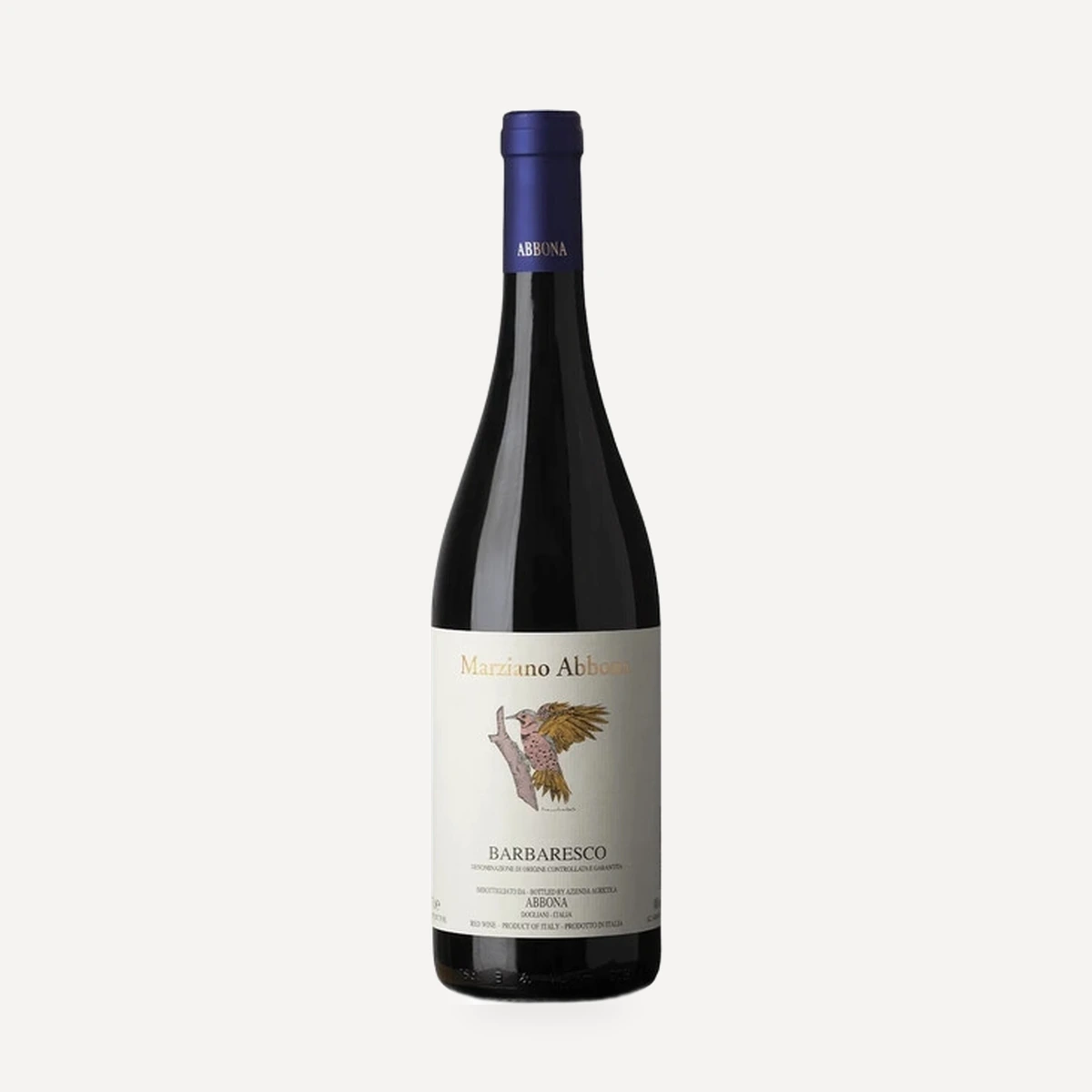
Barbaresco DOCG
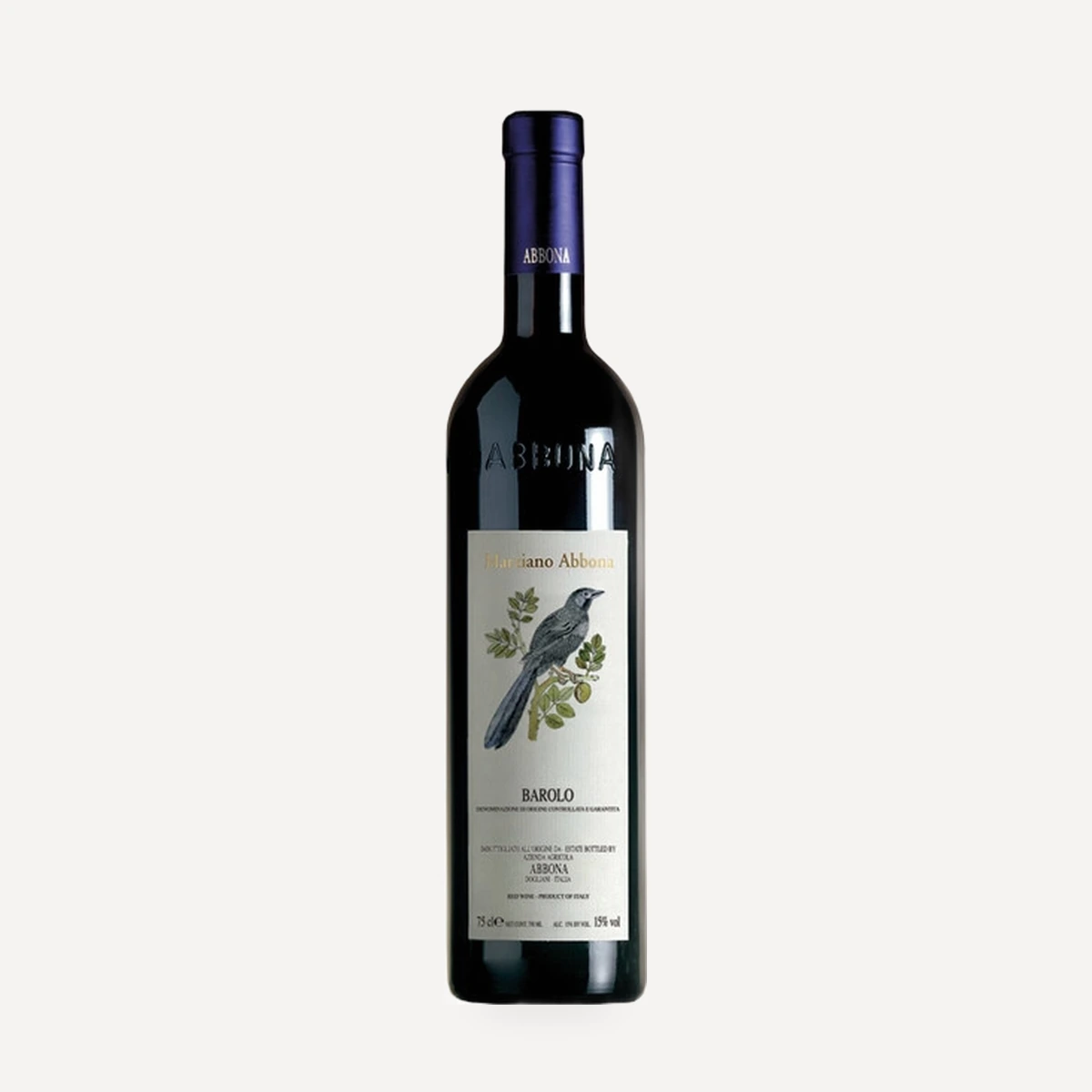
Barolo DOCG
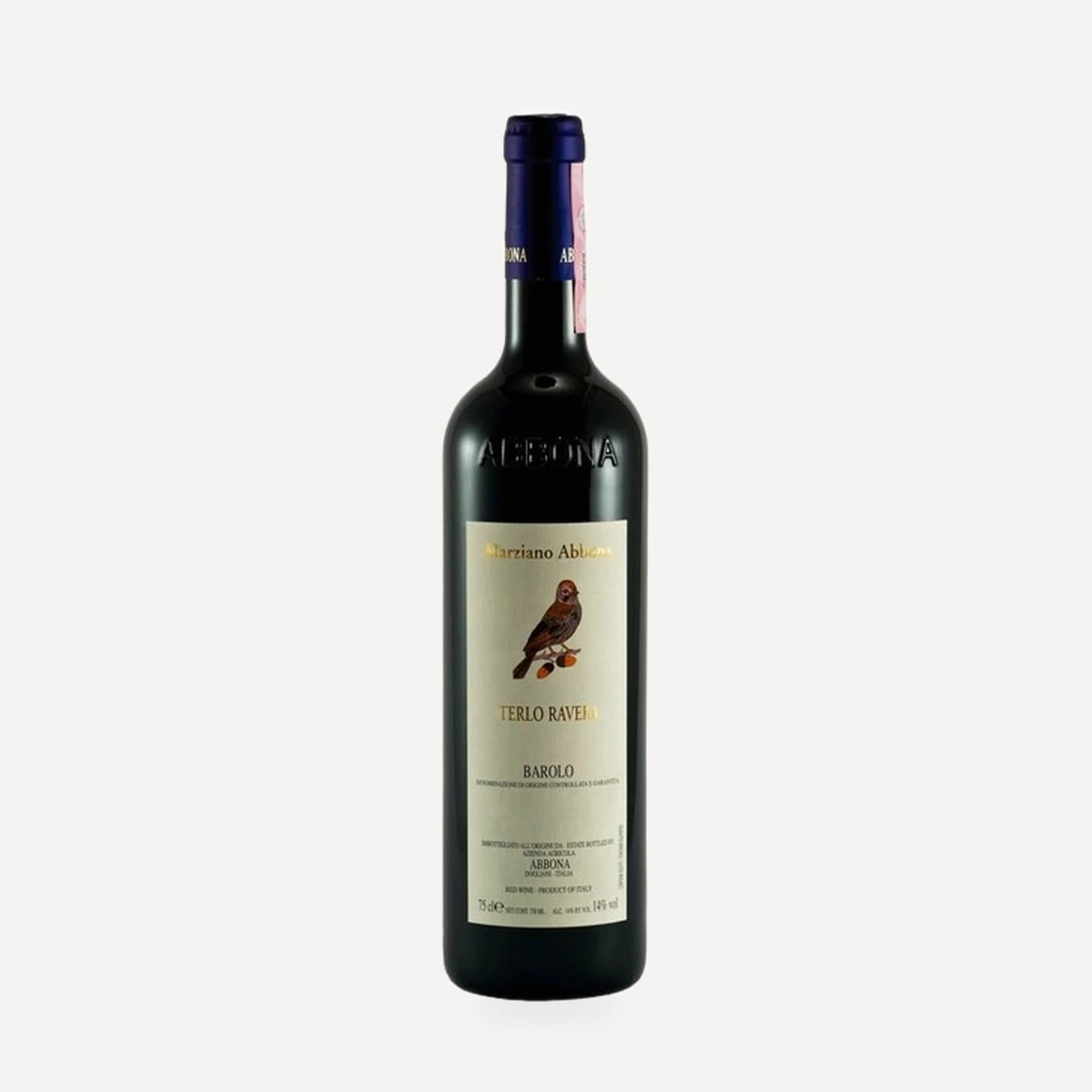
Barolo Ravera DOCG
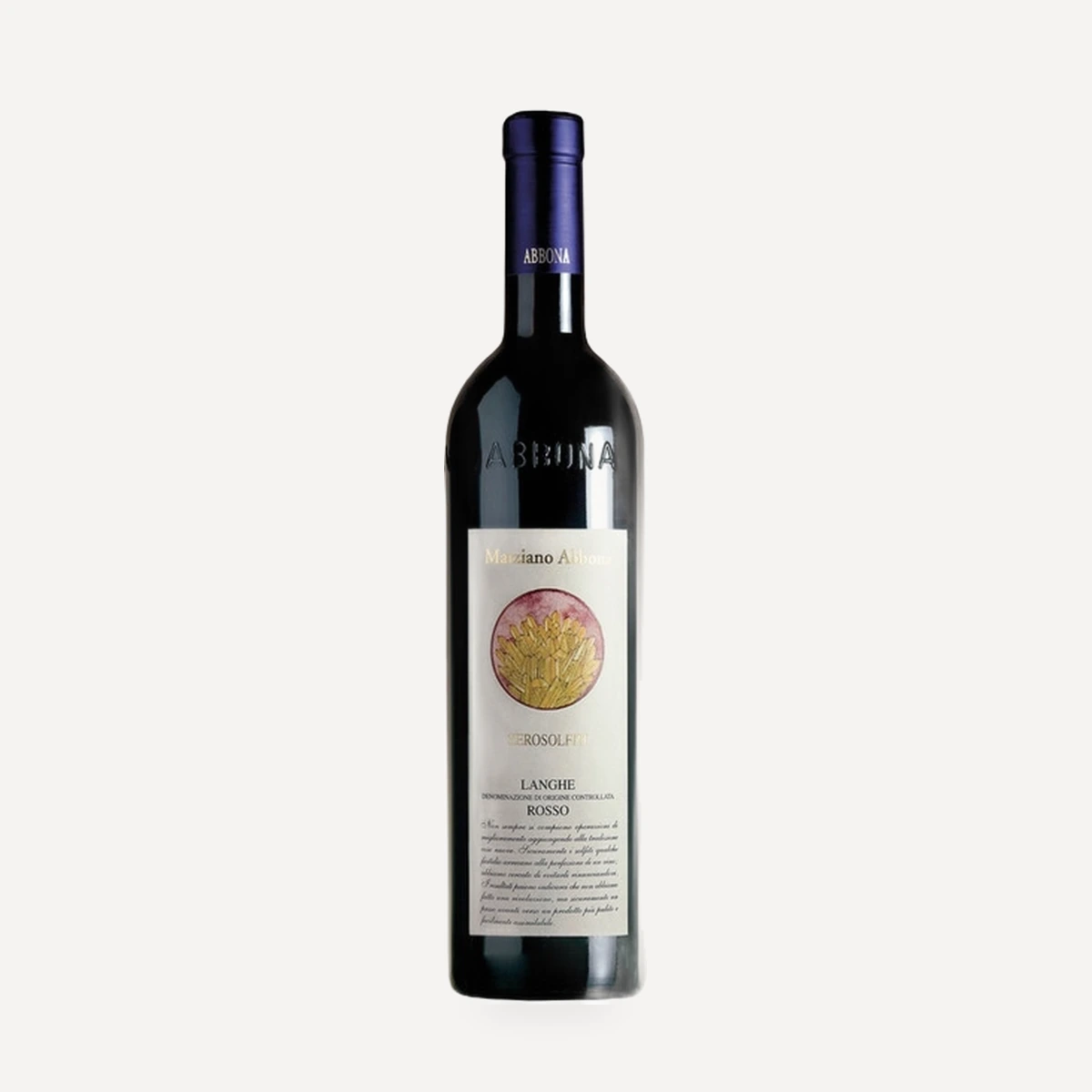
Langhe Rosso Zerosolfiti DOC
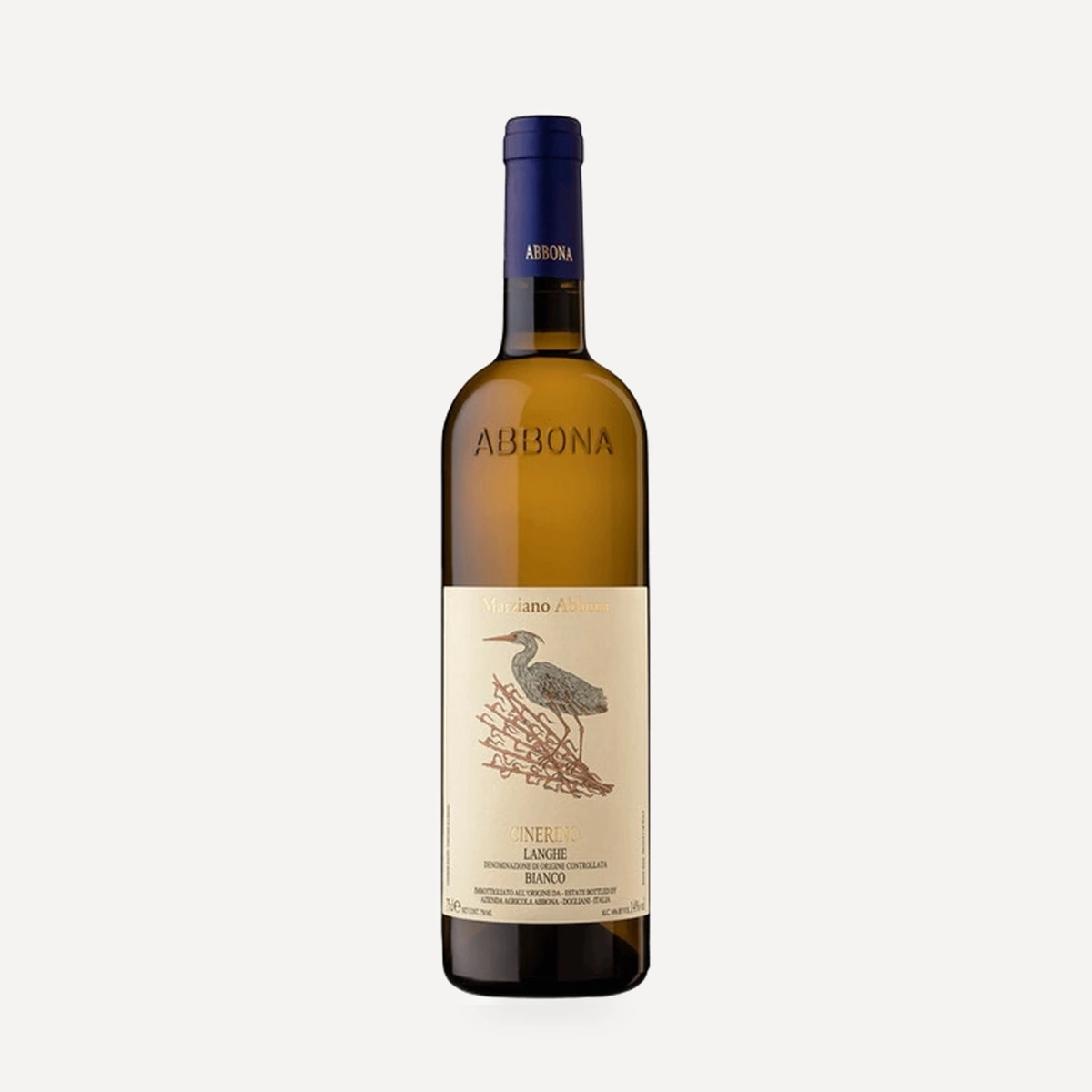
Langhe Bianco Cinerino DOC
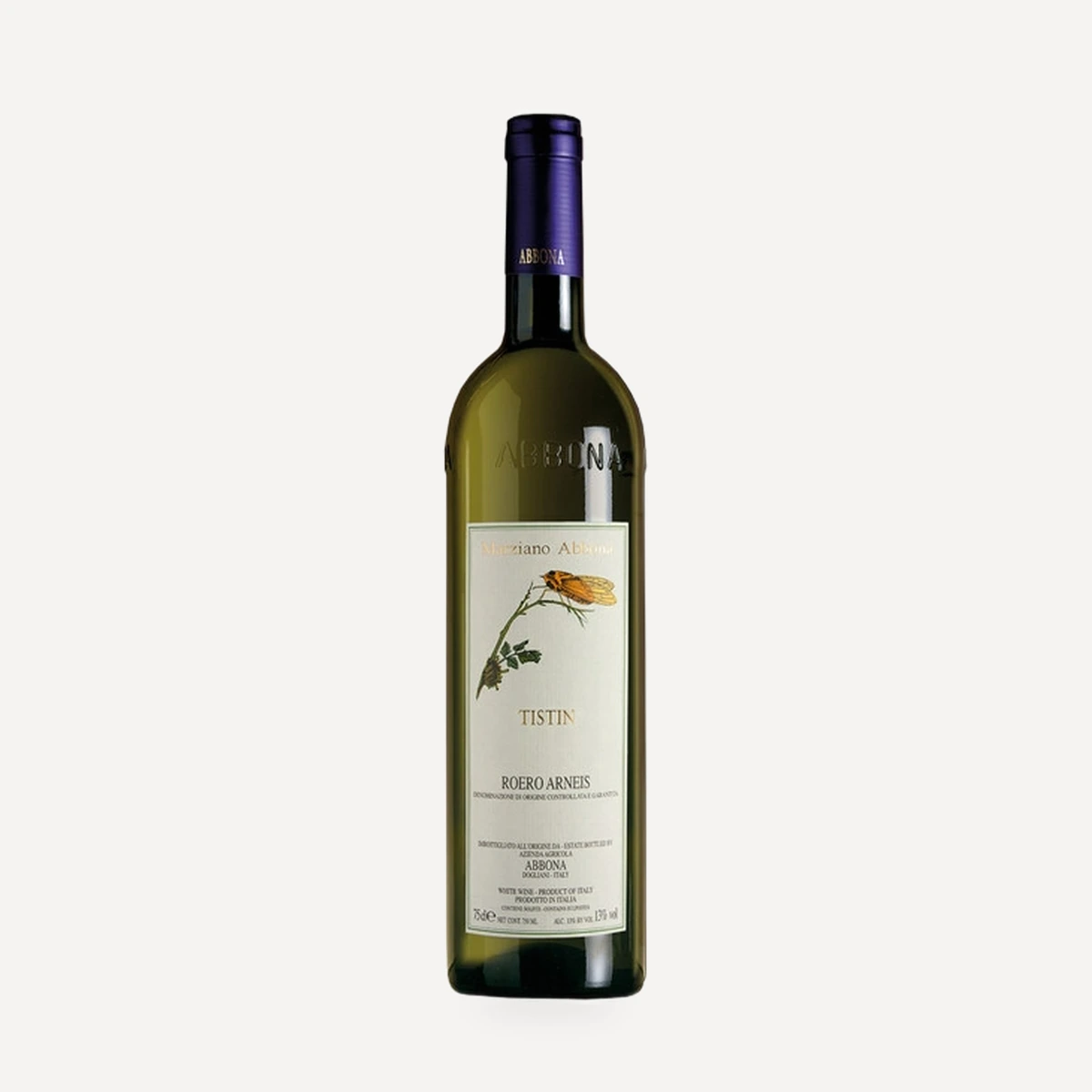
Roero Arneis Tistin DOCG
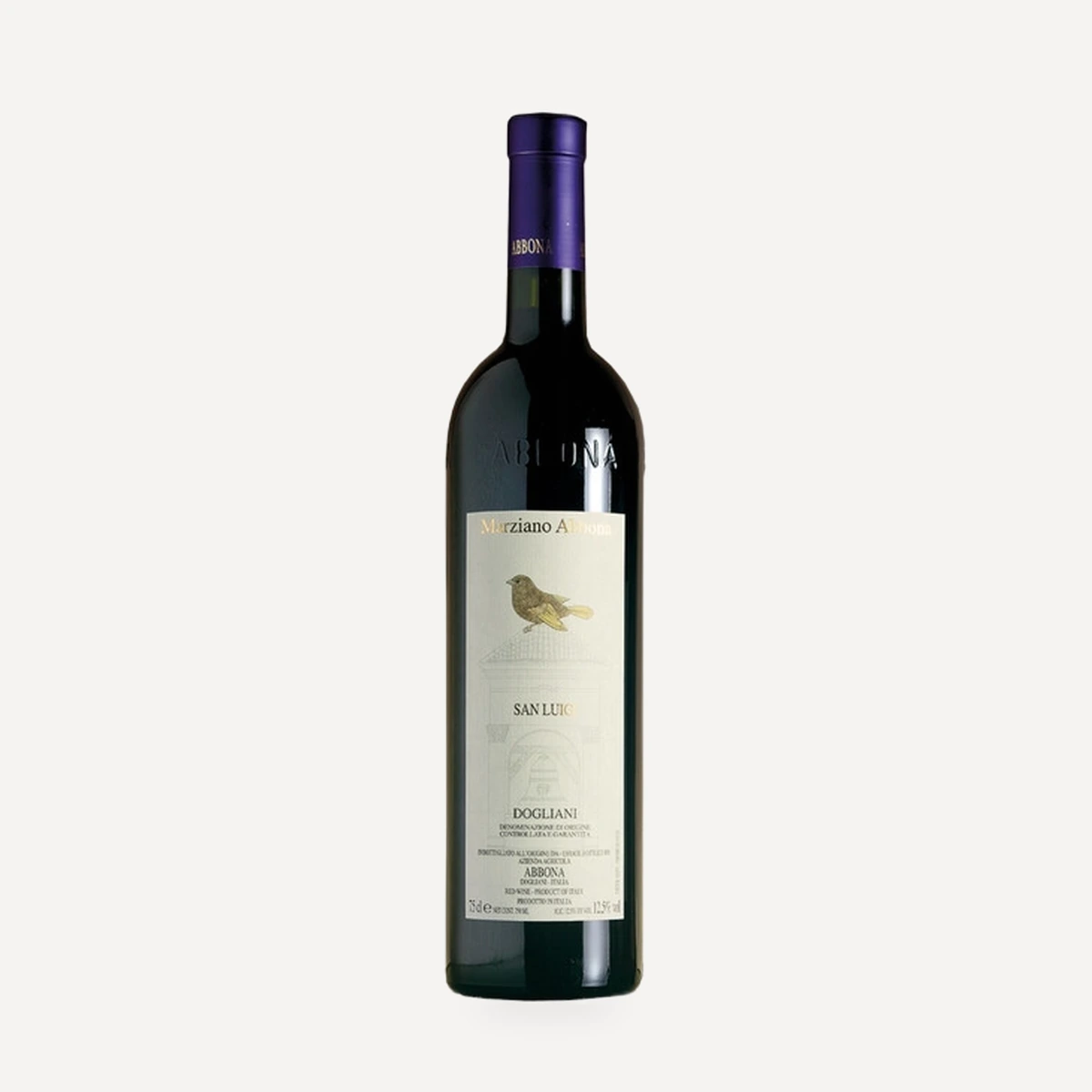
Dogliani San Luigi DOCG
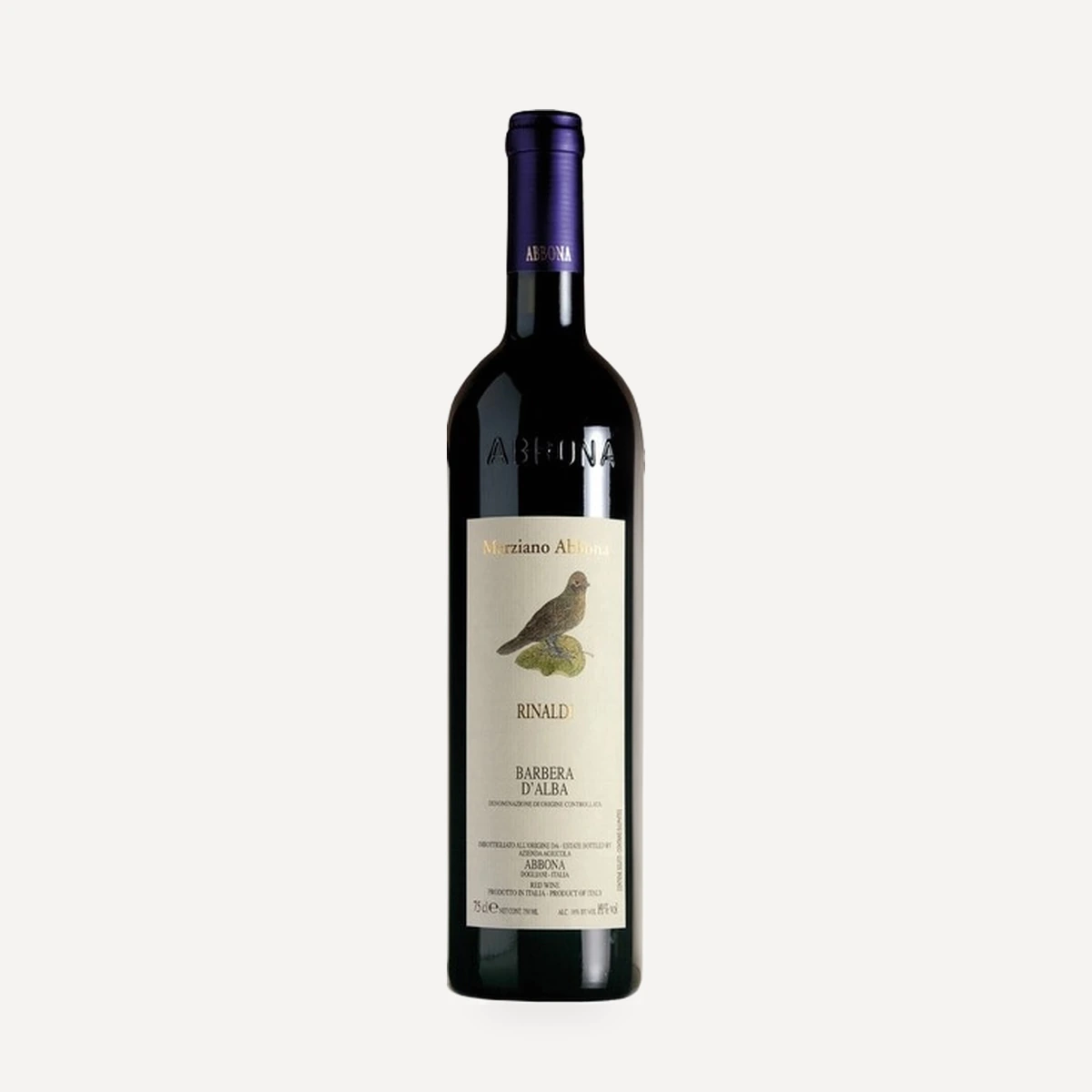
Barbera d’Alba Rinaldi DOC
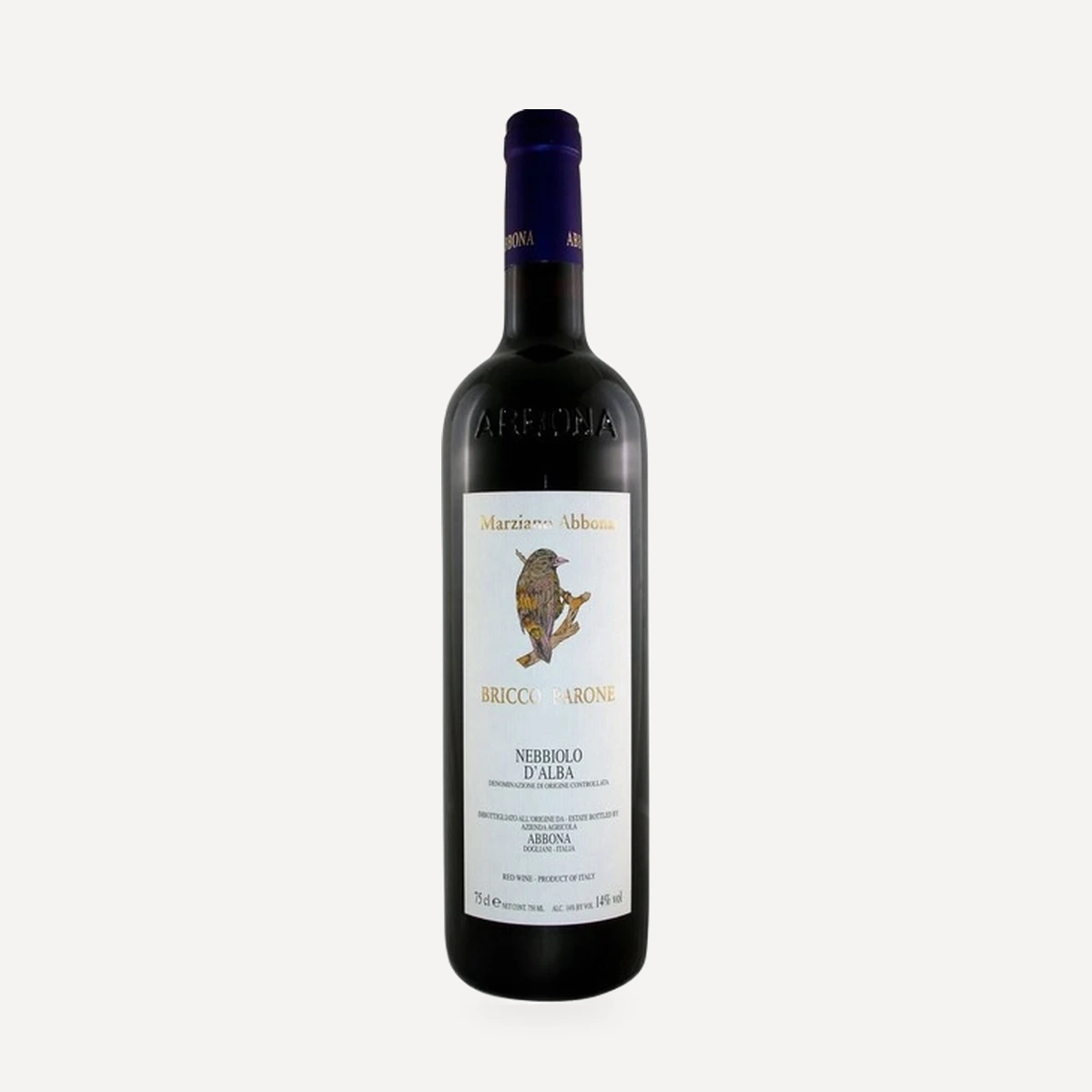
Nebbiolo d’Alba Bricco Barone DOC
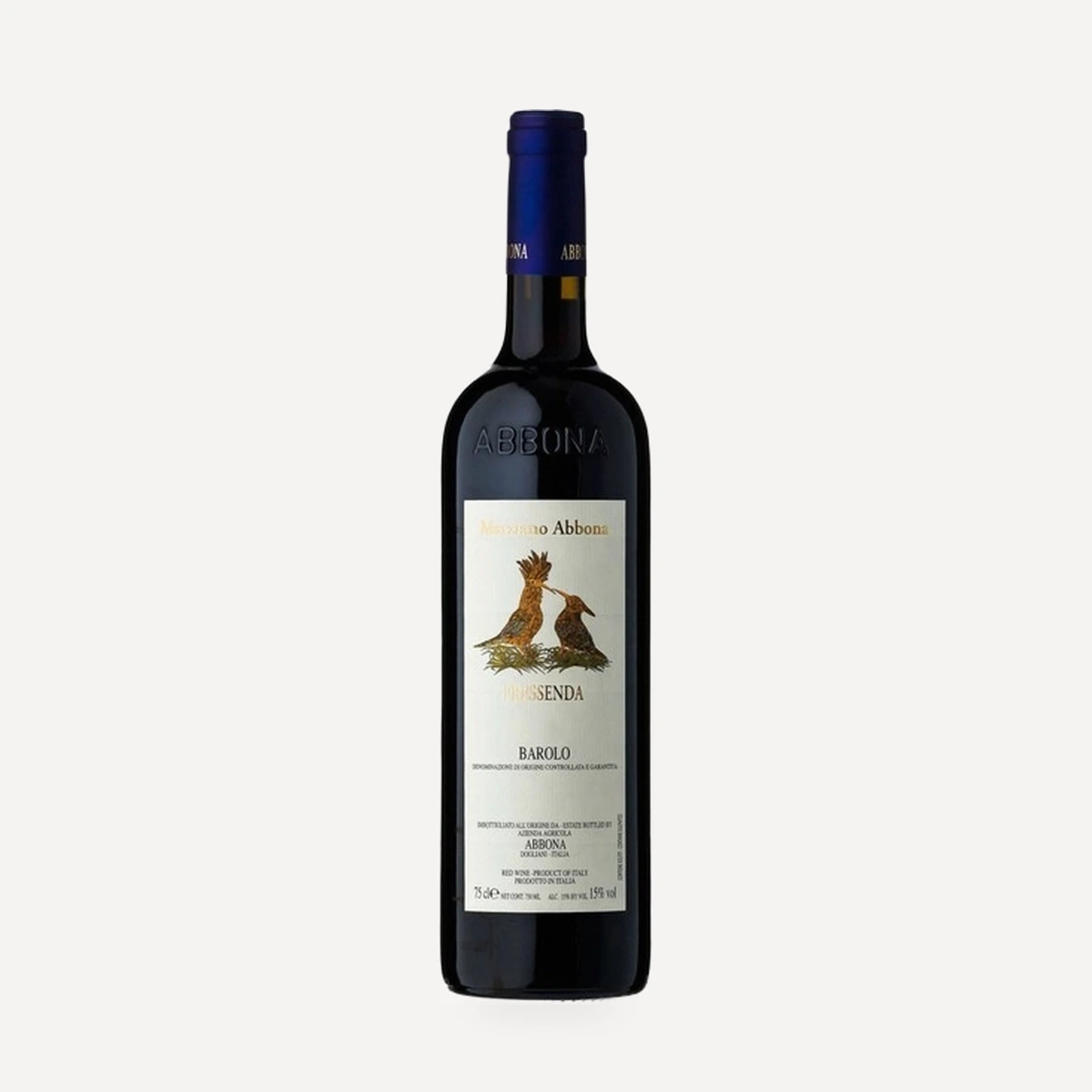
Barolo Pressenda DOCG