Storia
Inspiration and the search for a site
Georg Weber’s interest in fine wine began while he was studying in Lausanne. A paternal friend offered him a glass of 1966 Château Latour, whose complexity opened an unfamiliar world to him and eventually inspired his move from entrepreneurship into winegrowing.
Around the turn of the millennium, Weber travelled through Burgundy, Bordeaux, Napa Valley and New Zealand while pursuing his interest in wine. A visit to Maremma, then still relatively little known as a winegrowing area, convinced him that he wanted to establish an estate there. At the foot of Capalbio, he encountered grain-covered slopes descending toward the Tyrrhenian Sea, a mild maritime breeze and the scents of Mediterranean scrub. Microclimate records and soil analysis subsequently confirmed the potential he had perceived: iron-rich red clay lay beneath the fields, interspersed with stones that provided natural drainage.
Michel Rolland, drawing on his experience with coastal vineyards, encouraged the young Weber to commit to southern Maremma. From the beginning, Weber also sought exchanges with internationally experienced wine professionals and soil specialists.
2003: the estate takes shape
Georg Weber became a winegrower in 2003, the founding year of the Monteverro project. That year the old olive grove among the vineyards was also brought back into cultivation to reinforce the estate’s biodiversity. New trees of the Tuscan cultivars Frantoiano, Leccino, Moraiolo and Pendolino were planted, while existing trees—including specimens more than a century old—were grafted and returned to production.
The estate’s name reflects its setting. Verro is the historic regional term for a wild boar, an animal long associated with the Mediterranean scrub around Capalbio. The name Verruzzo, later used for one of the estate’s wines, is an affectionate diminutive meaning a small or young wild boar.
Construction and vineyard development
Monteverro was developed as a roughly 60-hectare estate spread across three hills. Only 35 hectares were planted with vines, with the remainder retained as olive groves and Mediterranean scrub rather than converted to monoculture. Approximately 27 hectares of the planted vineyard were subsequently described as being in production.
The winery was partly embedded in the hillside to benefit from natural cooling. Its low buildings, red-earth-coloured exterior and use of regional materials were intended to subordinate the architecture to the landscape. The production layout was designed around gravity and an automated crane so that grapes and wine could move through the cellar without pumps.
2008: first harvest
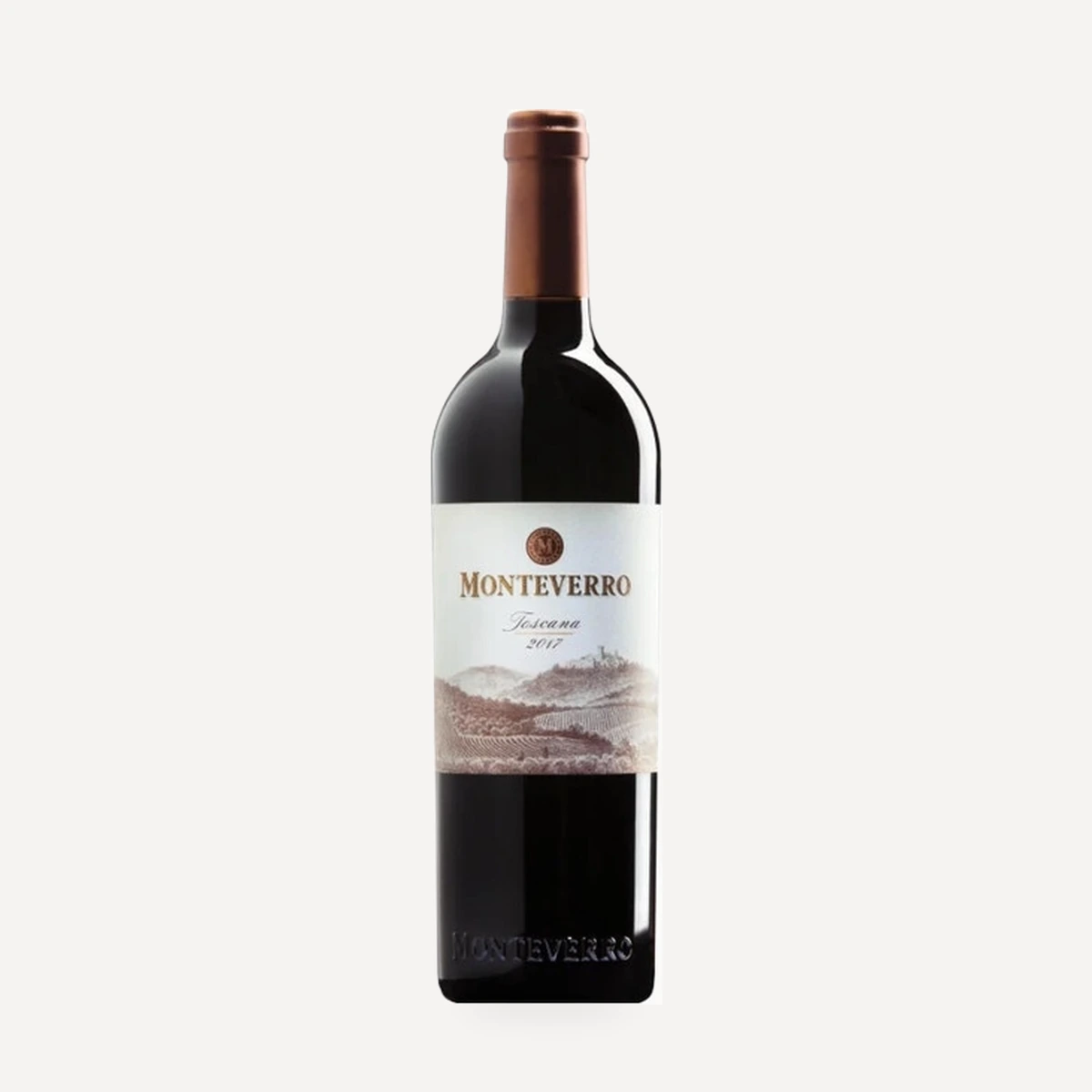
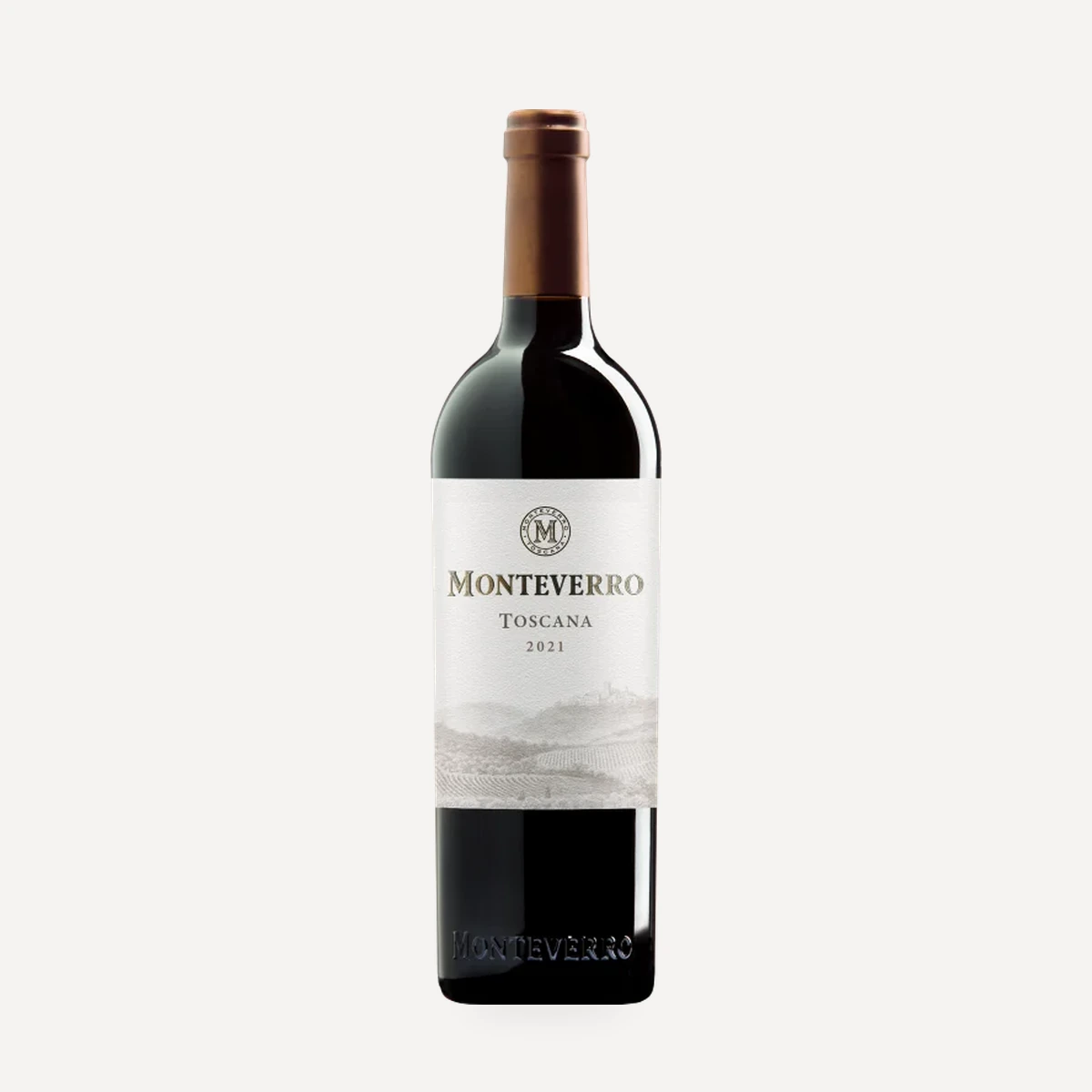
Monteverro’s first harvest took place in 2008. Oenologist Matthieu Taunay has lived in Tuscany since that vintage and assumed responsibility for the daily work in both vineyard and cellar. The 2008 vintage also became the debut vintage of the flagship Monteverro wine. Beginning with that vintage, the name MONTEVERRO was embossed into every 750 ml bottle of the flagship wine.
Quality-control and authentication milestones
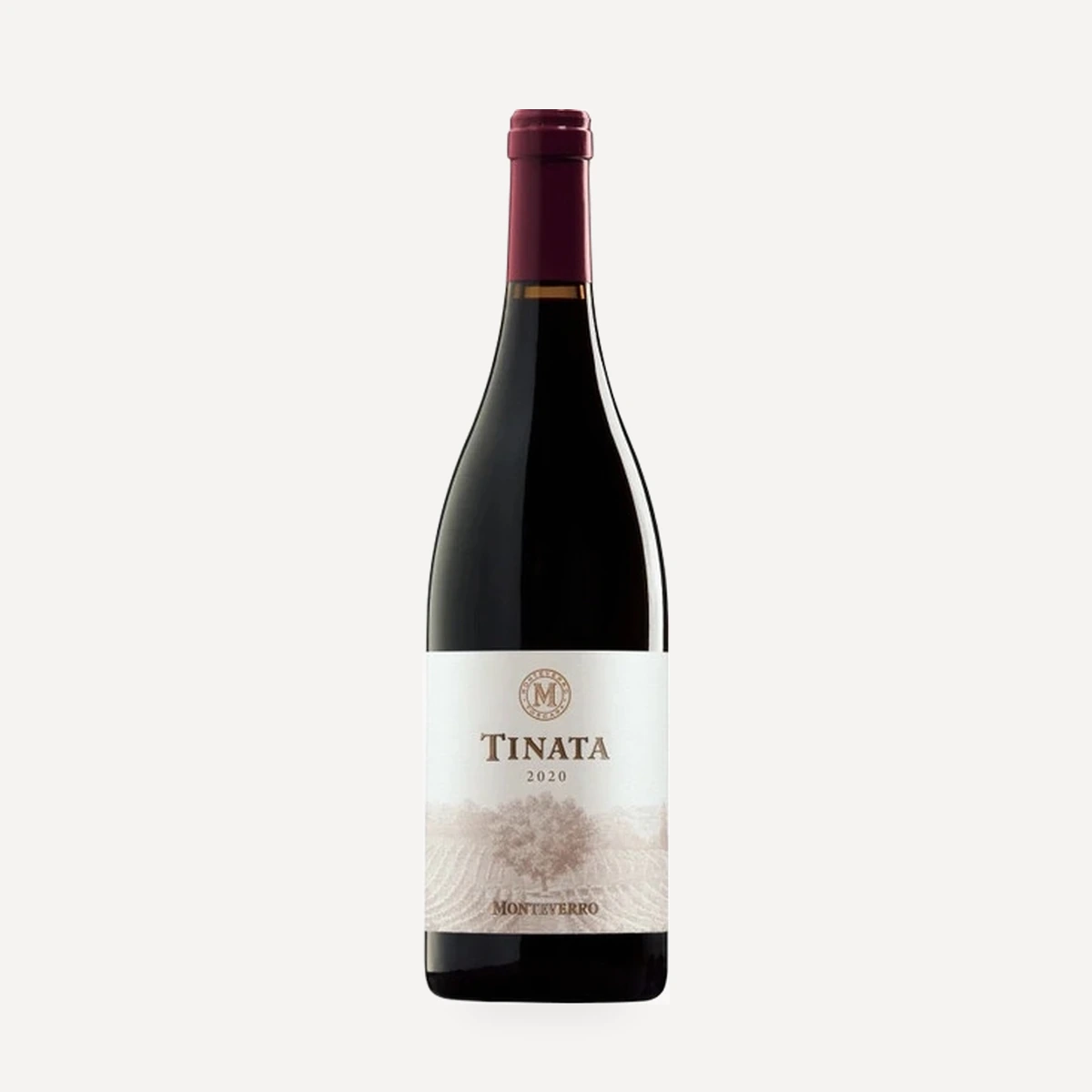
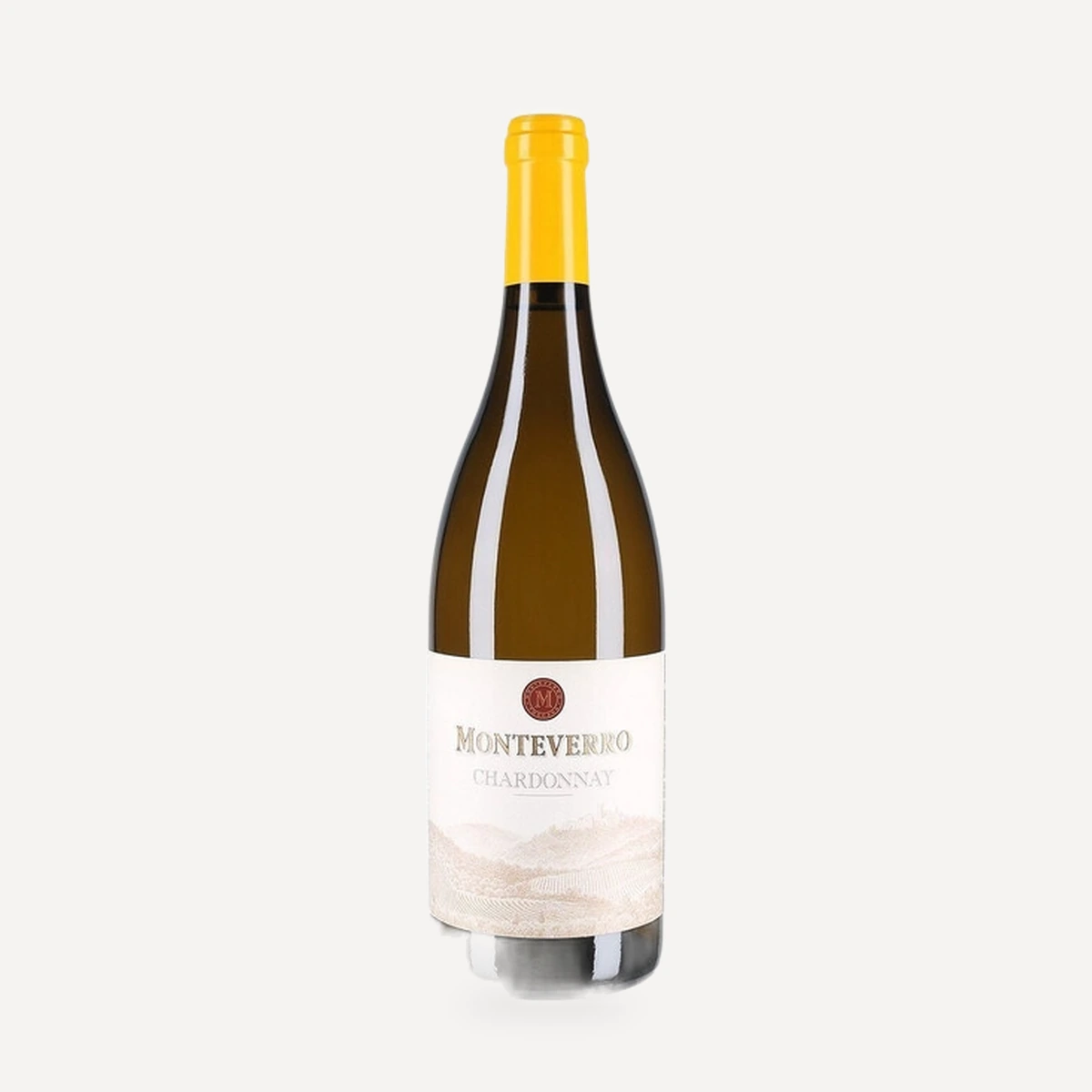
Beginning with the 2010 Monteverro vintage, flagship bottles received a patented authenticity seal incorporating a unique Bubble-Tag, an alphanumeric identifier and a QR code. Tinata received the same protection beginning with the 2012 vintage, followed by Monteverro Chardonnay with the 2013 vintage. The seal is fixed to the capsule before a bottle leaves the cellar and cannot be removed intact.
Grappa production began with the 2012 vintage, using selected estate-grown Merlot, Cabernet Sauvignon and Cabernet Franc pomace.
From the 2016 vintage, the natural corks used for Monteverro, Tinata and Chardonnay have undergone individual screening intended to eliminate organoleptic defects, including contamination by TCA-related compounds.
Present-day management
Monteverro is now the joint project of Julia and Georg Weber. Matthieu Taunay directs the daily vineyard and cellar work, while Andreas Comploj serves as Managing Director and Head of Sales. The core team maintains regular exchanges with international specialists including Michel Rolland and Jean Hoefliger, while the estate’s soil work has benefited from collaboration with Lydia and Claude Bourguignon.
Terroir
Position and landscape
Monteverro stands at the foot of the medieval town of Capalbio, on the southern edge of Tuscany in Maremma. The approximately 60-hectare estate extends across three hills at elevations of 30–80 metres above sea level. The vineyards lie about 5 kilometres from the Tyrrhenian Sea, with Monte Argentario visible to the west and the Lazio border approximately 10 kilometres to the southeast.
The slopes descend toward the coast within a small bay. Above and north of the vineyards, Mediterranean scrub extends for several kilometres. Its evergreen vegetation includes lavender, broom, myrtle, rockrose, rosemary, thyme, wild flowers, grasses and shrubs. The estate also contains olive groves and a natural lake or pond surrounded by old cork oaks.
Soils and drainage
The soils are dominated by conspicuously red clay rich in iron and minerals, layered and interspersed with eroded stones and limestone. The stones provide natural drainage, supplemented by an intensive underground drainage system that removes excess water. These conditions encourage the vines to send their roots deep into the soil.
Clay stores moisture during the frequently rainy winter months, creating a reserve available to the deep roots through the hot summer. A naturally formed wall of red earth and stone, approximately 50 centimetres high and overgrown with Mediterranean scrub, exposes the estate’s soil profile beside a path leading to a viewpoint above the vineyards.
Maritime microclimate
The proximity of the Tyrrhenian Sea creates a constant breeze throughout the year. It moderates the climate, cools the vineyards even during hot August nights and contributes a saline character to the wines. Warm, sunlit days alternate with cooler nights. The small-bay position brings long summers with consistently high temperatures and limited rainfall, while maritime air helps the grapes ripen evenly.
The interaction of hillside exposure, red clay, rock, stored winter moisture, Mediterranean vegetation and year-round marine airflow creates a series of small vineyard microcosms rather than a single uniform growing environment.
Vinificazione
Monteverro treats every vineyard as a small microcosm and the soil as a living organism. The estate rejects monoculture: only 35 of its approximately 60 ha are planted with vines, while olive trees, Mediterranean scrub, wild herbs, flowers, grasses and bushes occupy the remainder. This mosaic is maintained to encourage biodiversity.
Soil management follows a holistic approach developed with specialists Lydia and Claude Bourguignon. Herbicides, insecticides and fungicides are considered disruptive to the soil’s equilibrium. The objective is to strengthen the vines through biologically active, microorganism-rich soils and to allow natural processes to operate wherever possible. An underground drainage network removes excess water from the clay soils, helping roots descend deeply while winter moisture remains stored for summer.
Most red-wine rows are oriented north–south for even light on the foliage. Chardonnay rows run east–west so leaves shade the fruit and help protect acidity. Water from the estate pond can be used during especially hot summers, and irrigation can be controlled independently for every plot and grape variety.
Harvesting is entirely manual, normally during the cool morning. Because ripeness can change over only a few metres, each parcel is subdivided into microplots and individual sections are picked at different times. Grapes travel to the winery in small crates and undergo a further manual selection on two conveyor belts.
Long-term work to improve soil microbiological life and vine balance is intended to reinforce natural plant resistance. During disease-prone wet periods, the vineyard team adjusts its work to conditions; backpack sprayers were used when saturated ground could not support tractors. Late pruning and late cane bending have also delayed budbreak and helped limit frost exposure. During the frost of 7–8 April 2021, straw bales were burned across the parcels from 02:00 as temperatures fell to −1.5°C in parts of the vineyard; damage remained limited, aided by the maritime position and delayed budbreak.
Winery design and grape reception
The low-profile winery is partly built into the hillside, using the earth’s natural cooling. Its layout was designed for gentle handling and gravity movement. Grapes and wine are transferred without pumps, using gravity and an automated crane system throughout vinification.
Hand-picked grapes arrive in small crates and are selected again by hand on two conveyor belts. They then pass through a separate cooling tunnel and are chilled to approximately 4°C before further processing. Microplots remain separate from harvest through fermentation.
Fermentation and extraction
Lots are fermented separately, principally in small 50 hl stainless-steel tanks; barrel fermentation is also used for selected lots. Fermentations rely on natural yeasts. Extraction for the principal red wines includes manual punch-downs. Red grapes are pressed gently in a vertical basket press.
Temperature and humidity are controlled automatically. Underfloor heating in the barrel cellar can raise the temperature beneath individual wooden barrels when malolactic fermentation needs to be restarted.
Maturation
Red wines can mature for up to 24 months in barriques sourced from leading French cooperages. The flagship Monteverro is aged for 24 months in French oak, with the proportion of new wood varying by vintage, followed by two years of bottle ageing. Terra di Monteverro is matured in French oak, while Verruzzo receives approximately 12 months in French barrels.
Egg-shaped concrete tanks are used for part of the maturation of Monteverro Chardonnay and Tinata. The porous concrete permits controlled exchange, while the seamless oval form keeps the wine circulating. Chardonnay is matured on its fine lees in a combination of French oak and concrete eggs. Tinata combines French-oak maturation with a portion aged in concrete eggs.
Vermentino undergoes whole-cluster pressing, does not complete malolactic fermentation and spends six months on its lees in stainless-steel tanks.
Finishing and closures
The estate avoids fining for its principal wines; filtration ranges from none to light filtration according to the wine and vintage. From the 2016 vintage onward, every natural cork used for Monteverro, Tinata and Chardonnay undergoes individual defect screening. Each cork is sealed with HPLC-grade water for 24 hours and assessed for molecules capable of causing sensory deviation, including TCA-related compounds; rejected corks are discarded.
Filosofia
Monteverro’s central principle is that good wine originates in the vineyard rather than the cellar. The soil is regarded as a living organism, and vineyard work is intended to preserve its equilibrium, encourage microorganisms, promote biodiversity and allow nature to follow its course as far as possible.
In the cellar, the corresponding maxim is minimal intervention during fermentation and maturation. Manual work, gravity, precise environmental control and modern technology are used to handle grapes and wine gently rather than to impose a predetermined result. Individual varieties, sites, microplots and vintages are kept distinct long enough to preserve their character.
Julia and Georg Weber pursue maximum quality through detailed work and strict selection. Georg Weber characterizes this ambition as producing “cashmere, not cotton”: small quantities, exacting standards and no compromise in the vineyard or cellar. The international team’s shared objective is to express southern Maremma and the Tuscan coast while remaining open to experience from other wine regions.
Environmental responsibility is integrated into the same quality philosophy. Maintaining scrubland and olive groves, avoiding monoculture, supporting living soils, using gravity, taking advantage of natural cellar cooling and managing water plot by plot are treated as parts of one production system rather than separate initiatives.
Vini
Monteverro
Tinata
Monteverro Chardonnay
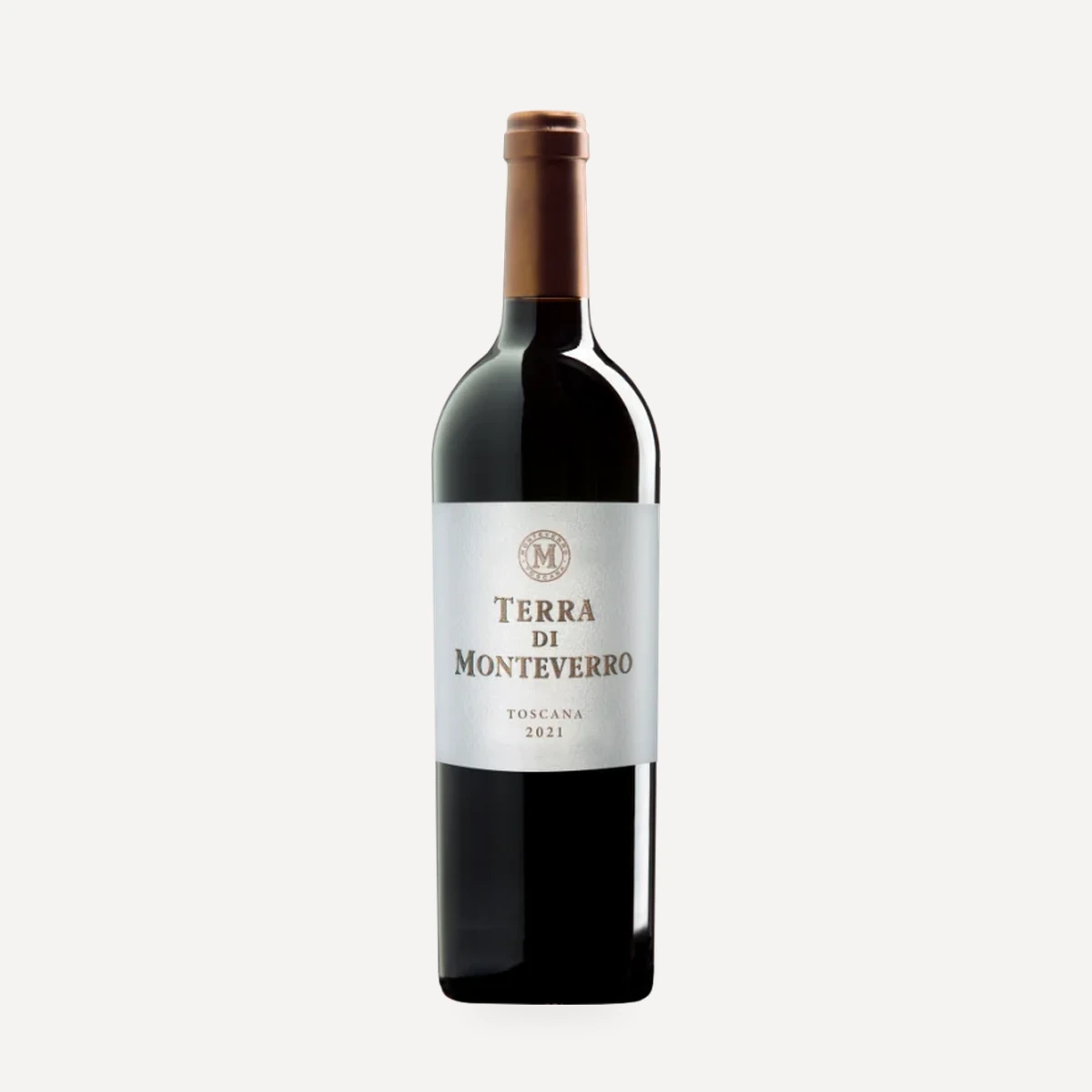
Terra di Monteverro
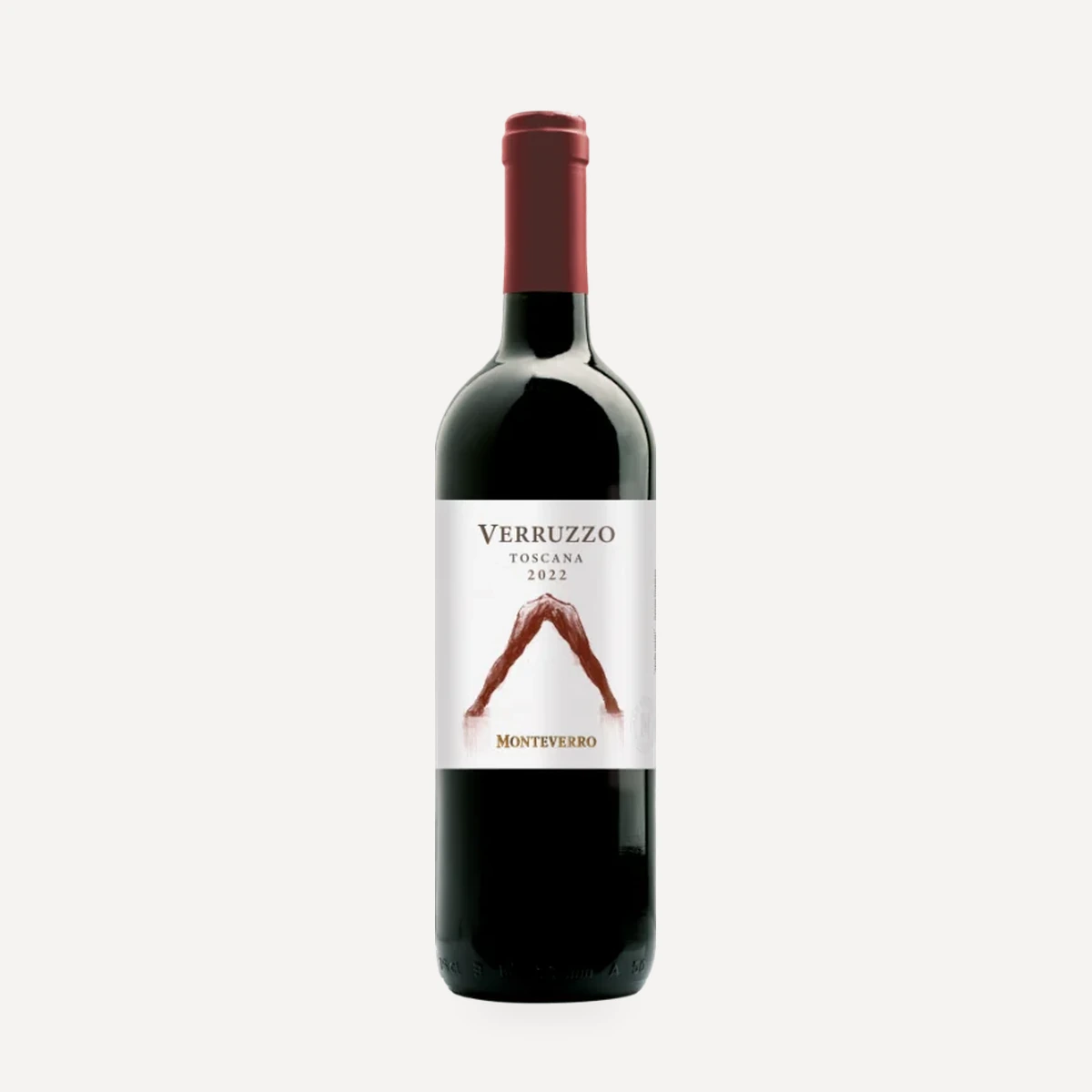
Verruzzo
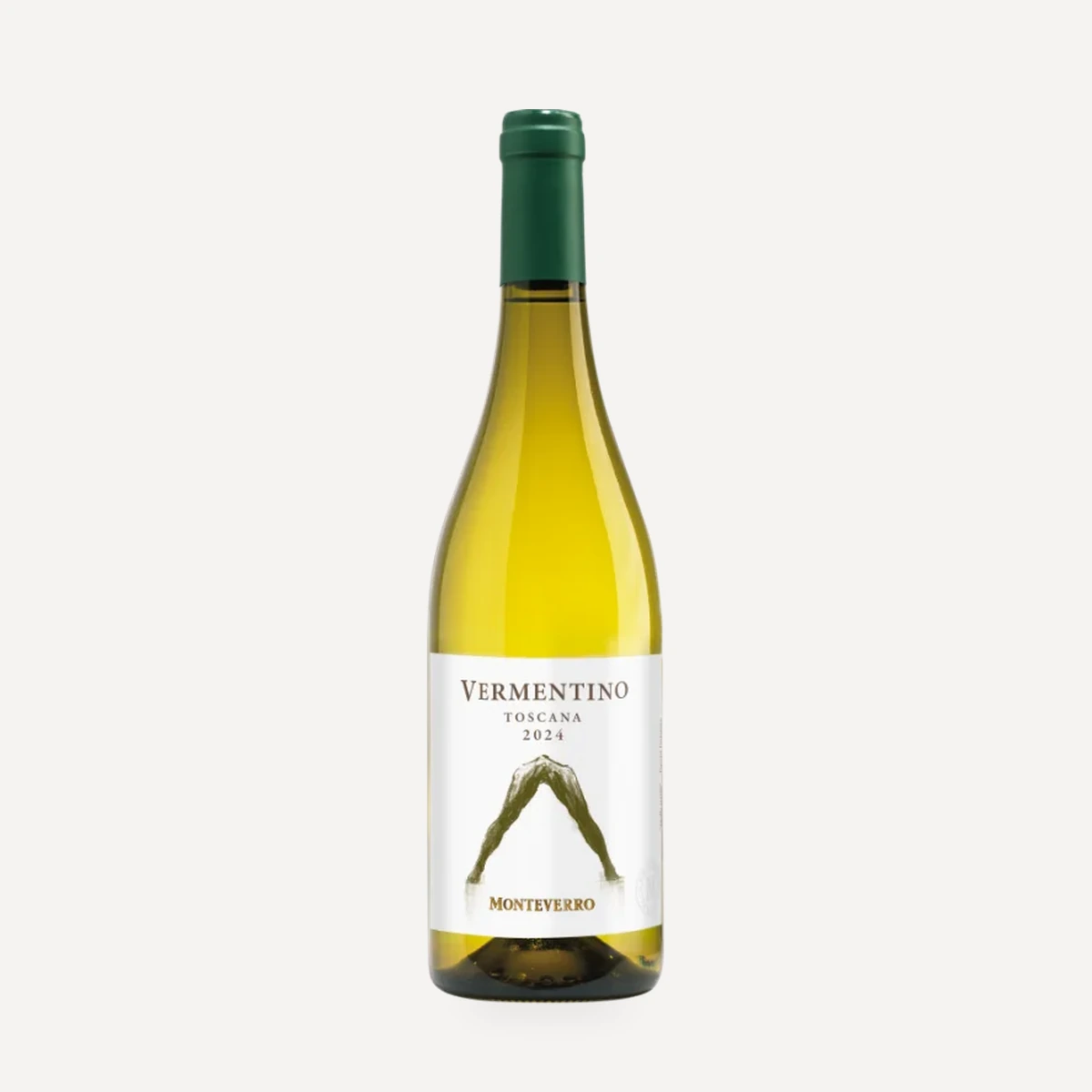
Vermentino