Storia
Origins and the family legend
Ottella’s identity reaches back to a local tradition from 1500. Eight children are said to have been born together in the heart of Lugana’s classic zone. The family coat of arms preserved in the Ottella courtyard depicts eight faces; it gave its name first to the locality and then to the estate.
Documented Lugana production in 1905
The Montresor family’s connection with Lugana was documented at the beginning of the twentieth century. Historian Giovan Battista Perez, in La provincia di Verona e i suoi vini, published in 1900, identified the family in 1905 as the only producer of Lugana in the Veronese part of the territory. Ottella consequently presents its continuous territorial identity as dating from 1905.
The enterprise in its modern form was started by Lodovico Montresor, father of Francesco and Michele. He combined activity as a wine entrepreneur with a strong interest in collecting art, establishing the connection between wine and visual culture that remains part of Ottella’s identity.
1964–1967: defining Lugana
In 1964, Lodovico Montresor worked with Professor Michele Vescia of the University of Brescia and engineer Turlini to draw and delimit the territory called Lugana, giving the growing area a defined geographical form and identity. Their work preceded the creation of the Lugana controlled designation of origin in 1967.
1985–1993: the sons enter the business
In 1985, Francesco Montresor entered the estate after graduating in law and began working alongside his father. A phase of international development started in 1986. Michele Montresor joined Francesco in 1993, adding further momentum to the family business.
Francesco subsequently served as President of the Consorzio di Tutela from 2007 through 2013. Michele became President of the Associazione Vignaioli Veneti.
2013: the new winery project
Rapid growth made the acquisition of a new site necessary. In 2013, Ottella began its new winery project, conceived to express the estate’s values and its relationship with vineyards, landscape and art. The contemporary complex was designed as both a working winery and a shared cultural space in which wine, art, nature and hospitality could coexist. Its environmental design incorporates photovoltaic generation, water treatment and resource-efficiency measures.
2023–2025: sustainability and expansion
In 2023, Ottella began a structured path toward Equalitas certification and prepared its first sustainability assessment. That year, the estate generated €7.5 million in direct economic value and derived 40% of turnover from exports to more than 30 countries.
In 2024, Ottella acquired land in Valpolicella containing vineyards and natural woodland. The acquisition was framed as a way to combine winegrowing with the conservation and enhancement of natural habitats.
In 2025, the winery received the Global Best of Wine Tourism Award from Great Wine Capitals for its wine-tourism experience and its integration of wine, art, nature and culture.
The family today
The Montresor family has directed Ottella for four generations. Francesco and Michele lead the agricultural company, while Lodovico and Lamberto work beside their father and uncle as the incoming generation. The Lugana holdings now comprise 90 ha in selected parts of the denomination and are managed by specialist estate personnel.
Terroir
Location and climate
Ottella’s core territory lies beside the southern shore of Lake Garda. The Lugana production zone crosses the provincial boundary between Verona and Brescia and comprises Sirmione, Desenzano, Lonato, Pozzolengo and Peschiera del Garda. Estate parcels used for its Lugana wines include San Benedetto di Lugana, Sirmione, Pozzolengo and Desenzano del Garda.
Temperate breezes from Lake Garda moderate the climate, keeping conditions mild and relatively constant. Day-to-night temperature differences are limited. This stable lake-influenced microclimate supports the ripening of Turbiana.
Glacial basin and morainic hills
The terrain is glacial in origin. Ice descending toward the valley transported debris that formed an amphitheatre of morainic hills and left the basin-like depression of Lugana behind. The basin occupies a compact area immediately south of Lake Garda.
Clay structure
The ground consists of distinct sedimentary layers. In section, it reveals numerous relatively thin calcareous-clay strata beneath an upper 60–80 cm layer of loose or worked clay. The composition varies markedly in a patchwork pattern: most sites are calcareous and rich in mineral salts, while soils become progressively sandier toward the hilly part of the denomination.
White clay is particularly important in Ottella’s principal Lugana vineyards. Le Creete has an especially high concentration of white clay, while the wider estate vineyards occupy selected clay-rich parts of the denomination. These physical and chemical properties are associated with acidity, savoury structure and aromas ranging from almond to citrus.
The red- and rosé-wine vineyards are situated in selected parts of the morainic hills of Alto Mincio.
Turbiana
Trebbiano di Lugana, locally called Turbiana, is treated as an ancient native variety and was mentioned by the Latin poet Catullus. Its closest expression is linked to Lugana’s pure clays. Although many specialists regard it as genetically related to Verdicchio, it is considered distinct in phenological, agronomic and oenological terms. University of Milan research identified a Trebbiano di Lugana genome with characteristics not attributable to other Trebbiano varieties.
Turbiana has limited vigour, and its first two buds are unproductive. Traditional vineyards employ a double-arched system with about 18 buds. Newer, denser plantings reduce the number to approximately 10–12 buds per vine.
Vinificazione
Vineyard management
Ottella follows integrated-production principles and uses monitoring to determine vineyard interventions. Disease and pest pressure is tracked through control systems and predictive models. Plant-protection treatments and the selection of active substances are based on monitoring results, with the aim of limiting environmental impact.
An annual fertilisation plan is prepared from visual vineyard assessment, soil analyses and, when necessary, leaf analyses. Base fertilisation follows an evaluation of soil fertility. Nitrogen applications above 60 kg/ha are split into at least two treatments unless slow-release fertilisers are used.
To protect water bodies, woodland and semi-natural areas, the estate maintains vegetated buffer strips at least 3 m wide. These buffers receive neither fertiliser nor crop-protection products.
Water and irrigation
Irrigation volumes and rainfall are recorded and monitored. A targeted irrigation plan seeks to rationalise water use while preventing vine stress. Drip irrigation is employed, with dates and volumes recorded. Future objectives include weather stations, variable-rate irrigation, recovery of sprayer-washing water and wider recycling of treated water.
Harvesting and traceability
Harvest management is governed by operating procedures intended to preserve grape and must quality while reducing environmental impact. Both manual and mechanical collection are available within the general protocol. Manual crews select ripe, healthy bunches and reject damaged fruit. Mechanical harvesting uses equipment intended to limit berry damage and maintain even ripeness.
Fruit is transported rapidly to the winery to avoid crushing and oxidation. On arrival it is weighed with dedicated scales, and the date, total quantity and variety are recorded for traceability. The principal estate wine selections are harvested and sorted by hand into small cases, commonly holding 17 kg; a documented rosé selection uses 18 kg cases, while late-harvest fruit has been placed in 4 kg cases.
Equipment and environmental programme
A recovery sprayer acquired in 2023 improves application efficiency, reduces consumption and waste, and limits spray drift. An Echo PB2620 blower was introduced to reduce fossil-fuel use and emissions during vineyard work.
Ottella began a path toward Equalitas certification in 2023 and set SQNPI and Equalitas certification as formal objectives. Further planned work includes vineyard zoning, vigour mapping, variable-rate fertilisation, elimination of plant-protection products considered hazardous to human health, and installation of nesting structures for solitary bees. Certification completion and a formal biodiversity assessment remain future objectives rather than confirmed achievements.
Grape reception and must preparation
Harvested grapes are transported promptly to prevent crushing and oxidation. At reception, fruit is weighed and logged by date, quantity and variety. Pressing protocols accommodate both whole bunches and destemmed fruit. Free-run must is separated from second-pressing juice.
Must clarification is performed either by nitrogen flotation or by settling in tanks. A flow meter records the volume moved into fermentation vessels, and each transfer is documented for traceability.
Fermentation and cellar vessels
The cellar contains dedicated areas for barriques, amphorae and cement vats, alongside steel tanks and larger oak vessels. Across the range, the documented techniques include controlled-temperature fermentation, indigenous-yeast fermentation in amphorae, skin maceration, délestage, punching down, malolactic fermentation or its deliberate avoidance, fine-lees ageing, steel maturation and ageing in barrels or barriques.
White-wine protocols include gentle whole-bunch pressing for much of the fruit, light oscillating destemming for the remainder, natural settling, and slow fermentation at 14–18°C. Depending on the intended expression, maturation ranges from five months on fine lees to 18 months on fine lees, with steel, barrels, barriques and amphorae all represented. Amphora production uses extended skin contact and indigenous yeasts.
Red-wine production includes fermentation in steel and oak vats, délestage, punching down and malolactic fermentation. Maturation may take place in large oak, barrels or barriques. Rosé production uses short, temperature-controlled skin contact and separation from the lees after fermentation to prevent malolactic conversion.
Traditional-method sparkling wines use the SoloUva process: estate-produced grape sugar is used for bottle refermentation and any dosage, avoiding exogenous sucrose or concentrated rectified must. The non-vintage cuvées mature on their lees for at least one year.
Quality, water and energy management
Raw materials, intermediate products and finished products undergo analytical controls within the HACCP plan. Cleaning and sanitation procedures are formally defined.
The new winery was designed to optimise energy and water resources. Photovoltaic panels generated 94,865 kWh in 2023, alongside 498,222 kWh drawn from the electricity network; natural-gas consumption was 23,835 Sm³. Winery wastewater is monitored and sampled under a dedicated plan. Process water is recovered and treated for later reuse, and total water use in 2023 was 5.2 ML.
Lower-carbon packaging measures include lightweight glass bottles and Nomacorc Select Green 100 closures measuring 44 × 24 mm. These closures are intended for long-ageing wines and were selected for their reduced carbon footprint.
Filosofia
A recognisable expression of place
Ottella’s approach begins with the conviction that wines of distinction must carry a recognisable signature. Its objective is to create conceptually modern wines while preserving the essential relationship between soil and grape variety. In Lugana, this means treating Turbiana and the territory’s pure clays as an inseparable combination.
The estate identifies the independent winegrower as a custodian of land and tradition: cultivating its own vineyards, harvesting its own grapes, vinifying and bottling them in its own cellar, and communicating the culture behind the finished wine. FIVI membership reflects this position.
Ethical and aesthetic values
Ottella defines strong work ethics, respect for people, and the enhancement of land and landscape as foundations for its future. It treats art as a universal language and beauty as an expression of Italian culture and of quality itself. Wine, art, nature and culture are consequently integrated in the architecture and daily life of the winery.
The contemporary cellar was conceived as a place where ideas can develop with the people who work at the estate and where sharing is an essential value. Hospitality extends that principle to visitors through encounters with wine, artworks and the surrounding landscape.
Sustainability and social responsibility
Sustainability is treated as environmental, social and economic responsibility rather than solely vineyard practice. The intended model must preserve long-term profitability while protecting the environment and promoting social wellbeing. Priorities include continuous improvement, efficient water and energy use, healthy and safe working conditions, training, honest governance, community dialogue and responsible procurement.
Supplier agreements require alignment with Equalitas principles concerning health, safety, ethics and transparency. Ottella’s communication policy is based on honesty and verifiability, with reference to ICC principles, European Directive 2024/825 and ISO 14021 guidance for environmental claims.
Future goals include calculating the water footprint, assessing biodiversity, expanding renewable-energy generation and storage, introducing electric mobility, reducing waste and bottle weight, digitising vineyard and cellar records, supporting local charities and strengthening collaboration with universities and educational institutions.
Vini
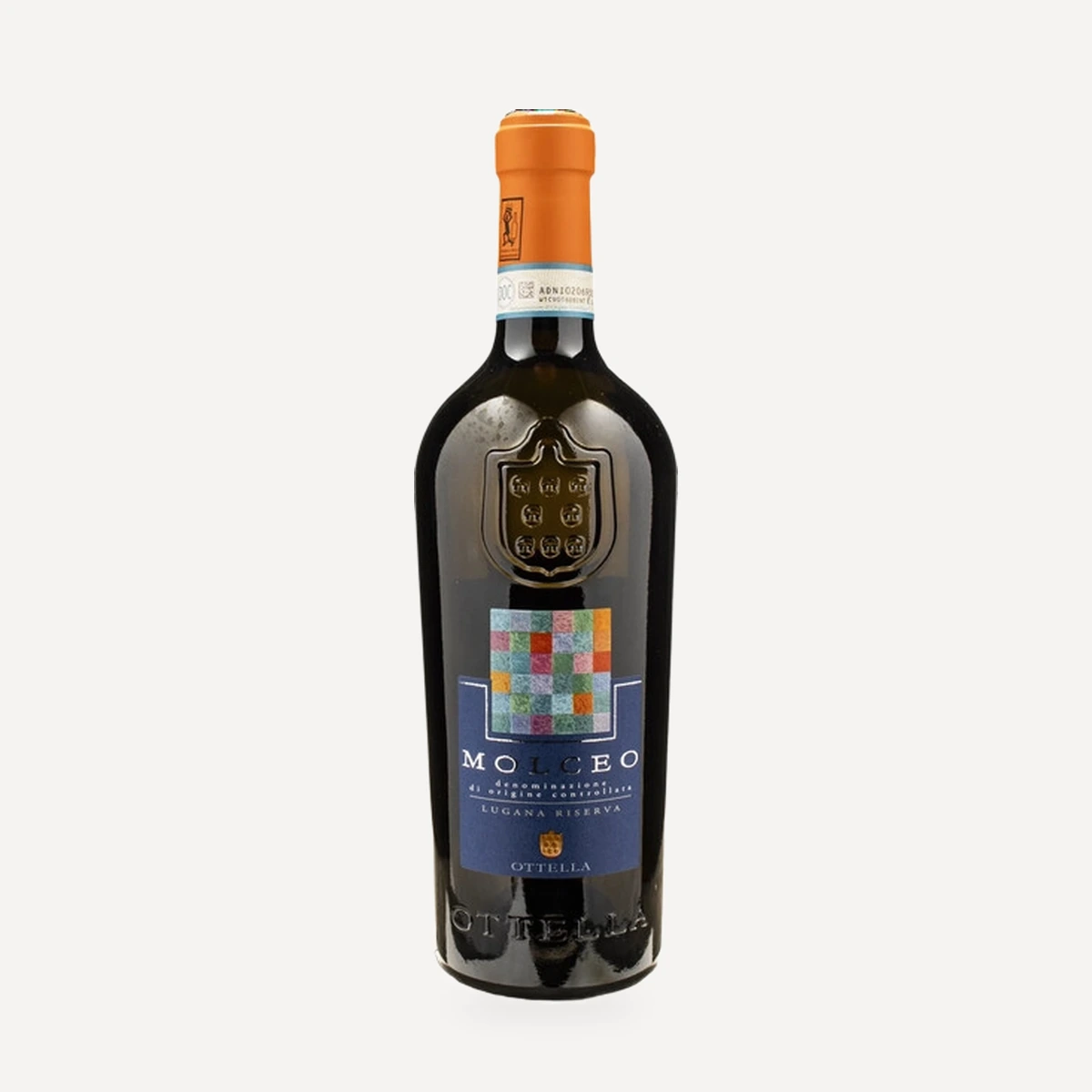
Molceo Lugana Riserva DOC
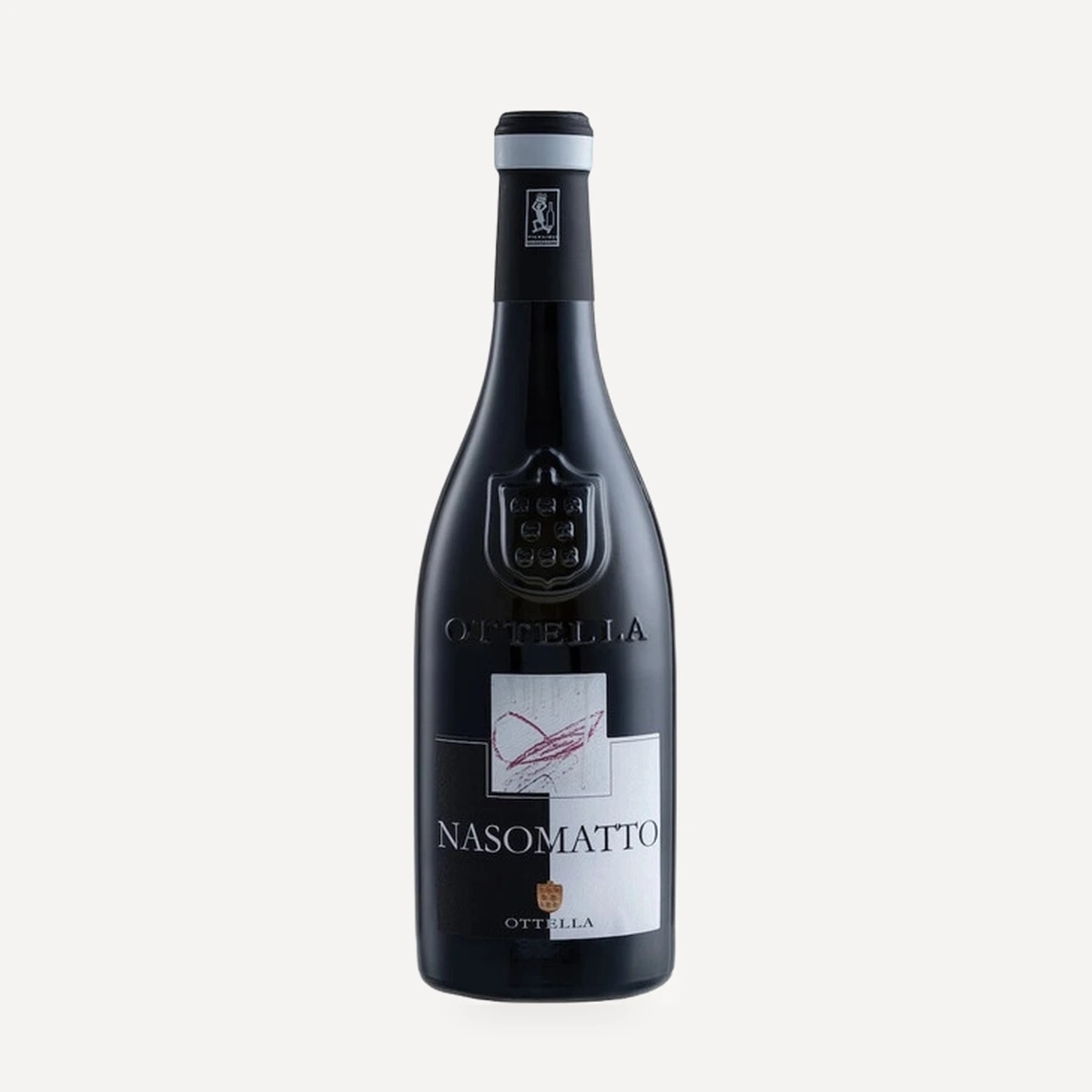
Nasomatto
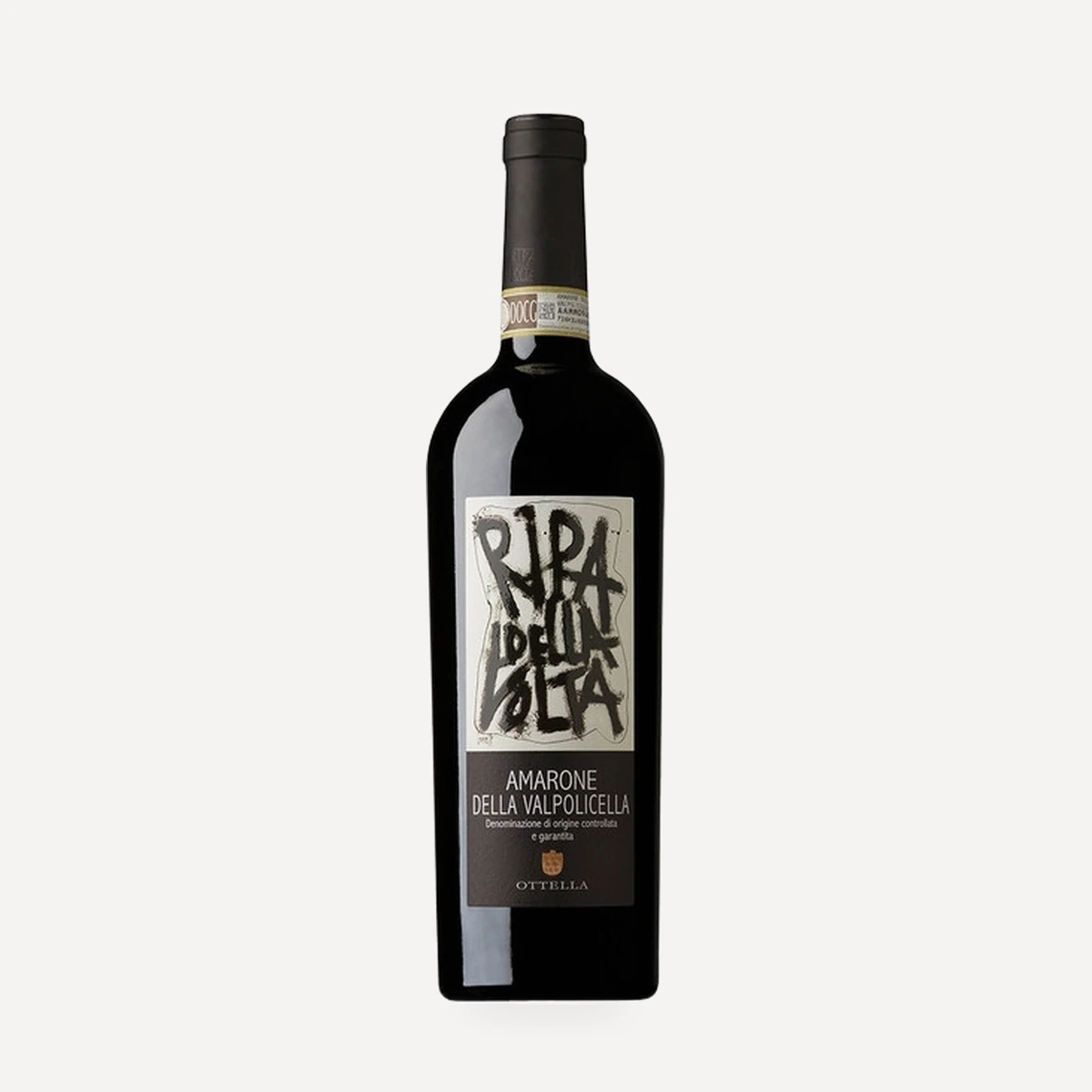
Ripa della Volta Amarone della Valpolicella DOCG
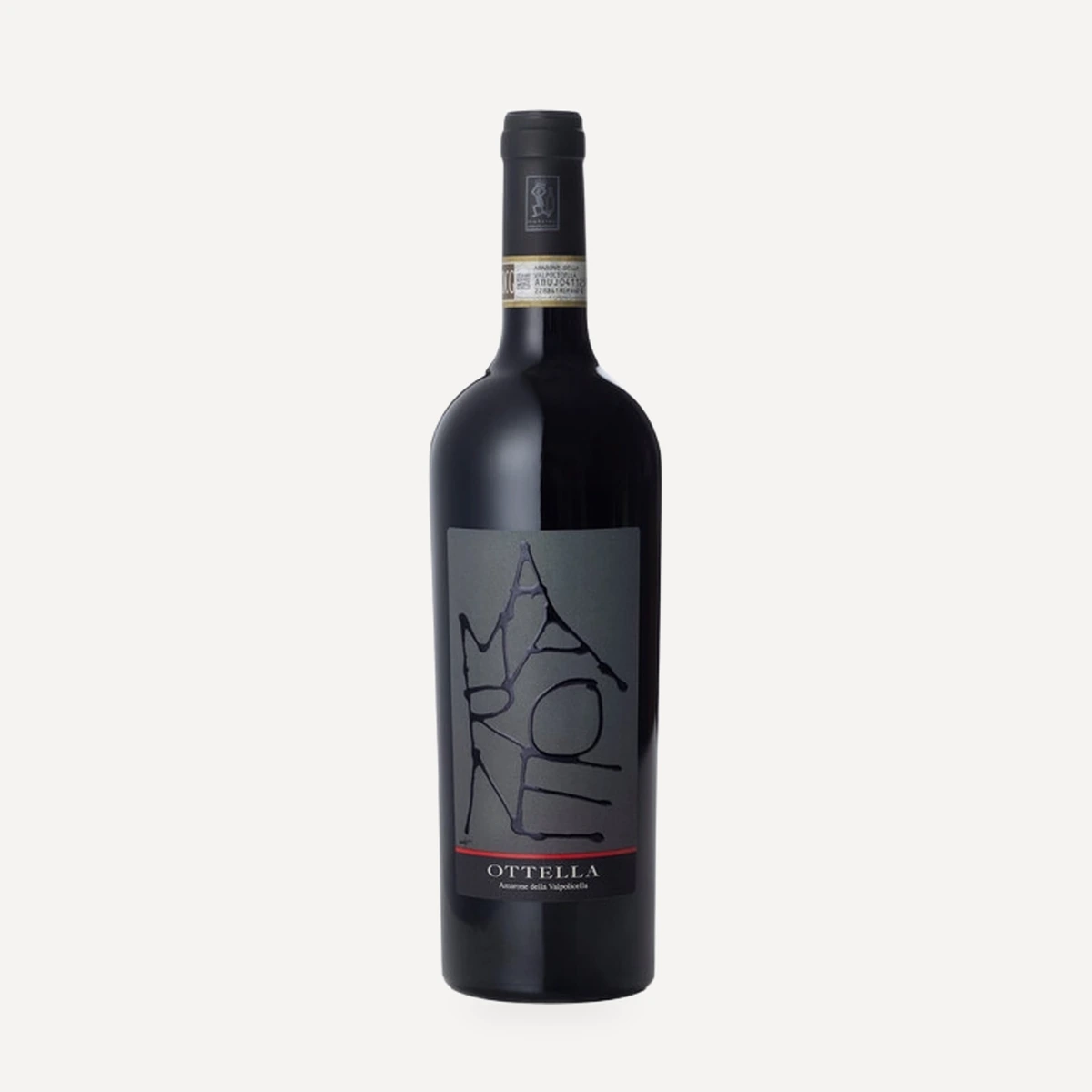
Amarone della Valpolicella DOCG
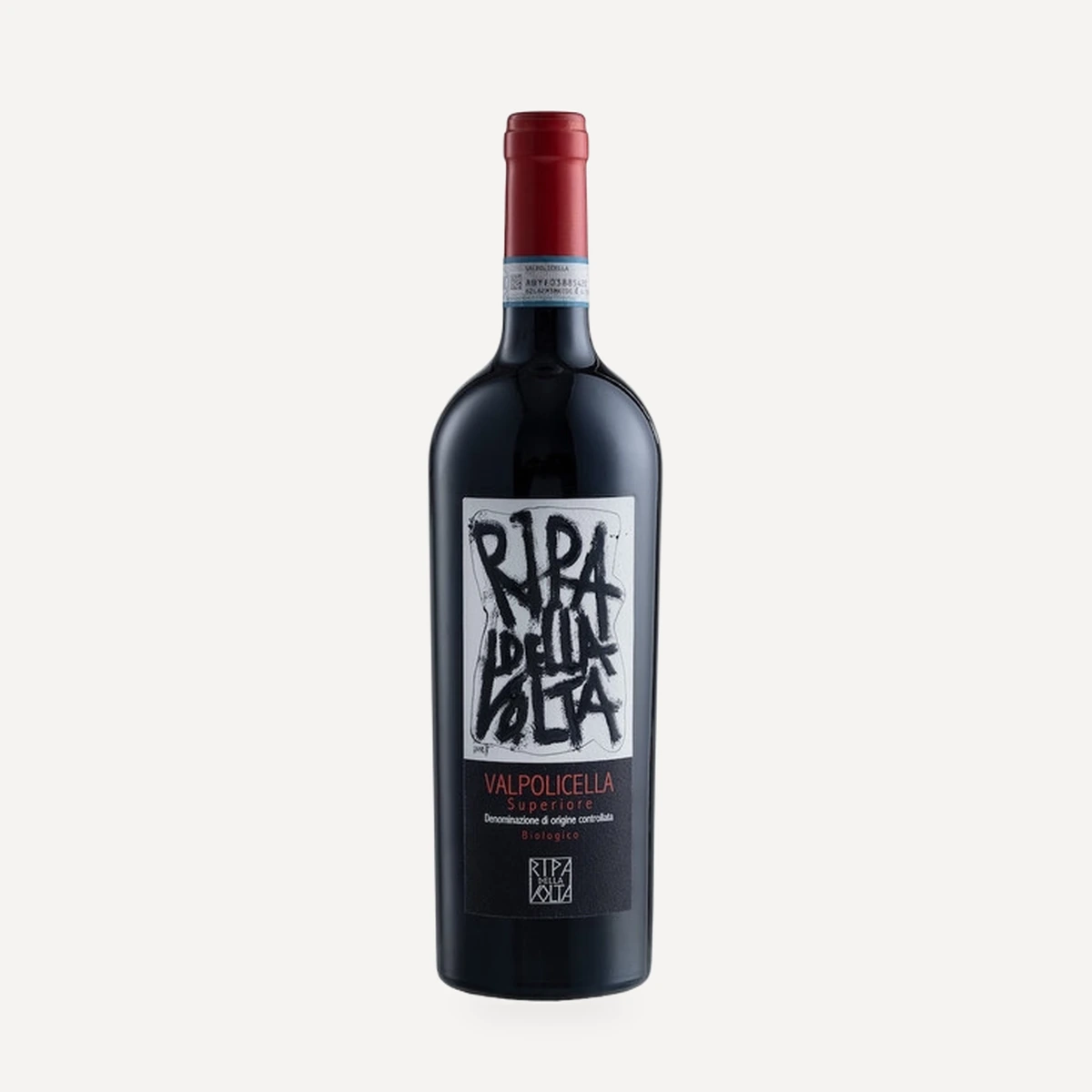
Ripa della Volta Valpolicella Superiore Biologico DOC
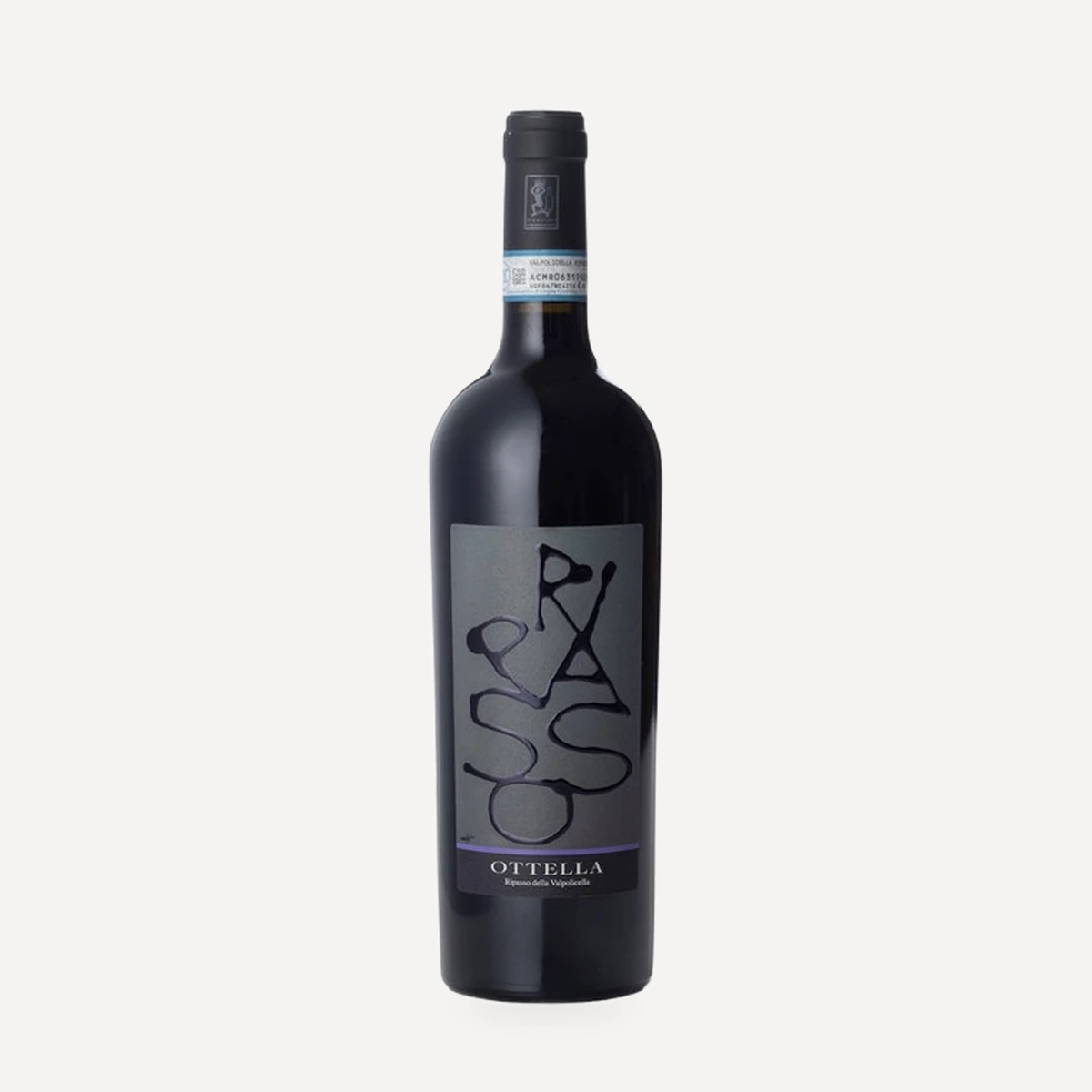
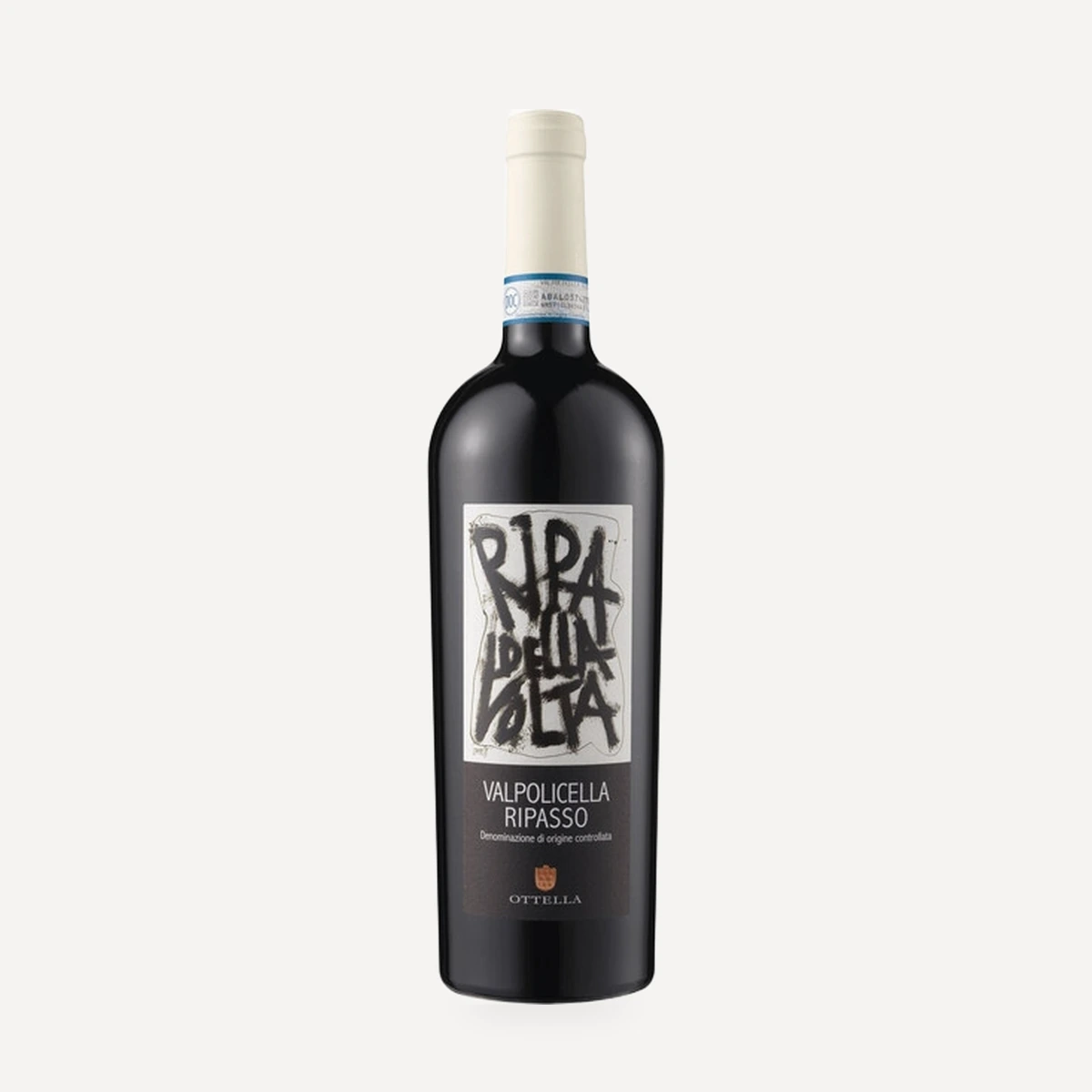
Valpolicella Ripasso DOC
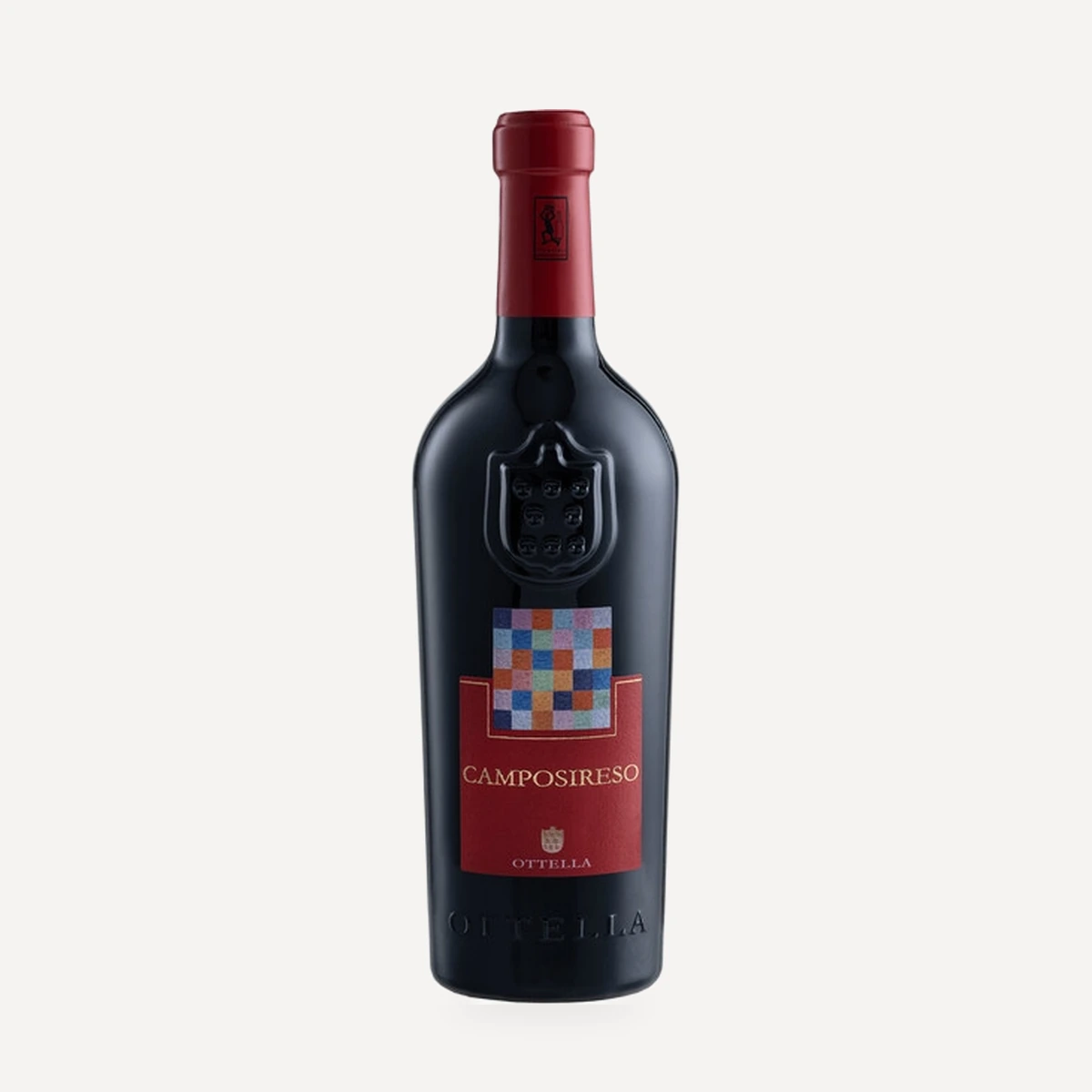
Camposireso Vino Rosso
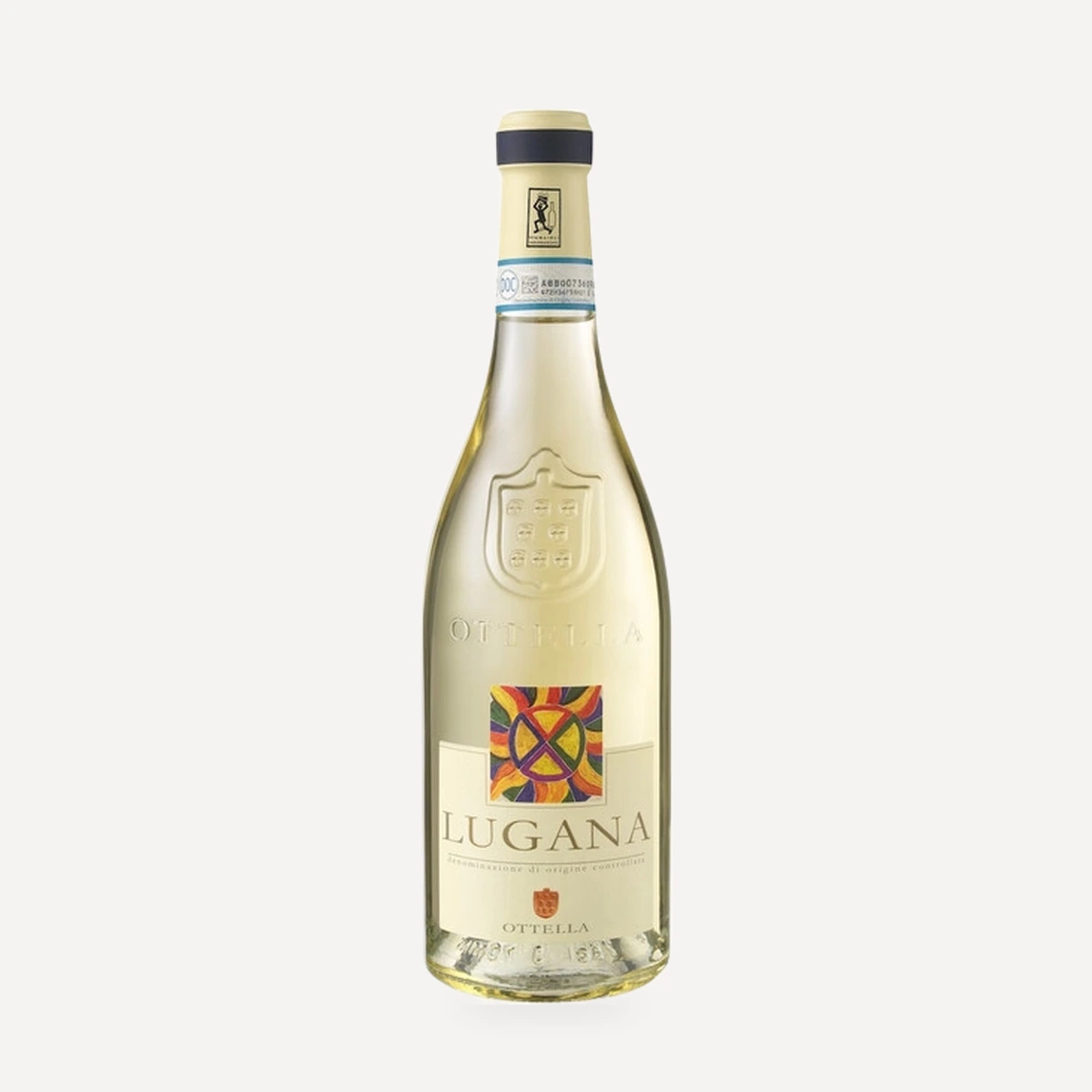
Lugana DOC
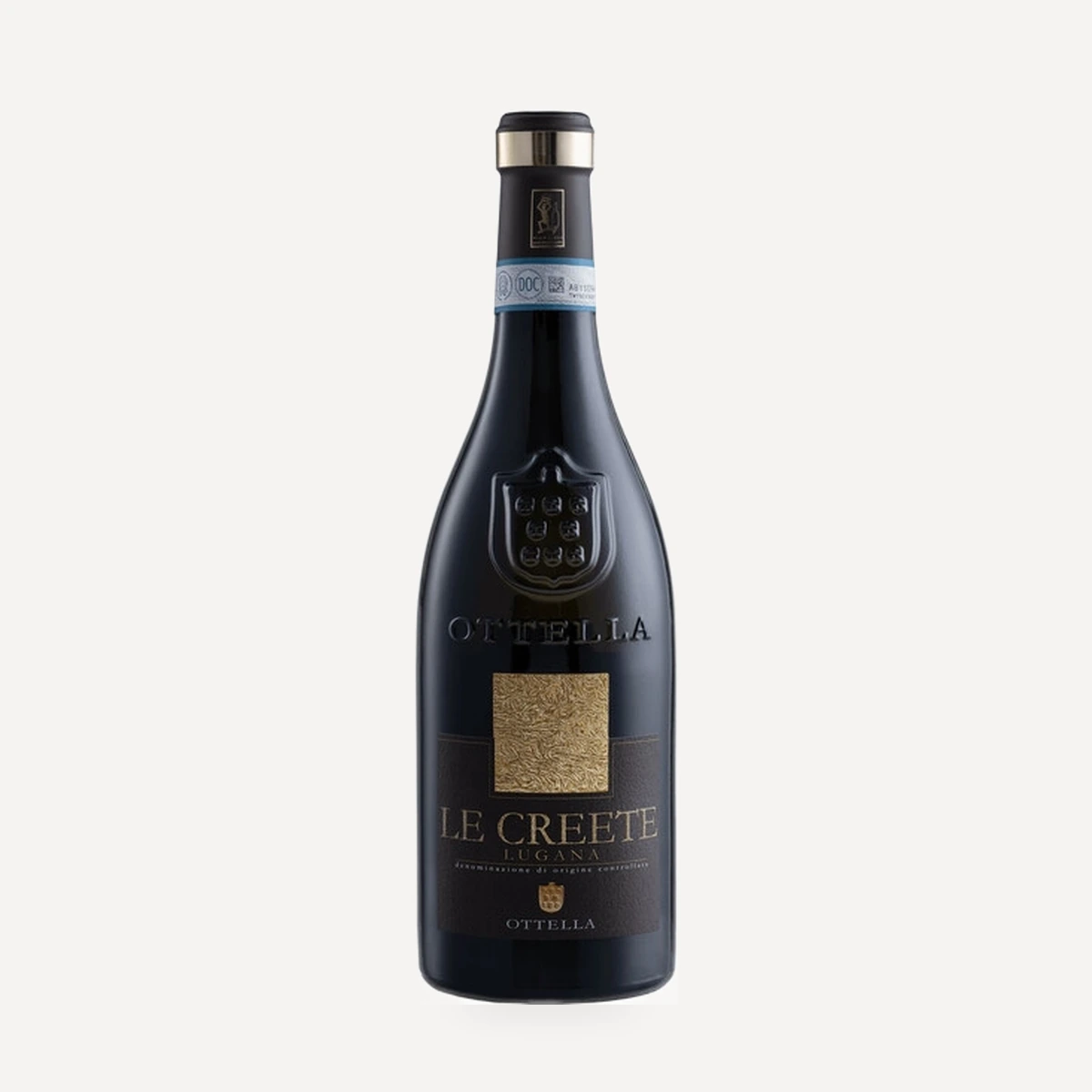
Le Creete Lugana DOC
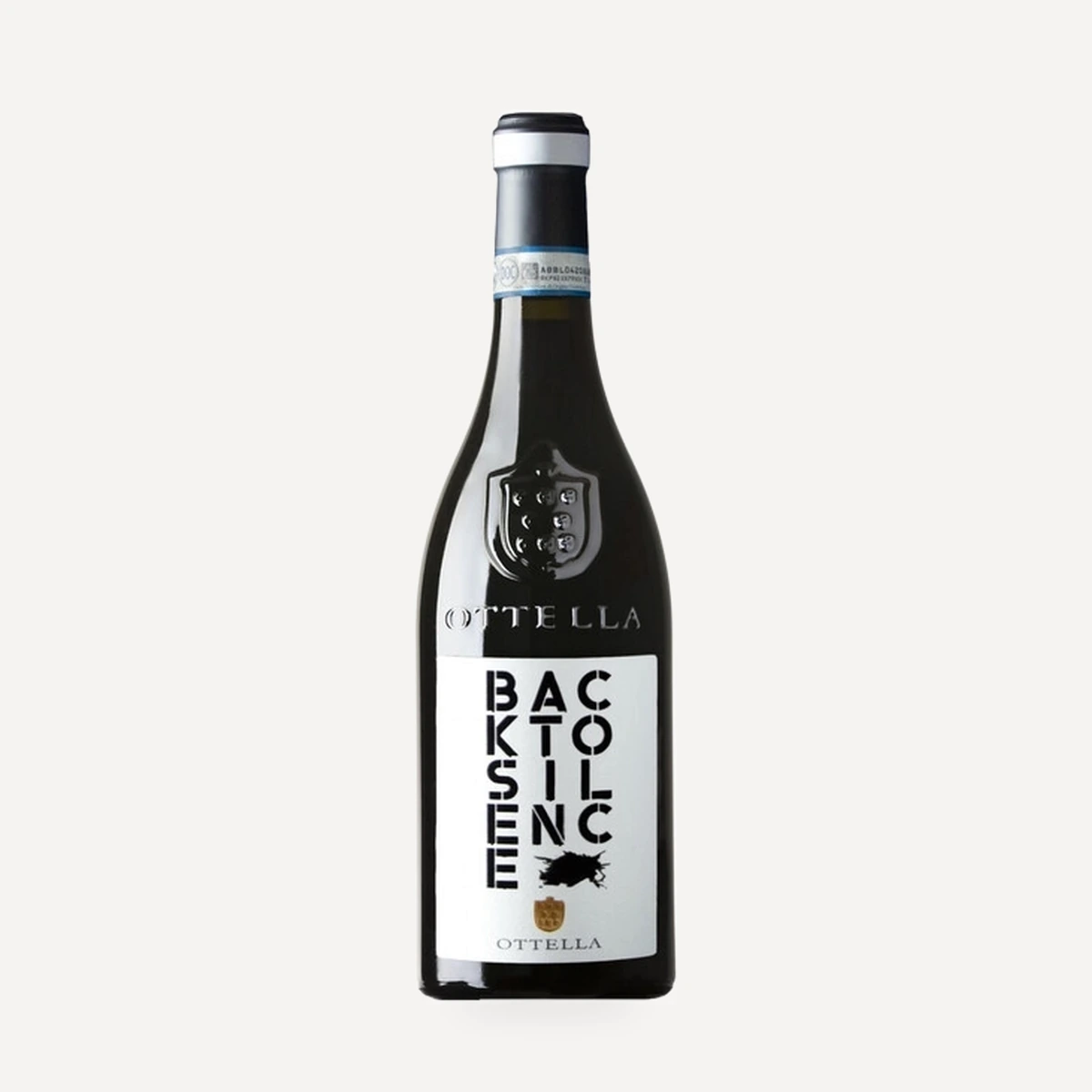
Back To Silence Vino Bianco in Anfora
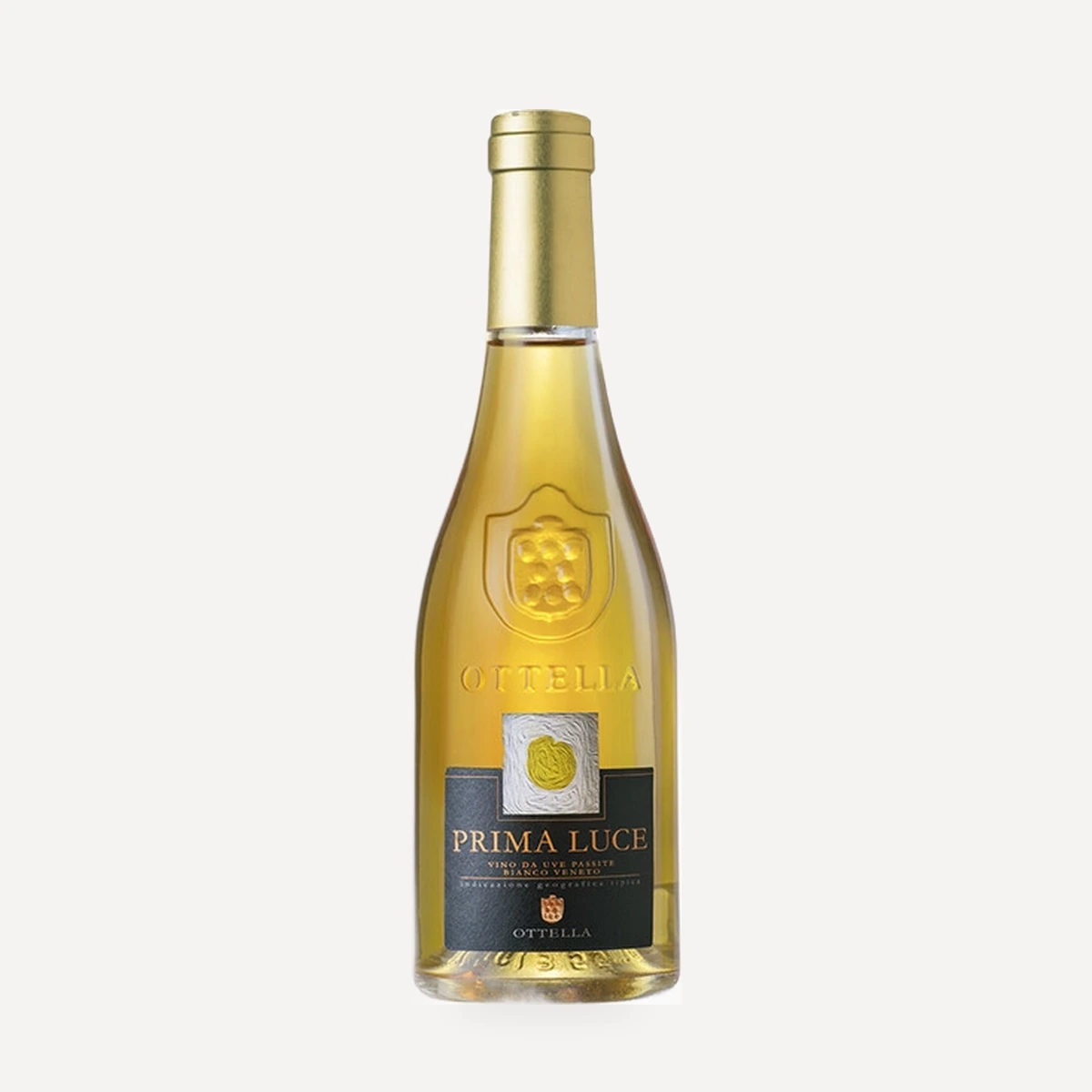
Prima Luce Bianco Veneto Passito IGT
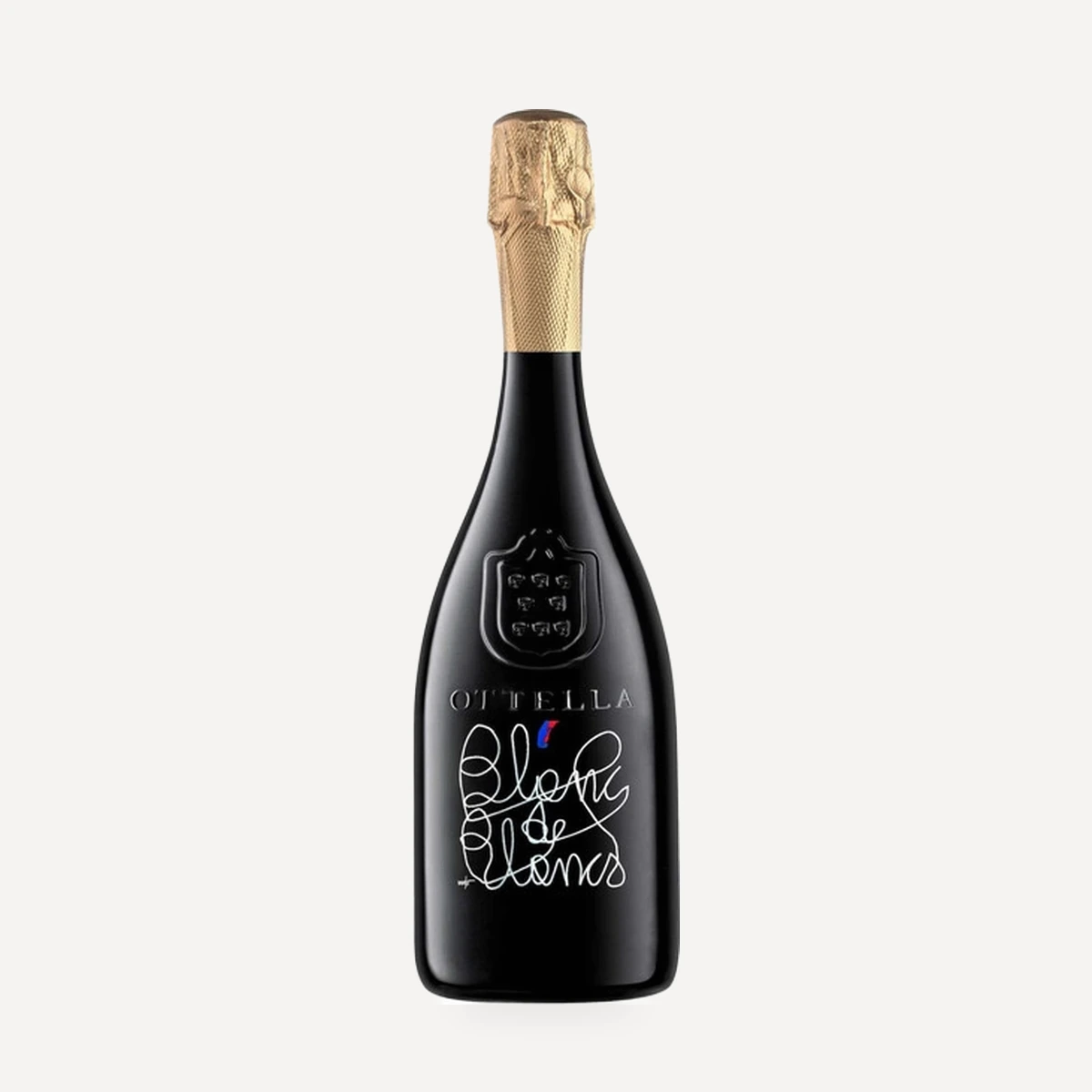
Blanc De Blancs Brut Metodo Classico
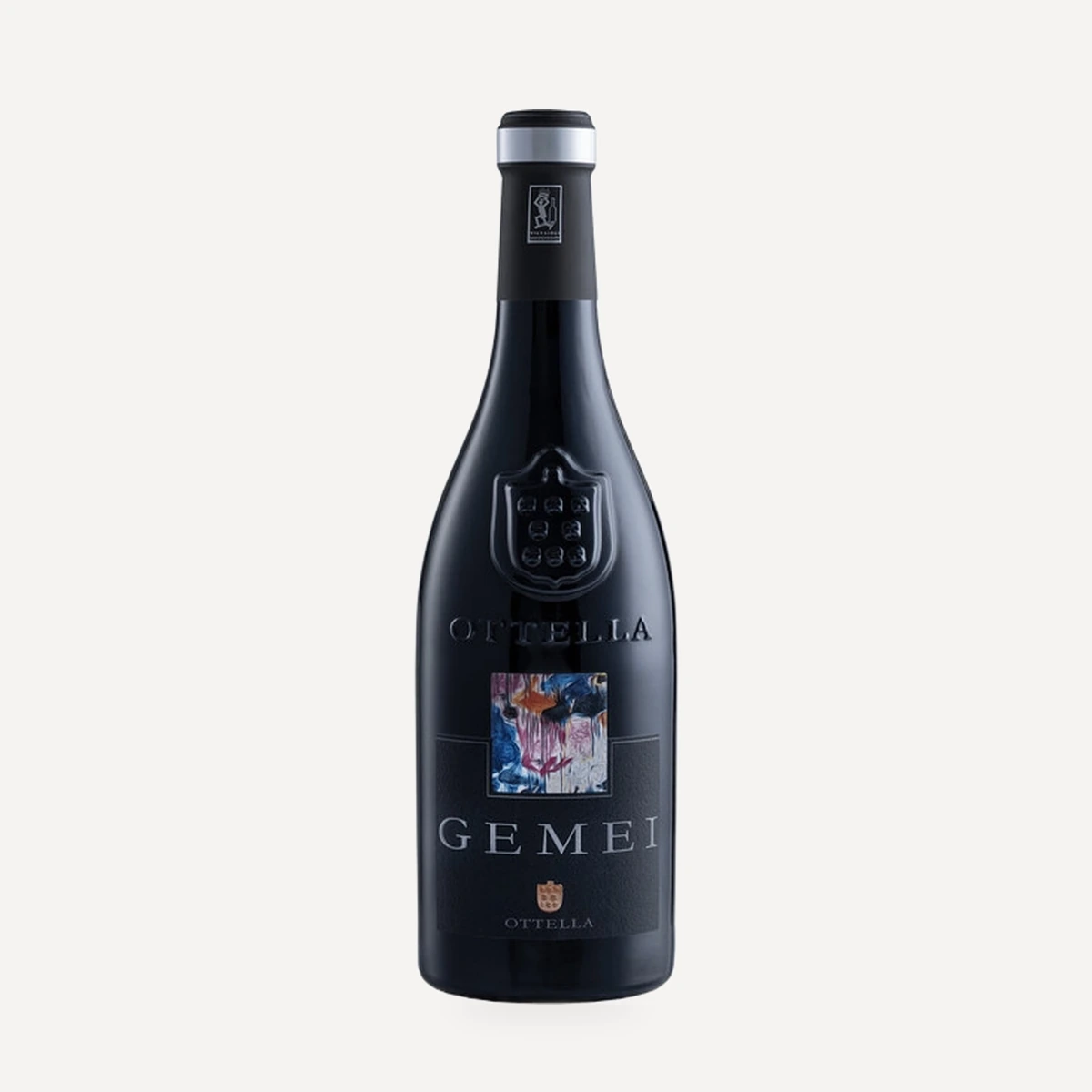
Gemei Vino Rosso
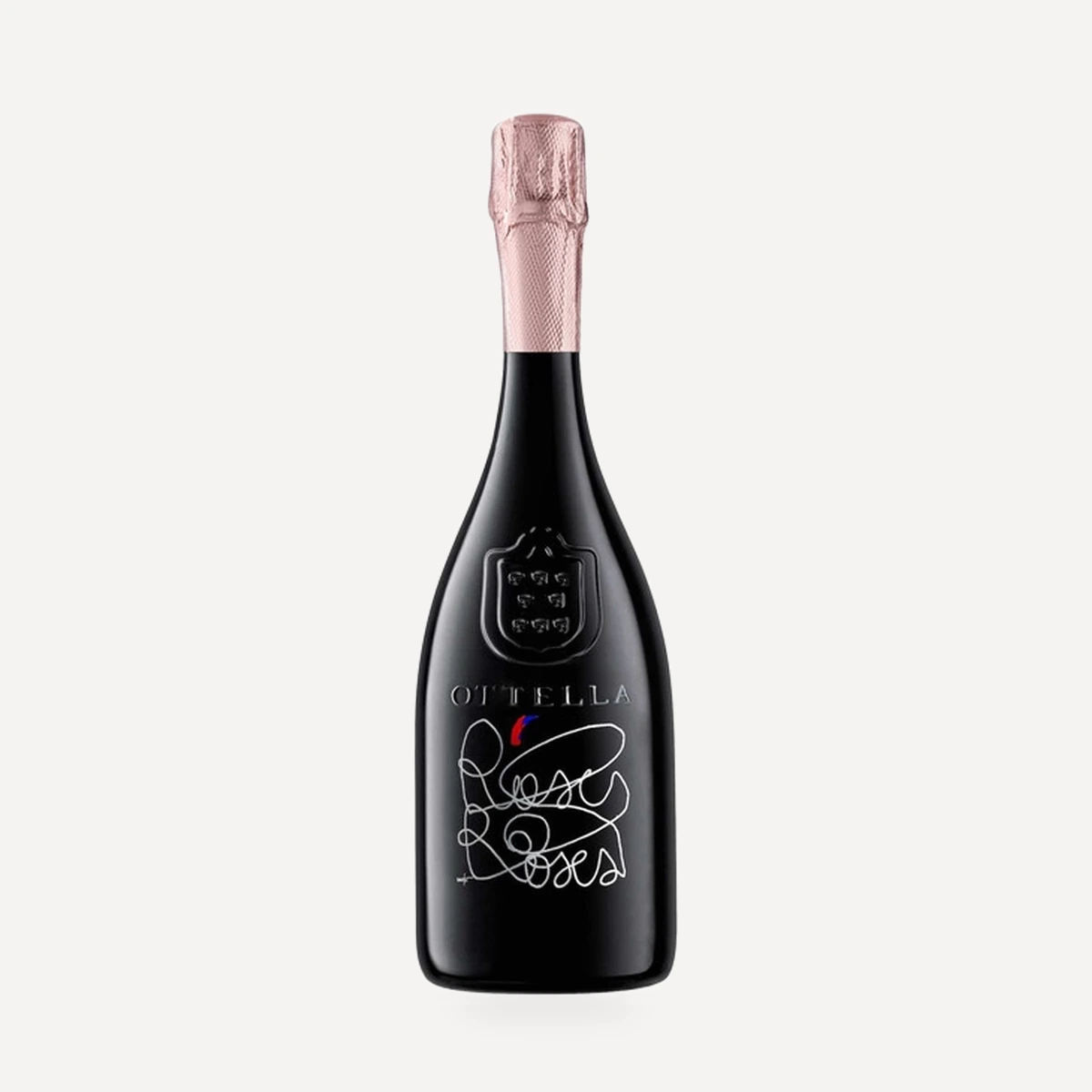
Roses Roses Brut Metodo Classico
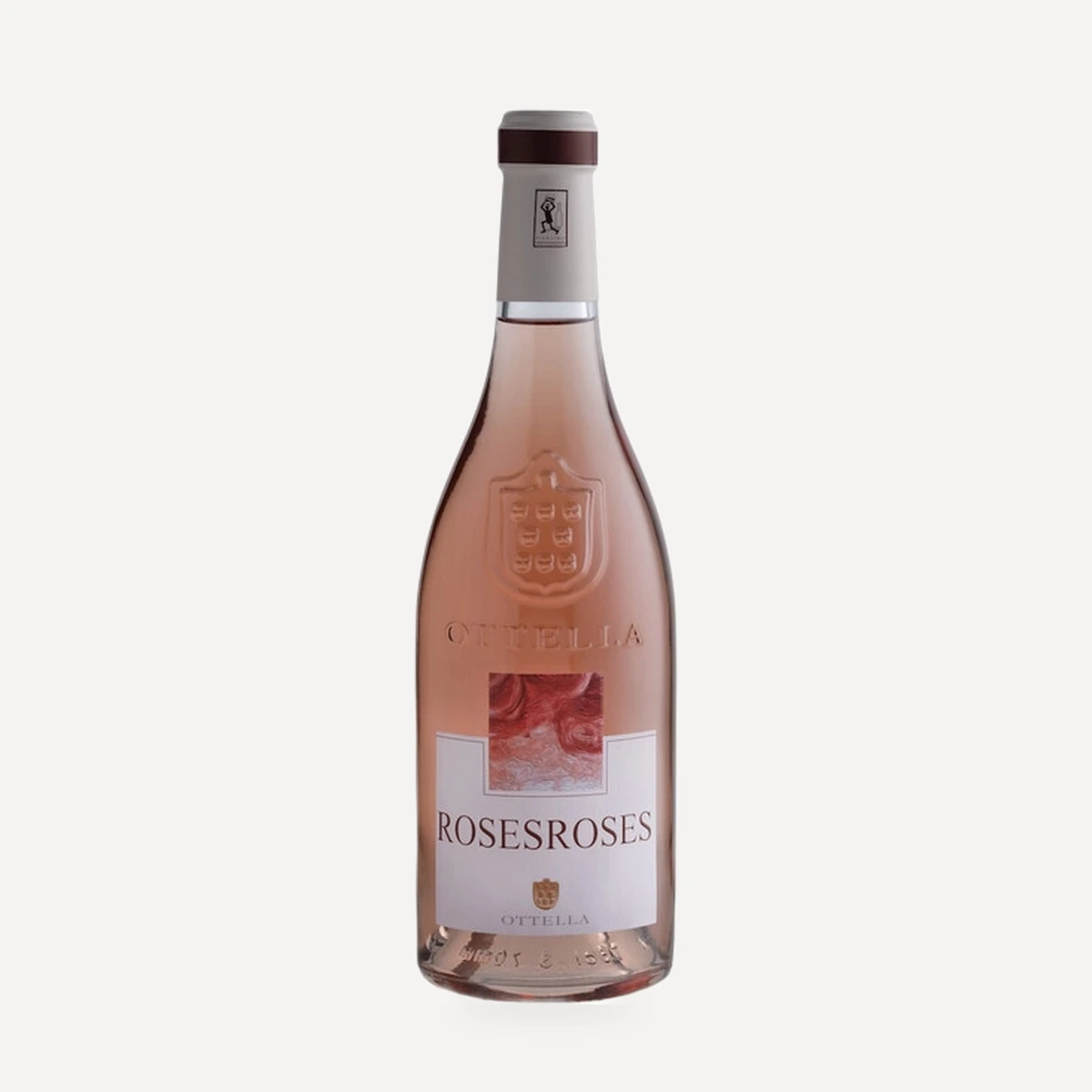
RosesRoses Rosato Alto Mincio IGT
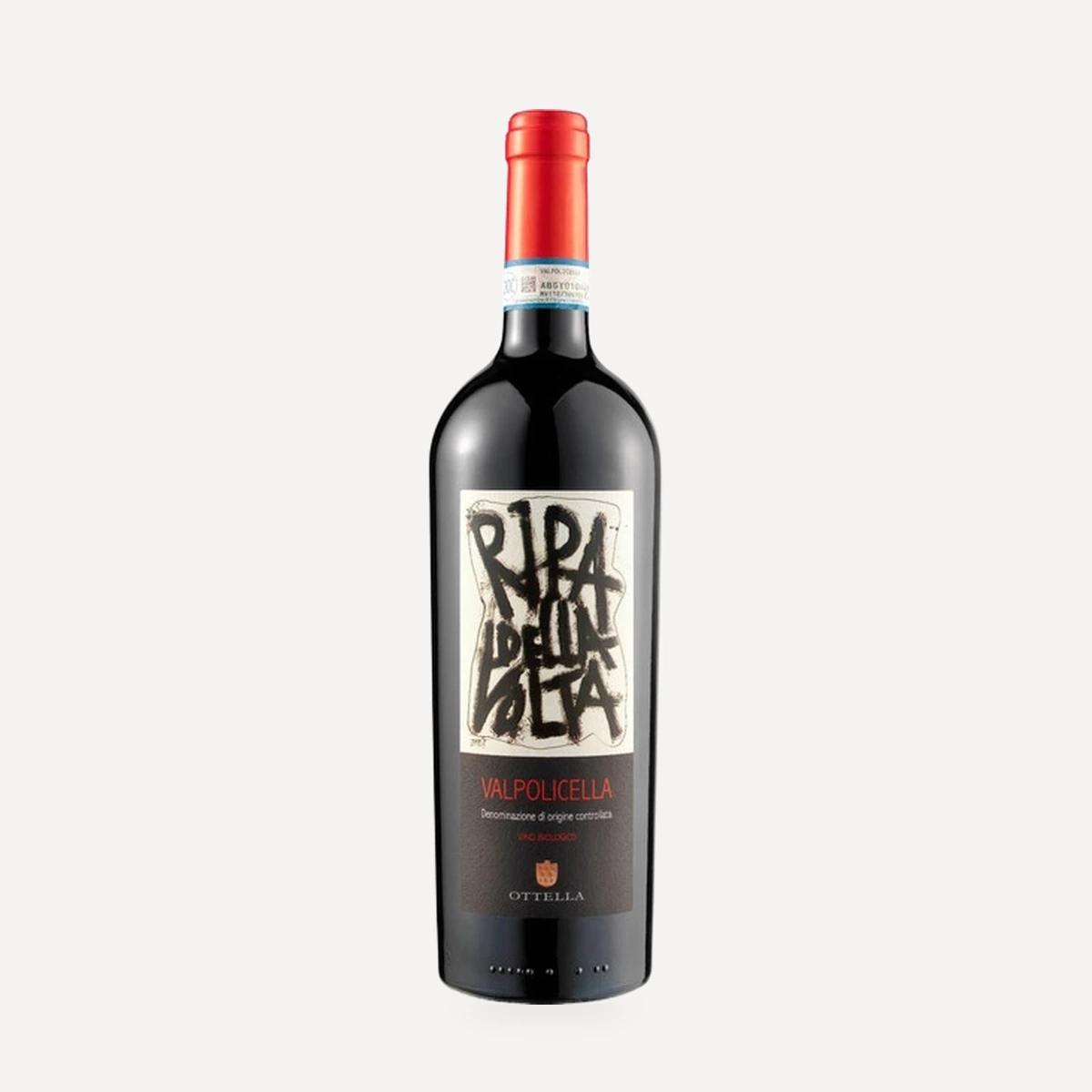
Ripa della Volta Valpolicella Biologico DOC