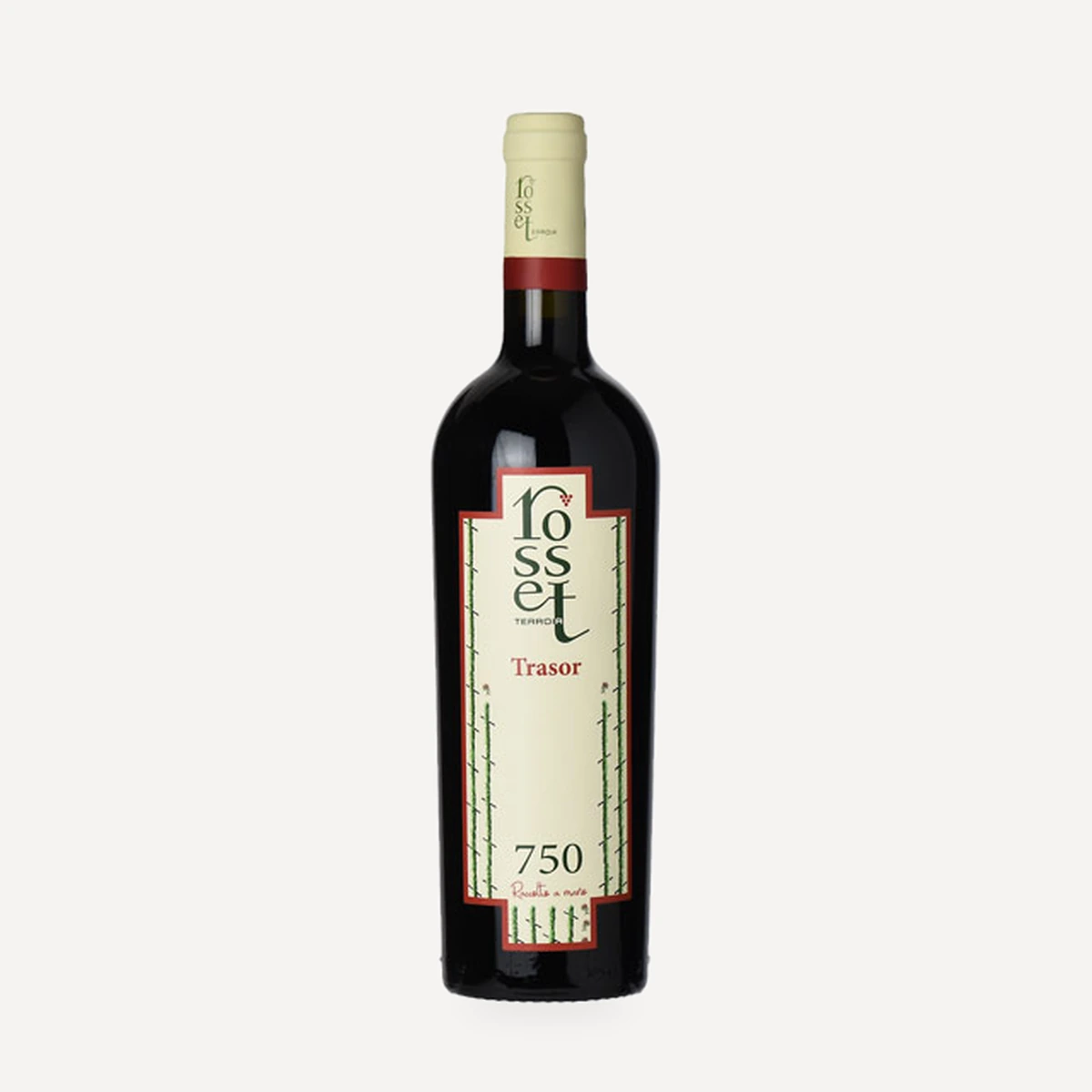
Storia
Distilling heritage and the beginning of the wine project
Rosset originated in a shared project of the Rosset–Levi family, whose connection to mountain craftsmanship had already been shaped by generations of distilling. At the beginning of the 2000s, the family decided to apply its experience with aromas and botanicals to viticulture, choosing quality and territorial identity over volume in the demanding conditions of the Valle d’Aosta.
2001: the first vineyards
The estate was founded in 2001. Its first three hectares were planted at Senin and Thuvex in Saint-Christophe, on the hills above Aosta. Chardonnay, Syrah and the native Cornalin formed the original varietal base.
The vineyard holding expanded over the following years as the family selected further sites. Muscat Blanc was established at Chambave, Pinot Gris was added at Senin, and further Syrah parcels were planted. Petit Rouge also joined the Saint-Christophe vineyards.
2012–2014: agricultural diversification and environmental changes
In 2012 the farm began cultivating génépy at Thouraz in Sarre, at 1,670 metres. Saffron production followed at Senin in 2014. These mountain crops extended the family’s agricultural work beyond wine and supplied ingredients for spirits and liqueurs produced by Distillerie St. Roch | Levi | Ottoz.
The estate discontinued synthetic vineyard products in 2014 and subsequently entered organic conversion. Photovoltaic installations were also developed to power the estate entirely from renewable energy.
2017: the move above 900 metres
A decisive expansion came in 2017, when Rosset acquired vineyards at Villeneuve above 900 metres. The exceptionally steep site, planted with Petite Arvine and later also associated with Pinot Gris, brought the estate into a particularly demanding form of heroic mountain viticulture.
The Villeneuve Petite Arvine became the basis of Sopraquota 900, named for its high-altitude origin. The wine developed into the estate’s flagship and encouraged further experimentation with terracotta amphorae, Tuscan orci, French oak and stainless steel.
Recognition and the present estate
Sopraquota 900 was named Italy’s Best White Wine by Gambero Rosso’s Vini d’Italia guide in 2021 and entered James Suckling’s Top 100 World Wines in 2024. These are wine-specific distinctions but also mark important stages in the estate’s development.
Rosset now manages approximately 13 hectares and produces about 50,000 bottles annually. Its vineyards extend from Chambave at around 500 metres through the historic Saint-Christophe sites at 750–800 metres to Villeneuve slopes approaching 1,000 metres. The project combines specialist technical work, contemporary cellar facilities, terracotta and wooden vessels, renewable energy and continued experimentation with high-altitude viticulture.
Terroir
Rosset’s vineyards occupy several distinct Valle d’Aosta environments, rising from approximately 500 metres at Chambave to close to 1,000 metres at Villeneuve. The regional setting combines glacially derived ground, elevated sites and marked day–night temperature changes. The morphology limits potential volumes and makes vineyard work demanding, while the estate associates these conditions with freshness, aromatic definition and minerality.
Chambave
The Champlan, Grenella and La Meyaz sites lie at approximately 500 metres in an area historically associated with Muscat Blanc. Their sandy, rocky ground and north–south orientation support the estate’s Muscat vineyards.
Saint-Christophe
Saint-Christophe is Rosset’s historic viticultural centre. Senin and Thuvex occupy hills overlooking Aosta at approximately 750–800 metres. Their sandy, stony soils contain abundant coarse mineral material derived from glacial deposits. The first Chardonnay, Syrah and Cornalin vineyards were planted here in 2001; Petit Rouge and Pinot Gris followed.
Le Croux is a newer, still higher Saint-Christophe site. Its exposed slopes have been planted with selected international varieties suited to extreme alpine conditions, and the vineyard is already producing.
Monte Emilius and Becca di Nona rise above the Aosta setting associated with the estate’s Syrah vineyards.
Villeneuve
Villeneuve contains Rosset’s highest vineyards, generally described as lying between 900 and 1,000 metres. The slopes approach a gradient of 50%. Soils are sandy and silty, with slate, quartz and granite. The more precisely documented Sopraquota parcel lies at 880–925 metres with north–south exposure. Strong temperature variation at this elevation supports freshness and aromatic development.
Vinificazione
Rosset describes its mountain work as heroic viticulture, particularly at Villeneuve, where vineyard gradients approach 50% and elevations reach approximately 1,000 metres. The estate favours carefully selected parcels rather than large production volumes.
Synthetic products were discontinued in 2014, and the vineyards are in organic conversion. The published material does not identify a certifying organisation or completion date.
Harvesting is manual across the documented vineyards. Picking extends from mid-September for Chardonnay and Muscat Blanc through late September for Petite Arvine and into the first or second ten days of October for Cornalin, Syrah, Pinot Noir and Nebbiolo; the highest Sopraquota fruit is picked around mid-October.
Documented vineyard densities range from approximately 5,000 vines/ha in Chambave to 11,000 vines/ha in the high-altitude Sopraquota parcel. Most other detailed parcels are planted at approximately 8,000 vines/ha. Stated yields range from 40 q/ha at Sopraquota to 70–80 q/ha elsewhere. Guyot training is documented for the Chambave Muscat, Pinot Noir, Nebbiolo and Trasor source vineyards.
The winery is a contemporary, functional space designed to combine technical precision with an alpine identity. Its production approach incorporates stainless steel, French oak and two forms of terracotta, selecting the vessel according to the fruit and intended expression. Research and continuing experimentation are central to the cellar’s development, while the stated objective is to preserve varietal and territorial character.
Stainless-steel tanks are used for the entry range and other freshness-led lots. Their neutrality permits controlled-temperature work intended to preserve varietal character, freshness, aromatic definition and clean flavours.
French-oak barriques hold 225 litres. They are used for part of the maturation of selected wines, providing gradual micro-oxygenation, structure and complexity. Their use is calibrated to avoid obscuring the grape or site. French-oak tonneaux hold 500 litres; their lower surface-to-volume relationship reduces the transfer of oak tannins and aromas and suits longer ageing or more delicate varieties.
Traditional 2,000-litre wooden vats are used for structured reds, including Cornalin and Nebbiolo. Compared with barriques, their reduced wine-to-wood contact promotes slower, more even maturation and gentler oxygen exchange.
TAVA terracotta amphorae are handmade in Trentino-Alto Adige through collaboration among ceramicists, oenologists and wine producers. Firing at 1,200–1,260 °C creates controlled porosity and high thermal inertia. The resulting micro-oxygenation resembles that of wood but introduces neither oak tannin nor extraneous aroma.
The cellar also uses the Orcio Toscano, a handmade Impruneta-terracotta vessel from the Manetti Gusmano & Figli kiln in Chianti Classico. Galestro-rich clay and the traditional lavoro fondato technique give the vessels porosity, thermal insulation and an antioxidative effect, supporting natural micro-oxygenation and stable maturation.
Some selections divide a harvest among several vessel types before blending. The best-documented high-altitude example separates the fruit into four broadly equal lots: one on skins in amphora, one on skins in a Tuscan orcio, one in barrique with malolactic fermentation, and one in stainless steel. After approximately 12 months, the lots are blended, rested briefly in steel and bottled.
Filosofia
Rosset’s project is built around the conviction that the Valle d’Aosta’s difficult morphology should be treated as an asset rather than an obstacle. The family chose quality over quantity from the outset, seeking wines that communicate altitude, mountain conditions and the identity of individual sites.
Its approach combines inherited artisanal knowledge with contemporary technical expertise. Tradition is represented by the Rosset–Levi family’s distilling background, manual mountain agriculture and wooden vessels; experimentation appears in high-density, high-altitude plantings, amphorae, Tuscan orci and combinations of different maturation materials.
The cellar’s intended style prioritises directness, drinkability, balance and recognisable territorial character. Oak use is calibrated to protect the original profile of the variety and place, while terracotta is used for oxygen exchange without the contribution of wood tannin or aroma.
Environmental commitments include the discontinuation of synthetic vineyard products, organic conversion and complete reliance on renewable electricity. The estate presents sustainability, continuing research and respect for heroic mountain viticulture as mutually reinforcing parts of the same project.
Vini
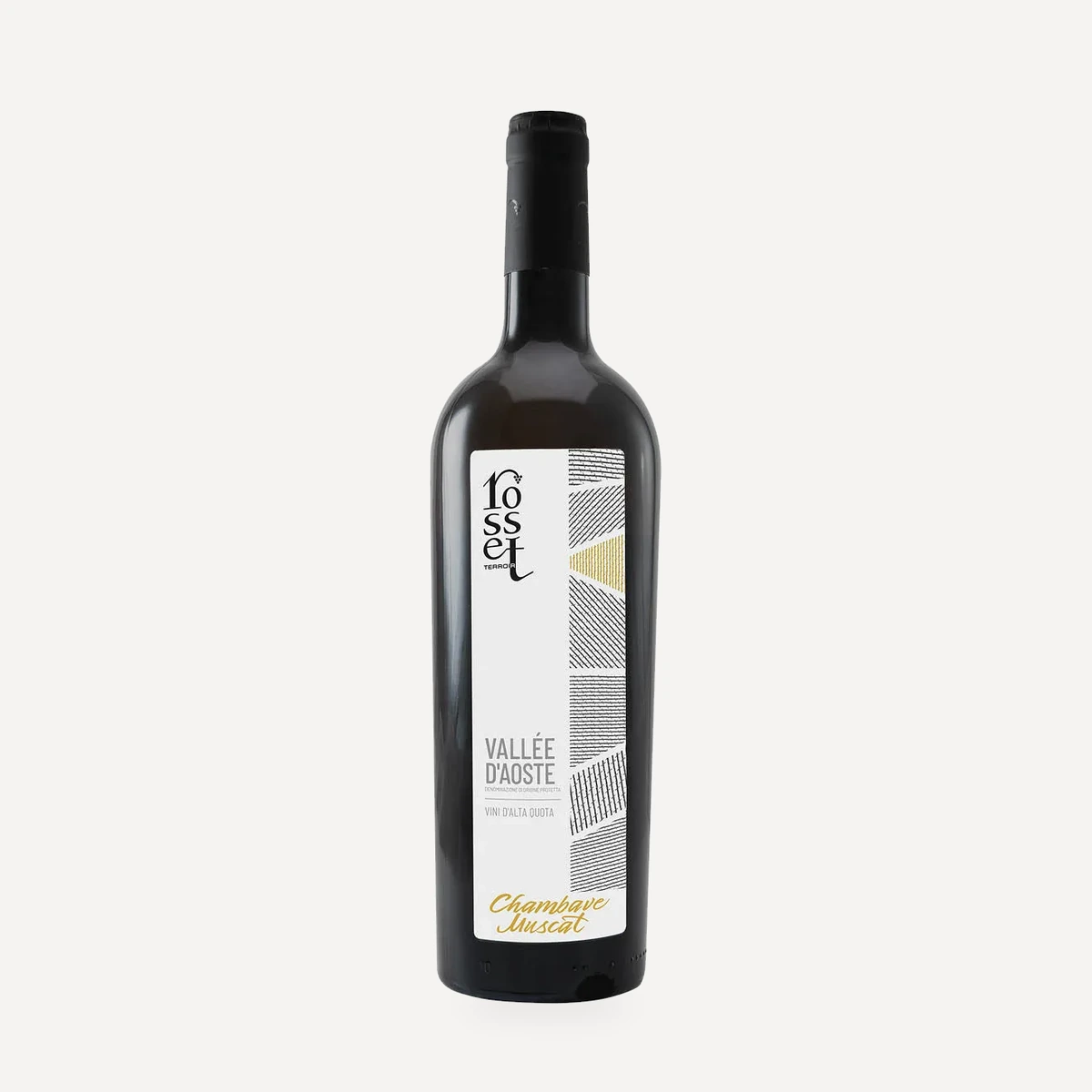
Chambave Muscat
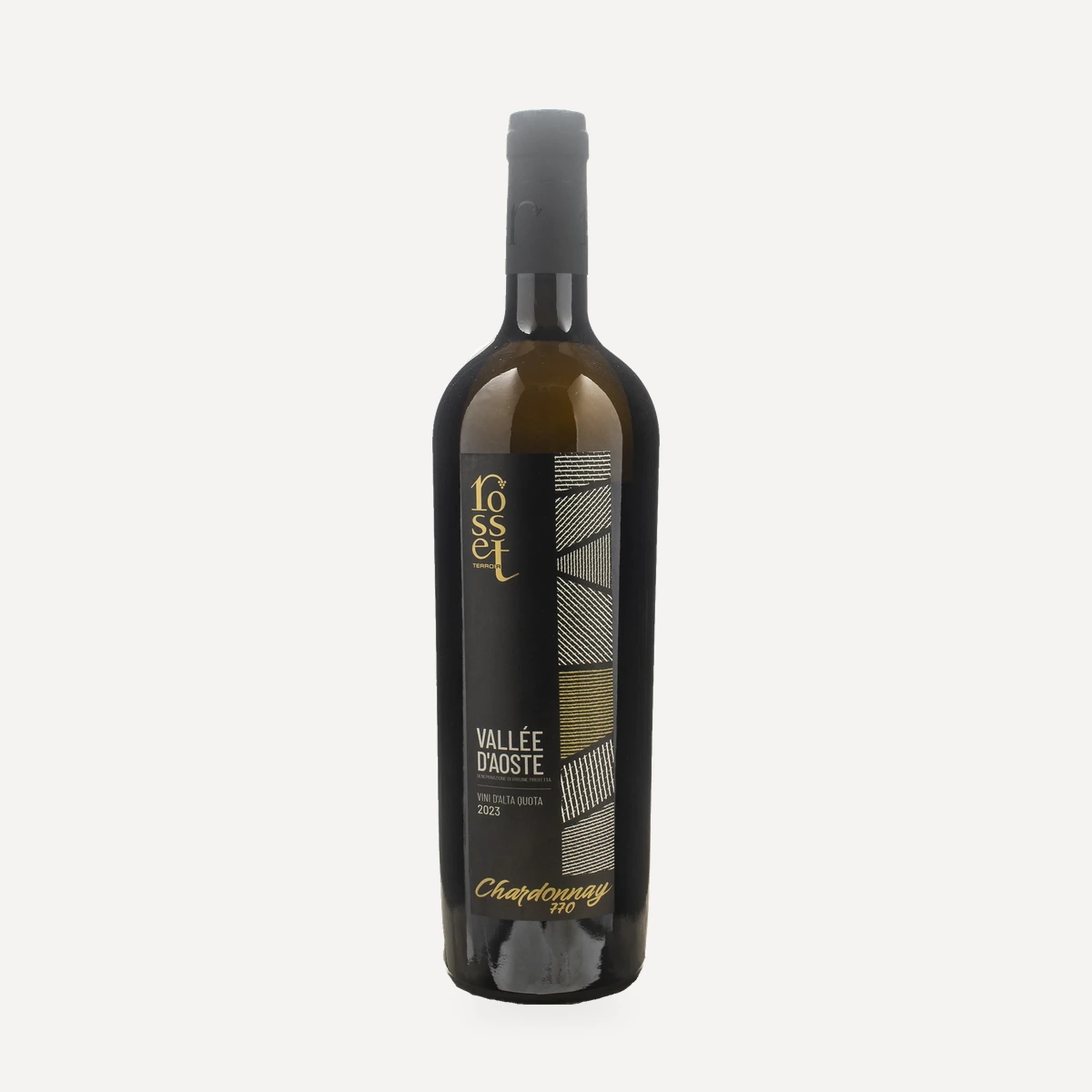
Chardonnay 770
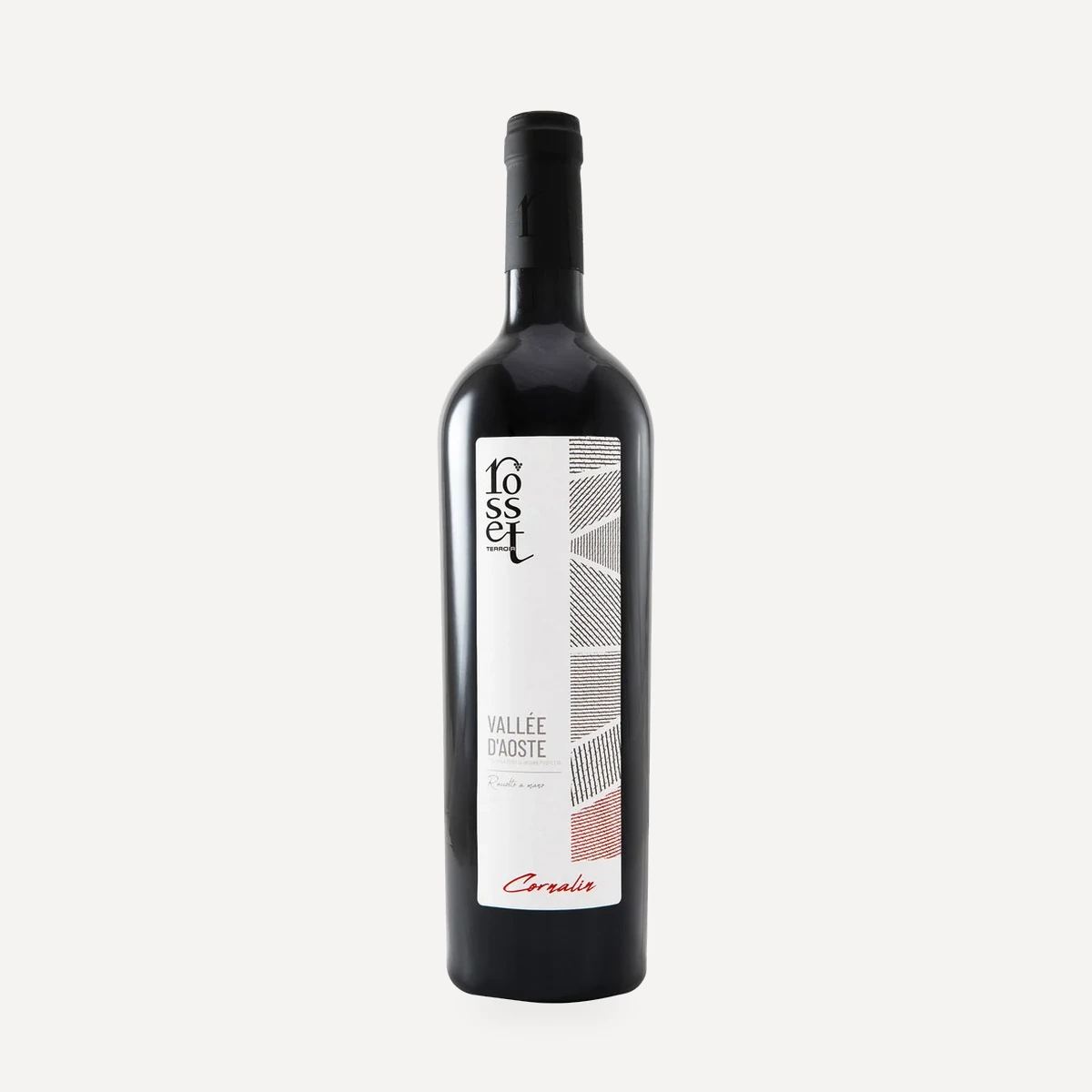
Cornalin
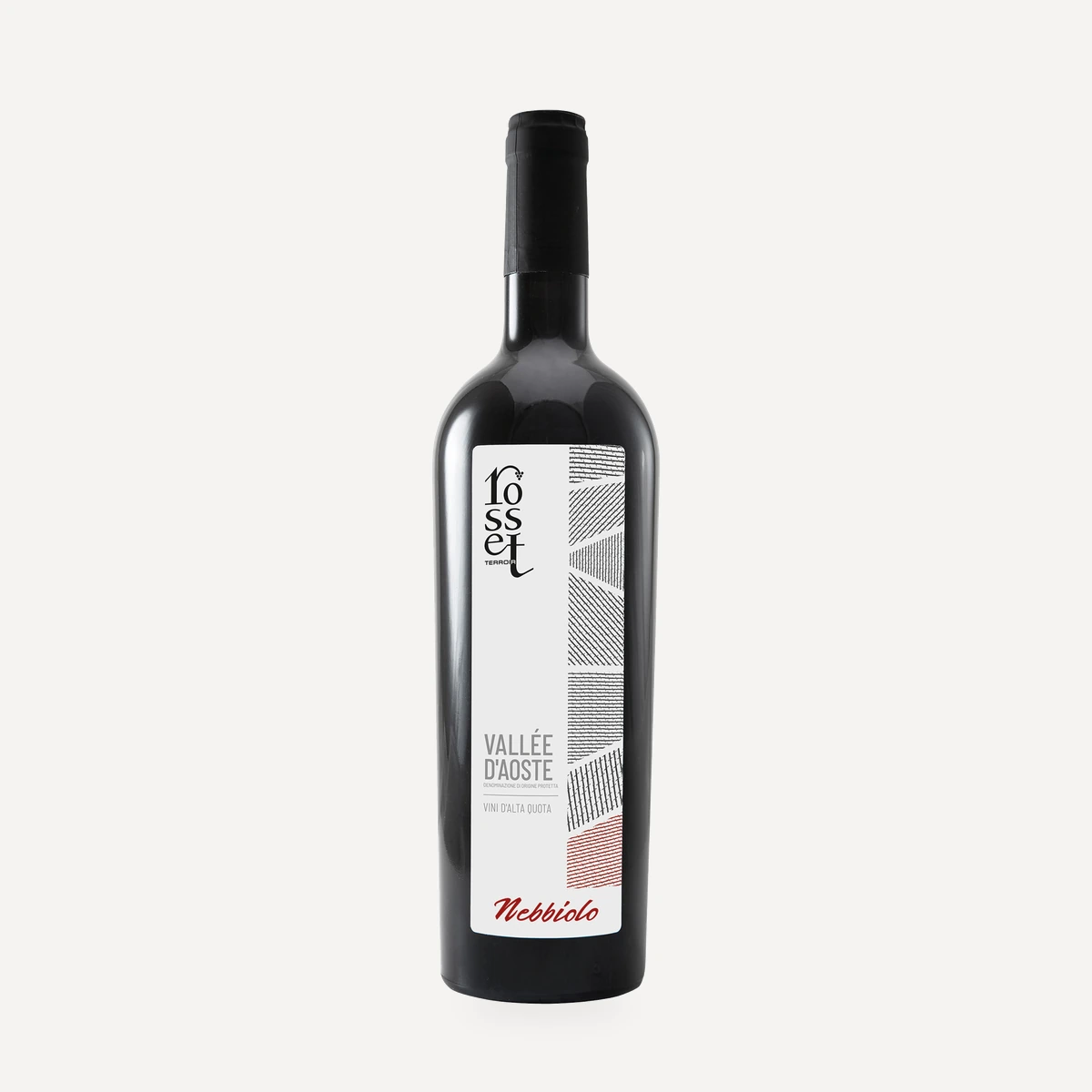
Nebbiolo
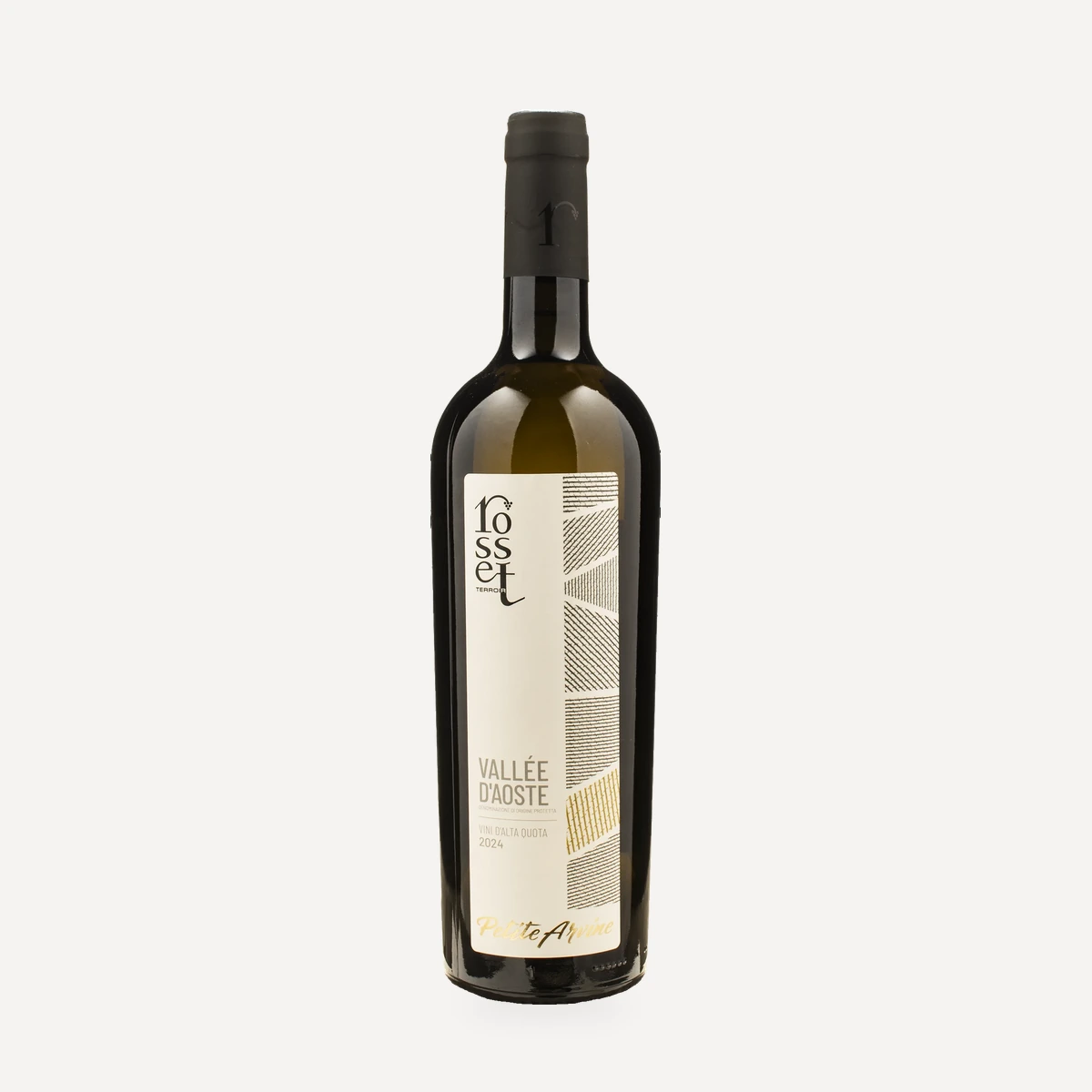
Petite Arvine
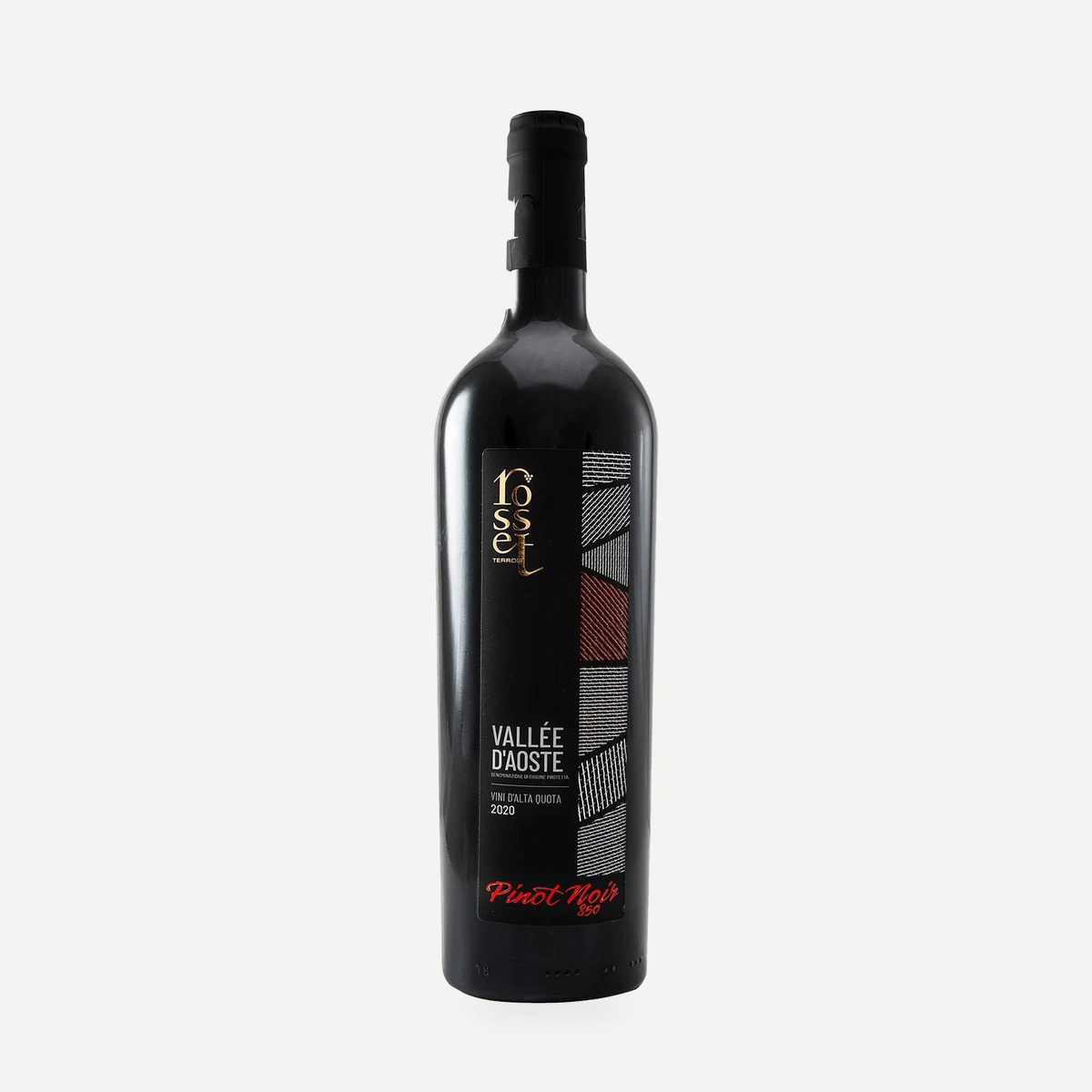
Pinot Noir 850
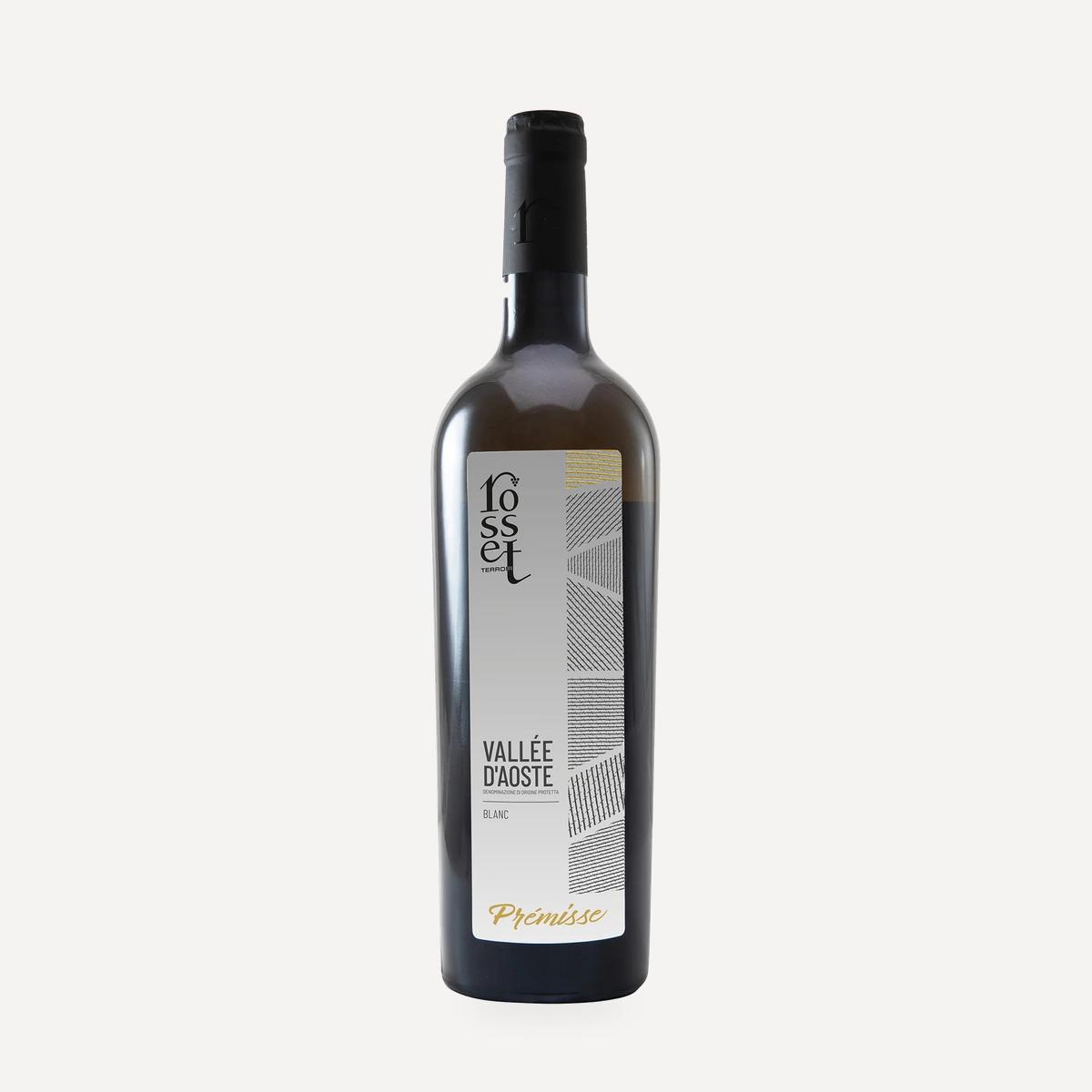
Premisse
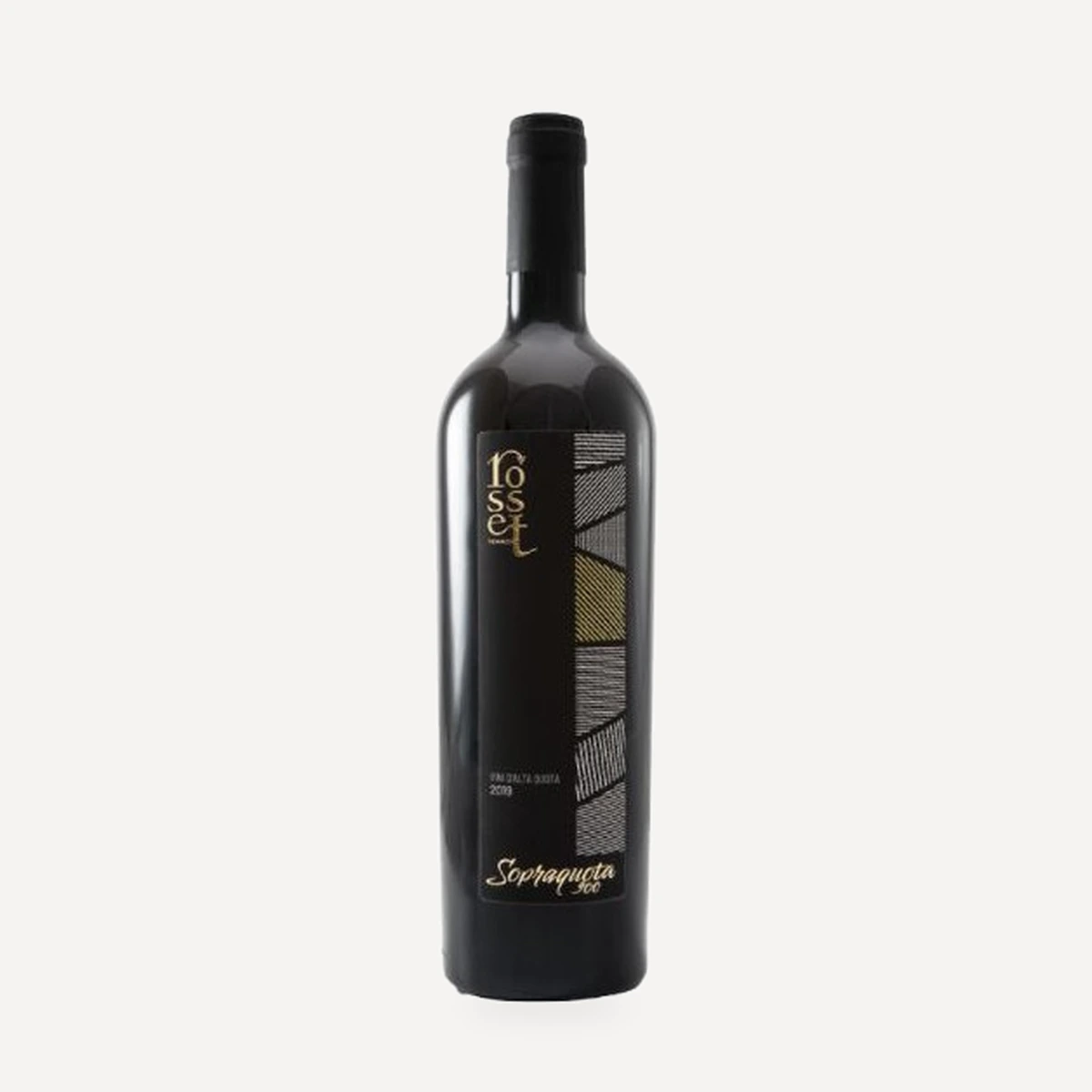
Sopraquota 900