Storia
Sergio Zenato’s Valpolicella project
After developing the family’s work in Lugana, Sergio Zenato turned his attention to Valpolicella Classica and established Monte Costalunga as the family’s Valpolicella estate. He transformed the property into a model vineyard, combining contemporary agronomic techniques with traditional methods that had historically shaped the Valpolicella landscape. New vineyards were planted with particular emphasis on indigenous grapes, while dry-stone walls were retained or restored as functional elements governing air, water and heat around the vines.
The project expanded the family’s production beyond Lugana and provided the foundation for Valpolicella Classico Superiore, Amarone Classico, Amarone Riserva, Recioto, Cresasso and Ripassa. The latter revived the traditional Valpolicella practice of passing a finished young wine over Amarone pomace, a method that had fallen out of regular use.
Family continuity and new selections
Sergio’s wife, Carla Prospero, and their children, Nadia and Alberto, worked alongside him. Nadia and Alberto subsequently assumed responsibility for continuing the family business: Alberto oversees production from vineyard to bottle, with particular attention to sustainable development, while Nadia is responsible for marketing and the Italian market. They share responsibility for international commercial growth.
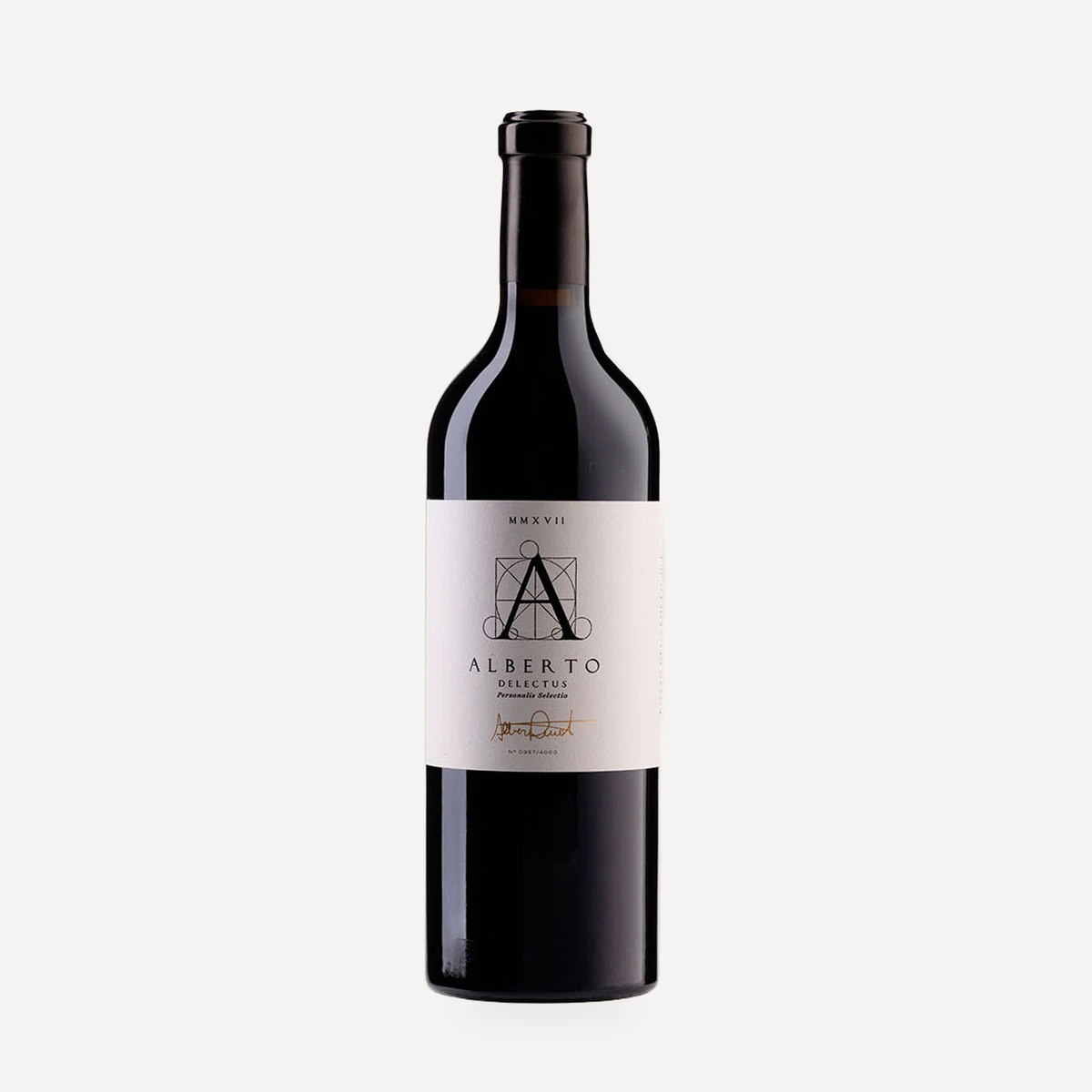
In 1997, on Alberto Zenato’s thirtieth birthday, a personal selection project was created using Corvina Veronese from Costalunga together with Merlot from the morainic hills of Lake Garda. The selection is renewed every ten years with a new blend.
Cresasso was created in 2004 as a varietal interpretation of Corvina Veronese from Costalunga’s highest, stoniest plots. The wine’s twentieth anniversary was celebrated at Vinitaly in 2024 with masterclasses featuring historic vintages.
The Archivio Storico project was later developed to preserve and periodically release significant Amarone vintages from the estate’s oldest, highest and best-exposed vines. The programme is conceived around selecting an exceptional cask and allowing it to mature for roughly a decade before release.
Sustainability and recent investment
A company-wide sustainability programme based on environmental, economic and social criteria began in 2021. The organization’s processes—from vineyard cultivation through winemaking, bottling and sale—were certified to the Equalitas organizational standard. CSQA carried out its first audit in May 2022 and its first surveillance audit in 2023, including assessment of the biodiversity indicator.
During 2023, work in the Valpolicella vineyard included completion of an equipment shelter and changing room, reconstruction of the well-water collection tanks, filters and electrical control system used to meet irrigation needs, and installation of beehives. The BEE OUR FRIEND project brought an apiary to Costalunga’s wooded area in collaboration with Apicoltura Urbana.
A second CSQA surveillance audit was scheduled for May 2024. Further plans included reducing electricity use and irrigation-water waste in the Valpolicella vineyards, enlarging the Valpolicella cellar and drying loft, and investing in drying, cooling and wine-transfer equipment.
Terroir
Tenuta Costalunga lies in the municipality of Sant’Ambrogio di Valpolicella, within the hilly landscape of Valpolicella Classica north of Verona. Its wider setting is framed by Verona, Lake Garda and the mountain chains of Monte Baldo and Lessinia. Vines coexist with olive trees, woodland and dry-stone walls.
The vineyards occupy several elevations and exposures. Parcels used for Valpolicella Classico and Ripassa lie at approximately 250–300 metres above sea level and face south-east and south-west. The higher Costalunga sectors reach approximately 300–350 metres; Amarone parcels include south-east-facing slopes, while the oldest selections also include south-west exposures. The highest and best-exposed vines occupy breezier ground.
Soils are predominantly Cretaceous and calcareous, with abundant stones. Some higher sectors are described as calcareous morainic soils containing clay, while the oldest upper vineyards used for Archivio Storico are rich in marl. Deep-rooted old vines draw mineral salts from these marl-rich profiles.
Stone is a defining feature of the estate. In the highest Cresasso plots, soil increasingly gives way to exposed stone. The dry-stone walls dividing the vineyard help regulate the essential balance of air, water and warmth around the vines.
Vinificazione
Soil and vine management
Chemical herbicides are excluded. Natural grass cover is maintained, either permanently with spontaneous vegetation or through the sowing of organic seed mixtures. Inter-rows are mown or mulched, while the soil beneath the vines is managed mechanically.
Fertilization follows integrated-production principles and regional guidelines. Soil and leaf analyses are conducted by homogeneous vineyard area, supporting a fertilization plan, an electronic field register and vineyard-intervention planning. Bud load is adjusted according to the preceding yield and the weight of pruning wood.
Plant protection and monitoring
Plant-protection decisions combine decision-support systems, field observations and weather forecasts. Monitoring is recorded digitally and used to assess disease pressure alongside predictive models and regional integrated-pest-management bulletins. Applied products comply with the SQNPI method and are registered for the relevant crop. Mating disruption is used against grape moths and scale insects.
Weather stations with humidity sensors support vineyard decisions. Irrigation is applied according to the needs of the crop and variety, with forecasts reviewed continuously. In 2023, the well-water collection tanks, filters and electrical control system serving the Valpolicella fields were rebuilt. Further work was planned to reduce irrigation-water waste and electricity use.
Harvest and traceability
Ripening is followed through a sampling calendar that identifies the vineyards and timing to be monitored. Vineyard operations are recorded in management software and linked to each coded vineyard. Harvesting is manual across the documented Costalunga selections. Grapes for the most selective dried-wine production are graded by hand and placed in small 5 kg crates.
Biodiversity
Vineyards are complemented by woodland, borders, hedges and meadows sown with flowering species. The Biodiversity Friend protocol evaluates soil, air and water indicators, while weather stations provide supporting environmental data.
In 2023, the BEE OUR FRIEND initiative installed four hives in Costalunga’s wooded area in collaboration with Apicoltura Urbana. Contemporary communications place the apiary population at approximately 250,000 bees. The bees produce estate honey and pollinate surrounding areas; staff workshops addressed bee biology, threats to pollinators and the importance of biodiversity.
Grape reception and control
The winery uses laboratory sampling and chemical, physical and sensory analysis to monitor phenolic maturity before harvest. Incoming grapes undergo targeted selection. Processing protocols cover every stage from vinification through bottling, defining working procedures, product and process controls, and activity records. Analytical checks are performed both in the internal laboratory and by accredited external laboratories.
Fresh-grape red-wine route
Freshly harvested grapes are destemmed and crushed, then traditionally macerated in stainless-steel fermenters. Documented macerations last approximately 10–12 days. After alcoholic fermentation, the wine is separated from the skins by gentle pressing. Depending on the intended style, maturation includes oak tonneaux or longer periods in wood and steel.
Appassimento route
Grapes selected for Amarone are picked and graded by hand, placed in crates with sufficient spacing between bunches and dried for approximately three to four months in dry, well-ventilated lofts. Riserva fruit is handled in small 5 kg crates and pressed in January after about four months of drying. Fermentation proceeds slowly on the skins for approximately 15–20 days. Amarone matures for about four years in 30 and 65 hl oak casks; the Riserva spends about five years in large Slavonian-oak casks, followed by at least one year in bottle.
Recioto follows a related but longer drying cycle: the loosest and healthiest bunches are retained in the drying loft until February, losing approximately 50% of their weight. After gentle destemming and crushing, fermentation on the skins lasts about 20 days, followed by 24 months in tonneaux and 12 months in bottle.
Ripasso route
The base Valpolicella is destemmed, crushed and macerated in stainless steel for 10–12 days. Following alcoholic fermentation and gentle pressing, it remains in steel until January, when the dried Amarone grapes are pressed. The wine is then passed over the Amarone pomace for 7–8 days at 22°C. It receives at least 24 months in wood and a further 12 months in steel before bottling.
Selective Corvina production
For the pure-Corvina Cresasso selection, harvest takes place in two phases. A first selection is picked in the second half of September and dried for two months before a 20-day fermentation and 24 months in French oak. Corvina left on the vine over-ripens until the end of October and is fermented separately in stainless steel; the two lots are subsequently blended.
Cellar sustainability
Cleaning of winery spaces, tanks and machinery is managed with particular attention to water and energy efficiency. The production system also seeks outlets for by-products as part of a circular-economy approach. Recent investment included tonneaux, large casks, barriques, a grape elevator and an enzymatic analyser for the internal laboratory. Tangential-filtration equipment was introduced to reduce water consumption, while new case-forming, partition-inserting and sealing machinery reduced electricity use by 15%.
Filosofia
The Costalunga project is built around precision in both vineyard design and daily cultivation. Sergio Zenato’s approach paired modern agronomic techniques with the recovery of traditional practices that shaped Valpolicella, treating indigenous varieties and the historic landscape as complementary rather than opposing values.
The family frames quality as a continuous process extending from vineyard to bottle. Nadia Zenato identifies attachment to place, passion and the pursuit of the highest quality in vineyard and cellar as the principles inherited from her father. Alberto Zenato emphasizes that those values remain relevant despite the profound changes and increased competition experienced by the wine sector.
Sustainability is understood as a balance among environmental stewardship, economic continuity and social responsibility. The landscape is treated as an inheritance to protect rather than a resource to exploit. Practical expressions include the exclusion of chemical herbicides, integrated pest management, soil and leaf analysis, biodiversity monitoring, ecological refuge areas, water and energy controls, and traceable protocols throughout production.
The family also places importance on vintage selection and time. Amarone Riserva is made from the best old-vine fruit in suitable years, while the Archivio Storico programme preserves exceptional casks for extended ageing. This approach treats longevity and vintage variation as integral parts of Costalunga’s identity.
Vini
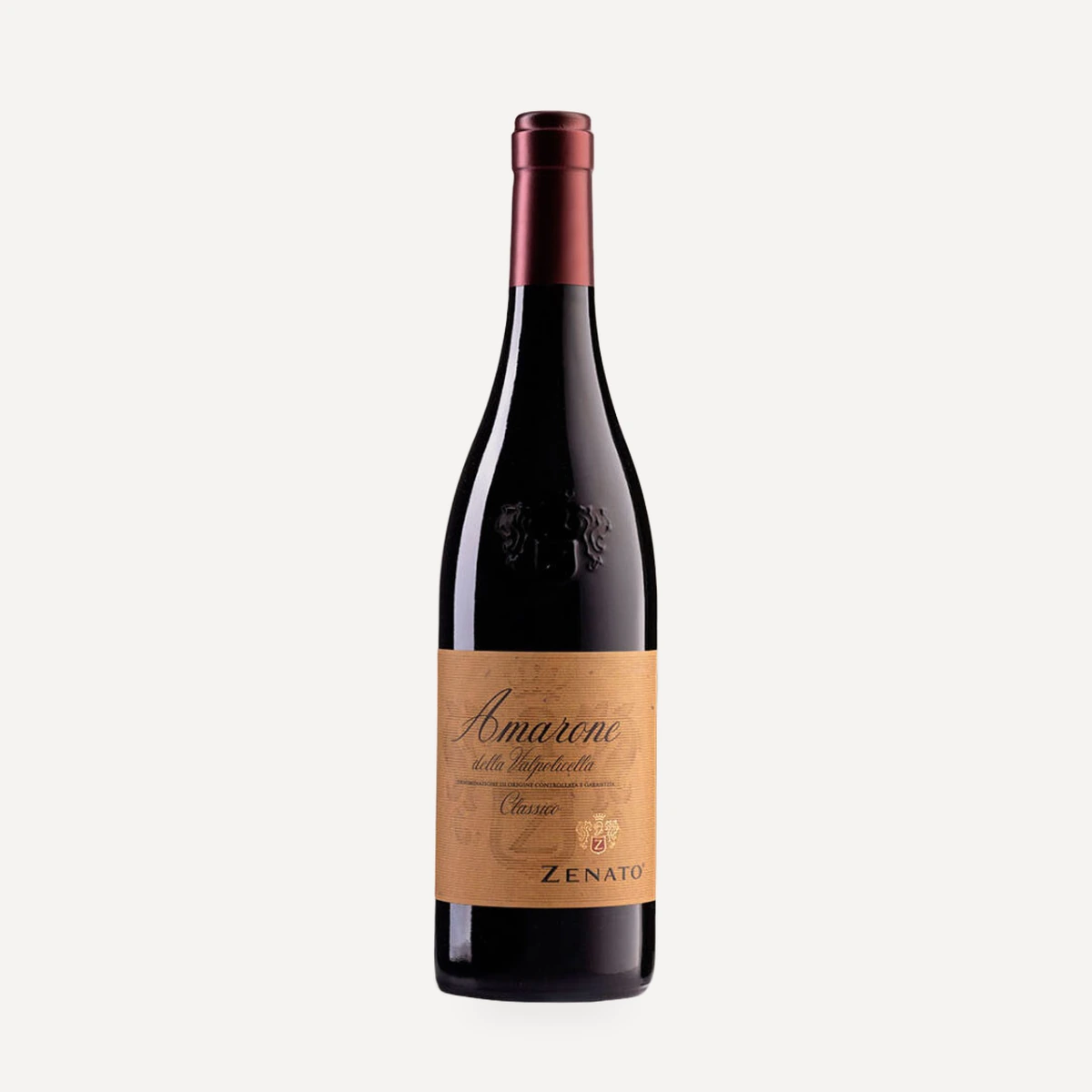
Amarone Classico della Valpolicella DOCG
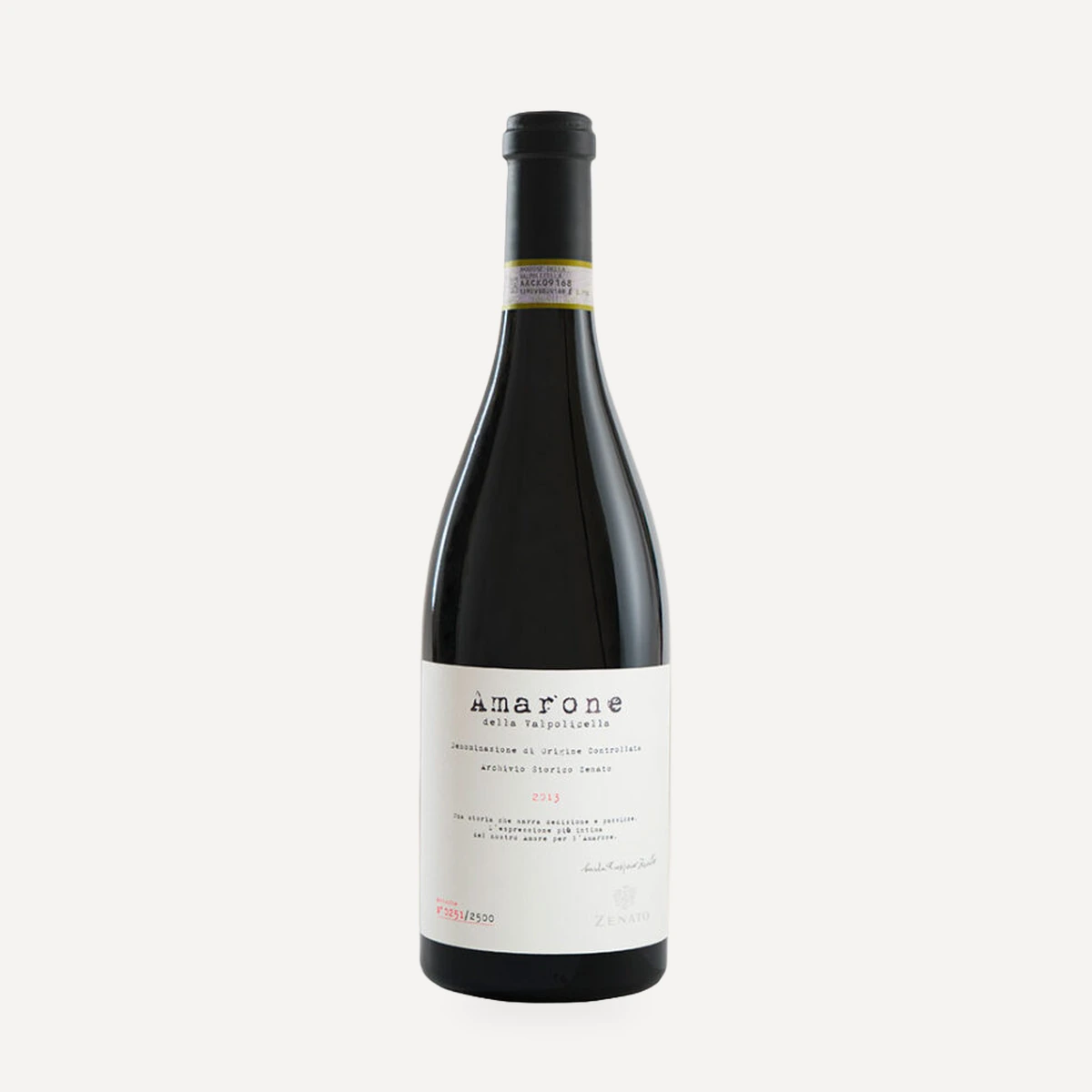
Amarone Classico della Valpolicella Archivio Storico DOCG
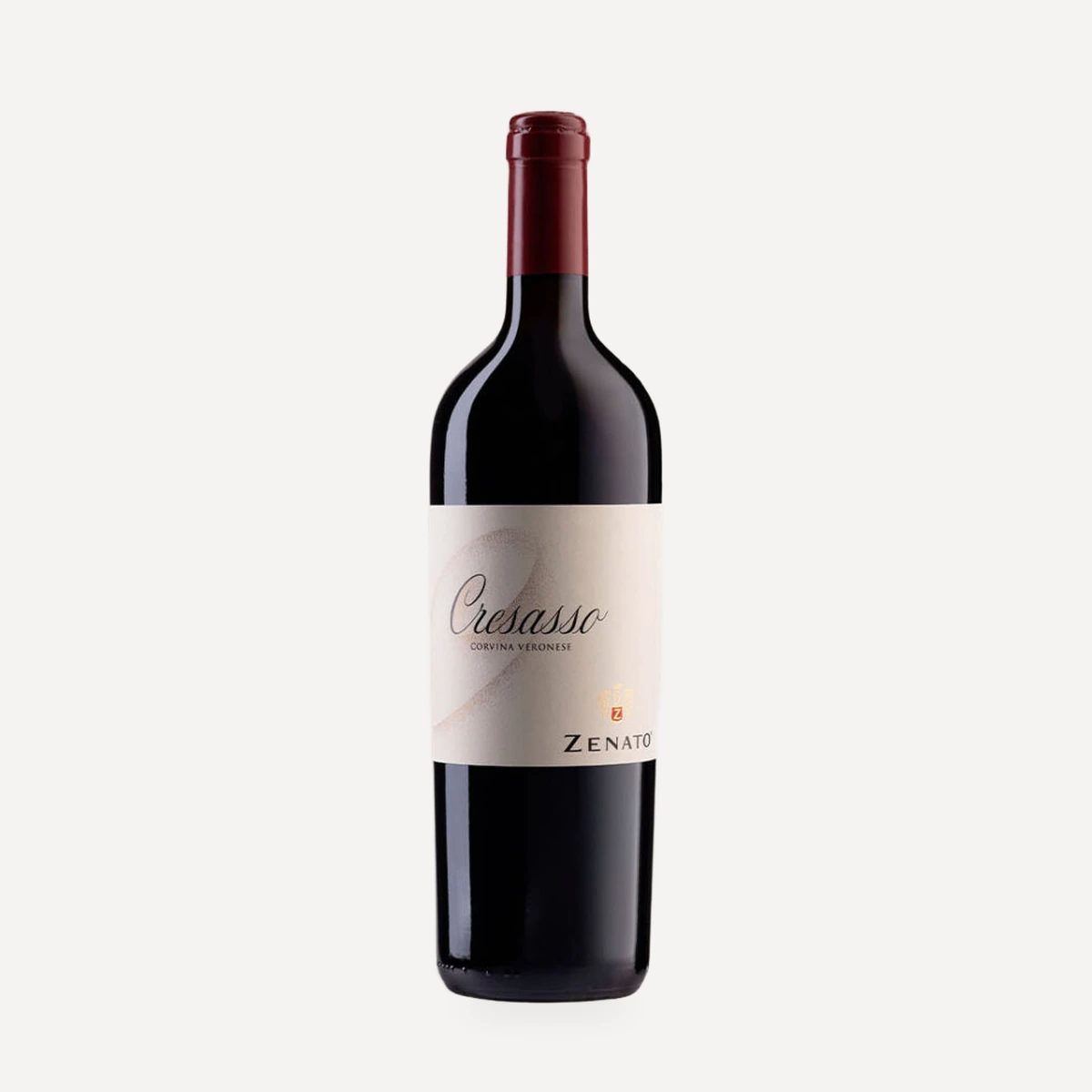
Cresasso Corvina Veronese IGT
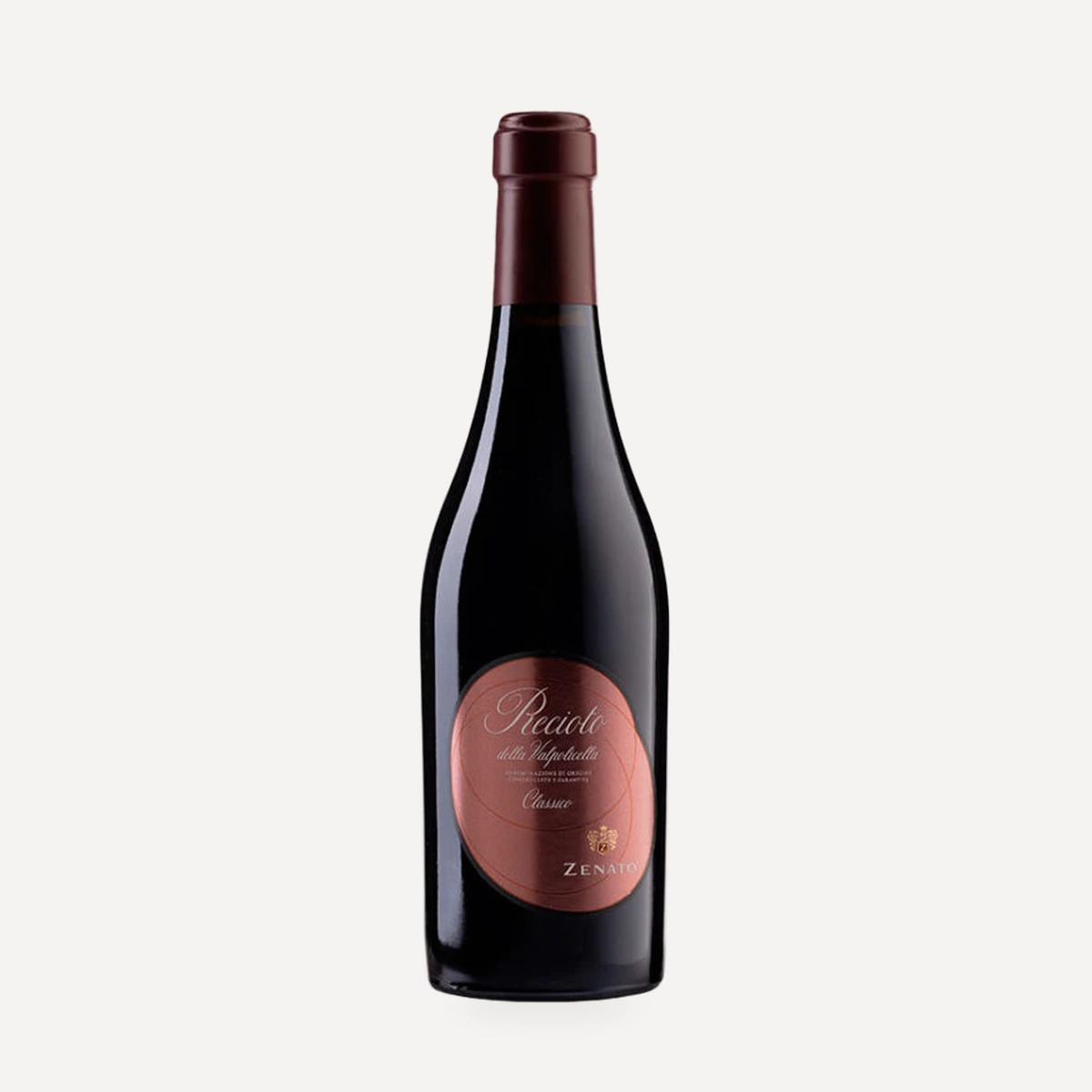
Recioto della Valpolicella Classico DOCG