Storia
Early 20th century: Gaetano Accordini
The family's winemaking story began in the early 1900s with Gaetano Accordini, Stefano's father. Gaetano cultivated vines and made wine as a sharecropper rather than as the owner of the land.
The 1970s: Stefano establishes the family estate
Following the abolition of sharecropping contracts, Stefano Accordini acquired the family's first vineyard in the Negrar valley. Known as Il Fornetto, it was planted by Stefano in 1975 with indigenous Valpolicella varieties trained on pergola veronese. The acquisition fulfilled his ambition to create an independent winery. Stefano supplied Valpolicella to the local market until 1982.
Tiziano and Daniele: modernization and international markets
Stefano's sons Tiziano and Daniele concluded that the business needed to prepare for the future. They reassessed its technical and qualitative foundations, planted additional vineyards, removed the oldest cellar barrels and modernized winemaking procedures. The family also began developing export markets. Tiziano contributed commercial expertise, while Daniele supplied the oenological knowledge behind the project. Their wives, Eleonora and Raffaella, and the next generation—Giacomo, Paolo and Marco—supported the brothers' decisions and initiatives.
The new millennium: a move into the mountains
At the beginning of the new millennium, the family chose to shift the centre of its winegrowing activity into the upper reaches of Valpolicella Classica. The project began with the acquisition of 10 hectares at Cavalo, in the Fumane valley, at approximately 550 metres above sea level. The aim was to exploit the area's high-altitude climatic and soil conditions.
Tornidora, planted in 2002 at 500 metres, became a principal vineyard in Tiziano and Daniele's mountain project. Further vineyards surrounding the future winery were planted in 2003 and 2007, followed by later plantings in 2014 and 2018. La Cà was planted in 2008, while Chiesa Vecchia and Monte followed in 2013.
After acquiring and planting the high-altitude land, the family built a new winery. Construction was completed in 2011. The estate subsequently described itself as the highest winery in Valpolicella Classica and characterized its work as mountain viticulture.
Organic conversion and the fourth generation
The entire 30-hectare agricultural business entered organic farming in 2015. After four years of cultivation and conversion, a three-wine Premium Organic line was prepared in 2019. Its planned range comprised Valpolicella Classico DOC Biologico, Valpolicella Classico Ripasso DOC Biologico and Amarone della Valpolicella Classico DOCG Biologico.
The first wine in that range reached the market in April 2020. The first organic Valpolicella Ripasso followed in 2021, and the first organic Amarone was introduced in 2022.
The fourth generation—Giacomo, Paolo and Marco Accordini—now continues the family business with responsibilities spanning vineyards, production, commercial activity, winemaking, marketing and hospitality. Its priorities include organic cultivation, environmental health, renewable energy and the development of the estate's high-hill vineyards.
Terroir
Upper Valpolicella Classica
The principal vineyards occupy the highest part of Valpolicella Classica. Cavalo di Fumane is a small, vineyard-surrounded village at approximately 550 metres above sea level, with views towards Lessinia, Monte Pastello and Verona. The vineyards extend across the Fumane and Sant'Ambrogio valleys, while the historic Il Fornetto lies at the much lower altitude of 130 metres in the Negrar valley.
The high-hill sites have predominantly skeletal, calcareous soils. Their relative poverty reduces yields, while the estate associates these conditions with improved grape quality. Compared with the plain, the hills have a milder climate and pronounced day-to-night temperature variation. These conditions guide ripening and encourage the accumulation of colour compounds and aromatic substances, especially spicy aromas.
Site variation
Altitude among the named sites ranges from 130 metres at Il Fornetto to 600 metres at Chiesa Vecchia. Tornidora has clay-limestone soil that withstands dry periods. The land around the winery reaches 530–560 metres; its altitude and exposure keep temperatures below 32°C even during the hottest periods, preserving acidity while supporting anthocyanin accumulation and fruity-spicy aromas.
Chiesa Vecchia occupies the hill separating the Fumane and Sant'Ambrogio valleys. Its exceptionally rocky, poor soil places the vines under considerable stress. Monte, in the Sant'Ambrogio valley, is moderated by breezes from Lake Garda and is terraced with traditional dry-stone marogne. Its soils are predominantly calcareous. La Cà combines abundant stony material with thin clay layers and a sufficiently deep active soil horizon, allowing roots to penetrate deeply.
Il Fornetto differs markedly from the mountain sites. Its deep, clay-rich soil has a good active layer, and the old vines have developed deep roots that continue to supply the plants during dry periods.
Vinificazione
The estate describes its approach as mountain viticulture, drawing upon a century of family experience with Valpolicella's indigenous varieties. Its vineyards are planted principally with Corvina, Corvinone and Rondinella, complemented by Molinara, Merlot and Cabernet Souvignon.
The entire 30-hectare agricultural business has followed organic agriculture since 2015. The conversion required four years of organic cultivation before the Premium Organic range was prepared in 2019. Organic vineyard work excludes chemical materials and permits organic fertilizers. Grapes intended for the Premium Organic range are selected from isolated natural areas without adjoining plots, a measure designed to prevent drift or contamination from conventionally managed neighbouring land.
Vineyard design is adapted by site. Planting densities range from 3,500 to 5,000 vines per hectare, and both pergola veronese and Guyot systems are used. At Chiesa Vecchia, agronomic analysis led to the selection of 41B rootstock to help vines maintain balance in extremely poor, rocky soil. At Il Fornetto, old vines and deep root systems provide resilience during dry periods.
Selection for the organic range includes careful manual harvesting. The broader environmental programme combines organic cultivation with photovoltaic energy and electric-vehicle charging facilities at the hospitality property.
Winery development
Tiziano and Daniele Accordini modernized production by reassessing technical and quality practices, eliminating the cellar's oldest barrels and updating vinification procedures. Following the move into the mountain vineyards, a new winery was constructed and completed in 2011.
Production areas
The winery includes a fruttaio dedicated to drying grapes for Amarone and Recioto, a separate vinification area and a barrel room for maturation. Guided visits present the biochemical changes that take place while grapes remain in the fruttaio and the role of extended barrel ageing in developing the estate's house character.
The Premium Organic programme is framed around the use of technology rather than chemical inputs. Its grapes undergo particularly strict selection and come from organically managed, isolated vineyard areas. A documented example of the estate's organic practice combines manual grape selection with slow, temperature-controlled fermentation and excludes added chemical products.
The estate also employs the traditional ripasso process: Valpolicella is passed over the still-sweet pomace remaining from Amarone and Recioto, provoking renewed fermentation and maceration. The method is used to increase body, colour, aromatic intensity and alcoholic strength.
Filosofia
The family's stated mission is to cultivate grapes on the high hills of Valpolicella Classica and produce wines with recognizable site-derived character. Its approach combines inherited family knowledge and traditional gestures with technical modernization.
The fourth generation places environmental health, renewable energy and organic farming at the centre of the business. Within the Premium Organic programme, the family describes its objective as pursuing oenological quality through technology rather than chemistry. Stricter grape selection and the use of isolated organic parcels are intended to protect the integrity of the raw material.
Sustainability extends beyond the vineyard. Photovoltaic panels collect energy during the day for use at night, the hospitality structure is powered by renewable energy, and charging points are provided for electric vehicles. The family presents these measures as part of an effort to recycle energy wherever possible and reduce the environmental impact of the hospitality experience.
Family continuity is another defining principle: viticultural knowledge has passed through four generations, while commercial, oenological, vineyard, production, hospitality and administrative responsibilities are distributed among family members and collaborators.
Vini
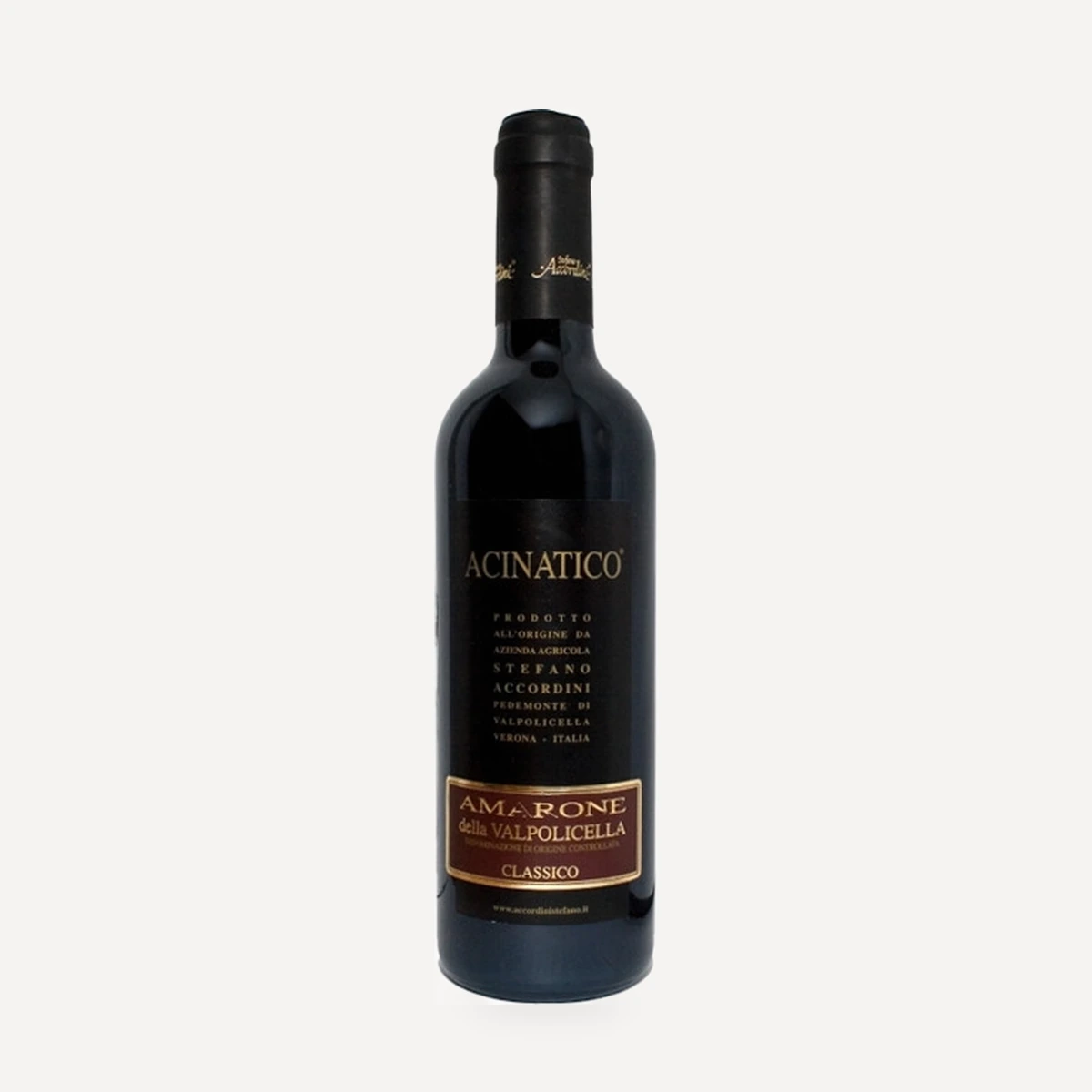
Amarone Classico Acinatico DOC
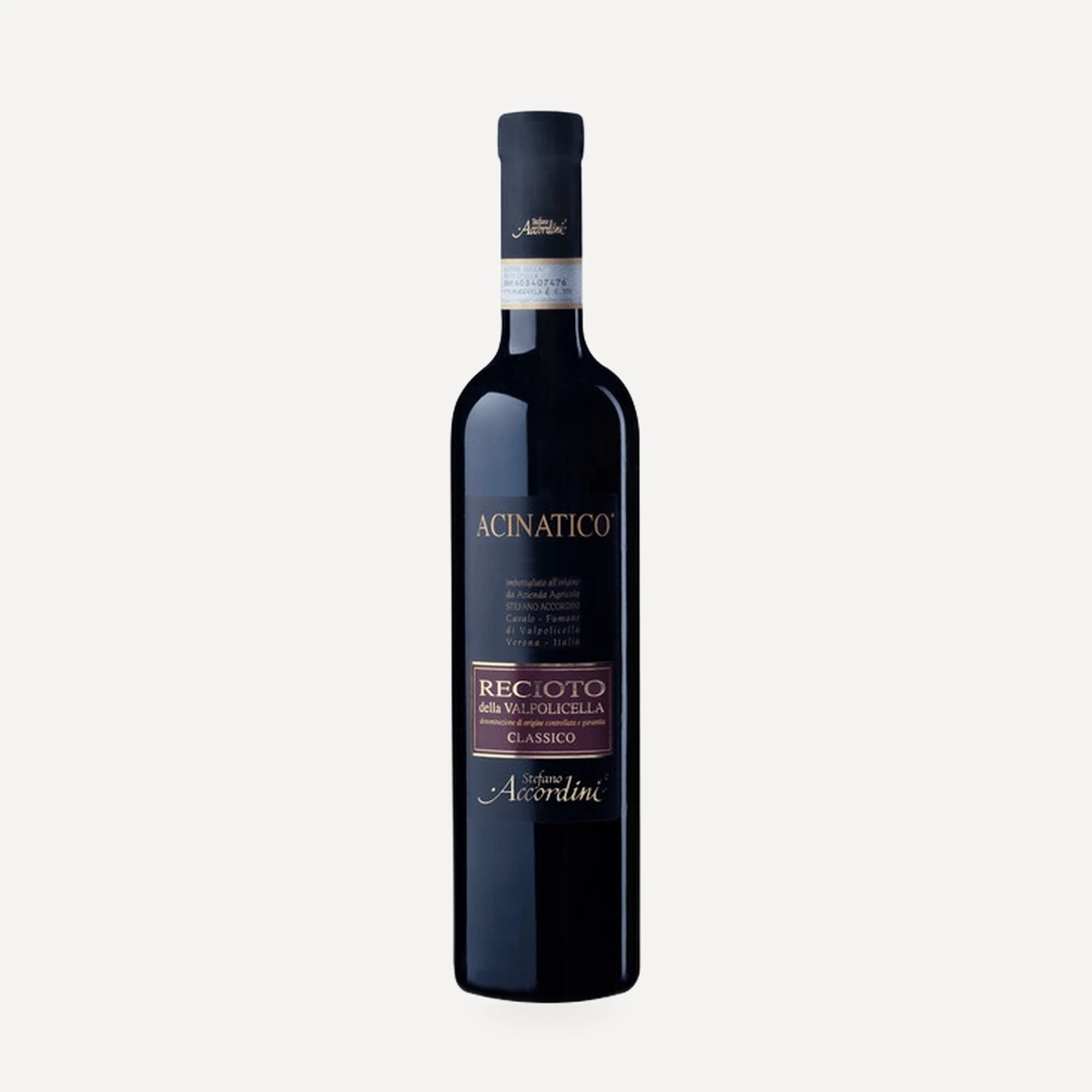
Acinatico Recioto della Valpolicella Classico DOCG
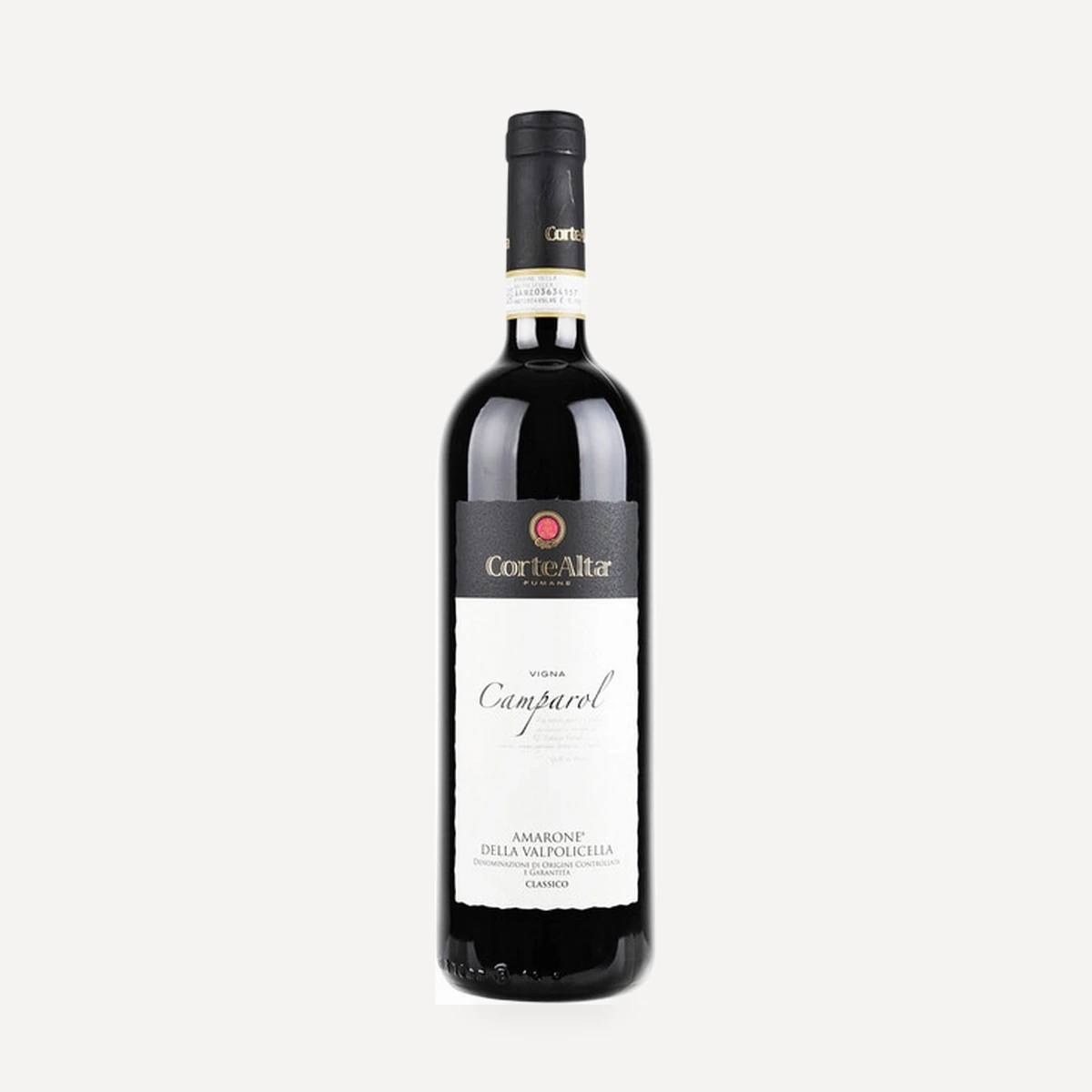
Corte Alta Vigna Camparol Amarone Della Valpolicella Classico DOCG
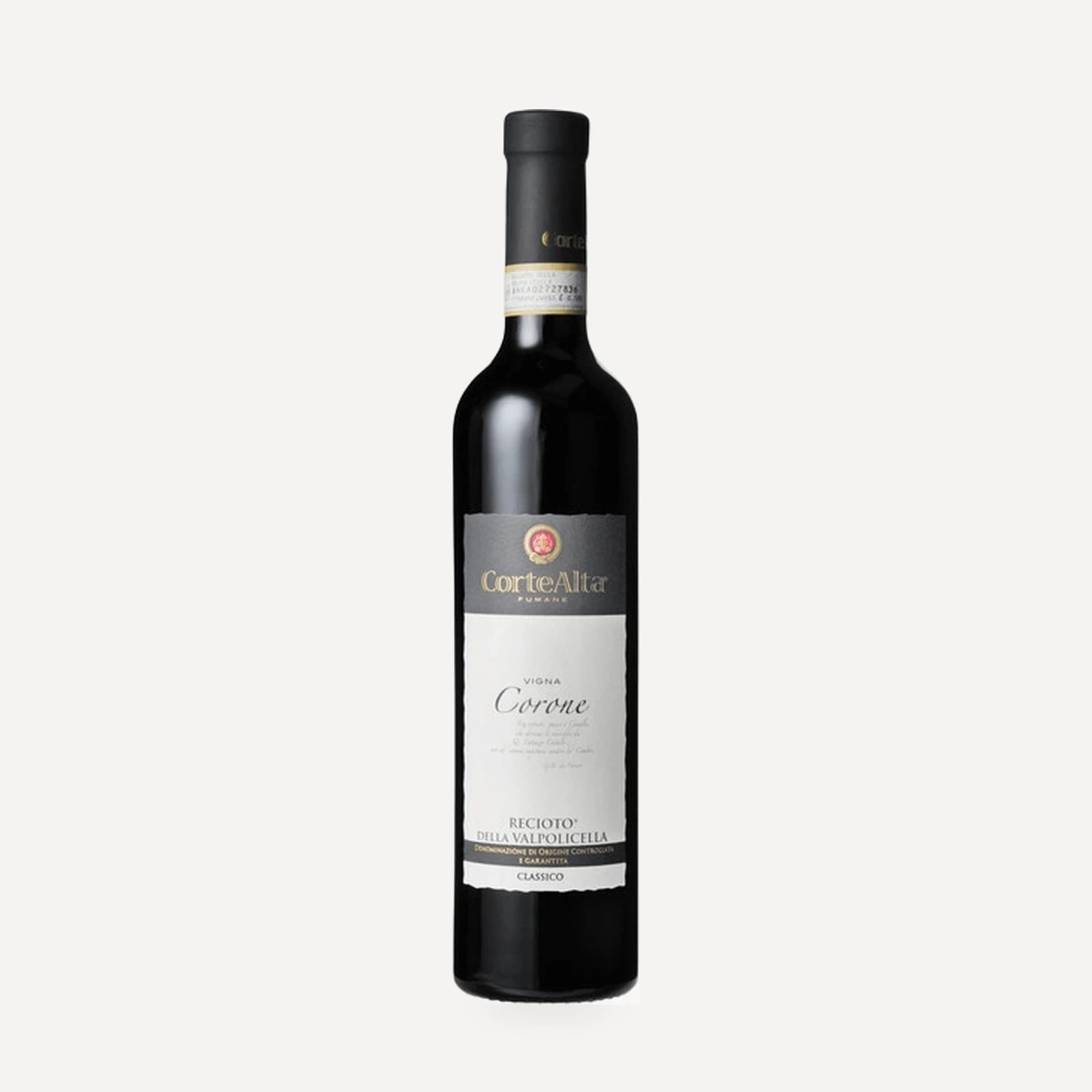
Corte Alta Vigna Corone Recioto della Valpolicella Classico DOCG
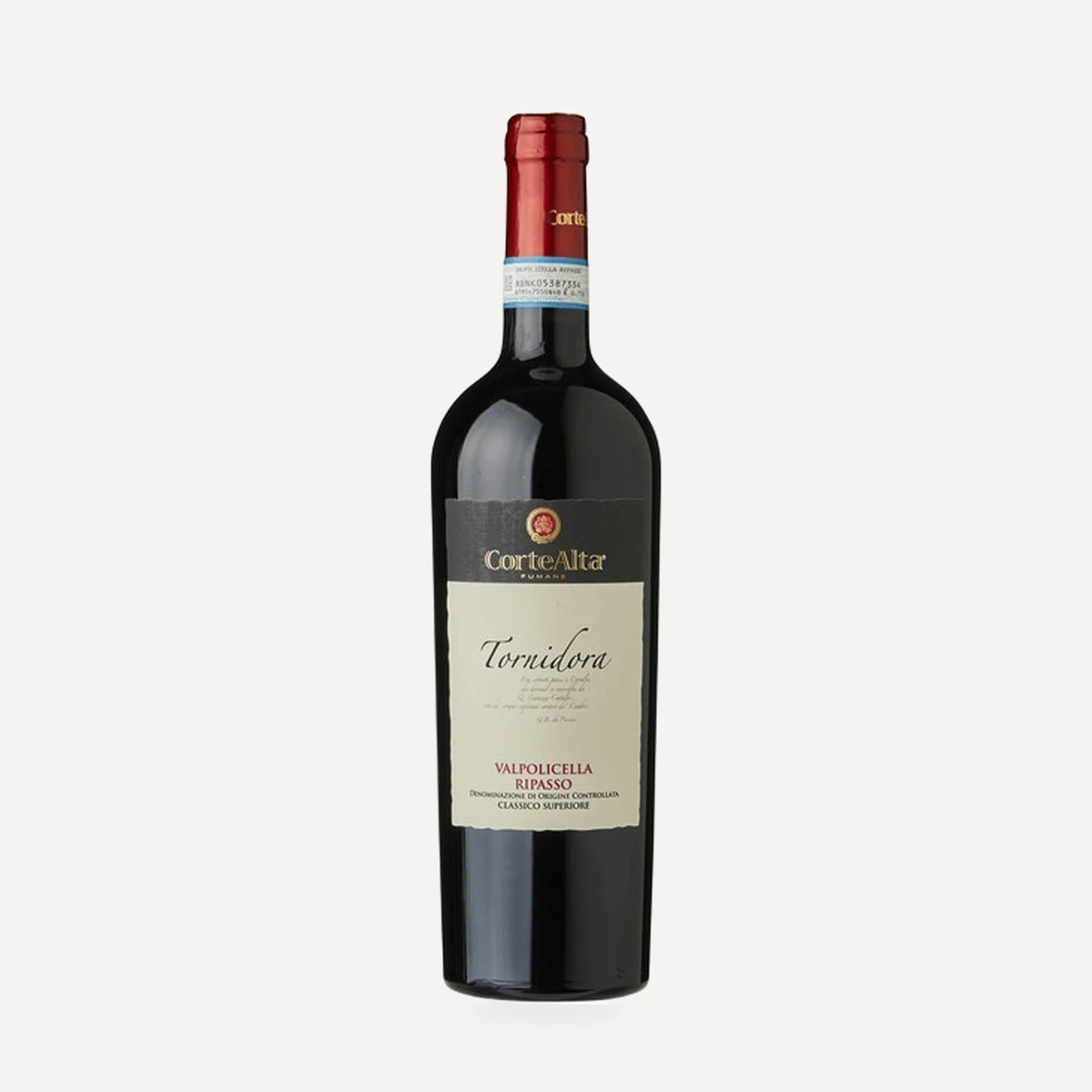
Corte Alta Tornidora Valpolicella Classico Superiore Ripasso DOC
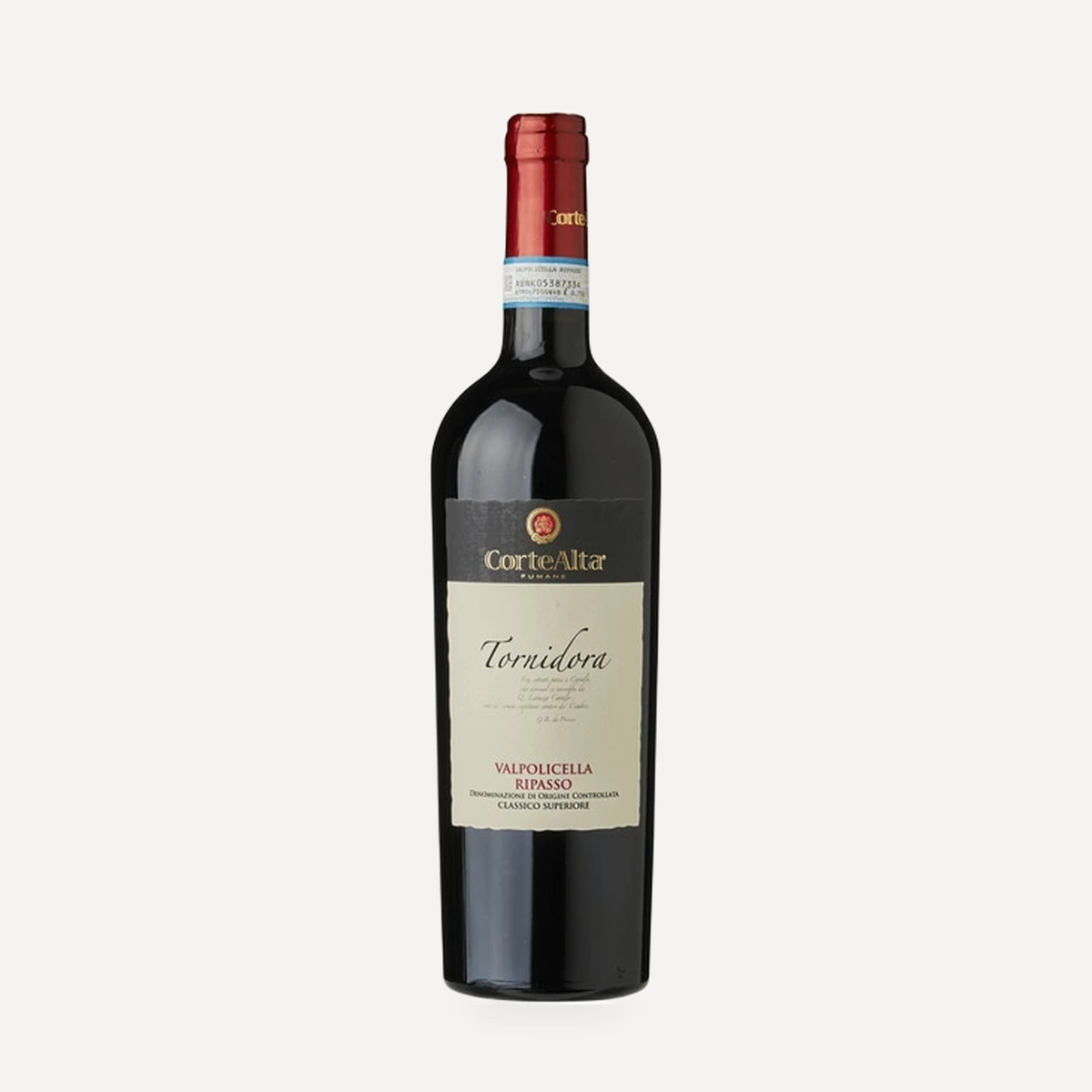
Corte Alta Vigna Tornidora Valpolicella Classico Superiore Ripasso DOC
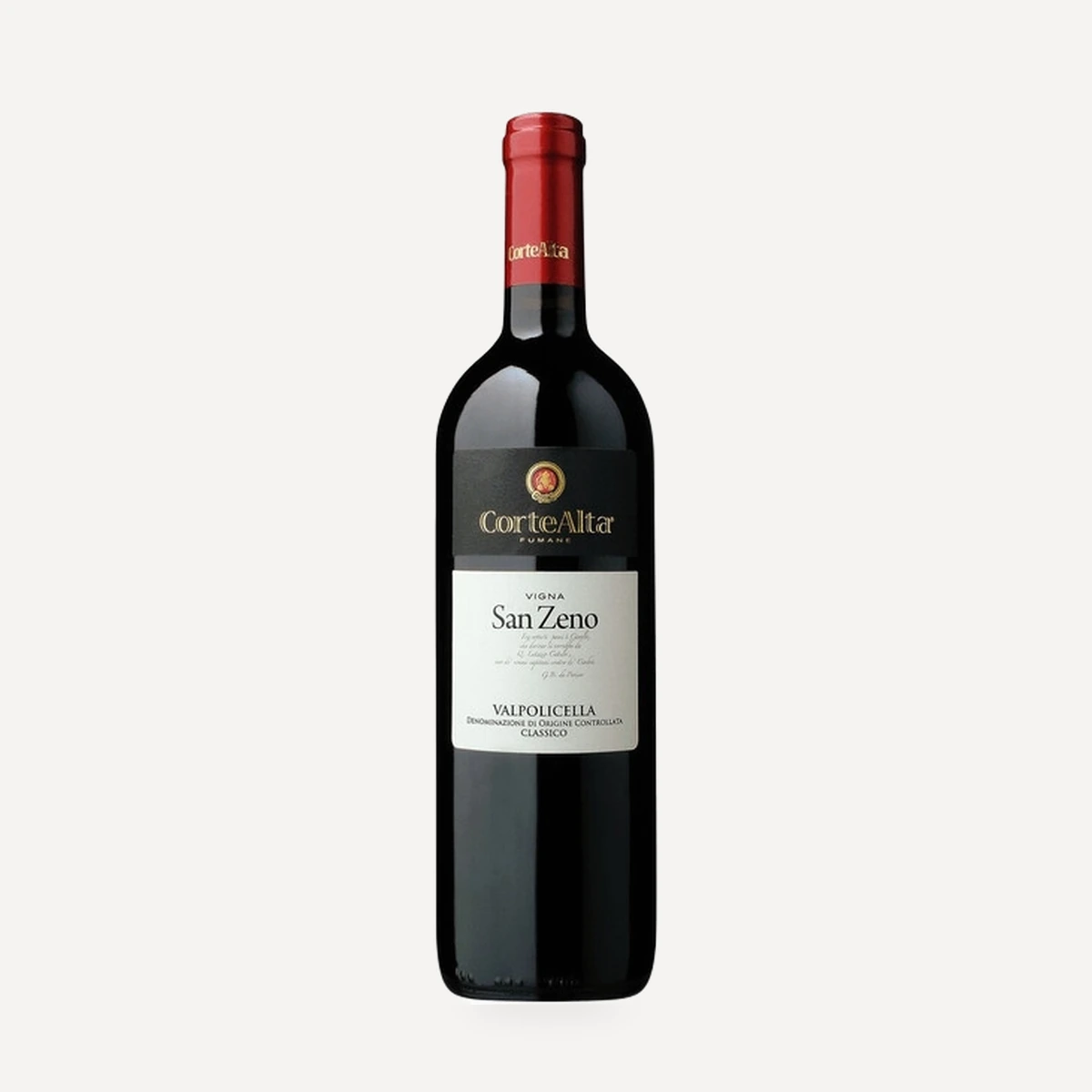
Corte Alta Vigna San Zeno Valpolicella Classico DOC
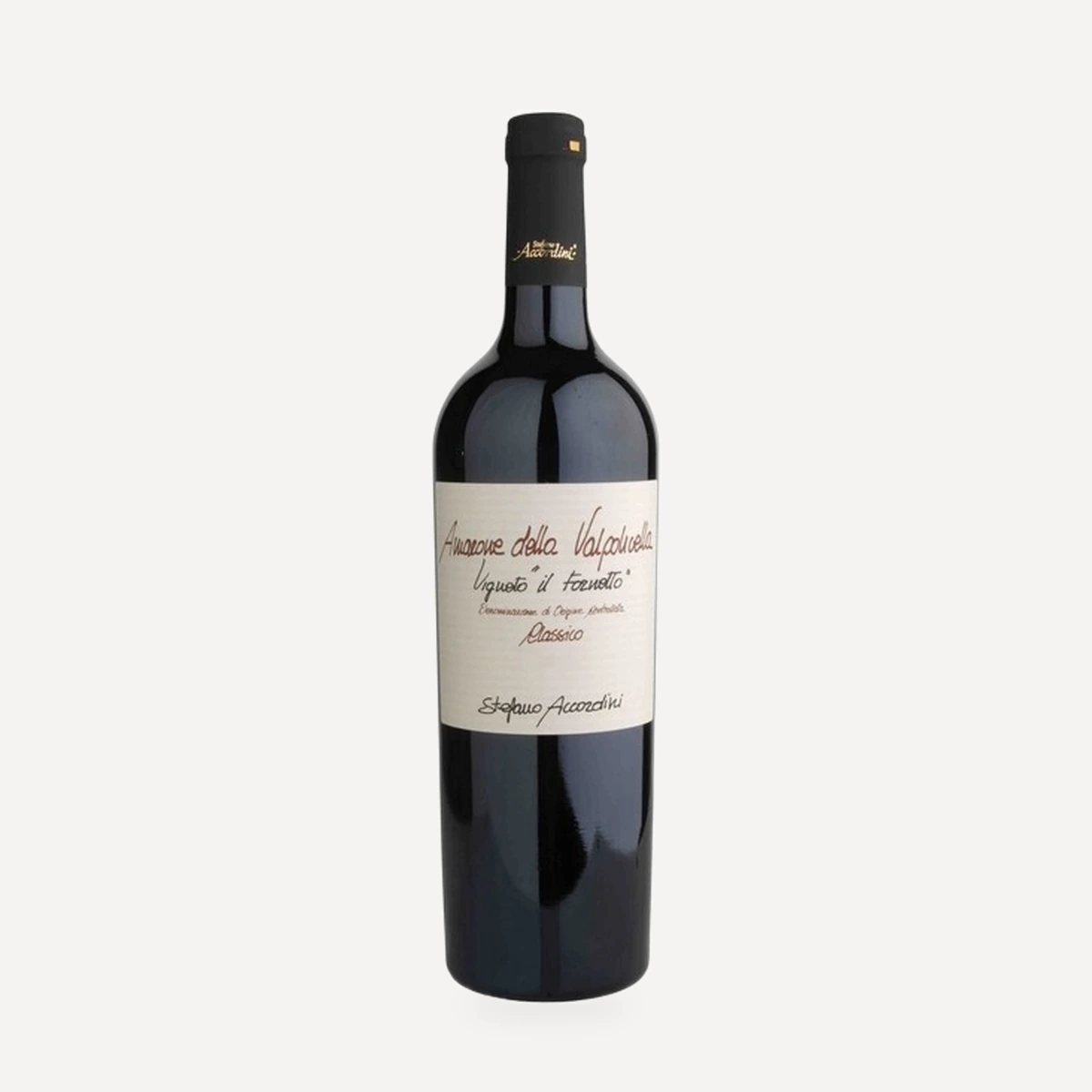
Amarone della Valpolicella Classico Il Fornetto Riserva DOCG
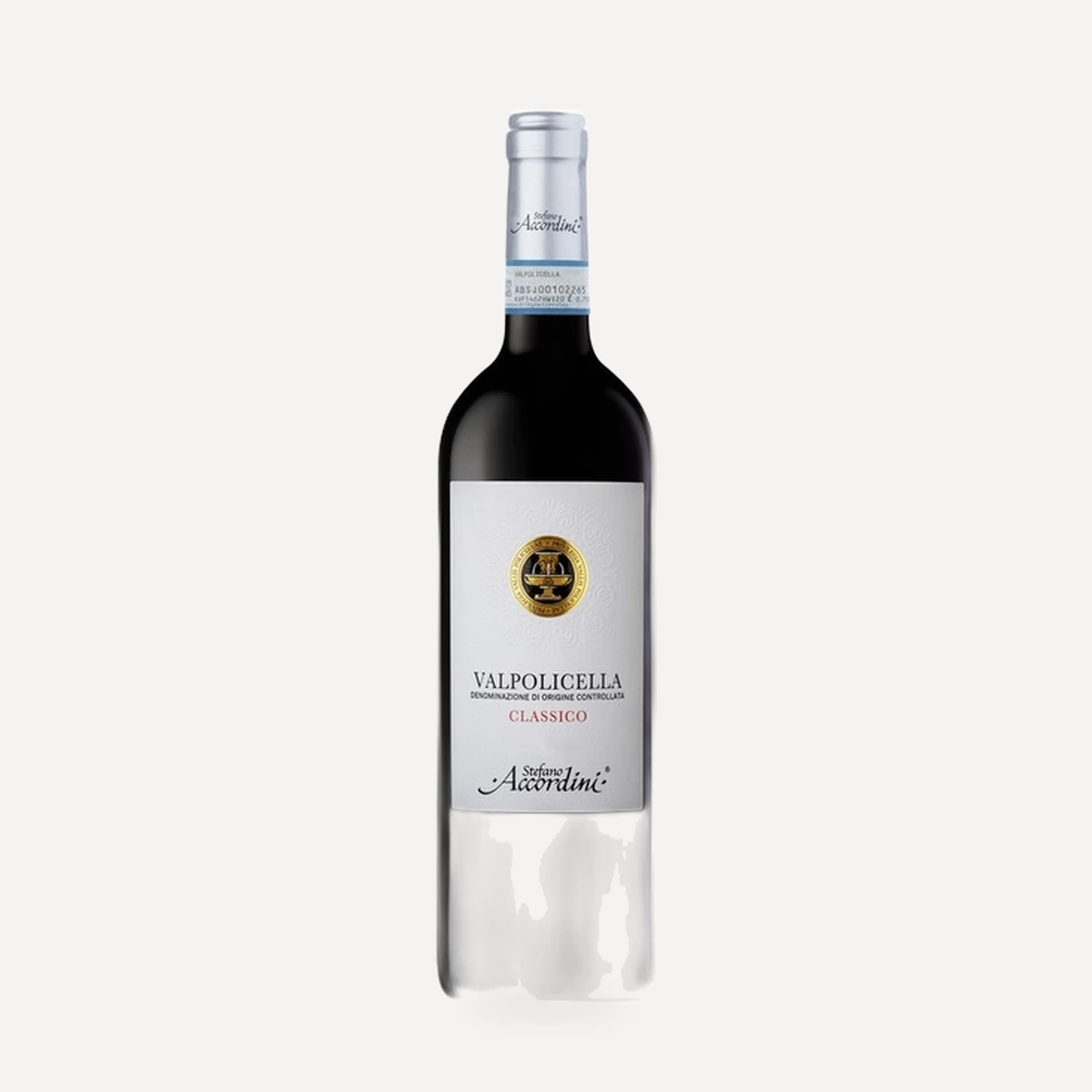
Valpolicella Classico DOC
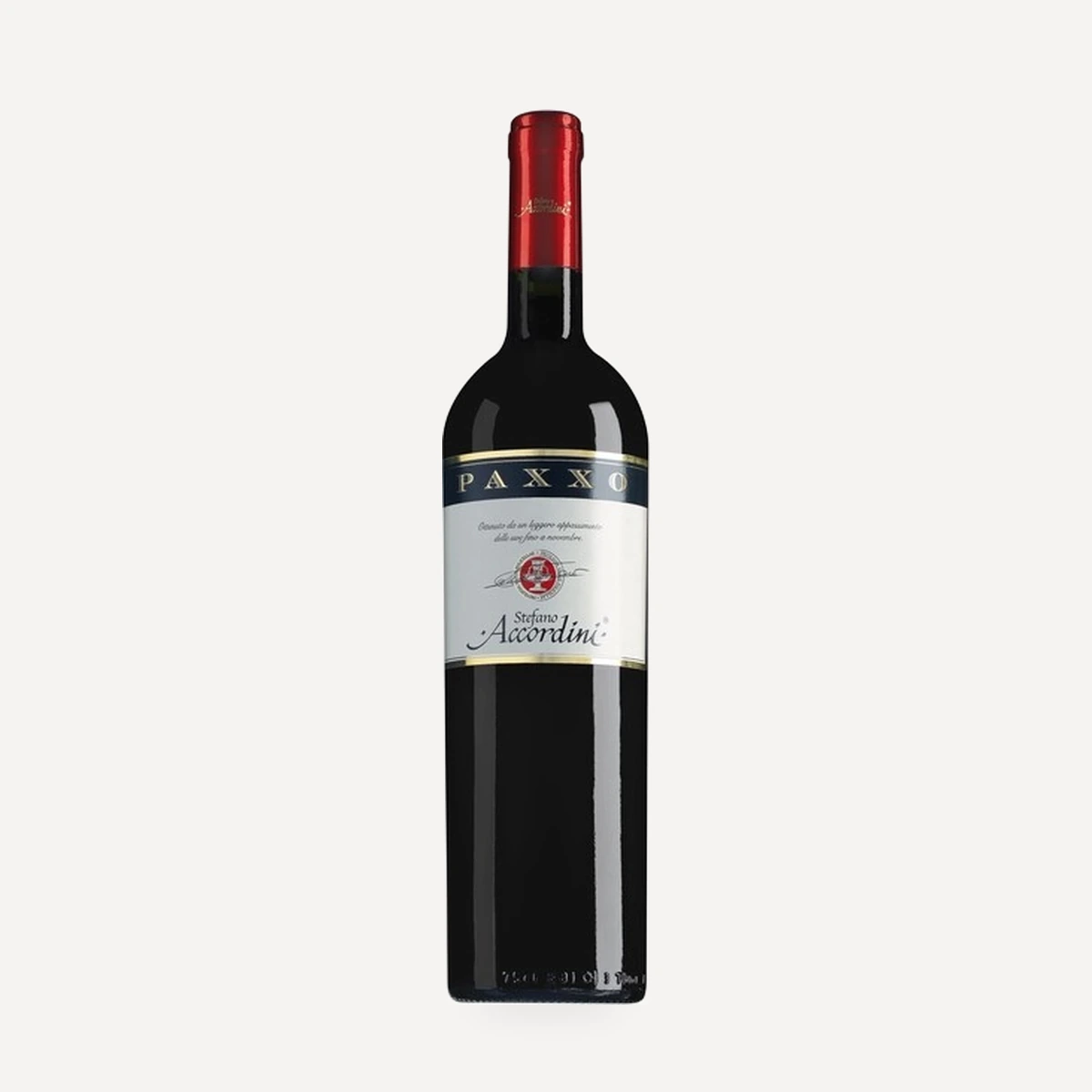
Passo Rosso IGT
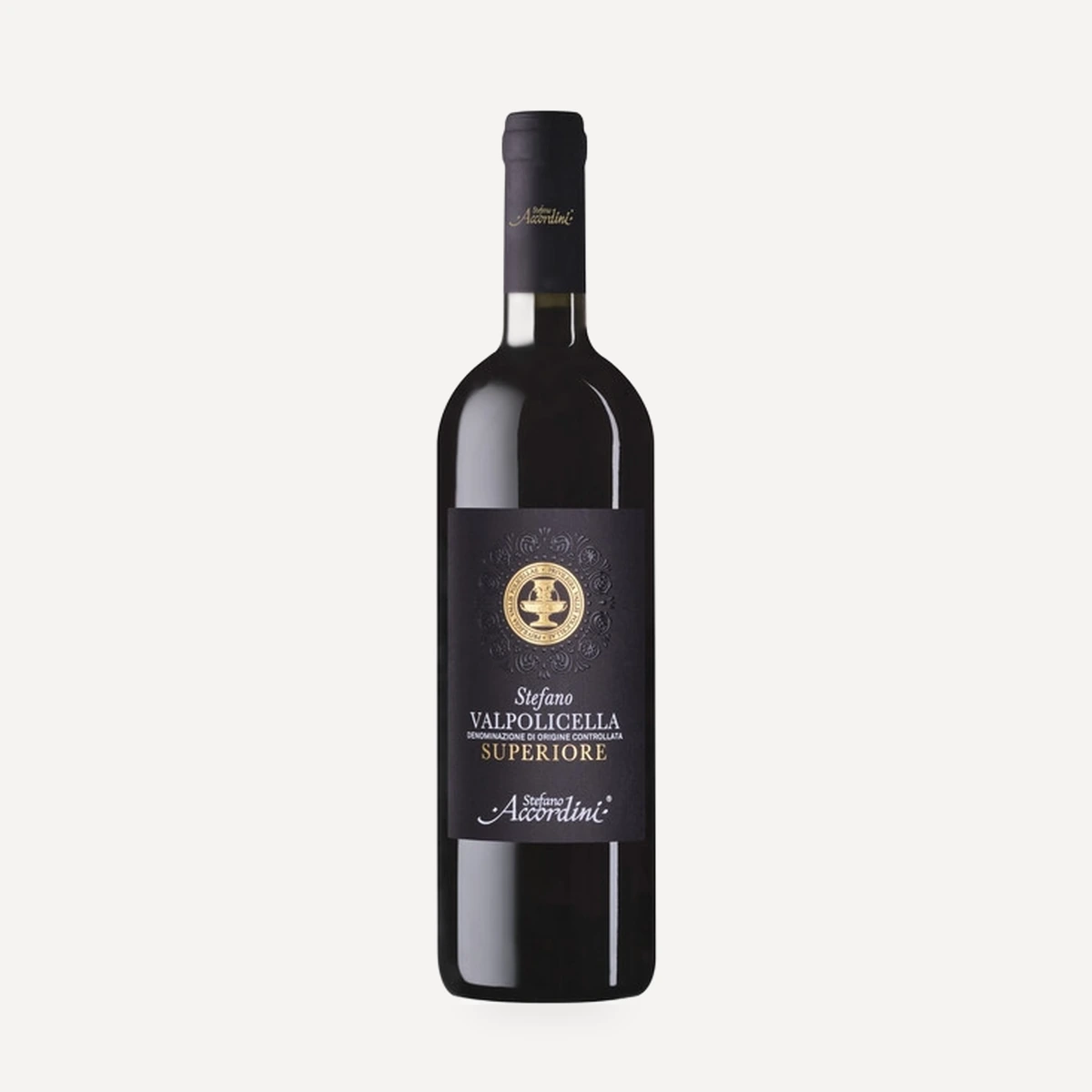
Stefano Valpolicella Superiore DOC
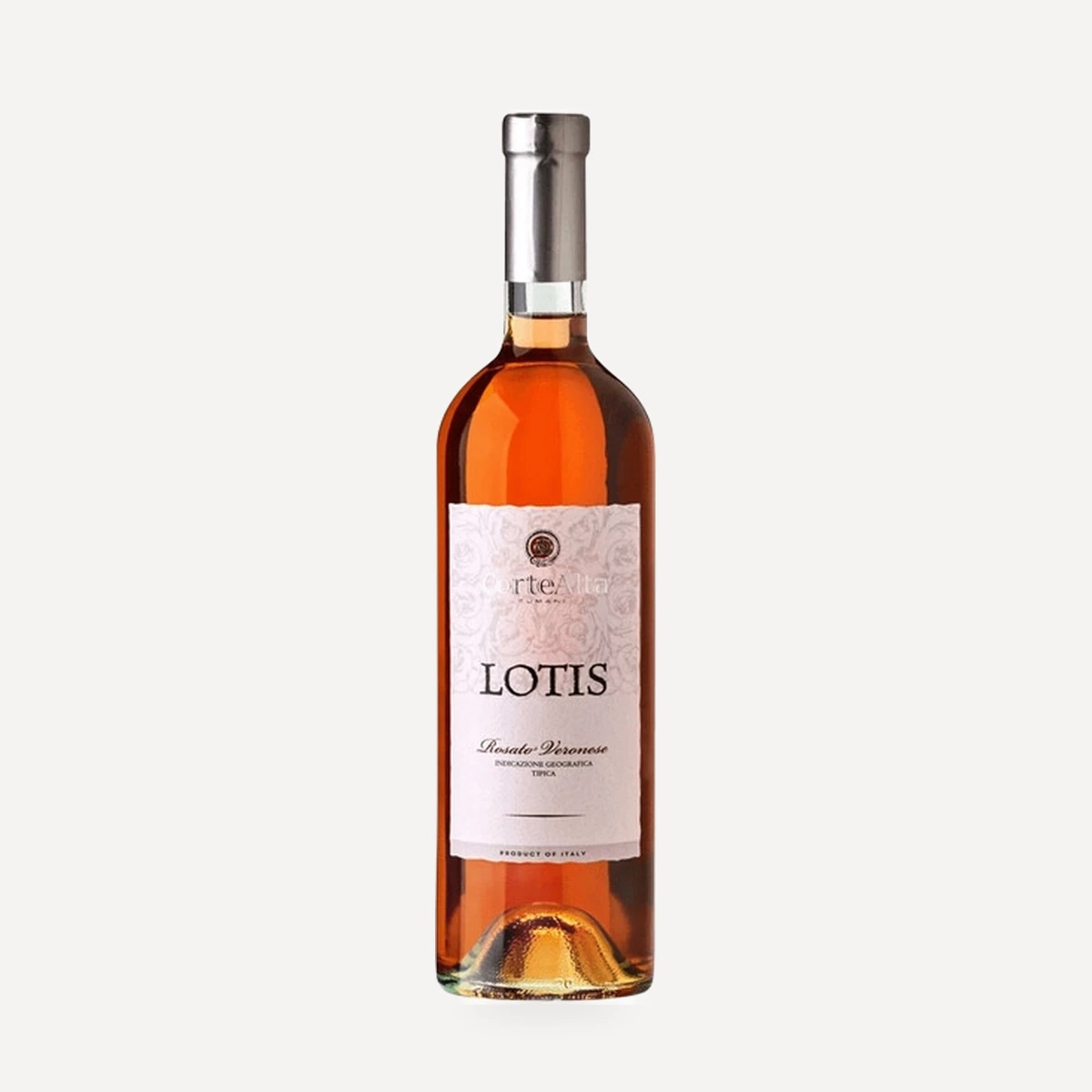
Corte Alta Lotis Rosato Veronese IGT
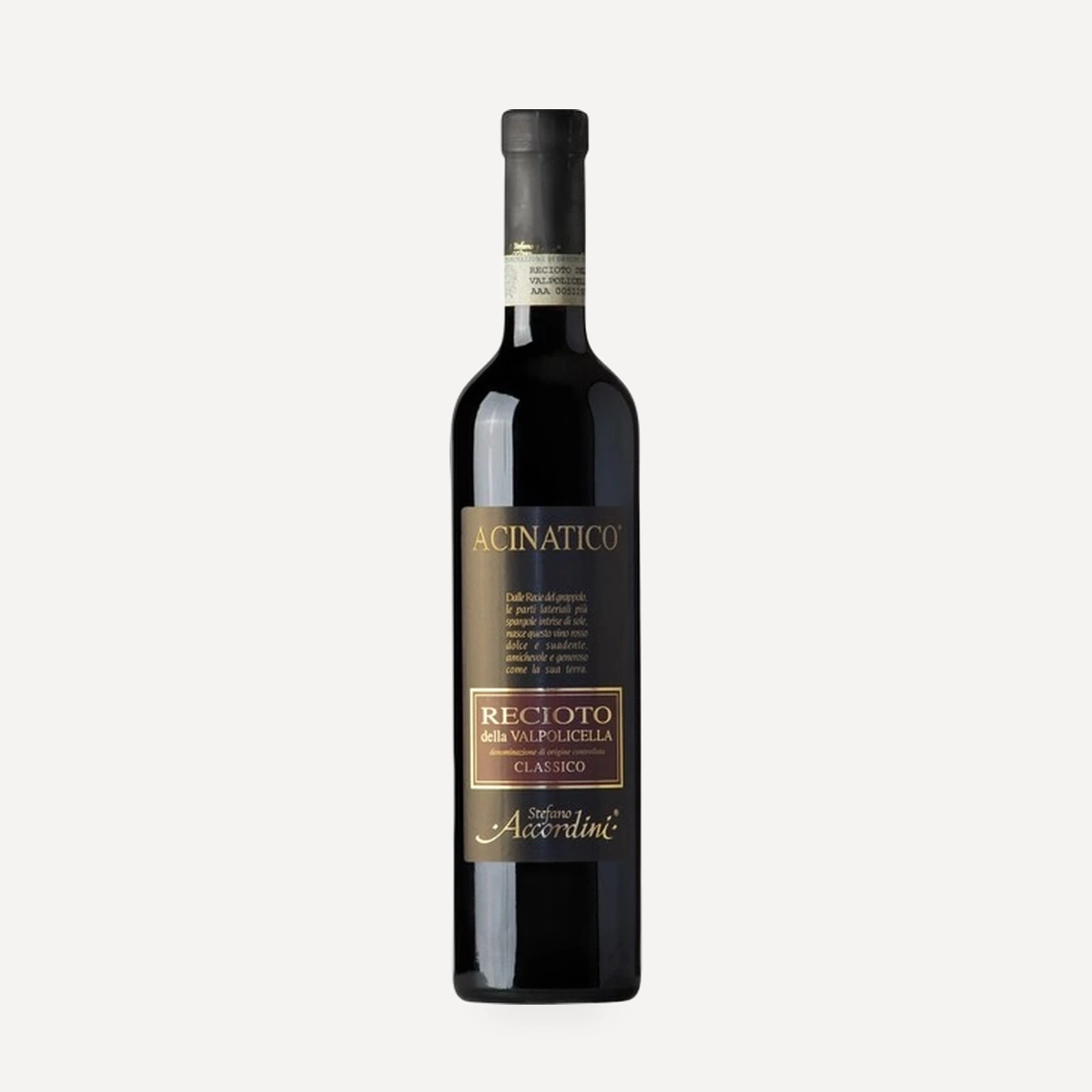
Recioto Classico Acinatico DOC
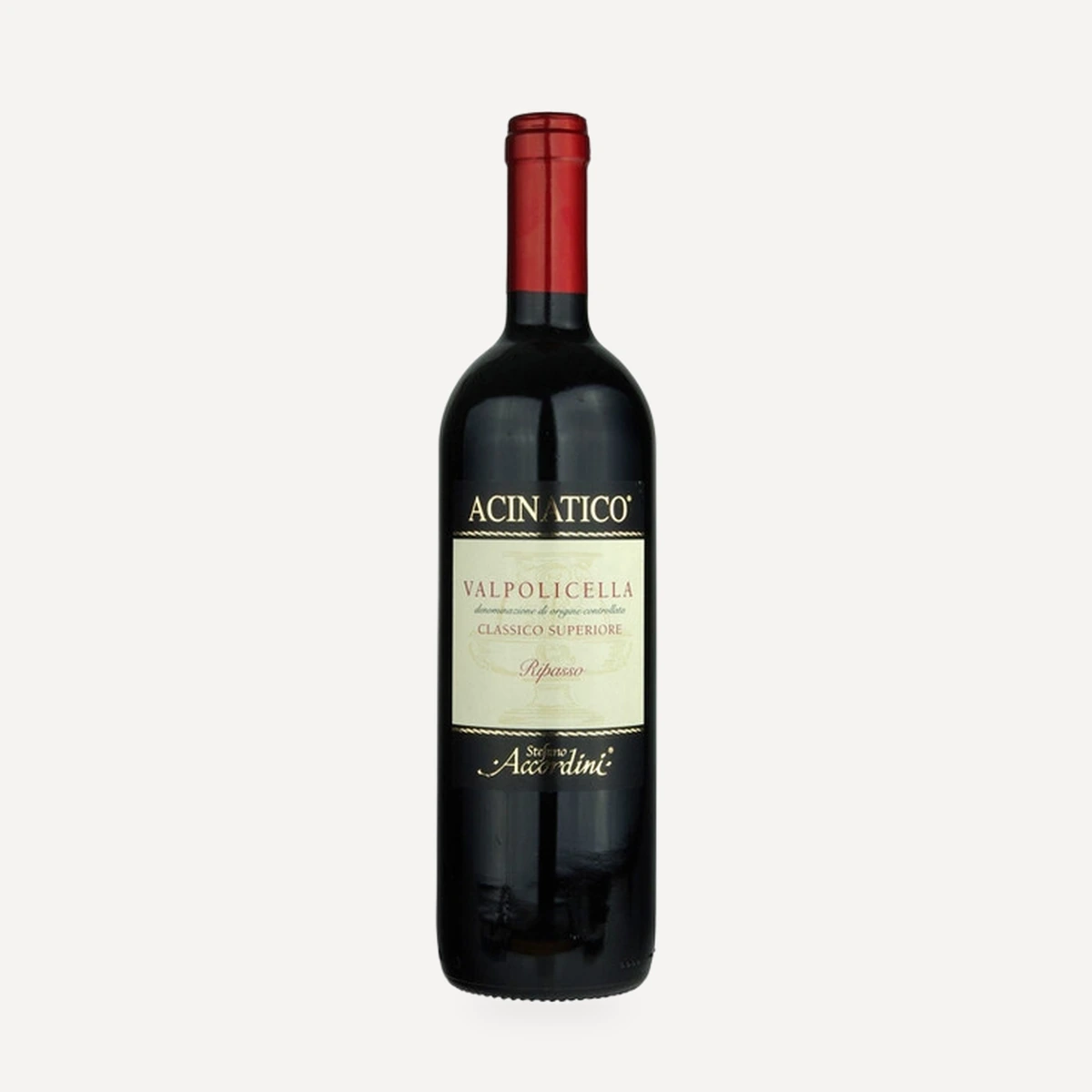
Valpolicella Classico Superiore Ripasso DOC
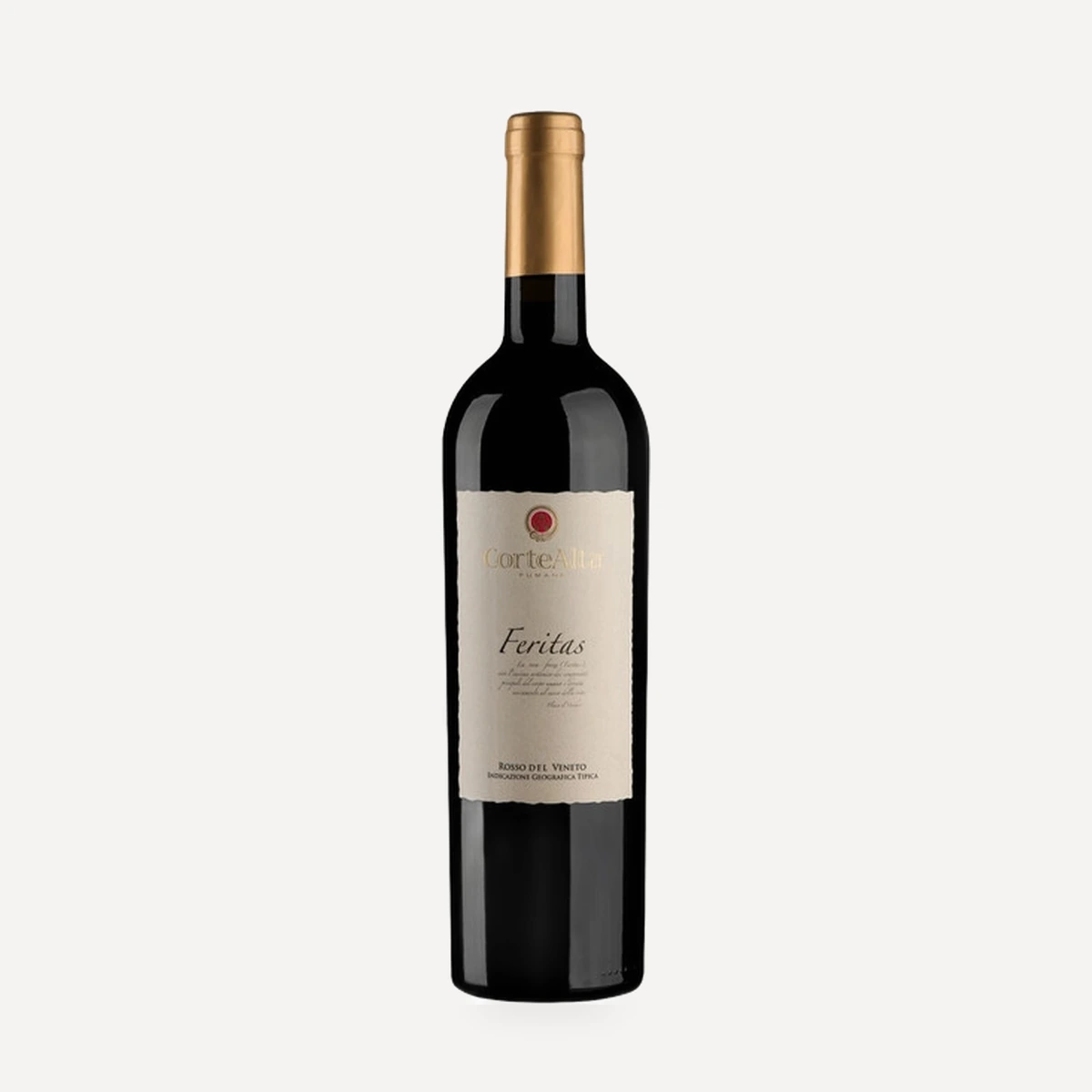
Corte Alta Feritas Appassimento Veneto IGT
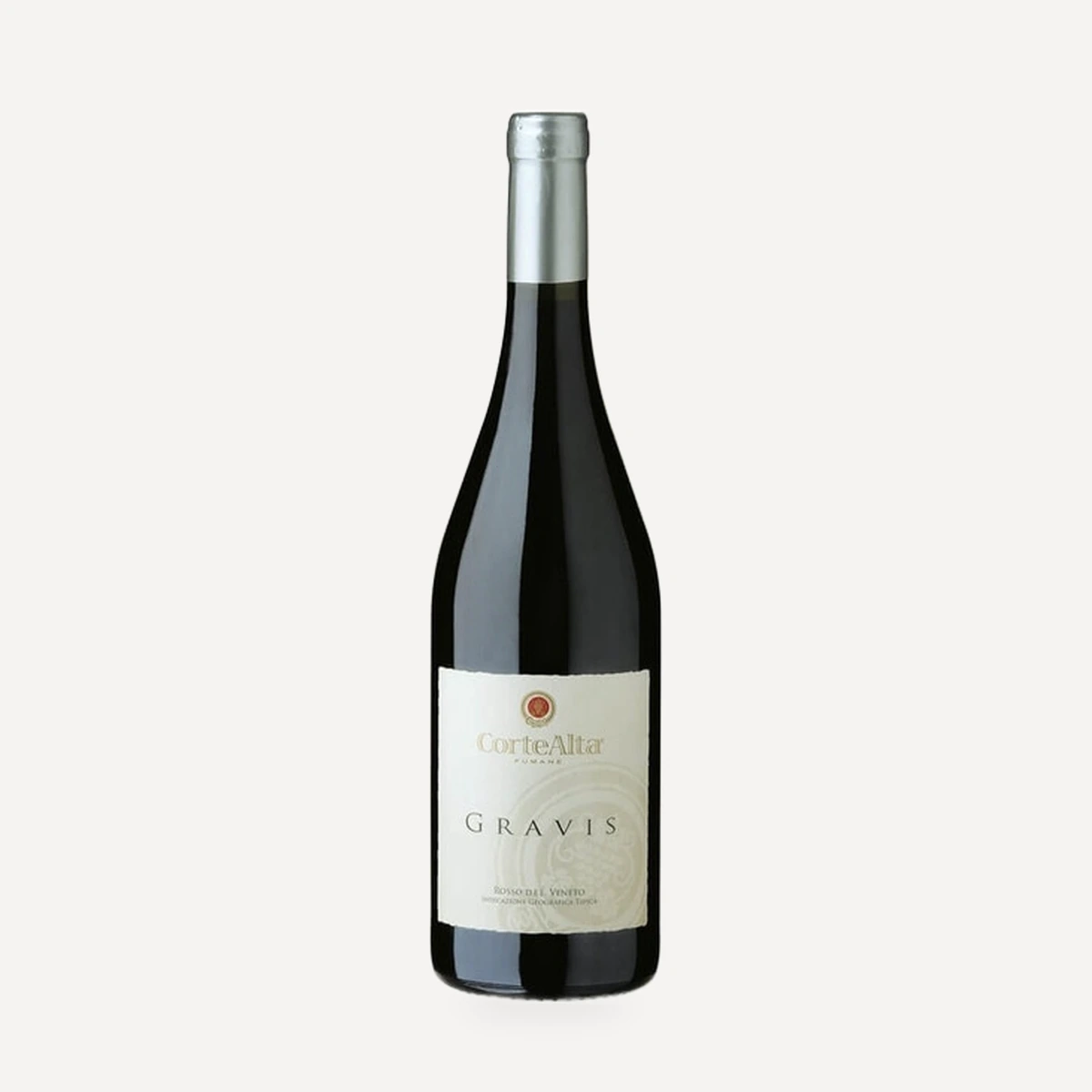
Corte Alta Gravis Rosso del Veneto IGT
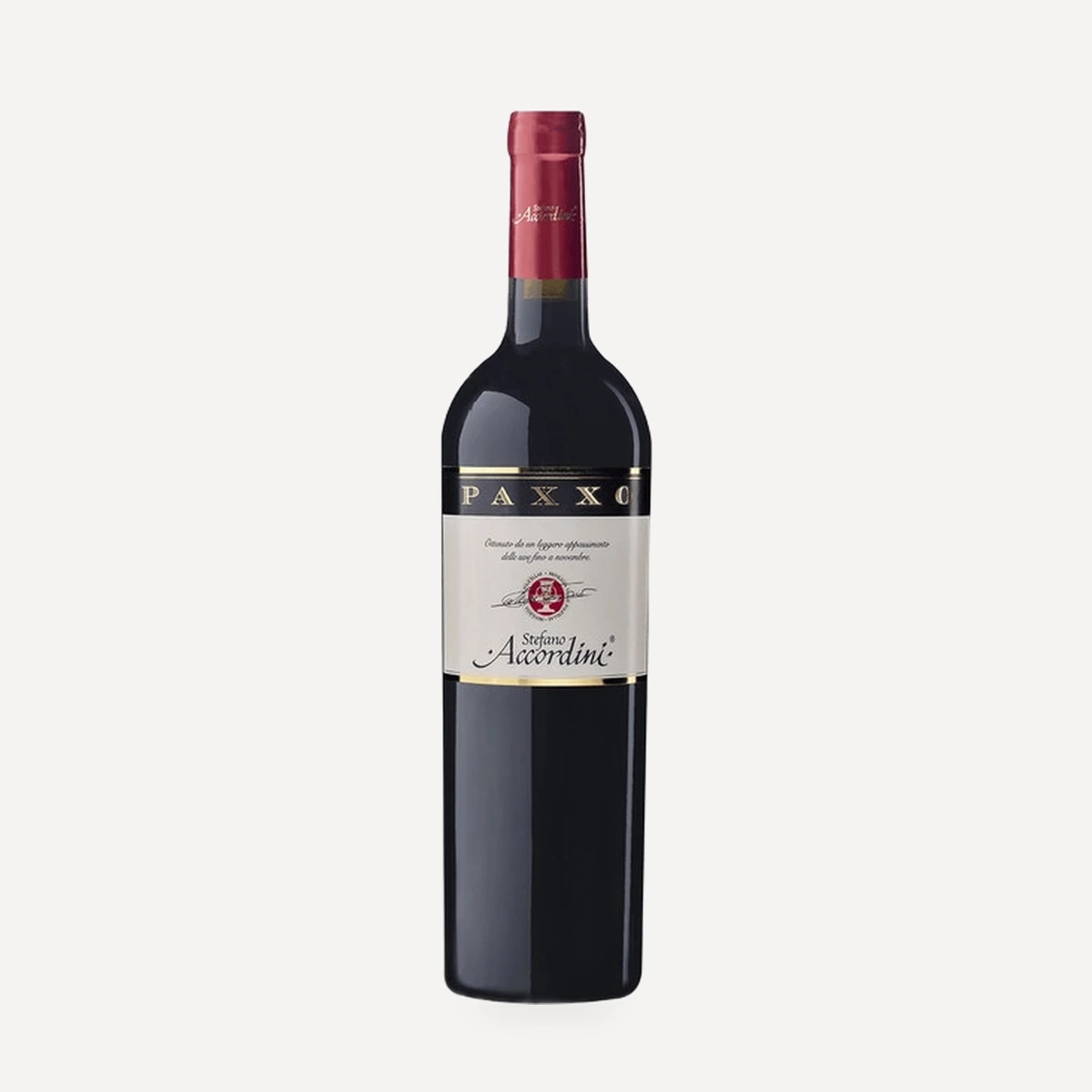
Paxxo Rosso del Veneto IGT
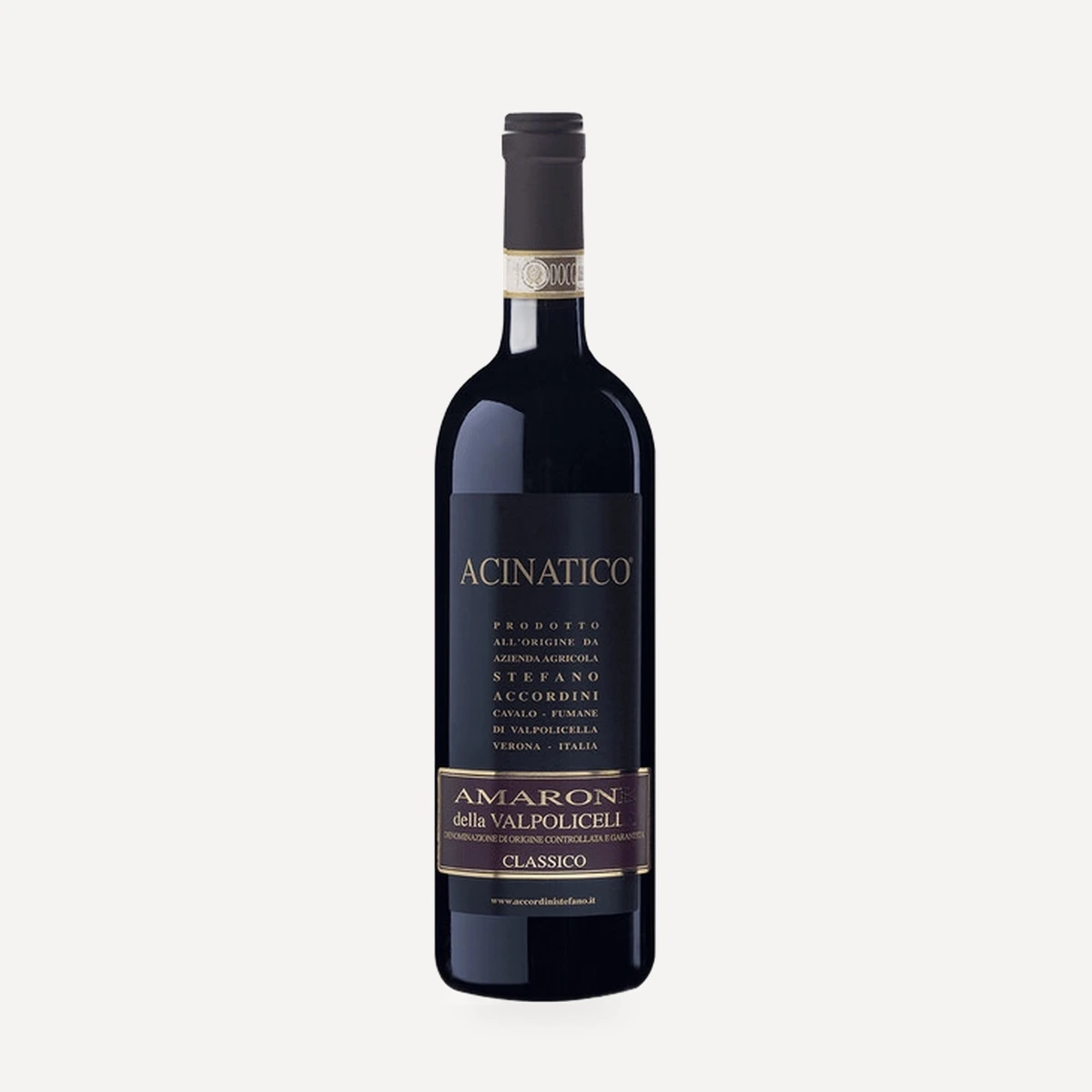
Acinatico Amarone della Valpolicella Classico DOCG
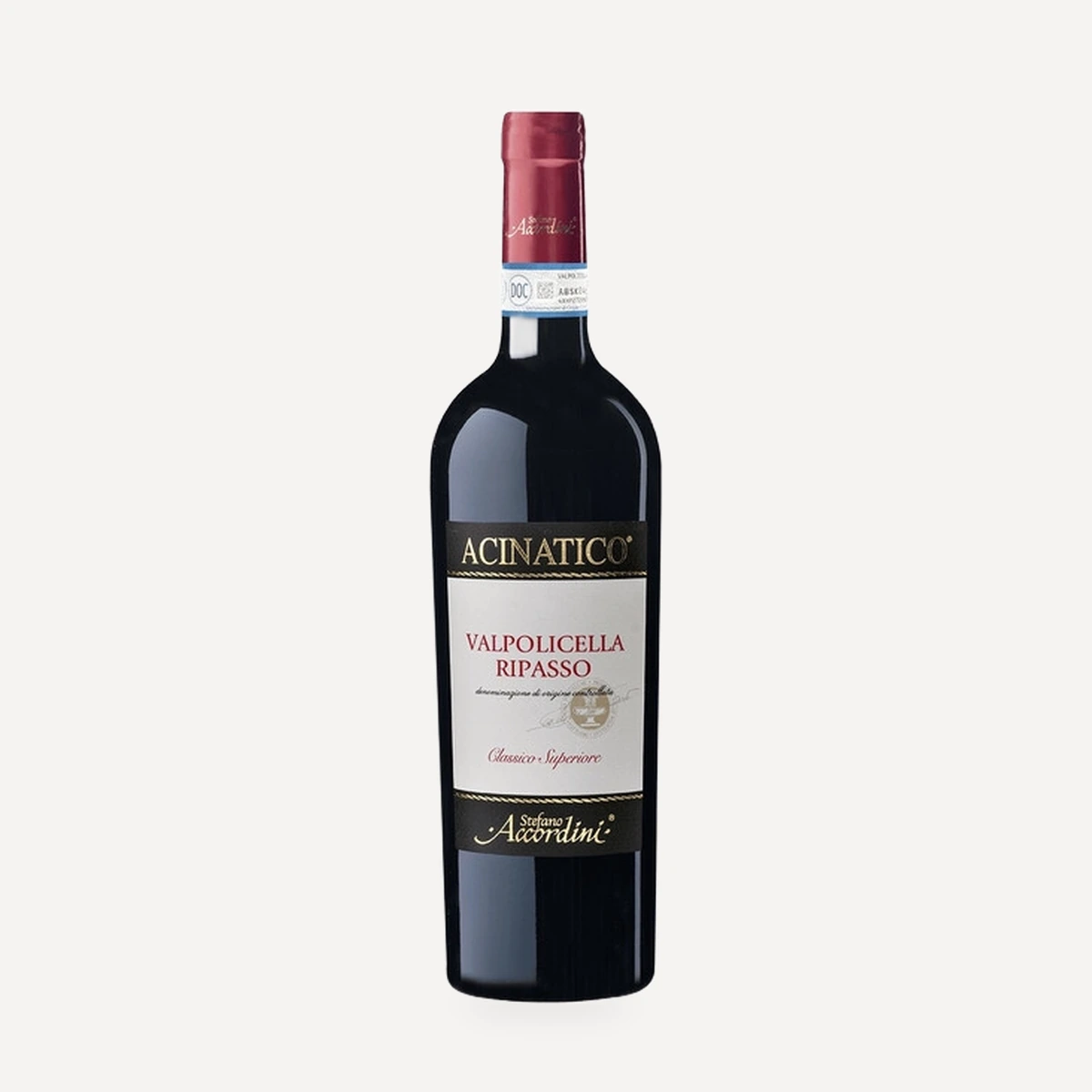
Acinatico Valpolicella Classico Superiore Ripasso DOC