Storia
Family origins: 1945–2003
The family's winemaking story begins in 1945, when Grandfather Antonio—also identified as Don Antonio Ulisse—started making wine. His vision remains the historical reference point for the business.
In 1982, the family articulated the mission that would later define Tenuta Ulisse: to transfer the full organoleptic character of the grape bunch directly into the consumer's glass.
A decisive technical development began in 2003. Inspired by ice wine, the family started experimenting with the application of cold technology to freshly harvested grapes. This work became the foundation of the later Metodo Ulisse.
Foundation and first commercial vintage: 2006–2007
Tenuta Ulisse was founded in 2006 by the brothers Antonio and Luigi Ulisse. Their project grew from the conviction that Abruzzo viticulture needed a new oenological direction focused on absolute quality, supported by the right place, timing and people. The new enterprise combined vineyards already cultivated by the Ulisse family with a programme of continuous research and experimentation.
Construction of the winery and its first vinification both began in 2006. The resulting 2006 vintage entered the market in 2007: the estate's first year of sales comprised 36,000 bottles and was described as a major commercial success.
Expansion and contemporary identity
Antonio and Luigi developed the estate as a family-run winery in which inherited tradition works alongside new technology. The company retained its attachment to Abruzzo's historic grape varieties while repeatedly reassessing methods of production and conservation. Modern experimentation, small-lot separation, advanced winemaking equipment and careful packaging became integral to its identity.
The estate presents its development as part of the modern revival of quality-focused Abruzzo wine: rooted in family history and local varieties, but directed toward contemporary markets and continued research.
2023
By 2023, production had reached 15,000,000 bottles, compared with the 36,000 bottles released in the first sales year.
Terroir
Tenuta Ulisse's vineyards extend through the countryside surrounding Crecchio in the Chieti area of Abruzzo. Vineyards alternate with uncultivated, wild fields across hills situated close to the water.
The growing area lies between the sea and the peaks of Majella and Gran Sasso. Mountain and maritime influences meet in the vineyards: breezes strike the stone and return through the vine canopy, an interaction associated with the saline character sought in the grapes and wines.
The estate's agricultural holdings differ in exposure, microclimate, soil composition and ventilation. Each is treated as having its own identity, and the diversity among them is preserved through vinification and maturation rather than being erased through early blending.
Principal local varieties
- Montepulciano: a late-ripening red variety with five-lobed leaves. Its long season permits substantial sugar and phenolic accumulation.
- Trebbiano: a vigorous and resistant white variety with large pentagonal leaves, juicy berries and September ripening. It is associated with longevity and a delicate varietal expression.
- Pecorino: an old white variety that ripens from late August into September. Its small berries can accumulate sugar while retaining acidity and concentrating aroma.
- Passerina: a late-budding white variety with five-lobed leaves, a V-shaped petiolar sinus and overlapping lobes. Its berries are large, round and yellow.
- Cococciola: a dual-purpose table and wine grape with large, round, bloom-covered berries. Slow ripening helps it preserve aroma while combining sugar and acidity.
Vinificazione
The vineyards are cultivated by the Ulisse family as a collection of distinct sites rather than as a uniform source of fruit. Site variables—including altitude, exposure, soil, clone, training system and harvest date—inform the organisation of vineyard lots in the winery.
Selection is exacting: grapes must arrive perfectly healthy, organoleptically complete and at the appropriate degree of ripeness. Harvested fruit is transferred rapidly into the estate's cold process to preserve the aromatic material carried in the skins. Respect for the fruit's natural character and the expression of each variety are treated as fixed production principles.
Reception and the Metodo Ulisse
The estate's defining technique originated in cold-technology experiments begun in 2003. Harvested grapes are frozen immediately. The resulting thermal shock, conducted without contact with oxygen, breaks down the skin's molecular walls and releases aromatic compounds. The objective is to preserve the sensory material acquired in the vineyard and transfer it into the finished wine with minimal aromatic loss.
Only healthy, fully expressive fruit harvested at the intended ripeness is accepted. Selection is organised meticulously, and grapes from different vineyard situations are handled separately.
Lot separation and cellar equipment
The vinification area uses modern, advanced technology. Small tanks allow lots to remain divided according to the characteristics of individual vineyards, including altitude, exposure, soil, clone, training system and harvest date. This separation is intended to protect varietal and site distinctions before final wine decisions are made.
A modern bottling line is used to maintain control during packaging. The estate was also among the early adopters of a glass stopper, chosen for airtightness, aroma preservation and its distinctive visual effect.
Barrel cellar
Materials in the barrel cellar were selected to provide suitable microclimatic conditions for the conservation and maturation of wines in wood. The porous structure of wooden barrels permits natural micro-oxygenation, through which wines develop greater softness, structure and harmony. The barrel-cellar project was conceived around stated sustainability values.
Across production, the central aim is to retain a genuine expression of Abruzzo fruit in a polished wine: maritime salinity, mountain influence, varietal character and the individual identity of the vineyard are treated as qualities to preserve rather than standardise.
Filosofia
Tenuta Ulisse defines itself through the combination of Abruzzo's historic varieties and a willingness to evolve, experiment and question established production and conservation processes. Research is treated as a continuous means of improvement rather than a one-time phase in the winery's development.
Its stated mission is to carry the complete sensory character of the grape bunch into the consumer's glass. The berry is regarded as a carrier of place: maritime salinity, mountain influence and the specific identity of the vineyard should remain recognisable after vinification.
The family describes simplicity, practical work and knowledge as guiding values. Tradition, history and territory provide continuity, while modern technology and sensitivity to changing markets provide direction. The intended result is a contemporary interpretation of Abruzzo—deep and elegant, rooted in its place, but expressed through a distinct modern style.
Teamwork is central to this self-conception. Care, respect, shared responsibility and pride in Abruzzo connect the family founders, the heirs of tradition and the specialists working with new technologies. The broader ambition is to remain an active participant in the quality-focused renewal of Abruzzo wine.
Vini
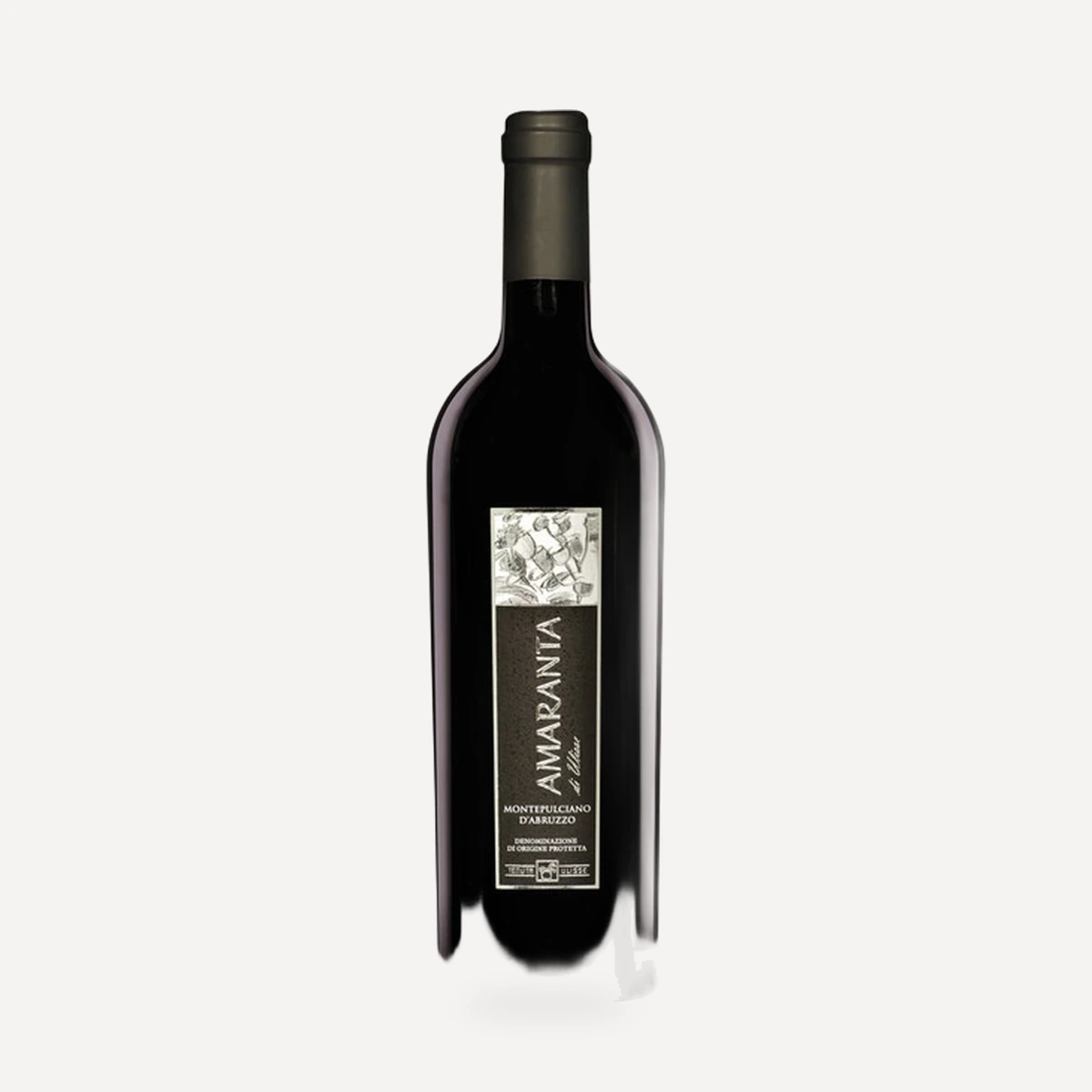
Amaranta Montepulciano
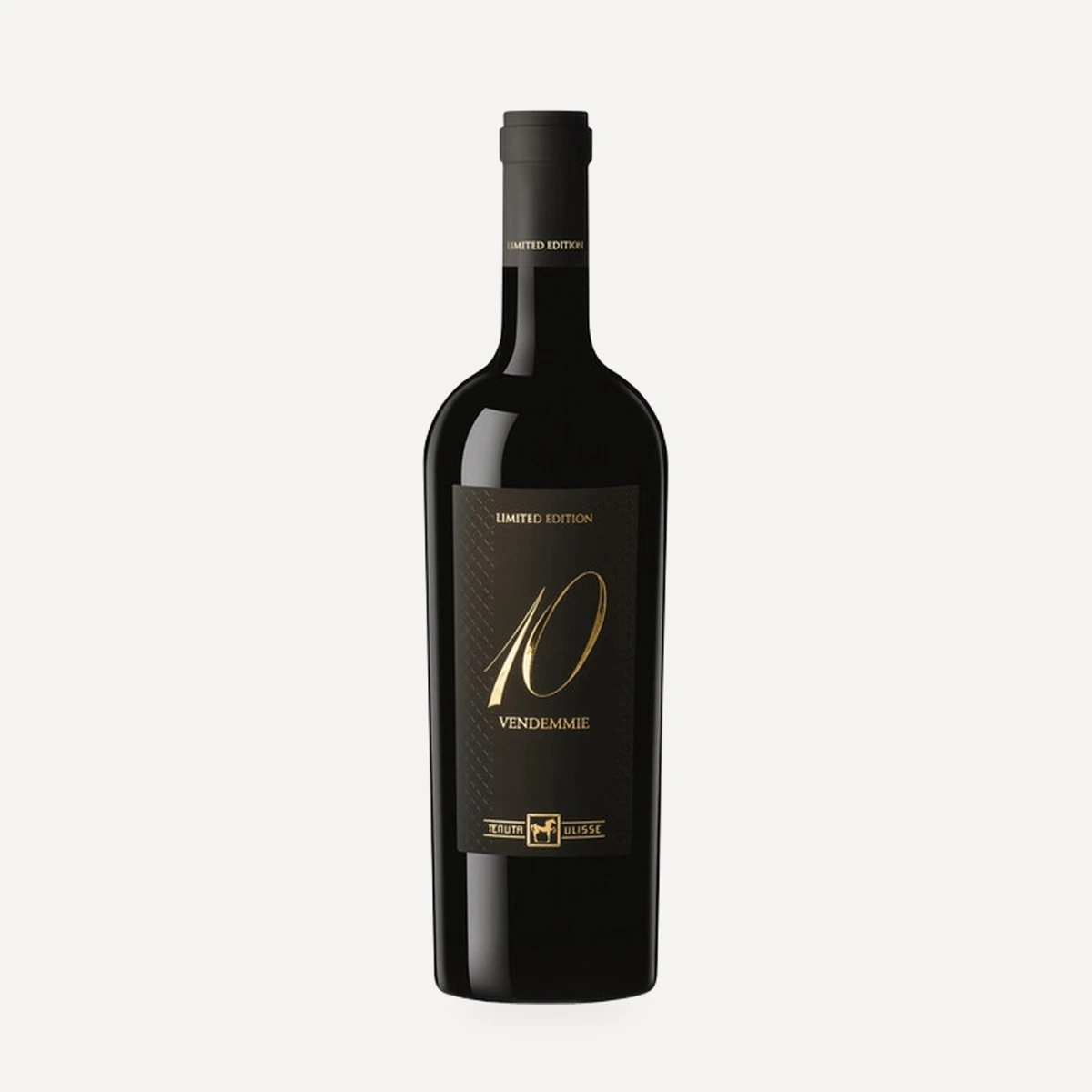
10 Vendemmie Limited Edition
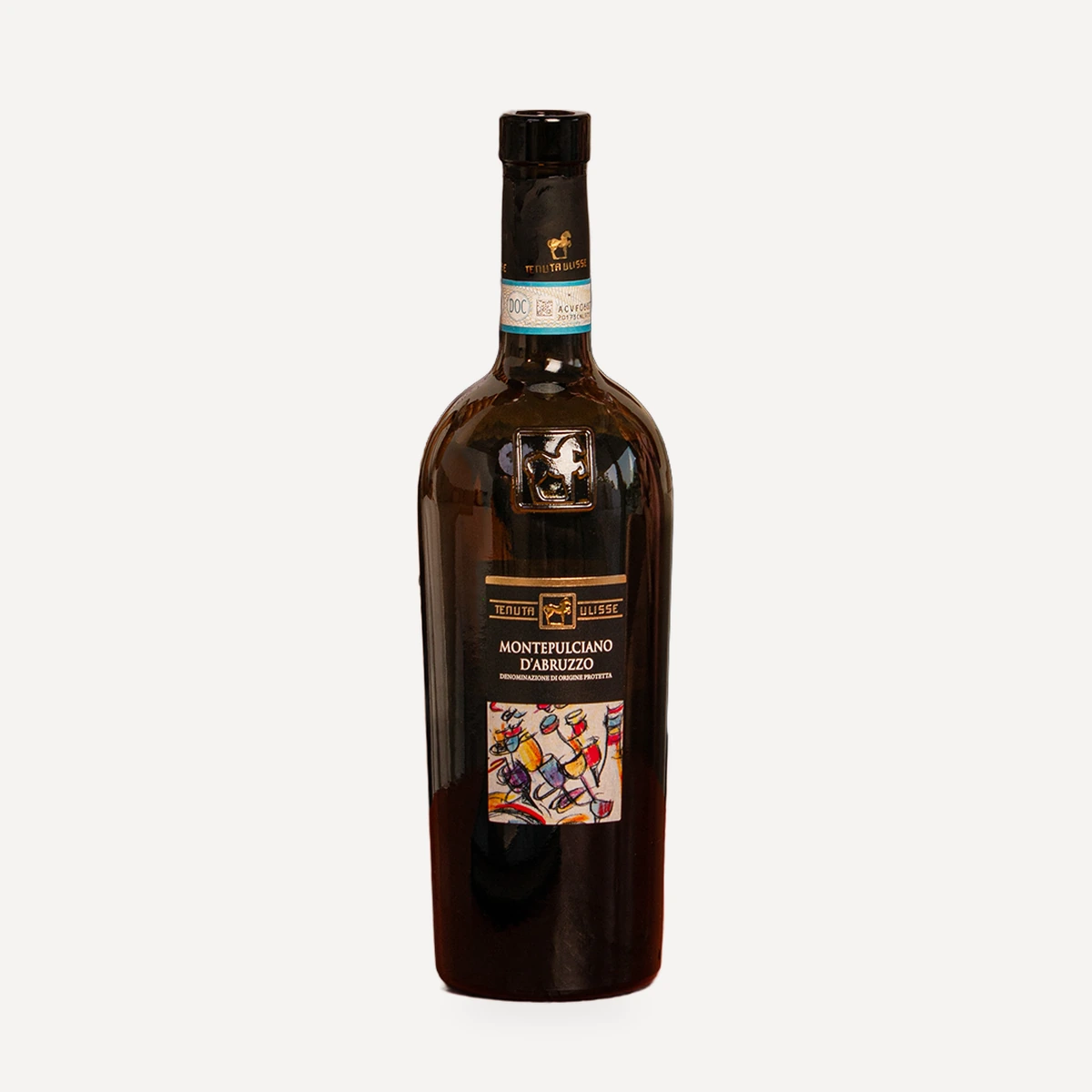
Ulisse Montepulciano
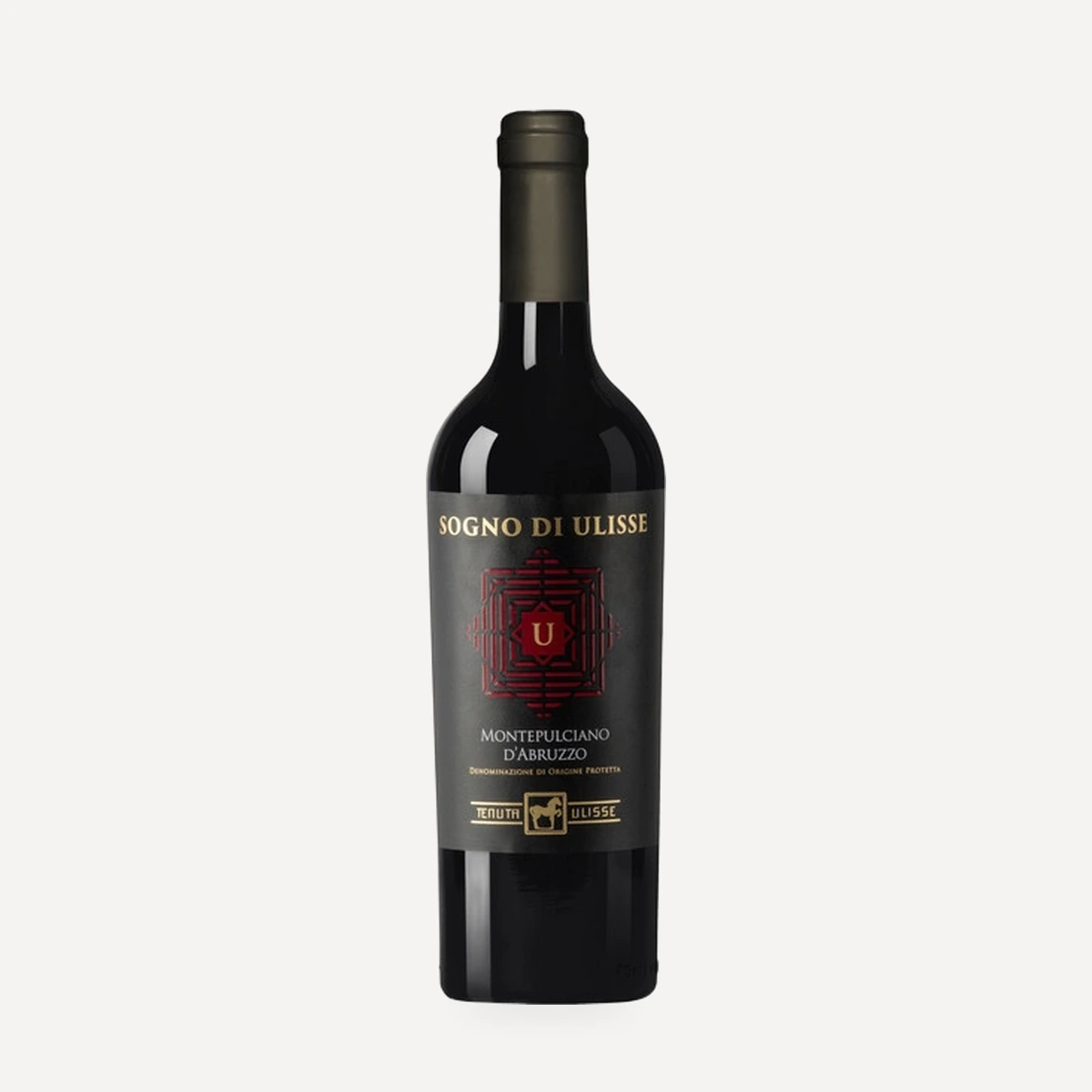
Sogno di Ulisse Montepulciano
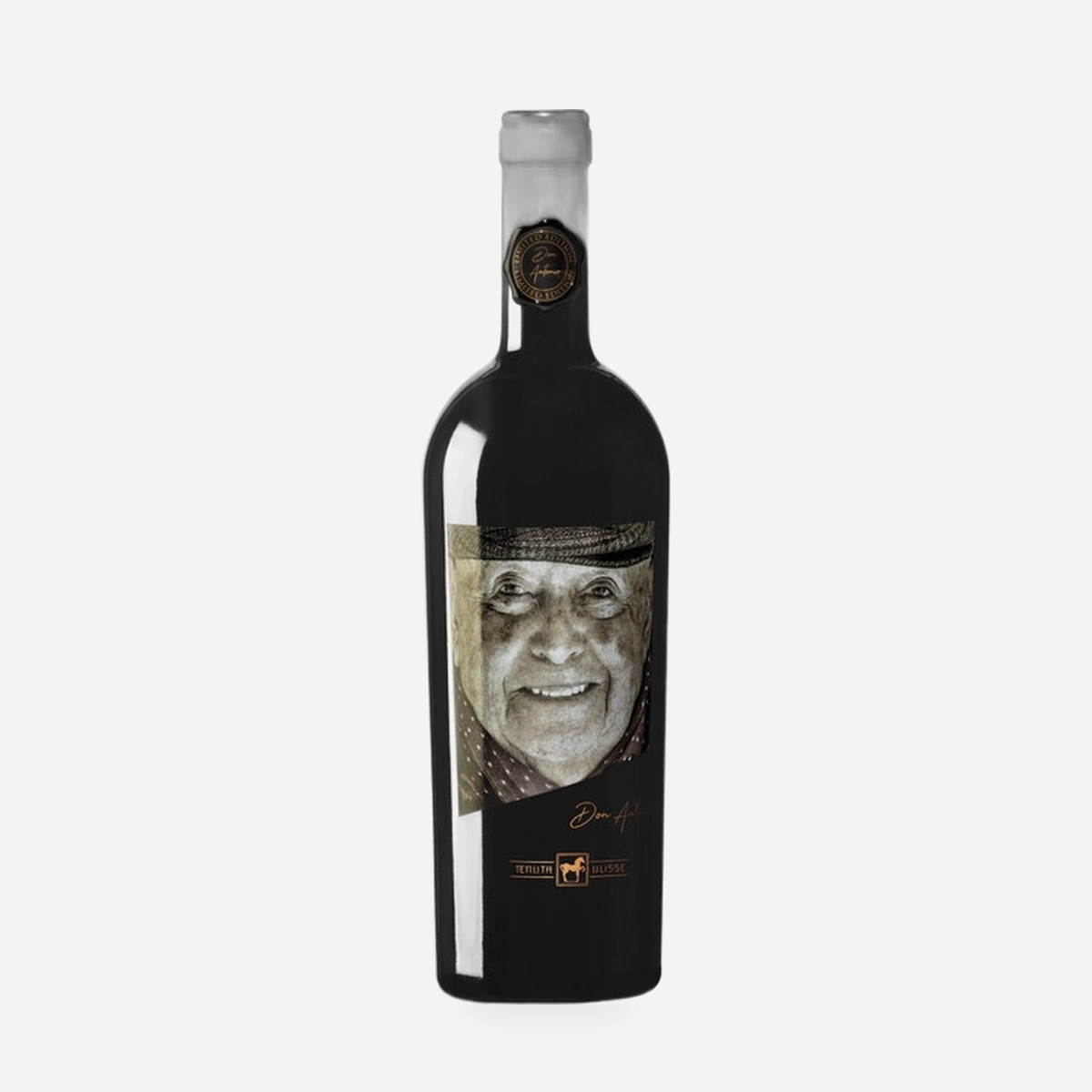
DON Limited Edition
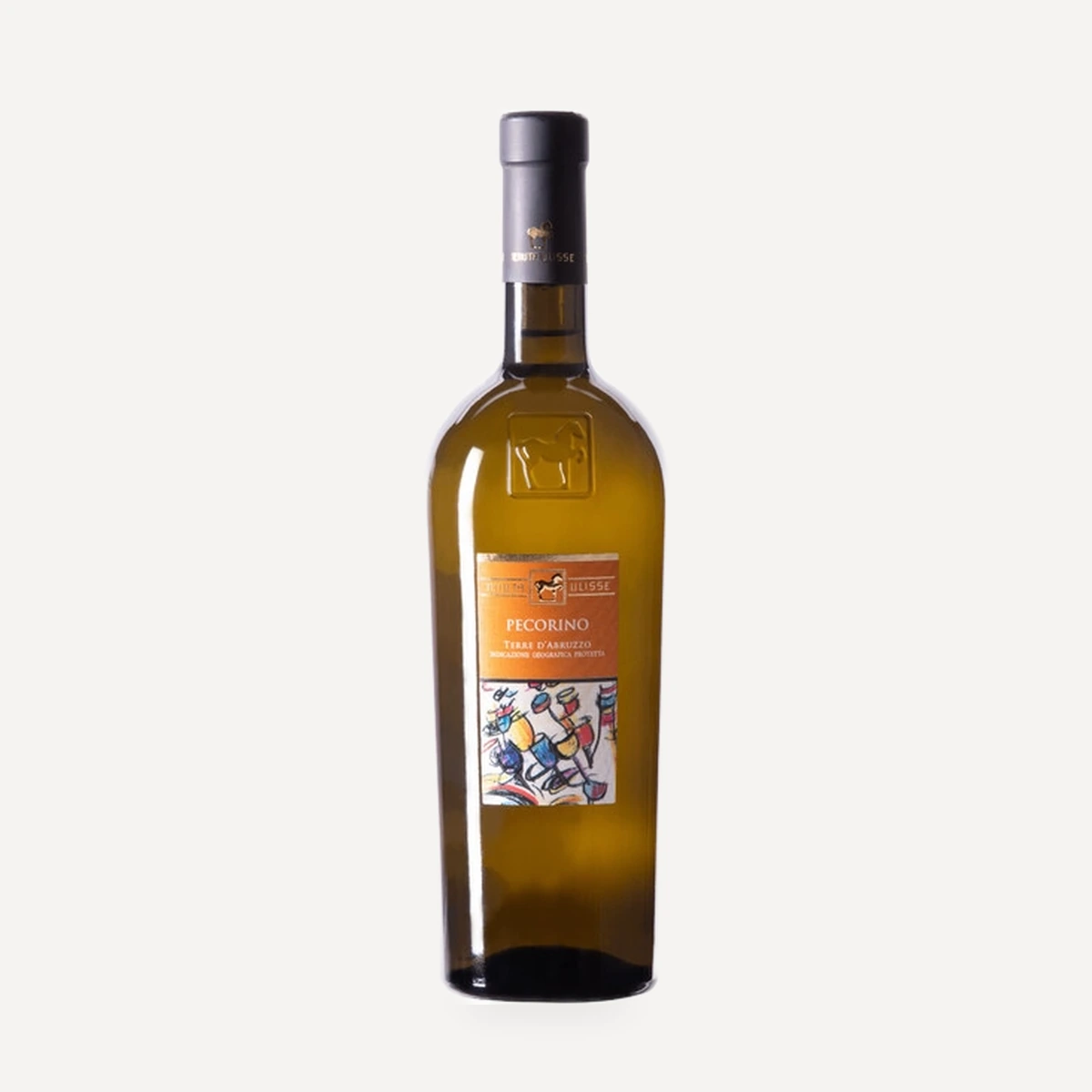
Ulisse Pecorino
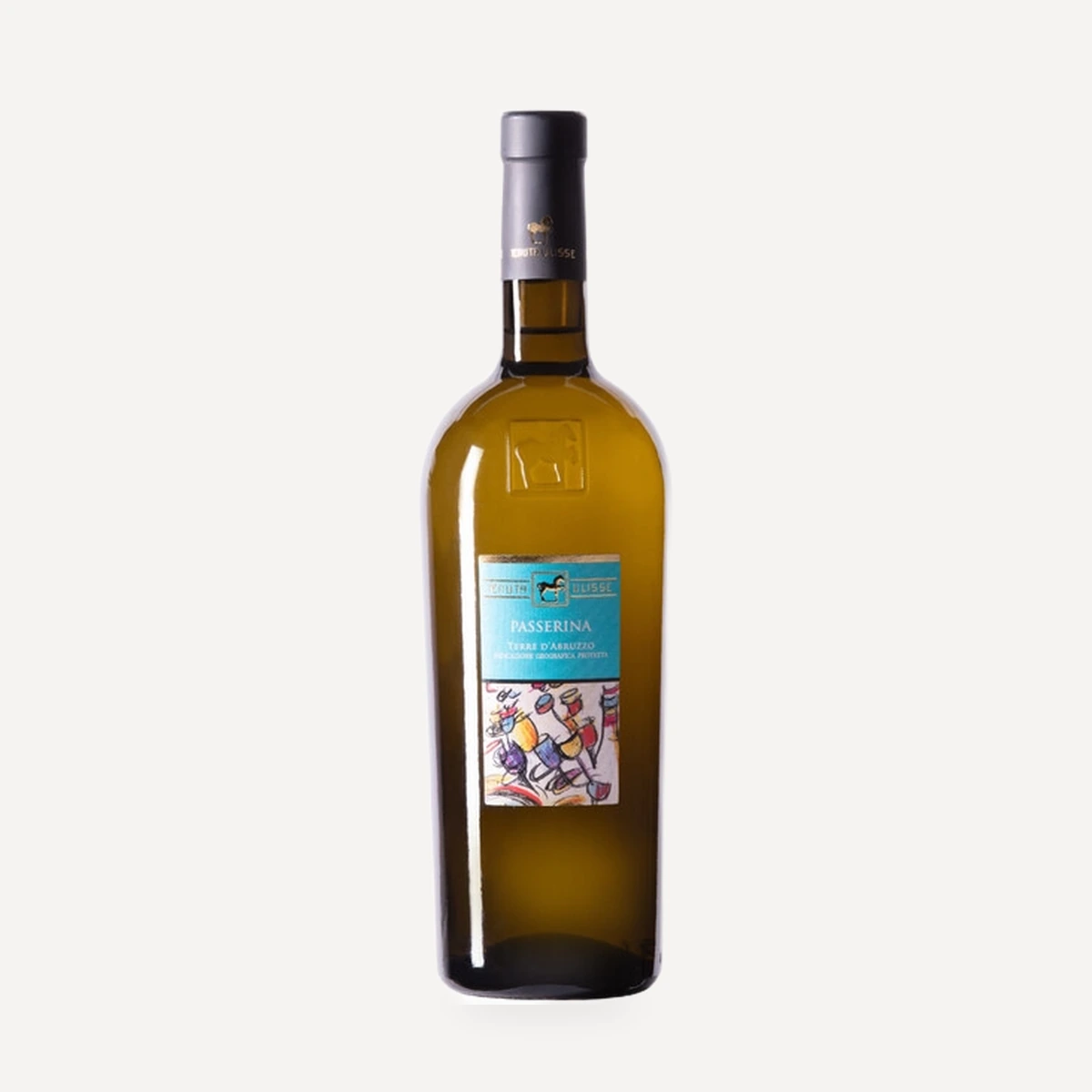
Ulisse Passerina
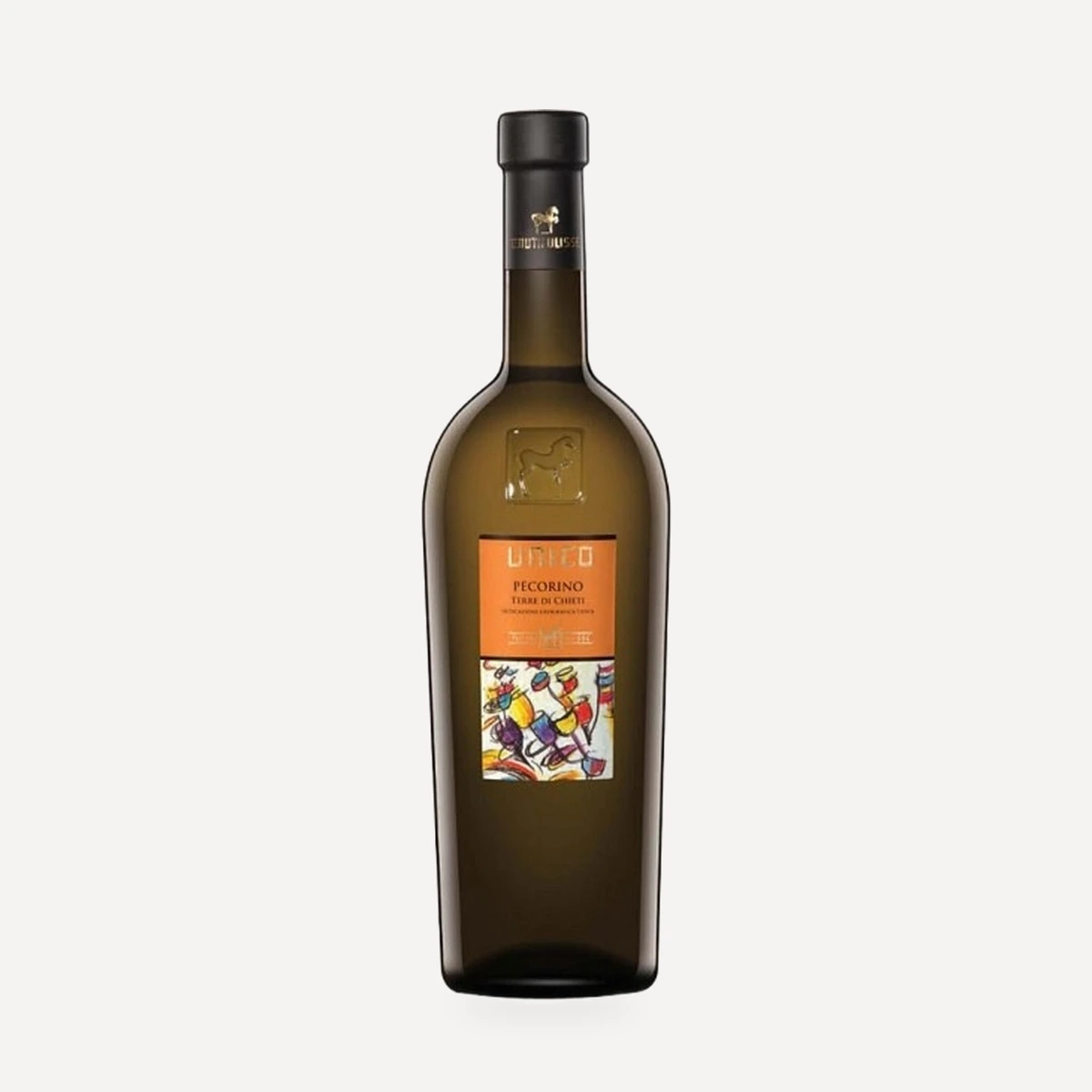
Unico Pecorino Terre di Chieti IGT
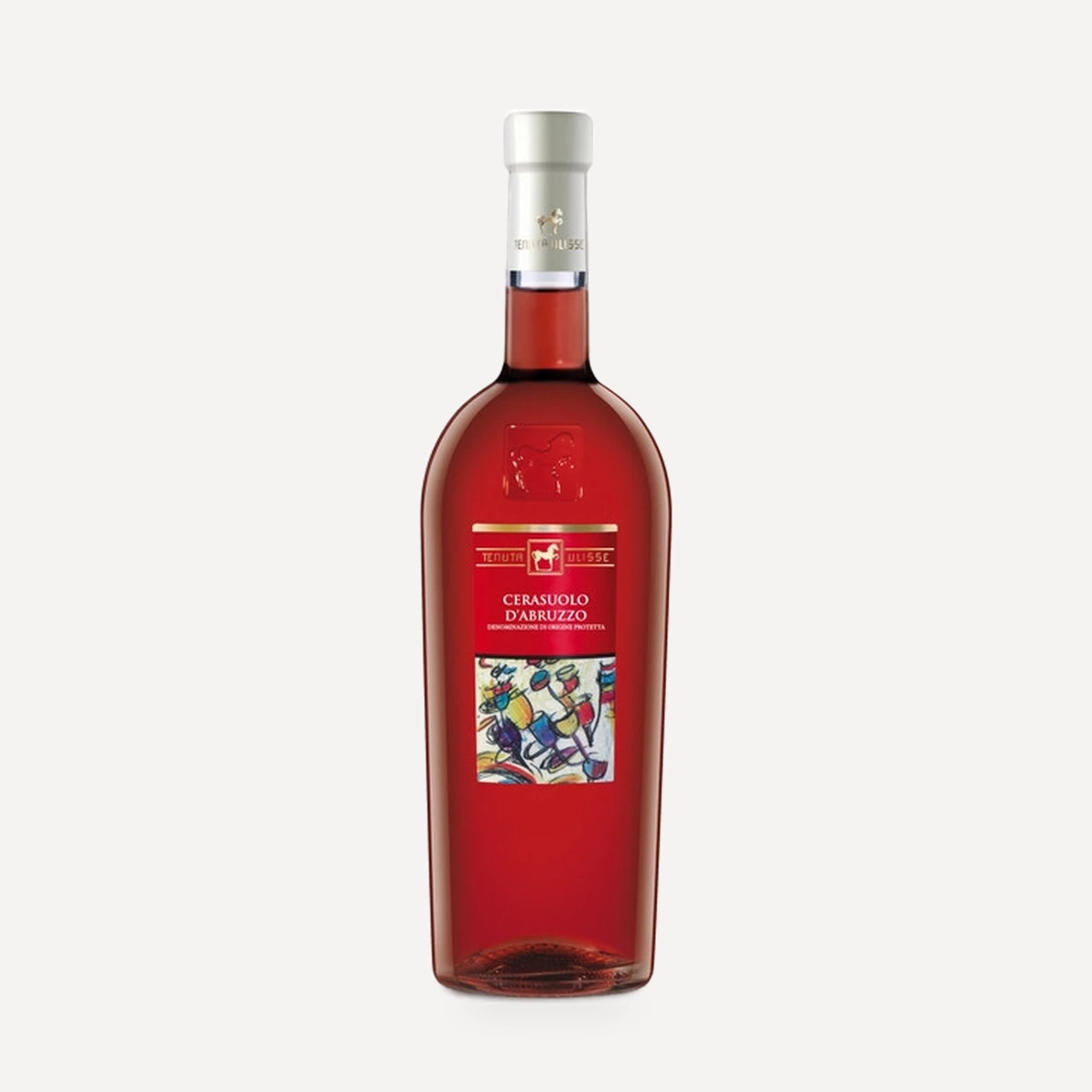
Ulisse Cerasuolo DOP
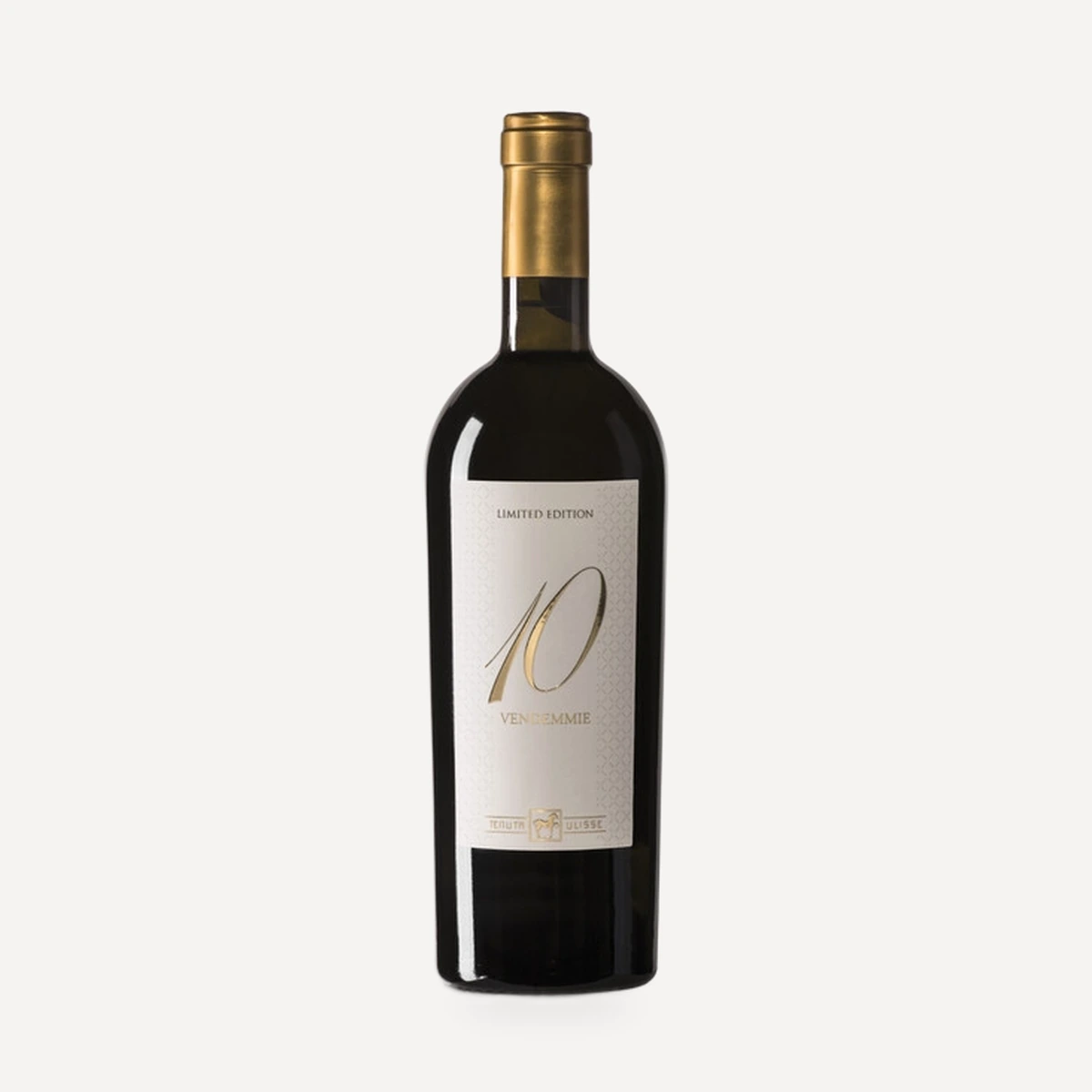
10 Vendemmie Bianco Limited Edition
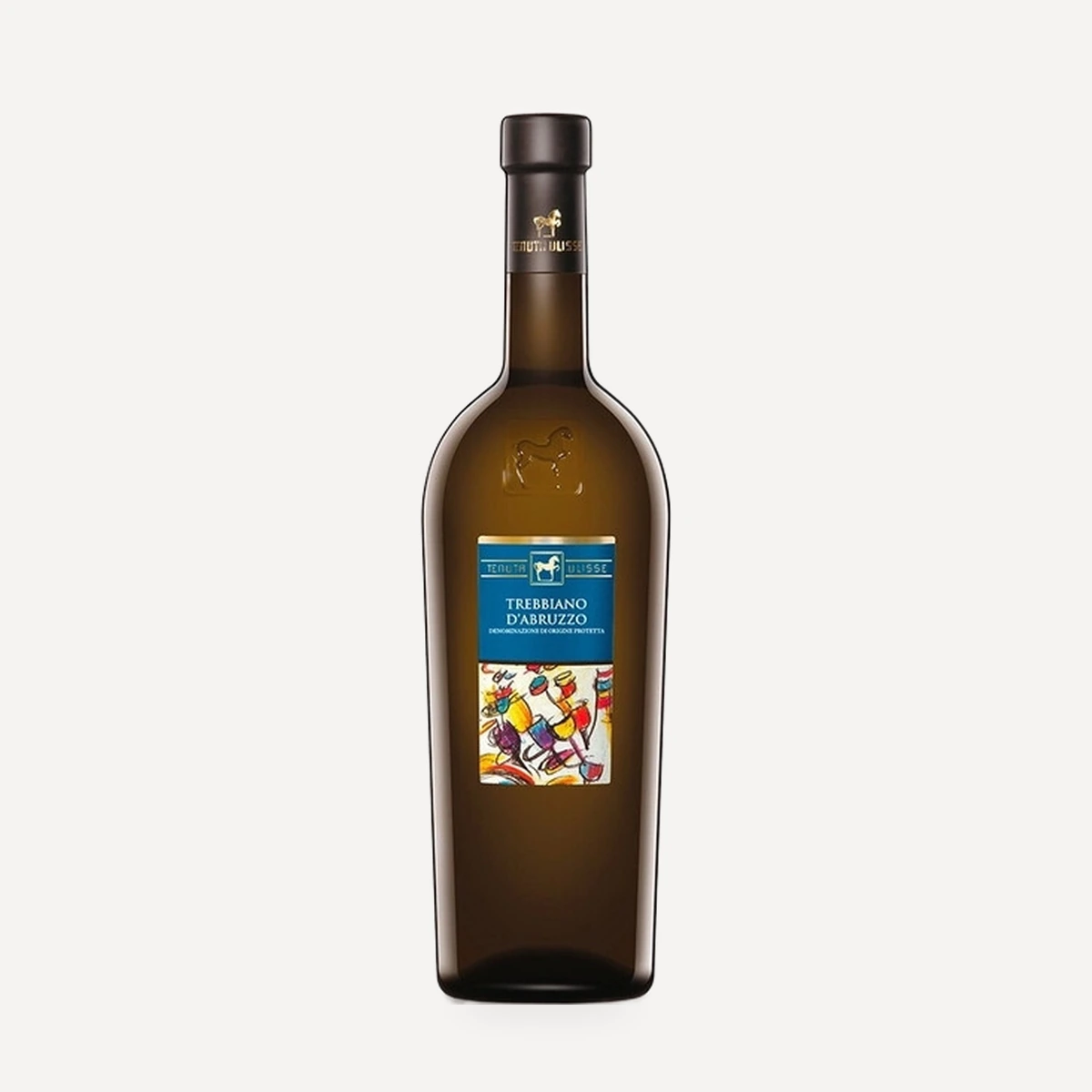
Ulisse Trebbiano
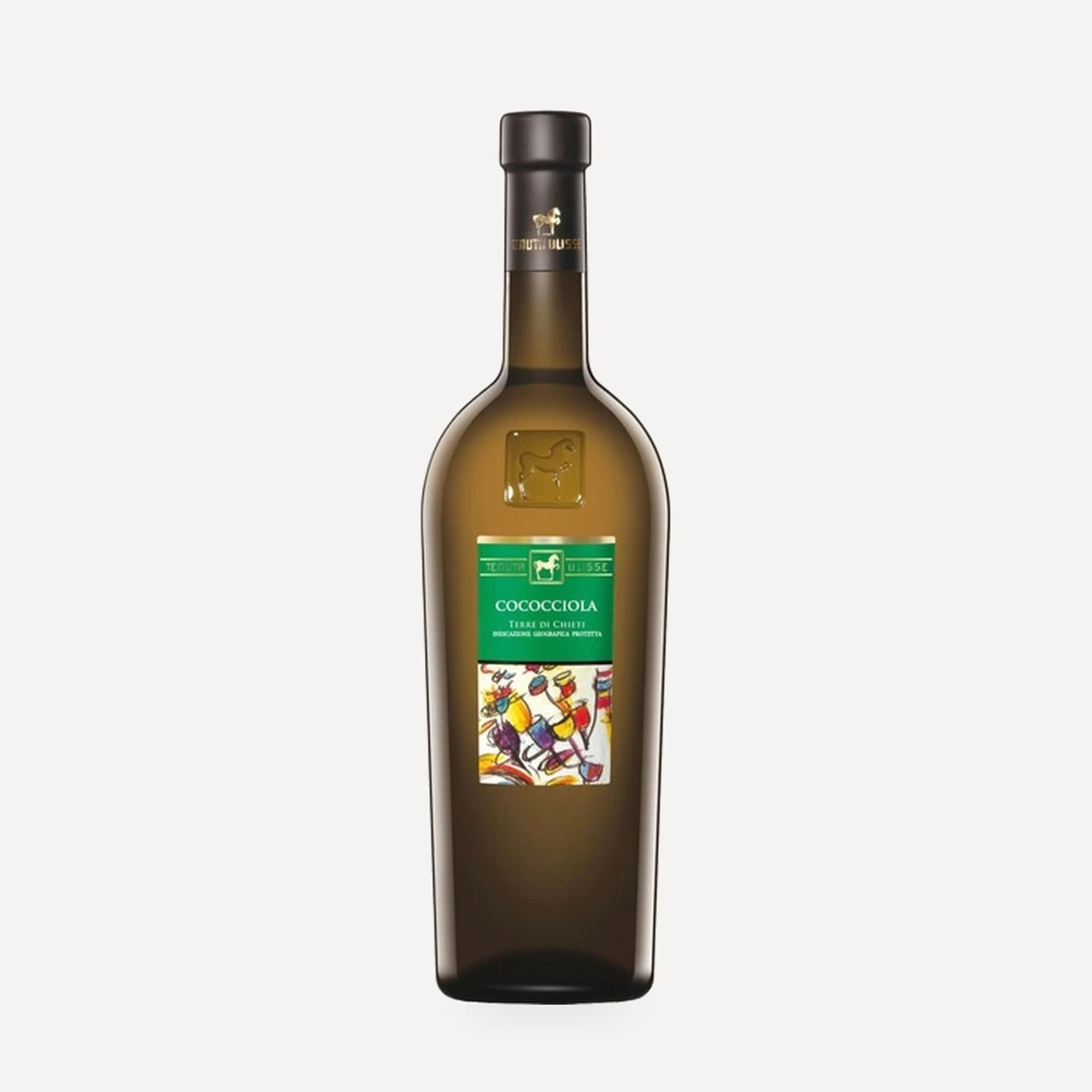
Ulisse Cococciola
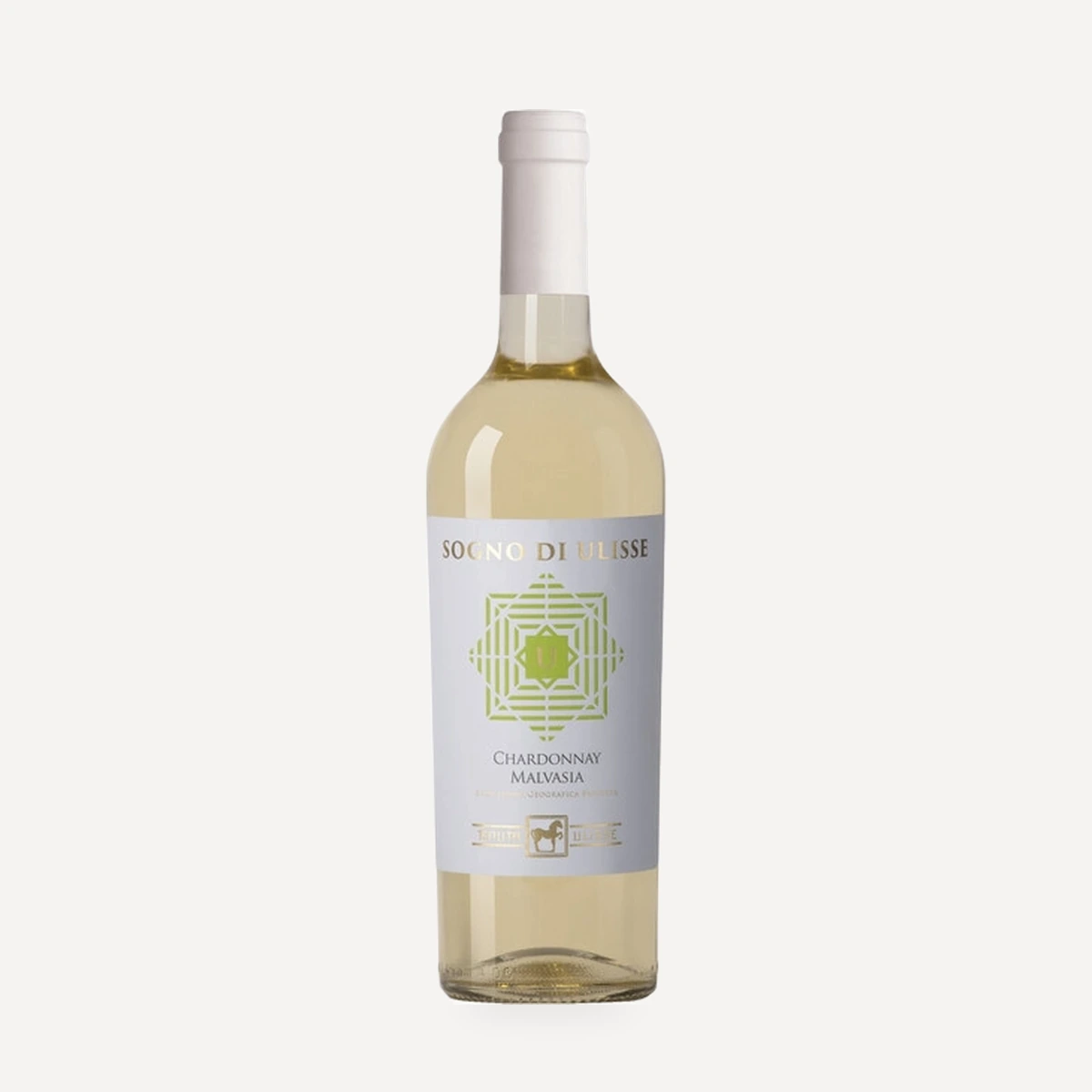
Sogno di Ulisse Chardonnay-Malvasia
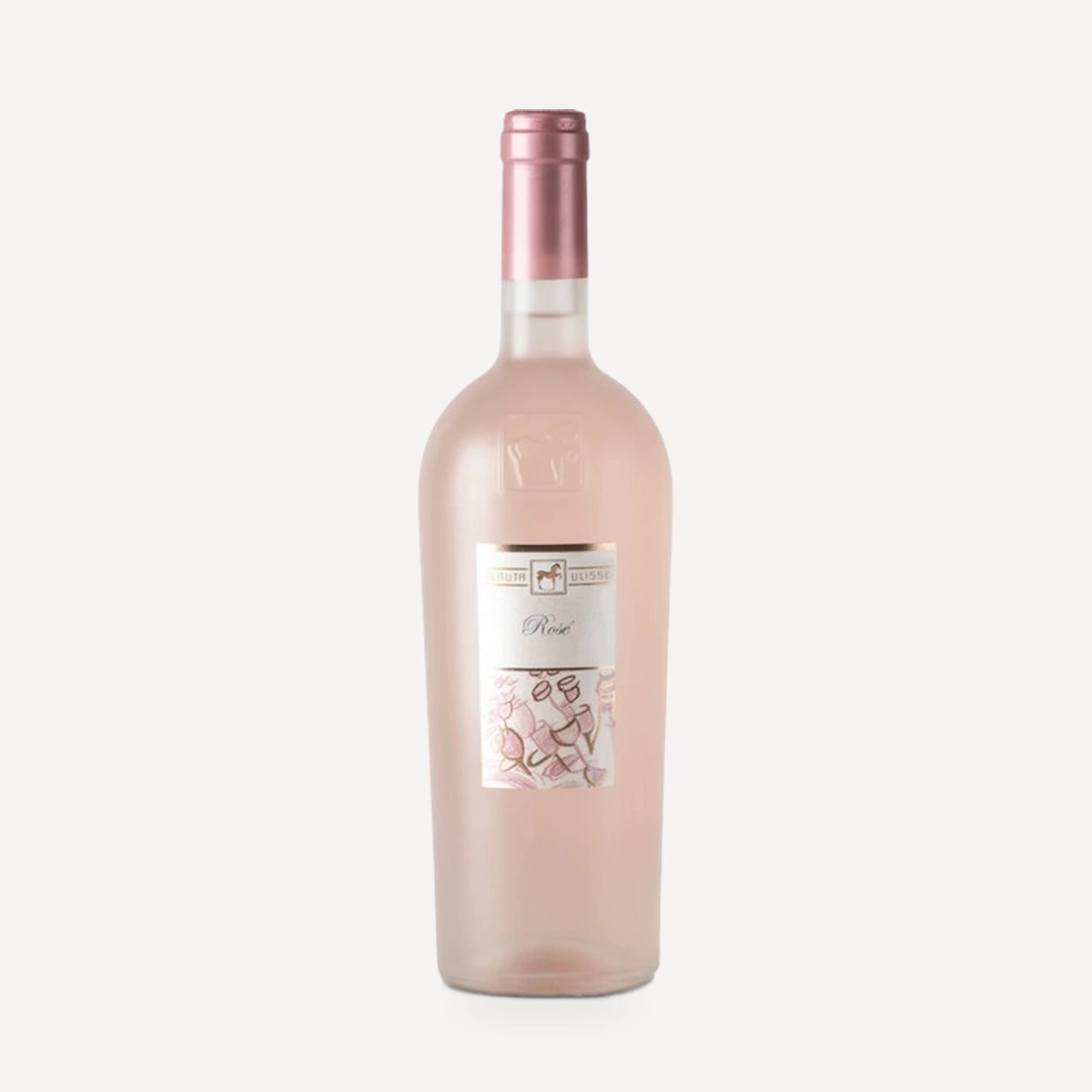
Rose Terre di Chieti IGP
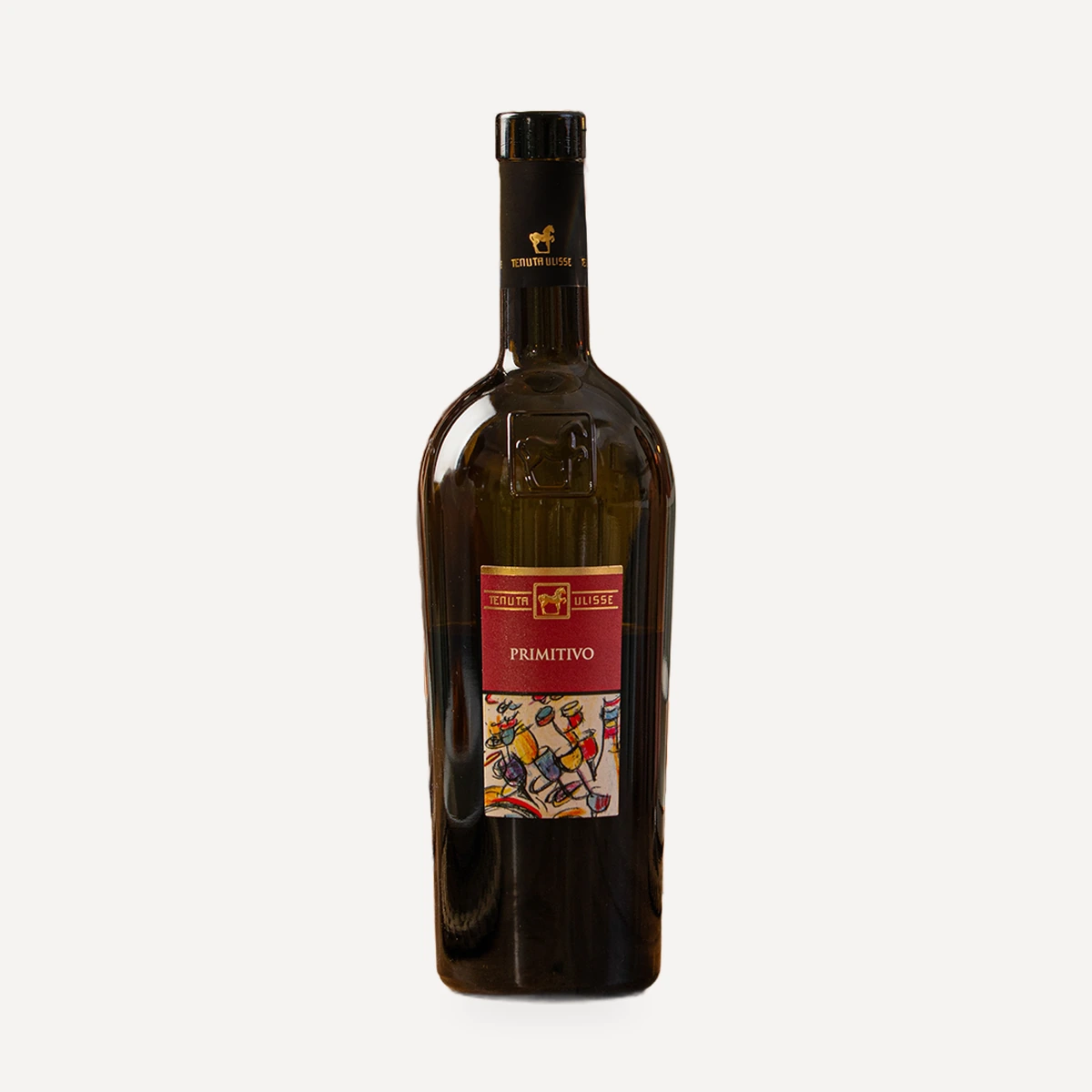
Ulisse Primitivo