History
From watchtower to strategic castle
Castello della Paneretta stands on the western slopes of the Chianti Classico hills, facing the Val d’Elsa and the towers of San Gimignano. Its earliest structure was a watchtower guarding contested territory; the castle gradually developed around it over the centuries.
After the Battle of Montaperti in 1260, the nearby Castello di Cepparello was abandoned. Paneretta consequently assumed greater strategic importance, expanding both physically and in its role as a stronghold among the surrounding hills.
Sixteenth-century transformation
After passing between different families, the castle entered a period of renewed prosperity under the Vettori family. In 1577, Maddalena brought it as her dowry when she married Ludovico Capponi. The couple restored the castle, transforming it into a cultivated residence. Bernardino Poccetti was commissioned to decorate the courtyard loggia with frescoes, which remain part of the building's artistic fabric.
During this period, the castle attracted painters, poets and travellers. Gerolamo Muzio was among its literary visitors: he dedicated verses to Paneretta and remained there until his death.
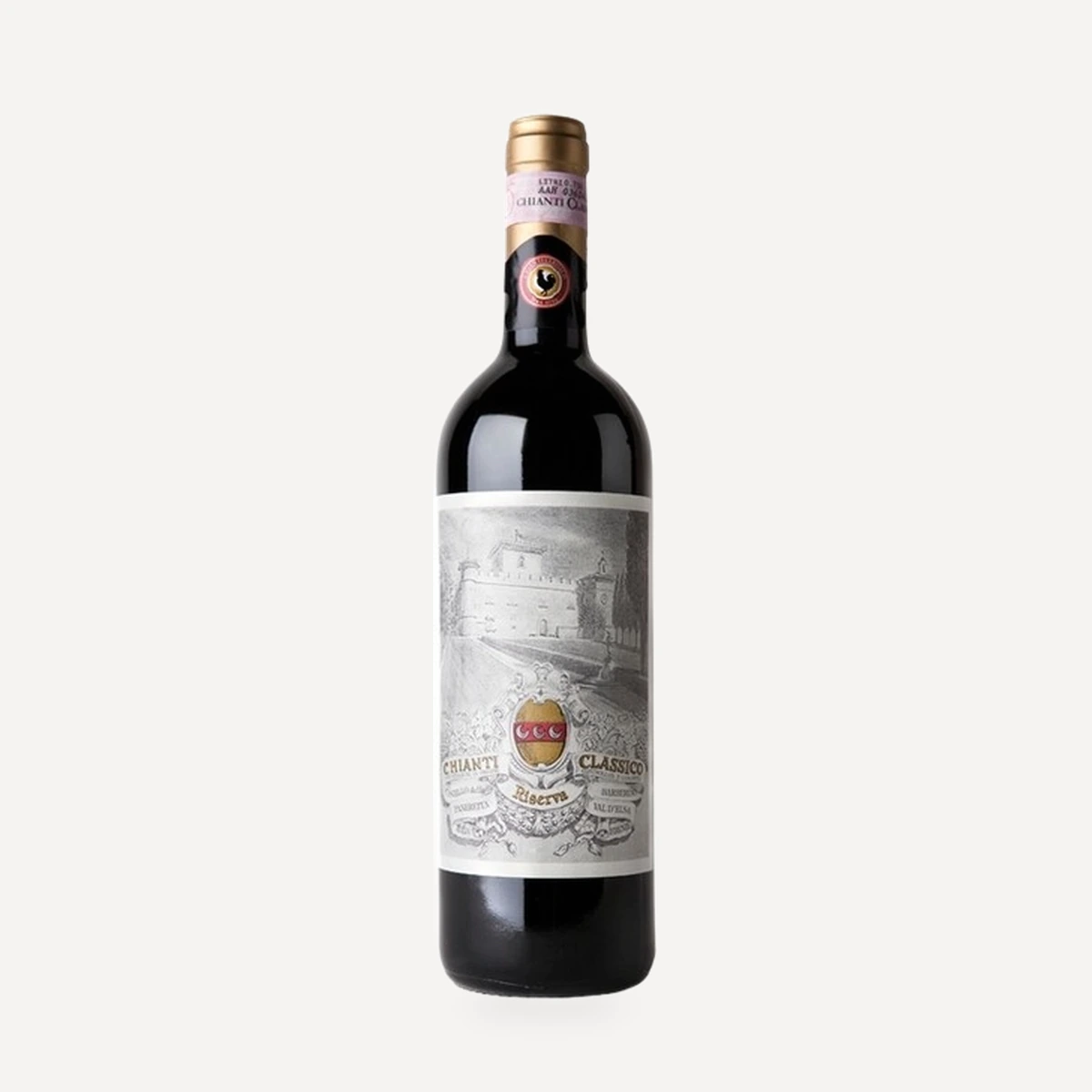
Wine production is documented from 1596, establishing a viticultural history of more than four centuries at Monsanto.
The Capponi and Riccardi Strozzi inheritance
In 1696, Cassandra Capponi married Marquis Carlo Riccardi Strozzi. Their union brought Paneretta together with an important collection of manuscripts, parchments and books. This material subsequently contributed to the formation of the Biblioteca Riccardiana in Florence.
The Strozzi family retained the castle for centuries.
Preservation of the historic vineyards
During the extensive restructuring of Tuscan vineyards in the 1960s and 1970s, Paneretta retained its established varieties and training systems. Its historic, medium- and high-density vineyards survived a period in which many vineyards elsewhere were replanted or reorganised. Their internally selected Sangiovese and Canaiolo Nero material continued to be propagated through the estate's oldest vines.
The Albisetti period
In 1984, management of Paneretta passed to the Albisetti family, opening the present chapter of the estate's history.
The estate now covers 309 ha, most of it woodland. Twenty-three hectares of vineyards produce approximately 900 hL of wine. Vineyard development continues through new plantings planned at progressively higher densities of 6,000–8,000 vines per hectare, extending the estate's long-preserved genetic material into future vineyards.
Terroir
Position and landscape
Castello della Paneretta occupies the western slopes of the Chianti Classico hills at Monsanto, overlooking the Val d’Elsa and the towers of San Gimignano. Woodland forms most of the 309 ha estate, while vineyards occupy selected sites within the property.
Geological foundation
The vineyard soils originated in the Pliocene and record geological and climatic transformations extending over millions of years. Their colours range from red and violet to pale grey. Limestone and marl developed during a period when Tuscany had a subtropical climate; these soils retain water and support the vines through the long summer months.
Soil conditions change within a few hundred metres—and sometimes within only a few steps—producing marked variations in colour, texture, depth, structure and viticultural behaviour. Shallow sectors compel roots to explore deeper layers, moderate vine vigour and favour concentration in the grapes.
Three soil expressions
Terrine, Torre a Destra and Torre a Sinistra occupy east- and south-east-facing slopes receiving consistent morning light. Galestro—marl combining limestone and clay—dominates, accompanied by compact limestone formations. The strata follow the contours of the hills. These warm ochre soils are only mildly eroded and provide balanced support for the vines, producing concentrated grapes associated with structure, complexity and the capacity to develop over time.
Ciliegio, Bossolo and Barbiano lie on more fragile, dynamic flysch formations. Red-violet schistose argillites alternate with clay and limestone deposits. These soils are relatively poor in organic matter, naturally erosion-prone and less stable over time. The more demanding environment produces less-concentrated grapes associated with finer, more delicate and precise expressions.
Querciole and Poggio occupy almost level positions near the hilltops, where air circulates freely. Their soils have been better protected from erosion and preserve evidence of formation under markedly different past climates. The action of iron and aluminium on limestone layers created deeper, more compact and more structured ground. The greater soil depth and richness support more generous vines and grapes intended for youthful wines characterised by freshness, balance and immediate drinkability.
Winemaking
Paneretta concentrates on Sangiovese and Canaiolo Nero selected internally over many generations. This genetic inheritance has been preserved through the estate's oldest vineyards, and the plant material used in both vineyard and cellar derives from its indigenous selections.
The historic vineyards were established at medium to high density and survived the extensive restructuring of Tuscan viticulture during the 1960s and 1970s. Paneretta retained existing varieties and training systems rather than replacing them.
Approximately half of the stated 16 ha under vine is planted at 5,000 vines per hectare. New plantings are planned at progressively higher densities of 6,000–8,000 vines per hectare. The intended result is greater competition between vines, encouraging plant balance and greater depth and precision in the grapes.
Philosophy
Loyalty to place
Paneretta's declared vision is to cultivate and vinify Sangiovese and Canaiolo Nero, treating these varieties as both a historical inheritance and an expression of respect for Chianti Classico. Internally selected vine material, preserved over generations, is intended to communicate the distinctions between soils and individual parcels.
The estate presents this focus as a cultural response to the increasing standardisation of international taste. Its position is that internationally planted varieties can be produced in many places, whereas Chianti Classico offers an irreplaceable setting for Sangiovese and Canaiolo.
Preserving differences
Soil distinctions are not intended to be levelled or corrected. Terrine and Torre a Destra are associated with structure, complexity and development; Ciliegio, Bossolo and Barbiano with delicacy, elegance and precision; and Querciole and Poggio with youthful, immediately approachable expressions.
Wine is therefore conceived not as the outcome of a fixed formula but as the expression of complex, changing land. Each vineyard is intended to retain its own voice, while vintage and site distinctions remain legible rather than being subordinated to fashion.
Wines
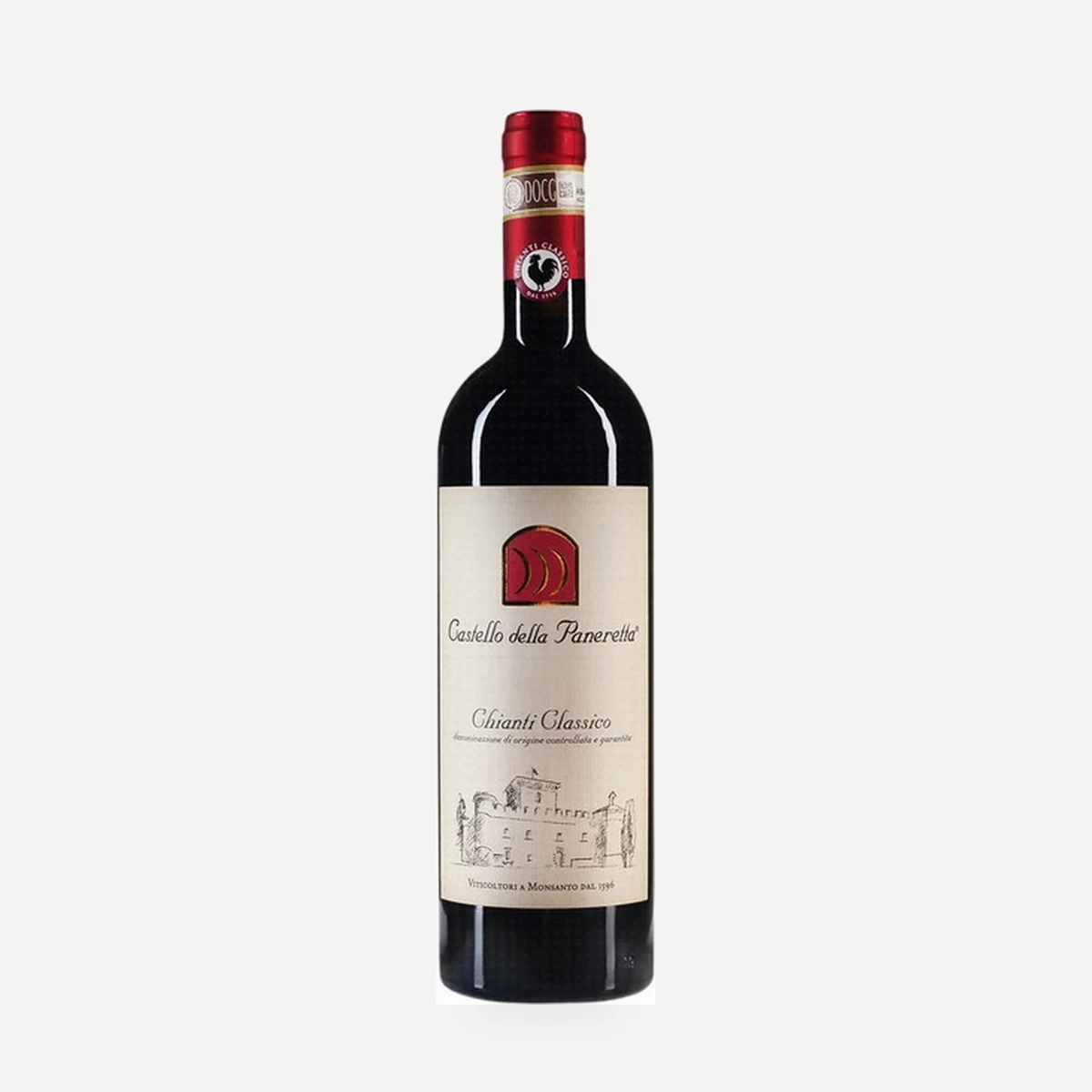
Chianti Classico DOCG
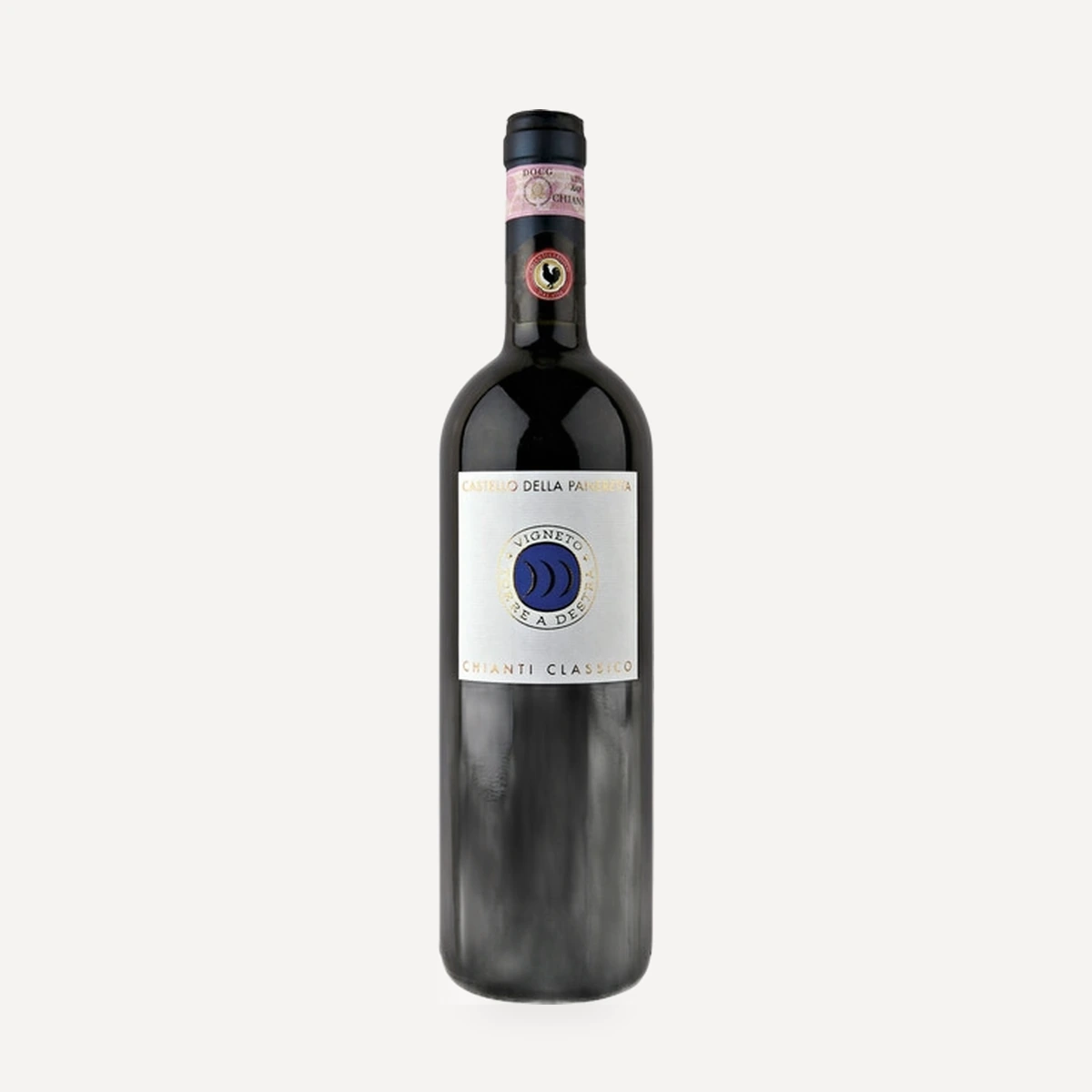
Torre a Destra Riserva Chianti Classico DOCG
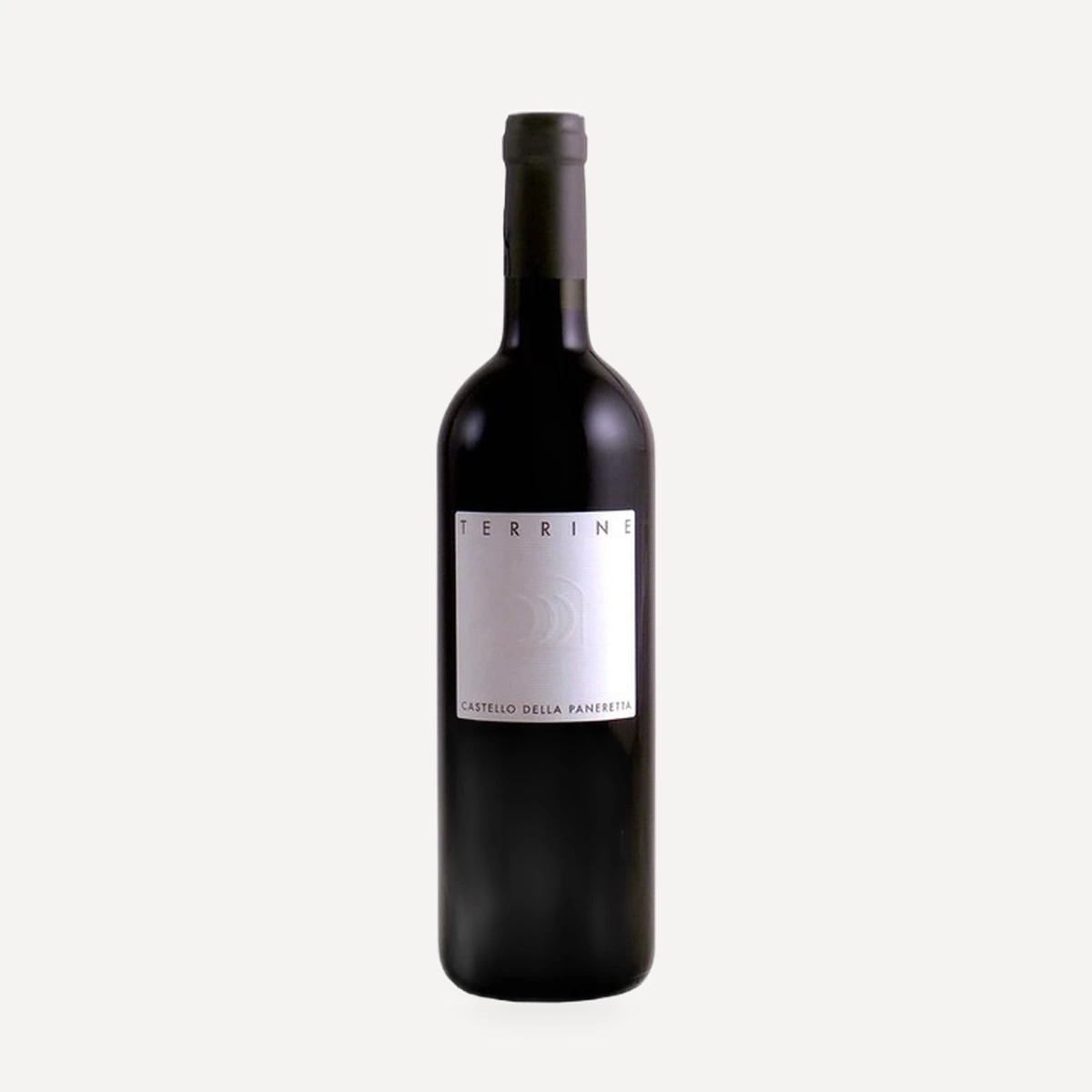
Terrine Toscana IGT
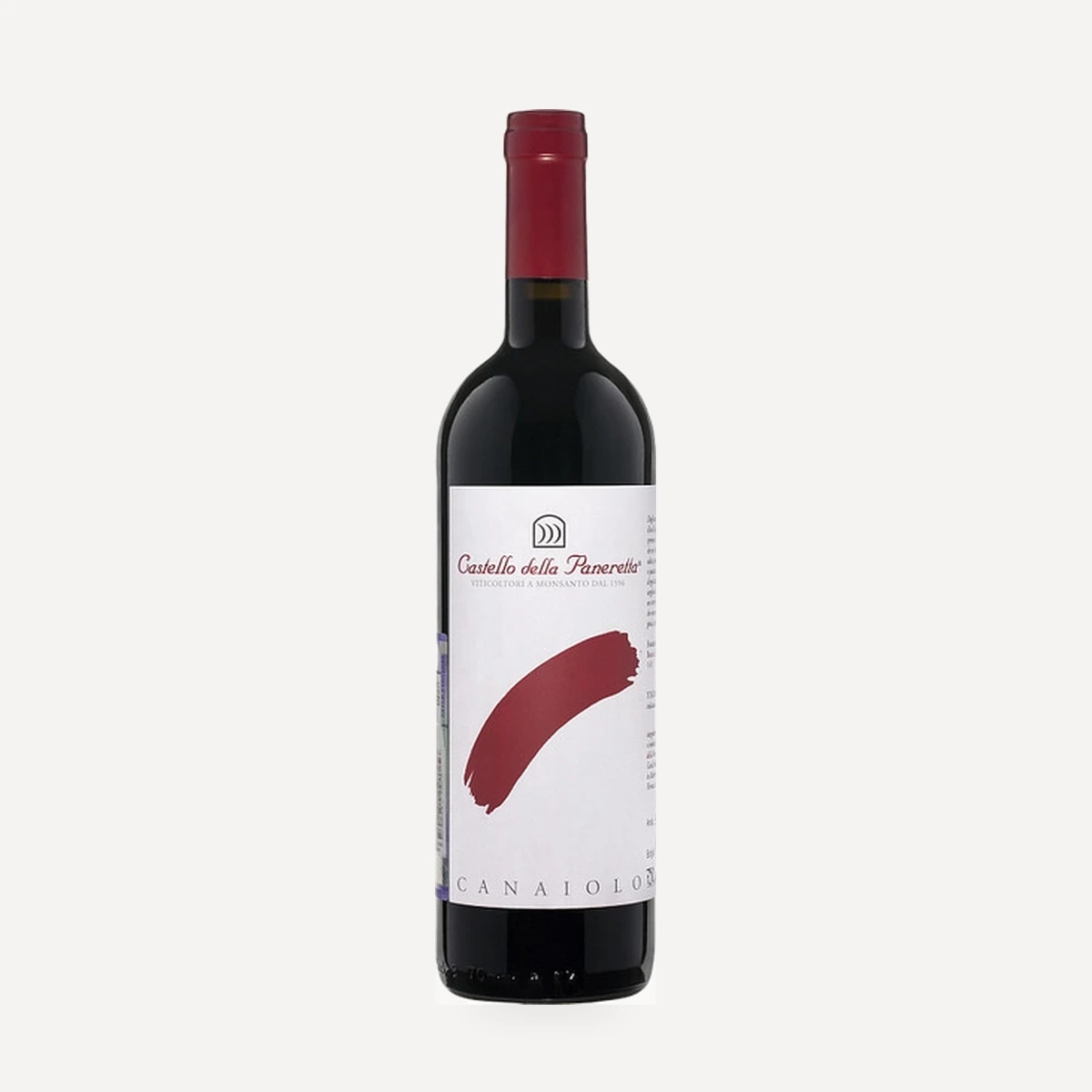
Canaiolo Toscana IGT
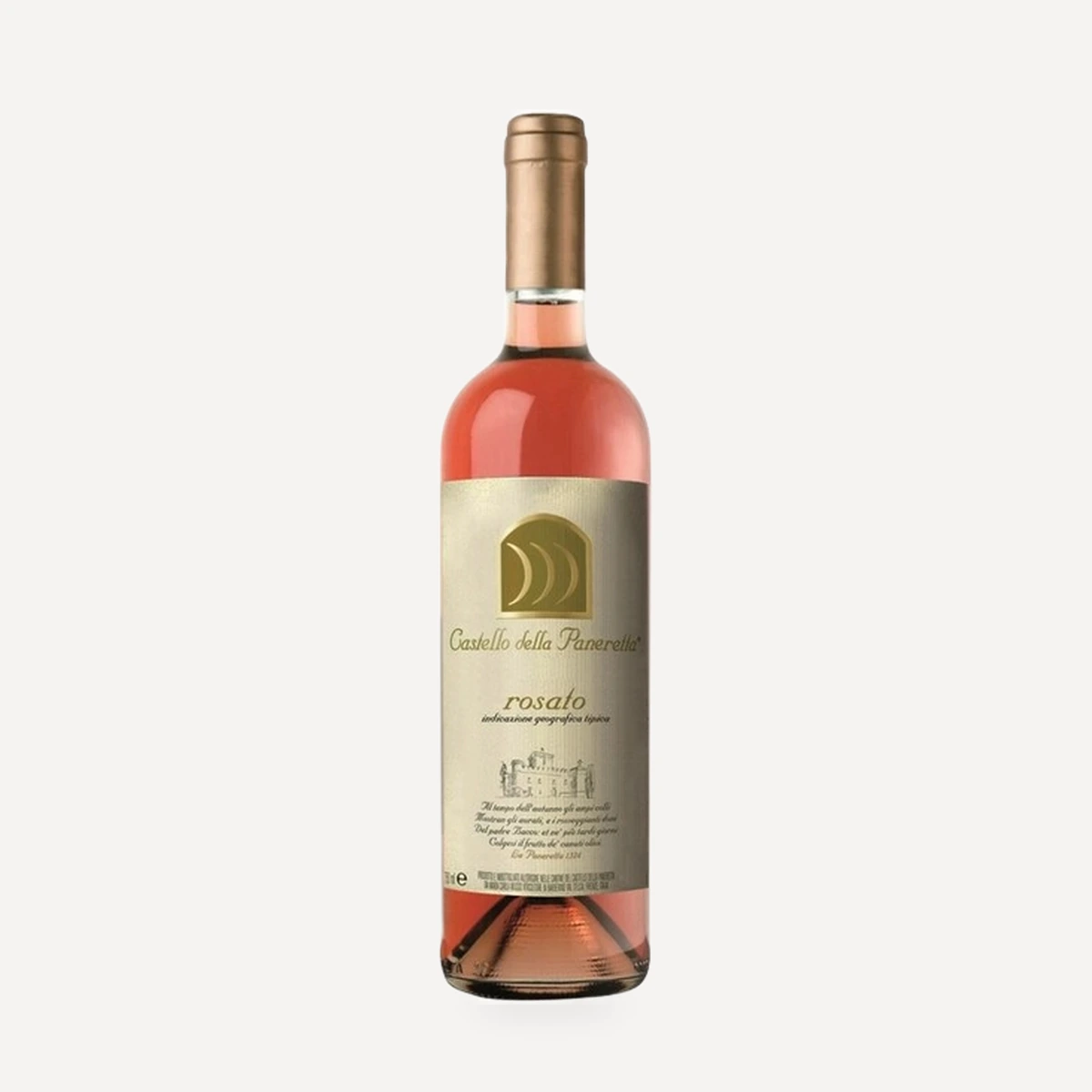
Rosato IGT