History
The quality project, 1986–1989
The immediate background to Domìni Veneti was the 1986 methanol-wine scandal, which damaged confidence in Italian wine and placed particular pressure on the cooperative sector. Cantina Valpolicella Negrar responded by pursuing a progressive quality strategy rather than volume alone. In 1987 Luciano Sinosi gave impetus to the Progetto Qualità, conceived to identify especially suitable areas of Valpolicella and obtain distinctive wines through vineyard selection and close work with member-growers.
Daniele Accordini joined the cellar in 1988 at the invitation of Ettore Righetti, an influential figure in the cooperative’s dimensional and qualitative development. Righetti and Accordini subsequently worked together on the launch of the new quality project.
Domìni Veneti was formally created in 1989, following research and zoning in Valpolicella Classica. The project selected a significant part of the cooperative’s grape production for premium wines. It represented the first premium-positioning operation undertaken by an Italian cooperative winery and deliberately challenged the period’s stereotype of cooperative wine as anonymous production assembled from undifferentiated grapes.
The name pays tribute to the territories and achievements of the historic Republic of Venice during its Renaissance apogee, when Valpolicella formed part of its lands.
Establishing the project, 1991–2004
In 1991, Luigi Veronelli invited a selection of the cooperative’s wines for assessment through Luciano Sinosi, beginning a long relationship with the Veronelli guide.
The initial territorial investigation concentrated on the Valle di Negrar. It produced a group of named selections: Vigneti di Jago for Amarone, Vigneti di Moron for Recioto, Vigneti di Torbe and La Casetta for Ripasso, and Verjago for Valpolicella Superiore. The work combined vineyard zoning, selective harvesting and detailed study of appassimento.
In 2004, Recioto Vigneti di Moron 2001 received Tre Bicchieri. It was the first such recognition given by the guide to a wine made by a Veneto cooperative, marking an important critical milestone for the quality project.
From individual crus to the five valleys
The territorial study subsequently expanded from Negrar to all five valleys of Valpolicella Classica. The Espressioni project selected five vineyards in different valleys to show the contrasts and nuances within the denomination through five Amarone interpretations. The first vintage of the Villa expression was 2004; it entered the market in 2011 with an image derived from a Roman mosaic discovered in the locality of Villa.
The project also continued studying appassimento for Corvina, Corvinone and Rondinella. Work in one of Italy’s largest fruttai helped define a house style based on careful selection, an artisanal approach and distinct expressions of place and complexity.
Pruviniano and further expansion, 2018–2019
In 2018, Domìni Veneti introduced the Collezione Pruviniano, comprising Valpolicella Superiore, Ripasso and Amarone from Prognol in the Valle di Marano. The collection extended the zoning programme into a valley associated with savoury, fine and elegant profiles. “Pruviniano” is an old name for the area, recorded in documents from the eighth century and used for territory encompassing the Marano and Fumane stream basins; another account notes its use until 1177.
In 2019, the brand celebrated its thirtieth anniversary. A limited-edition La Casetta label was created for the occasion, and Cantina Valpolicella Negrar began presenting itself at wine exhibitions under the Domìni Veneti banner. At that time the brand generated approximately €8 million, about one fifth of the cooperative’s €36 million 2017/18 turnover, with continued growth in Italy and abroad.
A broader premium identity, 2023–2024
By 2023, Domìni Veneti’s core remained the principal Veronese reds—Amarone, Ripasso and Recioto—while its “Venetian soul” had encouraged exploration of other regional expressions. The brand accounted for almost 25% of the cooperative’s turnover in 2022.
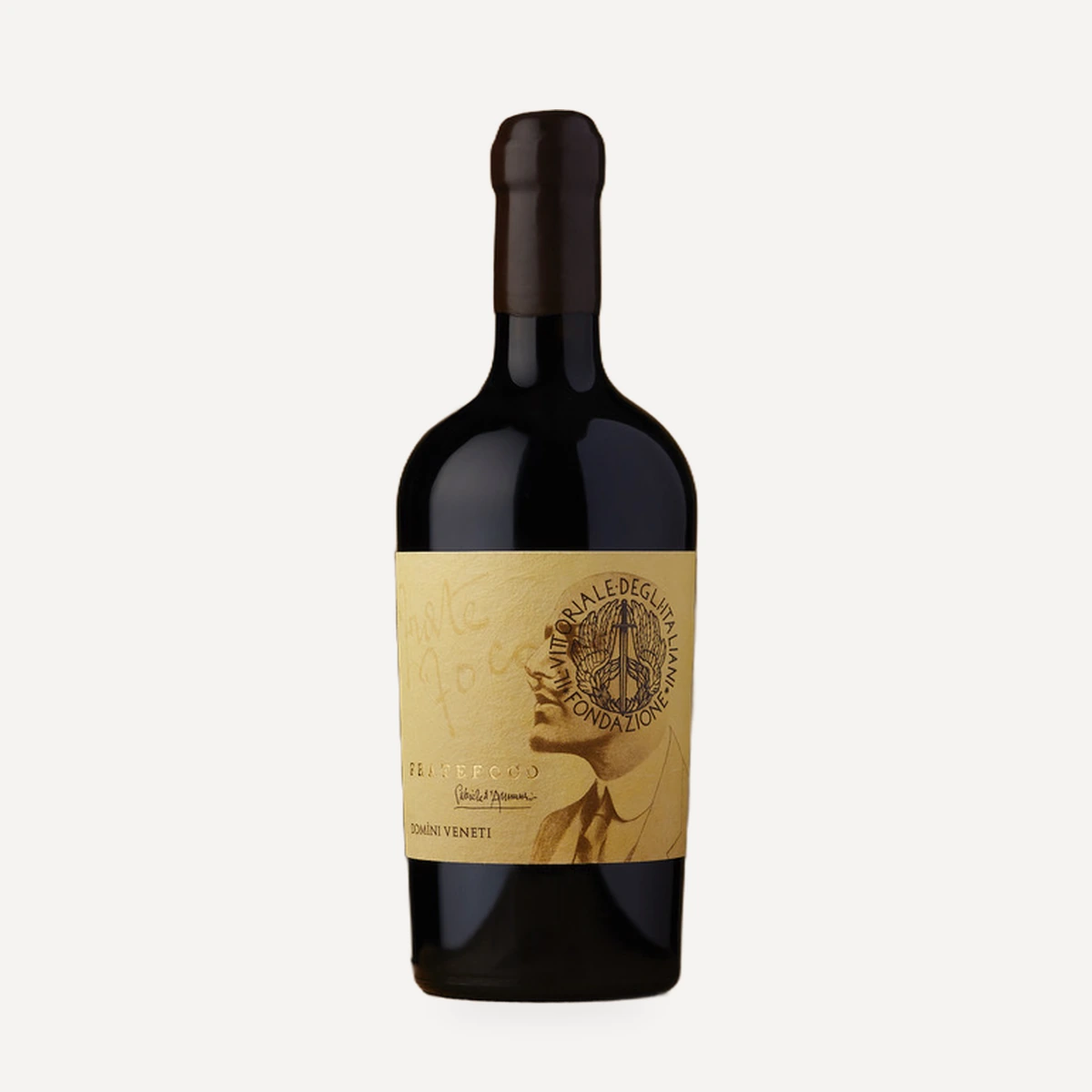
In September 2023, Domìni Veneti and the Fondazione Il Vittoriale degli Italiani created the limited-edition Fratefoco project for the 160th anniversary of Gabriele d’Annunzio’s birth. The concept drew on one of d’Annunzio’s noms de plume and on documents studied in the Vittoriale archives.
In 2024, the brand introduced the MaDamigella Blu rosé at Vinitaly and reported a share of approximately 30% of Cantina Valpolicella Negrar’s turnover, whose 2022/23 total was approximately €45 million. The selection range had by then developed its own identity within the premium market, while retaining the research, experimentation, cooperative relationships and territorial zoning that shaped the original project.
Terroir
Domìni Veneti grew out of systematic zoning in Valpolicella Classica, beginning in the Valle di Negrar and later extending to its five valleys and municipalities: Negrar, Marano, Fumane, San Pietro in Cariano and Sant’Ambrogio.
The broader landscape is protected by the Monti Lessini and moderated by the mild influence of nearby Lake Garda. Its geological diversity includes sandstone, clay and eruptive rocks. The vineyards occupy different elevations and exposures, creating distinct ripening conditions from valley to valley and even between neighbouring sites.
The brand’s work treats this geological and topographic diversity as a set of individual possibilities rather than a uniform regional style. The first detailed studies identified the specific microareas of the Valle di Negrar. Later research compared five selected vineyards across Valpolicella Classica through the Espressioni collection and then focused on Prognol and the broader Valle di Marano through Pruviniano.
Jago illustrates the Negrar hills: dry-stone terraces at 200–250 metres, Veronese pergola training and poor, marly, free-draining soils rich in stones, with thin layers of clay. Moron lies on south-east-facing dry-stone terraces at approximately 250 metres, with predominantly silty-sandy soils and some alluvial debris. The certified-organic high-hill sites are generally drier and better ventilated; their sloping ground drains rain efficiently, and their soils range from clay-silt to moderately calcareous.
Winemaking
Vineyard management is coordinated across a cooperative membership through field technicians and a phytosanitary bulletin. Growers receive regular information on phenological development, new techniques, training, agronomic regulations and operational activities. The objective is a shared model capable of delivering grapes of sufficient quality and integrity for appassimento.
The preferred training system is the Veronese pergola. Its vegetative canopy forms a “green roof” that shelters both fruit and soil, reducing micro-evaporation and sunburn. Vineyards are intended to function within a broader ecosystem, support biodiversity and preserve soil organic matter as climatic conditions become more demanding.
Harvesting is manual. Grapes destined for appassimento are picked earlier than grapes for fresh wines and placed gently into plateaux or boxes. Trained teams assess maturity, variety and bunch integrity in the vineyard. Hand work reduces the entry of heavy machinery, helps limit emissions and avoids soil compaction. Maturation then continues in the fruttaio.
Water-conservation practices include retaining old vines because their developed root systems tolerate water shortage better; selecting deep-rooting rootstocks for new plantings; maintaining soil organic matter with organic-origin fertilisers; and using grass cover to shield bare soil and roots from excessive heat. Grass is cut after flowering, when its greater lignin content slows decomposition and supports organic-matter accumulation. Mowing is limited to two or three passes per year, while rolling may bend dry vegetation into an organic mulch.
Under-row areas beneath mature vines can remain grassed. In new or young vineyards, shallow cultivation interrupts capillary rise, reduces evaporation and encourages roots to develop at depth. Irrigation is restrained to avoid excessive vegetative growth and dependence on frequent water. Drip systems replace flood or overhead irrigation where irrigation is necessary.
Organic vineyard management began in 2004. Certified growers receive technical support for daily site-specific practices, administrative records and inspections. The brand’s organic selections come from fully grassed, certified high-hill vineyards with good ventilation and drainage.
Domìni Veneti’s production is centred on selective vinification, territorial separation and extensive study of appassimento. Cantina Valpolicella Negrar manages one of Italy’s largest fruttai and receives more than 30,000 quintals—over 3,000 tonnes—of indigenous grapes for appassimento each year.
Appassimento is treated as continued biological evolution rather than simple dehydration: resting grapes continue to respire, and their condition is repeatedly assessed as environmental factors change. Corvina, Corvinone and Rondinella have been the principal focus of the brand’s appassimento research.
Grapes intended for Amarone and Recioto are harvested early by specially trained teams and placed carefully into plateaux to maintain intact berries. The harvest and delivery schedule follows the ripening time of each variety, zone and vineyard, taking account of altitude, exposure and soil. When the resting period is complete, the grapes undergo a second observation and selection before destemming and pressing.
For the Jago Amarone selection, appassimento lasts approximately 100–120 days, with pressing between December and January. Initial maturation takes place in barriques, followed by large oak casks and bottle ageing. Verjago grapes dry for 40 days; the wine then matures for more than one year in large oak casks and a further three months in bottle.
Ripasso production makes productive use of the marc remaining from Amarone or Recioto. An equal quantity of fresh Valpolicella is passed over sugar-rich marc, initiating a second fermentation for approximately 7–10 days. Vigneti di Torbe uses Amarone marc, while La Casetta uses Recioto marc.
The sparkling Recioto process documented for SENTAte includes 120 days of appassimento, destemming and pressing in December or January, fermentation from 12 to 23 °C, 20 days of maceration, three manual punch-downs per day, complete malolactic fermentation and a six-month long Charmat period on the lees, followed by steel maturation.
Philosophy
Domìni Veneti’s identity rests on research, study and experimentation, applied first to the Valle di Negrar and then to the wider diversity of Valpolicella Classica. Selection is used to make individual places legible rather than to impose a single uniform expression.
The brand defines its style through an artisanal approach to major denominations, using different profiles and levels of complexity while maintaining seriousness of interpretation. Appassimento is understood as the careful accompaniment of a natural process: the cellar’s role is that of an attentive custodian rather than an accelerator.
Its cooperative origin gives relationships a central role. Trust, constancy, reciprocity and collaboration connect growers, technicians and the cellar. The stated objective is not only technical quality but also lasting relationships and the convivial pleasure of being together.
Viticultural principles include integrating vineyards into functioning ecosystems, encouraging biodiversity, preserving soil organic matter and adapting responsibly to climatic change. Tradition is paired with contemporary research: historical techniques, indigenous grapes and local names are retained, while zoning, technical monitoring and experimentation are used to refine their expression.
Wines

Amarone della Valpolicella Classico Espressioni Villa DOCG
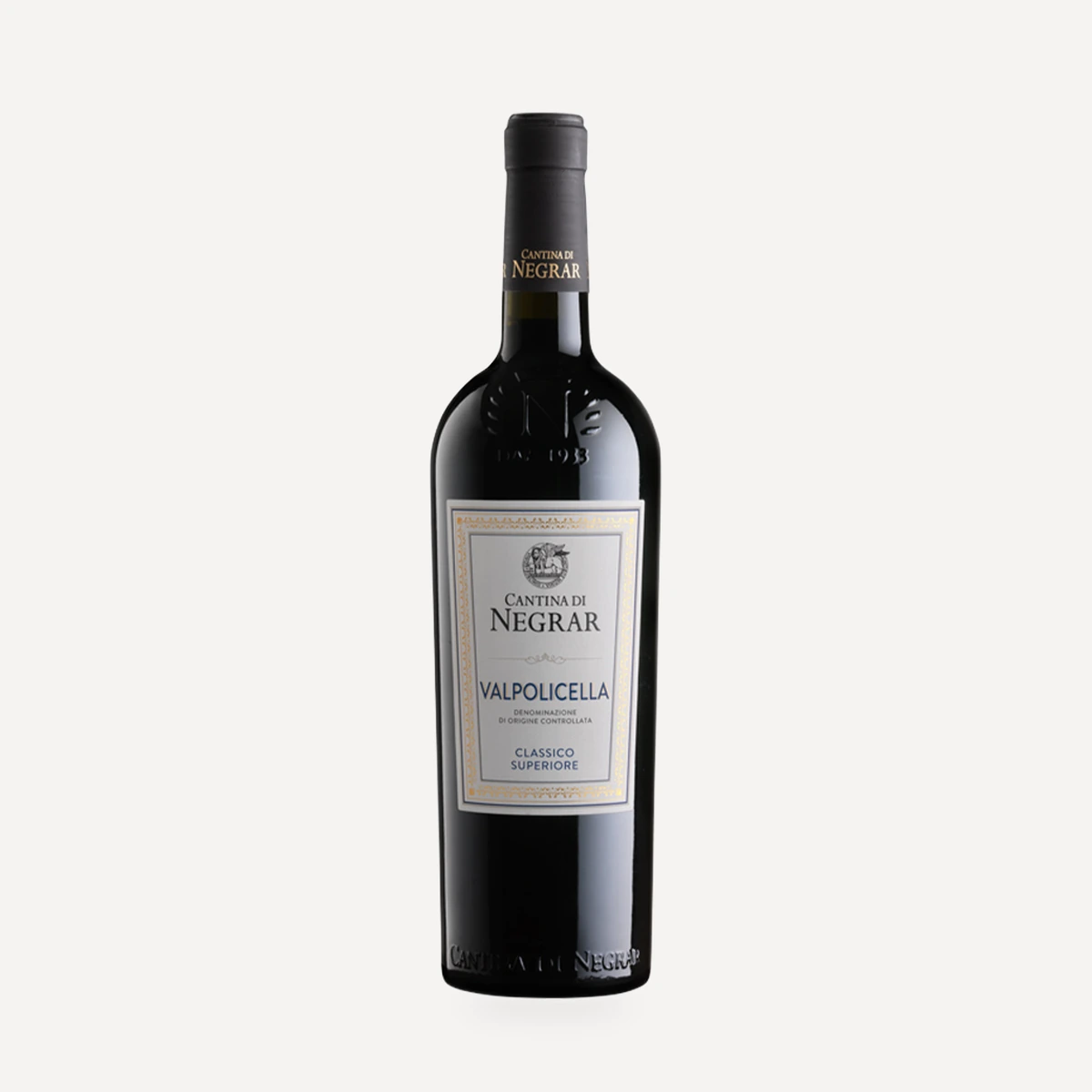
Valpolicella Classico Superiore DOC
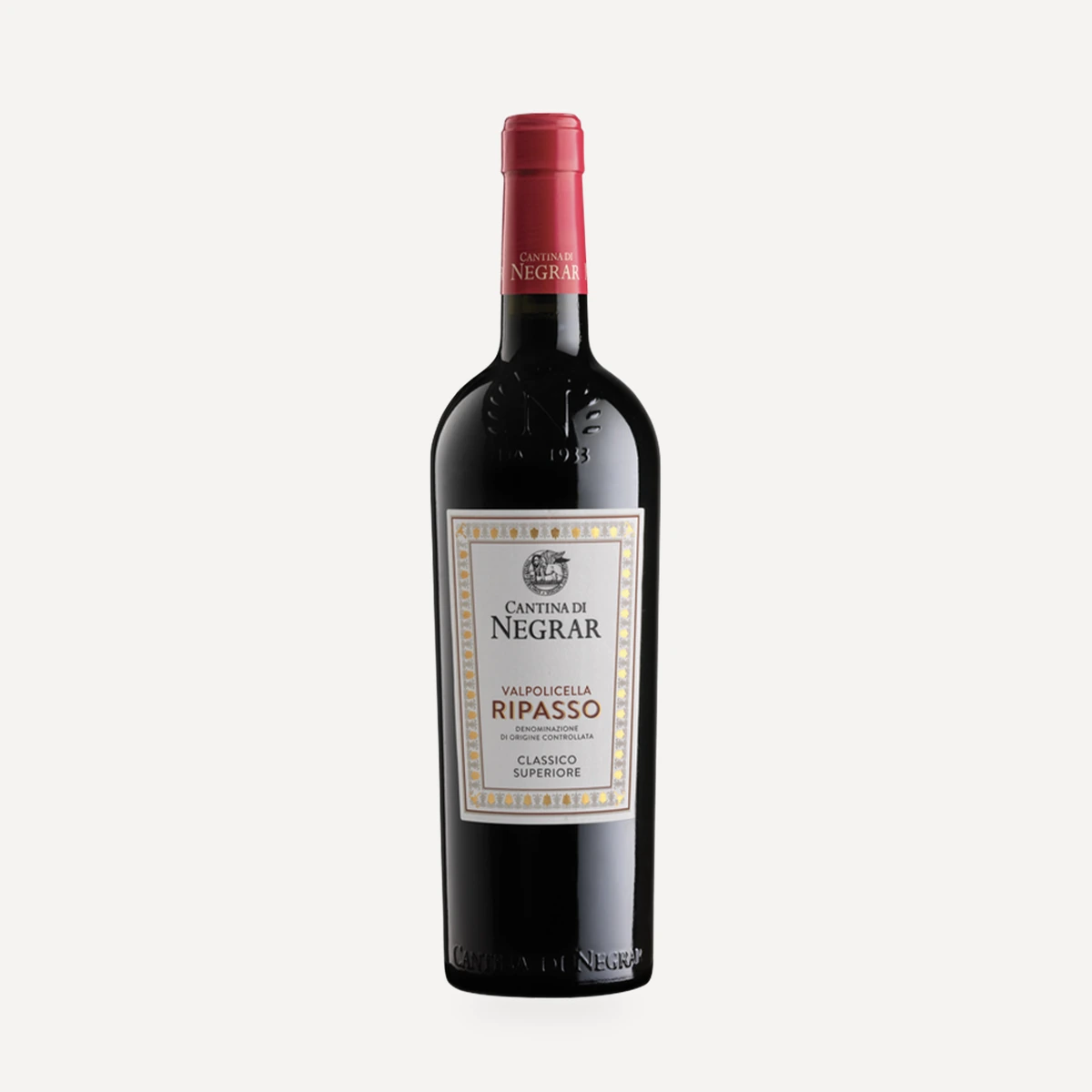
Valpolicella Ripasso Classico Superiore DOC
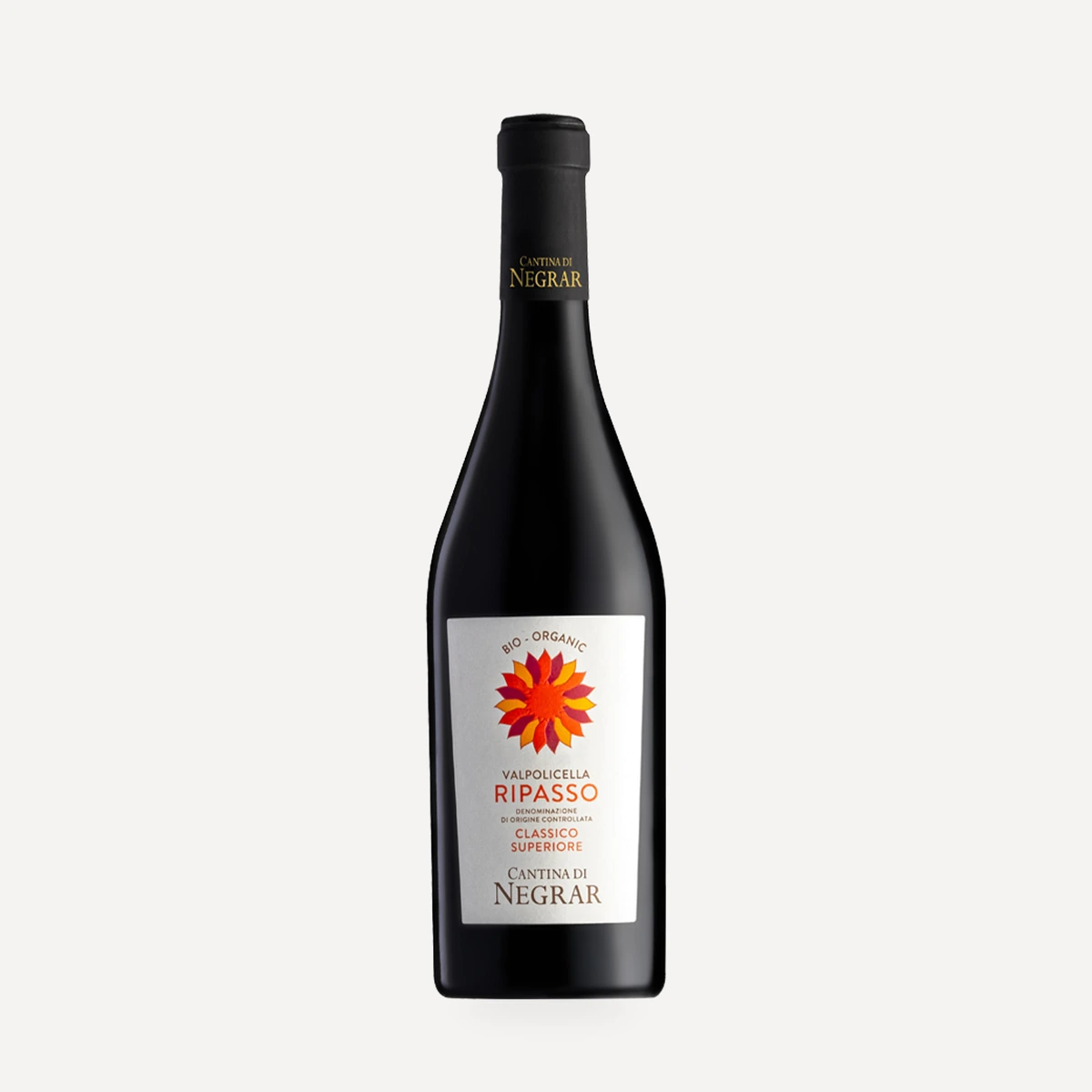
Valpolicella Ripasso Classico Superiore Biologico DOC