History
1914: Lino Icardi establishes the estate
Lino Icardi founded the family agricultural enterprise in Castiglione Tinella in 1914. Its beginnings were modest: he planted the first vines, and the holding consisted of only a few rows. Most grapes were delivered to the wine industry, while a small portion was vinified for the Icardi family table.
1920: the historic production licence
The estate’s historic licence to produce wine dates from 1920. Production at that time relied on a small number of casks; stainless-steel equipment was not yet part of the cellar.
Early 1960s: Pierino and direct sales
In the early 1960s, Lino’s son, Cav. Pierino Icardi, began making wine from the family’s own grapes and selling it directly. This marked the transition from predominantly supplying grapes to pursuing a more quality-focused estate-wine business.
Lino and Pierino also shaped the physical core of the property. Together they hand-carved a room from the local tuff in the historic part of the estate. It now serves as the tasting room.
Claudio and Mariagrazia
Pierino’s children, Claudio and Mariagrazia Icardi, subsequently assumed management. Claudio, an oenologist, brought together vineyard work and meticulous cellar practice. By the time represented in the estate’s current account, he had completed more than 40 harvests. Mariagrazia combined work alongside Claudio with responsibility for the commercial side of the business and its international promotion.
The estate expanded beyond Castiglione Tinella by acquiring holdings in selected parts of the Langhe and Monferrato. These included Fossati in Barolo; Sant’Anna in La Morra; Serra in Serralunga d’Alba; Montubert, Serra Capelli and Starderi in Neive; Bricco del Sole, Collina Susasco and Moncucco in Castagnole Lanze; Bricco Moncucco in Mombercelli; Cascinotto and Fabaro in Vinchio; and Ausario in Treiso.
Environmental transition
Over a period described as 20 years, the family developed an agricultural approach inspired by naturality and sustainability. Synthetic chemical products were removed from vineyard practice, external inputs were reduced, and the estate increasingly relied on its own ecological resources. Its vineyard work came to include permanent or spontaneous vegetation between rows, green manure, natural nitrogen fixation, crop thinning and the preservation of uncultivated woodland for biodiversity.
2015: renewed focus on individual sites
The 2015 harvest marked a turning point in the treatment of the estate’s crus. After 20 years, Icardi again selected grapes exclusively from two individual vineyards in Neive and Barolo, both recognised through Menzioni Geografiche Aggiuntive. The plan was to release Barbaresco DOCG Starderi from 2018 and Barolo DOCG Fossati from 2019.
The estate today
Annual production has grown to approximately 360,000 bottles, of which about 80% is exported. The cellar holds roughly 600 vessels across barriques, tonneaux and 50 hl lightly toasted oak casks. More than 200 km of vine rows are tended manually through harvest.
Claudio and Mariagrazia remain the two principal figures in management, while a fourth generation is present through Claudio’s children Ivan and Sara and Mariagrazia’s son Luca. Ivan holds a degree in economics; Sara studied viticulture and oenology; Luca works on the commercial side of the cellar.
Terroir
The estate is based in Castiglione Tinella, in the province of Cuneo, at the meeting point of the Lower Langa and Monferrato. Vine-covered hills extend across the surrounding landscape; more than 90% of Castiglione Tinella’s agricultural surface is planted to vineyards.
Rocky escarpments descend toward the Tinella and Belbo valleys. Carefully ordered vine rows alternate with patches of woodland, creating a mosaic of cultivated slopes and uncultivated habitat.
Beyond its home vineyards, the estate holds land across the Langhe and Monferrato, including sites in Barolo, La Morra, Serralunga d’Alba, Neive, Castagnole Lanze, Mombercelli, Vinchio and Treiso. Starderi in Neive and Fossati in Barolo are identified as Menzioni Geografiche Aggiuntive.
Winemaking
The estate has practised agriculture inspired by natural and sustainable principles for 20 years. Vineyard work seeks to make use of resources already present within the farm while reducing external inputs. Synthetic chemical products are excluded, as are pesticides and herbicides.
Vegetation is maintained between the rows, allowing flowers and other plants to follow their natural cycle. Nitrogen fertilisers are avoided; plants are instead used to fix nitrogen naturally in the soil. Green manure is employed to support fertility.
Crop thinning retains the best bunches and deliberately reduces yields per hectare. Shoots are handled without forcing their development, in keeping with the estate’s intention to respect the vine’s vegetative cycle and the timing of the seasons.
More than 200 km of vine rows are tended manually through harvest. Uncultivated woodland is retained alongside the vineyards to encourage both plant and animal biodiversity.
The original cellar worked with only a few casks and had no stainless-steel equipment. The present estate has approximately 600 maturation vessels comprising barriques, tonneaux and 50 hl lightly toasted oak casks.
Across the current range, grapes may be softly crushed and destemmed, with some lots handled so that a high proportion of berries remain whole. Temperature-controlled fermentation is conducted in stainless steel. Red-wine approaches include skin maceration, frequent pump-overs and, depending on the cuvée, macerations ranging from brief contact to 12–15 days or longer. White-wine production includes soft pressing, natural settling and temperature-controlled stainless-steel fermentation. The sparkling styles use controlled-temperature secondary fermentation or naturally derived effervescence.
Maturation is adapted to the intended wine. Stainless steel is used for fresh styles, while Nebbiolo and Barbera wines may mature in wood. The cellar’s formats include barriques, tonneaux and large oak vessels; one long-aged Barolo Riserva treatment uses large 5,000-litre casks for approximately 50–60 months, while Fossati Barolo matures for two and a half years in French oak. The Pafoj Bianco blend combines Cortese, Sauvignon and Chardonnay, with Cortese and Sauvignon associated with barrique maturation and Chardonnay retained in stainless steel before blending and further tank ageing.
Philosophy
Icardi’s central principle is that wine is made primarily in the vineyard rather than in the cellar. The family frames its work around respect for seasonal cycles and the natural timing of vine growth.
This philosophy translates into vegetation between the rows, natural nitrogen fixation, green manure, crop thinning, reduced yields and the avoidance of synthetic pesticides, herbicides and nitrogen fertilisers. Each shoot is intended to develop without forcing, while woodland remains uncultivated to protect the wider habitat.
The estate presents itself first and foremost as a family of farmers: ancient agricultural traditions, direct contact with the soil and environmental stewardship are treated as foundations of wine quality. In stylistic terms, the goal is fruit, finesse, cleanliness and elegance, with balance that makes even the more structured wines approachable relatively early. Wood is viewed as a means of allowing terroir to emerge rather than as an end in itself.
Wines
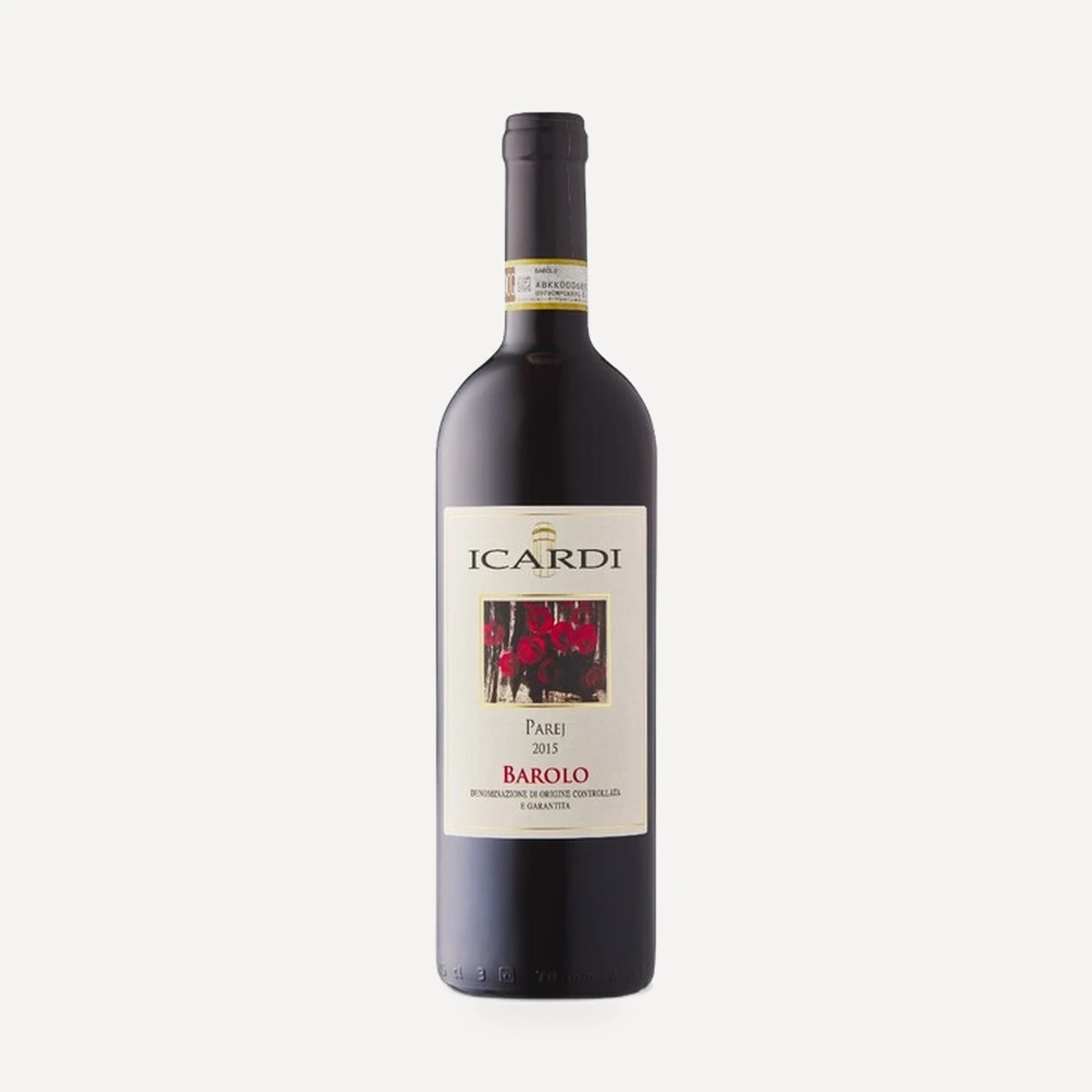
Parej Barolo
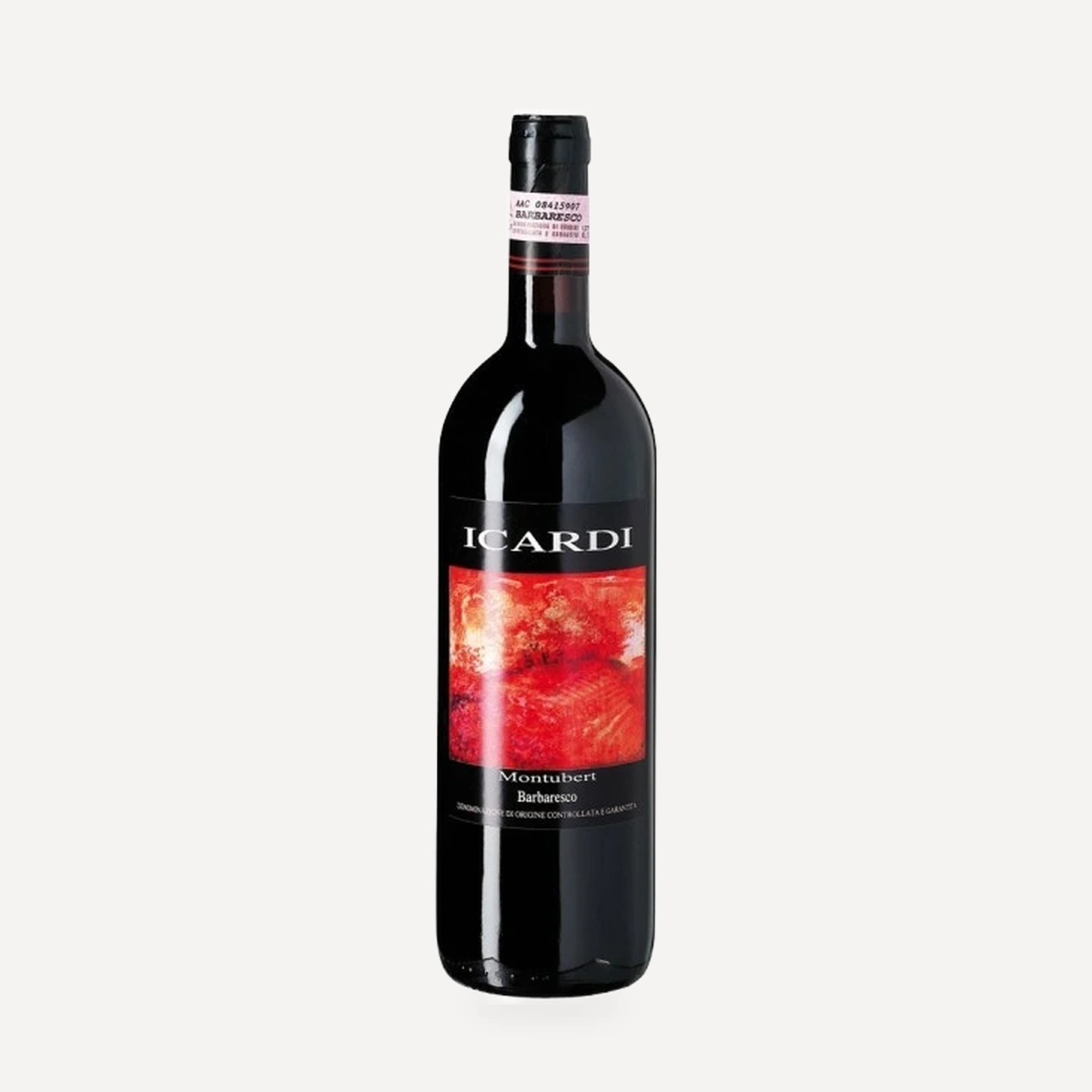
Montubert Barbaresco
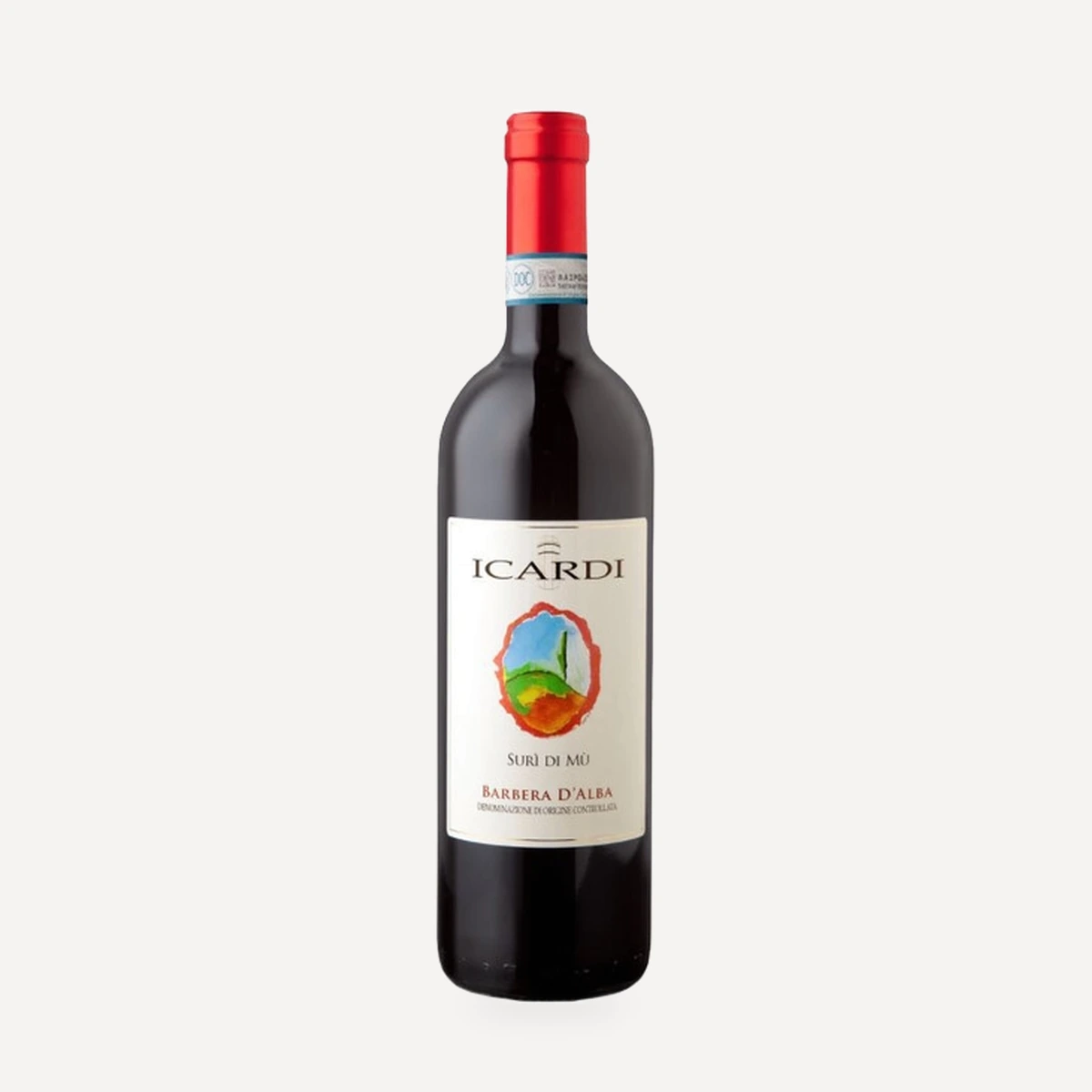
Surì di Mù Barbera d'Alba
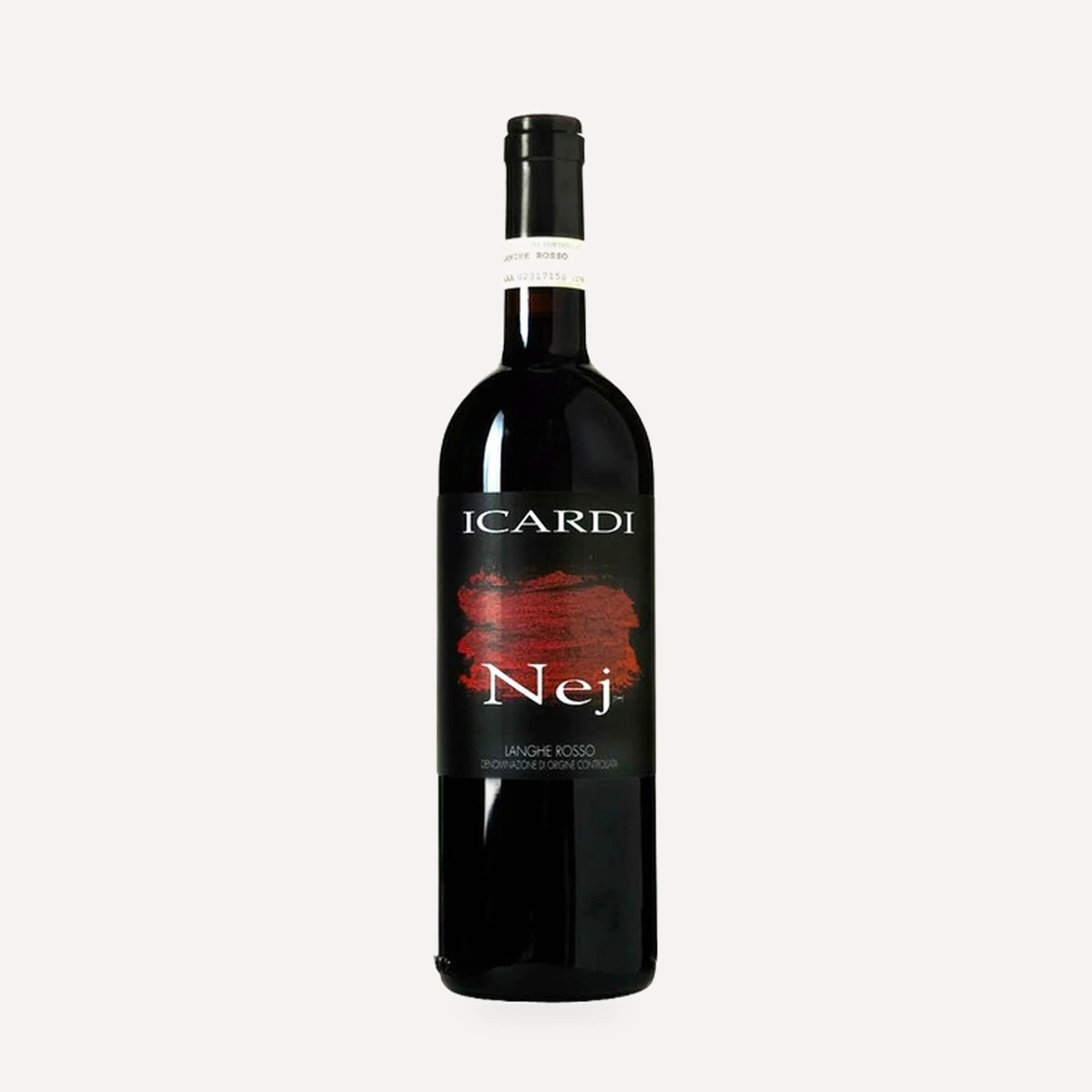
Nej Langhe Rosso DOC
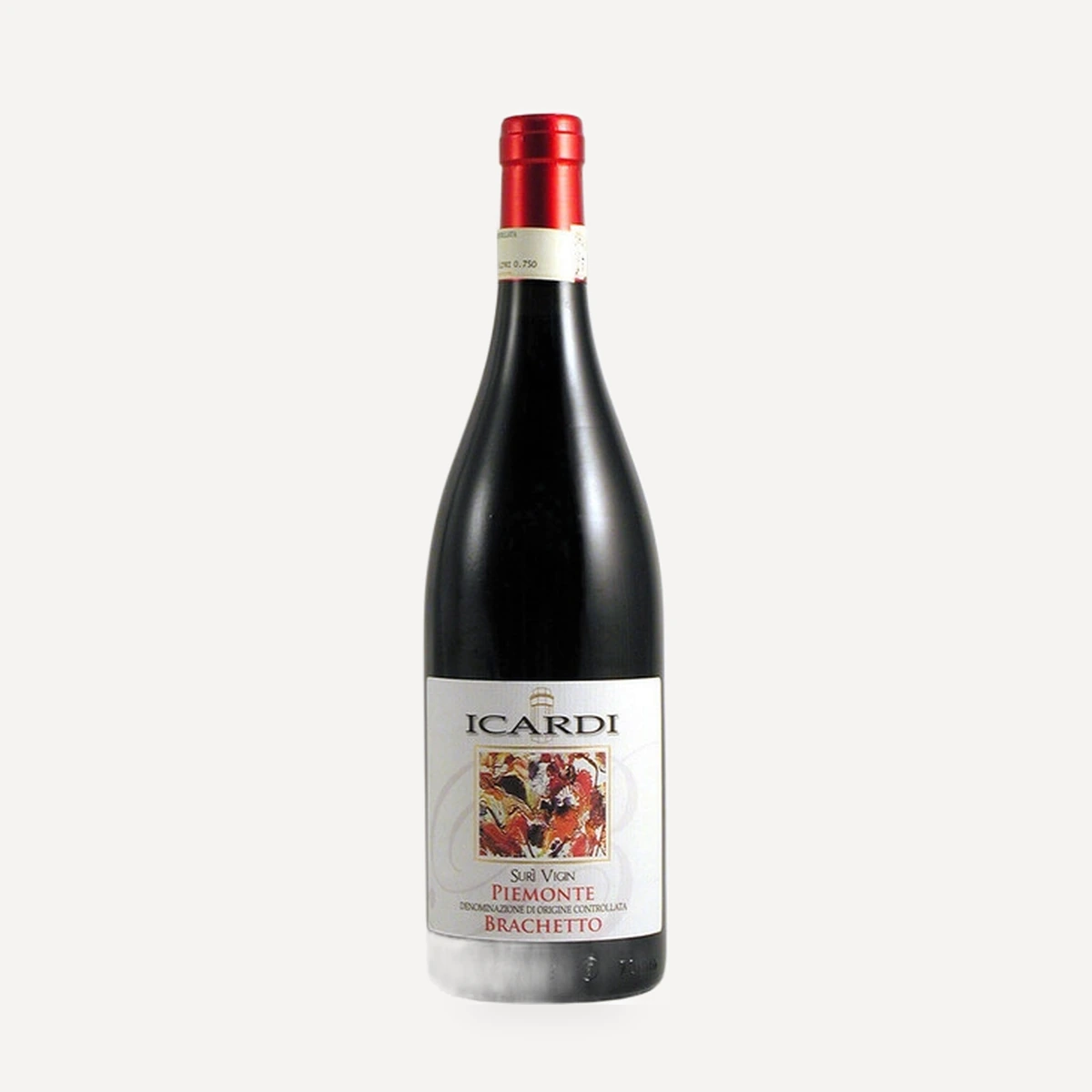
Surì Vigin Piemonte Brachetto
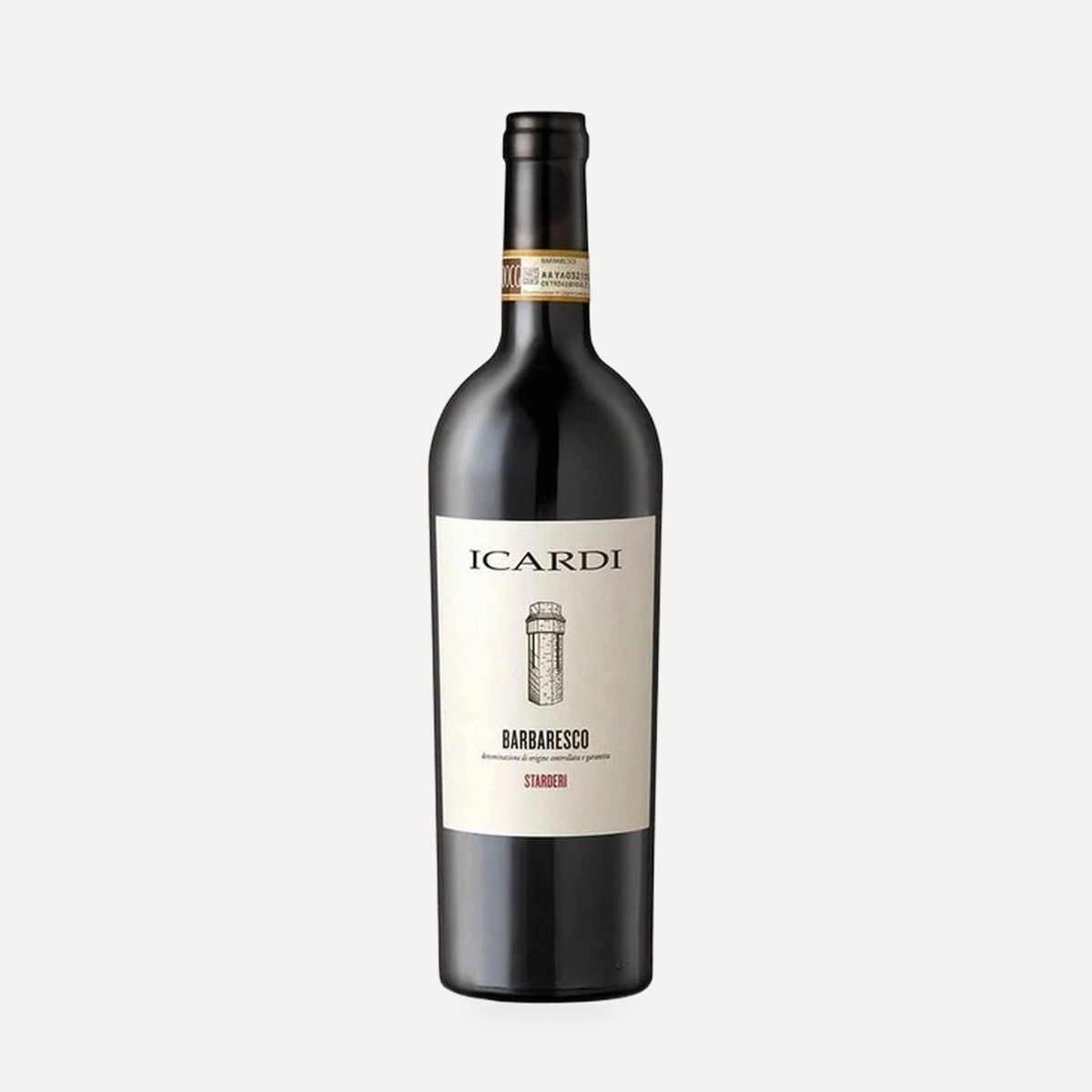
Starderi Barbaresco
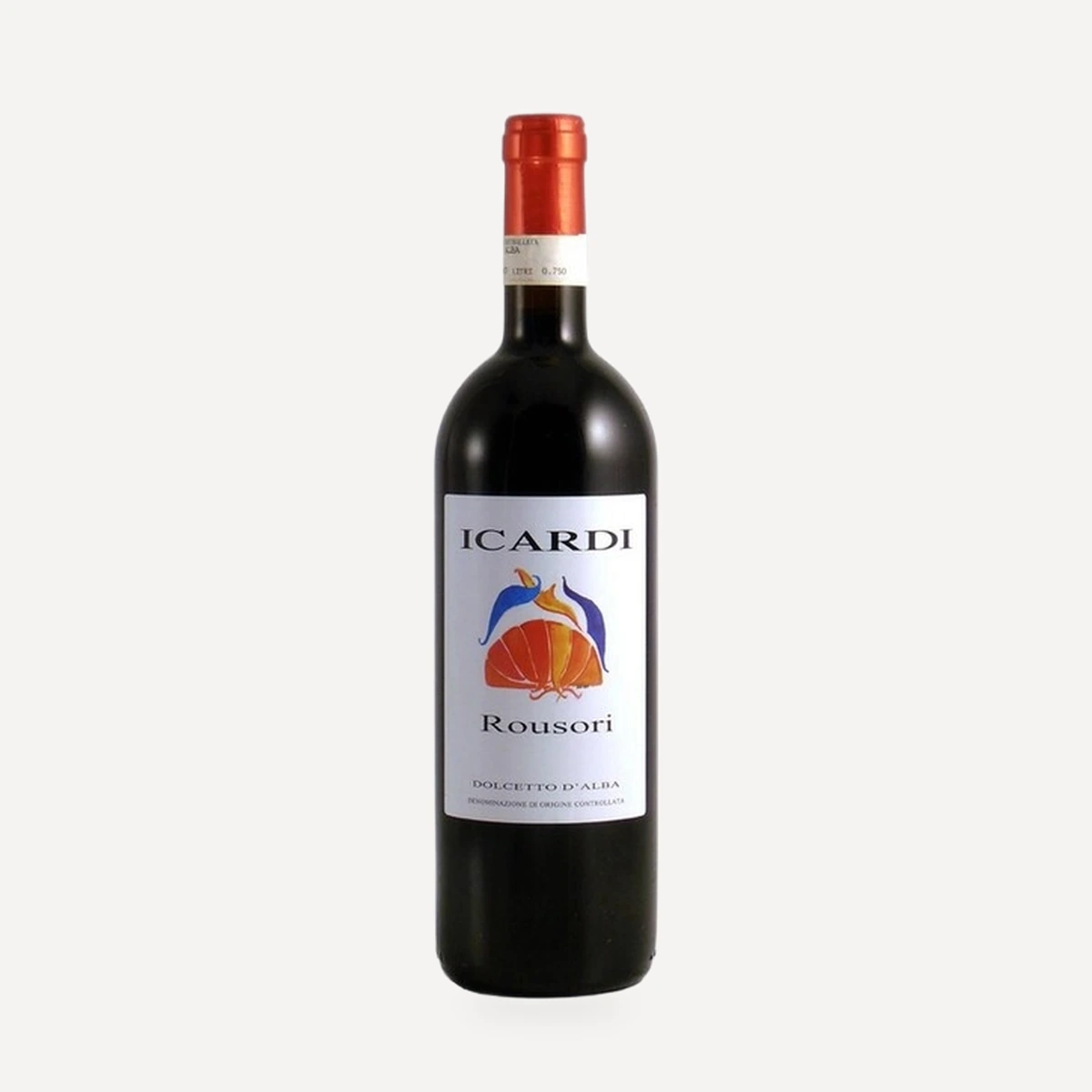
Rousori Dolcetto d'Alba
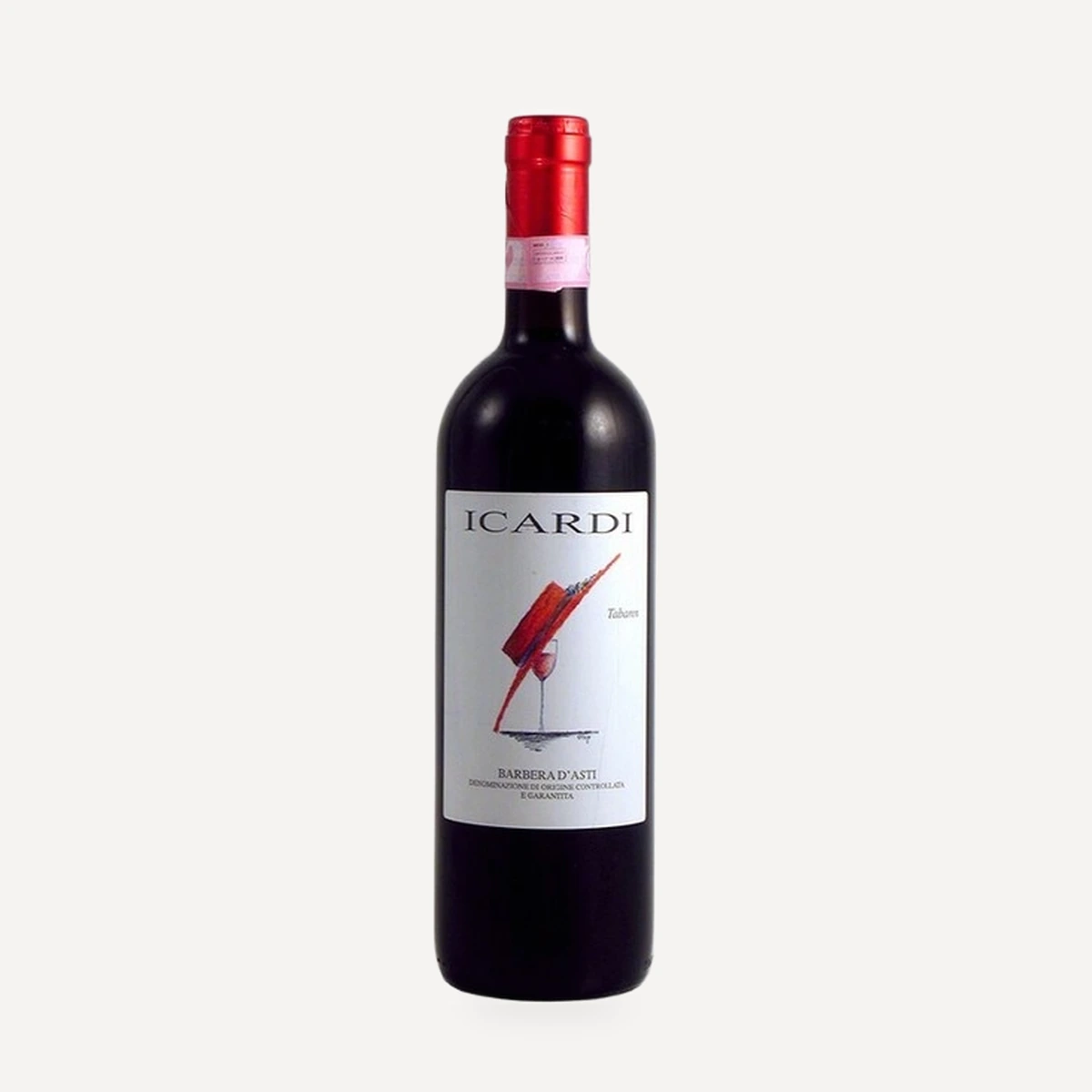
Tabaren Barbera d'Asti
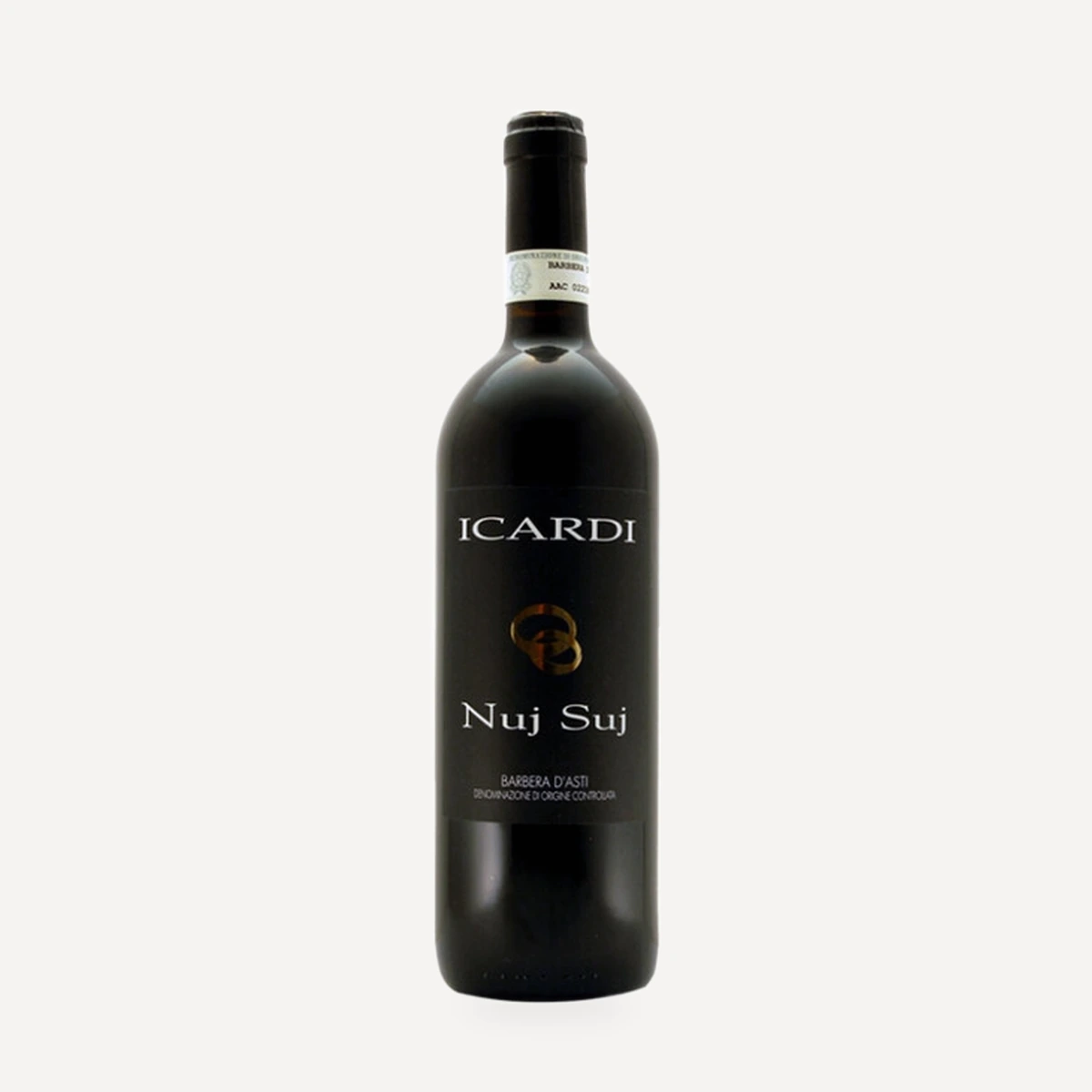
Nuj Suj Barbera d'Asti
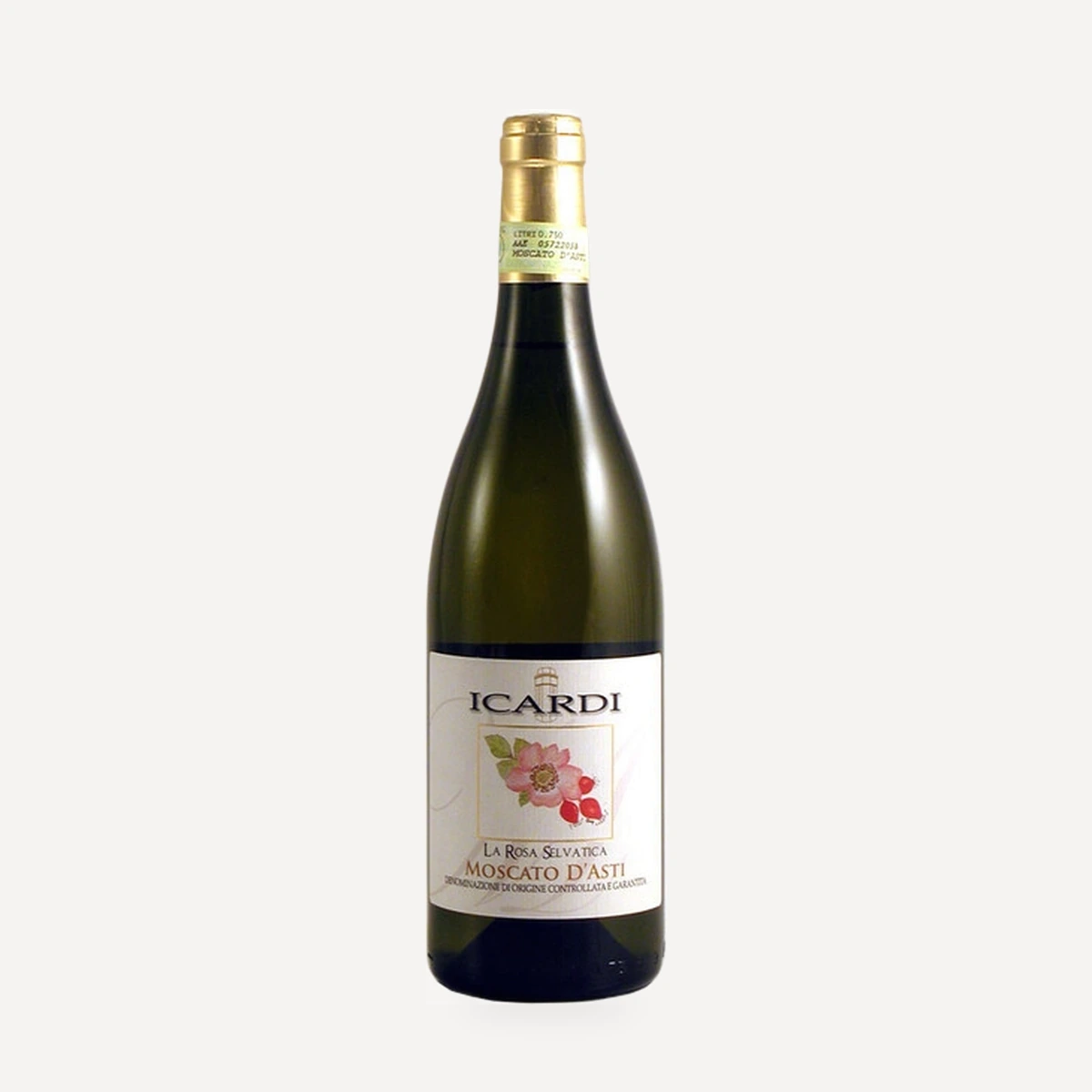
La rosa selvatica Moscato d'Asti