History
The Galardi family acquires Poggiopiano
In 1935, Alberto and Carlo Galardi acquired the Poggiopiano estate. The brothers descended from a long line of Florentine merchants, but the purchase redirected the family's activity toward wine and olive-oil production. The family also developed agricultural equipment, including mills, olive presses, grape presses and systems for extracting olive oil.
Alberto and Carlo pursued mechanical inventions intended to improve both product quality and hygiene during extraction. Their work is documented in correspondence and publications. This phase of development was interrupted by the Second World War.
Renewal after the 1985 frost
A severe frost in 1985 destroyed a large proportion of the olive trees and damaged vineyards across Tuscany. Mauro Galardi, then twenty years old, responded by rebuilding the agricultural enterprise. He cut back most of the olive trees, uprooted those that could not be recovered, replanted vineyards and restored the old farm buildings for agritourism.
Mauro trained himself in agronomy, winemaking and olive-oil production, turning his personal interest in these subjects into his profession. The vineyards were subsequently renewed in their entirety with selected varieties and clones. The olive groves were replanted primarily with Frantoio, accompanied by Moraiolo and Leccino, and the estate's processing equipment was renewed with attention to environmental impact, hygiene, product transformation and storage.
Verdicchio at Poggiopiano
During the 1980s, Mauro searched for an Italian white variety that could complement Trebbiano Toscano while giving a local white wine greater intensity and persistence alongside Tuscan food. In 1987, he planted Verdicchio at Poggiopiano. Drawing on his research and studies by the Università di Firenze, he also asked Regione Toscana to include Verdicchio among the varieties permitted for Bianco di Toscana IGT.
Bottling, agritourism and organic certification
Poggiopiano began bottling its wines in 1990. From the beginning, it selected lightweight bottles of no more than 450 g to reduce material use, production energy, transport weight and associated emissions.
Restoration of the first floor of the seventeenth-century farmhouse began in 1994. The ground floor and hayloft works were completed in 1999. The historical arrangement of the building was retained in its room names and uses: grain had been stored in the Granaio, wine in the Cantina and olive oil in the Orciaia, while the farming family lived upstairs around the kitchen fireplace.
Organic cultivation began in 1995. Wine and extra-virgin olive-oil production obtained official organic certification in 1999.
New vessels and the next generation
An 800-litre terracotta amphora made in Impruneta entered the cellar in 2012. It was chosen to provide gradual micro-oxygenation while avoiding the degree of flavour and tannic modification associated with pronounced barrel influence.
In 2016, Mauro and his daughter Martina developed a long-maceration white-wine project designed to retain and use the tannins, phenols, aromas and aromatic precursors contained in grape skins and seeds. Martina graduated in viticulture and oenology in Florence that year. Her professional formation also included work experience in France, New Zealand and then France again.
Family management today
Mauro continued to lead the agricultural enterprise with his family, combining inherited traditions with measured adoption of developments in winemaking, olive-oil production, mechanics and agricultural technology. Martina works as the family's winemaker, while Mauro's wife Elisabetta is responsible for welcoming agritourism guests. Employees and consultants support the family across production and hospitality. The current business identity is Fattoria di Poggiopiano di Martina Galardi.
Terroir
Fattoria di Poggiopiano lies at Girone in the municipality of Fiesole, in the hills of Florence and close to the city's historic centre. The vineyards and olive groves occupy land at approximately 150 m above sea level.
The soils are lean and incorporate gravelly, chalky material, galestro and limestone. These conditions limit yields while supporting the concentration sought in the grapes and olives. A fresh breeze moves across the property during the warm summer period.
The wine-growing area is identified as Toscana – Colline di Firenze (Fiesole), and Poggiopiano is situated in the area known as Chianti Colli Fiorentini. The Via Chiantigiana begins approximately 6 km from the estate.
Winemaking
Organic cultivation began in 1995, and wine and extra-virgin olive-oil production has been officially certified organic since 1999. ICEA certification confirms compliance with the applicable European organic rules identified as Regulations EC 834/07 and EC 889/08.
The vineyards were completely renewed with selected varieties and clones. Vineyard decisions focus on the plant and its roots, optimal ripeness and the development of the grapes' aromatic and polyphenolic components. Low-spurred cordon and Guyot are used as training systems.
Harvesting is manual. Picking dates vary by variety and intended expression, extending from late August into early October. Selection takes place in the vineyard. For fruit intended to retain freshness and primary aromas, picking and selection protect berry integrity and seek to prevent oxidation or unwanted fermentation. Red-wine selections are managed to favour fruit expression and softer tannins.
Mauro Galardi is a co-founder of the Associazione del Distretto Biologico di Fiesole. Its membership brings together organic farmers, the local administration, cultural organisations, residents, university professors, specialists and associations including Slow Food. Its objective is to encourage organic production, informed consumption, quality of life and care for the local territory.
Organic and vegetable waste is composted, while pruning wood supplies heat for the winery and farmhouse. Waste is sorted for recycling, single-use packaging is minimised and biodegradable cleaning products are used.
Fruit is selected in the vineyard and harvested by hand. The cellar's stated extraction objective is to preserve primary fruit aromas and obtain structure from the softest tannins rather than from aggressive extraction.
Stainless-steel tanks are used for fermentation, including temperature-controlled fermentations. Red-wine cellar work includes closely supervised pump-overs and délestage. White grapes intended for a fresh style are pressed softly and immediately to preserve primary aromas and limit oxidation and unwanted fermentation. A long-maceration approach is also used for selected white grapes: fermentation takes place on the skins in stainless steel, manual punch-downs are performed, and skin contact varies from three to eight weeks according to vintage.
Ageing vessels across the cellar include stainless steel, second-use barrels and barriques, and an 800-litre terracotta amphora made in Impruneta. Introduced in 2012, the amphora provides porosity and micro-oxygenation while limiting the wood-derived alteration of flavour and tannin. Depending on the intended expression, maturation may combine steel and barrel, second-use wood, or barrels with terracotta, followed by bottle ageing. The cellar carries out continuing selection of wines during maturation.
Poggiopiano has bottled wine since 1990. Bottles weigh no more than 450 g. The estate uses shortened transparent PVC capsules, a single rectangular wraparound label to reduce paper offcuts, and Nomacork closures made from sugar-cane-derived material. These closures have controlled porosity, cannot release TCA and are recyclable; their production is certified as having a zero carbon footprint. Paper, cardboard, and recycled or recyclable plastics are preferred for outer packaging, with some containers designed for return or domestic reuse.
The material, size and closure of each package are considered in relation to product preservation and shelf life. Winery processes are powered by the estate's photovoltaic installation; when its output is insufficient, certified renewable electricity is purchased.
Philosophy
The family's guiding principle is that wine quality begins in the vineyard, in the plants and their roots. Vineyard renewal, selected clones, careful ripening and fruit selection are directed toward aromatic and polyphenolic quality before the grapes enter the cellar.
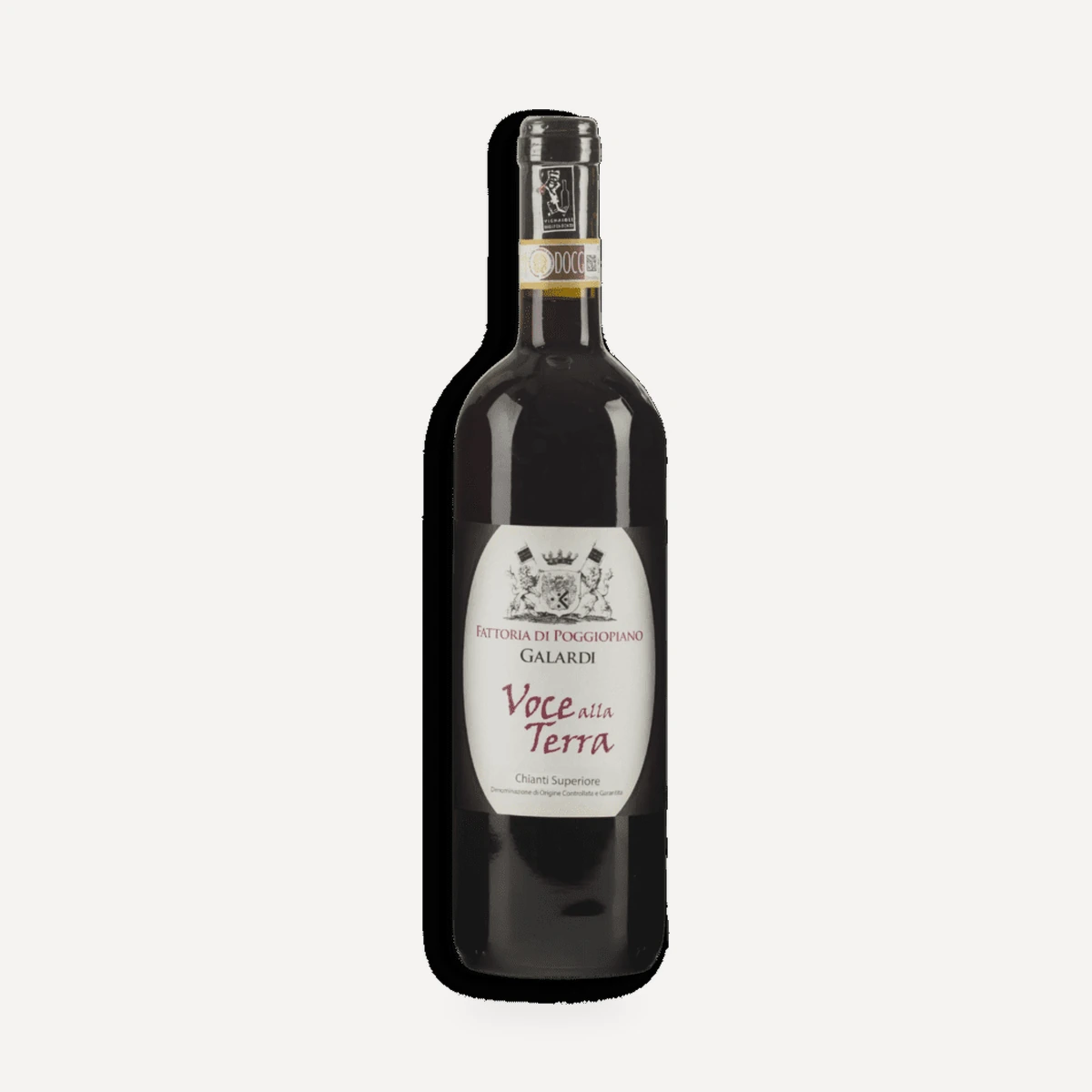
Poggiopiano defines its role as giving a voice to the land. Grapes and soil are intended to remain the principal characters in the finished wine. This informs gentle extraction, the pursuit of fruit and soft tannins, the use of second-use wood and the introduction of terracotta as a less flavouring maturation vessel.
Mauro Galardi's approach joins the preservation of family traditions with measured attention to developments in winemaking, olive-oil production, mechanics and agricultural technology. Research, continuing education and the family's inherited interest in invention form part of this approach.
Organic farming is treated as a commitment to the soil, the people who work and live on it, and the consumers of the estate's products. Sustainability extends beyond cultivation to renewable energy, heating with pruning wood, waste separation, composting, reduced single-use materials, biodegradable cleaning products and lower-impact packaging.
Hospitality is conceived as an exchange through which the family shares its work, its agricultural products, the quiet of the countryside and respect for the environment. Family management remains central, supported by employees and consultants.
Wines
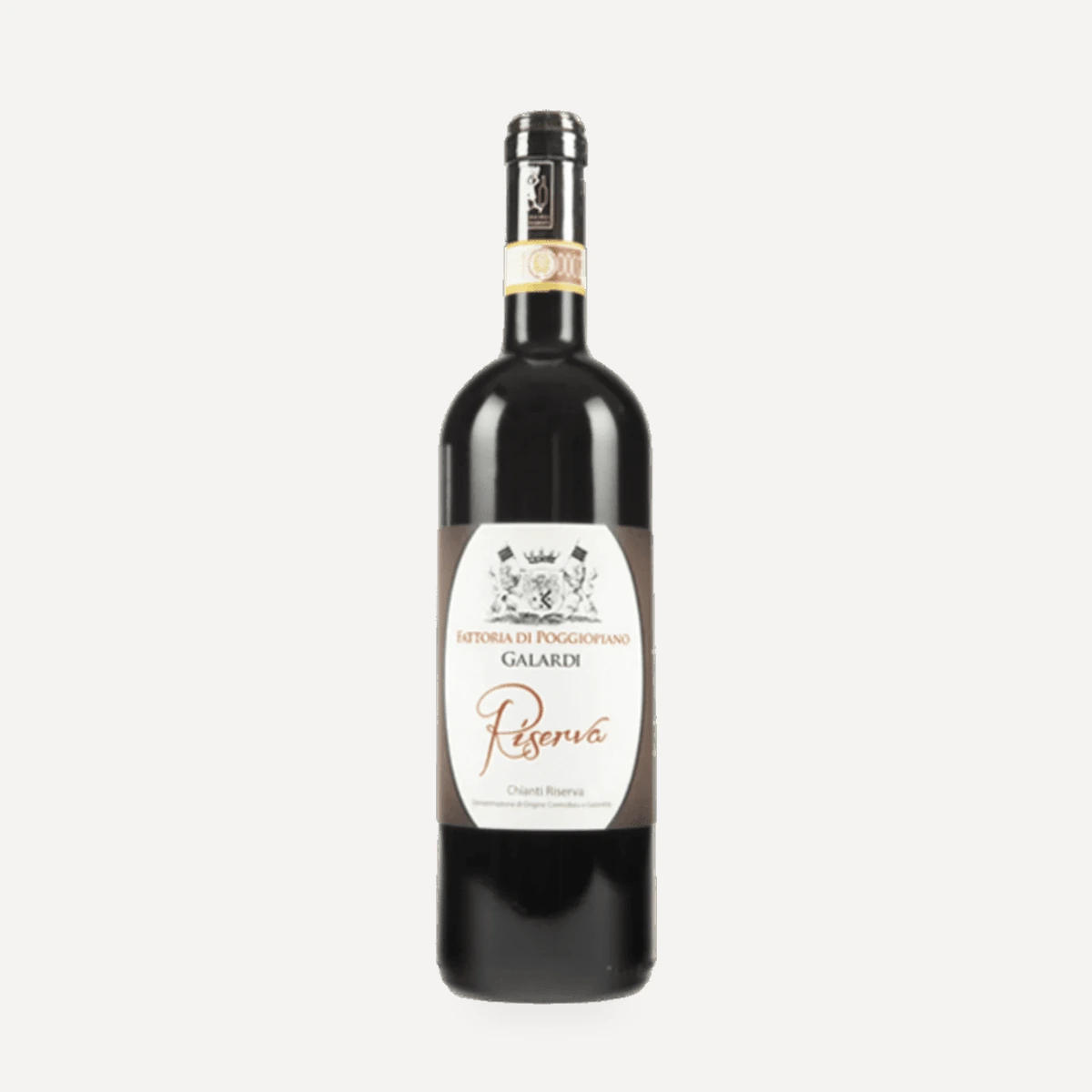
Chianti Riserva DOCG
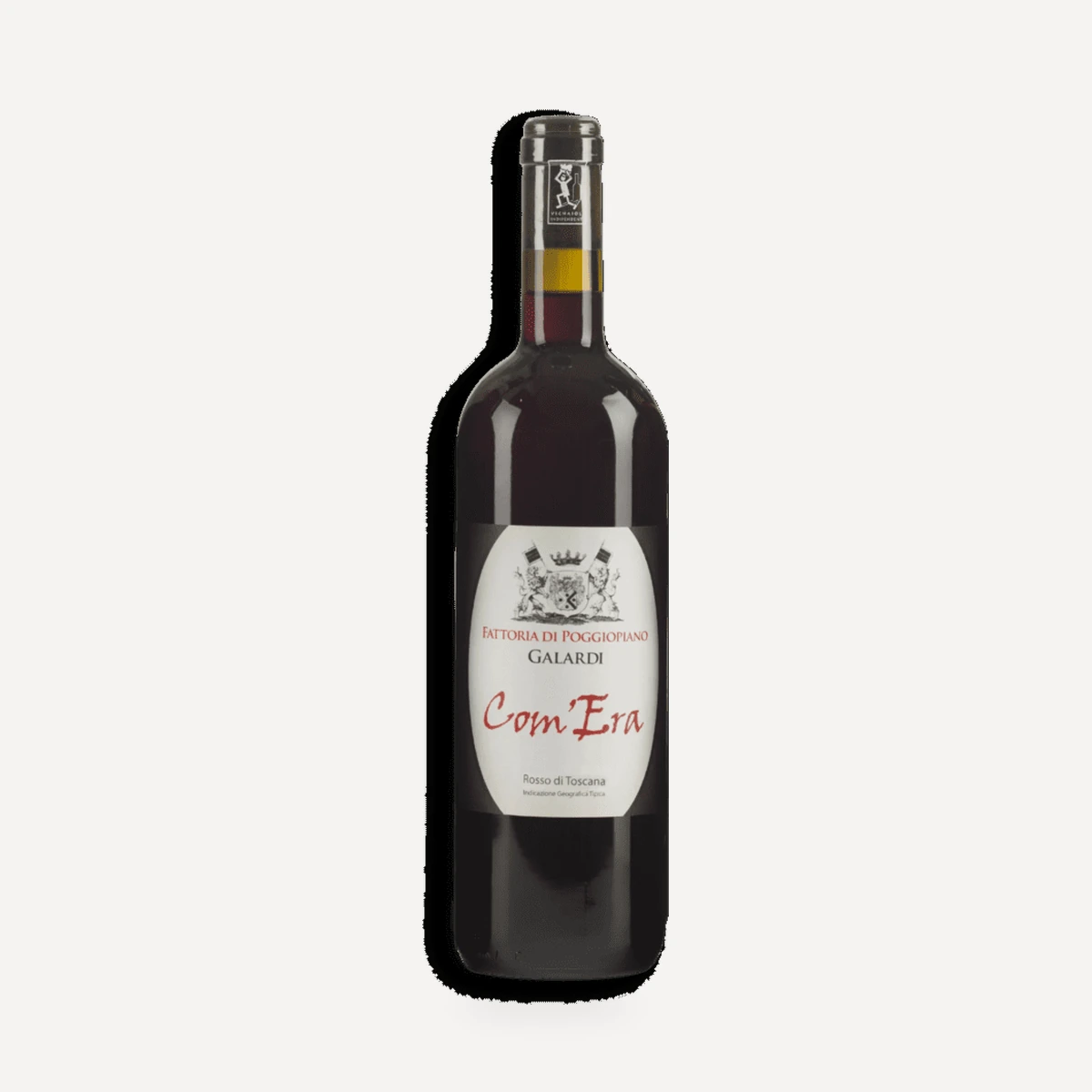
Rosso di Toscana Com’Era IGT
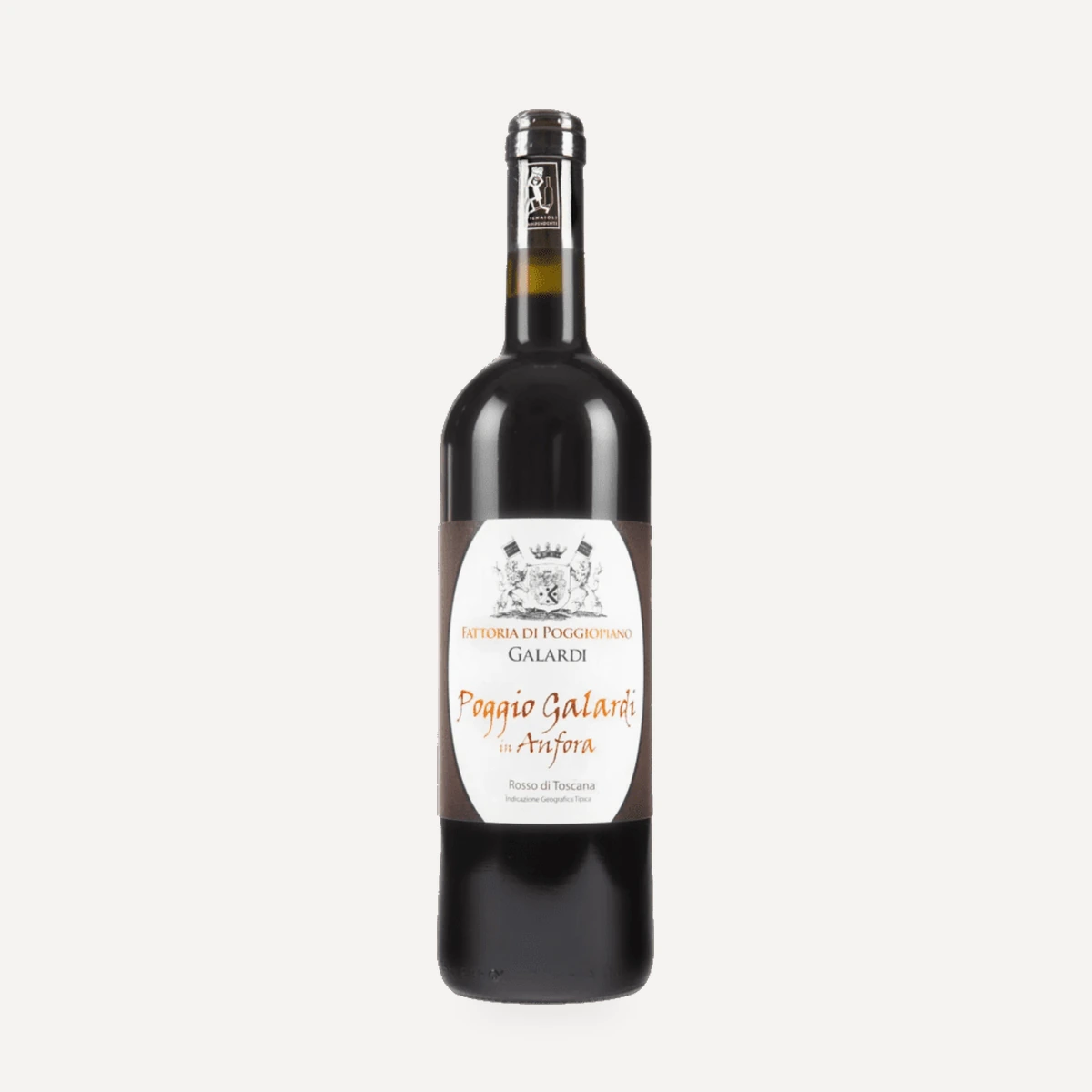
Rosso di Toscana Poggio Galardi in Anfora IGT
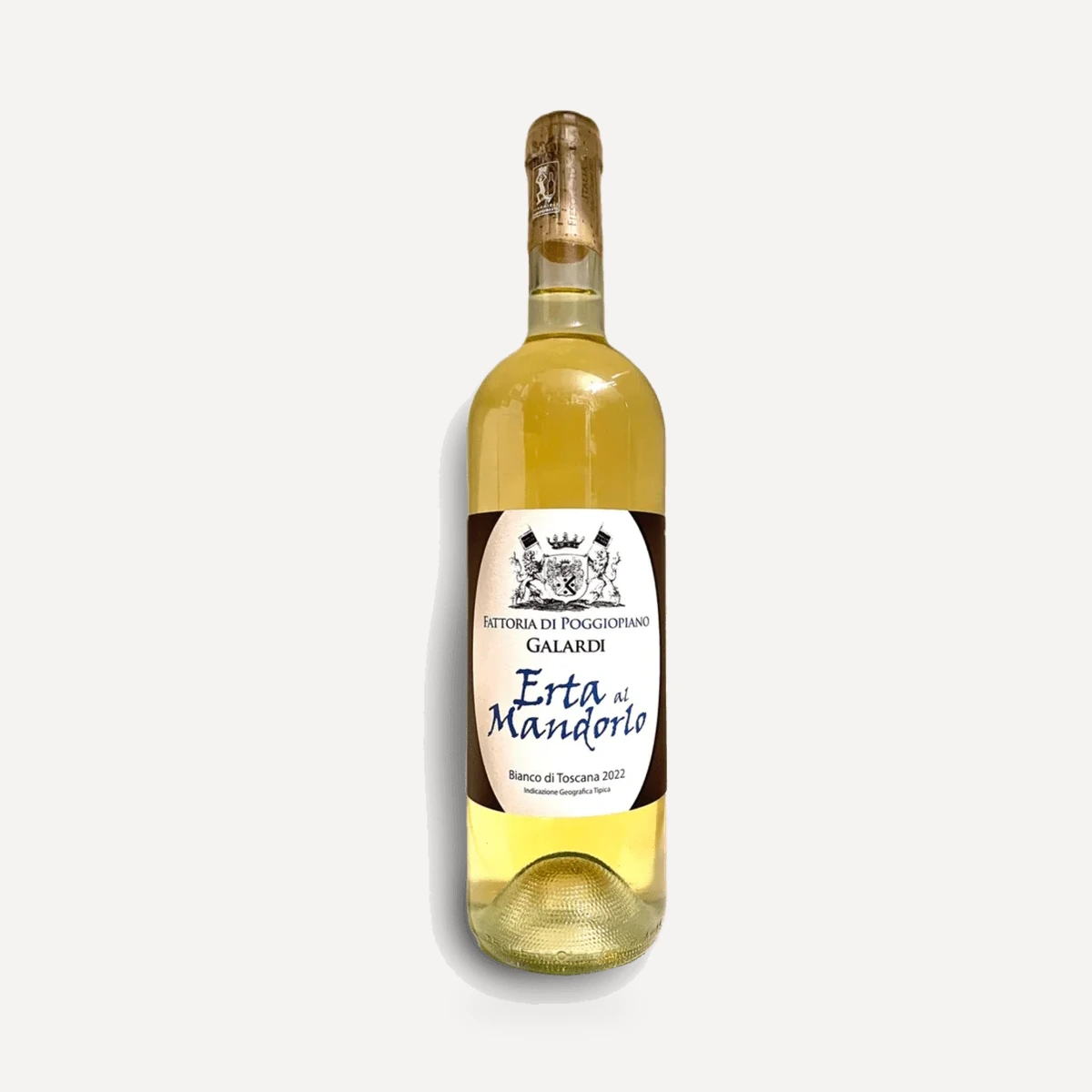
Bianco di Toscana Erta al Mandorlo IGT
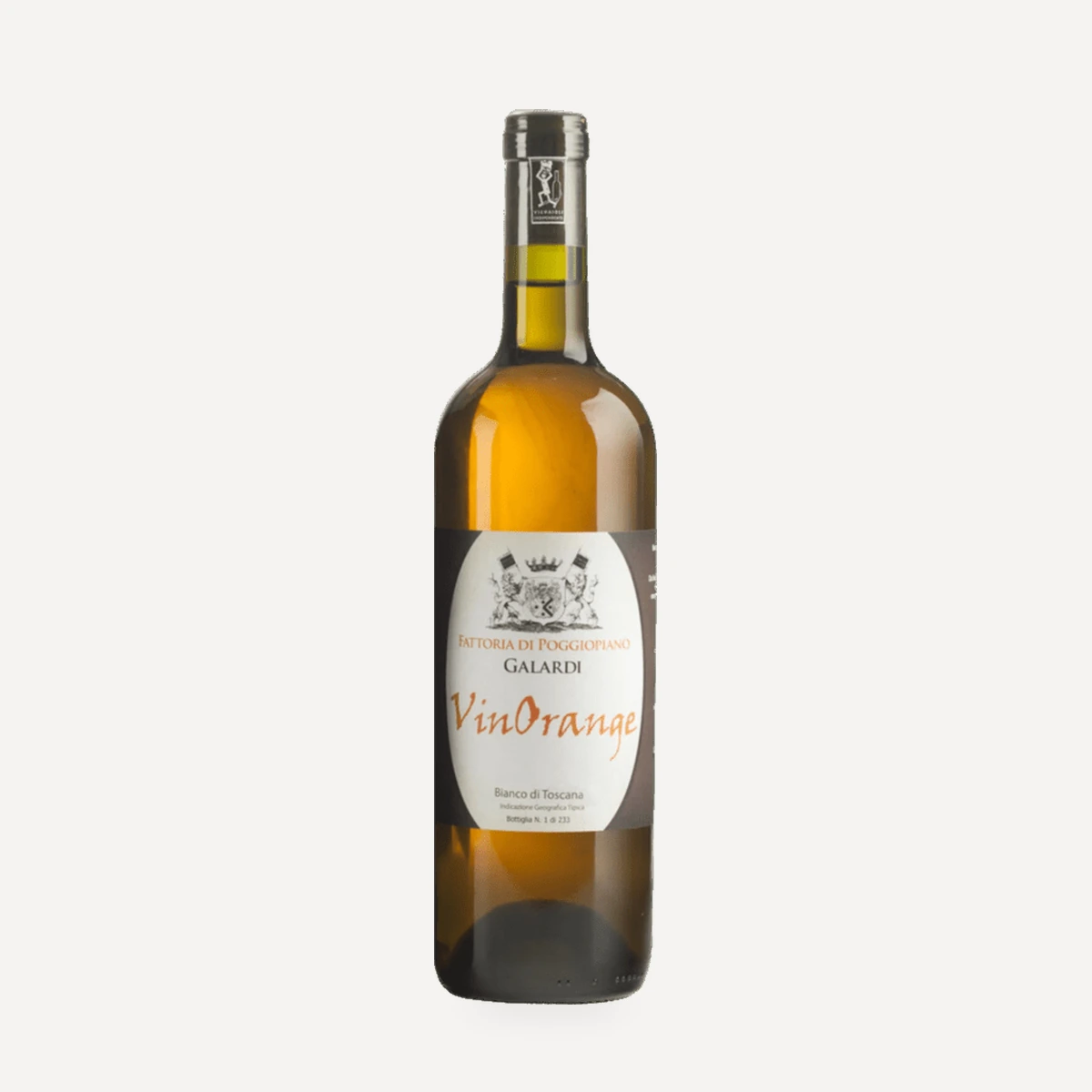
Bianco di Toscana VinOrange IGT
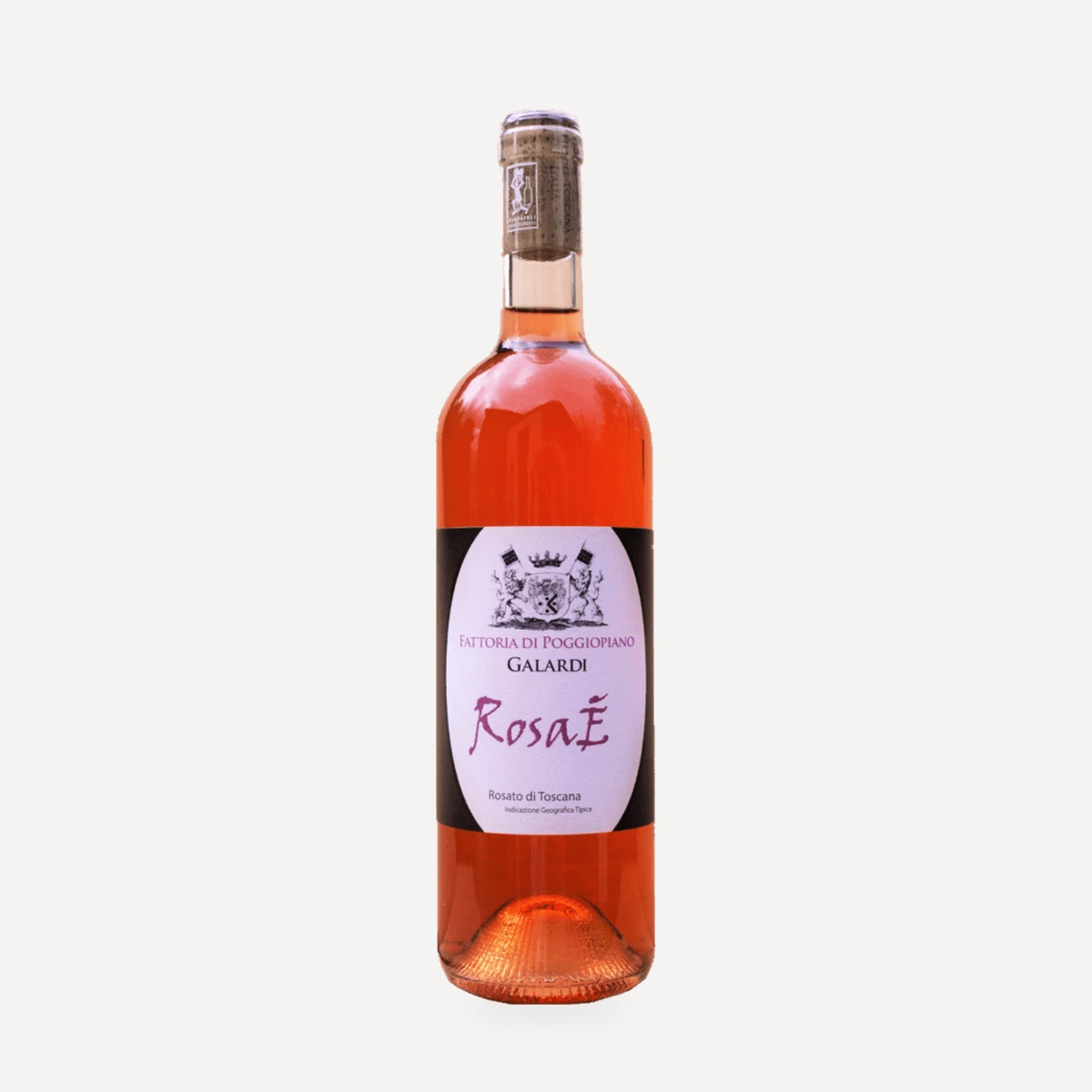
Rosato di Toscana RosaÈ IGT