History
1935 — The Savoy-Aosta vineyard
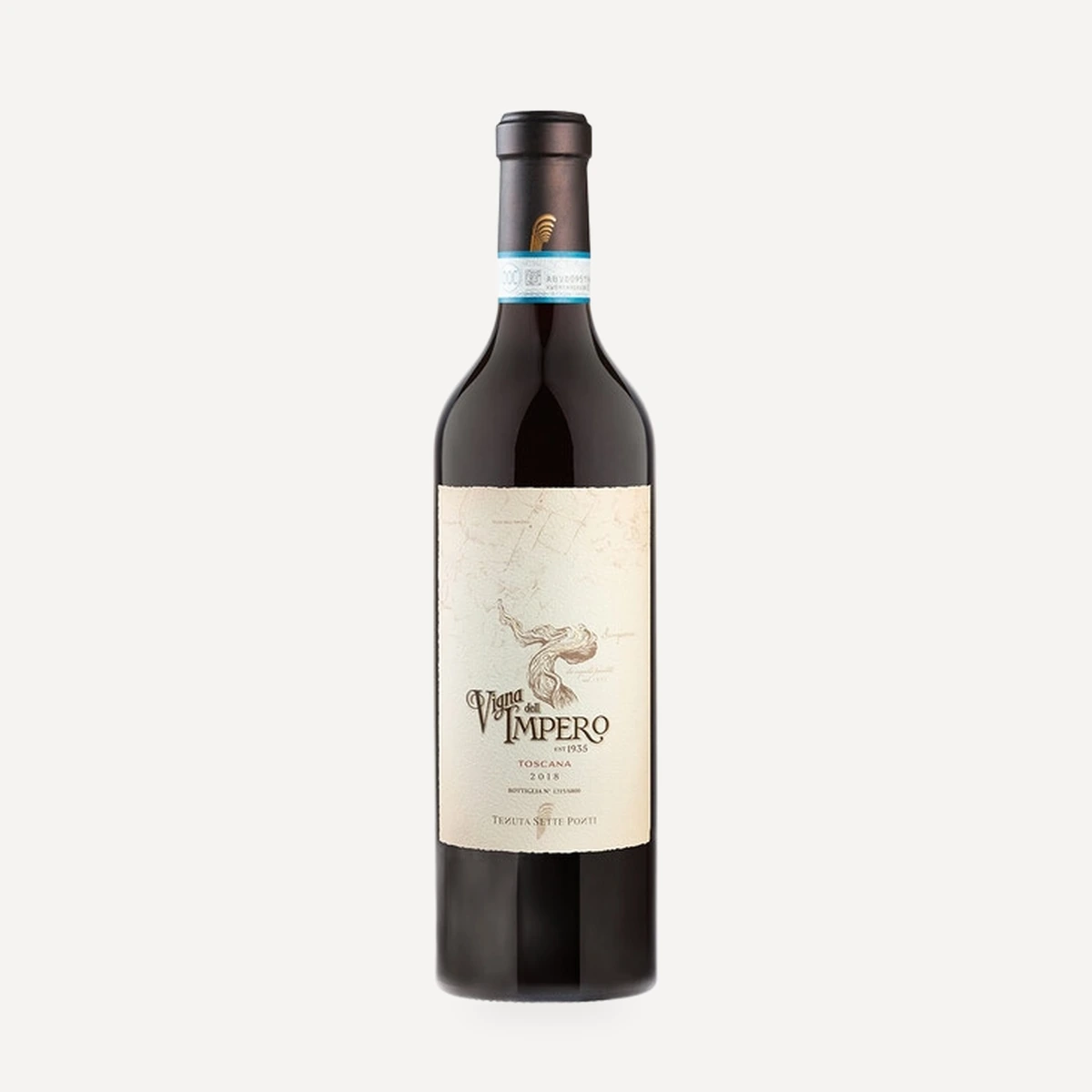
In 1935, Amedeo di Savoia-Aosta, Duke of Aosta and Viceroy of Ethiopia, planted the first vineyard on his property between Florence and Arezzo. The planting commemorated the conquest of the Ethiopian Empire and became known as Vigna dell’Impero. Its ancient Sangiovese material was subsequently regarded as a distinctive clone and became the historic viticultural nucleus of the estate.
The 1950s — Acquisition by Alberto Moretti Cuseri
Approximately twenty years after the original planting, Vigna dell’Impero inspired architect Alberto Moretti Cuseri to plant further vineyards and pursue viticulture. During the 1950s, he acquired the first 55 hectares directly from Princesses Margherita and Maria Cristina di Savoia-Aosta, daughters of Amedeo di Savoia-Aosta.
Alberto devoted the property to winegrowing, olive-oil production and hunting. He cultivated the vineyards and sold the grapes to other producers rather than vinifying and bottling them under an estate name. The Moretti Cuseri family has lived at the property and cared for its vines since this period.
The 1990s — Creation of Tenuta Sette Ponti
Alberto’s son, Antonio Moretti Cuseri, had grown up among the vineyards and developed an early interest in wine. After experience in real estate and fashion, he chose to devote himself to viticulture. He assumed control of his father’s operation, engaged specialist viticultural and oenological consultants and began a detailed evaluation of the land’s capacity to produce quality wine.
Antonio ended the practice of selling the grapes and established a proprietary wine project under the name Tenuta Sette Ponti. The name refers to the seven bridges over the Arno along the road between Florence and Arezzo. One of them is the Ponte Buriano, identified in the estate narrative with the bridge represented in the landscape of Leonardo da Vinci’s Mona Lisa.
1998 — The first estate label
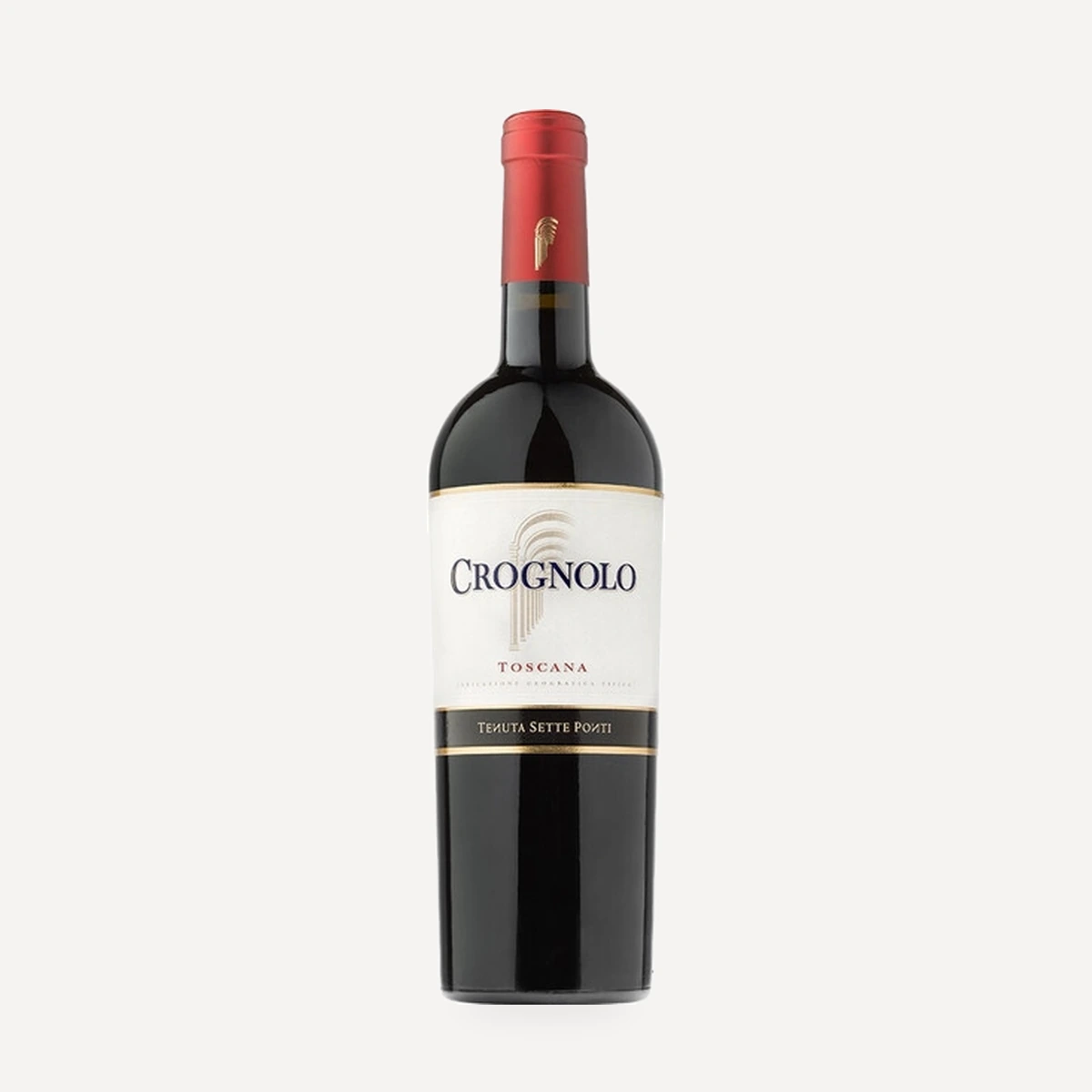
The first Tenuta Sette Ponti label, Crognolo, was released from the 1998 harvest. Its Sangiovese base originated from clones of Vigna dell’Impero, the estate’s oldest vineyard. The wine’s name derives from Cornus mas, the Cornelian cherry that grows abundantly on the property.
1999 — Oreno and new plant material
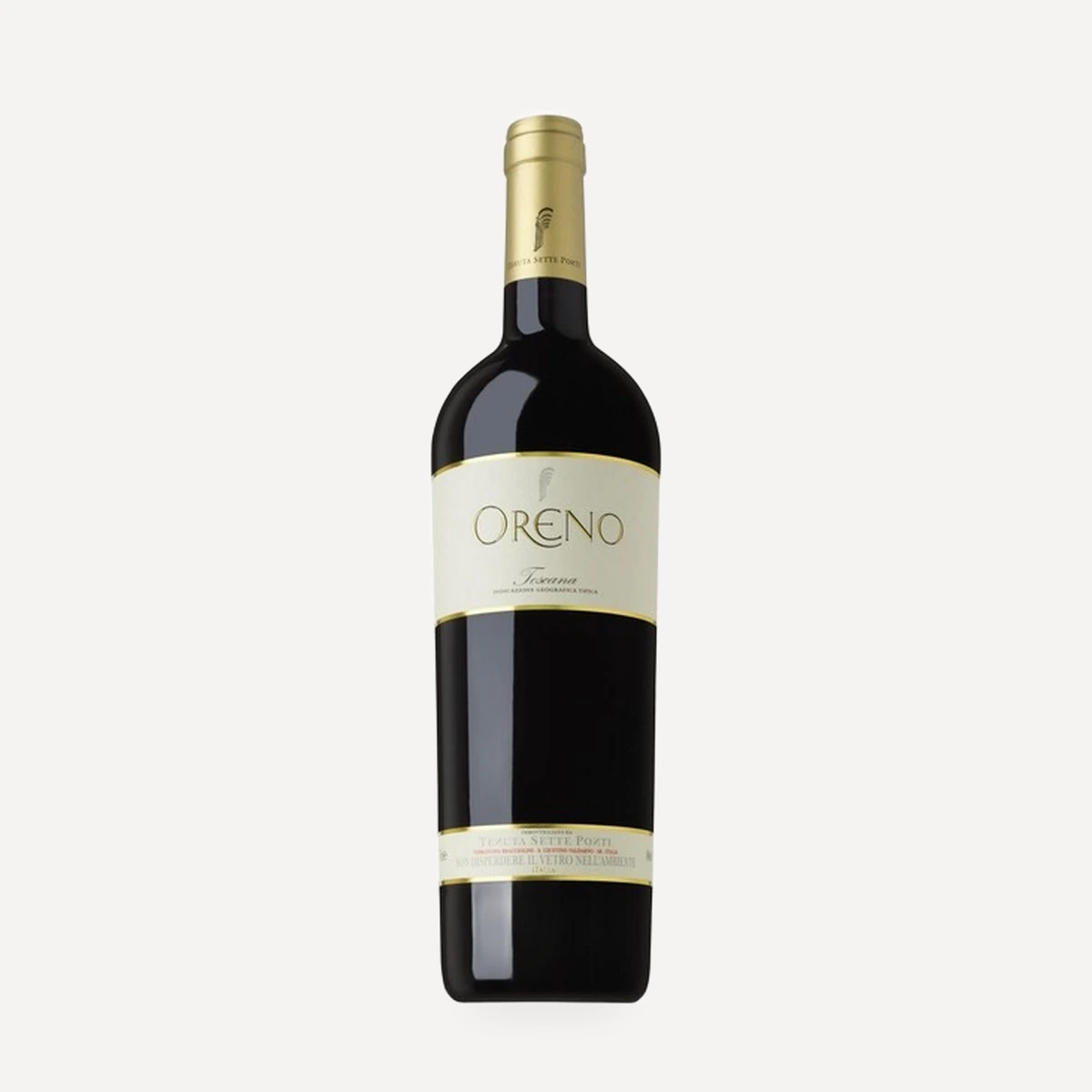
Antonio created Oreno in 1999 after his travels drew his attention to the elegance and finesse of Bordeaux varieties. Existing vineyards were grafted with Merlot, Cabernet Sauvignon and Petit Verdot, matching the varieties to different soils within the estate. Oreno’s first vintage was released that year and, after three harvests, reached the top tier of major international wine rankings.
Early 2000s — Organic direction
From the early 2000s, Antonio intensified the estate’s organic and sustainability program. The approach extended from grape cultivation to bottling, with an emphasis on organic inputs, manual work, lower-impact practices, biodiversity, water management and regulated organic cellar methods.
2017–2019 — The third generation
In 2017, Antonio invited his son Amedeo to help manage the family businesses. Amedeo first developed experience elsewhere, including work as European Operations & Business Development Manager at JamesSuckling.com. The broader third-generation transition was underway in 2018, when Antonio’s sons became increasingly involved: Alberto contributed to creative work, projects, meetings, presentations, communications and international travel, while Amedeo moved toward management. Amedeo became active in the family businesses in 2019 and now serves as winery director and manager of the Italian market. Alberto serves as export and communications director.
The two sons work alongside Antonio, carrying the family’s emphasis on tradition, environmental responsibility, craftsmanship, research, identity and an internationally oriented outlook into the third generation.
Terroir
Tenuta Sette Ponti lies in central Tuscany between Florence and Arezzo, with its operational address at Castiglion Fibocchi. The estate’s historic vineyards are set within a protected nature reserve associated with the former Savoy-Aosta property. The surrounding landscape includes the eroded landforms or badlands linked in the estate narrative to the background of Leonardo da Vinci’s Mona Lisa.
Vineyard elevations documented for the principal plantings range from approximately 250 to 278 metres above sea level. Southern and south-eastern exposures recur across the estate. Differences in site, aspect and position are treated as important components of vineyard identity. Winds and lighter breezes arriving from the nearby Pratomagno area ventilate the vines and support vineyard health.
The soils vary within the property. Vigna dell’Impero is stony, while related Sangiovese selections grow on stony ground rich in marl or galestro. Merlot occupies a clay-rich area crossed by the Oreno stream. Cabernet Sauvignon is planted where pebbles are more abundant; these soils provide drainage and help moderate temperature and humidity. This internal soil variation guided the placement of the Bordeaux varieties introduced for Oreno.
Winemaking
The full 60 hectares of vineyards are managed organically by farmers and agronomists. The work follows the entire growth cycle: winter pruning, budding, flowering, fruit set, veraison, cluster thinning, harvest and final grape selection. Decisions take account of phenolic and aromatic maturity, the balance between sugar and acidity, and the development of anthocyanins, tannins and aromas.
The canopy and yield strategy combines high vine density, spurred-cordon training and few buds per plant. Pruning is very short, followed by green harvesting and further thinning before picking. Grapes are harvested and selected by hand. Selection begins in the vineyard and continues on a conveyor, where trained workers retain berries judged suitable in shape, size and ripeness.
Organic disease management uses copper and sulfur through a recovery sprayer. The recovery system reduces water consumption by at least 30%, while contact treatments address downy mildew and powdery mildew. A strategically positioned intelligent monitoring station records weather and humidity and signals conditions favorable to disease, allowing waste and unnecessary vineyard interventions to be reduced.
Fertilization relies on organic materials. Earthworm humus made from fermented manure improves water retention, releases nutrients gradually and creates small channels that oxygenate the soil. Other inputs include natural fertilizers enriched with nitrogen, phosphorus and potassium, organo-mineral products, and horse manure from the estate’s horses or nearby stables. The use of local stable manure also supports a circular flow of agricultural materials. Foliar nutrition employs natural rock and seaweed extracts.
Cover crops maintain or increase soil fertility and biodiversity. Oats, fava beans, vetch and horseradish are planted to enrich the ground naturally; other cover crops provide forage and habitat for livestock and wildlife. Beekeeping adds another element to the biodiversity program.
Manual work is preferred wherever practicable and involves family members together with local and international workers. Rainwater is recovered for use during drought. Four hydrogeological basins, replenished by seasonal streams, cover a stated 2 km² and have a combined capacity of approximately 100,000 m³.
Grapes receive two stages of manual selection: an initial selection in the vineyard and a second berry-by-berry inspection on a conveyor at the winery. They then pass through a vibrating destemming machine designed to remove the stems while leaving the berries intact.
The cellar approach is to encourage natural fermentation with minimal intervention. Temperature-controlled stainless-steel vats are used alongside concrete tanks and ceramic vessels. Oak barrels form part of the maturation program, with the vessel selected according to the intended aging path.
Cellar work follows certified-organic protocols from grape reception through bottling. These protocols impose controls on heat treatment, sulfite use, must desulfurization and alcohol removal, with the objective of preserving sensory character while maintaining organic compliance.
Philosophy
Tenuta Sette Ponti frames its work as “the future honouring the past.” Its declared principles combine quality and research with inherited knowledge, long-standing customs, respect for the land’s equilibrium and detailed agricultural and oenological expertise.
Antonio Moretti Cuseri’s approach is summarized through tradition, craftsmanship, selection, experimentation, identity, consistency, determination and balance. Innovation is understood as an evolution of tradition rather than a rejection of it. Elegance, recognizability and uncompromising grape quality are recurring objectives.
The production philosophy begins in the vineyard: healthy soils and properly ripened, rigorously selected grapes are treated as prerequisites for quality. In the cellar, the corresponding aim is to favor natural transformation and intervene as little as possible.
Environmental responsibility extends from cultivation to bottling. Organic farming, manual work, biodiversity, water recovery, local agricultural inputs and regulated organic cellar practices are intended to protect both the ecological welfare and the identity of the estate. The third generation presents this care for nature and family continuity as values that precede short-term business strategy.
Wines
Oreno
Vigna dell'Impero
Crognolo
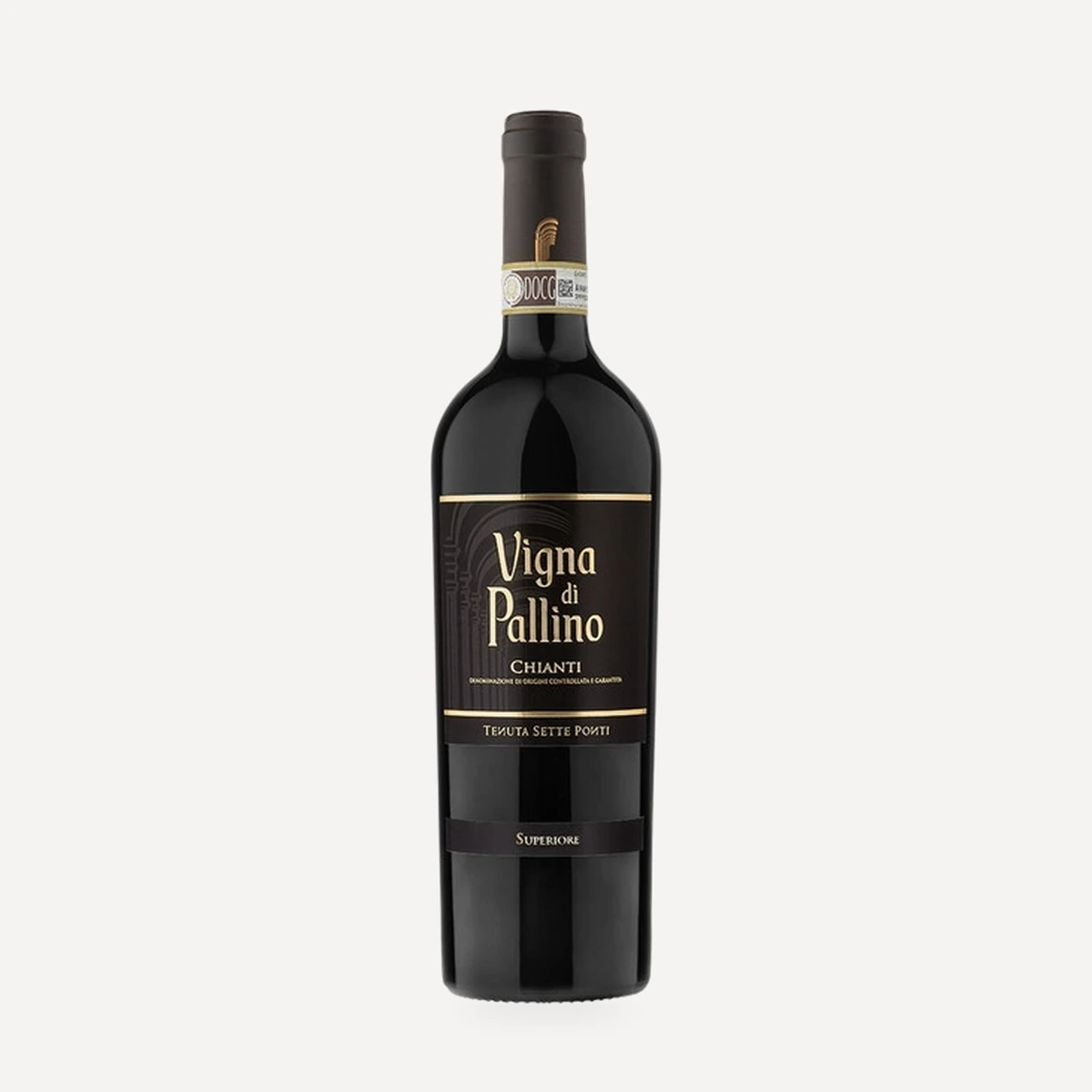
Vigna di Pallino Superiore
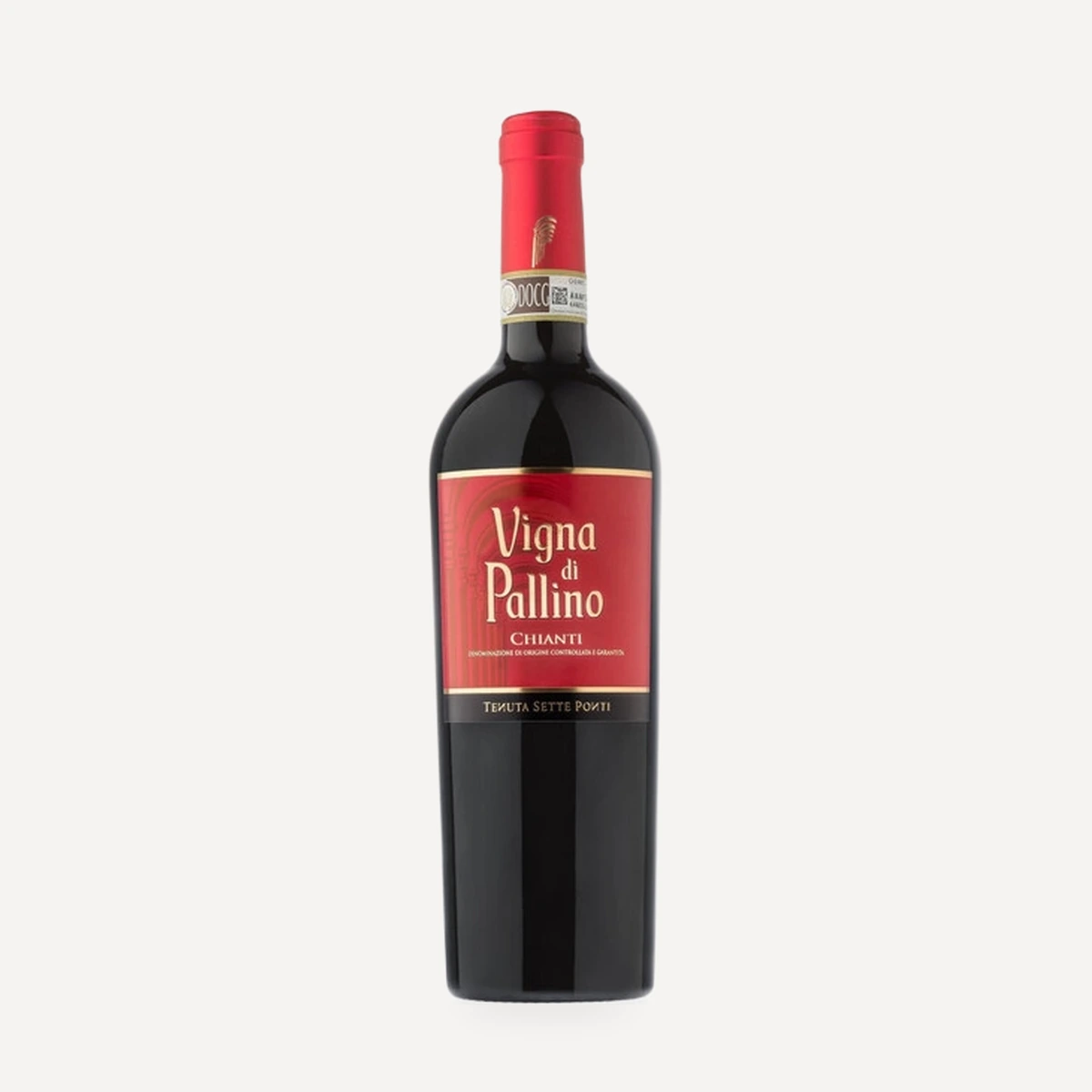
Vigna di Pallino
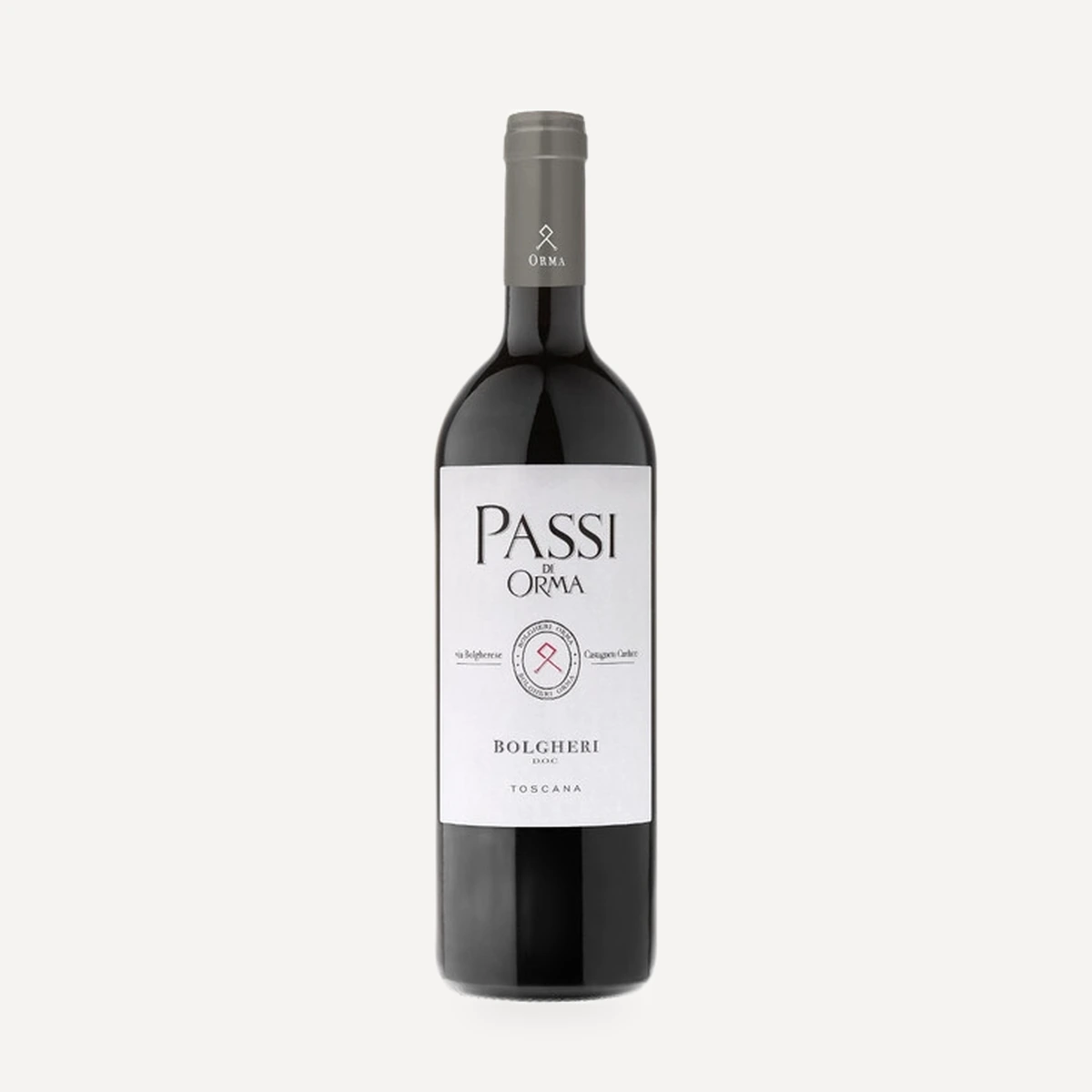
Passi di Orma Bolgheri DOC
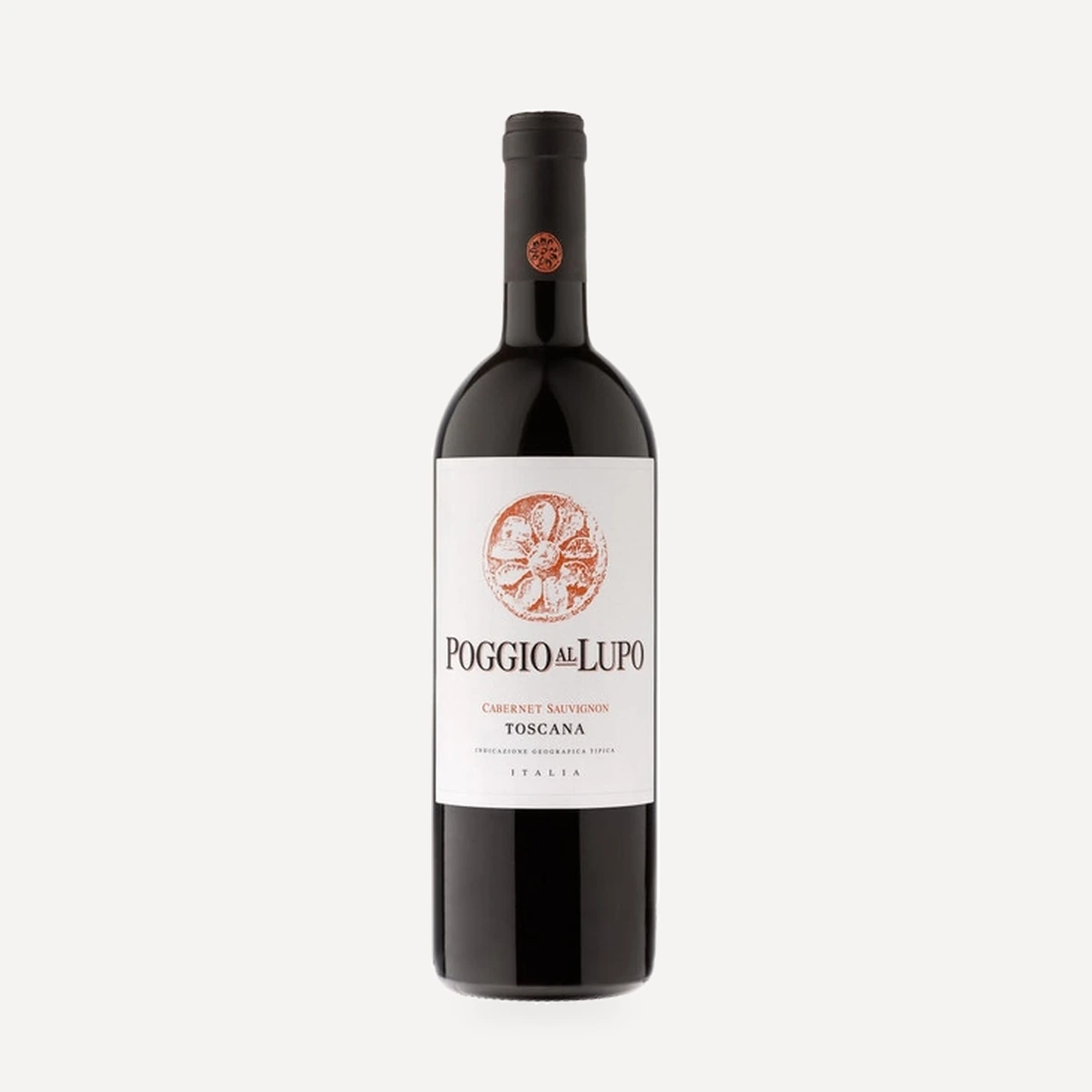
Cabernet Sauvignon Toscana IGT
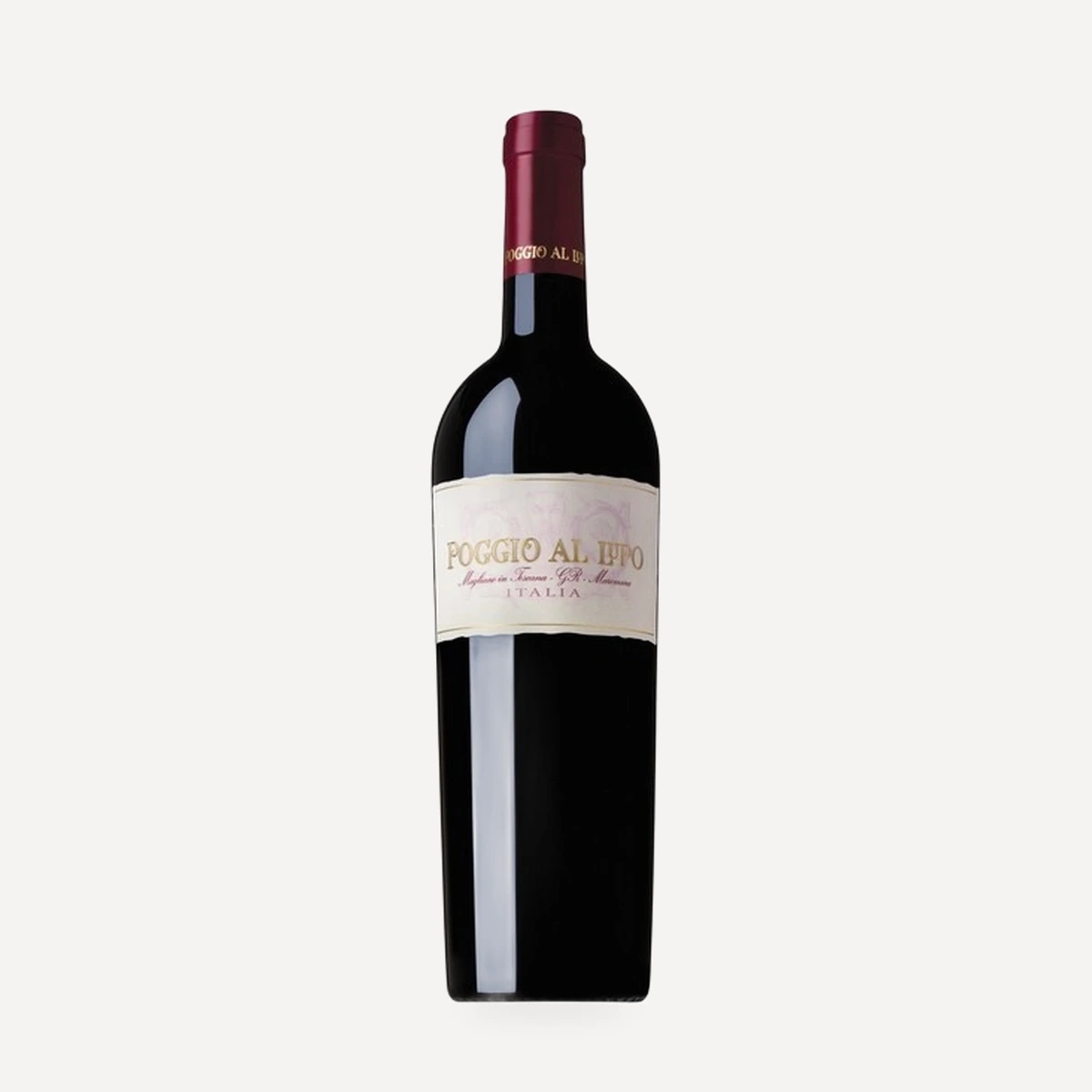
Poggio al Lupo Toscana IGT
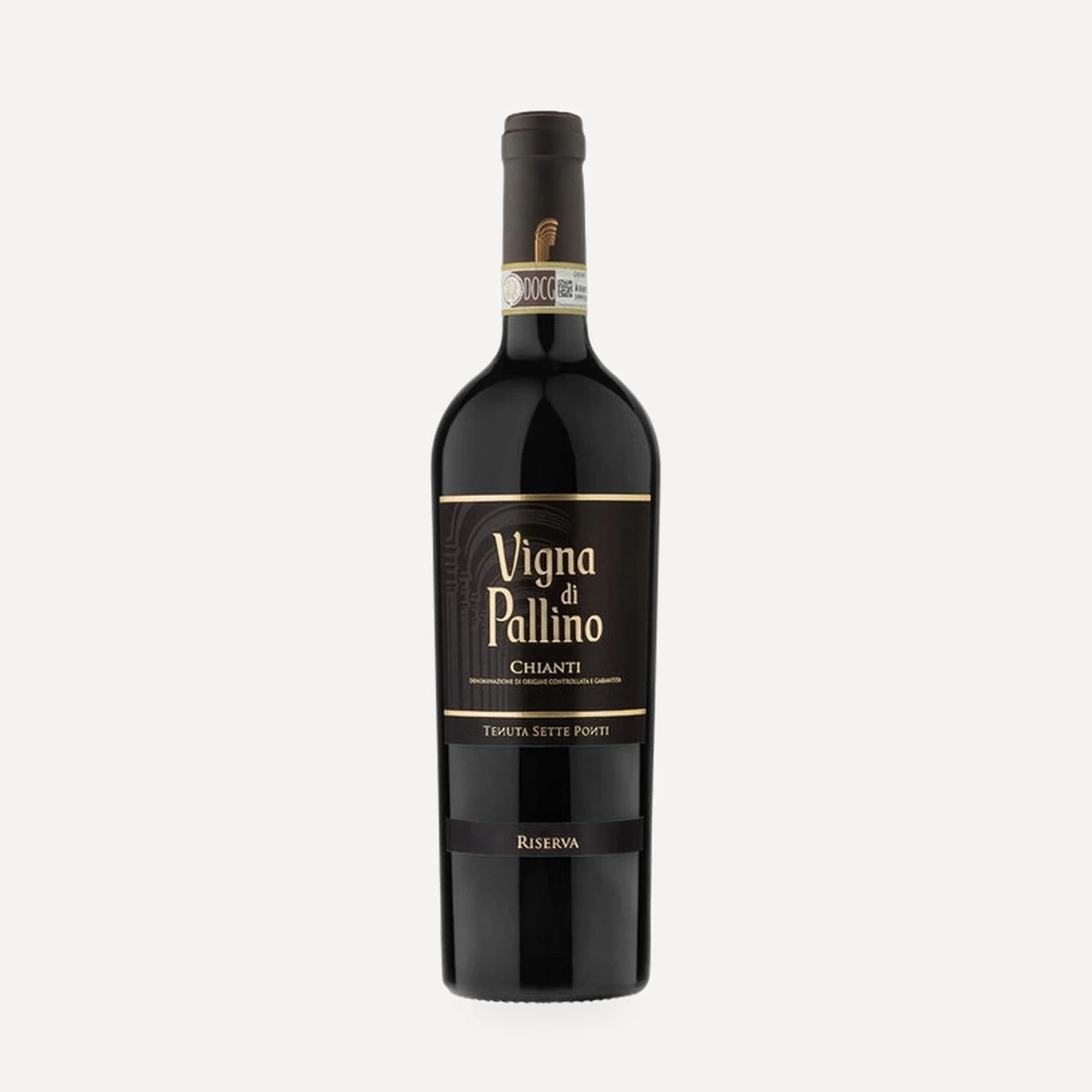
Vigna di Pallino Riserva
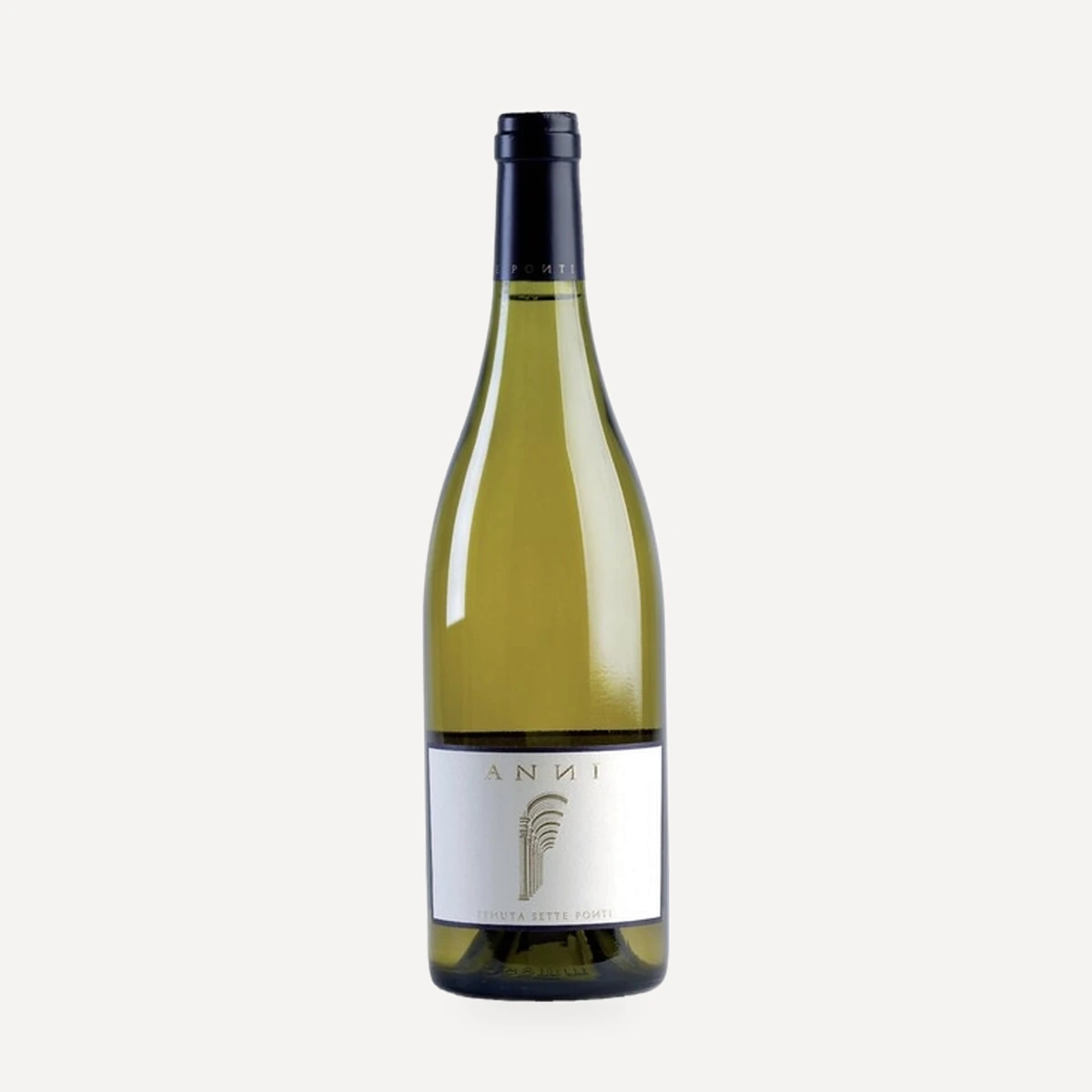
Anni Toscana IGT
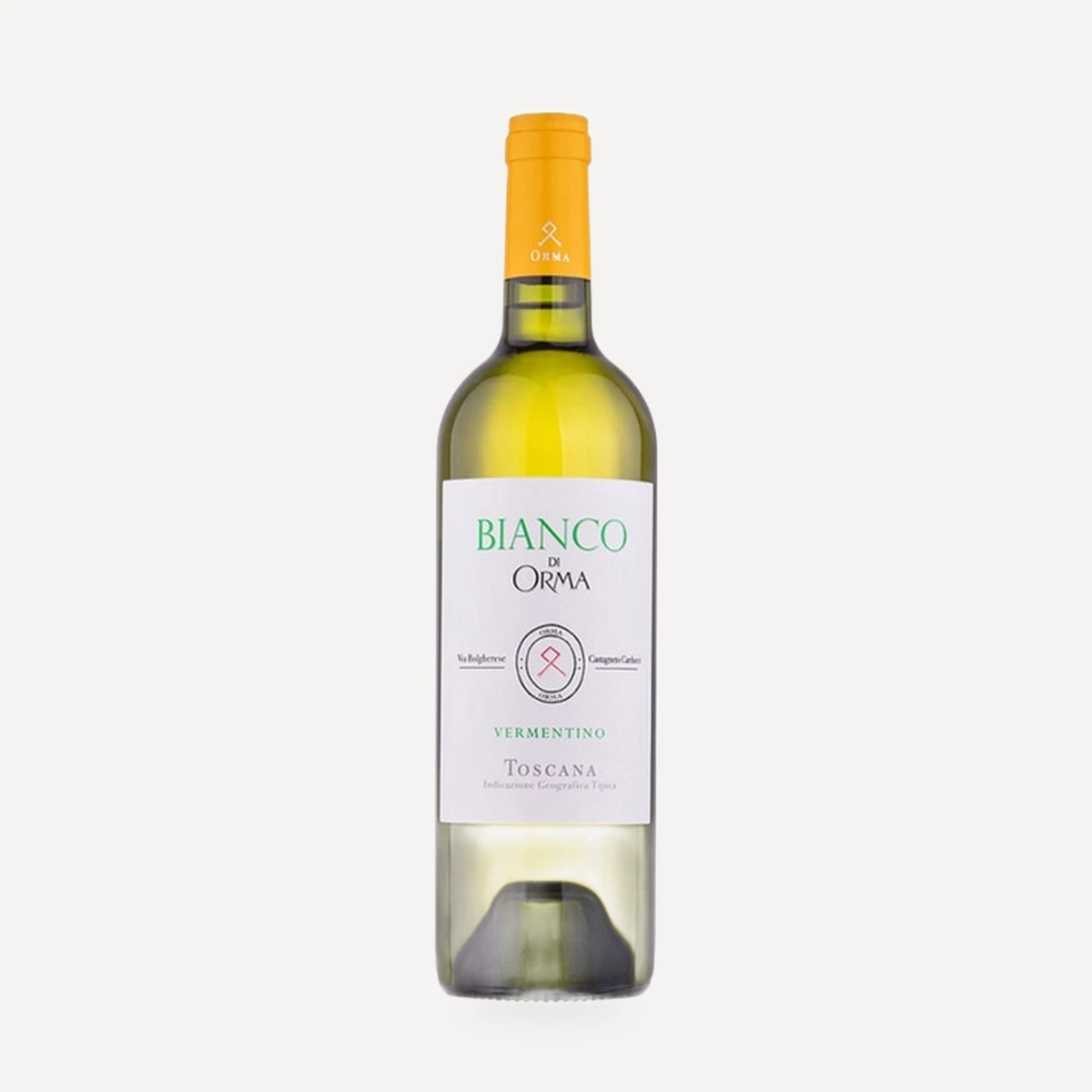
Bianco di Orma Toscana IGT
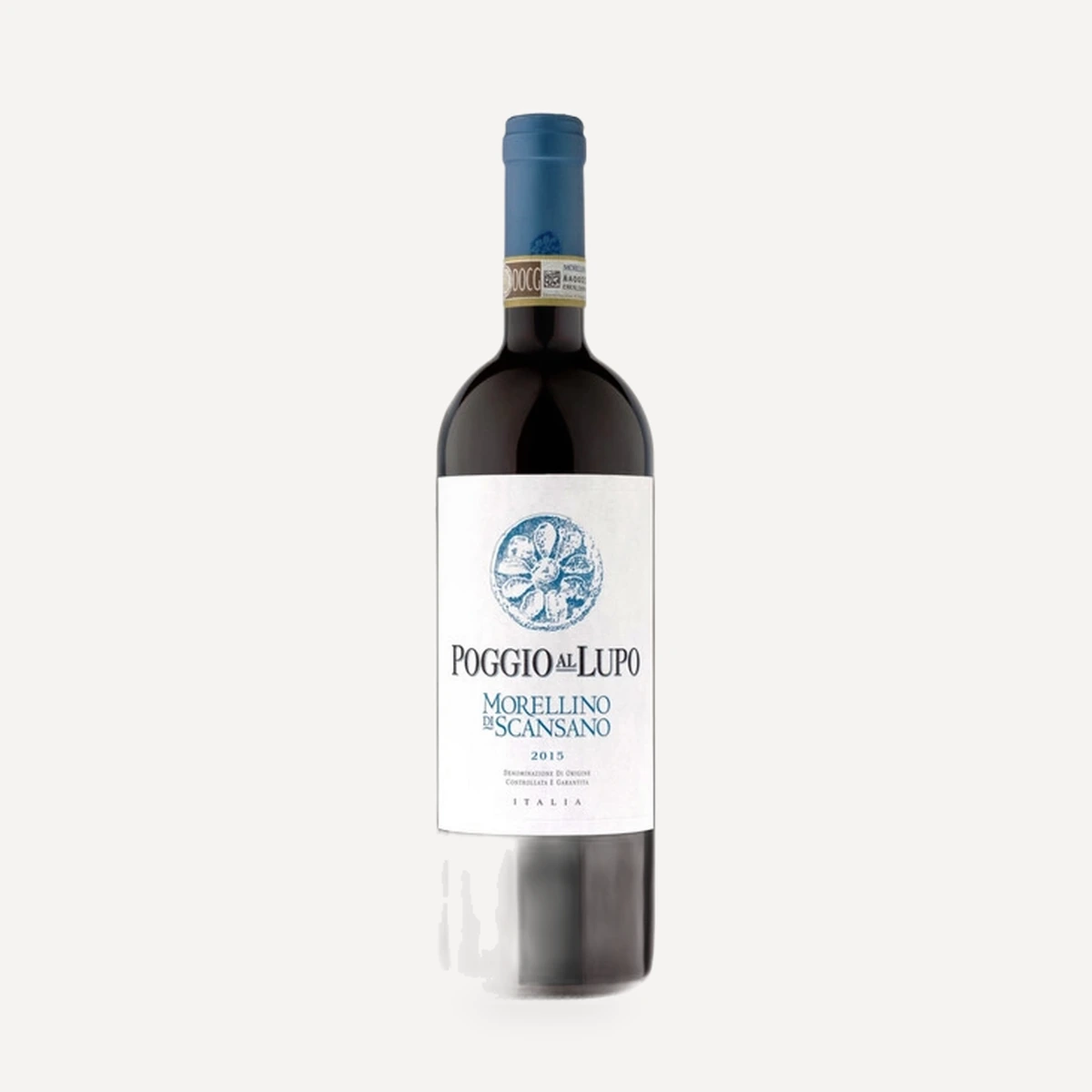
Poggio al Lupo Morellino di Scansano DOC
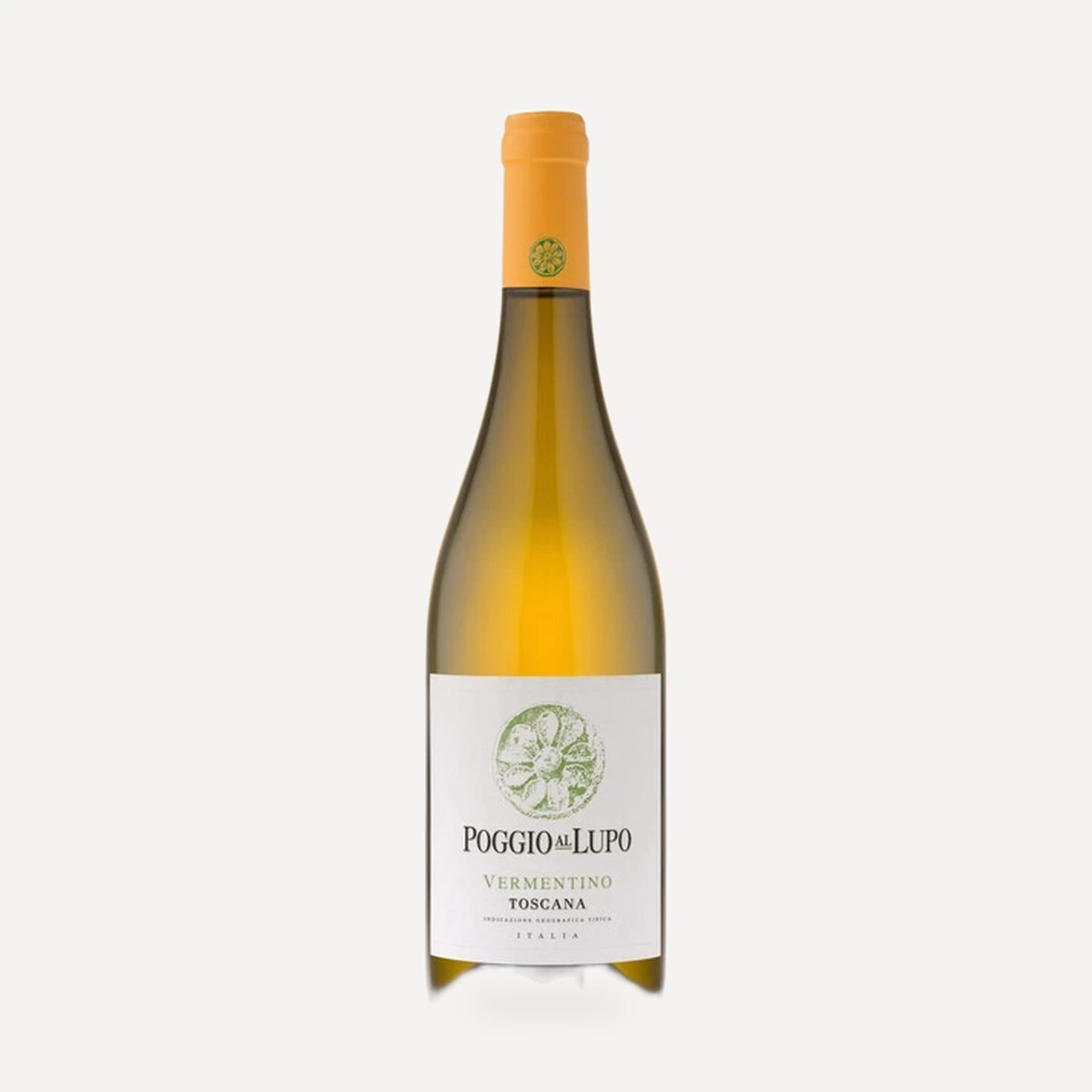
Vermentino Toscana IGT