Storia
Two cooperative beginnings
In 1908, 30 winegrowers in the climatic spa of Gries founded a cooperative. Its original purpose was to vinify and market the local varieties Lagrein and Schiava more effectively. A second cooperative followed in 1930, created by 18 growers around the hill of Santa Maddalena with the same broad objective of strengthening local, autochthonous wines.
Post-war development
After the Second World War, the Gries Winery established a successful position in Germany with Lagrein Kretzer, its rosé expression of Lagrein.
The difficult market conditions of the 1970s and 1980s led Gries to replace a quantity-led model with a quality-led approach. This shift increased sales of dark Lagrein and consolidated its market position.
Santa Maddalena Winery also changed course during the viticultural crisis. It focused on higher quality and on its principal wine, Santa Maddalena, based on Schiava. The approach brought recognition within and beyond Alto Adige. In 1971, definition and upgrading of the Santa Maddalena growing territory were formalized through the DOC system.
During the 1980s, the Santa Maddalena cellar offered only three principal types: Santa Maddalena, Schiava Grigia and Lagrein. Stephan Filippi assumed responsibility for its cellar more than three decades before the present management profile was written, following his father, who had also been cellar master there.
Merger and expansion
In 2001, the Gries and Santa Maddalena cooperatives agreed to merge. The objectives were to unite their resources, become a leading Alto Adige winery and organize their range more effectively for the market. The combined cooperative subsequently developed a portfolio of 37 wines from 15 grape varieties, differentiated by site and quality tier.
Filippi and the cooperative’s viticultural advisers worked with member growers to raise grape quality from year to year. This process helped reposition Santa Maddalena and Lagrein from former volume products to internationally recognized wines.
A new winery
The concept behind the two Superior cuvées developed over almost ten years, combining experimentation by growers and the cellar team with knowledge of individual sites. The completion of the new winery made their realization possible. TAL 1908 commemorates the founding year of the Gries cooperative, while TAL 1930 recalls the founding of Santa Maddalena Winery. The pair premiered in 2023.
The cooperative moved to its new headquarters at Via San Maurizio 36 in 2018. Production began in the ClimateHouse winery from 2019. The 20,000 m² complex combines offices, the Vinarius Wineshop and a production area built mainly underground. Its vertical layout permits grapes to enter at the highest level and move downward through the winery by gravity.
Present organization
The cooperative comprises 224 member families cultivating 350 ha around Bolzano. Philipp Plattner serves as chairman, Matthias Messner has managed the cooperative since mid-November 2022, and Stephan Filippi directs winemaking. Their stated priorities combine continuity, teamwork, innovation, market development and further improvement of site selection, soils, planting density and vine age.
Terroir
Bolzano basin and elevation range
The cooperative’s 350 ha extend from approximately 200 to 1,000 m around Gries, S. Maurizio, Settequerce, Missiano, S. Giorgio, Cologna, S. Maddalena, S. Giustina, Coste and Renon. Bolzano occupies a broad, sunny valley basin enclosed by steep slopes. The meeting of Alpine and Mediterranean conditions, together with major changes in elevation, exposure and airflow, creates markedly different growing environments.
White varieties such as Sauvignon and Gewürztraminer occupy higher vineyards. Santa Maddalena is grown at intermediate elevations; Cabernet and Merlot favor lower sites, while Lagrein is associated with the valley floor.
Soils
Gries and Santa Maddalena include rapidly warming, stony ground. The Renon slopes have loose, well-aerated porphyry-derived soils. The valley floor around Gries contains deep alluvial material mixed with volcanic porphyry carried and shaped by the area’s rivers, especially the Talvera. These soils drain effectively and contain mineral deposits.
Individual sites add further variation: sandy-loamy heat-retentive soils at Moar; loamy porphyry at Stegher; light sandy loam with a pH of 6.3 at Hochkofler; stony loamy sand at Kleinstein; residual porphyry soils at Greel and Puntscheit; and deeper, heavier residual soils at Thalman.
Mesoclimates
The Isarco Valley and Sarentino Valley provide cooling winds. At Mockhof, cold airflow and the day–night contrast suit white varieties. Bachmann’s frequent early-morning winds remove moisture from foliage. Huck am Bach occupies a sheltered, funnel-shaped terrain that concentrates daytime sunlight. Puntscheit retains Mediterranean features at 760 m, demonstrated by mature chestnut trees. Superior white-wine sites between 400 and 700 m combine changing exposures, Dolomite sunshine and sometimes strong Isarco Valley winds.
Vinificazione
The 224 member families manage their vineyards according to integrated or organic standards. The general approach emphasizes near-natural cultivation, careful treatment of soils and vines, daily observation, thoughtful pruning and careful thinning. Grapes are harvested by hand; on the steepest estates, manual work is unavoidable because heavy machinery cannot operate safely.
Yield restriction is explicit at Taber and Moar and is also part of selection for the Superior wines. The cooperative’s viticultural advisers work with growers to improve grape quality and refine standards for site, soil, planting density and vine age.
Practices vary by member property. Mockhof maintains permanent ground cover against erosion and sows mustard, oats and clover, which also support bees. Moar retains flowering poppies at vineyard margins. Gleifner-Hof avoids bird nets. Graf Huyn uses a tractor-mounted brush to control grass and other plants beneath vines and has converted machinery to photovoltaic-powered electric operation. Huck am Bach growers remove cutworms manually at night. Greel performs leaf thinning, shoot pinching and cane tying. Traditional pergolas remain at Taber, Moar and Huck am Bach, while Graf Huyn has converted completely to vertical trellising.
The winery holds an EU organic operator certificate issued by ABCERT for preparation of wine under both organic and non-organic production, valid from 4 October 2024 to 2 October 2027. Its Bioland certificate covers wine processing and was issued on 4 October 2024 with a stated maximum validity to 30 April 2026. The certification portfolio also identifies SQNPI integrated-production certification, although the linked document could not be textually extracted.
Winery layout and grape reception
The 20,000 m² ClimateHouse winery is arranged vertically and built mainly underground. Grapes arrive at the highest point and move downward through the processing system by gravity, reducing mechanical handling and saving energy. Lots continue through the cellar separately by site.
Cellar operations
The certified production scope includes pressing and/or destemming, mashing, fermentation, separation or racking from pomace, racking, blending, cooling, maturation or fining, stabilization, filtration and bottling. Wine is filled into new glass bottles and kegs. The operation also sells bottled and bulk wine and transports wine using its own vehicles.
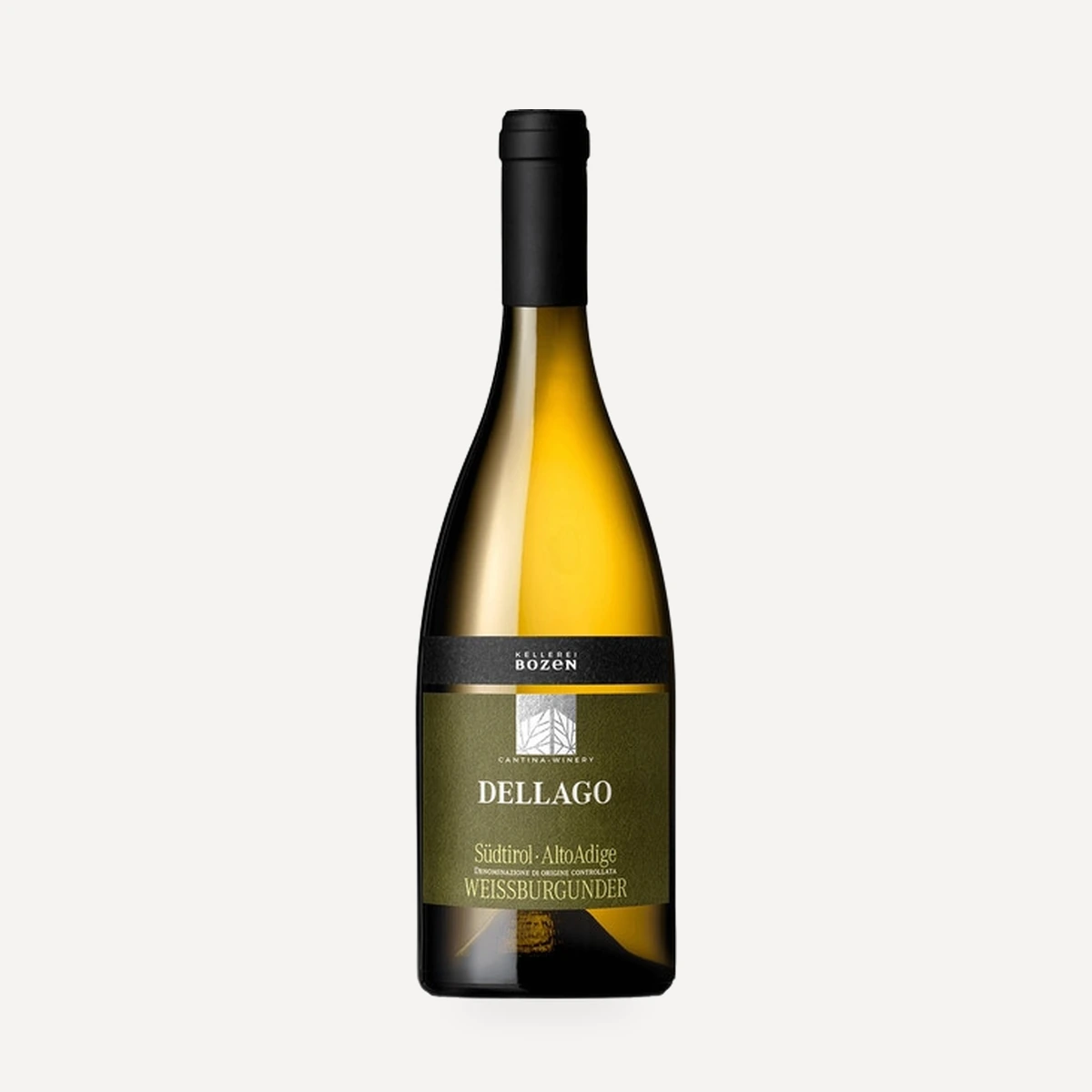
The portfolio uses stainless steel, wooden vats, large wooden casks, French barriques and concrete vessels according to wine and tier. Traditional red-wine fermentation in wooden vats is identified for Mumelter, followed by about one year in French barriques and large wooden casks. Dellago undergoes temperature-controlled fermentation in stainless steel and malolactic fermentation in barriques.
The leading wines can mature for as long as 12 months in French barriques or in concrete before bottle maturation. TAL 1908 spends 12 months in French barriques, followed by 15 months in porous concrete vats and final bottle ageing. TAL 1930 spends 12 months in small oak barrels, then 14 months in stainless steel, followed by bottle rest. Strict grape selection, low yields and older vines underpin both cuvées.
Filosofia
Cantina Bolzano defines quality as the result of patient maturation, careful manual work and precise matching of varieties to site. Its growers regard the cultural landscape around Bolzano as something to preserve, and the cooperative places quality above quantity.
Its sustainability strategy treats ecological, social and economic responsibilities as interdependent. Resource conservation is intended to extend across the entire value chain, from integrated or organic vineyard management to the energy-efficient cellar. A formal management system is used to set goals, measure improvement and submit operations to independent audits in sustainability, occupational health and safety, hygiene and food safety.
Philipp Plattner’s management outlook combines attachment to the cooperative’s existing values and Raiffeisen principles with continued learning, innovation and long-term brand development. Matthias Messner emphasizes responsibility to the 224 member families, teamwork and growth. Stephan Filippi’s cellar philosophy centers on optimal vineyard and cellar conditions, strict selection and continued improvement of location, soil, planting density and vine age.
The range is intended to express both varietal identity and regional character. The contrast between mountain and valley and between Alpine and Mediterranean influences is especially central to the Superior project.
Vini
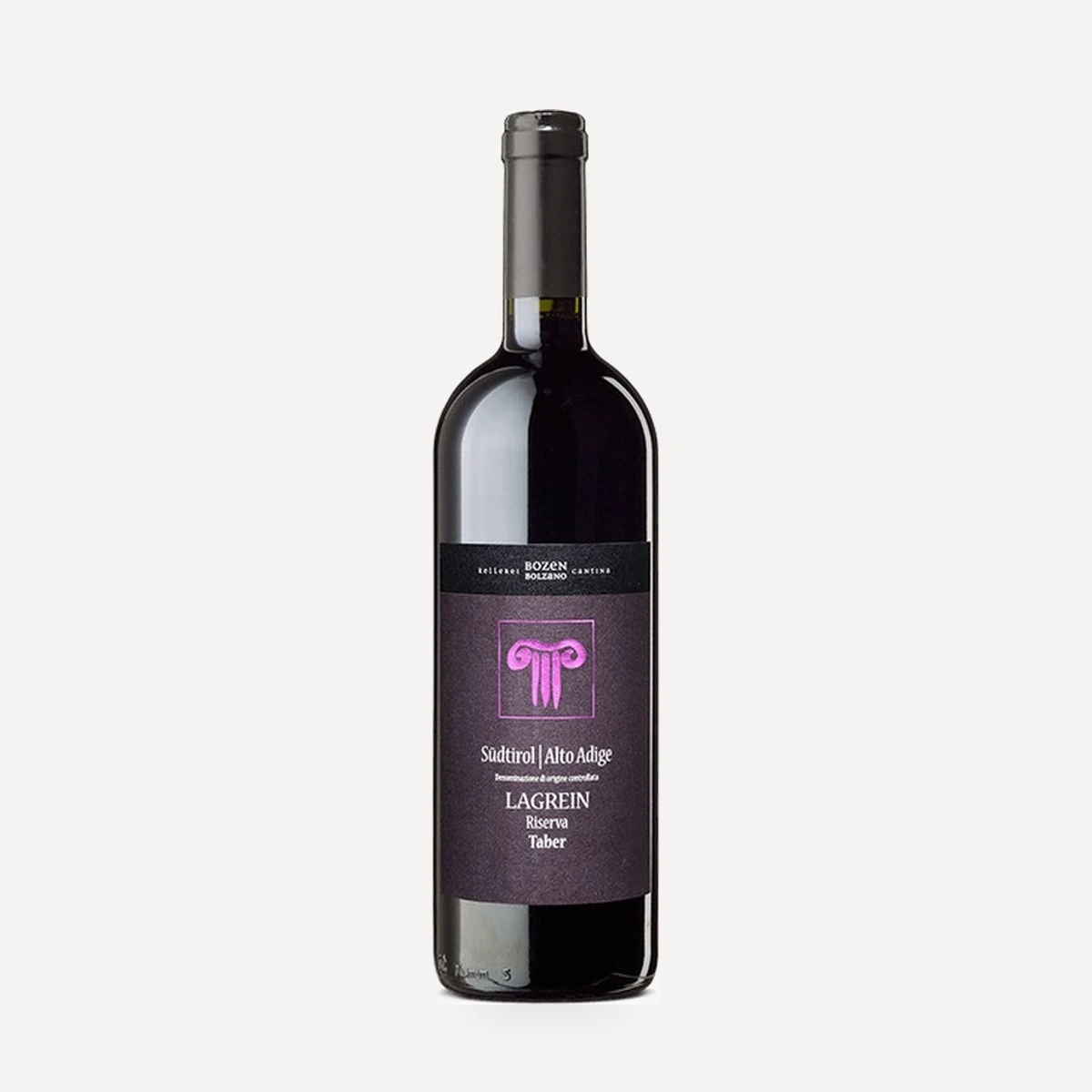
TABER Lagrein Riserva
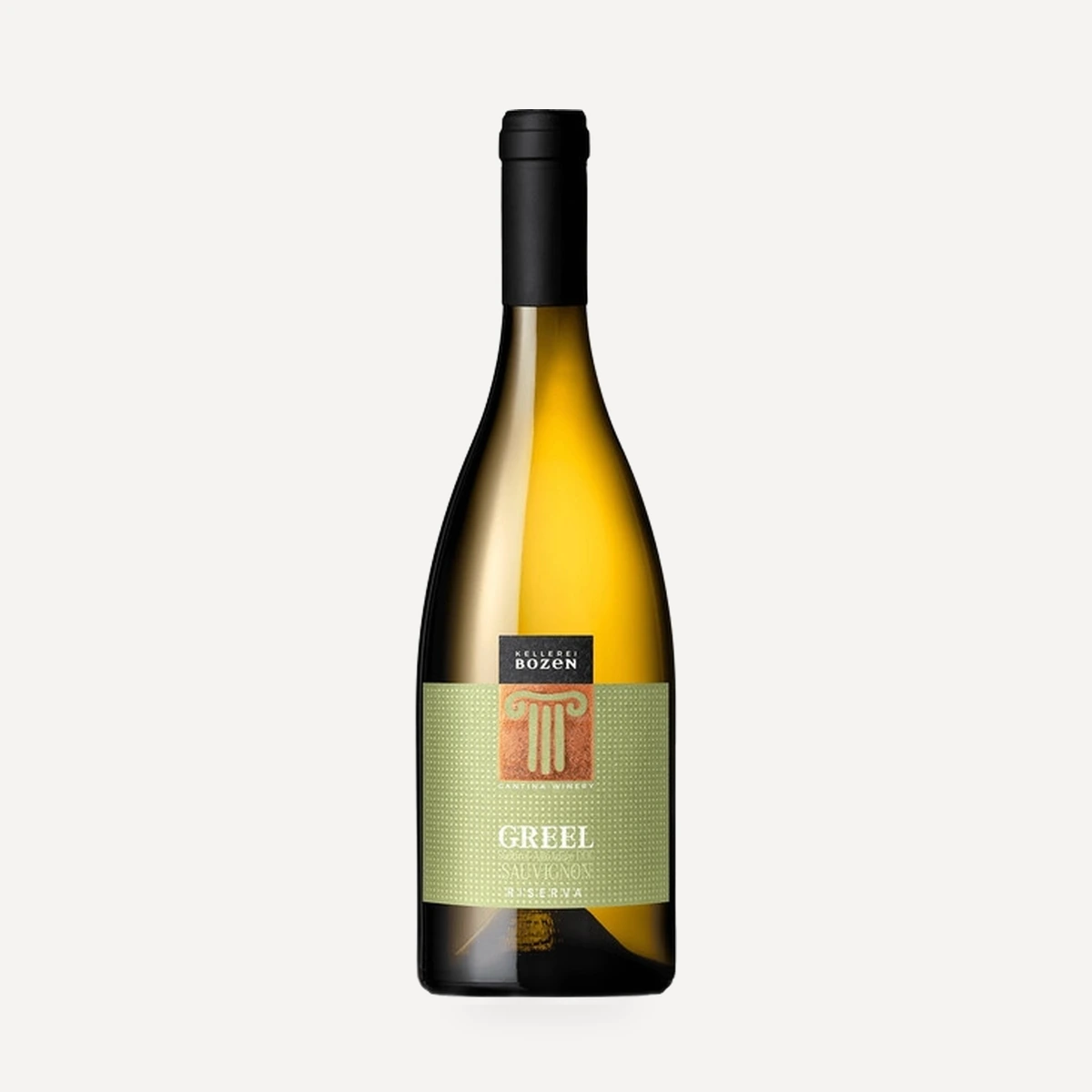
GREEL Sauvignon Riserva
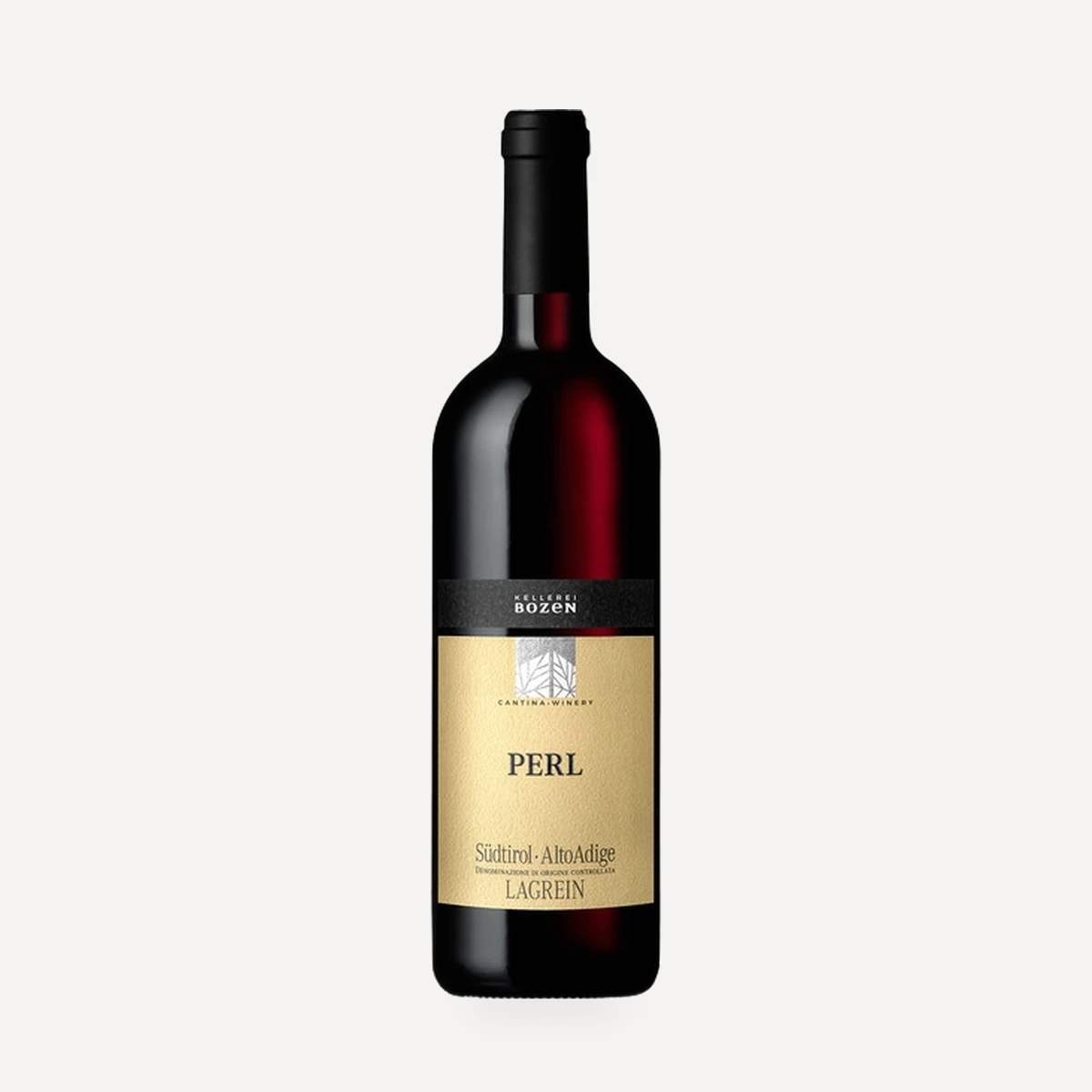
PERL Lagrein
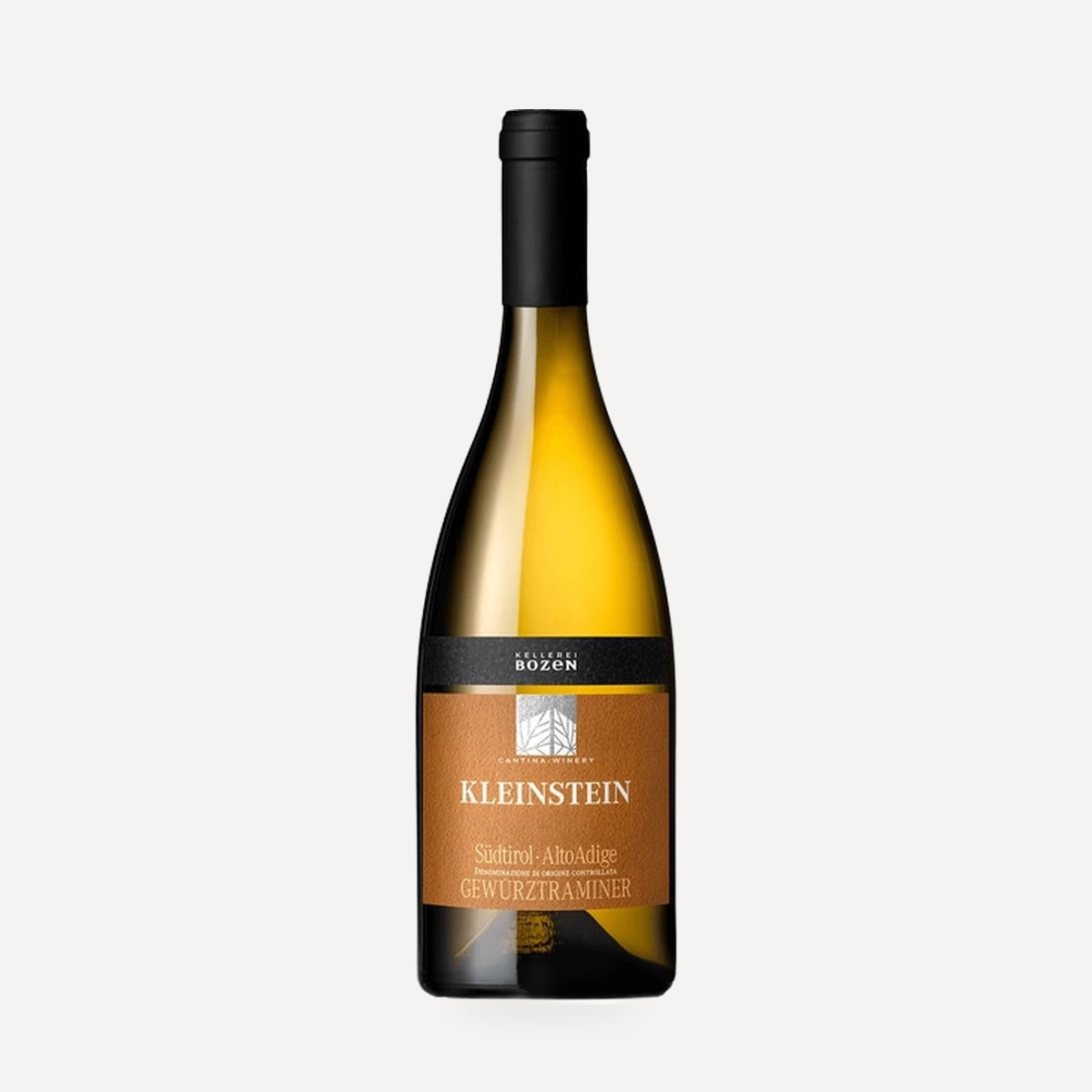
KLEINSTEIN Gewürztraminer
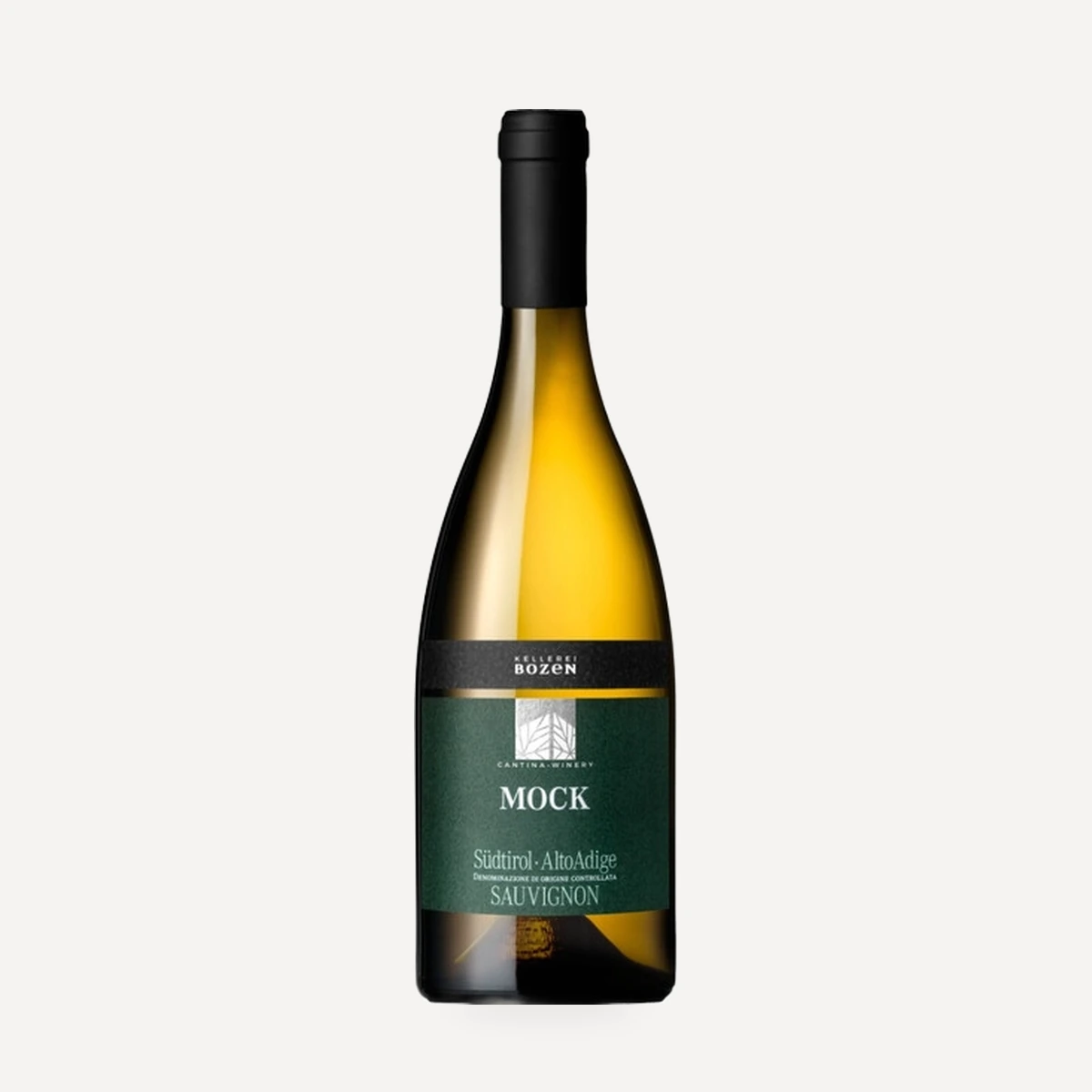
MOCK Sauvignon
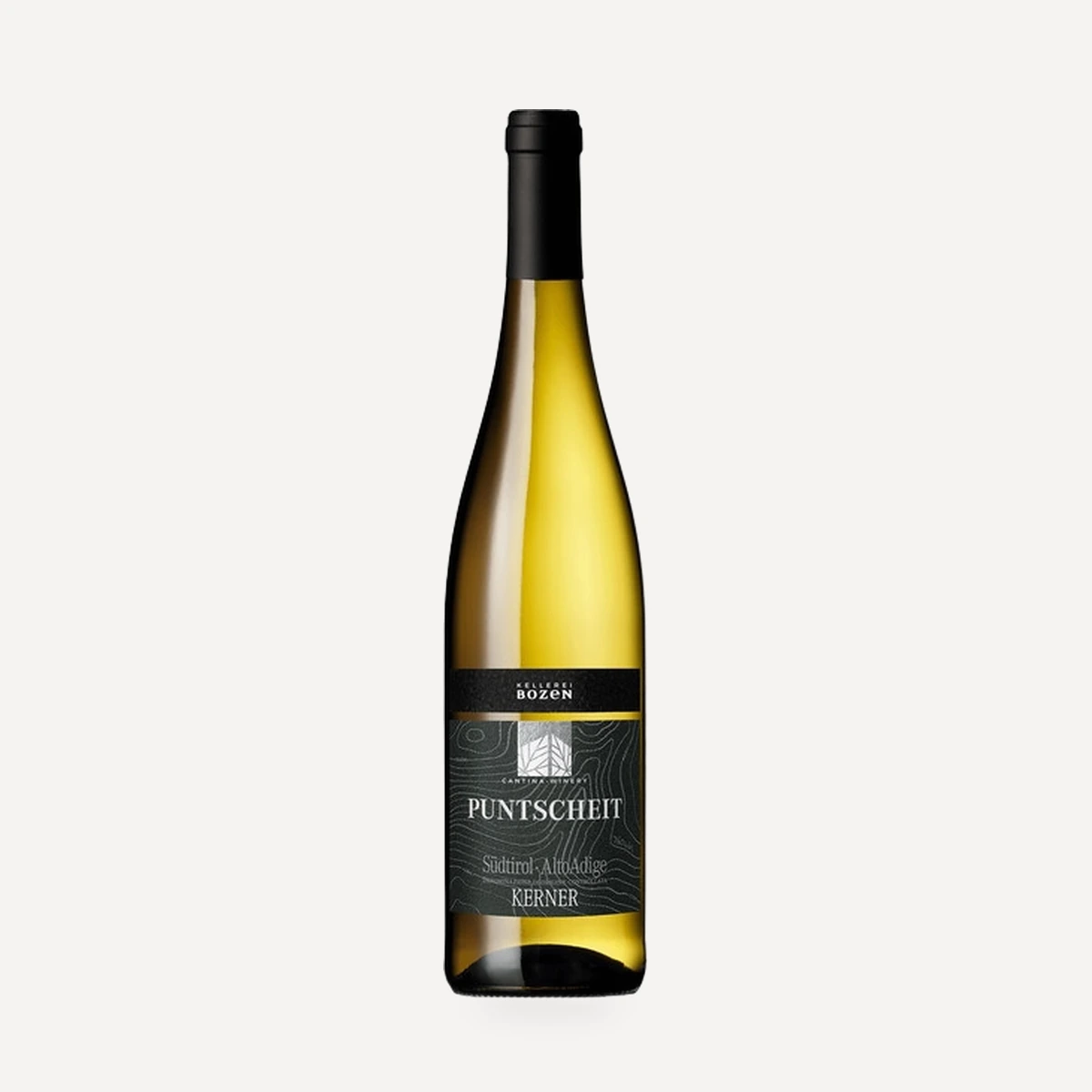
PUNTSCHEIT Kerner
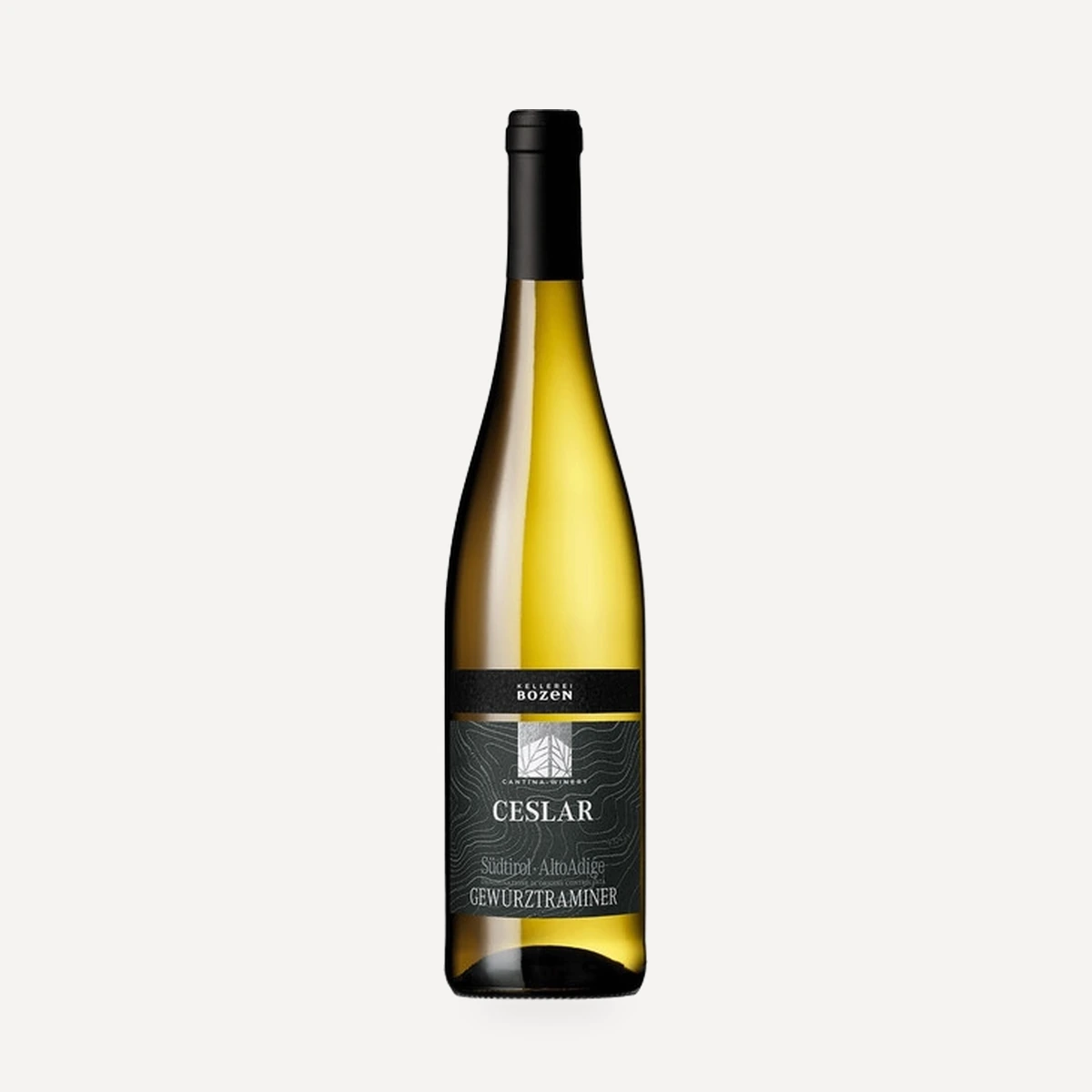
CESLAR Gewürztraminer
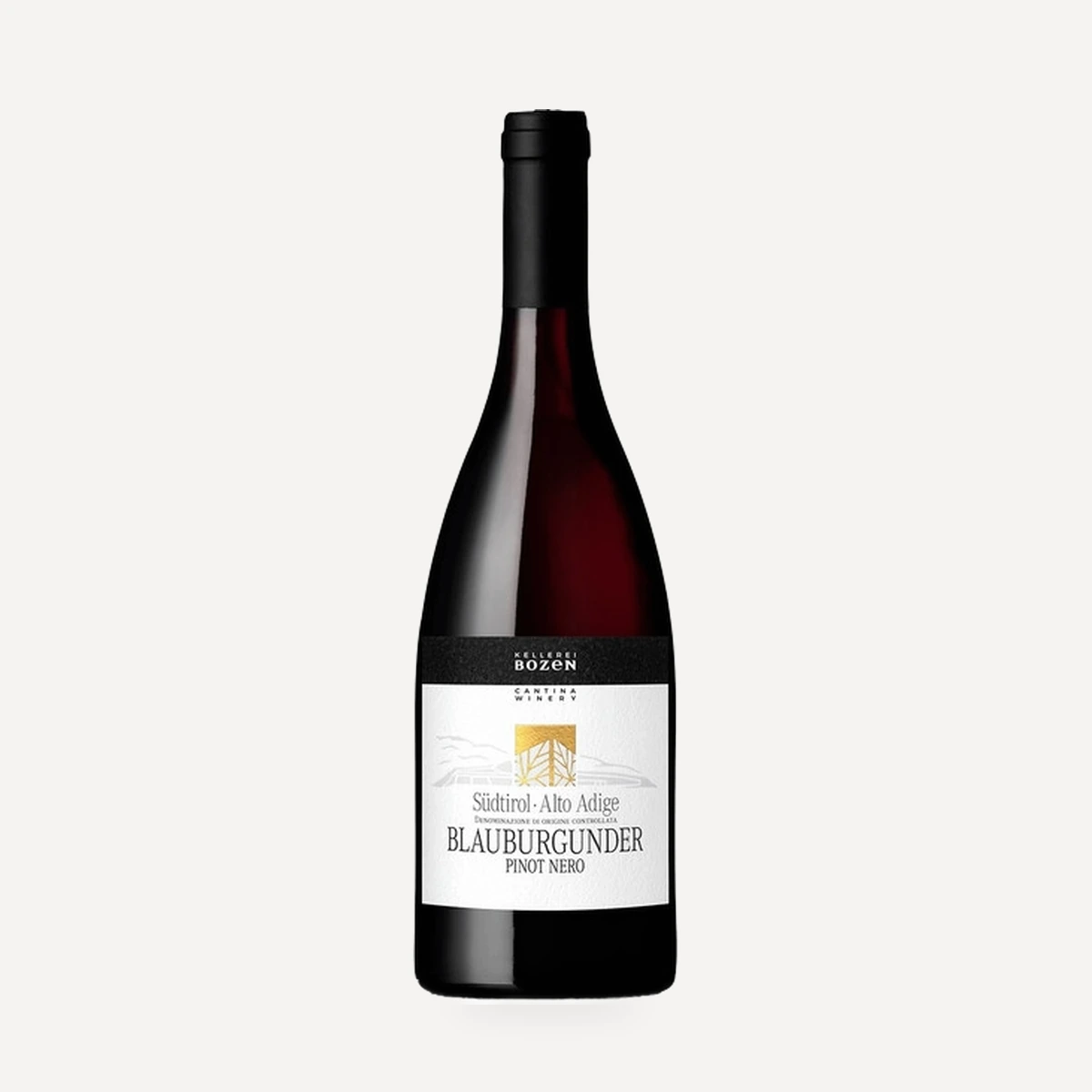
Pinot Noir
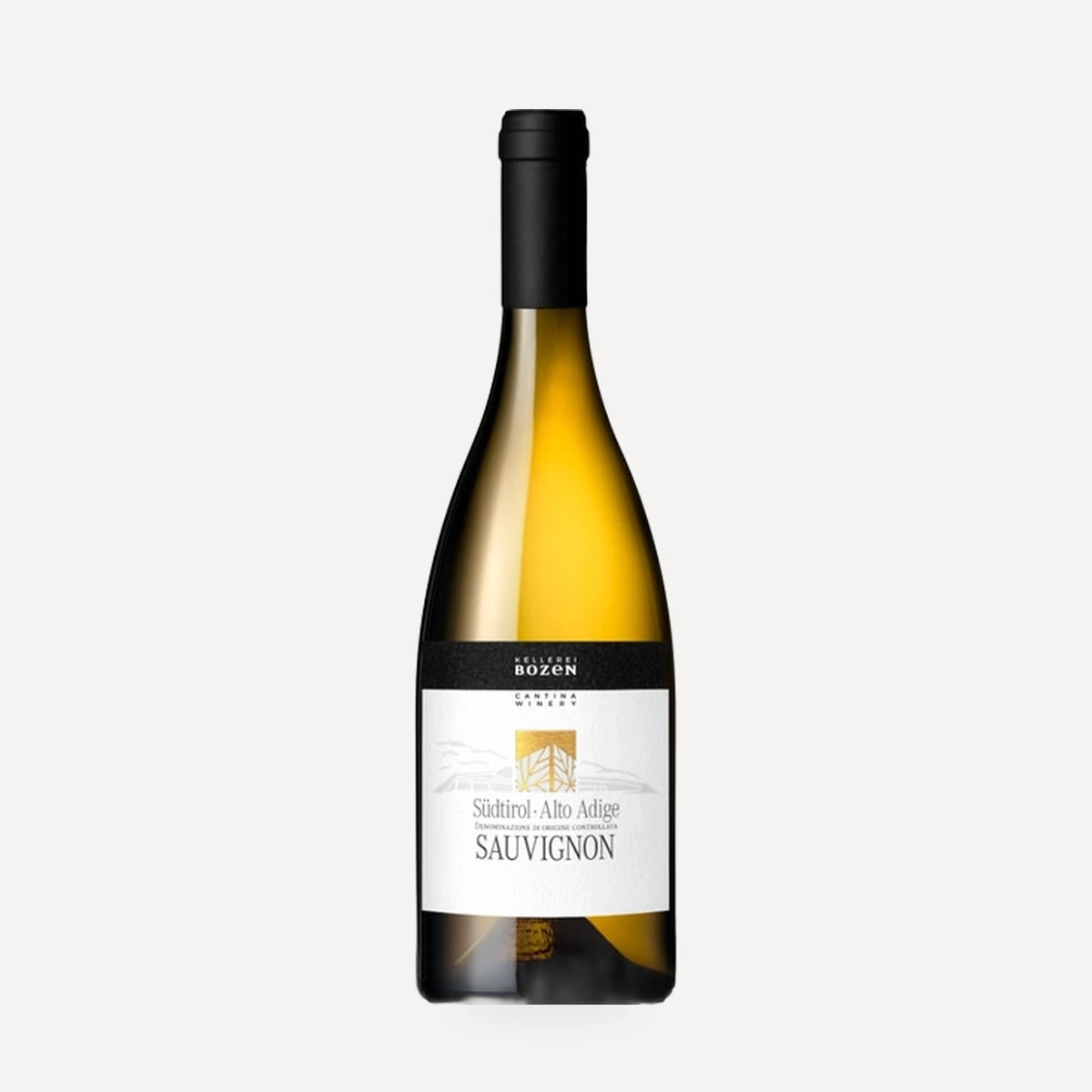
Sauvignon
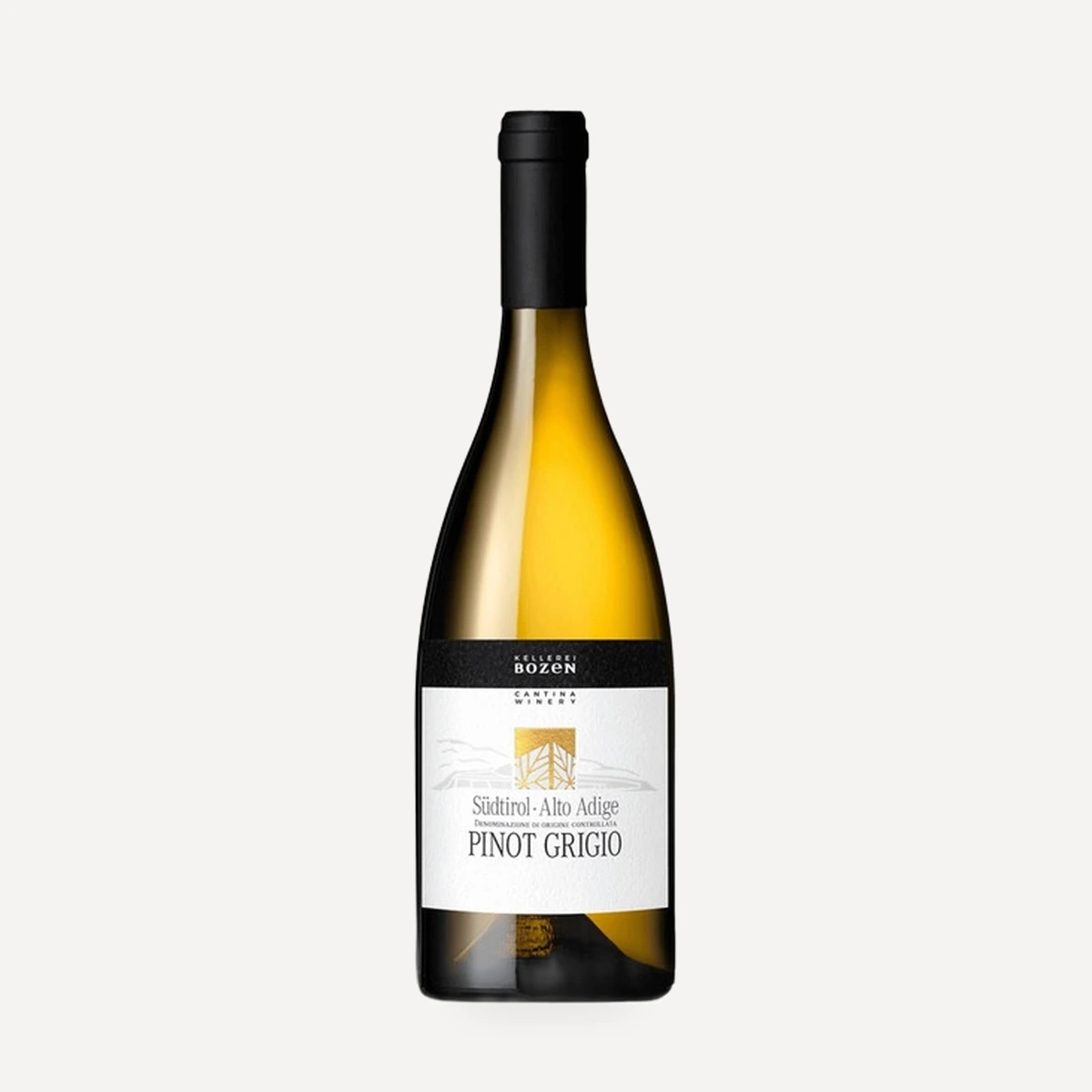
Pinot Grigio
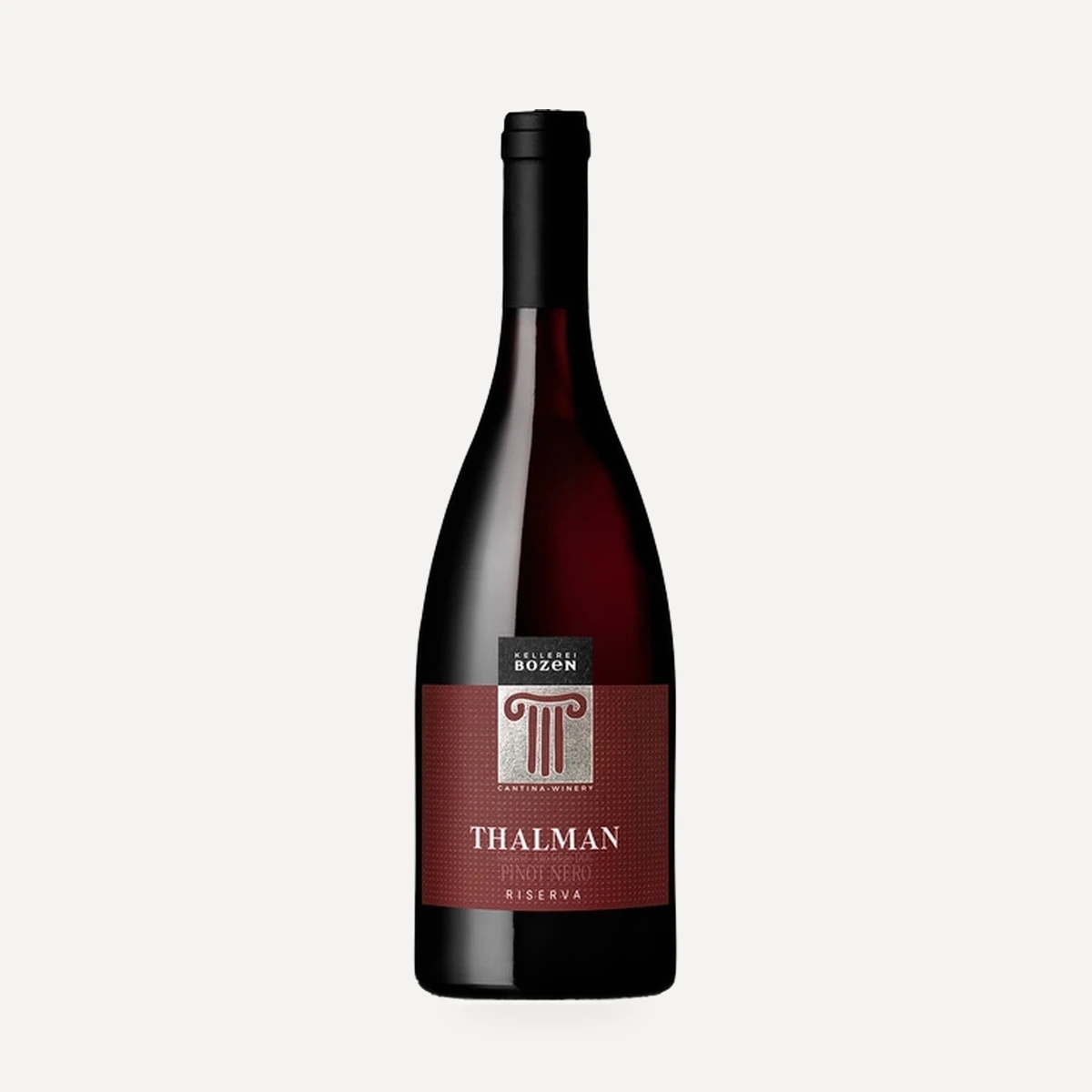
THALMAN Pinot Noir Riserva
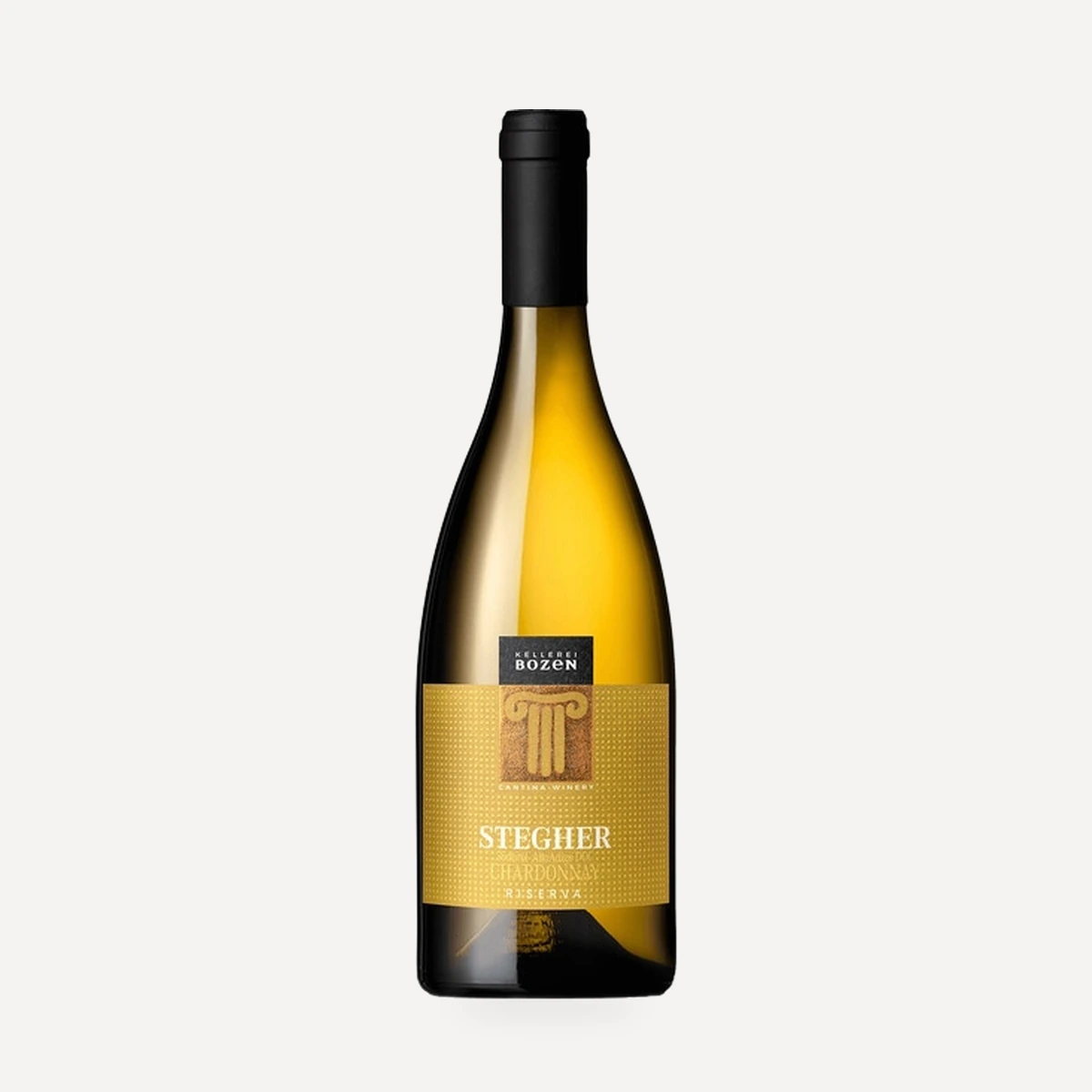
STEGHER Chardonnay Riserva
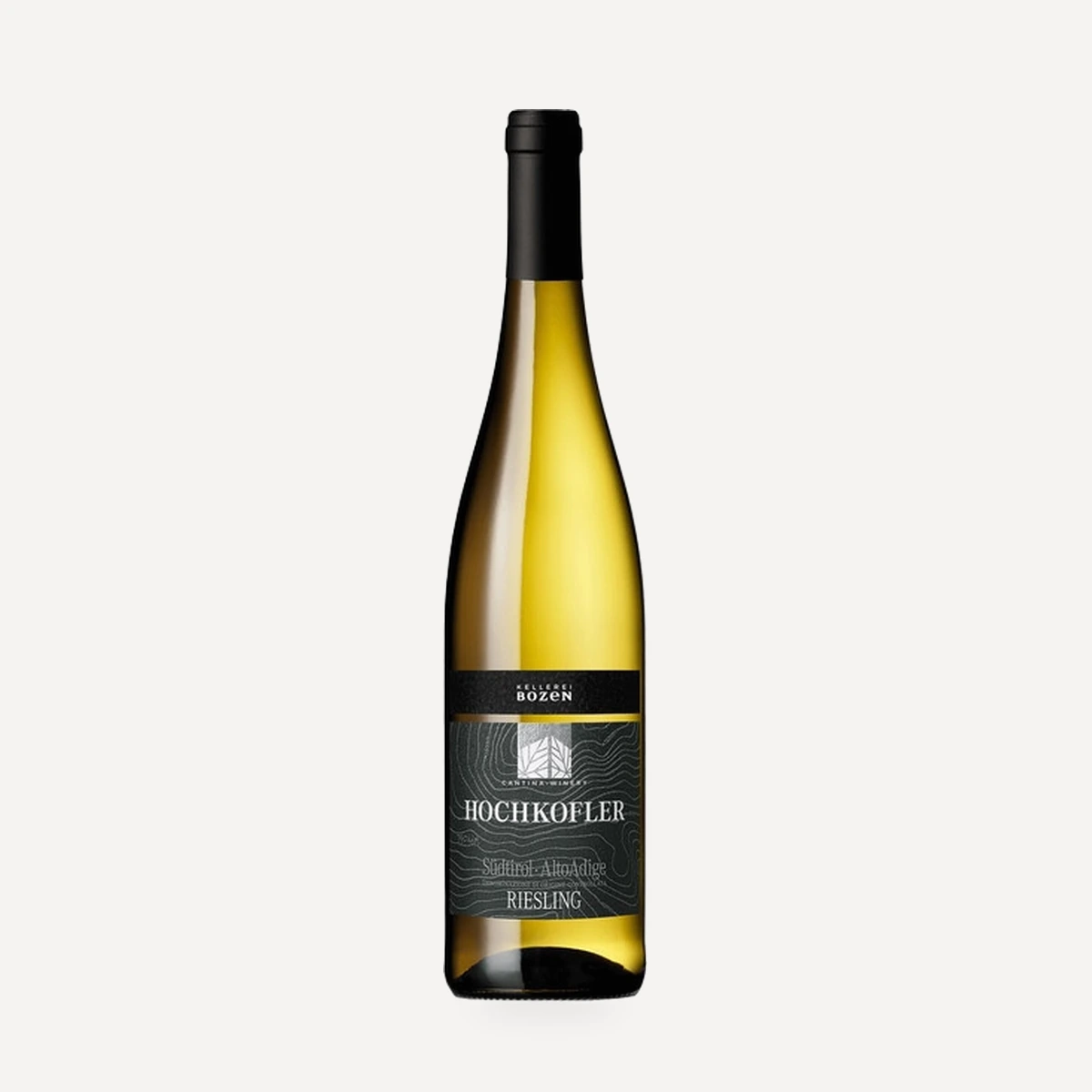
HOCHKOFLER Riesling
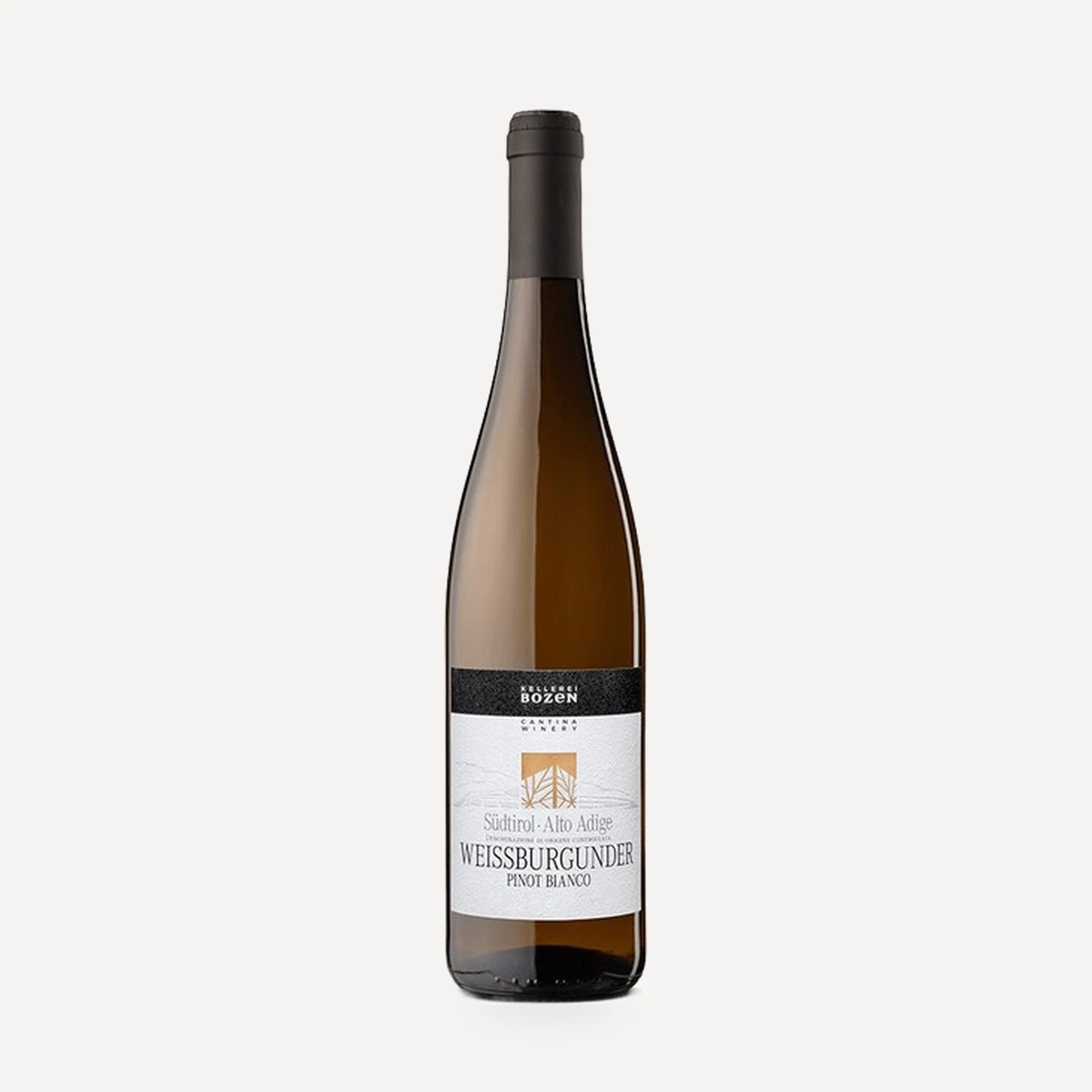
Pinot Bianco
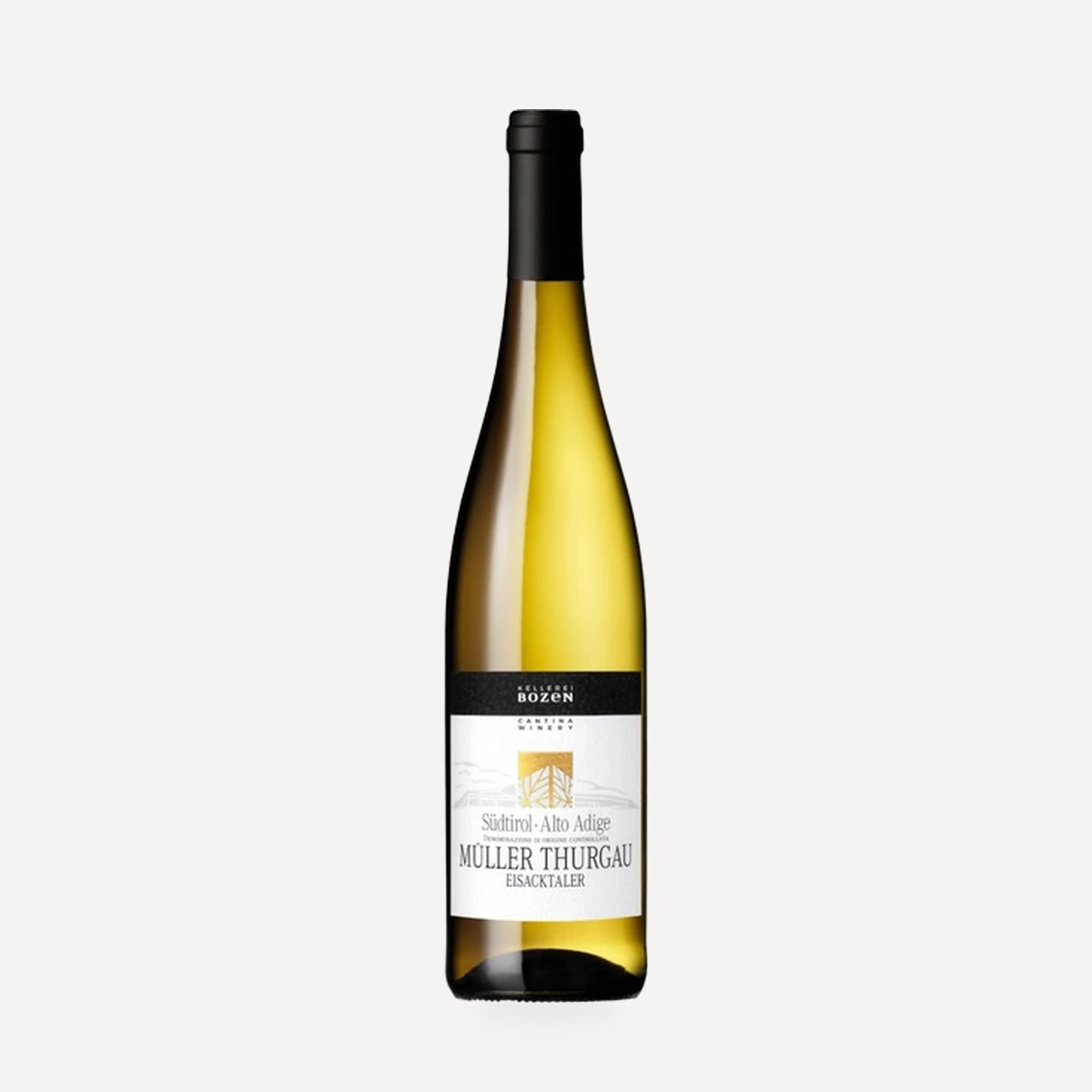
Müller Thurgau Eisacktaler
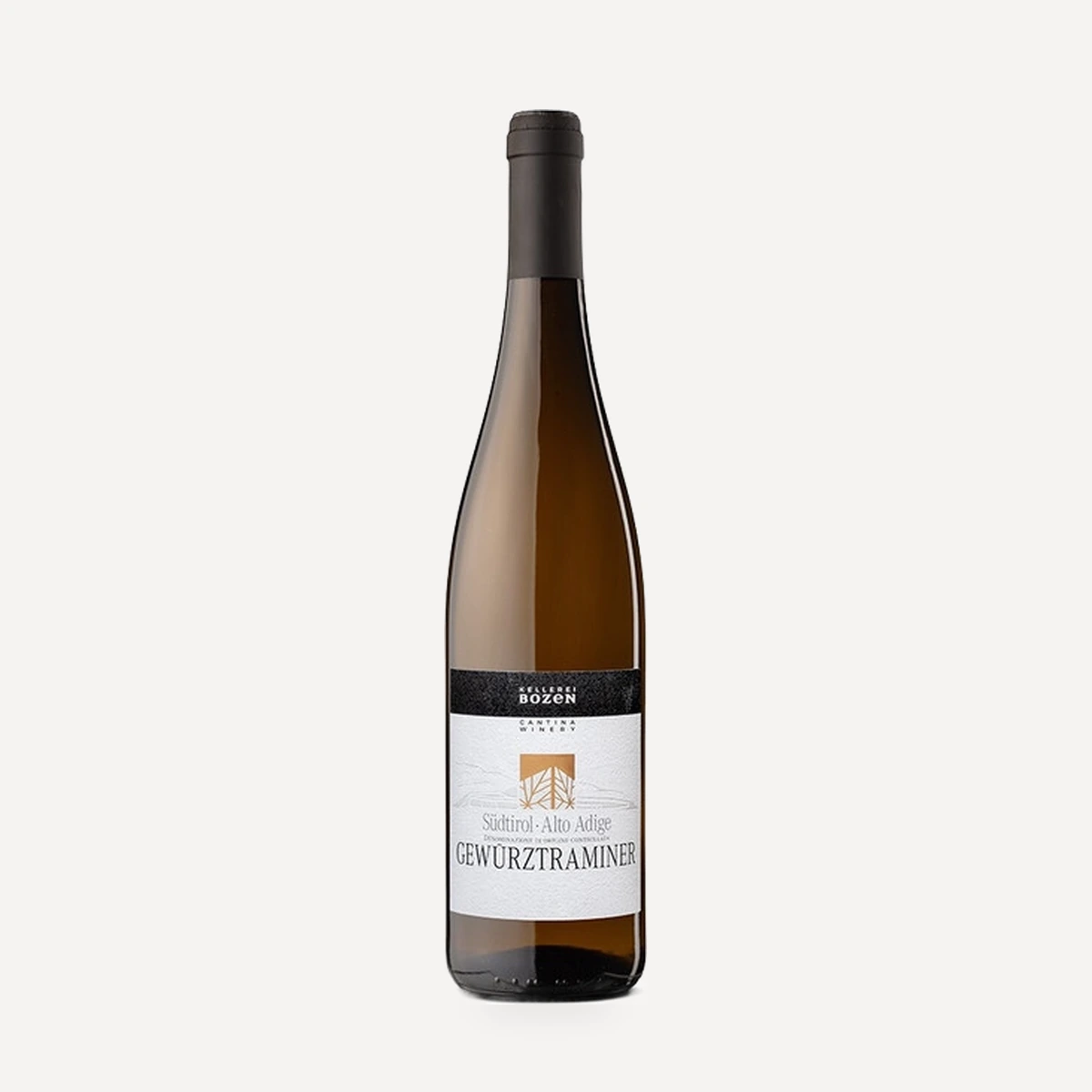
Gewurztraminer Sudtirol Alto Adige DOC
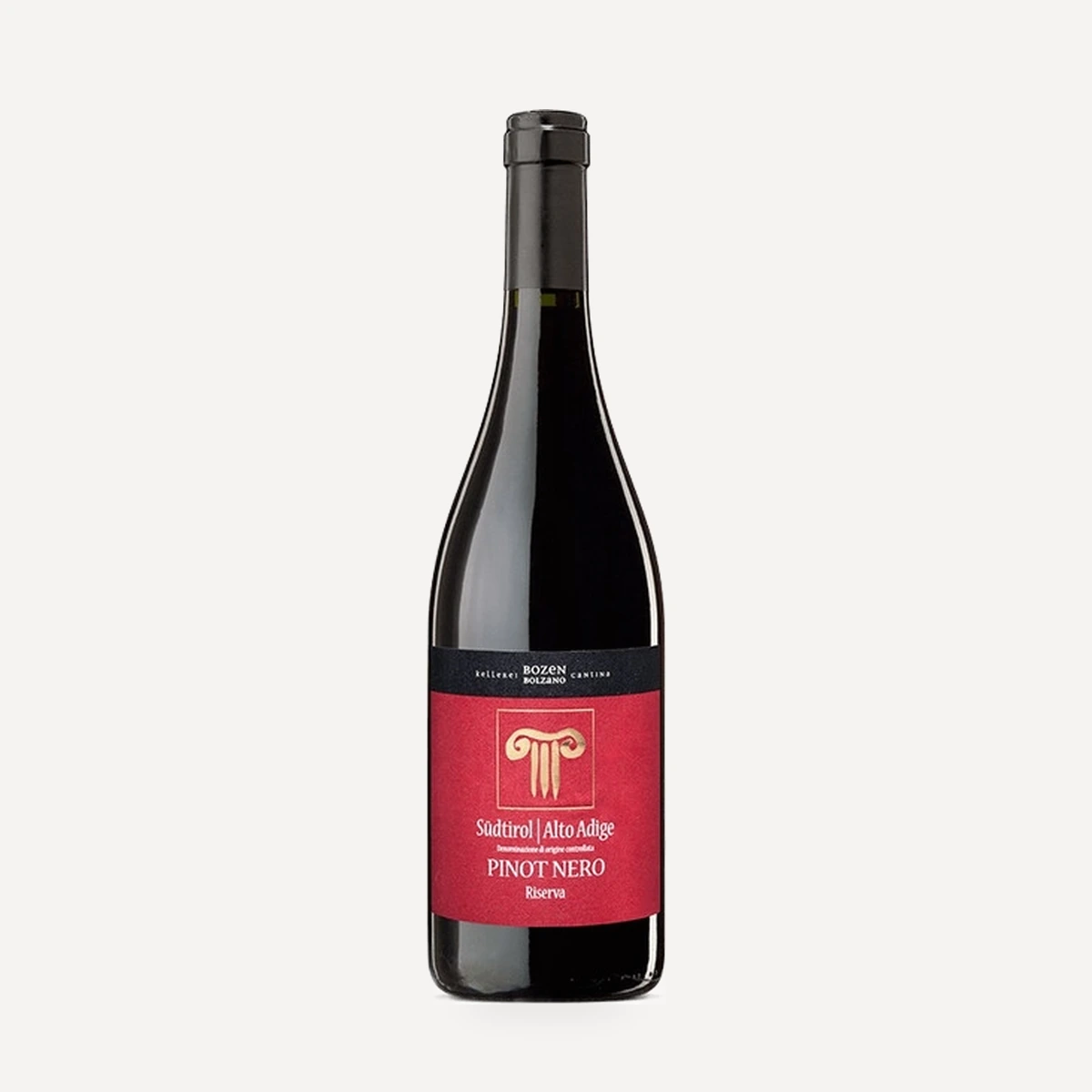
Pinot Nero Riserva Sudtirol Alto Adige DOC