Storia
Foundation and family succession
Franz Haas was founded in 1880 and has remained in the same family, traditionally passing to the first-born child bearing the name Franz. The present account identifies eight generations, although other passages describe seven generations of wine production.
The inheritance dispute and Franz Haas VI
A family dispute divided the preceding generation in 1948. Franz Haas VI was only 17 when he initiated legal proceedings against his uncle to protect his rights to the inheritance of his father, Franz Haas V, and preserve the continuity of the family enterprise. He built the cellar that still forms the historic core of the property, presenting it as a stable to shield it from his uncle’s claims. With the support of a wine-broker friend, he began producing and vinifying wine and selling it in bulk to other Alto Adige producers.
Franz Haas VI remained in charge until 1986. His approach was rational and governed by figures, calculations and forecasts, while his son described himself as more intuitive and human. Their contrasting temperaments produced frequent disagreements.
Franz Haas VII takes charge
Franziskus “Franz” Haas VII initially wanted to become a criminologist and began studying economics and commerce in Innsbruck. During his third semester, his father became seriously ill and was given a grave prognosis. Franz changed direction, enrolling in oenology at Geisenheim in Germany. His father recovered and ultimately remained active for many more years, dying in 2014 from unrelated causes.
After returning, Franz operated a wine-trading agency between Italy and Germany, with limited success. He assumed control of the family winery in 1986, at a time when finances were strained, and began a far-reaching transformation of the business.
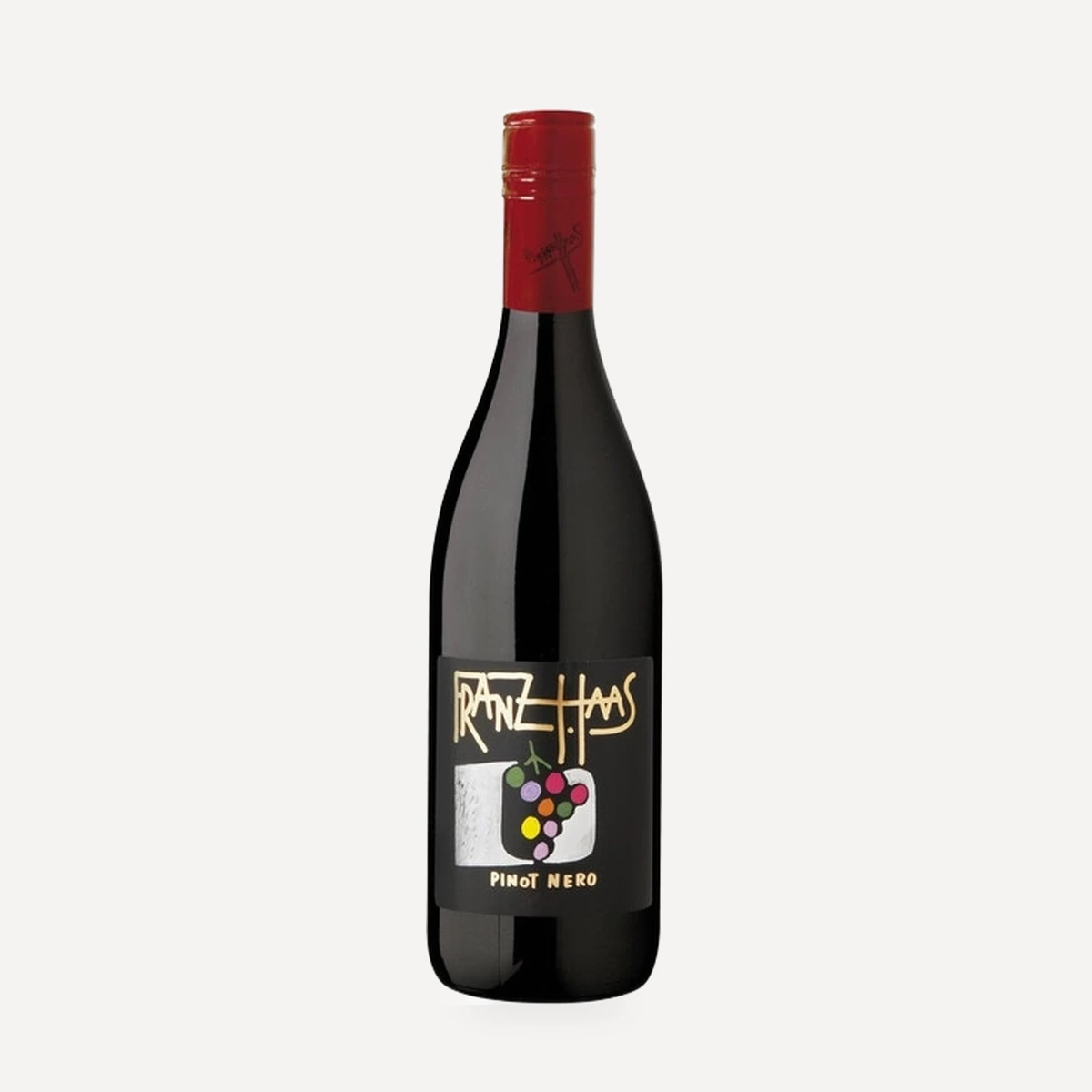
During the 1980s, most vineyards were renewed and varieties were replanted according to their suitability for the respective soils. Franz developed a particular commitment to Pinot Nero, conducting multiple trials in individual years rather than making only one experimental wine per vintage. The work encompassed different cultivation theories, clones, vinification techniques and ageing regimes. He recorded 592 separate Pinot Nero vinifications. The Schweizer selection was withheld in years when it failed to meet his standard.
Maria Luisa Manna and the Italian market
Maria Luisa Manna joined the company full-time in 1990 after working in her family’s restaurant, where she had developed experience in hospitality, wine and relationships with producers. Her Italian background helped redirect a business then oriented largely toward the German-speaking market. She built and managed the Italian agent network while also shaping the company’s hospitality, interiors and visual identity through her interest in art and attention to detail.
Maria Luisa gave Franz artworks by Riccardo Schweizer as good-luck gifts for his wine releases. The first design selected became the label of Pinot Nero Schweizer. Its first vintage was 1987 and it reached the market in 1990.
High-altitude viticulture
Early evidence of climate change led Franz to reconsider the historic valley and hillside vineyards. Bringing harvest dates forward in the warmer established sites had not produced meaningful results for Pinot Nero, which required a temperate, slightly cool climate and a long ripening period.
In 1999, the winery leased several hectares at higher elevations and began testing clones considered suited to those conditions. Planting followed in 2000. The new vineyards eventually extended to 1,150 metres, among the highest in Alto Adige. The project was intended to recover cooler conditions, stronger day–night temperature differences and longer ripening while preserving acidity, perfume and longevity.
Pònkler emerged from this programme. Its single Pinot Nero vineyard was planted in 2007 at 750 metres with selected French clones, high planting density and deliberately low yields. The first vintage was 2010.
Closure research
Concern about cork-related changes in flavour and aroma led to a long closure programme. Alternative closures were studied from 1996 through parallel bottlings, comparative tastings, travel and discussions with winegrowers. After roughly twenty years of experiments and comparison, the winery adopted a carefully selected screwcap. Different internal liners can be matched to the wine and its intended evolution.
Expansion of the family and team
Franz Haas VIII, known as Franz Junior, joined in 2010. After acquiring experience in vineyard work and production, he chose the commercial side of the business and now manages sales, assists with foreign markets and receives visitors when required. His sister Sofia worked in the shop and foreign markets before moving primarily to the family’s Manna Resort in 2022, while retaining a connection with winery events and everyday family life.
In 1990 the company comprised little more than three people. It subsequently grew to almost thirty while retaining a family-team structure. Export development accelerated after Andi joined in 2010: the market had been 95% Italian, while exports later grew to 25% alongside increased bottled production.
Succession after Franziskus
Franziskus Haas died unexpectedly on 13 February 2022 at the age of 68. Maria Luisa had planned to concentrate more heavily on Manna Resort and had entrusted Italian commercial direction to Alessandro Samogin in 2022, but she remained at the winery after Franziskus’s death and took responsibility for continuing the family enterprise.
Stefano Tiefenthaler had joined in 2021 and quickly became Franziskus’s principal cellar assistant, absorbing his experience through close daily work. Following Franziskus’s death, Stefano assumed responsibility for the cellar and continued the work with his own developing perspective. Marco, Nicholas and Riccardo joined him in 2022 to complete the young production team.
Terroir
The vineyards form a dispersed mosaic of small parcels in Montagna, Egna, Trodena and Aldino rather than a single block surrounding the cellar. Their elevations extend from approximately 200–220 metres to 1,150 metres, creating pronounced differences in climate, exposure and soil.
Soils range from porphyritic sand, weathered volcanic porphyry and heavier porphyry-derived material to clay, silt, alluvial gravel, limestone, dolomitic erosion deposits, sand and marble-derived material. The vineyards commonly face south or southwest, with some western exposures.
The highest sites were developed in response to warming conditions in the valley. They provide a climate compared with that of the valley around a century earlier, stronger day–night temperature differences, intense light, low pollution and as much as four additional hours of sunshine per day. The angle of the sun’s rays on the bunches is also considered favourable. These conditions are associated with slower ripening and wines showing greater aromatic intensity, longevity, structure, acidity, savouriness and minerality.
Pònkler lies at 750 metres and is surrounded by meadows and woodland in an area frequented principally by wildlife. Its soil is dominated by weathered porphyry and its exposure runs from south to southwest. Other Pinot Nero sites extend across heterogeneous soils between 350 and 900 metres, while the highest Pinot Nero vineyards used for sparkling wine rise from 750 to 1,150 metres on mixed dolomitic and porphyritic ground.
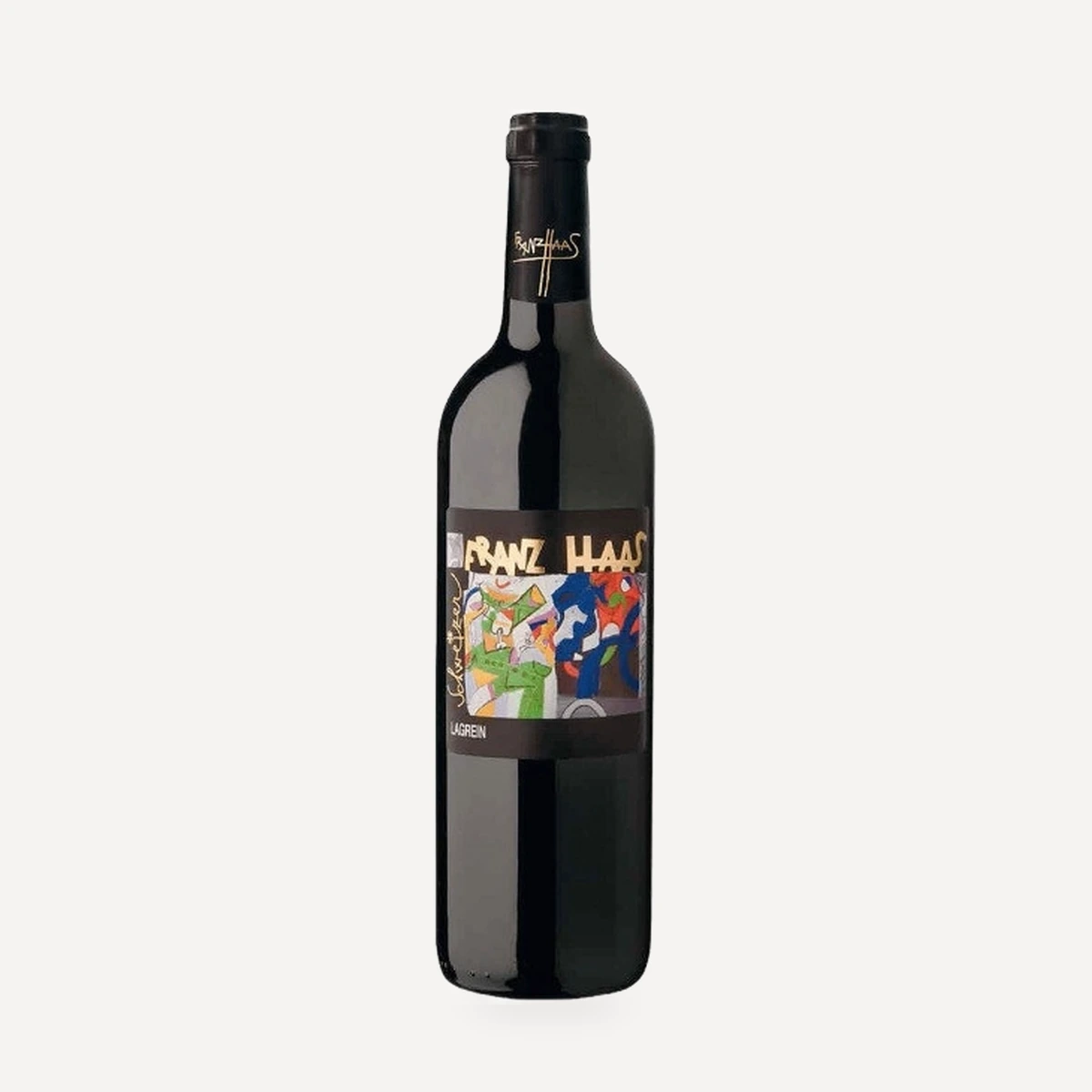
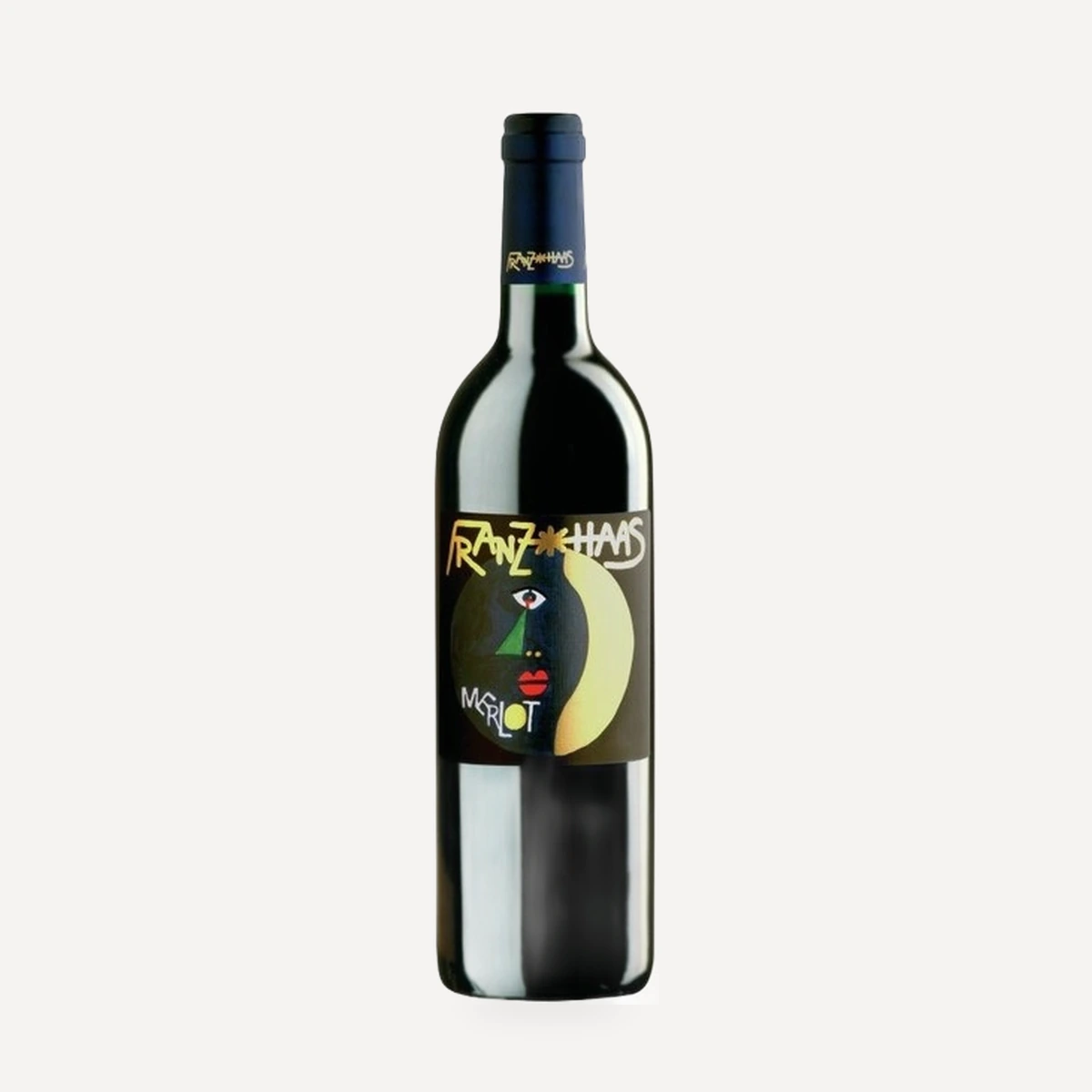
Warm lower sites serve later-ripening varieties. Lagrein grows at 220–250 metres in deep, warm alluvial soils rich in gravel. Moscato Rosa occupies ventilated sites at 250–300 metres, where wind reduces humidity and botrytis pressure; its soils combine porphyry, sand, clay and limestone. Cabernet Sauvignon, Petit Verdot, Merlot and Cabernet Franc are grown in hot, sandy microzones at 250–500 metres.
Vinificazione
Vineyard care uses organic substances exclusively to support natural cultivation and fertilisation. Grass is deliberately allowed to grow high between the rows rather than maintaining a uniformly manicured surface. This preserves flowering plants, supports pollination and insect reproduction, and keeps the vineyard landscape biologically active for future generations.
The vineyard operation is complicated by many small parcels spread among neighbouring municipalities and across an elevation range of approximately 200 to 1,150 metres. Klaus has coordinated this work since 2000 with a dedicated field team.
The high-altitude programme began with leased land in 1999 and planting in 2000. It combines site exploration with trials of clones selected for cooler elevated conditions. Pinot Nero receives particular attention through low-yielding clonal selection, high planting densities and repeated cultivation trials. Pònkler combines selected French clones with high density and deliberately restricted yields; Pinot Nero Schweizer sites reach 8,000–12,500 vines per hectare.
Guyot is the principal training system described across the range, including Pònkler and the Cabernet-family varieties. Traditional pergola is retained for Schiava and part of the Müller Thurgau. Harvest selection takes place in the vineyard for wines requiring particularly clean, uniform fruit.
Wind is an important natural protection in the Moscato Rosa sites, preventing stagnant humidity and reducing the risk of botrytis, which would diminish colour intensity and aromatic complexity.
Production combines the historic cellar built by Franz Haas VI with modern winery areas. The cellar works with stainless steel tanks, open-top fermenters, barriques and larger oak tonneaux, adapting the vessel and extraction regime to the grape variety and intended style.
Fruit selection begins in the vineyard. Red grapes may be gently destemmed and fermented in open vats or open-top stainless-steel tanks. Extraction is controlled through remontage and punch-downs: robust blends may receive as many as four operations per day during fermentation, while Lagrein is handled less frequently to avoid excessive tannin extraction. Pinot Nero is fermented with frequent but gentle cap management. Malolactic fermentation may follow in barrique, tonneau or tank.
White-wine production includes short skin contact or overnight cold maceration, gentle pressing and temperature-controlled fermentation. Stainless steel is the principal vessel, supplemented by barrique for selected lots. Wines may remain on fine lees for roughly four to ten months, with frequent bâtonnage where appropriate. Components from vineyards and varieties with different ripening dates are harvested, fermented and matured separately before blending.
Ageing ranges from several months on lees in stainless steel to 10–18 months in tonneaux or barriques, followed where required by months or years in bottle. Pinot Nero selections mature in barrique after malolactic fermentation and receive extended bottle ageing. The traditional-method Pas Dosé receives six months in steel before spring tirage, approximately four years on the lees and disgorgement six months before release.
For Moscato Rosa, a short red-wine maceration limits astringent tannin extraction. Fermentation is stopped through cooling when the intended balance is reached, and the young wine remains in stainless steel until bottling.
Closure is treated as the final stage of production. Alternative systems were studied from 1996 through parallel bottlings, travel and comparative tasting. The selected screwcap is valued for preventing cork-related flavour and aroma faults, creating a consistent seal, permitting upright storage, supporting longer bottle ageing and reducing transport-related risks from temperature-driven expansion and contraction. Its internal liner can be varied according to the wine and destination, and the bottle can be securely resealed after opening.
Filosofia
The family’s declared objective is a continual, exacting search for perfection in the taste, aroma and colour of its wines. Its philosophy joins science and calculation with love, passion, determination and creative judgement; each generation bearing the name Franz is understood to contribute its own style.
Franziskus Haas combined respect for family tradition with experimentation. Pinot Nero became the central field of inquiry because of its sensitivity to disease, climatic variation and cellar decisions. Rather than accept one standard vinification, he compared clones, cultivation hypotheses, fermentations and ageing methods across 592 separate trials. Wine was not to be made simply for market demand, but to meet his own expectations and retain a recognisable memory of the original fruit.
The move to altitude expresses the same philosophy: changing climate required active adaptation rather than reliance on earlier harvest dates in established vineyards. The response was to seek cooler sites, test new clones and accept the greater difficulty of farming at elevation.
Environmental care is framed in generational terms. High grass, flowering fields, pollinators and insect life are retained so that future generations can inherit functioning agricultural landscapes. Team culture is similarly described through family values: respect, gratitude, hospitality, professionalism and attention to the human side of work.
The screwcap programme reflects a belief that every stage, including the final closure, must preserve the work invested in vineyard and cellar. The choice followed decades of comparison and prioritises consistency, protection and faithful expression over convention.
Vini
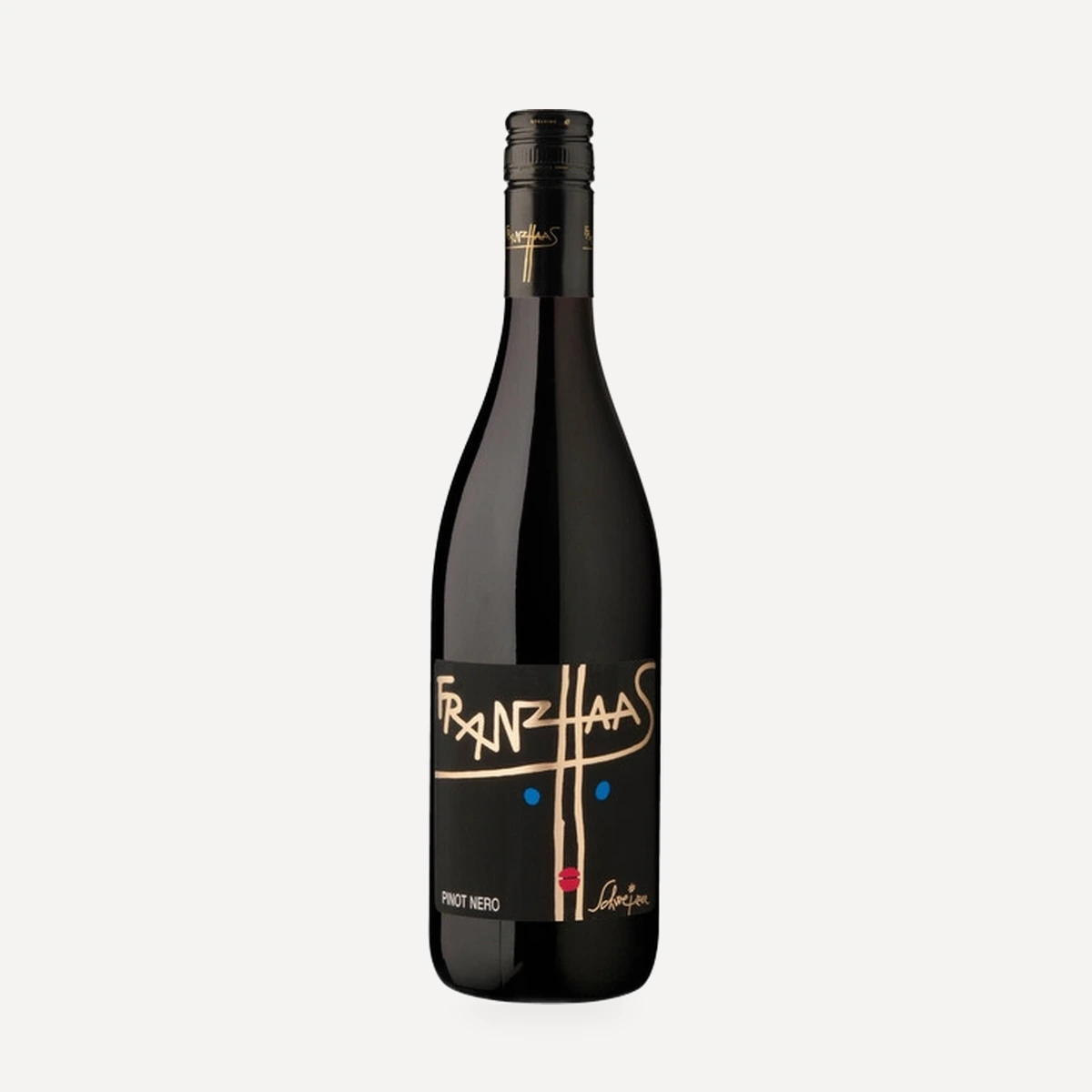
Pinot Nero Schweizer
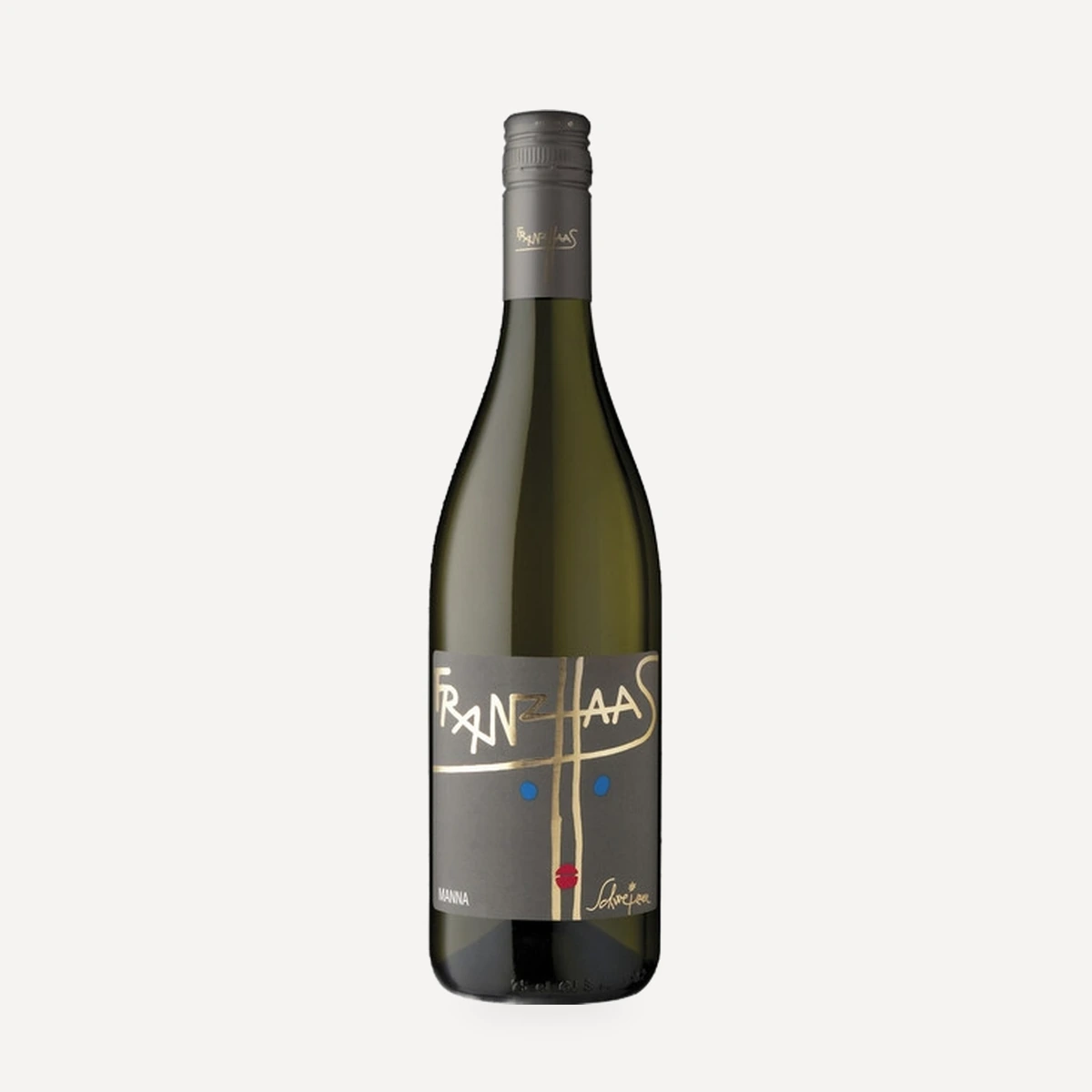
Manna
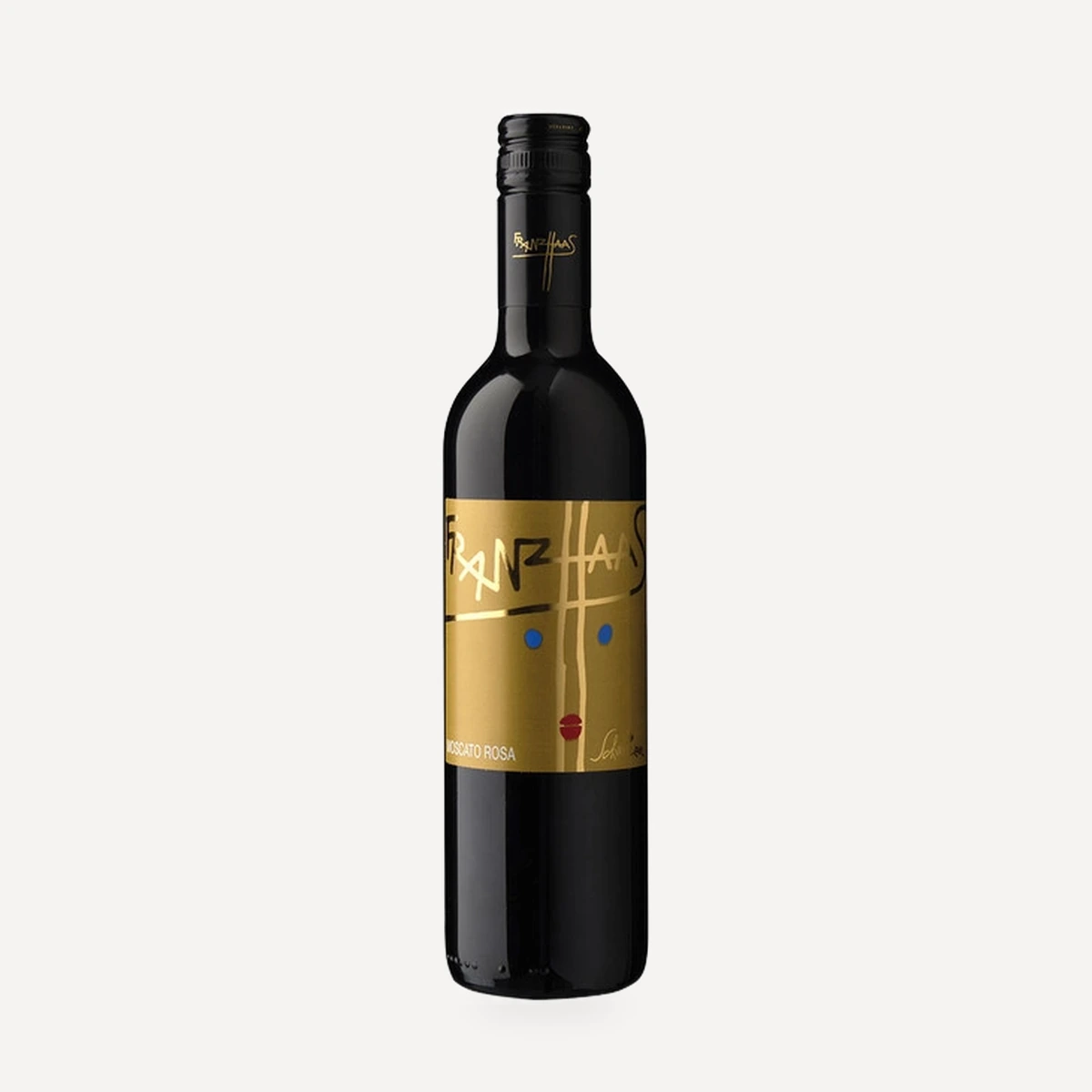
Moscato rosa
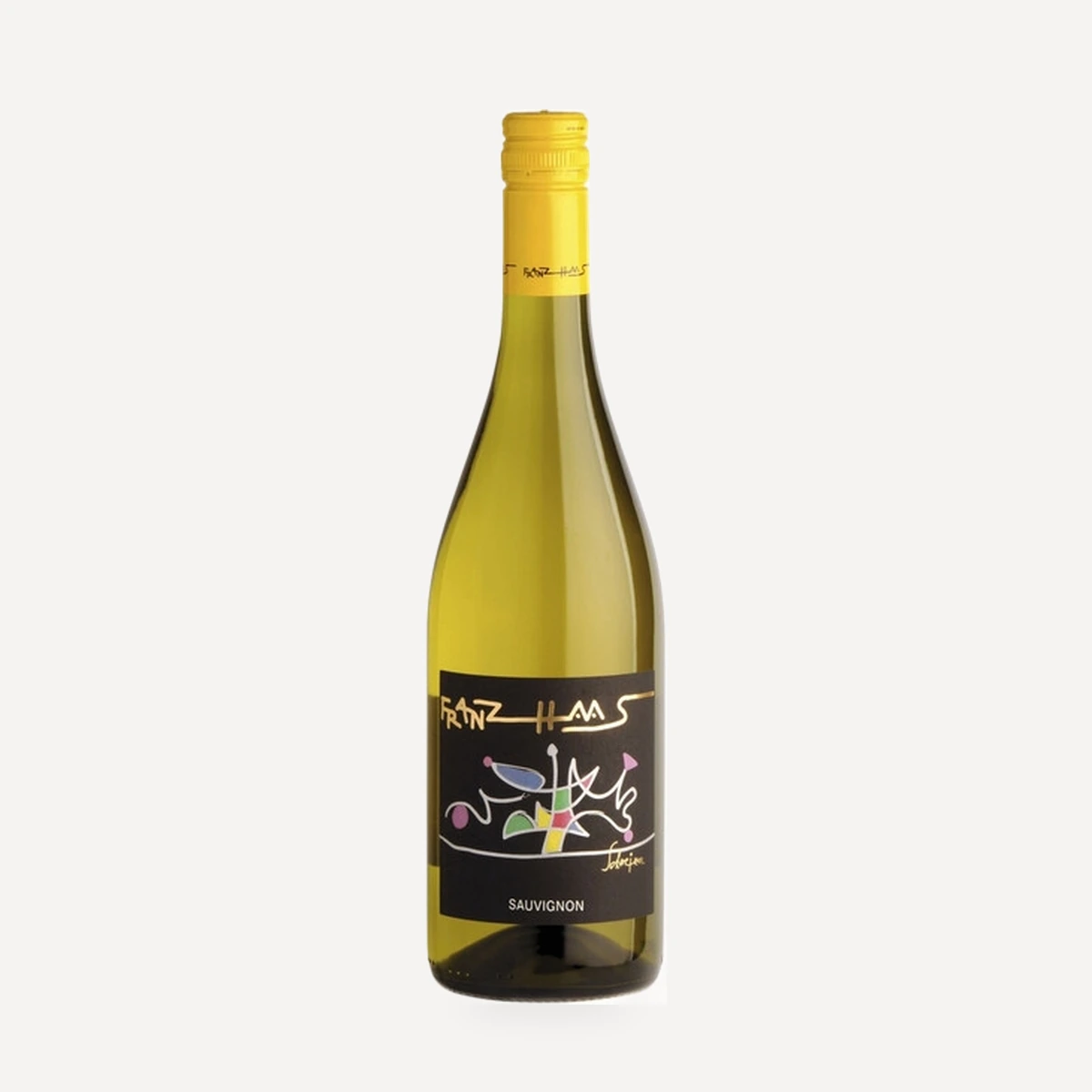
Sauvignon
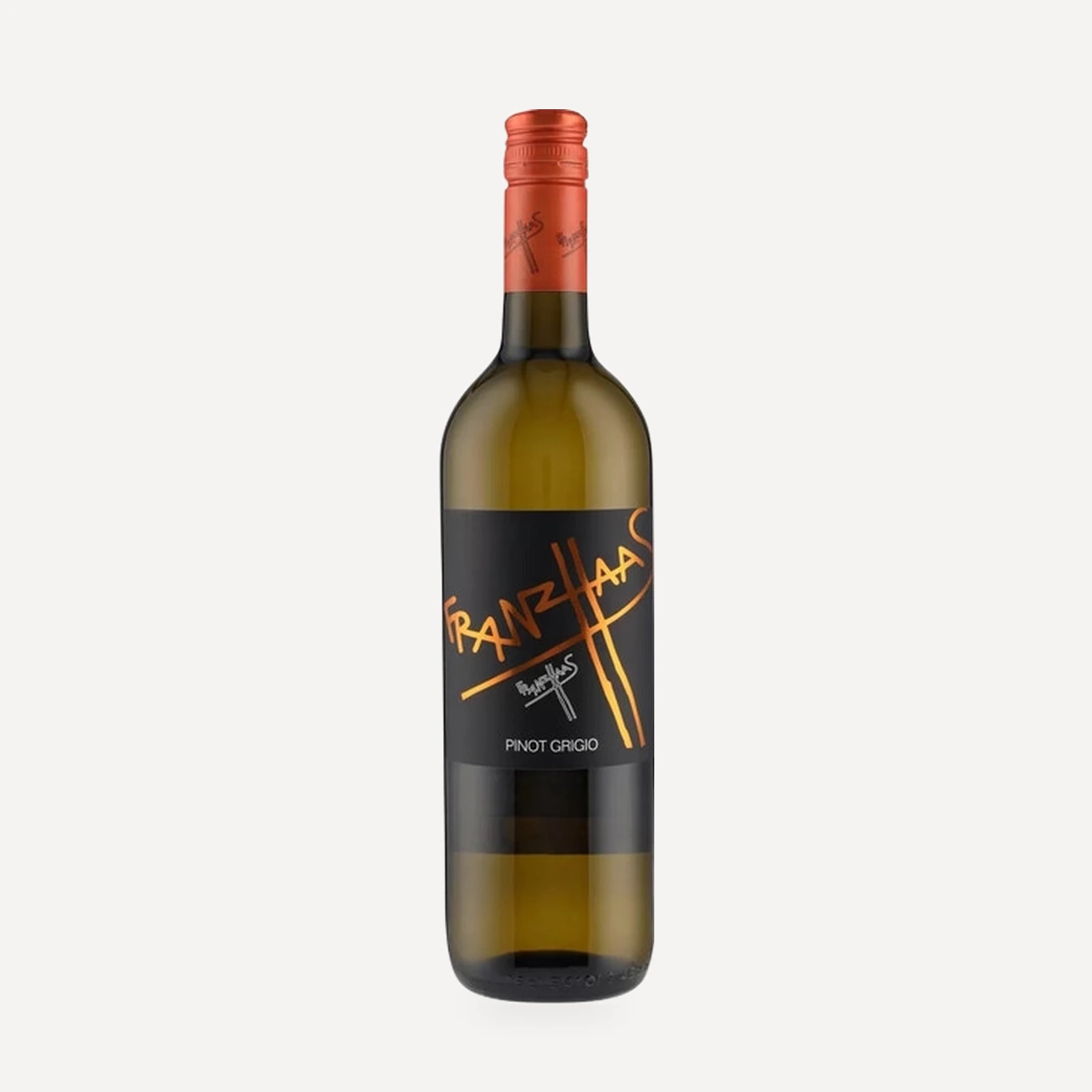
Pinot Grigio
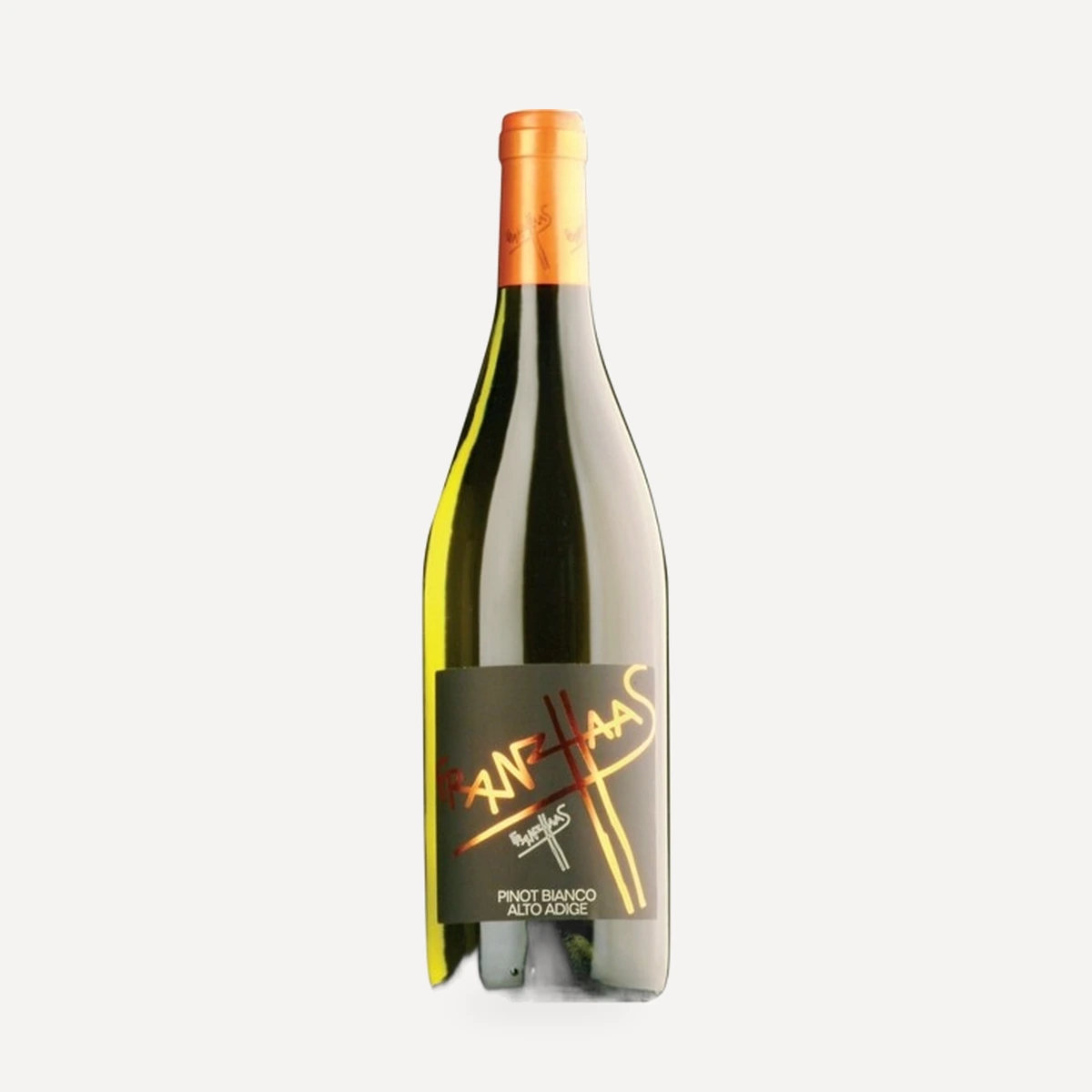
Pinot Bianco Lepus
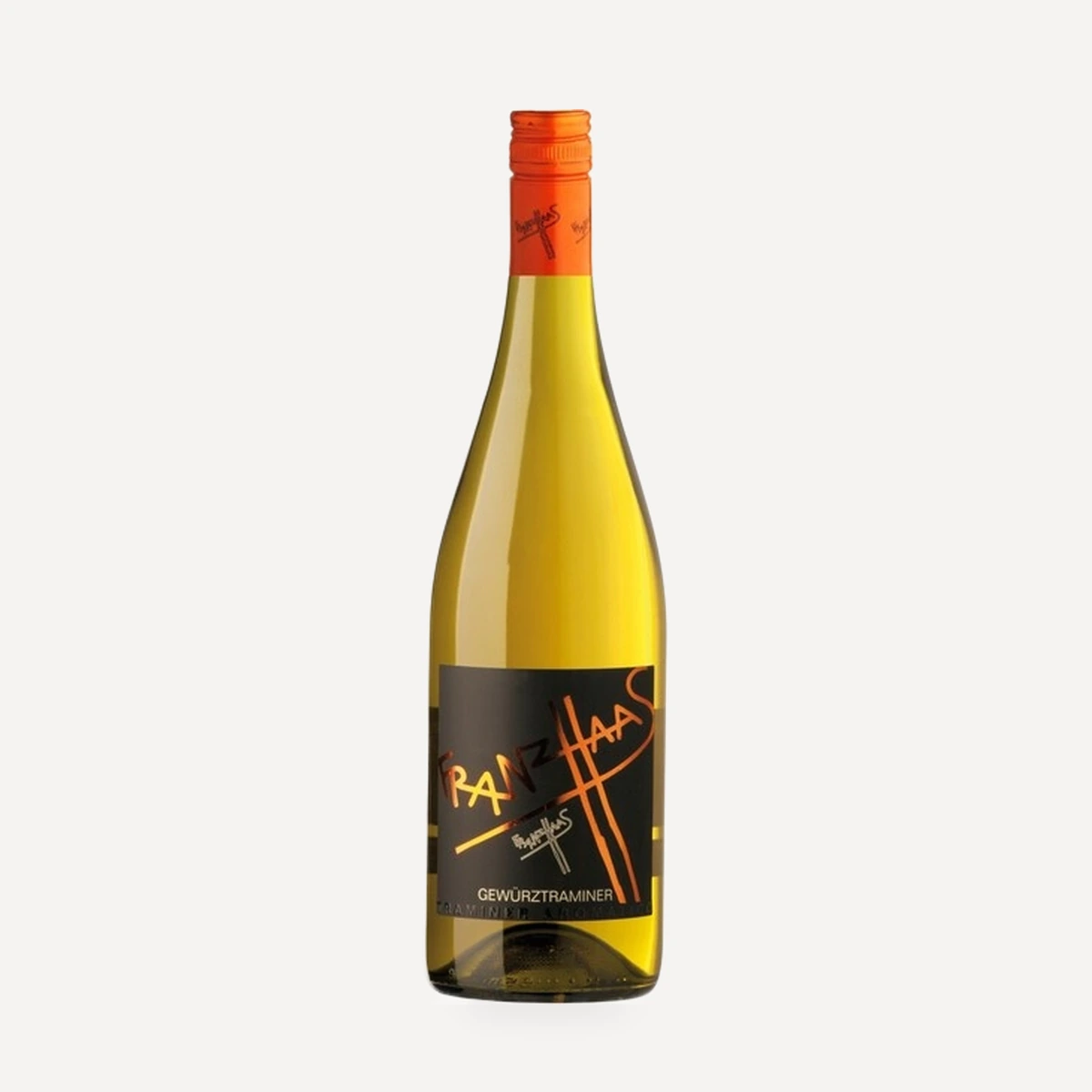
Gewürztraminer
Pinot Nero
Lagrein
Merlot
Istante