Storia
The family’s first Lambrusco
In 1928, great-grandfather Sante Ferretti and his three sons began making Lambrusco from grapes grown in the family vineyards. Their aim was to improve the household economy. They built reinforced-concrete tanks that remain in the estate’s old ageing cellar.
The economic crisis of 1929 forced the family to sell the farm. They nevertheless remained on the property and continued working it as tenants.
Return to the family estate
In 1970, grandfather Bruno, his wife Rina and their young son Sante succeeded in buying the farm back. This was also a period of change in local viticulture: Sylvoz-trained vineyards were replacing the older vines married to elm trees.
Alongside his work in the family vineyard, the younger Sante joined the Cantina Sociale di Campegine to supplement the family income. Under the guidance of the cooperative’s previous cellar master, Ettore Migli, and through approximately 40 harvests, Sante developed his winemaking experience both as a grape-supplying member and as a cellar master.
By 2009, those four decades of harvest experience and Migli’s teaching had become the practical foundation for the family’s later independent project. The Cantina Sociale di Campegine closed in 2011, bringing Sante’s long association with the cooperative to an end and creating the conditions for a new family venture.
Ferretti Vini
In 2013, sisters Denise and Elisa Ferretti launched Ferretti Vini as a continuation of their great-grandfather’s original project. Their father Sante contributed his accumulated vineyard and cellar knowledge. Denise brought specialist university training in oenology, while Elisa contributed her professional experience and enthusiasm to the new enterprise.
The estate subsequently began expanding and reconverting its vineyards. Its younger plantings progressively entered production, bringing the grape harvest to approximately 140 quintals, or 14 metric tonnes, with further growth anticipated as the young vines matured. The planting record associated with the estate’s wines includes an older 1972 Lambrusco block, mixed Lambrusco and Fortana plantings from 2011, a Grasparossa-led planting from 2012, and white-grape plantings from 2014.
Recorded growing seasons
The 2014 season was very wet, including during ripening. Yields were very low, while the resulting wines combined low alcohol with pronounced acidity. The 2015 season was very hot and had little night-time temperature variation; grapes reached high sugar levels while retaining low acidity. In 2016, warm conditions were moderated by night-time temperature changes, producing grapes with high sugar levels and balanced acidity.
A late spring frost followed by a dry summer caused heavy losses and low yields in 2017. Ripening was uneven, particularly for the red grapes, and the wines showed relatively high alcohol and less sustained acidity. In 2018, heavy rain continued through flowering, fungal disease caused major vineyard losses, and yields were again very low.
The 2019 season was balanced and productive, with moderate grape sugar and notably strong acidity. It also prompted the first production concept for the estate’s white traditional-method sparkling wine. The 2020 season was likewise balanced and productive, with moderate sugar and balanced acidity. Spring frost and a very dry summer in 2021 again caused substantial crop losses and low yields; fermentation of the white grapes progressed particularly slowly.
Public activities and grower networks
Ferretti Vini exhibited at Sorgente del Vino LIVE at Piacenza Expo in February 2016. By 2022 it was participating in Emilia Sur lì, an association devoted to the culture of naturally bottle-refermented Emilian wines. The estate also opened its vineyards, production cellar and old ageing cellar during the Fattorie Aperte programme in May 2022, presenting its organic cultivation, local biodiversity and low-intervention production philosophy.
Terroir
Ferretti Vini is based at Case Cocconi, a hamlet of Campegine near the boundary between the provinces of Reggio Emilia and Parma. The estate lies on a flat, fertile plain whose agricultural value has long been associated with the presence of natural springs.
The vineyards are strongly exposed to the conditions of each growing season, and the wines are intended to preserve those differences. The recorded vintages include heavy rain and fungal pressure, late spring frost, summer drought, warm seasons with limited night-time temperature variation, and seasons in which cooler nights helped retain acidity. The increasing absence of sustained winter cold has also affected cellar practice: must intended for the following spring’s bottle refermentation now has to be preserved with artificial cooling because primary fermentation otherwise consumes all remaining sugar.
Vinificazione
Organic cultivation and biodiversity
The vineyards are cultivated organically, with biodynamic approaches also forming part of the estate’s work. The stated objective is a vineyard free from synthetic chemical inputs, managed in a way that protects natural resources, the surrounding environment and the health of the final consumer. Quality is prioritised over volume, with vineyard balance regarded as essential to growing healthy vines and concentrated fruit.
The property combines 3 ha of vines with 4 ha of permanent grassland. Vineyard visits also present the estate’s local biodiversity, while a 2022 open-cellar programme included an introduction to bees in cooperation with a local agricultural producer.
Soil work and young vines
New vines are cleaned, freed from weeds, trained and straightened through their first three non-productive years. When the vines are young, the soil is hoed manually; later, an inter-row hoe is used. This cultivation is intended to encourage roots to descend deeply and support vine vigour. Herbicides and desiccants are excluded.
Training, pruning and yields
Most vineyards are Guyot-trained. Winter and spring pruning are performed by hand following the conservative Simonit & Sirch method, with the aim of protecting the vitality and structural integrity of the vines. Shoot selection is used to reduce yields and pursue higher fruit quality.
Harvest
Grapes are harvested manually. Picking also serves as a selection stage based on the health and maturity of the bunches. The aim is to bring sound, ripe fruit into the cellar so that subsequent intervention can be kept to a minimum. Vintage conditions are accepted as a source of variation rather than corrected into a uniform style.
Primary fermentation
Ferretti Vini follows the traditional Reggiano practice of natural fermentation with indigenous yeasts carried by the grapes. Primary fermentation is completed in stainless steel without selected yeasts, processing aids, clarification or filtration. Fermentations are conducted without temperature control. Sulphur additions are kept low.
Racking is used as a traditional means of allowing the wine to become naturally clearer. This approach reflects the preference for time and settling over more invasive corrective techniques.
Ancestral bottle refermentation
The estate’s principal sparkling-wine method is ancestral bottle refermentation. Historically, residual sugar would remain dormant during winter and resume fermentation when temperatures rose in spring. Warmer recent winters now allow the first fermentation to consume the available sugar completely. To enable a second fermentation, part of the estate’s own must is therefore preserved under artificial refrigeration, retaining its yeast population and sensory composition, and later added back to the dry base wine.
The indigenous yeasts then restart fermentation in bottle. The resulting light sediment remains in the bottle as part of the method; the wines are neither clarified nor filtered. Low sulphur use, natural sediment and bottle refermentation are defining elements of the estate’s production.
Lees ageing and cellar maturation
Bottle-refermented Lambrusco normally spends at least six months on its lees in the ageing cellar. Extended lees contact is intended to improve longevity and reduce susceptibility to oxidation compared with autoclave-produced sparkling wines, while allowing the wines to develop greater aromatic complexity. The estate’s traditional-method wines follow longer maturation regimes, including at least 18 months on lees for the white traditional-method cuvée.
Lambrusco is also offered in bulk for customers who continue the local custom of bottling wine themselves. The old ageing cellar still contains the reinforced-concrete tanks constructed by the family in 1928.
Filosofia
Ferretti Vini’s guiding principle is that wine is made in the vineyard. Healthy, mature grapes are treated as the prerequisite for reducing cellar intervention and producing naturally expressive Lambrusco.
The family combines inherited farming practices with specific contemporary methods, including conservative Simonit & Sirch pruning. Organic cultivation, biodynamic approaches, the exclusion of herbicides and desiccants, manual work and reduced yields all serve a stated preference for quality over quantity.
The cellar philosophy is summarised by “Tempo al Tempo”: wine is given the time required to settle, referment and mature without selected yeasts, processing aids, clarification or filtration. The family regards each season’s climatic conditions as a legitimate cause of variation, allowing successive vintages to differ rather than using intensive techniques to impose uniformity.
The project also frames wine as an expression of its locality. Traditional Lambrusco production, older grape varieties, ancestral bottle refermentation and the recovery of Fortana are used to maintain continuity with Reggiano rural culture while adapting practical details—such as refrigerated must storage—to changing winter conditions.
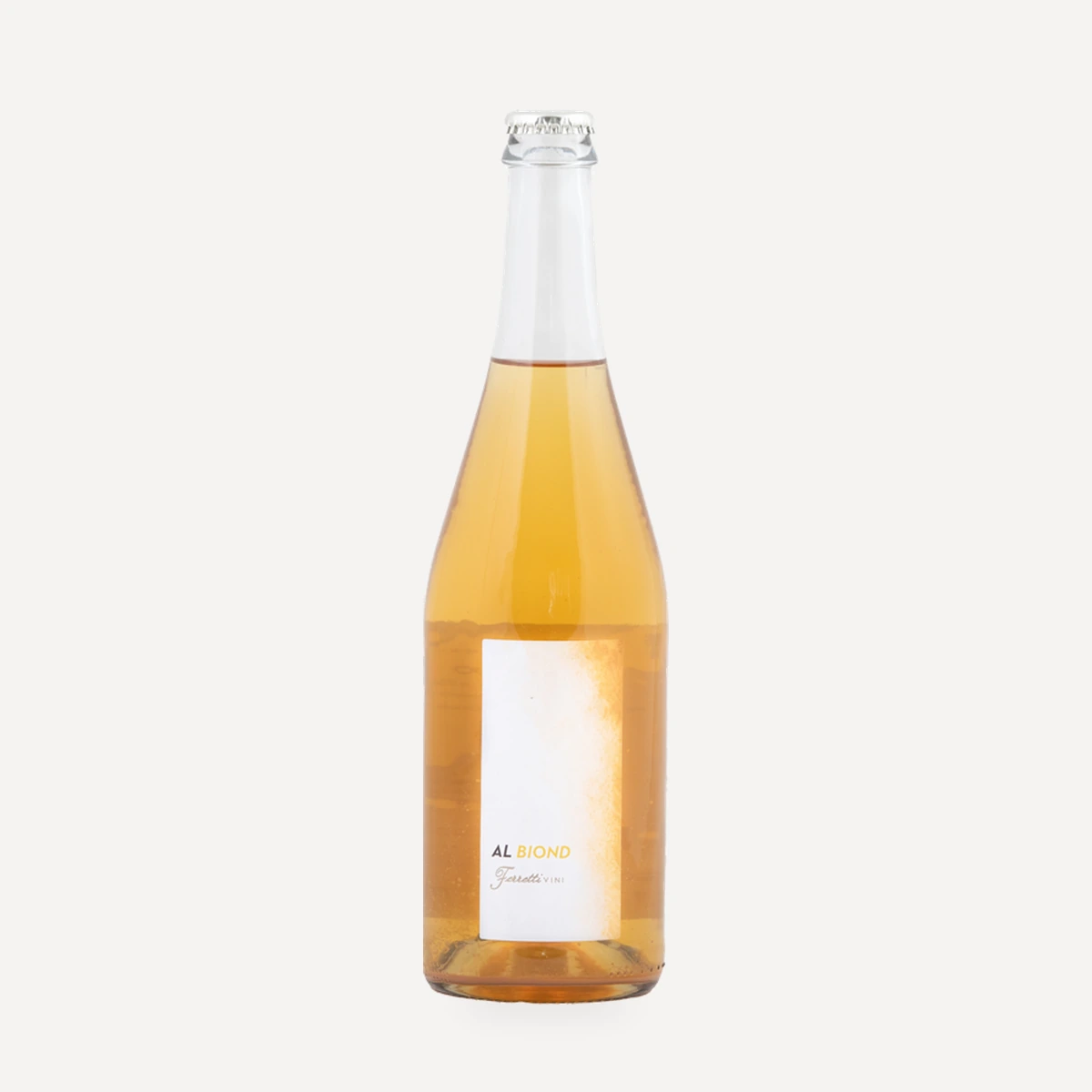
Vini
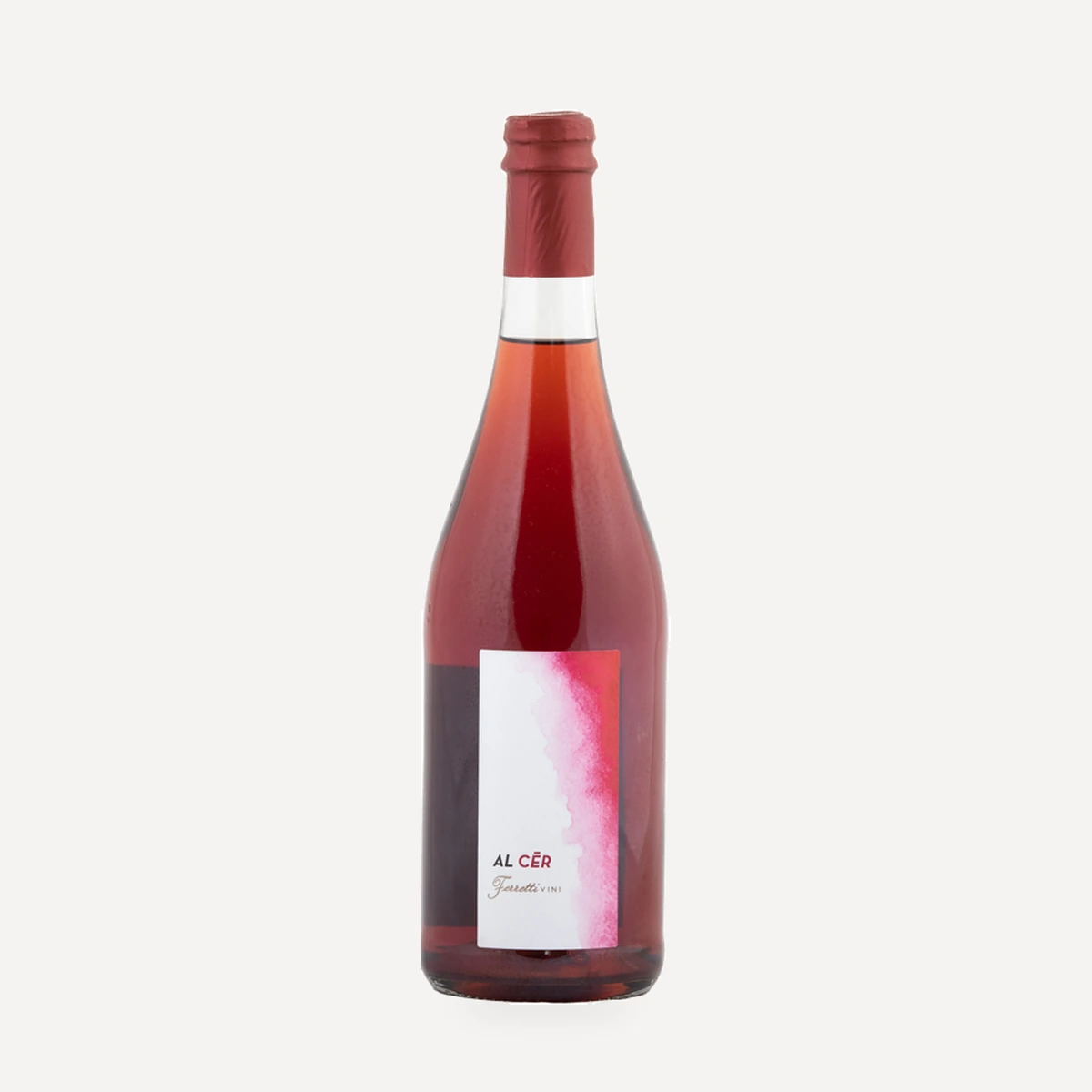
Al Cēr
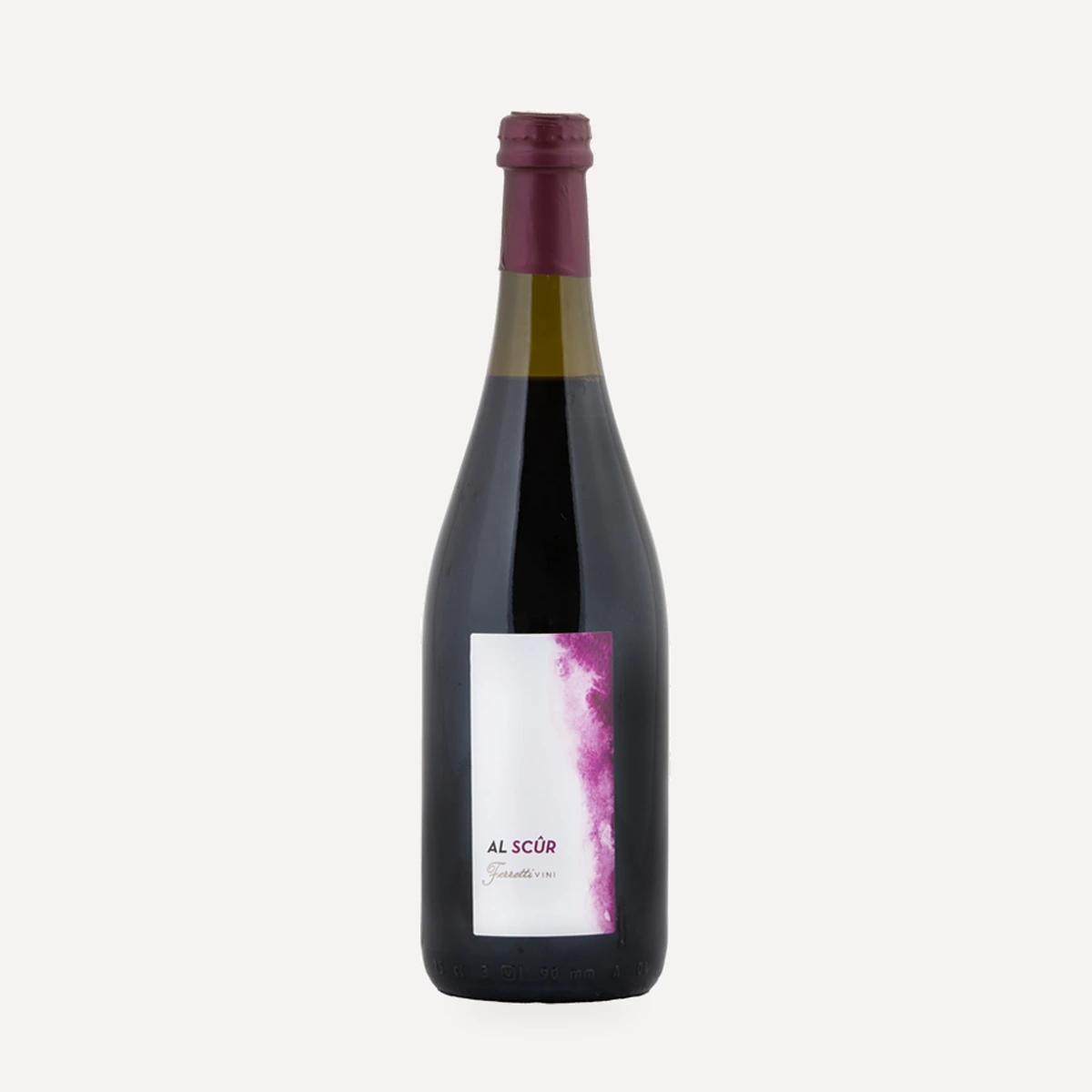
Al Scûr
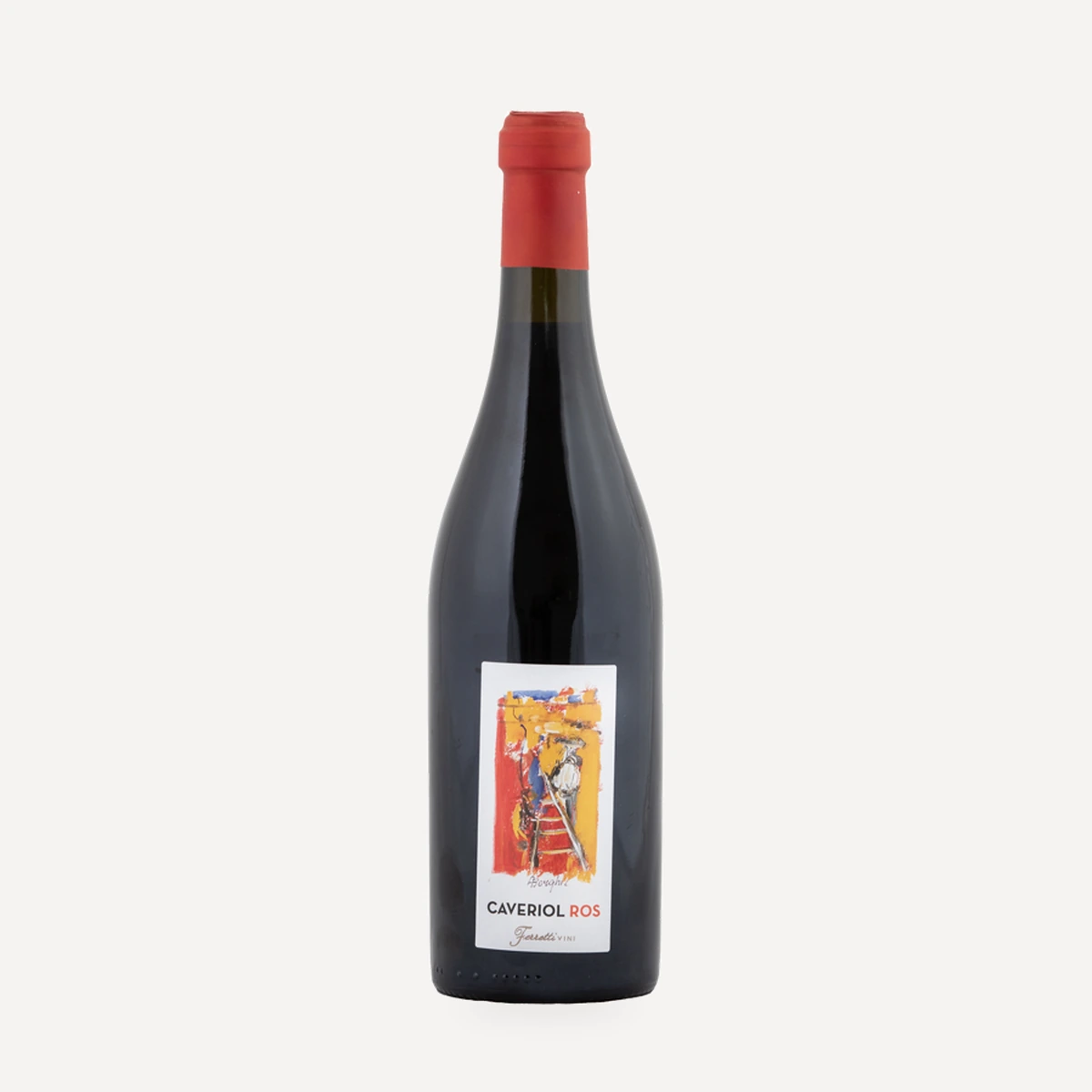
Caveriol Ros
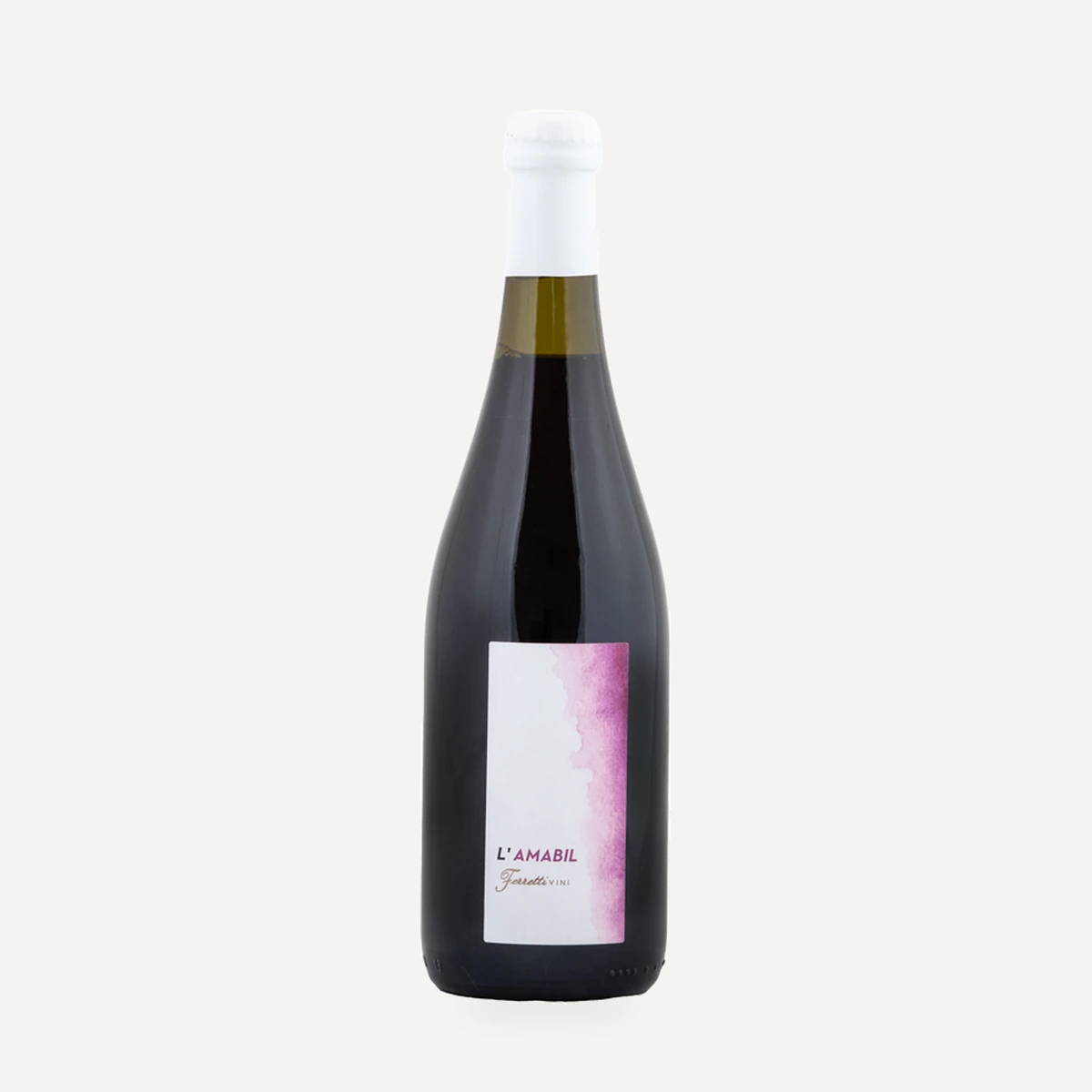
L’Amabil
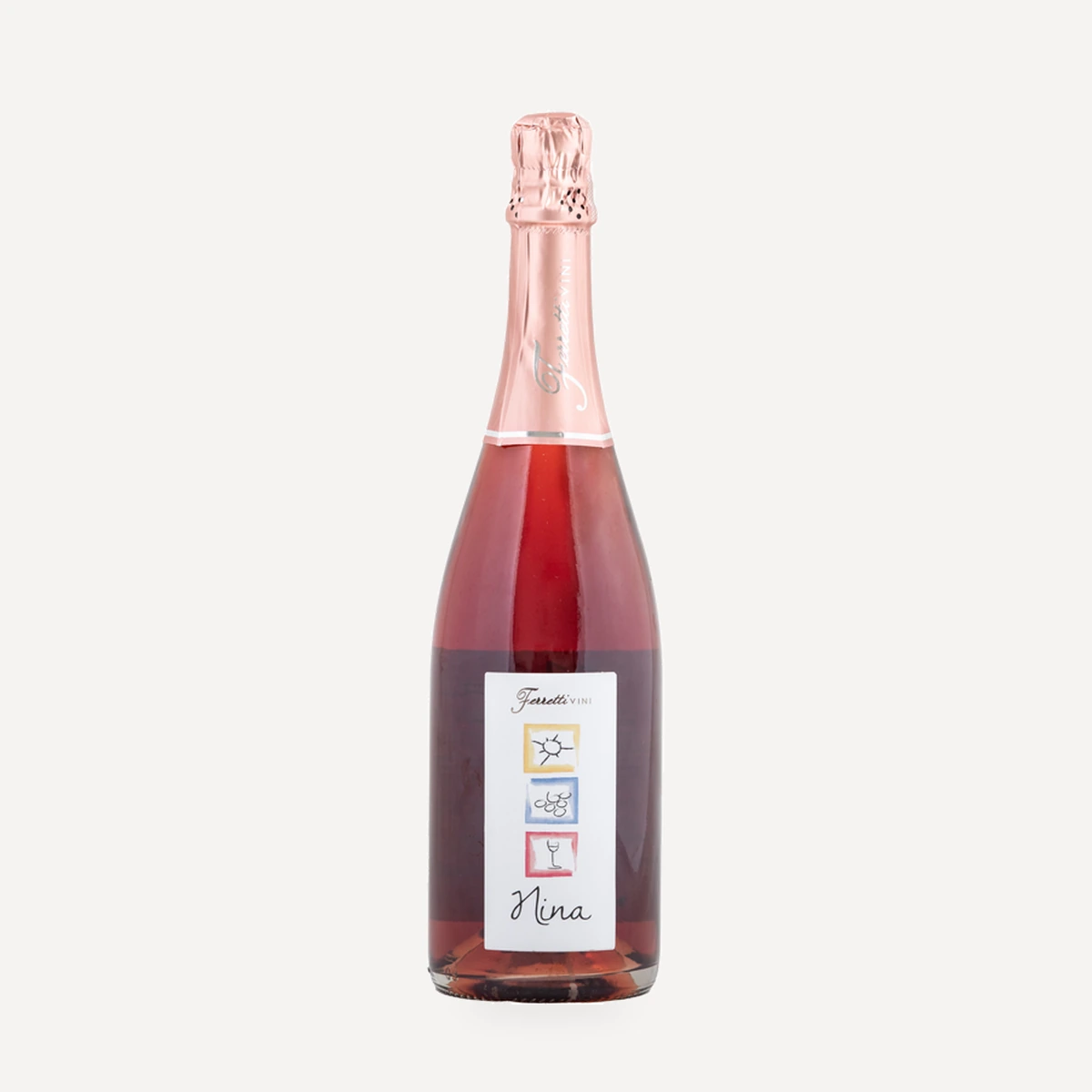
Nina
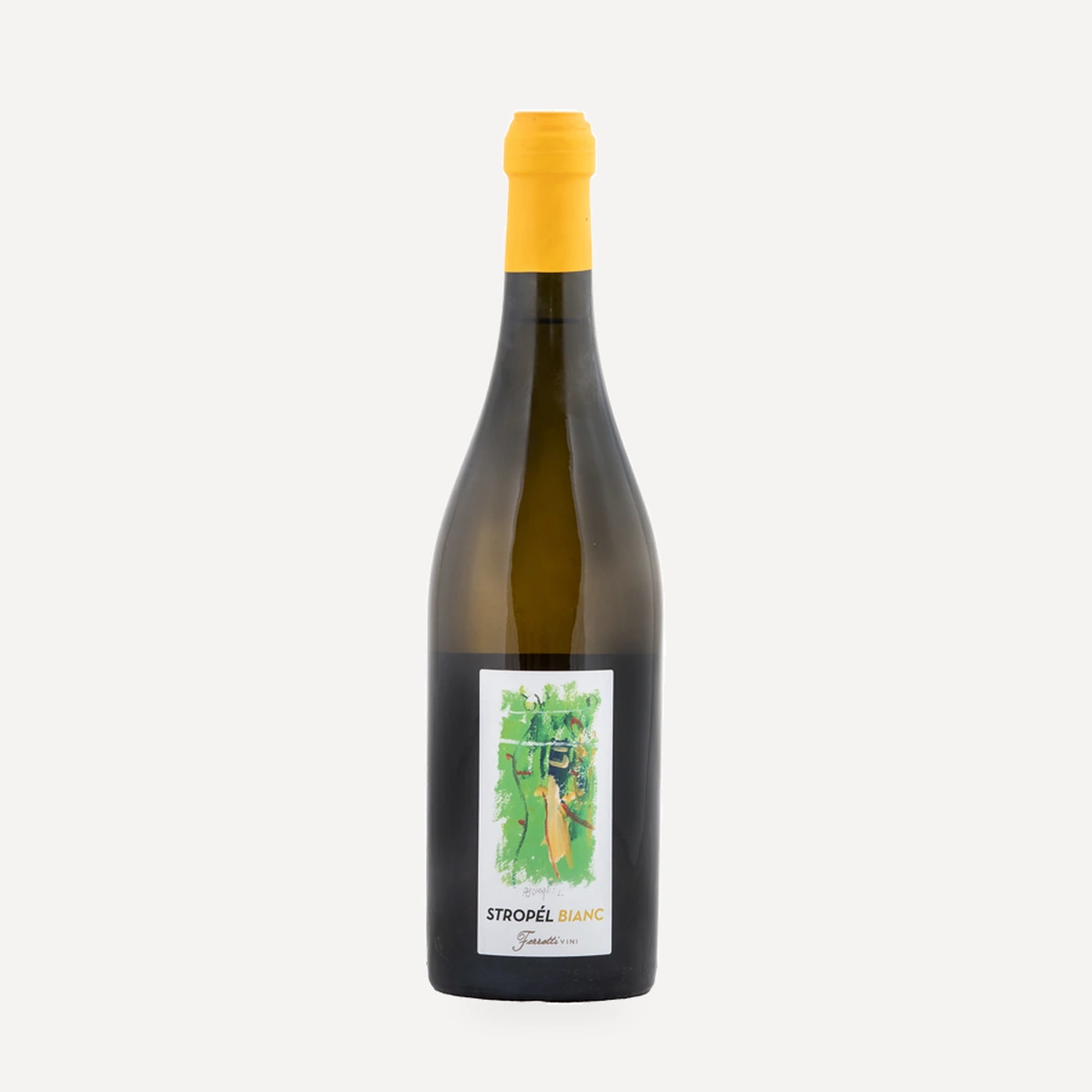
Stropél Bianc
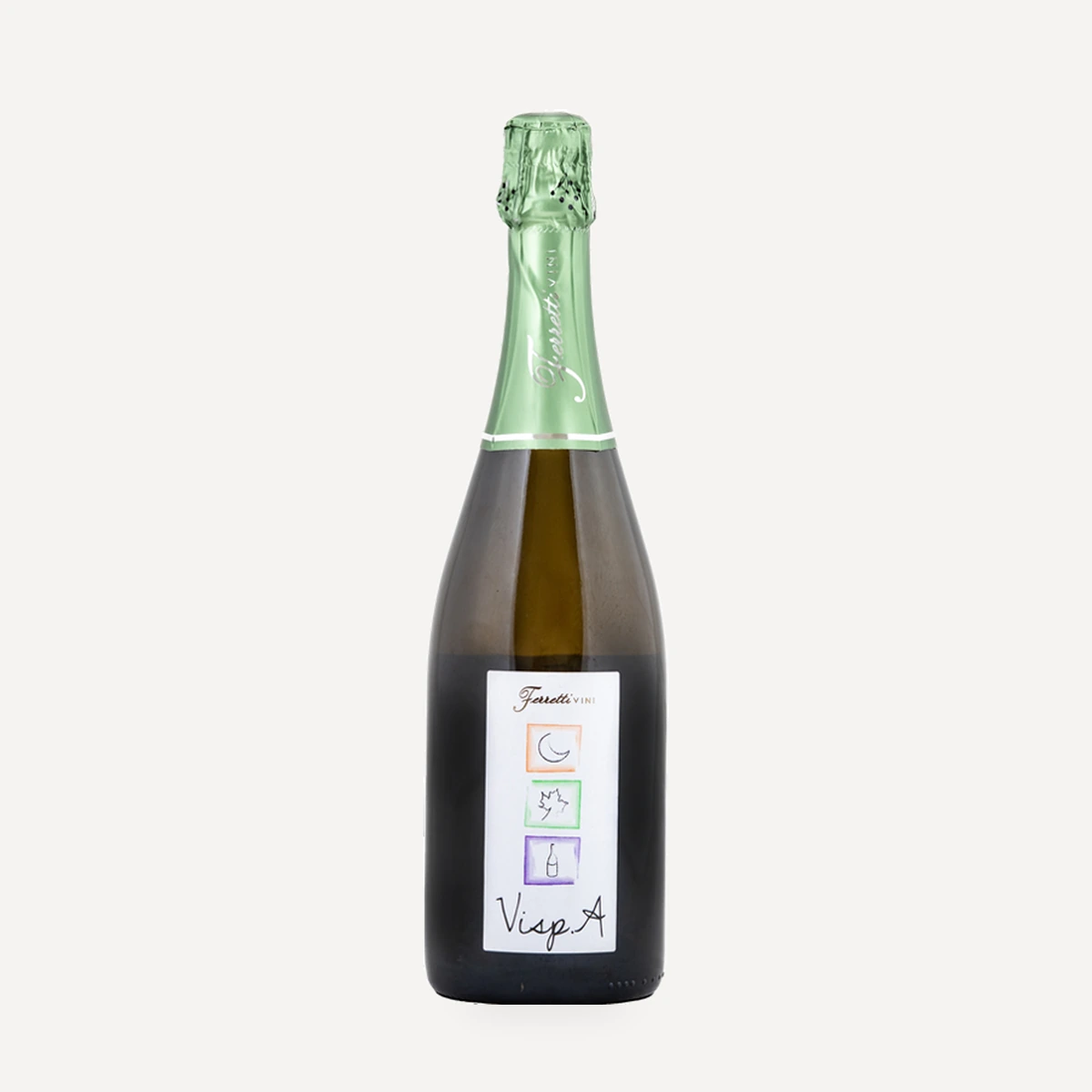
Visp.A