Storia
Professional foundations
Gianfranco Fino attended the enology school in Locorotondo and subsequently worked as a consultant to private wineries and cooperatives. He also developed expertise in olive cultivation and olive oil, cataloguing centuries-old Ogliarola olive trees between Monopoli and Ostuni. His collaboration with Luigi “Gino” Veronelli included serving as head of the tasting panel for Veronelli’s extra-virgin olive-oil guide. An archival profile places the beginning of his harvest experience in 2001, before the establishment of his own winery.
2004 — founding the estate
Gianfranco Fino and Simona Natale founded their winery in 2004. Simona, a lawyer from Taranto who had practised law and worked with the local industrial association, set her legal career aside to join the project. The couple financed the venture with a mortgage and acquired their first vineyard: 1.3 hectares of old, bush-trained Primitivo between Manduria and Sava. The vines were approximately 50 years old, while later acquisitions included substantially older plants.
The first equipment comprised a vinifier, a destemmer-crusher and barrels. The founding objective was to produce wine with a strong territorial identity while rescuing old vineyards threatened with removal. Gianfranco came to describe himself as an “artisan of the vines.”
The inaugural 2004 harvest produced 2,740 bottles of ES. The wine was presented at Critical Wine Milano in 2005, where it was selected for a specialist tasting and drew attention for its territorial character.
2006–2008 — Negroamaro and technical development
In 2006, Gianfranco acquired one hectare of Negroamaro in the Manduria countryside. Further small adjoining plots followed in 2007. By this period, the estate was working a mosaic of small, old vineyards rather than a single contiguous holding.
In 2008, controlled oxygen use was introduced during vinification. Gianfranco regarded this as the beginning of a new technical phase intended to improve longevity and elegance through managed micro-oxygenation and the interaction between the wine’s pigments and oak tannins.
2009–2011 — experimentation and expansion
The 2009 Negroamaro did not develop the colour Gianfranco sought for a red wine, prompting an experiment with traditional-method rosé sparkling wine. By 2011, an archival profile described 7.5 hectares of scattered vineyards in Manduria, planted with Primitivo and Negroamaro vines that were frequently more than 50 years old. Production had approached 15,000 bottles, and plans for a new winery were under discussion.
2012–2014 — a growing mosaic of old vineyards
By 2012, the holding was reported at 8.5 hectares and production at approximately 18,000 bottles: about 15,000 bottles of Primitivo and 3,000 of Negroamaro. Roughly 60% was exported. At that time, delays in receiving municipal permission for a purpose-built winery required the couple to rent additional warehouse space.
A 2013 account recorded 14.5 hectares of vineyards across the wider operation. The Primitivo behind ES came from 12 parcels totalling 8.5 hectares; ES had originally been produced as a single-cru wine before becoming a multi-parcel selection. The same period described 12 micro-vineyards containing bush-trained vines between 60 and more than 90 years old, rescued through meticulous restoration. Gianfranco was also identified as a founding member of the Accademia dell’Alberello.
A 2014 interview recorded nine hectares of Primitivo and one hectare of Negroamaro, with approximately 5,000 vines per hectare, yields capped at 20–25 quintals per hectare and vine ages of 60–90 years. Production was then reported at 15,000–16,000 bottles of Primitivo plus 2,000–3,000 bottles of Negroamaro. The estate also supported the preservation of uneconomic old bush vines by contributing toward the difference in growers’ income.
2021 — the Manduria winery and wine resort
In 2021, a new winery with an integrated wine resort opened in the Manduria countryside. Surrounded by vineyards, it was conceived both as a production facility and as a place where visitors could stay, dine and experience the estate in its agricultural setting.
Terroir
The vineyards lie in the Manduria and Sava countryside of Puglia, within reach of the Ionian Sea. The terrain is predominantly flat. Red soils combine limestone and clay, while the vines are exposed to the warm Apulian sun and breezes arriving from the Ionian coast.
Summer conditions can be extremely hot: a historical account recorded harvest-time daytime temperatures around 40–42°C. Primitivo ripens early, generally around the second half of August. Harvesting after the second ten-day period of August can bring greater day-to-night temperature variation. Old vines with extensive root systems have shown an ability to moderate the effects of heat. Primitivo can also begin to dry naturally on the vine, concentrating sugars and acids.
Individual vineyard material has historically ranged from approximately 50 to more than 90 years old. The old bush vines are characterised by restrained vigour and loose-bunched clonal material. Their deep root systems, low productivity and adaptation to the hot, limestone-and-clay environment underpin the estate’s emphasis on territorial identity.
Vinificazione
The estate’s viticulture centres on retaining old vineyards and preserving their individual characteristics. Most of the historic vines are trained as alberello pugliese, including the classic “hare’s ears” form found in Primitivo plantings. Guyot is also used for Negroamaro.
All vineyard operations are performed manually. The work includes short pruning, severe bunch thinning and detailed canopy and crop management designed to restrict production. A 2014 account recorded approximately 5,000 plants per hectare and yields no higher than 20–25 quintals per hectare in the old Primitivo vineyards.
Old parcels have been restored rather than removed. The estate has also supported the continued cultivation of old bush vines beyond its directly farmed land by contributing toward the difference between their lower economic return and that of more productive vineyards.
Harvest begins at first light. Bunches are selected in the vineyard, cut by hand and placed in plastic crates. Refrigerated or insulated trucks carry the fruit to the cellar, protecting it from the intense late-summer heat. Destemming is delayed until the afternoon, once the grapes have reached the intended processing temperature. Some Primitivo fruit undergoes a brief natural drying period on the vine before harvest. A second selection is made on the cellar sorting table.
Fruit reception
Hand-picked bunches arrive in refrigerated or insulated trucks. Processing begins with selection on a sorting table, followed by destemming and gentle crushing. The morning harvest and delayed afternoon destemming are used to bring the fruit into the cellar at a controlled temperature despite the intense August heat.
Red-wine vinification
The red-wine protocols employ stainless-steel vats, including 70-hectolitre vessels. Skin contact lasts approximately two to three weeks; a historical account gives a range of 20–25 days. The temperature of the cap is monitored, and two délestages are carried out daily. The skins are subsequently pressed in a vertical hydraulic press.
Controlled oxygen was introduced into vinification in 2008. The technique was intended to encourage the polymerisation of Primitivo’s anthocyanins through measured micro-oxygenation and interaction with the ellagic tannins of oak, improving pigment stability and ageing potential.
Maturation and bottling
The core maturation regime is at least nine months in 228-litre French oak barriques. A detailed historical protocol specified 50% new barriques and 50% second-use barriques, with daily bâtonnage. The red wines are bottled without fining agents or induced tartrate precipitation; historical protocols also specify no filtration. Bottle maturation varies by release, with published periods ranging from approximately six to 48 months.
Traditional-method rosé
The Negroamaro rosé protocol begins with sorting, destemming and gentle crushing, followed by cold pre-fermentation skin maceration in stainless steel. The current technical description gives approximately 12 hours of skin contact, while the English version gives 24 hours. Fermentation takes place in French oak barriques. After a short period in wood, tirage is performed; the wine remains on its lees for at least 36 months before disgorgement and receives approximately 12 additional months of bottle ageing before release.
Filosofia
Gianfranco Fino’s project was conceived around two linked goals: protecting old local vineyards and producing wines with a strong territorial identity. The estate’s self-description places tradition and innovation side by side—traditional cultivation and alberello training in the vineyard, combined with modern control and precision in the cellar.
Gianfranco presents himself as an “artisan of the vines.” The underlying idea is that quality begins with restrained vigour, low yields, old plant material and exacting manual work. He has argued that increasing production three- or fourfold would result in a fundamentally different wine.
The preservation of old alberello vineyards is both practical and cultural. Plants once considered uneconomic because of their low yields are treated as a record of local viticulture. This principle extends to financial support for growers maintaining old bush vines that might otherwise be removed.
Longevity is another stated objective. Gianfranco set out to create wines that would be enjoyable when young but capable of developing over time, challenging the idea that Primitivo was unsuitable for ageing. Controlled extraction, measured oxygen exposure, small French-oak barrels and extended maturation were developed around this aim.
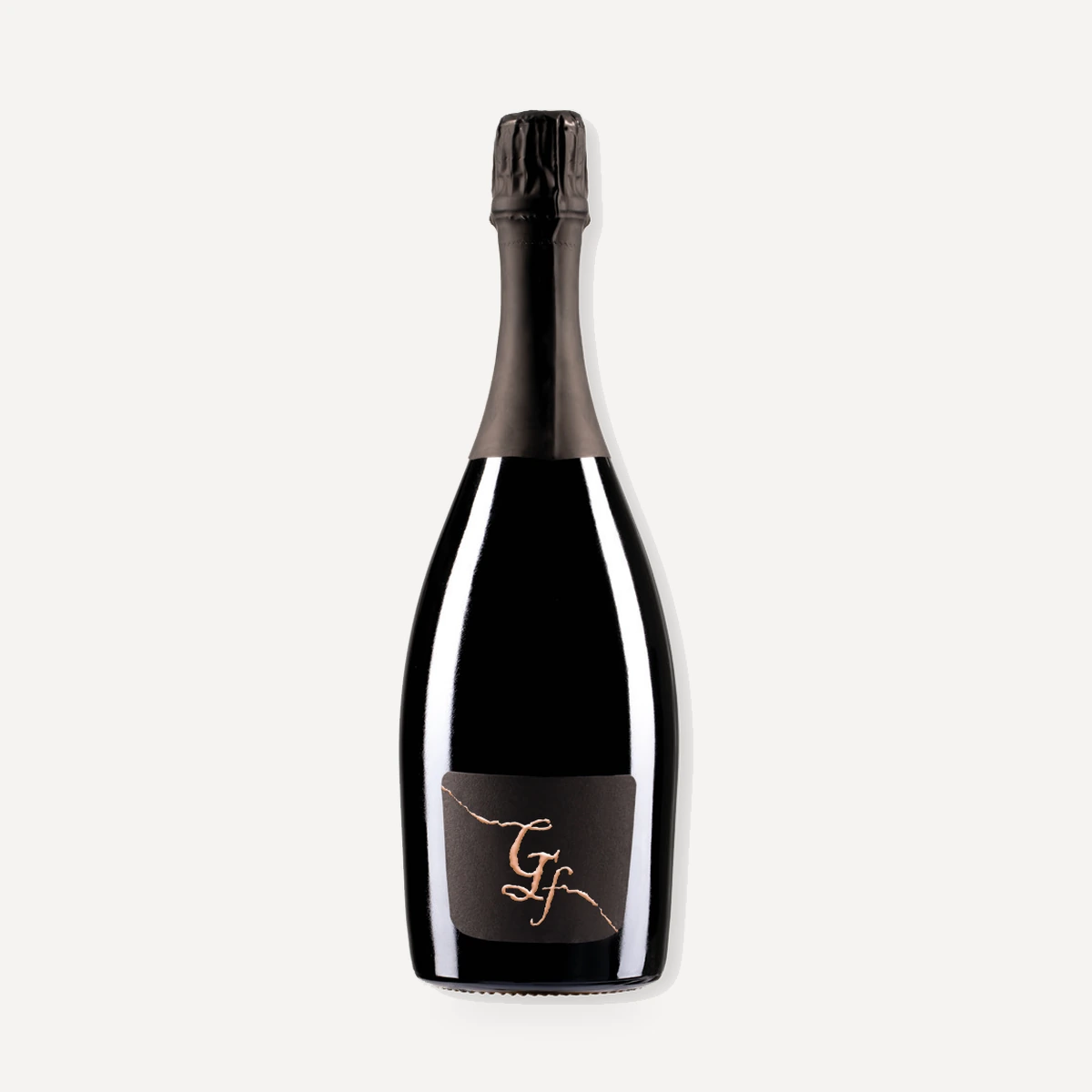
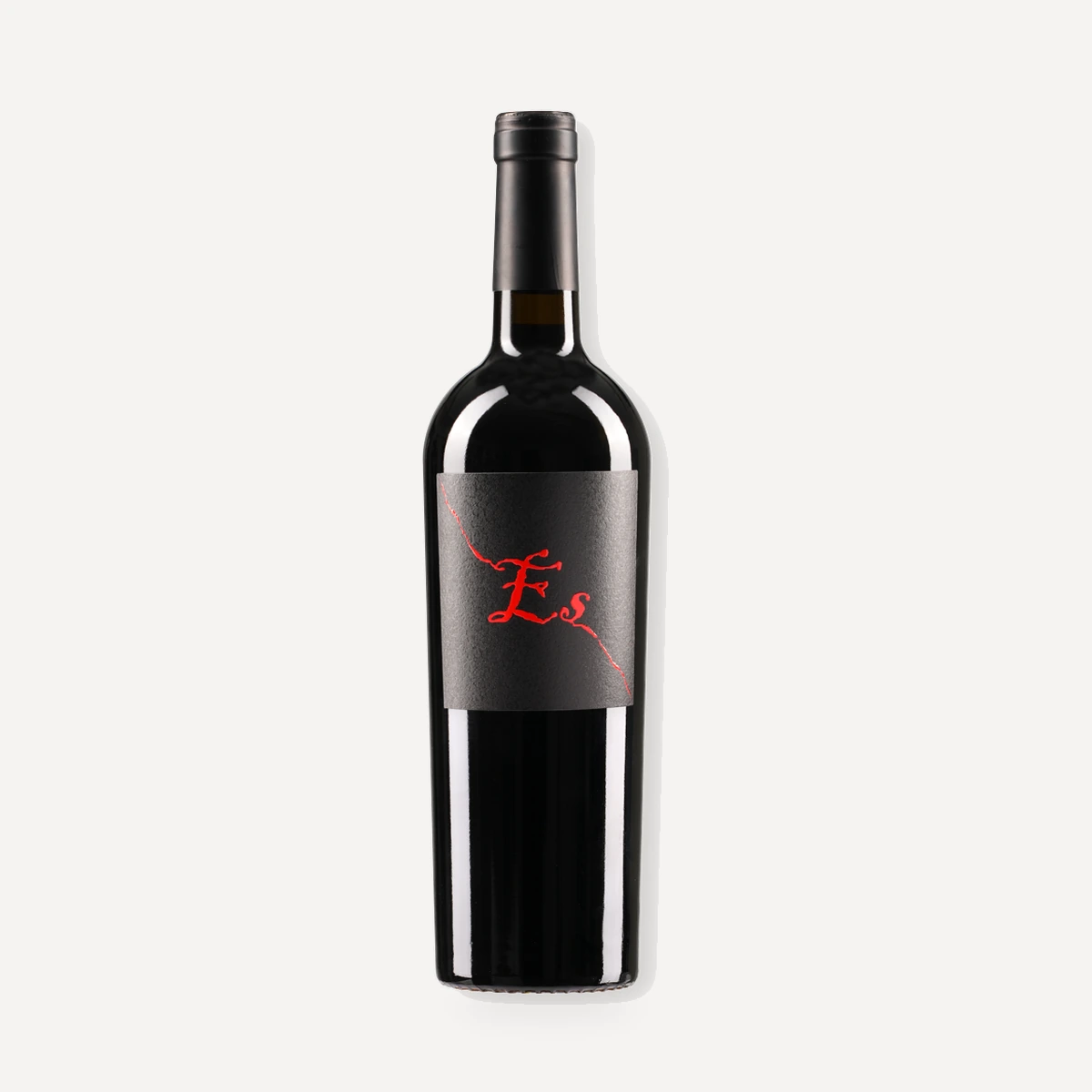
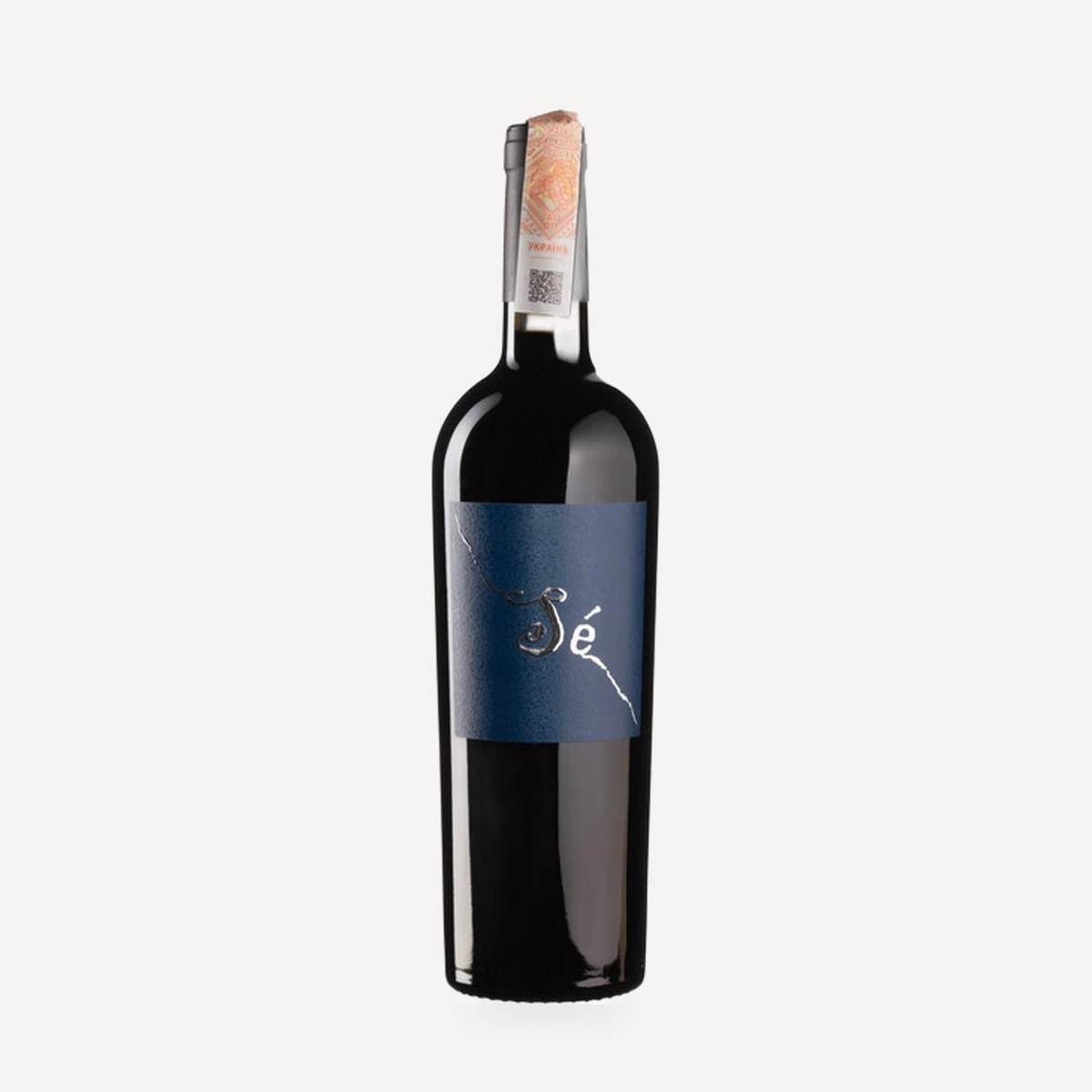
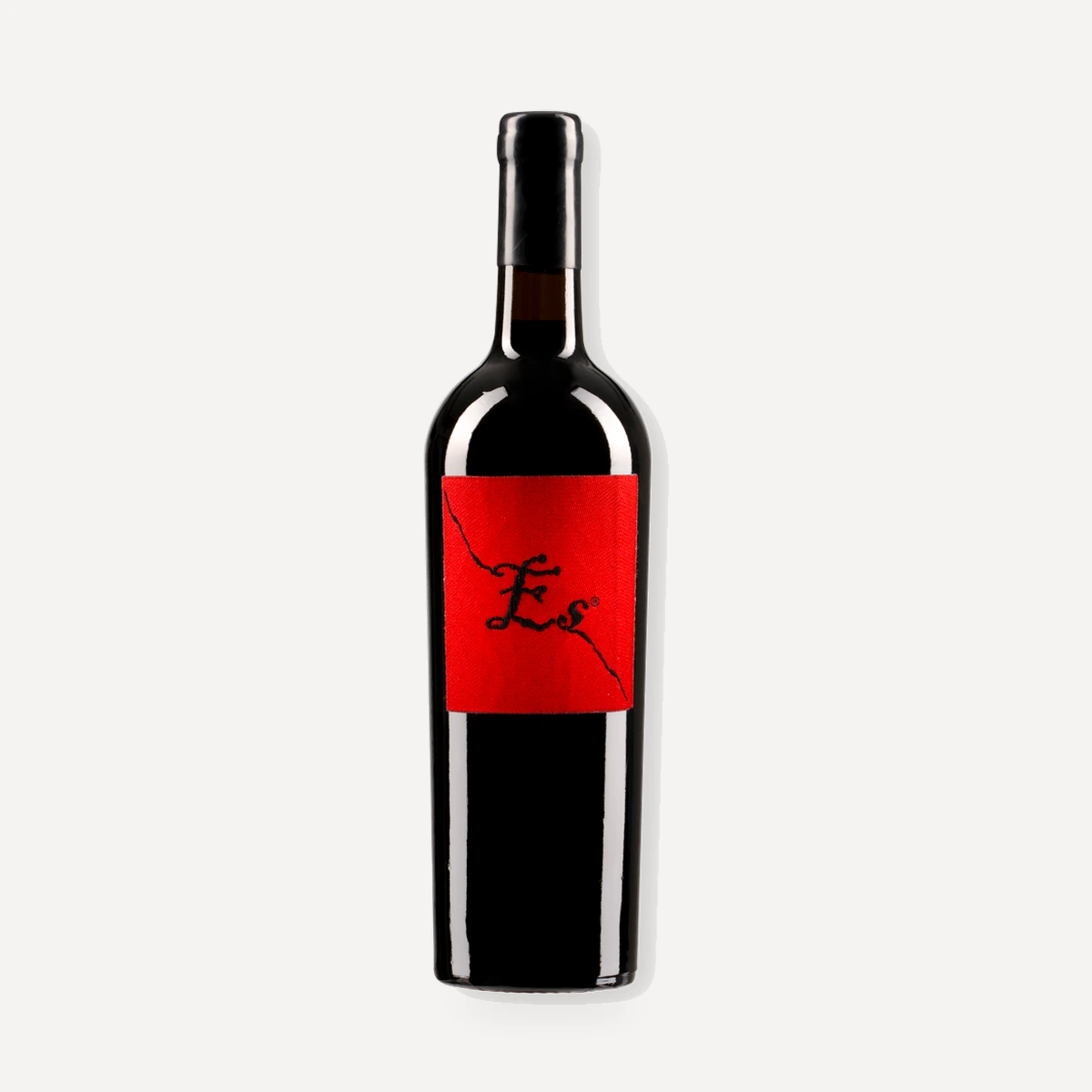
The labels connect the wines to concepts drawn from Freud and Jung. Instinct, passion and consciousness form the common thread. ES evokes Freud’s idea of instinct and the pleasure principle; SÉ refers to the expansion of consciousness and the path toward self-realisation. These ideas mirror the passion that Gianfranco and Simona identify with their shared project.
Vini
Es
Sé
Es Red
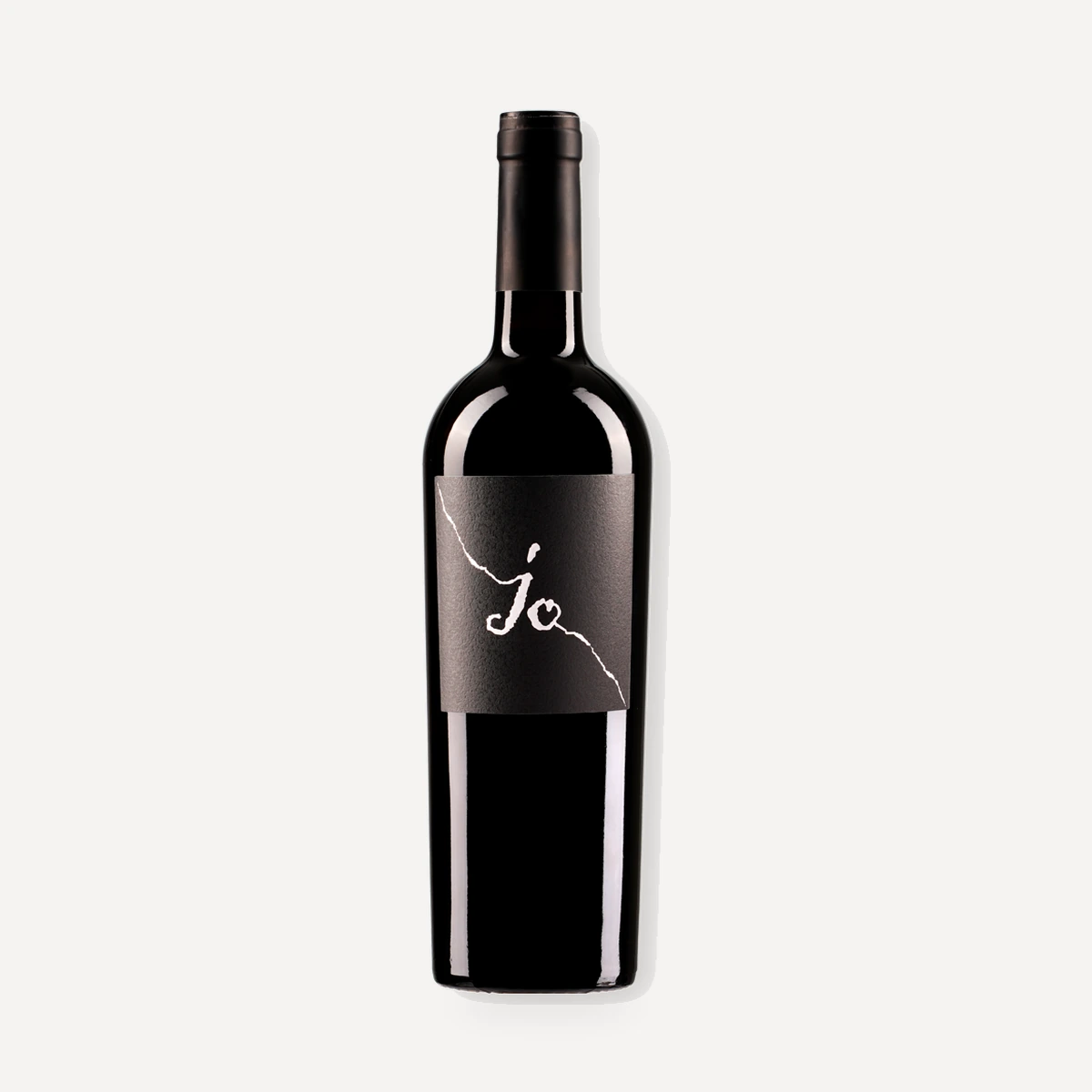
Jo