Storia
From Cusona’s first record to medieval Vernaccia
The earliest surviving record of Cusona dates to 994. Winegrowing and winemaking are presented as an uninterrupted presence at the estate for more than a millennium. Vernaccia was reportedly being produced at Cusona by 1200. Its wider San Gimignano history includes the town’s Ordinances of 1276, followed by references in the works of Dante and Boccaccio and its presence at Renaissance courts.
The Guicciardini and Strozzi families
The Guicciardini and Strozzi families were joined by blood ties several times over the centuries. The Guicciardini line included Francesco Guicciardini, a politician, Governor of the Papal States, philosopher and historian whose Storia d’Italia treated the events of 1494–1532. Niccolò Machiavelli began his political career as Francesco’s secretary.
The Strozzi were bankers, statesmen and military commanders as well as leading rivals of the Medici. After Cosimo de’ Medici’s rise brought their exile from Florence, they established fortunes in Naples and Rome. On his return, Filippo Strozzi used that wealth to build Palazzo Strozzi in Florence. Another ancestor, Piero Strozzi, became Marshal of France and commander of French forces; his bust is displayed in the Gallery of Battles at Versailles.
Mid-15th-century Cusona accounts record the dispatch of 20 flasks of Vernaccia as a gift to Lorenzo de’ Medici. A related note from Lorenzo to the Florentine ambassador in Rome discussed forwarding more Vernaccia should the Pope enjoy the sample. In the 17th century, Guicciardini Strozzi descendants married into the Marlborough family in London. The family genealogy also includes Lisa Gherardini del Giocondo—Leonardo da Vinci’s Mona Lisa—with the modern family identified as her 15th generation of descendants.
Literary and court associations
Vernaccia appeared in Dante’s Purgatorio, while Michelangelo Buonarroti the Younger described both San Gimignano and its formidable Vernaccia in L’Aione in 1643. The wine was served at the Medici court, where it was also regarded as a remedy for an overfull stomach, and was sent onward to the Pope.
The historic cellar and an agricultural model
Construction of the large cellar and its underground galleries began around 1850. In the early 20th century, Francesco Guicciardini—husband of Luisa Strozzi, Mayor of Florence and Minister of Agriculture and Foreign Affairs from 1906 to 1909—developed Cusona into a nationally prominent, technically advanced agricultural enterprise.
The first estate bottling
In 1933 Count Piero Guicciardini bottled a small quantity of Cusona’s Vernaccia di San Gimignano to commemorate the birth of his first son. This was the estate’s first Vernaccia bottling in a Bordeaux-shaped bottle. Examples remain in the family’s private cellar, and the historic label later inspired the presentation of Cusona 1933.
Appellation milestones and international distribution
Vernaccia di San Gimignano became Italy’s first DOC in 1966 and the first Italian white wine to receive DOCG status in 1993. During the 1970s Prince Girolamo Strozzi, founder and first president of the Consorzio della Vernaccia, began distributing the family wines internationally. He subsequently directed the business with his wife, Irina, and their daughters Natalia and Irina.
New estate wines and expansion
A Vernaccia sparkling wine was created by Prince Strozzi in the 1980s. Sòdole entered production in 1983, taking its name from a farm within the Cusona estate. Millanni debuted with the 1994 vintage to commemorate Cusona’s millennium. In 1999 the wider family wine business expanded into Maremma—Bolgheri, Scansano and Montemassi—and Pantelleria, while Cusona remained the historic San Gimignano headquarters.
A new female generation
Irina and Natalia Guicciardini Strozzi assumed defined responsibilities in the family business and jointly led the historic winery. Both came to wine after extensive backgrounds in ballet. Irina concentrated on international markets, while Natalia combined estate work with a continuing theatrical career. Their approach treats the family past as a foundation for change rather than a constraint, combining continuity around Vernaccia with new commercial and cultural perspectives.
Vernaccia returns to a papal journey
Five centuries after Cusona Vernaccia was sent through the Medici court toward the Pope, Cusona 1933 was served aboard the Alitalia papal flight arranged for the meeting between Pope Francis and Patriarch Kirill of Moscow and All Russia.
Terroir
Cusona lies among the Tuscan hills facing the medieval towers of San Gimignano. The estate’s vineyards therefore form part of a broader hilly agricultural landscape rather than an isolated vineyard holding.
A distinct humid microclimate occurs in the estate’s controlled truffle grounds. Their sand- and clay-rich soils support Tuber magnatum Pico, the prized white truffle associated with the Crete Senesi. These characteristics are specifically connected with the truffle area and are not presented as a generalized geological profile for every vineyard.
Vernaccia used for the estate’s appellation wines is grown and vinified within the municipality of San Gimignano.
Vinificazione
Harvesting and selection are carried out by hand for the estate wines expressly described in the Cusona range. Selection begins in the vineyard, with the finest parcels or lots reserved for wines produced only in favorable years.
Harvest timing is adapted to the intended style. Vernaccia destined for the sparkling wine is picked early to preserve freshness. For Cusona 1933, hand-selected fruit includes a proportion of lightly dried grapes. Trebbiano and Malvasia intended for Vin Santo are selected and then dried on racks before vinification.
Vinification and maturation take place in Cusona’s historic cellar, whose large underground galleries were begun around 1850. Bottling and storage are conducted in a newer facility, while extended bottle maturation continues in the centuries-old cellars. Vin Santo is matured in the estate attics.
The cellar works with several vessels and techniques. White wines may be vinified off the skins in stainless-steel tanks under temperature control, with early bottling used where the aim is to retain varietal freshness. The current Vernaccia Riserva process uses cold maceration, fermentation, several months in stainless steel and more than one year of bottle maturation in the historic cellar.
Traditional reds are fermented in glass-lined concrete tanks with skin contact. Some receive no wood maturation, while selected Sangiovese and blended reds undergo long maceration and mature in French-oak barriques, followed by prolonged bottle ageing.
The sparkling Vernaccia employs the long Charmat method, with the wine remaining on its yeasts in autoclave for several months. Vin Santo is made from dried Trebbiano and Malvasia and matures for more than four years in partially filled caratelli kept in the Cusona attics.
The estate also produces grappa from Vernaccia pomace. Distilleria Artigiana Nannoni uses a traditional pot-still method and discards a substantial proportion of heads and tails. A liquorice version is made with Amarelli through the infusion and maceration of natural liquorice roots in the pure distillate.
Filosofia
Guicciardini Strozzi defines continuity as the basis of a working wine project rather than as an end in itself. The objective is not to remake Vernaccia di San Gimignano in a different image, but to elevate its established identity through coordinated work from vineyard to cellar.
Irina and Natalia Guicciardini Strozzi describe the family’s long past as a source of stability that should support change without becoming overwhelming. Their approach joins historical practices and inherited family identity with defined managerial responsibilities, international markets and contemporary presentation.
Production reflects a parallel balance between tradition and technical choice: concrete without wood for youthful traditional reds, steel and temperature control for freshness, French oak and long bottle maturation for selected wines, the long Charmat method for sparkling Vernaccia, and attic-aged caratelli for Vin Santo.
Vini
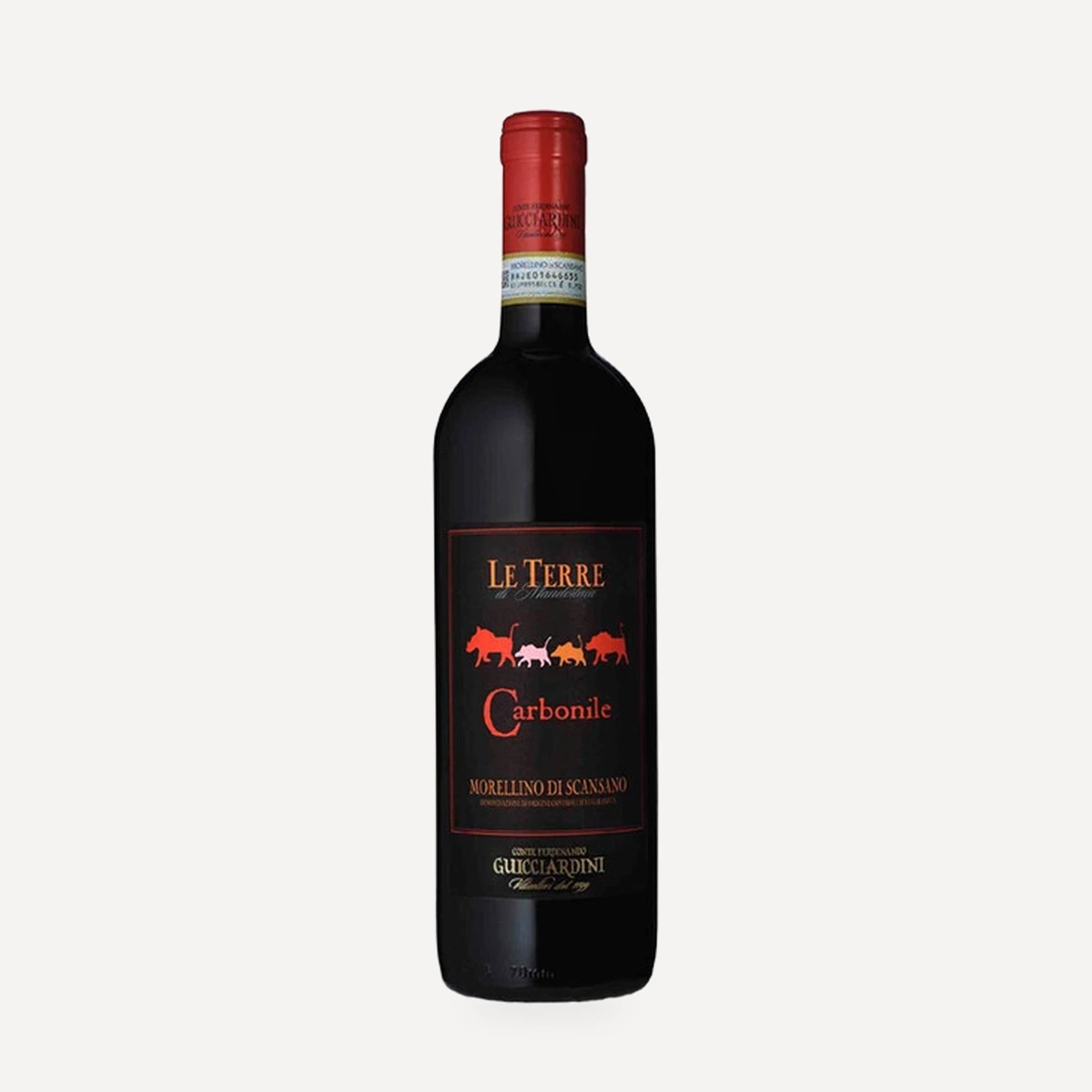
Le Terre di Mandorlaia Carbonile Morellino di Scansano DOCG
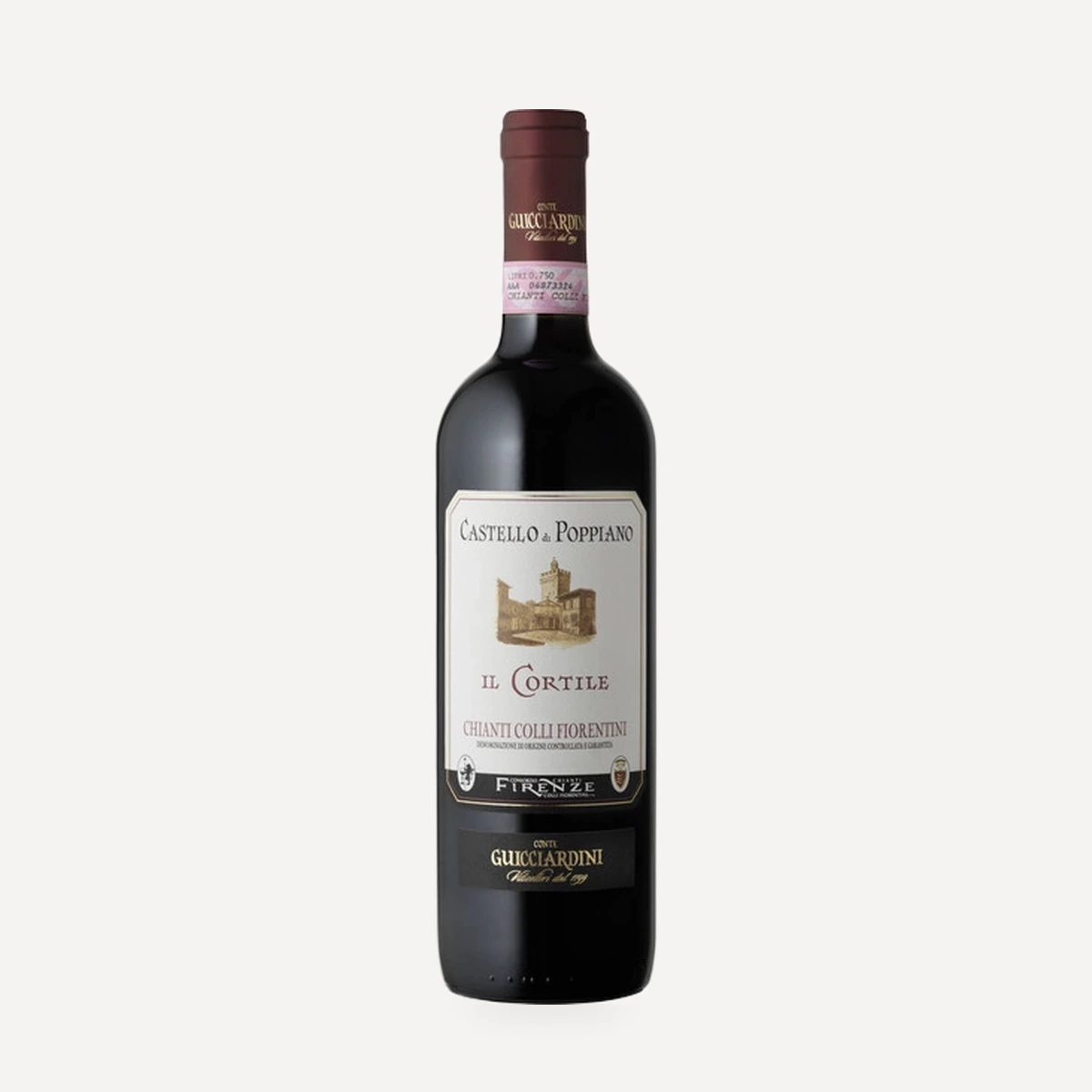
Castello di Poppiano Il Cortile Chianti Colli Fiorentini DOCG
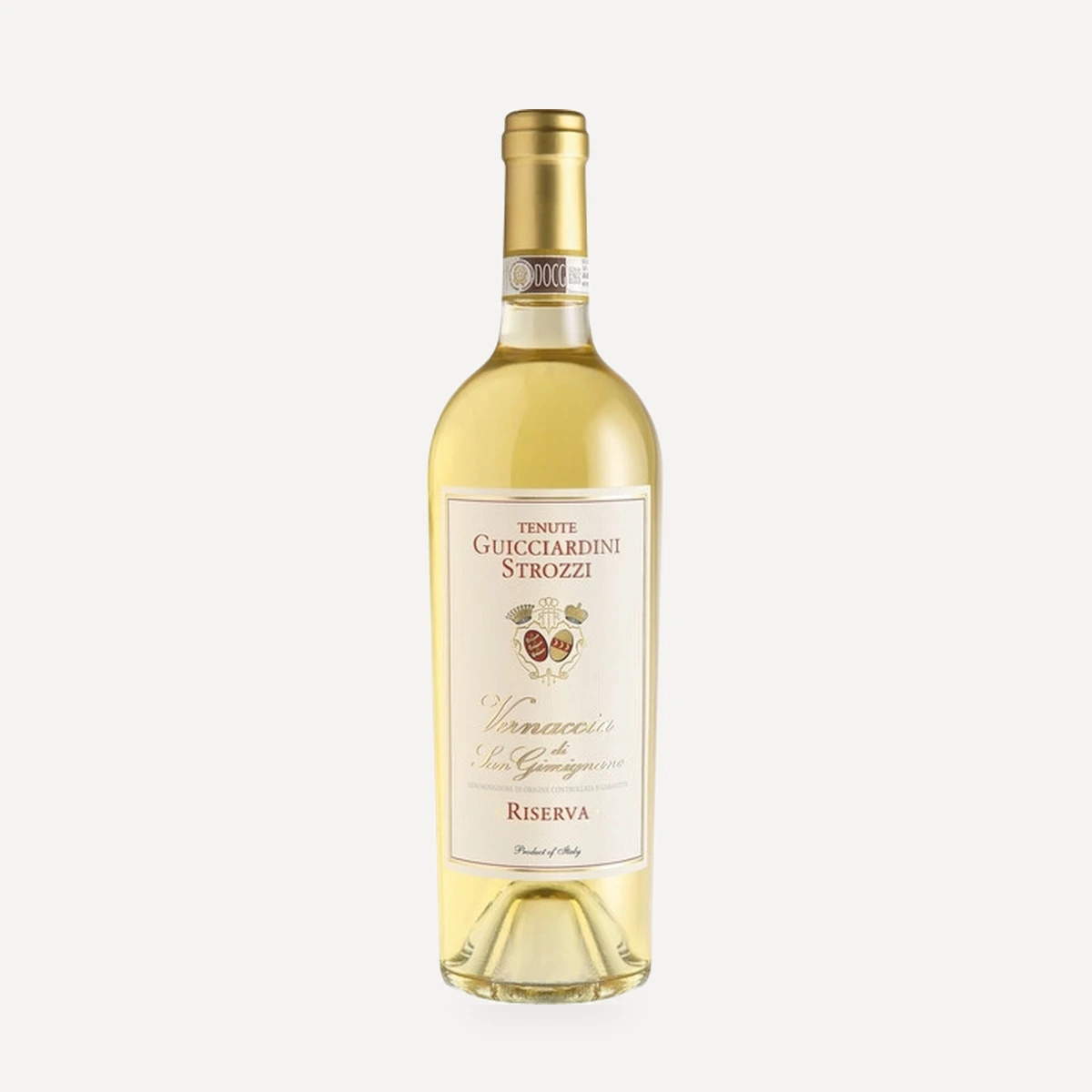
Vernaccia di San Gimignano Riserva DOCG
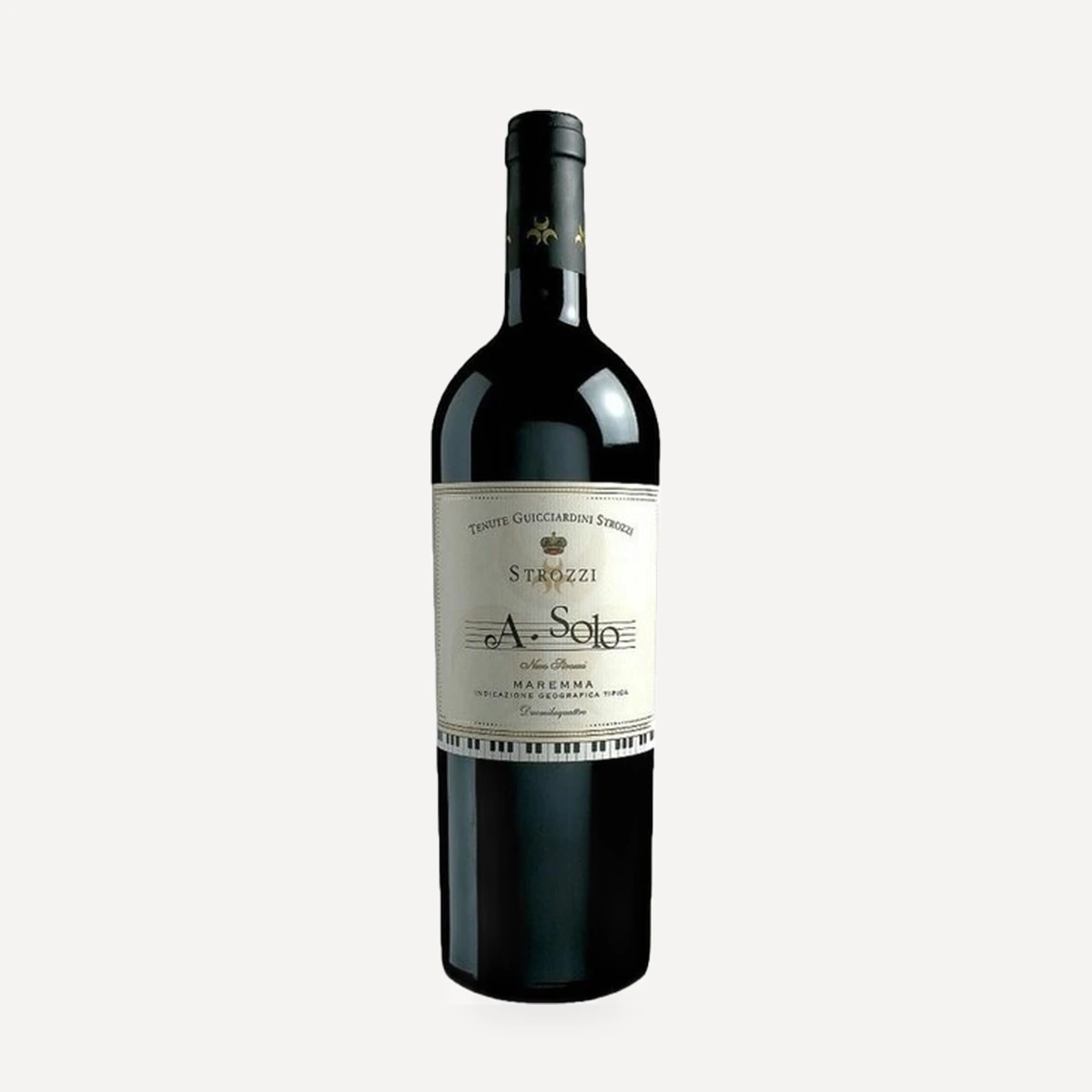
A Solo Maremma IGT
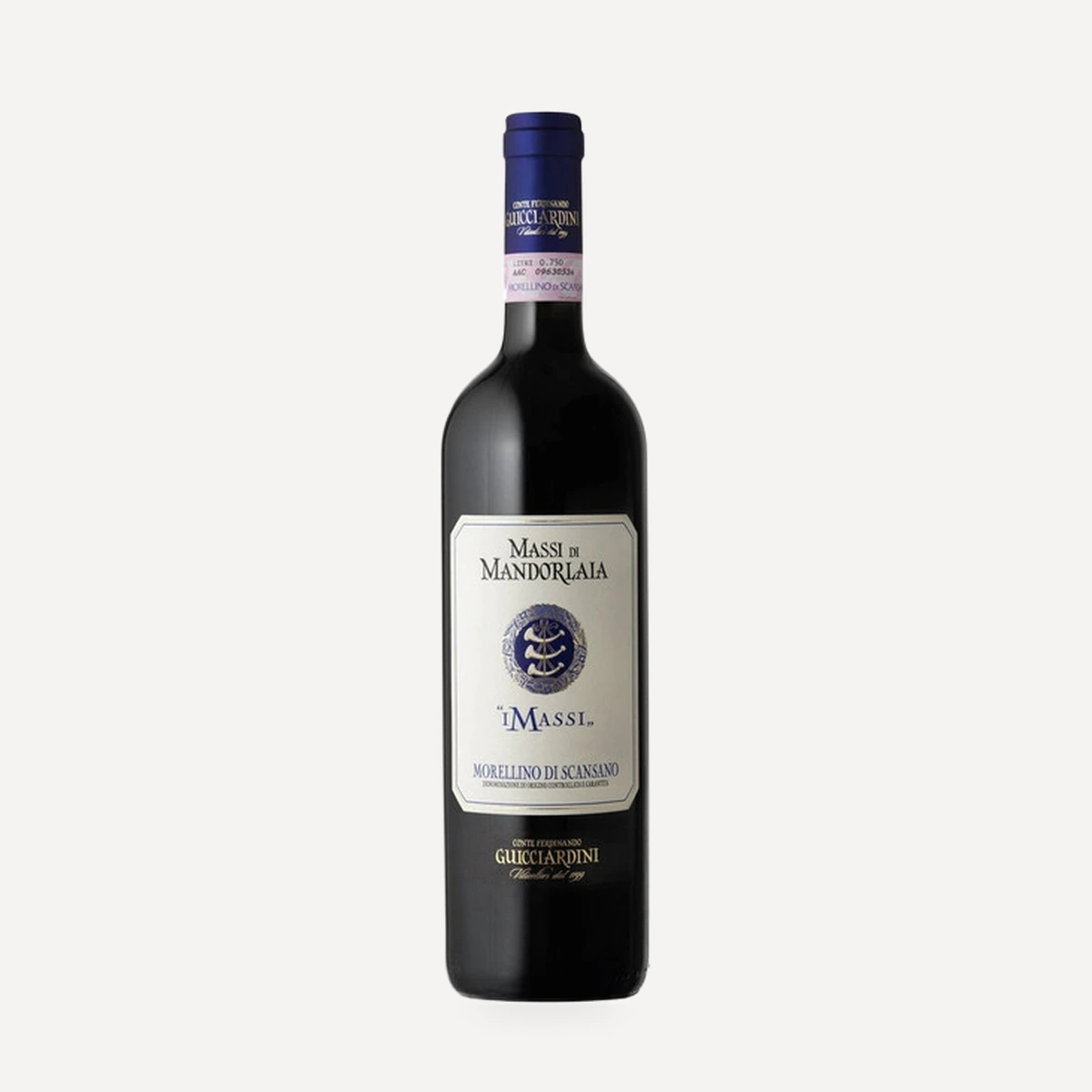
Massi di Mandorlaia I Massi Morellino di Scansano DOC
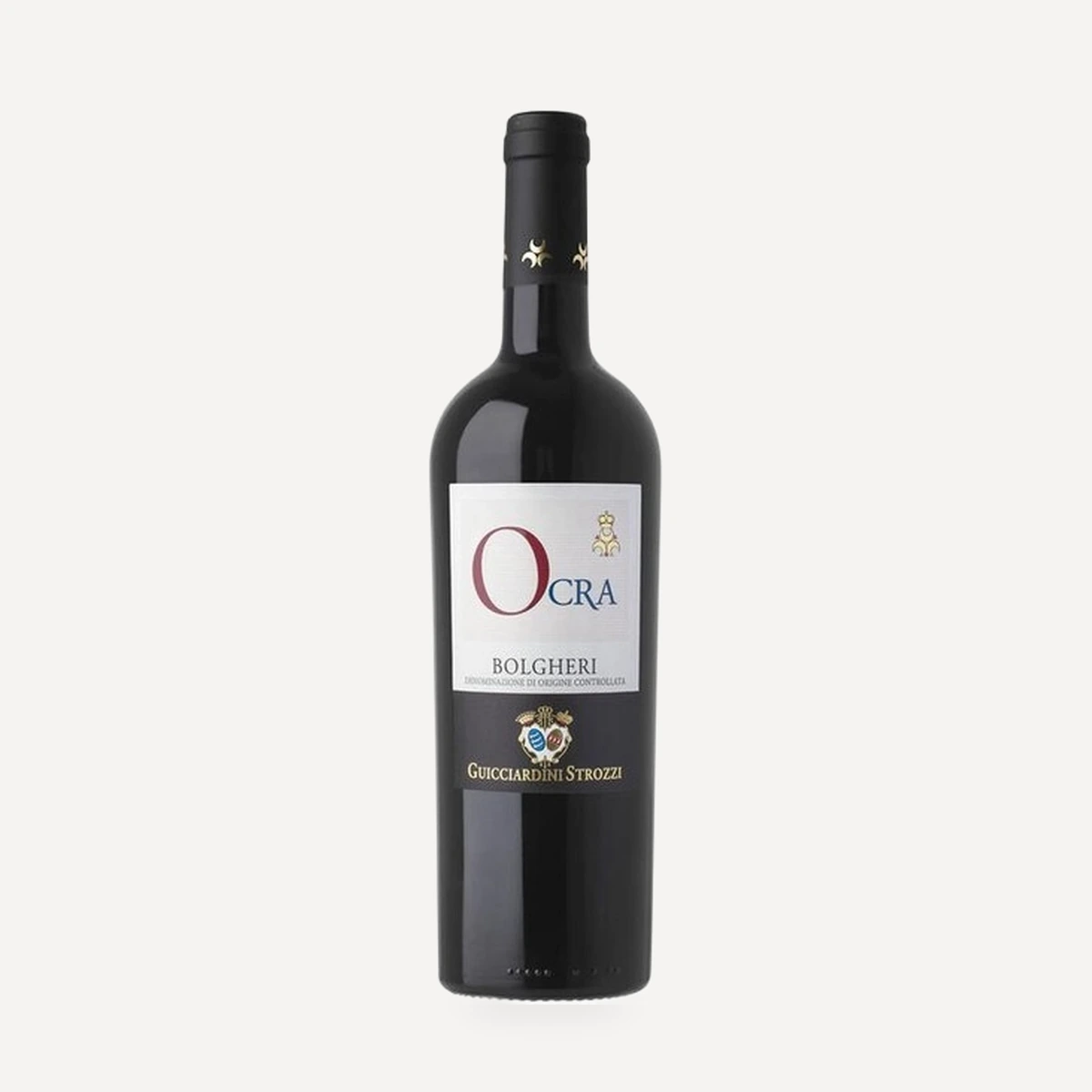
Ocra Bolgheri DOC
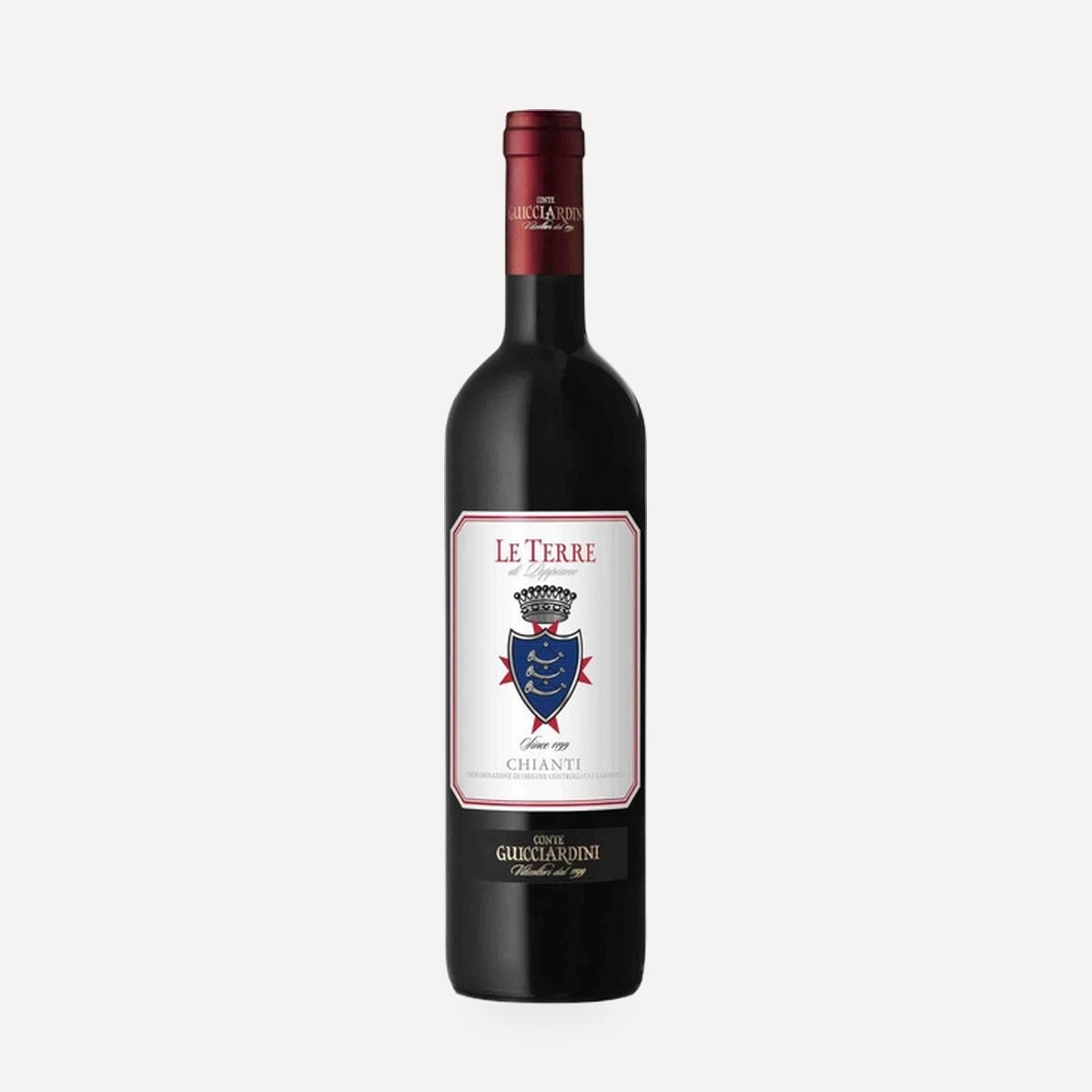
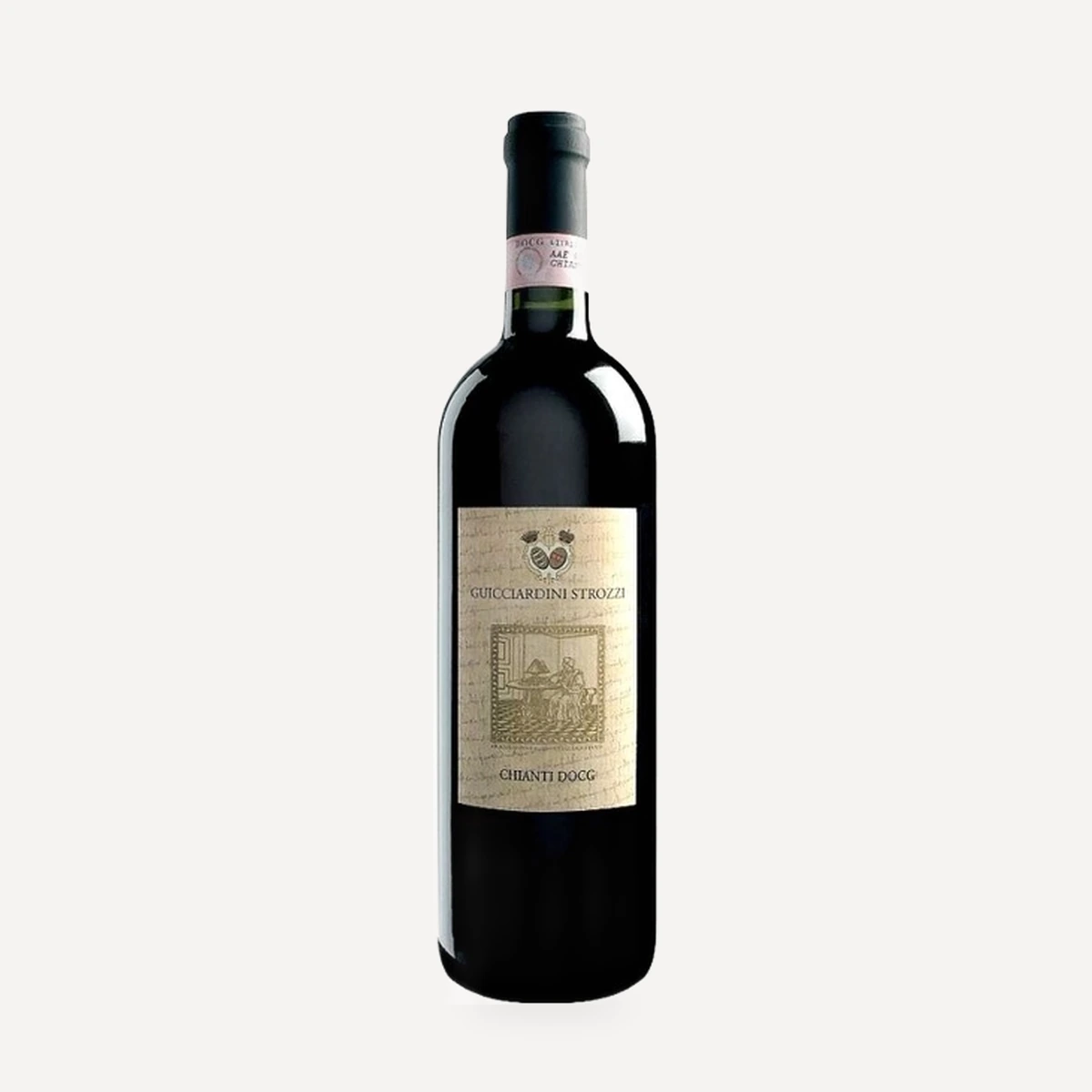
Terre di Poppiano Chianti DOCG
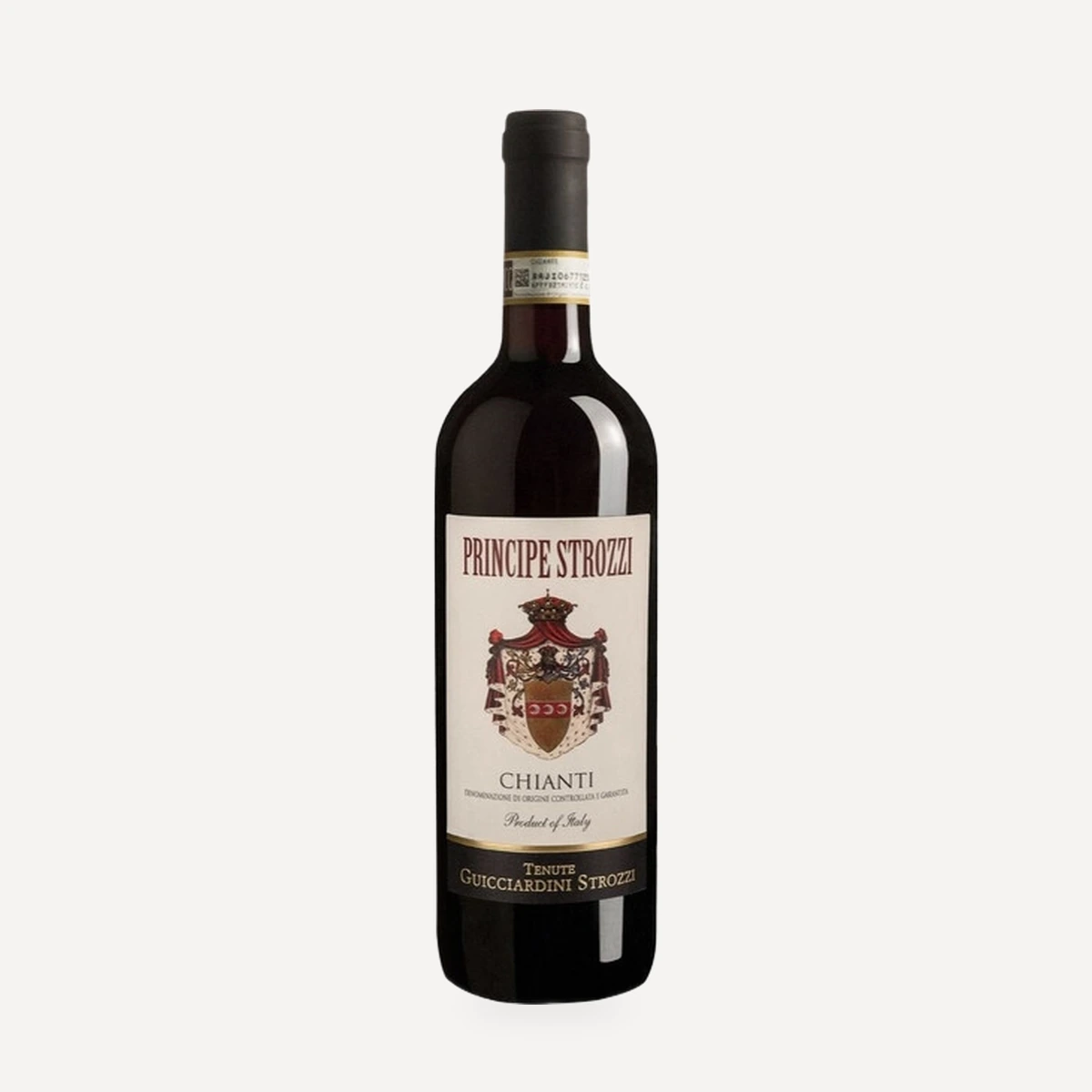
Principe Strozzi Chianti DOCG
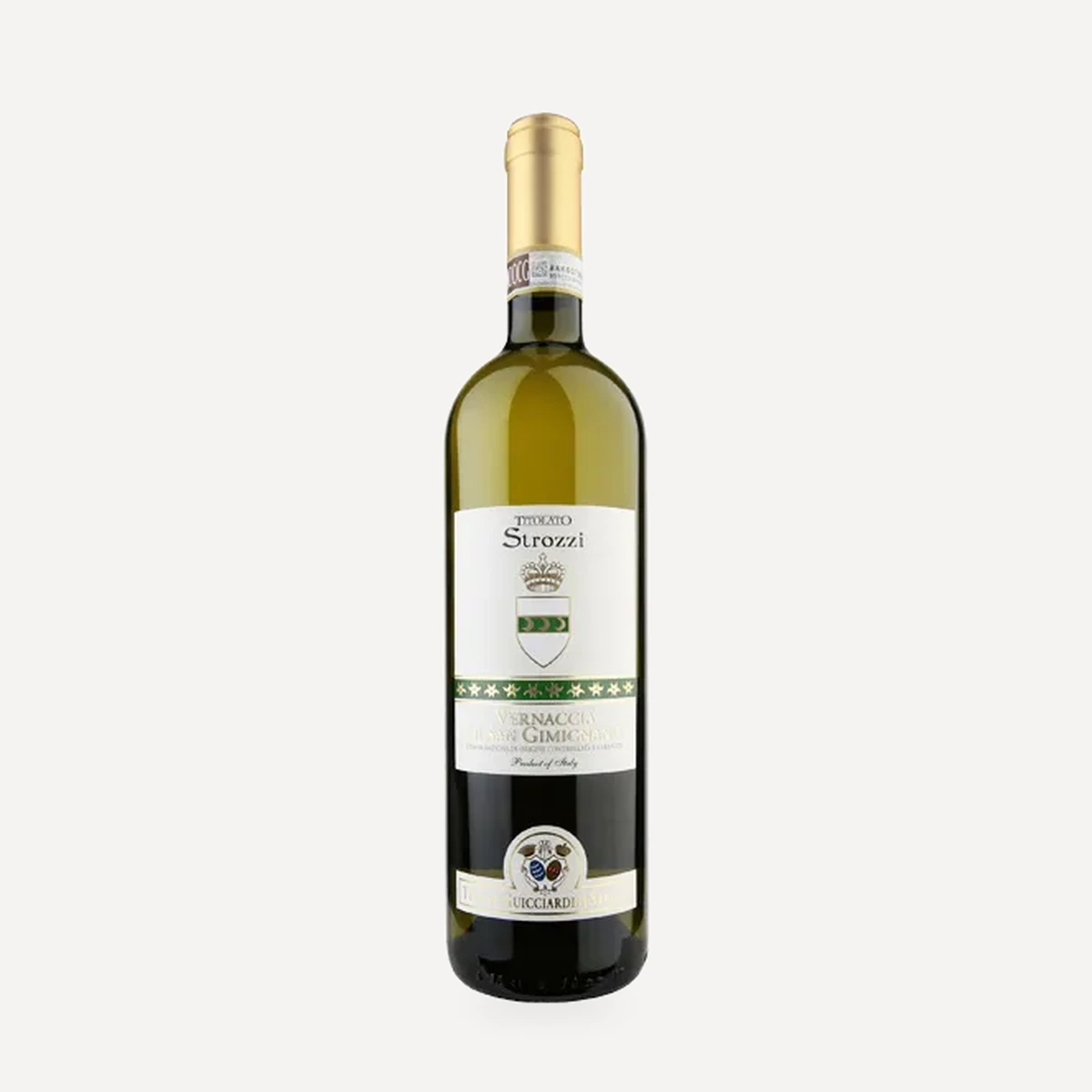
Titolato - Vernaccia di San Gimignano D.O.C.G.
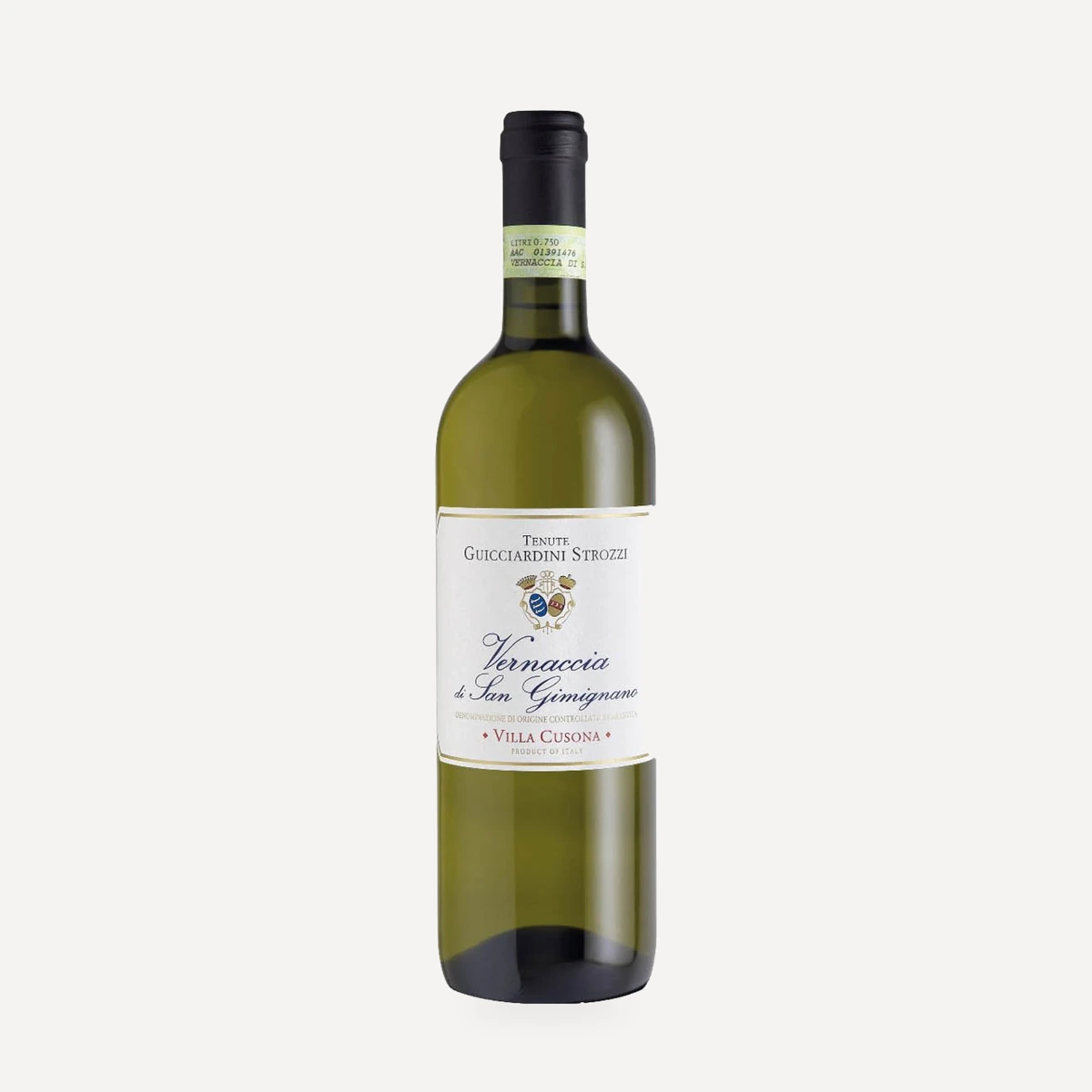
Vernaccia di San Gimignano D.O.C.G.
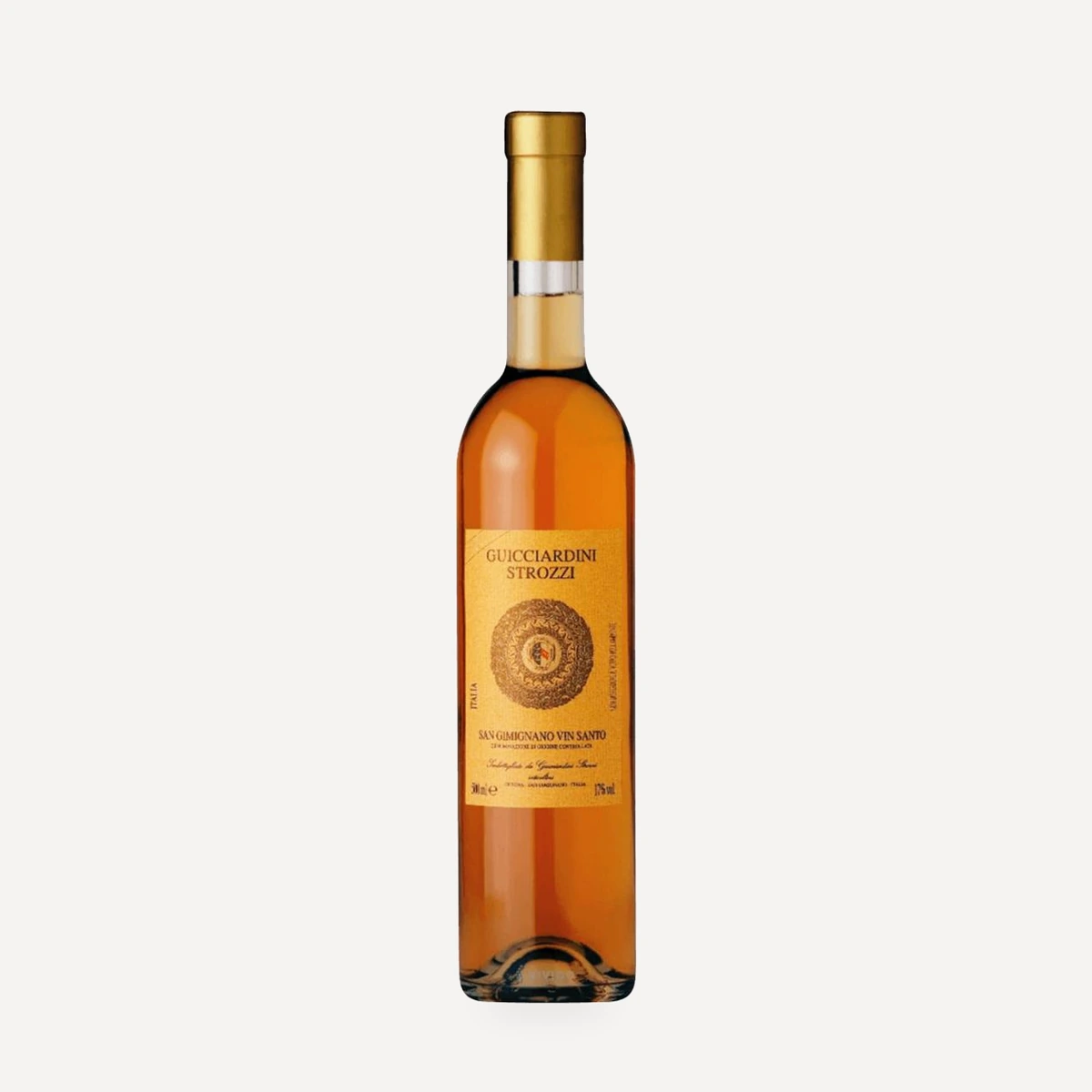
Vin Santo di San Gimignano D.O.C.
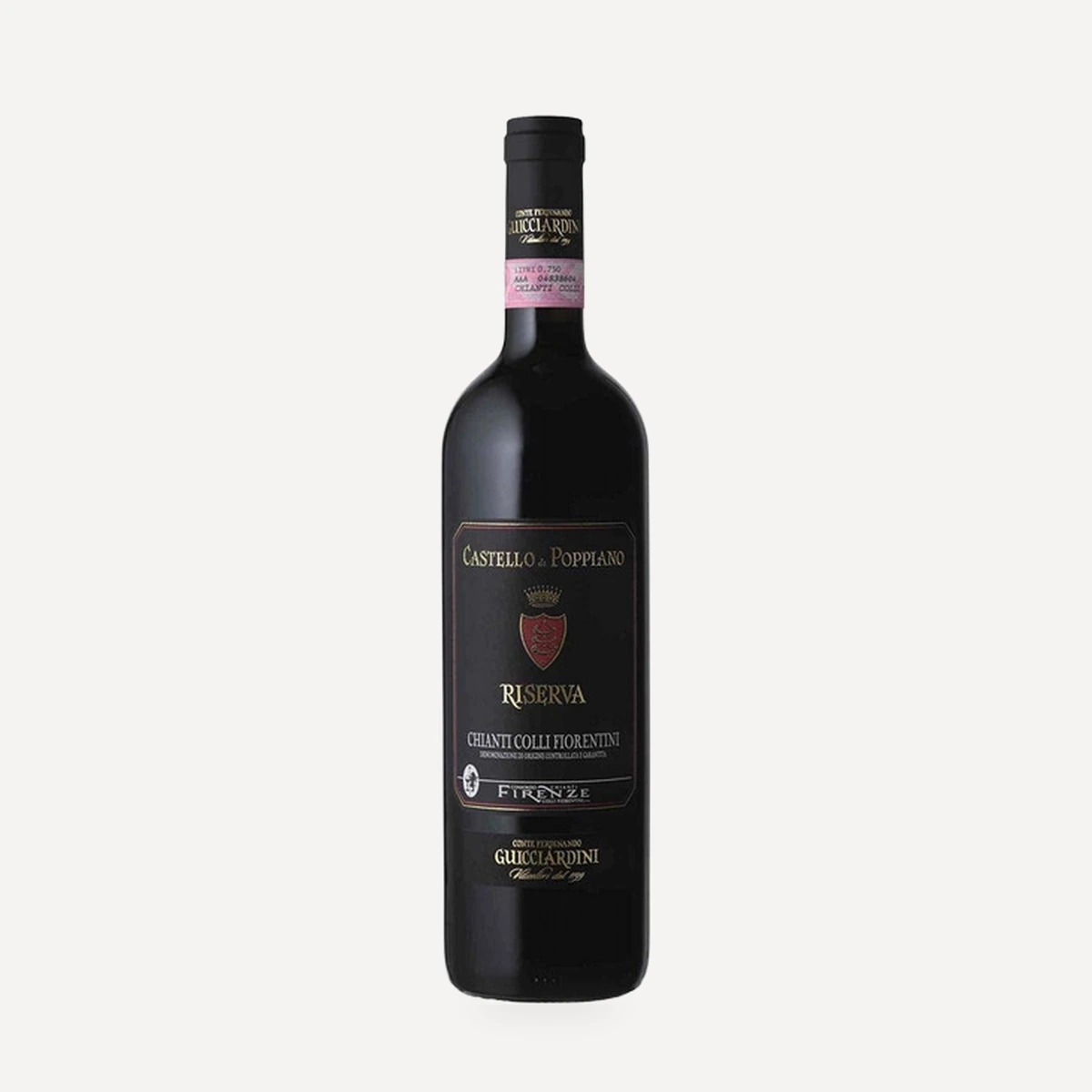
Castello di Poppiano Riserva Chianti Colli Fiorentini DOCG
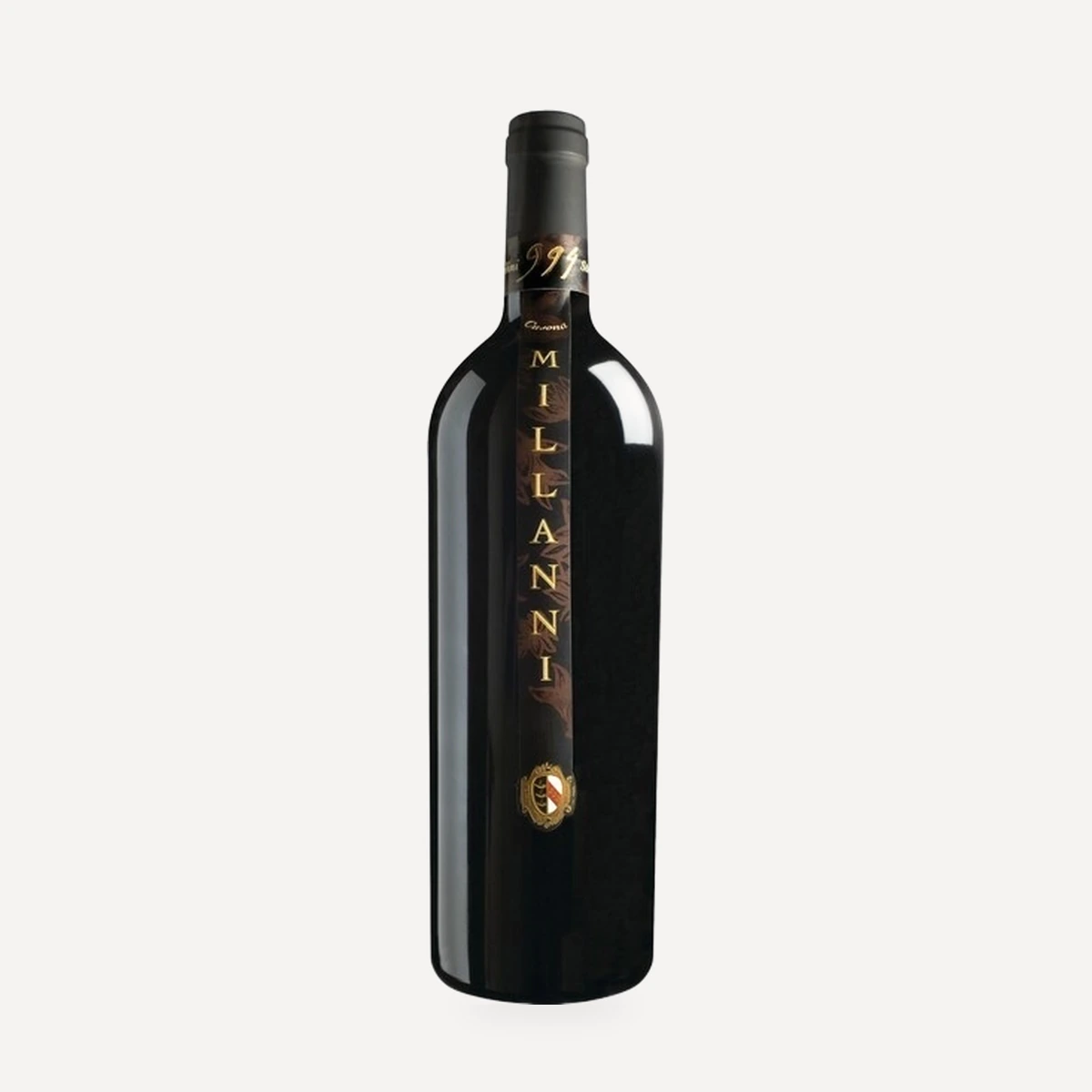
Millanni Toscana IGT
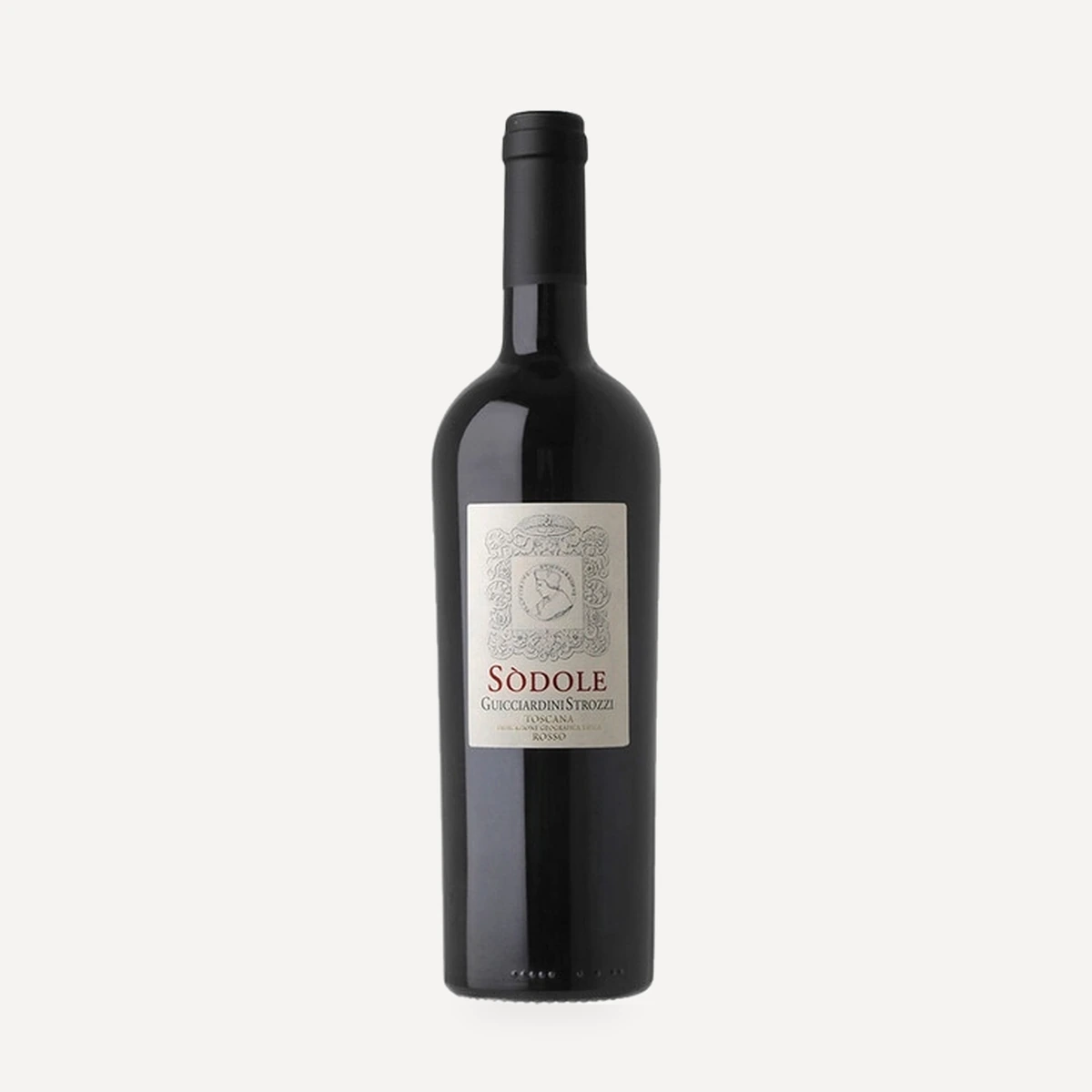
Sodole Toscana IGT