Storia
The first Saffirio in Castelletto — 1800
In 1800, Giovanni Battista Saffirio left Alta Langa for the hills of Castelletto di Monforte d'Alba. He built a family home there and began making wine, establishing the roots of more than two centuries of Saffirio family farming in Castelletto.
Ernesto and Josetta Saffirio — 1910–1975
Ernesto Saffirio was born in Castelletto in 1910. He transmitted both his passion for winegrowing and his attachment to the family land to his daughter Josetta.
Josetta Saffirio was born in 1952. In 1975, aged 23, she returned to Castelletto and transformed the family farm into a winery focused on fine wine production.
Recognition and succession — 1992–1999
An exceptional Barolo in 1992 marked an important step in the rise of Azienda Agricola Josetta Saffirio.
Josetta retired from the business in 1999. Sara Vezza, then 19, continued the family tradition with the support of her parents. Under Sara, the estate expanded substantially and began developing international markets. Production grew to more than 100,000 bottles, while sustainable methods became increasingly central to the business.
Sara had understood by the age of 17 that she wanted to work among these vineyards. The daughter of an oenologist and a teacher of viticulture, she became the representative of the fifth generation of Saffirio-family farmers in Castelletto. The family legacy has passed through the female line.
Environmental change — 2004
The estate adopted organic methods in 2004, formalising a stronger commitment to environmental protection. Its present framework combines an internal environmental, economic and social sustainability protocol with SQNPI Integrated Farming and Biodiversity Friend certification.
Adotta un Filare — 2016–2017
Sara conceived Adotta un Filare in spring 2016 while considering how visitors could experience the full annual cycle behind a bottle rather than only a short cellar visit. The initiative took off in 2017. Assisted by Marco, Sara developed it into a community that follows vineyard work from pruning through harvest and gathers for an annual harvest celebration. By 2022, it had more than 200 adopters.
Alta Langa development — 2019
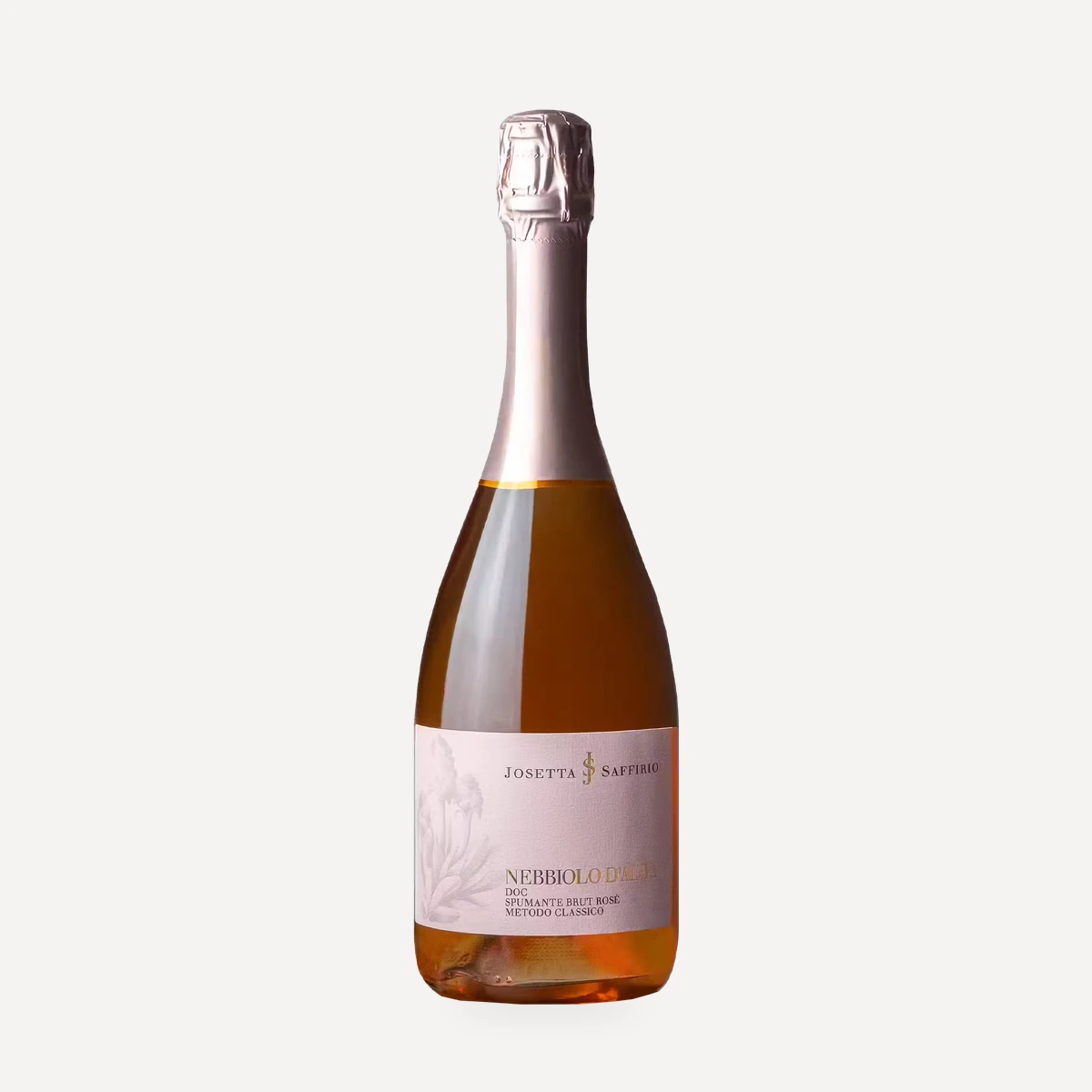
Seeking to expand the vineyard holdings, Sara found rugged land at Murazzano for an Alta Langa project involving Pinot Nero and Chardonnay. While waiting for the new vines to become productive, she bought grapes from Clavesana and vinified them at the estate to develop the sparkling-wine project and gauge the market response. Alta Langa subsequently became part of the Metodo Classico range.
The Nebbiolo-based vermouth project — 2019–2021
A family memory inspired Sara to develop an unconventional vermouth based on Nebbiolo. Her grandmother Maria had served a mixture of ice, soda and vermouth known as the “Birra del Podio” during Sara's childhood visits to Podio. The winery team spent two years selecting the right production partner and worked with The Spiritual Machine and Distilleria Magnoberta. Sara held the first bottle, bearing the Sara Vezza line label, in August 2021.
An artistic collaboration with Rita Barbero, known as Purple Rita, produced a limited edition of 49 bottles. The number combined Sara's age at her first taste of vermouth, eight, with her age when the first bottle was made, 41. The concept was designed to continue with a different limited-edition label each year, telling the story of Maria, her granddaughter and the woman Sara became.
Brave Wine enters the estate — 2023
Renzo Rosso's Brave Wine holding company acquired an equity position in 2023. The partnership was intended to strengthen the Josetta Saffirio brand, support production development and give new momentum to long-term projects. Sara Vezza continues as winegrower and chief executive, while the partnership adds the oenological consultancy of Umberto Marchiori and reinforces the estate's sustainability and biodiversity programme.
Terroir
Josetta Saffirio is based at Castelletto in the commune of Monforte d'Alba, in the Langhe of Piedmont. Its Barolo vineyards occupy four Menzioni Geografiche Aggiuntive: Castelletto, Perno, Ravera and Bussia.
Castelletto
The Castelletto hill receives sunlight across an arc from east to south. Nearby woodland and a small river passing through the area maintain a cool local climate. The vines consequently develop slowly. The estate associates the site with medium-bodied, elegant and savoury wines.
The Persiera vineyard occupies the uppermost part of the Castelletto ridge at approximately 450 metres above sea level. It faces south-east.
Perno
Perno receives south-eastern sunlight. Its clay-rich soil is associated with firm structure, depth and an austere character capable of long development.
Ravera
Ravera forms a natural amphitheatre with favourable sunlight exposure. Mineral-rich soils support complete ripening. The site is associated with good structure, elegant tannins and profiles combining ripe fruit, spice and flowers.
Bussia
Bussia is identified as one of Barolo's oldest historic MGA. Its soil contains marine fossils. The estate associates the site with solid structure, a spectrum from austerity to polish, and earthy and fruity aromatic characters.
Murazzano
The Alta Langa project extended toward the higher Langhe around Murazzano. The land is described as rugged, poor and comparatively wild and was selected for new Pinot Nero and Chardonnay vineyards.
Vinificazione
Soil life and plant material
The viticultural programme is designed to increase soil microfauna and flora so that organic and mineral matter becomes readily available to the vines. Nutrients are managed with mature humus made on the property from organic compost and locally sourced manure.
Rooted vine cuttings are raised in pots in the estate nursery for two years before being planted. This is intended to reduce losses and establish healthy plants.
Annual vineyard cycle
Pruning begins between January and February, removing old canes and preparing the spur for the following season. Fruiting canes are tied in February. In March, pruned wood is shredded, stakes are repaired and missing vines are replaced. Buds open and leaves unfold in April.
May brings scacchiolatura—also called scarzolatura in Piedmontese dialect—during which unproductive shoots are removed from the trunk and surplus shoots are cleared from the fruiting cane. Shoots are topped in June to limit excessive canopy growth and reduce the vine's energy expenditure. Toward the end of June, surplus bunches are removed by hand so that the retained fruit can ripen more evenly.
Leaf removal takes place in July and August to expose the bunches to sunlight. Sulphur- and copper-based treatments protect the vines from fungal and bacterial pressure. Harvest occupies September and October, with the team working until the final bunch has entered the cellar. Soil fertilisation follows in November. Green manure or cover crop is sown in early December before winter rest.
Harvest timing is based on repeated sampling for sugar and polyphenolic maturity, including the ripeness of skins and seeds. The objective is to retain the balance between sugar, acidity and mature tannins rather than harvest solely on the appearance of the berries. Persiera Nebbiolo is picked exclusively by hand; the Alta Langa grapes were also harvested manually in perforated crates.
Biodiversity
Woodland, fruit trees, hazelnut groves and meadows balance the vineyards around Castelletto. Thirty percent of the estate's surface has been retained or replanted as woodland. This area includes an educational truffle ground, an orchard, a hazelnut grove and space dedicated to beekeeping.
The habitat supports hares, roe deer, badgers, foxes, ladybirds, butterflies, bees and earthworms. Robins and great tits also nest in the area. Nesting boxes have been installed in the small wood below the cellar, with fat balls and seed supplied during winter. Truffle-hosting trees have been planted in selected areas, while further green and wooded zones protect local fauna and flora.
Standards
An internal protocol covers environmental, economic and social sustainability. The estate is certified under SQNPI Integrated Farming and Biodiversity Friend. Organic methods were adopted in 2004, although a current organic-certification status is not claimed.
Cellar and energy design
The cellar follows the traditional architectural language of a Langa farmhouse so that it sits within the surrounding landscape. Its several levels reduce the structure's above-ground impact and follow the logical sequence of a wine's movement through production. Thermal insulation and the multilevel layout are intended to reduce energy use and simplify operations. Photovoltaic panels generate 65% of total energy requirements.
Red-wine process
Harvest decisions follow vineyard sampling for sugar balance and polyphenolic ripeness. After reception, the bunches are destemmed and the juice is pressed. Fermentation takes place in contact with the skins, with maceration extracting colour and other components linked to the grapes and site. The new wine then begins an élevage that may last months or years.
For Castelletto Persiera, Nebbiolo is harvested by hand during the first 20 days of October, depending on the season. After destemming, alcoholic fermentation lasts approximately 7–10 days in temperature-controlled vessels. Malolactic fermentation follows. In December, the wine is transferred to small French-oak barrels for at least 24 months before bottling.
The Barolo production cycle has also been described as requiring roughly three months between crushing and transfer to wood, followed by about three further years before the wine can be bottled and sold.
Metodo Classico
The Metodo Classico range is built around extended ageing on the lees. During development of the Alta Langa project, whole Pinot Nero and Chardonnay bunches were pressed separately. The first 2–3% of juice was discarded during the washing stage, and the two varieties were handled separately before being assembled for fermentation. The traditional method entails a second fermentation in bottle and extended lees ageing; the project described at least 30 months, or 36 months for Riserva.
Filosofia
Josetta Saffirio defines its role as that of an actor within nature rather than the author of wine. The task is to help plants grow while remaining connected with living soil, vines, surrounding organisms and the microorganisms that allow wine to evolve.
Time is treated as an essential ingredient. Patience provides space to observe, reflect and respond, while allowing wine, people and natural processes to mature at their own pace. Quality is therefore associated with dedication and an acceptance that each season has its own identity.
Sustainability is understood as reconnecting human rhythms with those of nature. The stated objectives are to build ecosystem resilience, conserve natural resources, support community health and protect the landscape for future generations. Biodiversity remains central to the partnership with Brave Wine, alongside continued use of environmentally compatible agricultural practices.
The intended vineyard model resembles a botanical garden in its degree of care and biological diversity. No single element is treated as dominant: soil, plants, animals, climate and human work are expected to interact to create complexity, depth and harmony.
This approach also carries a strong intergenerational responsibility. Sara Vezza sees farming as stewardship of land inherited from earlier generations and ultimately passed to children and future farmers.
Vini
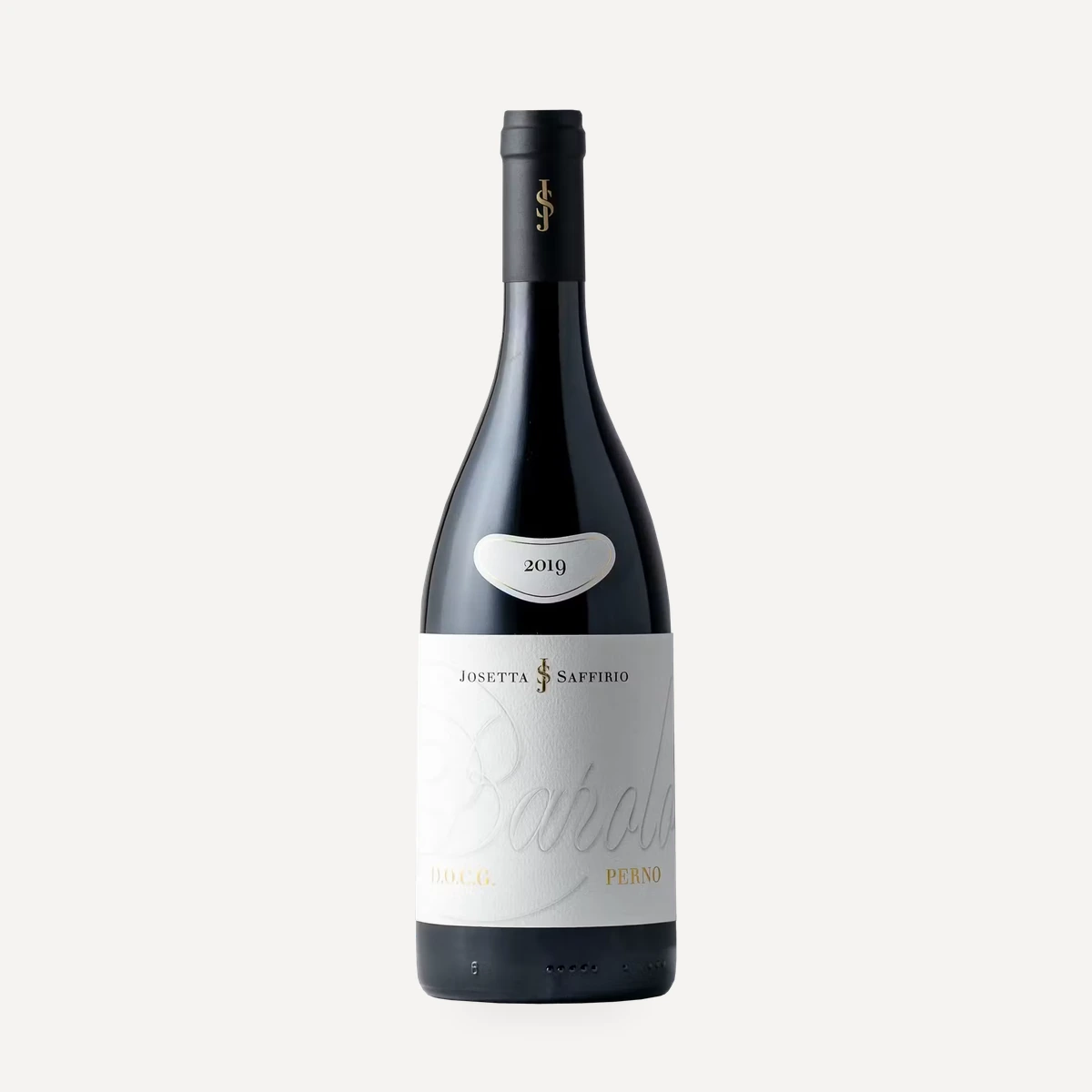
Barolo Perno
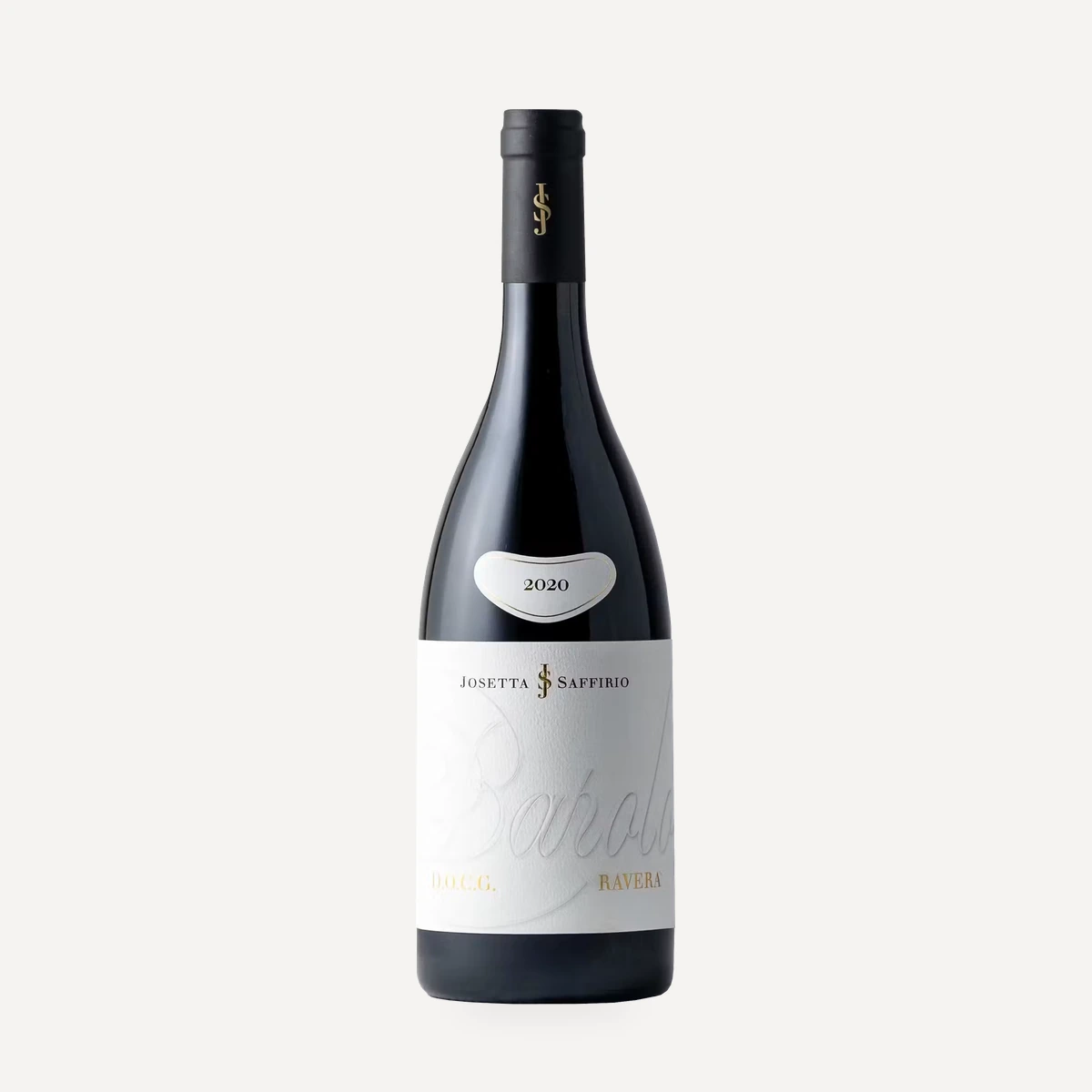
Barolo Ravera
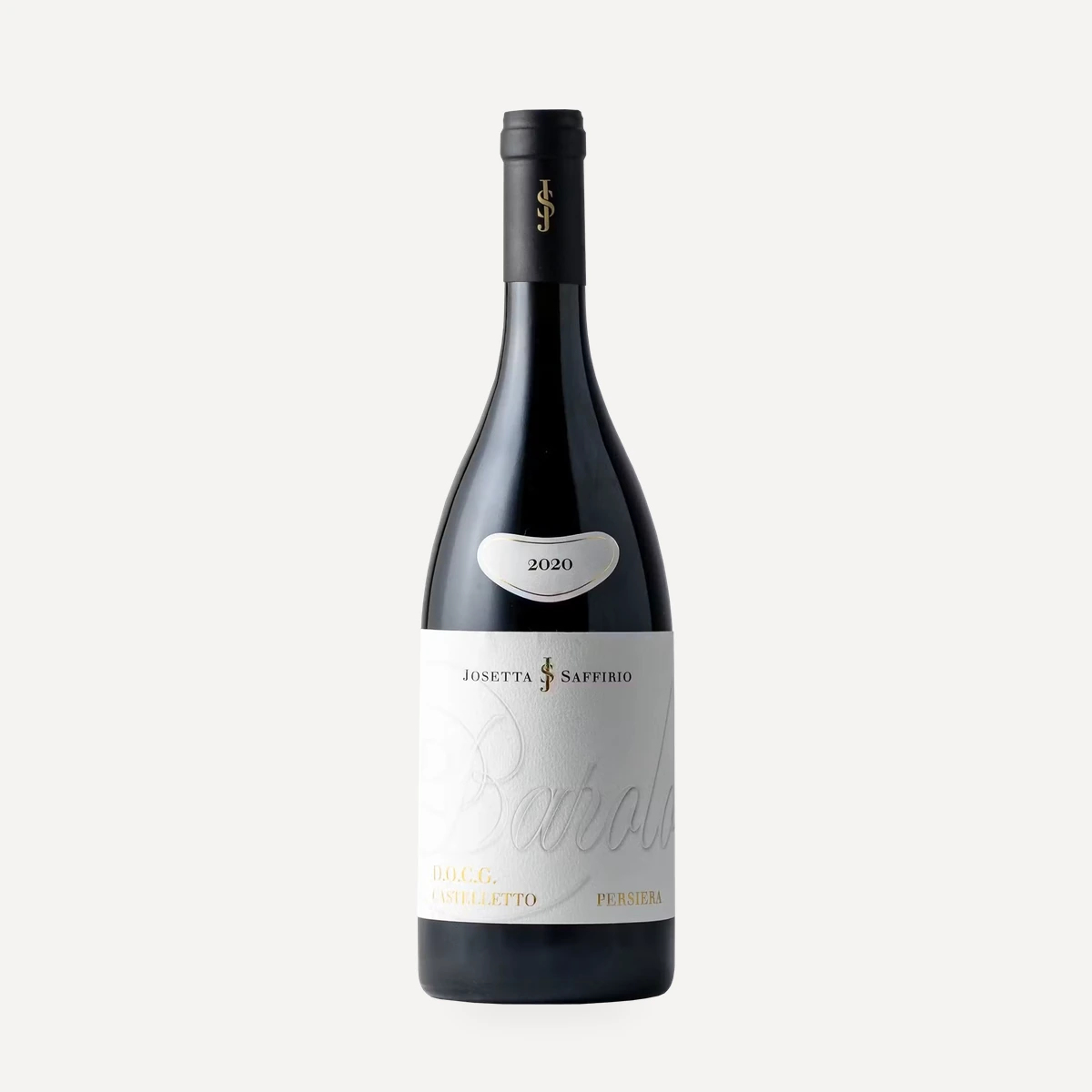
Barolo Castelletto Persiera
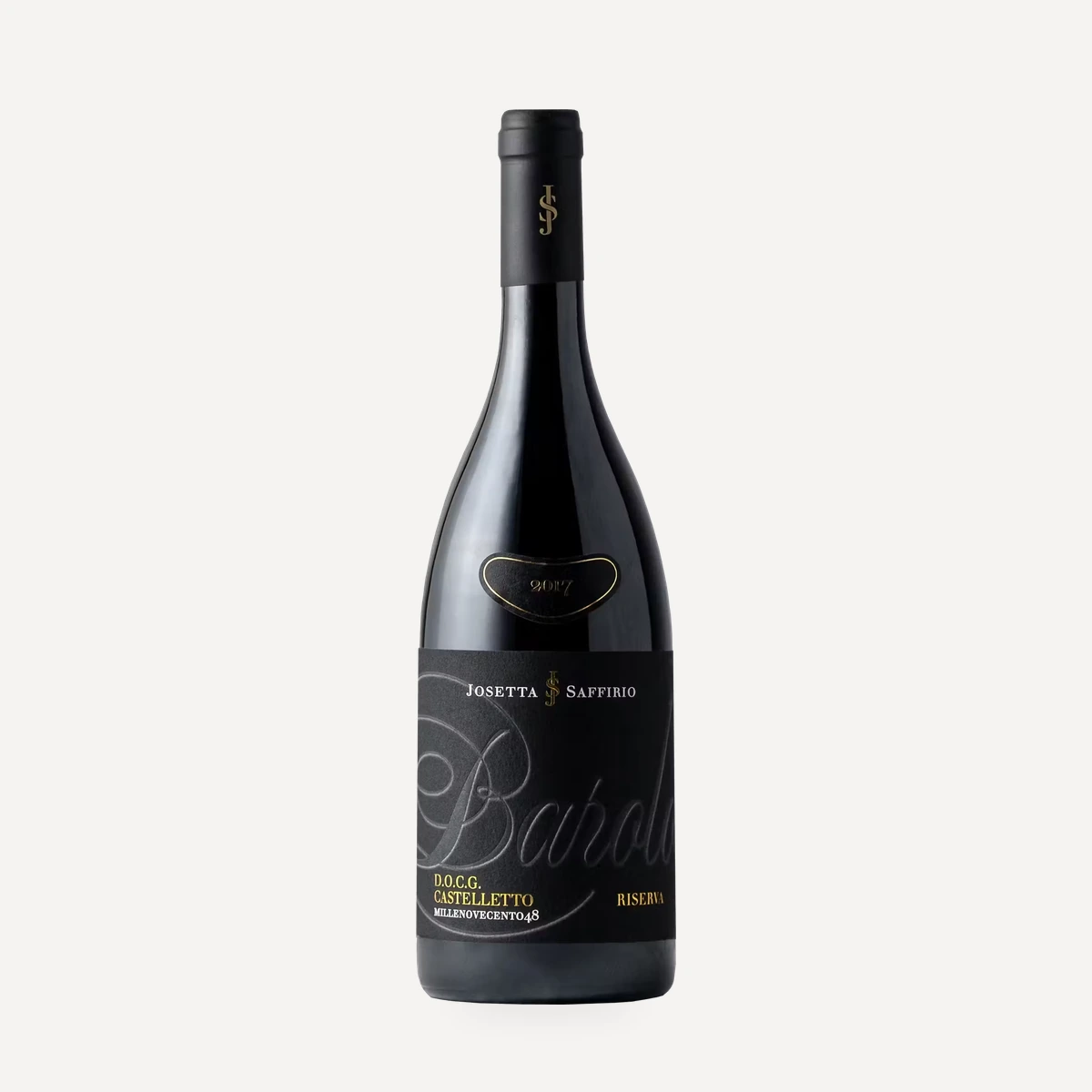
Barolo Riserva Millenovecento48
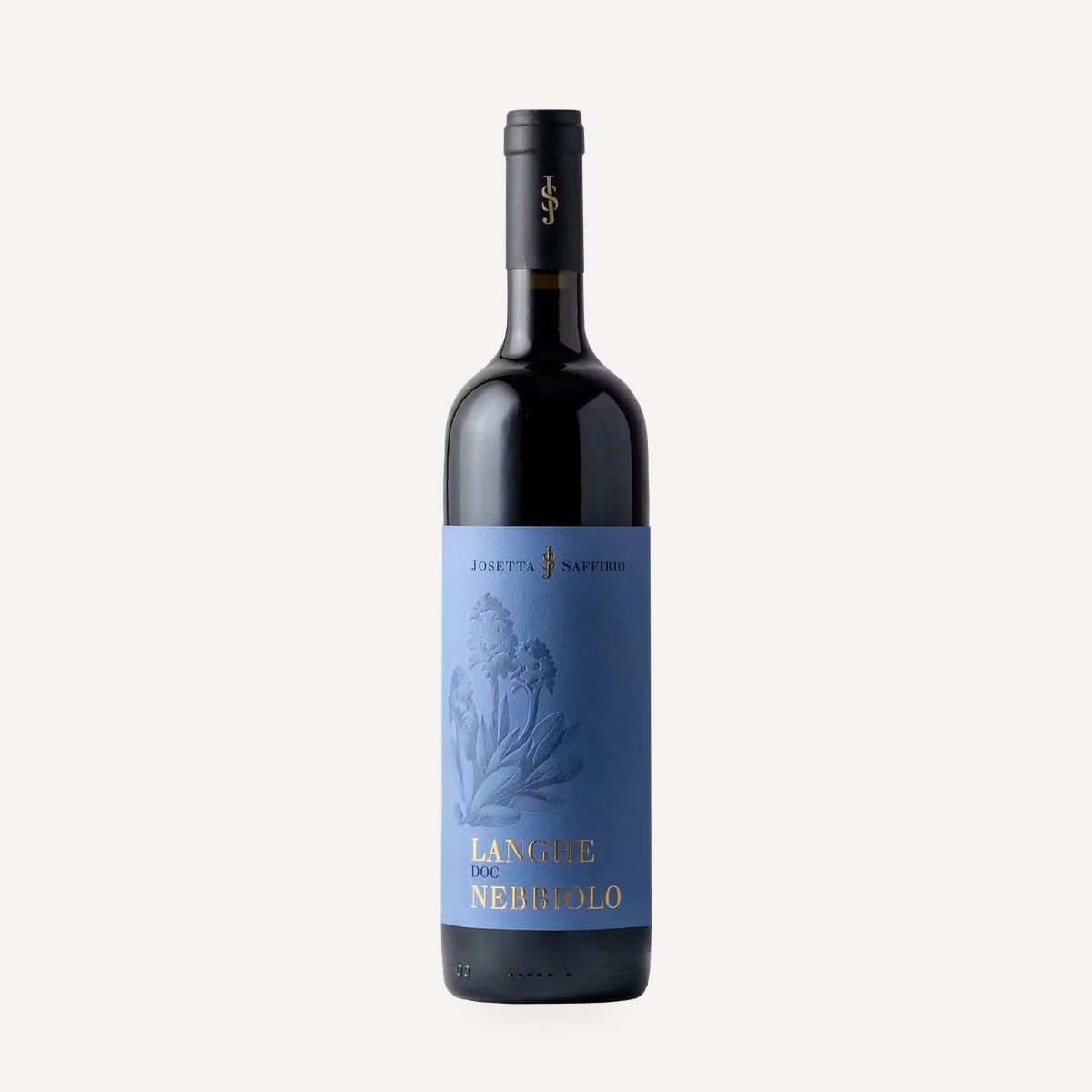
Langhe Nebbiolo
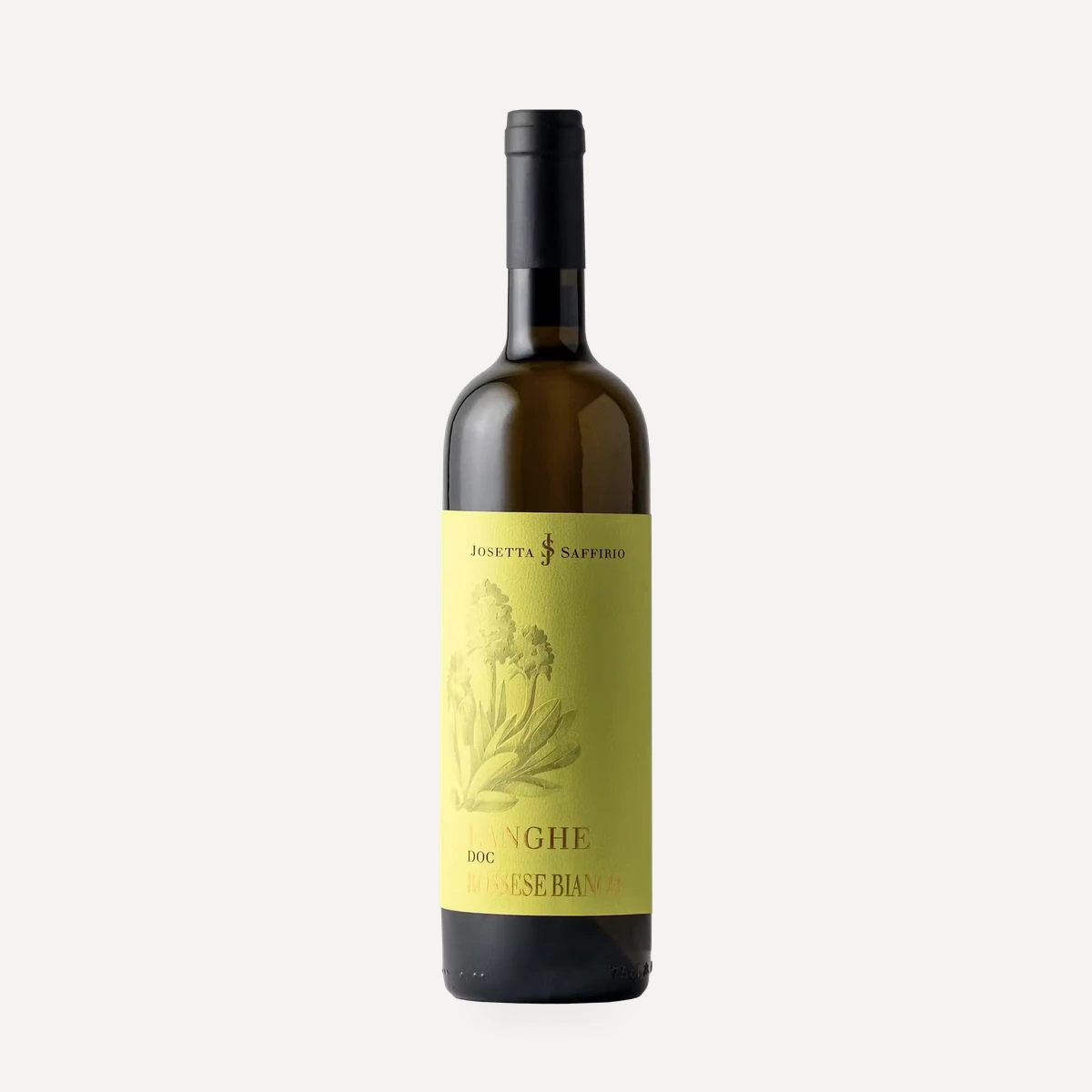
Langhe Rossese Bianco
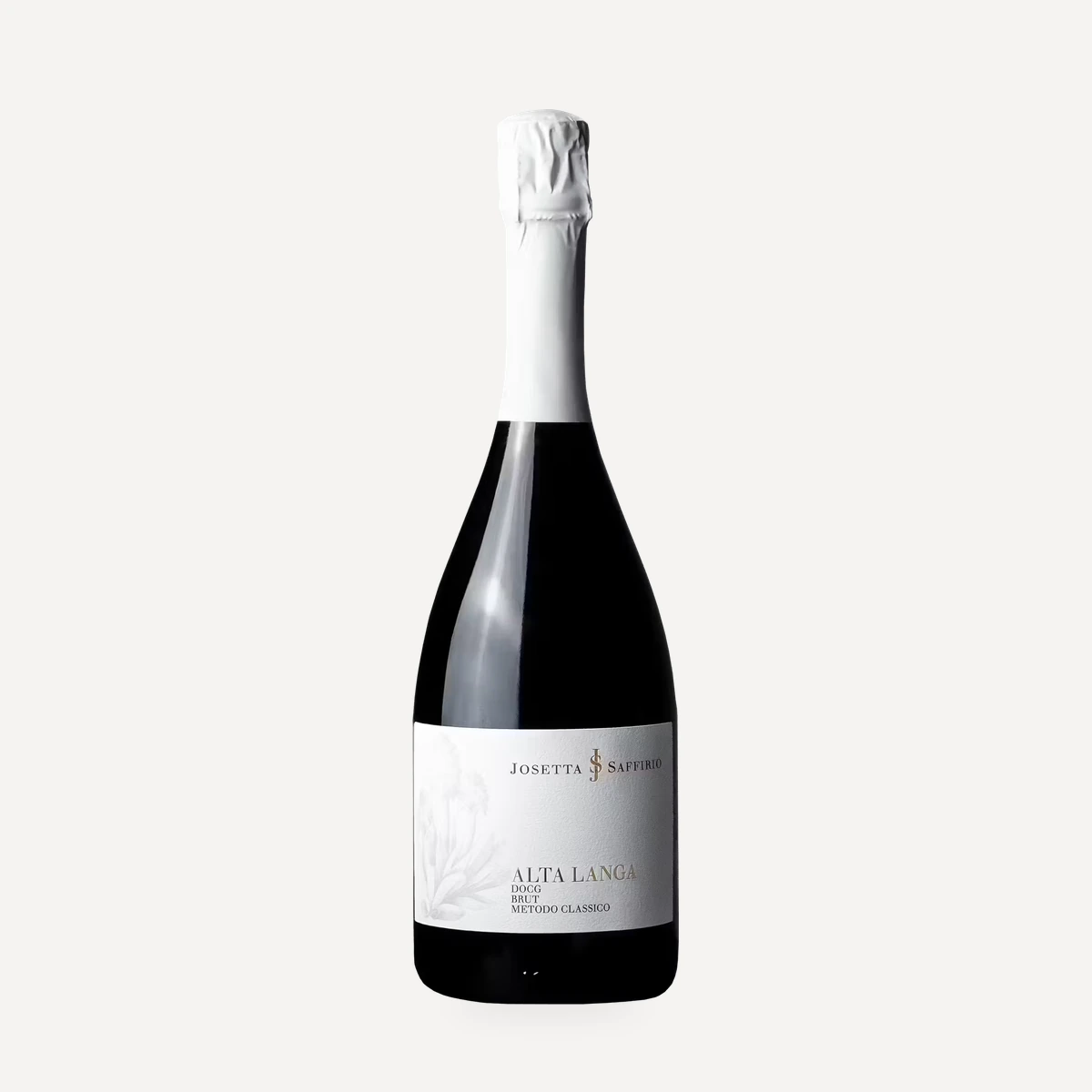
Alta Langa