Storia
More than five centuries in Santo Stefano
Le Colture’s roots lie in Santo Stefano di Valdobbiadene, where the same family has cultivated vines since the 1500s. This continuity represents more than 500 years of family winegrowing in the hills of Valdobbiadene.
The earlier family tradition is personified by Gerardo Ruggeri, remembered for tending the steep Rive vineyards of Santo Stefano with particular devotion. His grandchildren recall running to meet him among the vines while he showed them the grape clusters ripening in the September sun. The estate later dedicated its Rive di Santo Stefano bottling to him; the fruit comes from its oldest Santo Stefano vineyards, whose vines are 35–40 years old.
1983: the sparkling-wine venture
In 1983, Cesare Ruggeri initiated Le Colture’s sparkling-wine activity. The modern estate developed from the family’s accumulated knowledge of its vineyards, grape selection and cellar work, combining longstanding familiarity with the territory with modern sparkling-wine technology.
The winery retained the external form of a traditional local farmstead, with the cellar adjoining the central rural house, while its interior was equipped for modern production. The family assembled 40 ha of directly owned vineyards distributed among 16 properties rather than concentrated around the cellar. These holdings extend through Valdobbiadene, Conegliano and Montello, allowing production from materially different soils and local weather conditions.
The next generation
Cesare’s children Silvia, Alberto and Veronica subsequently became fully involved in Le Colture. Together they brought a second-generation emphasis on innovation and experimentation while retaining attachment to their land and respect for local wine traditions.
The family operates as an integrated team. Its members participate across the production chain: vineyard management, grape selection, winemaking, secondary fermentation, marketing and sales. This collaborative structure is central to the estate’s account of continuity between generations.
One expression of the younger generation’s approach is Incalmo, conceived by the Ruggeri siblings as a family wine outside the usual denomination framework. Its spontaneous secondary fermentation in bottle reinterprets an old Treviso countryside practice and combines historical technique with the siblings’ experimental outlook.
Hospitality and cultural projects
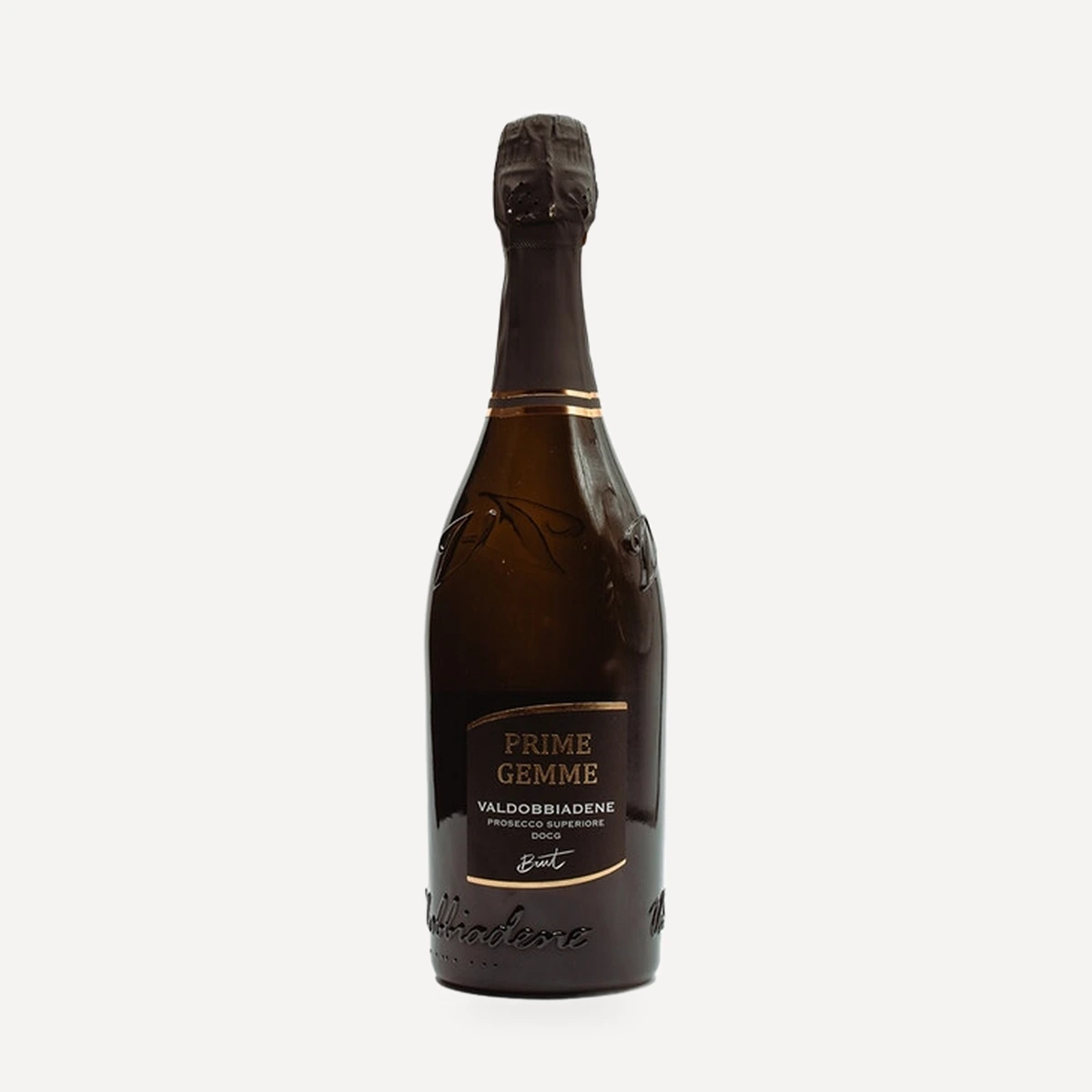
While looking for additional land to cultivate, Cesare Ruggeri encountered a property at Nervesa della Battaglia with a residence dating to 1925. He chose to restore the building as the Prime Gemme guesthouse. The resulting eight-room property stands among estate vineyards in the Montello area, about 30 minutes from the Santo Stefano cellar.
Le Colture has also used photography to interpret its landscape. Its collaboration with Lorenzo Cicconi Massi developed into a cycle of 365 images of Valdobbiadene and the exhibition A disegnar le vigne. Le Colture, un racconto per immagini, staged in Valdobbiadene from 8 September to 7 October 2022.
Terroir
Le Colture is based at Santo Stefano di Valdobbiadene and owns vineyards across three principal areas: Valdobbiadene, Conegliano and Montello. Its 40 ha are divided among 16 properties rather than forming a single block around the winery. This distribution exposes the vines to differing soils and local weather conditions and supplies fruit with distinct territorial characteristics.
Valdobbiadene and Santo Stefano
The Valdobbiadene holdings occupy the vine-covered hills around the estate’s home village. Selected Valdobbiadene vineyards combine a relatively mild microclimate with sandstone and clay soils. These conditions favour greater concentration of aroma and flavour in Glera.
The Santo Stefano vineyards include the estate’s oldest vines, 35–40 years old, and its steepest Rive. Locally, Rive identifies very steep vineyards that are difficult to cultivate and capable of yielding particularly high-quality fruit. The delimited Rive designation encompasses sites in 12 communes and 31 villages within Conegliano Valdobbiadene.
Cartizze
Cartizze is a very small subzone in the commune of Valdobbiadene, among the steep hills of Santo Stefano and Saccol. Its terrain forms a small amphitheatre or bowl of marl, sandstone and clay. This combination allows Glera to approach overripeness or reach full maturity, producing unusually concentrated aromas.
Follo
The lower part of the Follo hill supplies Glera for the estate’s traditional semi-sparkling Mas. Follo is also the location of the Le Colture cellar on Via Follo in Santo Stefano di Valdobbiadene.
Montello and Nervesa della Battaglia
The Montello holdings extend to Nervesa della Battaglia, where estate vineyards surround the Prime Gemme guesthouse. The property lies on the final hills of the Veneto Pre-Alps, near the Piave river and the Montello relief. Glera from the estate’s Montello vineyards is used in the rosé sparkling project, while Pinot Nero for that wine is purchased. The family also grows Cabernet Sauvignon and Cabernet Franc on its Montello hillsides.
Vinificazione
The family is directly involved in vineyard management and grape selection across its 40 ha of estate vines. Attention to vineyard health forms part of the knowledge passed down within the family.
Glera for Le Colture’s Valdobbiadene sparkling wines comes almost entirely from family vineyards within the DOCG area and is harvested exclusively by hand. Fruit from the especially steep Rive must likewise be picked by hand, preserving berry integrity. The Rive rules described for the denomination set a maximum yield of 13 tonnes per hectare, require vintage-dated production and establish a minimum potential alcohol of 9.5%.
The estate also participates in the DI.VI.NE. cooperation project addressing grapevine fanleaf degeneration and nematodes in highly specialised viticultural areas. Its field trials and demonstrations examine natural substances, biostimulants, balanced fertilisation and beneficial microorganisms. The project evaluates both plant-health outcomes and the economic viability of introducing these measures, with the objectives of reducing losses and improving the quantity and quality of grape production through environmentally compatible management.
The cellar complex presents the exterior profile of a traditional local farmstead, with the production cellar beside the central rural house. Its interior is organised around modern, technologically advanced equipment.
Sparkling production
The principal sparkling range is based on Glera, sourced almost entirely from the family’s Valdobbiadene DOCG vineyards. Grapes are harvested by hand and gently pressed. The must ferments at controlled temperature, without the skins where specified. Secondary fermentation follows the Charmat method in pressure-resistant, temperature-controlled stainless-steel autoclaves.
For Cartizze, the Charmat secondary fermentation lasts about 30 days. In the rosé project, separately produced base wines of estate-grown Montello Glera and purchased Pinot Nero are blended in a 50 hl autoclave and undergo a slow second fermentation lasting at least two months.
Semi-sparkling production
Mas is made from Glera grown on the lower Follo hill. After gentle pressing and controlled-temperature must fermentation, its second fermentation takes place in steel vats. Each bottle is still closed and tied with string by hand, preserving a traditional closure associated with the family.
Incalmo revives the historical method used in the Treviso countryside before modern sparkling equipment. Secondary fermentation restarts spontaneously in bottle when rising temperatures reactivate the yeasts, which continue converting the remaining sugar. The fine natural deposit is retained rather than removed. It gives the wine its characteristic haze, contributes bread-crust, butter and dried-fruit aromas, and helps preserve fragrance as the wine develops across vintages.
Red-wine production
The red line uses Cabernet Sauvignon and Cabernet Franc from family vineyards in the Montello hills, harvested by hand in early October. After crushing and destemming, the must is held at approximately 10 °C for 4–5 days. Maceration and fermentation take place in stainless steel at 25 °C for about 15 days, with pump-overs. Once sugar fermentation is complete, the wine is separated from the skins by draining. It then matures in stainless steel for approximately 7–8 months, is bottled in late spring or early summer following the harvest, and receives about four additional months of bottle ageing.
Filosofia
Le Colture defines itself through continuity between deep family roots and contemporary methods. Family members work as a closely connected team across the entire chain from vineyard to market, treating practical knowledge of each site and sensitivity to vine health as an inherited responsibility.
The current generation aims to introduce innovation without abandoning attachment to its land or respect for local wine traditions. Technology is understood as a way of giving renewed life to tradition: the cellar retains the appearance of an old rural complex while using modern equipment, and historical practices such as hand-tied closures and spontaneous bottle refermentation coexist with temperature-controlled pressure tanks.
Incalmo most explicitly expresses the second generation’s philosophy. Conceived by the Ruggeri siblings as a family wine beyond conventional classifications, it is rooted in the historic sparkling practice of the Treviso countryside while demonstrating a desire to experiment. Its label’s symbolic embrace between the plant and human labour presents winegrowing as a relationship between the vine and skilled human work.
The distribution of the estate’s vineyards across Valdobbiadene, Conegliano and Montello supports a site-conscious approach: differences in soil and local weather are treated as sources of distinctive character rather than conditions to be standardised.
Vini
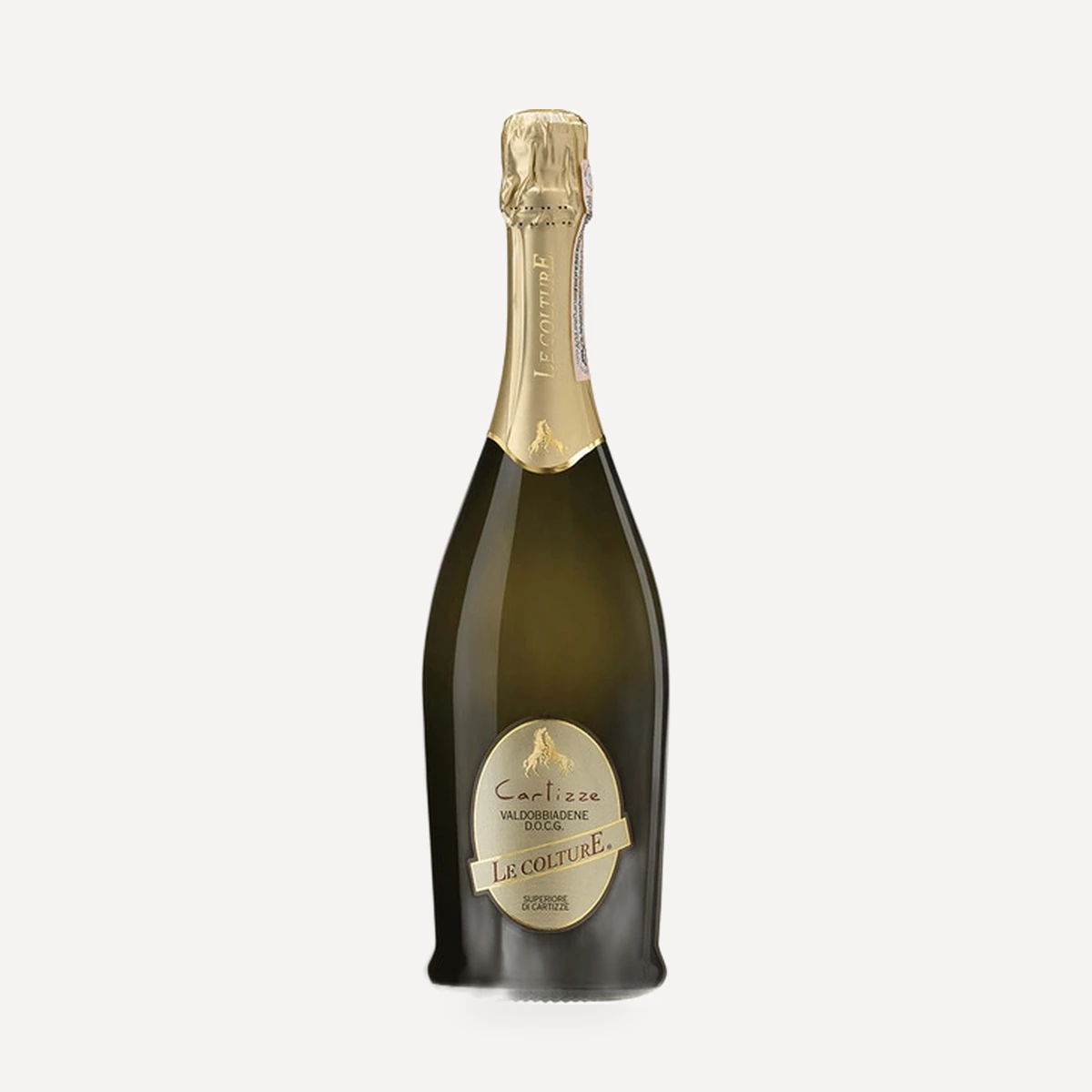
Cartizze
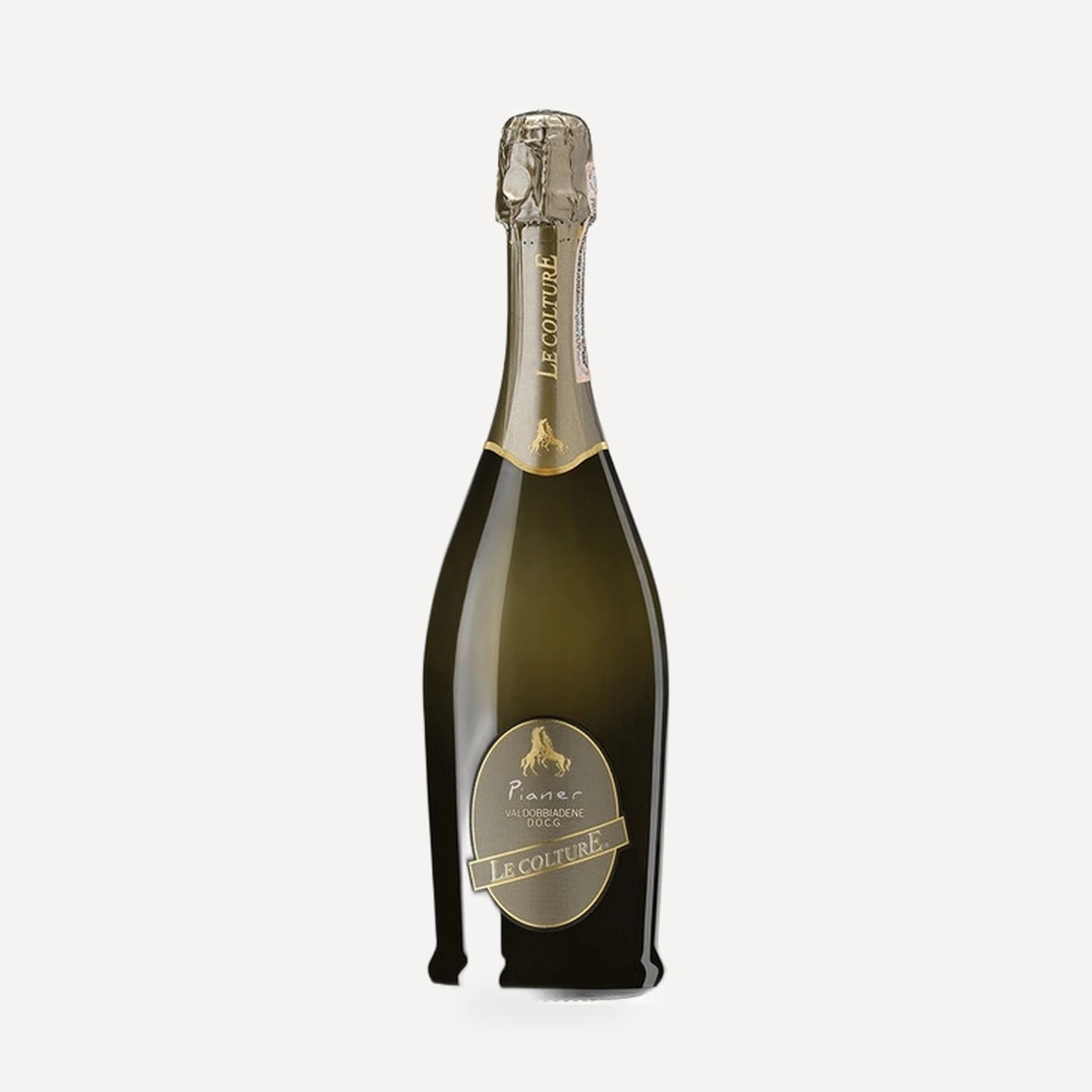
Extra Dry Pianer
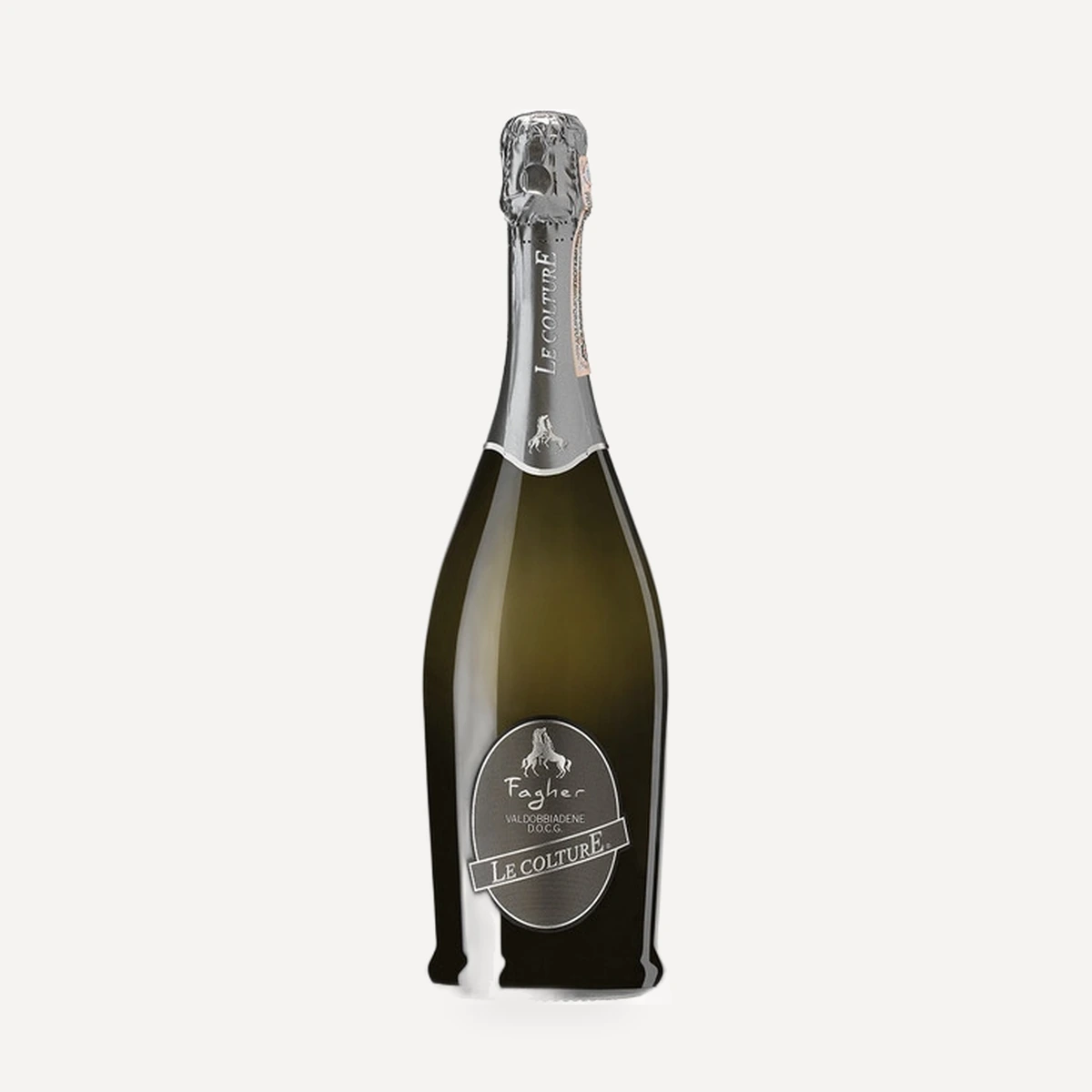
Brut Fagher
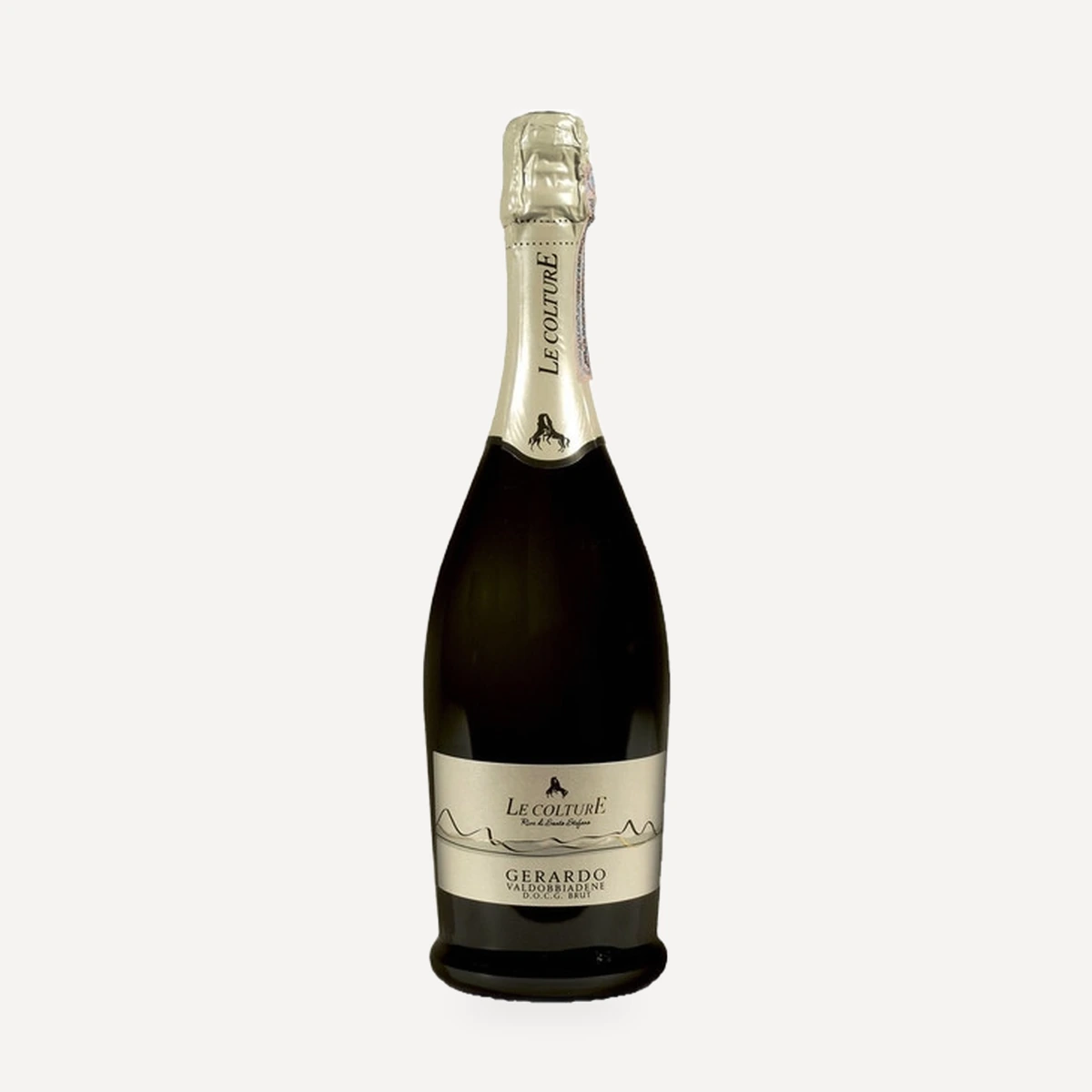
Rive di Santo Stefano Extra Brut Gerardo
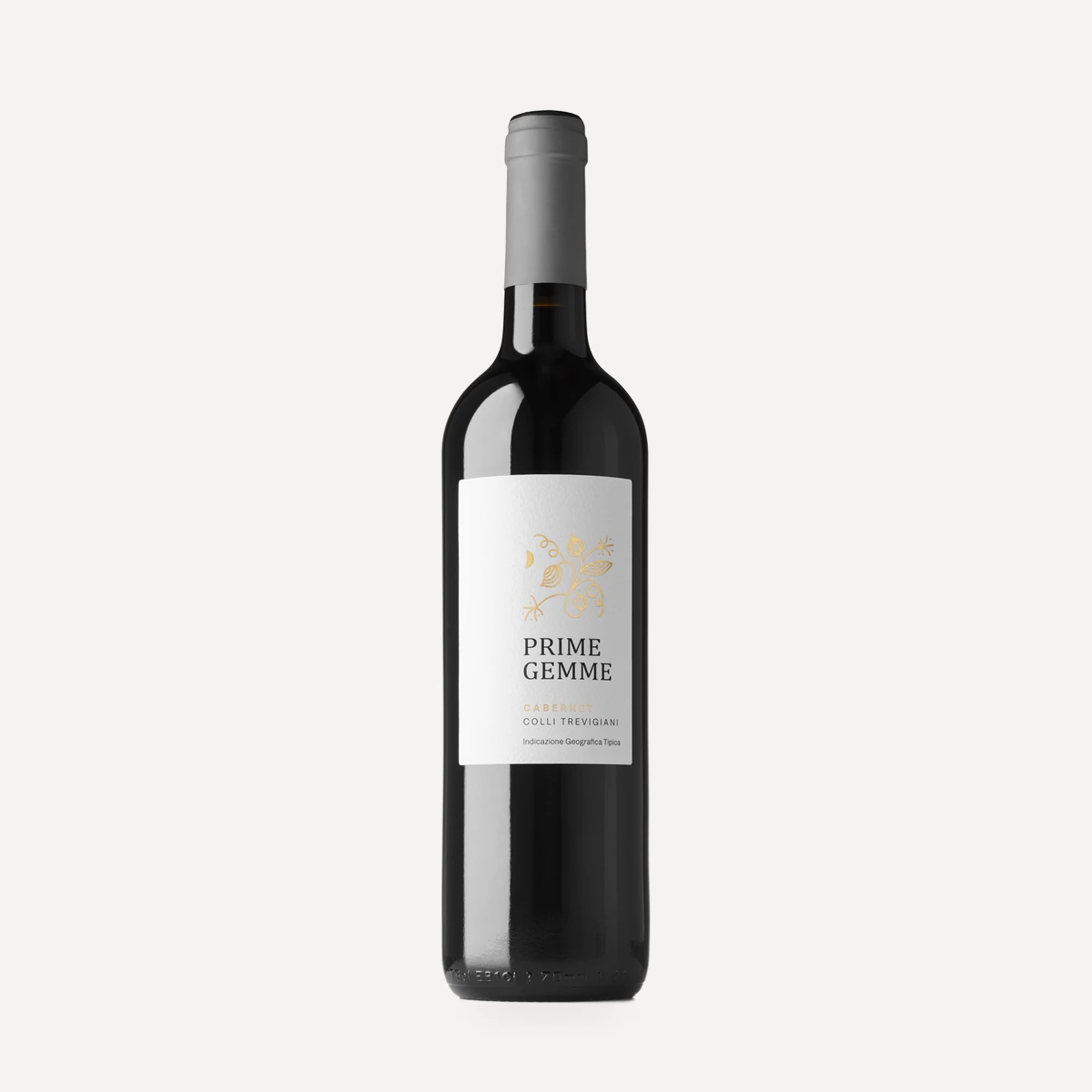
Cabernet Prime Gemme IGT