Storia
Establishment in Argentina — 1999
Masi's activity in Argentina began in 1999 with the incorporation of the Argentine company Masi Tupungato Vigneti La Arboleda S.A. The project was established in Mendoza's Tupungato Valley, at the foot of the volcano of the same name. Masi Agricola held 99% of the company's capital.
The estate became the setting for an overseas interpretation of Masi's Venetian experience. Argentine varieties were cultivated alongside Corvina and Pinot Grigio, while methods associated with Valpolicella were adapted to the local climate. After several years of experimentation, the Masi Technical Group identified Tupungato as a suitable environment for the Venetian varieties. Corvina was paired with Malbec and Pinot Grigio with Torrontés.
Organic estate and Venetian techniques
Tenuta La Arboleda developed as an organically managed estate and integrated biodiversity area. Its production model joined the natural conditions of Mendoza with two practices brought from Valpolicella: brief appassimento to add depth and finesse, and maturation in 600-litre Veronese barrels.
A dedicated drying room was created for appassimento. Grapes are placed on traditional bamboo racks known as arele, making the estate the only location in South America identified with this particular Venetian rack-drying practice. The property also includes a vinification cellar and a maturation cellar equipped with Veronese barrels.
Opening to visitors — 2016
In 2016 the Masi Wine Experience project reached Tupungato with the inauguration of a hospitality and wine-culture programme at the estate. Its itinerary connected the botanical garden and biodiversity oasis, organically farmed vineyards, drying room, vinification cellar, maturation cellar and a tasting room devoted to wine-and-food culture. The project was conceived around the encounter between Argentine nature and Venetian style.
The botanical component subsequently developed into a trail designed to protect and showcase native plant species. The estate is presented as an integrated ecosystem and a reserve rich in indigenous flora and fauna.
Recent development — 2025
In 2025 Masi introduced Sanroseda, a new estate-derived brand devoted to single-variety Argentine wines. The range was presented with Pinot Grigio, Malbec and Malbec Riserva from the organically managed, 160-hectare Finca La Arboleda. At the end of 2025, the operating company remained under Masi Group control, with Masi Agricola holding 99% directly and the consolidated Group interest accounting for the full ownership position.
Terroir
Tenuta La Arboleda lies in Distrito La Arboleda in the Tupungato area of Valle de Uco, southwest of the city of Mendoza and at the foot of the Tupungato volcano. The wider valley occupies the band between 33°5′ and 34° south latitude and ranges from 600 to 1,500 metres above sea level.
The valley is framed by the rounded summits of the Cordón del Plata and protected by the Cordillera de los Andes. Meltwater from Andean glaciers supplies water for cultivation. At the estate, a small lake called the Reservorio stores water used for the Venetian grape varieties.
The regional soils are predominantly alluvial. At La Arboleda they are characterised as mineral-rich, while the Andean slopes have dry, cool air. The climate is dry and marked by a pronounced difference between daytime and night-time temperatures. Altitude brings cooler nights, a condition associated here with greater structure and longevity in the resulting wines.
These environmental conditions support the coexistence of Argentine and Venetian varieties and allow organic, eco-sustainable vineyard management. The estate's landscape is also rich in native flora and fauna, forming the basis of its biodiversity reserve and botanical trail.
Vinificazione
The vineyards are farmed organically and form part of an estate conceived as an integrated ecosystem. Organic management is central to the property's environmental model rather than being limited to a single parcel or label.
Biodiversity is supported through the preservation of indigenous flora and fauna. A botanical trail within the estate protects and showcases native plant species, and the visitor route passes through a nature reserve described as a biodiversity oasis.
Water for the Venetian varieties is held in the estate's Reservorio, a small lake created to supply cultivation. The dry, cool Andean air, mineral-rich soils and pronounced day-to-night temperature difference provide the natural conditions associated with the estate's eco-sustainable management.
Production combines Argentine raw material with practices adapted from Valpolicella. Two methods are central: brief appassimento of selected grapes to build depth and finesse, and maturation in 600-litre Veronese barrels.
The estate has a dedicated drying room where bunches are laid on traditional arele, washable bamboo racks associated with Venetian appassimento. This is the only South American location identified with the use of arele for grape drying. The duration is deliberately described as brief rather than the extended drying associated with other Masi styles, and the method has been adapted to Tupungato's local climatic conditions.
The production complex includes a vinification cellar and a separate maturation cellar housing Veronese barrels. Water running down the walls of the barrel room maintains its humidity. The estate's wine programme brings together Corvina and Malbec for red wines and Pinot Grigio and Torrontés for white wine, while the newer Sanroseda project focuses on varietal Pinot Grigio, Malbec and Malbec Riserva.
Filosofia
The estate's production philosophy rests on respect for the environment, organic management and the meeting of Argentine nature with Venetian wine culture. It treats Tupungato as a place where methods and varieties originating in the Veneto can be reinterpreted rather than reproduced unchanged.
Corvina and Pinot Grigio are grown beside Malbec and Torrontés, while appassimento is shortened and adapted to local climatic conditions. The intended stylistic synthesis is often expressed as “Argentine soul, Venetian style”: the character of Mendoza supplies the natural foundation, while Masi's approach contributes blending, drying and maturation practices.
Environmental care is embedded in the design of the property as an integrated ecosystem. Organic vineyards, the nature reserve, native flora and fauna, the botanical trail and water reservoir are treated as connected elements of the estate rather than isolated initiatives.
Vini
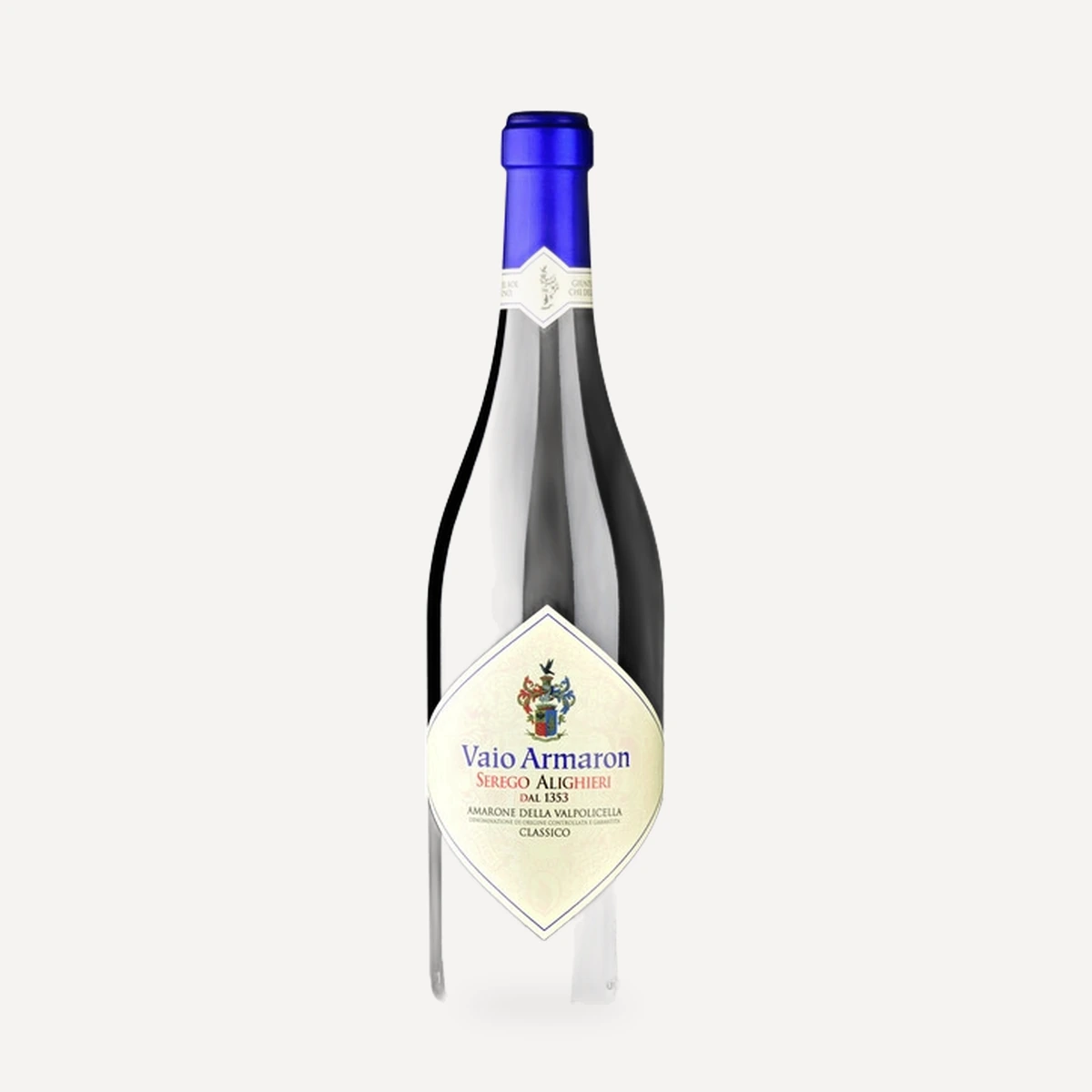
Vaio Armaron Amarone della Valpolicella Classico DOCG
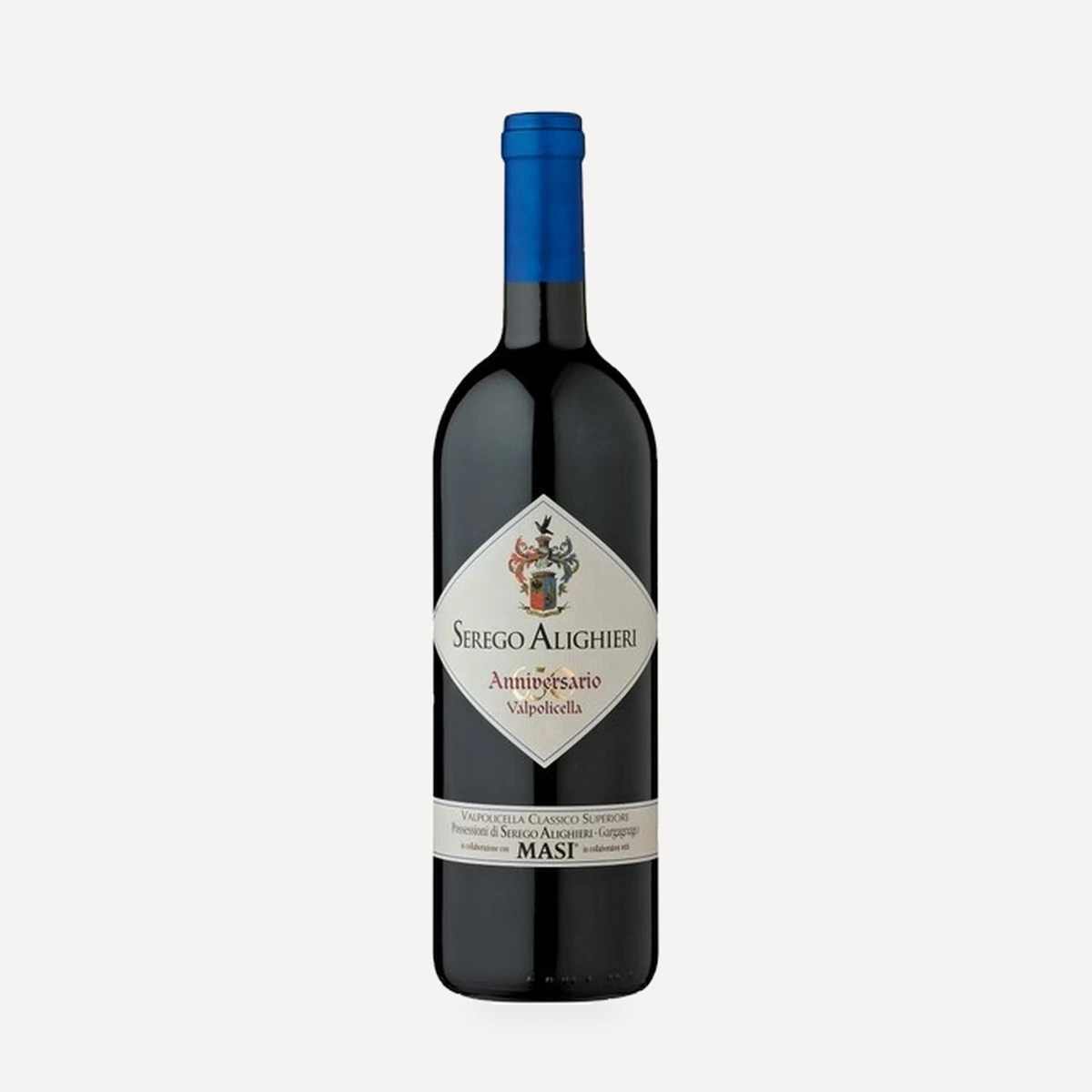
Anniversario
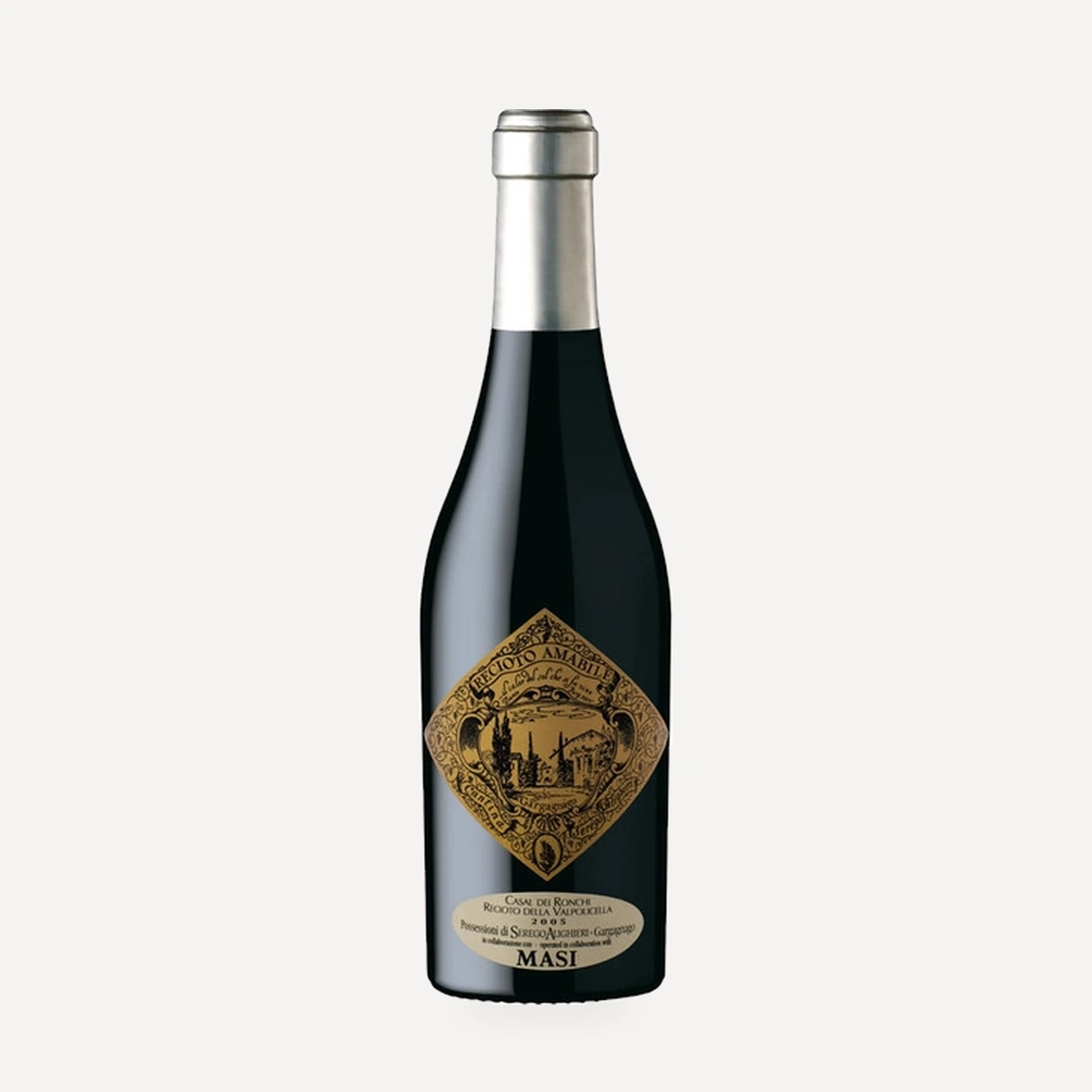
Casal dei Ronchi
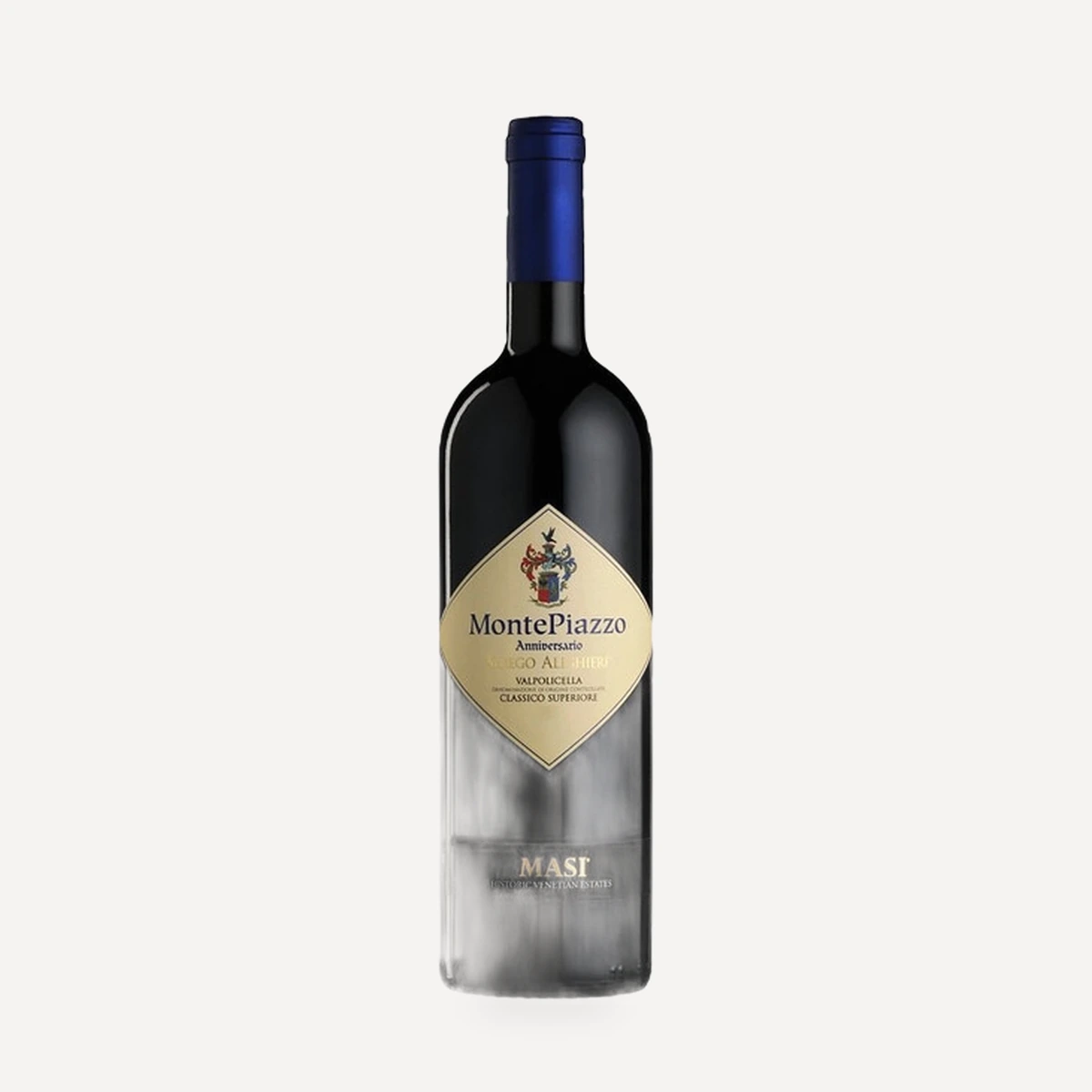
Monte Piazzo
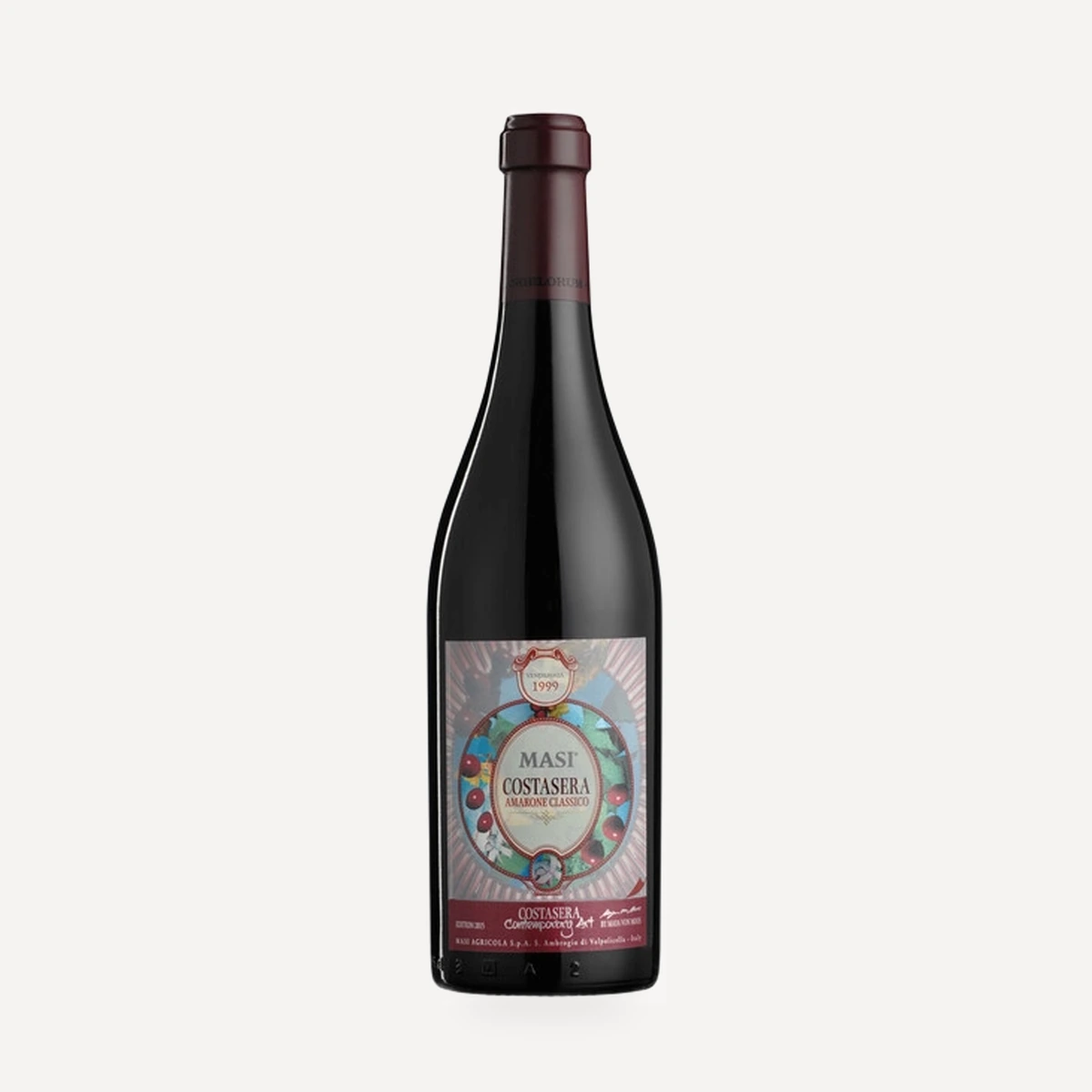
Costasera Contemporary Art Amarone Classico DOC
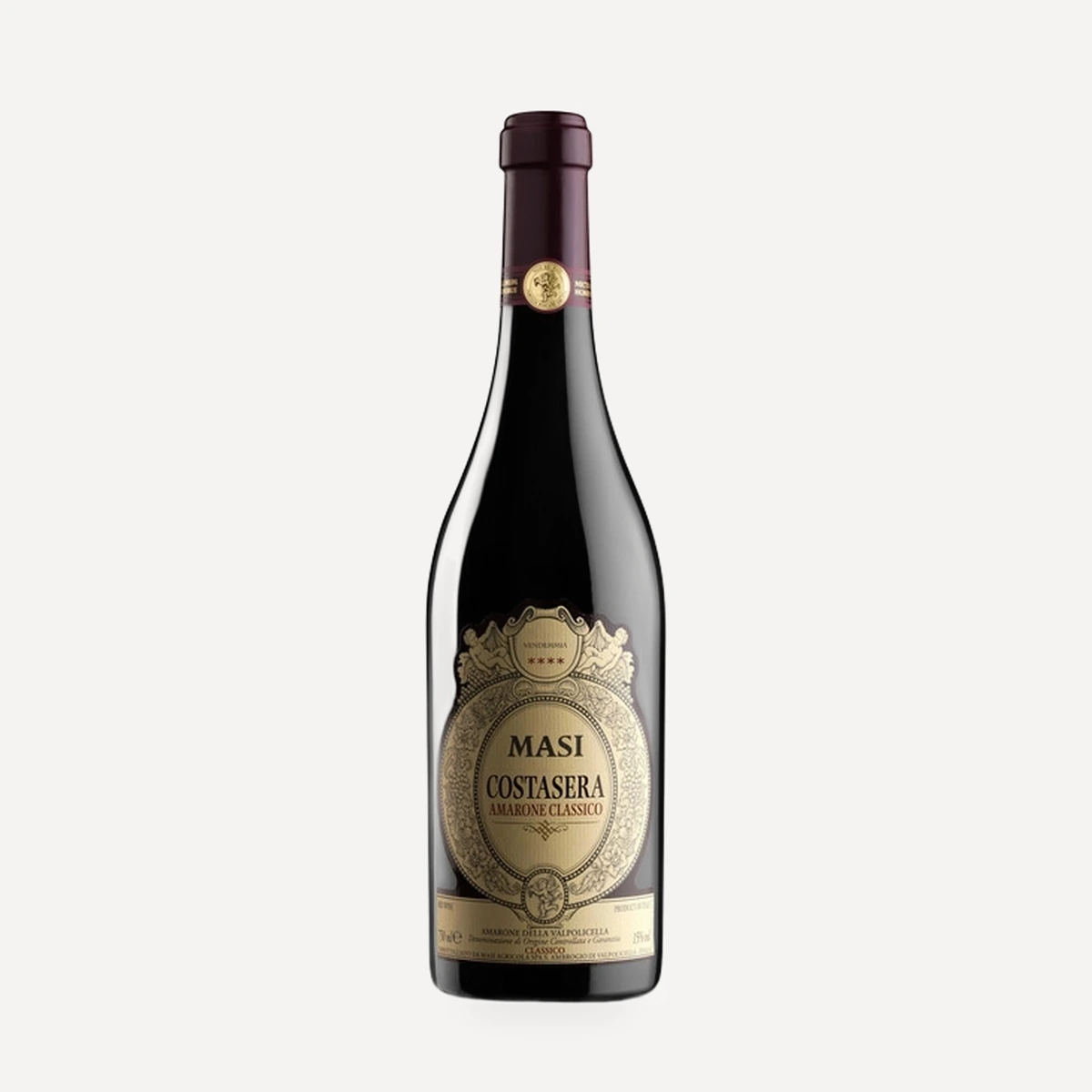
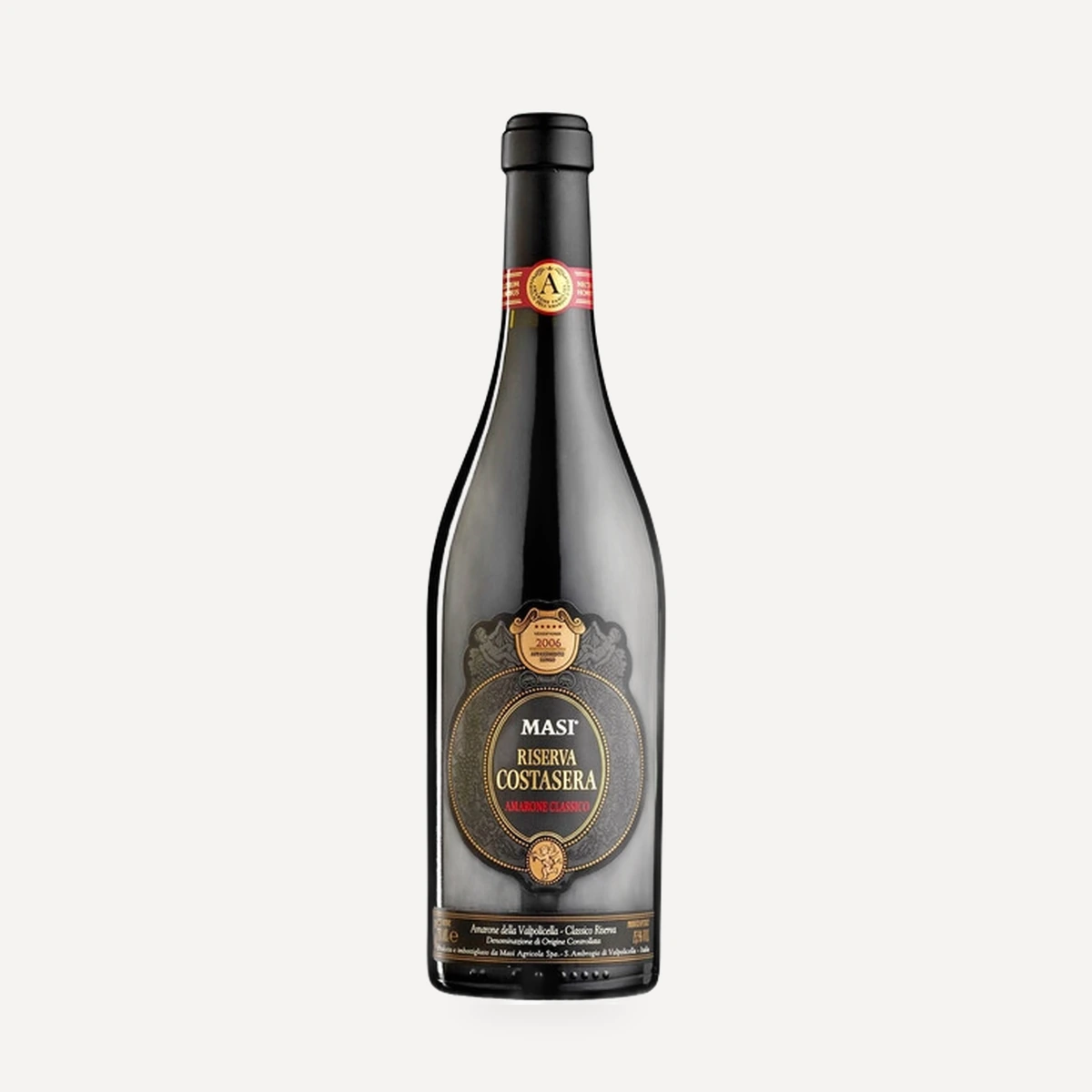
Costasera Amarone della Valpolicella Classico DOCG
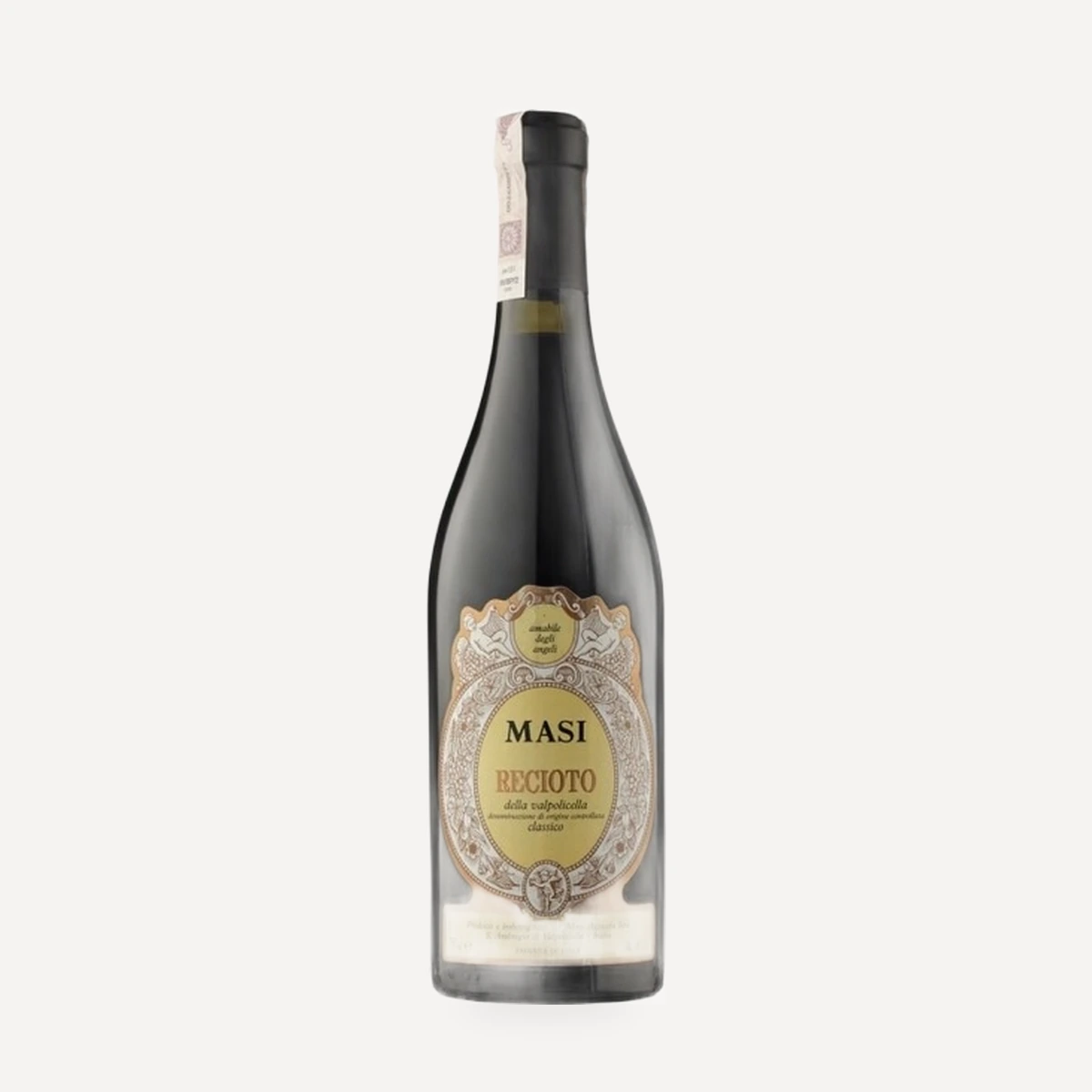
Recioto degli Angeli della Valpolicella Classico
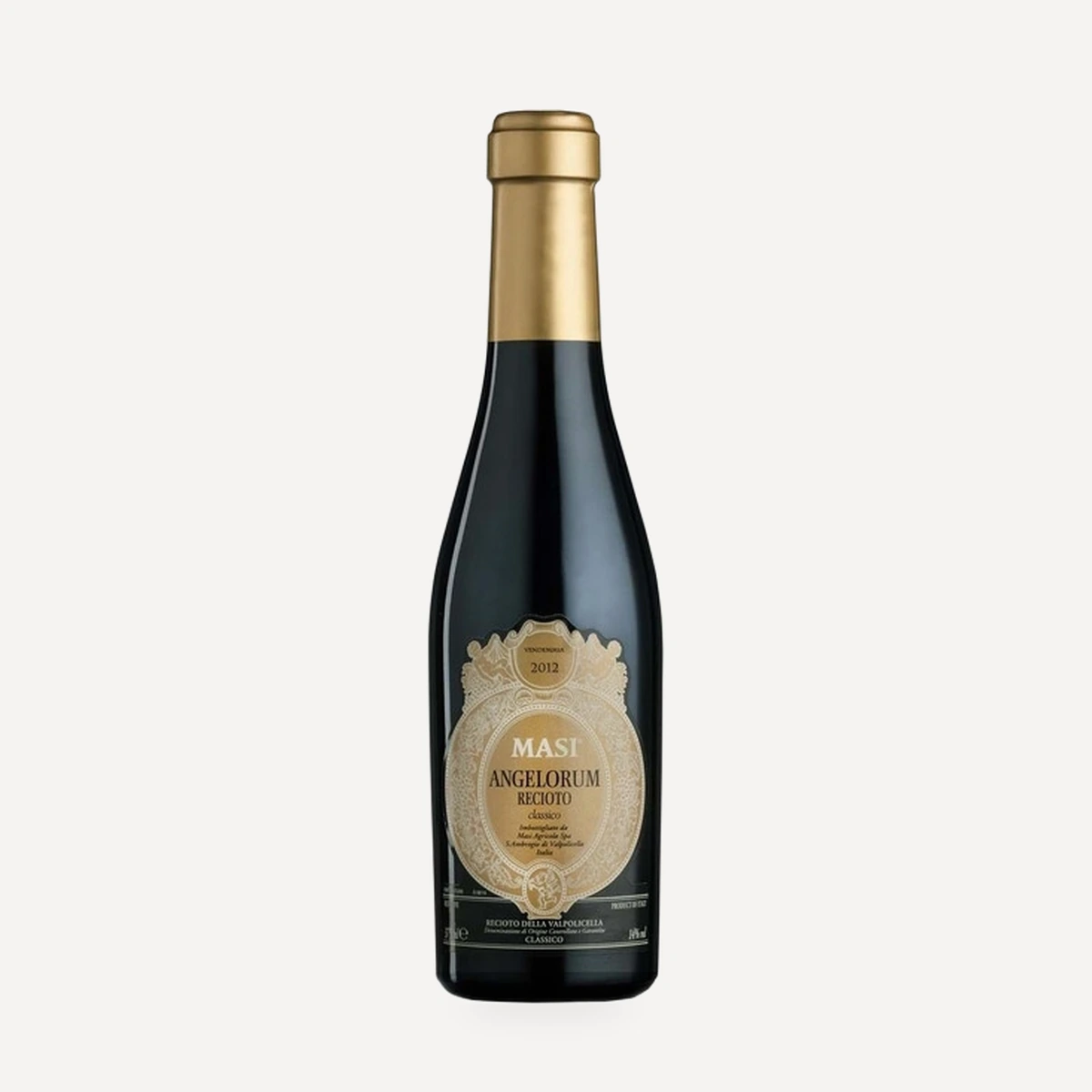
Angelorum Recioto della Valpolicella Classico DOC
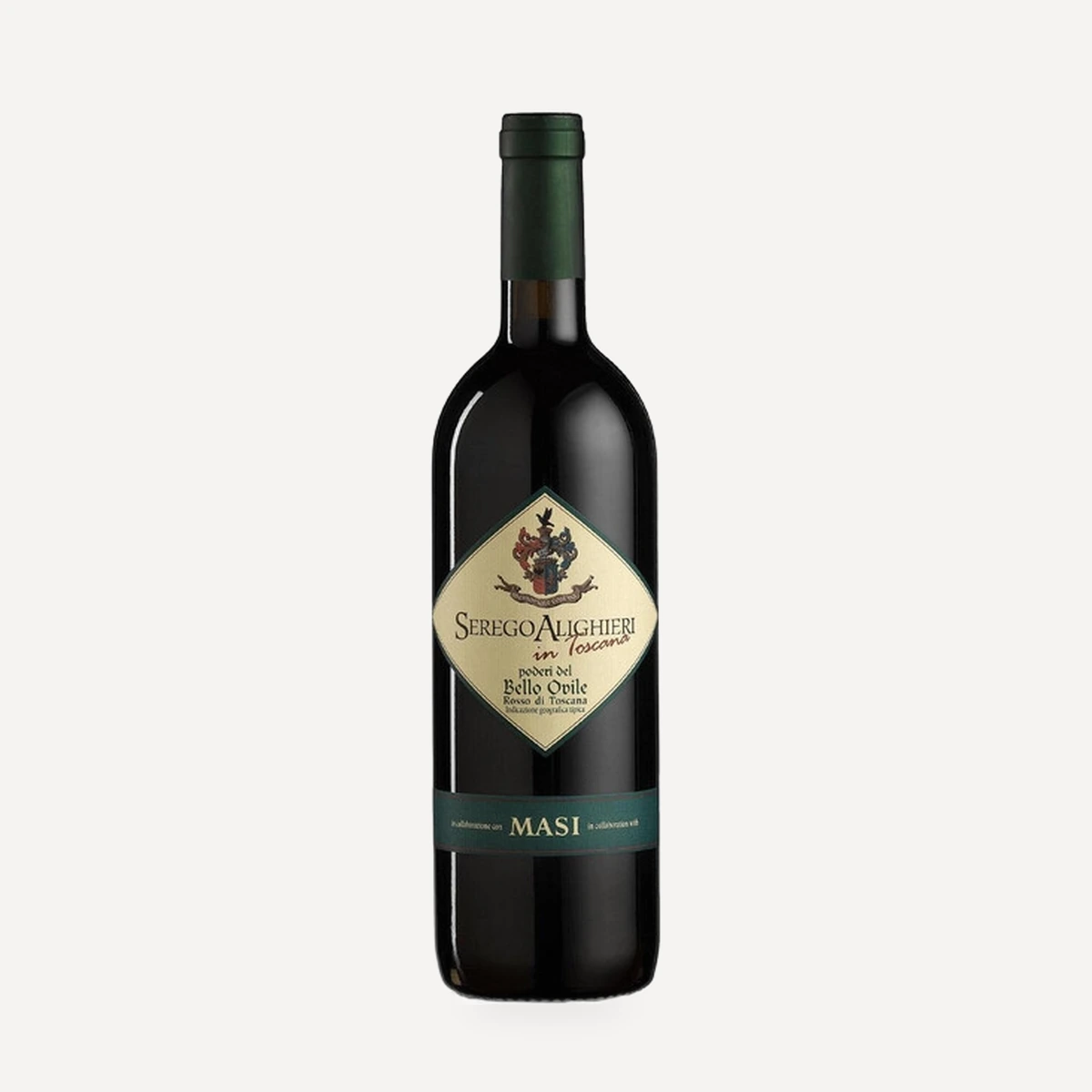
Poderi del Bello Ovile
Possessioni Bianco
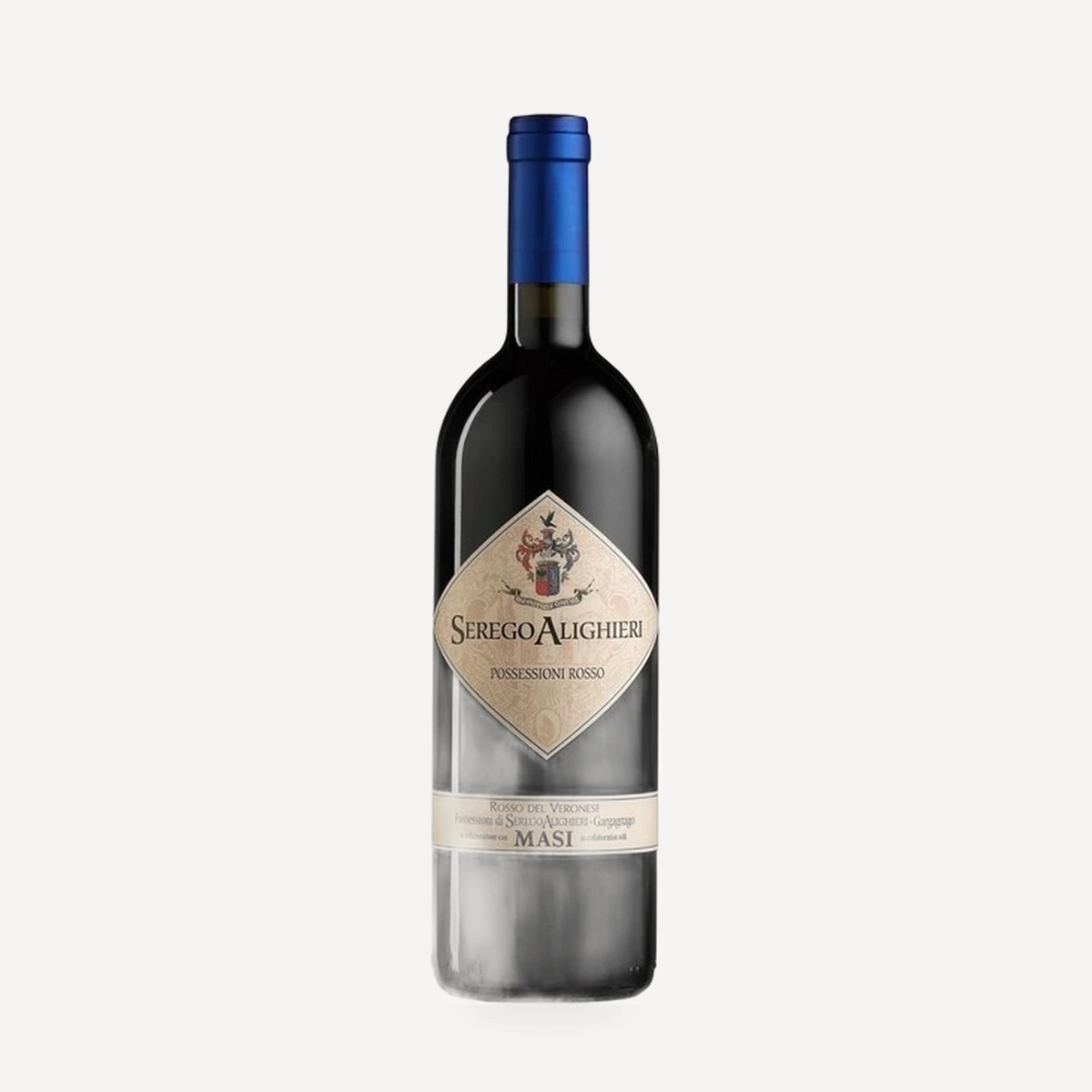
Possessioni Rosso
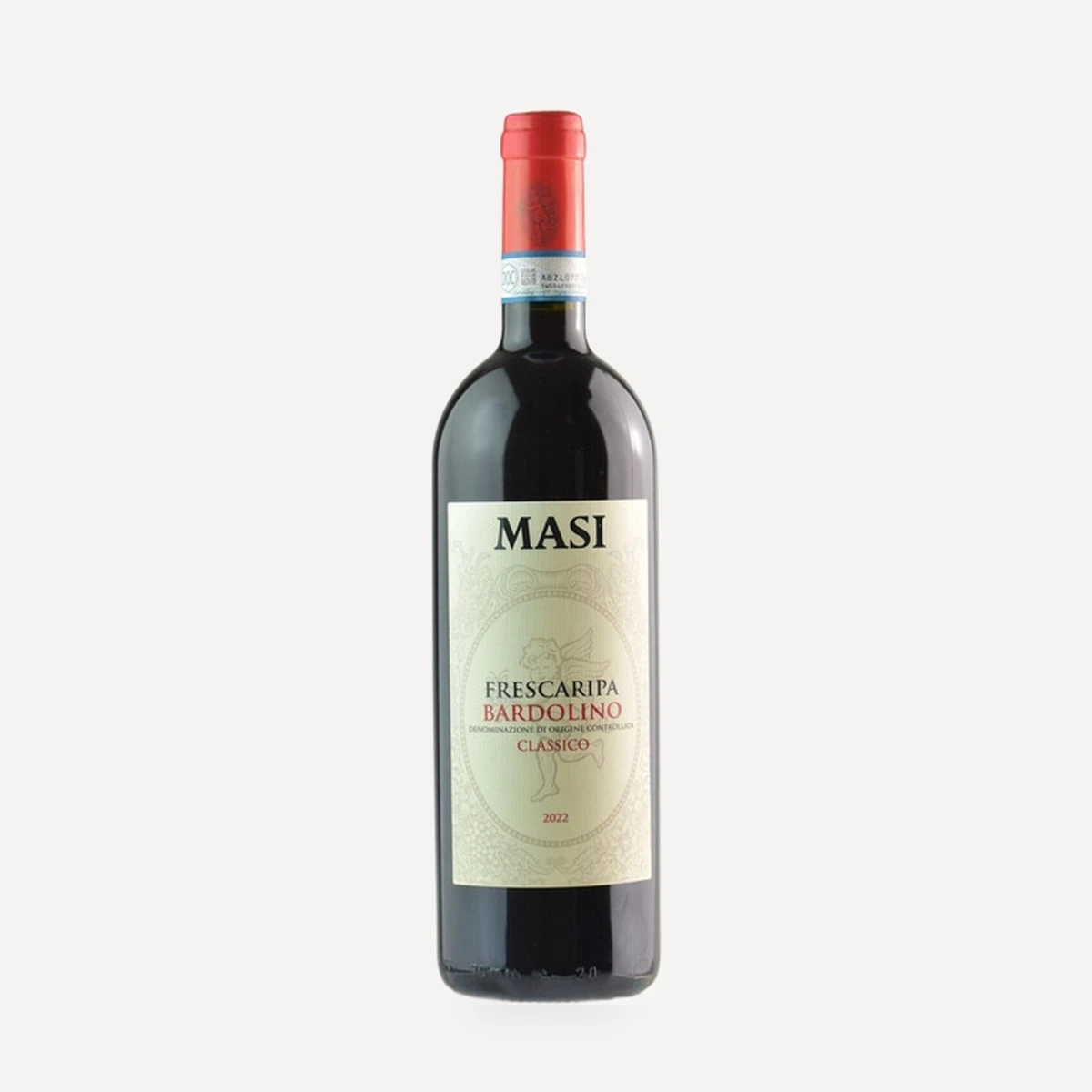
Frescaripa Bardolino Classico DOC
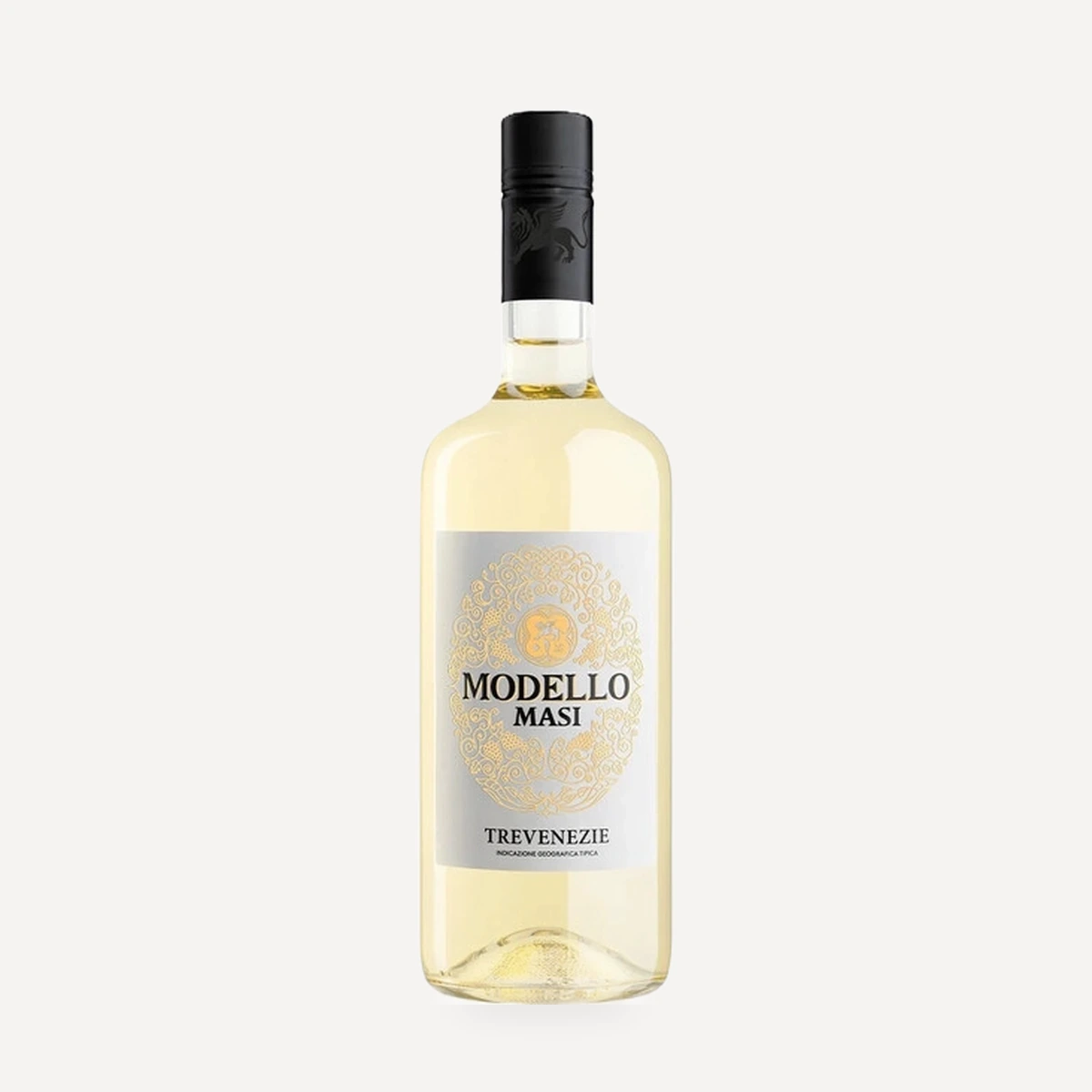
Modello Bianco Trevenezie IGT
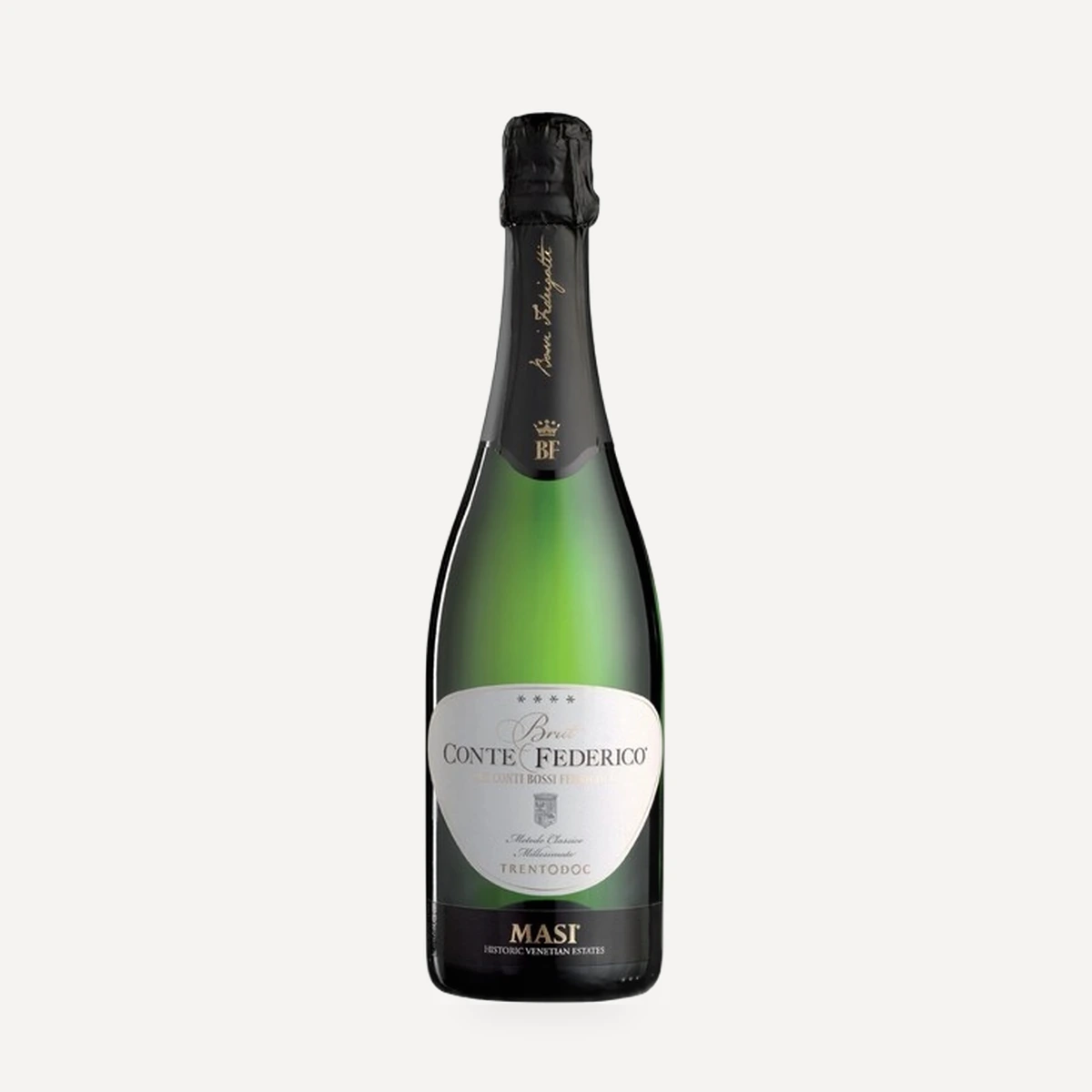
Conte Federico dei Bossi Fedrigotti Brut Trento DOC
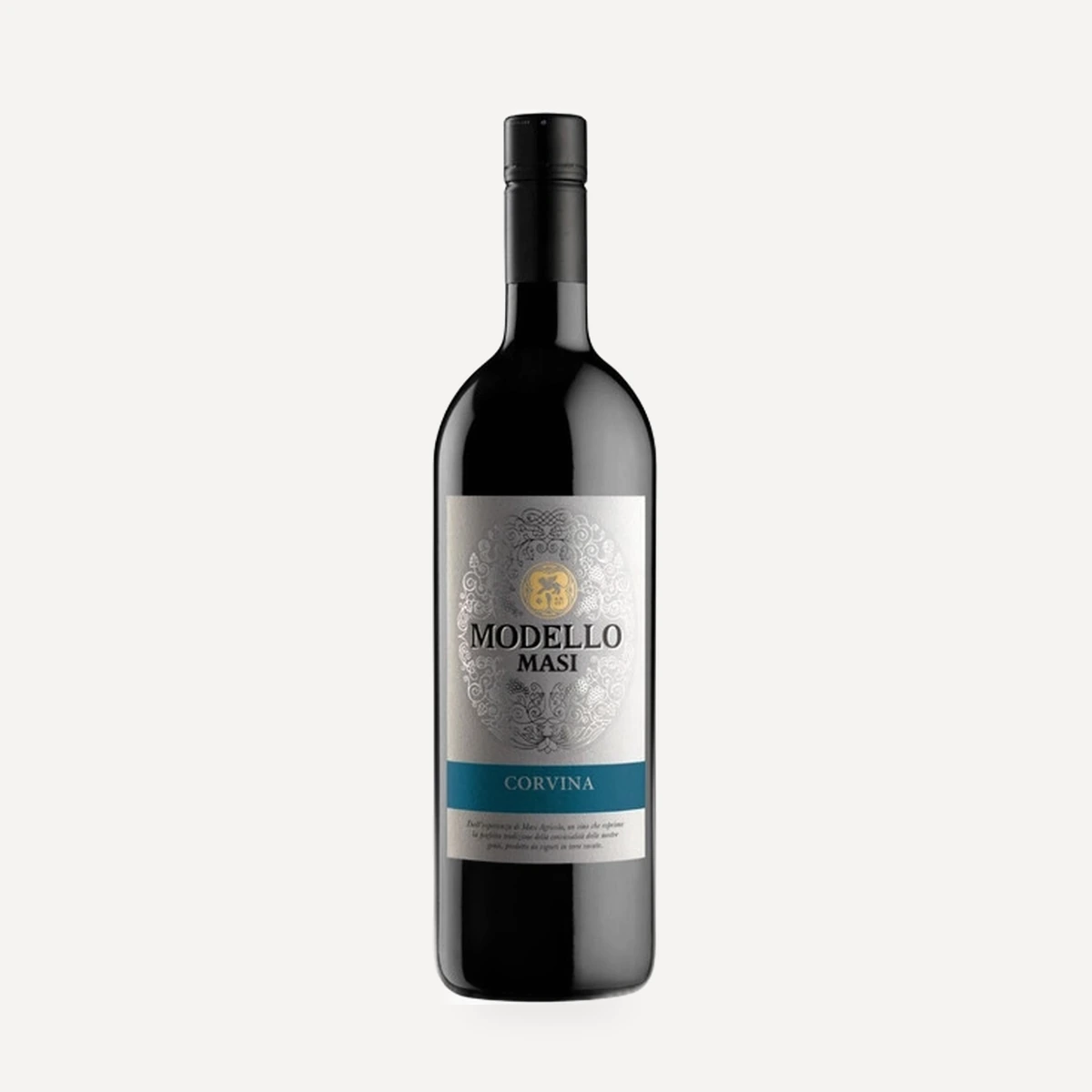
Modello Corvina Verona IGT
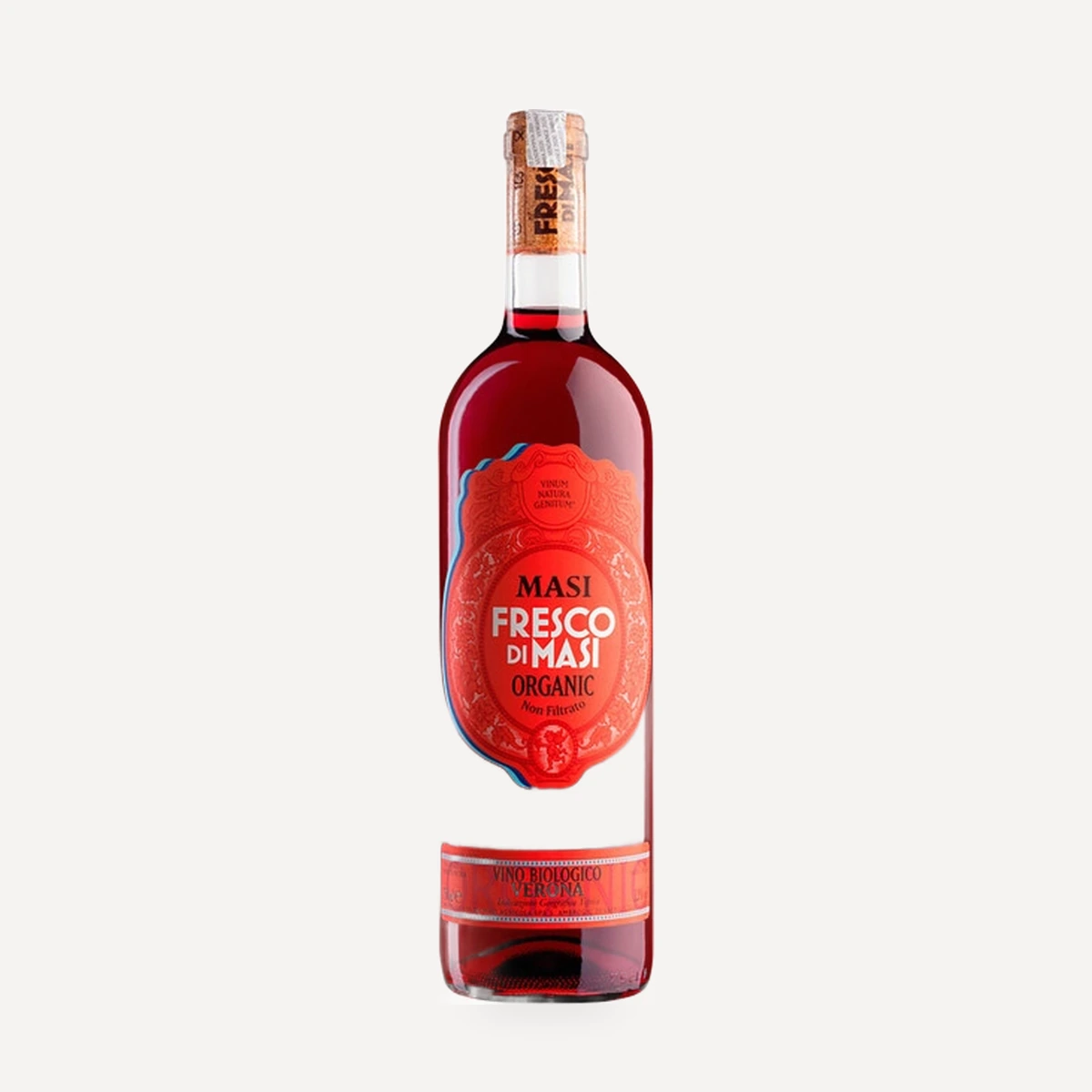
Fresco di Rosso Verona IGT
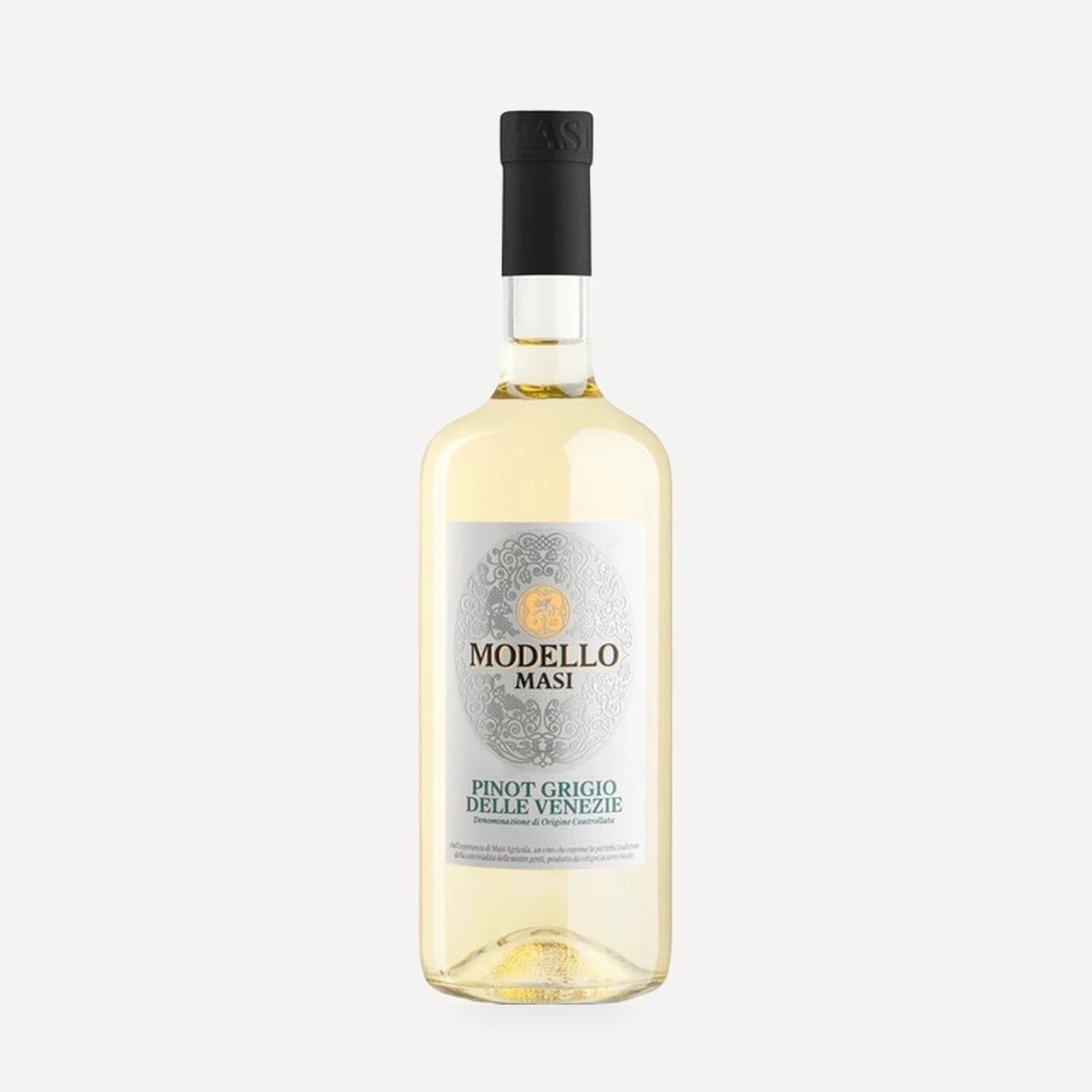
Modello Pinot Grigio delle Venezie DOC
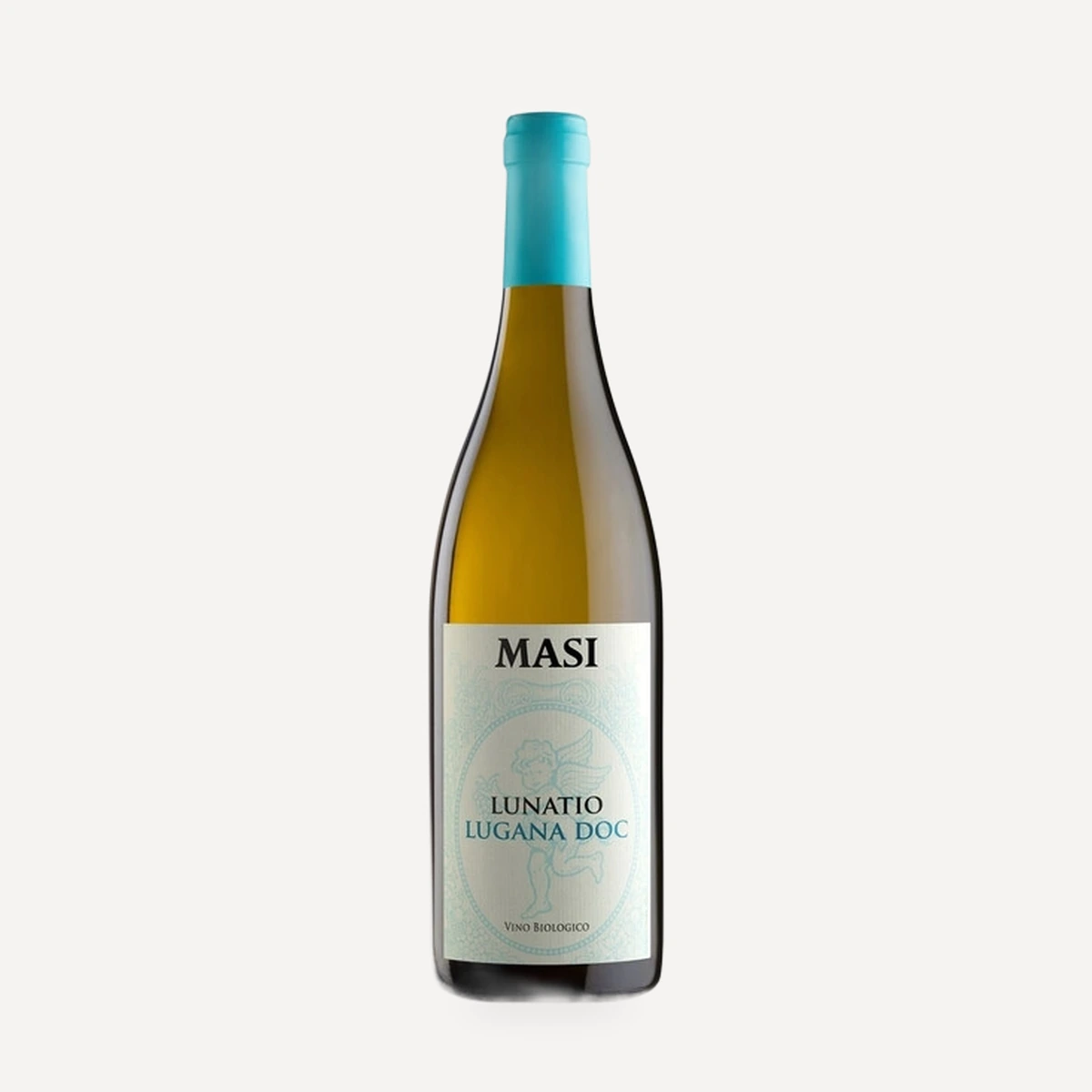
Lunatio Lugana DOC
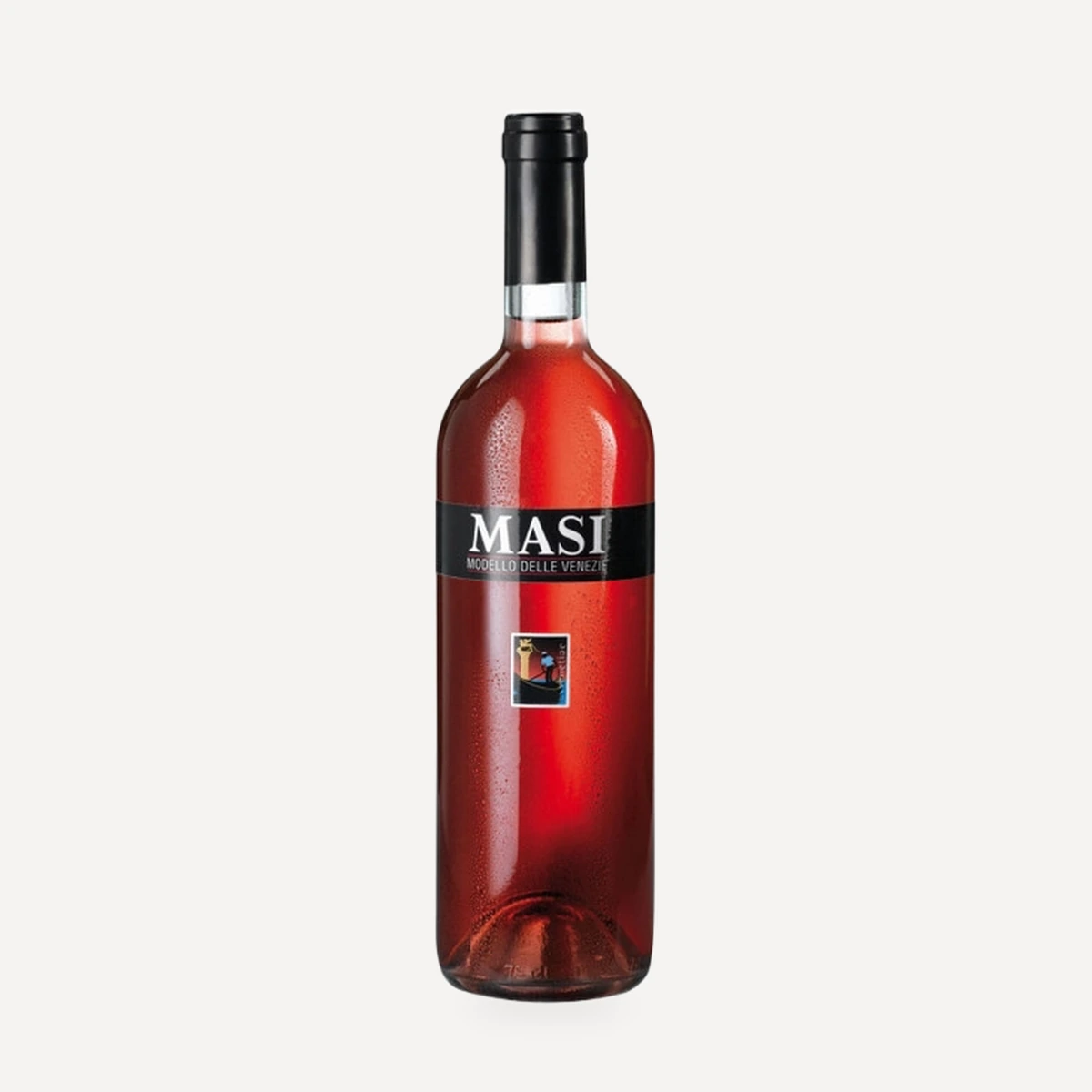
Modello delle Venezie Rosato
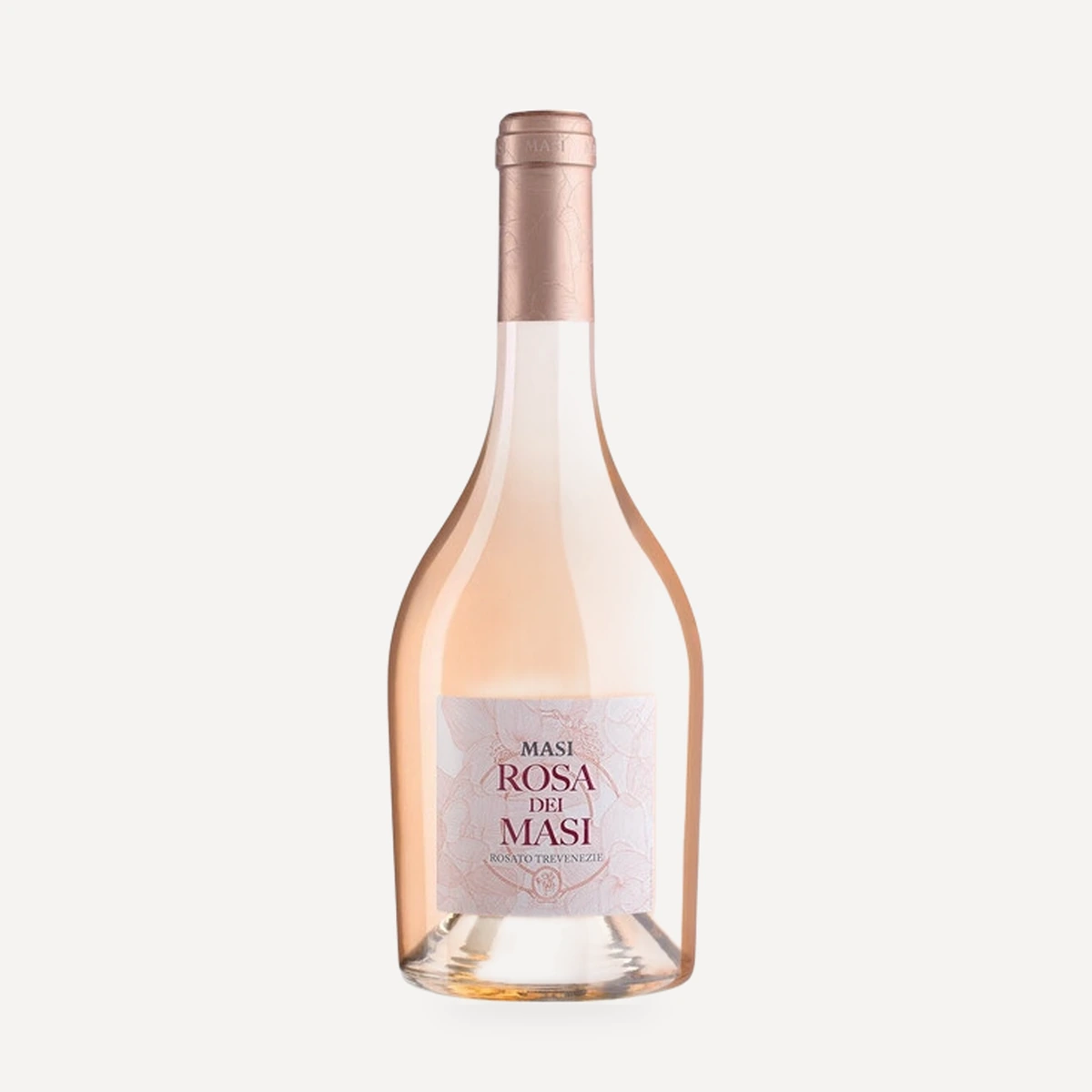
Rosa dei Rosato Trevenezie IGT
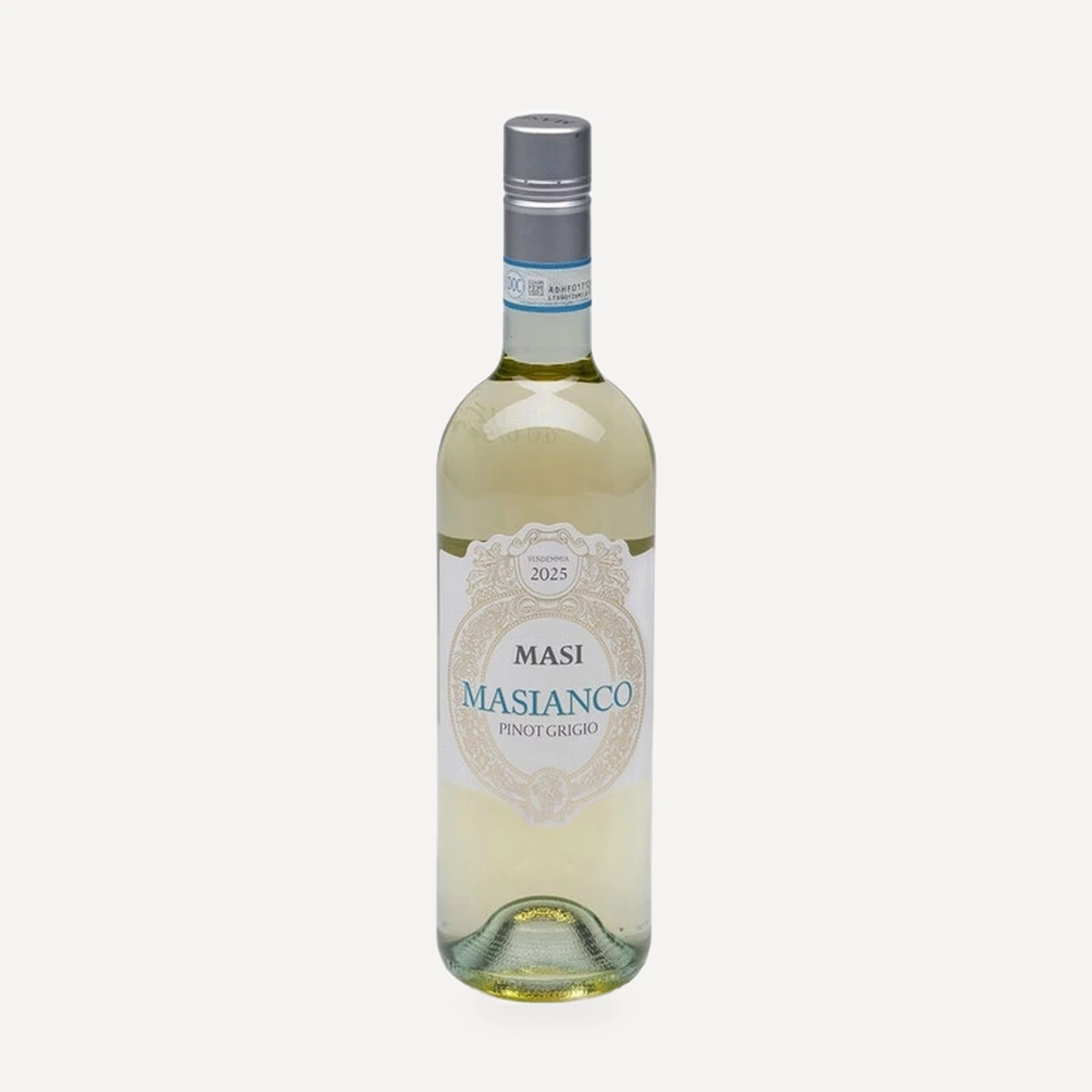
Masianco
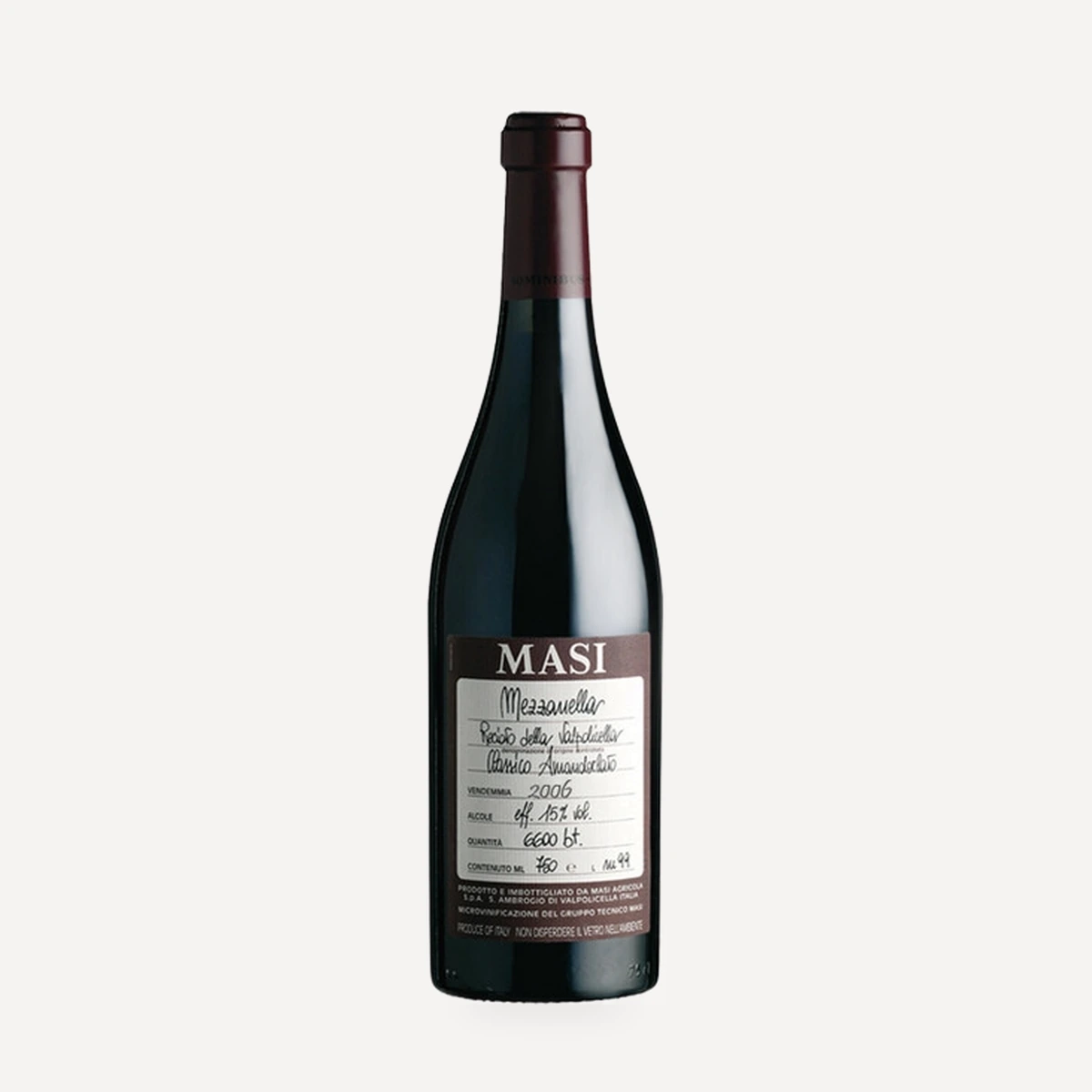
Mezzanella Amandorlato Recioto della Valpolicella Classico DOC
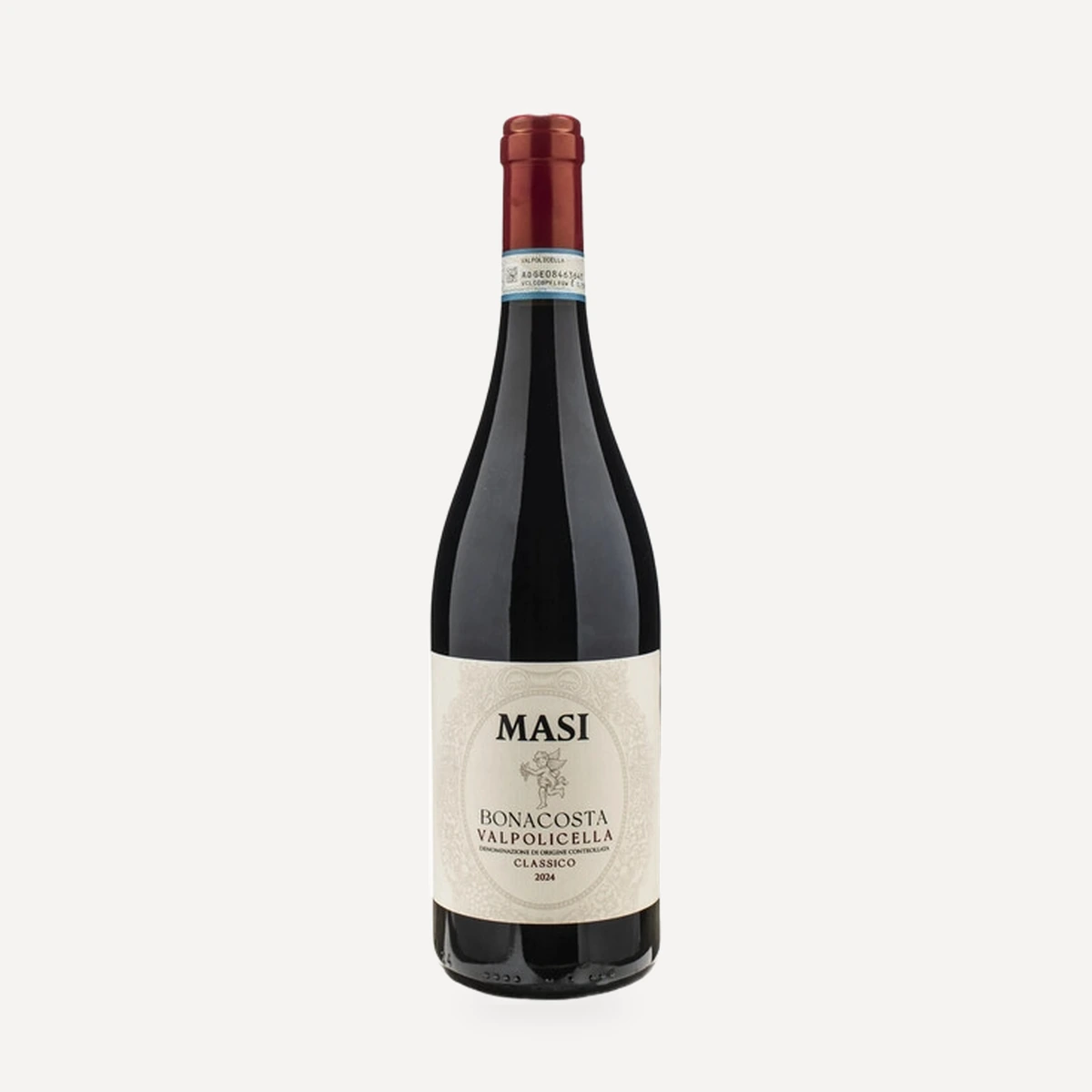
Bonacosta Valpolicella Classico DOC
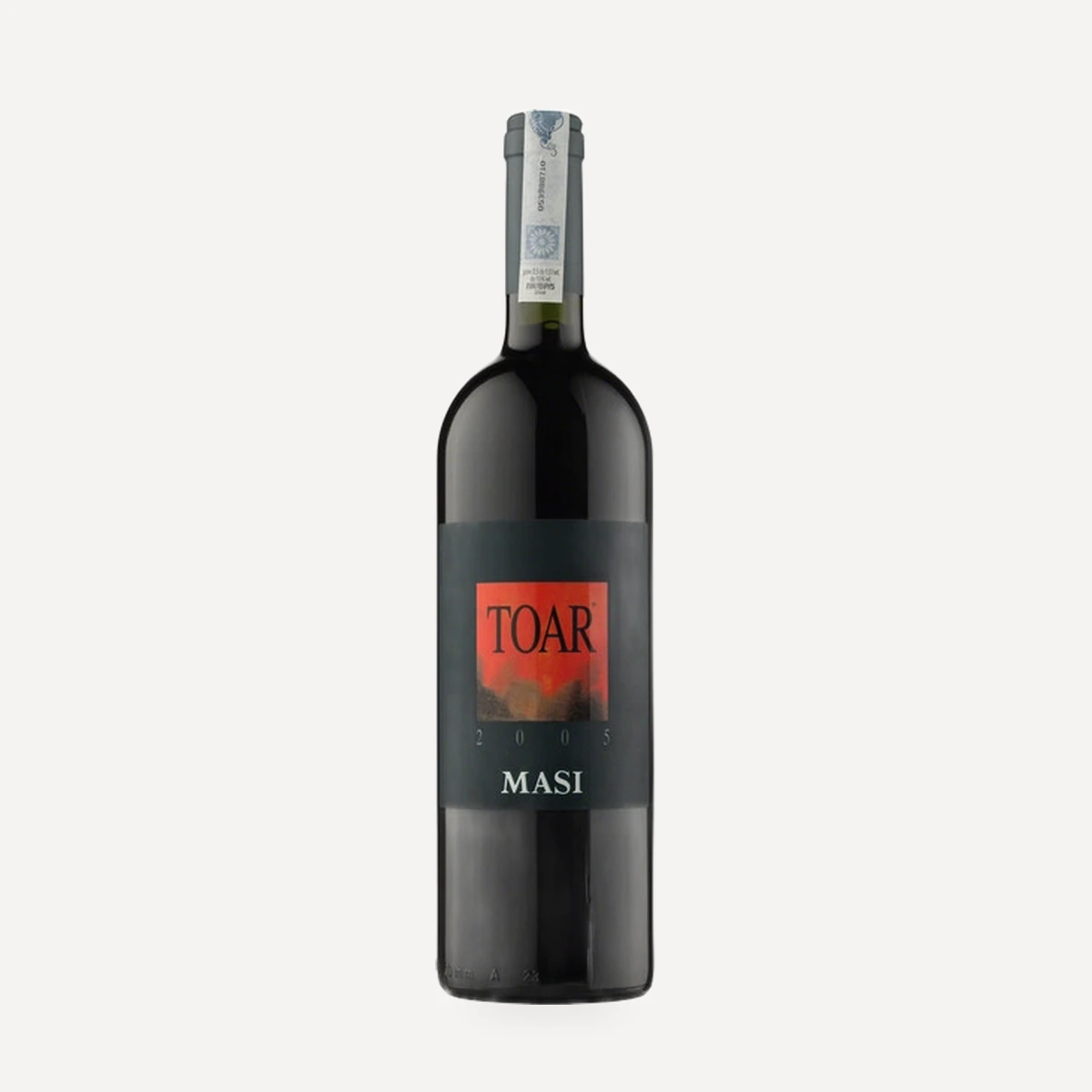
Toar
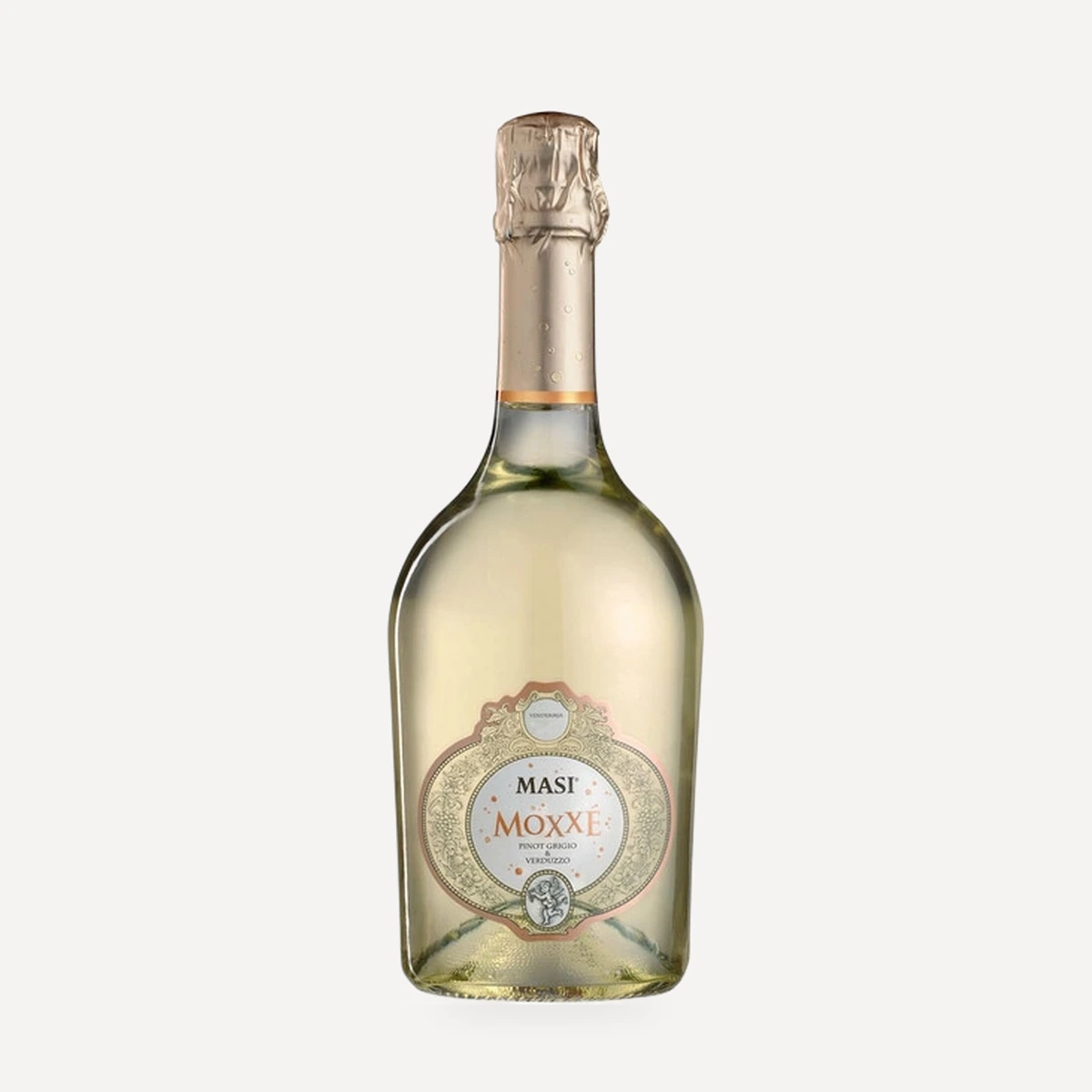
Moxxe Brut
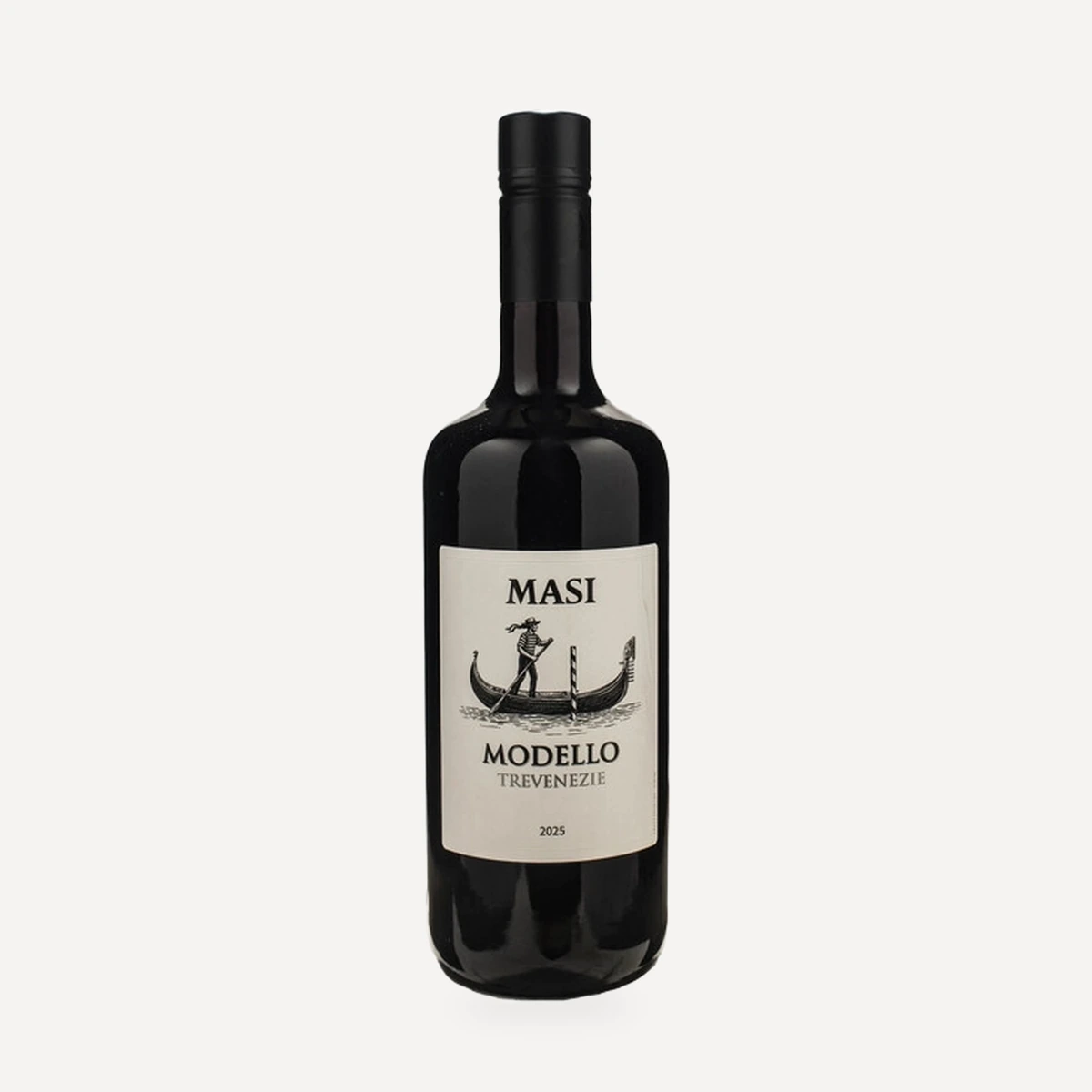
Modello Rosso Trevenezie IGT
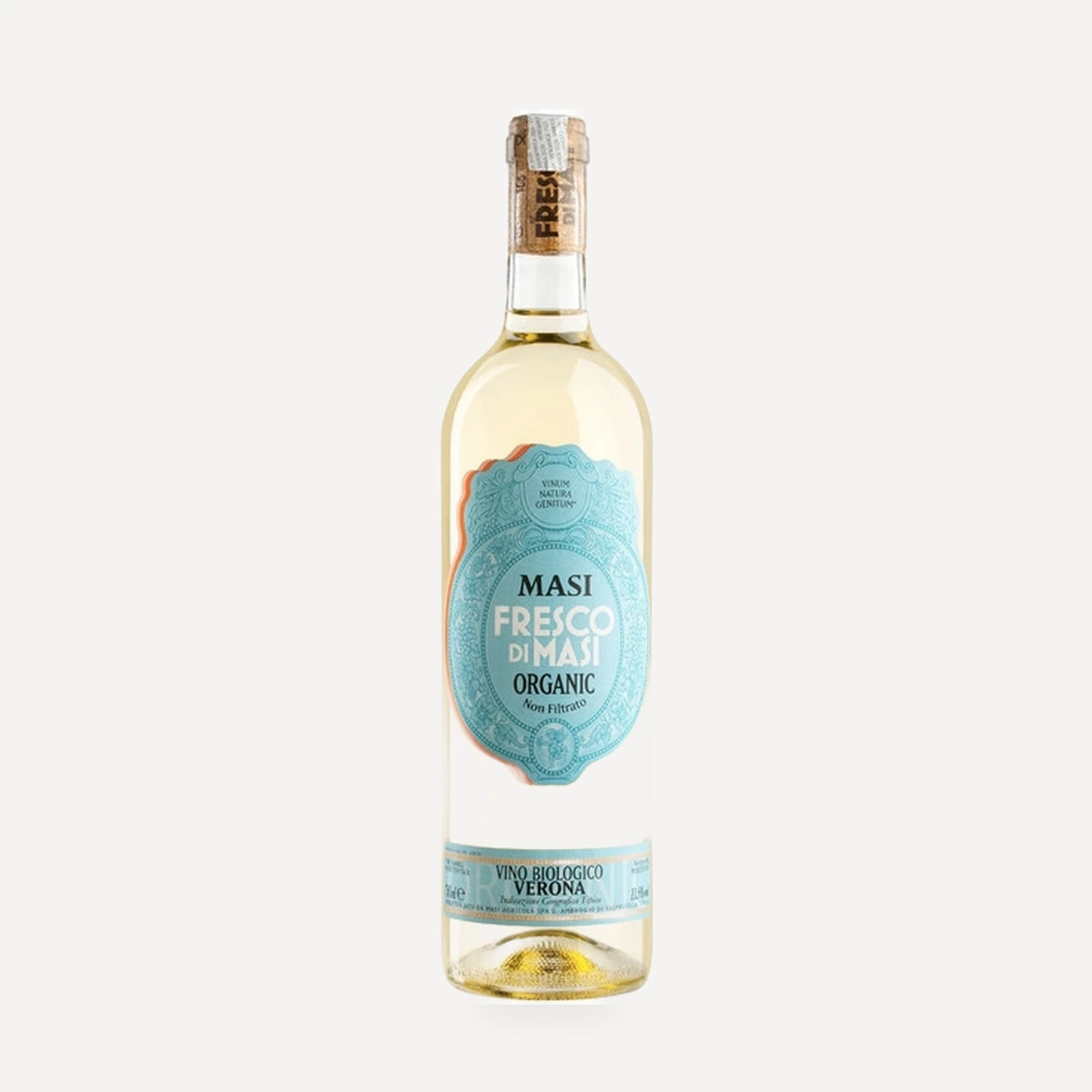
Fresco di Bianco Verona IGT
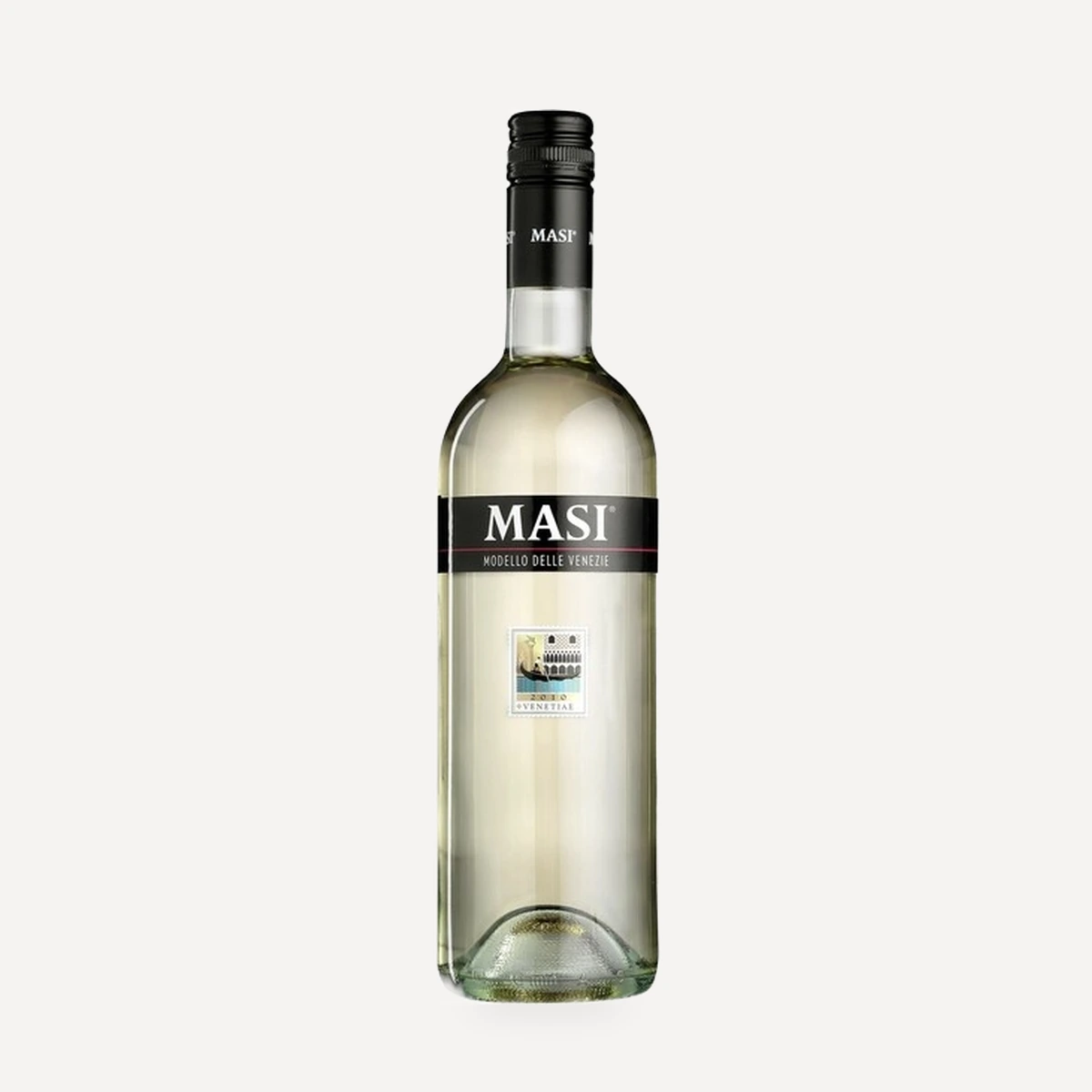
Modello delle Venezie Bianco
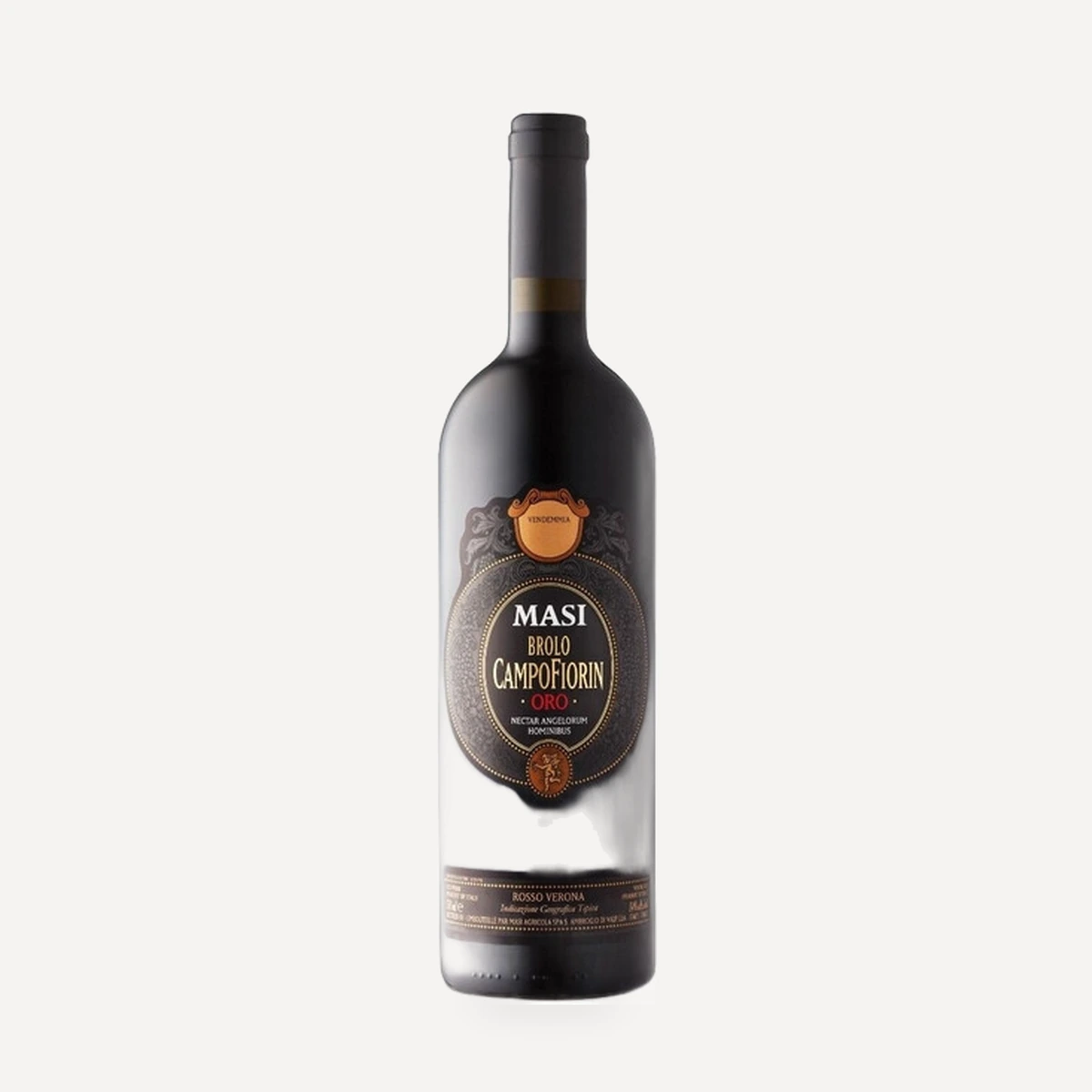
Brolo Campofiorin Oro Rosso del Veronese IGT
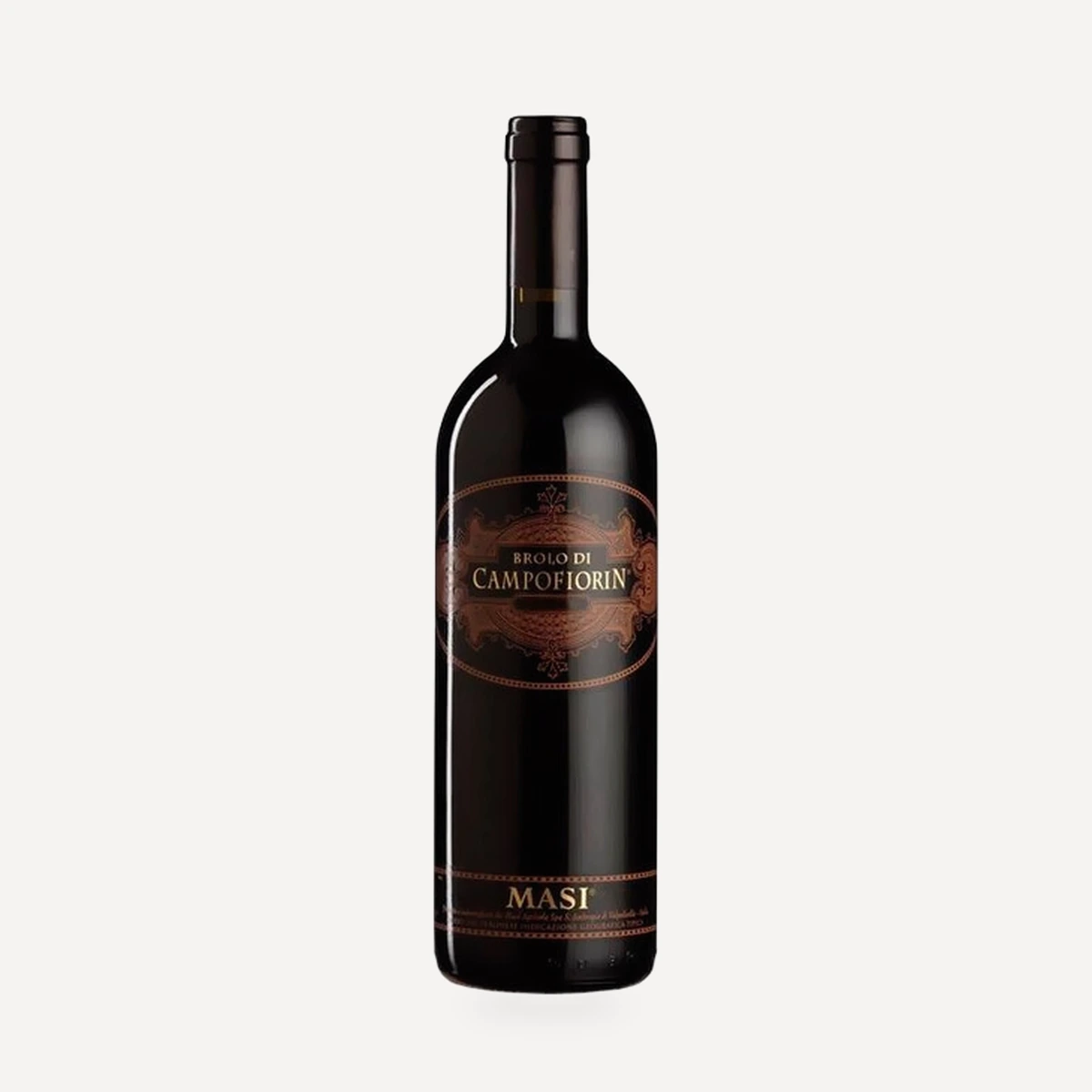
Brolo Campofiorin Rosso del Veronese IGT
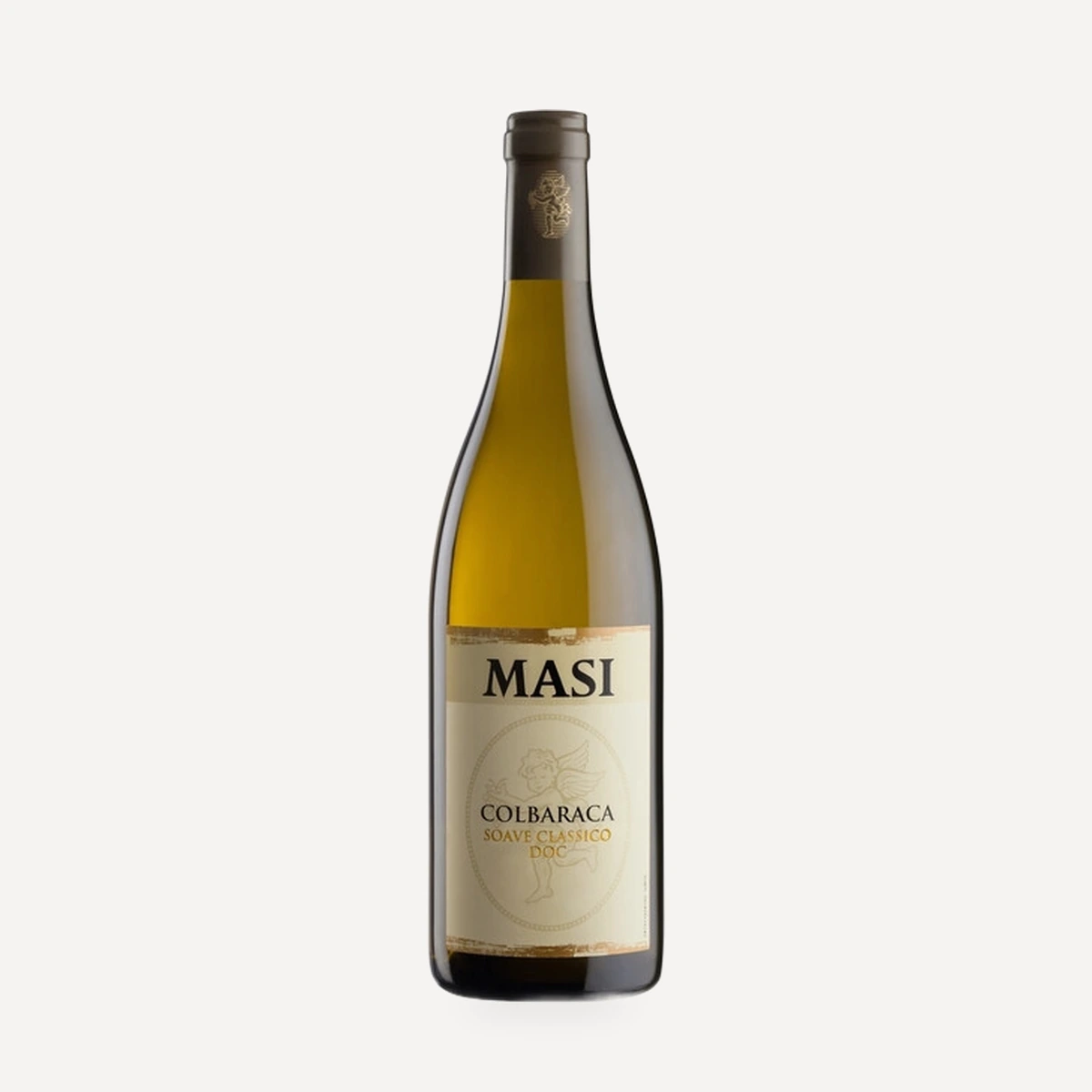
Colbaraca Soave Classico DOC
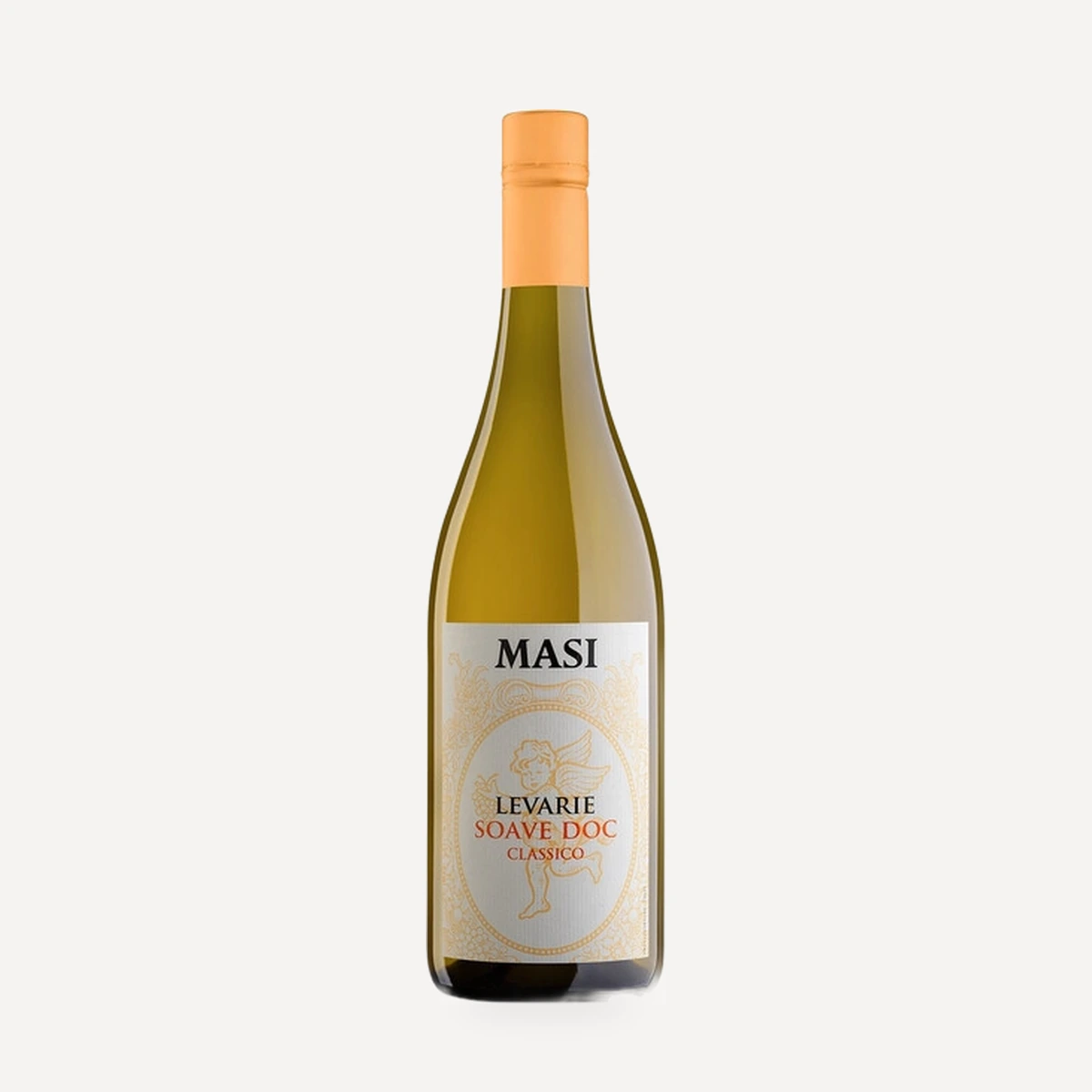
Levarie Soave Classico DOC
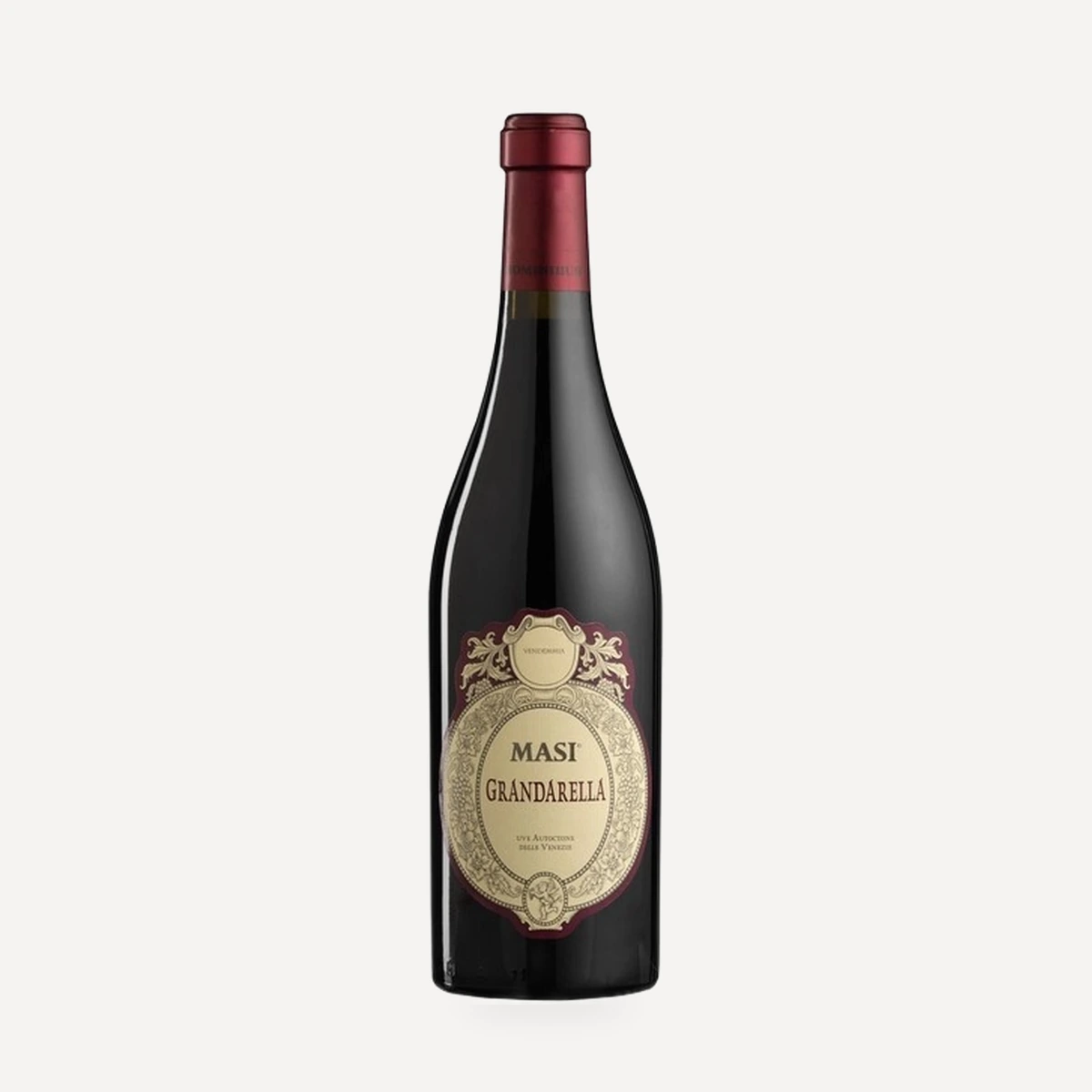
Grandarella Venezie IGT
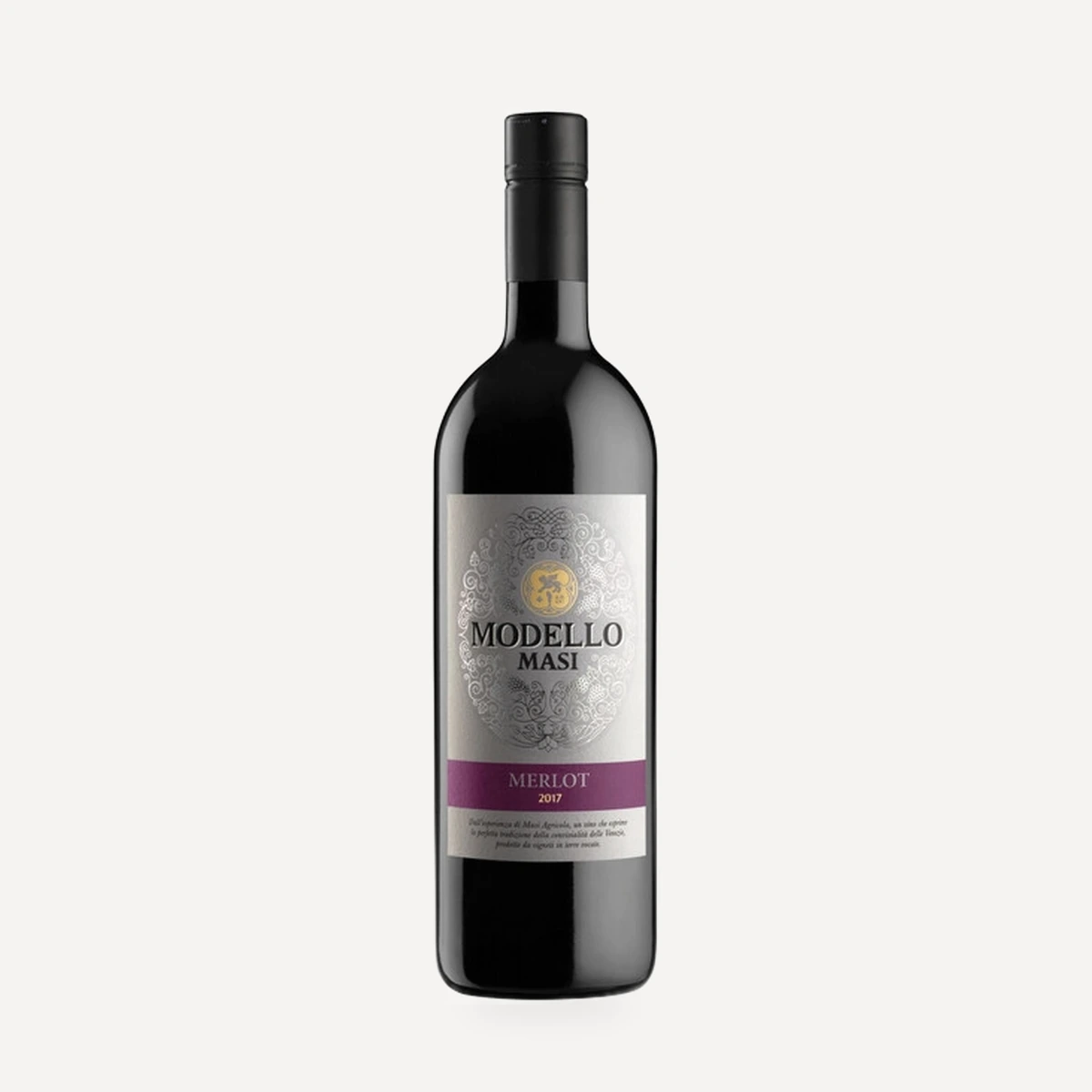
Modello Merlot Trevenezie IGT
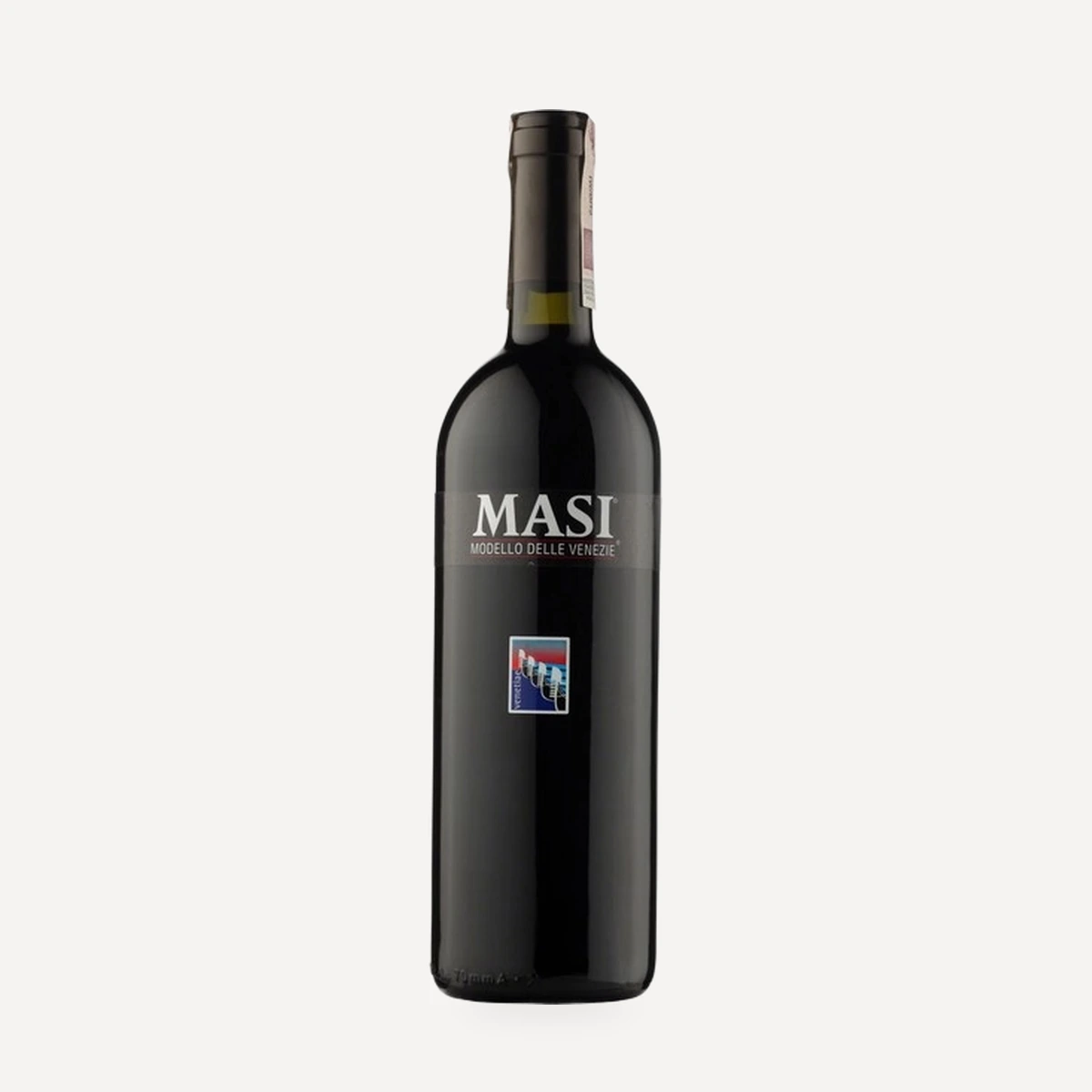
Modello delle Venezie Rosso
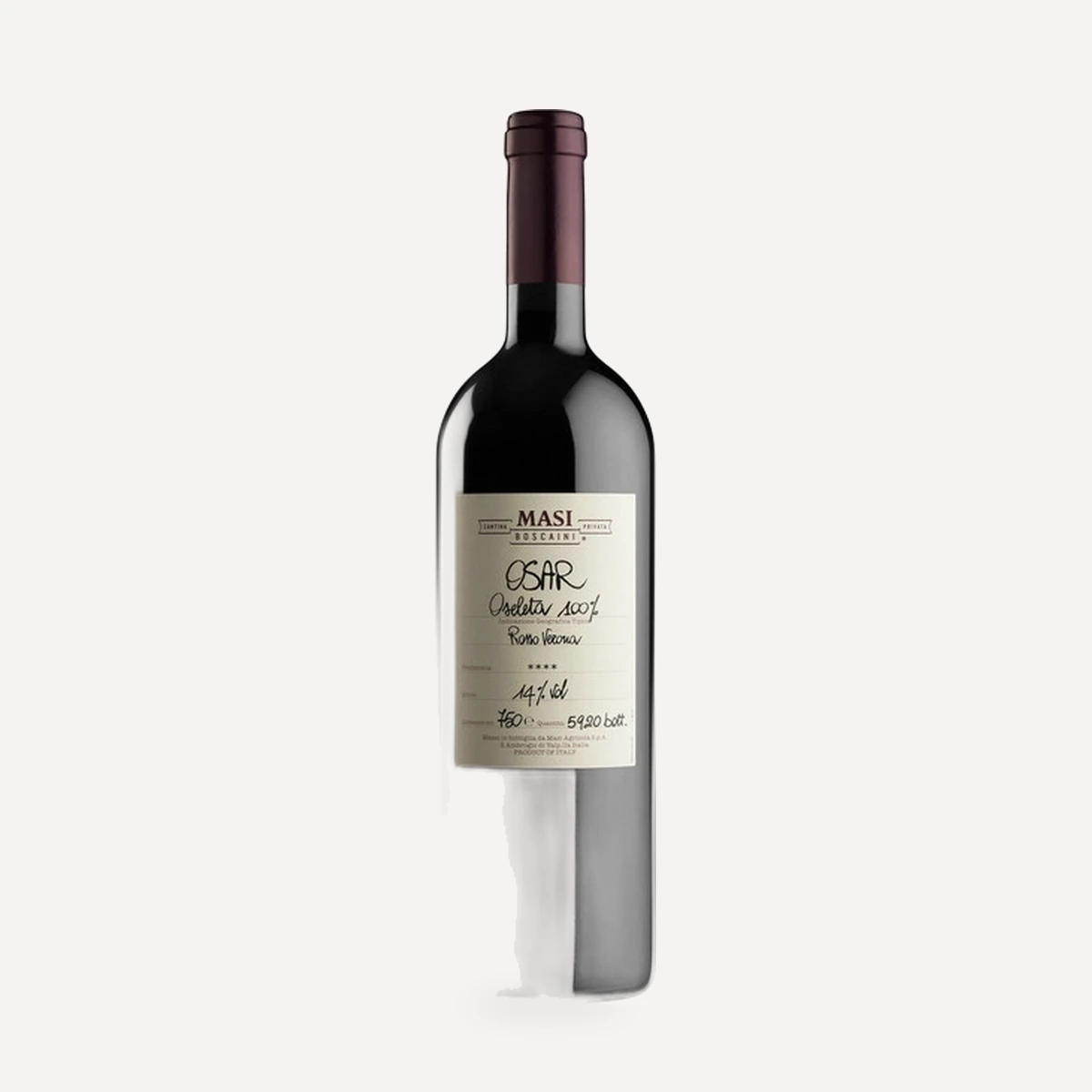
Osar Veronese IGT
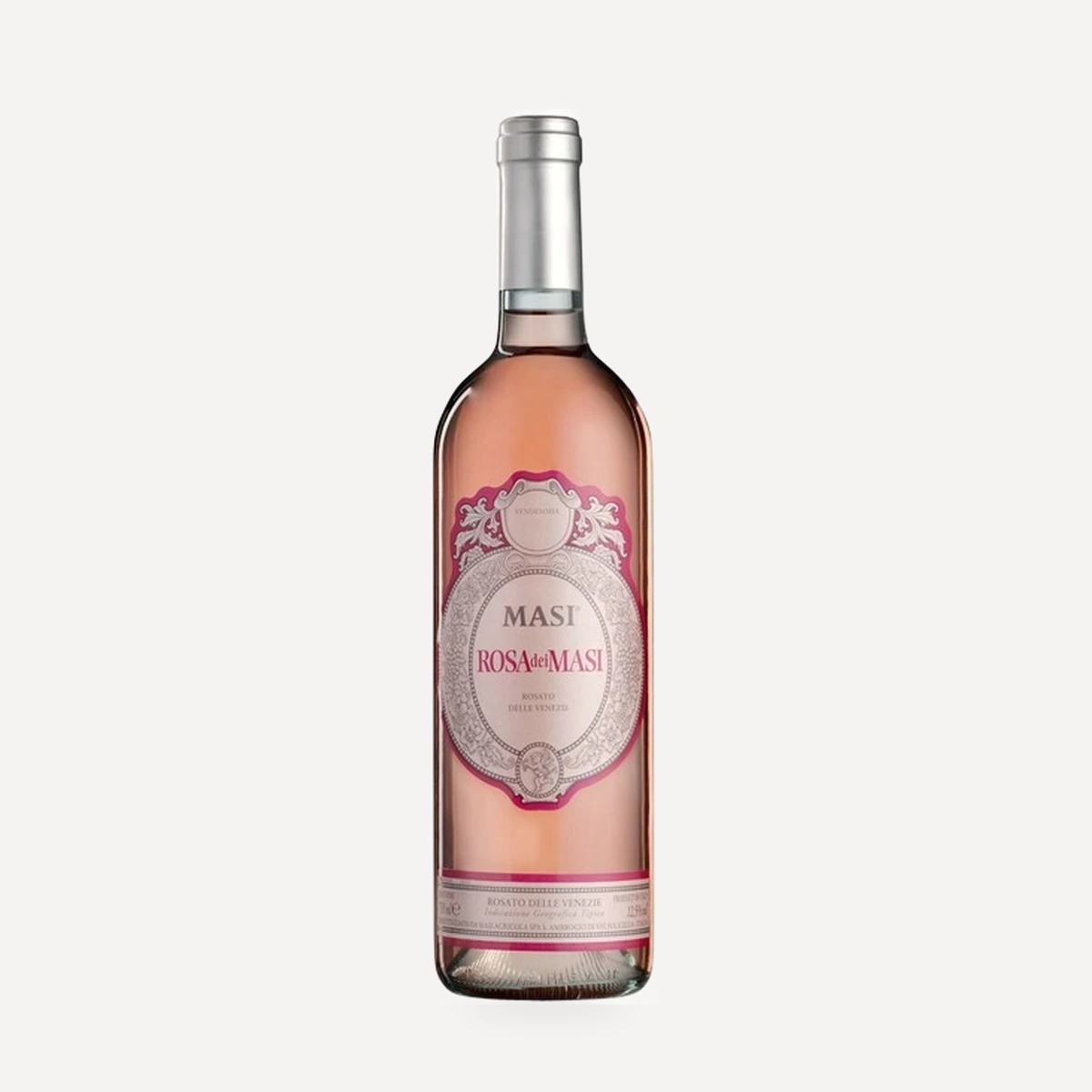
Rosa dei Rosato delle Venezie IGT
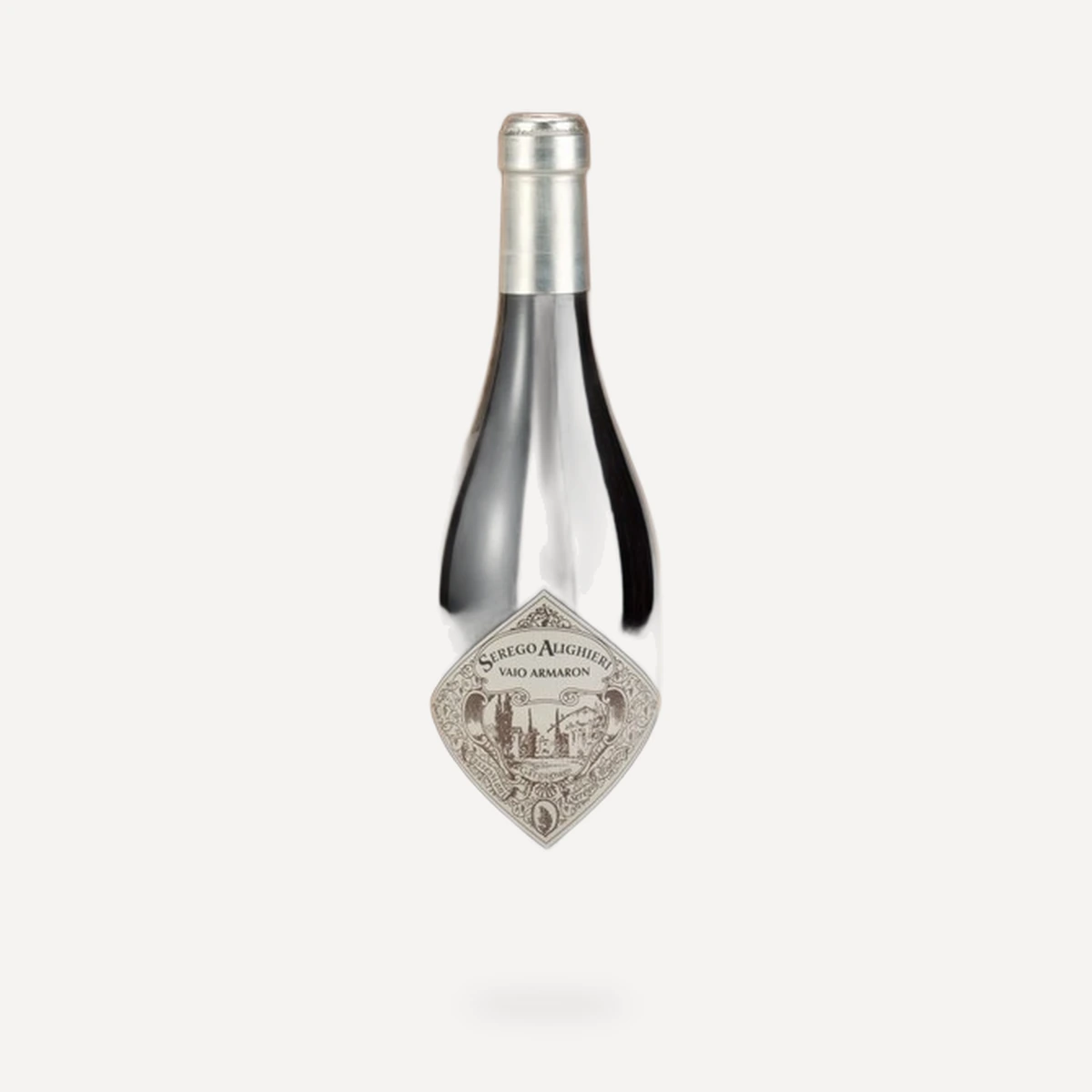
Vaio Armaron
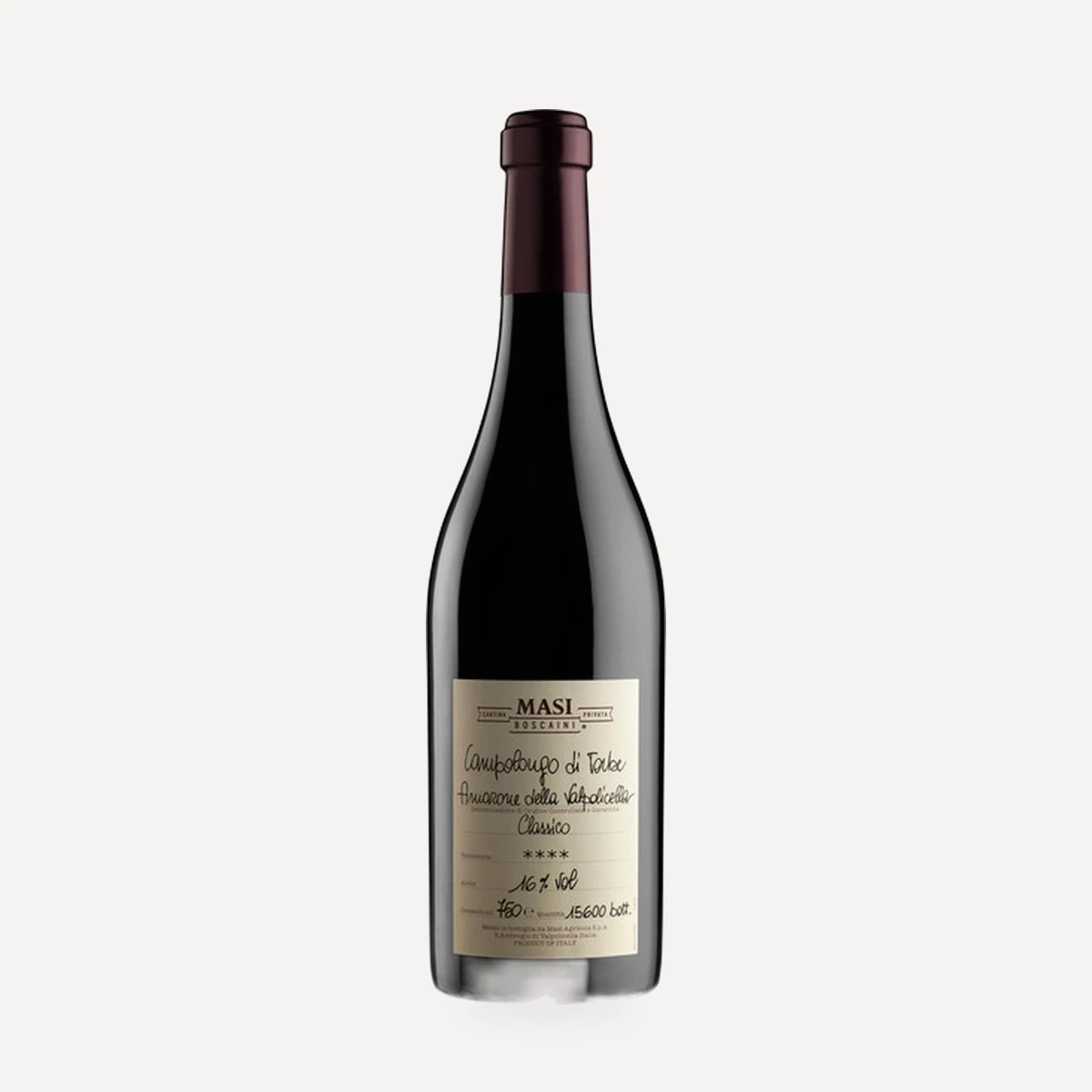
Campolongo di Torbe Amarone della Valpolicella Classico DOCG
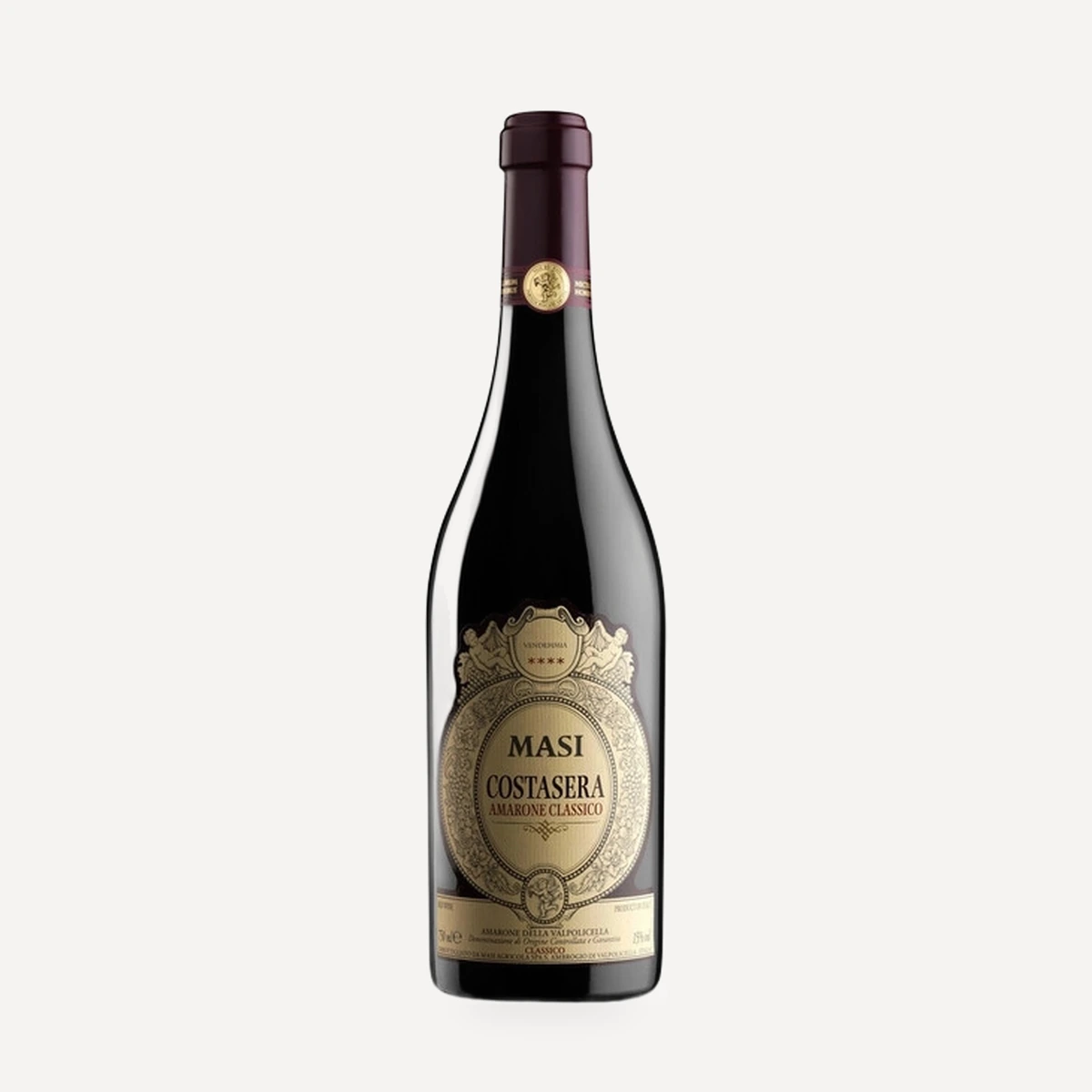
Costasera Amarone Classico DOC
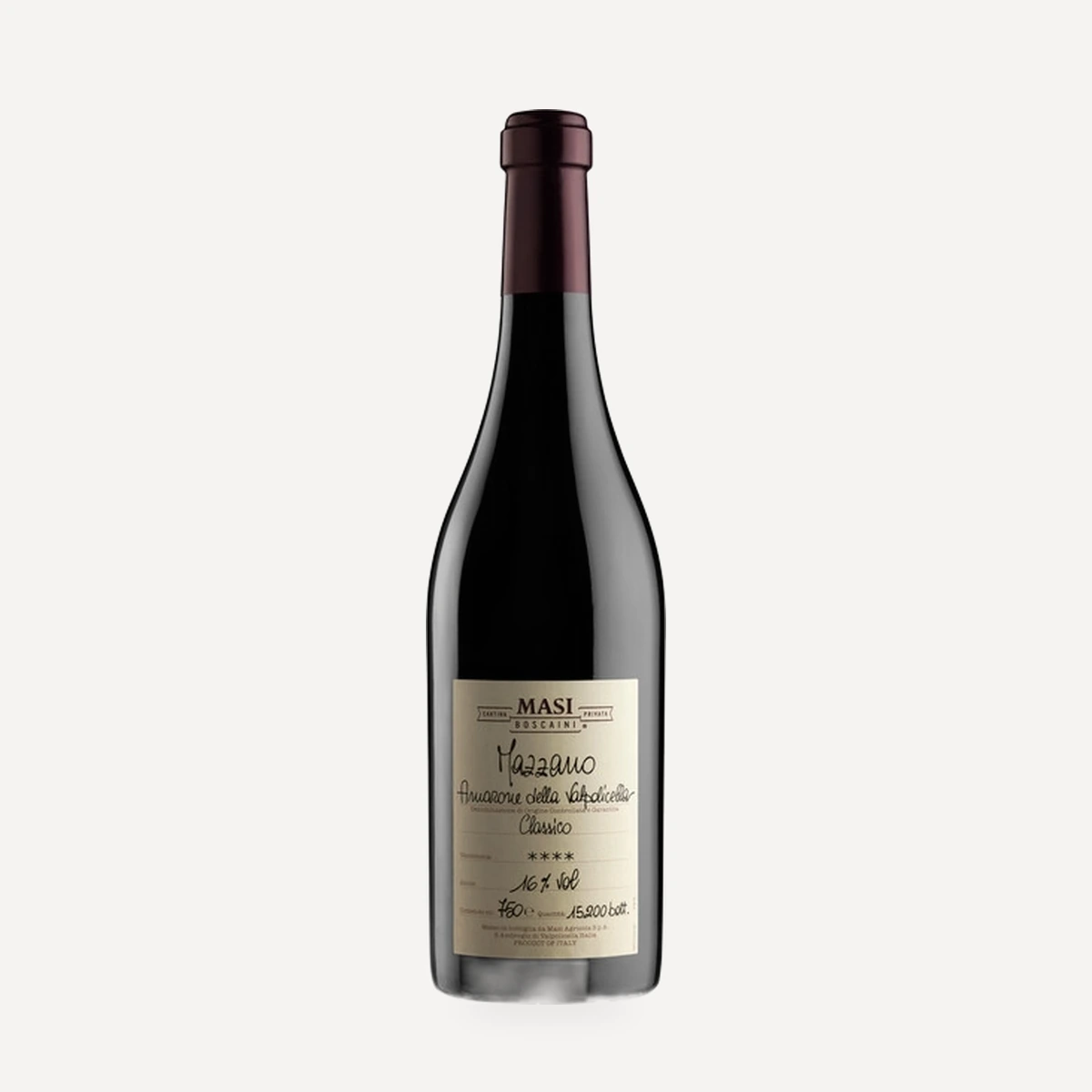
Mazzano Amarone della Valpolicella Classico DOCG
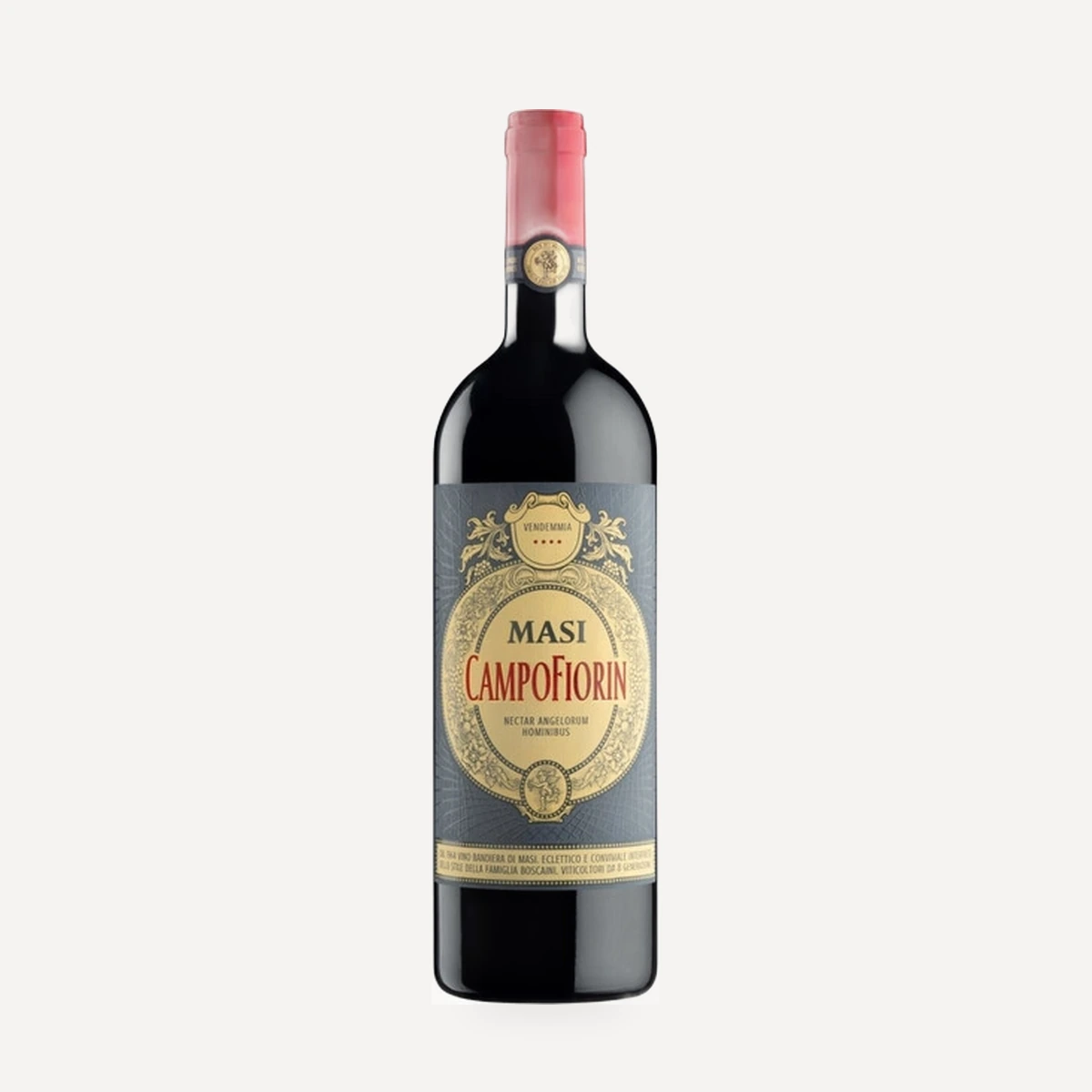
Campofiorin Rosso del Veronese IGT
Poderi BellOvile