Storia
The Albertini family's Veneto roots
The Albertini family has cultivated grapes and vineyards in Veneto since 1957. Its activity began at Valeggio, south of Lake Garda, and subsequently expanded through the acquisition of land at Sona and into Valpolicella and Lugana. The family directly farms its holdings. The Veneto operation began with 12 hectares and later grew to approximately 32 hectares.
Before the Sardinian acquisition, the family acquired another winegrowing property on Monte Spada at Sona, near Verona. That place-name became the origin of the name Montespada.
Discovery of Gallura and the 1992 acquisition
The Sardinian chapter began with an August visit. While staying in Sardegna after an invitation from friends in Cagliari, a member of the Albertini family learned of an established Vermentino property in northern Sardegna. A journey across the island led to the Gallura estate, whose landscape and nearly ripe grapes prompted negotiations for its purchase.
On 22 September 1992, during the harvest, the Albertini family acquired the entire agricultural estate in Gallura. The property was integrated with the family's pre-existing agricultural activity in Veneto.
From grape growing to bottled wine
Between 1992 and 2004, the Sardinian estate produced grapes rather than bottled wine because its existing cellar did not meet the applicable regulatory requirements. In 2005, Montespada began producing wine, gradually moving from grape production toward a bottled-wine portfolio.
Approximately 40 hectares were planted to Vermentino di Gallura. In 1996, these vineyards entered the Vermentino di Gallura DOCG, which had previously held DOC status. Carignano occupied the drier and less fertile parts of the property, where its hardiness allowed it to crop successfully. Cannonau was also established among the principal Sardinian varieties.
Expansion and organic conversion
The Sardinian property developed into a 160-hectare stazzu, with more than 50 hectares under Vermentino, Carignano and Cannonau. In Veneto, the family's initial 12 hectares expanded to approximately 32 hectares planted with varieties associated with the Verona area and other white and red grapes.
Organic certification for grape growing and the processing of organic products dates from 2010 in Sardegna, 2016 at Sona and 2020 in Verona. Organic cultivation was first achieved in selected suitable parcels and became the basis of a broader conversion across production. The development of the two regional portfolios has been accompanied by investment in renewable energy, water conservation, lighter packaging and materials compatible with organic and animal-free production.
Terroir
Gallura and Giunchizza
The Sardinian estate lies in northeastern Sardegna, in the heart of Gallura and within the municipality of Trinità d’Agultu e Vignola. It is approximately 20 kilometres from Santa Teresa along the coastal route toward Castelsardo and about 2 kilometres from the sea. From the top of the hill, the property looks across the water toward Corsica.
The estate occupies the Vignola river valley, beside the Sierra du Cinqu denti, in the locality of Giunchizza. It follows the Vignola for roughly one kilometre. The name Giunchizza is associated with the reeds that occur where veins of water reach the surface, a consequence of impermeable granite slabs in the subsoil. These wet points contrast with the otherwise extremely arid Gallura landscape.
The soils derive from decomposed granite and combine sand with granite material. The estate landscape includes rock, eucalyptus, wild olive trees and Mediterranean scrub dominated by cistus and myrtle, together with long strawberry-tree hedges. Wildlife includes wild boar, freshwater turtles and ladybirds.
The Vignola provides water for drip irrigation during the hottest summer periods. Rainwater is also retained behind a barrier in a natural channel; storage exceeds 20,000 m³, enough for approximately one month of summer irrigation.
Within the vineyard, Carignano is assigned to the driest and least fertile areas. The southwesterly sectors used for estate Vermentino have warmer, more persistent exposure.
Vinificazione
Montespada combines organic farming with measures intended to reduce external inputs, conserve water and maintain soil fertility. Only fertilizers, materials and crop-protection products permitted in organic agriculture are used in the vineyards.
Soil fertility is supported through green manure and deliberately established cover crops composed of organic, nitrogen-fixing varieties. These crops add organic matter and nitrogen to the soil. Additional nutrition is restricted to organo-mineral fertilizers permitted under organic-farming rules.
Leaf wetness is monitored continuously so that plant-protection treatments can be timed more precisely. In a normal season, this approach limits treatments to five, reducing unnecessary inputs, fuel consumption, atmospheric emissions and accumulation in the soil.
Drip irrigation is installed on all estate plantings to minimize water consumption. A barrier in a natural channel captures rainwater for summer use, providing more than 20,000 m³ of storage—approximately one month's irrigation supply. The Vignola river also assists irrigation during the hottest summers.
Vineyard areas under rotation are renewed to maintain qualitative and productive efficiency. Older vines are spaced at 1.40 × 2.50 metres; new vineyards at 1.00 × 2.50 metres; and denser 2.20 × 0.80-metre layouts are under trial. Single or double Guyot with renewable canes is the principal training method.
Ladybirds are presented as beneficial biological-control insects because both adults and larvae consume aphids, helping reduce pesticide use. Broader estate biodiversity includes Mediterranean scrub, eucalyptus, wild olives, cistus, myrtle and strawberry trees, as well as wild boar and freshwater turtles.
Organic certification covers grape production and the processing of organic products. The stated certification dates are 2010 for Sardegna, 2016 for Sona and 2020 for Verona.
Montespada's production and storage facilities use renewable power. Photovoltaic systems installed across the facilities provide a combined peak capacity of 90 kW and generate approximately 100,000 kWh per year, allowing vinification and storage to operate substantially on green energy.
No materials of animal origin are used in the cellar, following the company's self-imposed 100% animal-free standard.
Packaging forms part of the production policy. Cartons come from sustainably managed forests. Lightweight glass bottles weighing 360 or 420 grams reduce energy requirements during manufacture, transport and recycling. Closures include recycled microgranulated cork made from processing remnants or plant-derived Nomacorc closures made from sugar cane. Montespada also identifies aluminium Stelvin screwcaps, replacing both cork and capsule, as a transition objective.
Filosofia
Montespada defines sustainability as a system that must account for soil, water, air, climate protection, local communities and economic viability. Its approach emphasizes practices adapted to each place rather than a single universal farming formula.
The operational priorities are soil fertility, efficient water use, biodiversity and reduced reliance on unnecessary external inputs and fossil energy. Green manure, organic-compatible nutrition, leaf-wetness monitoring, rainwater recovery, drip irrigation and photovoltaic power translate these principles into vineyard and production practices.
The company also extends its environmental policy beyond the vineyard and cellar to packaging, choosing lighter bottles, responsibly sourced cartons and recycled or plant-derived closures. Respect for animals is expressed through the complete exclusion of animal-derived cellar materials.
At family level, the current team presents its work as the restoration and contemporary development of Montespada's inherited viticultural and winemaking identity, combining local varieties and established growing areas with organic conversion, technical monitoring and renewable energy.
Vini
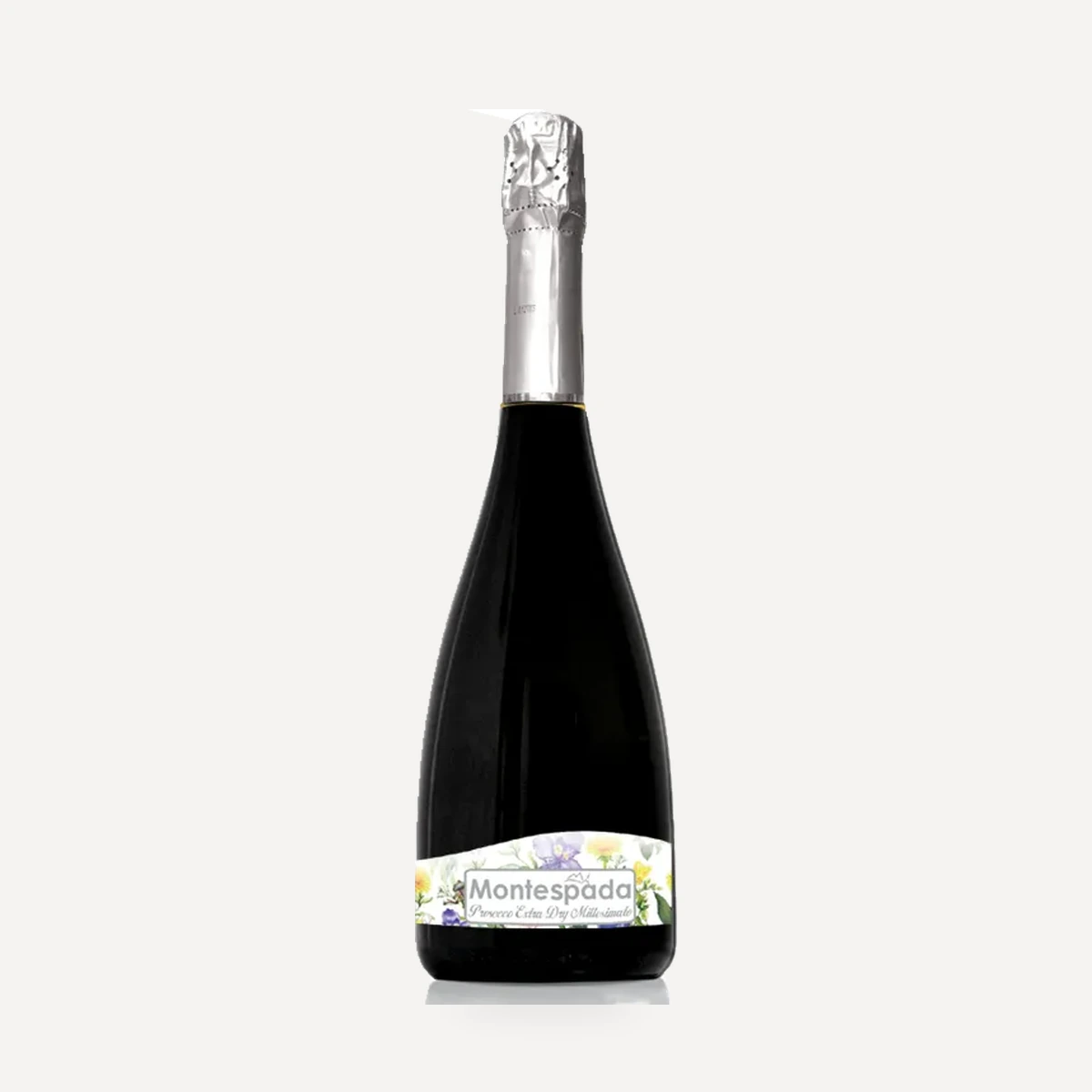
Prosecco DOC – Treviso Millesimato – Extra Dry
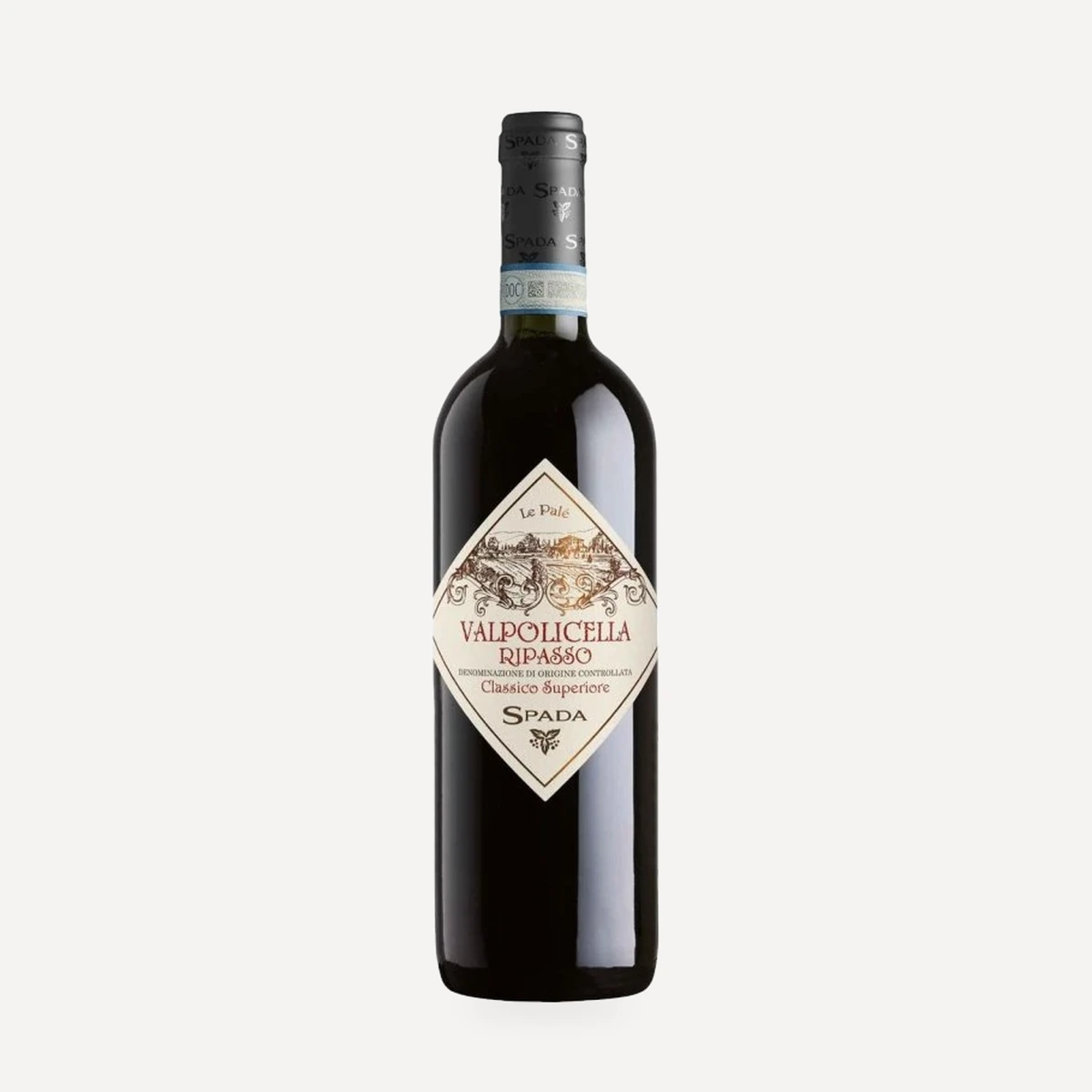
Valpolicella Ripasso Superiore DOC
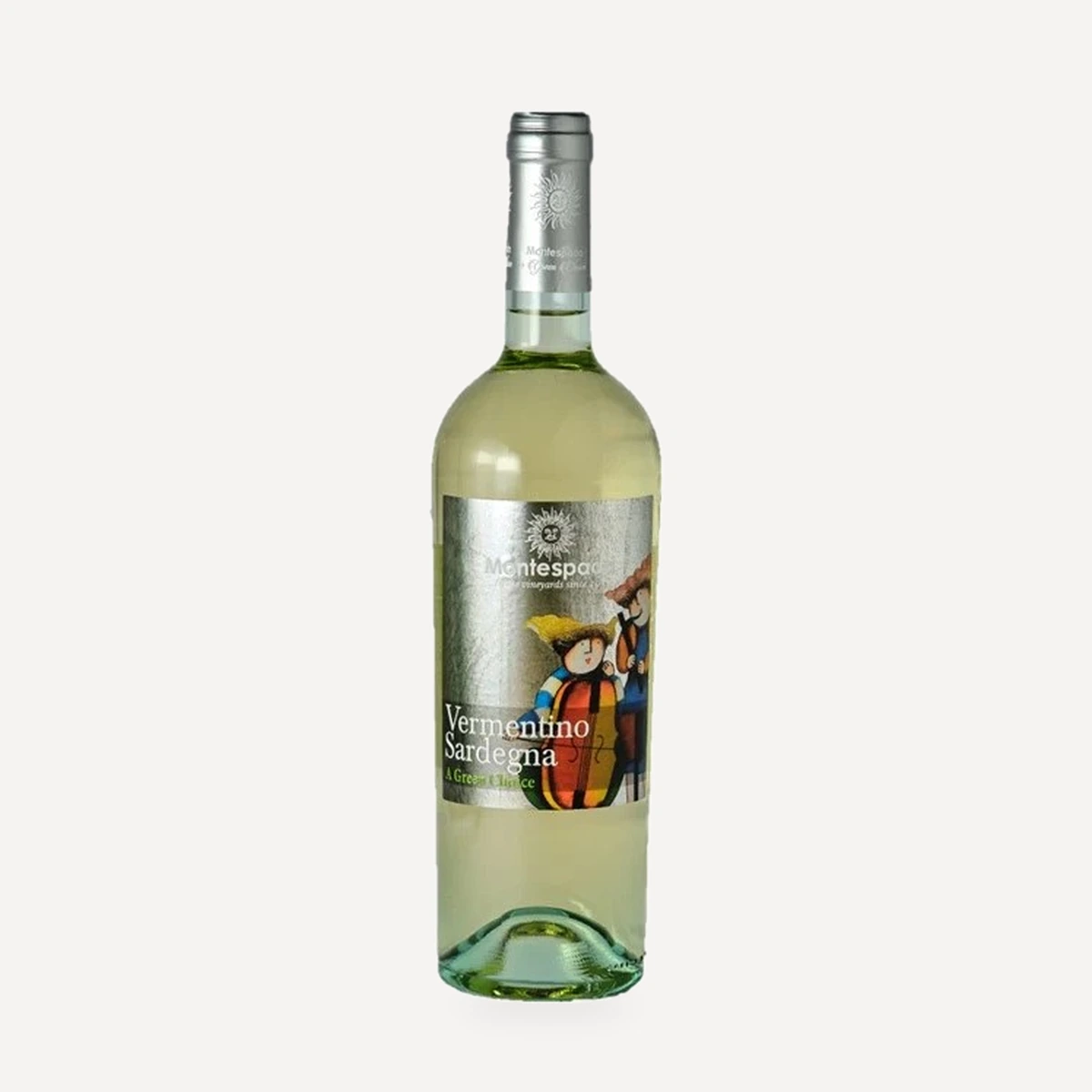
Vermentino di Sardegna Giunchizza DOC
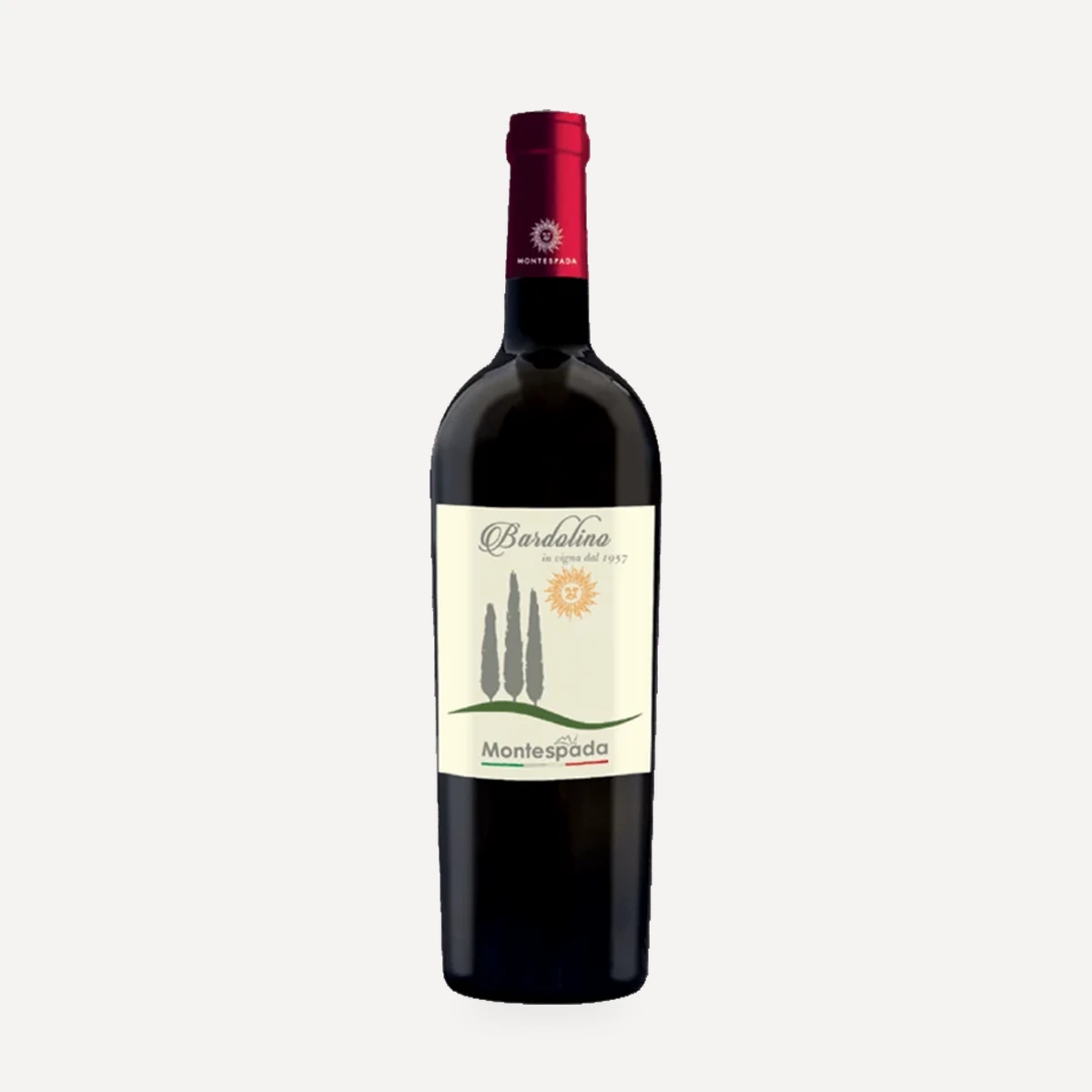
Bardolino Doc
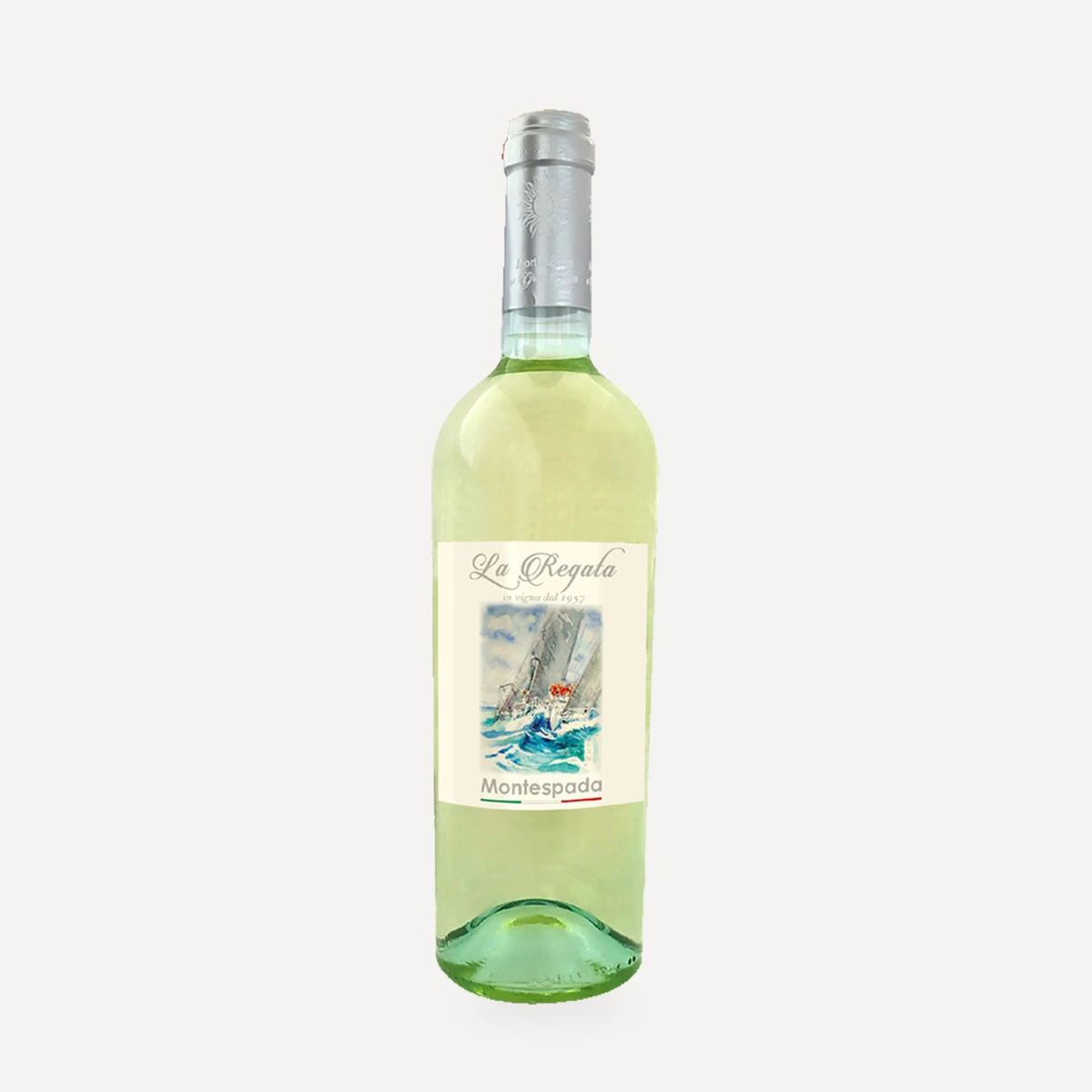
Bianco IGT Verona – La Regata Garda
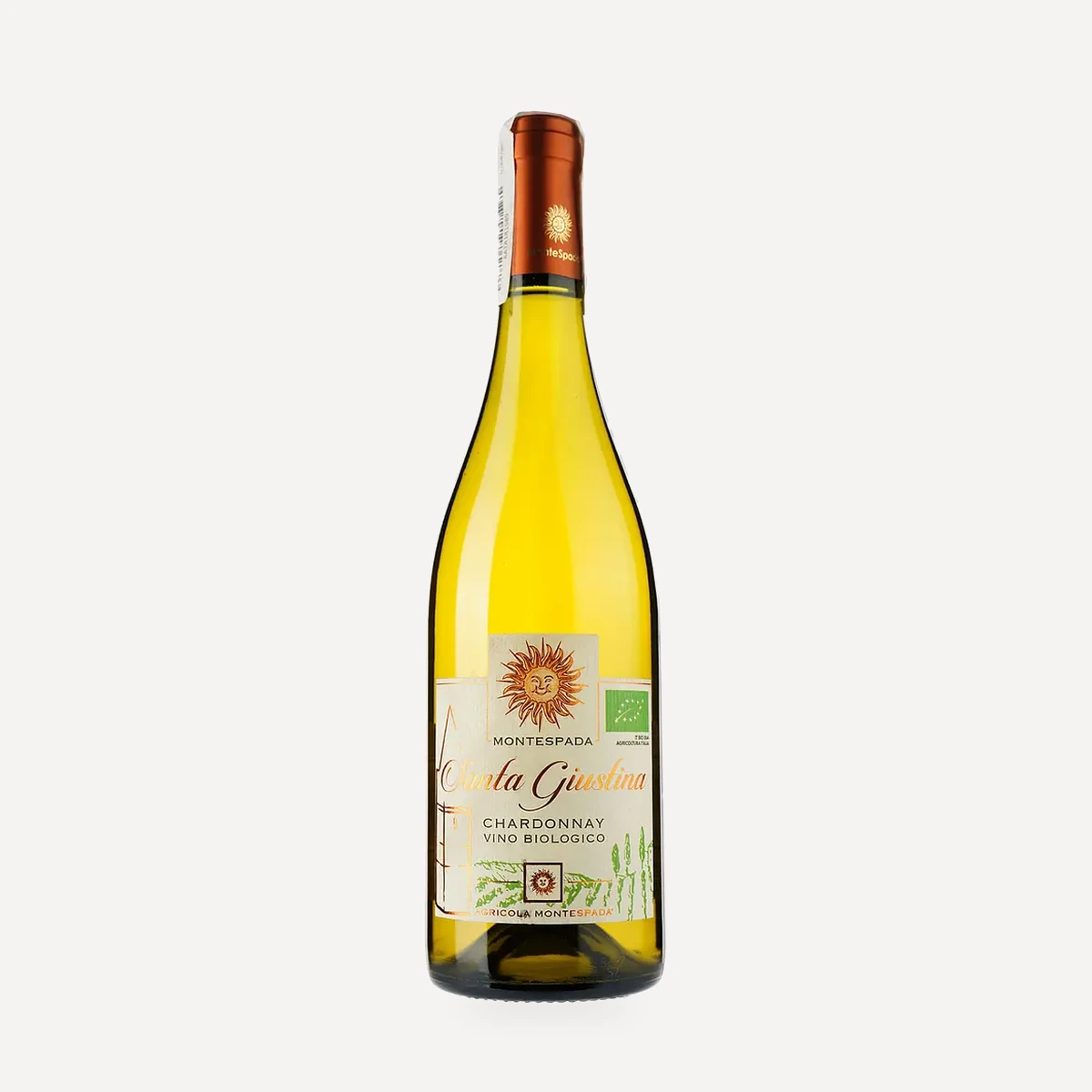
Chardonnay Santa Giustina Organic Wine
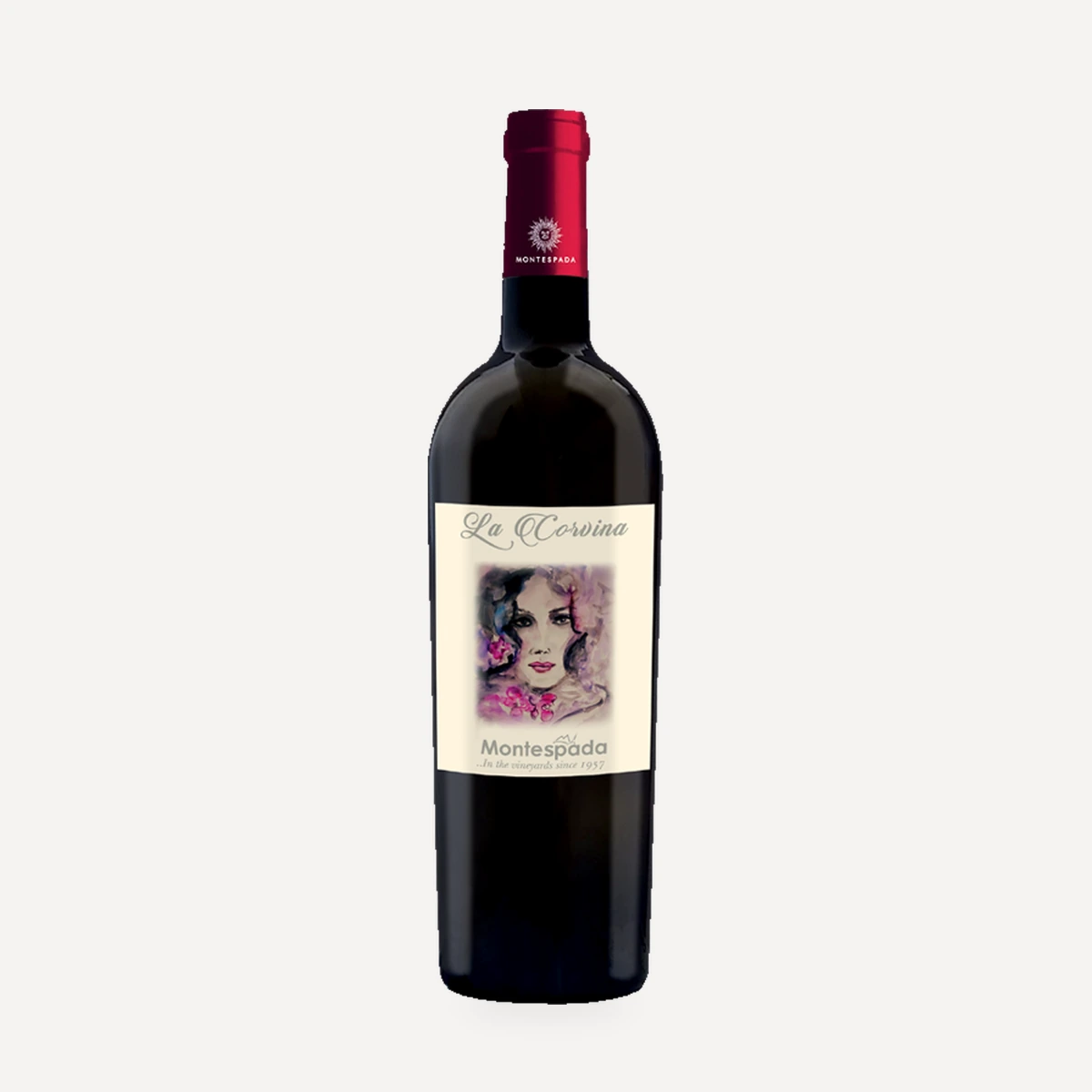
Corvina 100% Pure IGT Verona – La Regina
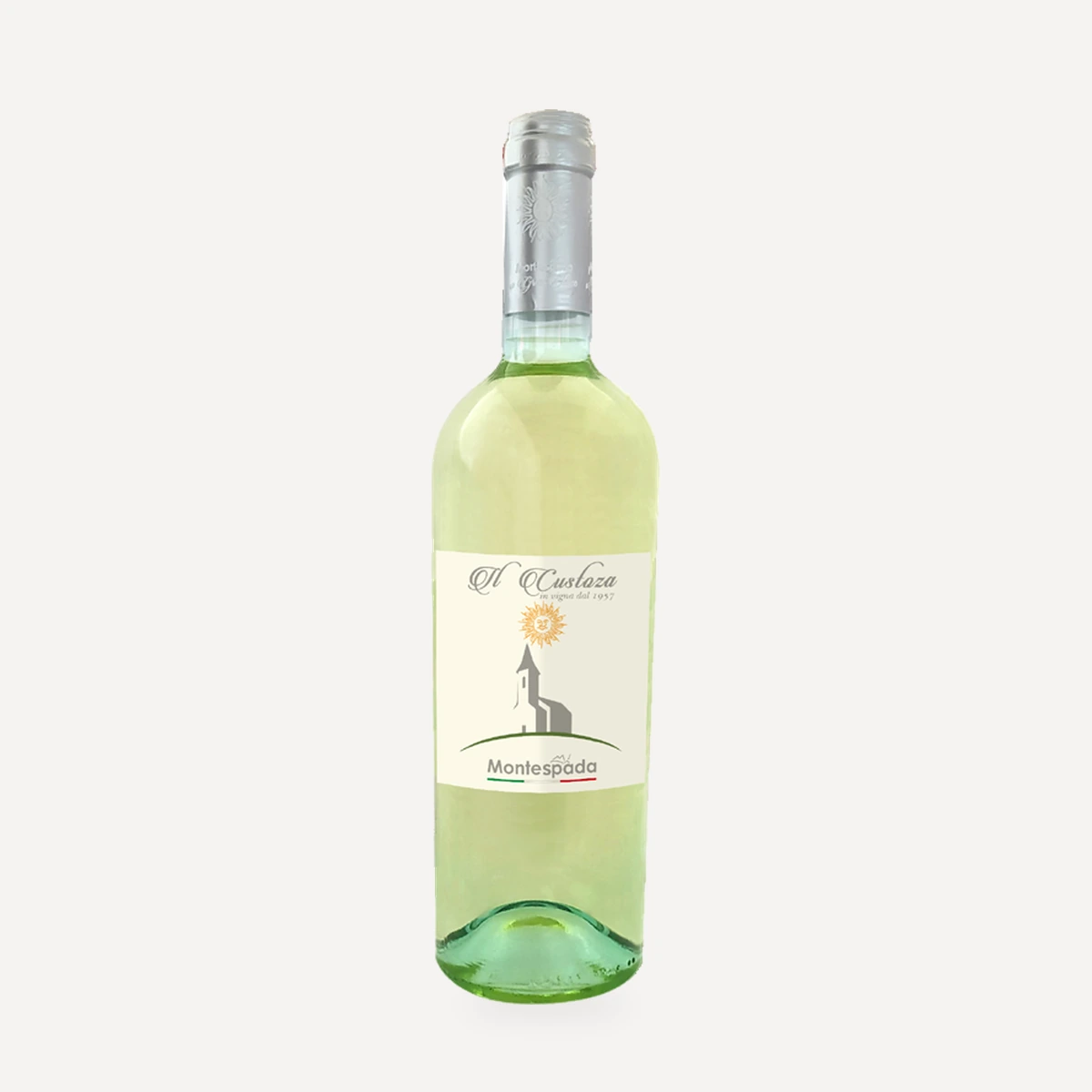
Custoza DOC
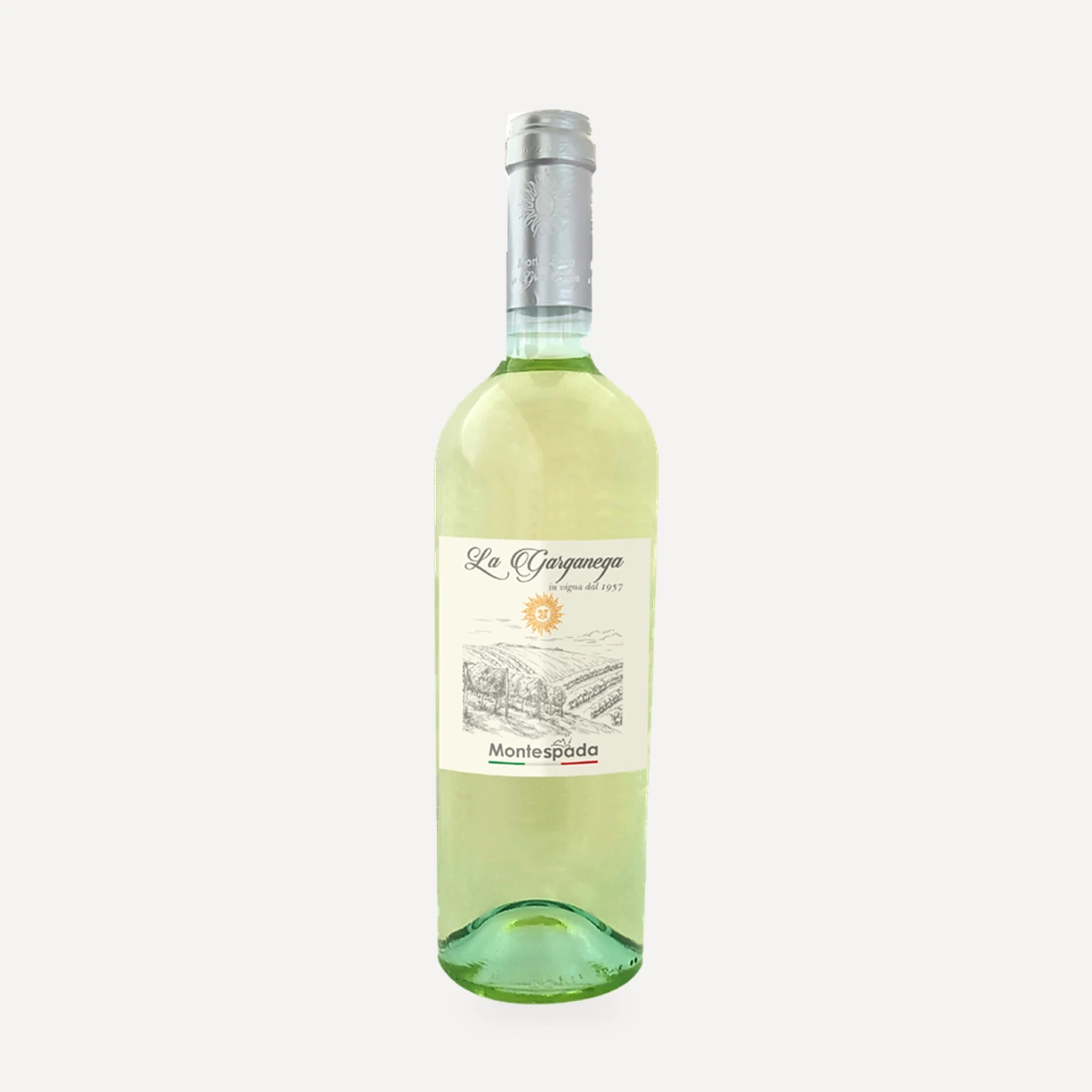
Garganega – Bianco IGT Verona
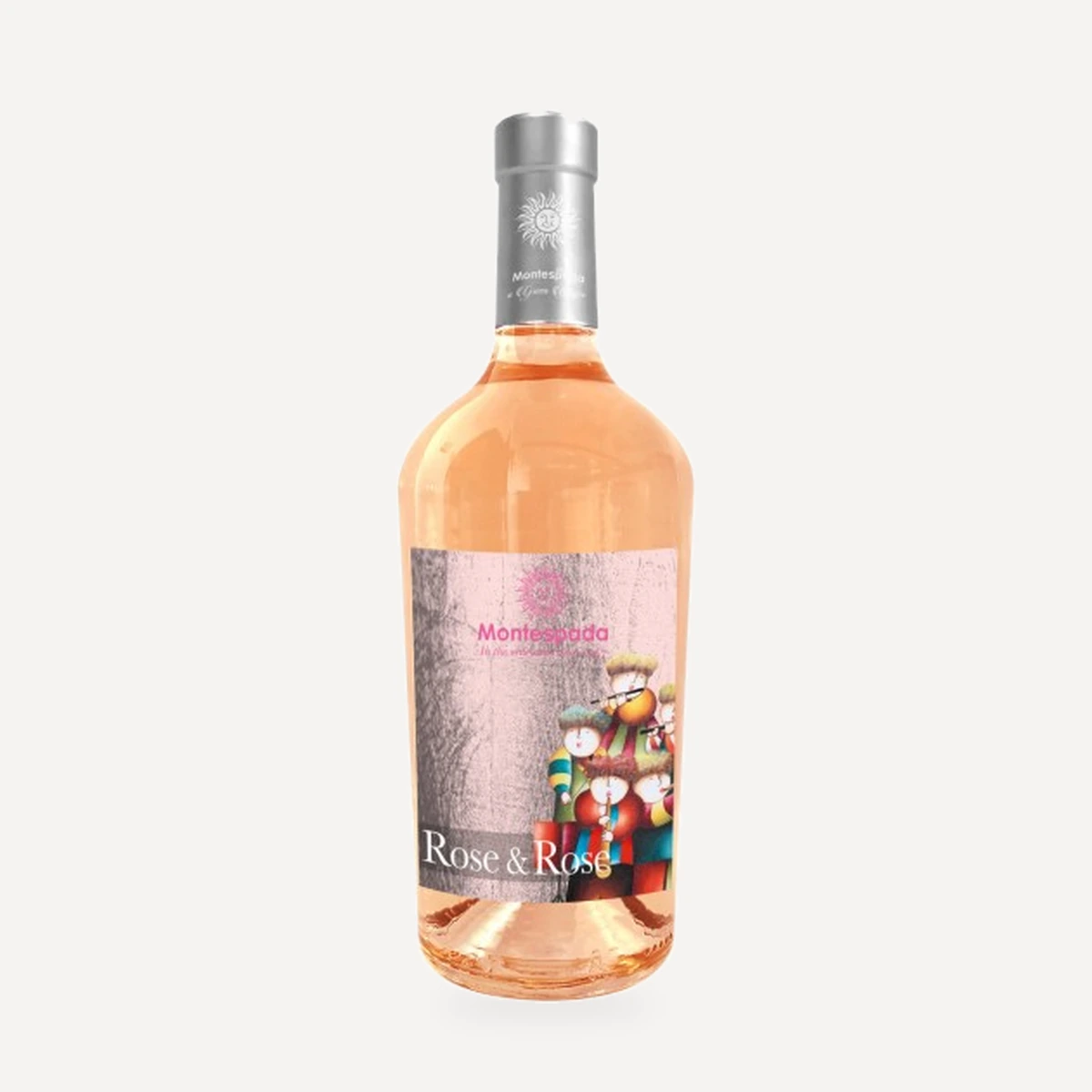
Rose & Rose Veneto IGT
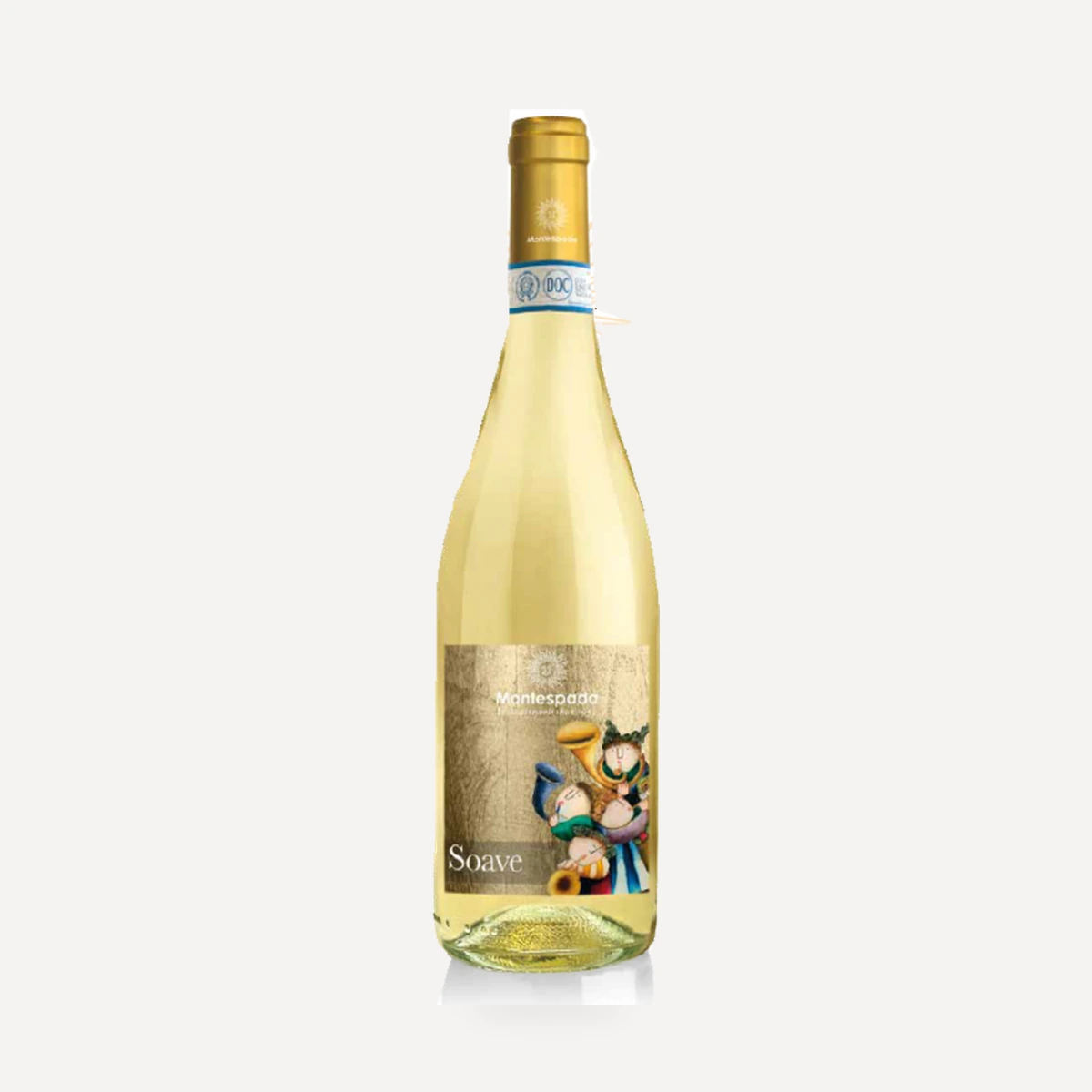
Soave DOC Veneto
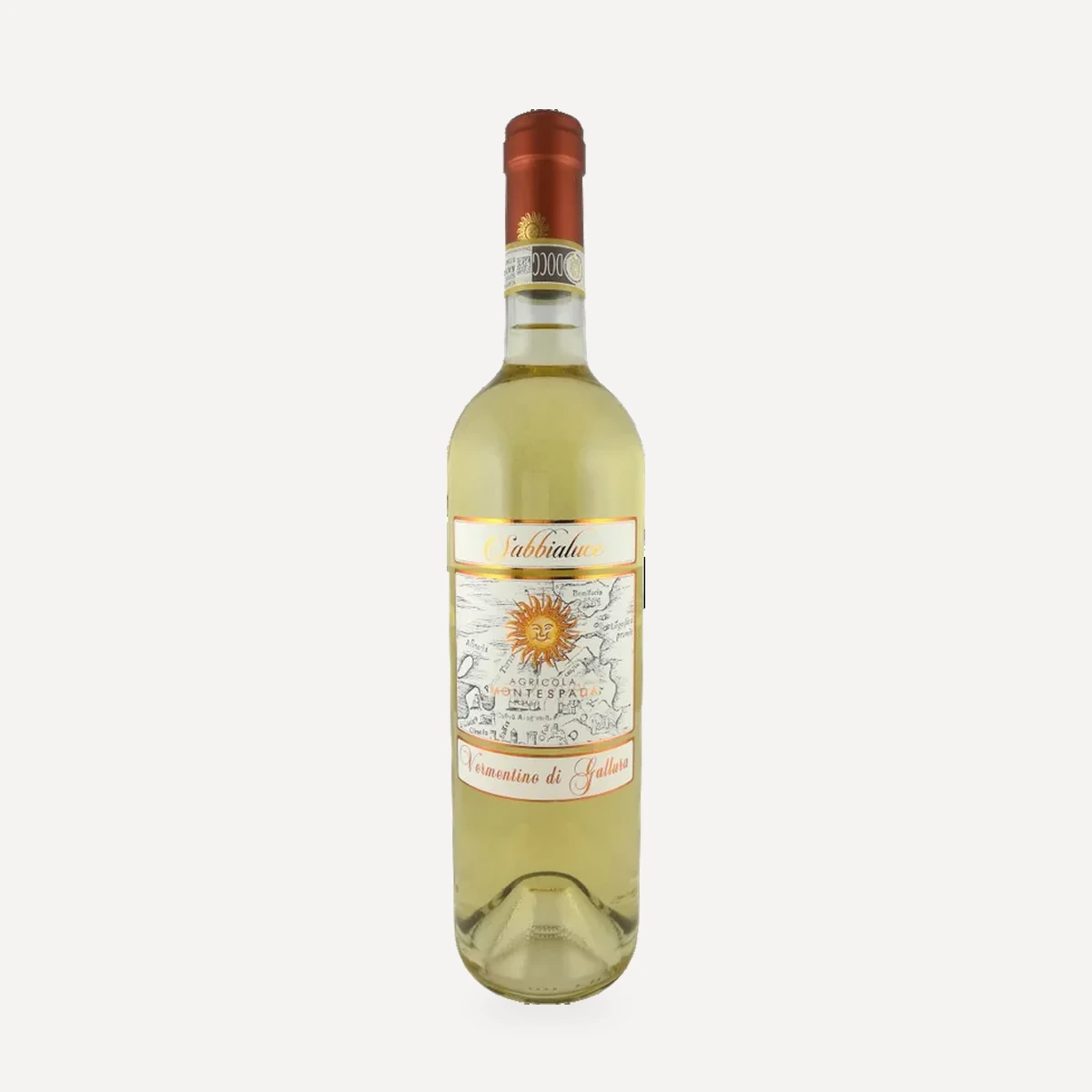
Vermentino di Gallura D.O.C.G. Superiore Sabbialuce
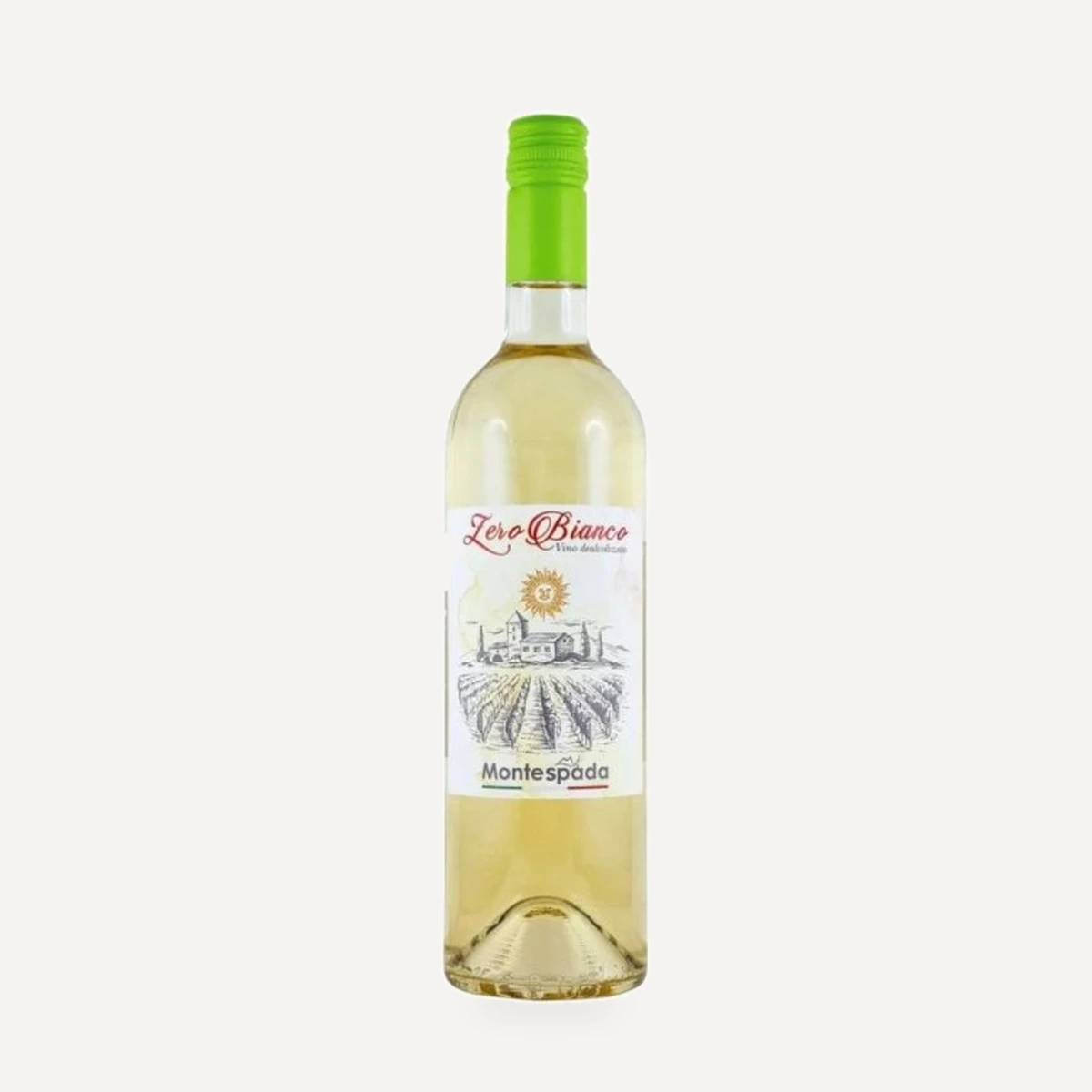
Zero Bianco da Vini Dealcolati
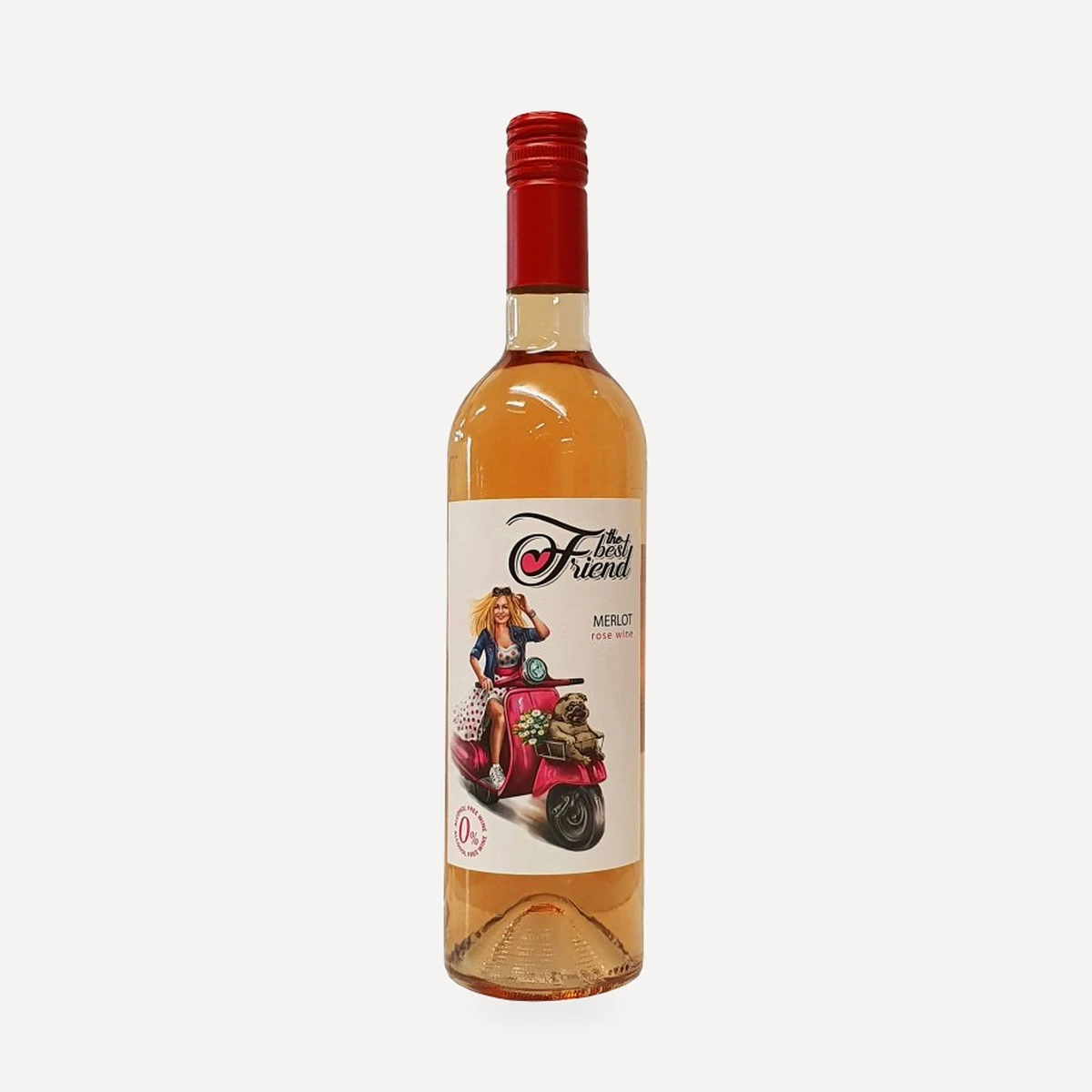
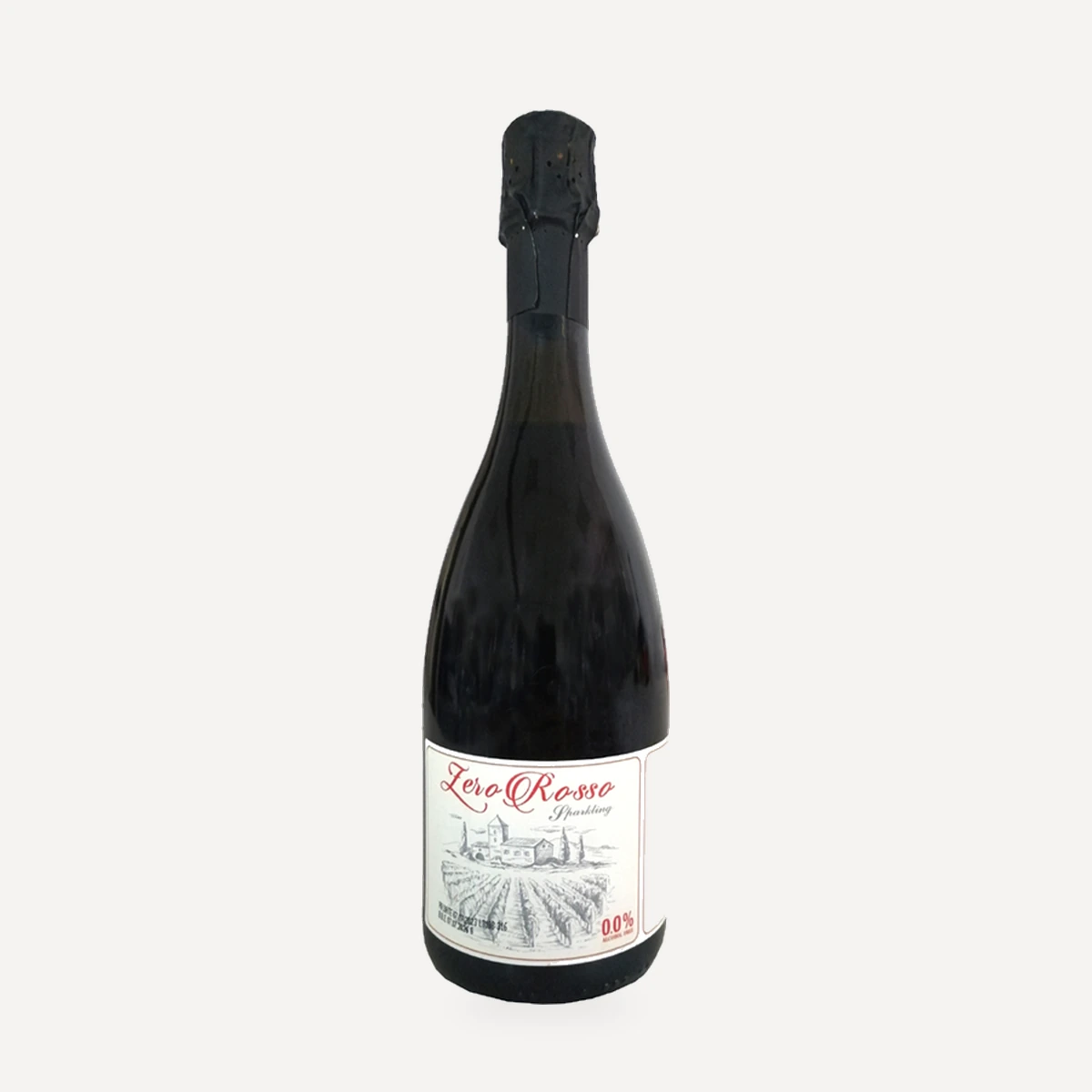
Zero Rose’ da Vini Dealcolati