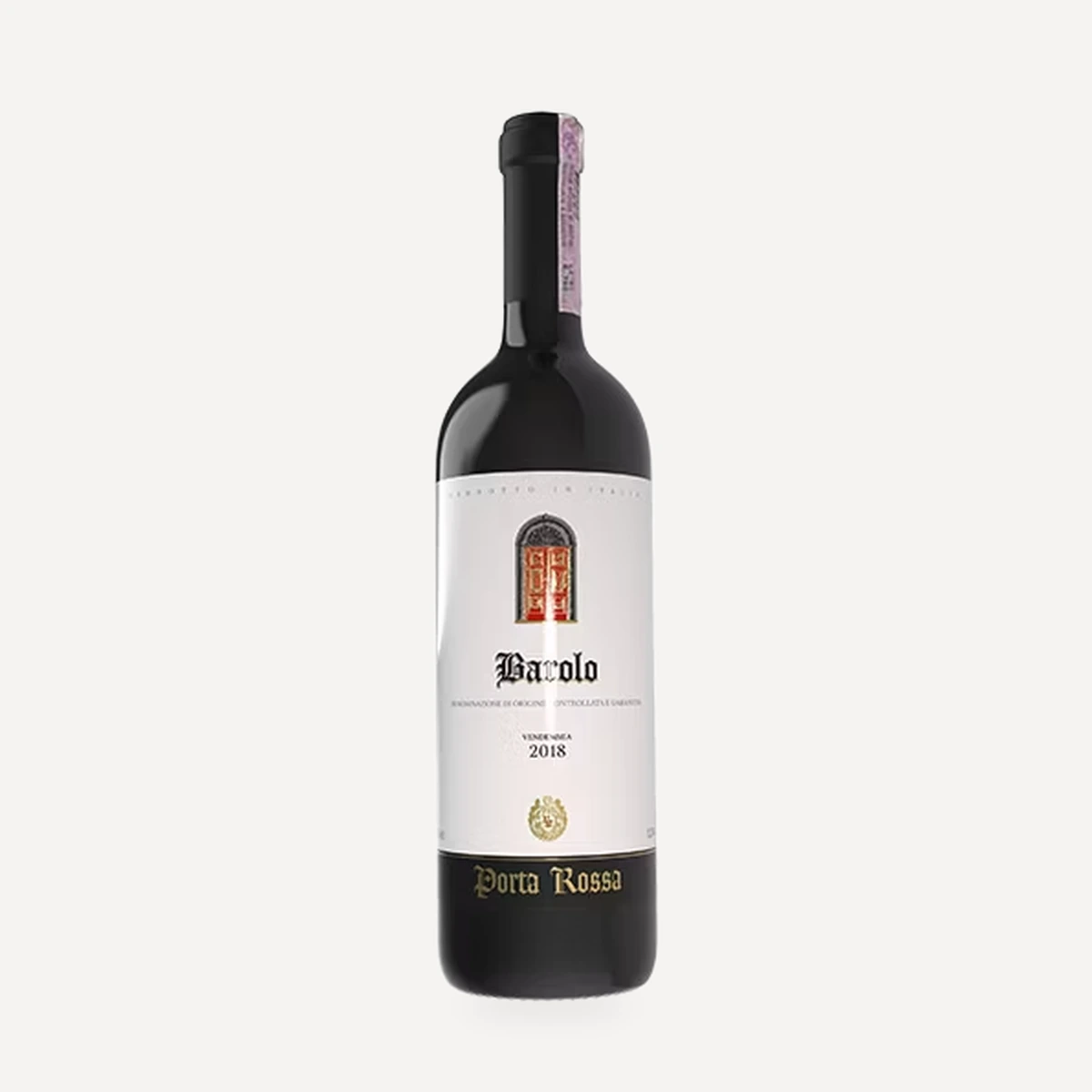
Storia
Napoleonic origins of the Porta Rossa building
The story associated with Porta Rossa begins during Napoleon Bonaparte’s Italian campaigns. Assic, a captain in the Napoleonic army, was captivated by the Langhe and chose the summit of a hill in Diano d’Alba for a palazzo where he could stay during his time in Italy. The building remains distinguished by the imposing red door that ultimately gave Porta Rossa its name.
The palazzo becomes a wine property
The Savoy colonel Giuseppe Castellazzo subsequently directed the palazzo towards wine use. Its visitors included Vittorio Emanuele II, the first king of Italy, who repeatedly crossed the red threshold during his stays in the Langhe to enjoy the local table and wine.
1973 — incorporation
Cantina della Porta Rossa S.r.l. was incorporated on 28 June 1973. The company’s registered office is now at Corso Barolo 47 in Alba, while its administrative office is in Località Il Piano, Casole d’Elsa.
The Bonaventura period
In recent decades, responsibility for the cellar passed to Piedmontese winemaker Pierfranco Bonaventura. His work developed Porta Rossa into an internationally distributed brand and established a production identity centred on traditional methods, exacting attention to raw materials and cellar work, and the interpretation of the Langhe. Long maturation in large wooden casks became central to the house’s approach, particularly for its Nebbiolo wines.
2022 — acquisition by Piccini 1882
In 2022, the Piccini family acquired Cantina Porta Rossa and its historic archive of past vintages. The acquisition brought the Langhe into the family’s Italian portfolio and was intended to preserve the work already undertaken under the Porta Rossa name. Porta Rossa also became part of the fifth-generation Piccini family’s Grape Growers programme, which pairs local growers with the group’s oenological team.
Current structure
Cantina della Porta Rossa S.r.l. is wholly owned by Tenute Piccini S.p.A. Mario Piccini serves as sole director and legal representative, with responsibility for company policy, objectives, programmes and organisation.
Terroir
Porta Rossa works across the hills of the Langhe and adjoining Piedmontese production areas rather than from one contiguous estate vineyard.
Nebbiolo for Barolo is drawn from historic vineyards in Serralunga d’Alba and Perno, the latter in the commune of Monforte d’Alba. A separately selected cru is associated with Bricco Ambrogio at Roddi. Barbaresco fruit comes from Barbaresco and Treiso, while Langhe Nebbiolo draws on vineyards in La Morra and Roero.
Barbera is sourced from Nizza Monferrato and Castiglione Tinella. These sites are specifically characterised by limestone-clay soils.
The historic Porta Rossa palazzo stands on the summit of a hill in Diano d’Alba, within the rolling landscape of the Langhe.
Vinificazione
Porta Rossa forms part of the Grape Growers programme, a collaborative model based on partnerships with local winegrowers. The participating growers work in coordination with the Piccini oenological team, which establishes agronomic and winemaking guidelines. The programme prioritises territorial expression, protection of local wine culture and selection of the varieties considered most representative of each production area.
For Porta Rossa, this structure encompasses Nebbiolo vineyards across several Langhe and Roero localities and Barbera vineyards in Nizza Monferrato and Castiglione Tinella.
Porta Rossa’s cellar approach is built around experience, tradition, close attention to incoming grapes and careful handling during production. Pierfranco Bonaventura’s stated objective is to enhance and interpret each territory rather than obscure it through cellar technique.
Large wooden casks are a defining element for the traditionally styled Nebbiolo wines. Barolo and Barbaresco mature for at least two years in large Slavonian oak casks. The extended rest in wood is intended to build structure and ageing capacity. The Bricco Ambrogio cru is vinified as a separate selection.
The range does not use one maturation vessel for every wine: Barbera d’Asti is matured for 12 months in stainless-steel tanks. The current production picture therefore combines long maturation in large Slavonian oak for the principal Nebbiolo appellations with inert steel ageing for Barbera.
Filosofia
Porta Rossa presents experience and tradition as complementary principles. Under Pierfranco Bonaventura, the central aim has been to place meticulous work with grapes and in the cellar at the service of territorial interpretation. Long maturation in large casks is intended to build structure and longevity while retaining the connection between wine and origin.
Within the Grape Growers programme, territorial expression and protection of local wine culture form the two guiding pillars. The approach depends on collaboration with local growers, technical coordination by the oenological team and careful selection of Piedmont’s representative varieties.
Following the 2022 acquisition, the Piccini family committed to continuing Porta Rossa’s established work and preserving the close relationship between the wines and their respective Langhe and Piedmontese origins.
Vini
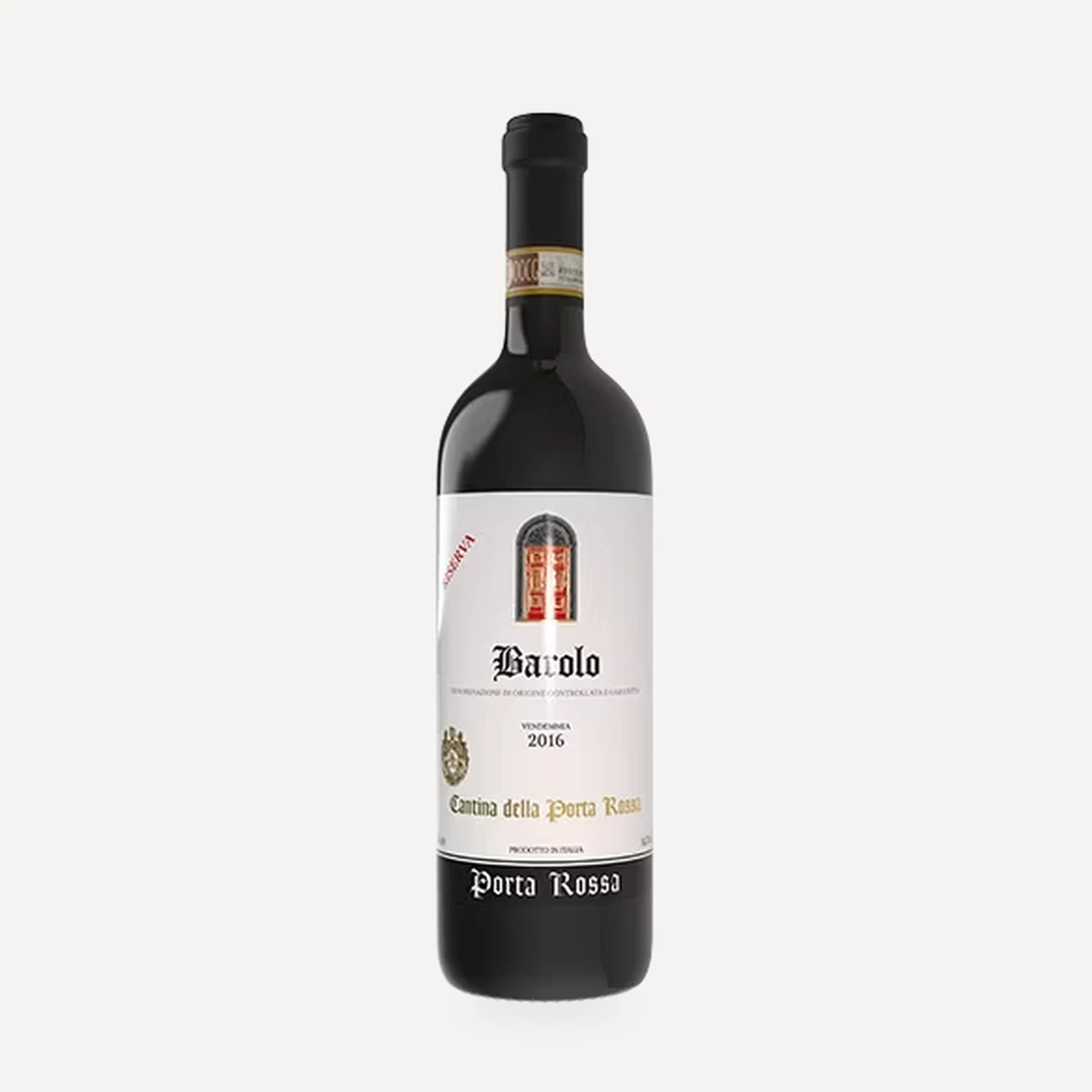
Porta Rossa Barolo Riserva DOCG
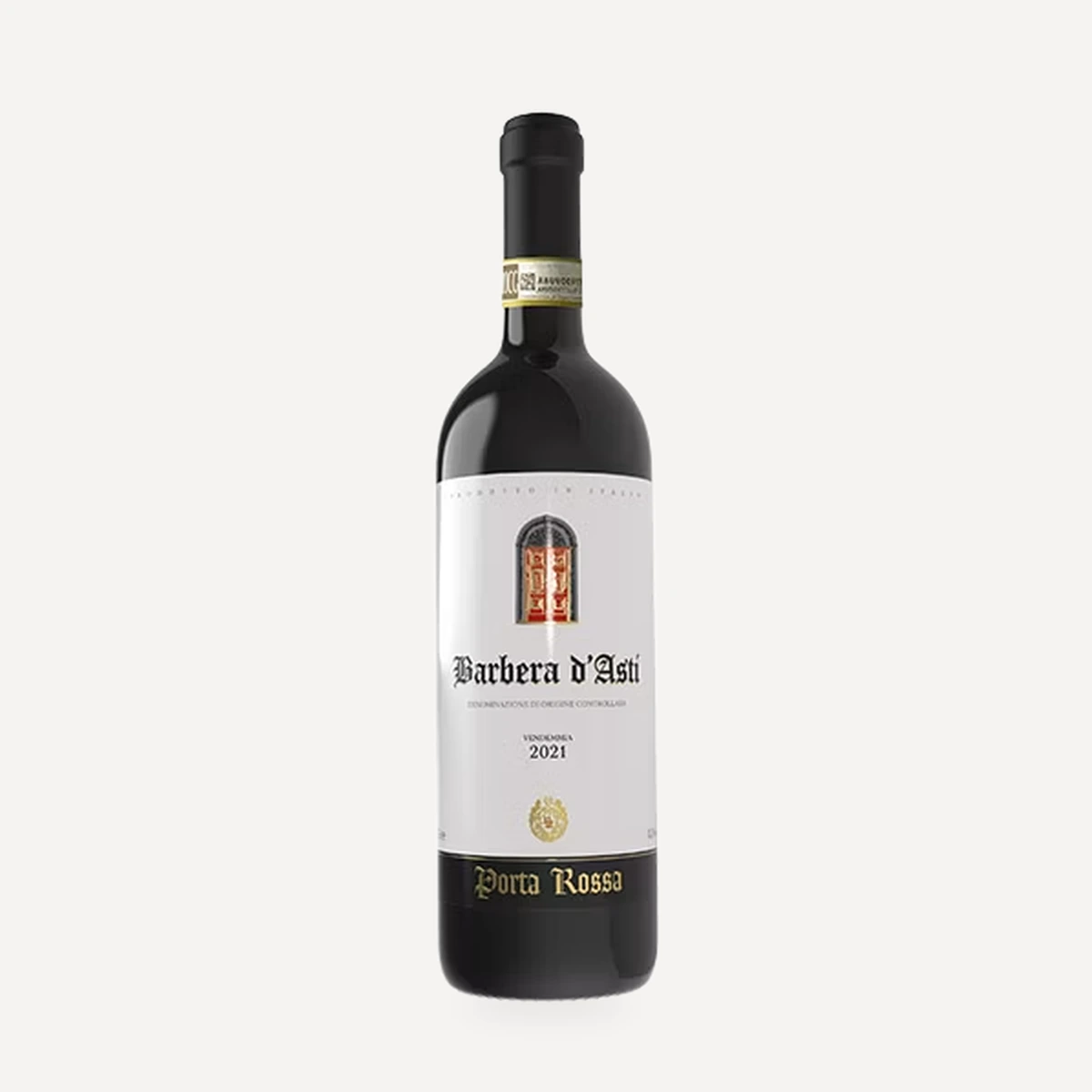
Porta Rossa Barbera d'Asti DOC
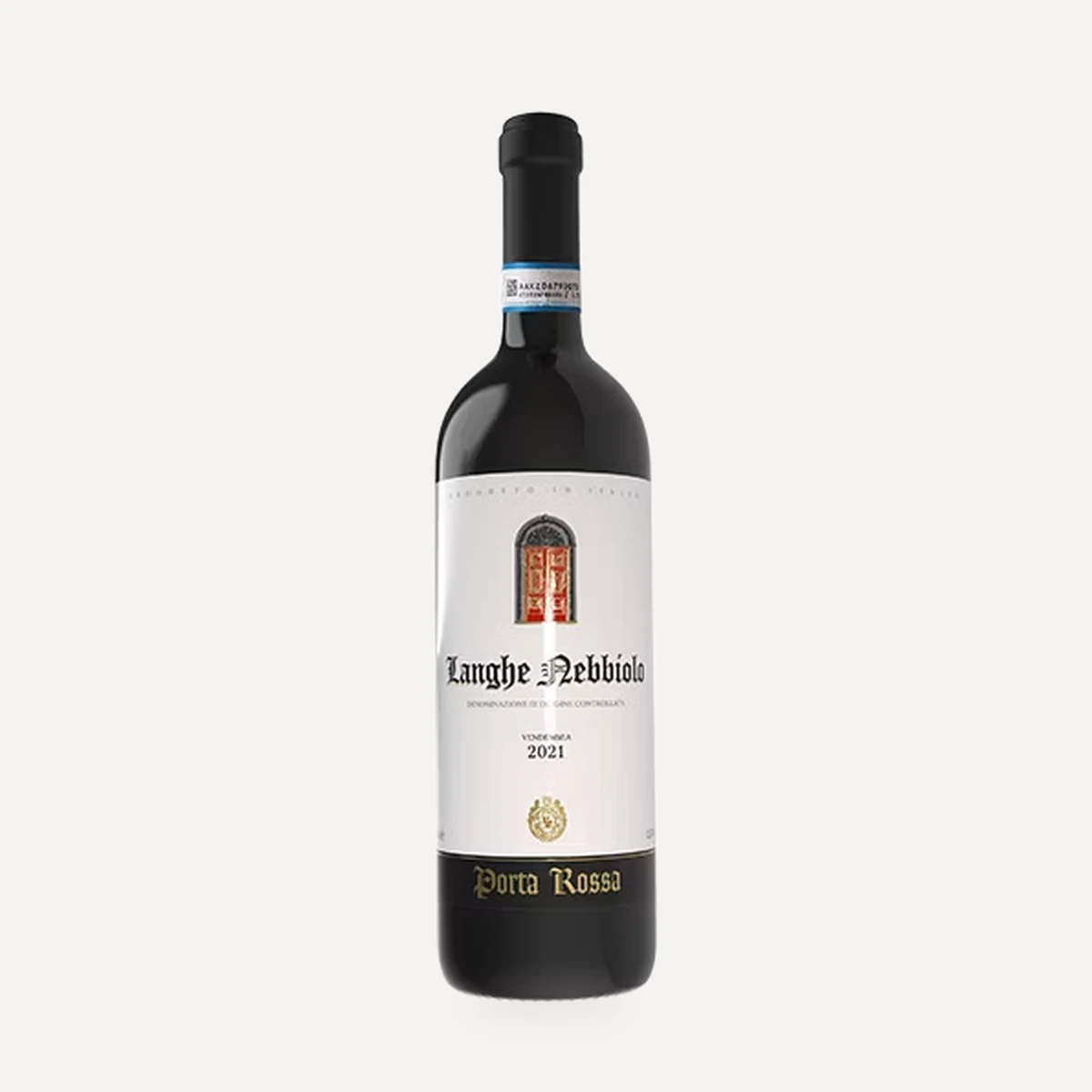
Porta Rossa Langhe Nebbiolo DOC
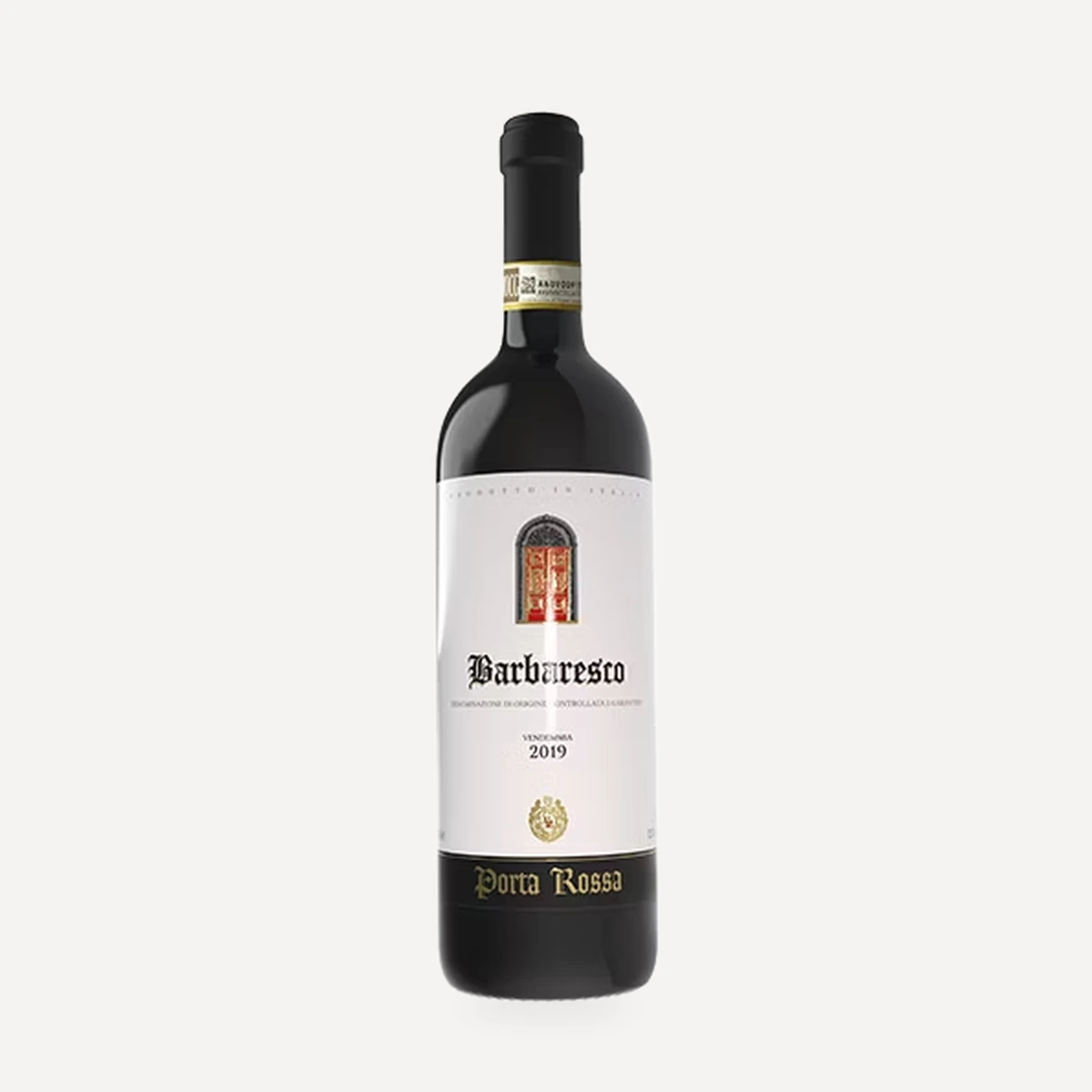
Porta Rossa Barbaresco DOCG