Storia
Acquisition by the Piccini family — 2000
Tenuta Moraia has belonged to the Piccini family since 2000. Its acquisition followed an investment initiated by Pierangiolo Piccini, the family’s third-generation leader. During a summer visit to the coastal hills overlooking the sea at Castiglion della Pescaia, Pierangiolo walked the vineyard rows and became convinced of the site’s potential before formal agronomic assessments had been completed. He subsequently acquired the estate as part of his wider investment in promising Tuscan wine territories.
The acquisition gave the family a base in the Tuscan Maremma, complementing its activities in Chianti Classico. Under Piccini ownership, the estate developed a contemporary interpretation of coastal Tuscan wine, centred on Sangiovese and Vermentino alongside international varieties.
Organic farming — from the 2018 vintage
Organic management has been observed across the family’s estate vineyards since the 2018 vintage. At Tenuta Moraia, this approach places the biological cycle of each vine at the centre of the search for quality, territorial character and environmental compatibility. The property’s 60 ha of vineyards are now managed organically.
New plantings — 2020
New vineyards were planted at Tenuta Moraia in 2020. The work continued during the disruption caused by the COVID-19 crisis, when the Piccini group maintained its investment programme in vineyards and production while reorganising personnel into alternating teams.
Generazione Vigneti — 2023
Tenuta Moraia became one of the estates grouped under Generazione Vigneti, the fifth-generation project led by Ginevra, Benedetta and Michelangelo Piccini. The project was created to give the family estates a shared framework based on the principle “one grape variety — one territory,” while preserving the identity of each property. The fifth generation works alongside oenologists Alessandro Barabesi and Pasquale Presutto, combining territorial focus with experimentation and an ecological, sustainable approach.
Fifth-generation continuity and a renewed identity — 2024
The fifth generation continues to frame Tenuta Moraia as a tribute to Pierangiolo’s intuition. Perpiero was conceived as a personal homage by his grandchildren to their grandfather, linking the estate’s contemporary work to its acquisition story.
In May 2024, the estate introduced a refreshed visual identity developed with graphic designer Andrea Pieri. The redesign was intended to convey the fresh, maritime character of the Maremma through the estate’s labels.
Terroir
Tenuta Moraia lies in the Tuscan Maremma, in the Province of Grosseto, close to the ancient village of Gavorrano. Its coastal setting connects the Maremma hinterland with the sea, while the vineyards run beside the edge of woodland across gently undulating hills.
The nearby Gulf of Follonica and the Tyrrhenian Sea exert a direct climatic influence. Marine breezes temper summer heat, while abundant rainfall further moderates the warm, sunny conditions. These factors support long, steady ripening. Cooler night-time temperatures can particularly benefit the estate’s international varieties.
The vineyards occupy gentle to moderate slopes with a south-eastern orientation at approximately 100 m above sea level. On the valley slopes, clay and marl are mixed with marine conglomerates. Lower areas contain sandy soils interspersed with sandstone. The combination of draining terrain, coastal air and rainfall creates several distinct growing conditions within the property.
The estate landscape supports abundant vegetation and substantial biodiversity. The vines grow between woodland and the open coastal environment, forming a natural corridor between inland Maremma and the sea.
Vinificazione
Tenuta Moraia’s 60 ha of vineyards are farmed organically. Organic management has been followed across the family estates since the 2018 vintage and is intended to preserve the biological cycle of each vine while pursuing quality and territorial character.
The property benefits from notable biodiversity and a landscape in which vineyards meet woodland. Marine air from the Gulf of Follonica, rainfall and the estate’s draining soils contribute to vine balance and allow long, gradual ripening.
Vintage conditions require adaptation. In 2022, drought brought the harvest forward by approximately ten days and reduced yields by about 10% relative to preceding vintages, but the fruit remained healthy and vineyard interventions could be limited. During the wetter 2023 season, the coastal vineyards produced a good quantity of fruit because rainfall was more moderate than in Chianti Classico and the soils drained effectively. In 2024, abundant spring rain built water reserves and dry June weather contained fungal pressure. High July and August temperatures caused uneven ripening in Sangiovese; earlier-ripening Vermentino was less affected, while international varieties benefited from cooler nights.
New vineyards were planted in 2020, continuing the estate’s long-term development programme.
Filosofia
Tenuta Moraia’s approach seeks to reinterpret Maremma tradition in a contemporary form while retaining the elegance and depth associated with the Tuscan coast. The intended style is precise, immediate and vibrant, with the identity of the territory expressed through wines of distinct personality.
Quality and typicity are pursued by respecting the biological cycle of each vine. Organic farming and environmental responsibility are treated as foundations for territorial expression rather than separate objectives.
Within Generazione Vigneti, the estate follows the principle “one grape variety — one territory.” The fifth generation combines this territorial emphasis with a willingness to experiment, aiming to connect family continuity, ecological practice and a contemporary interpretation of the Maremma.
Vini
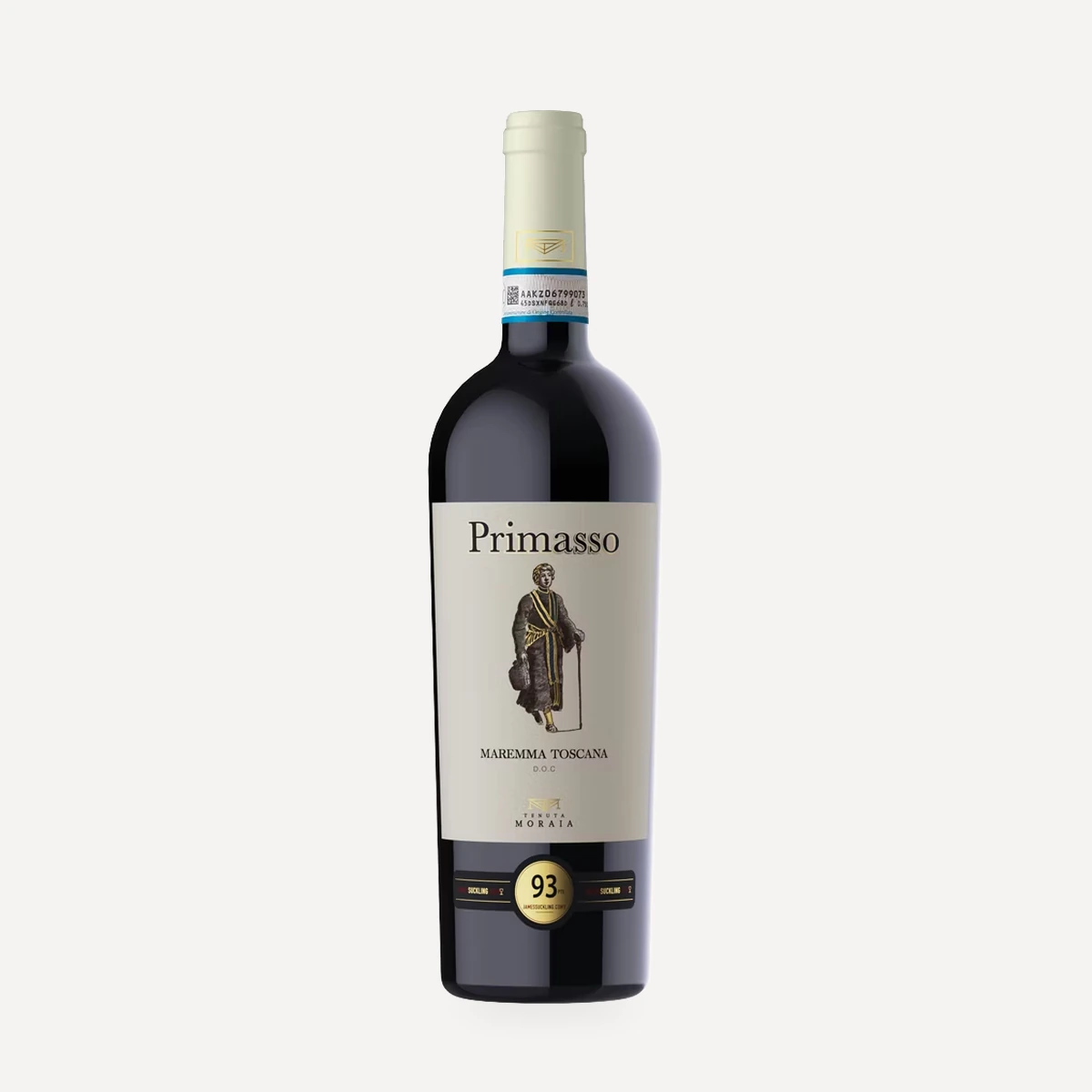
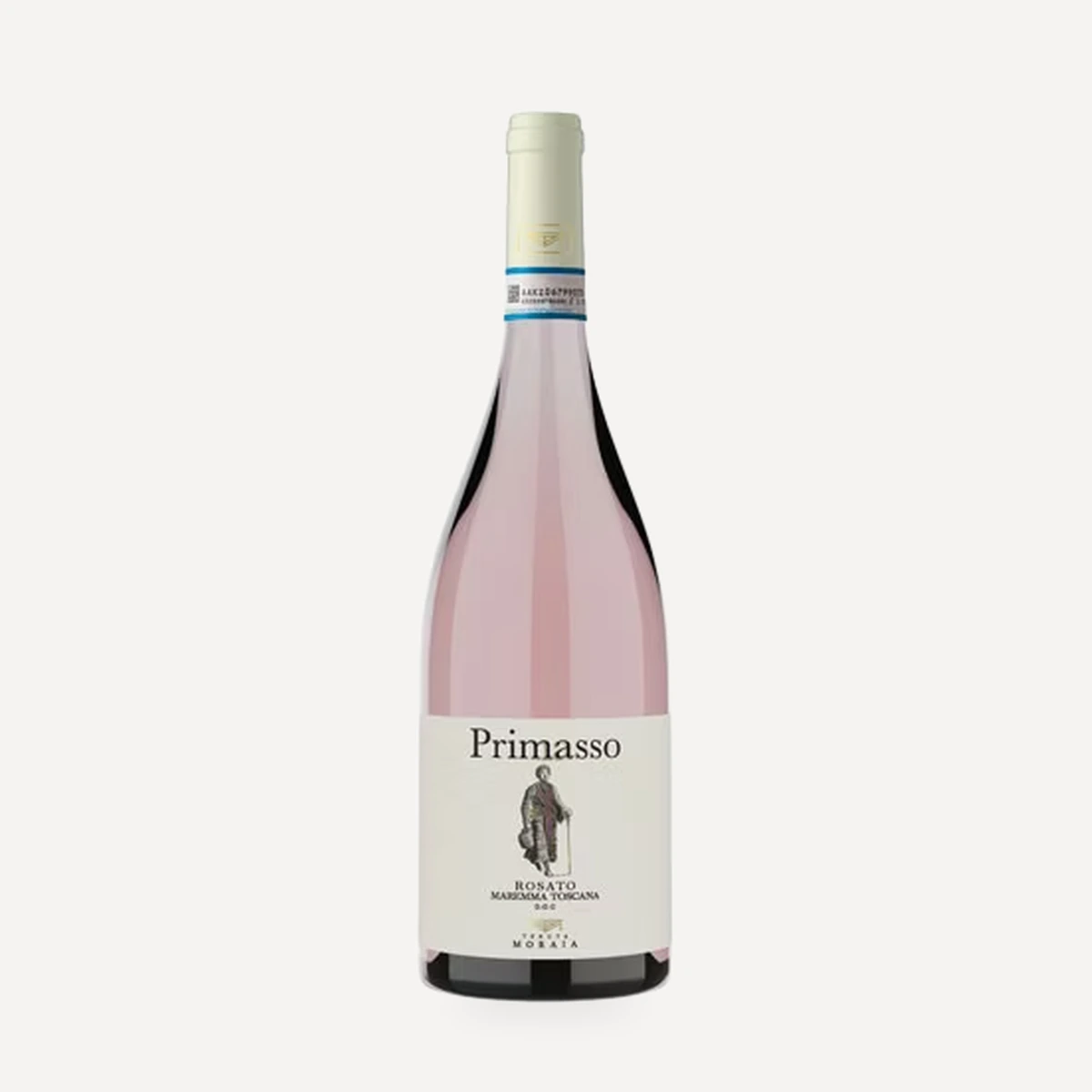
Primasso Maremma Toscana Rosso DOC
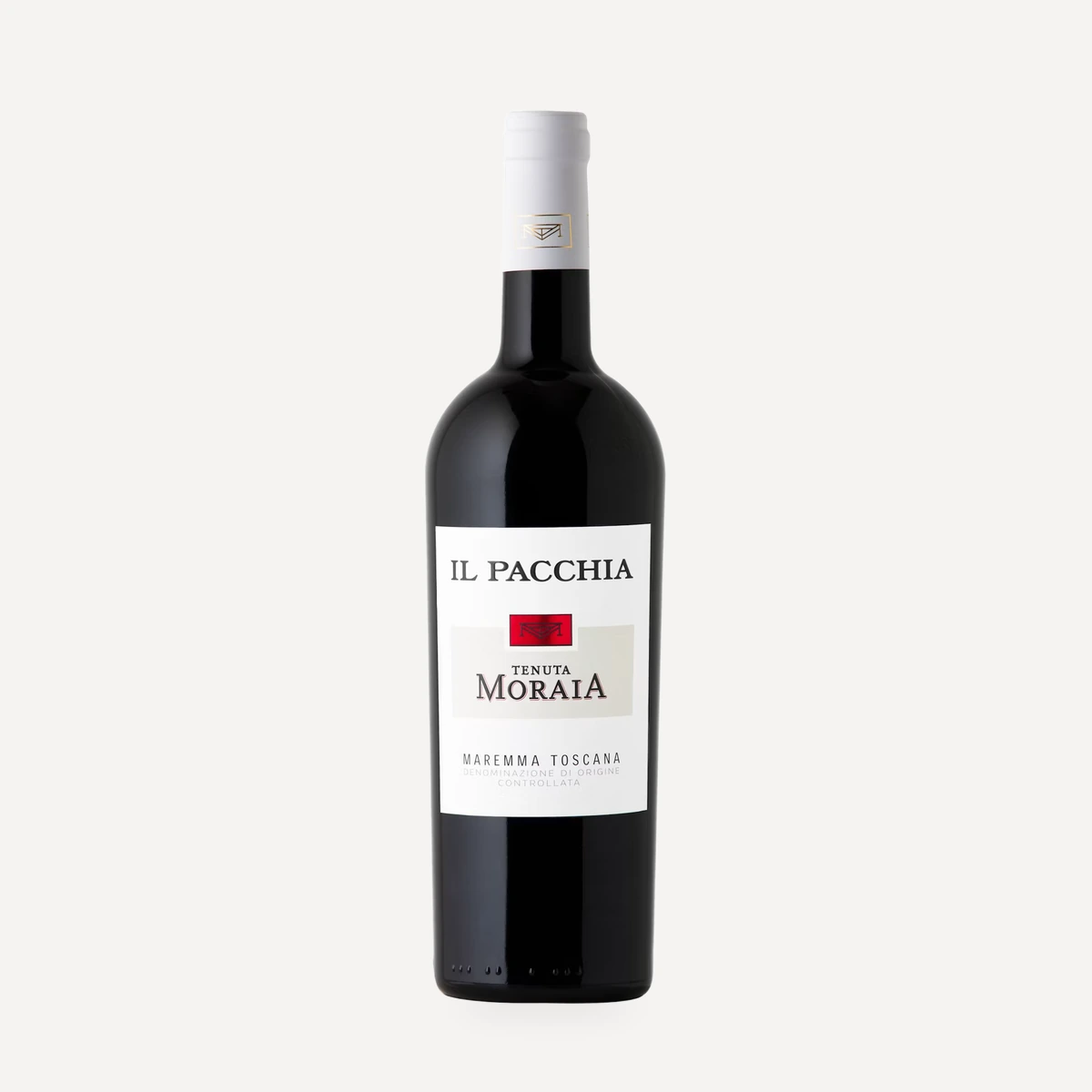
Il Pacchia Maremma Toscana DOC
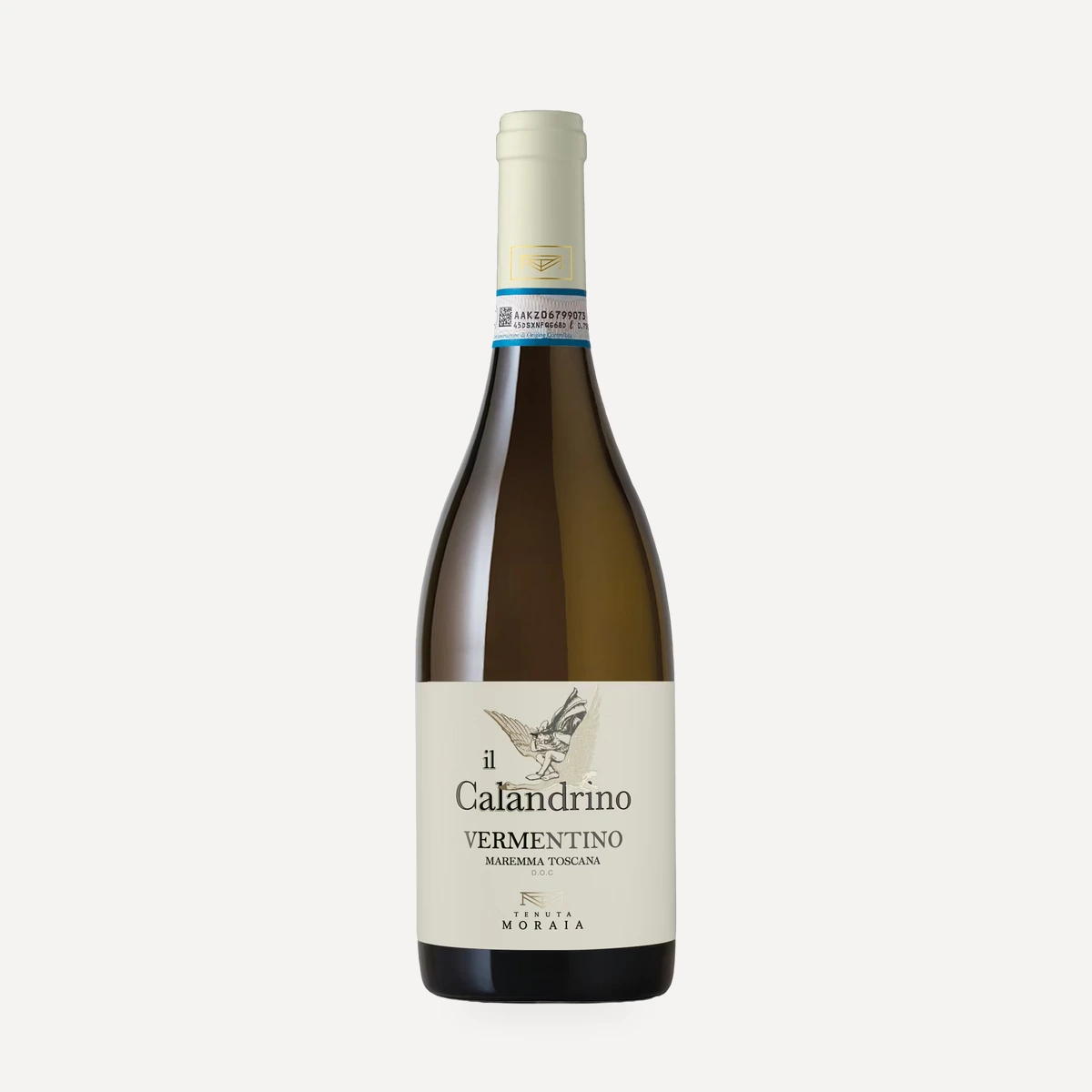
Calandrino Maremma Toscana Vermentino DOC
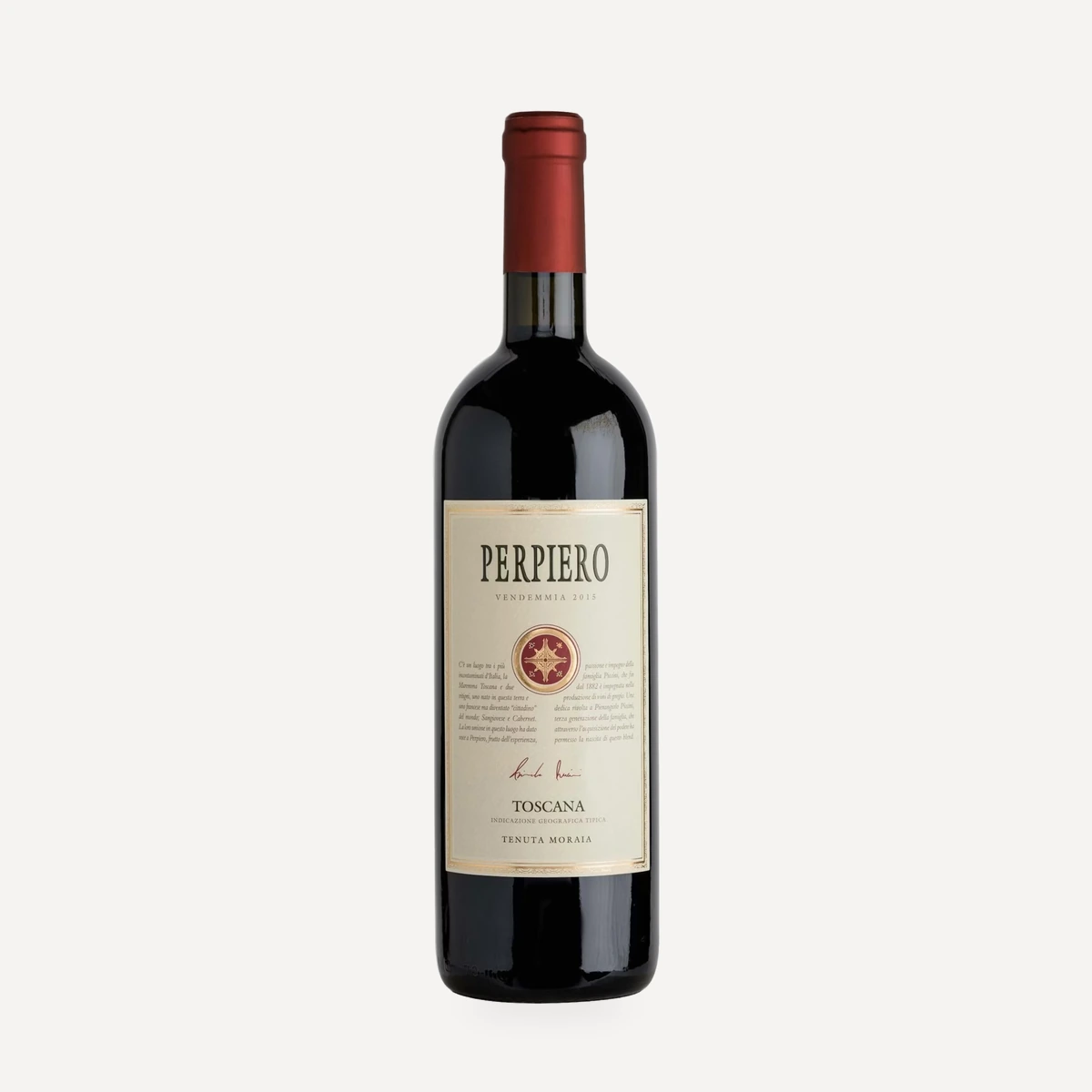
Perpiero Toscana IGT
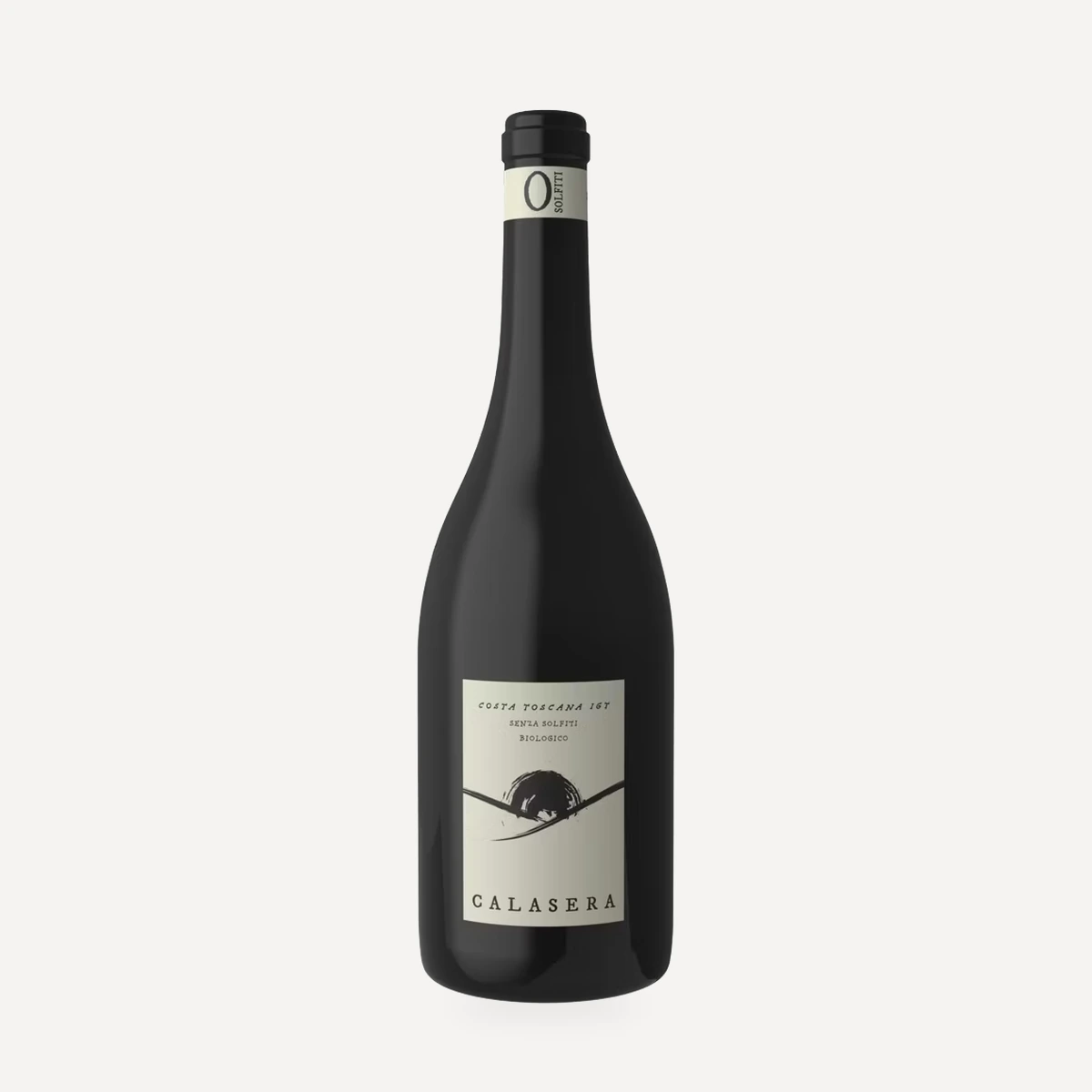
Calasera Zero Solfiti Costa Toscana IGT