Storia
Acquisition by the Piccini family
Torre Mora entered the Piccini family portfolio during the fourth-generation expansion led by Mario Piccini. After taking over the family business in 2004, Mario broadened its activity beyond Tuscany by acquiring two volcanic estates: Torre Mora on Mount Etna in Sicily and Regio Cantina at the foot of Monte Vulture in Basilicata. Torre Mora subsequently became the family’s Etna estate, with vineyards extending between Castiglione di Sicilia and Linguaglossa.
Organic estate project
From the 2018 vintage, the estate project adopted organic vineyard management. Torre Mora developed as a small estate centred on organic and sustainable viticulture, high planting density, low yields, traditional cultivation methods and the local grape varieties Nerello Mascalese, Nerello Cappuccio and Carricante.
By 2021, the property was described as comprising three vineyards: Contrada Dafara Galluzzo and Contrada Moscamento at Rovittello, plus Contrada Alboretto Chiuse del Signore in Linguaglossa. The vineyards occupied steep volcanic terrain at 600–700 metres, with vines between 10 and 25 years old. Spurred cordon was used in the limited level areas, while bush vines occupied the terraces.
The fifth generation and Generazione Vigneti
In 2023, Torre Mora became part of the renewed Generazione Vigneti project led by Ginevra, Benedetta and Michelangelo Piccini, the family’s fifth generation, working alongside oenologists Alessandro Barabesi and Pasquale Presutto. The project formalised the principle of matching a representative grape variety with its place of origin and placed organic, sustainable vineyard management at the centre of the estate network.
Torre Mora was selected as the Sicilian focus of Generazione Vigneti. The project was presented at Vinitaly 2023 with Chiuse Etna Rosé Dosaggio Zero Metodo Classico, a traditional-method sparkling wine produced at the estate to express the energy and volcanic character of Etna.
Terroir
Torre Mora’s rows extend along Mount Etna between Castiglione di Sicilia and Linguaglossa, including sites at Rovittello. The vineyards stand at approximately 600–700 metres above sea level on rugged slopes and terraces.
The soils are entirely volcanic, loose and fertile, with an acidic pH. Although shallow, they contain abundant minerals and trace elements deposited by successive volcanic eruptions. The lava-derived terrain and the characteristic dry-stone walls of local volcanic rock shape the vineyard landscape.
Altitude combines with pronounced temperature differences between day and night to produce a complex microclimate. Constant northerly winds also influence ripening. During the 2022 season, these winds, the elevation and the diurnal range supported gradual progress through the fruit’s phenological stages. Rain arrived in early August and again during the first week of September, following a hot and dry summer.
The steep and uneven terrain makes mechanised work difficult and gives Torre Mora the conditions described as heroic viticulture. Small level areas alternate with terraces, requiring different training systems and close adaptation of vineyard work to the slope.
Vinificazione
Torre Mora follows organic and sustainable viticulture. Organic management has formed part of the estate programme since the 2018 vintage.
High planting density and low yields are fundamental production parameters. The vines range from 10 to 25 years of age. Vineyard architecture follows the terrain: spurred cordon is used in the small flat sections, while traditional alberello bush vines are retained on the terraces. This combination allows cultivation to respond to the steep, broken contours of Etna.
Traditional methods, varietal typicity and preservation of local winegrowing culture guide the work. The difficult slopes require heroic viticulture and close integration of manual work with the natural form of the land.
In 2022, a dry summer reduced phytosanitary pressure across the estate network and allowed vineyard interventions to be limited. At Torre Mora, rain in early August and the first week of September followed optimal flowering and contributed to a larger crop than in preceding seasons. Harvest began on 7 September, two weeks ahead of the customary period.
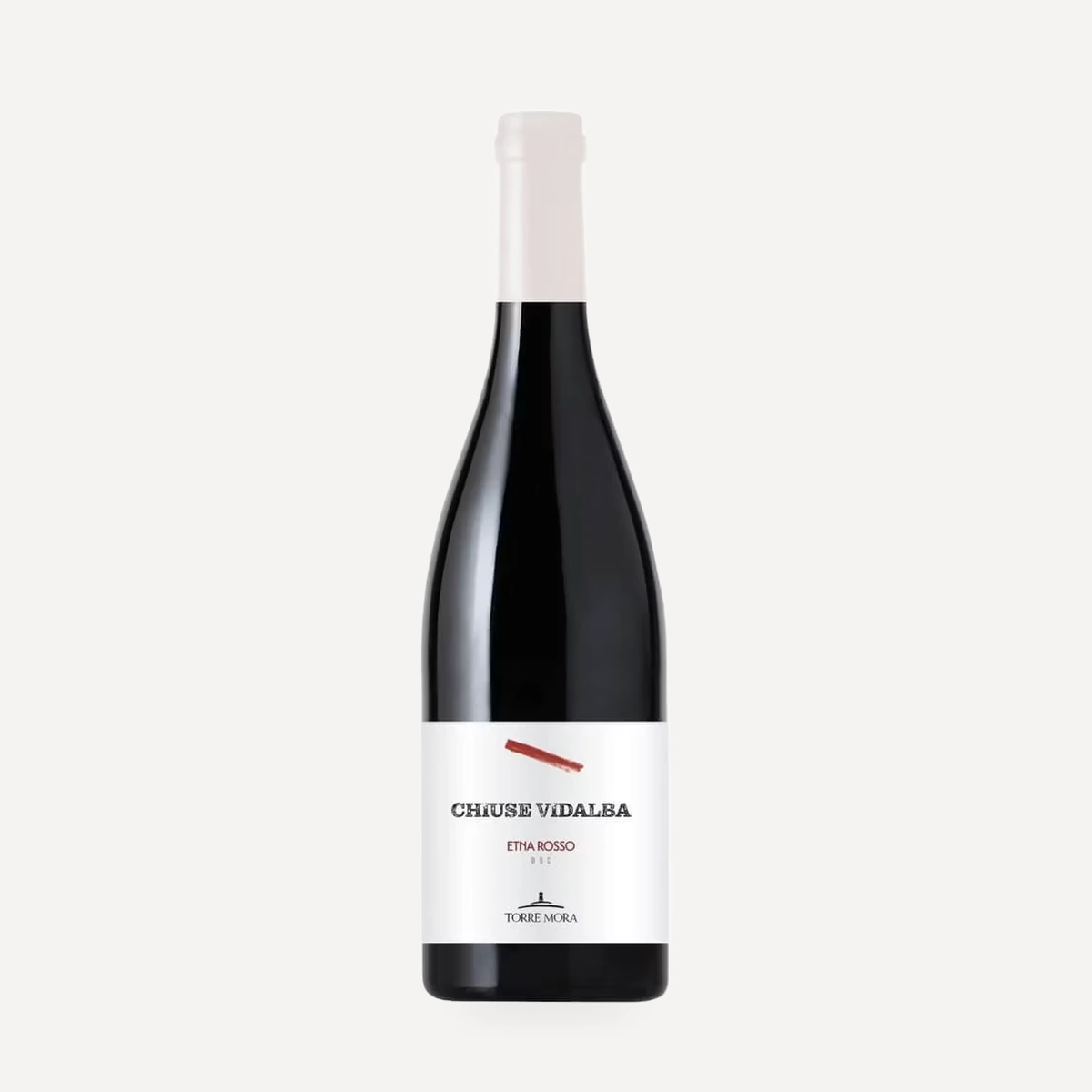
Torre Mora favours traditional production methods intended to preserve the identity of Etna’s indigenous varieties and volcanic sites. The range encompasses still red, white and rosé wines as well as a zero-dosage rosé made by the traditional method. The broader technical programme is supported by oenologists Alessandro Barabesi and Pasquale Presutto, with a stated emphasis on territorial expression and experimentation.
Filosofia
Torre Mora’s guiding idea is “one grape variety, one territory.” The estate treats the relationship between Etna and its long-established varieties as the foundation of its identity: Nerello Mascalese leads the red-wine programme, supported by Nerello Cappuccio, while Carricante represents the white wines.
The approach combines organic and sustainable viticulture with traditional methods, high-density planting and low yields. Its aim is to convey varieties that have adapted to the volcanic slopes over centuries while preserving the culture of the place.
Within Generazione Vigneti, the fifth Piccini generation links this territorial focus with experimentation. Torre Mora occupies a central role in the family’s Sicilian programme, intended to express the beauty, energy and volcanic character of Etna without separating wine from its place of origin.
Vini
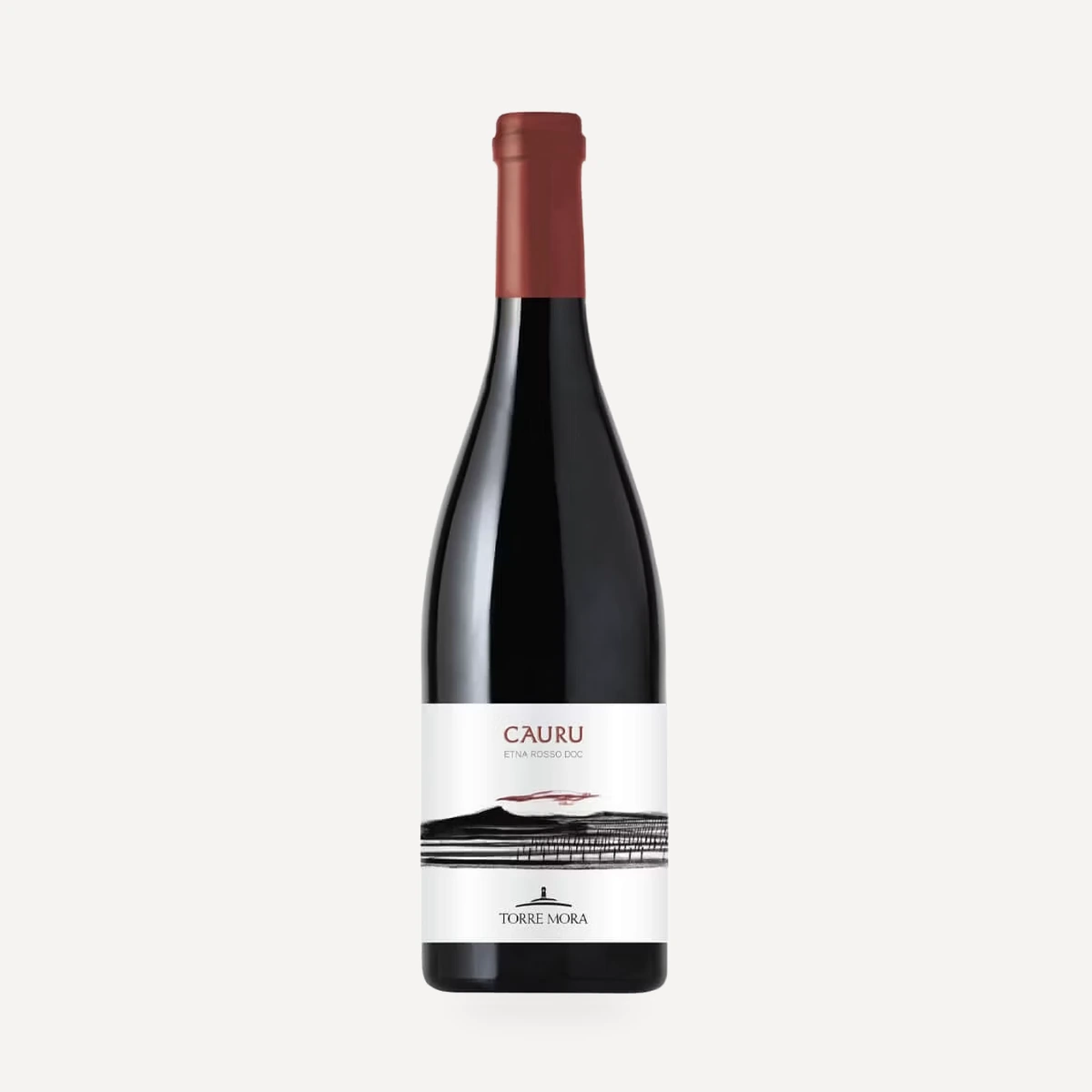
Cauru Etna Rosso DOC
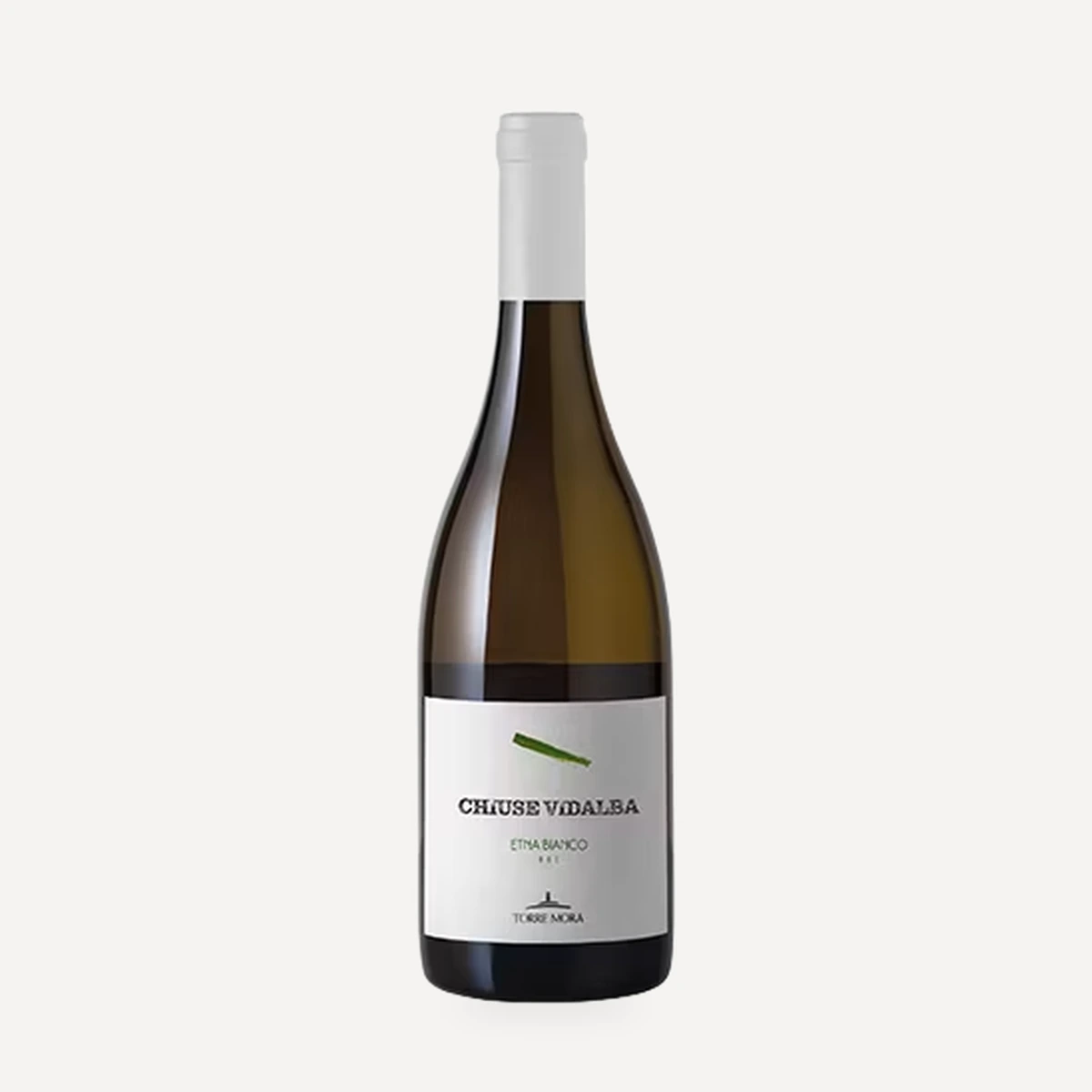
Chiuse Vidalba Etna Bianco DOC
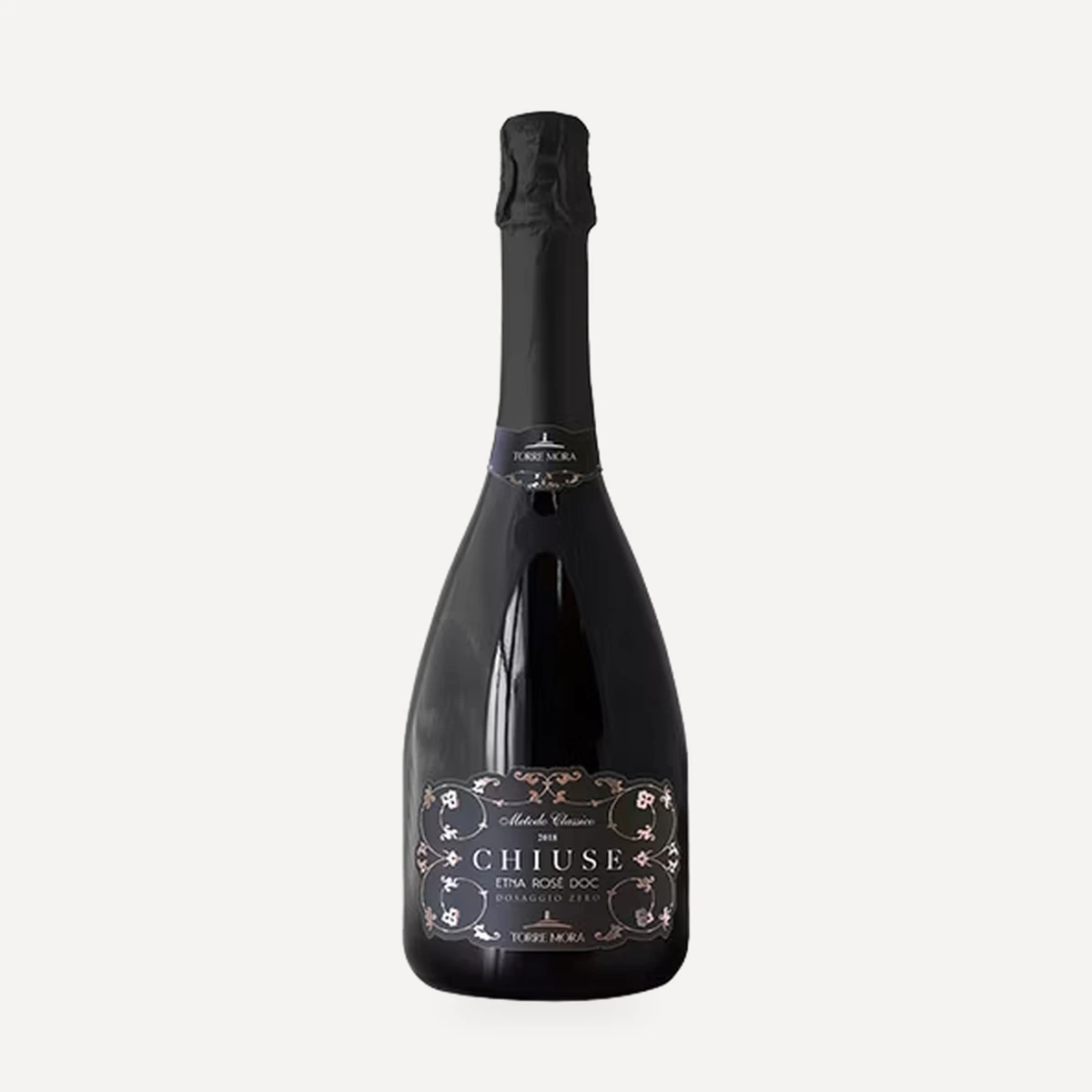
Chiuse Vidalba Etna Rosé Dosaggio Zero Metodo Classico DOC
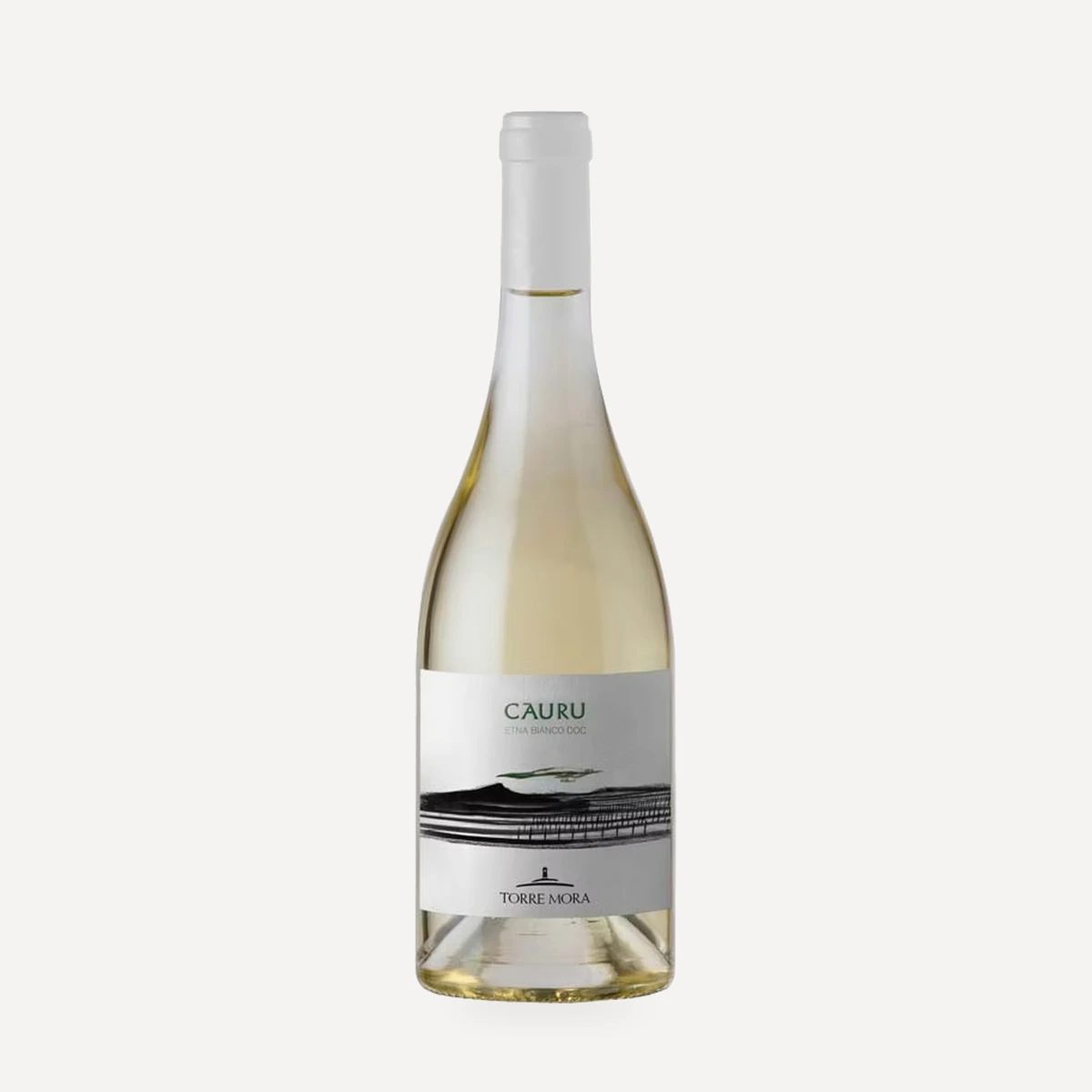
Cauru Etna Bianco DOC