Storia
The beginnings: late 1960s
Sottimano began at the end of the 1960s, after Rino completed his oenology studies and decided to make wine. He acquired a farmhouse that became the winery’s home, together with land in Cottà. The initial holding amounted to only a small vineyard.
Establishment in Barbaresco: 1970s
The family has produced wine in the Barbaresco production zone since the 1970s. From the outset, Rino pursued wines made from individual grape varieties and sought to avoid chemicals and herbicides in order to preserve the natural equilibrium of the hills.
Rino and his wife Anna gradually expanded the estate through the purchase of plots in several Barbaresco crus. Some vineyards were planted by Rino during the 1970s and 1980s. Others were acquired in the same period as established, mature vineyards that had already been productive for years, creating the high proportion of old vines present in the estate today.
Continuity and the family today
Rino now works alongside his children Andrea, Elena and Claudia. Together they manage the vineyards and cellar, continuing an approach based on craftsmanship, traditional methods and respect for the identity of each site. More than four decades of vineyard work have been conducted within certified organic practices, while cellar work has progressively focused on preserving grape quality and limiting intervention.
The 2016 watershed
The 2016 vintage marked a turning point. Rigorous organic vineyard work brought what the family regarded as a clearer and more forceful expression of individual crus and terroir, an emphasis maintained in subsequent vintages. This development led to the creation of Barbaresco DOCG Riserva 2016, selected from the oldest vineyards and finest grapes as an estate-level expression centred on terroir.
Terroir
The estate cultivates 19 hectares in five named Barbaresco crus distributed between Neive and Treiso. Each vineyard is treated as an individual interpreter of its site.
Neive
Basarin has white, calcareous soils of Miocene–Helvetian origin crossed by veins of sand. Its pedoclimatic conditions are associated with mineral, fine expressions marked by balsamic and spicy characteristics.
Cottà is one of Neive’s best-known areas and was among the early sites used for separate cru vinification. Its combination of terroir and climate is associated with intensity, vigour and power, substantial tannins and balancing freshness.
Fausoni is an MGA in Neive with soils of calcareous origin. The site combines expressive intensity with elegance.
Currà is a small mention southwest of the village of Neive, in the heart of the Barbaresco production zone. Its pedoclimatic conditions, together with old, low-yielding vines, give grapes with complex and elegant aromatic profiles and persistent, delicately floral tannins.
Treiso
Pajorè extends across the area north of the municipality of Treiso. Its soils contain calcareous marl and clay, and the cru is associated with classic, elegant expressions and precise, restrained tannins.
Vinificazione
Vineyard work is organized around maintaining the natural equilibrium of the soil, vines and surrounding environment while supporting biodiversity. The family follows each parcel through its development rather than treating all sites uniformly, seeking to let each vineyard express its own terroir.
Chemicals and herbicides were avoided from the beginning of Rino’s work. The vineyards have received particular care for more than 40 years within certified organic practices. Traditional vine diseases are addressed with natural products intended both to protect and nourish the plants. Close observation of how each vine responds through its vegetative cycle guides the support it receives.
The estate follows its vineyards throughout the annual cycle, from pruning to harvest. Currà’s old vines are specifically associated with low yields. The 2016 vintage represented an important result of increasingly painstaking organic work: individual crus achieved a more distinct expression, and this became a continuing objective in later vintages.
Cellar work is based on traditional methods, preservation of the grapes’ quality and minimal oenological intervention. The principal Barbaresco method combines meticulous grape selection, spontaneous alcoholic fermentation, extended skin maceration, a period with the cap submerged and transfer to wood, where malolactic fermentation is completed. The cru Barbarescos receive approximately one additional year of bottle rest to develop their full expression. Large oak barrels form the core of the estate’s stated ageing philosophy.
Spontaneous alcoholic fermentation and skin maceration recur across the wider range. Malolactic fermentation follows different routes according to the material: it is completed in wood for Barbera, while Dolcetto and Matè complete spontaneous malolactic fermentation in stainless steel. Langhe Nebbiolo undergoes spontaneous malolactic fermentation and is aged in barriques and large barrels.
The intended result is not a standardized cellar style but a clear presentation of vineyard identity, vintage and the typical character of Barbaresco and Piedmontese grape varieties.
Filosofia
Balance and identity
Sottimano understands wine as a direct reflection of the family’s relationship with the land and its interpretation of the vineyard. Its central principle is that viticulture must respect the natural balance of soil and environment. Responsible farming should also encourage biodiversity rather than disturb the equilibrium of the hills.
The vineyard first
The family’s guiding conviction is that great wine begins with vineyard work. Careful observation of the vine through its vegetative cycle is considered essential: understanding how individual vines respond allows work to be adapted to their needs. Each parcel is accompanied through its development so that it can express the specific richness of its terroir.
Tradition with restrained intervention
Craftsmanship and traditional methods provide continuity between the winery’s beginnings and its present work. In the cellar, intervention is kept to a minimum so that grape quality, vintage character and the distinctions among the Barbaresco crus remain legible. Long maceration, submerged-cap vinification and maturation in large oak barrels are used to emphasize terroir and the elegance of Piedmontese varieties. The final aim is to produce direct, site-defined wines rather than obscure their origin through cellar technique.
Vini
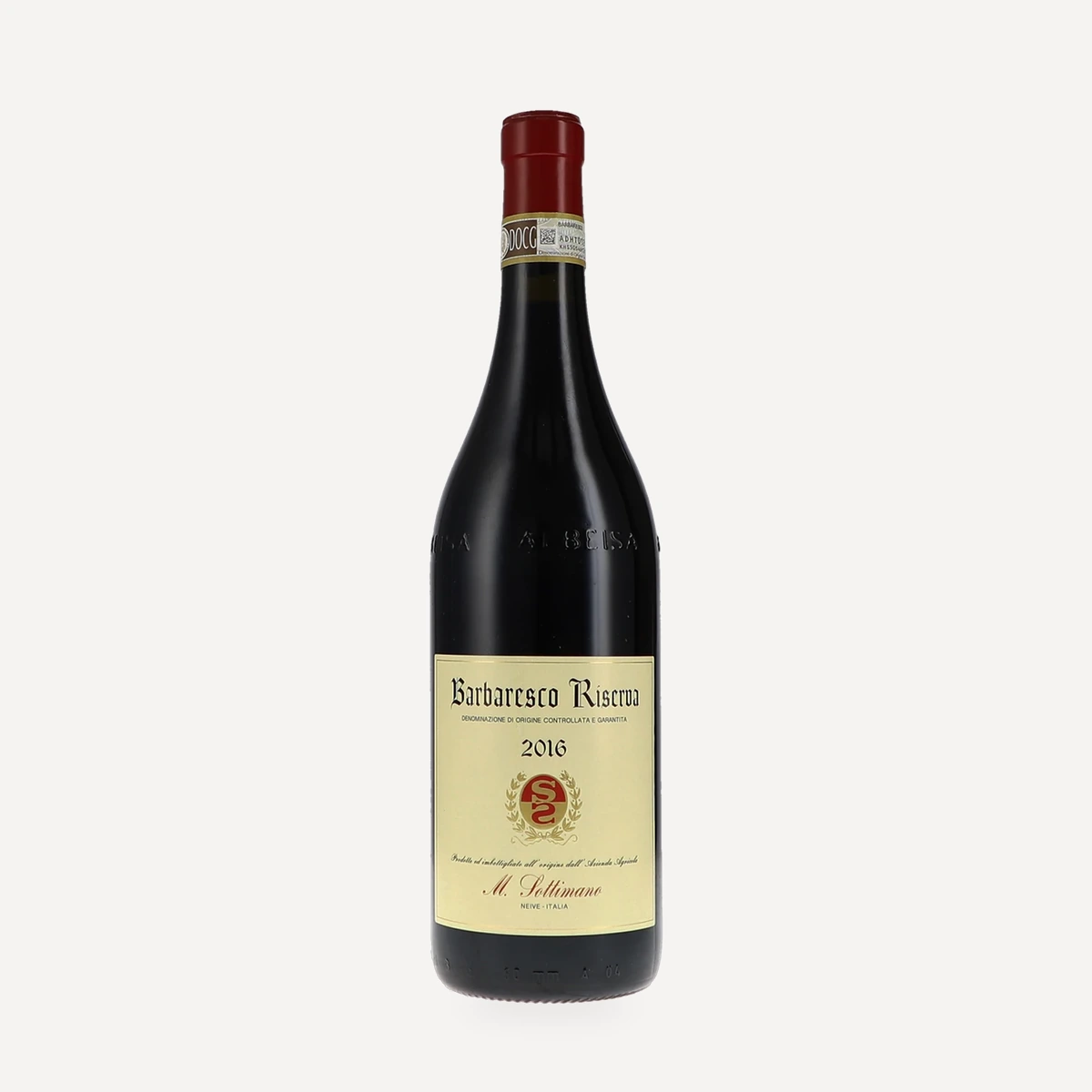
Barbaresco Riserva 2016 DOCG
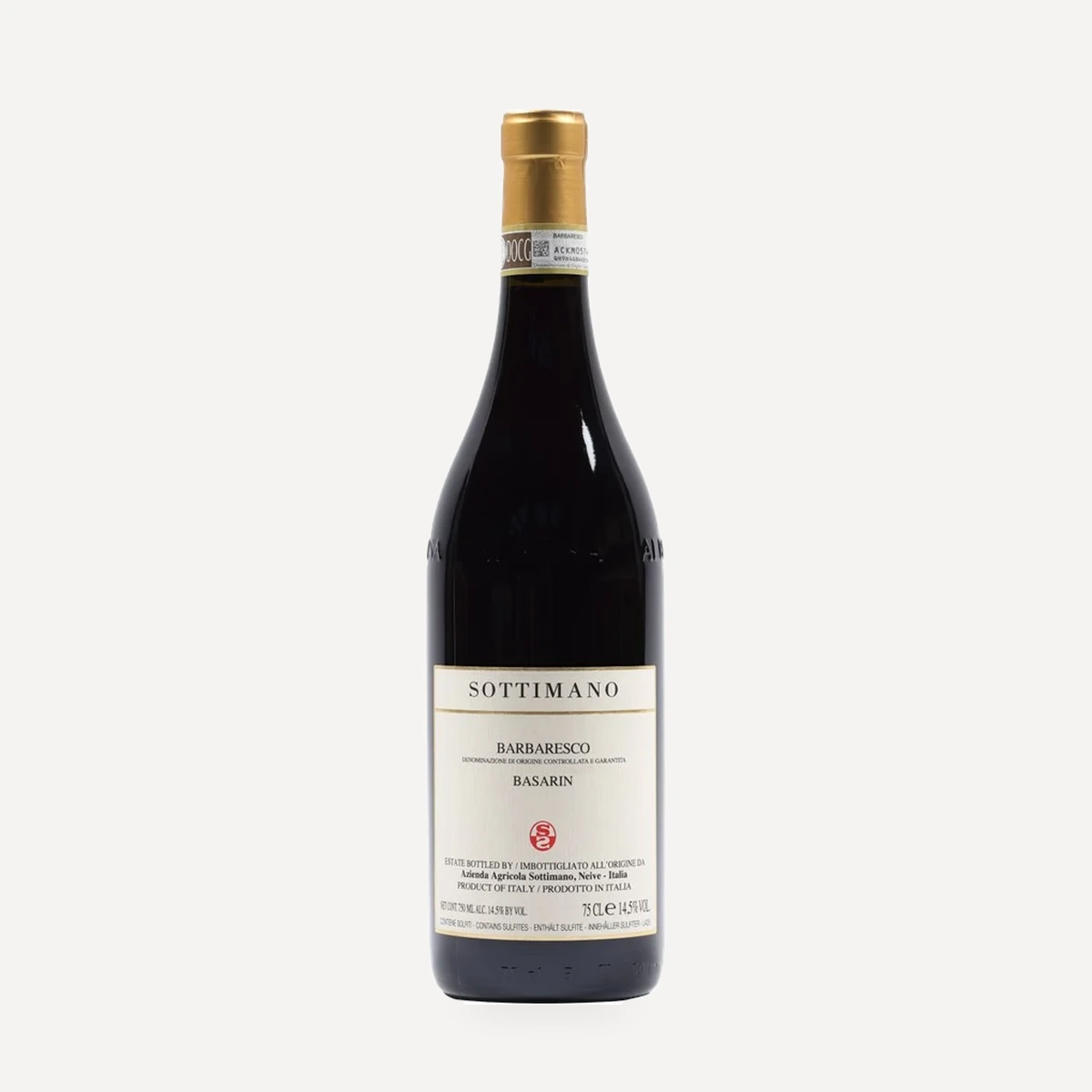
Barbaresco Basarin DOCG
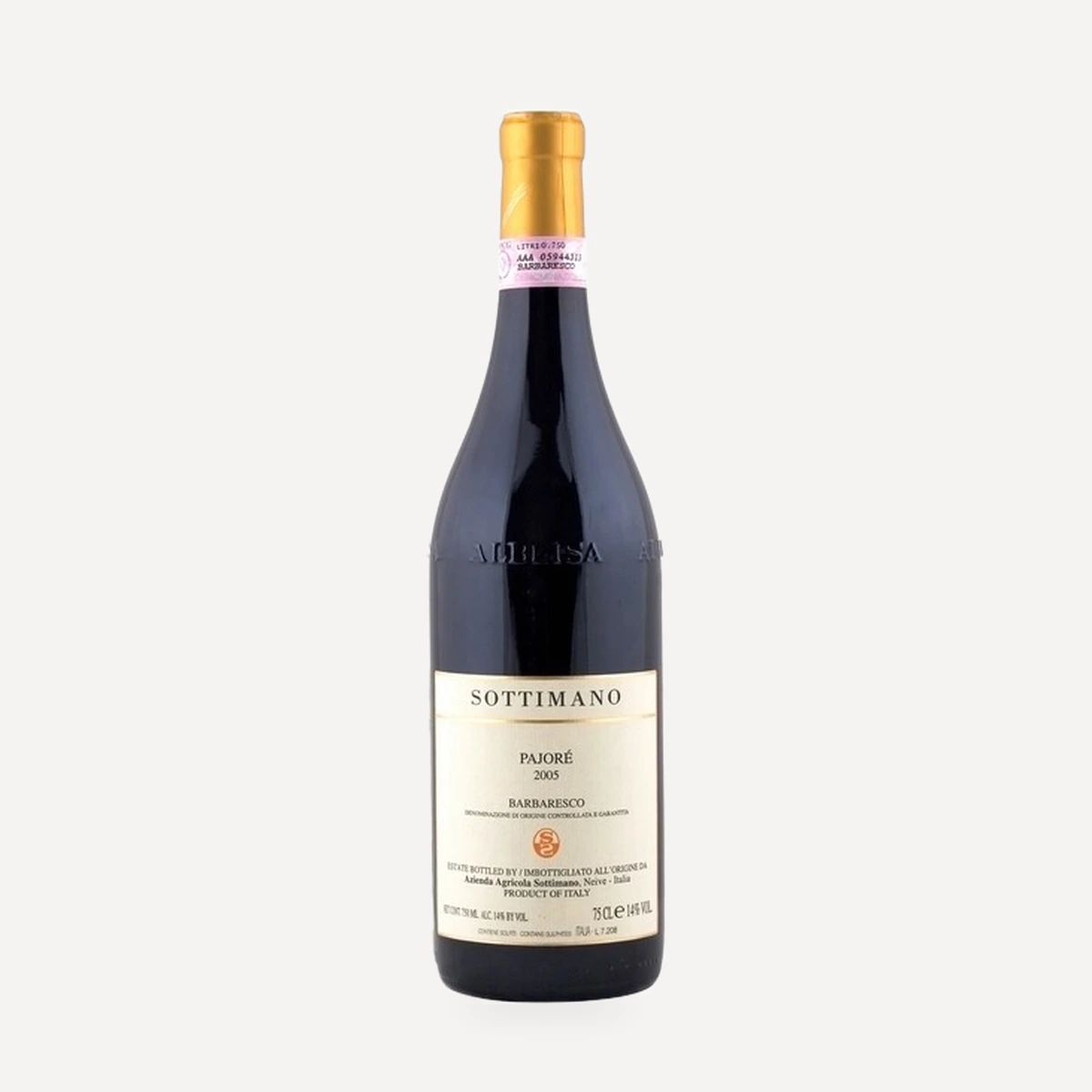
Barbaresco Pajoré DOCG
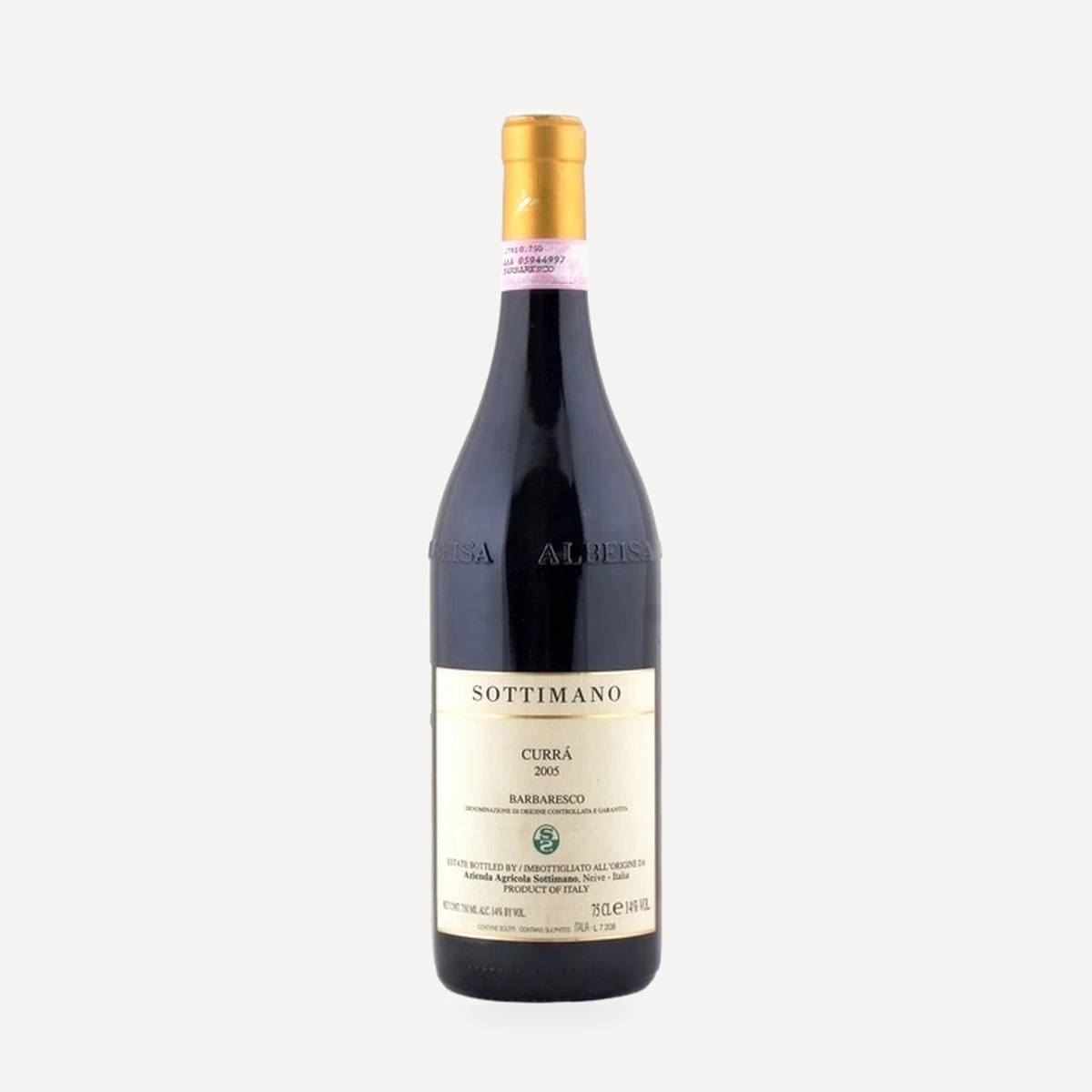
Barbaresco Currà DOCG
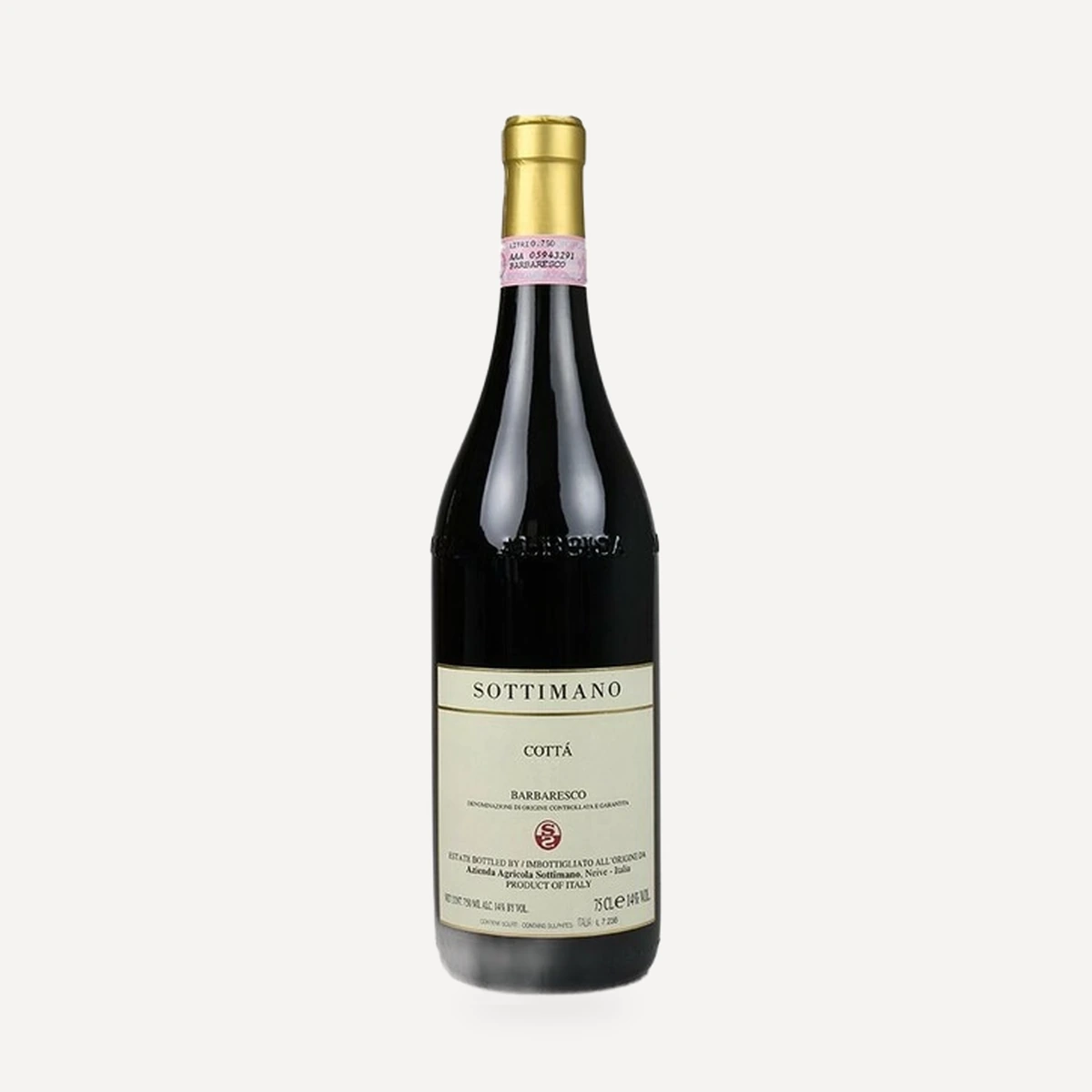
Barbaresco Cottà DOCG
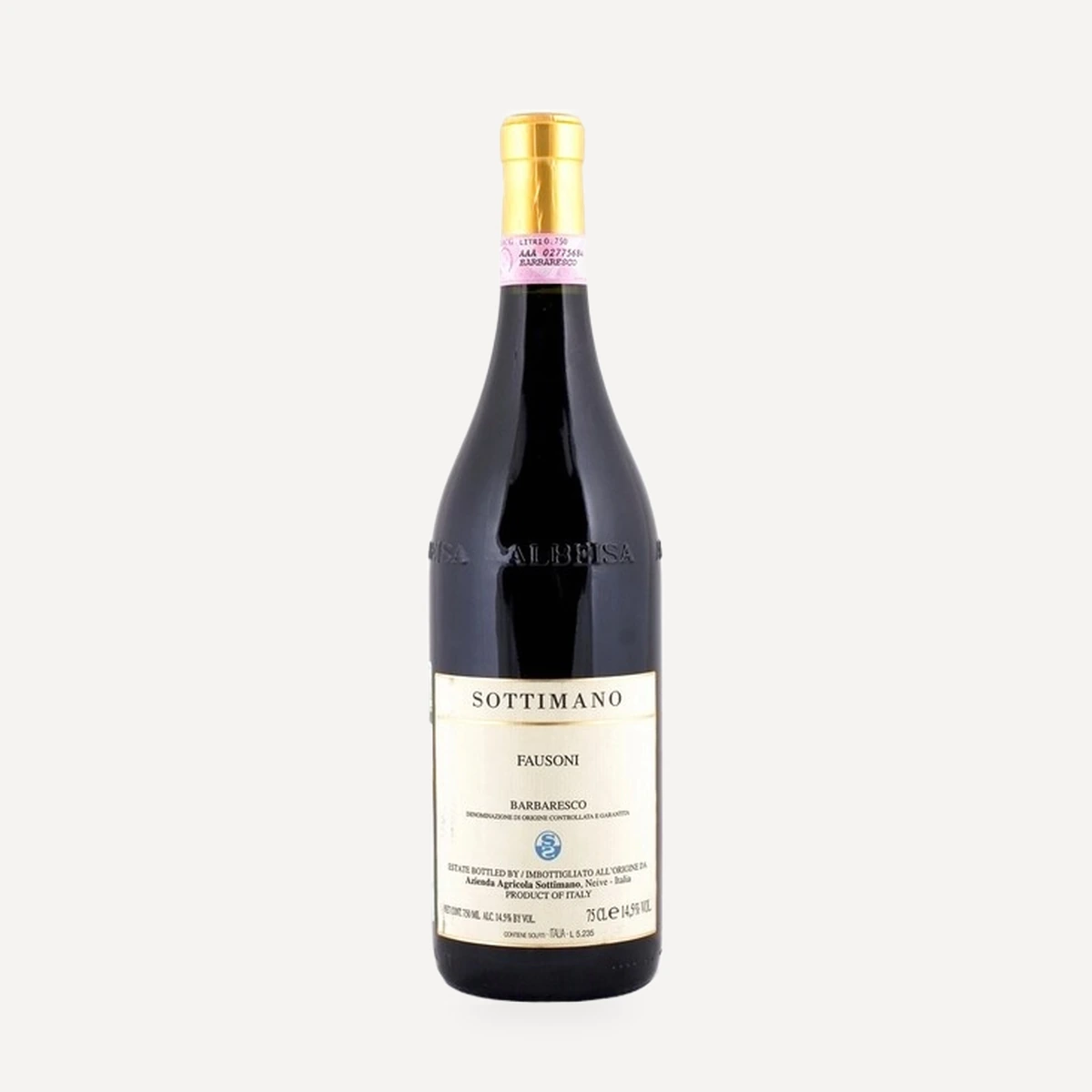
Barbaresco Fausoni DOCG
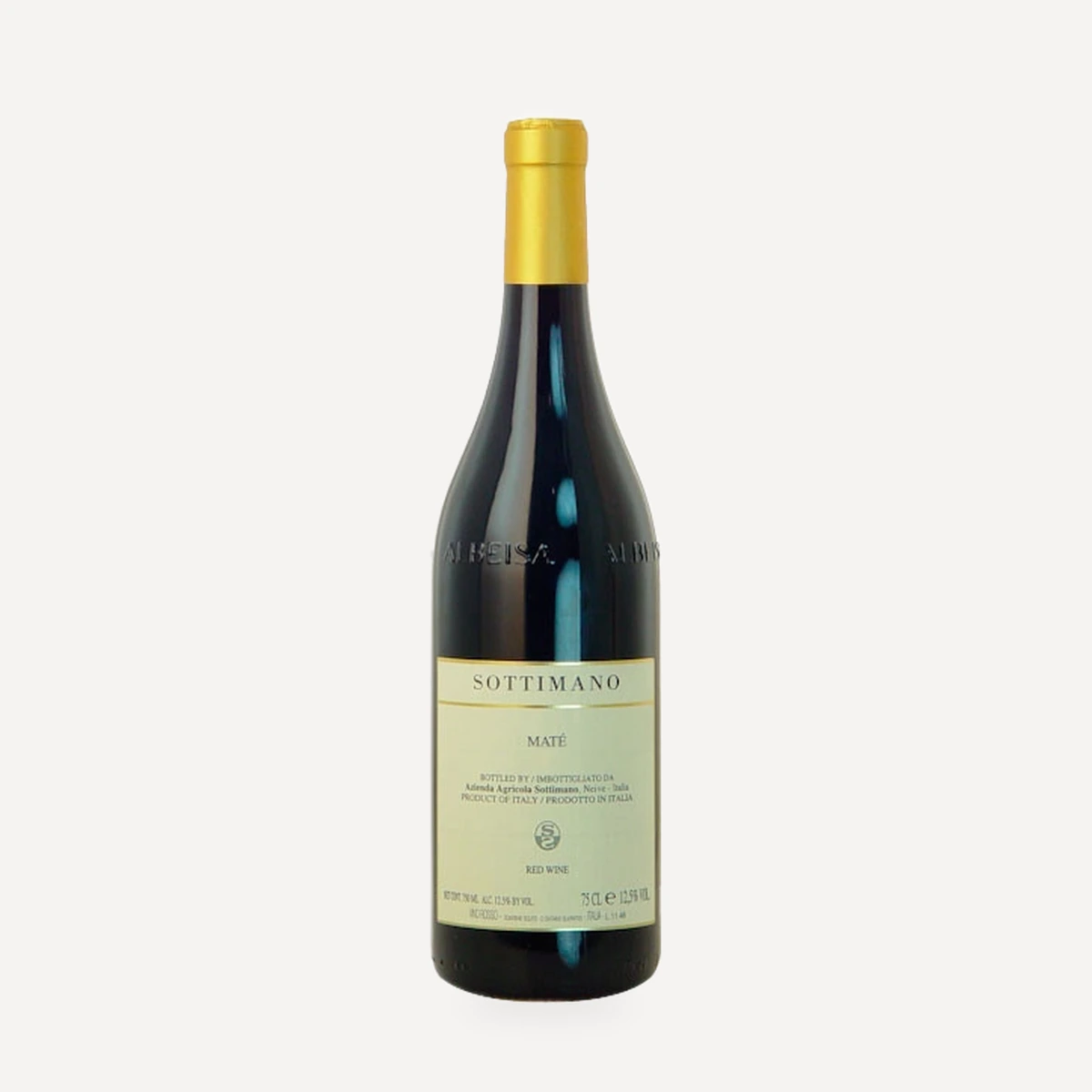
Matè