Storia
Pier Luigi Tolaini’s early life and return to Tuscany
Pier Luigi Tolaini was born in Castelnuovo di Garfagnana, Lucca, in 1936. In 1956 he emigrated to Canada on a one-way ticket, intending to build a fortune and eventually return to Italy to acquire land and make wine. During four decades in Canada he founded and developed TransX, which became one of North America’s major transportation and logistics businesses.
Pier Luigi began looking for suitable Tuscan land in the 1990s. The potential of Castelnuovo Berardenga attracted him in 1996, and his search ultimately led to the historic properties of Montebello, Vallenuova and San Giovanni. He founded Tolaini Estate in 1998 after purchasing two vineyards in the località of Vallenuova, within the commune of Castelnuovo Berardenga. Montebello’s amphitheatre-like form and the combination of its climate, soils and exposure were decisive.
Replanting and construction of a modern estate
In spring 2000, the historic vineyards were completely replanted. Fifty hectares were established at high density after a detailed zonation study evaluated the soils, drainage, exposures and microclimates, assigning grape varieties to the sectors considered most suitable for them. San Giovanni’s Cabernet Sauvignon plantings were completed in spring 2002.
The original historic winery building was renovated to accommodate modern production while preserving its architectural fabric. A distinctive underground barriccaia was created with three tunnels radiating from a central point. Its capacity reaches 1,200 barriques of 225 litres, together with tonneaux and large 20–25 hl casks.
Developing the Sangiovese identity
The technical team identified Montebello vineyard parcel no. 7 as a particularly successful conjunction of Sangiovese, clay-and-galestro soils, slope and exposure. Fruit from this parcel produced the first Tolaini Chianti Classico Riserva in the 2008 vintage. From the 2010 vintage, the Riserva was replaced by Chianti Classico Gran Selezione, retaining its identity as a single-vineyard, 100% Sangiovese wine made only in selected years.
The estate became entirely organically farmed in 2013. In 2014 an optical sorter was added to the selection process, using computer-set criteria for berry size, colour and form; cameras inspect the berries and jets of air reject debris and fruit that is unripe, damaged or otherwise unsuitable.
Vineyard and team developments in 2017
In 2017 Luca D’Attoma succeeded Michel Rolland as consulting enologist. Alberto Fusi joined as director, working with Francesco Rosi in the cellar and Mattia Malanchi in the vineyards, while Tamara Maccherini continued as sales director for Italy, Asia, Europe and South America.
That year’s dry summer and repeated heatwaves made canopy and water management especially important. Drip irrigation helped maintain vine balance, while cooler nights at the beginning of September completed ripening. Spring bud grafting achieved a reported 99% success rate. The new Sangiovese and Canaiolo vines were expected to bear fruit in 2018, strengthening the indigenous-variety component of the estate.
Family succession and current direction
Pier Luigi worked alongside his daughter Lia for 22 years. He died in 2020. Lia Tolaini Banville subsequently assumed leadership and ownership, continuing the family project with her children Alex, Ali and Matteo.
Michel Rolland’s consultancy had ended in 2017, and Luca D’Attoma’s concluded in 2022. Francesco Rosi, who joined Tolaini in March 2011 and worked with both consultants, became head enologist and director of production in 2023. The change coincided with the release of PERLUI, dedicated by Lia to her father, and Mello 700, which extended the range to Sangiovese from a high-altitude, independently owned organic vineyard in Gaiole in Chianti. The current technical direction places Francesco Rosi in sole charge of winemaking, supported in the vineyards by consulting agronomist Ruggero Mazzilli.
Terroir
Tolaini Estate lies in the località of Vallenuova in Castelnuovo Berardenga, the southernmost commune of Chianti Classico. Its vineyards occupy elevations of approximately 300–450 m above sea level. The altitude produces a marked difference between daytime and nighttime temperatures, associated here with freshness, finesse and elegance.
The estate is divided among three named historic vineyard sites: Vallenuova, Montebello and San Giovanni. Their soils, drainage, exposures and microclimates were mapped before the major replanting of 2000. The resulting zonation determined which grape varieties were planted in each sector.
Vallenuova and Montebello contain clay-rich soils with galestro, limestone, silt and abundant stones. Vallenuova includes southern exposures and rises to the circular Al Passo woodland. Montebello forms a natural amphitheatre; within it, parcel no. 7 combines slope and exposure with clay-and-galestro soil and is reserved for Sangiovese. San Giovanni, near San Giovanni a Cerreto, differs through sandier, tufa-influenced soils with fewer stones.
The Al Passo woodland occupies the highest point of Vallenuova and offers views toward Siena, Montalcino and Montepulciano. An Etruscan tomb and ruins, dated to more than 2,500 years ago, were found and restored within the wood.
Vinificazione
Tolaini’s 50 ha of vineyards were replanted after a zonation study matched varieties to individual soils, drainage patterns, exposures and microclimates. Planting densities vary by sector, generally from about 6,900 to 11,000 vines/ha in current vineyard specifications; the earlier estate overview gave a range of 7,300–11,300 vines/ha. Typical reported yields are 50–60 q/ha.
The vineyards have been entirely farmed organically since 2013 and are currently presented as certified organic, sustainable and carbon neutral. The stated environmental purpose is to respect the land and its biodiversity. SPEVIS and consulting agronomist Ruggero Mazzilli connect the estate with research into practical organic and sustainable viticulture.
All pruning, canopy management and harvesting are performed manually. Pier Luigi Tolaini designed and patented a vineyard vehicle that carries workers through densely planted rows, reducing bending and kneeling while reportedly improving the efficiency of manual tasks by 30–40%.
Water status is monitored in collaboration with the University of Florence’s Faculty of Agronomy. A dedicated instrument measures water in the leaves, allowing the technical team to keep vines under controlled, light hydric stress: enough to direct energy toward fruit maturation while avoiding both water crisis and overwatering. Drip irrigation was particularly important during the heatwaves of 2017.
Spring grafting in 2017 produced new Sangiovese and Canaiolo vines with a reported 99% success rate. At harvest, selection begins manually in the vineyard. Fruit is then destemmed and optically sorted berry by berry; computer-set parameters for size, colour and form allow air jets to remove debris and unripe, crushed or otherwise unsuitable berries.
Reception and selection
Harvested fruit is destemmed and passed through an optical sorter. Cameras assess each berry against preset criteria for dimension, colour and form; air jets reject small, green, crushed or otherwise unsuitable berries and foreign material. Only ripe, intact berries continue to the vats. The optical sorter has been part of the process since 2014.
Cold soak and fermentation
Whole berries enter vats cooled to 5–10°C for a pre-fermentation cold soak. Selected natural yeast strains are then introduced. The winery has 26 temperature-controlled stainless-steel tanks with a two-chamber configuration. Their range of capacities allows individual vineyard parcels to be vinified and stored separately.
The best lots may instead ferment in 12 open-top French Allier oak fermenters, each holding 4,500 litres. Primary fermentations generally last 7–10 days and reach maximum temperatures of 28–30°C. Manual punch-downs extract from skins and pips while limiting unwanted bitterness. The two-chamber tanks permit gentle gravity-driven rack-and-return for colour and flavour extraction.
After primary fermentation, wine and solids remain together for a further 10–15 days of maceration. The wine is then racked to barrel for malolactic fermentation. Individual current bottlings demonstrate additional techniques available to the cellar, including indigenous-yeast fermentation, whole-bunch vinification, amphorae, conical oak vats, remontage and délestage; these are applied selectively rather than as a single estate-wide formula.
Maturation and blending
Lots remain separate through élevage. The underground barriccaia consists of three tunnels radiating from a central point and is maintained at controlled temperature and humidity. It can accommodate up to 1,200 barriques of 225 litres, numerous tonneaux and large 20–25 hl casks. The large casks are reserved for Sangiovese.
New Allier and Tronçais barriques are purchased each vintage from several French coopers. Most receive medium or medium-plus toast, with a smaller dark-toast component. Depending on the cuvée, maturation also employs Tuscan, Slavonian and Austrian oak, stainless steel, concrete and terracotta amphorae. Some lots spend part of their élevage on fine lees. Final blending decisions for the principal selections are made after approximately 16–18 months of barrel maturation, even when particular parcels have been provisionally earmarked at harvest.
Filosofia
Tolaini’s guiding ambition is to produce wines that express the specific character of Castelnuovo Berardenga. Its stated foundation is that the best fruit makes the best wine, with balance treated as the central principle.
The approach seeks a synthesis of old and new. Traditional manual vineyard work and respect for historic land are combined with zonation, high-density planting, optical sorting, water-status monitoring and precisely controlled cellar conditions. Technology is regarded as a means of assisting vineyard workers and improving fruit quality rather than replacing manual care.
Organic and sustainable farming is intended to protect the environment and biodiversity while allowing Chianti Classico terroir to reach its fullest expression. In the cellar, high-quality fruit, parcel separation and measured use of oak are directed toward wines with power, freshness and supple tannins. Final blend decisions are deliberately postponed until the constituent lots have developed through extended élevage.
Lia Tolaini Banville defines leadership as establishing a clear vision and motivating a capable, experienced team to share and accomplish it. That principle now frames the transition from Pier Luigi’s founding generation to Lia and her children.
Vini
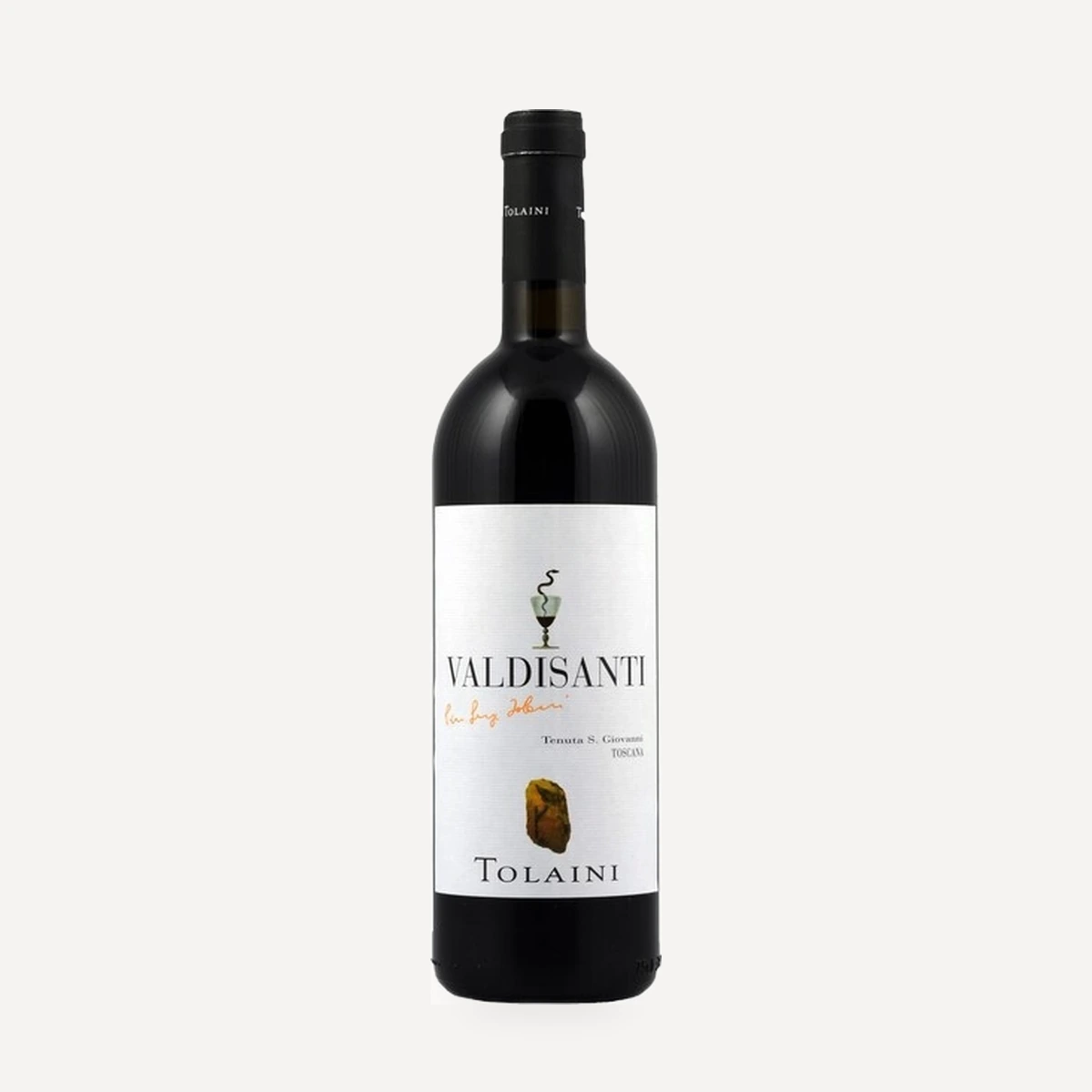
Valdisanti Toscana IGT
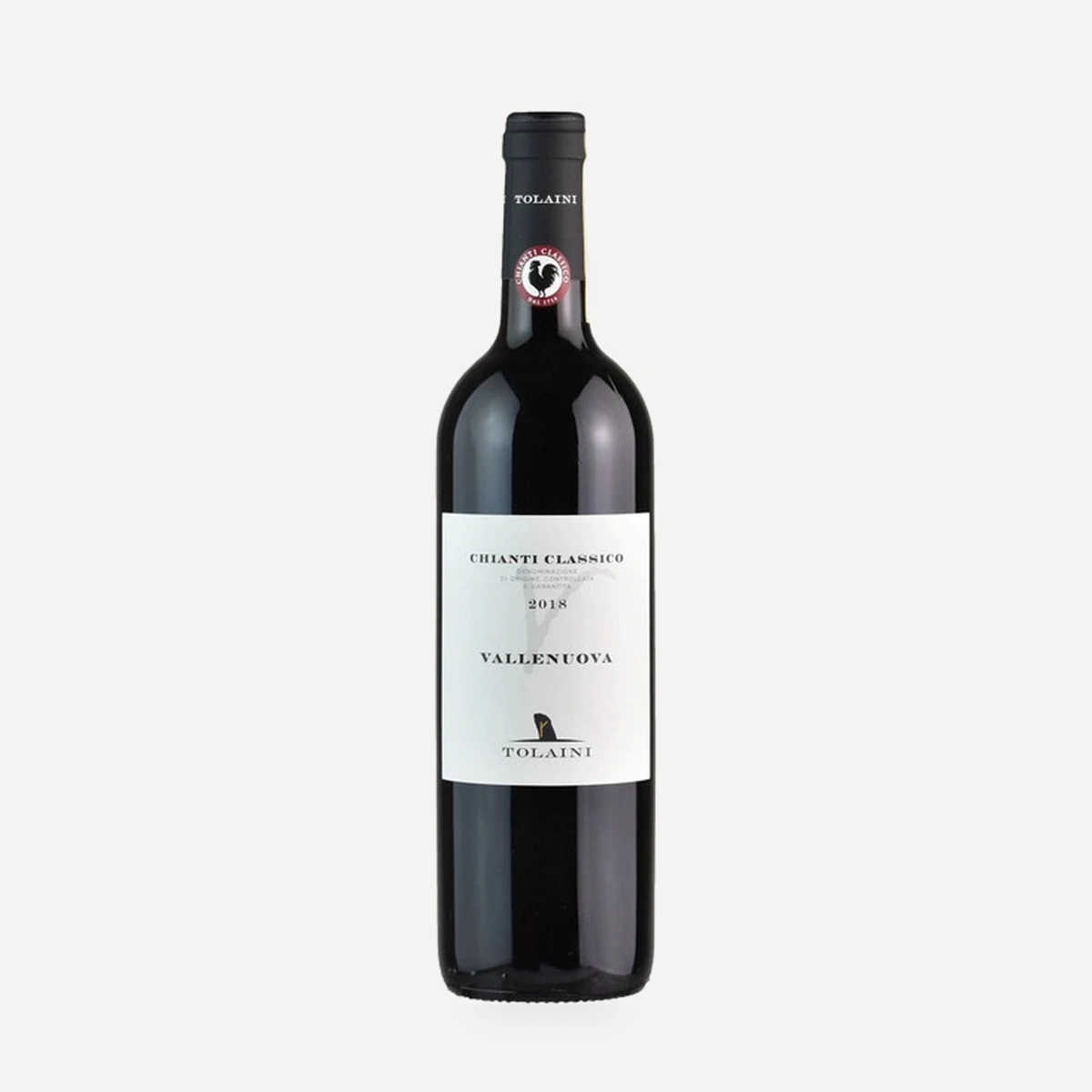
Vallenuova Chianti Classico DOCG
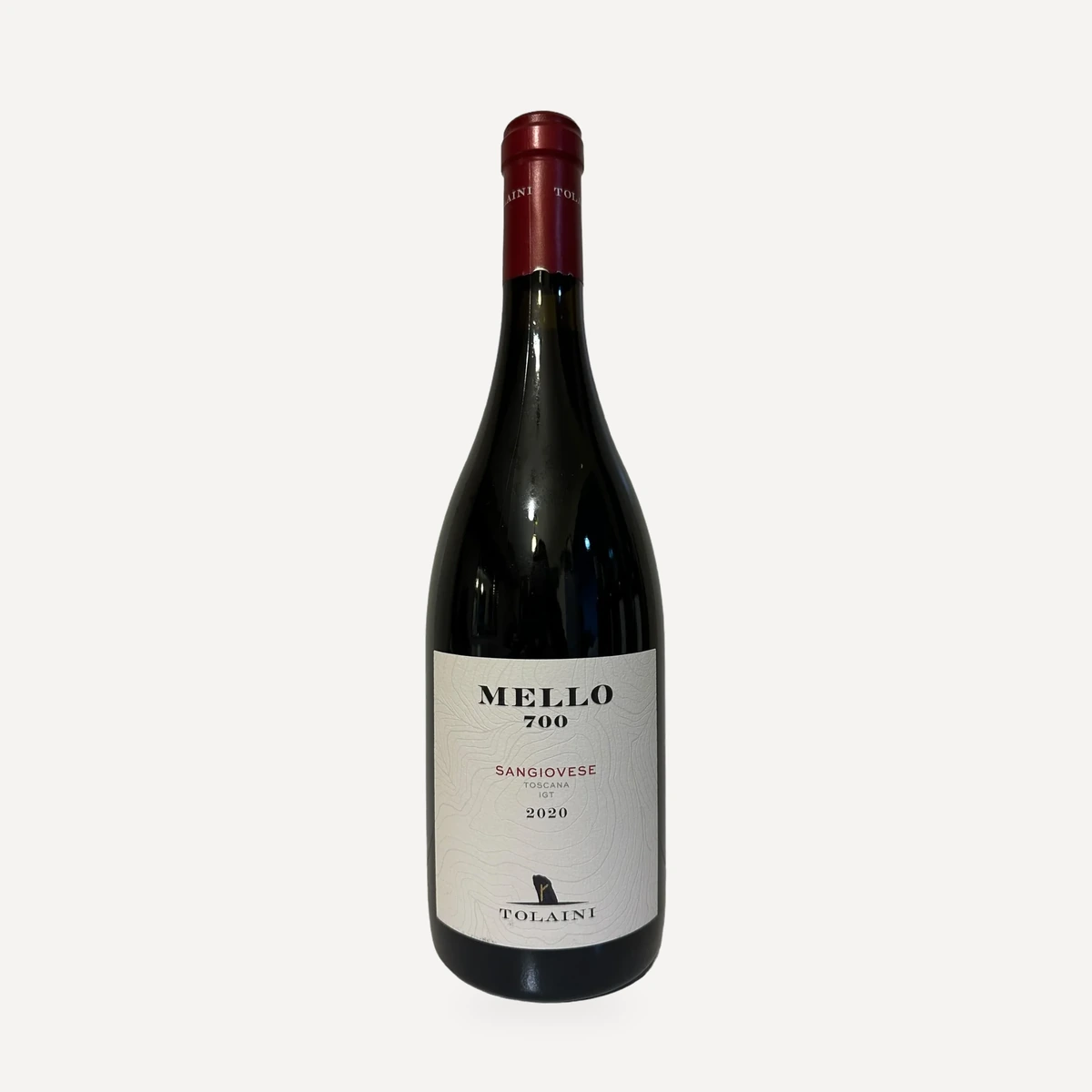
Mello 700 Sangiovese Toscana IGT
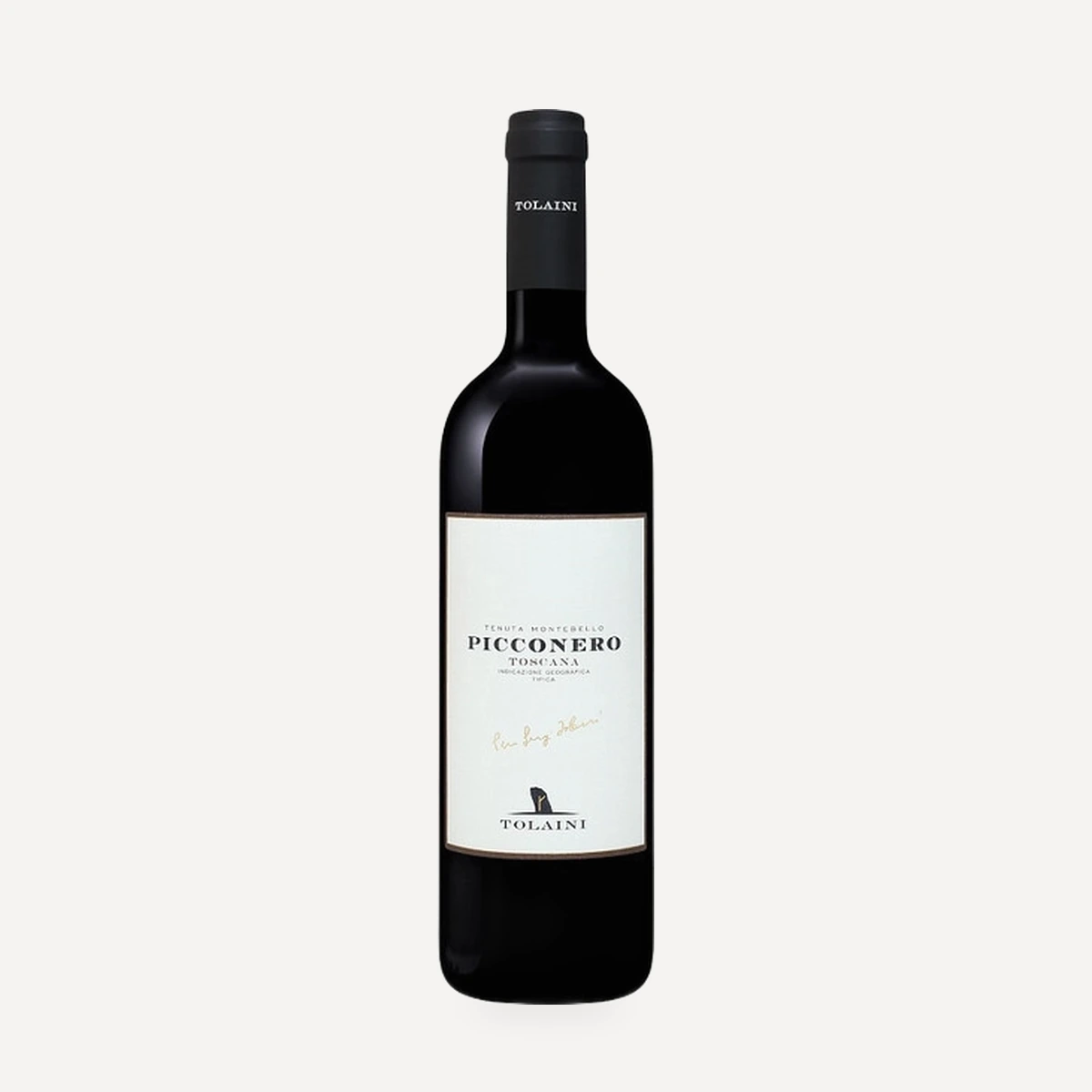
Picconero Toscana IGT
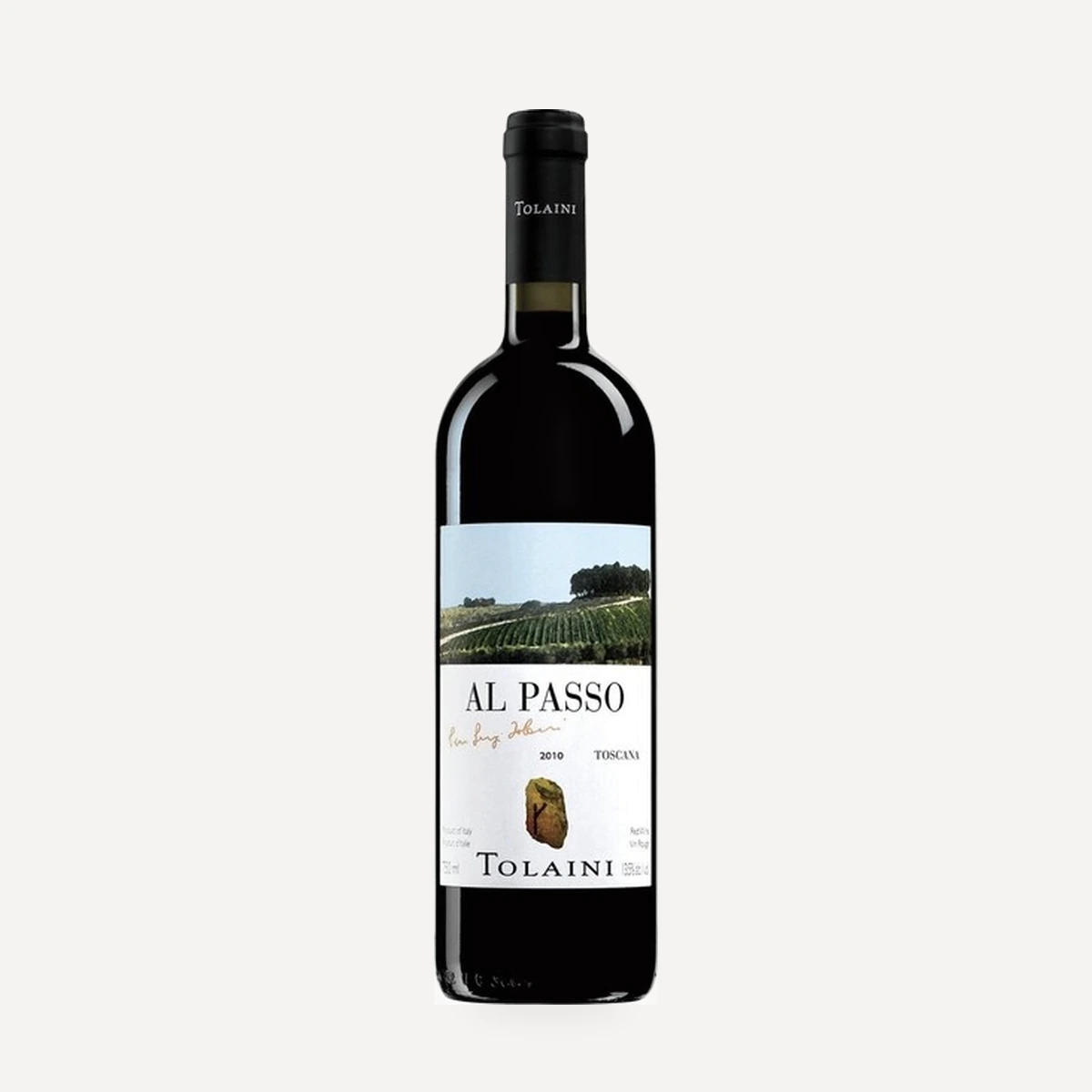
Al Passo Toscana IGT