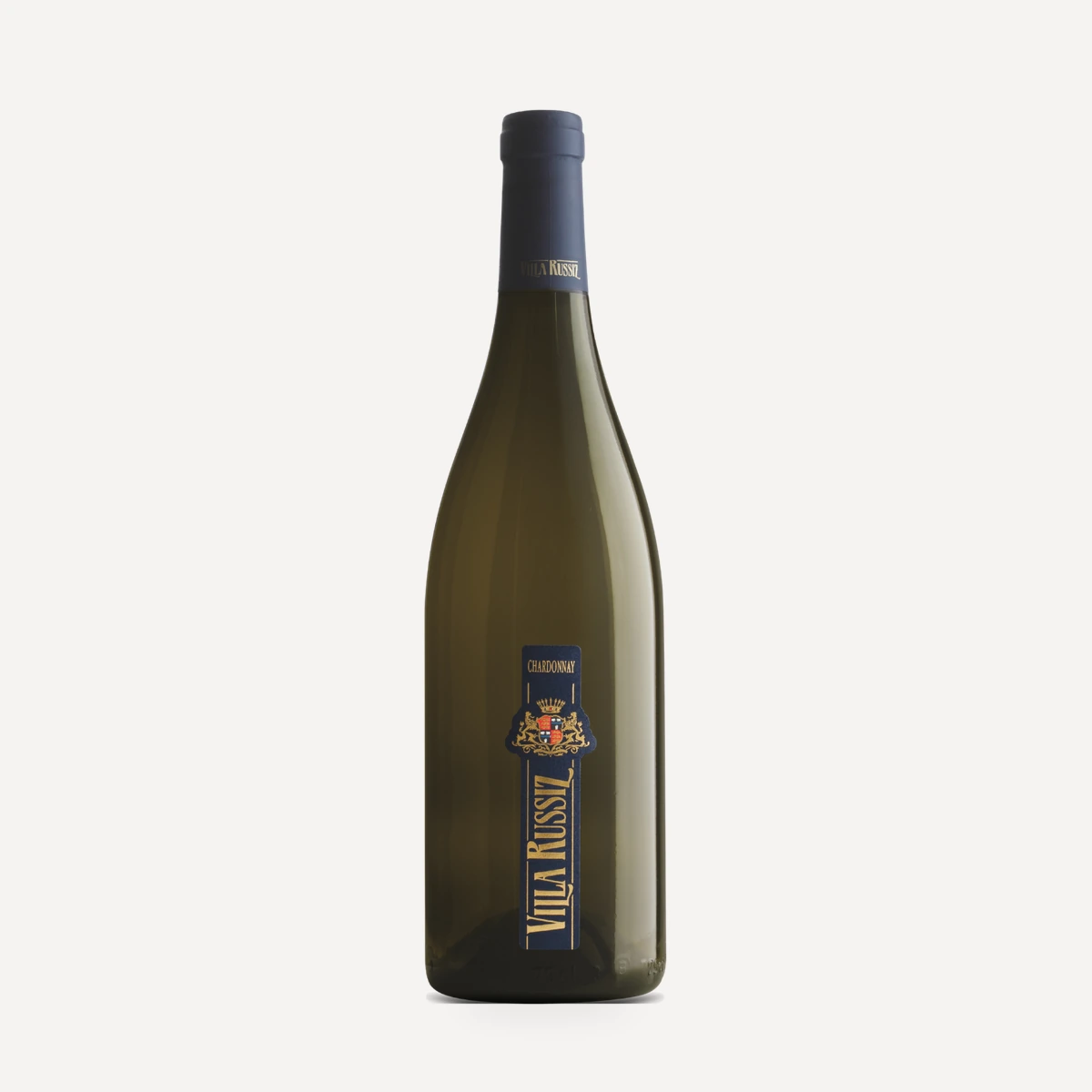
Storia
Antecedents of the estate
The historic complex stands on an older manorial site recorded in the Napoleonic land register, the Sommarione catastale napoleonico, in 1811. That residence may itself have succeeded a fortified country house known as a palazzàt, documented as early as 1590 in the dowry of Diamunda d’Attimis.
1868–1897: Elvine and Theodor de La Tour
In 1868 Elvine Ritter de Záhony, a Protestant, married Count Theodor Karl Leopold Anton de La Tour Voivrè, a member of an old French Catholic noble family. Elvine’s father, Julius Hektor Ritter de Zahony, purchased the hill of Russiz Inferiore and gave the substantial Russiz property to the couple as a wedding gift.
The Counts de La Tour’s villa-castle was constructed between 1868 and 1872. Villa Russiz identifies 1869 as its founding year and associates that year with the couple’s first plantings of French varieties on the Collio hills. By 1877 Theodor—an agrarian expert and winegrower—had fixed the estate’s definitive plan. It comprised two principal groups: the agricultural operation, cellar and stables on one side; the villa-castle, park, school, church and spinning mill on the other.
Theodor studied the area’s winegrowing potential and introduced pioneering methods, including French vine varieties. The estate’s traditional account places the introduction of the first French varieties to the Collio in 1877 and relates that Theodor concealed the cuttings in large bouquets intended for Elvine. The wines subsequently reached European royal households and the court of the Tsars.
The original cellar was established under Theodor and had assumed its surviving plan by 1877. Its stone entrance bears the date 1889 on the keystone.
In 1891 Elvine founded an evangelical school at Russiz for poor children. It admitted Catholic girls at a time when elementary schooling was reserved for boys. Its educational and welfare work later expanded to include a Fröbelian nursery, evening school, music school and reading room.
Theodor died in 1894. Elvine commissioned a mausoleum on the summit of the hill overlooking the property; completed in 1897, it initially held his remains.
1915–1945: war, reconstruction and charitable continuity
During the First World War, from 1915 to 1918, Villa Russiz became a lazaretto and military hospital immediately behind the Italian front. The Italian army reshaped part of the park, constructing and enlarging southern terraces and removing trees around the clearing. A military cemetery for approximately 650 dead was created at the foot of the hill.
Elvine died in 1916. Countess Adele Cerruti, a Red Cross nurse and daughter of a minister of the Kingdom of Italy, made Villa Russiz her life’s mission. She continued Elvine’s charitable work and contributed decisively to rebuilding the agricultural estate after wartime destruction. After the conflict, she also used her standing and connections to facilitate the transfer of the institution and estate to Italy.
Theodor’s remains were removed from the mausoleum after the war and reinterred beside Elvine in the park of the family villa at Treffen in Carinthia.
On 21 February 1926, the Kingdom of Italy formally recognised Elvine’s testamentary wishes and elevated Villa Russiz to the status of Ente Morale. On 11 May 1928, the statute of the Regina Margherita orphanage was approved. Adele Cerruti directed the institution until her death in 1945, after which it was named the Istituto Orfane di Guerra “A. Cerruti”.
1959–2002: viticultural renewal and recognition
From 1959 to 1988, agricultural technician Edino Menotti directed the estate. Supported by the community of Capriva del Friuli, he undertook a patient reorganisation of both vineyards and cellars with the goal of producing wine at the highest level.
On 28 November 1964, Villa Russiz joined the newly established Consorzio Collio. The denomination obtained DOC recognition in 1968.
On 25 June 1974, the charitable institution was renamed “A. Cerruti – Villa Russiz”.
In 1989 Villa Russiz created its Cru line in honour of Theodor de La Tour. In 2002 Gambero Rosso named Gräfin de La Tour Italy’s Best White Wine, while Vinitaly conferred the Gran Medaglia Cangrande on Villa Russiz as an Azienda Benemerita d’Italia.
2005–2012: restoration and the Foundation
Reconstruction of Casa Elvine began in 2005. In 2009 Villa Russiz assumed the legal form of a non-profit foundation, preserving the uninterrupted charitable mission begun by Elvine. The Foundation manages the agricultural and property assets and directs the proceeds toward the care and education of disadvantaged minors.
The historic park underwent major restoration in 2009–2010. The work sought to recover Theodor’s original design, consolidate the paths and rehabilitate the tree collection, while retaining the straightened paths on the southern slope rather than reconstructing every nineteenth-century curve.
The fresh white blend Les Enfants was introduced in 2010. In 2011 Villa Russiz created Sauvignon Bleu, a barrique-aged Sauvignon released as a Limited Edition only in exceptional vintages.
Casa Elvine was completed in 2012 and authorised to accommodate 16 minors. The renovation was conceived so that children would experience it as their home rather than as an institution.
2023–2026: partnerships and expanded hospitality
In 2023 Villa Russiz began a partnership with Barcolana centred on sport, the territory and solidarity. Two thousand bottles of Ribolla Gialla 2019 were assigned to the bags of participants in Barcolana55, while Villa Russiz wines accompanied Barcolana Sea Chef. The partnership highlighted the Foundation’s historic concern for disadvantaged young women and its present care for girls and boys.
In 2026 the estate expanded its hospitality activity with a Country House in the former boarding-school residence and the De La Tour Restaurant in the historic Orangerie. The hospitality investment was conceived as both a contribution to Collio tourism and a means of supporting Casa Elvine.
The same year Villa Russiz joined the Borgo Laudato Si’ project associated with Castel Gandolfo, collaborating with the Friuli Venezia Giulia Region, the University of Udine and agricultural organisations on sustainable viticulture, education, research and social inclusion. The partnership also produced Laudato Sie, a 5,000-bottle red blend intended for official occasions of the Holy See until production at the Vatican’s Borgo Laudato Si’ reaches full operation.
Terroir
Villa Russiz lies at Capriva del Friuli in the Collio, among the hills north of Gorizia close to the Slovenian border.
The climate is mild and temperate. The Julian Alps moderate cold northern winds, while breezes arrive from the nearby Adriatic Sea. Their interaction creates a local environment favourable to winegrowing. The hills also experience day-to-night temperature variation that supports aromatic ripening.
The defining subsoil is ponca, an Eocene flysch formed by deep, alternating sedimentary layers of marl and sandstone created through the uplift of an ancient seabed. It has a high alkaline pH and is rich in calcium carbonate, which binds the predominantly siliceous sediment. Dissolved calcium carbonate can be taken up by vine roots and influences the mineral and organic composition of the berries, their aromatic character and the resulting wines’ sapidity.
Across the Collio DOC hills, vineyards occupy elevations of approximately 100–350 metres. Villa Russiz’s vines extend over soft hills and steeper terraces, with exposures selected and managed in relation to each variety and the season’s climatic and microclimatic conditions.
Vinificazione
Viticulture is organised around the character of each variety and its relationship with exposure, weather and individual microclimates. Vineyard work balances conservation of varietal identity with its fullest expression, while the choice of planting positions follows areas first identified by Theodor de La Tour.
The cultivation framework limits vine numbers to a stated range of 4,500–6,000. Grapes for the documented still-wine range are harvested by hand at full maturity, frequently during the coolest morning hours, and transferred promptly to the cellar. The broader objective is to translate the Collio and each vineyard as faithfully as possible while maintaining precision and consistent quality.
Historic cellar
The cellar was erected by Count Theodor and had acquired its present plan by 1877. Its original nucleus remains intact and is entered through a stone doorway whose keystone is dated 1889. Broad barrel vaults shelter the historic ageing spaces, including the brick-lined Cantina De La Tour.
Cellar approach
Production centres on gentle handling of the fruit, delicate maceration, fermentation in stainless steel and selected wood, and extended ageing on the lees. The cellar contains barrels, barriques and dedicated maturation rooms. The Cru wines mature beneath the historic vaults in barriques and tonneaux made from French Allier oak.
The range employs different techniques according to wine type: gentle or pneumatic pressing for white and rosé musts; controlled-temperature stainless-steel fermentation; cold maceration for selected Ribolla Gialla and rosé production; and destemming followed by approximately 15 days of fermentation and maceration for documented red wines. Oak maturation is used for the reds and selected Cru wines, while lees ageing is an important element of the white and rosé programme. Final maturation may continue in stainless steel and bottle.
The estate’s winemaking principle is precision with respect for the fruit, allowing different varieties, parcels and exposures to retain their identity.
Filosofia
Villa Russiz frames winegrowing as a union of quality, territorial fidelity and social responsibility. Its stated objective is to safeguard the specificity of every variety and vineyard, translate the Collio into wine as faithfully as possible, and make the result intelligible both to experienced drinkers and to those encountering it for the first time.
Tradition is paired with precision: historic vineyard positions and nineteenth-century cellars remain active, while cultivation responds to the season’s climatic and microclimatic conditions and cellar decisions are tailored to the fruit. The range combines varieties of French origin—central to Theodor’s original work—with native grapes of the Collio.
The ethical mission is inseparable from production. Fondazione Villa Russiz manages the agricultural and property assets as a non-profit organisation and uses their proceeds to support Casa Elvine. Wine, hospitality and events therefore help finance individual education, care and a family-like home for minors in difficulty.
Vini
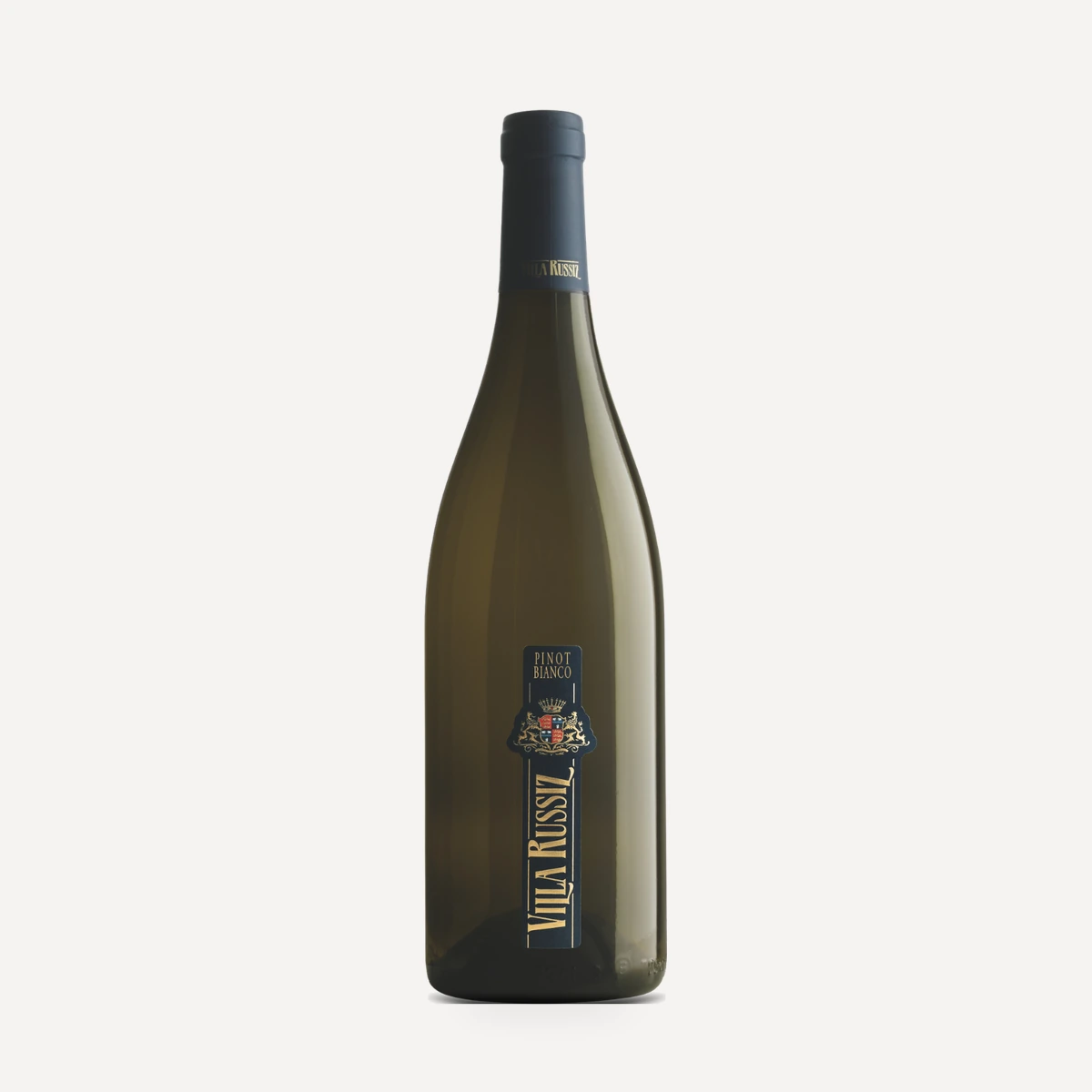
Pinot Bianco Collio DOC
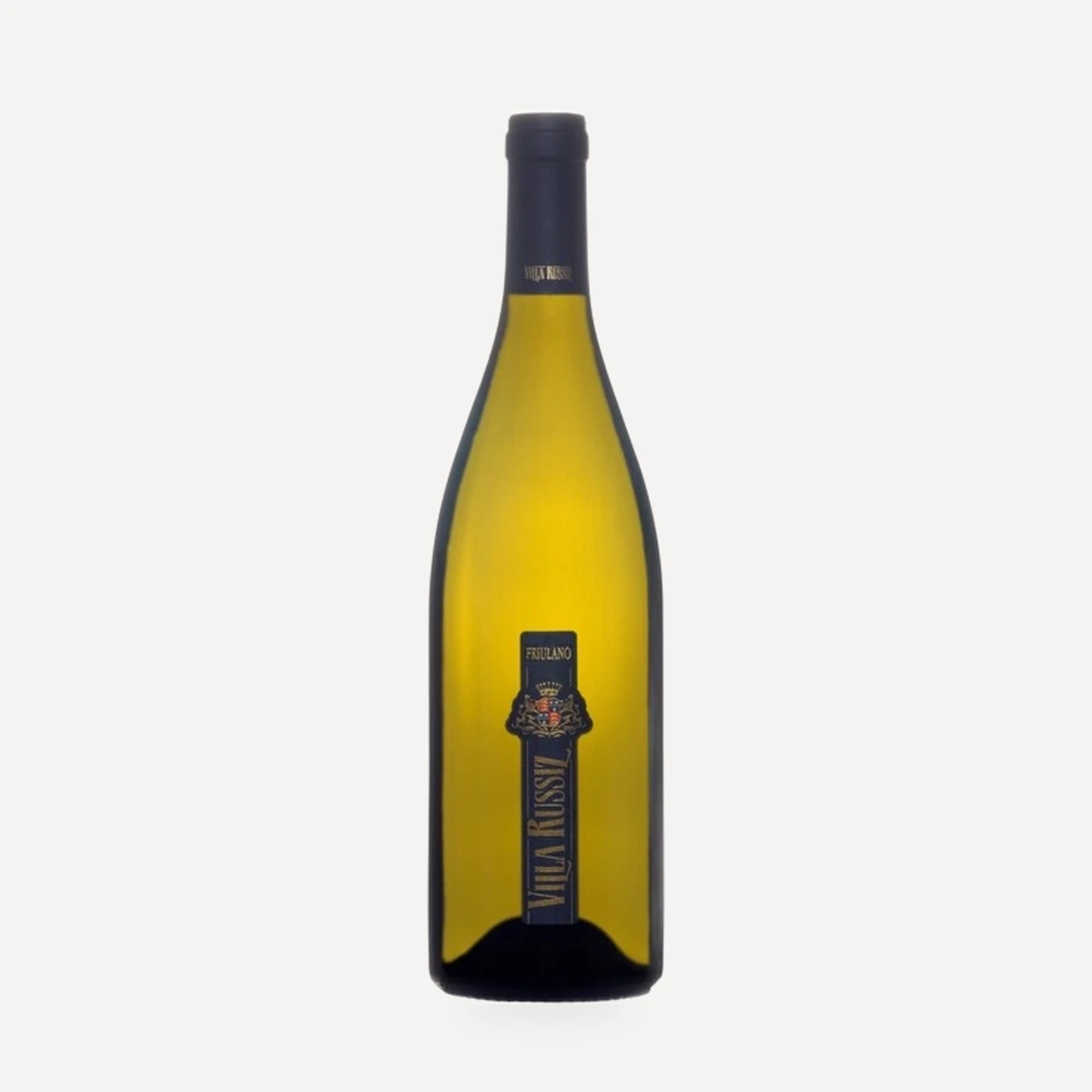
Friulano Collio DOC
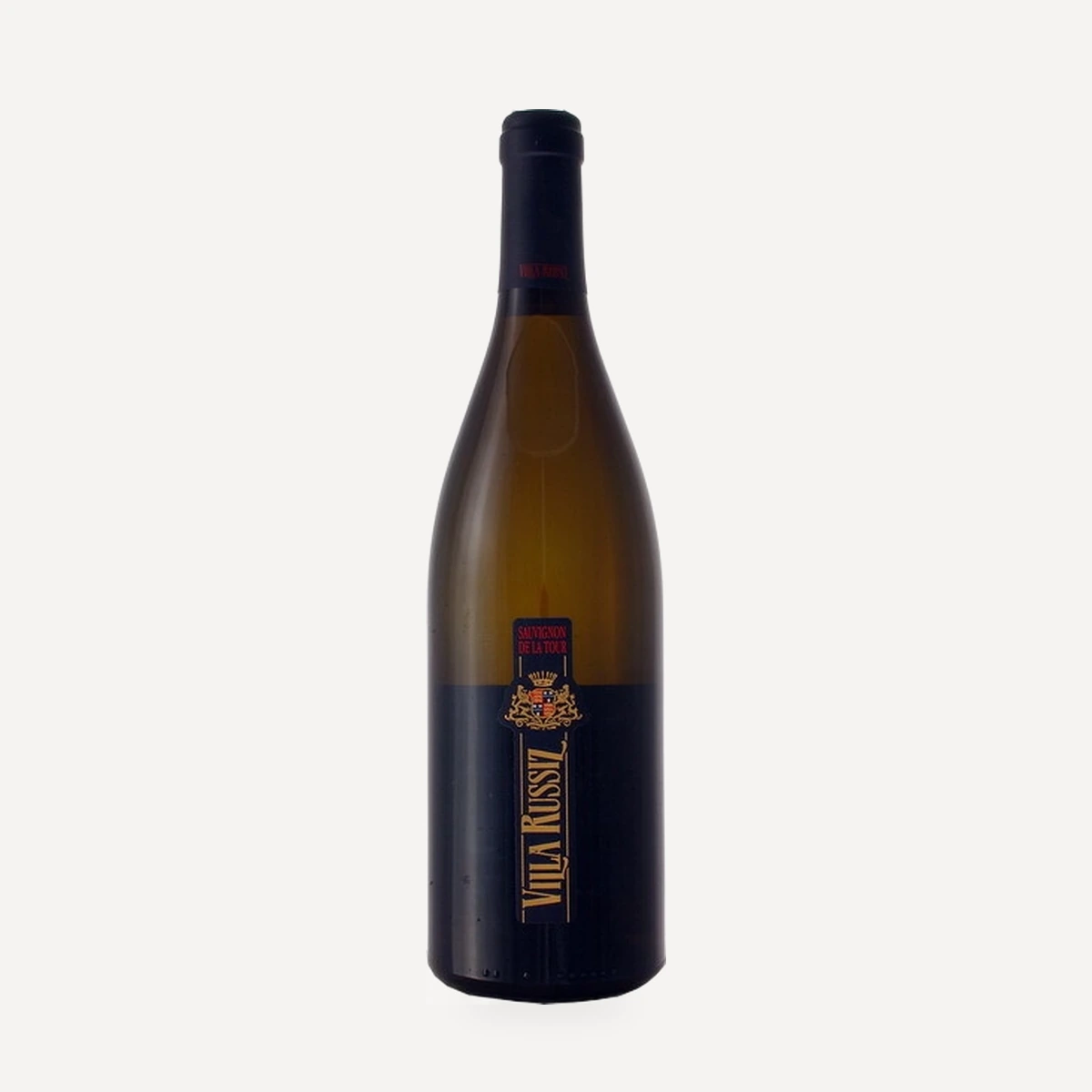
Sauvignon de la Tour Collio DOC
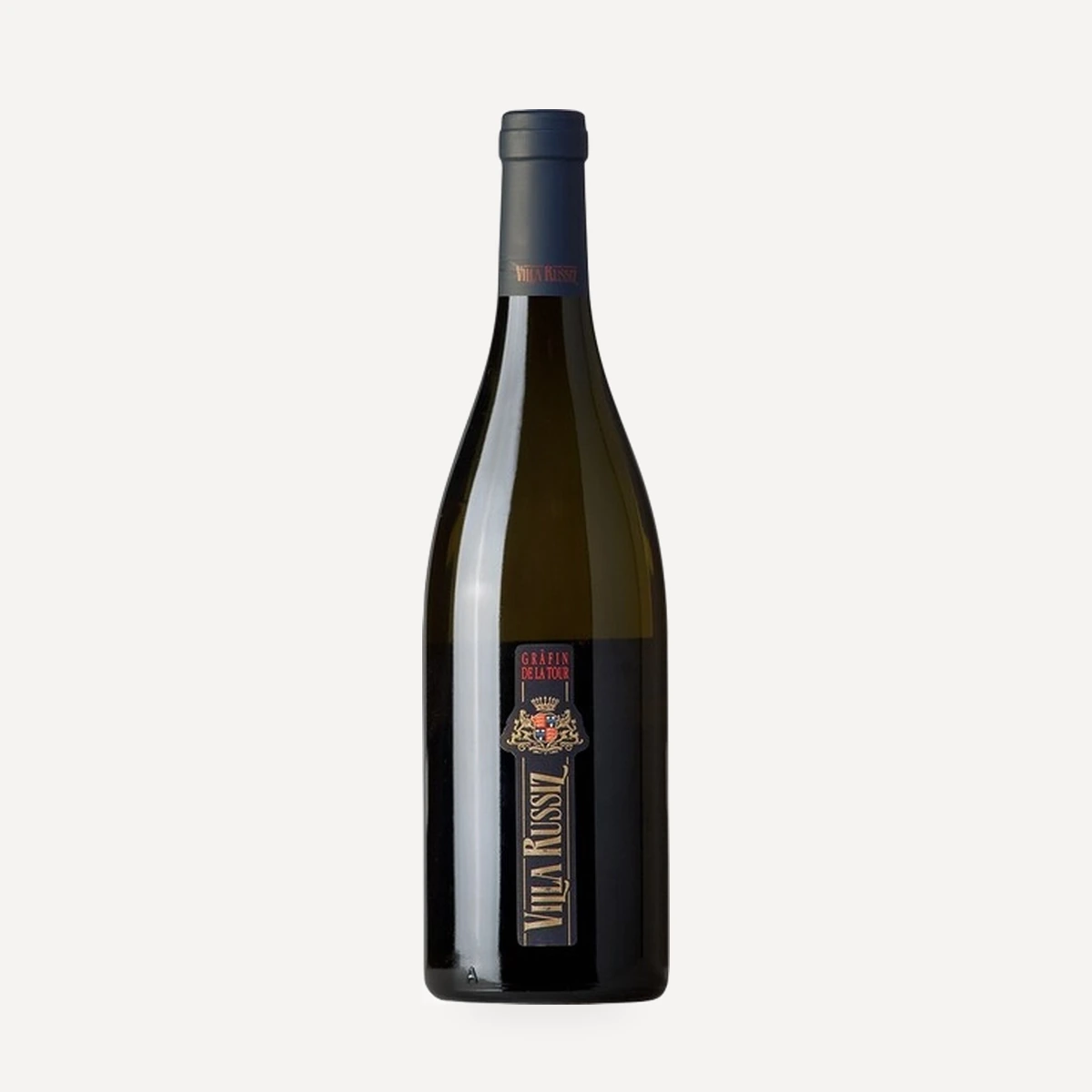
Gräfin de la Tour Collio DOC
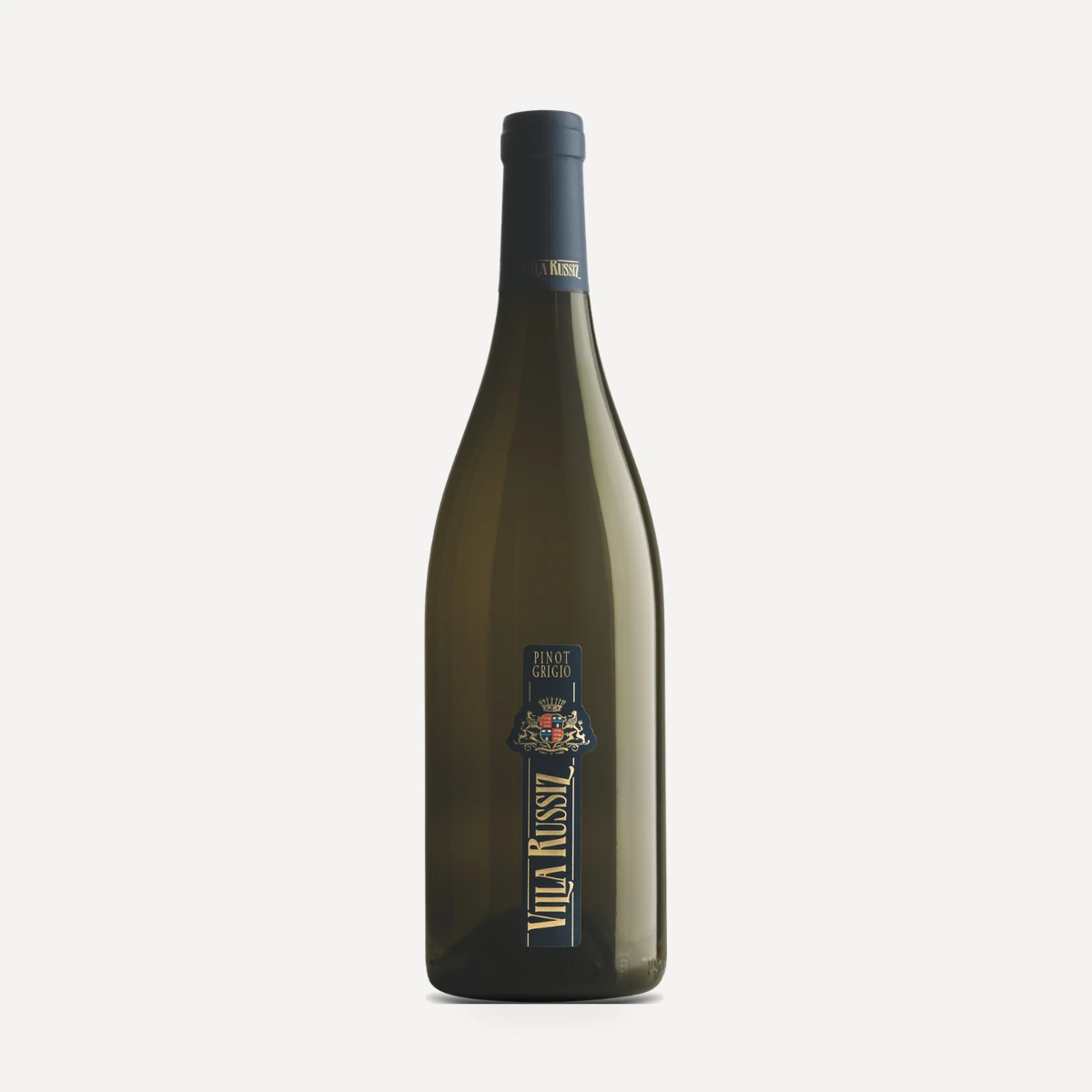
Pinot Grigio Collio DOC
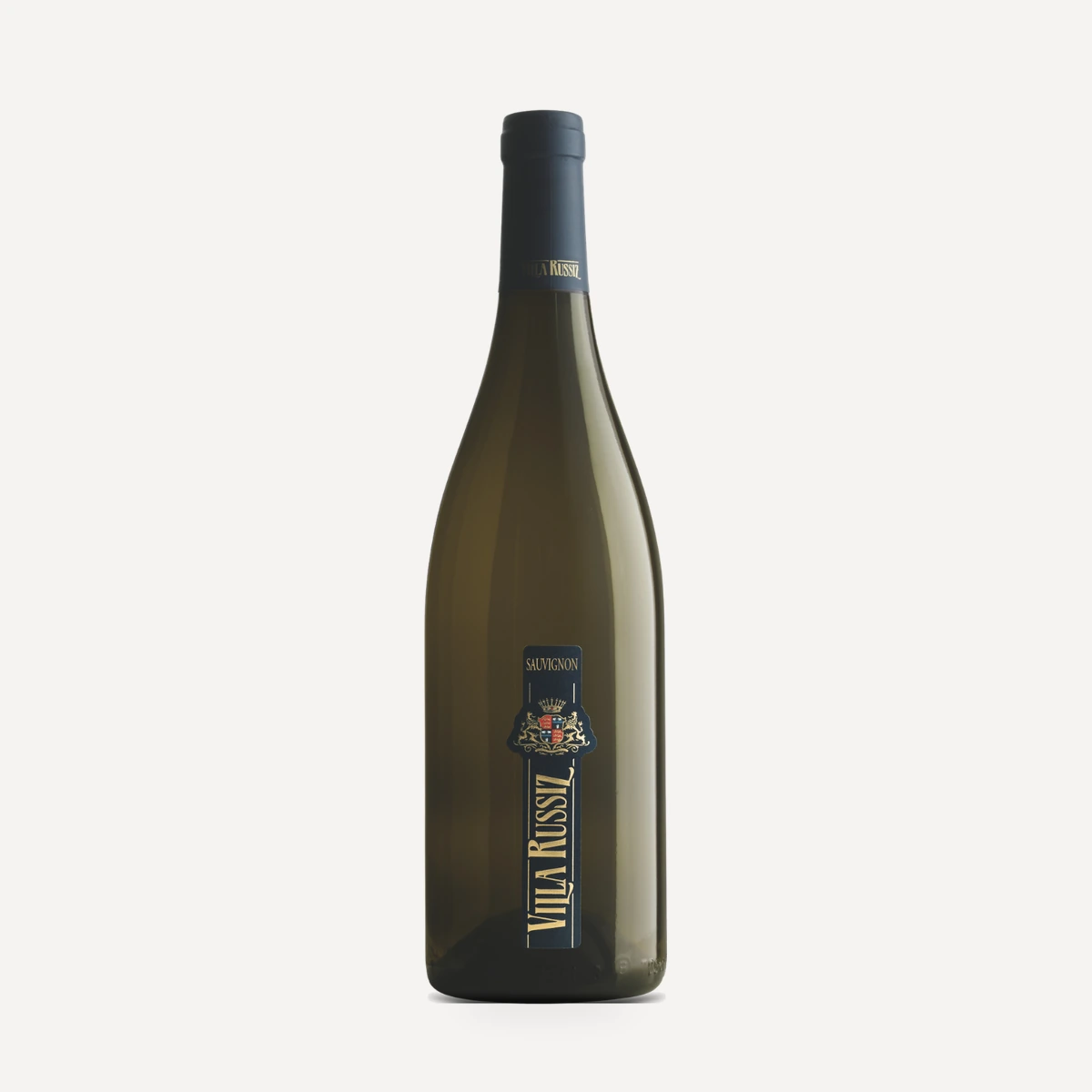
Sauvignon Collio DOC
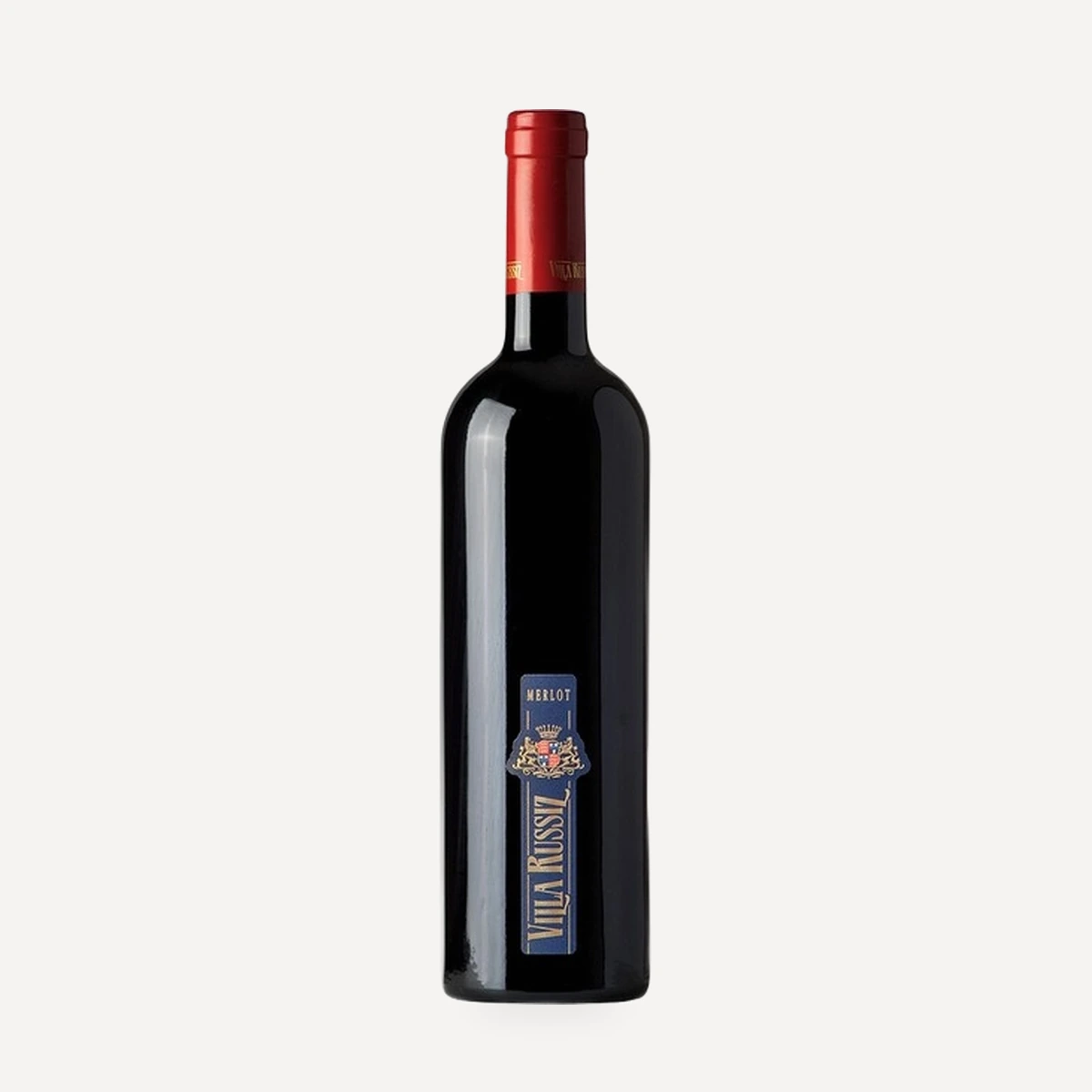
Merlot Collio DOC
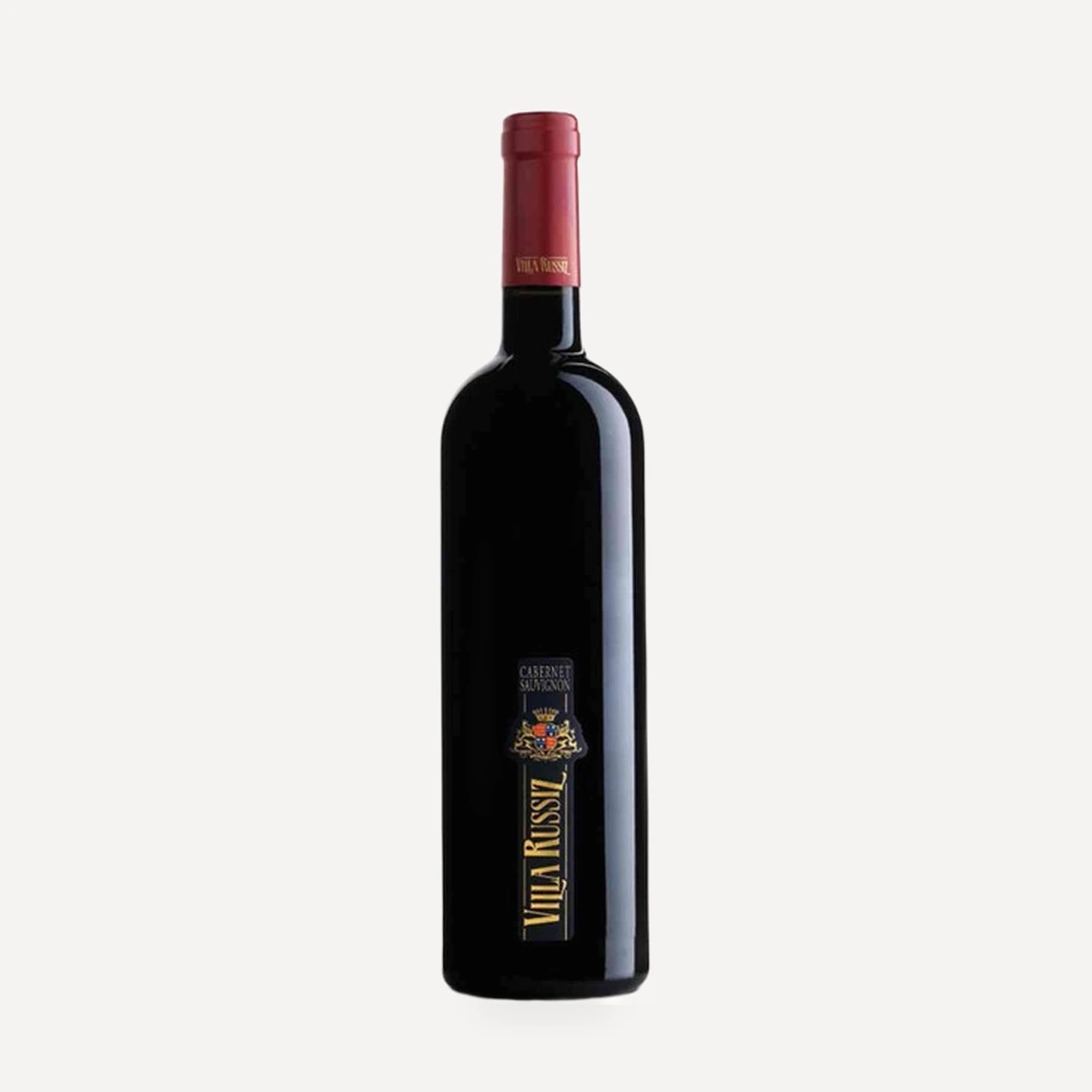
Cabernet Sauvignon Collio DOC
Defì de la Tour Collio DOC
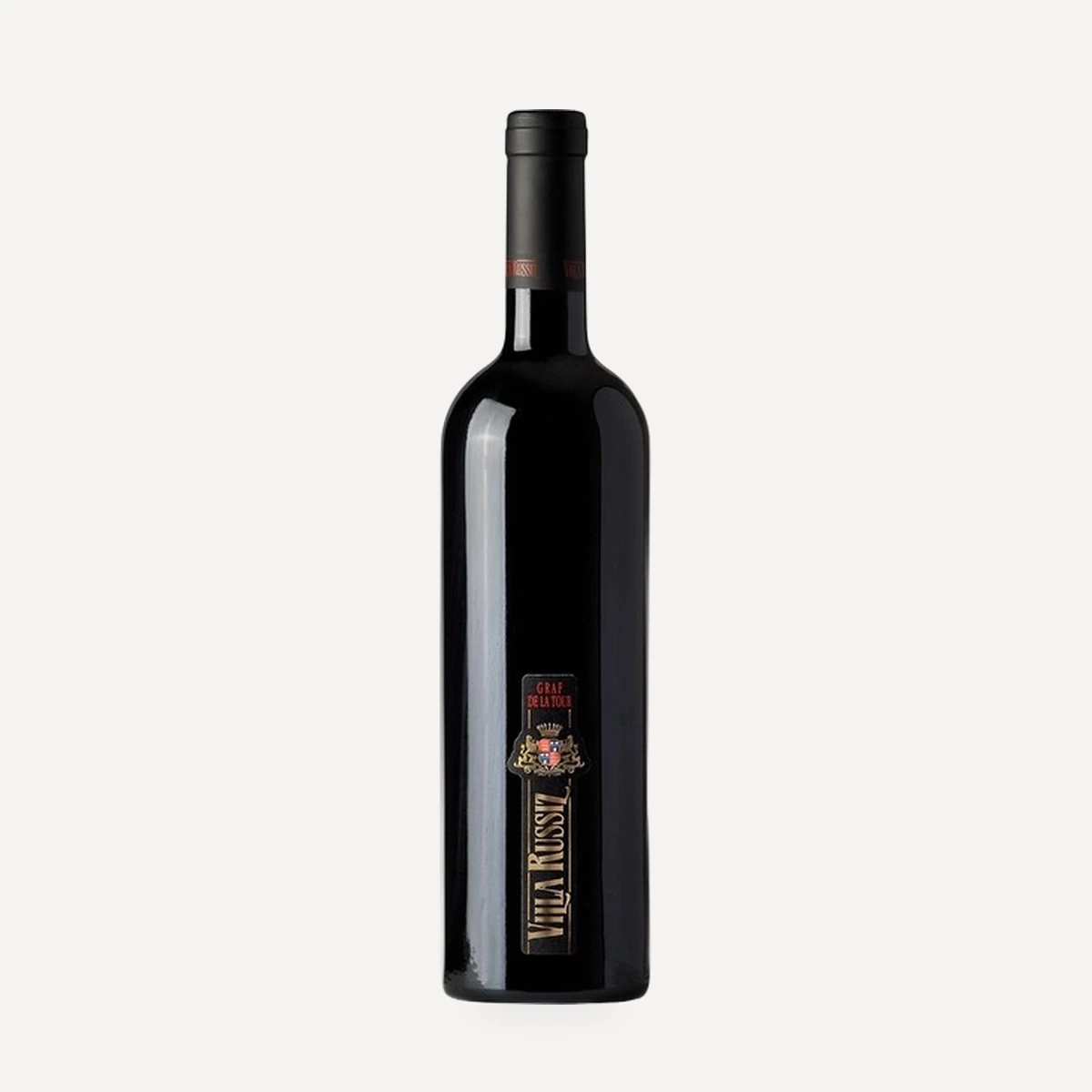
Graf de la Tour Collio DOC