History
Neive before Paitin
Neive and the Langhe were first inhabited by the Liguri and were later contested by the Gauls; the Celtic origin of local names is associated in particular with the Tanaro, the natural boundary of the Langhe. Between the first and second centuries BCE, the Roman Empire established the Magistra Langarum road through Neive. The surviving Ponte Marmoreo over the Tinella recalls this route. A temple dedicated to Diana occupied the place where Santa Maria del Piano now stands. Roman families established in the area included the Naevia, from which Neive’s name is derived, as well as the Elvia and Elia.
After the fall of Rome, the territory endured incursions by barbarian and Saracen forces. In 1014 Otto I freed the area and established the monastery known as Cella Naevigensis on the remains of the earlier temple. Monastic communities became centres of culture, agriculture and the development of vines and olives. In 1190 Neive, Barbaresco, Trezzo and Neviglie formed a consortium between their villages, anticipating the territorial relationship that later underpinned Barbaresco. In 1214 Bianca Lancia d’Agliano, under the protection of Frederick II, attested to the standing of the local wine; grape selection and wood ageing were already among the area’s quality-oriented practices.
Pasquero and Elia family origins
The Pasquero family, originally Pasquerio and described as having Spanish military ancestry, arrived in Piemonte in the sixteenth century during the reign of Charles V. Giovanni Pasquerio was lieutenant of the Castle of Casale in 1534 and was invested with the feud of Cereseto in 1537. The family subsequently moved south to Vezza d’Alba, served the Royal House and managed and vinified several hectares there.
The Elia family came from Torino. Its members served as surgeons to Carlo Emanuele I and were Lords of Costigliole d’Asti. After the king’s death in 1630, they left the capital for Costigliole and later Neive, where they began receiving administrative appointments in 1636. The Elia devoted themselves to Nebbiolo and vinified estate-grown fruit from Neive.
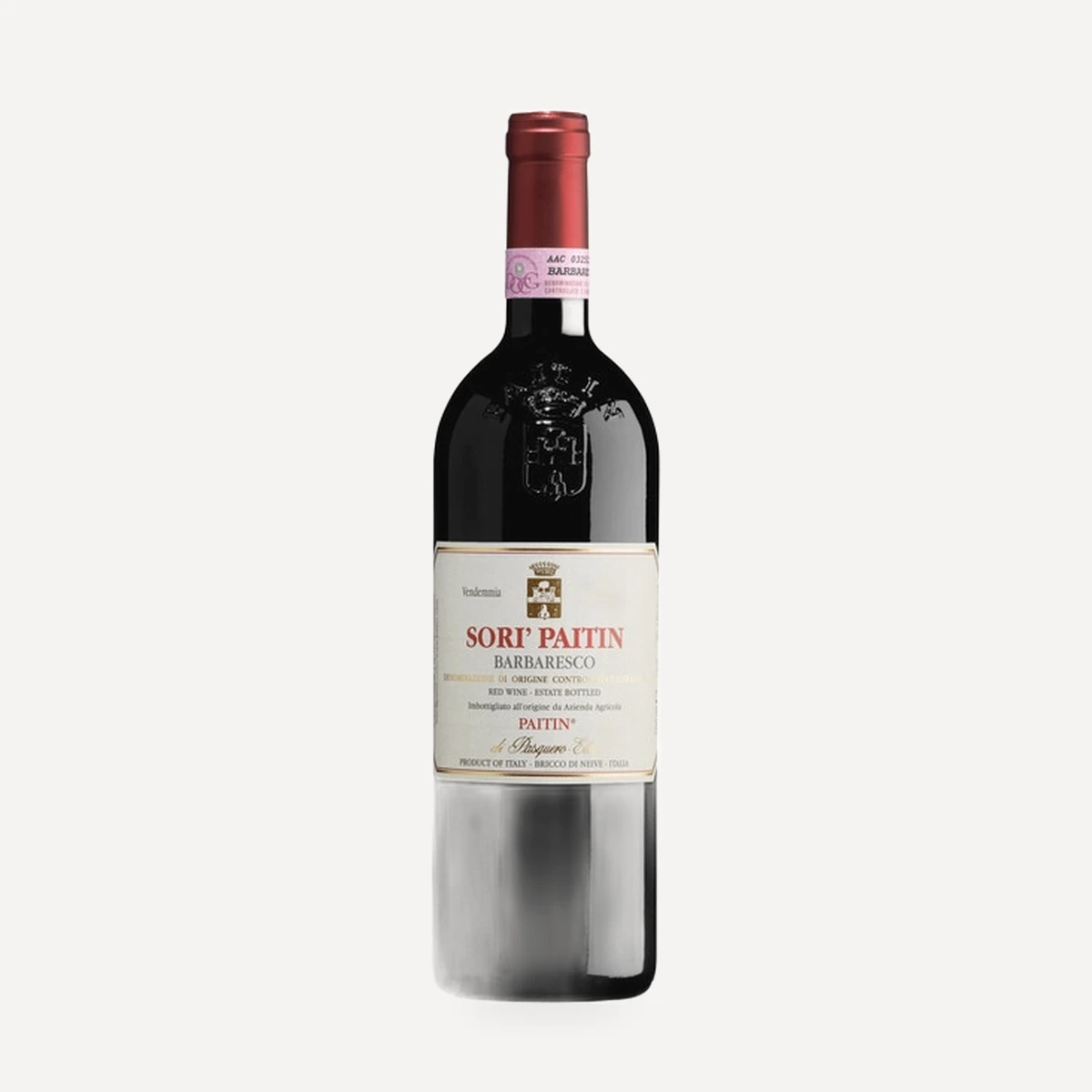
Paitin was the name of an Elia property on the boundary between Neive, in the province of Cuneo, and Castagnole, in the province of Asti. Its position was strategic for the family’s private banking affairs in both provinces, and Paitin consequently became the family’s sobriquet. A map dated 1756 identifies the future Sorì Paitin site as planted with Nebbiolo.
1796–1826: Serraboella and the historic cellar
Napoleonic reforms released former ecclesiastical land and established conditions for agricultural development. In 1796 Benedetto Elia purchased the Sorì on Bricco di Neive, now associated with the Serraboella MGA. The vineyard became Sorì ’d Paitin—historically Pajtin—the Sorì belonging to Paitin.
The English chronology places Benedetto’s purchase of the underground cellar and adjoining parcels in 1808. The cellar had been built by monks in the sixteenth century. A deed dated 1826 records expansion of the Serraboella vineyard and acquisition of the historic cellar; the Italian chronology assigns the cellar purchase itself to that year. An 1852 map again marks Sorì Paitin under Nebbiolo.
Nineteenth-century oenological development
From 1842, Camillo Benso di Cavour’s agrarian reforms strengthened farming and wine commerce with Austria and France. In 1843 Giulia Colbert Falletti brought the French oenologist and merchant Louis Oudart to Barolo to refine the Gervais system used by General Staglieno for dry Nebbiolo. By the middle of the century, Neive had developed advanced knowledge of Nebbiolo vinification. A wine made at Castello di Neive with Oudart’s involvement won a gold medal at the 1862 International Exhibition in London.
Giacomo Elia and his son Giuseppe entered this local oenological circle. Assisted by Domizio Cavazza, a man named Remondin and two other technicians, Giuseppe adopted the Cavazza protocol for Nebbiolo. In 1893 he first labelled his wine Barbaresco del Bricco di Neive. The family was among the first four to combine the name Barbaresco, the cru of origin and the proprietor-producer’s name on a label. Neive’s aristocratic producers still tended to call their wine Neive, and the commune required another forty years to be fully recognised within Barbaresco. In 1894 Cavazza made Barbaresco from growers in the village of Barbaresco, an initiative that anticipated the cooperative established as Produttori del Barbaresco in 1958.
Giuseppe Elia: export and recognition
Giuseppe continued through phylloxera and the First World War and began exporting to London, New York and Buenos Aires. He received a bronze medal at the 1911 Universal Exhibition in Torino. Recognition followed for the Barbaresco vintages of 1924, 1927 and 1931. State recognition of the Barbaresco area arrived in 1933, forty years after Giuseppe and Cavazza’s 1893 project.
1938–1953: interruption, war and reconstruction
Giuseppe Elia and Giovanni Pasquero, Elisa Pasquero-Elia’s husband and the intended successor, both died in 1938. Giuseppe’s son Alessandro did not wish to take over, and vinification stopped. Elisa and Alessandro managed the farm for the next ten years, while Elisa also faced the Second World War with her ten-year-old son Secondo. Most of the family’s properties were lost during the conflict. Sorì Paitin remained because Giuseppe had made the parcel inalienable.
In 1948, aged twenty, Secondo Pasquero-Elia assumed management and restarted wine production amid Italy’s post-war reconstruction. Maria-Luisa joined him in 1949. Between 1948 and 1953 Secondo carried out massal selection in Sorì Paitin, and in 1953 he replaced many vines neglected after the deaths of 1938. These plantings became the basis of the old-vine selection.
1959–1985: rebuilding the bottled-wine estate
Between 1959 and 1970, Secondo sold part of the production in bottle and part in demijohn. During the difficult vintages of the 1960s and 1970s, Secondo and Maria-Luisa persisted through muddy October harvests, summer work with oxen and winter pruning in frost. From 1971 all Paitin wines were bottled, and Sorì Paitin appeared on labels under the name Pasquero Elia Secondo.
Elisa Elia had managed an Arneis vineyard in Varinere, Roero, known as Vigna d’Elisa. After her death in 1973, Secondo began vinifying its fruit and preserved her name for the wine. In 1985 the vineyard name Paitin replaced the family name as the identity of the estate. The same year, Serra was first used to identify Barbera from the cooler side of Serraboella.
1991–2019: new sites and vineyard distinctions
Campolive was acquired in 1991. Ca Veja underwent a major replanting in 1995 and produced its first Paitin vintage in 1998. In 1999 Serraboella and Vecchie Vigne appeared on labels to distinguish different Nebbiolo plantings. Vecchie Vigne identified vines planted in 1953 once they had passed approximately forty-five years of age; Serraboella initially identified vines planted between 1985 and 1995. The vineyards known as vigna ’d Tourun and Schiena d’Ernestin began to be vinified separately from Sorì Paitin that year.
The Starda name was introduced in 2013 to distinguish the estate’s Langhe Nebbiolo. From that point, the distinction between Sorì Paitin and Serraboella increasingly emphasised terroir rather than vine age alone. Organic practices introduced around 2000 entered formal certification in 2015.
Between 2017 and 2018 the historic Dolcetto vines in Sorì Paitin were grafted to massal-selection Nebbiolo, and Dolcetto production moved entirely to Alba. Basarin was acquired in 2018. That year Giovanni and Silvano, the sons of Secondo and Maria-Luisa, and their nephew Luca revived Freisa production fifty years after Secondo had last vinified Giuseppe’s surviving Freisa vines in 1968. The Faset project began in 2019.
The eighth generation
Giovanni, Silvano and Luca continue the family’s vineyard and cellar work. The operating team described for Paitin comprises six people: Giovanni Pasquero Elia works in the vineyards, winemaking and sales; Silvano Pasquero Elia in the vineyards and cellar; Luca Pasquero Elia in the vineyards, winemaking and sales; Gabriele in winemaking; Giovanni in the vineyards; and Marco in logistics and vineyard work. Their activity represents more than two centuries and eight generations of continuity.
Terroir
Geological setting
The Langhe south of the Tanaro emerged from the sea approximately 8–12 million years ago. Alternating dry and wet periods and erosion from the surrounding Alpine arc deposited successive layers of sand and silt. Watercourses later cut deeply into the surface, exposed formerly submerged strata and produced an irregular hill system with varied exposures.
Climate and microclimates
Valley width, slope steepness, exposure and shelter from wind create heterogeneous microclimates. Serraboella’s fresh summer night winds counter the heat accumulated during the day in its steep, south-western valley. In 2020, lower autumn night temperatures were important to the sequence of Nebbiolo harvests. The estate evaluates every site through the combined effects of variety, exposure, elevation, vine age and seasonal conditions.
Serraboella
Serraboella is a long hill south of Neive. Its western face gradually bends south and becomes steeper and warmer. Sorì Paitin is the warmest and most wind-protected part, while vigna ’d Tourun is cooled by winds from Bricco and Schiena d’Ernestin occupies a more sheltered position. Soils vary across the holding: Sorì Paitin and Tourun are associated with the sand-and-marl stratification of the Formazioni di Lequio; Ernestin has Marne di Sant’Agata fossili tipiche; the cooler eastern Serra side has more evolved, clay-rich marly limestone; and the lower Starda sector is sandier and cooler.
The word sorì identifies a site where winter snow melts first under the sun, an old practical criterion for recognising warm Nebbiolo positions. Historically, fruit from such sites could command several times the average market price.
Basarin
Basarin is a long hill running principally south to south-east between Neive, Treiso and Barbaresco. Paitin’s holding is above the Moretta hamlet, where the slope curves from south-east to south and the valley opens. It lies at 260–300 m on sandy Marne di Sant’Agata fossili. The vineyard’s crossroads position combines climatic and topographic influences associated with all three neighbouring communes.
Faset
Faset occupies the upper part of a prominent valley and was formerly held by the Cocito counts of Neive. The hill turns gradually from south to west. Paitin works two plots—the natural continuation of Asili Valdrappo—one facing south and one south-west, at 240–260 m. Their soil is laminated Marne di Sant’Agata fossili.
Alba and Roero holdings
Rivoli south of Alba comprises the hills around Cascina Rivoli, Ca Veja and Bonina. These sites contain marly limestone of the Marne di Sant’Agata fossili sabbiose and, at Ca Veja, yellow Arenarie di Diano with large sandy rock formations. The Varinere holding at Priocca in Roero has generally sandier soils than the Langhe, alternating with friable calcareous marl.
Winemaking
Paitin’s organic practices began around 2000 and entered formal certification in 2015 under code IT BIO 015-2483. Plant protection is limited to copper and sulphur against downy and powdery mildew. Herbicides and specified synthetic products are avoided; grass is controlled by manual or mechanical mowing, and soil is disturbed only rarely to sustain a healthy vineyard biosphere.
Terraces and permanent turf are carefully managed. Organic matter is replenished with green manure and animal manure every two years. The concentration of the principal holding in one block, together with compatible practices among neighbouring growers, supports hillside biodiversity.
The estate preserves the traditional Nebbiolo biotypes Lampia, Rosè and Michet, with Lampia and Rosè prevailing. Long-running massal selection adapts the material to individual soils and microclimates. Pruning and crop balance are adjusted to each vine’s vigour. Nebbiolo is subjected neither to high yields, associated with dilution, nor to extreme yield restriction, associated with unbalanced concentration. The objective is balanced fruit that responds to the season without losing finesse.
Every small parcel is monitored separately and tasted to identify its picking date. Harvesting is exclusively manual. The timing aims to preserve elegance, balance, purity and the acidity needed for ageing. The 2020 account also records manual intervention against Noctua fimbriata after the insect damaged fertile buds, organic disease protection during unstable May and June conditions, and the importance of retaining leaf cover to protect grapes from sunburn.
Environmental measures extend beyond the vineyard. Energy comes from wood and solar power. Custom bottles incorporate recycled glass and are manufactured in lower-emission facilities. Labels are printed on zero-carbon-emission equipment, while natural cork comes from suppliers attentive to emissions. Corks for Barbaresco selections are checked individually.
Fruit from every small parcel is monitored independently and picked at its proper maturity. At reception, the team selects berries one by one on a conveyor. Grapes are then gently pressed and destemmed before entering large stainless-steel tanks.
Fermentation begins with pump-overs. Once the cap forms, used wooden planks hold it submerged, turning extraction into a slow infusion. Nebbiolo generally ferments and macerates for three to six weeks, with the broader cellar description placing extraction around one month. Indigenous yeasts are preferred. Tanks remain distinct because each is treated as an individual expression of its vineyard and vintage.
At the end of winter, Nebbiolo intended for longer maturation moves to neutral, untoasted oak. The cellar uses Slavonian Garbellotto casks and Austrian Stockinger and Schon casks, generally 25–50 hL and averaging about fifteen years of age. Standard Barbaresco remains in wood for approximately 18–24 months according to structure. Sorì Paitin Vecchie Vigne remains for at least 30 months and up to three years. The broader cellar account describes 24 months for Barbaresco and as much as 36 months for Riserva.
Barbera is pressed and destemmed, ferments and macerates in steel for approximately two weeks, then spends at least one year in Slavonian oak. Serra uses casks in the 25–50 hL range, while Campolive may use 10 hL casks or newer vessels of greater capacity. Dolcetto macerates for approximately one week in steel and spends about six months in 25–50 hL, approximately fifteen-year-old Slavonian casks. Freisa macerates for about ten days and spends six months or more in 10–25 hL Slavonian casks averaging ten years. Arneis is pressed, ferments and macerates for approximately two days, then remains on its lees for six months.
Bottling takes place when the wine’s exuberance has settled and is timed in relation to the seasons, moon and winds. Bottle maturation follows, preparing the wines for extended ageing.
Philosophy
Paitin defines its work through three ideas expressed in locally inflected terms: arziste, to resist and persevere; vardé, to observe and guard; and elevé, to raise and transcend. Knowledge is understood as sensitivity acquired by repeated work in the same vineyards and transmitted from one generation to the next. The grower must recognise both the continuity of a site’s character and the variability of each season.
The family’s ethical premise is to respect what the land has been, what it is and what it will become. Vineyard decisions therefore seek balanced plants and grapes that mirror the vintage, while cellar work aims to reveal rather than impose identity. Traditional Piedmontese methods—long maceration, submerged cap and patient maturation in large neutral wood—are combined with technology where it assists selection and control.
The expression “the land is low” summarises the humility and physical effort expected from the farmer: even the smallest satisfaction requires bending to the earth. The family associates perseverance with maintaining ownership through war and deprivation, continuing in difficult vintages and contributing to the standing of Neive through its wines.
Luca Pasquero Elia describes the craft as governed less by fixed protocols than by sensation and intuition joined to experience, technique and touch. The cellar worker observes the wine’s emerging character, allows a reserved wine to open or a rough one to soften, and avoids forcing a predetermined direction. Large neutral casks, long waiting and bottle refinement are extensions of this patient approach.
Wines
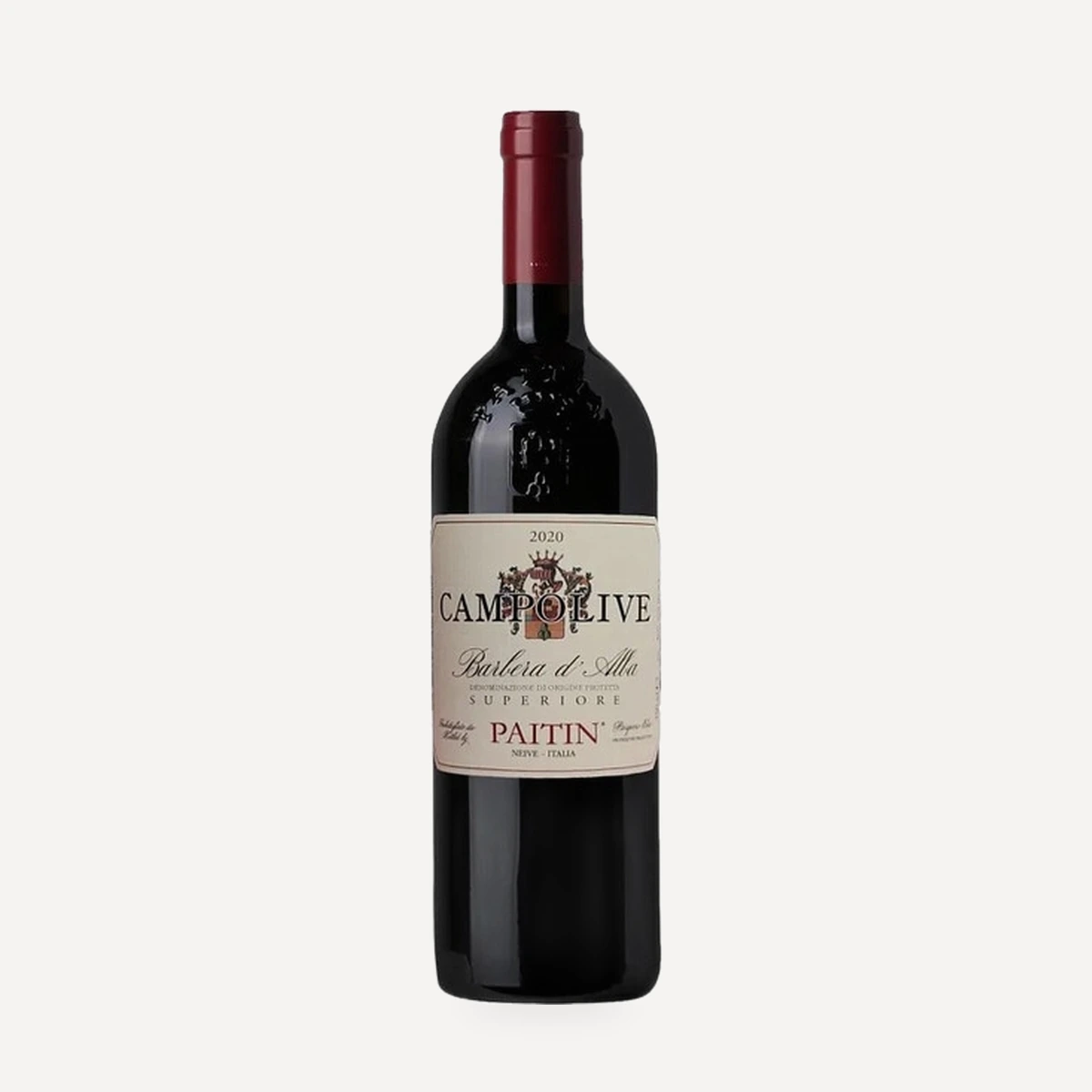
Campolive Barbera D'Alba Superiore DOC
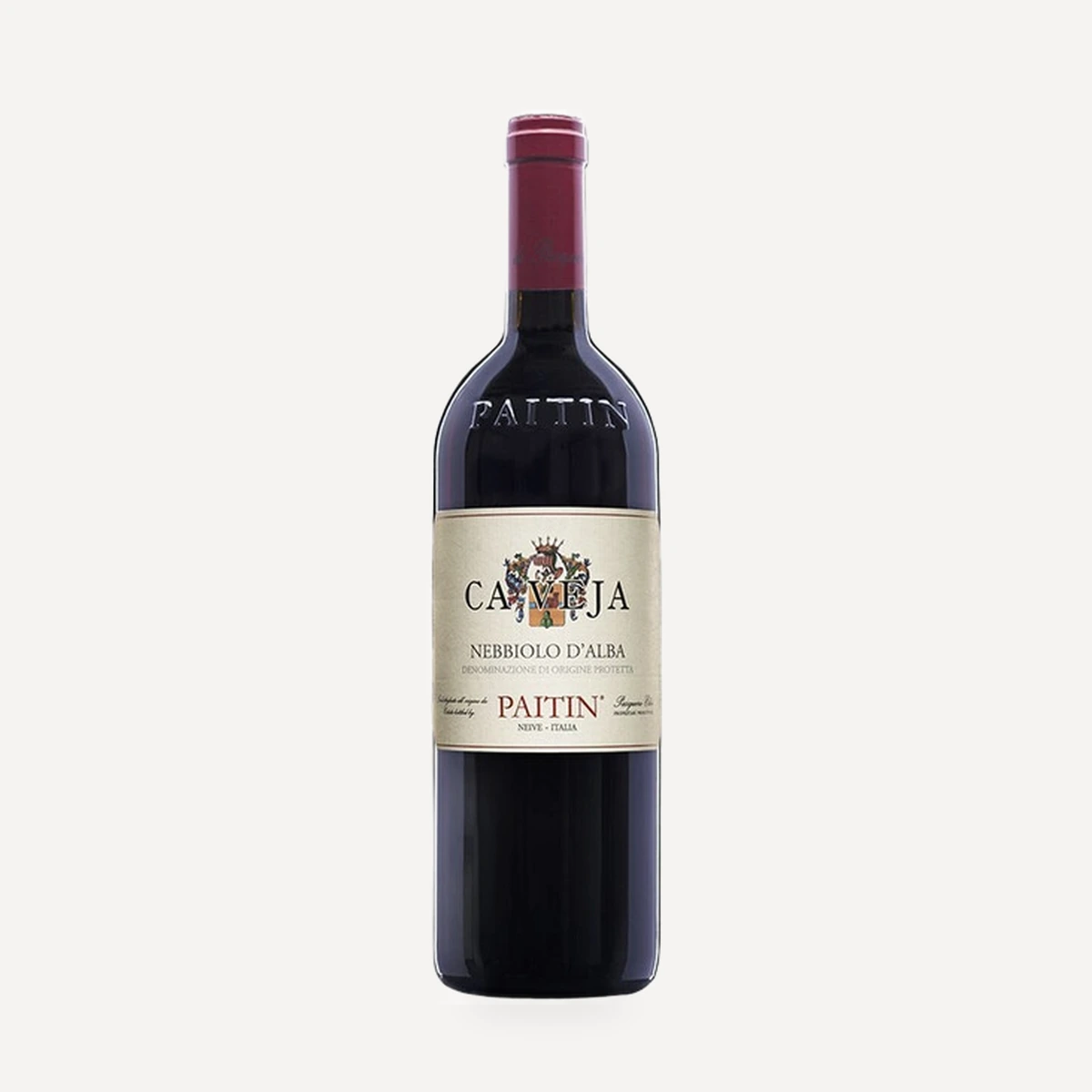
Ca Veja Nebbiolo d'Alba DOP
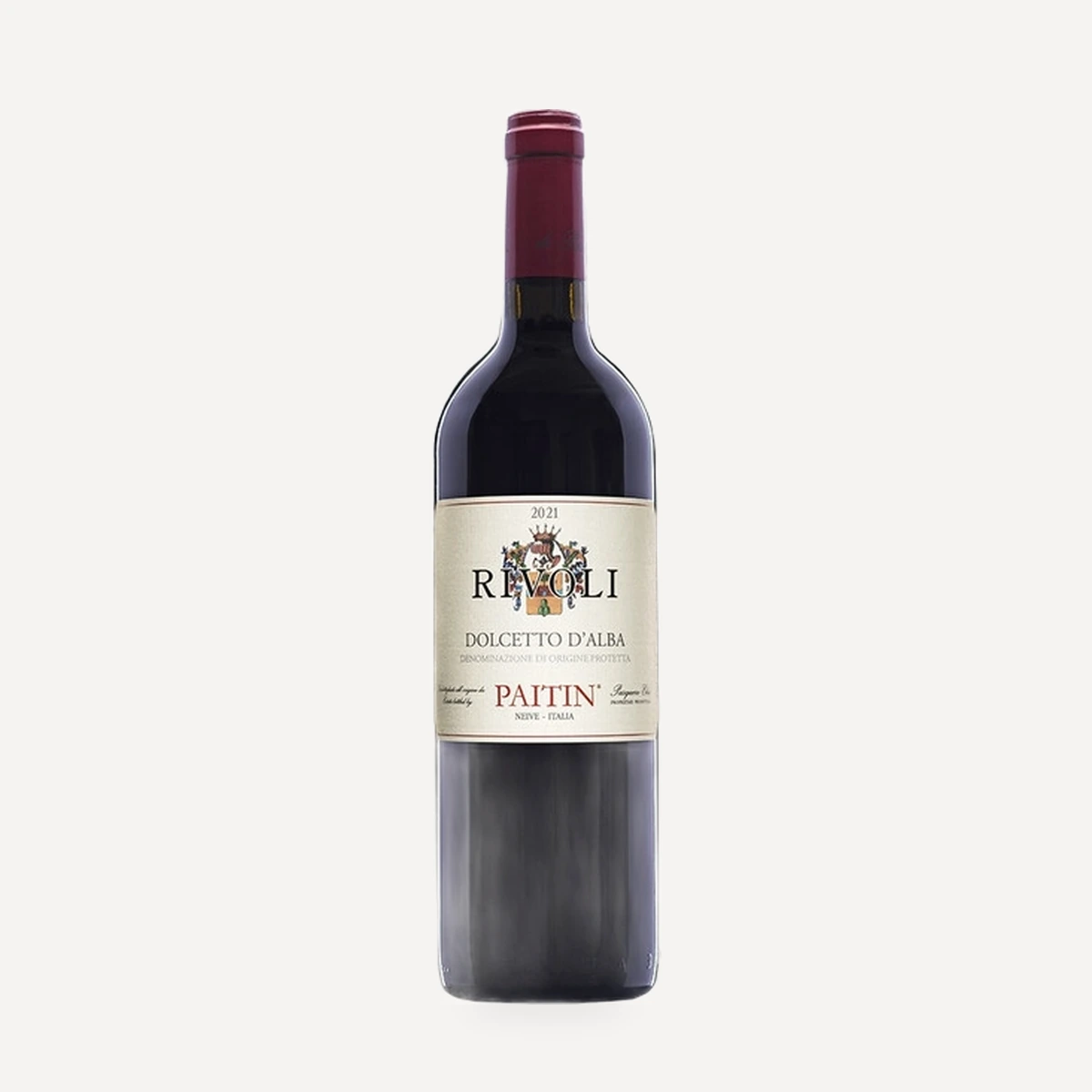
Rivoli Dolcetto d'Alba DOC
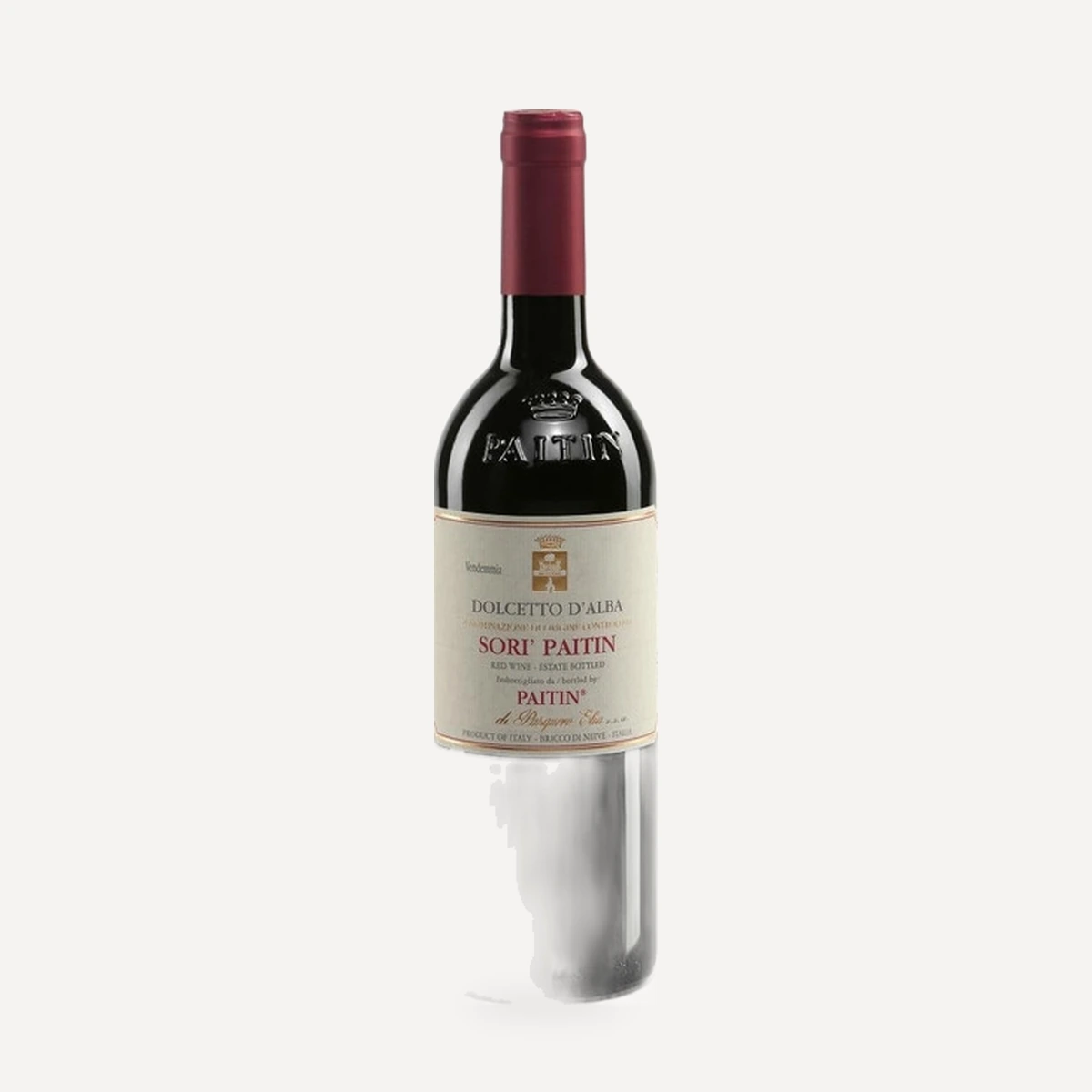
Sori Dolcetto d'Alba DOC
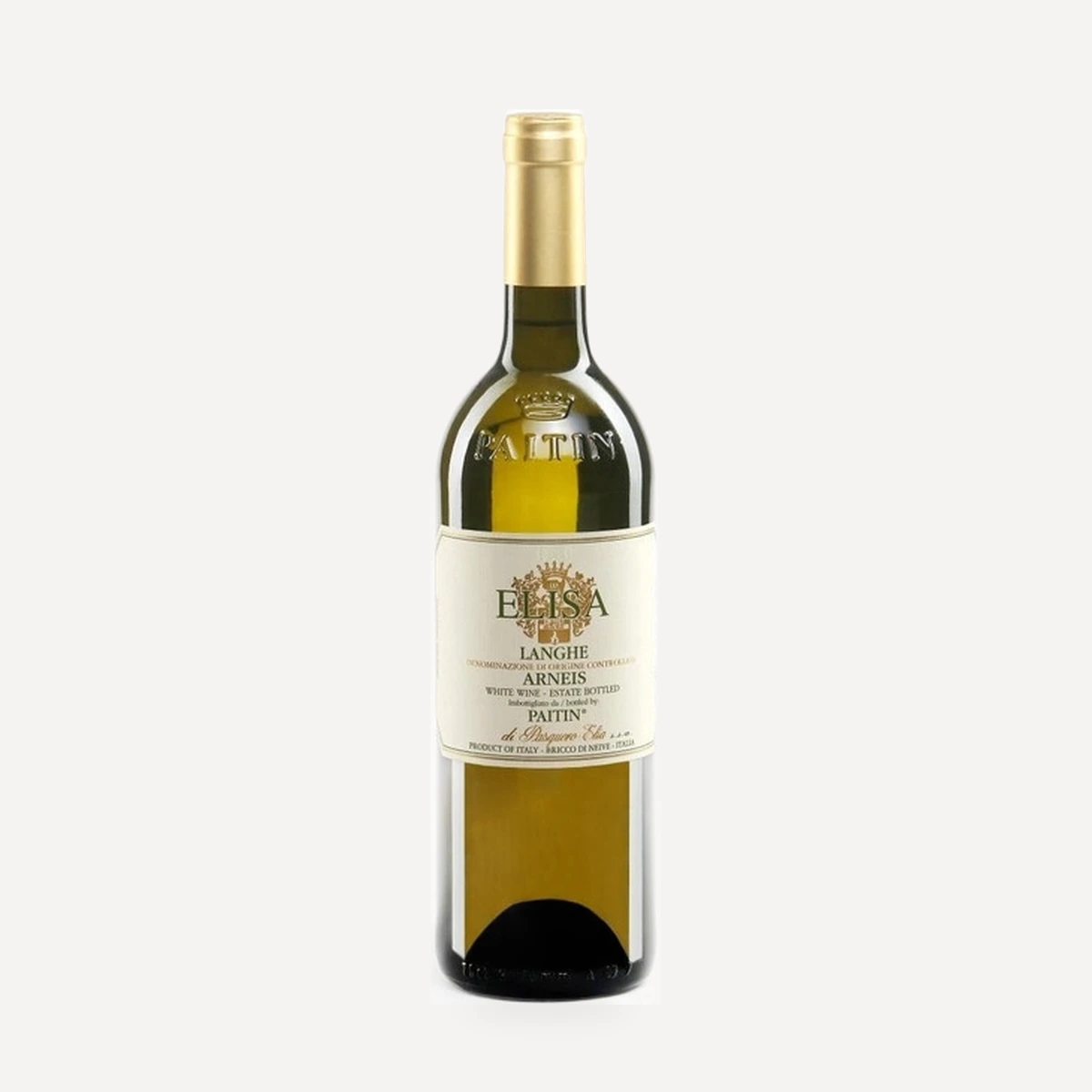
Elisa Langhe Arneis DOC
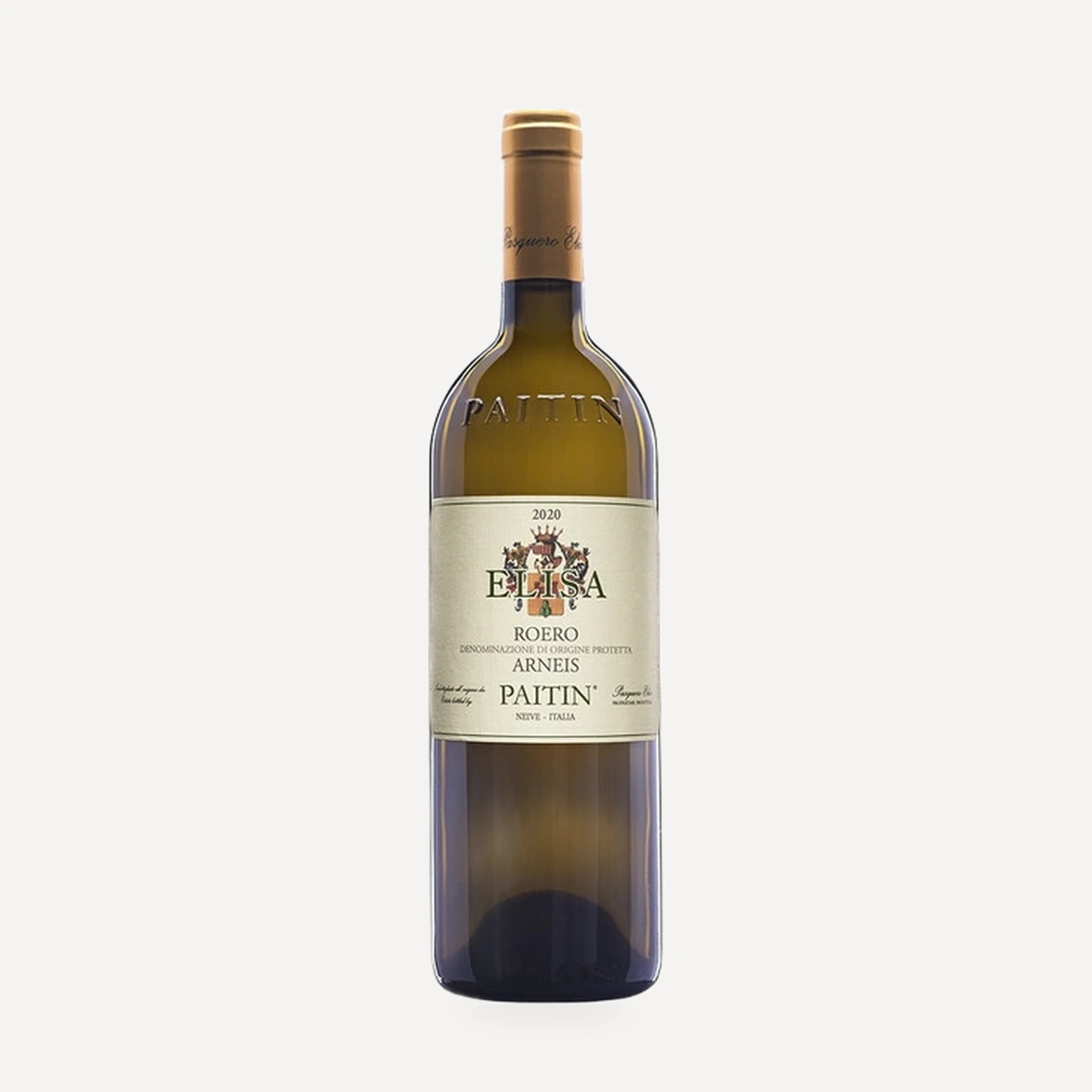
Elisa Arneis Roero DOC
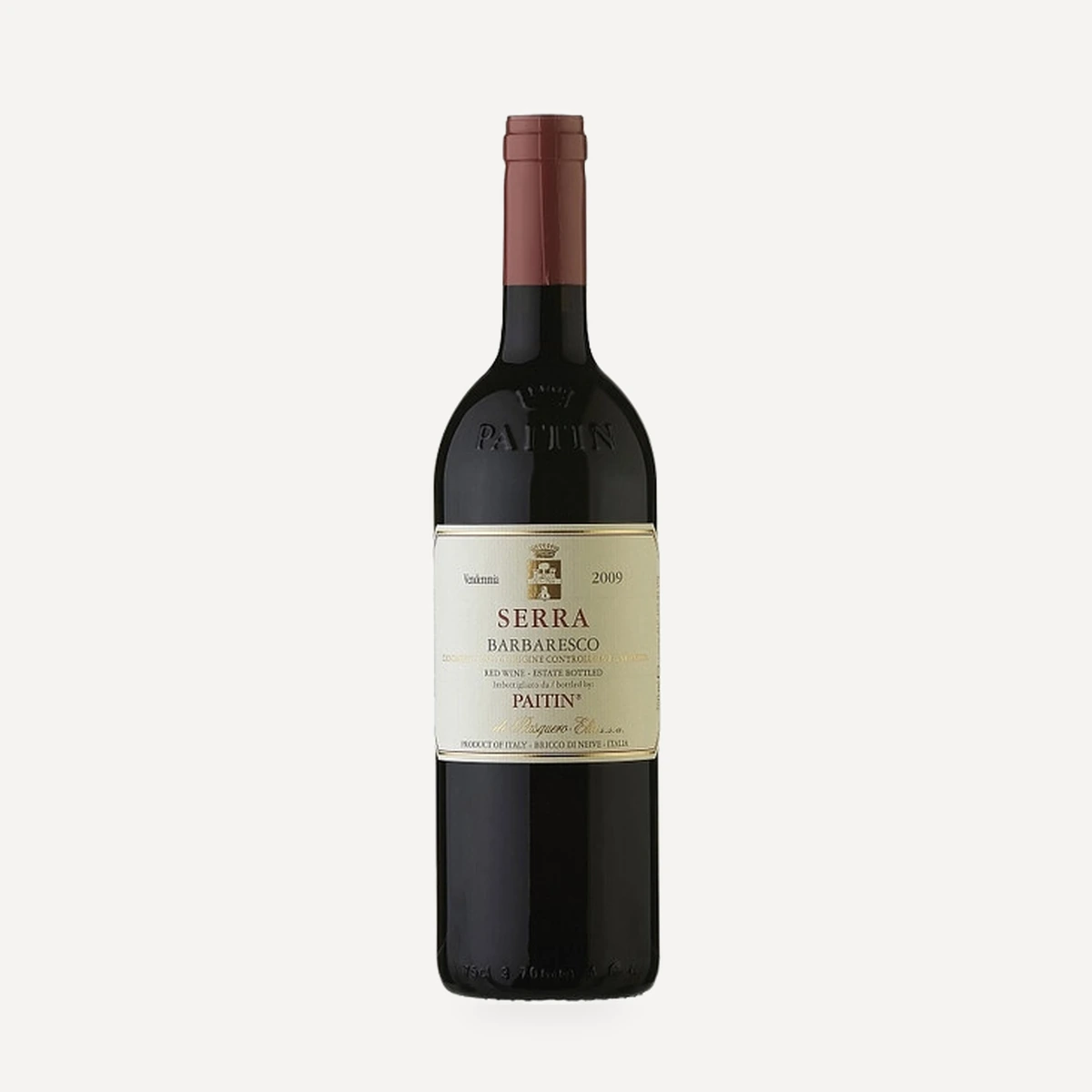
Serra Barbaresco DOCG
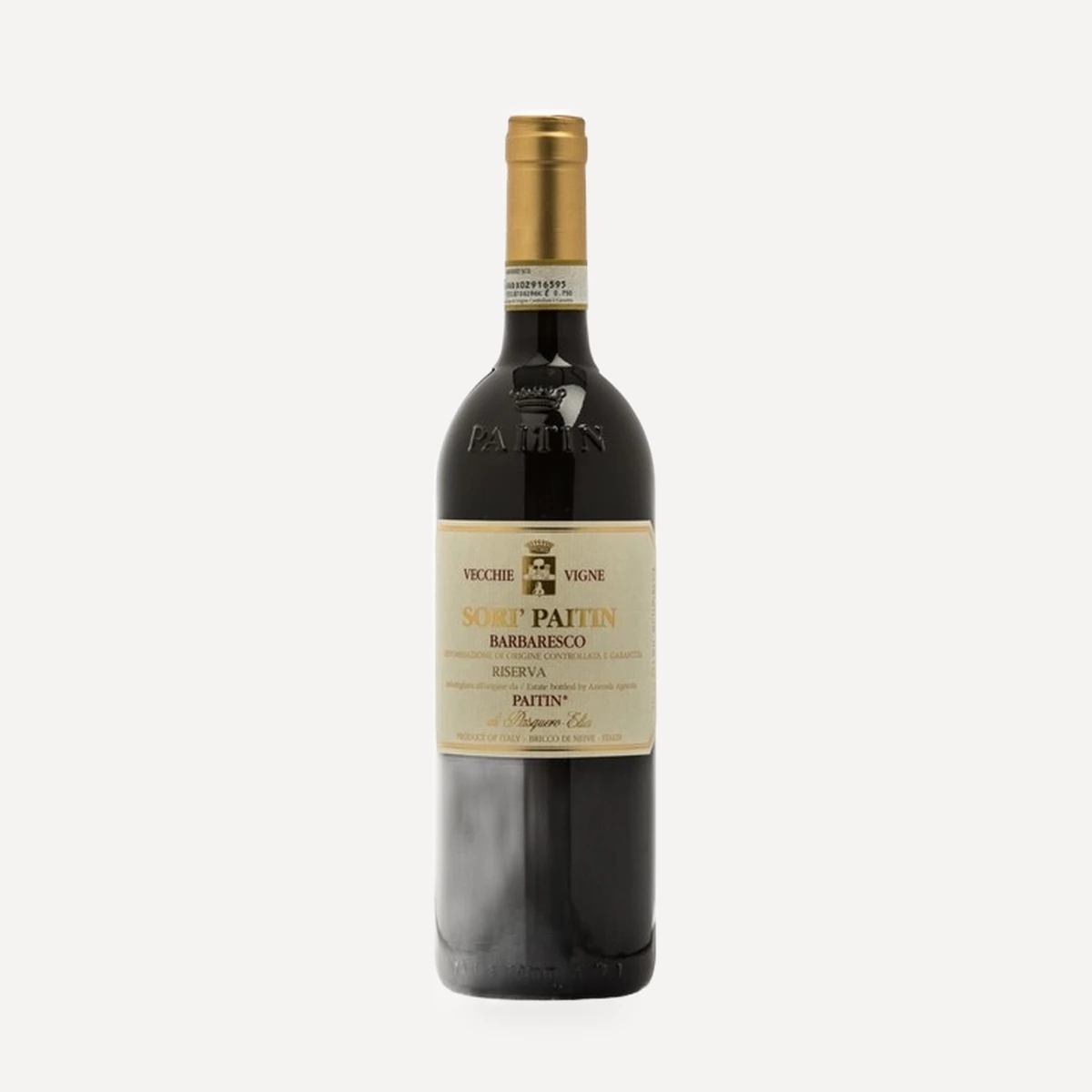
Sori' Vecchie Vigne Barbaresco DOCG
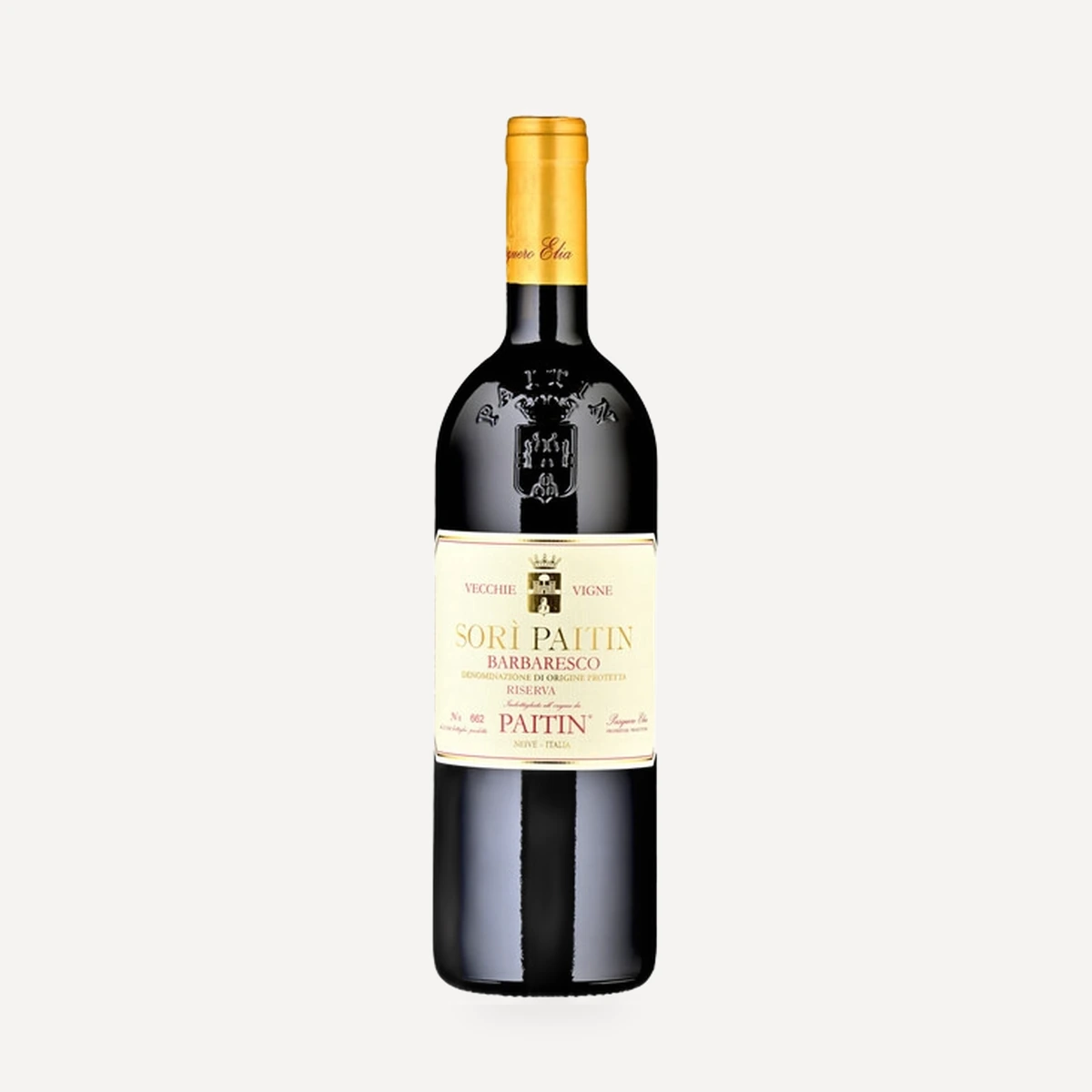
Sori' Barbaresco Vecchie Vigne Riserva DOCG
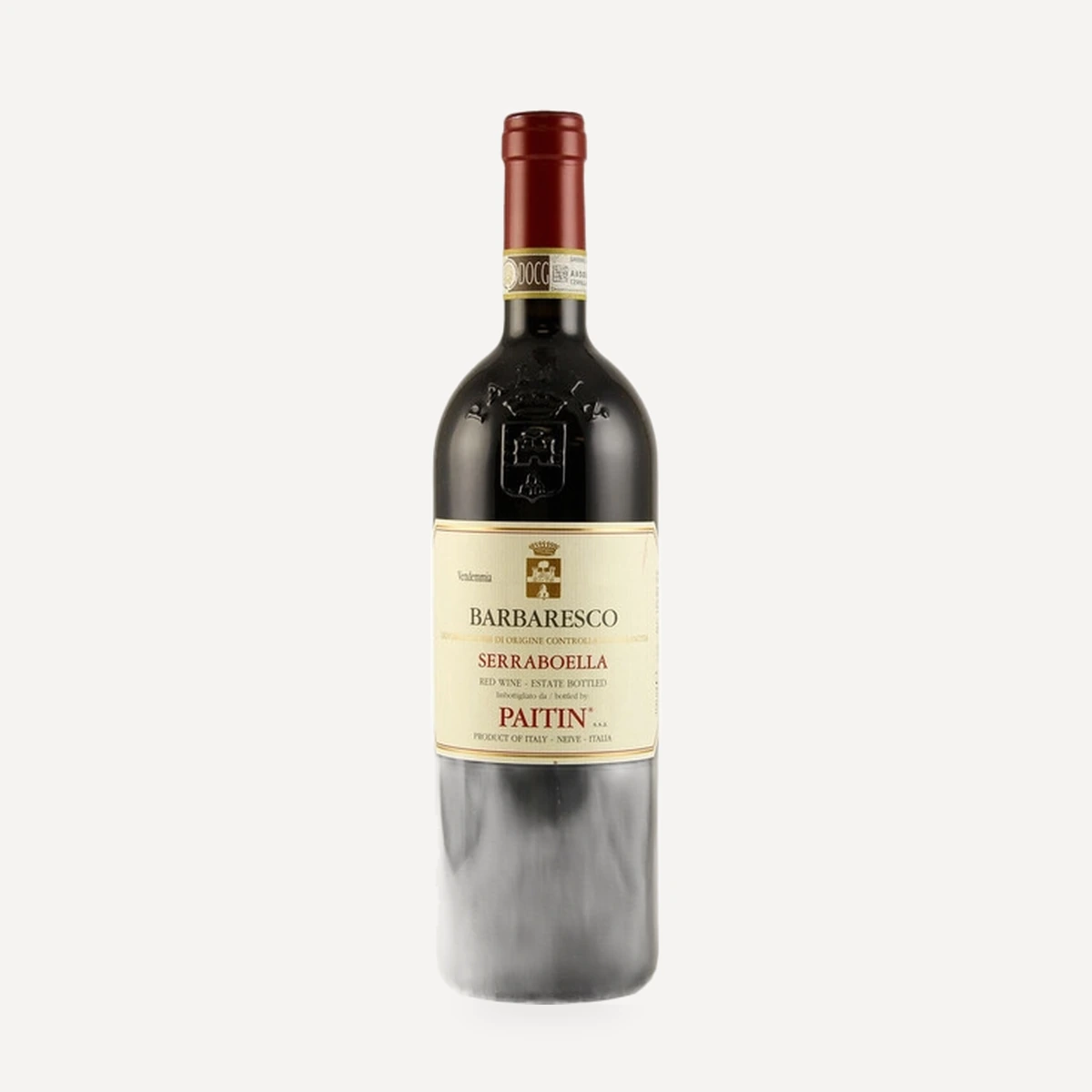
Serraboella Barbaresco DOCG
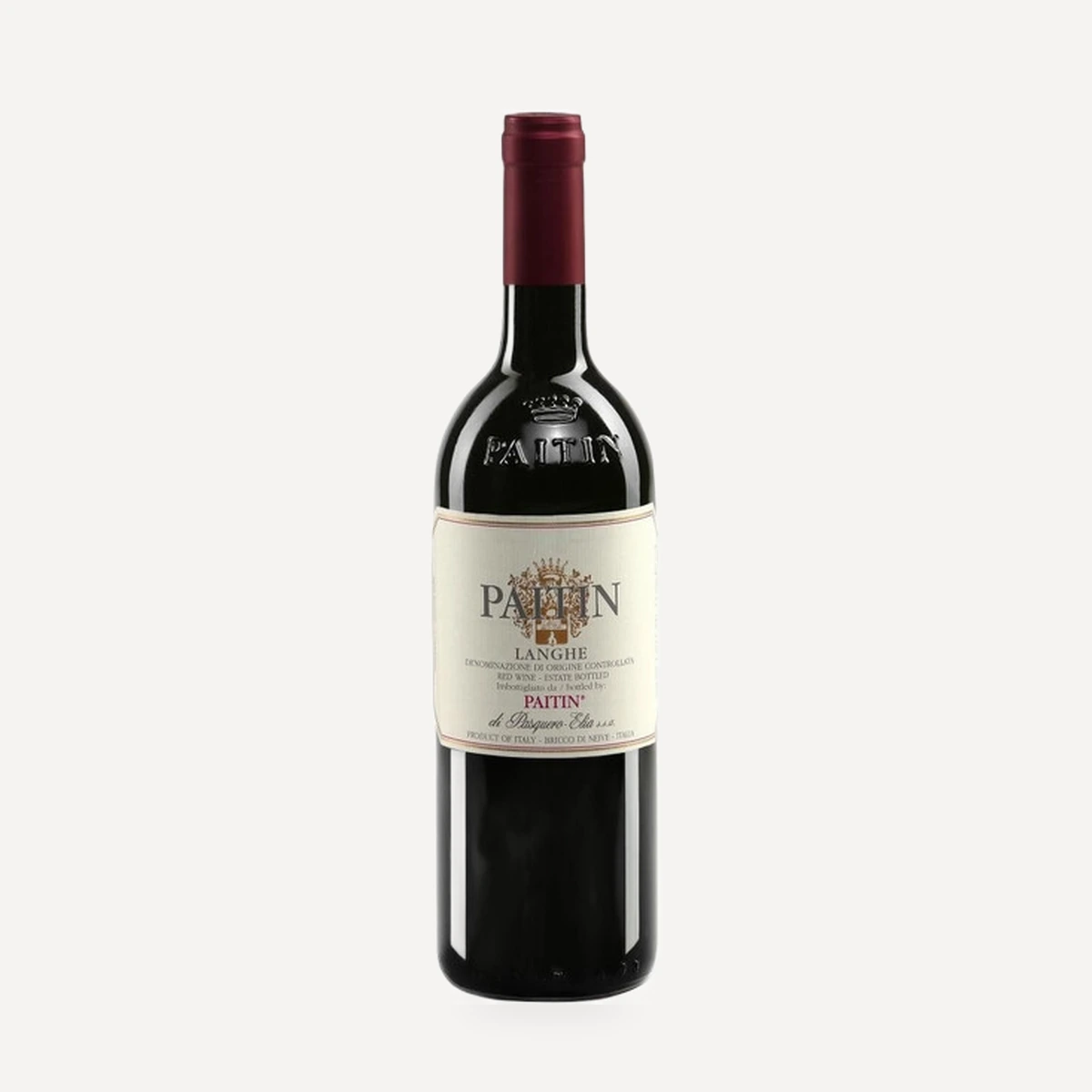
Langhe Rosso DOC