History
Historical roots of the vineyards
Some of the vineyard names associated with La Morra were already recorded in the municipality’s books in 1350. This documentary history predates the estate itself and forms the historical setting for its work in the Langhe.
1986: foundation in La Morra
Azienda Agricola Roberto Voerzio began in La Morra in 1986. The new enterprise looked to established historical producers as its initial examples. It remained under family management, with vineyard and cellar work carried out according to the family’s accumulated experience.
Development through individual vineyards
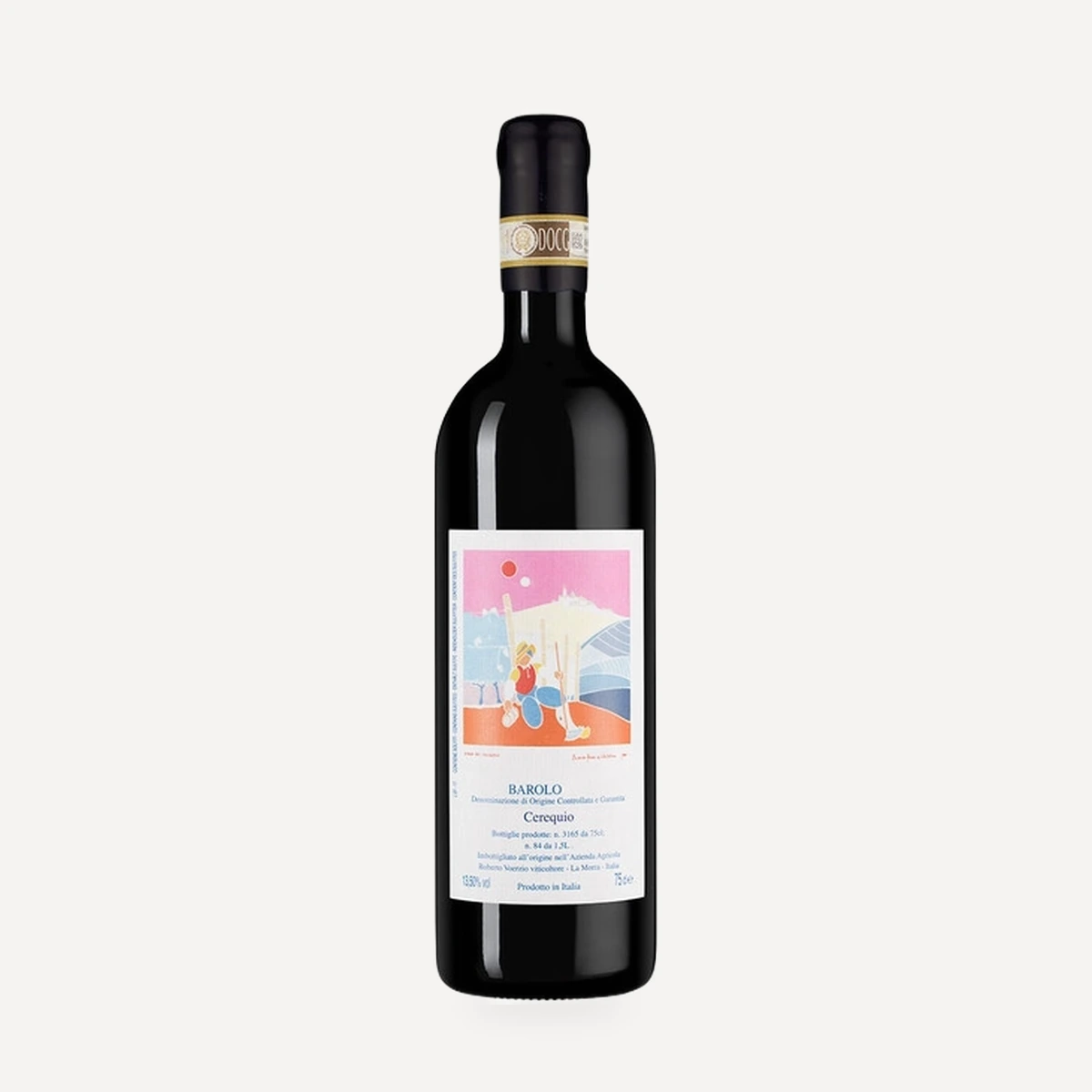
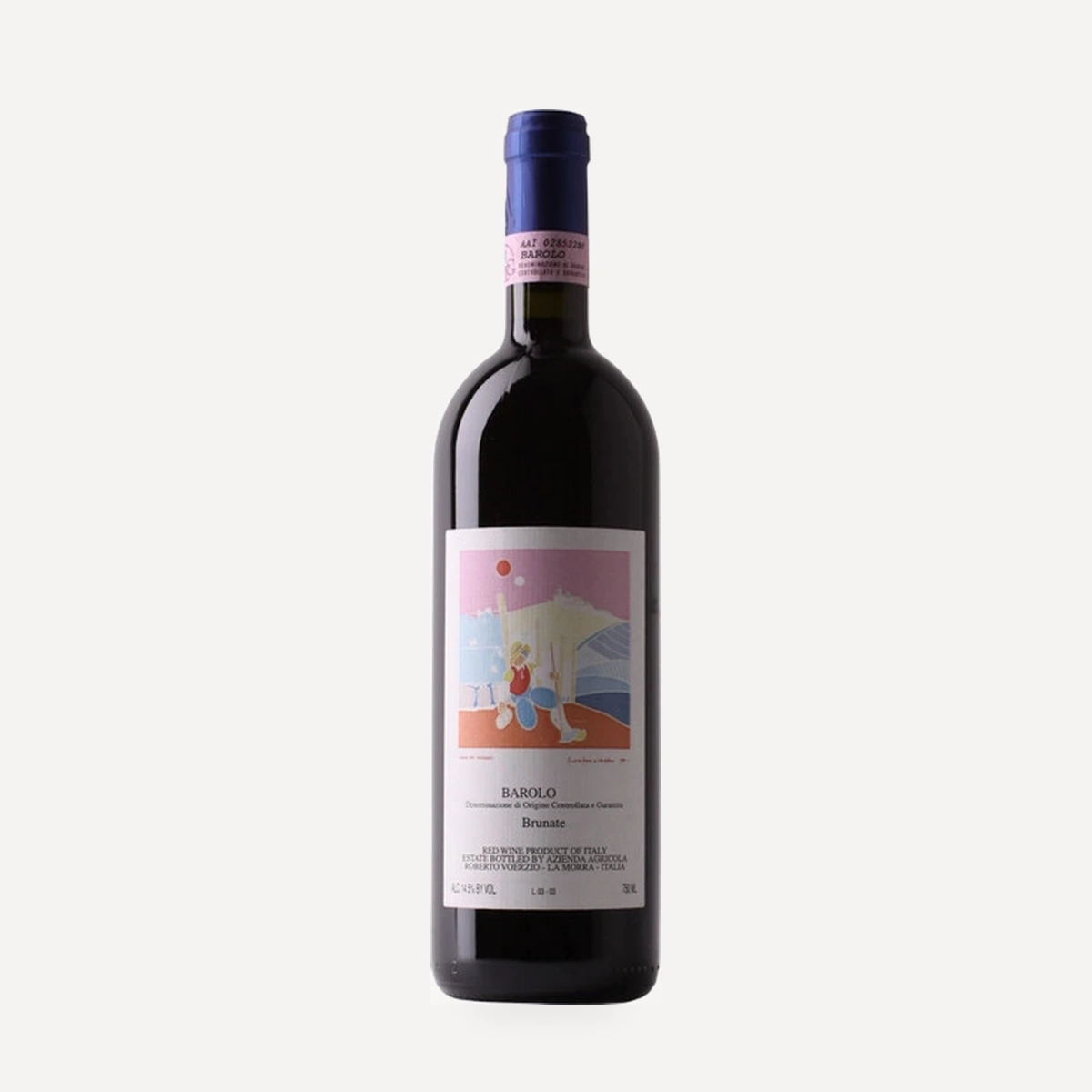
The estate’s first harvest from La Serra took place in 1987, as did the first harvest for Dolcetto d’Alba Priavino. Brunate and Cerequio followed with their first estate harvests in 1988.
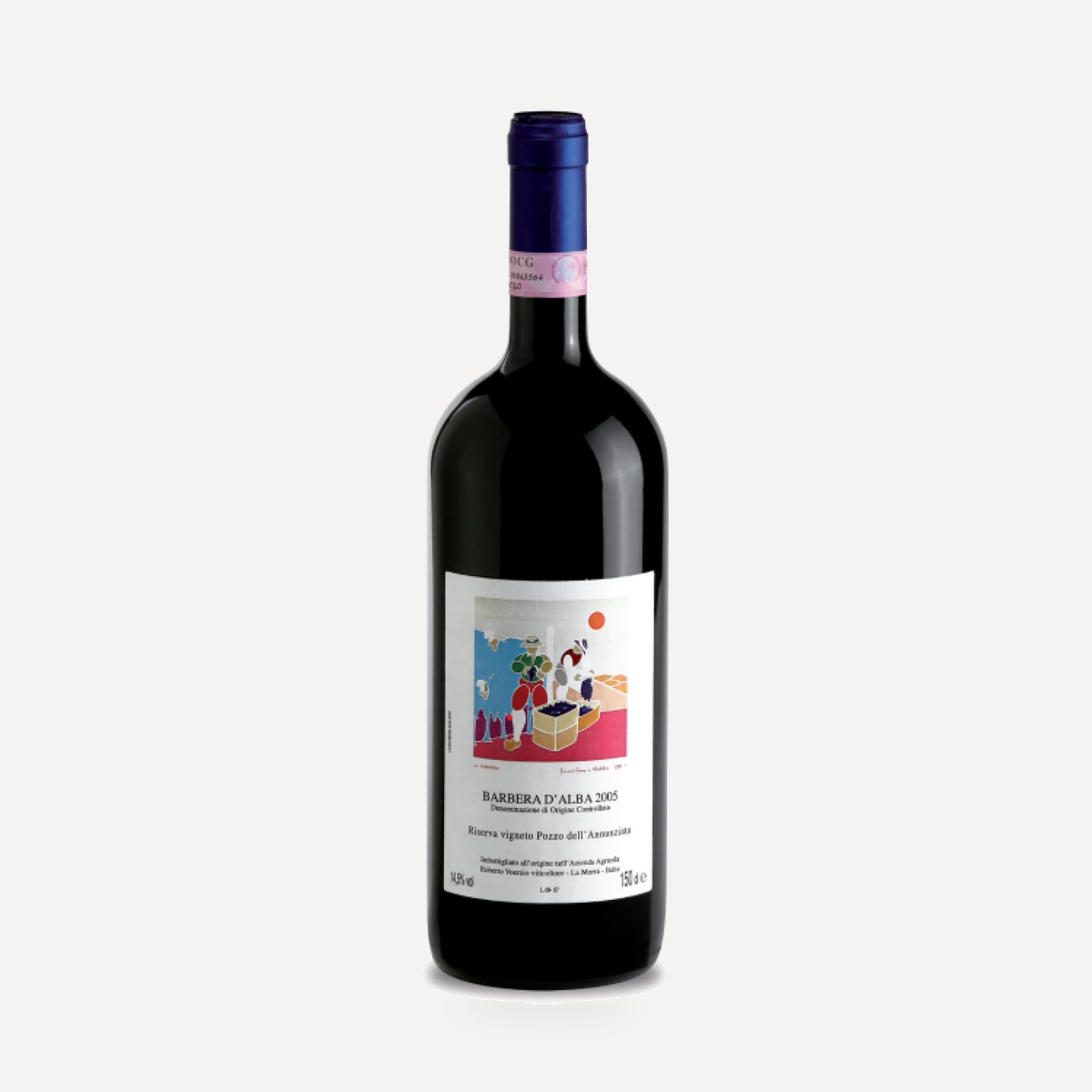
A Barolo Riserva selection from the old vines of Capalot and Brunate was first harvested in 1995. The first harvest from the Barbera parcel Pozzo dell’Annunziata followed in 1996, while Sarmassa entered the estate’s production with the 1998 harvest.
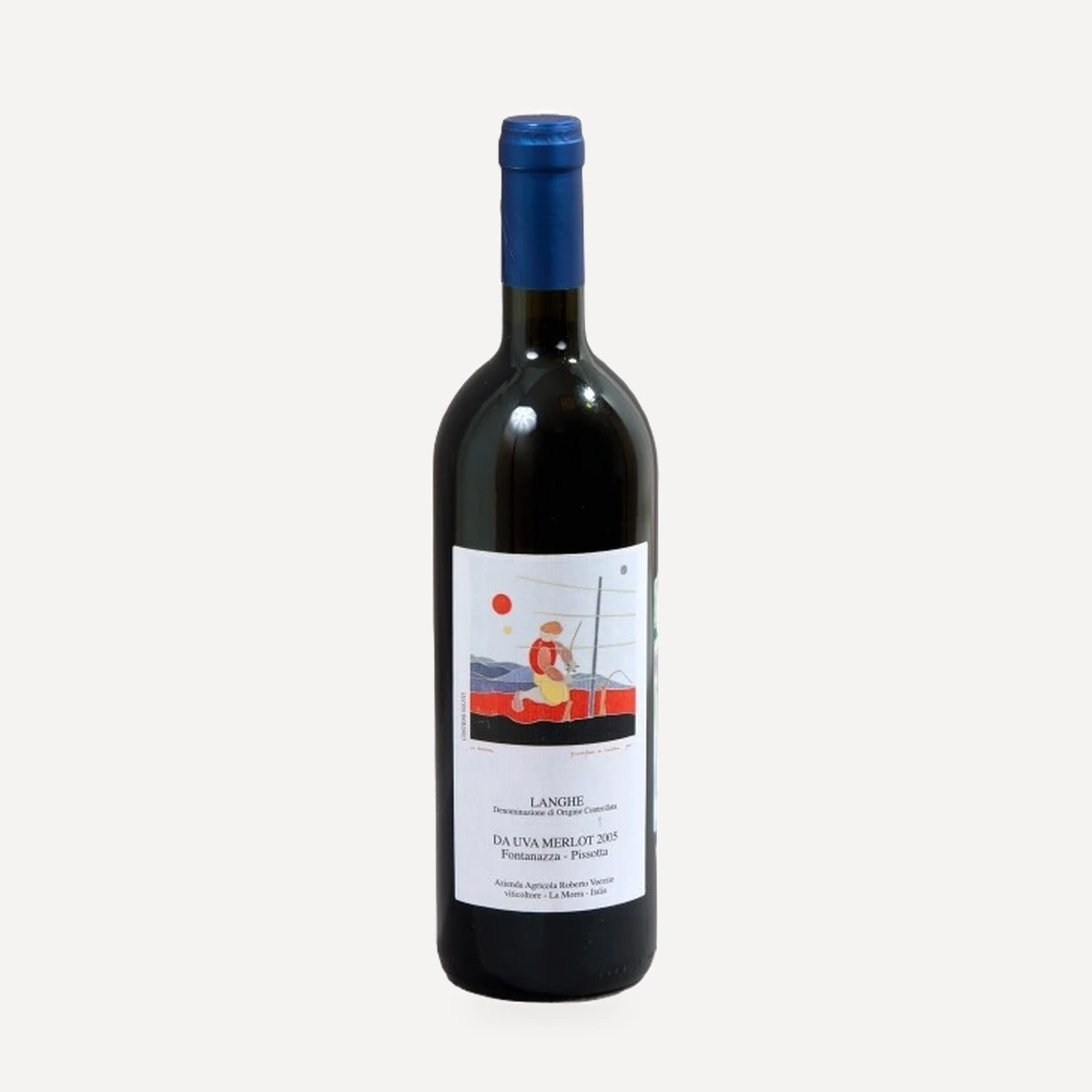
Rocche dell’Annunziata Torriglione had its first estate harvest in 2000. In 2001 the estate recorded the first harvests for its Langhe Nebbiolo from S. Francesco and Fontanazza and for its Merlot from Fontanazza and Pissota. Barbera d’Alba il Cerreto followed with its first harvest in 2003.
Continuing cru focus
Over the years, the vineyard portfolio changed as the family elected to work with an increasing number of individually identified sites associated with Barolo, Barbera, Dolcetto and Nebbiolo. The later visual portfolio also identifies Fossati, Case Nere, La Morra and RV350 expressions connected with La Serra and Fossati. Throughout this development, the business remained family-run and retained a traditional, vineyard-differentiated approach from vinification through bottling.
Terroir
The vineyards lie in La Morra and Barolo in the Langhe. Over time, the estate concentrated its production in separately named sites selected for Barolo, Dolcetto, Barbera and Nebbiolo.
The recorded exposures reveal considerable variation among the holdings. La Serra faces south to southeast; Cerequio runs from south to southeast; Brunate faces east to southeast; the old-vine Capalot and Brunate selection faces south; and Rocche dell’Annunziata Torriglione is south-facing. Pozzo dell’Annunziata faces east to southeast, while Cerreto includes west- and east-facing vines. Fontanazza faces east in the Merlot holdings, paired with west-facing Pissota, while the Nebbiolo vineyards of S. Francesco and Fontanazza face southeast. Priavino includes east- and west-facing vines.
These varying exposures support the estate’s principle of preserving distinctions between vineyards and allowing each site to yield a separate expression. No single standardized profile is imposed on the different parcels.
Winemaking
The vineyards have been worked with an explicitly nature-conscious approach for decades. Chemical fertilizers, herbicides, anti-mould products and other substances considered capable of interfering with the vine’s vegetative cycle or grape ripening are not used.
After every harvest, cow manure or humus is applied manually. The amount is adjusted to the needs of each vine by observing leaf colour and the strength of its growth rather than treating the vineyard uniformly.
Winter pruning is deliberately short, leaving between five and eight buds per vine. The first crop thinning begins around mid-July: more than half of the grapes are removed, leaving five bunches on each plant. A second intervention follows around mid-August. The lower part of every bunch is cut away, retaining the upper portion, which is regarded as richer and more concentrated.
This sequence produces yields ranging from approximately 500 g to 1–1.5 kg per plant, depending on the vineyard and variety. The aim is to bring healthy, ripe grapes to harvest with concentrated sugar, aromas and fragrances that can pass into the wine during fermentation.
Cellar work follows a traditional, minimally interventionist course intended to preserve differences between vineyards. No substances are used to increase or otherwise modify colour, structure, aroma or tannin.
Alcoholic fermentation lasts from 10 to 30 days and begins spontaneously, without inoculated yeast. Malolactic fermentation takes place in stainless-steel tanks. Once it is complete, all wines except Dolcetto are transferred to wood for maturation.
Sulphites are the only addition described as extraneous to the grapes. At bottling, their level is usually less than half the maximum permitted by law. The wines are bottled without filtration.
Bottle ageing is treated as a means of revealing quality already present rather than creating it through time alone. The estate considers its Barolo, Barbera d’Alba Riserva Pozzo dell’Annunziata and Merlot suitable for at least five to six years of bottle maturation before drinking, followed by slow development over 20–30 years when stored under suitable conditions. Dolcetto d’Alba, Langhe Nebbiolo and Barbera d’Alba Cerreto are presented as more immediate wines that nevertheless retain meaningful ageing capacity.
Philosophy
The family presents wine as an expression of terroir and of the climatic course of each growing season. Every harvest should tell a different story through its own nuances rather than conform to an invariant house formula.
Traditional work from vinification through bottling is intended to leave room for diversity, allowing each vineyard to produce its own wine. This principle is reinforced by spontaneous fermentation, the avoidance of corrective cellar substances and unfiltered bottling.
The same reasoning governs the approach to maturation: time does not manufacture greatness but reveals qualities already present in the grapes and young wine. In the vineyard, close observation of individual plants, restrained inputs, severe pruning and two-stage crop thinning place concentration and grape health ahead of high yields.
Family experience remains the practical basis for both vineyard and cellar decisions. The estate’s development through separately named sites reflects a continuing emphasis on vineyard identity rather than production uniformity.
Wines
Barolo Cerequio
Barolo Brunate
Barbera d’Alba Pozzo Annunziata
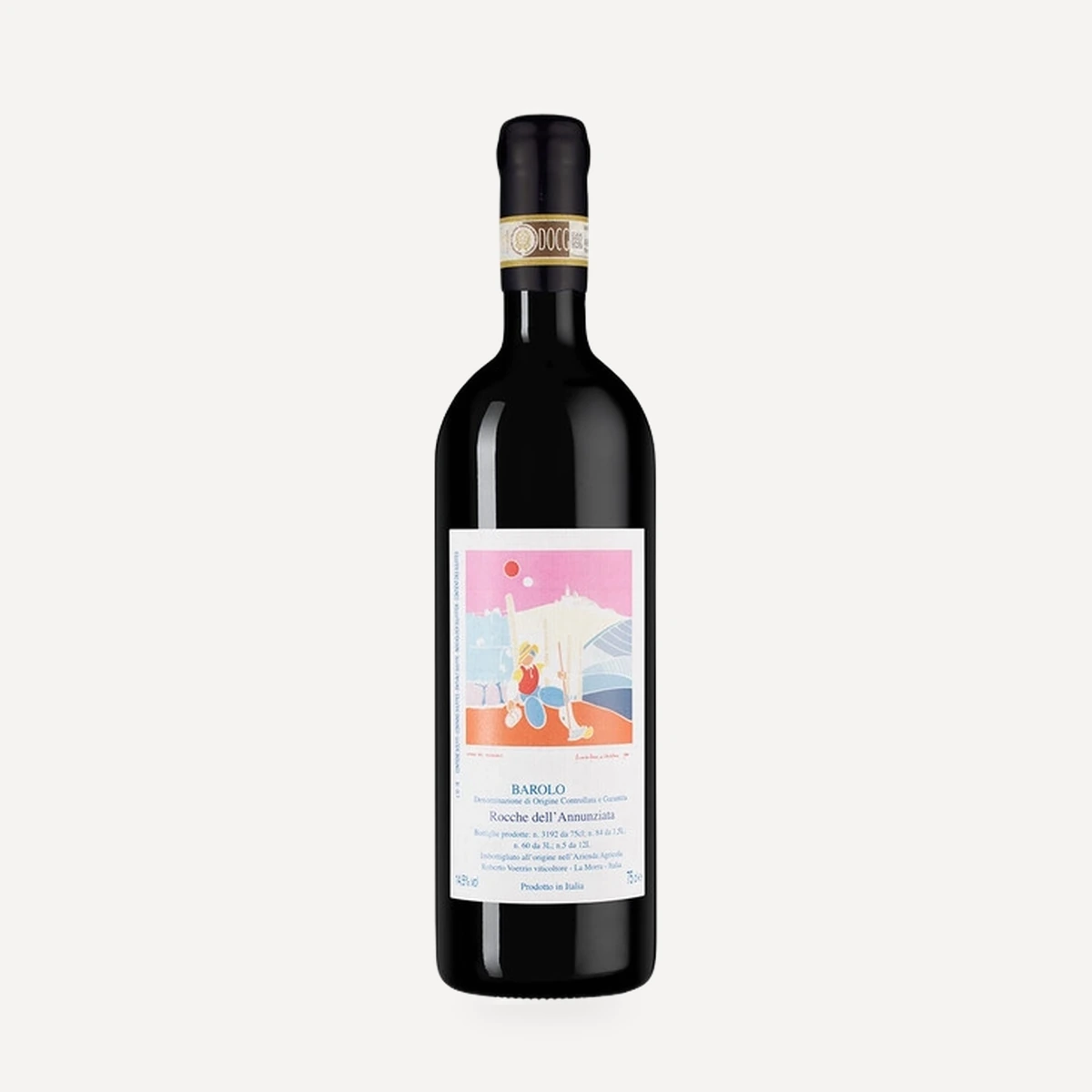
Barolo Rocche dell’Annunziata
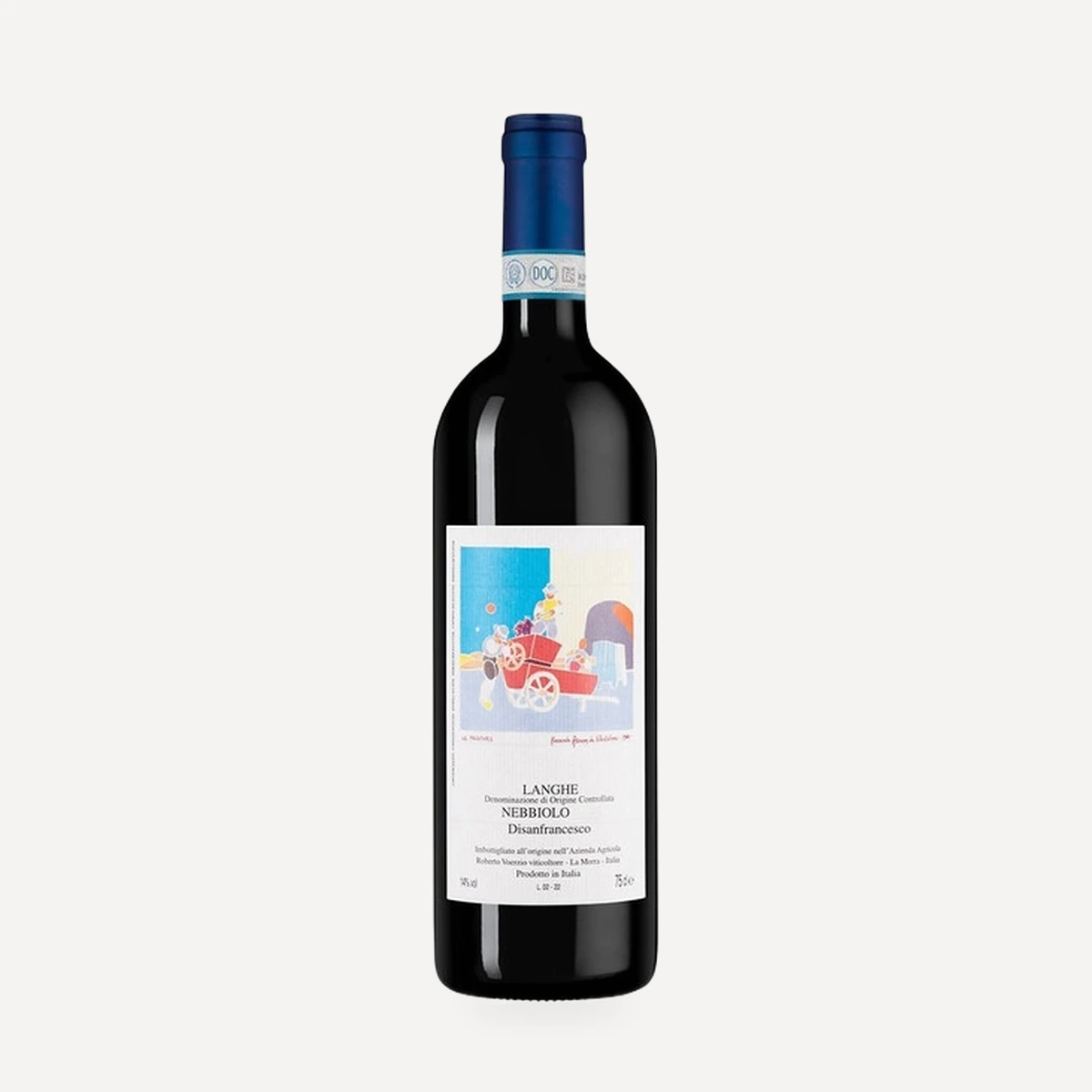
Langhe Nebbiolo Disanfrancesco
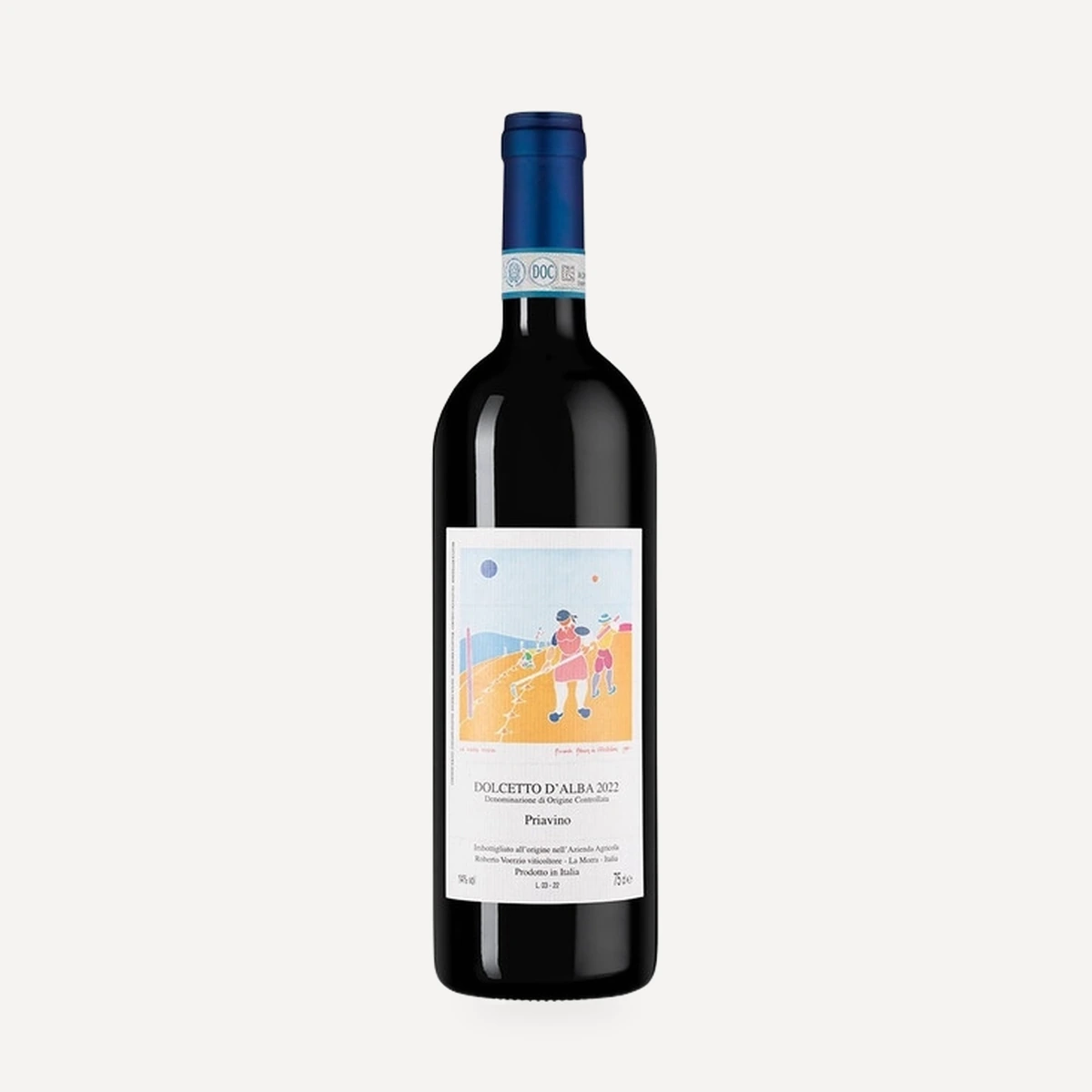
Dolcetto d’Alba Priavino
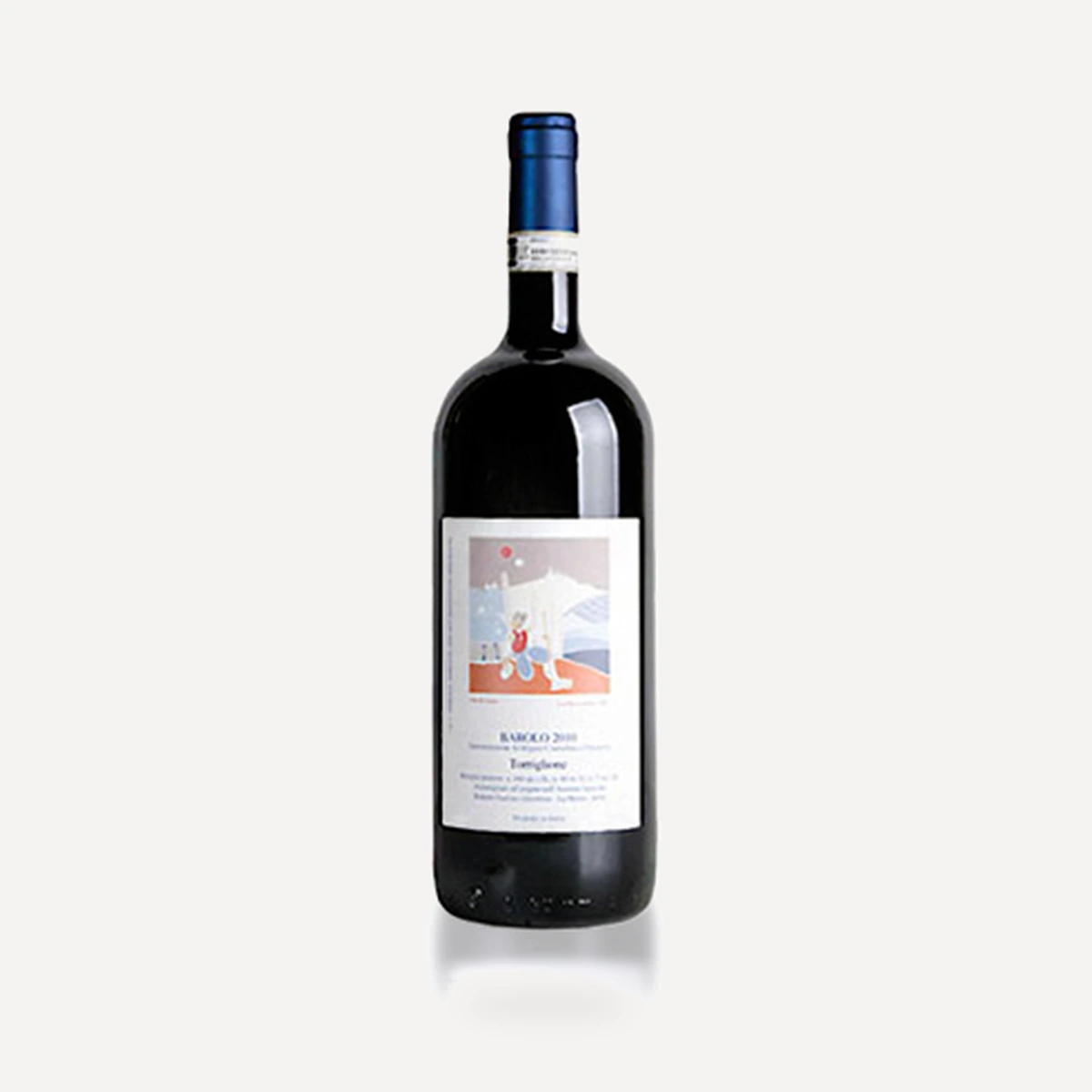
Barolo Torriglione
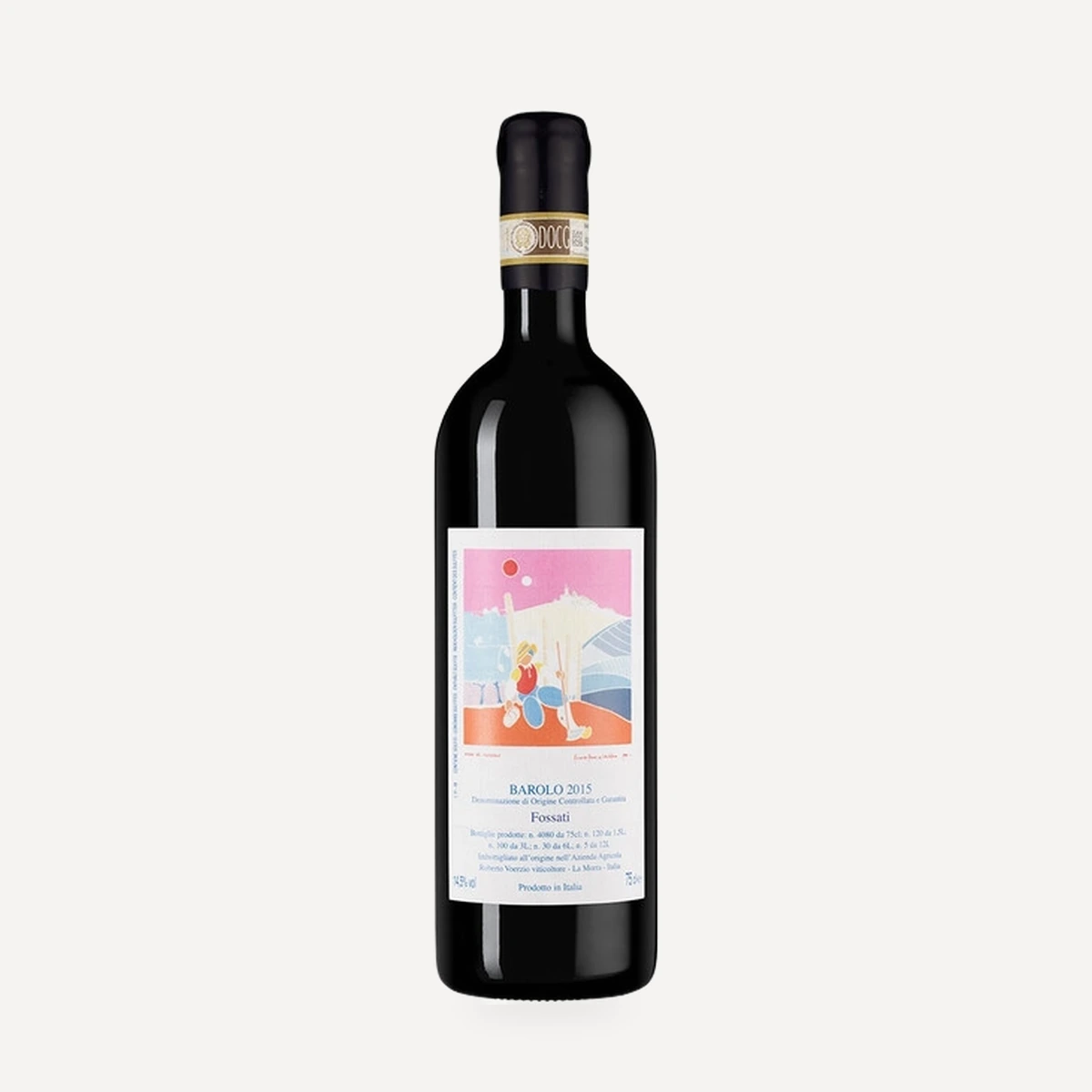
Barolo Fossati
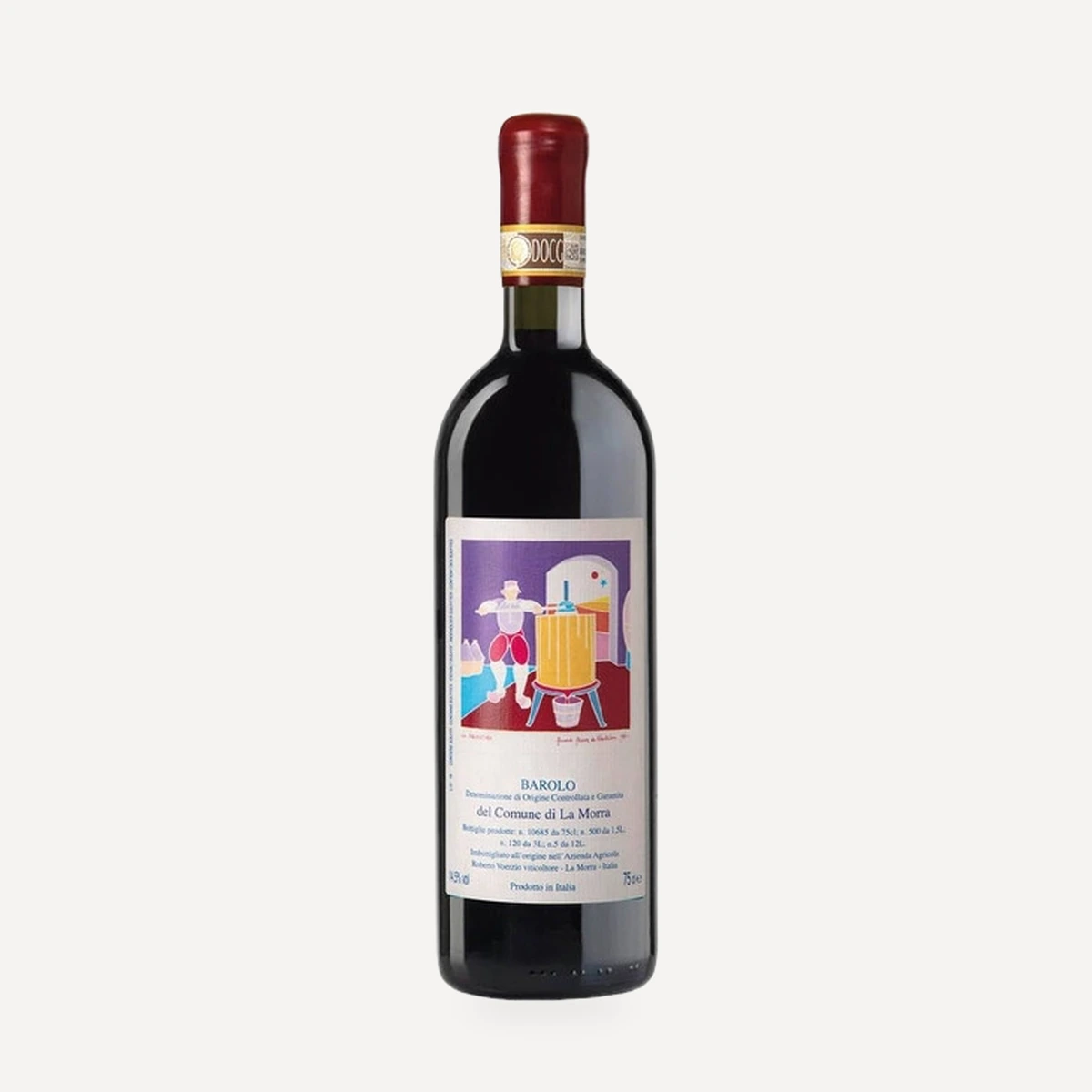
Barolo La Morra
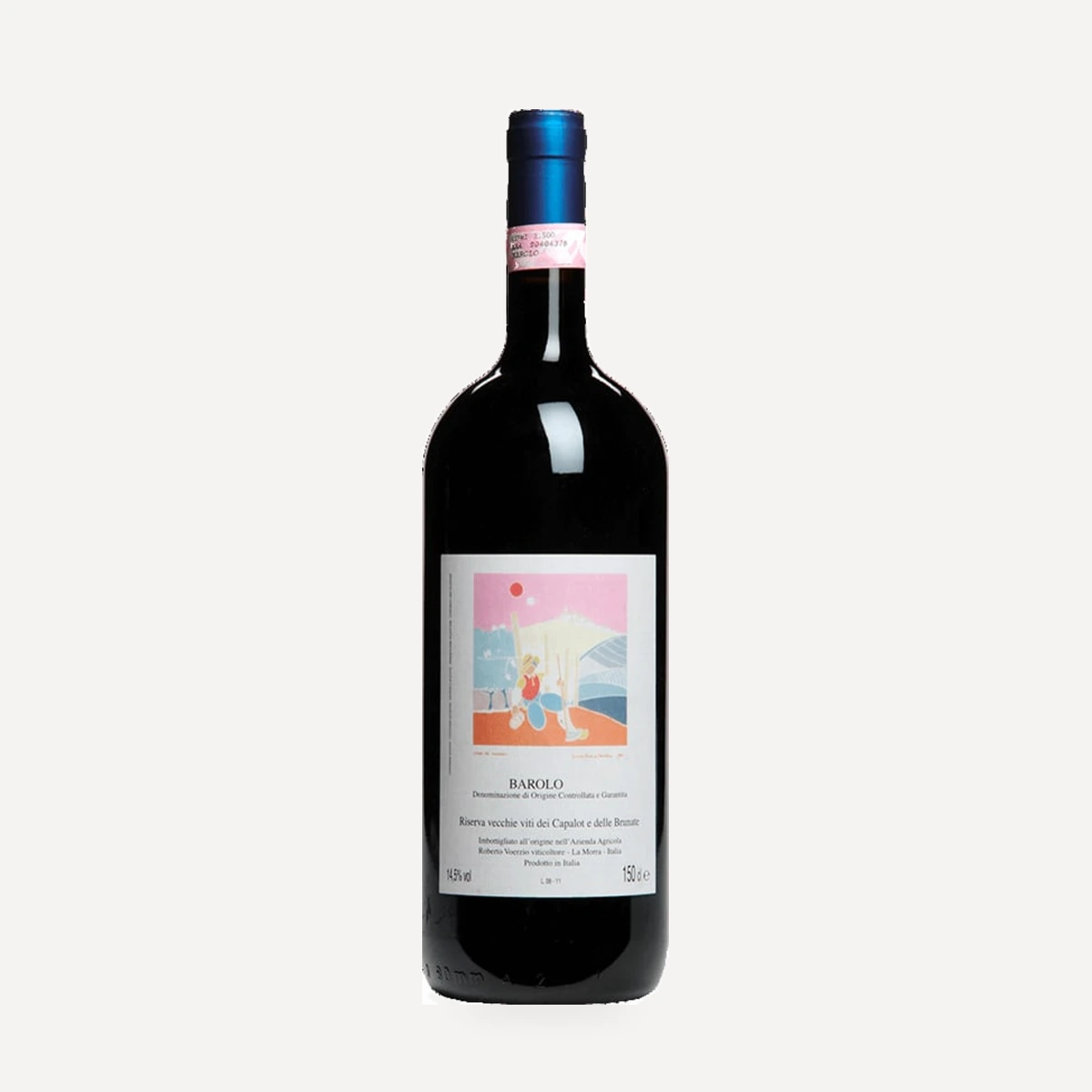
Barolo Riserva Vecchie Viti dei Capalot e delle Brunate
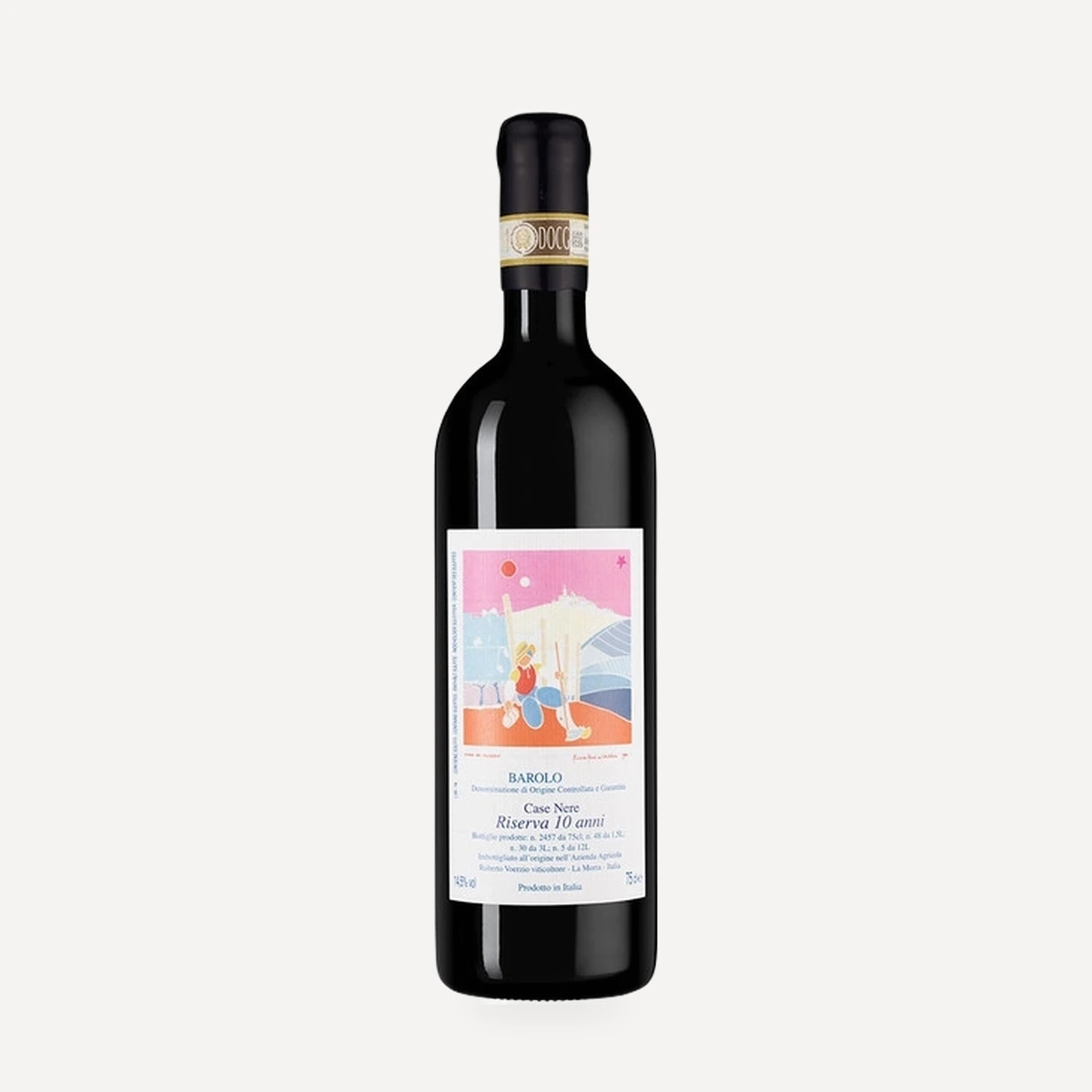
Barolo Fossati Case Nere
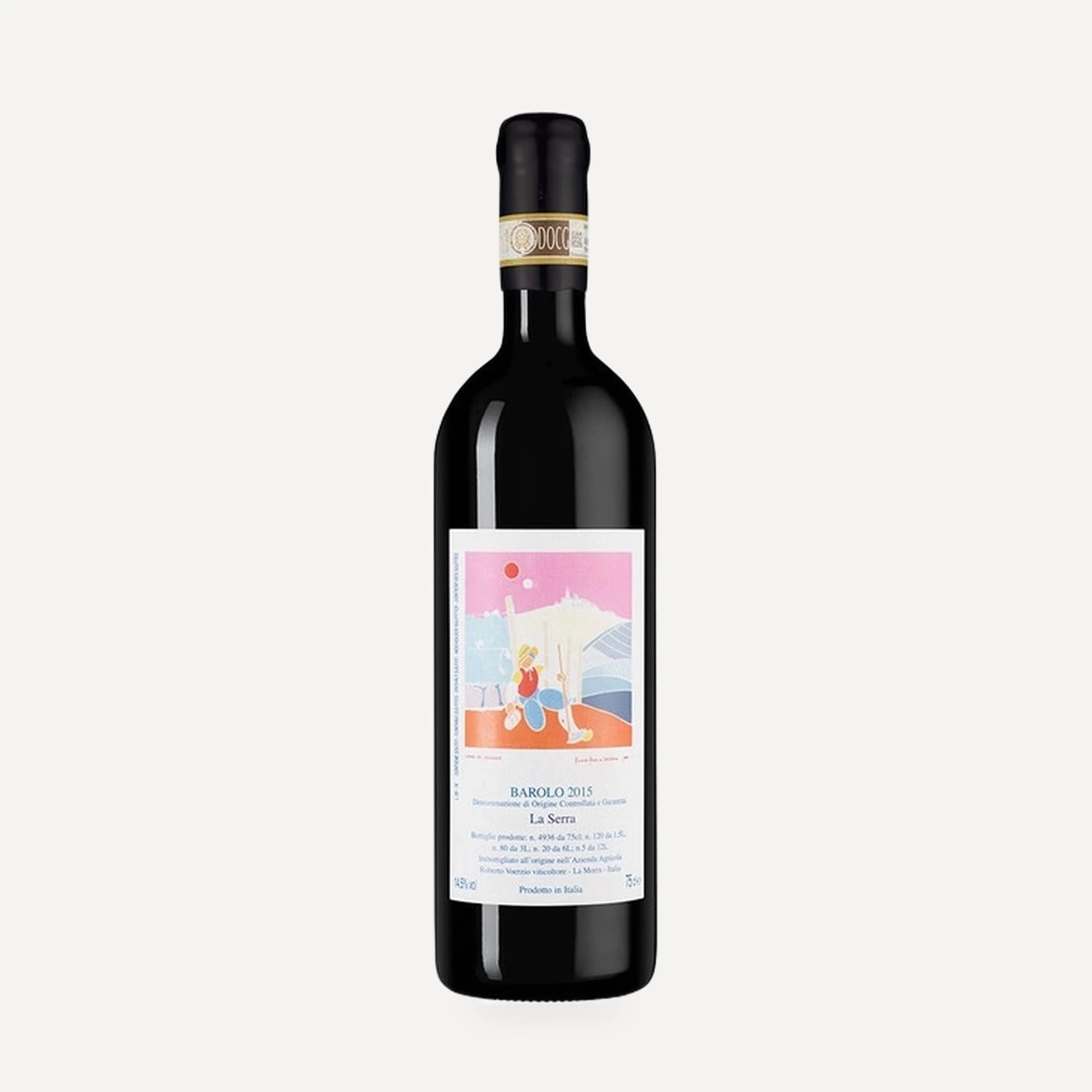
Barolo La Serra
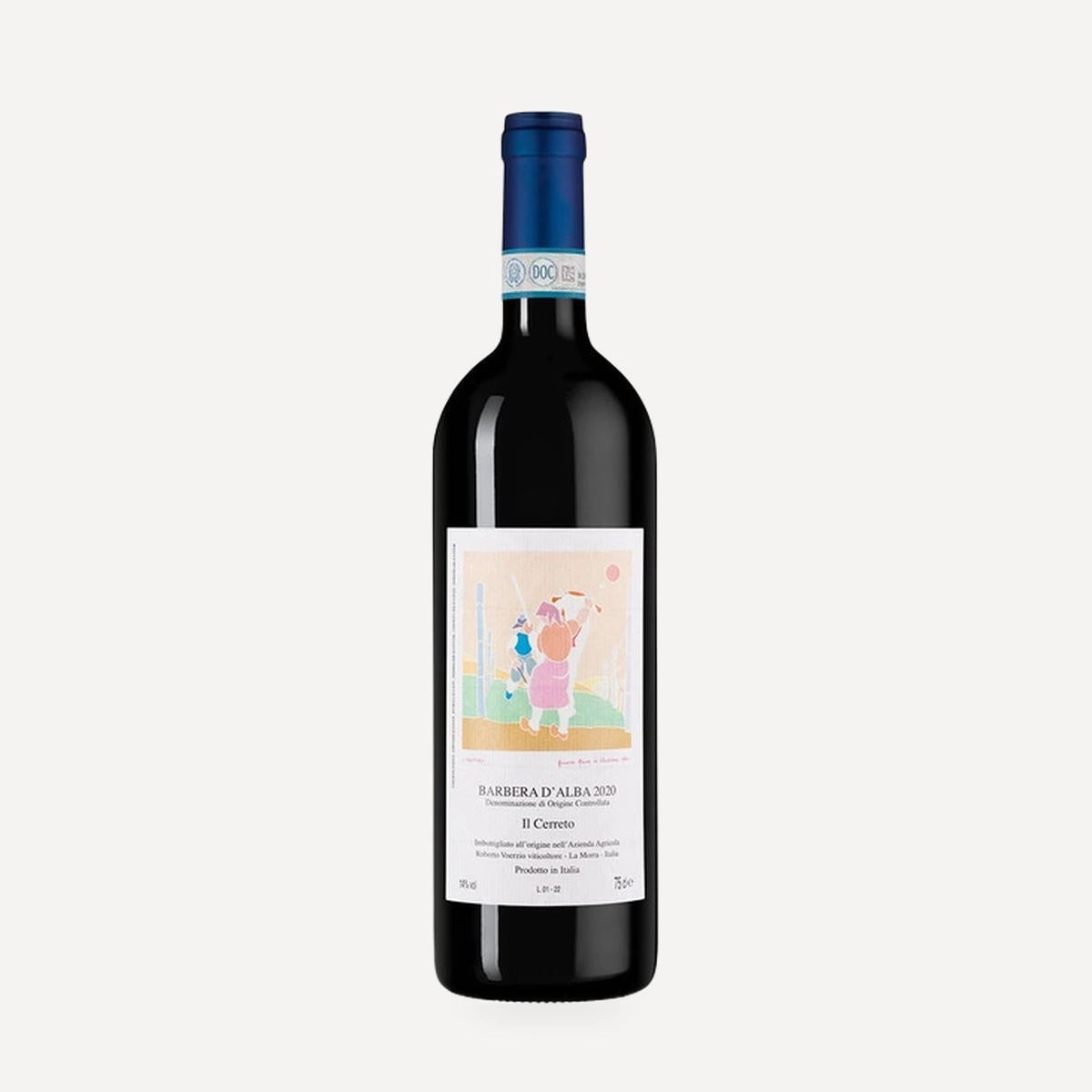
Barbera d’Alba il Cerreto
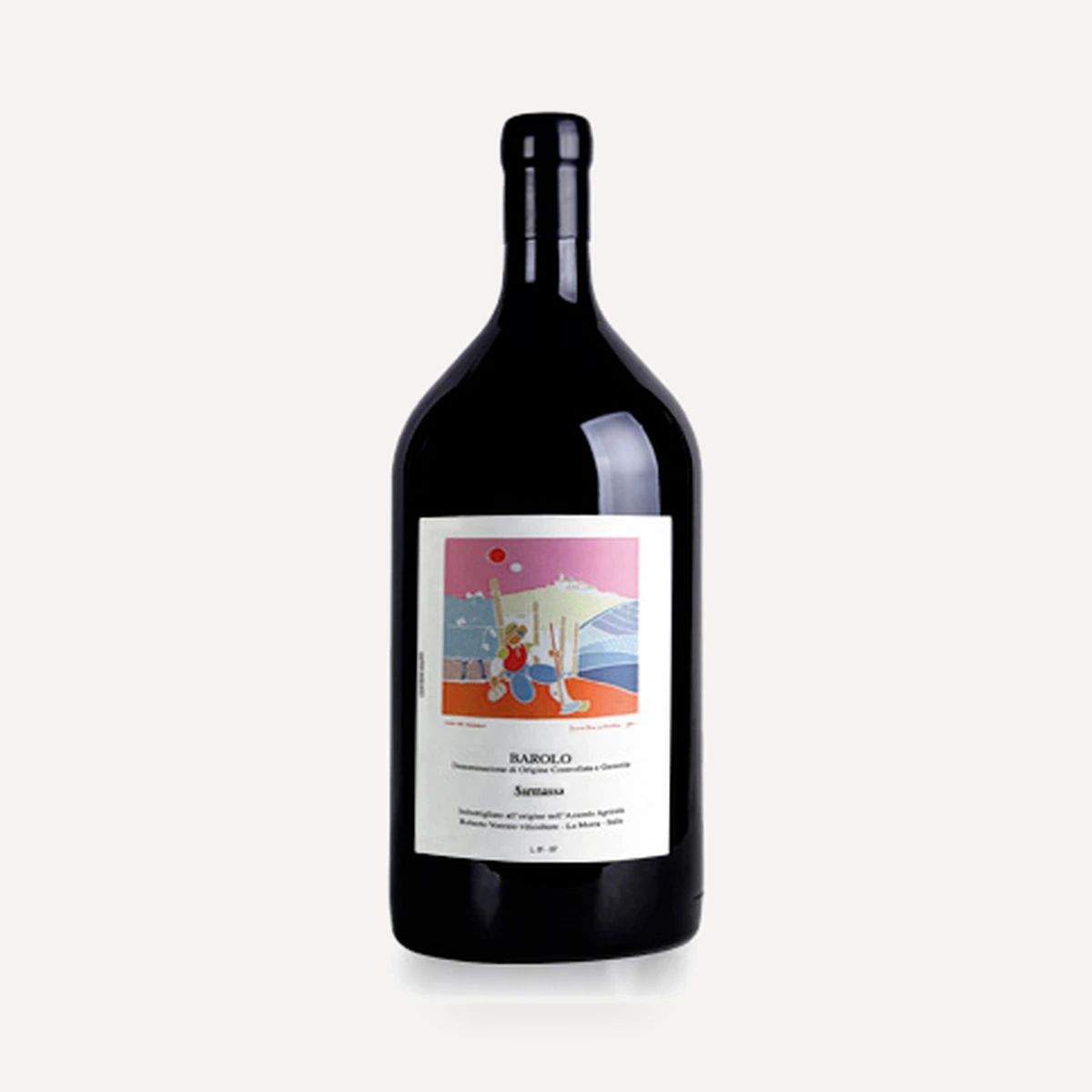
Barolo Sarmassa