Storia
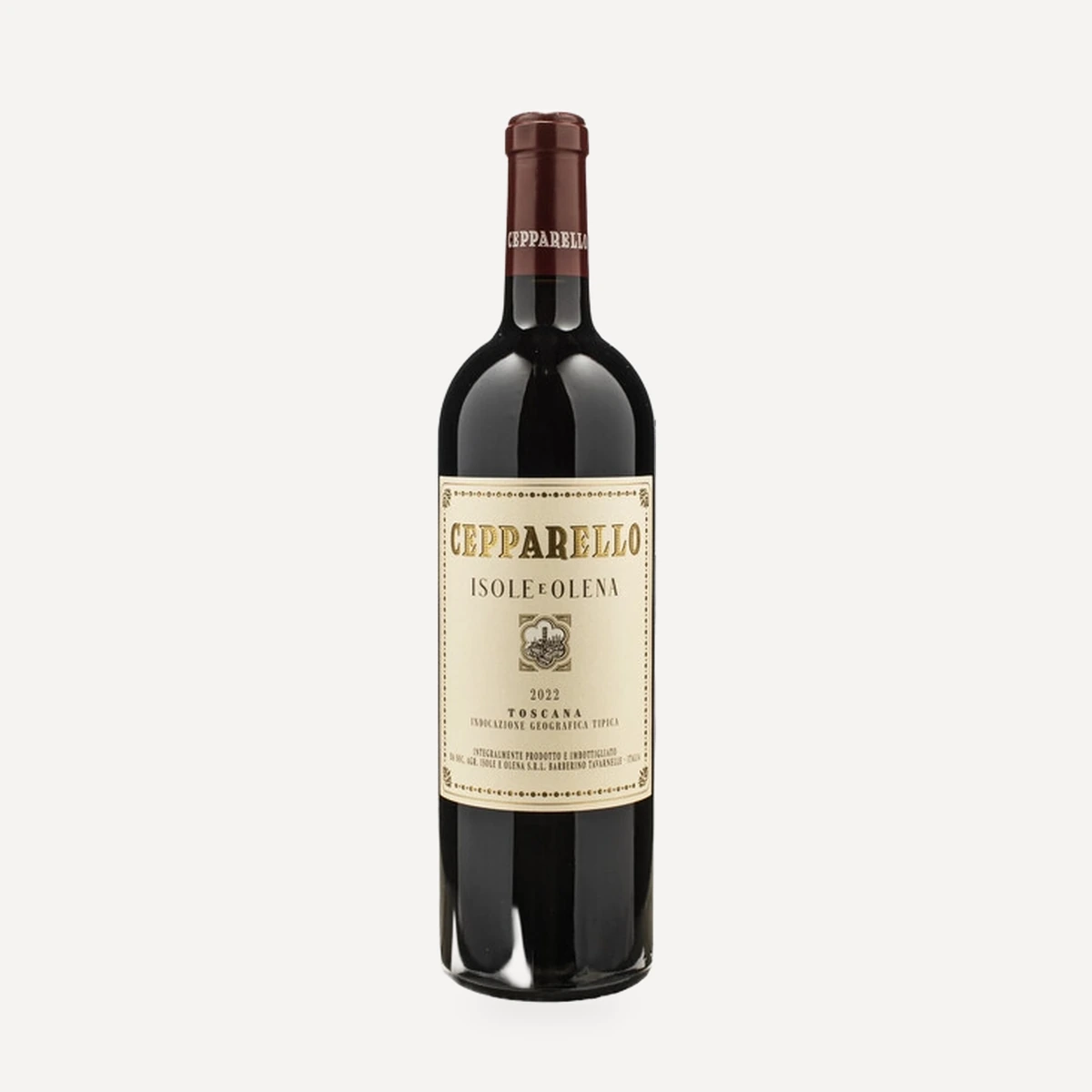
Origins\nThe earliest written record of the village of Isole dates from the 12th century, when winegrowing was just beginning in the region. Both the Isole and Olena estates have histories stretching back hundreds of years.\n\n### 1950s: Founding of the estate\nIsole e Olena was established in the 1950s, when the neighbouring estates of Isole and Olena were bought and brought together by the aristocratic De Marchi family. After acquiring the properties, the new owners planted vineyards and expanded the cellars.\n\n### 1976 onward: Paolo De Marchi takes charge\nThe estate has been managed since 1976 by Paolo De Marchi, a fourth-generation winemaker. Paolo studied oenology at the University of Turin and spent six months training in California, studying the development of its wine culture. In the early 1980s he worked at the Experimental Institute of Oenology in Asti, Piedmont.\n\nDe Marchi set out to raise the estate's standards and make it one of the leading wineries in Chianti. Under his direction, the cellars were modernised and new vineyard plots were planted. The estate also continues to experiment with grape varieties and clones to find those best suited to each site.\n\nBy gradually reducing the proportion of white grapes in Chianti Classico, Paolo was able to make a full-bodied wine with good ageing potential instead of the traditionally light, young and tart style of Chianti. His experiments with Sangiovese led to the creation of the Super Tuscan Cepparello in 1980.\n\n### 2003: New winery\nA new winery was built on the estate, designed to a high technical and architectural standard.\n\n### Expansion to Piedmont\nPaolo De Marchi now also runs the family's historic Proprieta Sperino property in Piedmont, with the help of his eldest son, Luca.
Terroir
The estate lies in the western part of Chianti Classico, north of the village of Castellina. Its 49 hectares of vineyards sit 350–450 metres above sea level, mainly on stony clay and limestone soils.
Vinificazione
New vineyard plots have been planted under Paolo De Marchi's direction, and the estate continues to experiment with grape varieties and clones to find those best suited to each site. The proportion of white grapes traditionally used in Chianti Classico has been gradually reduced in favour of a fuller-bodied style with better ageing potential.
The cellars have been modernised under Paolo De Marchi's direction. A new winery, built in 2003, was designed to a high technical and architectural standard. Alongside Chianti Classico, the estate produces the Super Tuscan Cepparello (created in 1980), single-variety wines from Cabernet Sauvignon, Syrah and Chardonnay under the Collezione De Marchi label, and Vin Santo made using a fairly complex traditional method.
Filosofia
De Marchi set out to raise Isole e Olena's standards and make it one of the leading wineries in Chianti, seeking a full-bodied Chianti Classico with good ageing potential in place of the traditionally light, young and tart style.
Vini
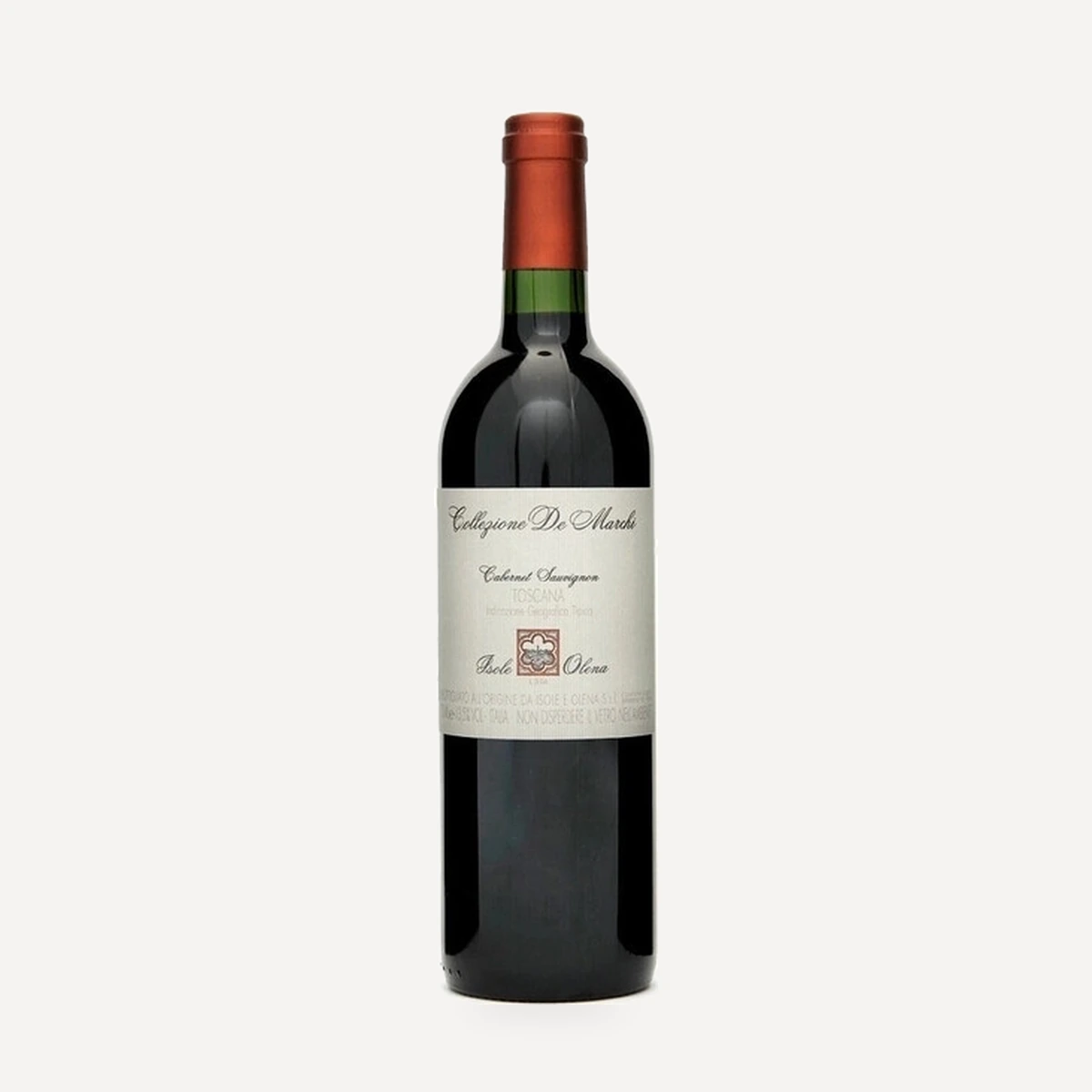
Collezione De Marchi Cabernet Sauvignon Toscana IGT
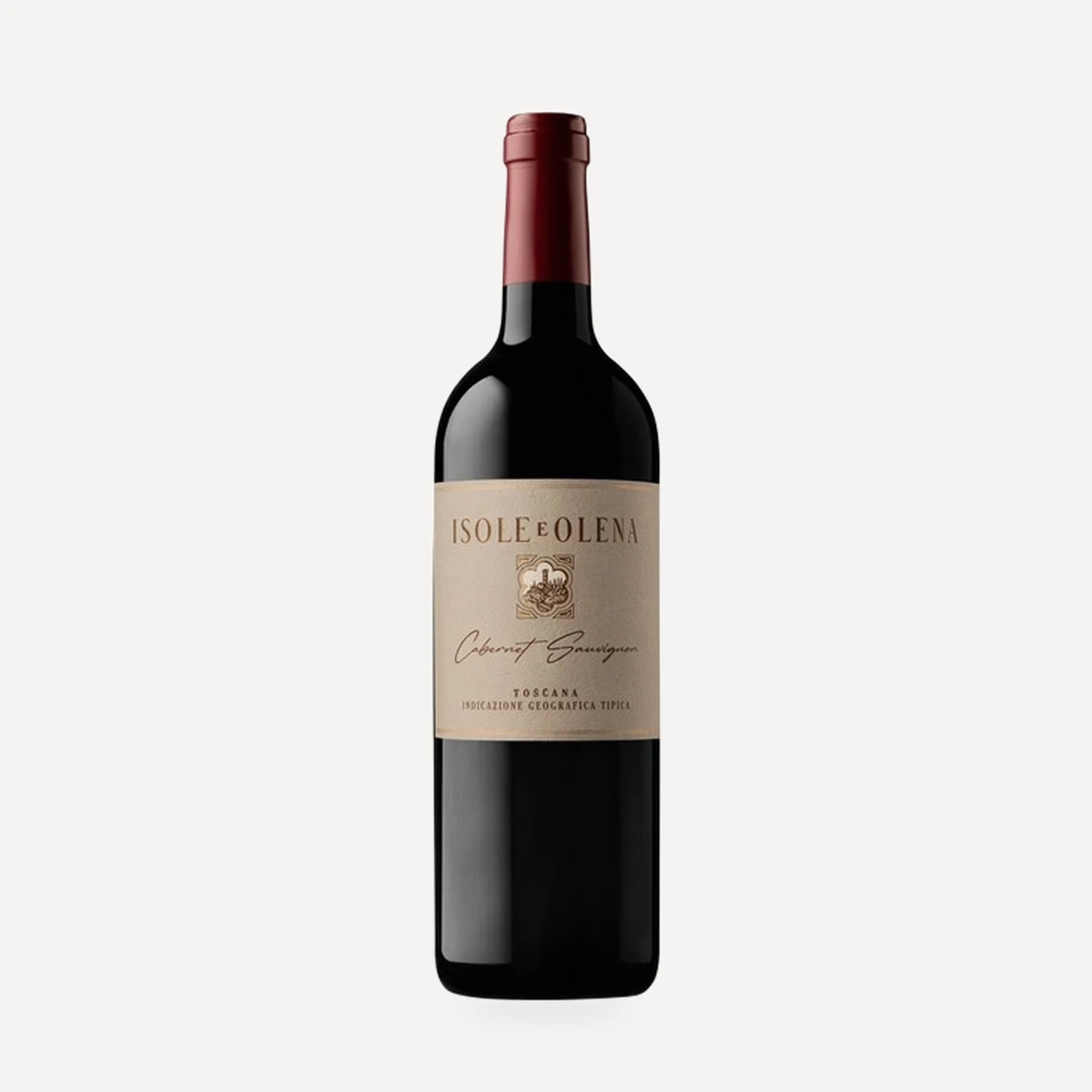
Cabernet Sauvignon Toscana IGT
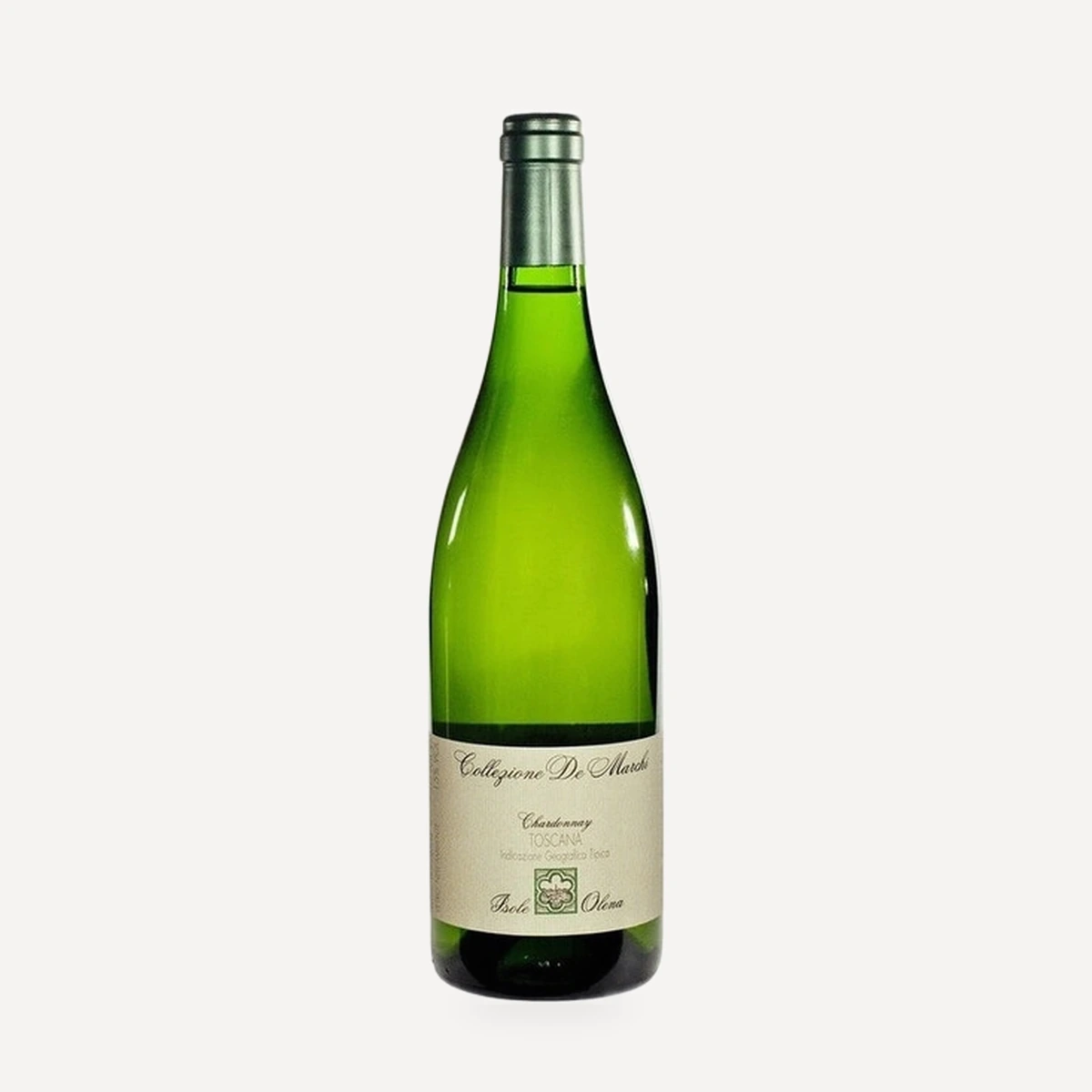
Collezione De Marchi Chardonnay Toscana IGT
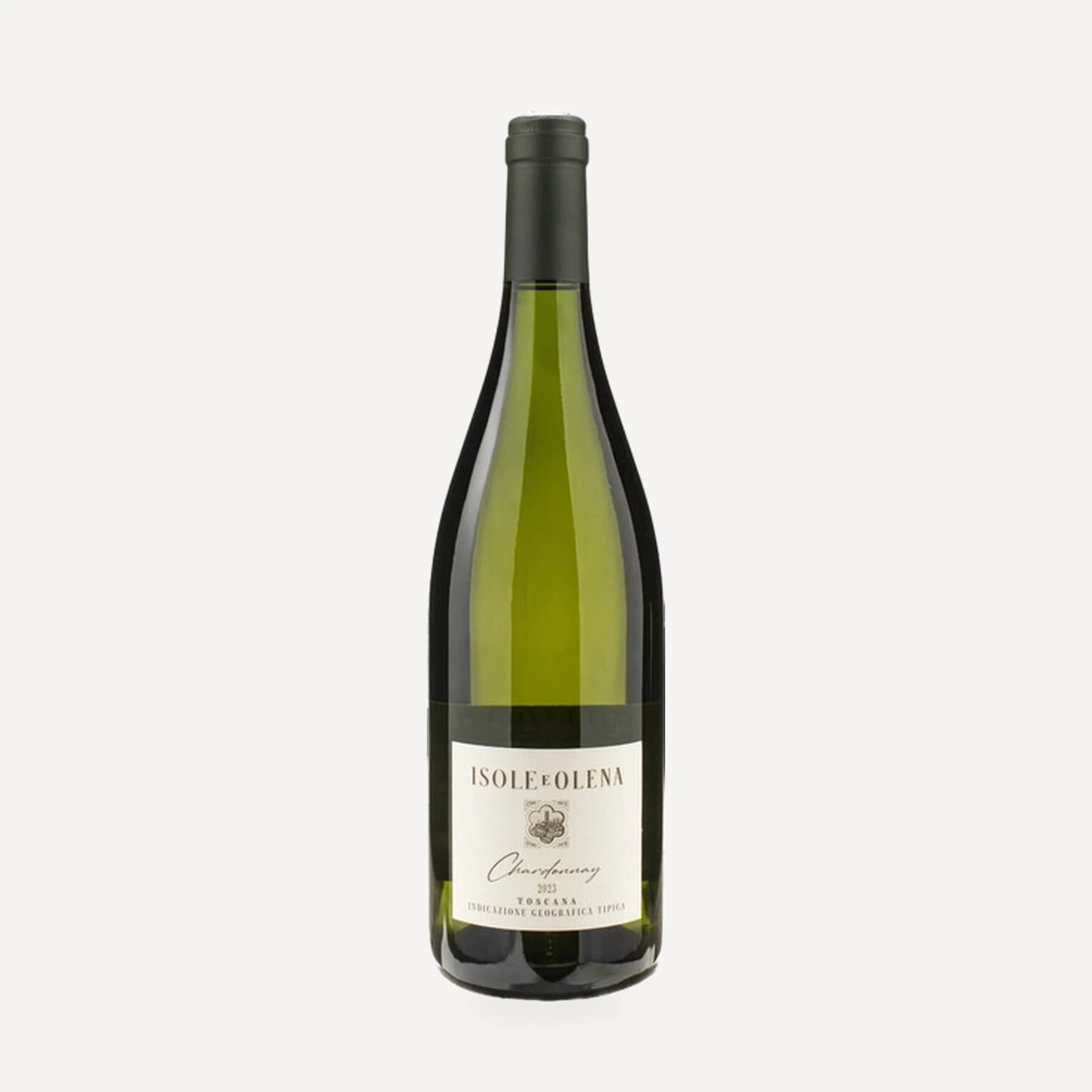
Chardonnay Toscana IGT
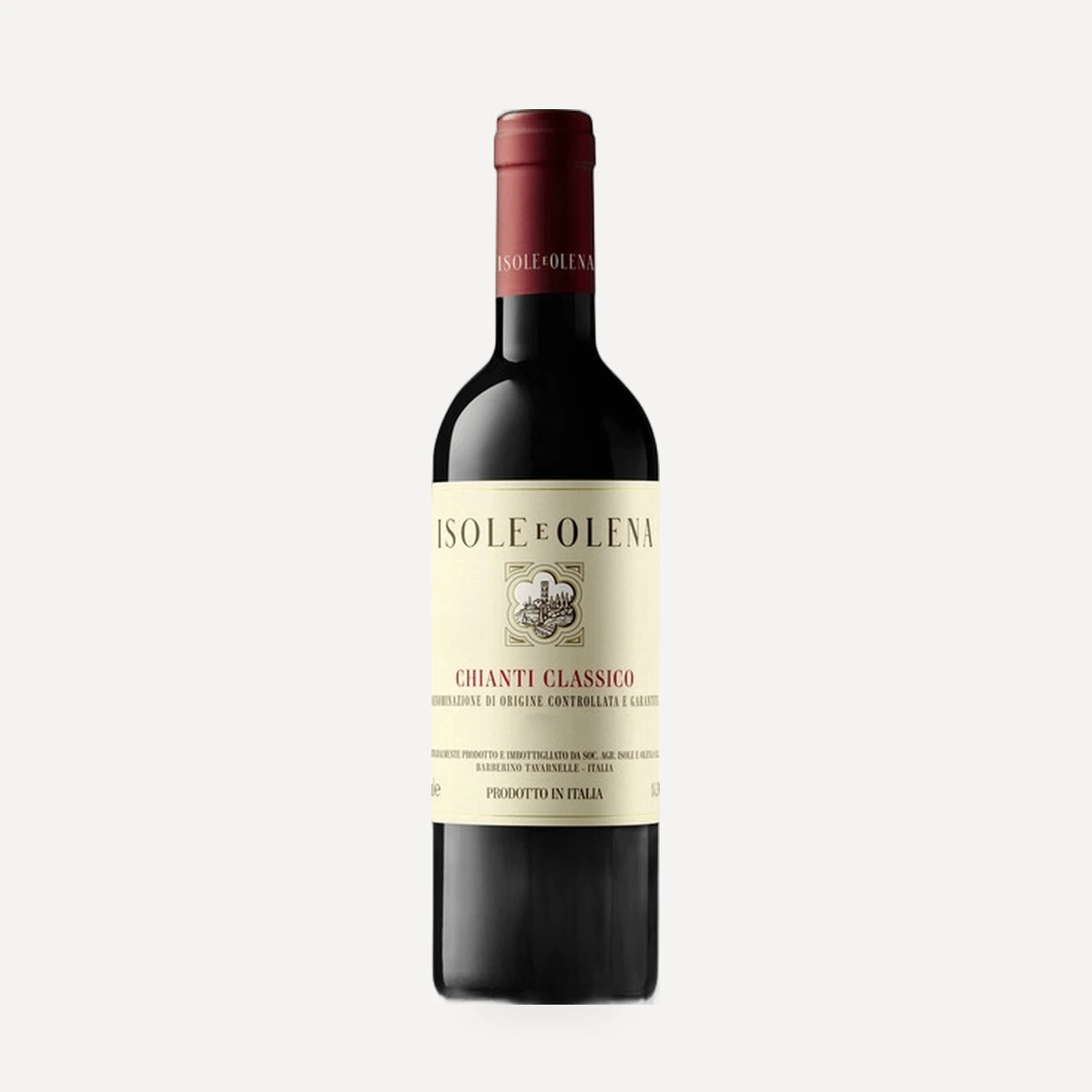
Chianti Classico DOCG
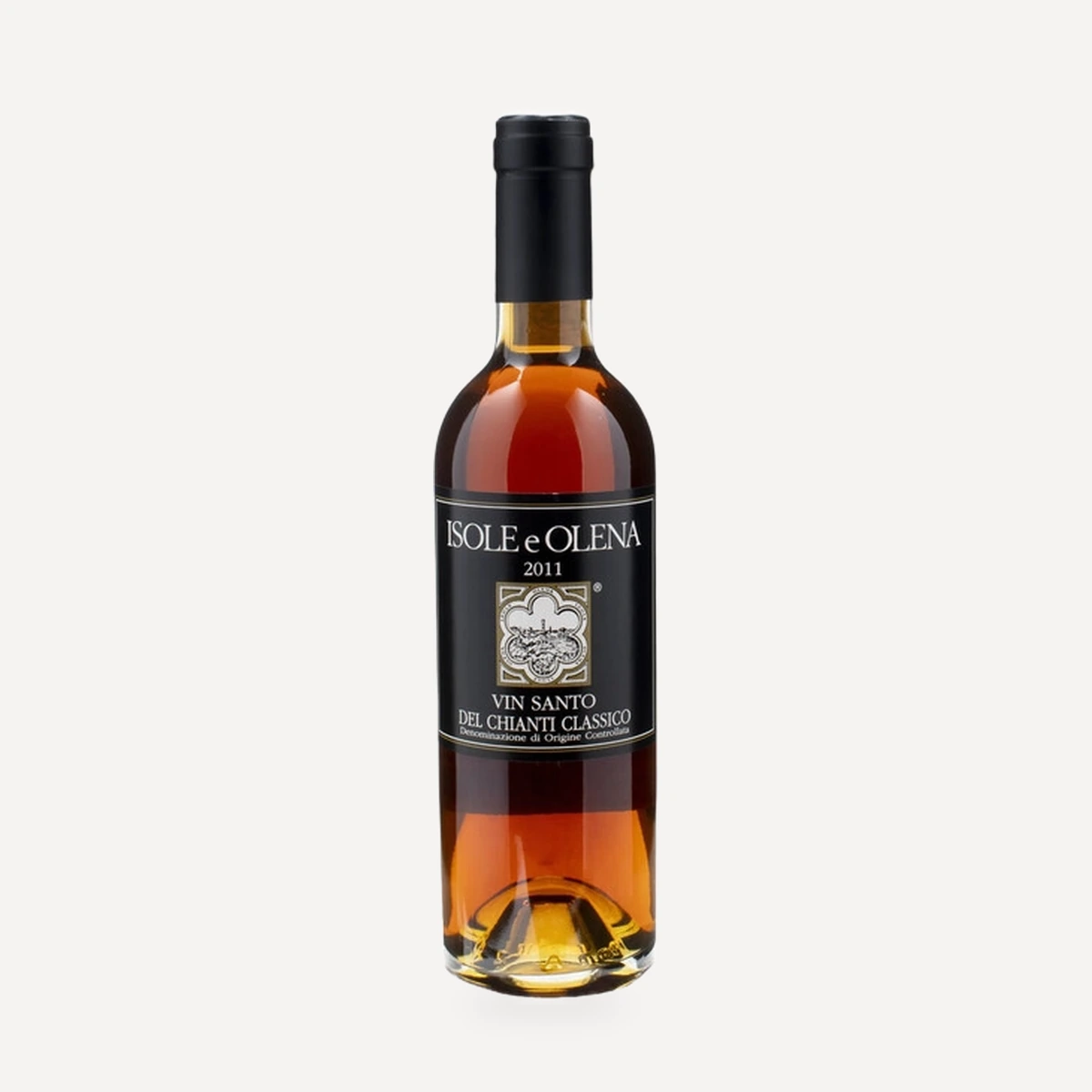
Vin Santo del Chianti Classico DOC
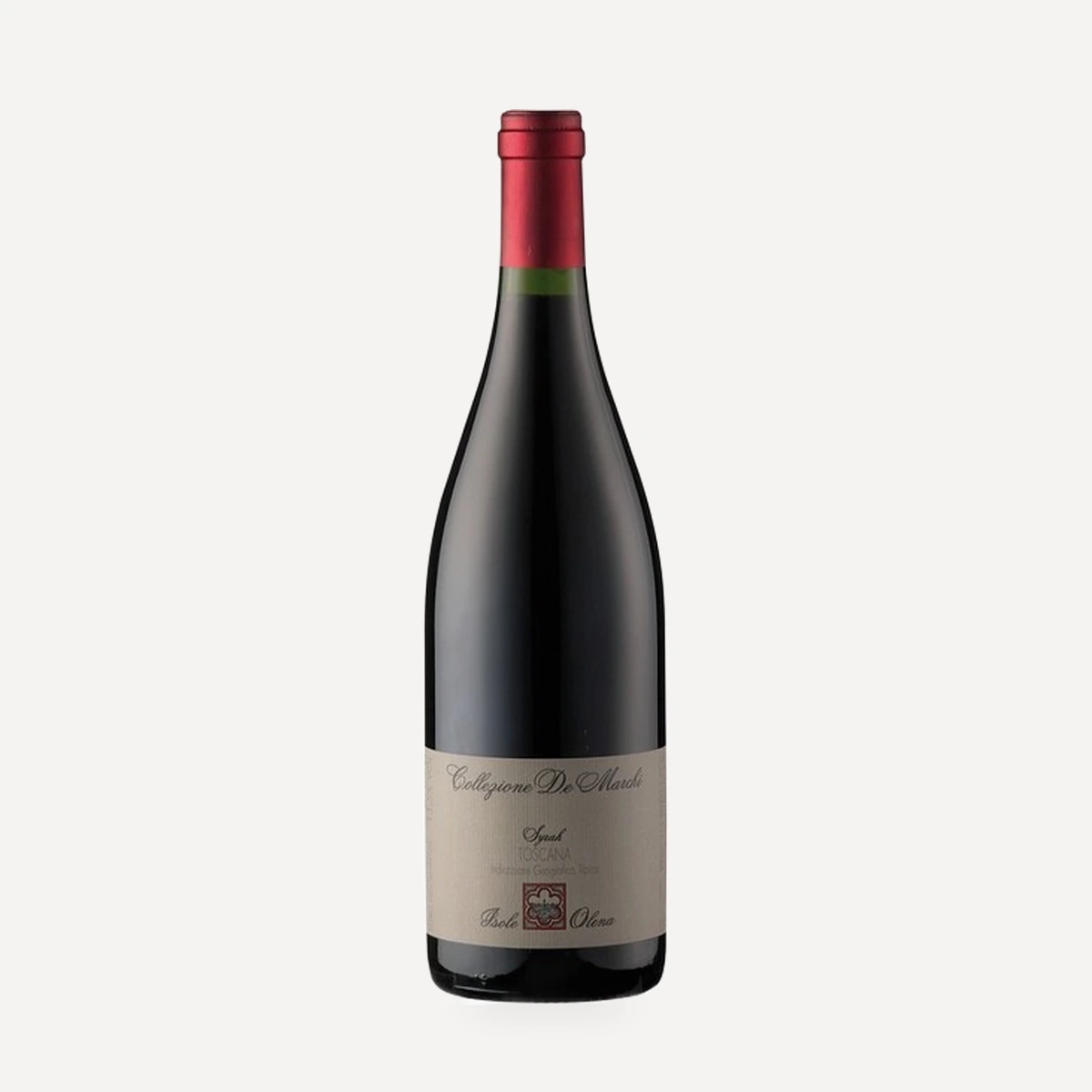
Collezione De Marchi Syrah Toscana IGT
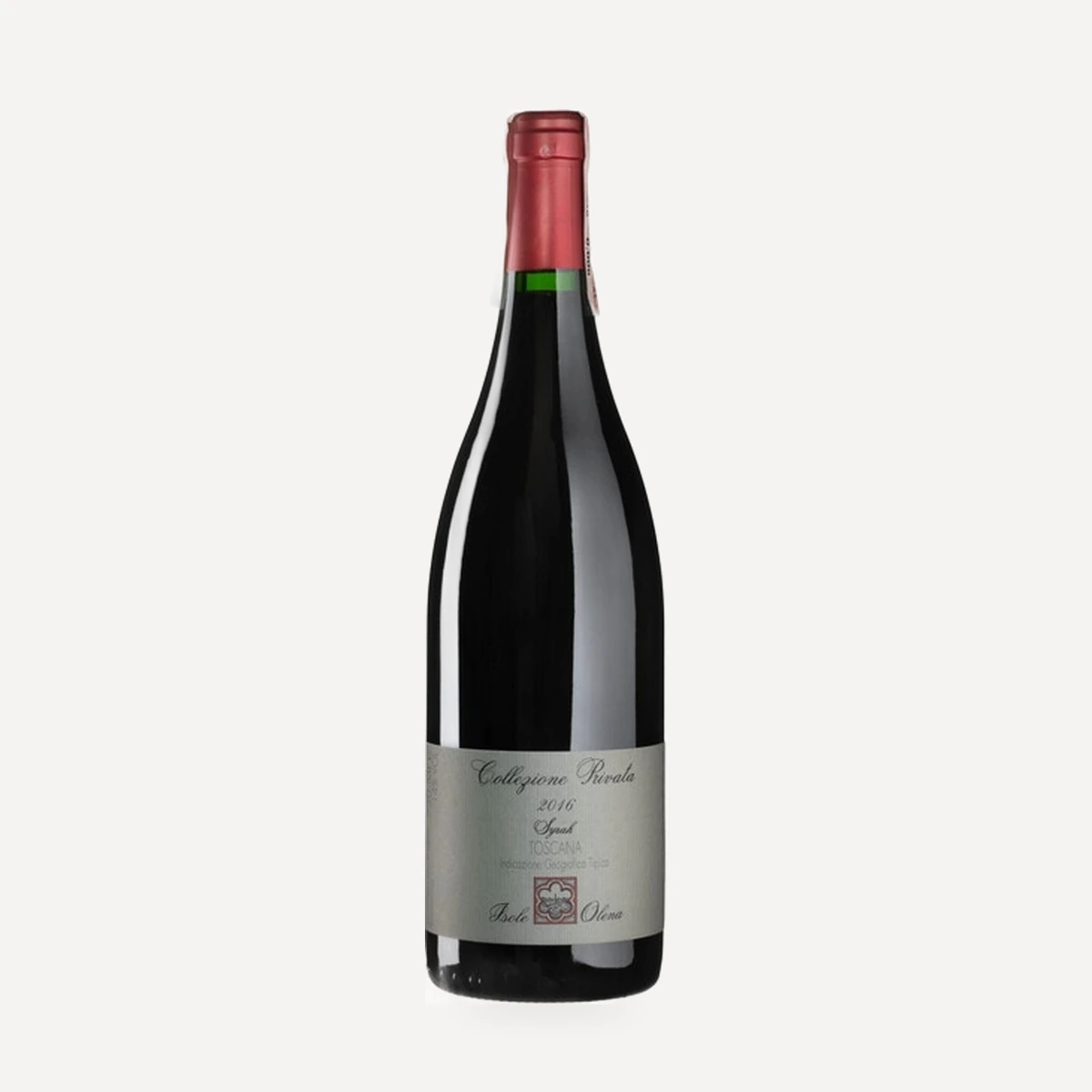
Collezione Privata Syrah Toscana IGT
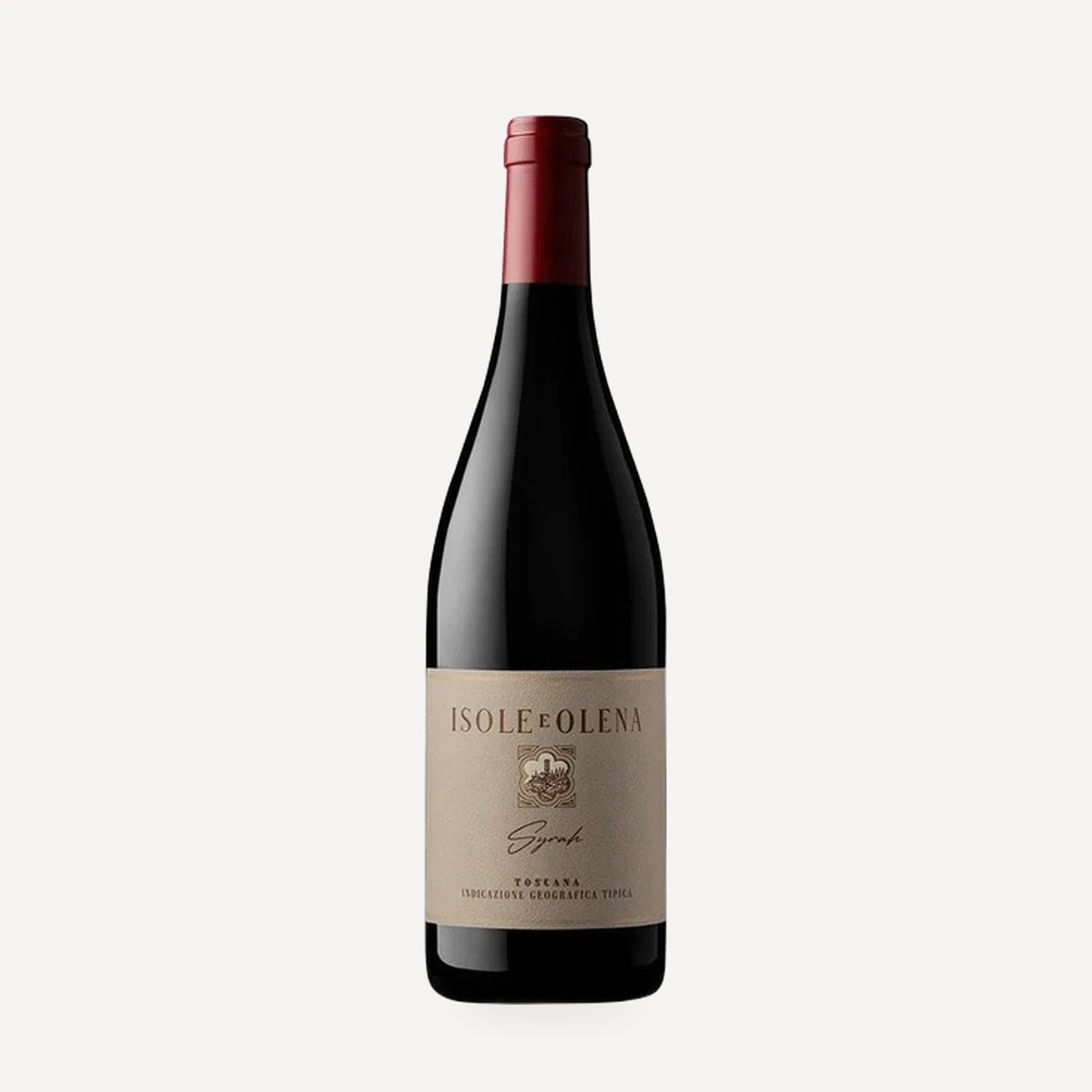
Syrah Toscana IGT
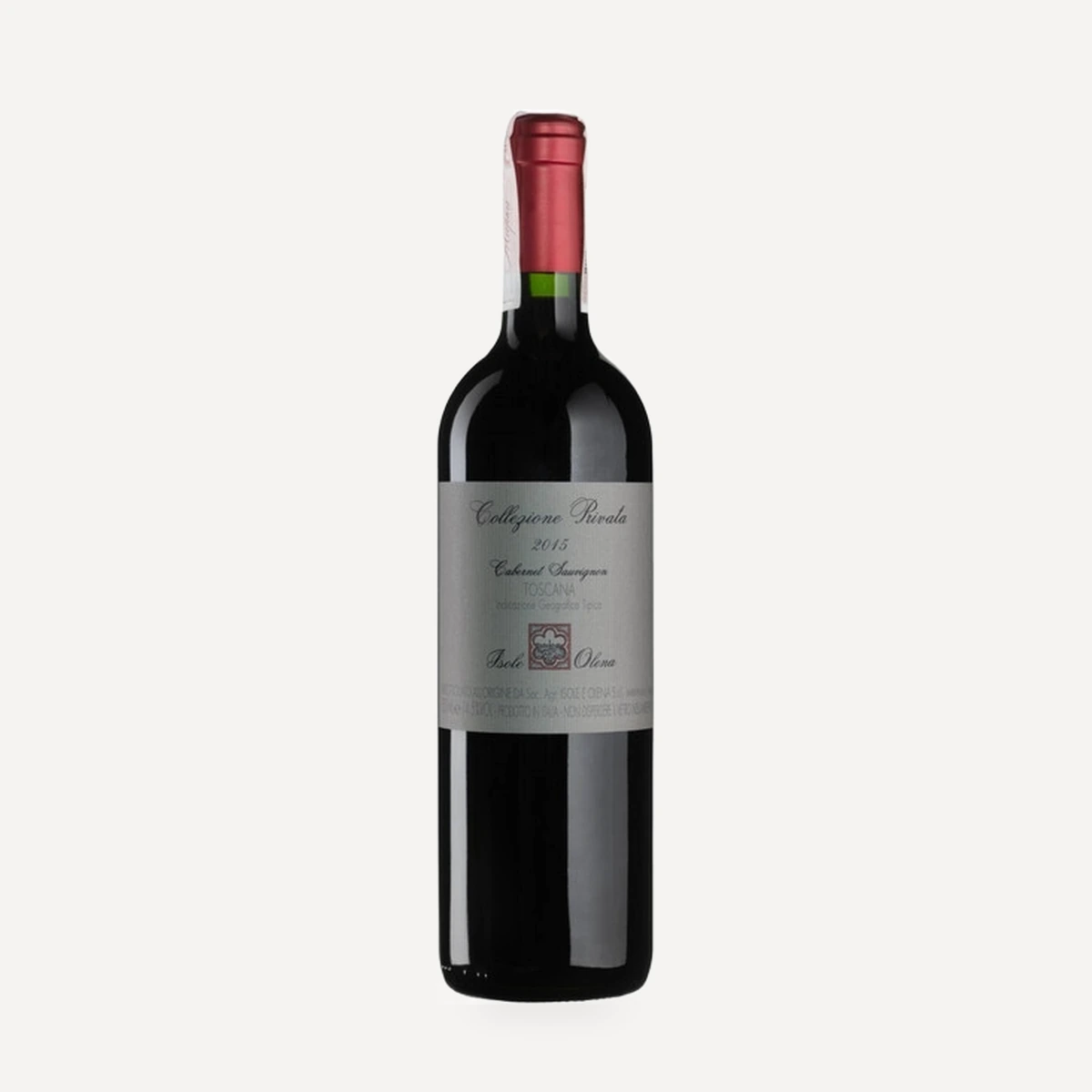
Collezione Privata Cabernet Sauvignon Toscana IGT