Storia
Rosazzo’s earlier wine culture
The estate’s story is rooted in the much older viticultural history of Rosazzo. According to local legend, the hermit Alemanno selected the hill of Rosazzo for prayer and meditation in the 9th century. Successive monastic orders then cultivated vines and olive trees there over many centuries.
The Abbey’s historic fabric includes a cellar dating to the late 12th century, now used for aging and described as the oldest aging cellar in Friuli. Another passage places the ancient cellar broadly in the 13th century. In 1483, the Venetian scholar Marin Sanudo recorded the quality of the wines made at Rosazzo.
Livio Felluga and the postwar restoration
Livio Felluga survived World War II and subsequently set about restoring Friuli’s abandoned hillside vineyards. His work revived land with a viticultural tradition extending back roughly a millennium and established the foundation of the modern estate. This pioneering postwar project earned him the description “patriarch of modern viticulture in Friuli.”
1956: the Geographical Map
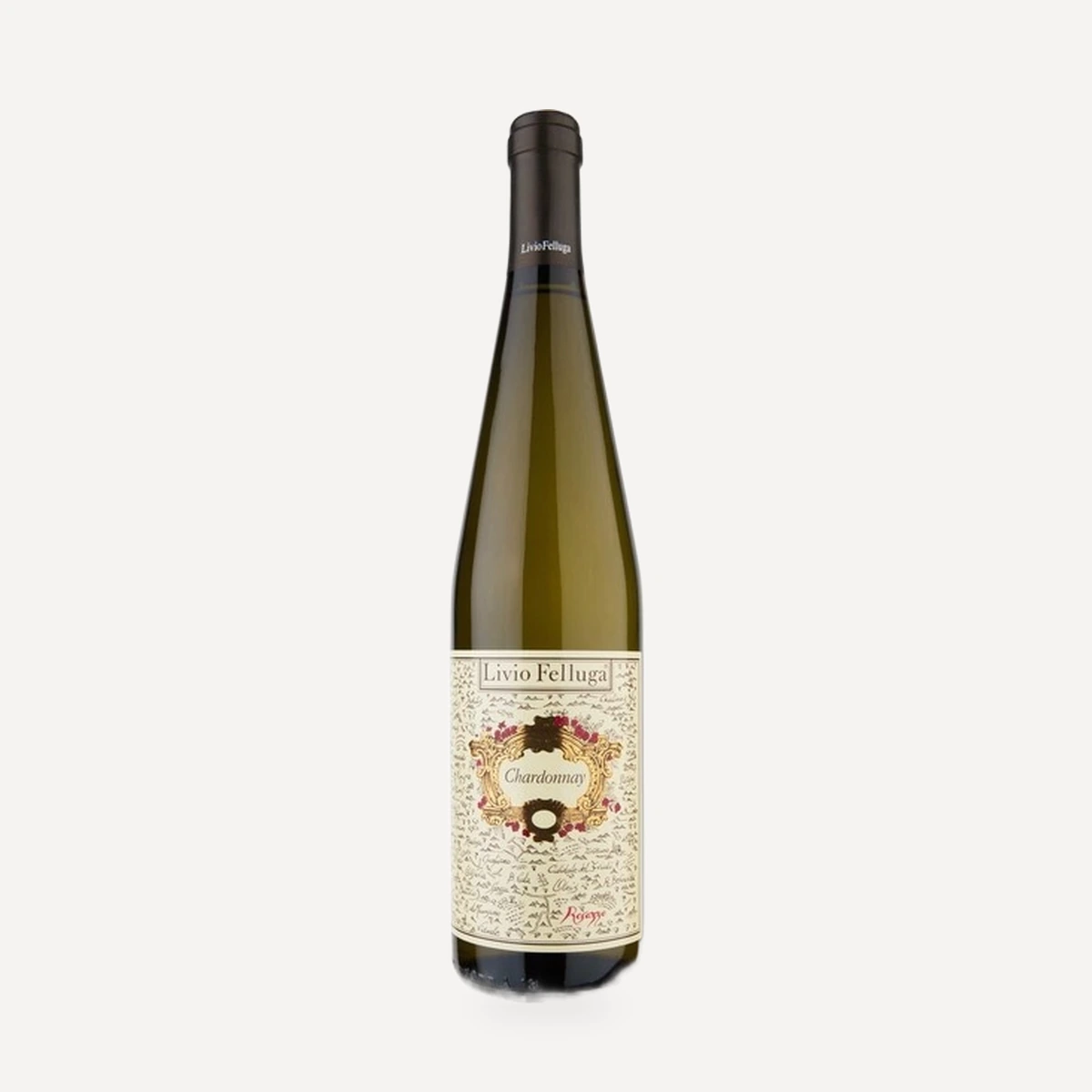
In 1956 Livio Felluga devised the estate’s first label, the Geographical Map. Inspired by an old topographical map of Friuli, it was intended to express the connection among the wines, their vineyards, the varieties and the people cultivating them. The design became the first concrete manifesto of his vision and remains the central emblem of the estate’s identity.
Historic plantings and individual parcels
In 1963, mass-selected Friulano vines were planted in the parcel associated with the farmer known as Sigar, a nickname derived from his fondness for smoking. These vines remain in production.
A mass selection of Sauvignon was planted in the Potentilla vineyard in 1975. Its name refers to the small yellow wildflower found on the hills and combines Latin roots interpreted as “great power” within a small flower.
The Curubella Pinot Grigio cru was planted in 1981 at the foot of a rounded hill—a landform called curubella in the local dialect. The same year marked the creation of Terre Alte, based on estate-grown Friulano, Pinot Bianco and Sauvignon from the historic Terre Alte vineyards at Rosazzo.
In 1983, a mass selection of the indented-leaf Pignolo biotype was planted beneath the wall of the Ancient Belvedere. This planting formed part of Pignolo’s recovery at Rosazzo after the low-yielding variety had approached extinction in the late 19th century.
Family creations
Sossò was created in 1989 from fruit grown in old Rosazzo vineyards. Its name comes from the small Sossò stream running below the hill where the grapes grow.
In 1998, Livio Felluga’s children created illivio for their father’s 85th birthday. The wine was conceived as a family tribute, reflecting the strength and elegance they associated with the family patriarch.
The contemporary estate and Rosazzo Abbey
The estate now comprises a 242-hectare mosaic, including 187 hectares of vines divided among more than 300 parcels, together with woodland, olive groves and other biodiverse landscapes. Fourteen grape varieties—some derived from old mass selections—support a portfolio of 19 wines.
The family continues to tend the historic vineyards and olive groves of Rosazzo Abbey, as well as its ancient western tower. Selected parts of the complex have been restored. In May 2025, new hospitality and tasting spaces opened inside the Abbey, alongside the winemaking and historic aging cellars.
Terroir
Livio Felluga’s holdings form a 242-hectare mosaic in the Friulian hills and the Rosazzo area of Friuli Venezia Giulia. Vineyards account for 187 hectares and are divided into more than 300 parcels, interspersed with woodland, olive groves and other habitats that contribute to a biodiverse landscape.
Rosazzo is the estate’s historic center. Its vineyards occupy hills associated with an uninterrupted viticultural tradition cultivated over centuries by monastic communities. The Sossò stream runs below one of the historic vineyard hills, while Curubella lies at the foot of a rounded hill from which the parcel takes its dialect name. The Pignolo Eremita planting sits beneath the wall of the Ancient Belvedere.
The vineyard soils are composed of marl and sandstone of Eocene origin. The wider regional character is framed by the meeting of Mediterranean and Central European influences. Seasonal and climatic differences give each vintage an individual profile, while the varied parcels and complex ecosystems provide distinct expressions of place.
Vinificazione
The estate cultivates 187 hectares of vines across more than 300 individual parcels within a broader landscape of woodland, olive groves and habitats rich in biodiversity. Fourteen grape varieties express the diversity of the hills, and some vineyard material descends from old mass selections.
Long-lived plant material is central to the vineyard patrimony: the mass-selected Sigar Friulano dates from 1963, Potentilla Sauvignon from 1975, Curubella Pinot Grigio from 1981 and the indented-leaf Pignolo biotype at Pignolo Eremita from 1983. These plantings preserve individual biotypes and distinct parcel identities.
Guyot and Cappuccina are both employed, depending on vineyard and variety. Grapes for the estate wines whose cultivation is described in detail are harvested manually when healthy and fully ripe. Small crates are used where specified to protect berry integrity. Picolit is picked selectively according to ripeness because partial flower fertilization leaves only a small number of highly concentrated berries in each bunch.
Rosazzo Abbey contains both an active winemaking cellar and the estate’s historic aging cellar. Dating to the late 12th century, the latter is described as the oldest aging cellar in Friuli. Bottled wines may continue their maturation in temperature-controlled storage cellars, supporting the estate’s emphasis on longevity.
Production is adapted to grape variety, parcel and intended expression rather than reduced to a single recipe. The portfolio demonstrates the use of temperature-controlled stainless steel, small oak casks, larger oak vessels, truncated-cone vats, 7-hectolitre terracotta jars and 10- and 17-hectolitre cocciopesto vessels. Depending on the lot, grapes may be destemmed, softly crushed and given a brief period of skin contact. Red fermentations can include maceration on the skins in stainless steel or truncated-cone vats.
Alcoholic fermentation may begin in steel before completion in oak, or take place directly in small casks. Malolactic fermentation is used selectively. Several white wines remain on their lees or yeasts to build creaminess, savoriness and aging capacity. Red wines may mature in small French-oak barrels, including second-use barriques for the long maturation of Pignolo. Terracotta is used to reinforce mineral expression, while cocciopesto vessels contribute texture and aromatic development. Bottle aging takes place under controlled conditions where specified.
Filosofia
The Geographical Map created by Livio Felluga in 1956 remains the estate’s guiding manifesto. Inspired by an old Friulian topographical map, it represents the connection between wine and origin through four inseparable elements: vineyards, varieties, the people who cultivate them and the wider Friulian landscape.
The family frames its work around authenticity, the protection and expression of diversity and a sustained pursuit of quality. Distinct parcels, old vines and mass-selected plant material are treated as individual records of place and time rather than interchangeable sources of fruit.
Time is understood as an active partner. Each vintage retains the character created by its particular season and climate, while maturation reveals greater complexity and refinement. Longevity is consequently treated as a foundational value, beginning with patient vineyard decisions and respect for natural rhythms. Livio Felluga’s early confidence in the aging potential of white wines continues to shape the estate’s style.
Nature and human sensitivity are presented as complementary forces. The estate seeks wines that preserve their sense of place as they age, while its stewardship extends beyond vines to woodland, olive groves, centuries-old olive trees and the cultural fabric of Rosazzo Abbey.
Vini
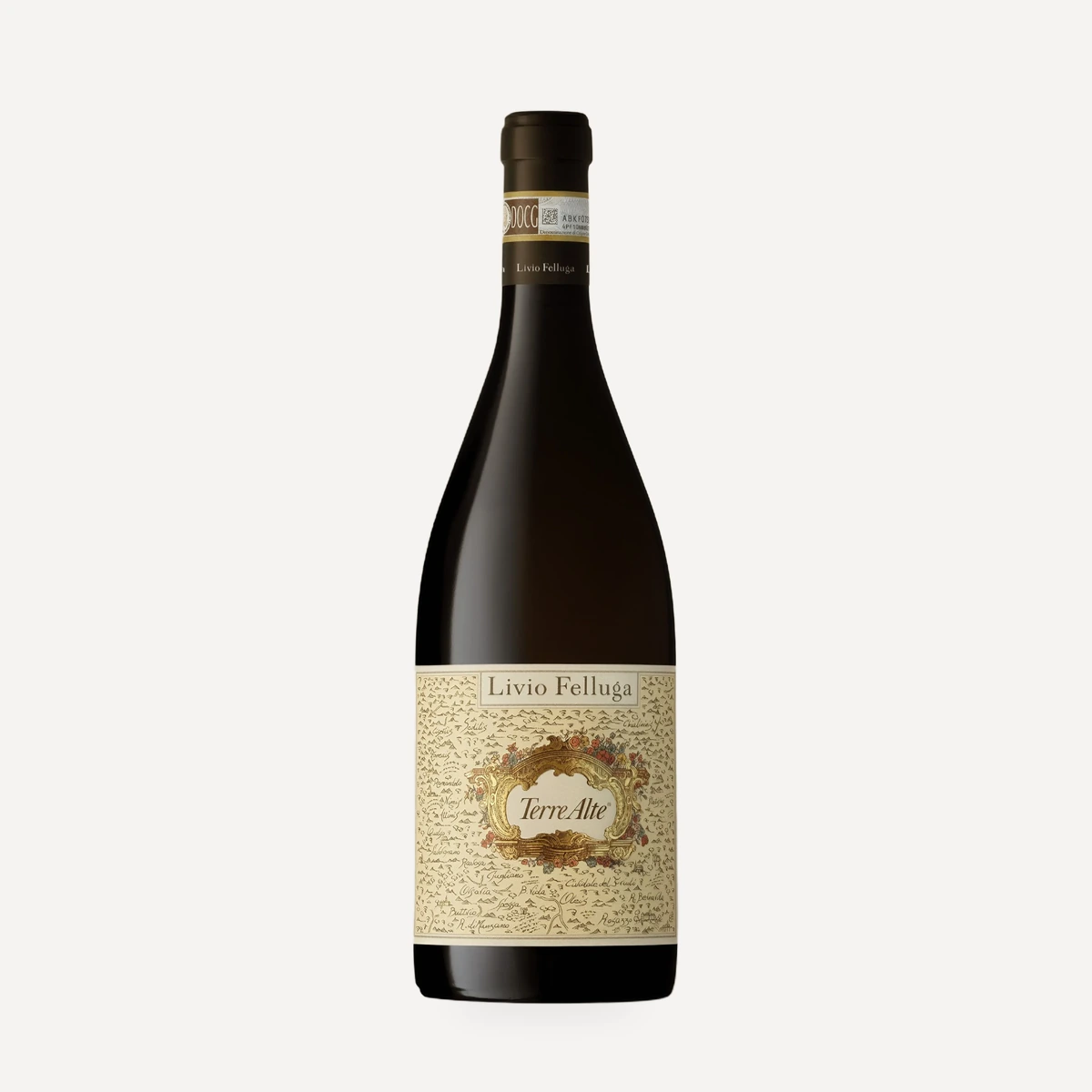
Terre Alte
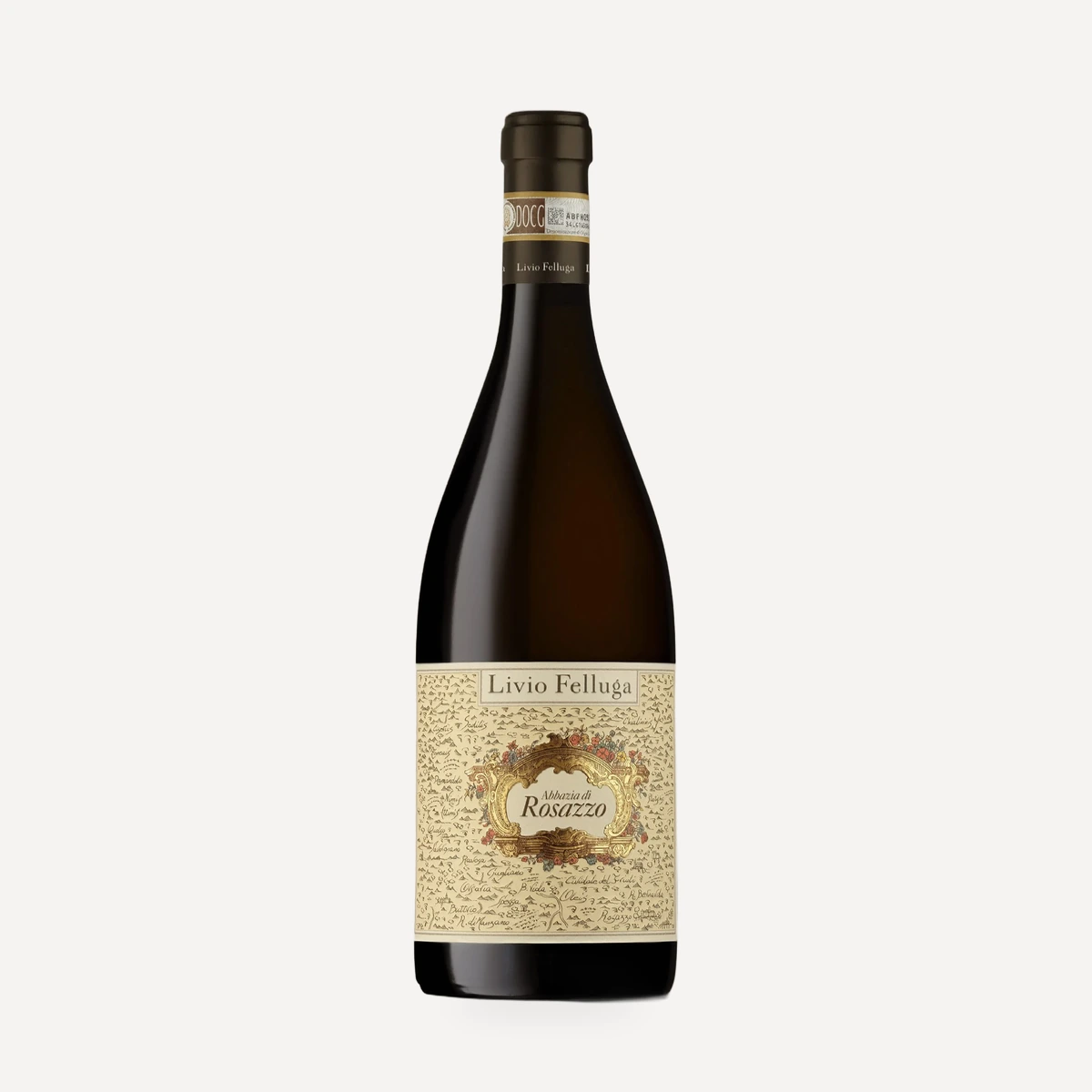
Abbazia di Rosazzo
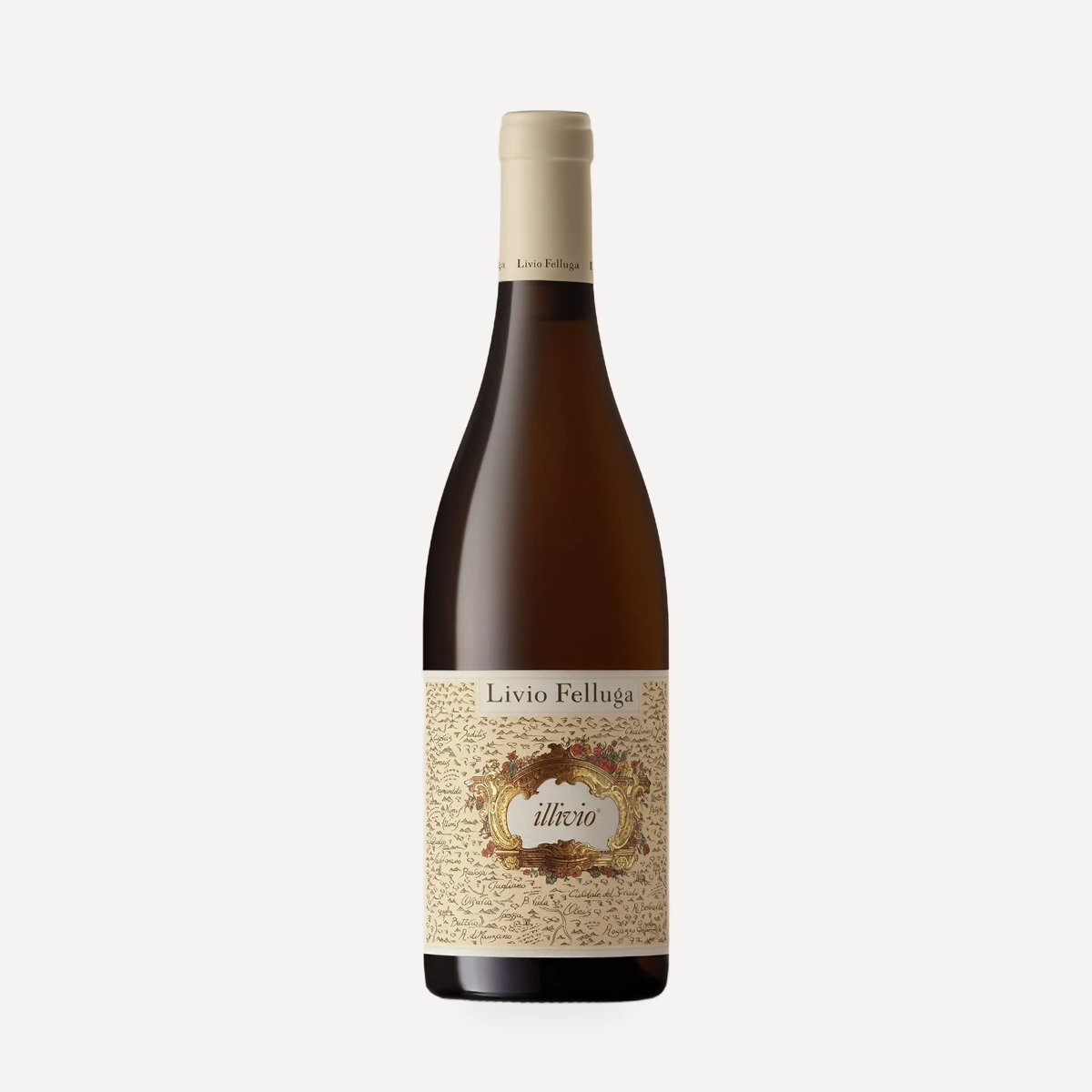
illivio
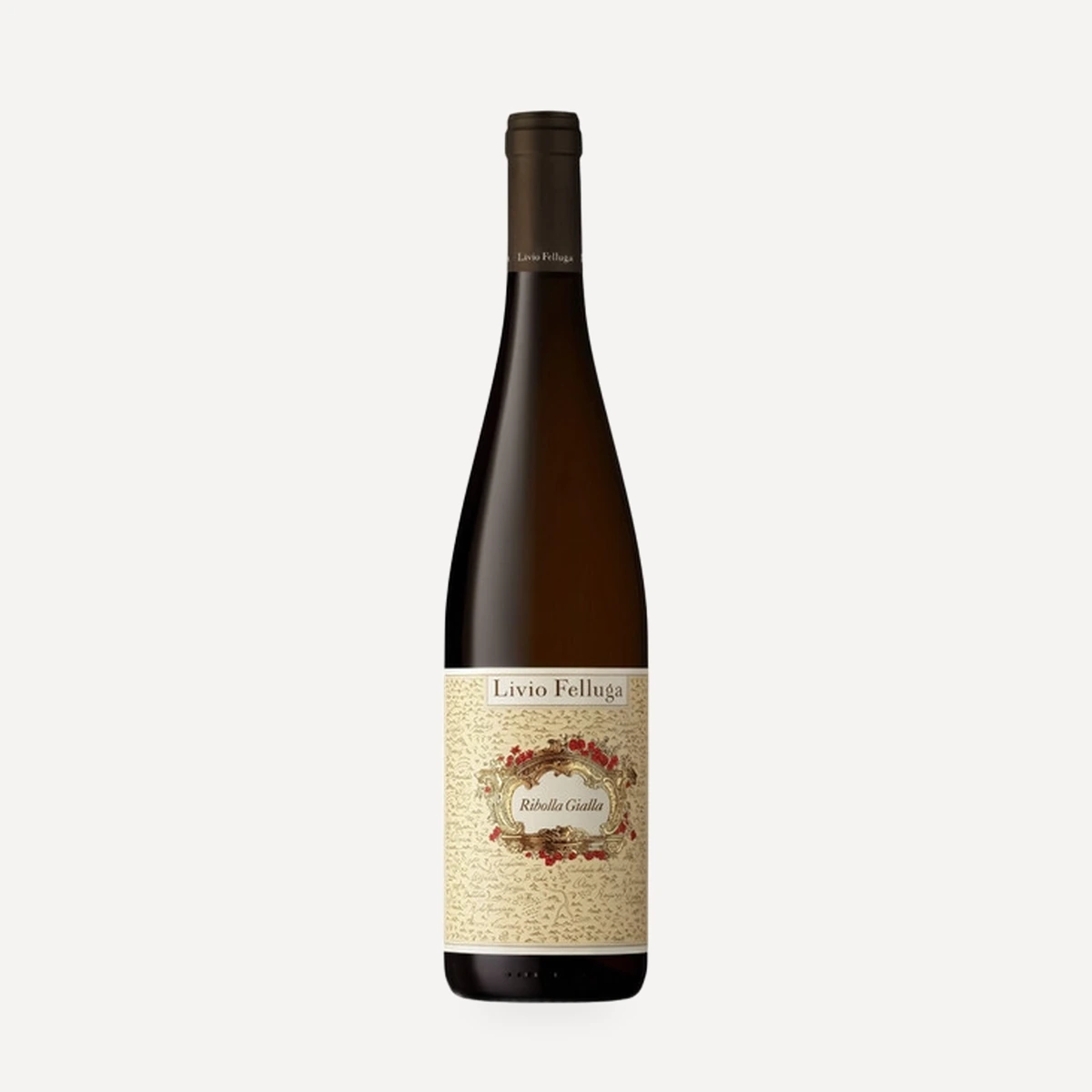
Ribolla Gialla
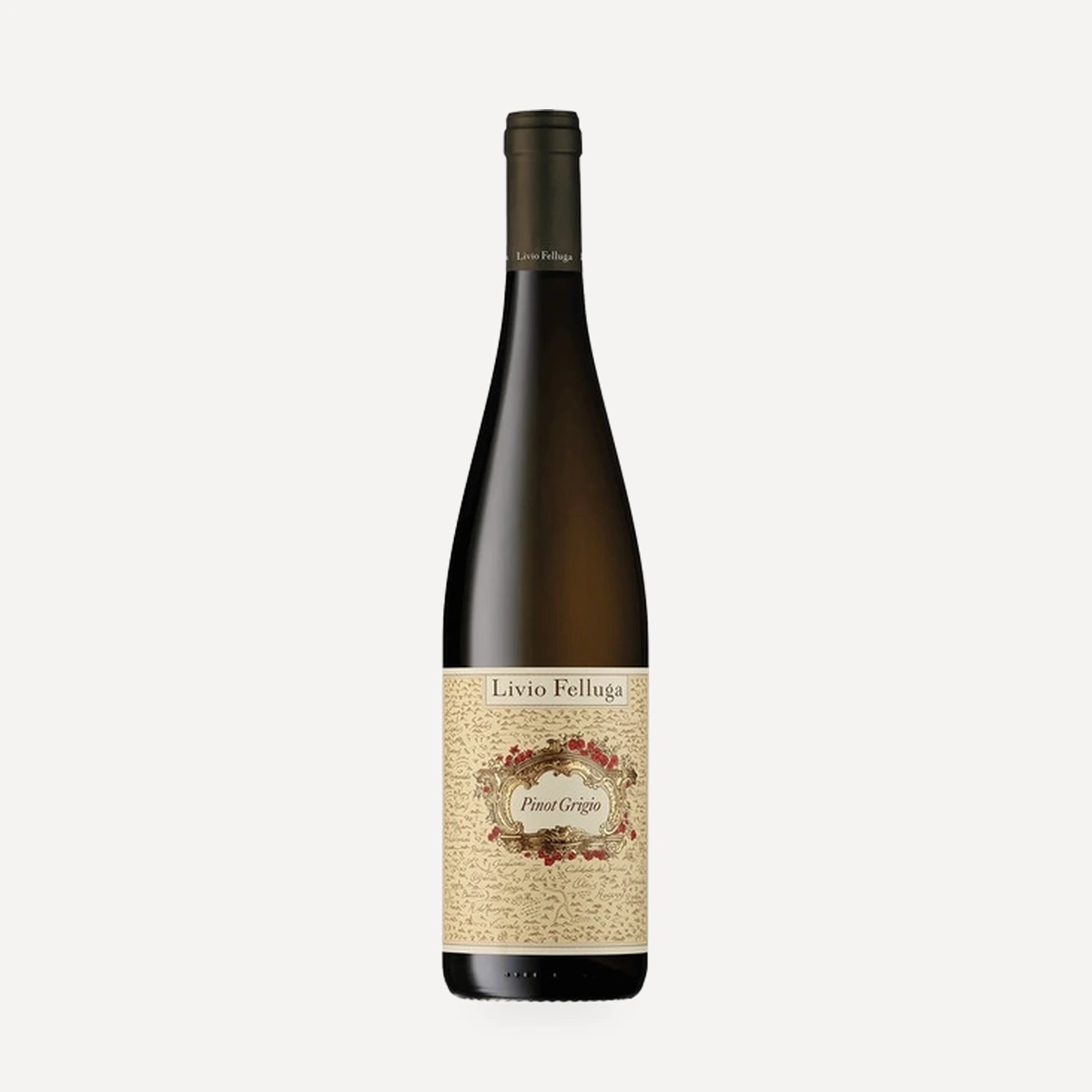
Pinot Grigio
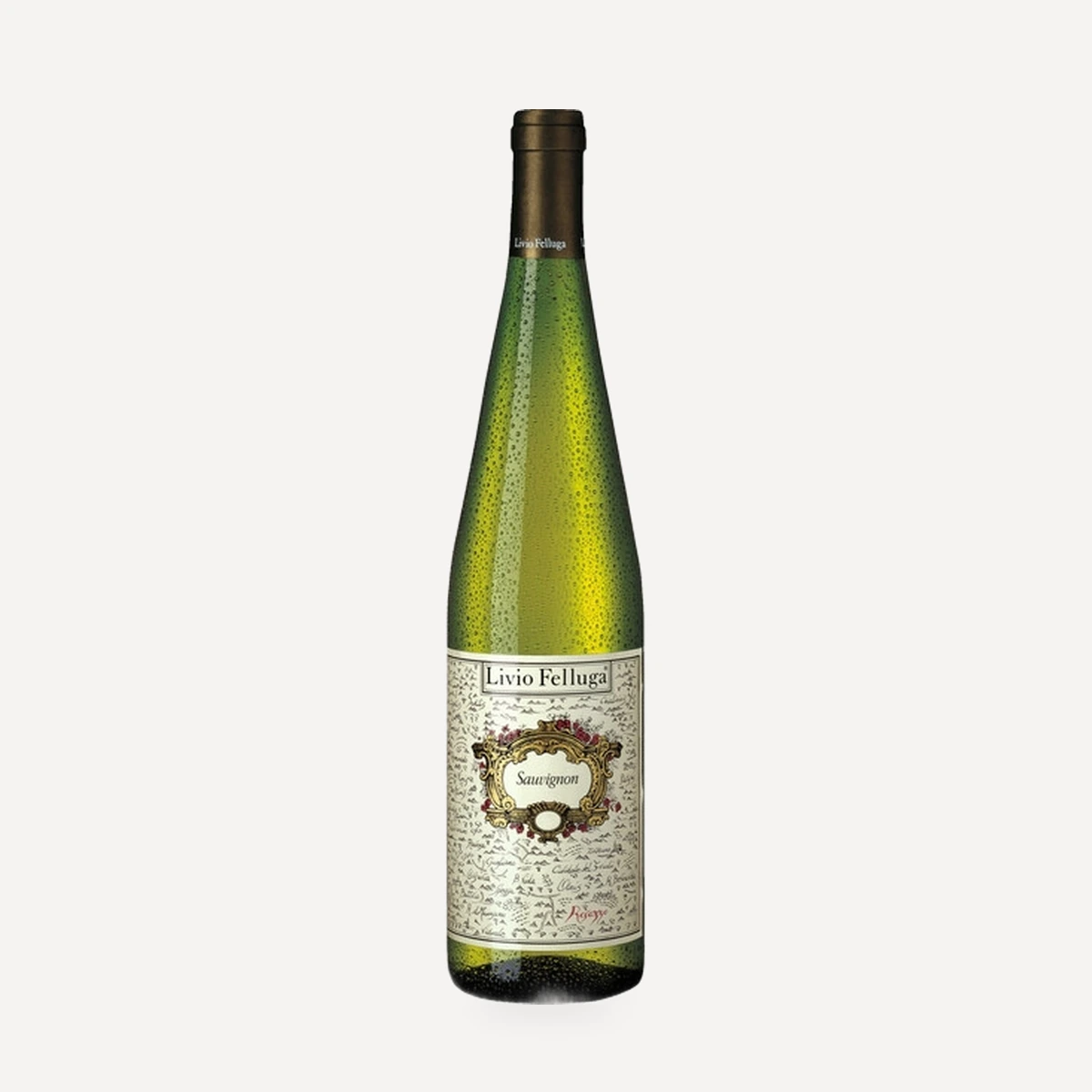
Sauvignon
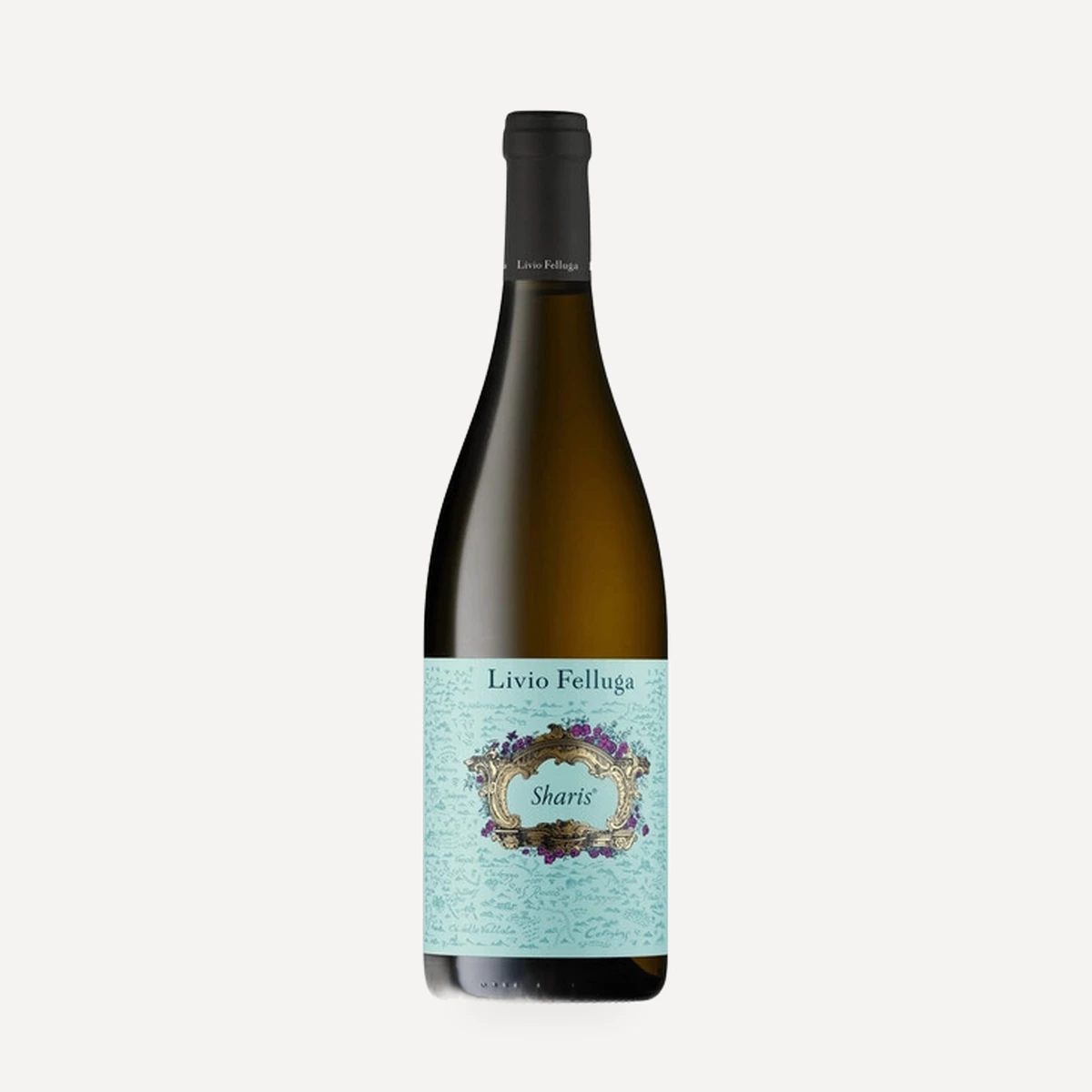
Sharis
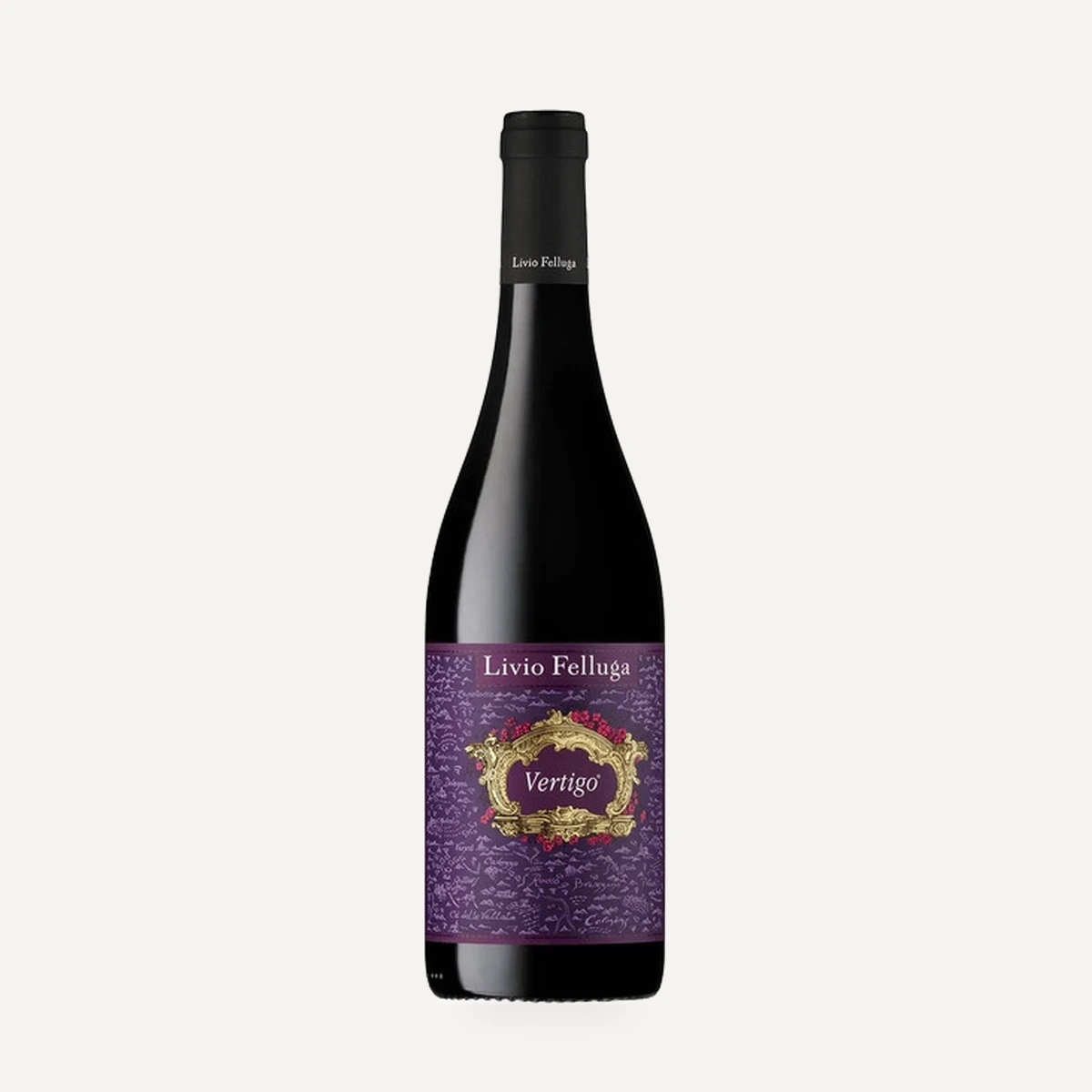
Vertigo
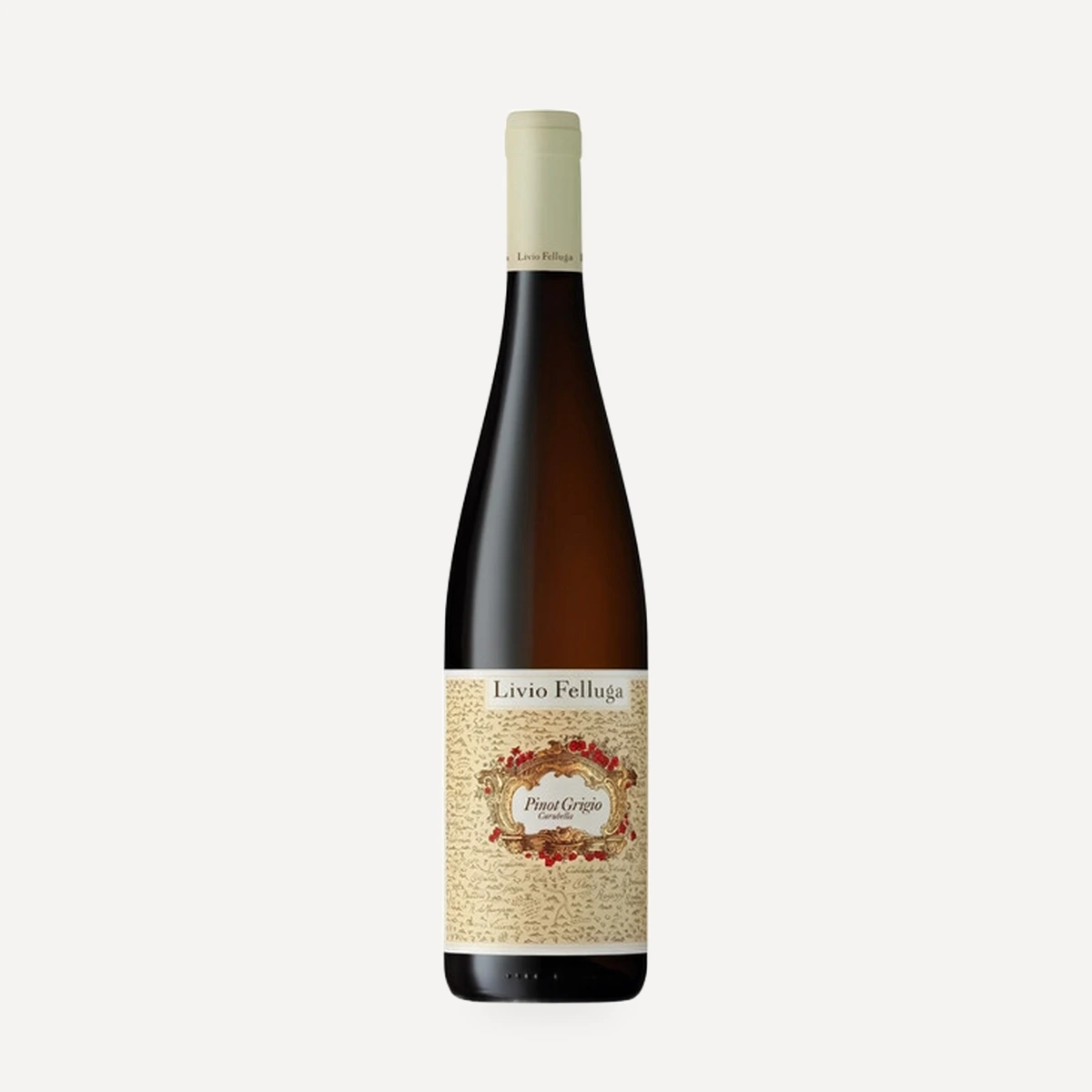
Pinot Grigio Curubella
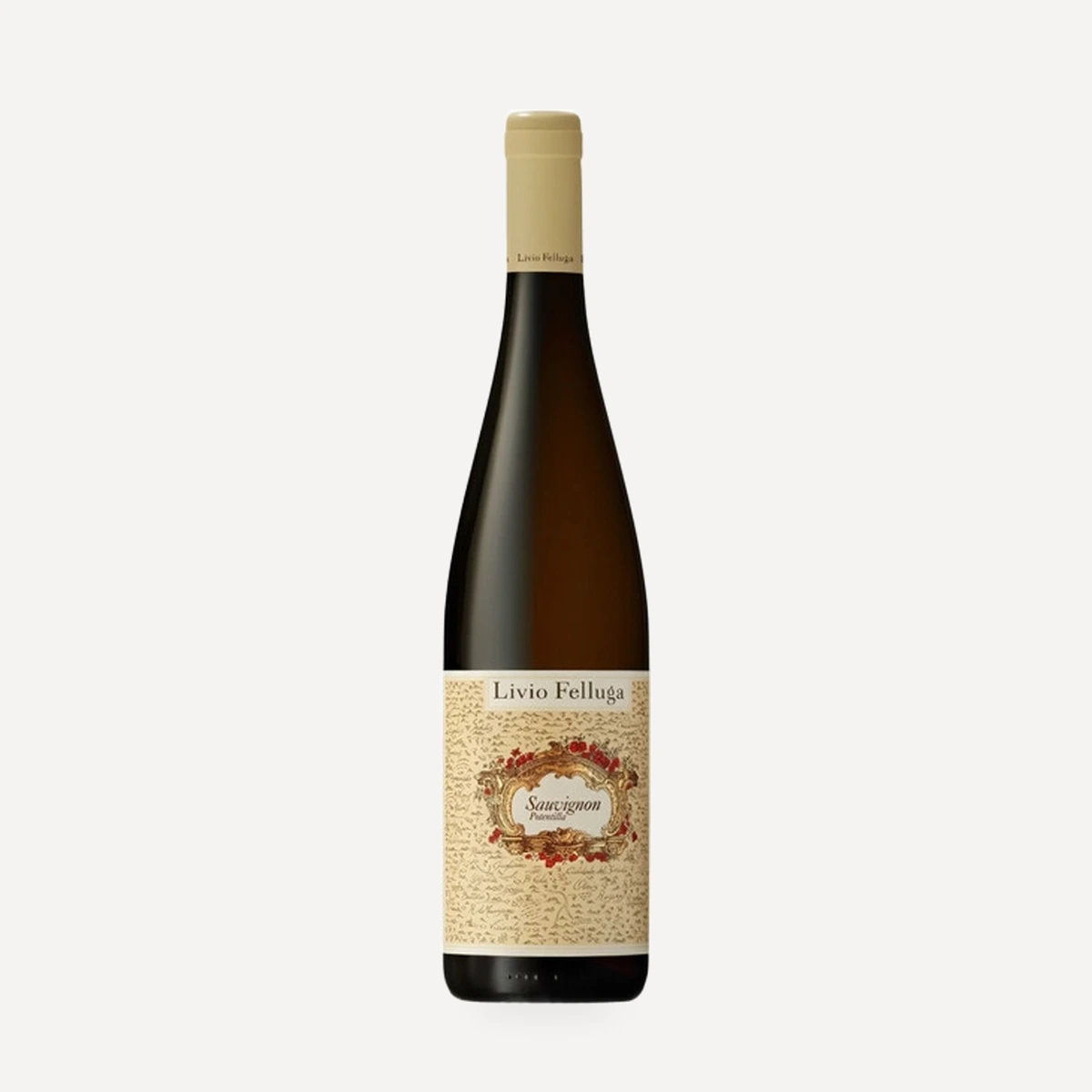
Sauvignon Potentilla
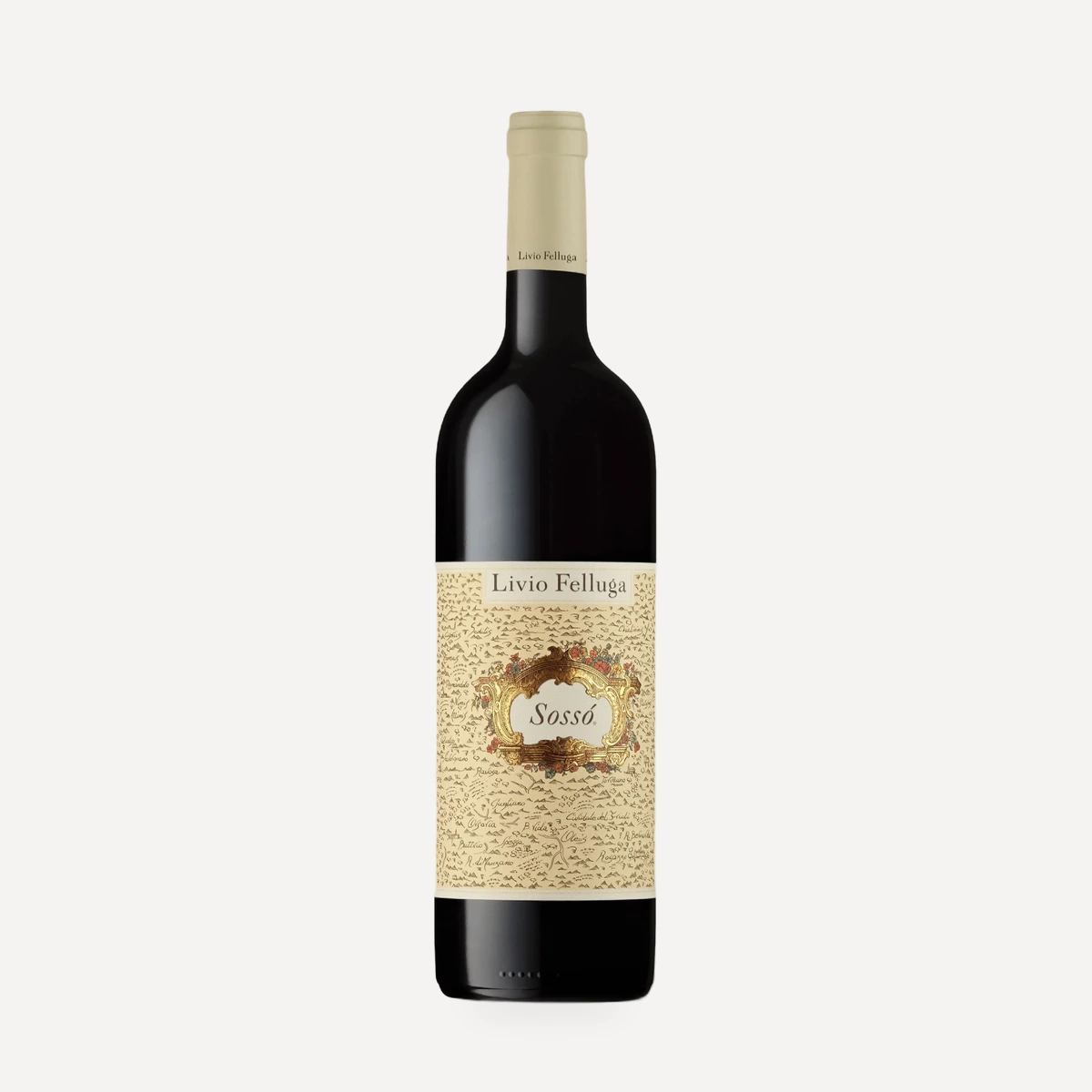
Sossó
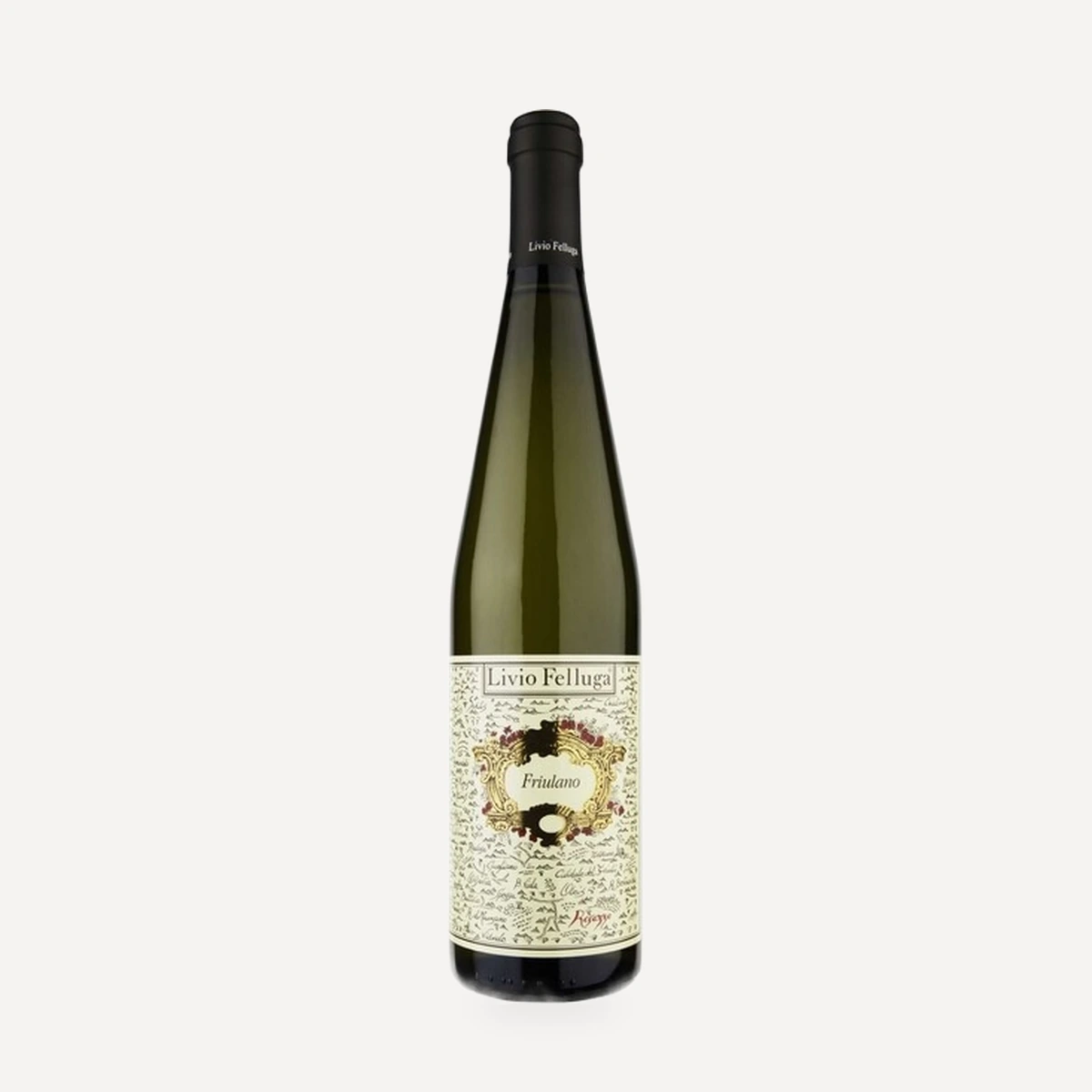
Friulano