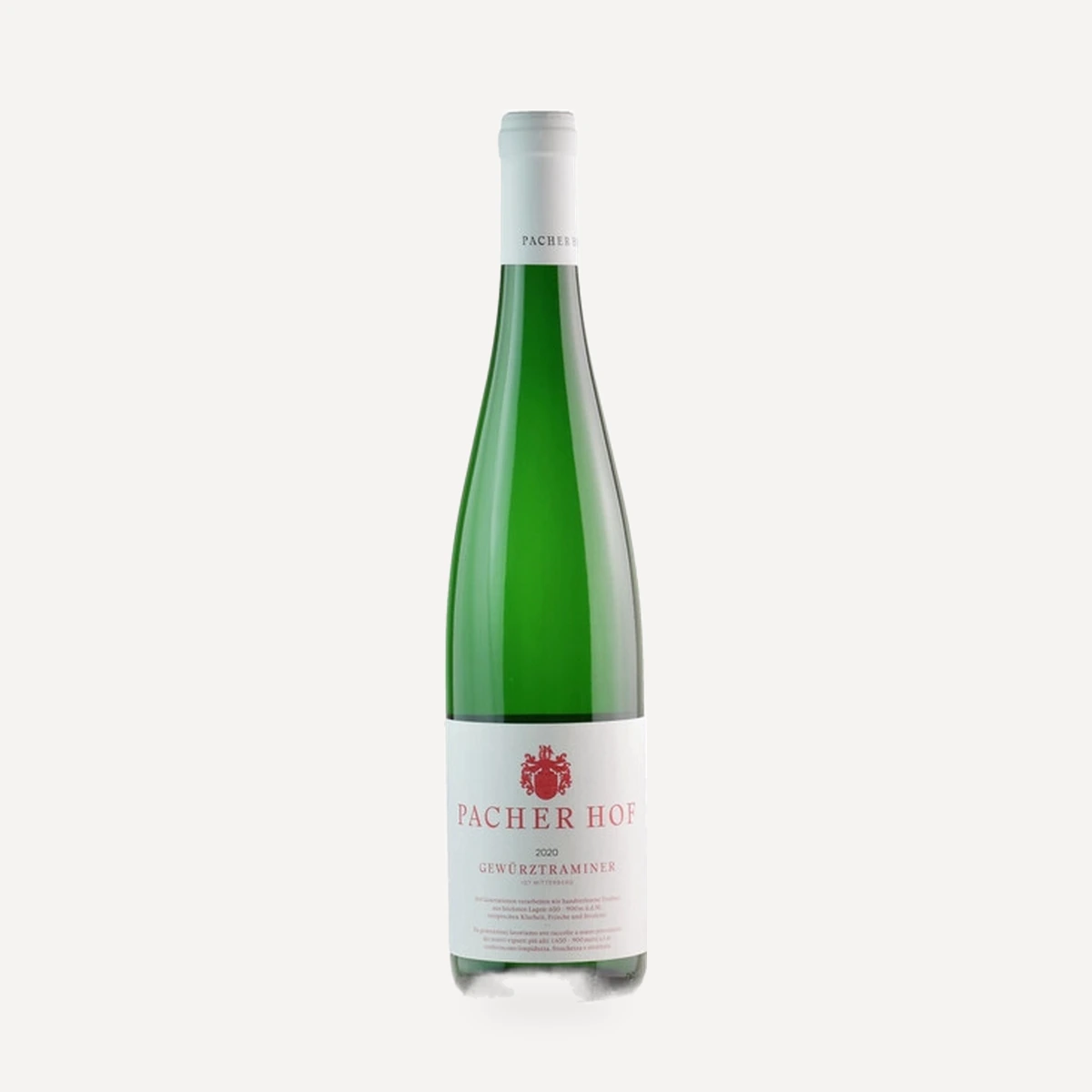
Storia
Before 1142: an already-established wine farm
Pacher Hof predates the neighbouring Neustift Abbey, which was founded in 1142. Records preserved in connection with the abbey show that grapes were already being cultivated and made into wine at the farm before that date. Its precise beginnings can no longer be established. The historic cellars occupy walls dating from the 12th century, while records of harvests at Pacher Hof reach back to the same early period.
For centuries, the property combined winegrowing with hospitality. Travellers from different regions stopped at the farm, establishing a tradition that continues through the present hotel. The estate remained in family ownership, with knowledge of grape cultivation and cellar work handed down from one generation to the next. Both the Pacher and Huber winegrowing families form part of this ancestry.
The elder Josef Huber: varieties for Valle Isarco
Andreas Huber’s great-grandfather, Josef Huber, became known within the family as a pioneering winegrower. He made numerous exploratory journeys and concluded that Sylvaner, Ruländer—today identified as Pinot Grigio—and Gewürztraminer were particularly well suited to the soils and partly steep slopes of Valle Isarco/Eisacktal. His work helped establish varieties that remain central to Pacher Hof.
Traditional work in the old cellar
In the more recent past, Andreas Huber’s father Josef and Josef’s brother Willi pressed grapes on old wooden wine presses. The resulting wines were assessed in the vaulted cellar. This period represents the continuation of hands-on family cellar work within the centuries-old buildings.
1970: Josef Huber takes over
In 1970, another Josef Huber—the grandson and namesake of the pioneering Josef—assumed responsibility for the farm. He continued the family’s winegrowing work and introduced a variety that would become closely associated with both Pacher Hof and Valle Isarco.
1973: the first Kerner in Valle Isarco
In 1973, Josef Huber became the first grower to plant Kerner in Valle Isarco/Eisacktal. Kerner subsequently became one of Pacher Hof’s flagship varieties and an important variety for the valley’s wine sector.
Andreas Huber and the present cellar
Andreas Huber inherited his interest in wine from his father and great-grandfather. He trained at the Veitshöchheim wine school near Würzburg and then took responsibility for the historic cellars. As winemaker and cellar master, he combines inherited knowledge and traditional craftsmanship with modern equipment and contemporary technical understanding.
Production now uses both the historic cellar and a newer modern cellar. The old vaulted rooms remain active for pressing, fermentation and maturation, with large stainless-steel tanks and wooden casks forming the principal vessels. Andreas has also developed the Private Cuvée and has worked on producing a sparkling wine.
Pacher Hof today
The estate remains in the hands of the Huber family. Eight white varieties are cultivated across 8 hectares on the western slopes of Neustift and Elvas. The property continues to unite winegrowing, cellar work, hospitality, food and guided wine experiences, preserving the old farmstead while adding modern architecture and facilities.
Terroir
Pacher Hof has 8 hectares of vineyards on the western slopes of Valle Isarco/Eisacktal, around Neustift and Elvas. The vineyards occupy sunny, well-aerated sites at elevations given as 620–900 metres above sea level.
The soils are described as mineral-rich, sandy and gravelly. This combination is associated with the mineral character of the estate’s wines. The Italian-language description further characterises the vineyard soils as gravelly and sandy and the local climate as comparatively mild and ventilated.
The vineyards lie within the Brixen valley basin. Warm, sunny days alternate with distinctly cool Alpine nights, producing marked diurnal temperature differences, especially during ripening. The combination of strong sunlight, airflow, mineral soils and day–night temperature variation supports healthy grape development and is associated with freshness, fruit and a pronounced Alpine character in the resulting white wines.
Vinificazione
Pacher Hof cultivates eight white grape varieties across 8 hectares. Gewürztraminer, Sylvaner, Riesling, Kerner, Pinot Grigio, Grüner Veltliner and Müller Thurgau are individually named; an eighth cultivated variety is not identified in the general presentation.
Harvesting is carried out exclusively by hand. Selection begins in the vineyard, allowing the condition of the fruit to be checked during picking and each variety to be collected at its chosen ripeness. The harvest normally begins around mid-September with Müller Thurgau, followed by the remaining varieties later in the season.
The vineyard year follows the natural vine cycle: sap movement and new growth begin in spring; flowering and vegetative development cover the slopes in fresh green; summer sunlight drives ripening; and autumn brings the most labour-intensive period, culminating in the harvest. Rainfall, sunlight and the character of the soil are treated as decisive influences on grape development.
Cellars and grape reception
Grapes are processed in cellars built within 12th-century walls as well as in a newer modern cellar. The historic premises remain an active production space rather than a museum. Hand-picked fruit is brought into the cellar and pressed gently, continuing a family tradition that formerly relied on old wooden wine presses.
Fermentation
The extracted must is fermented slowly in stainless-steel tanks at precisely controlled low temperatures. Large stainless-steel vessels and wooden casks are the principal fermentation and maturation containers. Gentle handling is intended to retain the natural qualities of the fruit, its variety and the mineral character associated with the vineyards.
Clarification and maturation
After fermentation, fine suspended particles are filtered from the wine during clarification. Depending on the wine, maturation takes place in stainless steel, large wooden casks, or a combination of the two, generally for as long as seven months. Barriques are not used.
The general examples given for the cellar illustrate this vessel-by-vessel approach: Riesling matures on its fine lees in wood; Kerner is raised in stainless steel and large wooden casks; and Müller Thurgau remains entirely in stainless steel. Large 20-hectolitre wooden casks are visible in the historic vaulted cellar.
Bottling
Bottling generally takes place in May following the harvest. The standard bottle size for the white wines is 0.75 litres, and coloured glass is used to protect wine from light. The production sequence is summarised as harvest, pressing, fermentation, clarification, maturation and bottling.
Alongside the established still-white range, Andreas Huber has developed the Private Cuvée and has worked on a sparkling-wine project.
Filosofia
Pacher Hof’s approach is built around continuity between inherited knowledge and contemporary practice. Family experience, traditional craftsmanship and the historic cellar are retained, while modern equipment and technical understanding are used where they support careful production.
Andreas Huber’s principal cellar objective is to preserve the natural qualities of Valle Isarco/Eisacktal rather than obscure them. This is pursued through hand harvesting, gentle pressing, slow temperature-controlled fermentation, maturation in stainless steel and large casks, and the avoidance of barriques. The wines are intended to retain recognisable characteristics of their varieties and vineyard soils.
The broader family philosophy treats Pacher Hof as a historical place held in trust by its present hosts. Preservation does not exclude change: historic buildings and customs stand alongside modern architecture, a new cellar and new wine projects. The declared aim is for old and new to complement one another while maintaining the character of the farm for future generations.
Regional responsibility extends beyond wine. The property favours local craftspeople, resources and construction materials, uses produce from its own garden, and sources other foods from nearby farms and suppliers. Seasonal and regional selection, careful processing and long-term stewardship form the core of this wider approach.
Vini
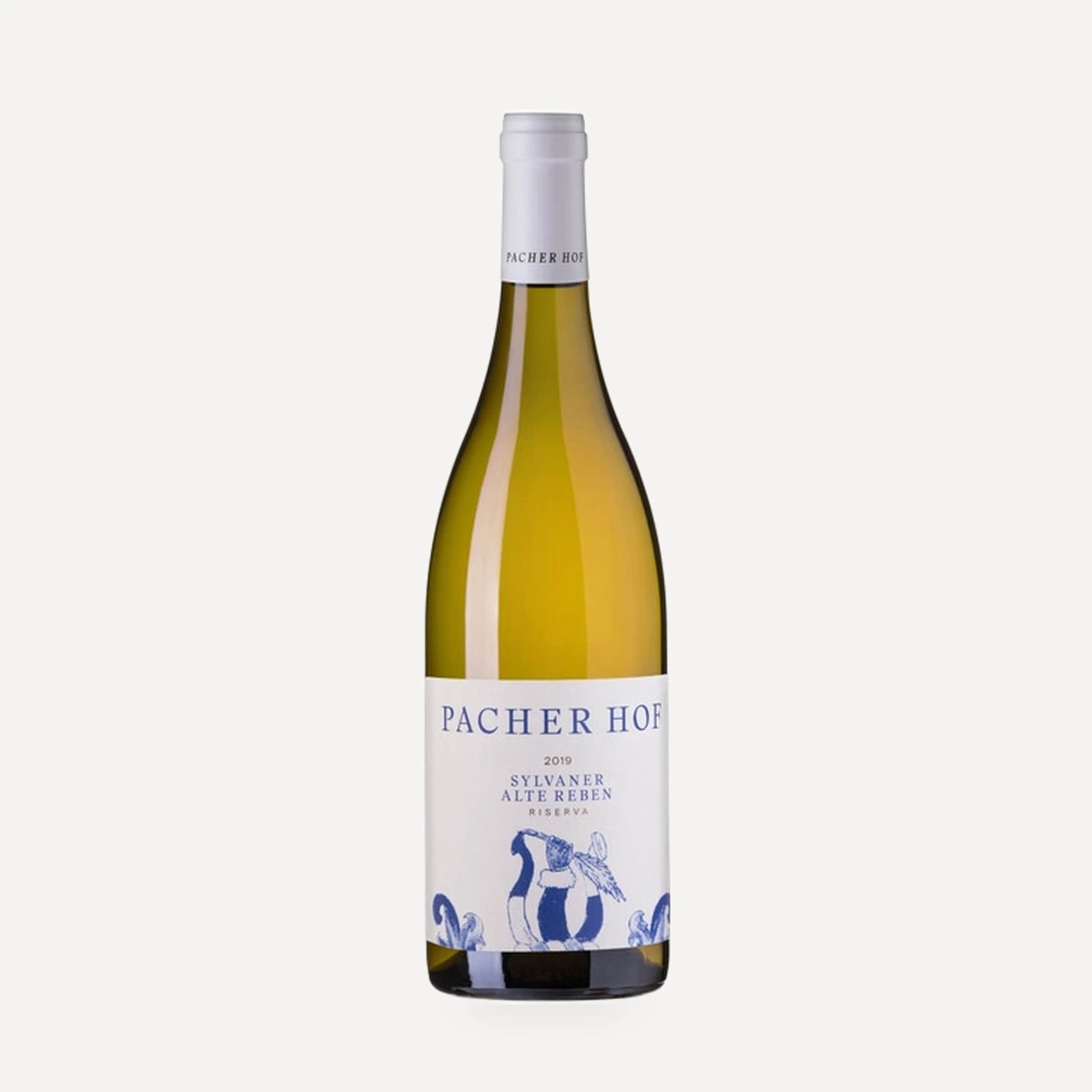
Sylvaner Riserva Alte Reben Alto Adige Valle Isarco DOC
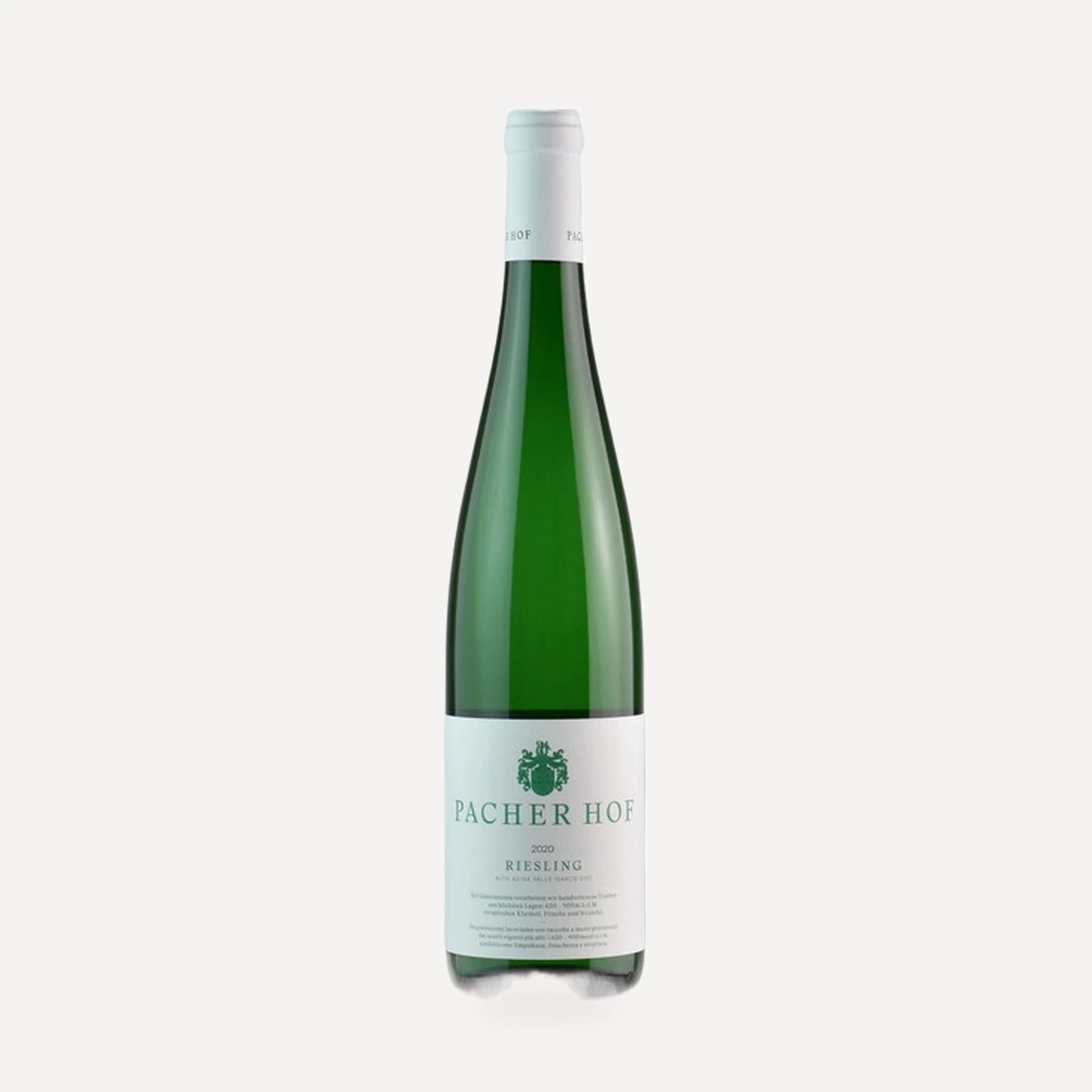
Riesling Alto Adige Valle Isarco DOC
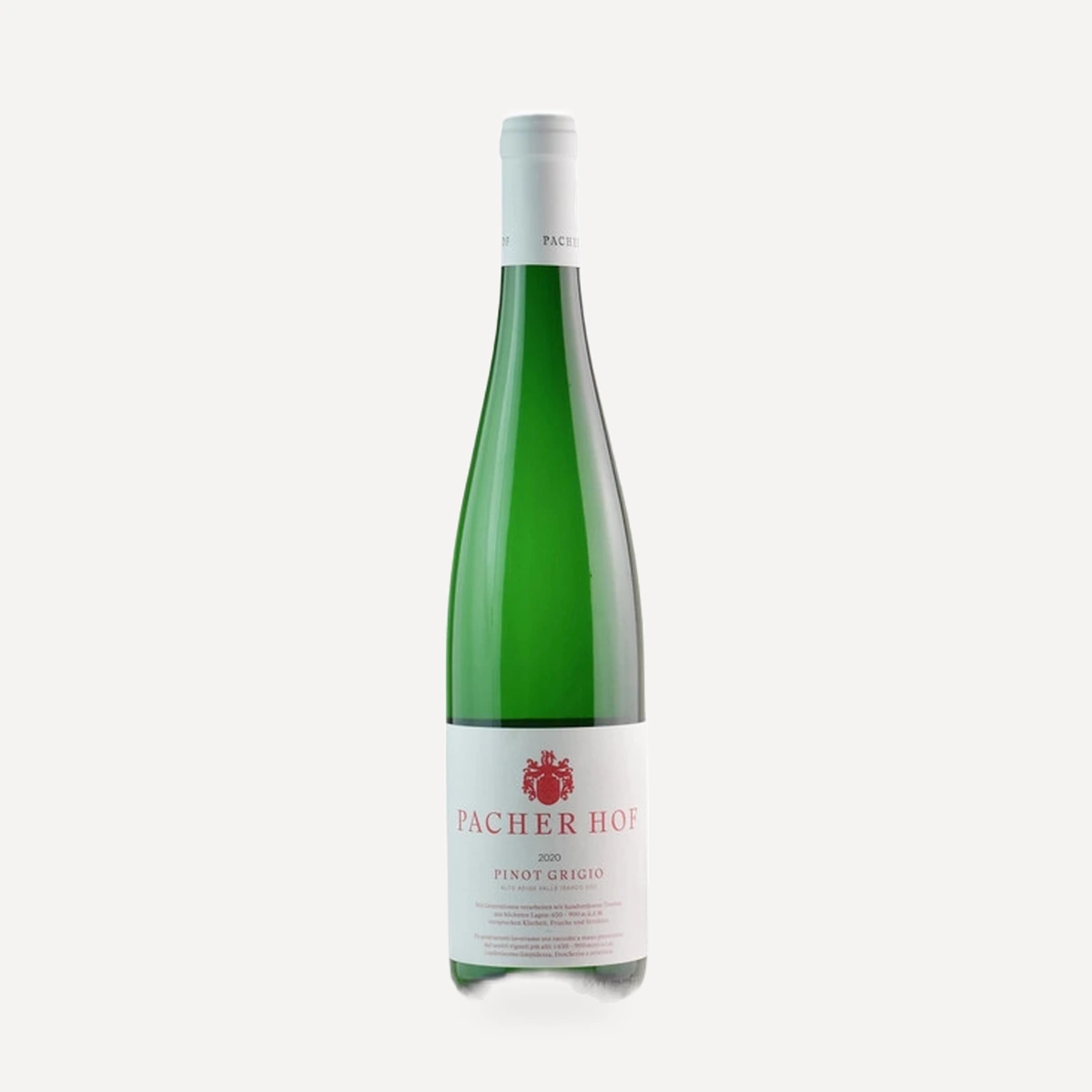
Pinot Grigio Alto Adige Valle Isarco DOC
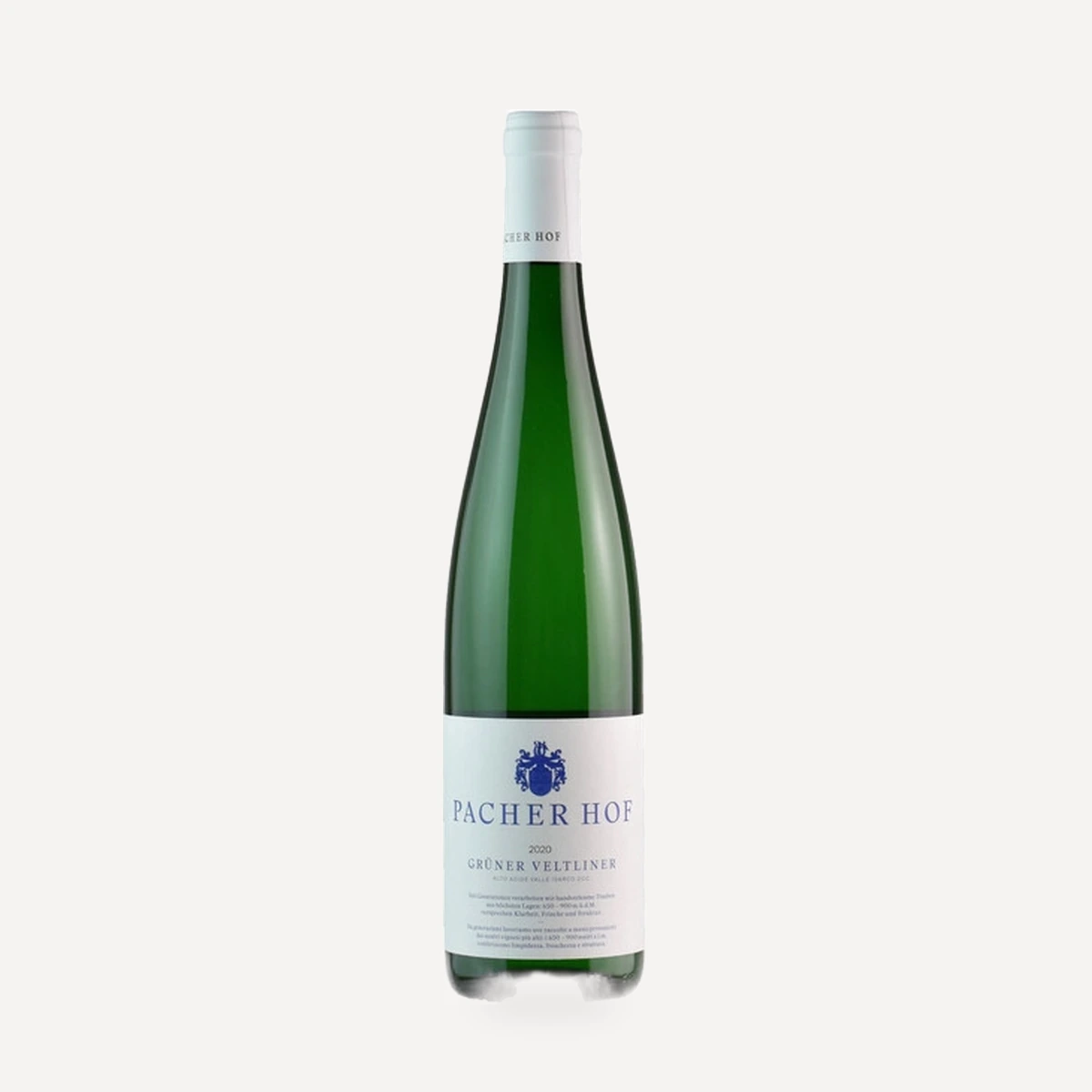
Gruner Veltliner Alto Adige Valle Isarco DOC
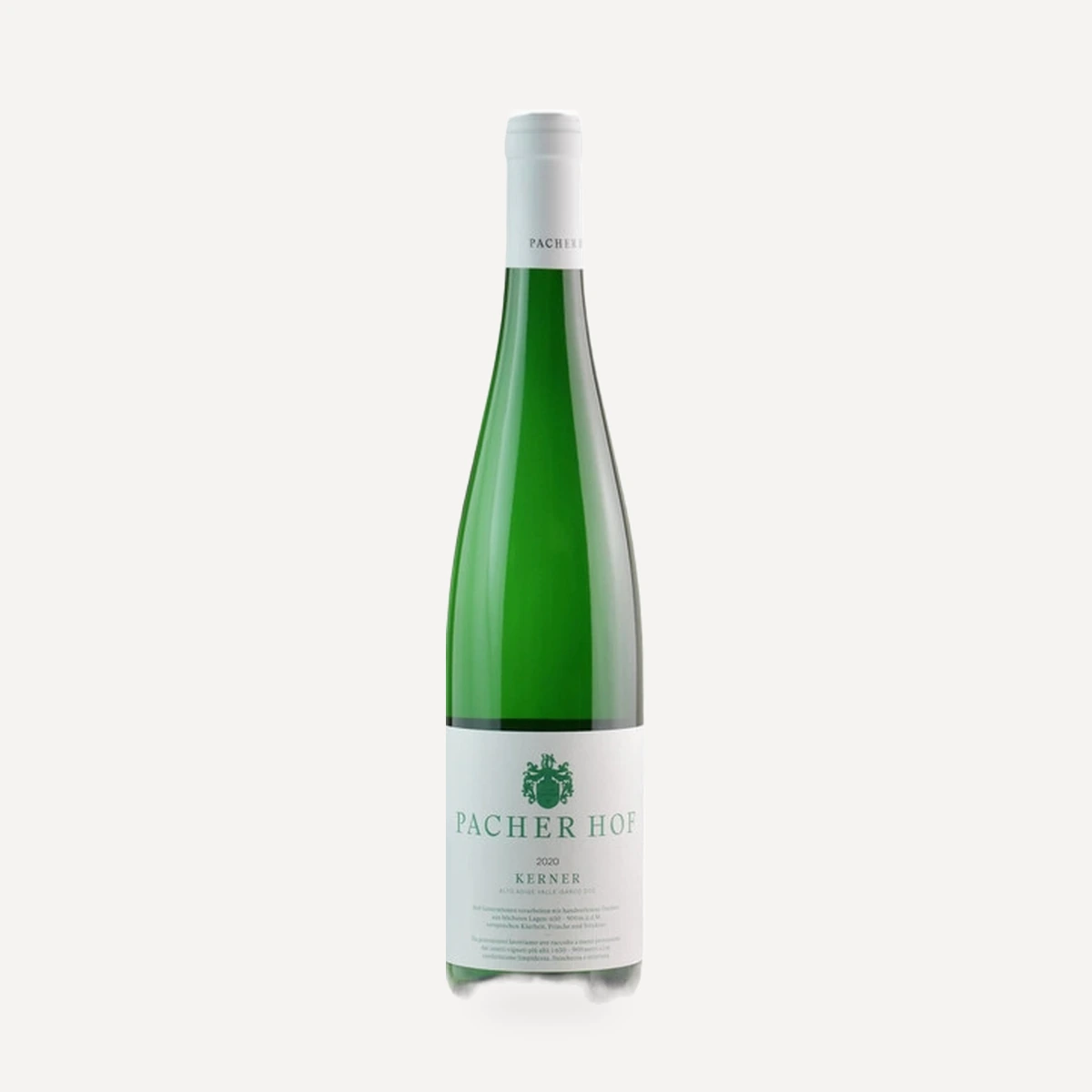
Kerner Alto Adige Valle Isarco DOC
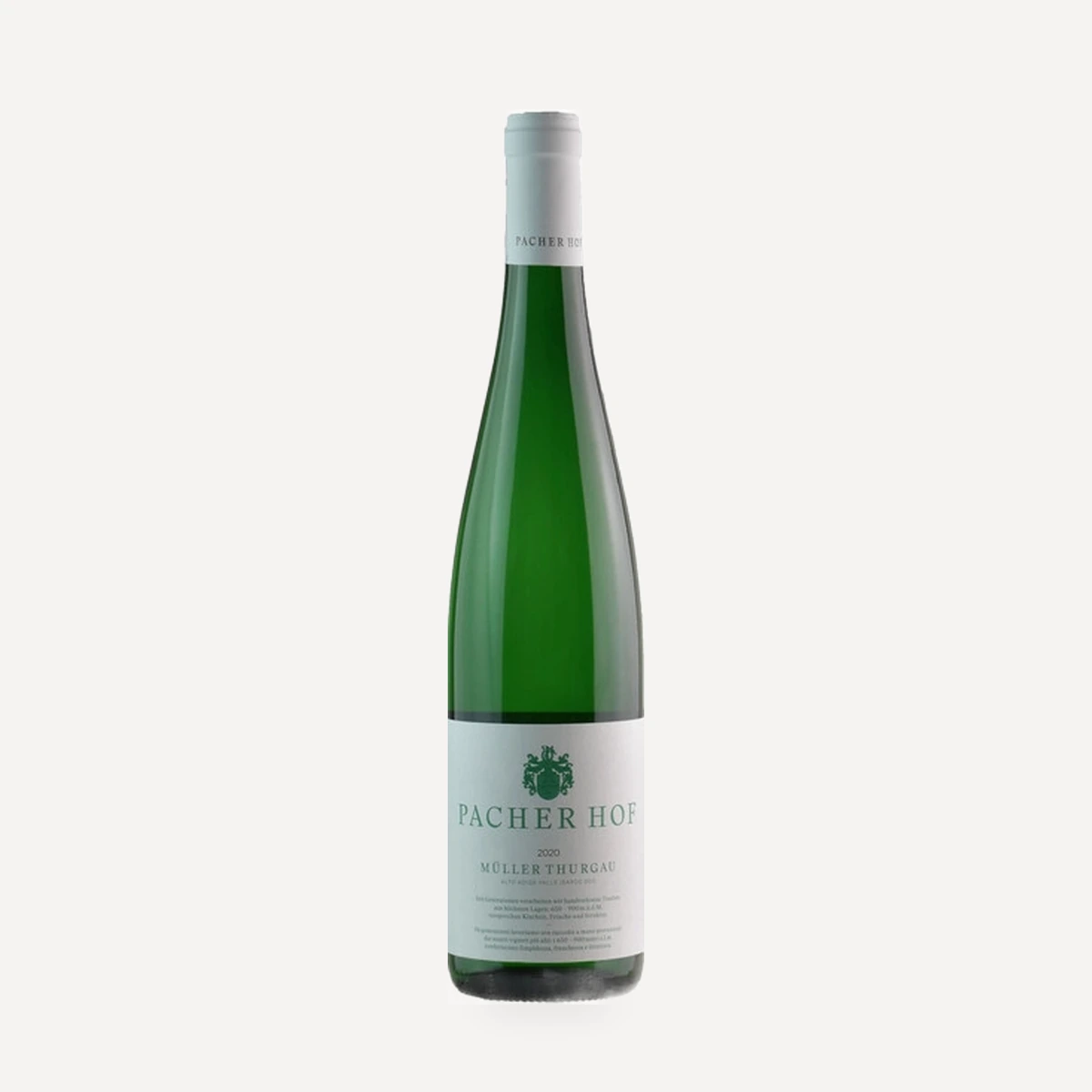
Muller Thurgau Alto Adige Valle Isarco DOC
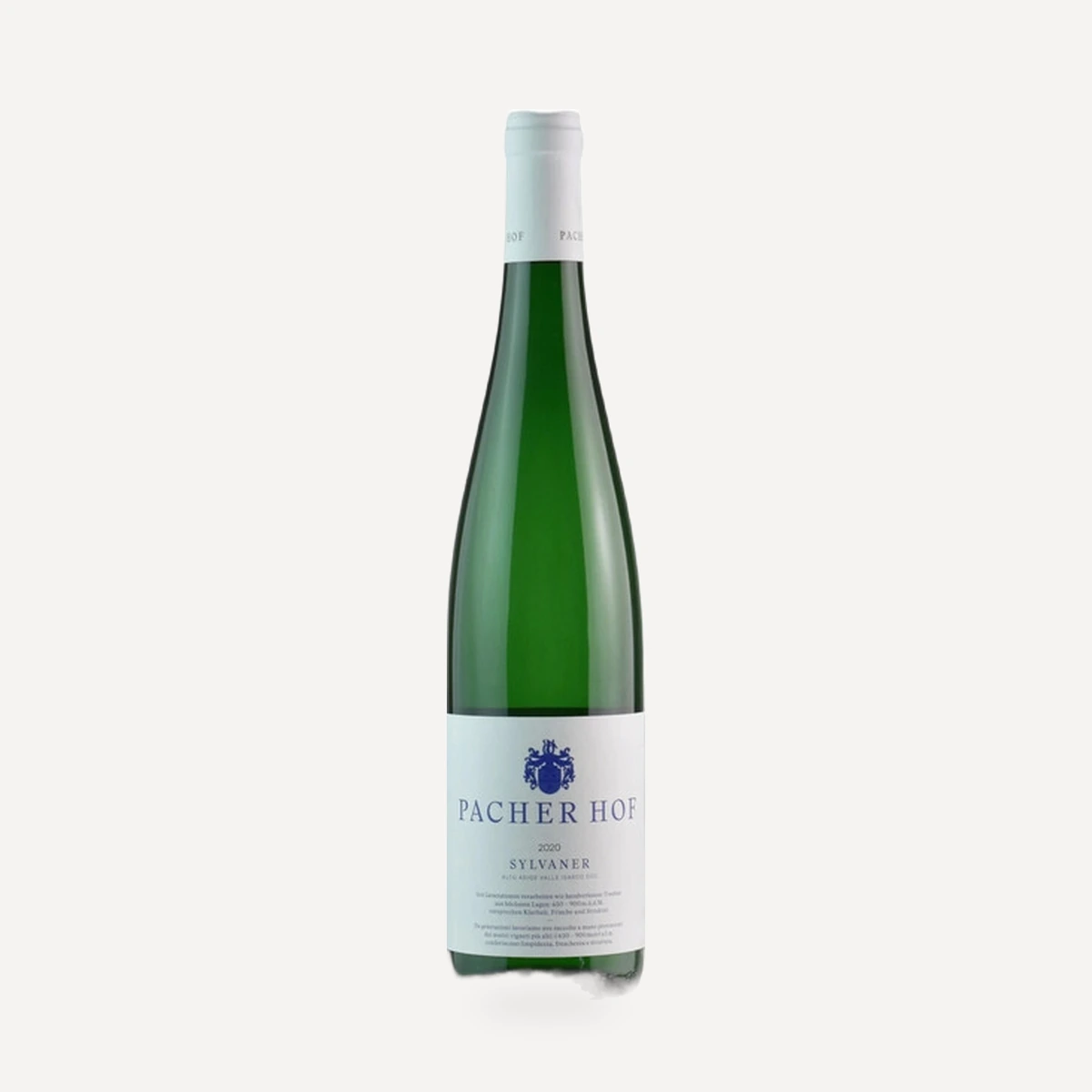
Sylvaner Alto Adige Valle Isarco DOC
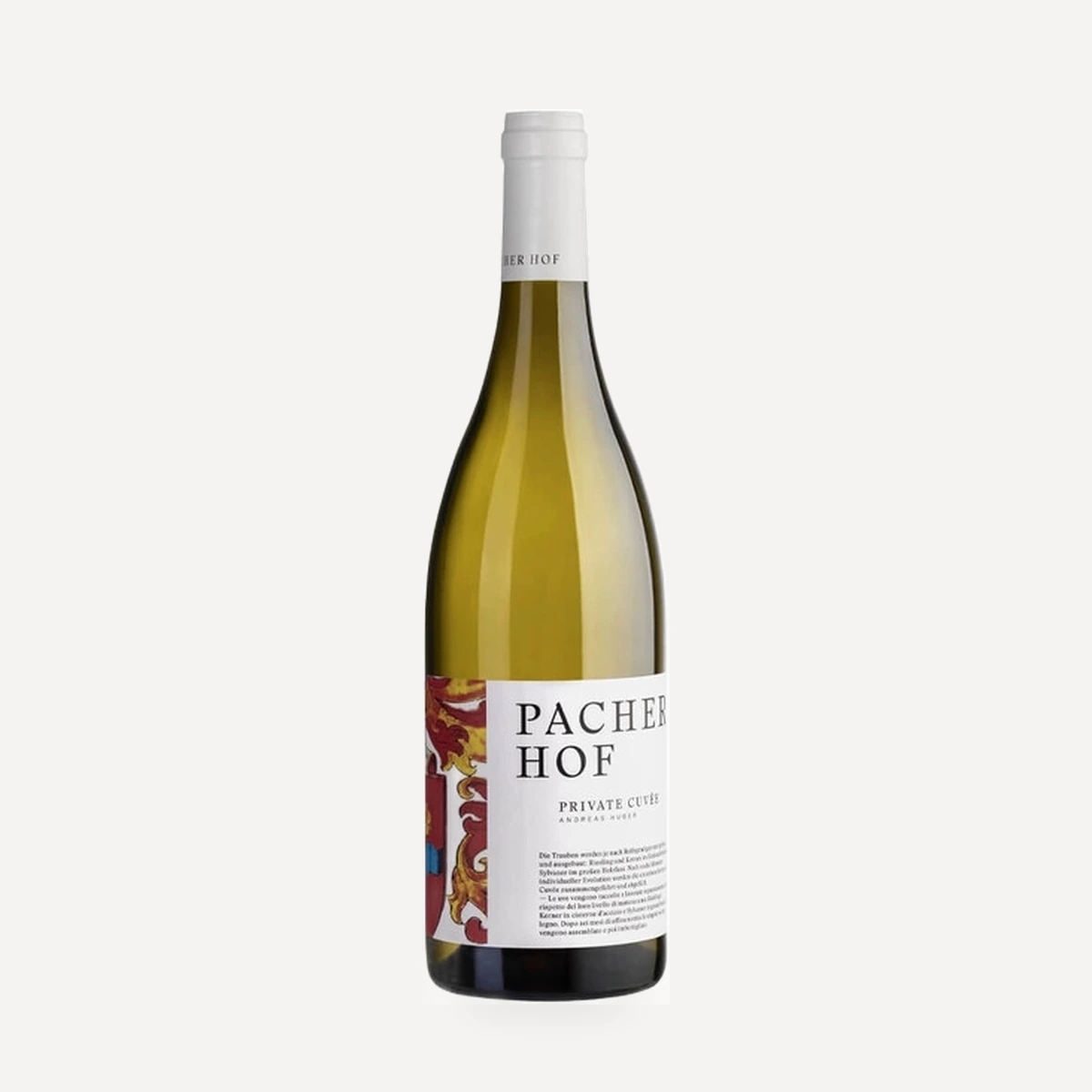
Private Cuvee Vigneti delle Dolomiti IGT