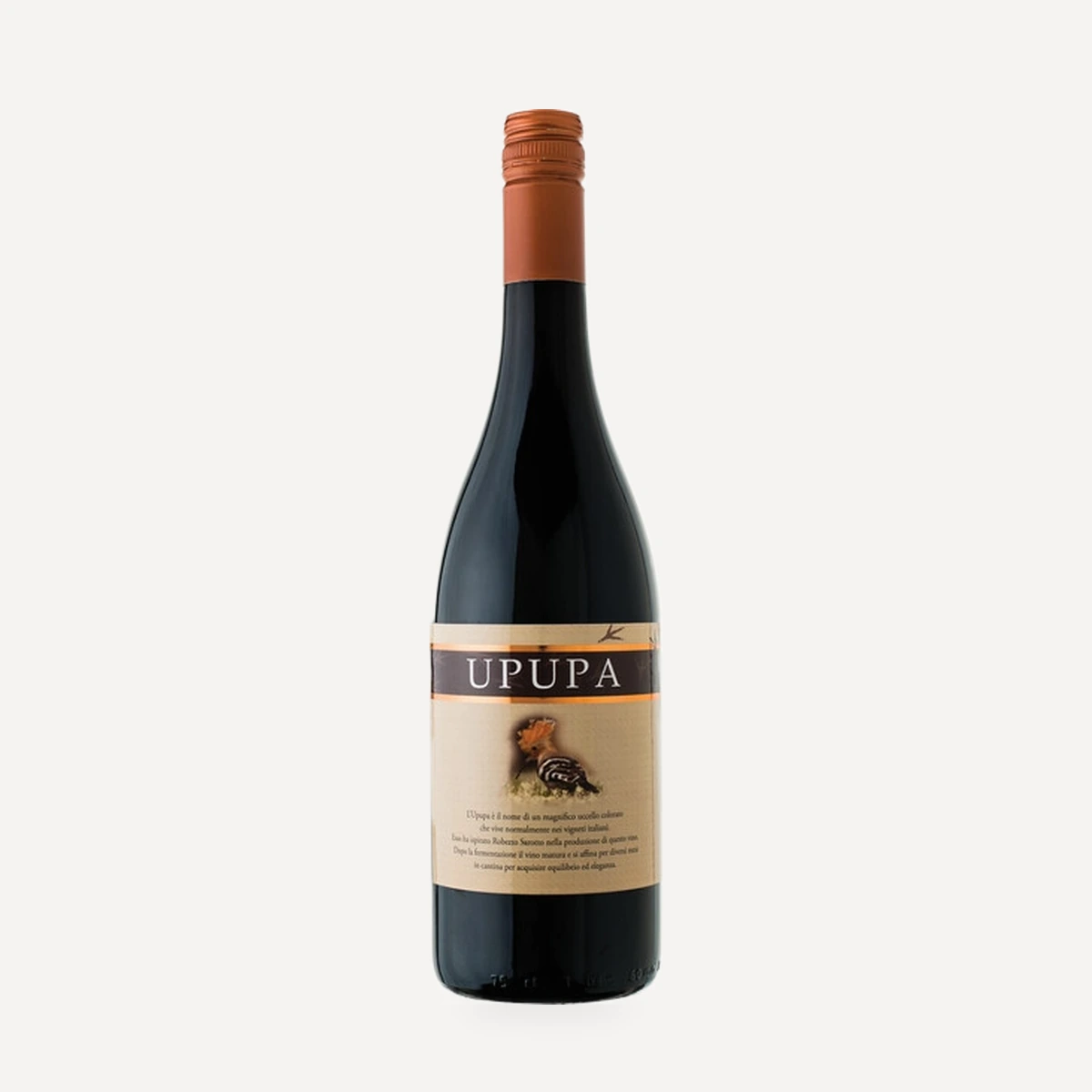
Storia
Origins: 1820 and the first three generations
The family’s winegrowing history begins in 1820, when Giuseppe Sarotto moved from Barbaresco to Neviglie. Giuseppe became the first generation engaged in winemaking. His son Giovanni continued the activity, followed by Giuseppe’s grandson Luigi Giovanni. Production initially centred exclusively on Dolcetto, sold locally and exported in bulk to England.
The 1940s: interruption and recovery
In the early 1940s, the combined effects of the Second World War and phylloxera caused a severe recession, bringing the business to a standstill. Angelo succeeded his father and remained committed to the family activity, tending vineyards on his parents’ land. With his wife Maria’s support, the family broadened its plantings beyond Dolcetto to include Moscato, Freisa and Barbera.
1984–1991: Roberto Sarotto and the Barolo expansion
In 1984, Angelo’s son Roberto graduated from the wine school in Alba. His return marked a new beginning for the winemaking activity after its earlier interruption. In 1991, seven years after graduation, the family purchased a 20-hectare property in Barolo. This acquisition became a decisive stage in the estate’s development and established its presence in one of Piedmont’s principal wine-producing areas.
The 1990s: Neive, Gavi and a broader varietal base
During the following years, the estate added vineyards in leading crus of Neive, bringing Barbaresco into its range. In the early 1990s, Roberto and his wife Aurora expanded into the Gavi area and subsequently established a secondary winery there. The estate also introduced Moscato d’Asti, Arneis, Chardonnay, Brachetto, Nebbiolo and Cabernet Sauvignon.
Cabernet Sauvignon became an important component of Langhe Rosso Enrico I° DOC, inspired by Roberto and dedicated to his eldest son, Enrico. In 1998, Roberto and Aurora’s second child, Elena, was born; Barbera d’Alba Elena DOC was dedicated to her. The later addition of Barbera d’Asti further extended the range while the business retained its family structure.
2014: a presence in central Alba
In October 2014, the family opened the Roberto Sarotto wine bar and shop in Alba. It occupies a mid-19th-century building in Piazza Michele Ferrero, the square where the grape market was traditionally held each autumn. The historic basement cellar was preserved and adapted as a shop and professional tasting room.
2019–2022: restructuring and technological expansion
A multi-year renovation and expansion transformed the Neviglie winery. During the 2021 harvest, new pressing and vinification departments entered service. These included two grape hoppers with separate transport circuits controlled from a synoptic panel, three pneumatic presses—one capable of operating under nitrogen—and dedicated departments for white and red wines. Existing departments were upgraded with underground pipes for moving crushed grapes, centrally positioned operating units, automated marc transport after racking, and fermenters with onboard temperature controls. A new ageing department initially contained 54 oak barrels.
The expansion culminated in a larger wooden-ageing area. Its present configuration contains 63 oak vessels ranging from 50 to 100 hl, as well as a 47,800-litre Slavonian-oak cask made for Barolo Riserva. The winery also implemented computerised process-management systems capable of remote control and operation, with efficiency, environmental performance and production safety among the objectives of the modernisation.
2 July 2022: Guinness World Records recognition
On 2 July 2022, the 47,800-litre cask was inaugurated in Neviglie and certified by Guinness World Records as the world’s largest oak barrel. International judge Pravin Patel attended the ceremony. G.&P. Garbellotto S.p.A. of Conegliano Veneto constructed the Slavonian-oak vessel, which is approximately 5.3 metres high, 4.70 metres in diameter and 3.70 metres deep. Around ten craftspeople assembled it over two weeks.
The first wine placed in the cask was Barolo Riserva 2016 “Ai Fondatori,” sourced from estate vineyards in Barolo and Novello. The project was dedicated to Angelo and Maria and conceived as a link between the family’s past, present and future.
2023–2026: museum, succession and solidarity
The Roberto Sarotto Museum opened to visitors at the Alba wine bar on 9 February 2023. Its displays connect the family’s origins with the contemporary winery and the people expected to shape its future.
Enrico and Elena now lead the estate alongside their parents, Roberto and Aurora. Together they represent the continuation of seven generations that have cultivated the land, invested in knowledge and introduced change while maintaining the family connection to Neviglie.
The “Ai Fondatori” project also developed a charitable programme funded through a contribution of €1 for every bottle produced from the record cask. It supported the Istituto di Candiolo for cancer research in 2024 and the Turin Federation for Rare Childhood Diseases in 2025. On 27 June 2026, Confederazione Parkinson Italia received a €6,000 donation at a ceremony held at the winery. The next phase is intended to support Carmelite Missions in the Central African Republic, including healthcare facilities in Bozoum and scholarships for girls.
Terroir
The estate’s approximately 90 hectares are distributed across several Piedmontese winegrowing areas rather than forming a single contiguous property. The headquarters, principal cellar and Moscato d’Asti DOCG vineyards are in Neviglie. Mango contains vineyards for Langhe Arneis DOC and Alta Langa DOCG. Barolo holdings lie in San Ponzio, while the Novello sites include Bergera-Pezzole and Pallaretta. In Neive, the vineyards are located in Gaia Principe, Currà and San Cristoforo. Gavi holdings include Zerbetta, with further Gavi DOCG vineyards in Parodi Ligure. San Cristoforo hosts the secondary cellar used for Gavi vinification.
Site distinctions
Briccobergera is a compact, single 8-hectare vineyard in the Novello area of Barolo. It lies at approximately 400 metres above sea level and faces south to southeast. Its soil is calcareous clay.
Currà is a single vineyard in Neive with calcareous-clay and marl soils. Gaia Principe, also in Neive, has calcareous-clay, marly soil. The Srej Arneis vineyard occupies the hill facing the winery and has calcareous-clay soil.
The Gavi estate displays contrasting marl-based conditions. The Cortese vineyards associated with Gavi Aurora have rocky-textured white marl, while Bric Sassi is associated with calcareous marl.
The Langhe and Roero production area used for Runcneuv Arneis has fine-textured, medium-bodied soils dominated by calcareous marl. Other Barbaresco vineyards are described as having marly strata with little sand and a strong presence of fine sediment, silt and clay.
Vintage conditions can differ substantially across the estate’s appellations and microclimates. In 2021, Piedmont experienced a cool first part of summer followed by warmer, sunny and nearly rainless conditions from mid-July. Local atmospheric events and differences among appellation microclimates produced uneven Nebbiolo development, requiring selective intervention before harvest.
Vinificazione
Vineyard care is treated as the starting point of wine quality. The estate defines sustainable production as the harmonious establishment and cultivation of vineyards while respecting surrounding flora and fauna. Non-invasive cultivation and treatment methods are intended to encourage wild animals and preserve the land’s natural resources, balancing continued agricultural production with maintenance of the ecosystem.
Harvesting remains almost entirely manual despite the extensive technological development of the cellar.
The 2021 season provides a documented example of crop management. Differences among appellation microclimates and local atmospheric events caused greater heterogeneity in Nebbiolo ripening. Timely bunch thinning removed compromised clusters, preserving grape quality at the cost of a modest reduction in quantity. Spring frost also reduced yields in the Briccobergera vineyard, while careful selection of harvest timing sought full phenolic maturity, freshness and balance.
Cellars and production layout
The main winery and cellar are located in Neviglie. A secondary cellar in San Cristoforo handles Gavi DOCG and Gavi del Comune di Gavi DOCG. The Neviglie visitor route reveals the working sequence and principal departments: the oak-ageing area, bottling line, steel storage, sparkling-wine department, fermentation rooms, pressing area and wooden-ageing department.
Pressing and grape movement
The pressing department inaugurated for the 2021 harvest contains two receiving hoppers with separate grape-transport circuits, managed from a synoptic control panel. Three pneumatic presses were installed, including one able to work under nitrogen. Underground pipes move crushed grapes to centrally located operating units within the vinification departments.
After racking, marc transport is fully automated and controlled through a synoptic panel. Fermenters have onboard control panels and temperature regulation. Dedicated white- and red-wine departments joined the renovated existing production areas in 2021.
Ageing
The 2021 expansion initially added an ageing department with 54 oak barrels. Subsequent structural development created the present wooden-ageing area with 63 oak vessels ranging from 50 to 100 hl.
The centrepiece is a 47,800-litre Slavonian-oak cask made by G.&P. Garbellotto S.p.A. It measures approximately 5.3 metres high, 4.70 metres in diameter and 3.70 metres deep. Around ten craftspeople assembled it over two weeks. The vessel was designed for Barolo Riserva and was first filled with the 2016 vintage.
Process control and technology
Computerised Wine 4.0 systems support process management, remote control and remote operation. The investment programme was intended to increase capacity and efficiency, improve average quality, reduce the margin for error, and enhance environmental efficiency and production safety. Automated systems work alongside manual operations, which remain essential.
The cellar’s approach combines traditional methods with modern equipment. Fermentation in stainless steel, low-temperature fermentation for aromatic whites, temperature-controlled fermentation with extended maceration, bottle refermentation for traditional-method sparkling wines, oak ageing and stainless-steel reserve storage all appear within the estate’s production repertoire.
Filosofia
The family’s central principle is that wine begins in the vineyard and develops in the cellar. Meticulous vineyard care therefore precedes technological intervention in production.
Sustainability is understood as a balance between agricultural use and the long-term integrity of the ecosystem. The family favours non-invasive cultivation and treatment methods intended to protect natural resources and support flora, fauna and wild animals.
Tradition and technology are presented as complementary foundations. Harvesting remains largely manual, while modern equipment and computerised control systems are adopted where they can improve care, consistency, efficiency and safety. Lessons inherited from earlier generations coexist with an openness to new winemaking approaches.
The family also defines accessibility as part of its commercial philosophy: traditional methods and modern equipment are used to address varied consumer preferences while keeping the wines affordable.
The Ai Fondatori project extends this outlook beyond production. It connects family memory, entrepreneurship and social responsibility, with the guiding ideas of dreaming, building and giving back. The project dedicates the record cask to Angelo and Maria and channels part of its associated revenue to social and scientific causes.
Vini
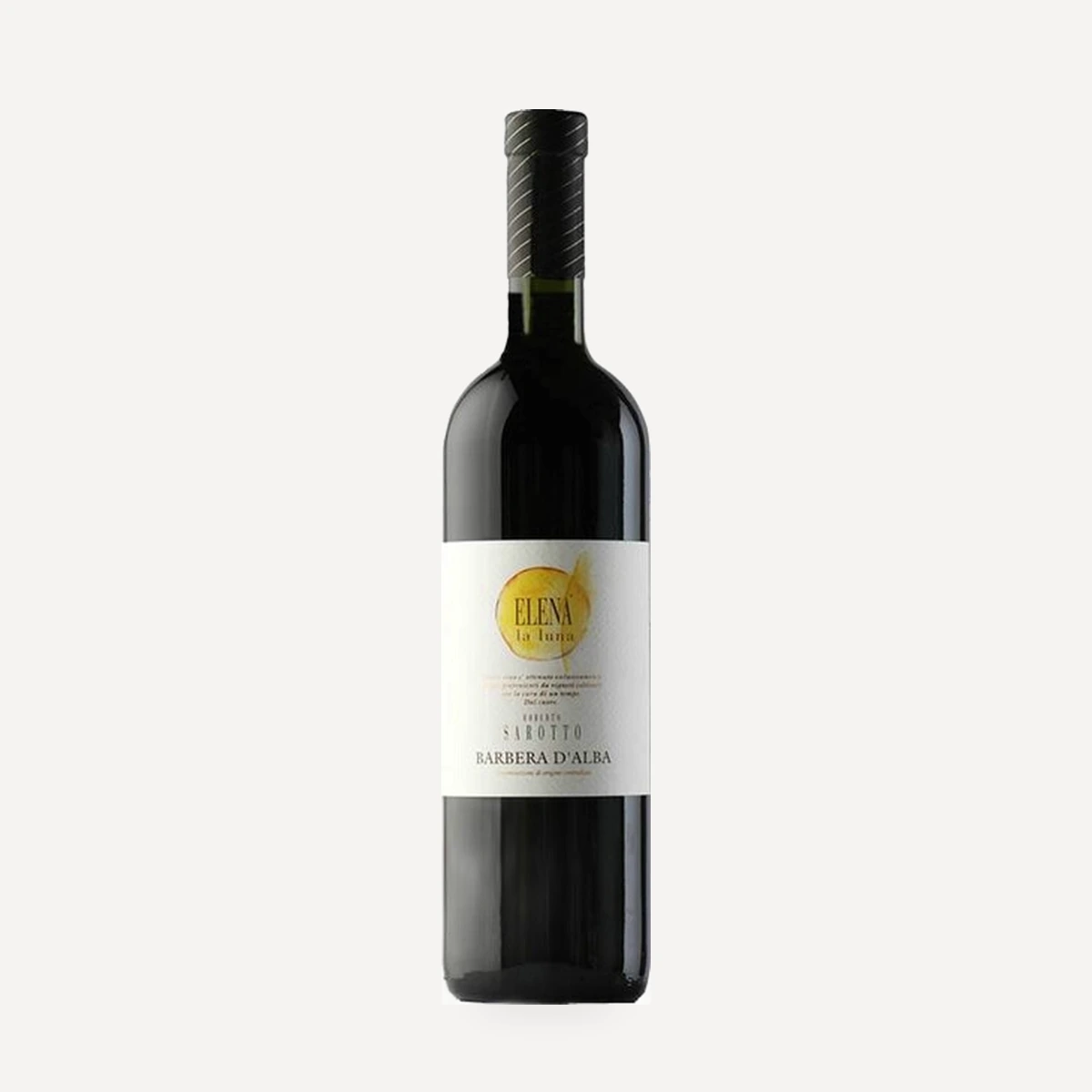
Barbera d’Alba Elena La Luna 2023 DOC
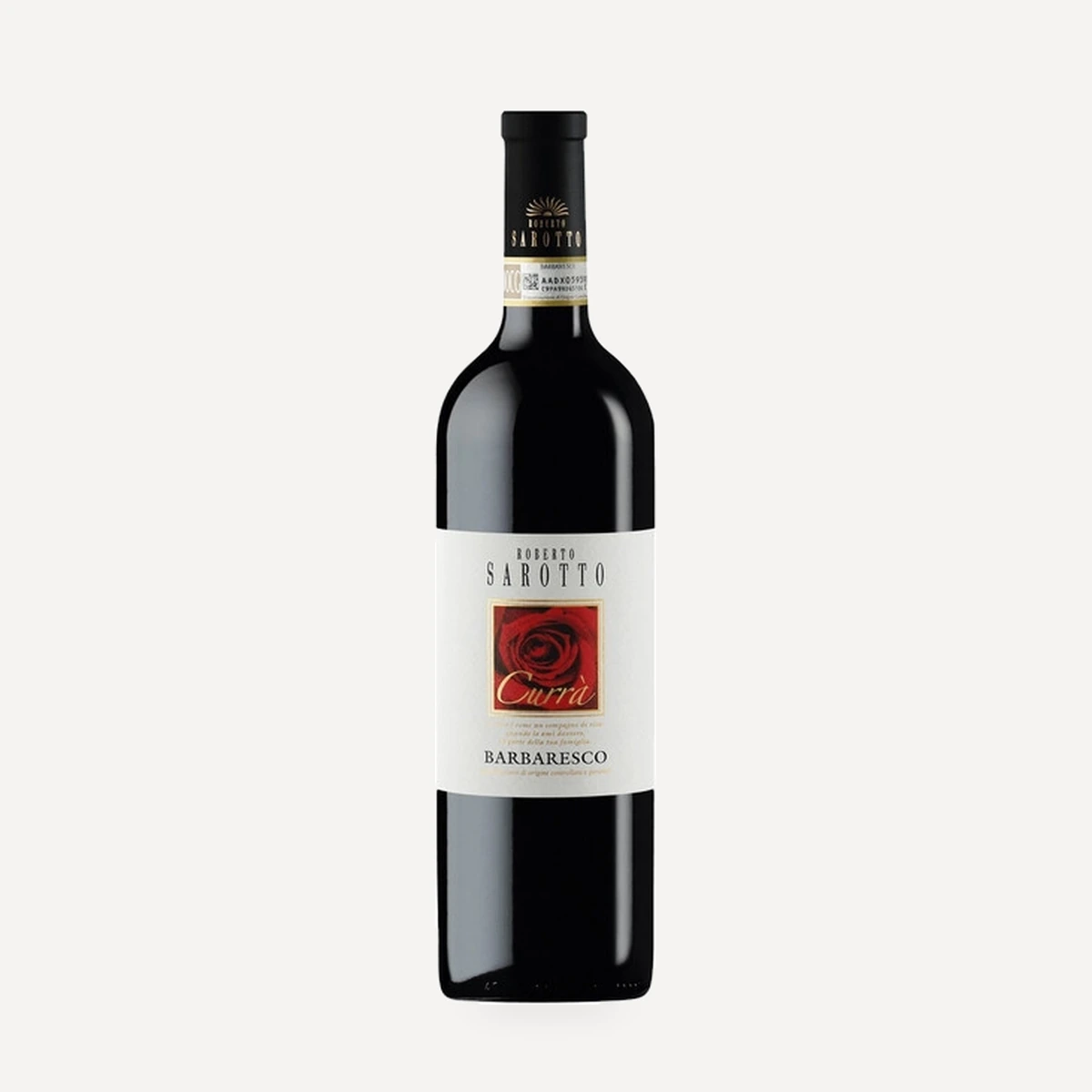
Barbaresco Riserva Currà DOCG
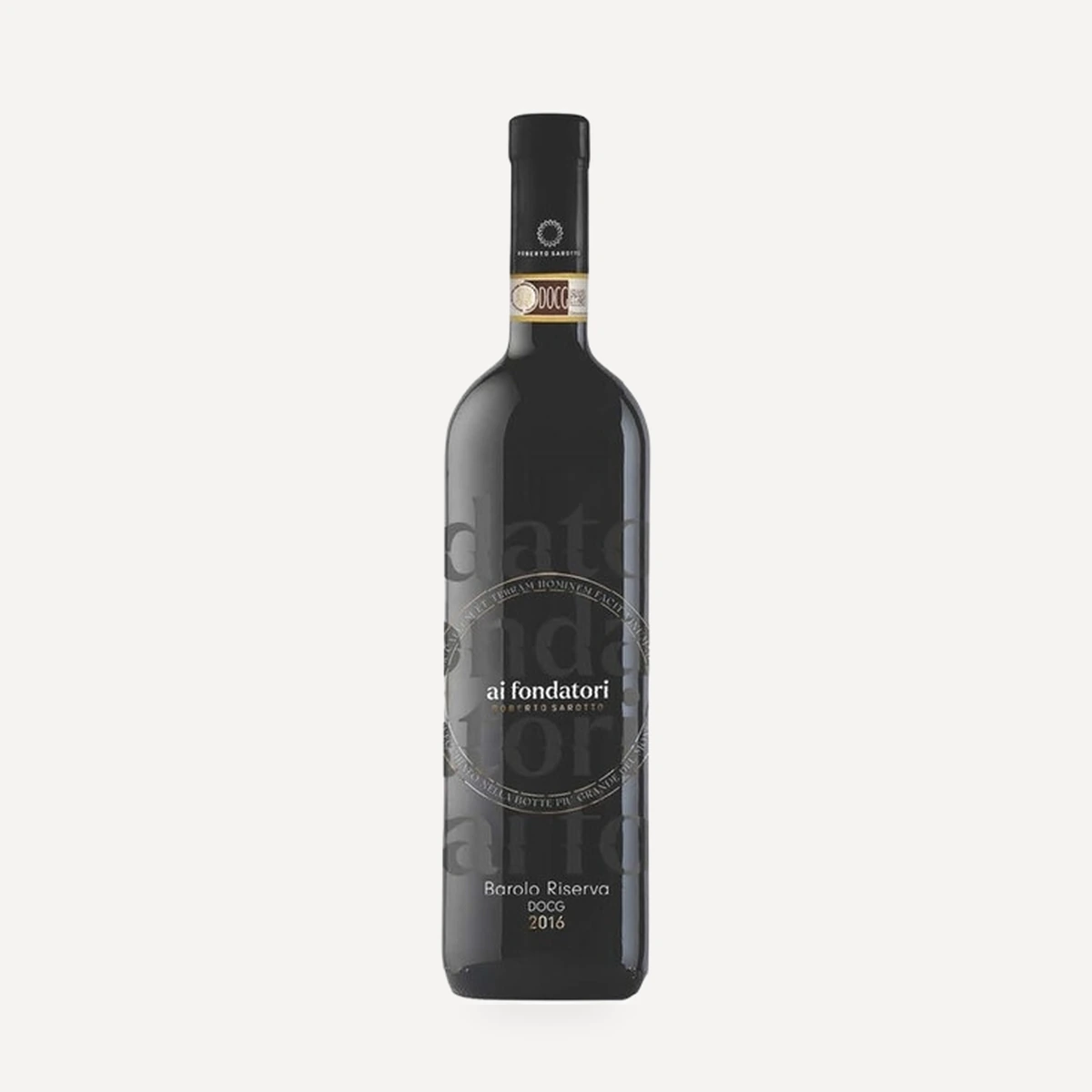
Barolo Riserva 2016 Ai Fondatori DOCG
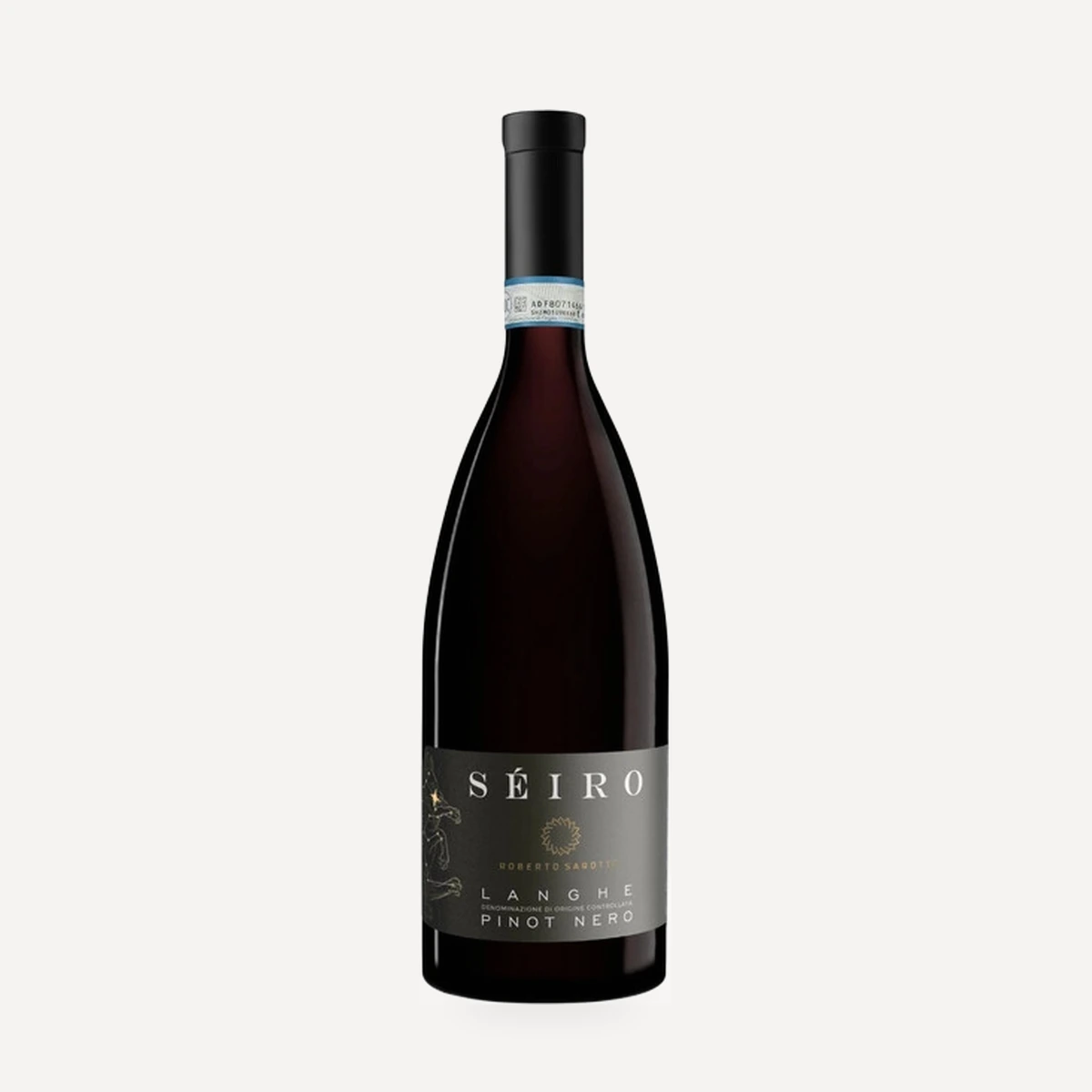
Langhe Pinot Nero Séiro DOC
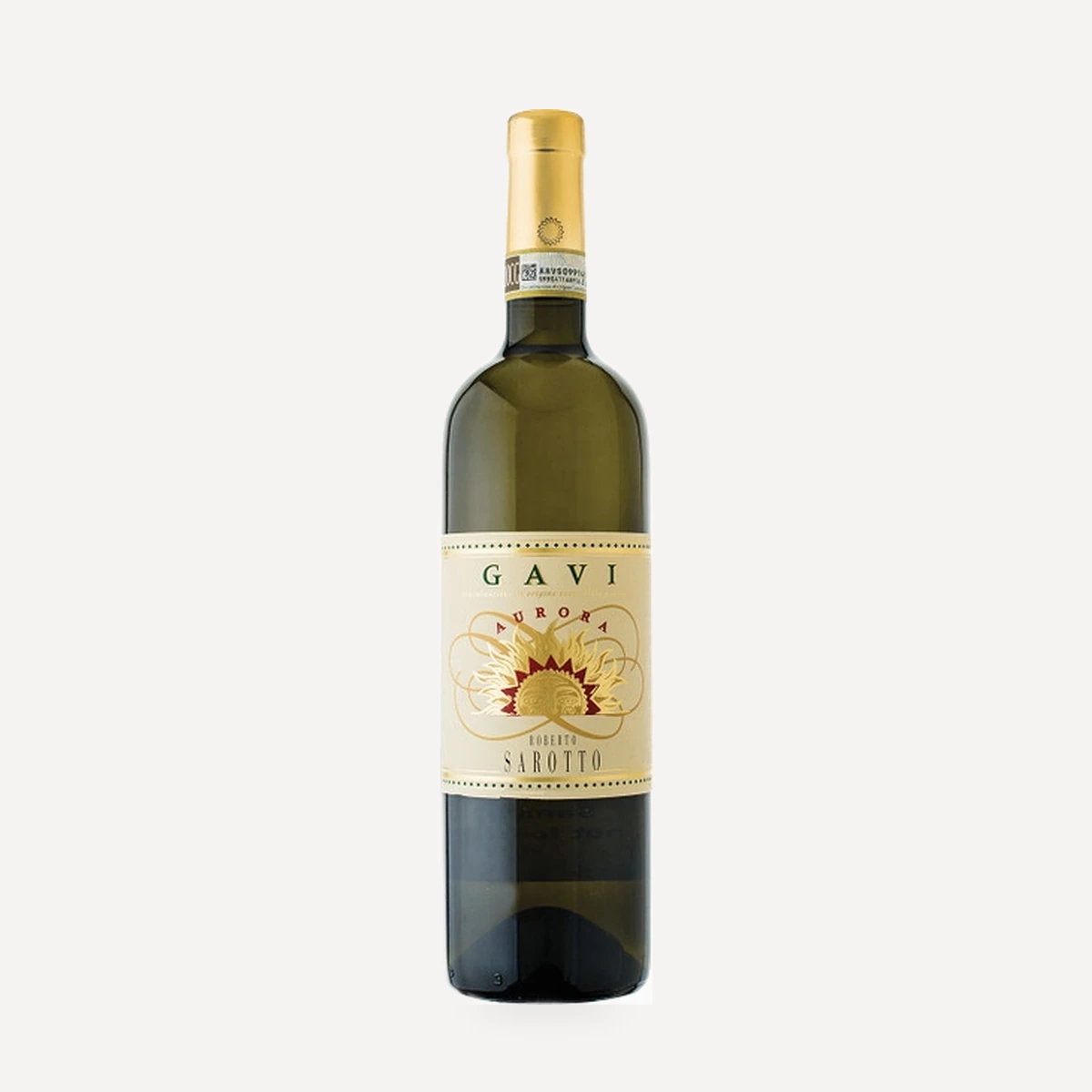
Gavi Aurora DOCG
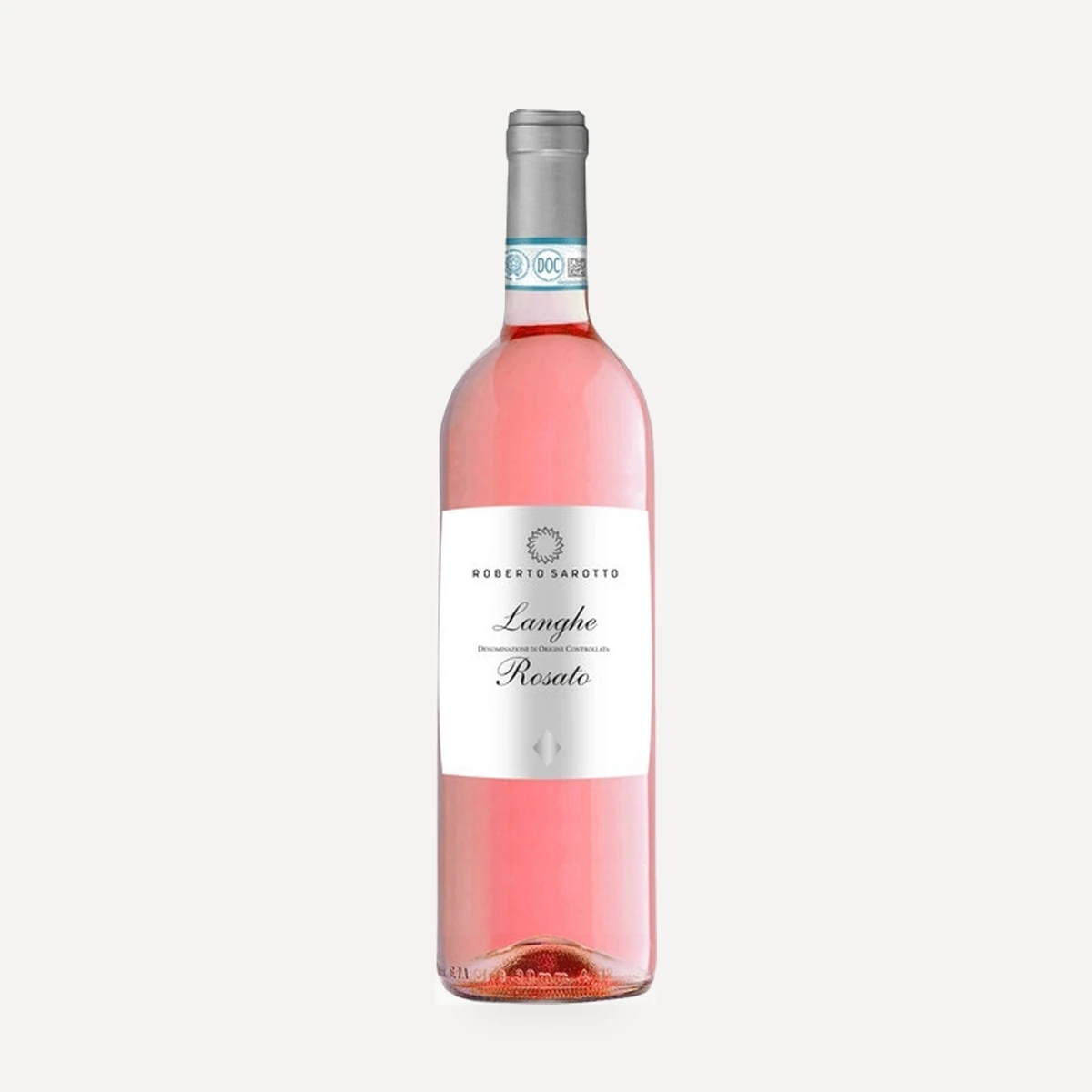
Langhe Rosato DOC
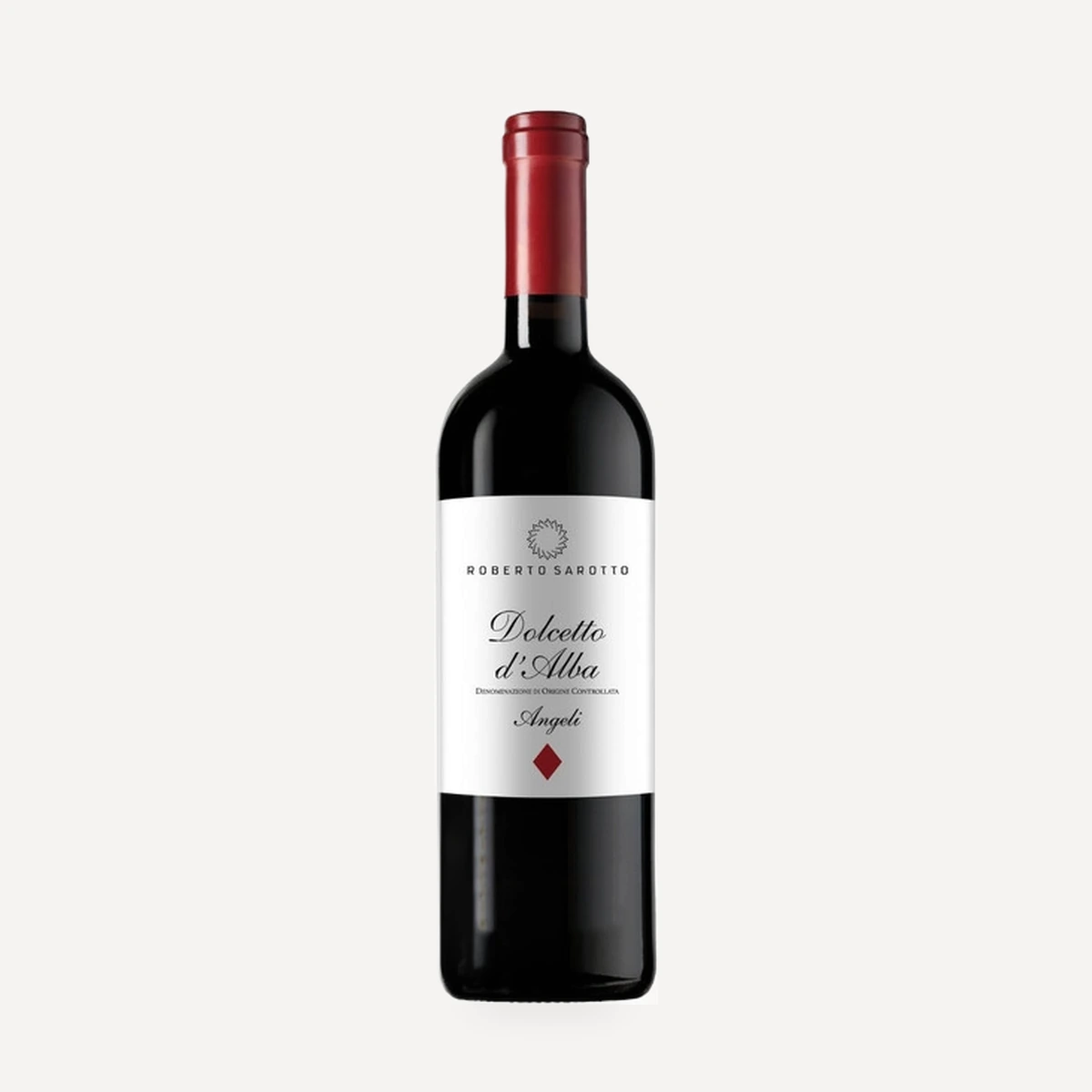
Dolcetto d’Alba Angeli DOC
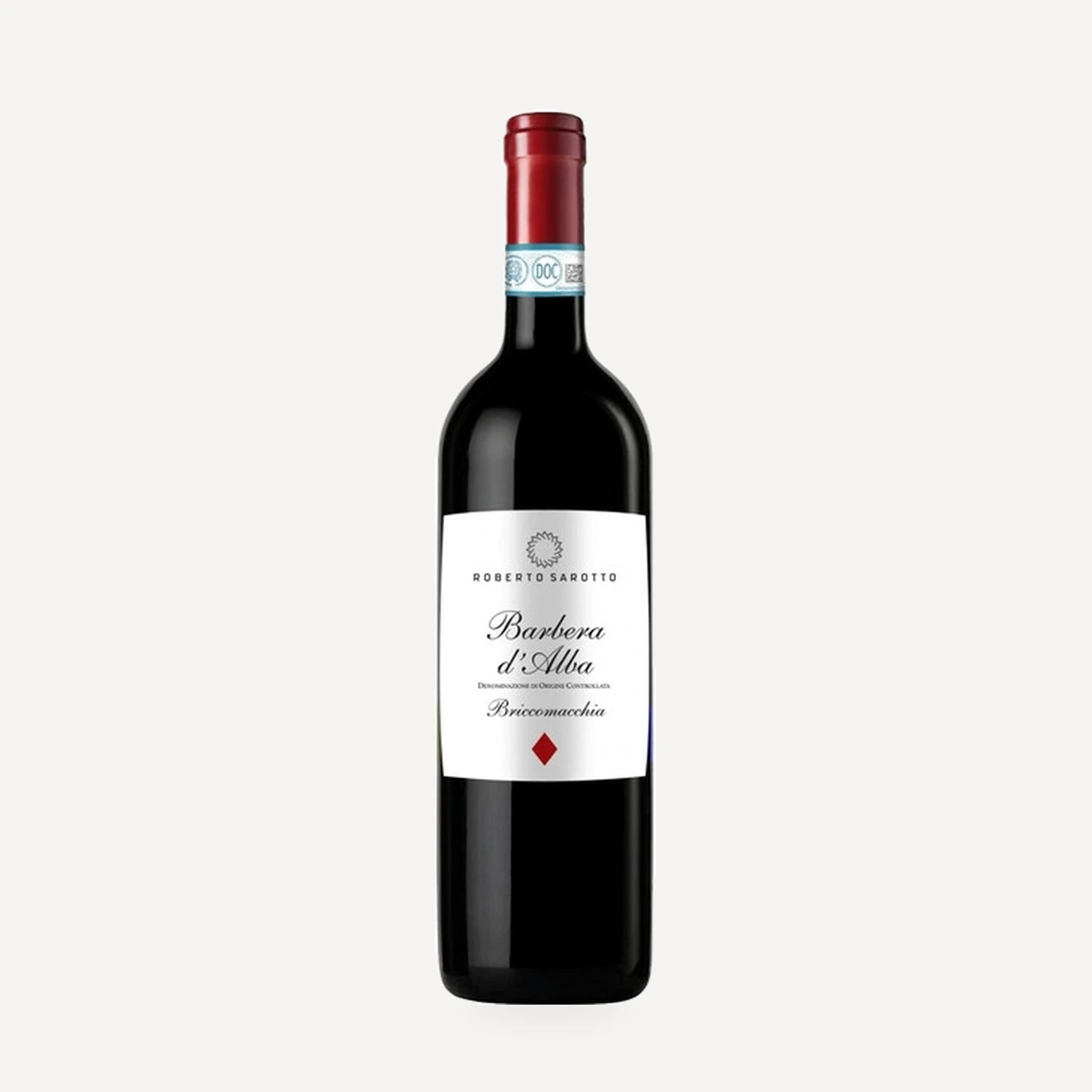
Barbera d’Alba Briccomacchia DOC
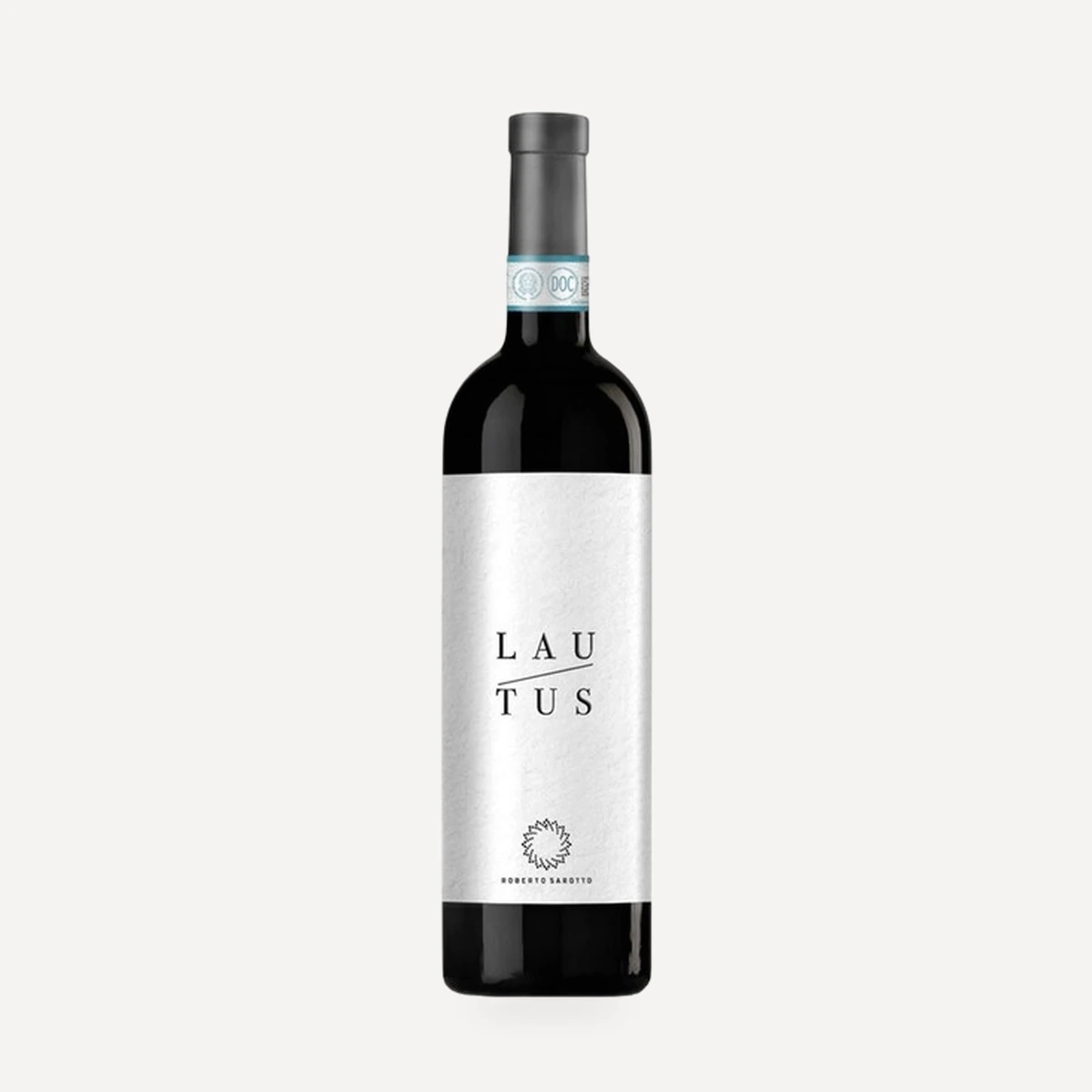
Langhe rosso Lautus DOC
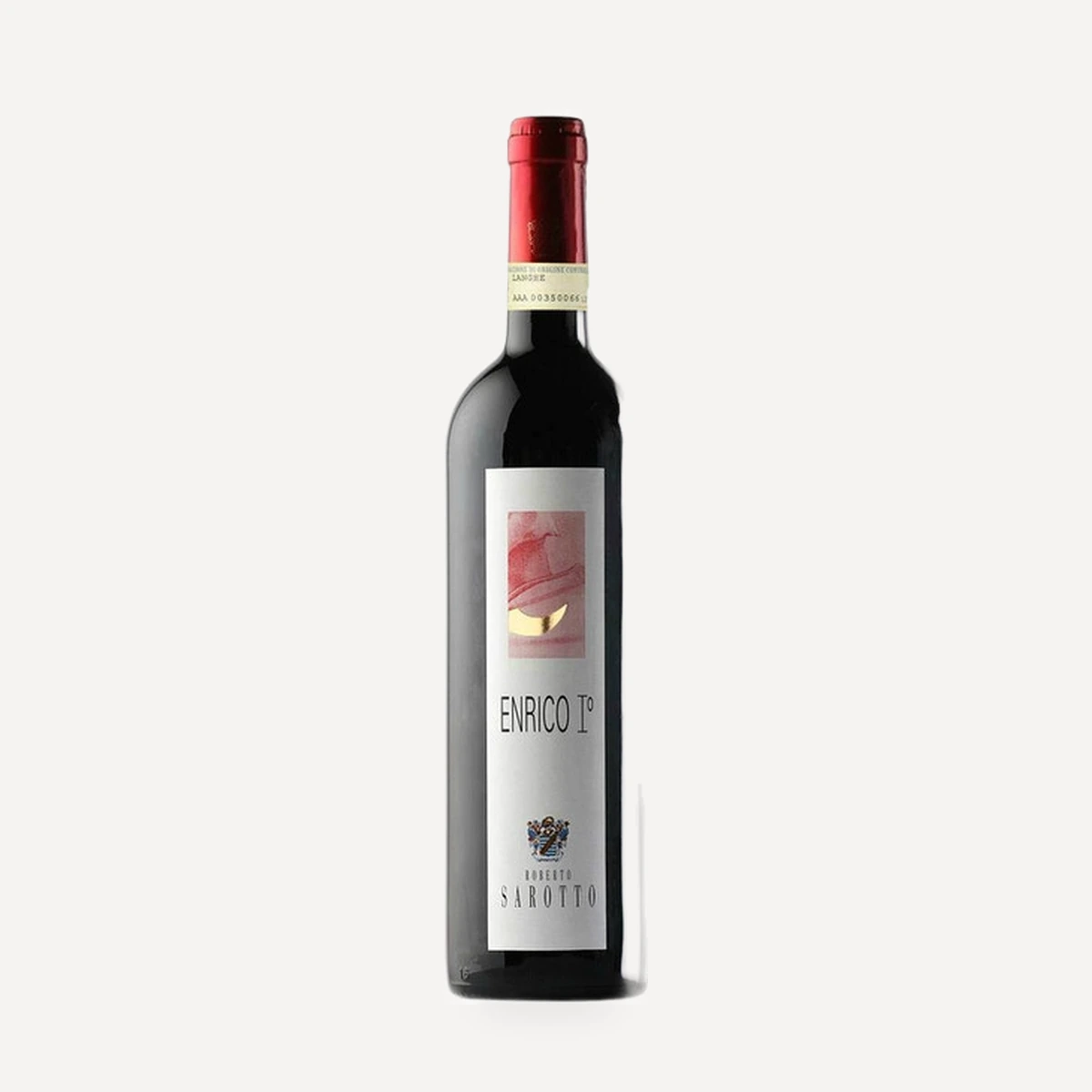
Langhe Rosso Enrico I° DOC
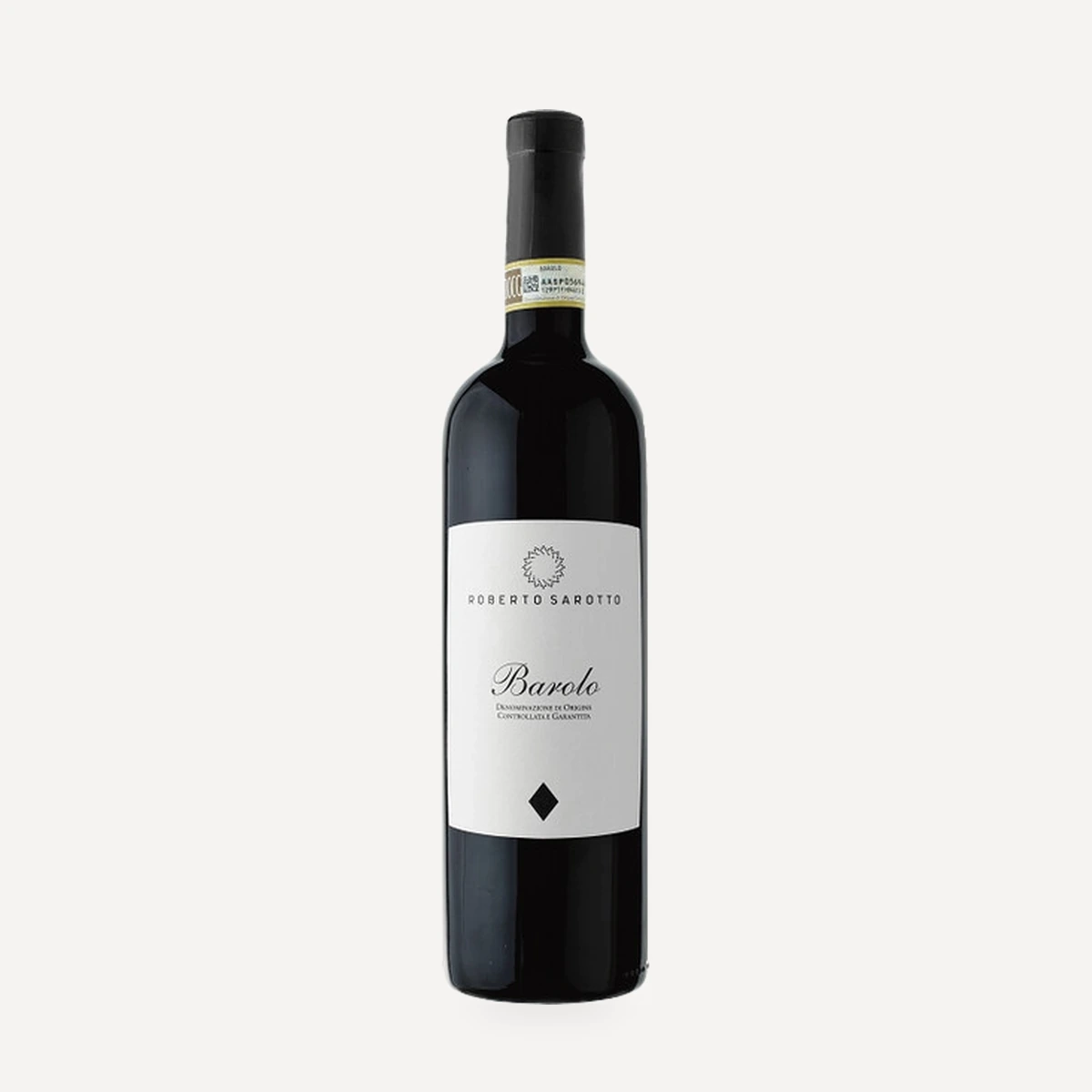
Barolo DOCG
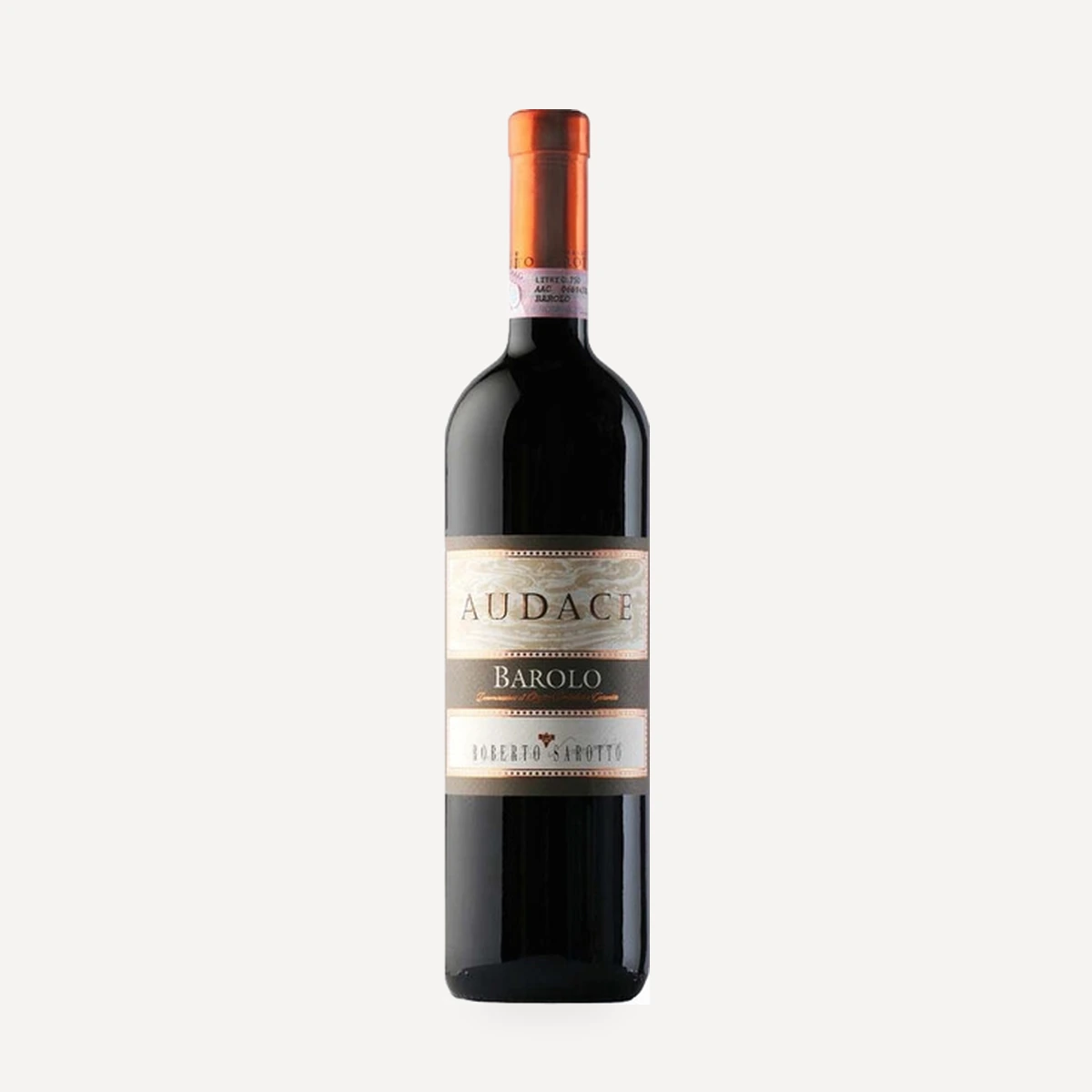
Barolo Audace DOCG
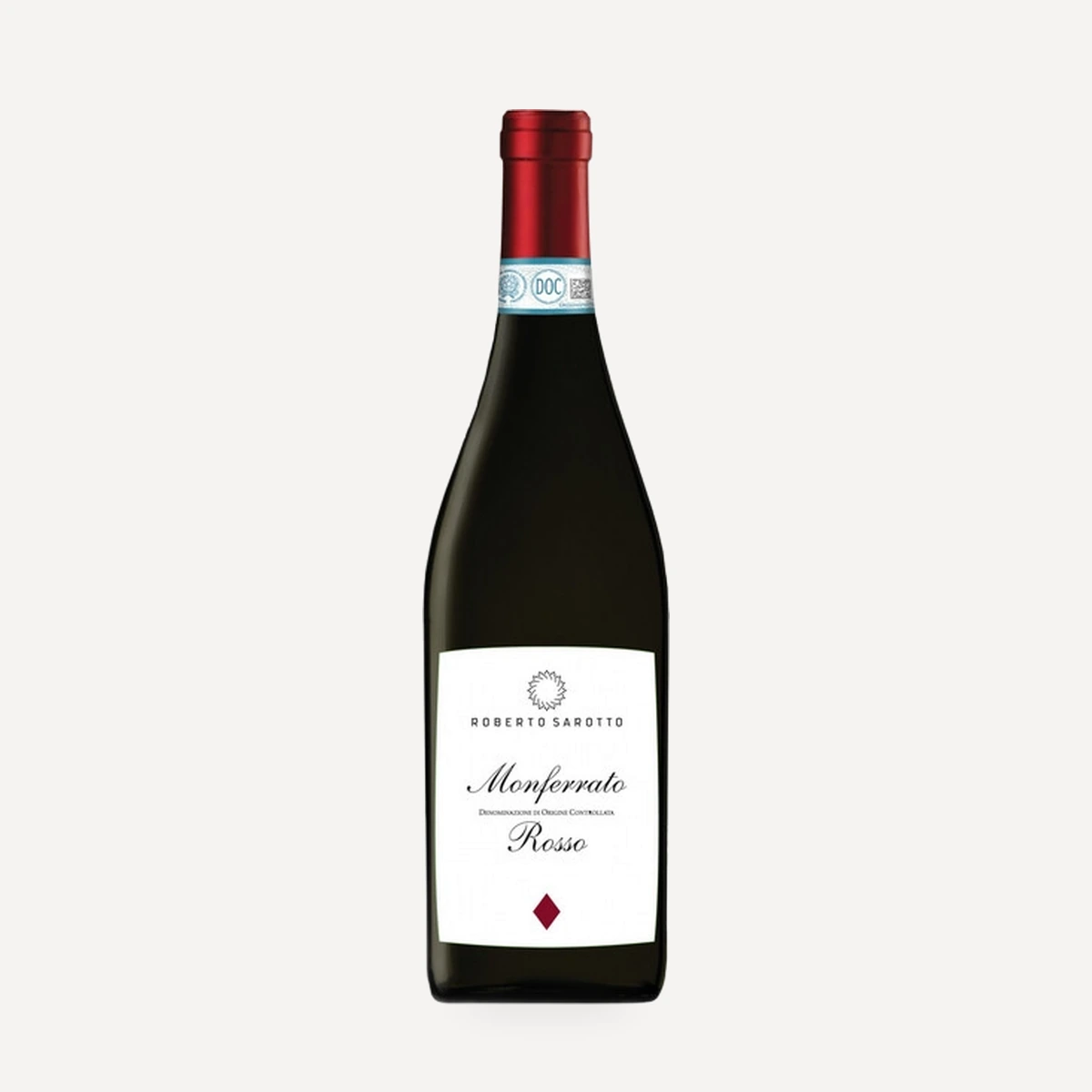
Monferrato Rosso DOC
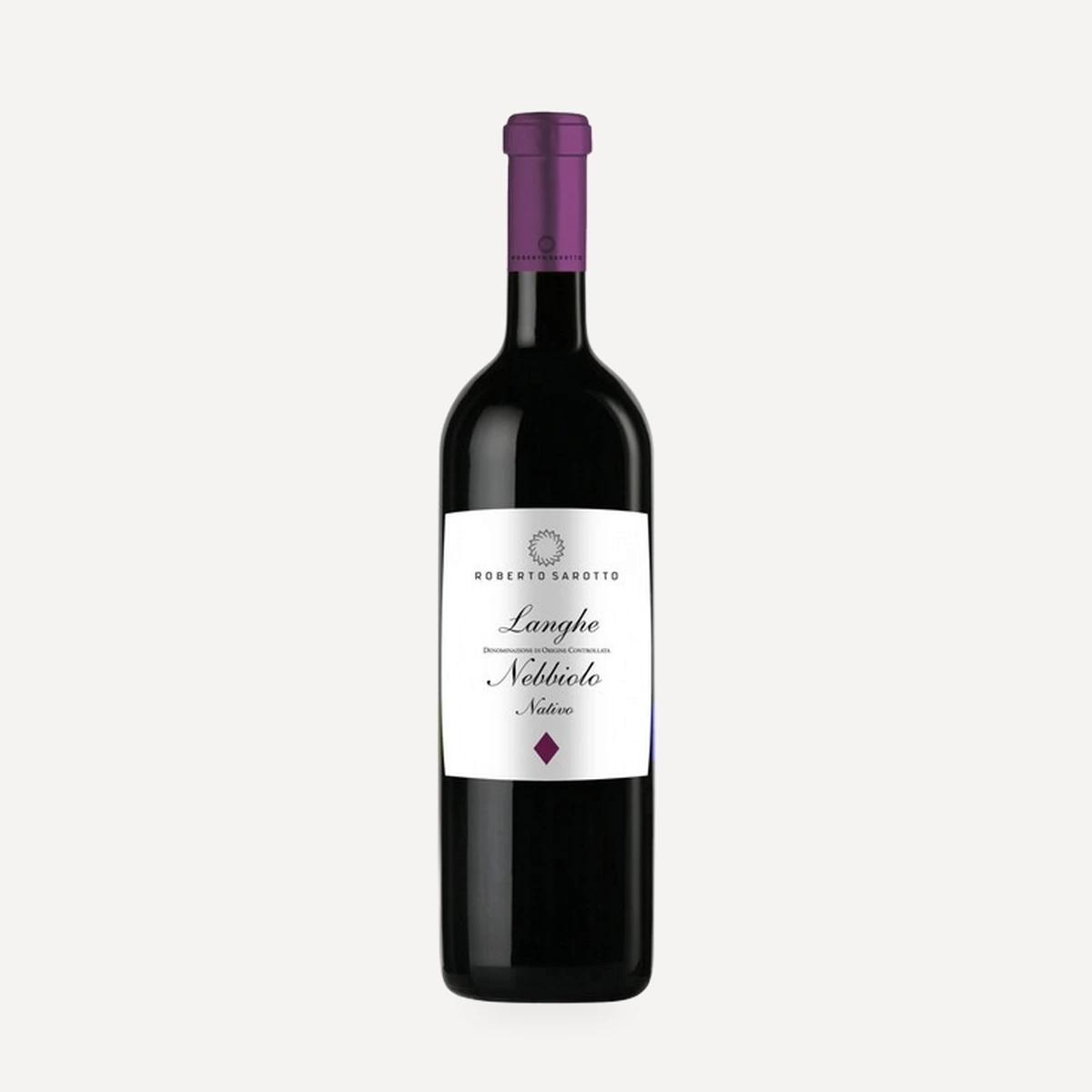
Langhe Nebbiolo Nativo DOC
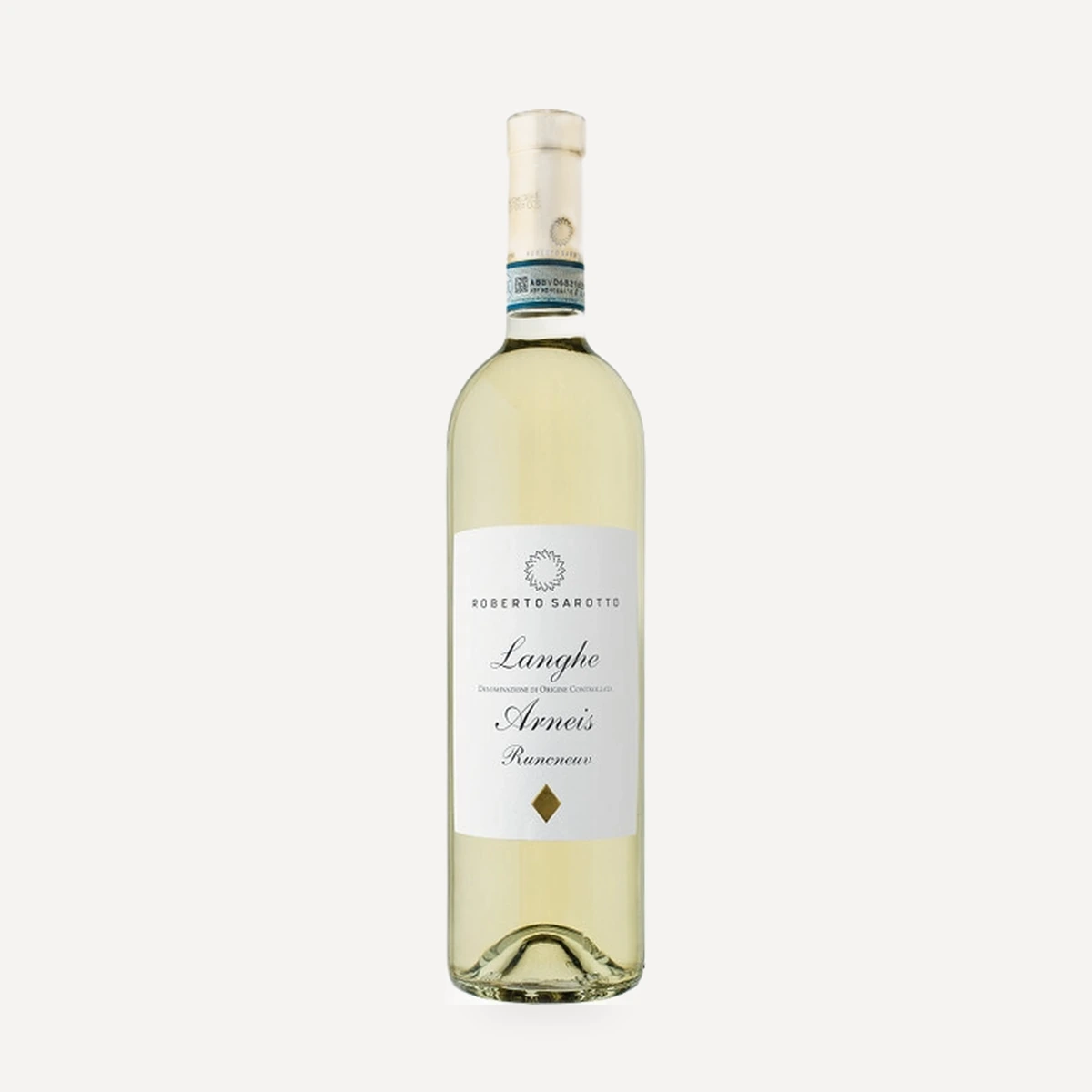
Langhe Arneis Runcneuv DOC
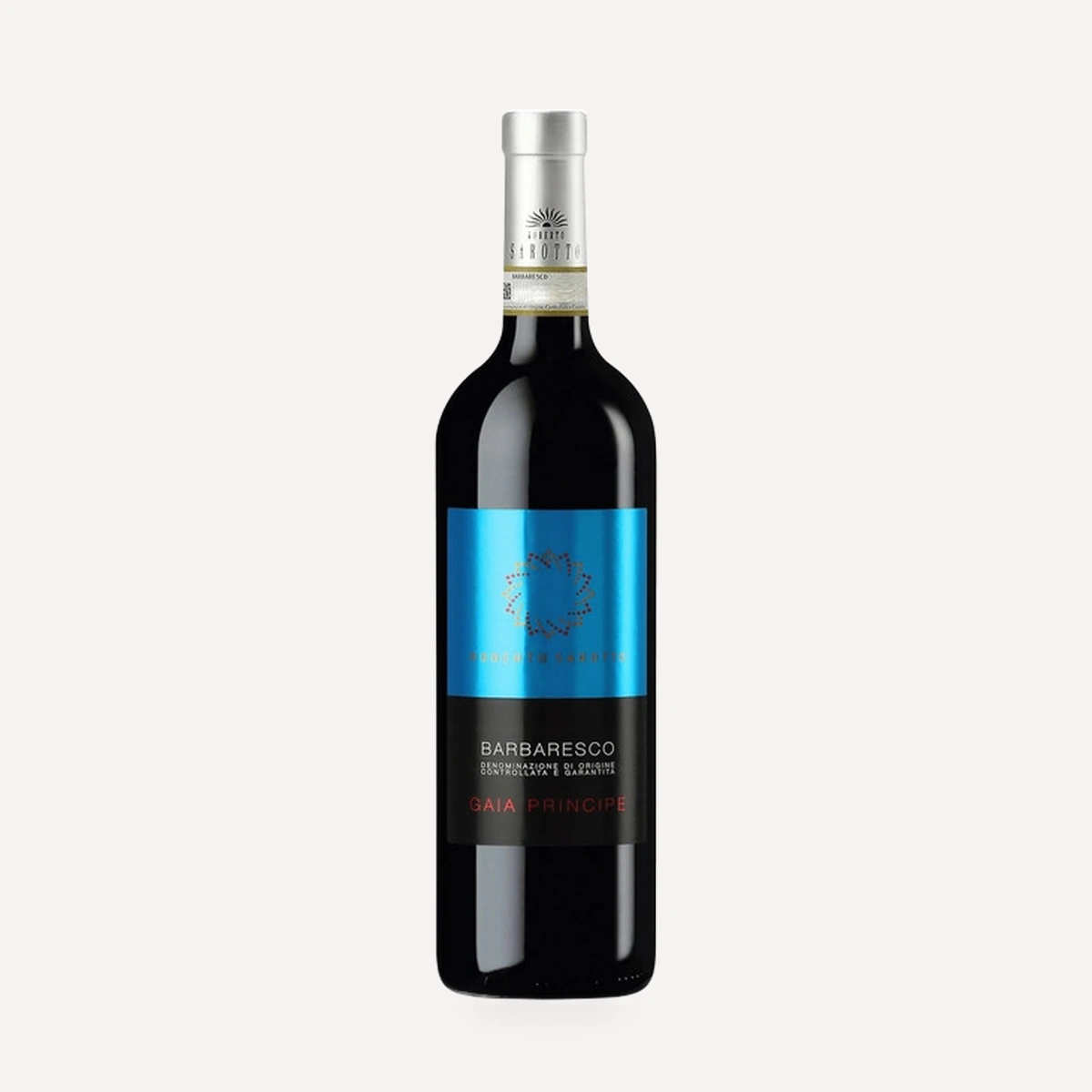
Barbaresco Gaia Principe DOCG
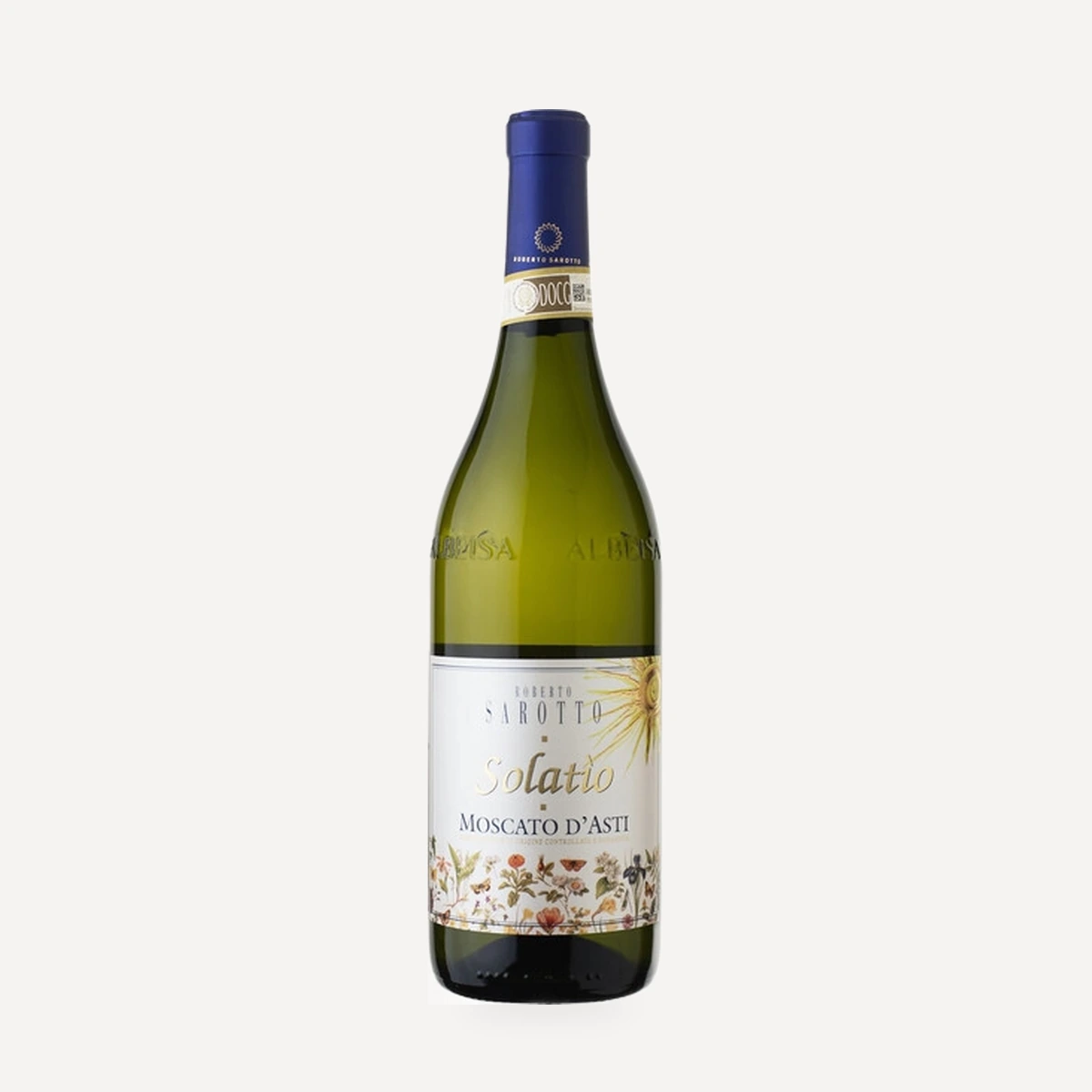
Moscato d’Asti Solatìo DOCG
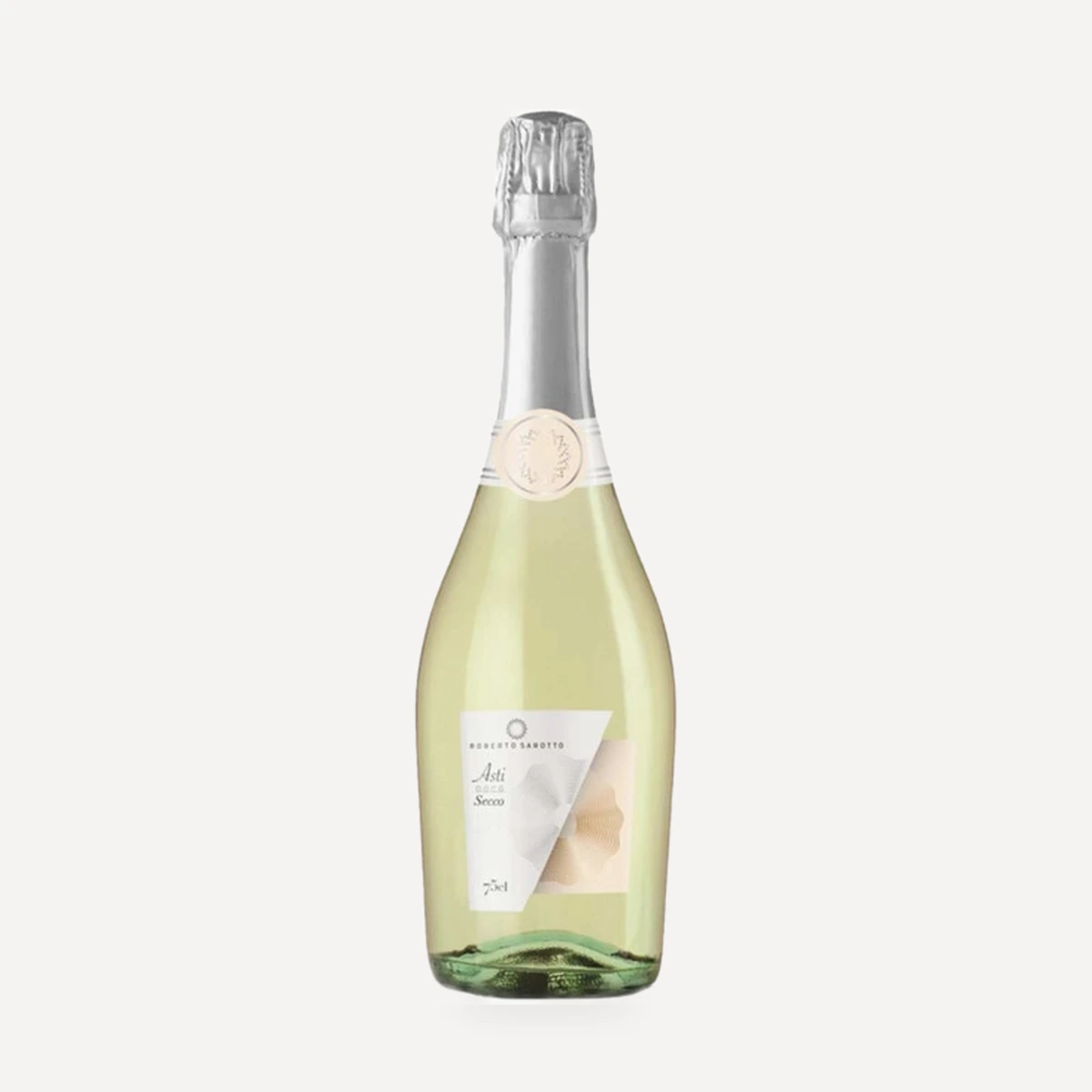
Asti Secco DOCG
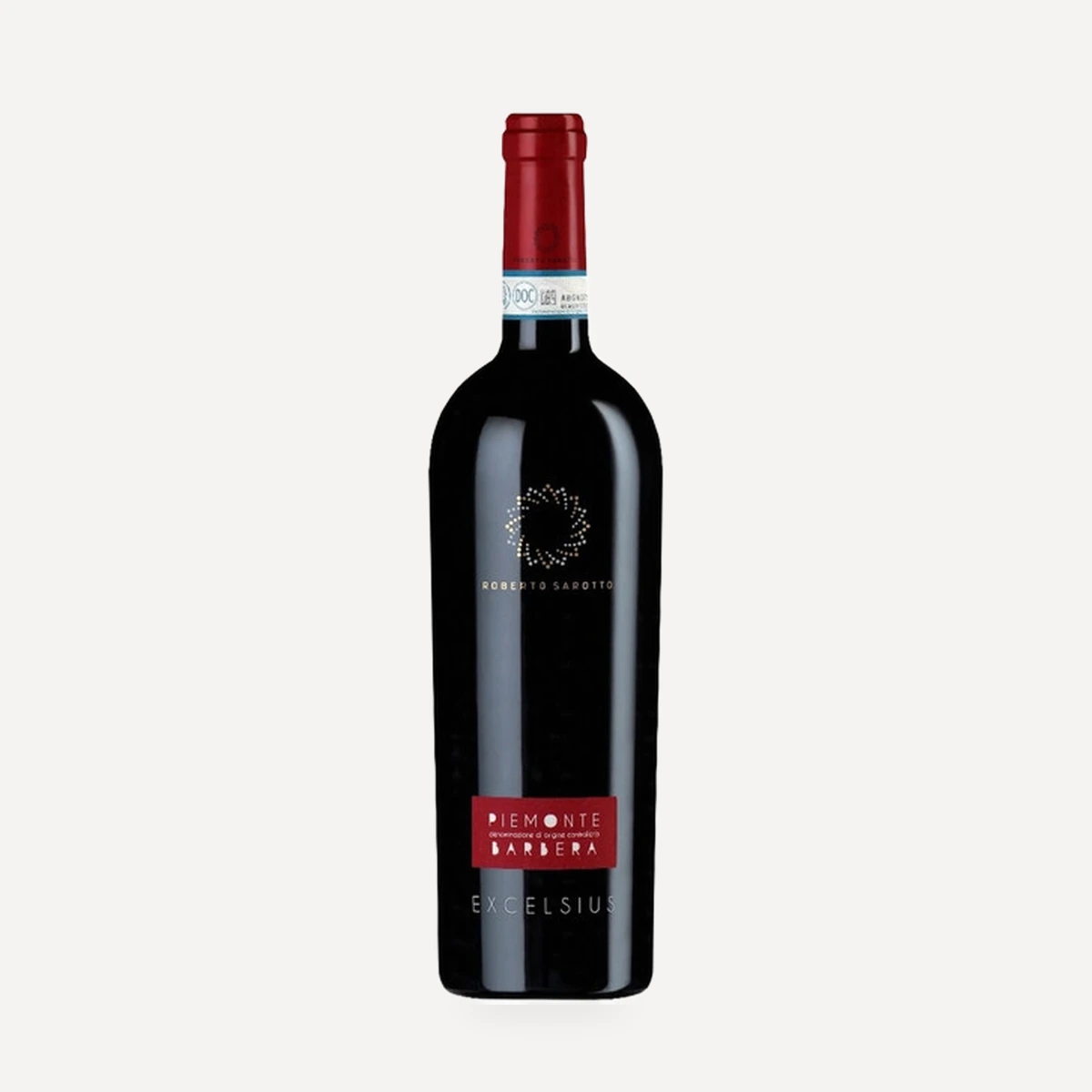
Excelsius Piemonte DOC
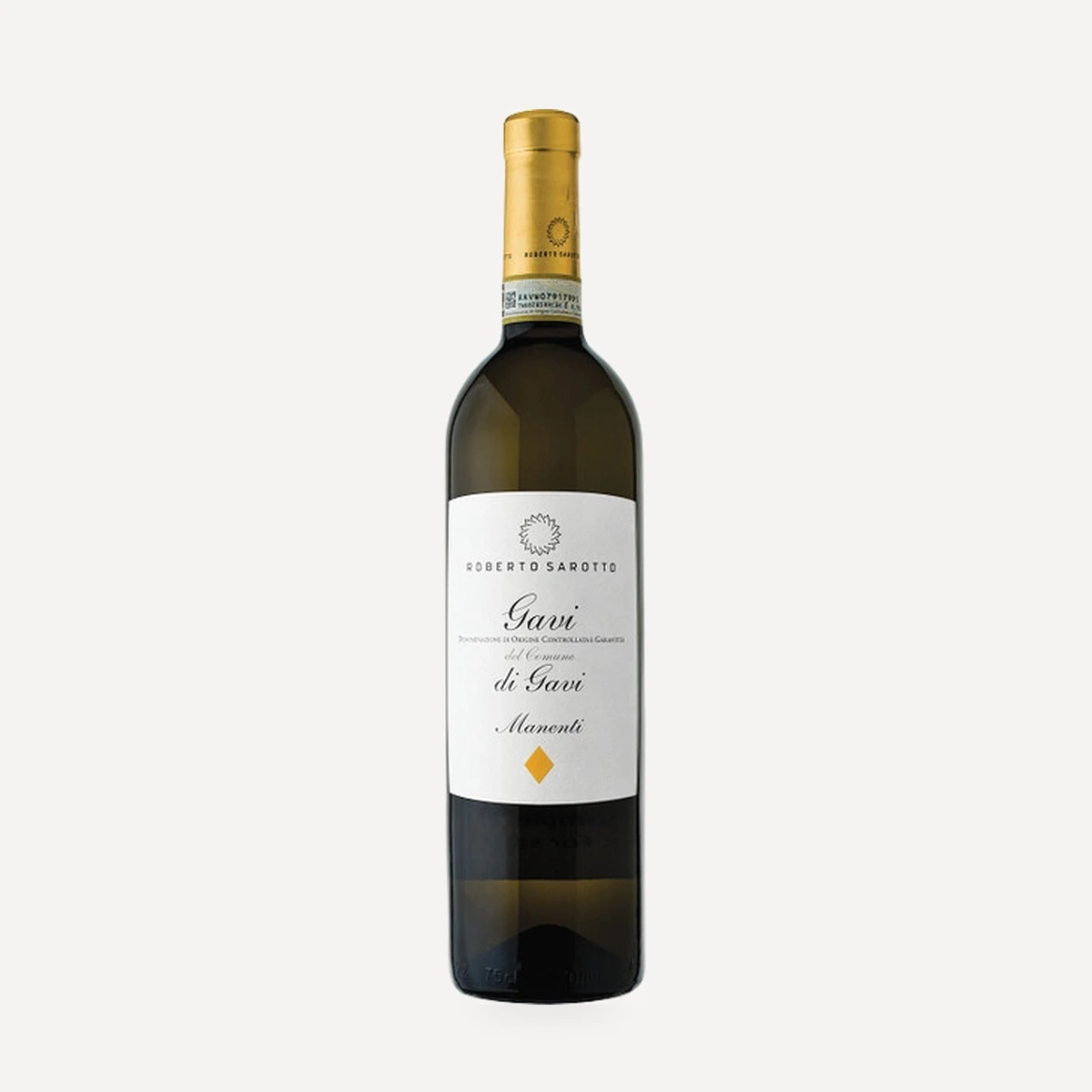
Manenti Gavi di Gavi DOCG
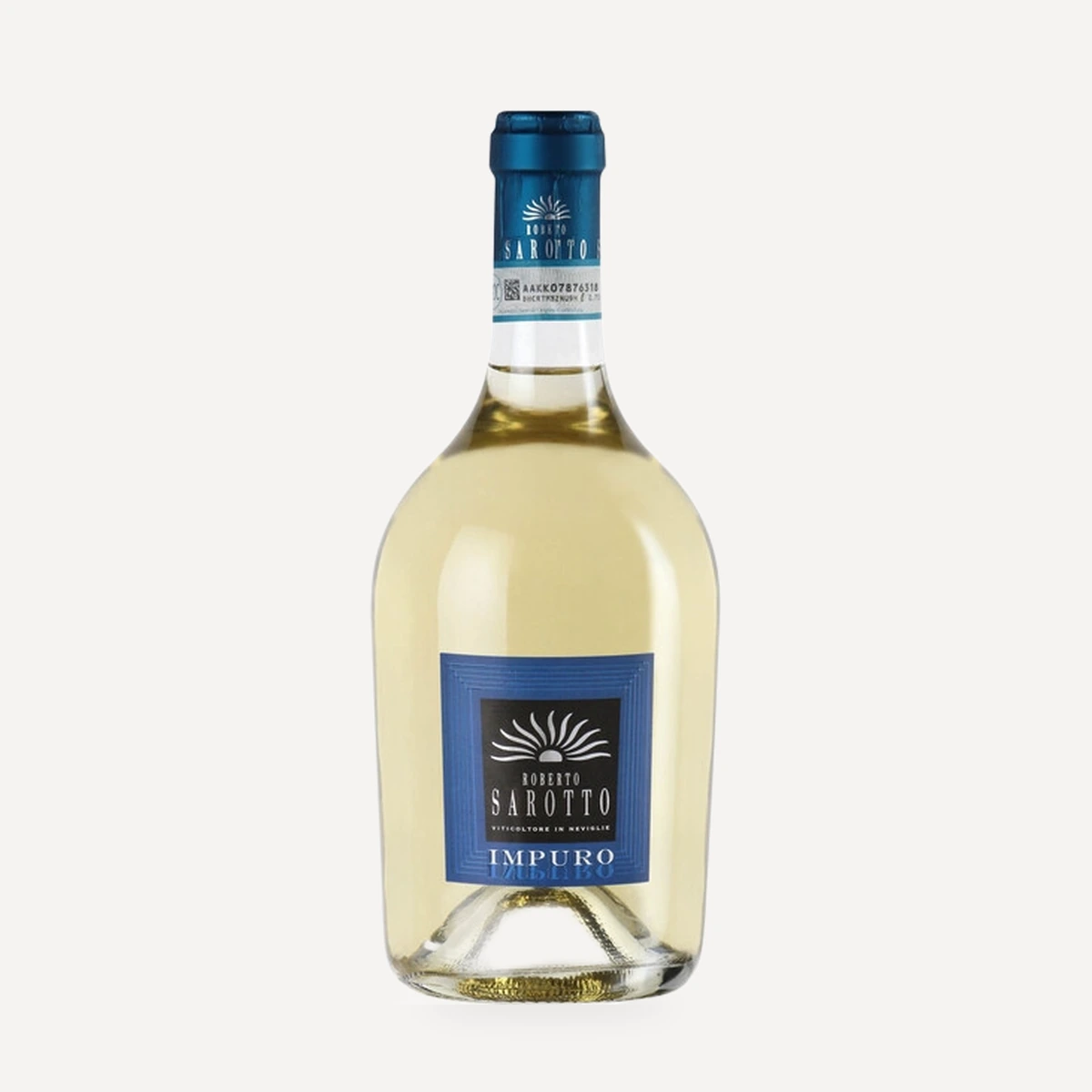
Piemonte Chardonnay Impuro DOC
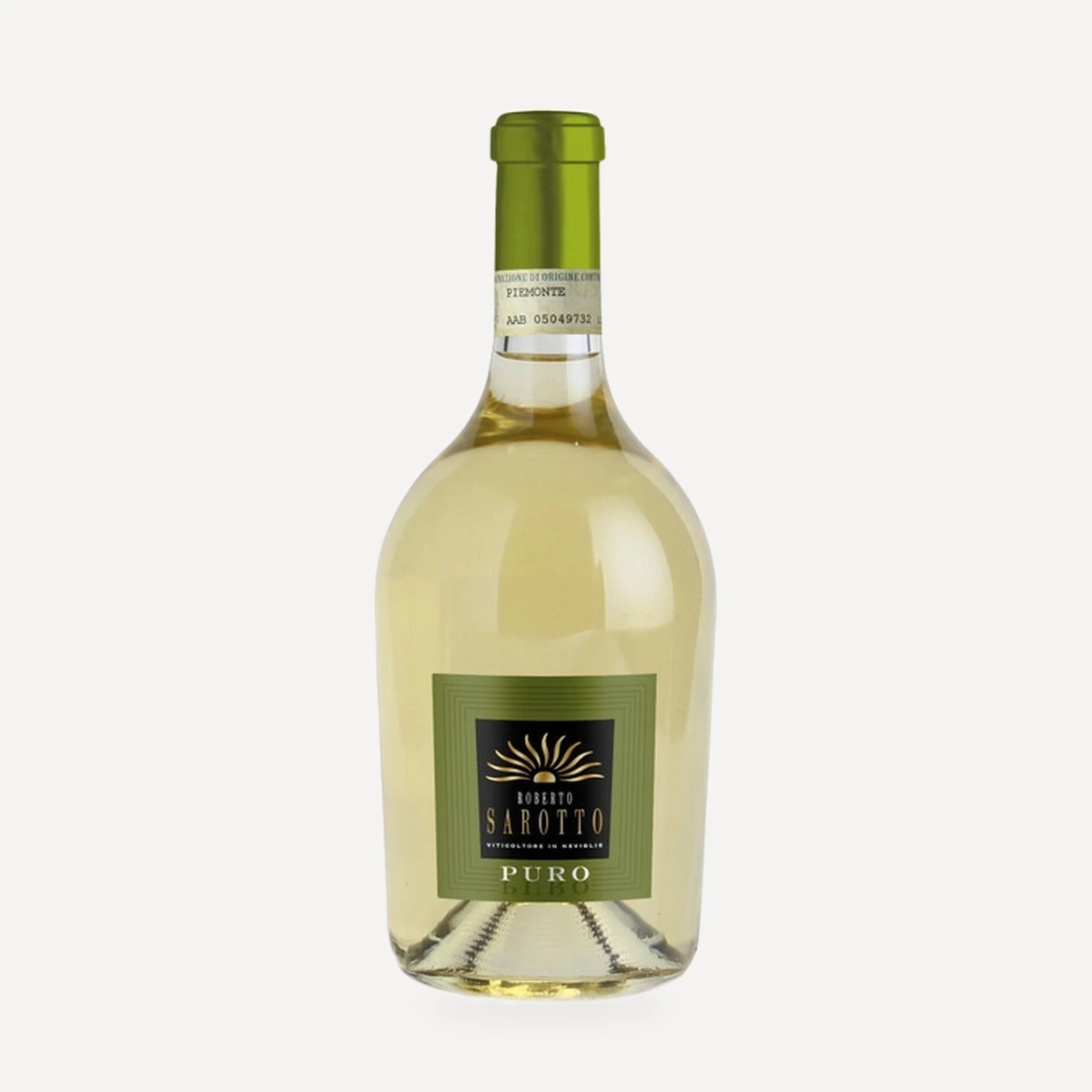
Piemonte Chardonnay Puro DOC
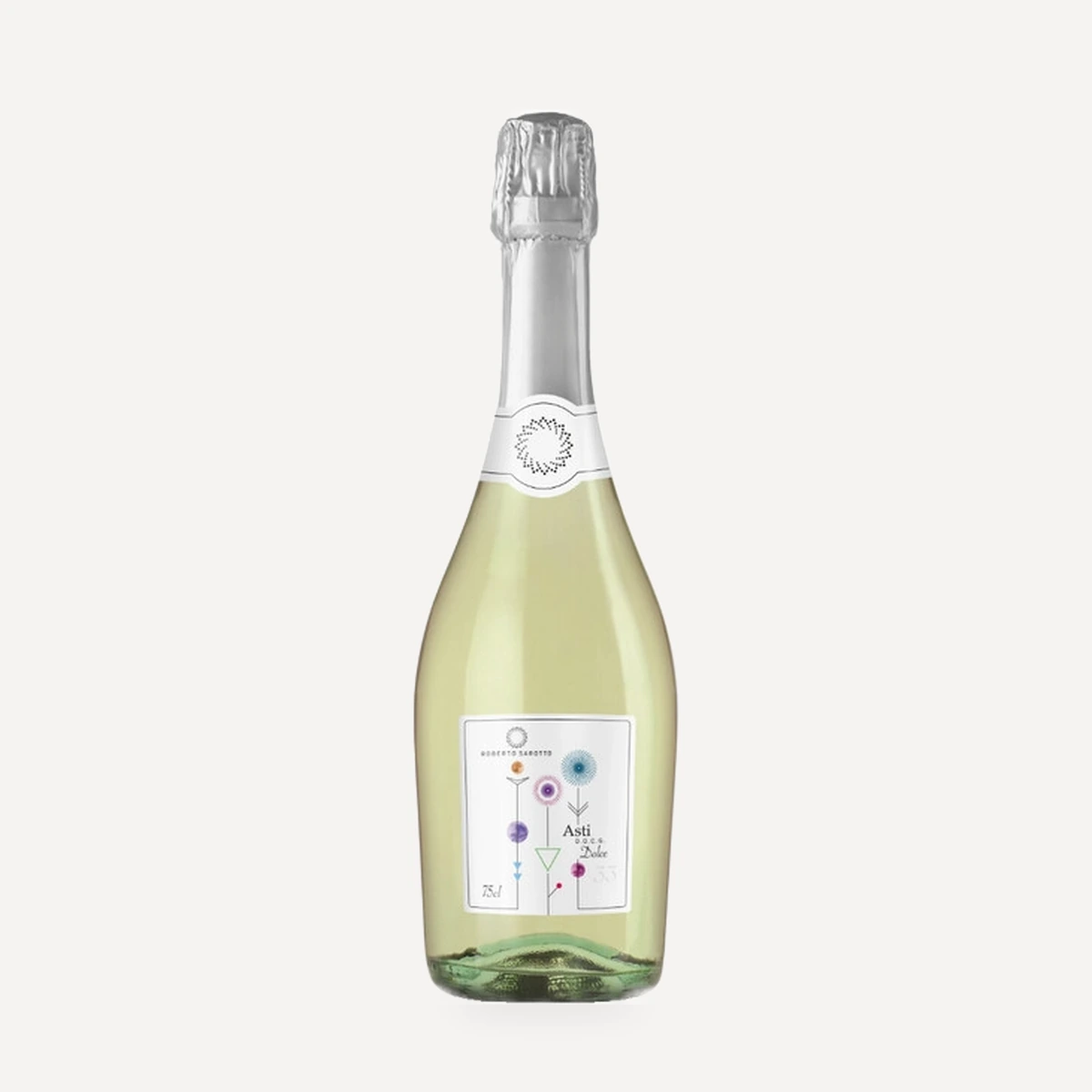
Asti Dolce 33 DOCG