Storia
From Gut Linticlar to a family estate
The estate’s ancestral home first appears in documentary records in 1225 as Gut Linticlar. The historic property later became known as Ansitz or Castel Turmhof.
Castel Turmhof entered the family line in 1675. The Aichner family managed it for five generations. In 1847, Josef Aichner bequeathed the property to his nephew Karl Pardatscher. The following year, 1848, the business was entered in the commercial register. Wine trading was becoming increasingly important, opening the first commercial relationships with customers in neighbouring countries.
Karl Pardatscher sold the estate in 1866 to his cousin Johann Tiefenthaler. Tiefenthaler was also responsible for the artistic garden and pond landscape surrounding Castel Turmhof. Beginning in 1861 and continuing until around 1900, he fashioned frescoes, grottos and numerous sculptures from tuff stone, largely by his own hand.
Johann Tiefenthaler and Anna Waldthaler had 16 children, but all their sons died during childhood. Their daughter Luise consequently inherited the Turmhof winery. In 1897, she married Johann Tiefenbrunner of Margreid, establishing the Tiefenbrunner name at the estate.
Electricity, war and a young cellar master
In 1910, Johann Tiefenbrunner commissioned a private hydroelectric plant. Using a vertical drop of approximately 190 metres and a single-jet turbine, it generated up to 85 kWh. It met the estate’s requirements and supplied electricity to neighbouring parts of Kurtatsch and Margreid until the 1940s.
In 1943, during the final years of the Second World War, 15-year-old Herbert Tiefenbrunner had to leave his wine education at San Michele prematurely. He returned home to support the family and assumed the cellar-master duties after the previous cellar master departed at short notice.
Herbert married Hildegard “Hilde” Goller of Seis am Schlern in 1955, following a year-long engagement.
Bottling, hospitality and high-altitude viticulture
The growth of tourism prompted Hilde to open a traditional Jausenstation in 1968, serving South Tyrolean cold cuts and cheeses with estate-grown wine. The same year brought the winery’s first estate bottling. Until then, its wine had been sold exclusively in barrels for resale; bottling made direct sales at the property possible.
In 1972, Herbert planted one hectare of Müller-Thurgau on the Fennberg mountain at 1,000 metres. The site became the origin of Feldmarschall von Fenner and remains identified as Europe’s highest Müller-Thurgau vineyard. The first vintage pictured in the family archive is 1974.
The traditional pine-panelled Zirmstube was created in 1978 at the initiative of Hilde and Herbert.
After gaining work experience in England and Tuscany, their son Christof joined the family business permanently in 1983, aged 18. In 1986, Herbert and Christof undertook their first major international business journey, travelling to London in traditional South Tyrolean dress.
The same year, the old Schiava vines in the one-hectare Au vineyard were top-grafted with Chardonnay. The established Schiava root systems were retained, while Chardonnay scions formed the new fruit-bearing part of the vines.
Fifth-generation succession and cellar development
Beginning in 2000, Christof and his wife Sabine progressively assumed management of the winery. Herbert and Hilde remained active, offering guidance and operational support.
A modern hydroelectric facility was constructed beside the historic plant in 2001. Its dual-jet technology, hydraulic controls and electronic monitoring raised maximum output to 100 kWh while continuing the estate’s tradition of generating its own power.
In 2006, underground bottle-storage capacity was enlarged beneath the parking area. The extension provided the space required to hold the Turmhof, Linticlarus and Vigna selections for the 10–24 months of maturation then required before release.
Oenologist and cellar master Stephan Rohregger joined the team in 2007, after studies at San Michele all’Adige and Geisenheim University in Germany.
Single-vineyard development and the contemporary estate
In 2015, Tiefenbrunner joined Weingut Baron Widmann, Kellerei Kurtatsch and Weingut Peter Dipoli in the Cortaccia Rossa project. The four-producer initiative was created to present the Kurtatsch winegrowing area and its full-bodied red wines.
Herbert Tiefenbrunner, born on 29 February 1928, died on 1 April 2015. The 2015 Feldmarschall von Fenner Müller-Thurgau was subsequently released as an In Memoriam Edition.
The first vintage of the estate’s Selection VIGNA single-vineyard wines went on sale in 2016. On 27–28 January 2017, the estate hosted journalists, scientists and wine specialists from South Tyrol, Italy and Germany for a forum devoted to the cru and Vigna concept. The new selection comprised Feldmarschall von Fenner Müller-Thurgau, Rachtl Sauvignon Blanc Riserva, Au Chardonnay Riserva and Toren Cabernet Sauvignon Riserva.
A new underground fermentation and barrique cellar was completed in 2020. It introduced concrete fermentation vessels and a dedicated barrique cellar. Staff rooms occupy the ground floor above it, while the first floor contains a laboratory and a tasting room overlooking the vineyards. The bar and kitchen areas were renovated during the same year.
In 2021, the former Jausenstation concept was continued as Bistro Castel Turmhof, with table service and a broader menu.
Hilde Goller Tiefenbrunner, born on 29 July 1928, died unexpectedly on 29 February 2024, Herbert’s birthday.
Photovoltaic installations added in 2024 and 2026 supplemented the hydroelectric plants. Together, water and solar generation now cover more than 97% of the estate’s electricity requirements.
The winery is currently carried forward by the fifth and sixth generations: Sabine and Christof, together with their children Anna and Johannes. Selected wines from the 2025 vintage carry SQNPI sustainability certification.
Terroir
A 790-metre vertical range
The estate works across South Tyrol from 210 to 1,000 metres, linking warm sites in the valley floor with high-elevation Alpine vineyards. Its principal zone, Kurtatsch–Margreid, lies in the southern South Tyrolean Lowlands close to Trentino, on the right bank of the Adige. Völser Aicha, Montan–Neumarkt and Bozen extend the range into markedly different mesoclimates and geological settings.
Kurtatsch–Margreid
The largest cultivation zone spans 210–1,000 metres, allowing the grape varieties to be matched to distinct elevations, soils and microclimates. Kurtatsch itself is described at 210–940 metres, with average precipitation of 976 mm, an average daytime temperature of 21°C and an average nighttime temperature of 18°C.
Strong sunlight and warm days create a Mediterranean influence, while cooler nights introduce an Alpine element. The day–night difference sustains acidity and favours aromatic development, freshness, minerality and complexity. The evening Ora wind arrives through the valley from Lake Garda, ventilating the vines and rapidly drying them after rain.
North of the Kurtatsch church, hillside vineyards stand on calcareous glacial moraine over dolomite. Southern sectors are dominated by sandy clay. On the Margreid valley floor, sandy, calcareous alluvium developed after the formerly marshy plain was drained and reclaimed under Empress Maria Theresa in the 18th century.
Völser Aicha
Völser Aicha is the northernmost zone used by the estate. It occupies the northern slope of the Tiers Valley within the Schlern-Rosengarten Nature Park at 600–980 metres. Average precipitation is 1,022 mm; stated average temperatures are 16.5°C by day and 10°C at night, while the descriptive account rounds the daytime average to 17°C.
Altitude intensifies solar radiation, while cool nights produce a wide diurnal range associated with crisp acidity, pronounced aroma and complexity. Cool, dry autumn winds from the northern Eisack Valley ventilate the vineyards and reduce fungal pressure.
The surface is principally clayey, sandy moraine with high salt and relatively little humus. Beneath it lie volcanic grey quartz porphyry, porous dolomite and sandy-calcareous rock flour.
Montan–Neumarkt
The Pinot Noir sites of Montan, Glen and Pinzon and the Neumarkt site of Mazon lie in the Trudner Horn Nature Park on west-facing terraces at 400–550 metres. Average precipitation is 821 mm, with stated average temperatures of 20°C by day and 15°C at night.
Sunrise is comparatively late, while strong afternoon sunlight continues into the evening. This moderates midday temperatures. Nights are cool and the vineyards receive the Ora wind from Lake Garda. Surface soils are very sandy and clayey, with abundant humus over dolomite and porphyry.
Bozen
The Stubengüter vineyard lies in the Bozen-Dorf district near Schloss Maretsch at 260 metres. Average precipitation is 990 mm, with average daytime and nighttime temperatures of 25°C and 17°C respectively. Warm air accumulates in the valley, producing hot days and milder nights.
Ventilation is important for the fungal-sensitive Lagrein grape: the Ora dries the fruit during the day, while cool autumn winds from the Dolomites lower temperatures in the evening. The sandy, loose and permeable soil comprises alluvium deposited by the Talfer River and quartz-porphyry boulders; it warms rapidly and retains heat.
Vinificazione
The estate owns 25 hectares in Entiklar, Kurtatsch and Margreid and works with about 58 South Tyrolean winegrowing families cultivating approximately 60 additional hectares. Some partnerships extend over generations. Many suppliers farm around one hectare, often as a secondary occupation within long-held family properties.
Estate vineyards are cultivated without herbicides. Targeted cover cropping supports soil fertility, while gentle pruning is intended to extend vine life. Reduced yields per hectare and environmentally sustainable crop protection form part of the quality program.
Partner growers follow defined quality standards and receive technical support from the viticulture team throughout the growing season. Long-term relationships, advice and continuing dialogue are used to align grape quality with progressively clearer sustainability requirements.
Every grape is harvested by hand in autumn and handled gently. Yield management is particularly strict for the VIGNA sites, where soil care, variety, microclimate and the individual vine are treated as a single system.
From the 2025 vintage, selected wines carry SQNPI – Sustainability certification. SQNPI evaluates environmental, economic and social criteria annually across the complete chain from vineyard to bottling. For estate vineyards it verifies established practices; for partner growers it provides a measurable framework for gradual improvement. Certification is treated as an ongoing process rather than a final status.
Cellar approach
Work in the cellar is designed to guide development without masking variety or vineyard identity. Handling is deliberately gentle, intervention is minimized and each wine is given time to mature. Vessel choice varies by wine line, capacity and the degree of oxygen exchange required.
A new underground fermentation and barrique cellar completed in 2020 contains concrete tanks and a dedicated small-barrel area. The development also created staff facilities, a laboratory and a vineyard-facing tasting room. Earlier, in 2006, underground bottle storage beneath the parking area was expanded to accommodate extended maturation before release.
Fermentation and storage vessels
Concrete vessels range from 5,000 to 35,000 litres and are used for both fermentation and maturation. Their minimal but continuous oxygen exchange is intended to retain freshness, accessibility and primary-fruit character.
Stainless-steel tanks range from 1,000 to 12,500 litres. Since concrete became the main fermentation medium, steel has been used chiefly for intermediate storage. Its hermetic protection from oxygen conserves wine before bottling.
Large oak casks hold 1,500–5,000 litres. Their porous surfaces permit continuing oxygen exchange during maturation, contributing body and elegance. The low wood-to-wine ratio keeps oak flavour comparatively restrained.
Tonneaux hold 450 litres. Their higher wood-surface-to-wine ratio increases oxygen exchange, accelerating maturation and supporting balance, elegance and longevity.
Barriques hold 225 litres and provide the greatest wood-surface-to-wine ratio among the listed vessels. They promote stronger oxygen exchange and more evident, though intended to remain balanced, wood-derived aromas.
Maturation by range
MERUS wines are fermented in steel and concrete and bottled young. TURMHOF wines come from selected hillside sites up to 900 metres, remain on their lees for several months and are partly matured in wood. LINTICLARUS grapes are selected from small, proven sites and matured in small oak barrels. VIGNA production combines strict yield control, gentle pressing and extended maturation to preserve the identity of each registered single vineyard.
After bottling, TURMHOF wines rest for approximately six months. LINTICLARUS and VIGNA wines receive 12–24 months of bottle maturation under controlled cellar conditions before sale. AD TEMPUS releases are held for years under ideal cellar conditions and released only after extended bottle ageing.
Filosofia
Wine is treated as a continuation of family history rather than a product detached from place. The family’s stated responsibility is to preserve winemaking as part of its identity while connecting accumulated experience and tradition with the ideas of the next generation.
Quality begins with matching grape variety to soil, elevation and microclimate. Terroir is understood as the combined effect of soil, climate, variety and human decisions in the vineyard and cellar. The objective is not a uniform house style but clear, precise wines with distinct personalities that retain the differences between sites and vintages.
Stephan Rohregger’s cellar philosophy is to accompany rather than dominate development. Gentle handling, limited intervention, vessel selection and sufficient maturation time are used to let vineyard character emerge without excess.
The VIGNA concept is the most concentrated expression of this position. A single variety and a clearly bounded site are treated as an integrated system, with careful soil management, strict yield reduction, gentle pressing and patient ageing. Christof Tiefenbrunner defines this approach through quality, exclusivity, traceability and an uncompromising connection between origin and wine.
Sustainability is framed as an intergenerational responsibility. Herbicide avoidance, cover cropping, gentle pruning, renewable energy, support for small partner growers and annual SQNPI assessment are parts of an ongoing improvement process. Herbert Tiefenbrunner summarized the principle as keeping the next generation in view in every decision.
Vini
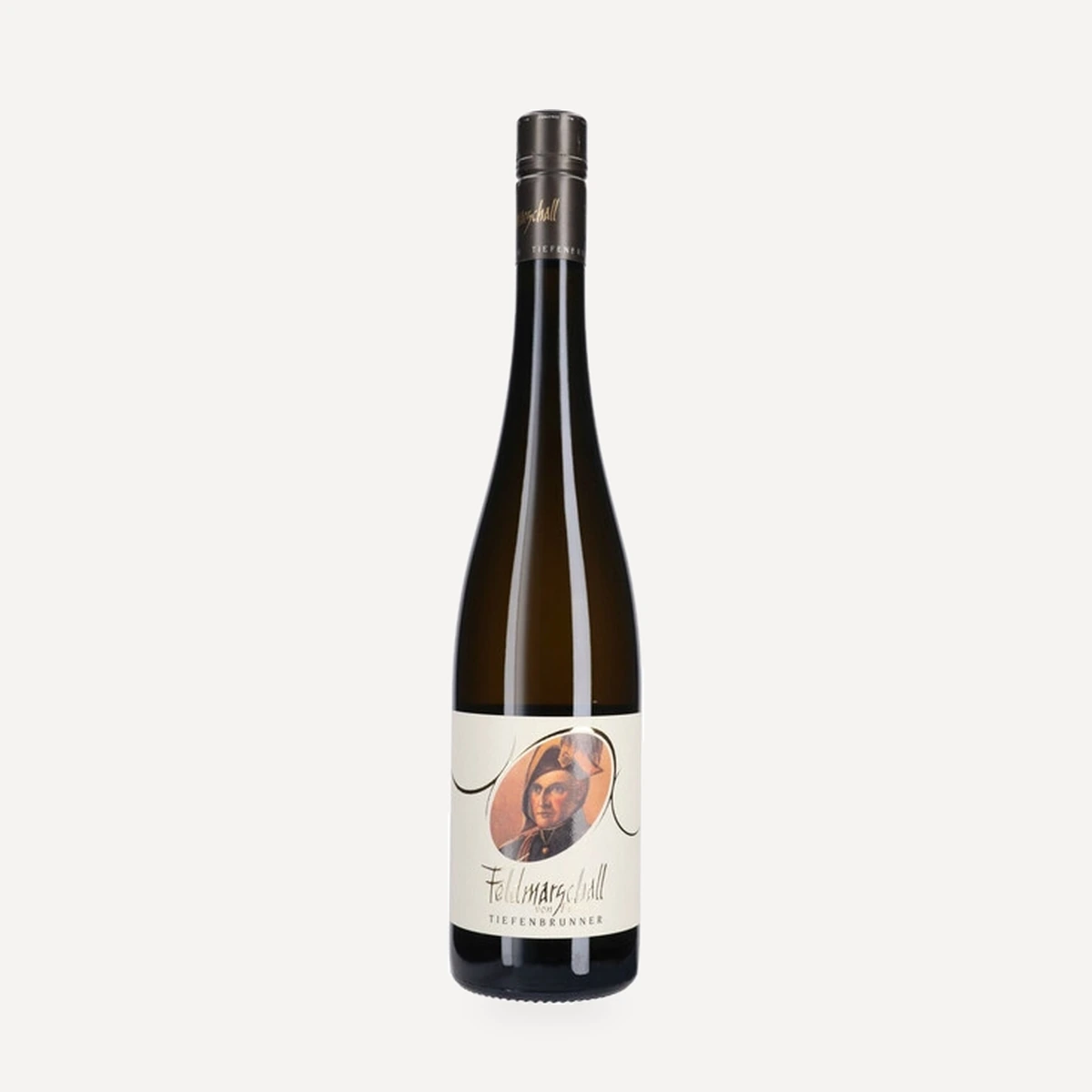
Vigna Feldmarschall von Fenner Müller-Thurgau Südtirol Alto Adige DOC
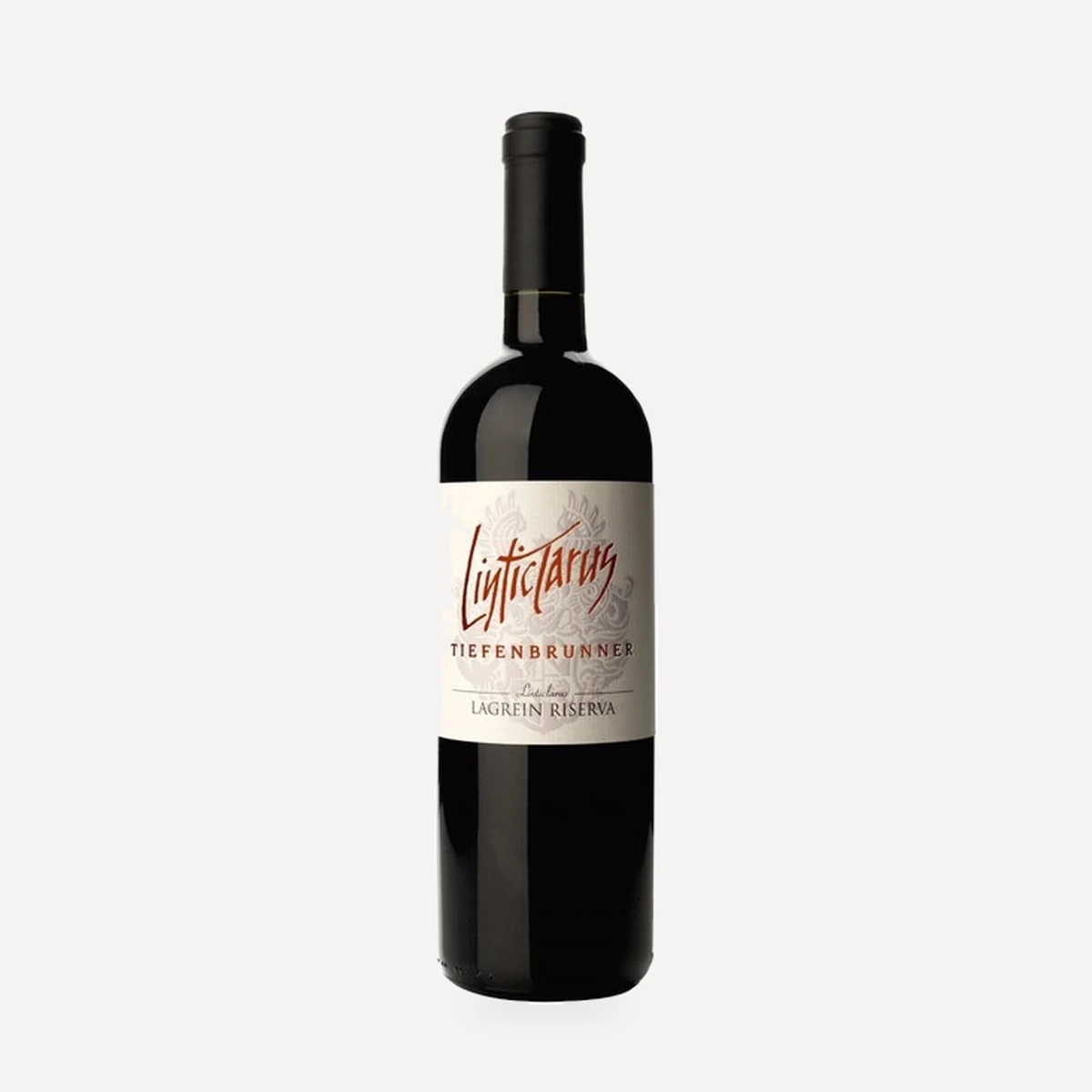
Linticlarus Lagrein Riserva Südtirol Alto Adige DOC
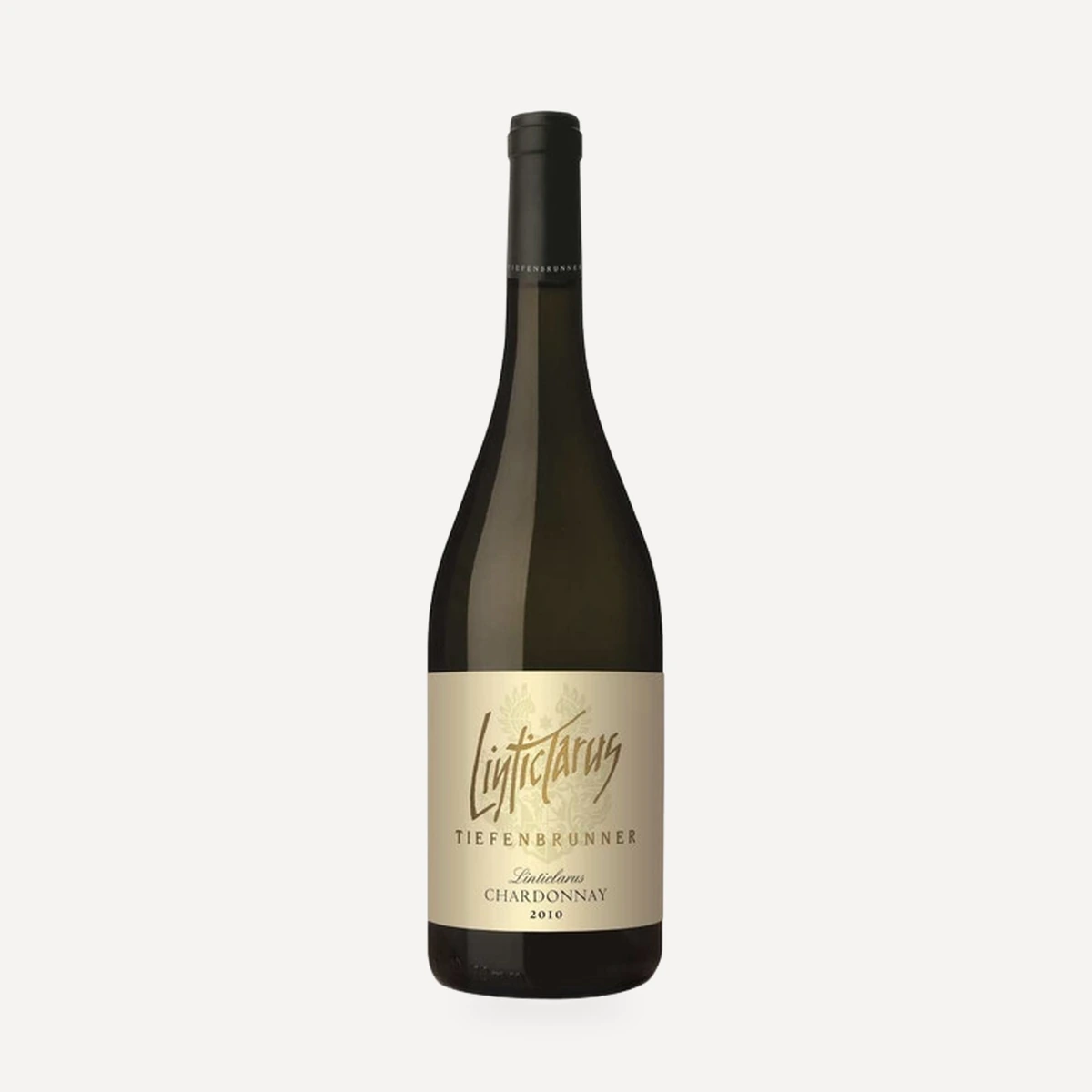
Linticlarus Chardonnay Riserva Südtirol Alto Adige DOC
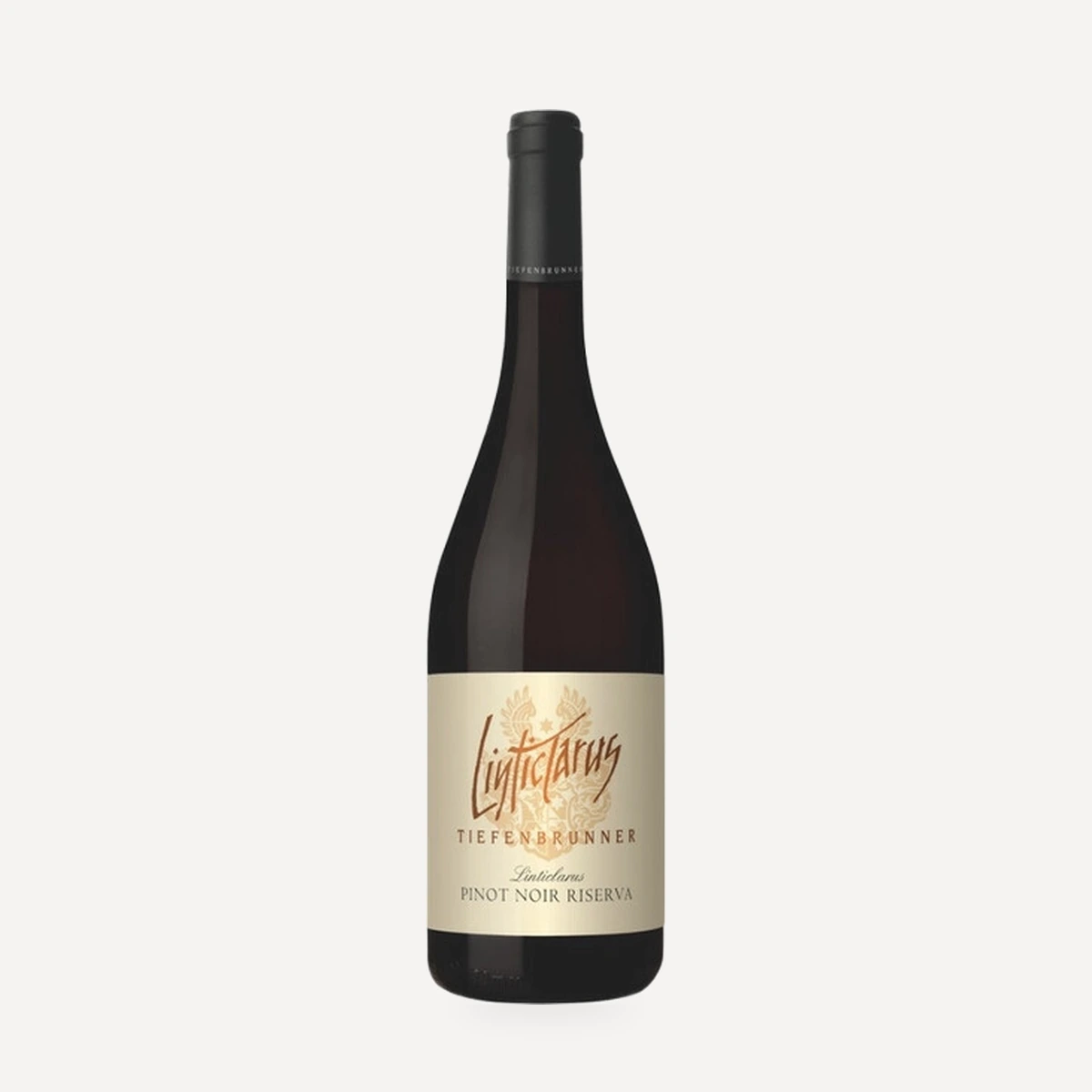
Linticlarus Pinot Noir Riserva Südtirol Alto Adige DOC
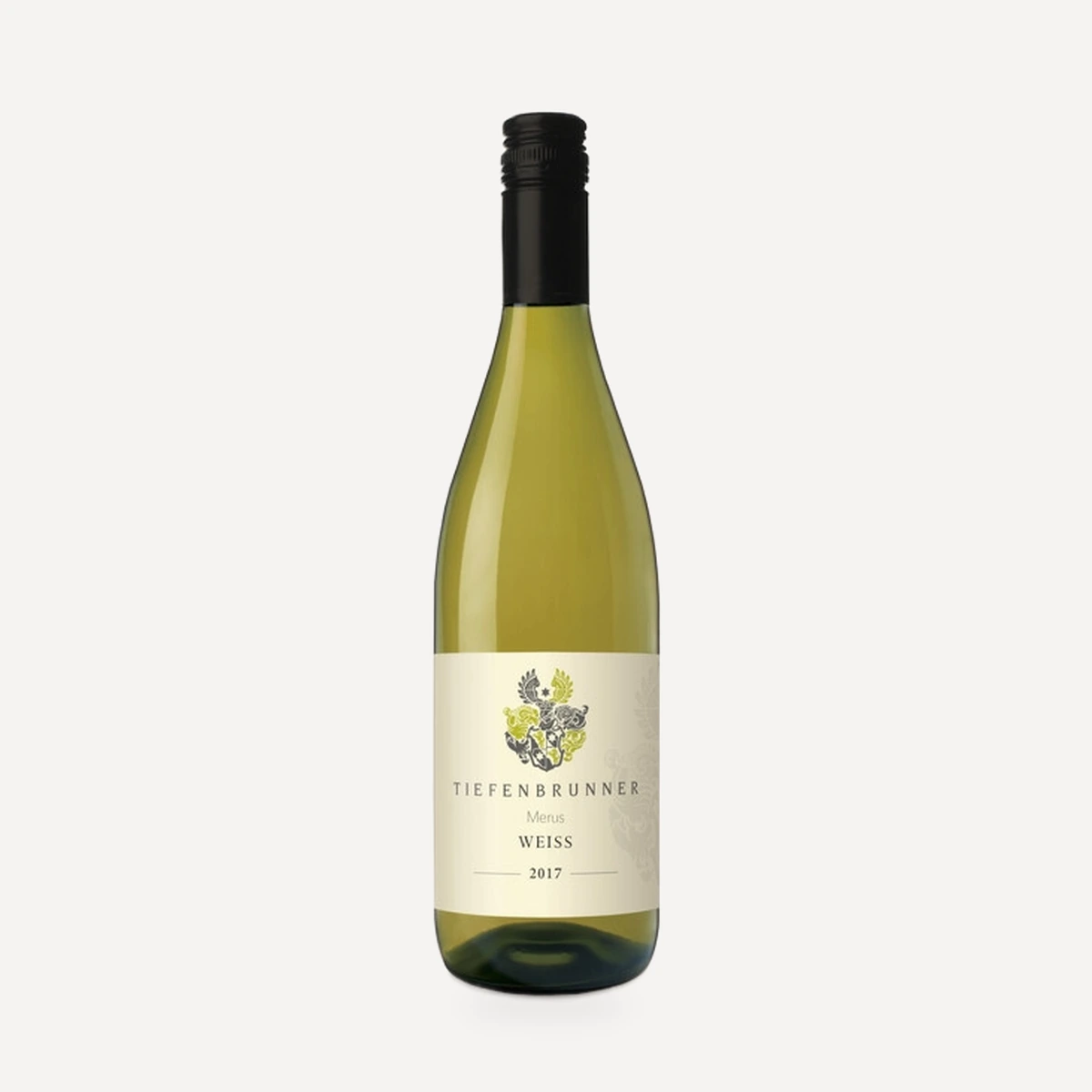
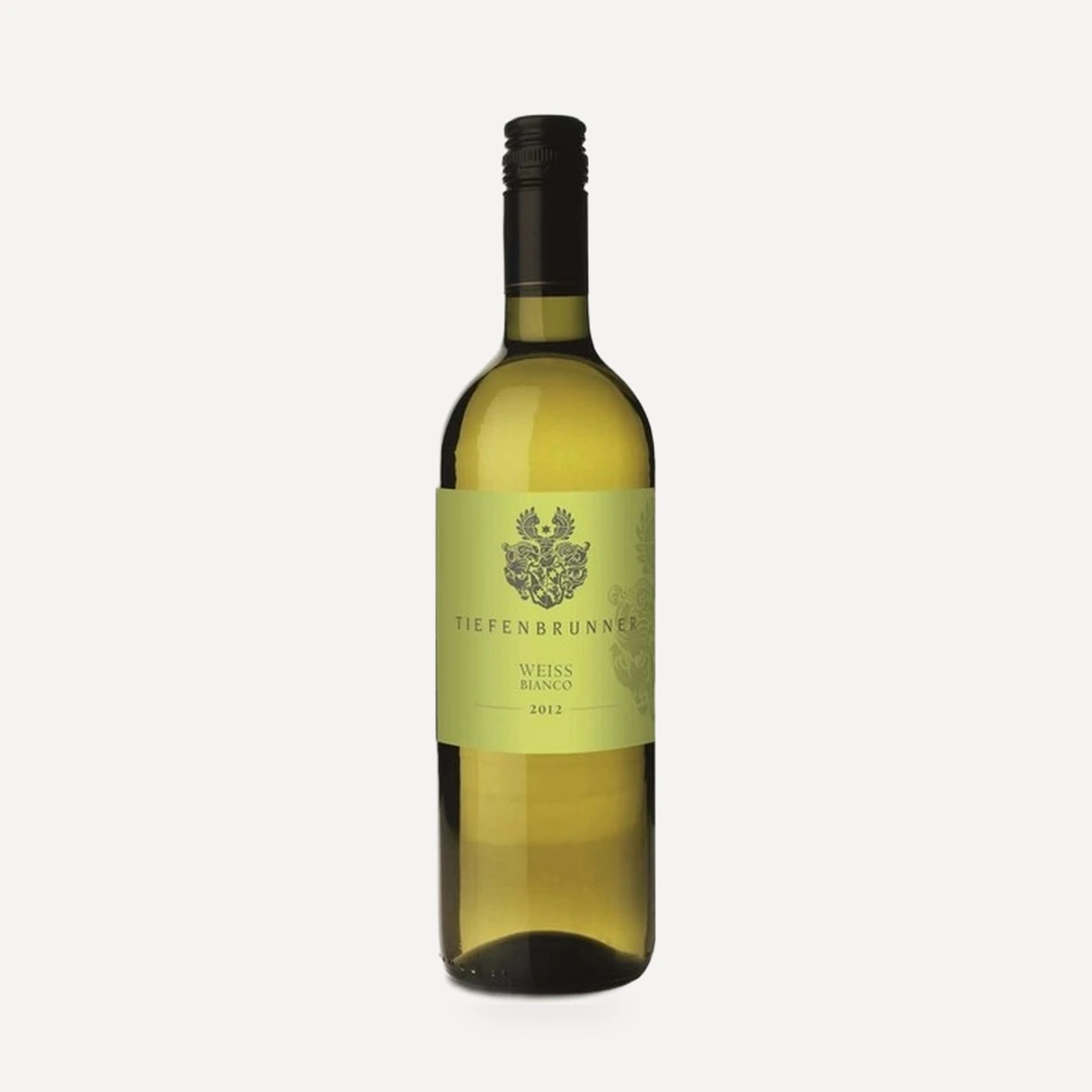
Merus Weiss Vigneti delle Dolomiti IGT
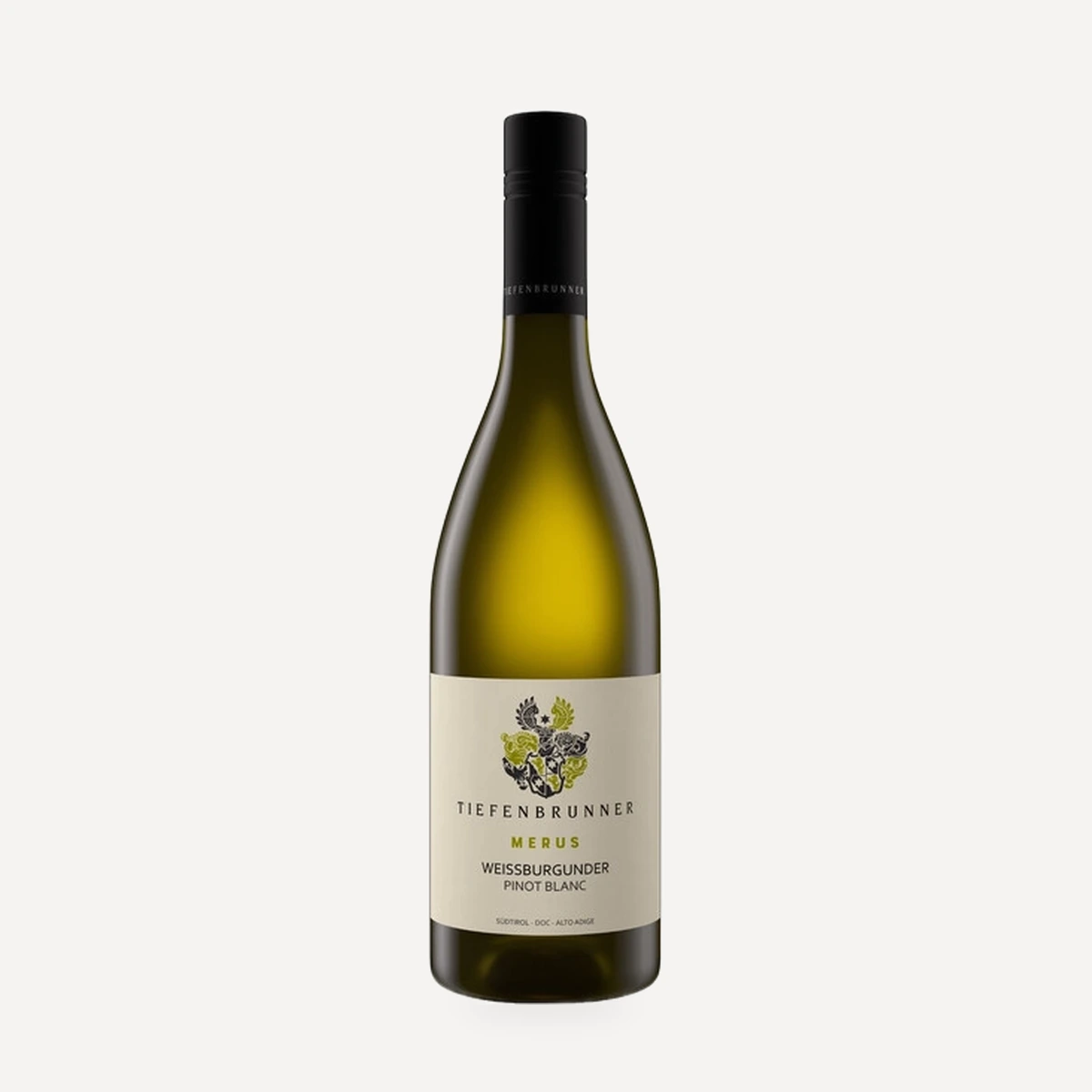
Merus Pinot Blanc Südtirol Alto Adige DOC
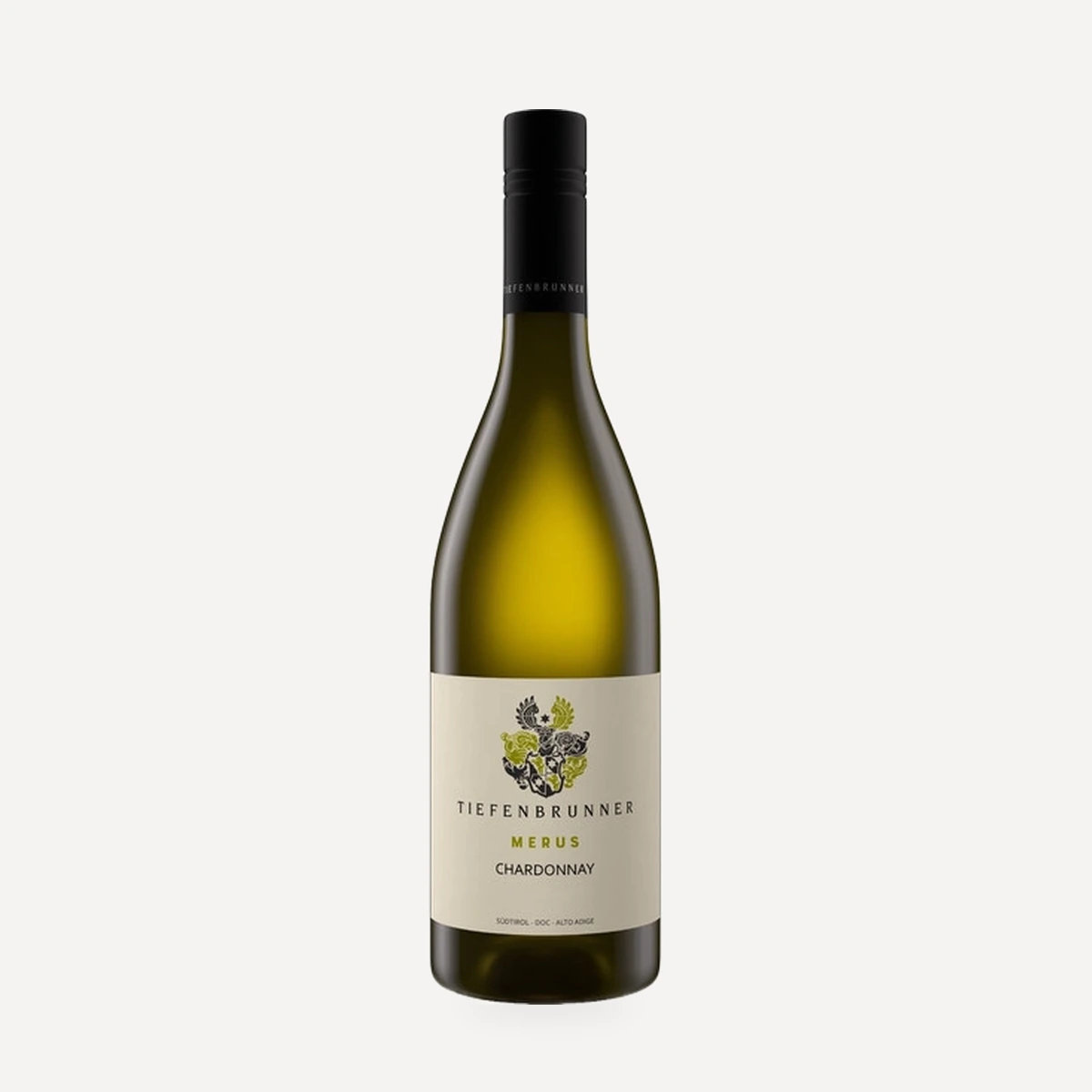
Merus Chardonnay Südtirol Alto Adige DOC
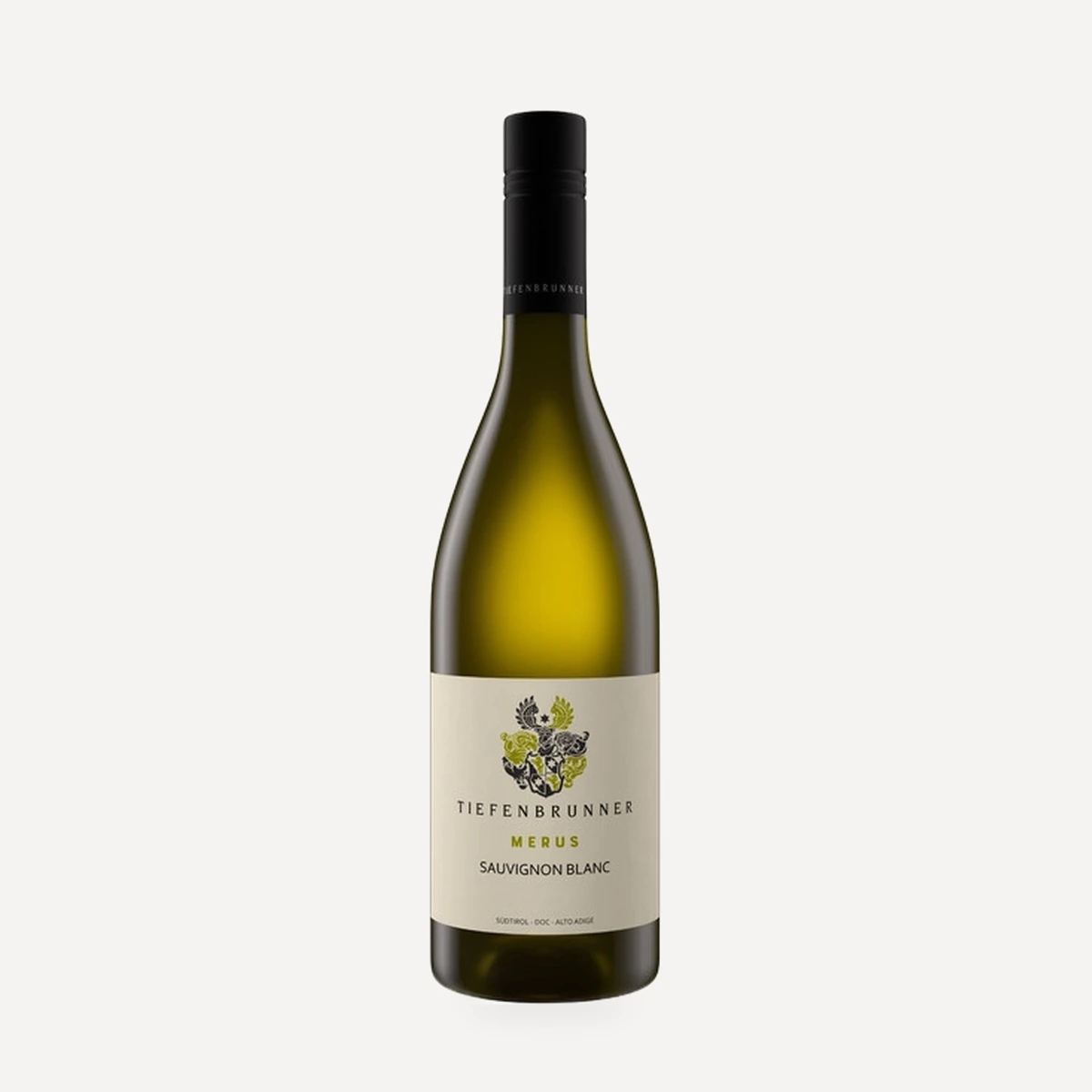
Merus Sauvignon Blanc Südtirol Alto Adige DOC
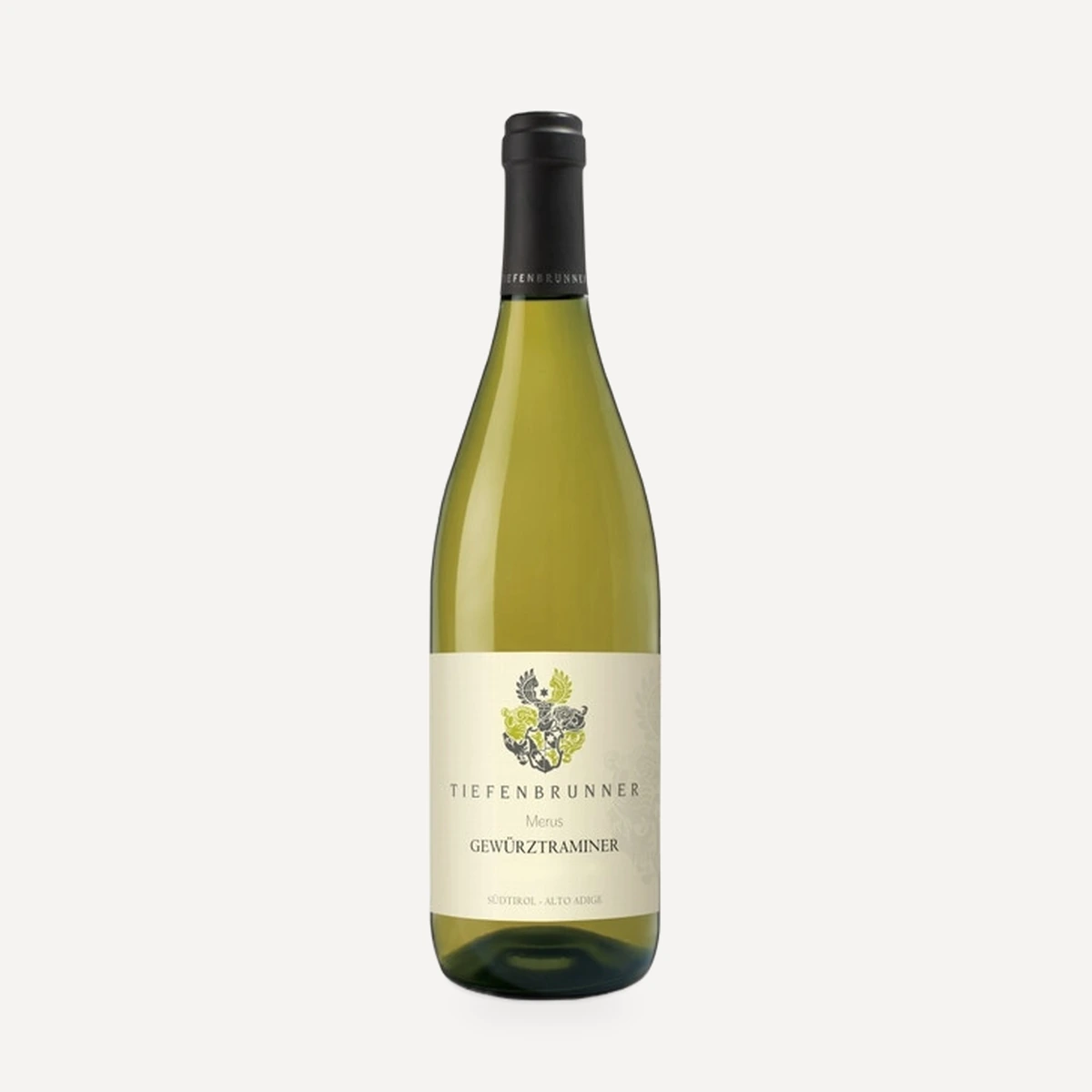
Merus Gewürztraminer Südtirol Alto Adige DOC
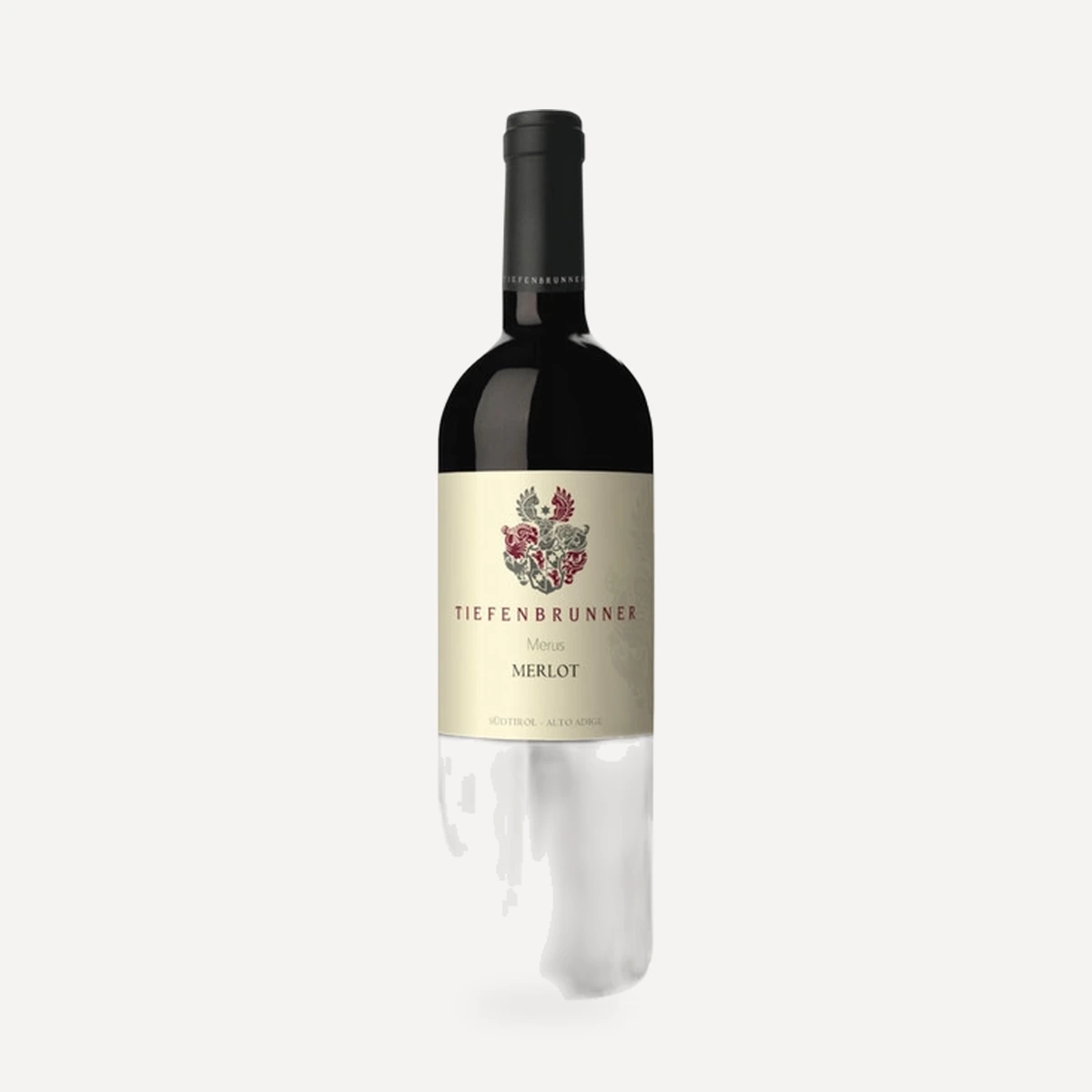
Merus Cabernet Merlot Südtirol Alto Adige DOC
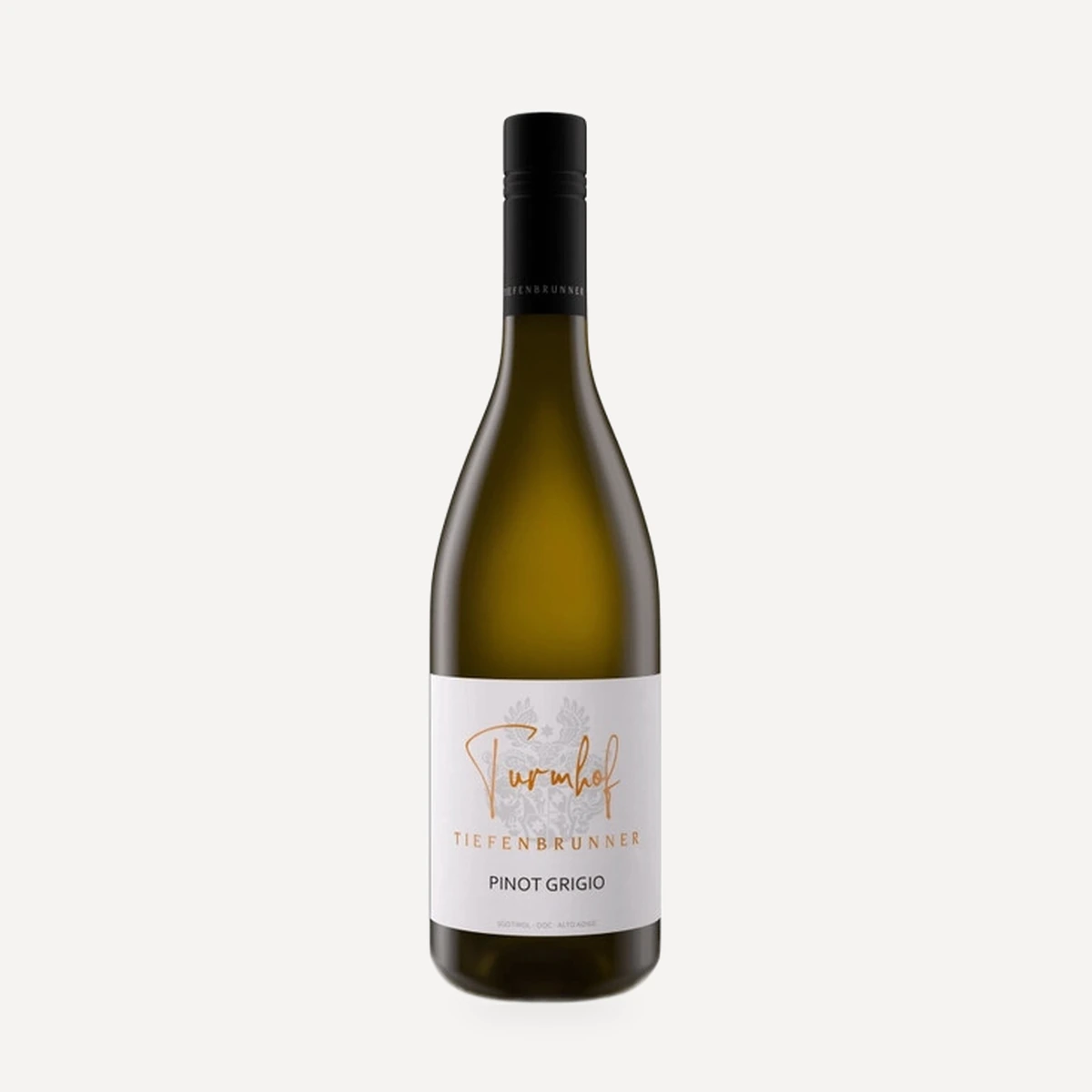
Turmhof Pinot Grigio Südtirol Alto Adige DOC
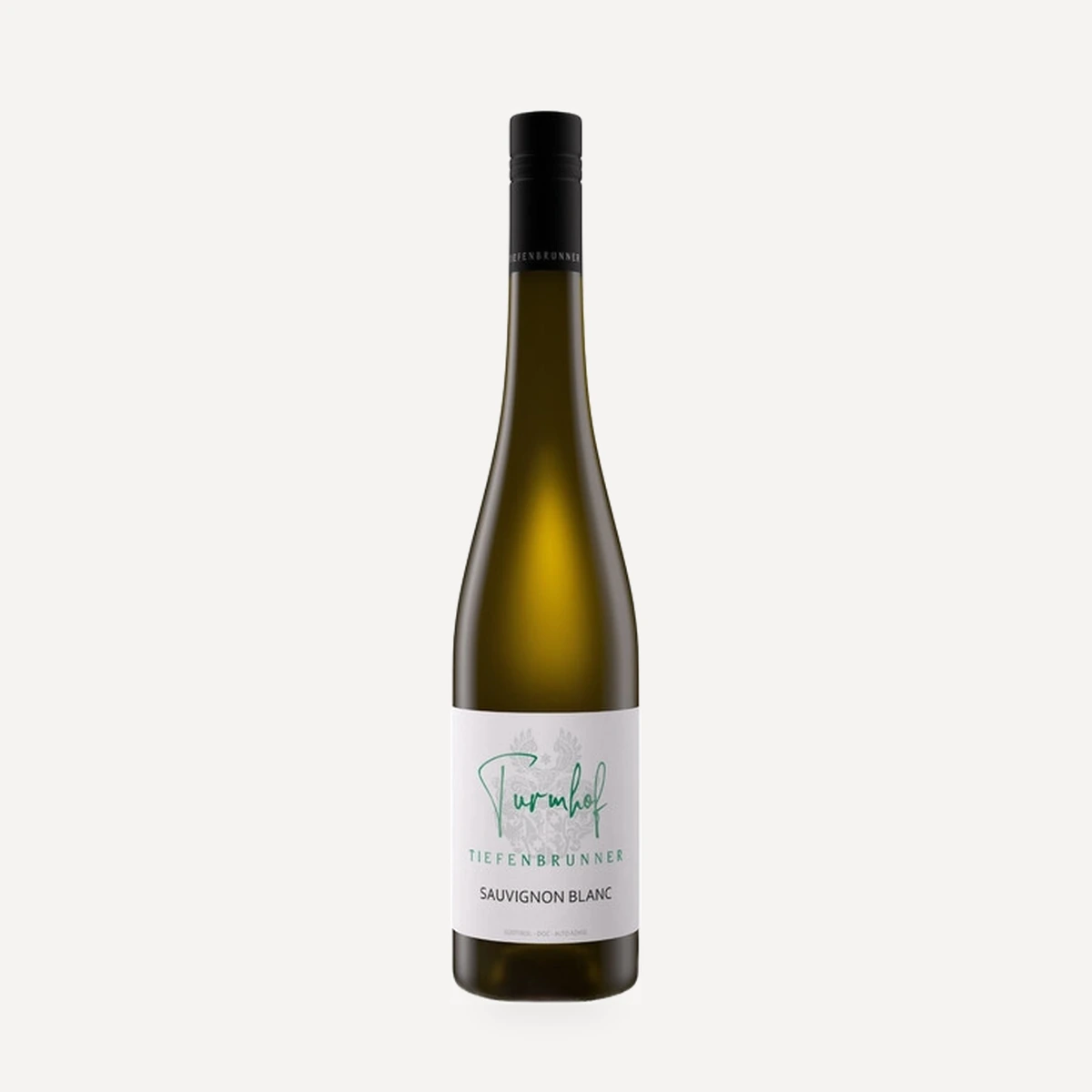
Turmhof Sauvignon Blanc Südtirol Alto Adige DOC
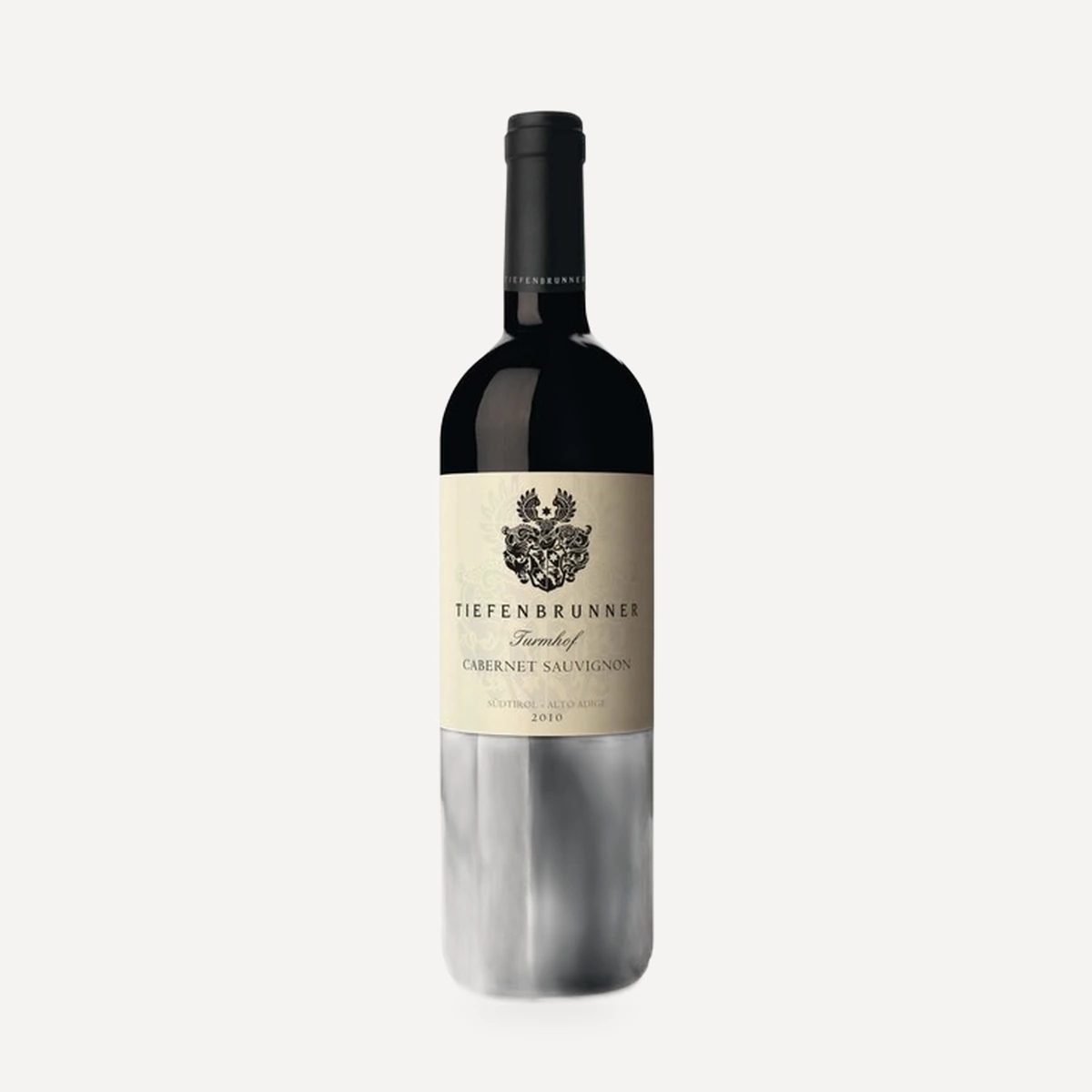
Turmhof Cabernet Sauvignon Südtirol Alto Adige DOC
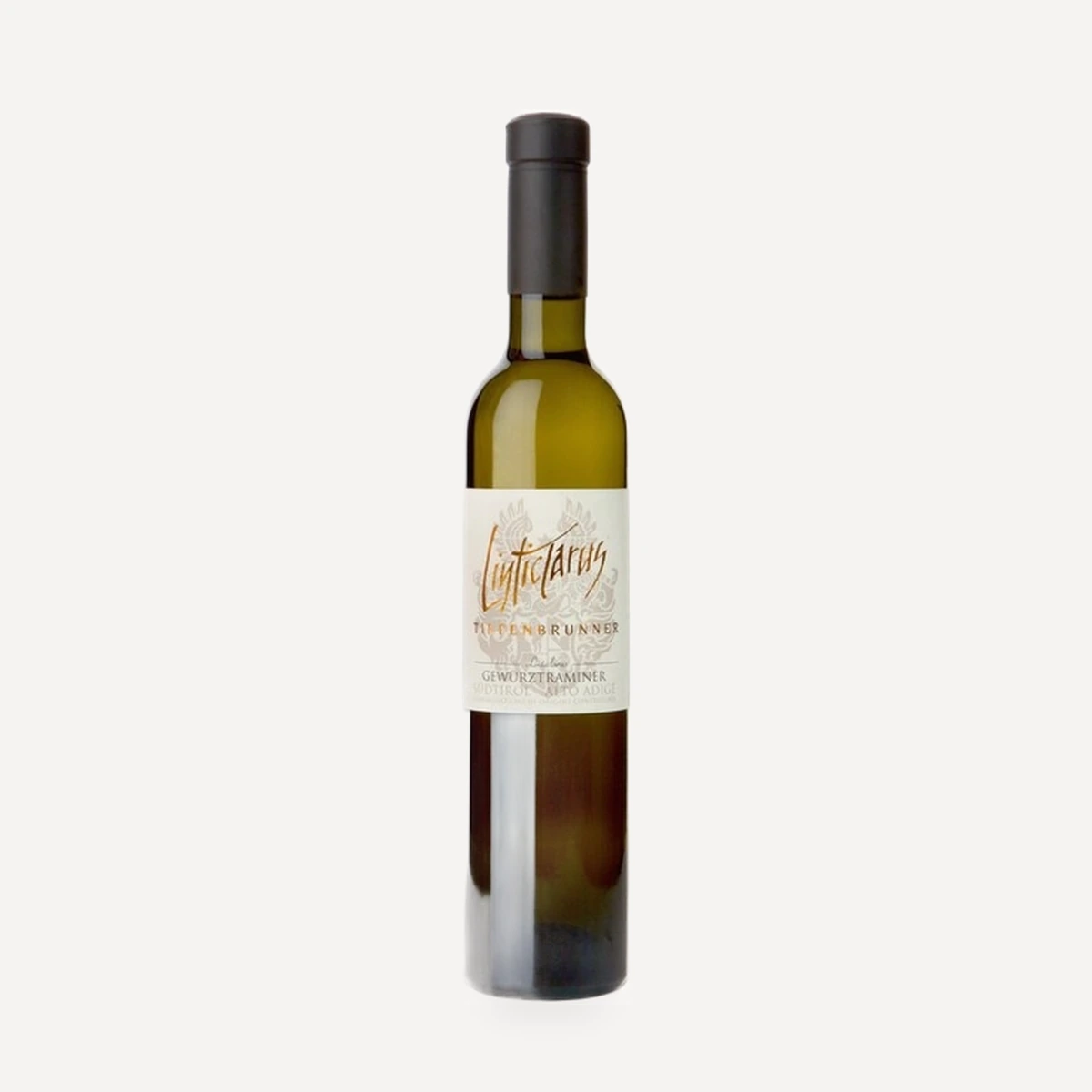
Linticlarus Gewürztraminer Late Harvest Südtirol Alto Adige DOC
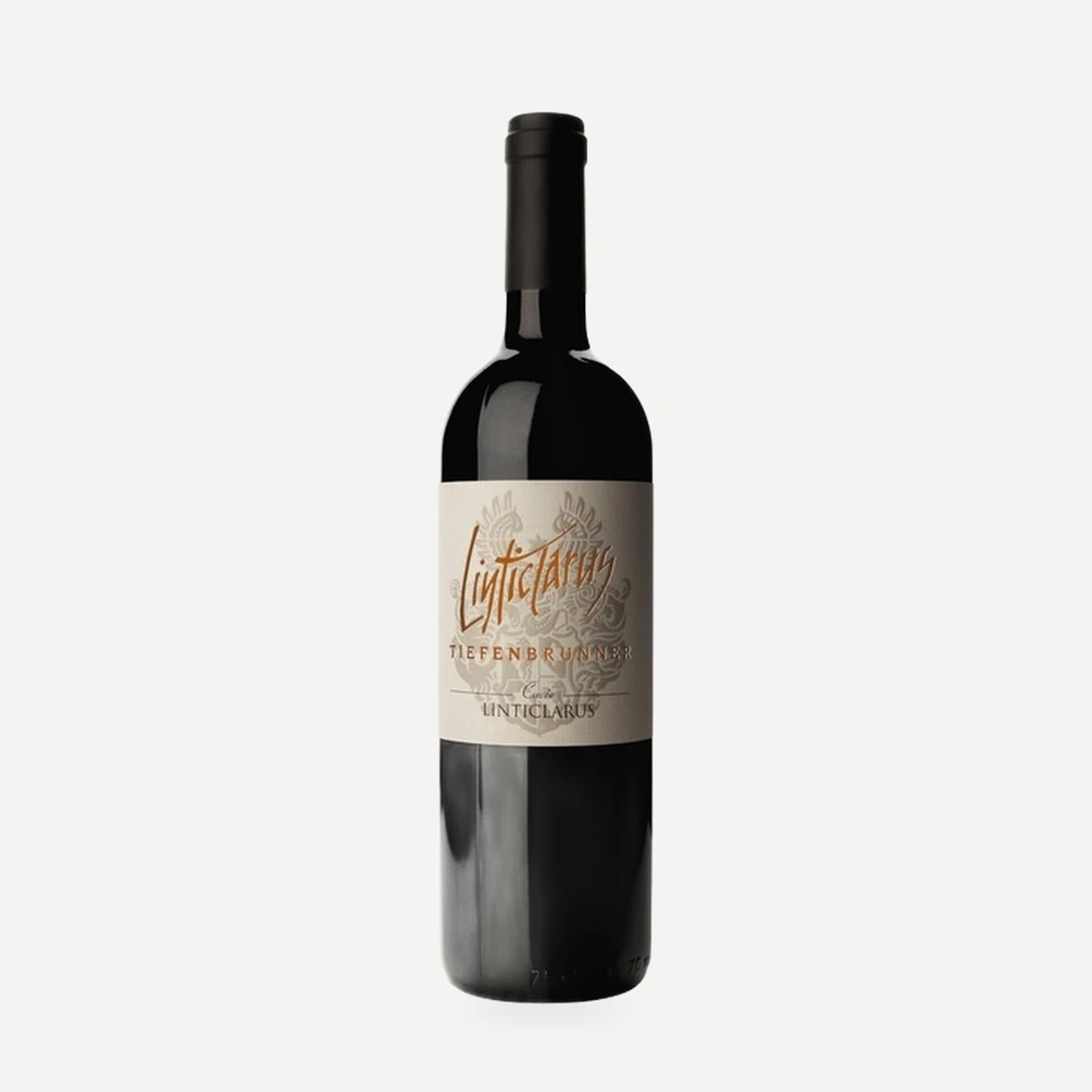
Linticlarus Cuvée Cabernet Merlot Riserva Südtirol Alto Adige DOC
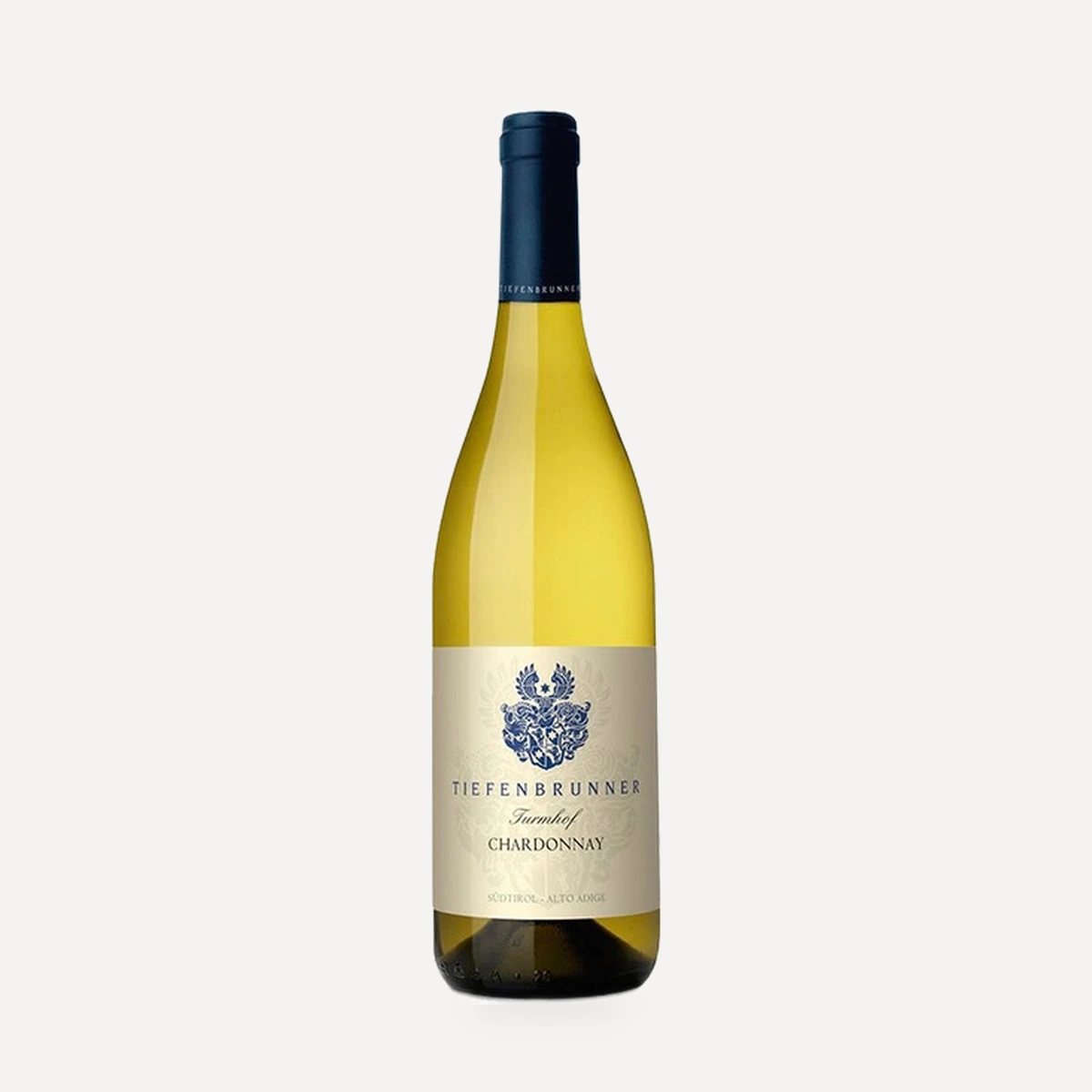
Turmhof Chardonnay Südtirol Alto Adige DOC
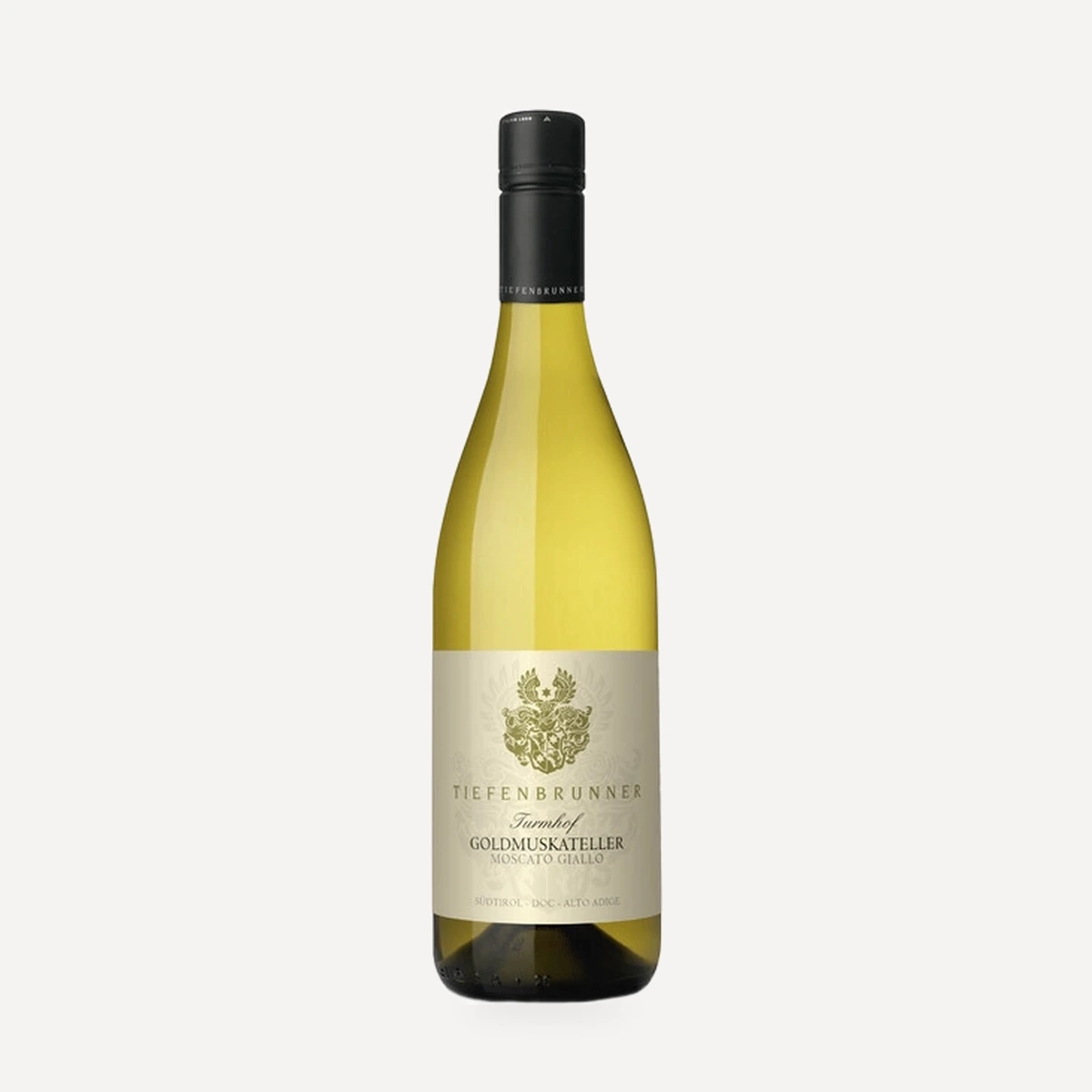
Turmhof Goldmuskateller Südtirol Alto Adige DOC
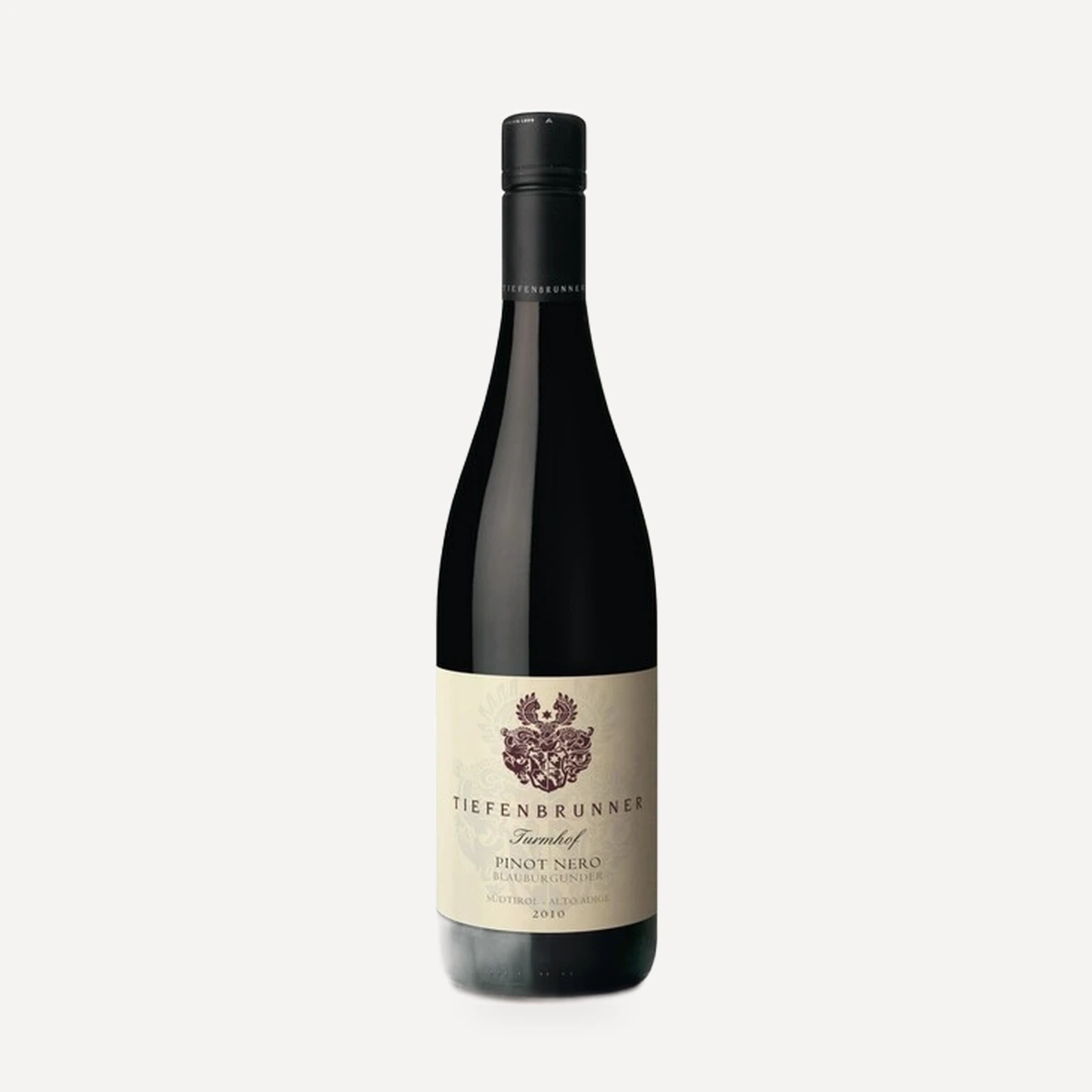
Turmhof Pinot Noir Südtirol Alto Adige DOC
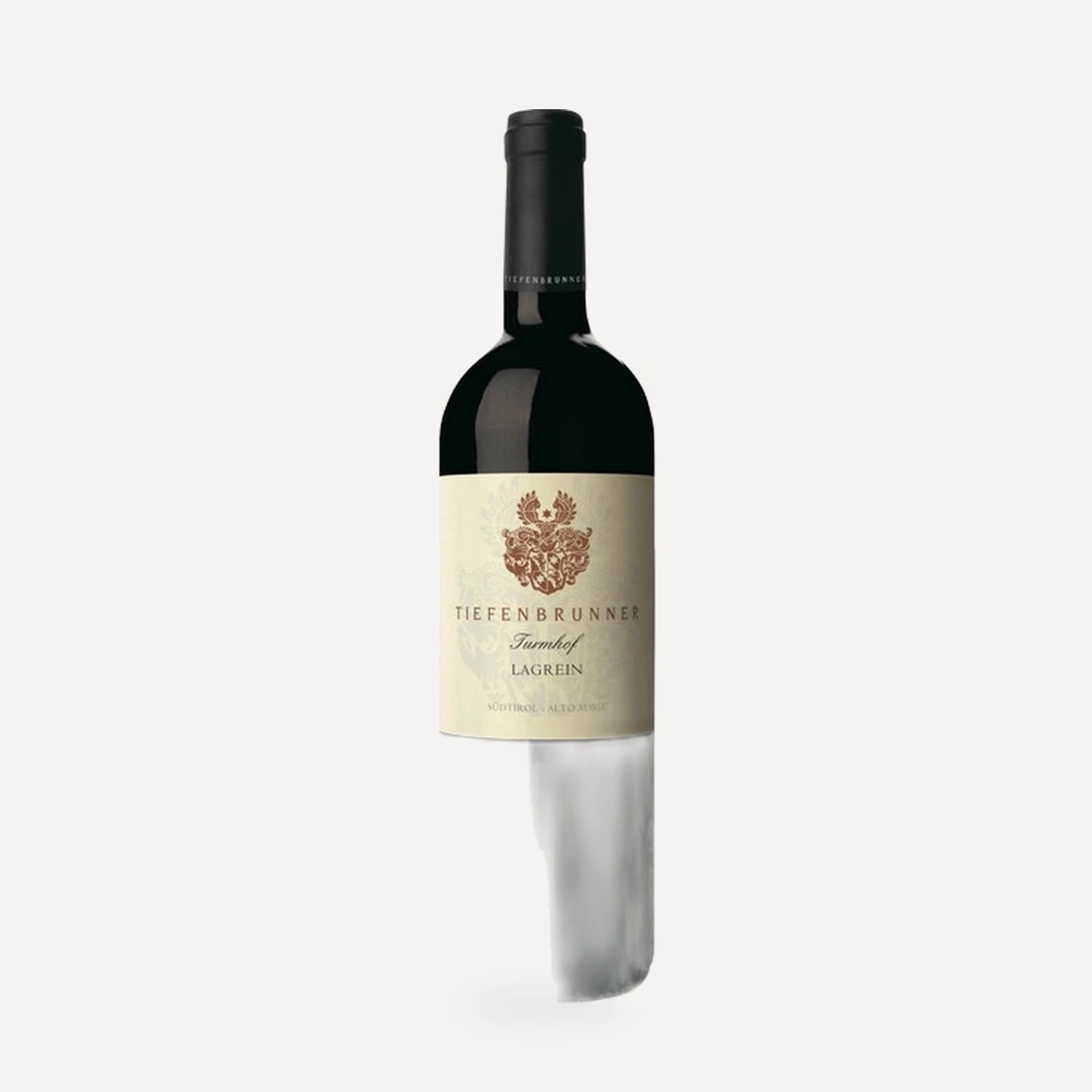
Turmhof Lagrein Südtirol Alto Adige DOC
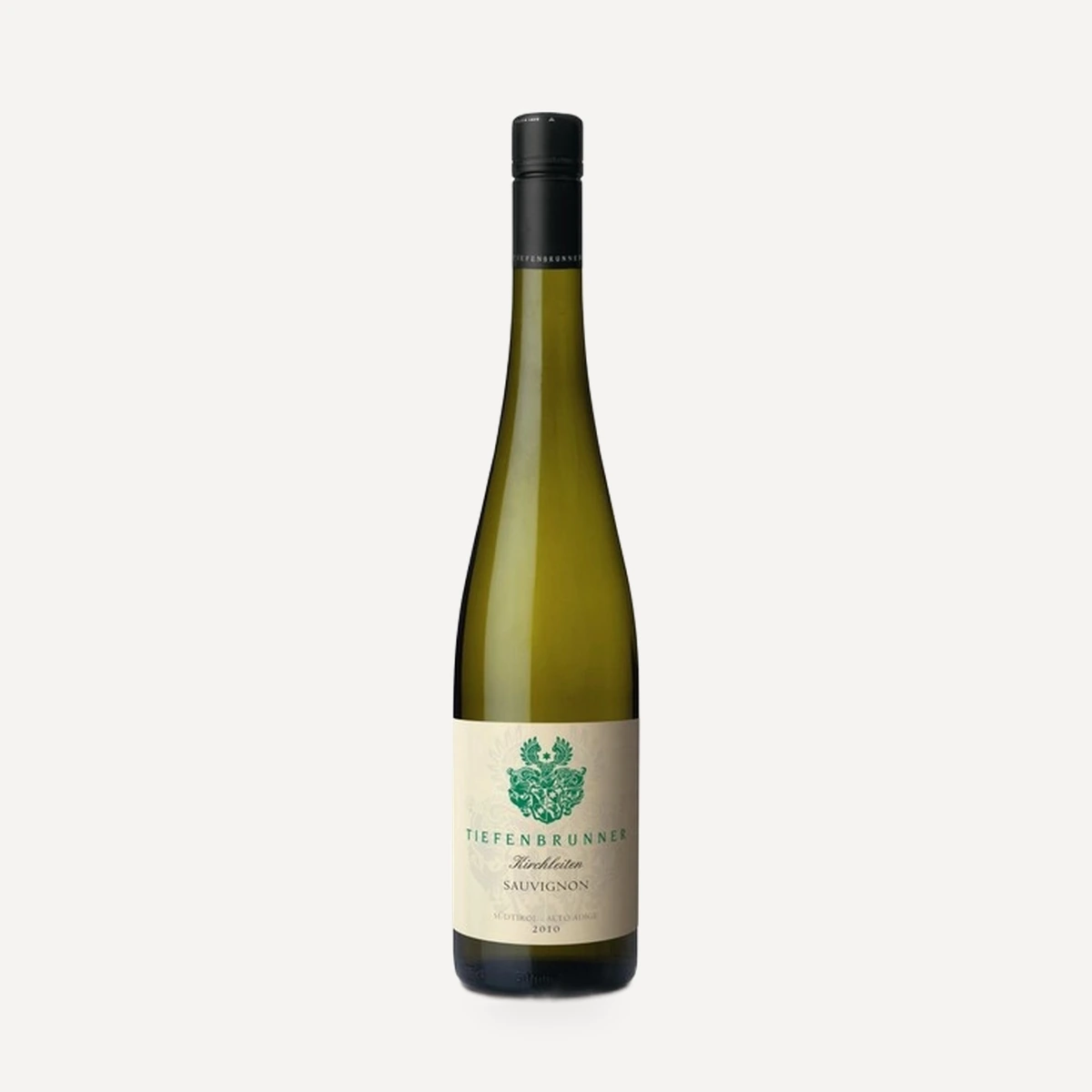
Kirchleiten Sauvignon DOC
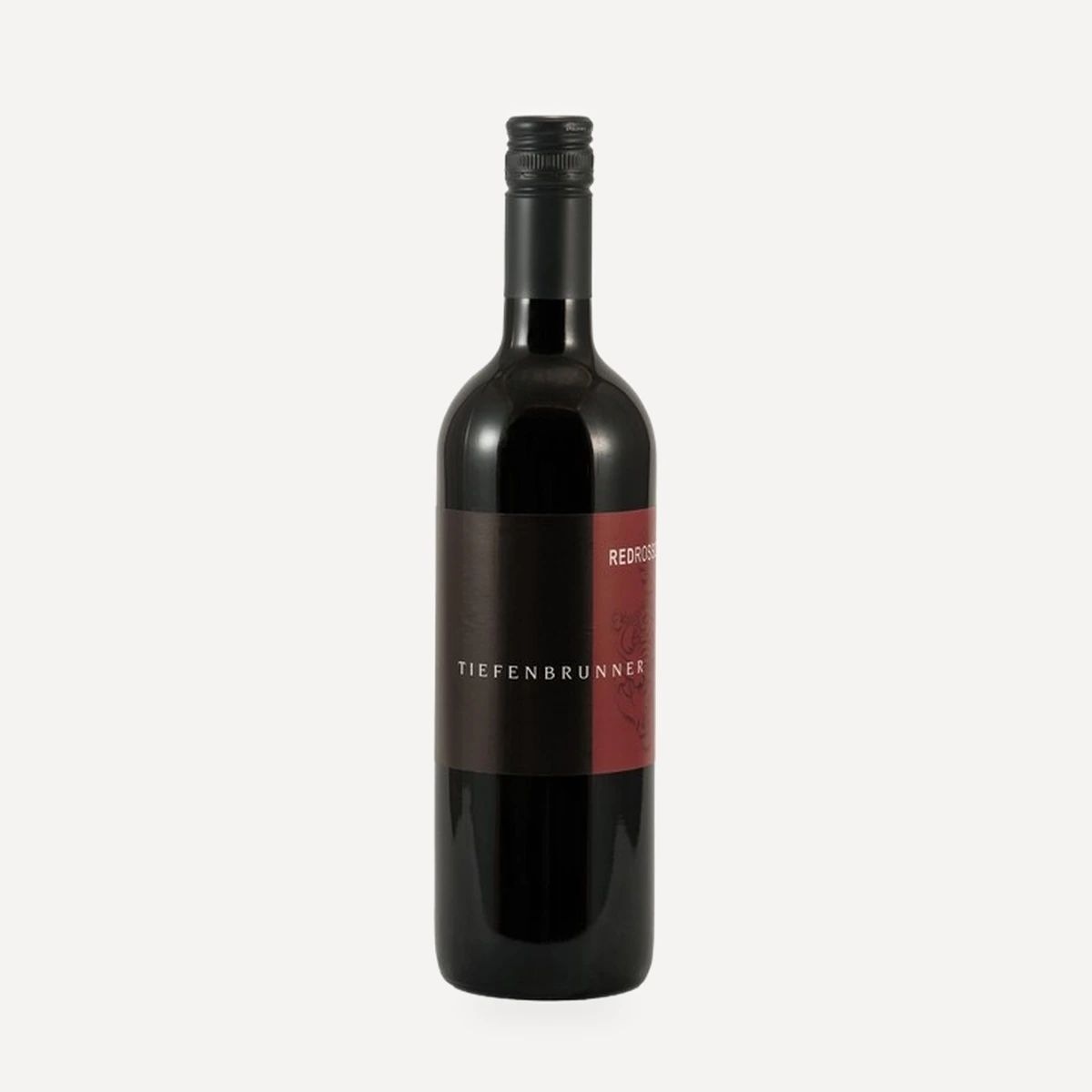
RedRosso