Storia
Membership of the Cavit system
By the 2016/17 financial year, Cantina Toblino was one of ten first-tier wineries supplying the Cavit cooperative consortium. It represented Valle dei Laghi alongside Agraria Riva del Garda, which also covered Alto Garda.
In 2017/18, Cantina Toblino continued to be identified with the Valle dei Laghi and Alto Garda macro-area. The varieties assigned to that growing area were Nosiola, Müller Thurgau, Pinot Grigio, Gewürztraminer, Sauvignon Blanc, Chardonnay, Pinot Nero, Schiava, Lagrein and Merlot.
Representation and present position
During the 2020/21 financial year, Bruno Lutterotti sat on Cavit’s board as the director associated with Cantina Toblino.
By 2023/24, Cavit comprised eleven associated wineries, with Cantina Toblino assigned specifically to Valle dei Laghi. Paolo Ronnie Valenti represented Cantina Toblino as a director on Cavit’s board.
The 2024/25 annual report continued to identify Cantina Toblino as one of the eleven associated wineries and as the winery representing Valle dei Laghi. Paolo Ronnie Valenti remained its representative on the Cavit board. The Valle dei Laghi column in the report’s viticultural matrix included Chardonnay, Pinot Grigio, Lagrein, Müller Thurgau, Nosiola, Gewürztraminer, Pinot Nero, Schiava, Merlot and Sauvignon Blanc.
In the cooperative structure, Cantina Toblino forms part of a network of wineries whose growers receive shared technical and agronomic support. Cavit coordinates vineyard monitoring, selection of raw materials and the broader path from viticulture to marketing while maintaining the identities of the individual growing areas.
Terroir
Valle dei Laghi
Cantina Toblino represents Valle dei Laghi within the Cavit cooperative network. The area ranges from 70 to 800 metres above sea level, with predominantly south- and south-west-facing sites.
The valley has a sub-Mediterranean climate. Its soils include loose, sandy alluvial deposits as well as glacial formations that may be marly or clay-rich. This combination supports red wines, dry and fruit-driven whites and Vino Santo Trentino. Cooler vineyards at higher elevations are suited to base wines intended for long-aged sparkling production.
Nosiola has a particularly long association with Valle dei Laghi. It favours ventilated hillsides and relatively poor soils containing grey marl. Pronounced differences between daytime and night-time temperatures help preserve freshness and aromatic character in its grapes.
Vinificazione
Cantina Toblino participates in Cavit’s cooperative viticultural system, which combines small-scale vineyard work with central agronomic support. Across the system, winegrowers cultivate an average of 1.2 hectares each, a scale associated with detailed artisanal care and manual harvesting.
The PICA platform—Piattaforma Integrata Cartografica Agriviticola—has supported the member network since 2010. Developed with Fondazione Edmund Mach and Fondazione Bruno Kessler, it integrates soil mapping, geoclimatic analysis and vineyard sensor data. Specialised agronomists use the platform to help growers select varieties suited to individual plots, carry out controls and selections through the agronomic cycle, monitor ripening and time the harvest.
PICA also provides personalised support for rationalising plant-protection treatments, managing pathogens, adapting resources to individual vineyards and optimising water use. Sustainable practices promoted within the network include green manure, preservation of dry-stone walls and insect mating disruption.
All Cavit members hold SQNPI certification under Italy’s Sistema di Qualità Nazionale Produzione Integrata. The cooperative has also followed Trentino’s protocol for quality wine production for more than thirty years.
Filosofia
Cantina Toblino operates within a cooperative model intended to preserve the identity of each Trentino growing area while sharing agronomic expertise, technology and organisational resources. Individual growers remain responsible for close, artisanal vineyard care, while central technical teams provide monitoring and precision-viticulture support.
The model links rural experience with research and technology. Its stated objectives are consistent quality, appropriate matching of grape varieties to individual sites, more efficient use of vineyard resources and progressive movement toward fully sustainable viticulture. Environmental responsibility is addressed alongside the economic and social purpose of returning value to the families participating in the cooperative supply chain.
Vini
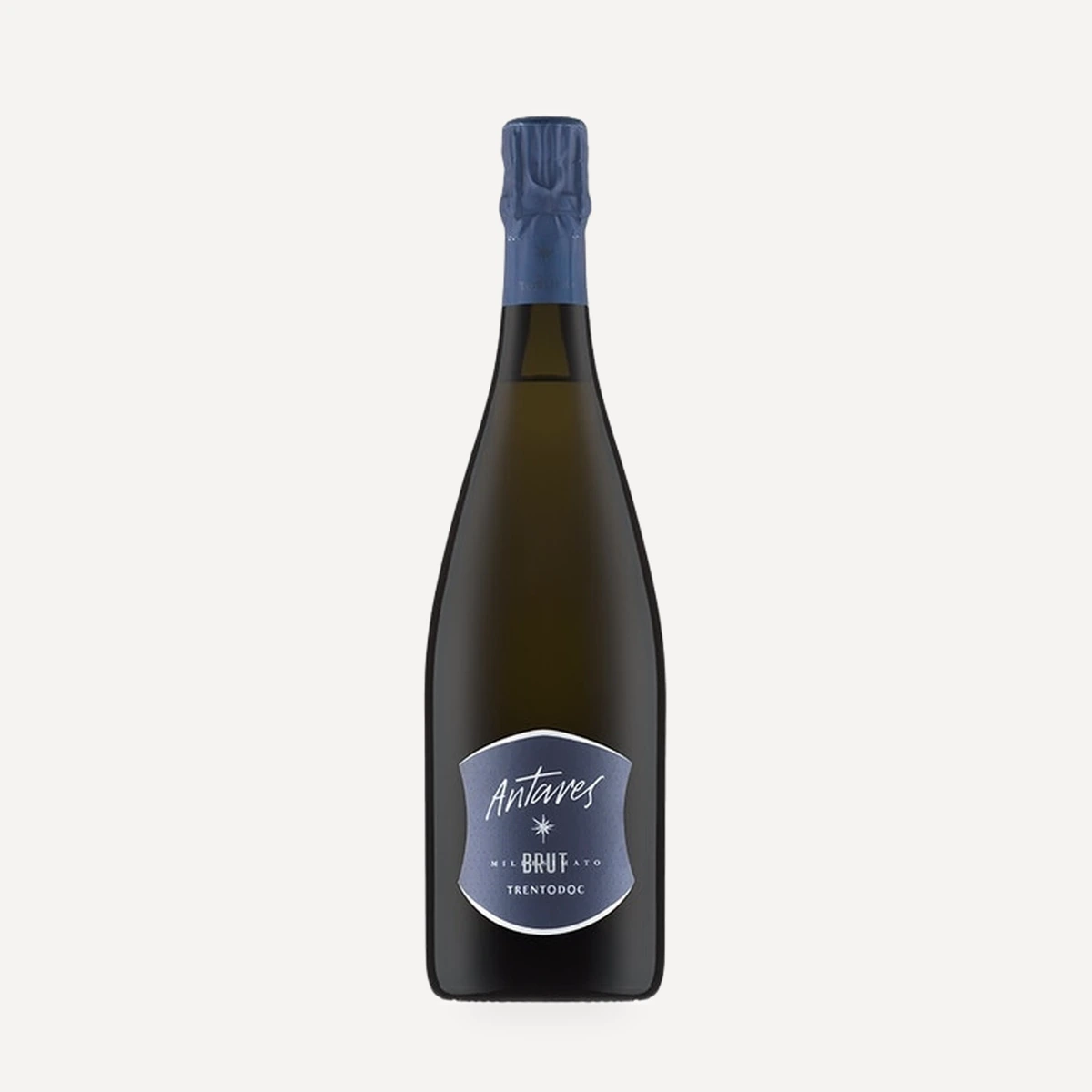
Antares Brut Millesimato Trento DOC
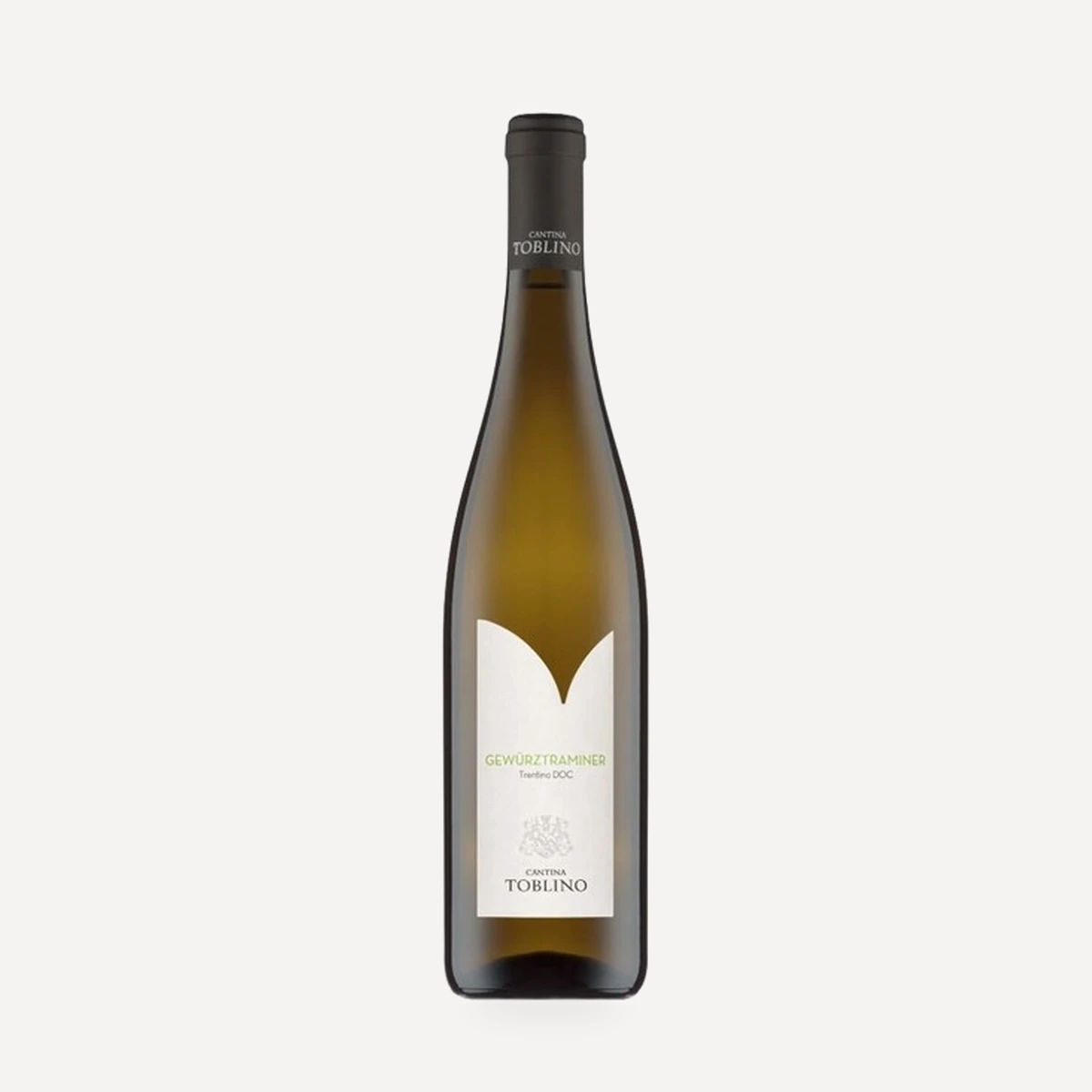
Gewurztraminer Trentino DOC
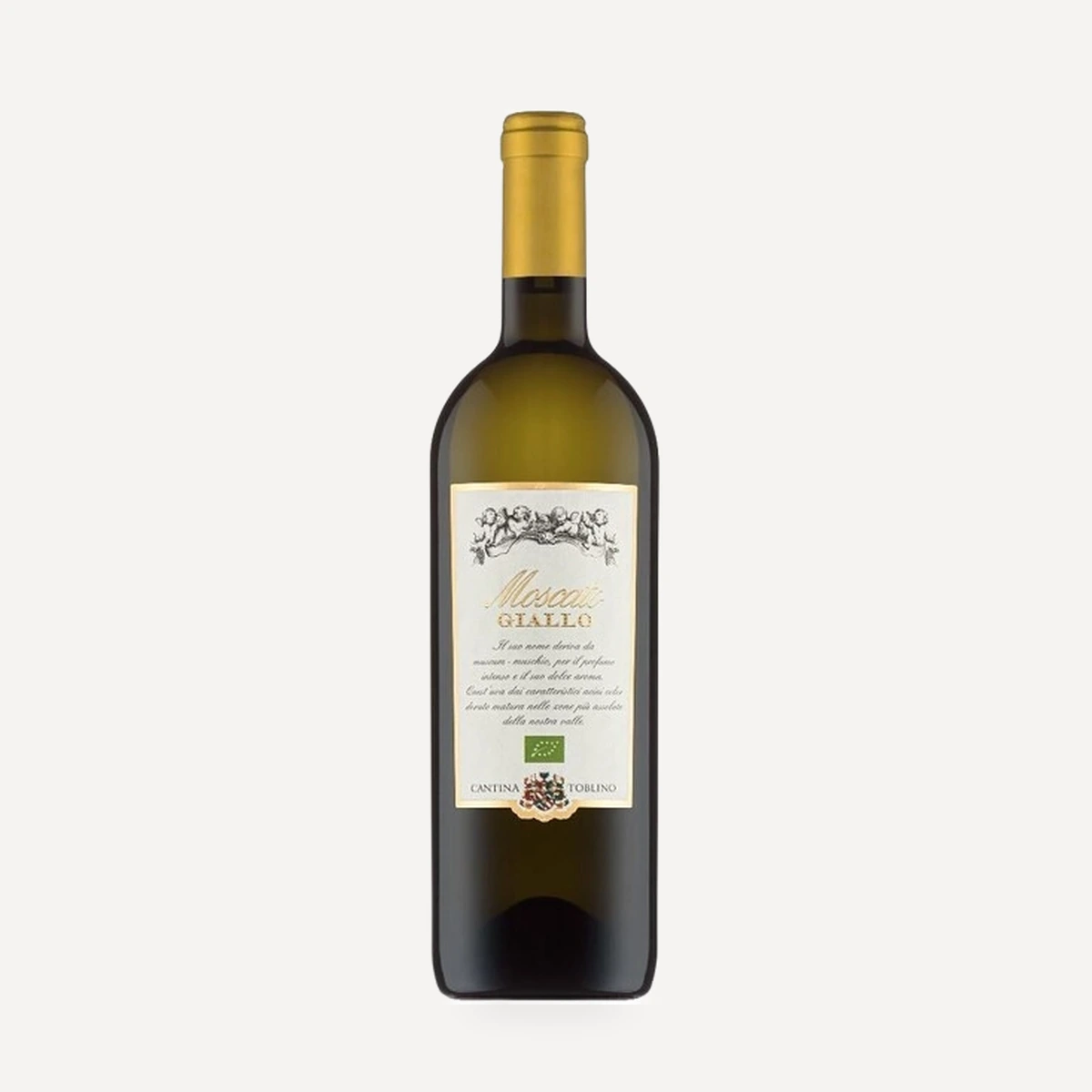
Moscato Giallo Trentino DOC
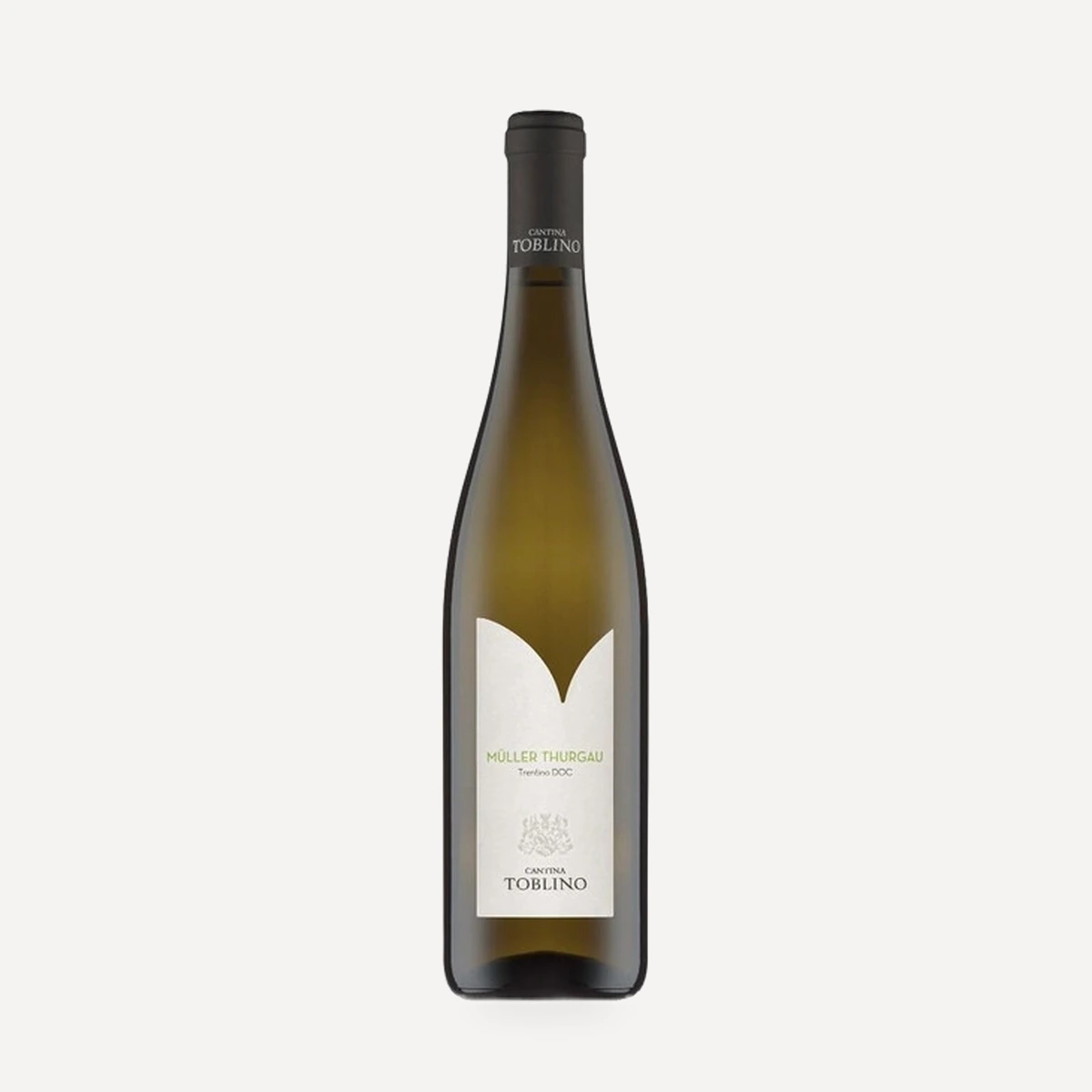
Muller Thurgau Trentino DOC
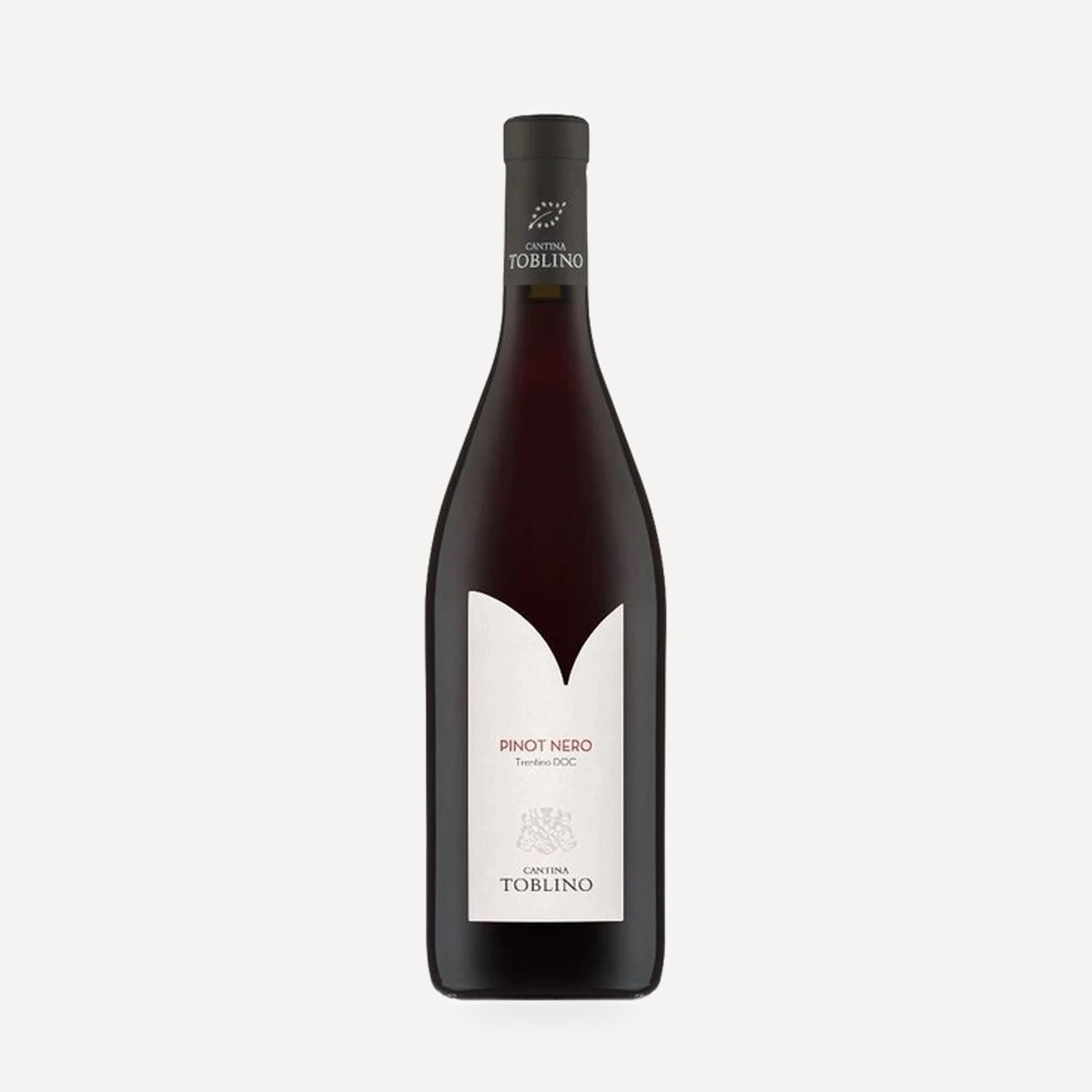
Pinot Nero Trentino DOC
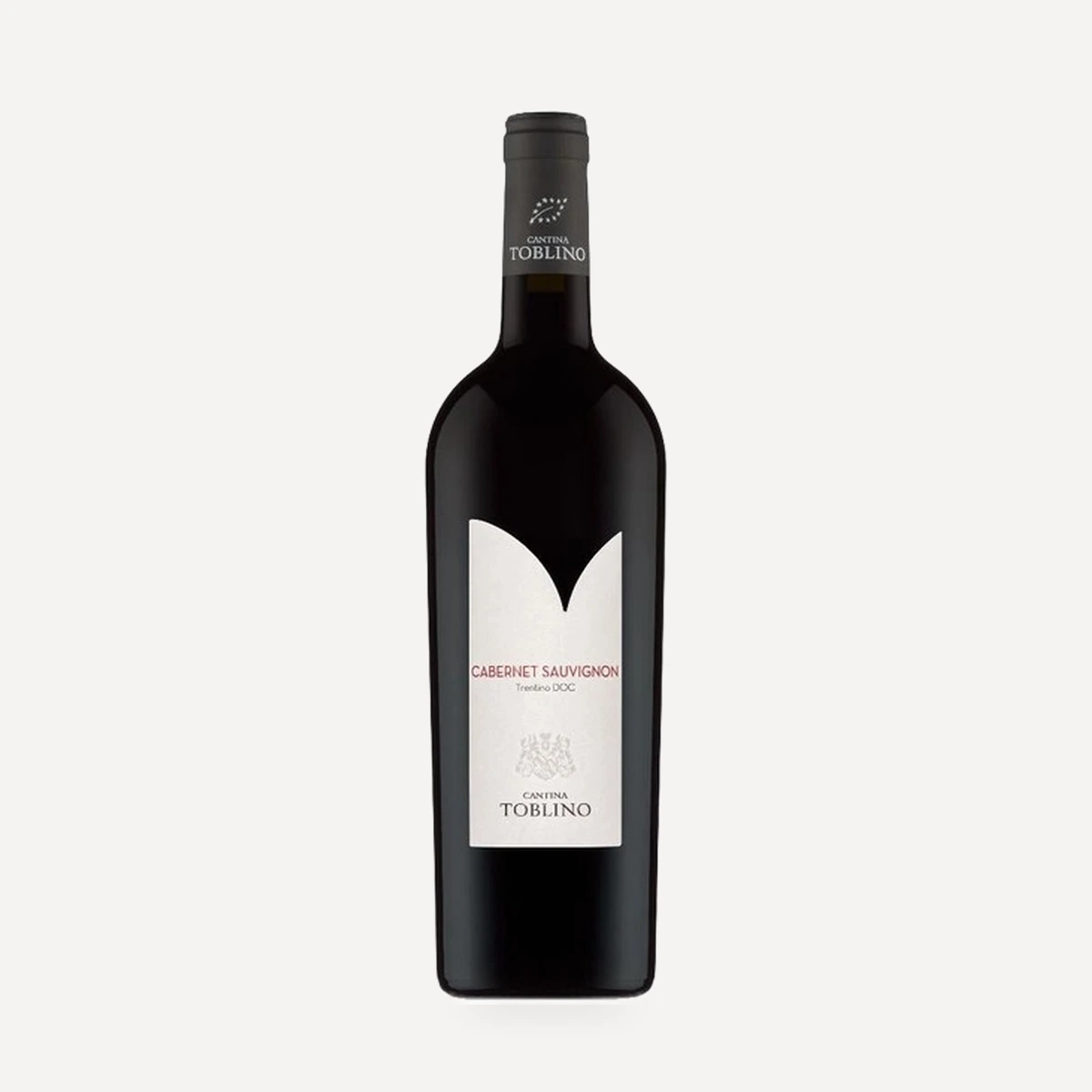
Cabernet Sauvignon Trentino DOC
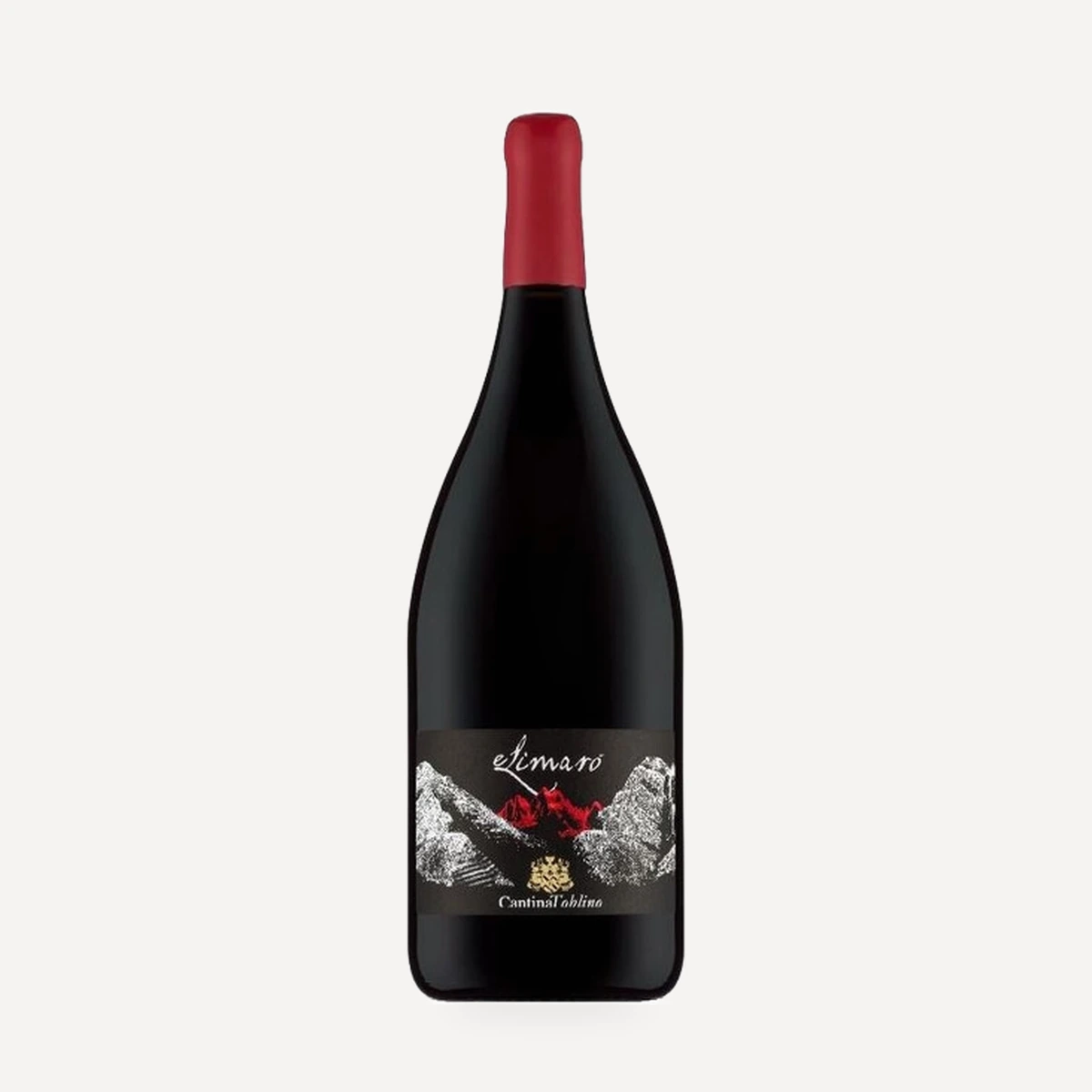
eLimaro Rosso Vigneti delle Dolomiti IGT
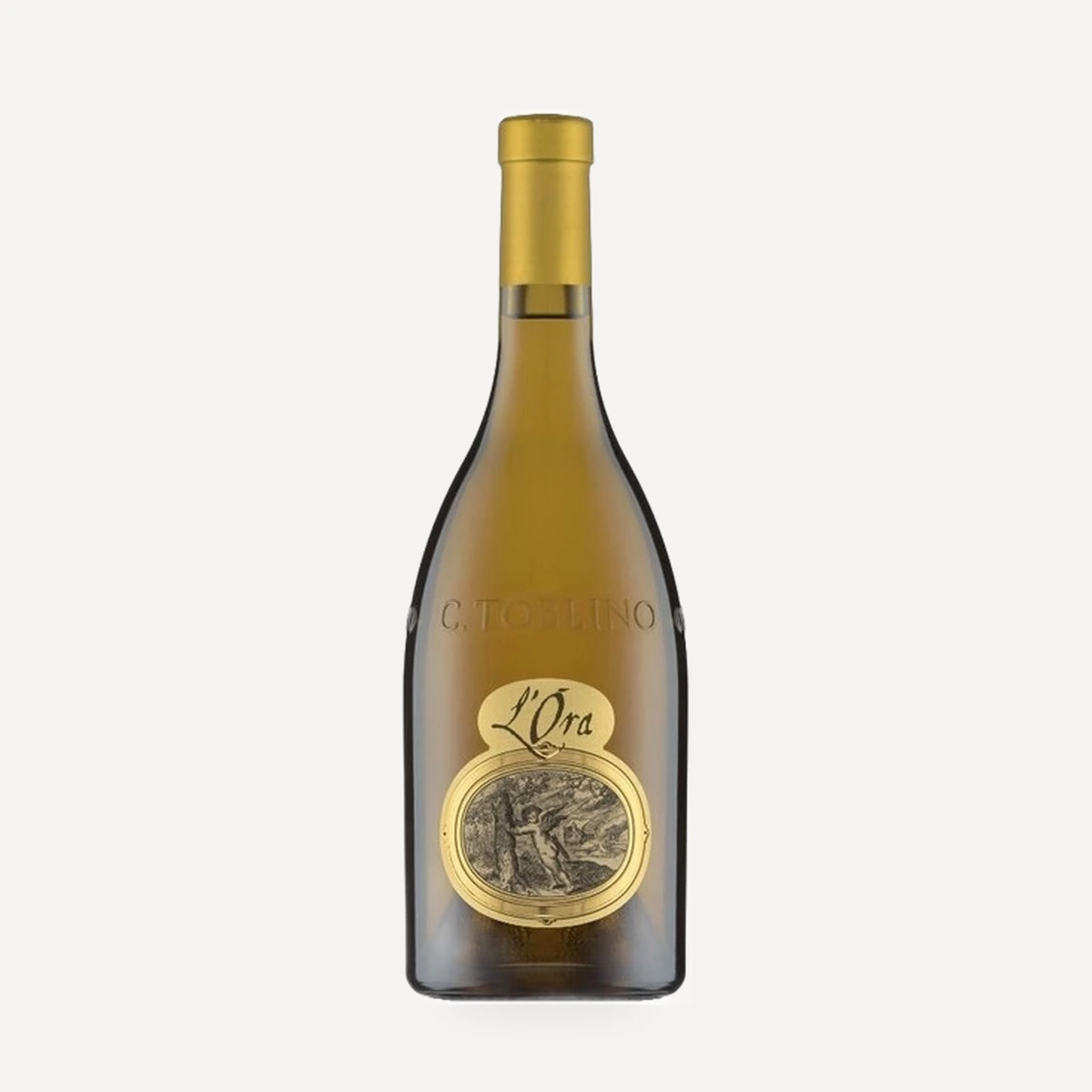
L'Ora Nosiola Selezione Vigneti delle Dolomiti IGT
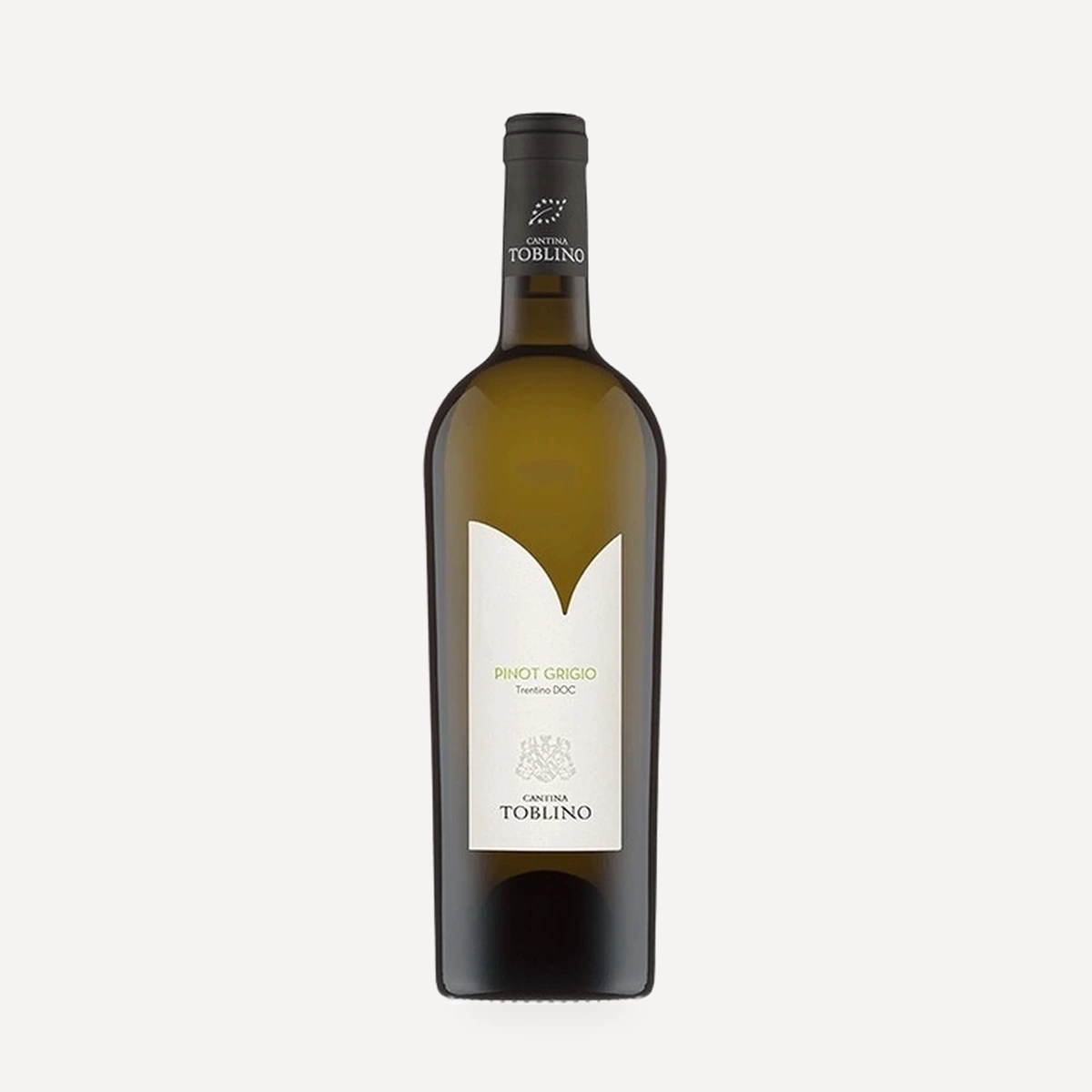
Pinot Grigio Trentino DOC
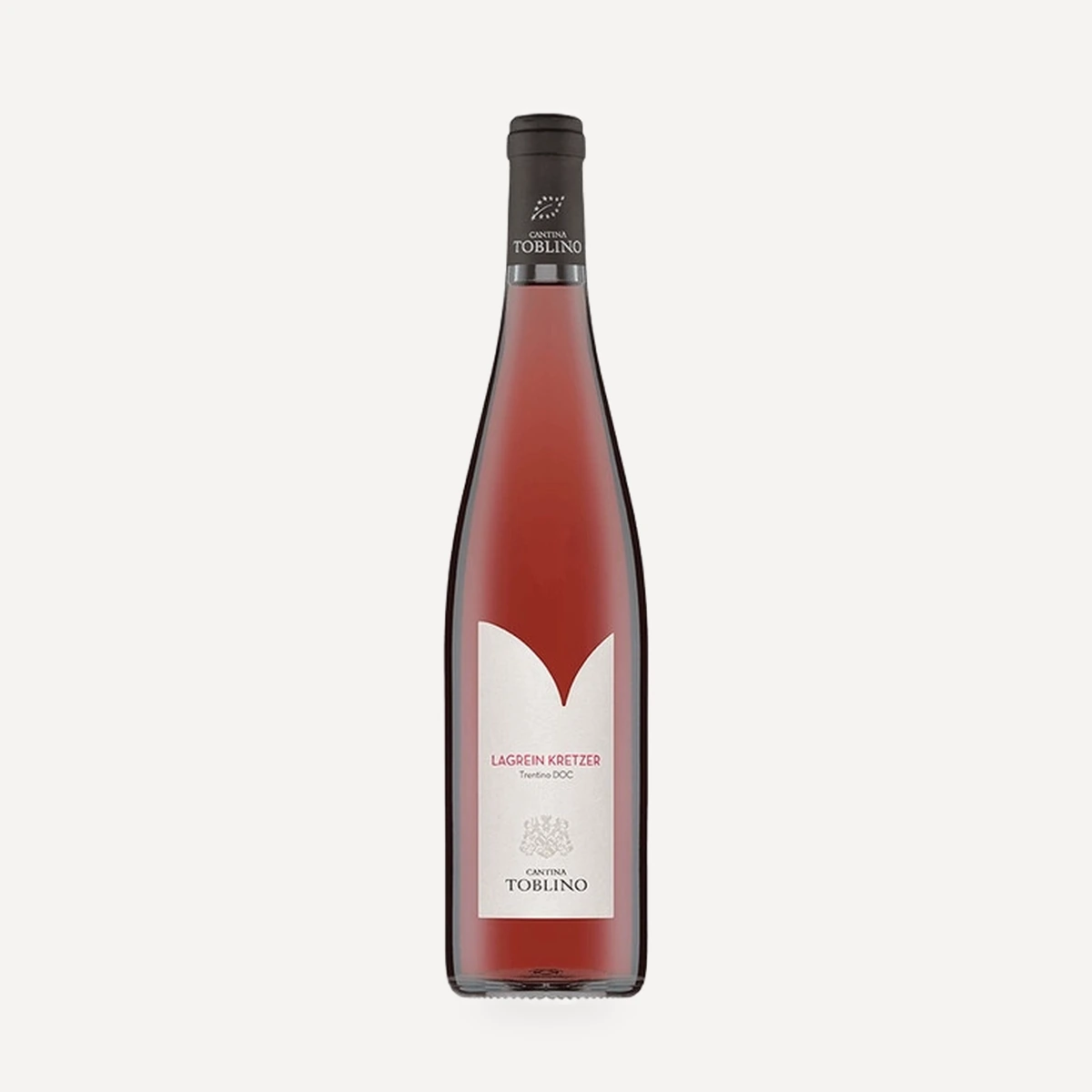
Lagrein Kretzer Trentino DOC