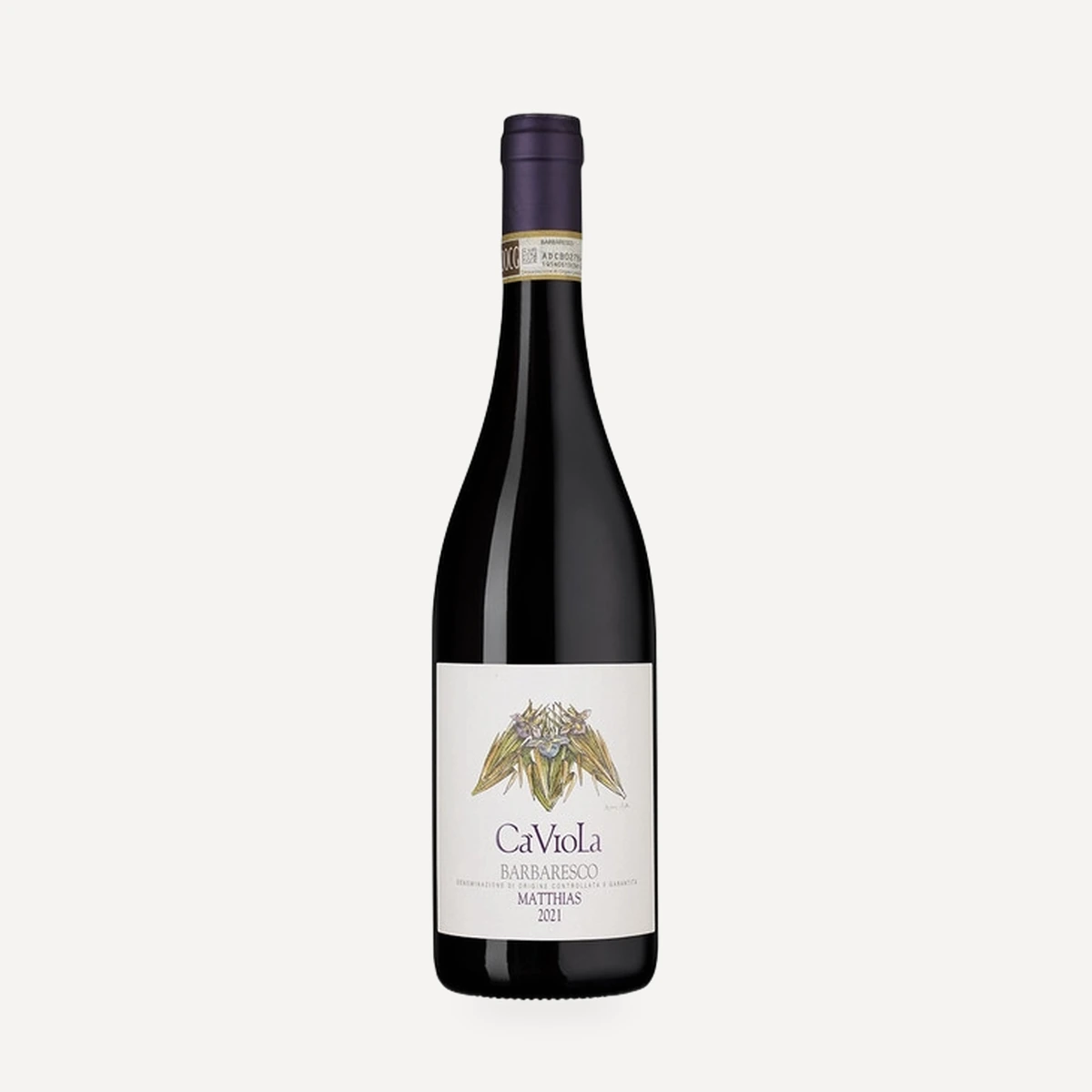
History
The story began in Montelupo Albese, where Beppe Caviola rented the Barturot vineyard and made wine in the garage of his parents’ house using skills acquired at the Alba School of Enology.
The success of Barturot supported the development of the winery and Beppe’s parallel consulting work.
Michela Vivalda later joined the project and brought new energy to the company.
The range expanded beyond Dolcetto and Barbera to Barolo and international or white varieties, including Riesling and Arneis. The Novello vineyard became the source of Sottocastello di Novello Barolo and its Riserva, while Bossolasco became the source of Clem Riesling.
Terroir
Montelupo contains most of the vineyards: 11 ha at approximately 400 m on calcareous clay marl and sandstone, associated by the estate with structure, complexity and longevity. Novello has limestone-rich soils and produces the Barolo wines. Bossolasco is the cooler high-altitude site for Riesling.
Winemaking
The estate describes its vineyard and cellar approach as minimally invasive. Individual sites and varieties are selected to suit altitude, soil and exposure.
Each wine follows a site- and variety-specific programme. The estate’s philosophy is to maintain fruit and vineyard identity through restrained intervention rather than impose a standard cellar style.
Philosophy
The winery is built around continual experimentation without losing connection to Langhe tradition. Its consulting philosophy similarly seeks to help producers express their own wines while keeping the technician in the background.
Wines
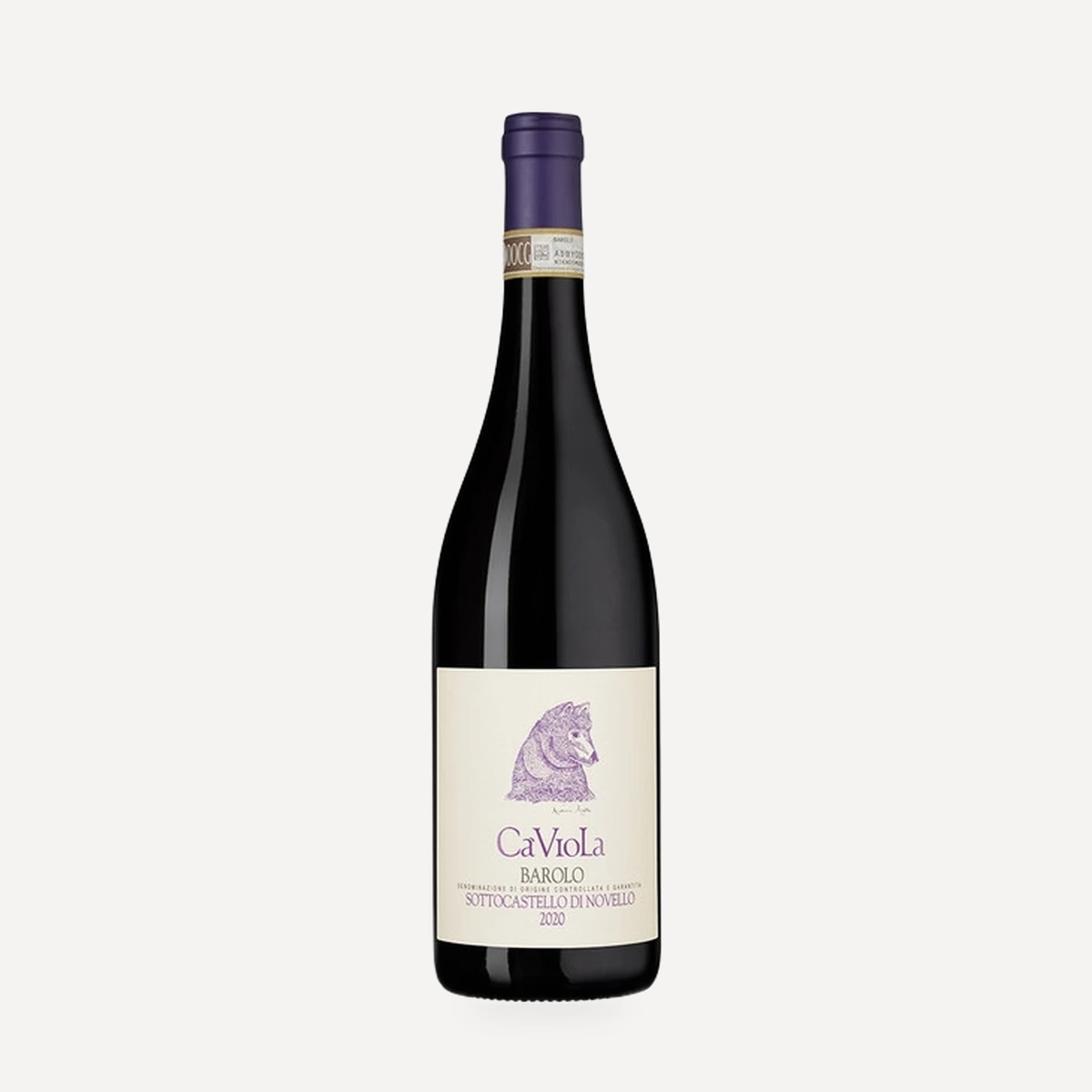
Sottocastello di Novello
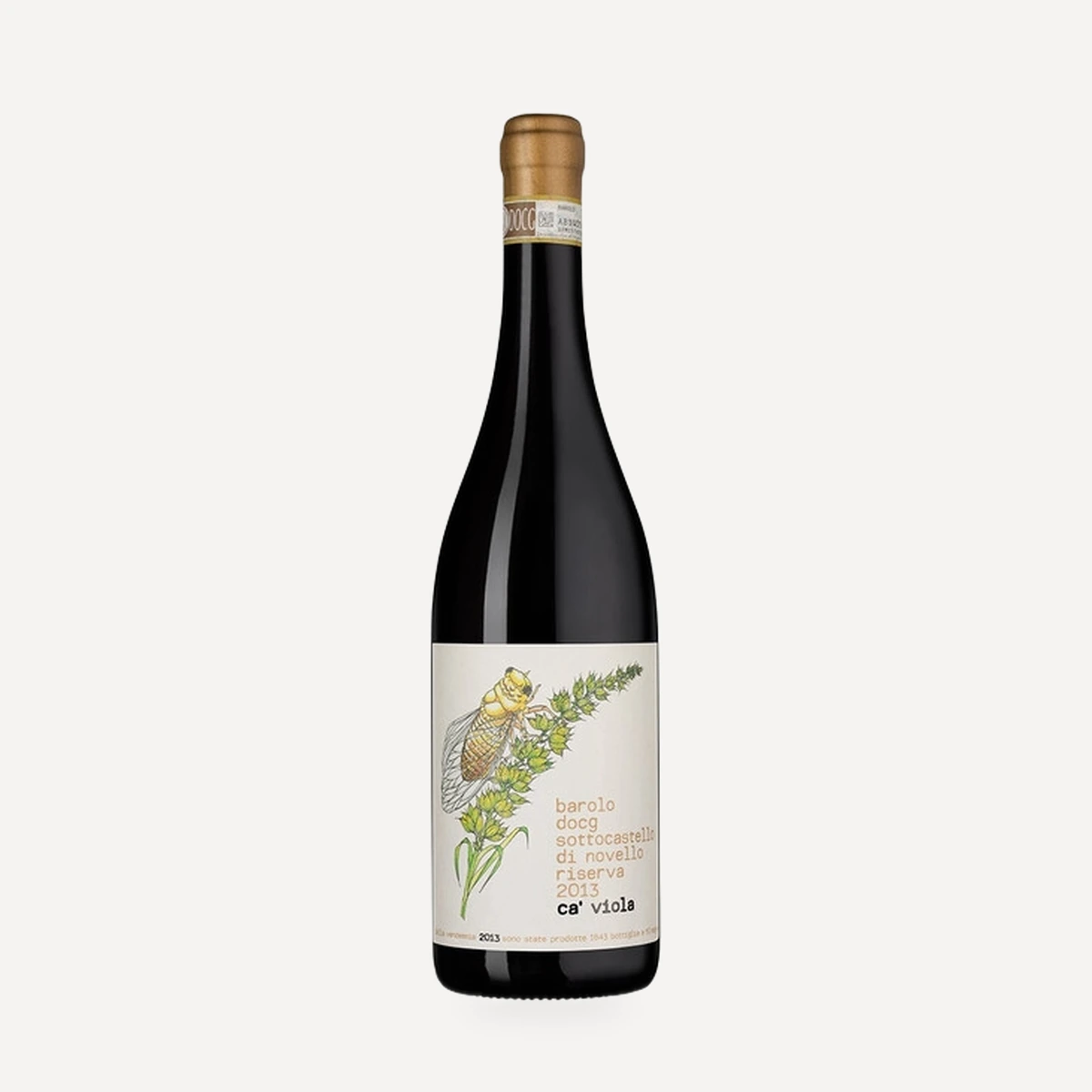
Sottocastello di Novello Riserva
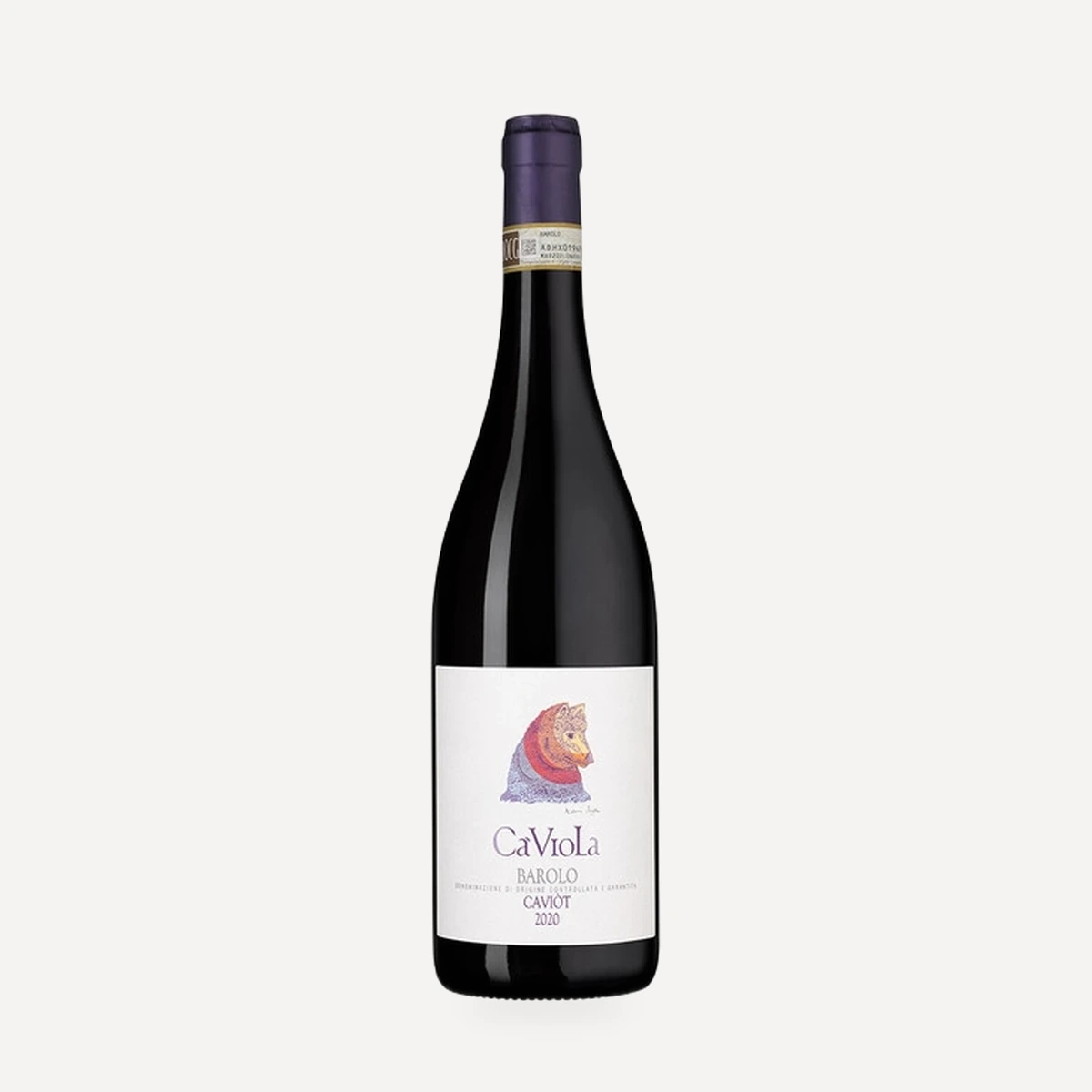
Caviòt