History
The vineyard legacy
Roncaglie had an established viticultural identity before the creation of Poderi Colla. Its Nebbiolo parcels include plantings from 1970 and 1980. When the Colla family acquired the Roncaglie cru, the property also contained Costa Bruna: approximately 2 ha of Barbera whose oldest vines were already at least 90 years old. The exact age of those vines cannot be fixed, although documentary evidence establishes a minimum age and the vineyard record includes a 1930 planting.
The Roncaglie name derives from the Latin Roncaleis, associated with a former Roman settlement and interpreted as “uphill road.” The historical standing of the site rests on its position on the slope rising from Roccalini toward Treiso and on a long farming tradition that treated its grapes as especially valuable for balanced, harmonious Barbaresco.
1994: incorporation into Poderi Colla
In 1994 Beppe Colla, his brother Tino and Beppe’s daughter Federica founded Poderi Colla by bringing together family-owned estates. Tenuta Roncaglia in Barbaresco was one of the three original properties, alongside Cascine Drago and Dardi Le Rose. The new enterprise continued the Colla family’s emphasis on separately vinifying distinguished vineyard sites and identifying their origins.
That same year, Alessandro Masnaghetti described Roncaglie as one of the finest positions on the hillside running from Roccalini toward Treiso. In January 1995 Daniel Thomases likewise identified it as one of the leading positions in the entire Barbaresco area.
Vineyard renewal
The Nebbiolo vineyard records four distinct planting years: 1970, 1980, 1995 and 2010. Costa Bruna records Barbera plantings from 1930, 1995 and 2005. These successive plantings preserved the old-vine component while renewing parts of both vineyards.
Management and the Beppe Colla Riserva
Federica Colla assumed responsibility for financial and logistical coordination. Pietro Colla, who graduated in oenology in 2006 after growing up around the vineyards and cellar, subsequently took charge of the practical vineyard and wine work. His stated objective is to protect the wines’ integrity while continuing to improve their quality.
A limited-production Barbaresco Roncaglie Riserva was dedicated to Beppe Colla. It is made only in selected vintages. Harvesting for the Riserva is divided into seven or eight successive passes according to grape maturity and quality, reflecting substantial soil differences within the vineyard. Only wine from the cask judged best is selected. Rather than extending barrel maturation beyond that of the regular Roncaglie, the family gives the Riserva longer bottle ageing, adjusted to the needs of each vintage.
Terroir
Tenuta Roncaglia occupies a hillside position in the commune of Barbaresco, on the slope rising from Roccalini toward Treiso. The estate covers 13 ha, of which 8 ha are under vine.
The vineyards lie between 240 and 280 m above sea level and face predominantly south and south-west. This combination of elevation, slope and exposure underpins Roncaglie’s historical reputation as a particularly suitable location for Nebbiolo da Barbaresco.
The wider Poderi Colla vineyards south of the Tanaro are associated with clay-rich, limestone-rich fossil Marne di Sant’Agata, whose colours range from yellowish white to blue. At Roncaglia, substantial variations occur even within a single vineyard; this internal diversity is significant enough for harvest to be divided into successive passes according to ripeness and grape quality. Costa Bruna is specifically associated with the marly soils of the Langhe.
Winemaking
Harvesting is carried out manually in both the Roncaglie Nebbiolo and Costa Bruna Barbera vineyards.
Selection is particularly detailed for the Barbaresco Roncaglie Riserva. Because ripeness, grape quality and soils vary within the vineyard, picking is organised in seven or eight successive passes. This permits individual sections to be harvested at their appropriate stage rather than treating the vineyard as a uniform block.
The estate-wide approach places each variety in the location considered best suited to it and favours separate, site-specific wines. Vineyard stewardship is framed around maintaining soil that is healthy, biologically active and fertile over the long term.
Barbaresco Roncaglie
Nebbiolo is harvested manually, destemmed and crushed. Fermentation and maceration take place with the skins for 12–15 days, with the temperature held to a maximum of approximately 30°C. Malolactic fermentation is completed before winter. In spring, the wine is transferred to Slavonian oak barrels for 12–14 months.
Barbaresco Roncaglie Riserva Beppe Colla
The Riserva is produced only in selected vintages and in limited quantities. Grapes are gathered through seven or eight successive harvest passes, after which wine from the cask considered best is selected. The grapes are manually harvested, destemmed and pressed, followed by 12–15 days of skin maceration at a maximum of approximately 30°C. Malolactic fermentation finishes before winter. The wine moves to oak barrels in spring for 12–14 months.
The Riserva does not receive a longer period in wood than the regular Roncaglie. Greater emphasis is placed on bottle maturation, with the duration adapted to the individual vintage. The 2015 vintage received 60 months of bottle ageing after its oak maturation.
Costa Bruna Barbera
Barbera is manually harvested, destemmed and crushed. Maceration with the skins lasts 10–12 days at 28–30°C. Malolactic fermentation is completed before winter, followed by approximately one year in oak barrels.
Philosophy
The Colla family presents agriculture as an exercise in patience: accepting nature’s rhythms and risks, waiting and working without forcing growth into rigid patterns. Instinct is paired with detailed knowledge of each vineyard, while decisions are intended to remain independent of fashion and short-term trends.
A central principle is one vineyard, one wine. Different grape varieties are treated as having distinct requirements, and each is planted where the family believes it has the most suitable home. The objective is not to multiply labels but to make a single, site-specific interpretation of each principal variety and territory.
Stewardship focuses on keeping the land healthy, fertile and rich in life so it can be cultivated safely over the long term. The family explicitly avoids defining its work through labels or certificates and instead prioritises wines it considers enjoyable, comprehensible, ageworthy and suitable for sharing rather than aimed exclusively at collectors or specialists.
The Roncaglie Riserva illustrates the same restraint in the cellar. Longer wood ageing is not treated as inherently beneficial; excessive time in barrel is considered capable of diminishing freshness and harmony. Selection begins in the vineyard and continues with the choice of the best cask, while additional maturation takes place predominantly in bottle and is adjusted to the character of each vintage.
Wines
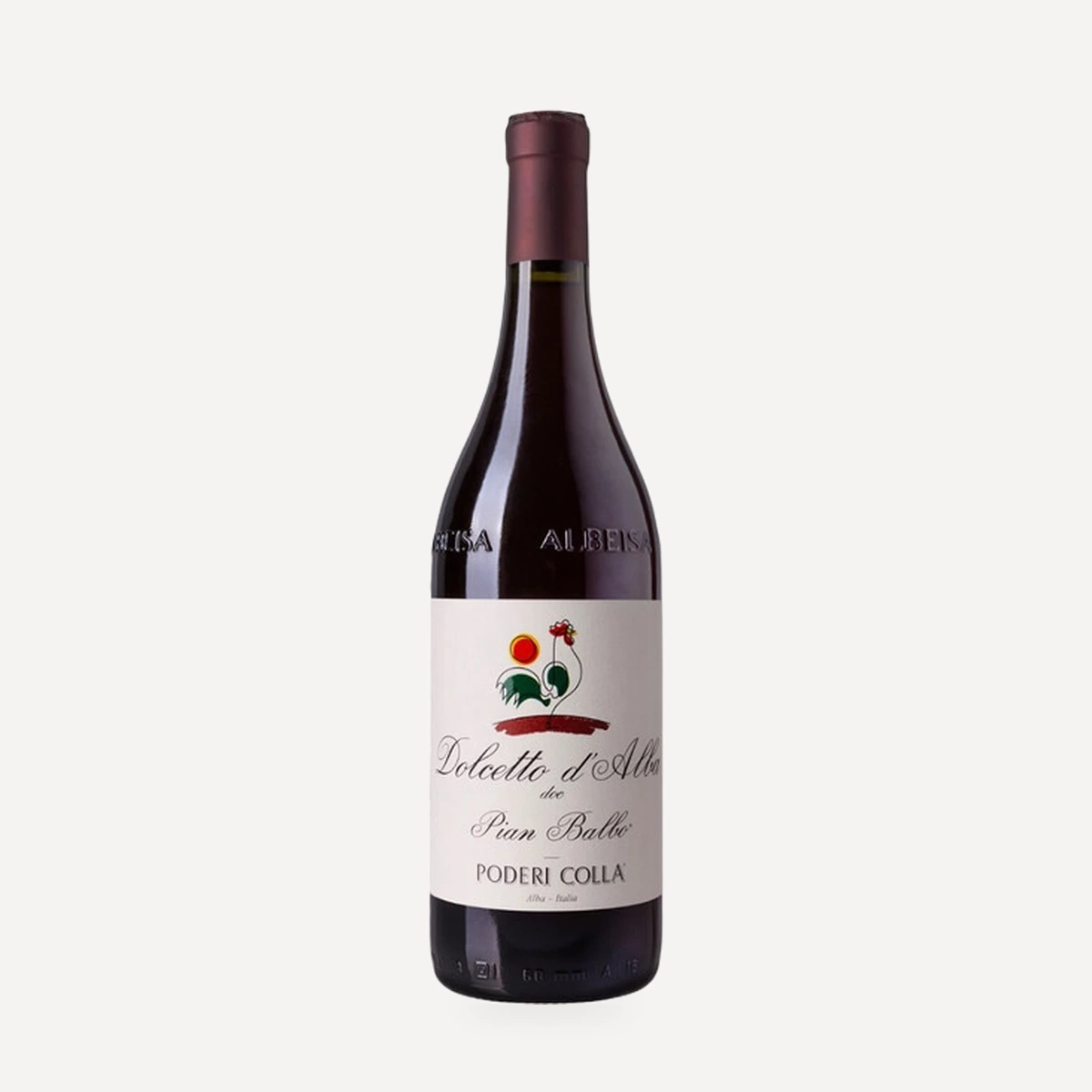
Pian Balbo Dolcetto d'Alba DOC
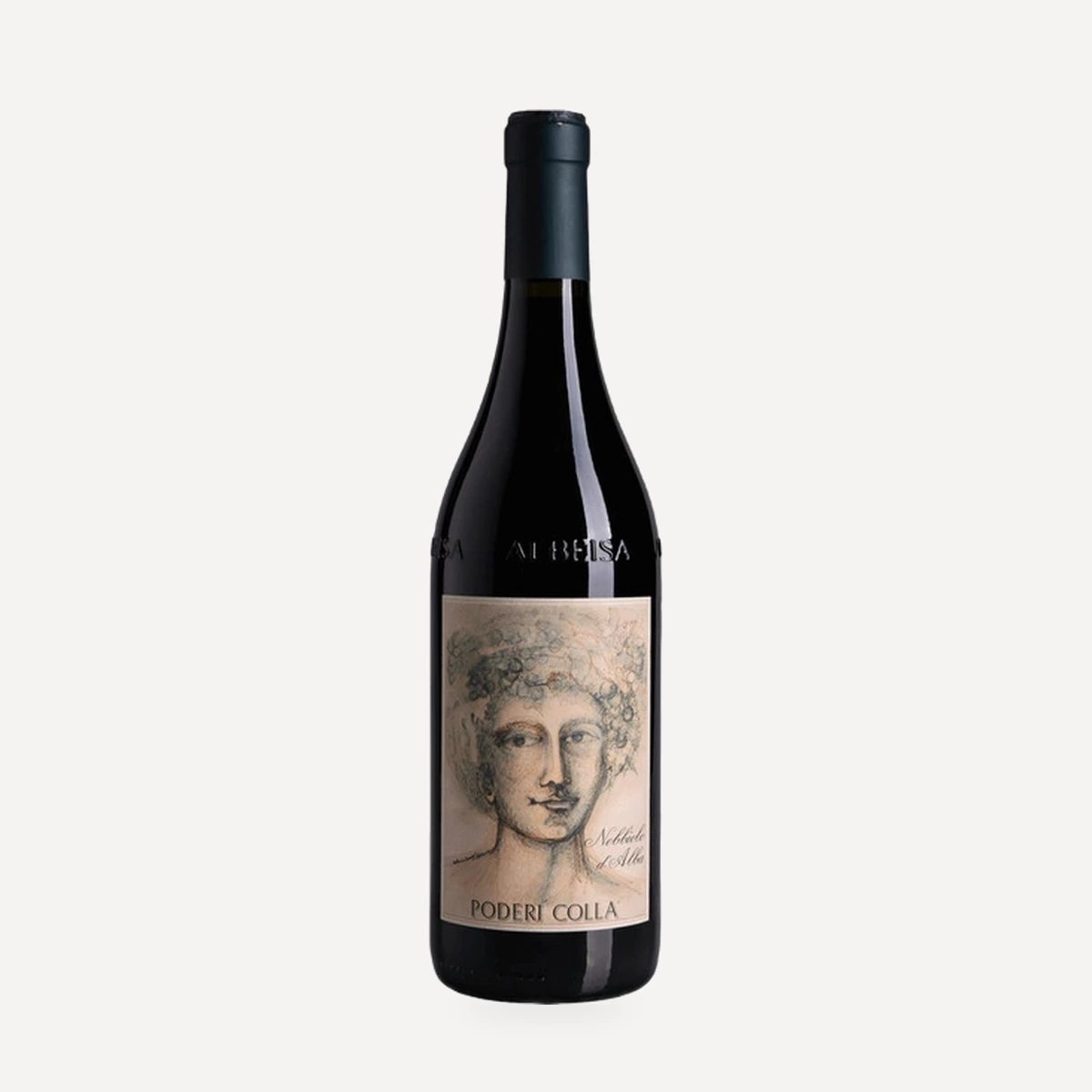
Drago Nebbiolo d'Alba DOC
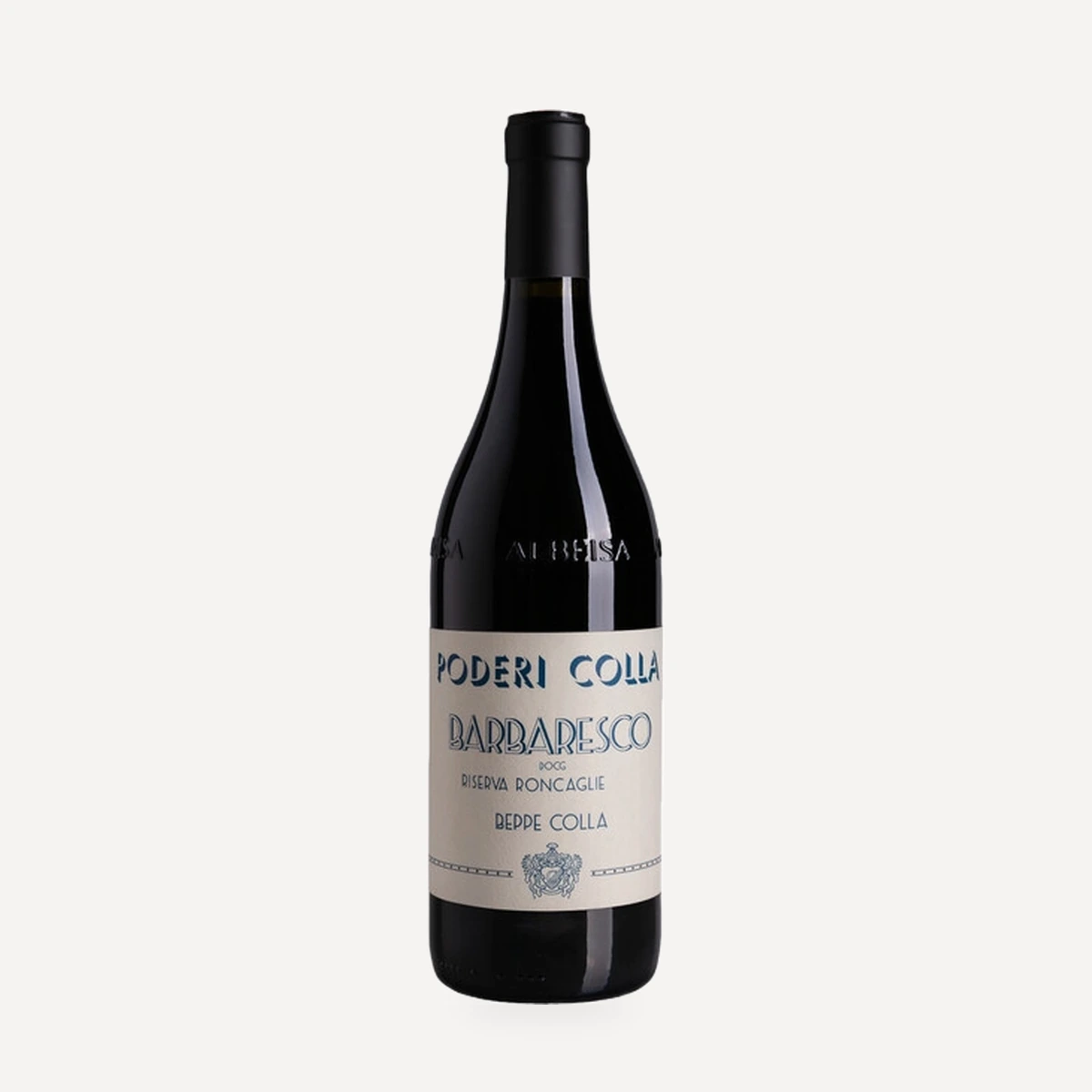
Beppe Barbaresco Roncaglie Riserva DOCG
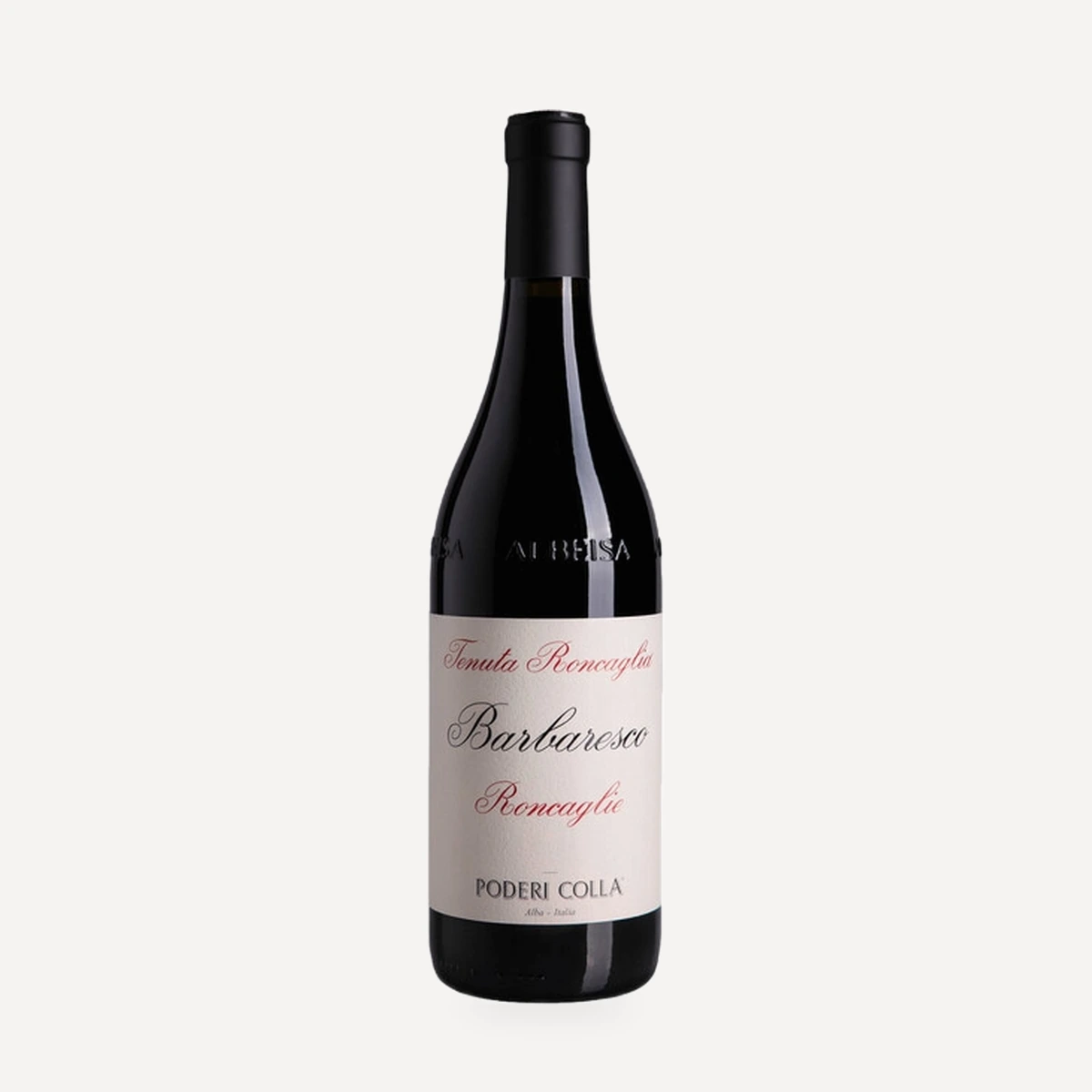
Roncaglie Barbaresco DOCG
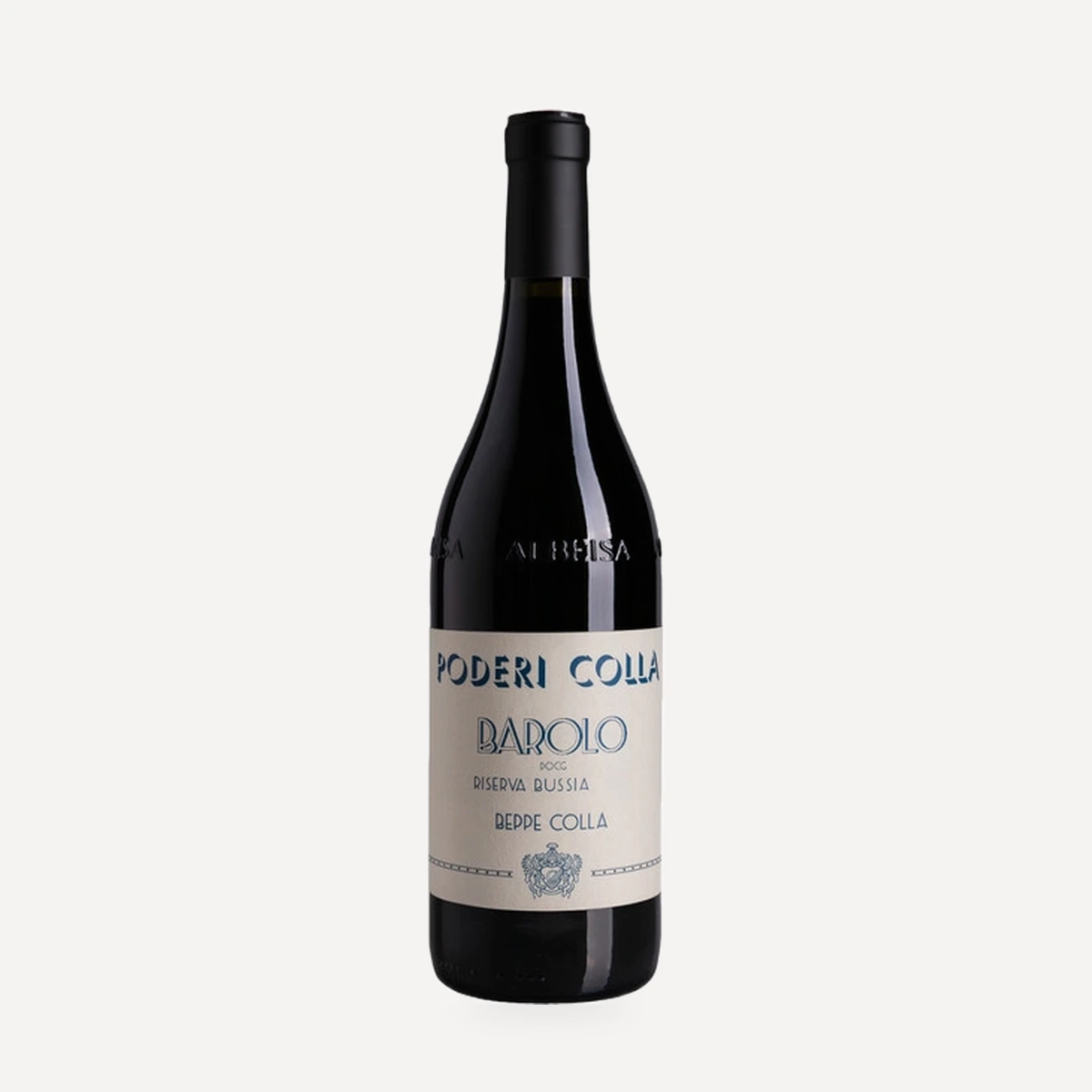
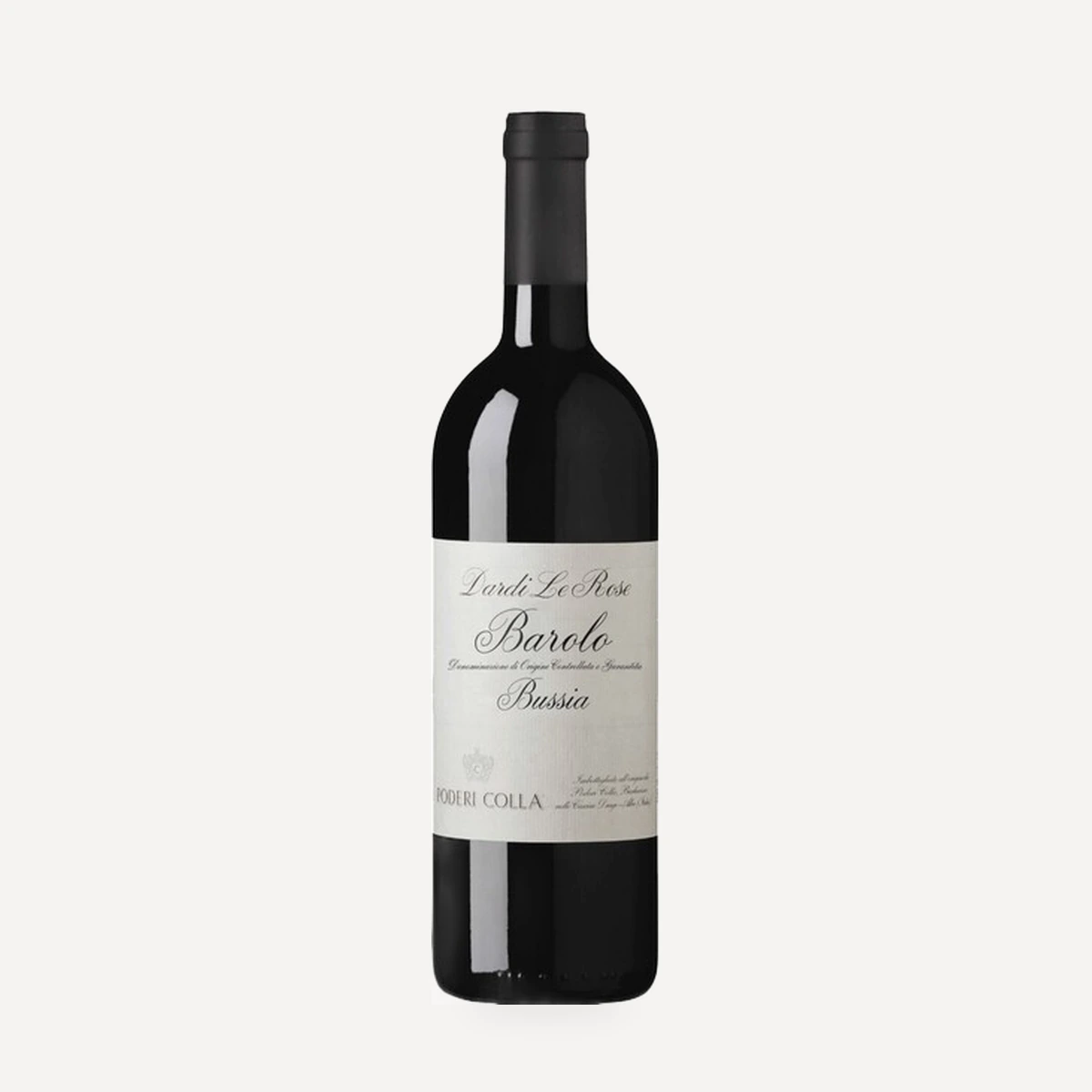
Beppe Barolo Riserva Bussia DOCG
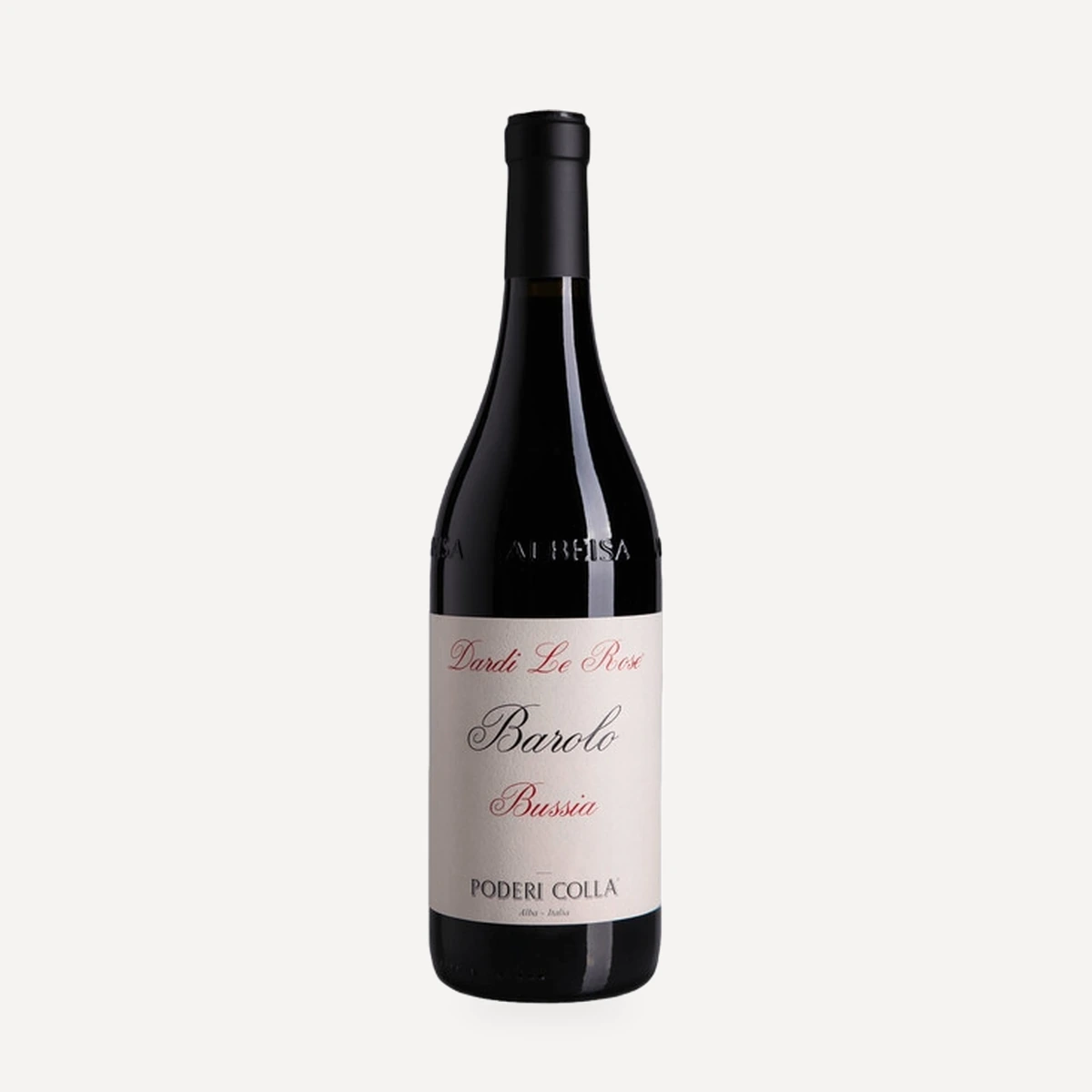
Barolo Bussia Dardi Le Rose DOCG
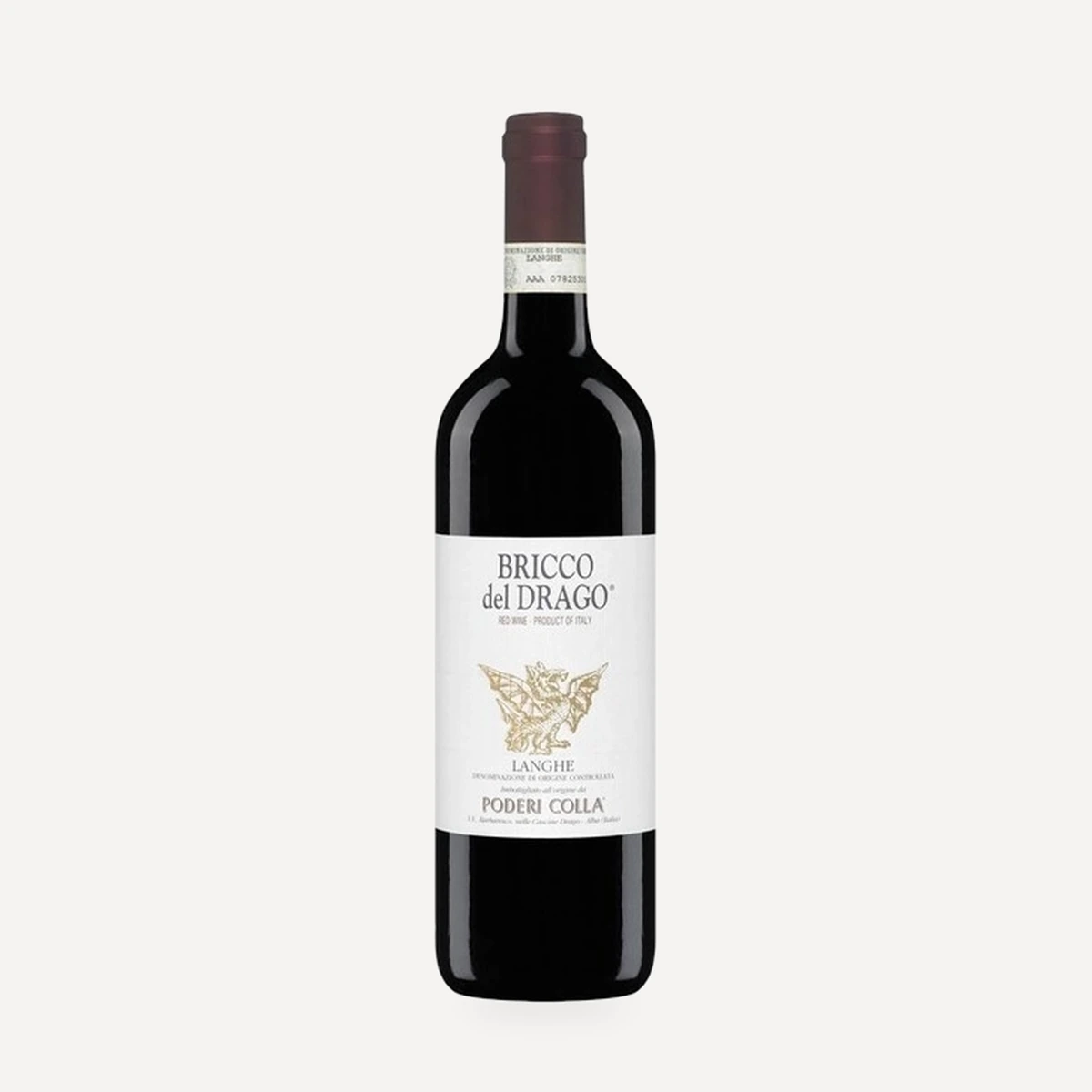
Bricco del Drago Langhe DOC
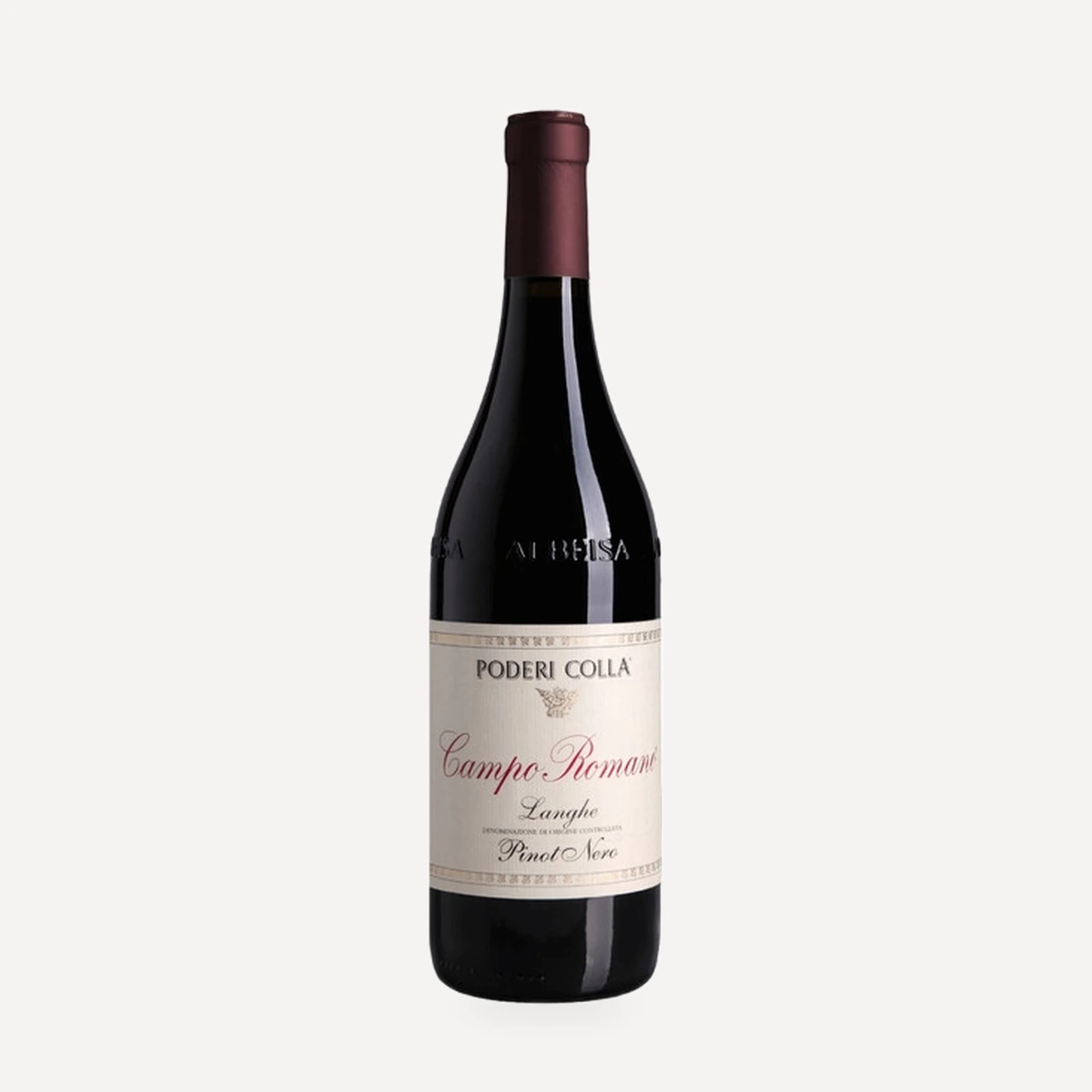
Campo Romano Pinot Nero Langhe DOC
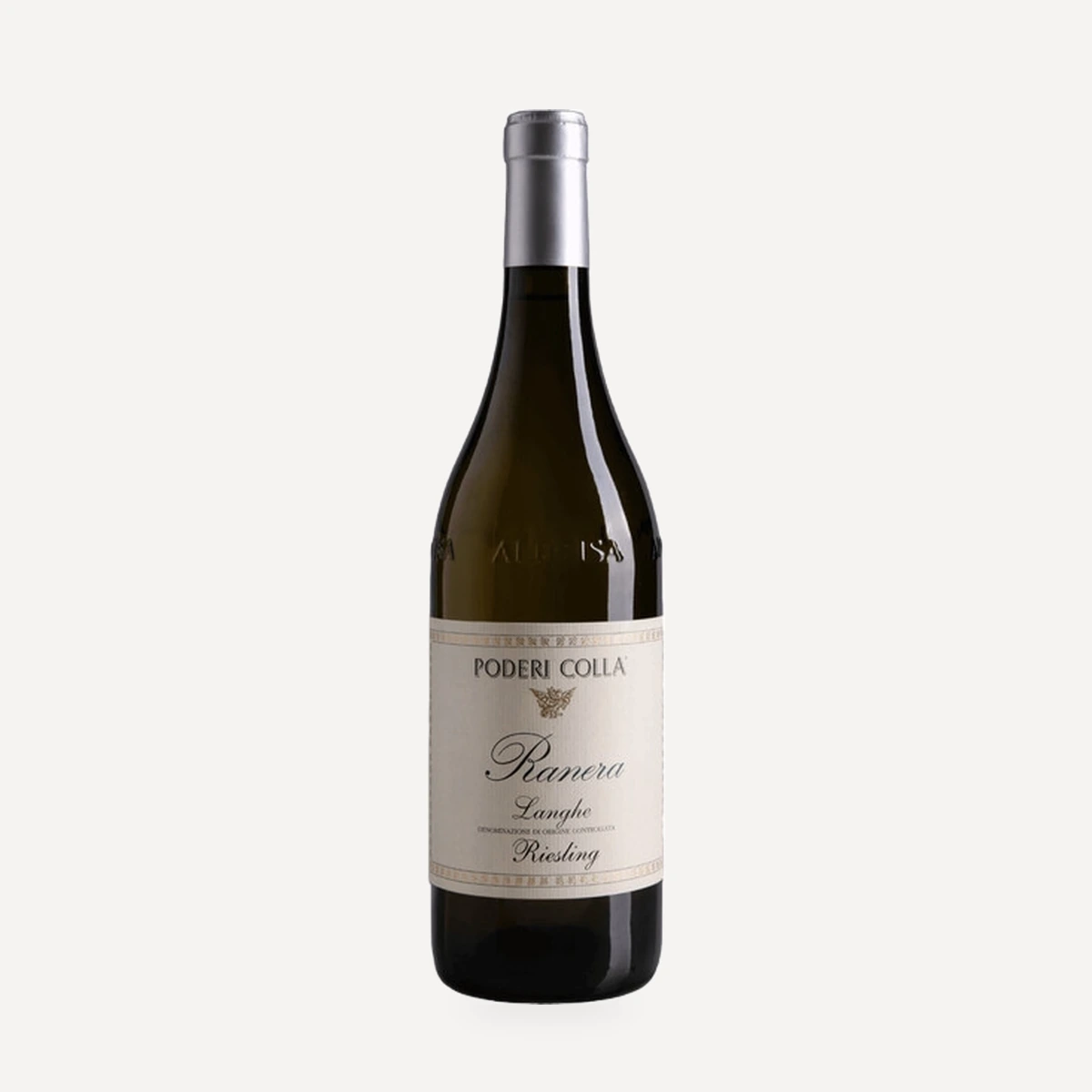
Ranera Riesling Langhe DOC
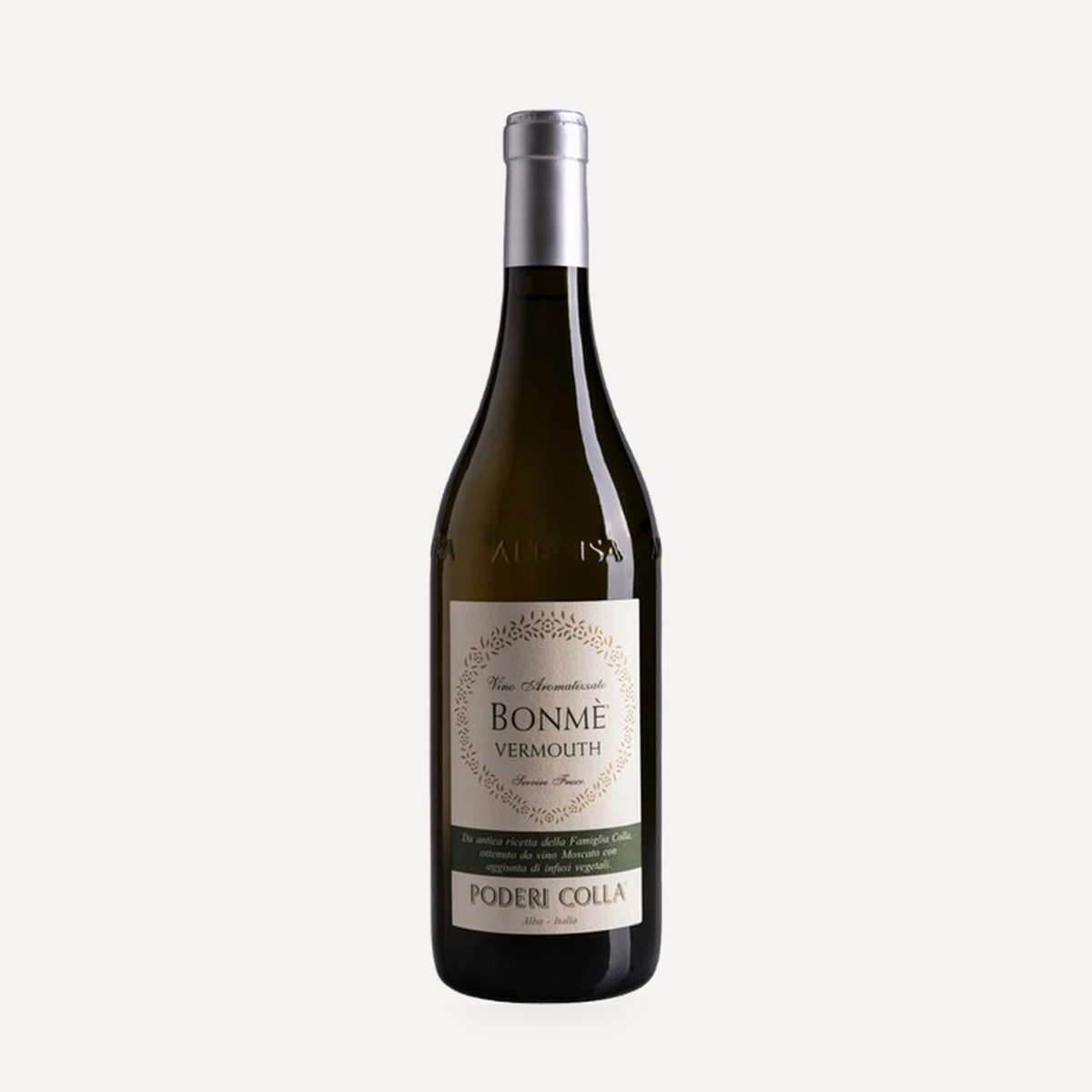
Vermouth Bonme
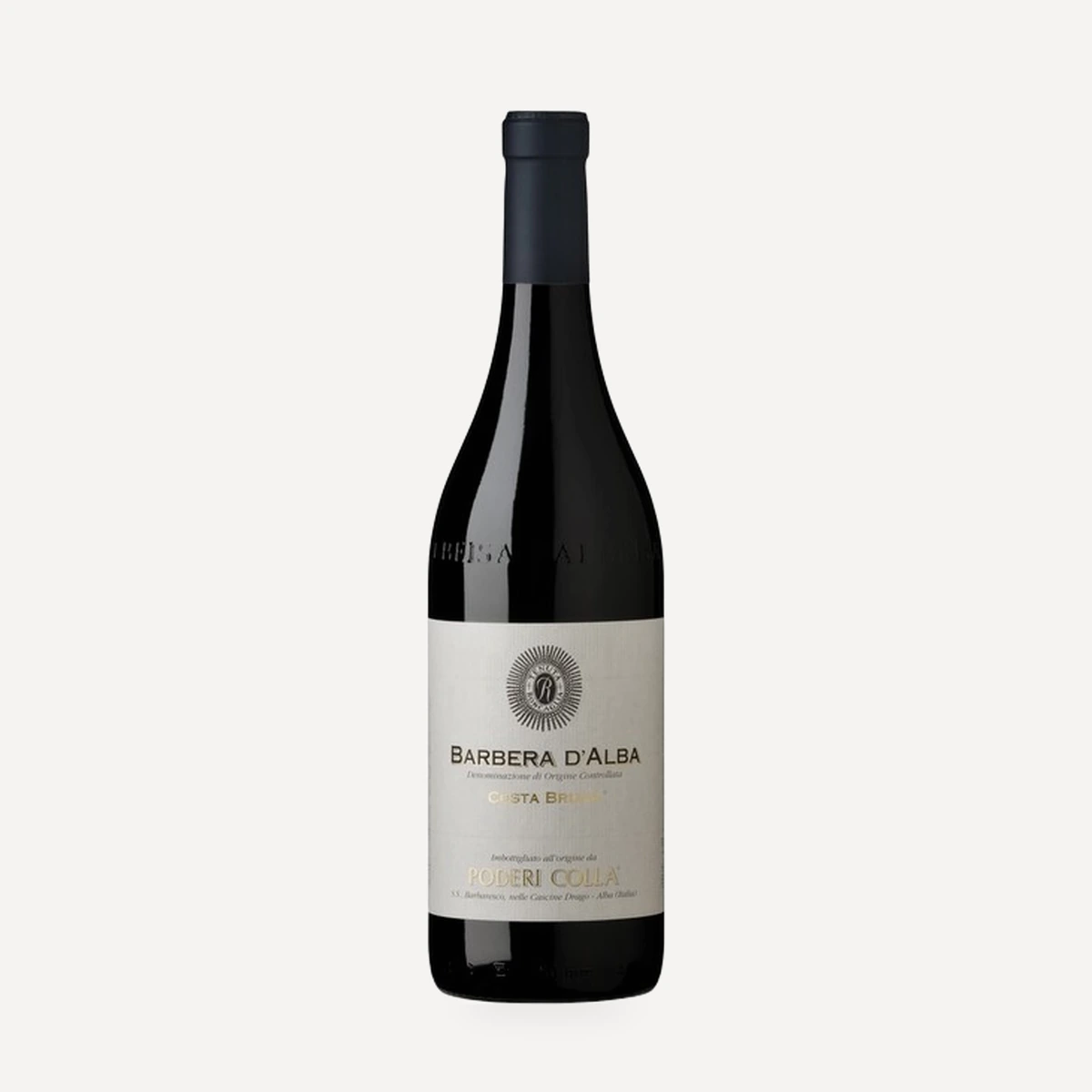
Costa Bruna Barbera d'Alba DOC
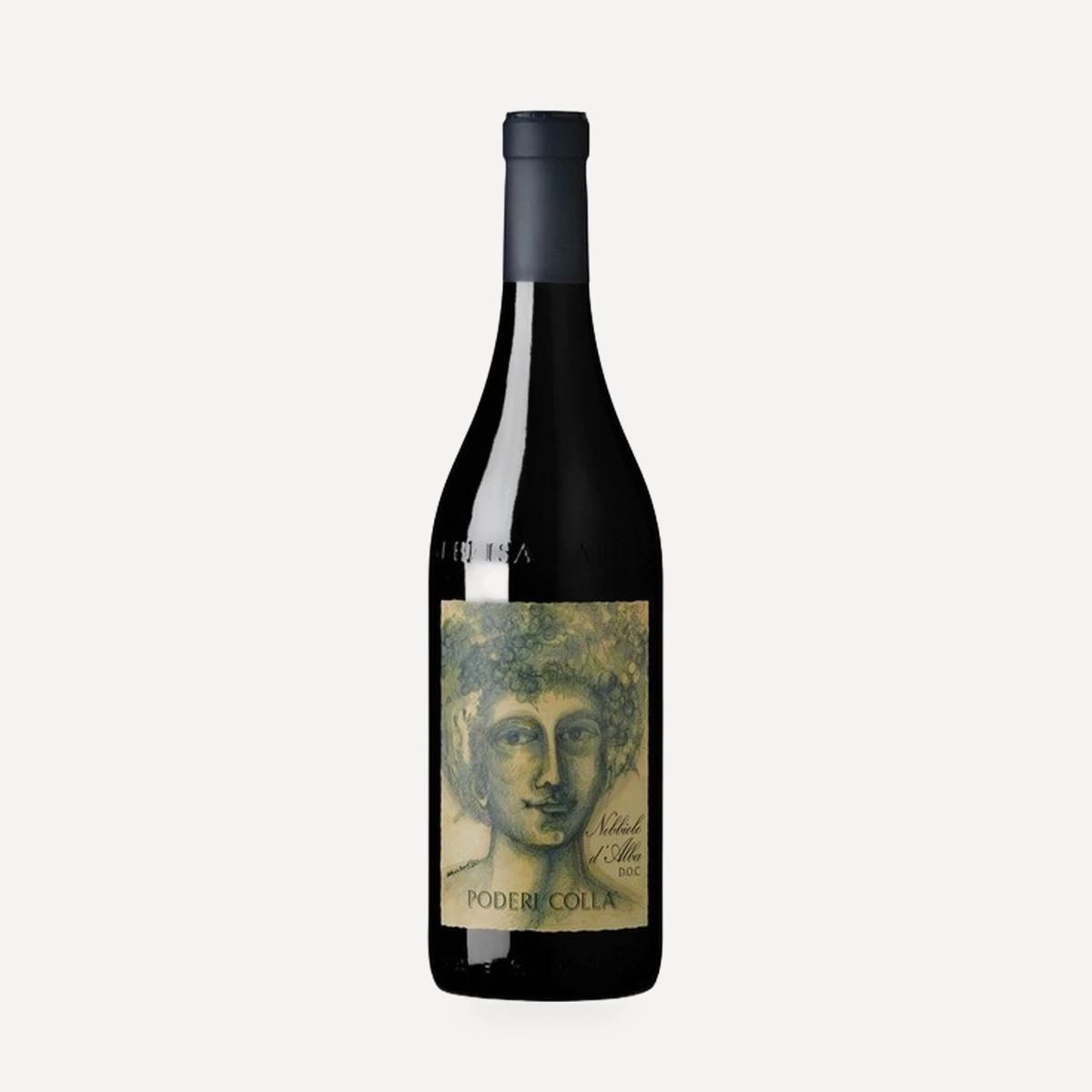
Nebbiolo d'Alba DOC