History
The Alliata background and Giuseppe’s first wines
The Alliata di Villafranca family traces its Pisan origins to the 12th century. The history directly connected with Duca di Salaparuta begins with Giuseppe Alliata, Principe di Villafranca and Duca di Salaparuta, a Sicilian politician associated with modernising ideas. He supported Sicilian independence during the uprisings of 1821.
After feudal privileges were abolished in 1822, Giuseppe turned his attention to the family vineyards at Casteldaccia. Drawing on knowledge acquired during a youthful stay in Tuscany, he began making wine initially for private consumption and for guests at Villa Valguarnera, the Alliata summer residence in Bagheria, while intending eventually to develop a commercial activity.
In 1824 he bottled one white and one red wine. Their style looked to the elegance of French wines and differed from the Sicilian wines of their time. Villa Valguarnera was therefore both the setting for Giuseppe’s first vinification and the symbolic birthplace of Duca di Salaparuta.
Edoardo and the transformation into a wine business
Giuseppe’s son Edoardo Alliata transformed his father’s production into a structured family enterprise. He built the Cantine di Casteldaccia and imported the most modern presses then available from France. The wines became the first Sicilian wines exported to other European countries and the United States.
Edoardo also prepared the vineyards for phylloxera. Returning from France with American vine cuttings, he established resistant plant material before the pest arrived. When phylloxera later destroyed vineyards elsewhere in Italy, his own land remained green and productive.
Enrico Alliata, 1898–1930
Edoardo’s grandson Enrico continued the enterprise. Presented as a leading figure in modern Italian oenology, he continually sought new machinery, diversified the labels and introduced additional products. The Casteldaccia wines won awards from Rome to New York and were served at the Savoy court, Italian embassies abroad and during Mass.
Enrico’s interests extended to philosophy and food. He attended the Circolo filosofico di Pojero in Palermo and explored vegetarian and raw-food cooking. In 1930 he published Cucina vegetariana e naturismo crudo, an early Italian work devoted to vegetarianism and healthy eating. His Villa Valguarnera banquets combined family wines with carefully presented plant-based and raw dishes.
ALA, the Antico Liquorvino Amarascato, originated in the second decade of the 20th century. Enrico conceived it as a companion to chocolate, the passion of his wife Sonia de Ortúzar. It combined red wine, sugar and an alcoholic infusion of Marasca cherry leaves.
Topazia Alliata, wartime and post-war management
Topazia Alliata, daughter of Enrico and the Chilean Sonia de Ortúzar, was the last Alliata heir to manage the company. An oenologist as well as a painter, writer and gallerist, she joined an avant-garde painting movement while still young and attended the Scuola Libera del Nudo at the Accademia di Belle Arti di Palermo. Her circle included Nino Franchina and Renato Guttuso.
Topazia married the Florentine intellectual Fosco Maraini and moved with him to Japan. After refusing to adhere to the Repubblica Sociale Italiana following 1943, the family was interned in a prison camp. At the end of the war, Topazia returned to Sicily and took charge of the Casteldaccia cellars. The principal historical chronology places her leadership in 1946. Her winemaking legacy includes the creation of Colomba Platino Bianco in 1959, a pure-Insolia white based on a new approach to white vinification.
The Nero d’Avola project, 1984–1987
In 1984, working with oenologist Franco Giacosa, Duca di Salaparuta vinified Nero d’Avola as a varietal wine for the first time. The result was Duca Enrico, which received Gambero Rosso’s Tre Bicchieri in the same year. Continued investment in Nero d’Avola at the Riesi estate subsequently produced Passo delle Mule and Triskelè.
New ownership and the three estates, 2001–2003
Illva Saronno Holding S.p.A. acquired the historic Casteldaccia company in May 2001. In 2002 it acquired three estates selected for their viticultural potential: Suor Marchesa at Riesi, Risignolo at Salemi and Vajasindi on Etna.
A further project began in 2003 through collaboration with oenologist Giacomo Tachis. On his first arrival on Mount Etna, Tachis chose to investigate Pinot Noir on the volcano’s northern slope, initiating a long-term experiment with the variety at Vajasindi.
Bicentenary and the eno-cultural project
Duca di Salaparuta celebrated its 200th anniversary in 2024 with an eno-cultural project reconnecting the house with Bagheria, Aspra and Casteldaccia. These places—once the setting of the earliest production—had also become a creative centre associated with figures including Renato Guttuso, Mimmo Pintacuda and Emilio Murdolo. Their work entered the new visual narrative through labels, exhibitions and the documentary La teoria dei contrasti.
Murdolo’s painting of Villa Valguarnera was selected for Triskelè, reconnecting that Nero d’Avola expression with the villa where Giuseppe made his first wine. Guttuso’s 1959 painting Paesaggio dell’Aspra became the visual identity of Autentici di Sicilia, while photographs by Mimmo Pintacuda were used for I Vini di Tenuta.
The collaboration with Arrigo Musti produced Poliedrica, a three-panel aluminium work devoted to Topazia Alliata. Installed at the Casteldaccia winery and inaugurated in 2025, the work became the basis of new Colomba Platino labels. In 2026 the cultural and hospitality programme expanded through an integrated train-and-shuttle project connecting Casteldaccia’s winery with the surrounding coastal territory.
Terroir
Duca di Salaparuta works through three geographically distinct Sicilian estates: the inland hills of Riesi, western Sicily near Salemi, and the northern slope of Mount Etna.
Suor Marchesa, Riesi
Suor Marchesa lies in central Sicily on a gently inclined, wind-exposed hill. Winters are mild and short; summers are hot and very dry. The climate figures presented for the estate are 14°C and 24°C. The vineyards occupy the hillside around its full 360-degree circumference, creating varied exposures; some blocks are only slightly inclined and others are almost level.
The terrain is hilly, with clay soils of sub-alkaline reaction, a very high proportion of active limestone and little organic matter. Nero d’Avola has long been cultivated in the Riesi area and forms the core of the estate.
Risignolo, Salemi
Risignolo covers approximately 35 ha in the Salemi area of Trapani province. Its hillside position combines ventilation and proximity to the sea while limiting excessive heat. The climate is temperate, with mild winters, very dry springs and summers, and pronounced temperature variation; the stated climate figures are 15°C and 24°C.
Vineyard orientation varies from northwest to east–west according to the planting zone. Elevation ranges from 220 to 250 metres above sea level. The terrain is hilly and the soil is clay with a sub-alkaline reaction and medium limestone content. These conditions are used particularly for white grapes, notably Grillo, Insolia and Zibibbo.
Vajasindi, Passopisciaro
Vajasindi occupies 21 ha on Etna’s northern slope, in Passopisciaro within the municipality of Castiglione di Sicilia. Its vineyards extend over three dry-stone-walled terraces: the highest lies at 700 metres above sea level and the other two at 620 metres.
Winters are cold and snowy, springs cool and summers dry. The area is windy and retains what is described as an appropriate degree of humidity; the stated climate figures are 10°C and 21°C. At Solicchiata, the principal orientations are northeast and southwest. At Passopisciaro the land is level, with orientations divided among northwest, southeast and the northeast–southwest axis.
The soil is volcanic, formed by the breakdown of lava flows of different ages together with eruptive lapilli, ash and sand. The site supports Pinot Noir, Nerello Mascalese and Carricante.
Winemaking
The three estates use site-specific training systems, densities and yield targets.
At Suor Marchesa, the approximately 5.5 ha of Nero d’Avola associated with Duca Enrico are bush-trained, pruned to three or four spurs and managed at about 50 quintals per hectare. The remainder uses vertical trellising and Guyot pruning with an average of 12 buds per plant. Old Nero d’Avola vines occupy 6 ha. The estate’s zoning programme matched particular sections with Sauvignon Blanc and Cabernet Franc.
At Risignolo, vines are espalier-trained and spur-pruned to four spurs with two buds each. Average density is 5,758 vines per hectare and yields are about 40–50 quintals per hectare. A 2.5-ha block was selected for Zibibbo following trials with white varieties.
At Vajasindi, average density is 4,800 vines per hectare and yields are approximately 50–60 quintals per hectare. The vines use espalier training and spurred cordons with four spurs and two buds each.
The Suòlo programme begins with close observation of each agronomic season and the selection of a precise relationship among soil, variety and human work. Its stated objective is to accompany the fruit to maturity through attentive agriculture and carry the identity of each selected zone from vineyard to cellar.
The historic production centre is the Cantine di Casteldaccia, built during Edoardo Alliata’s development of the family activity. Edoardo equipped it with modern presses imported from France. The present complex includes ageing areas and a dedicated barrique cellar holding historic vintages.
The production history combines technological experimentation with individual projects tied to particular varieties and sites. Franco Giacosa’s varietal Nero d’Avola work produced Duca Enrico in 1984. Giacomo Tachis opened the Etna Pinot Noir project in 2003. The Suòlo programme integrates vineyard zoning with cellar decisions designed to retain the relationship among selected soil, grape variety and human work.
The house employs steel, concrete tanks, oak barriques, oak barrels and autoclaves across its portfolio. Its documented techniques include controlled-temperature fermentation, skin maceration, malolactic fermentation in concrete, lees ageing, maturation in new and second-use oak, and the Martinotti–Charmat method. The Casteldaccia barrique cellar remains a central part of the visitor route and the ageing programme.
Philosophy
Duca di Salaparuta presents its work as a continuing challenge that joins territory, people and a shared vision. Its wine identity is built around the interaction of tradition and innovation: the historical narrative repeatedly connects family initiatives, new machinery, unfamiliar varieties and modern zoning with the recovery of older places and cultural memories.
The estates are treated as distinct viticultural environments rather than as a single generic Sicilian origin. The Suòlo project expresses this most explicitly, seeking a precise correspondence among soil, grape variety and human work. Observation of the agronomic season and attentive guidance of the fruit are described as the connection between vineyard and cellar.
The concept of terroir also extends beyond geology and climate. The house calls its approach “eno-cultural terroir,” linking wine with the art, social history, architecture and contradictions of Bagheria, Aspra and Casteldaccia. The bicentenary project uses labels, exhibitions, hospitality and documentary film to restore attention to this cultural landscape.
Quality is framed through wines that express their place and through an ongoing exchange between historical experience and technical experimentation. The recurring projects—varietal Nero d’Avola in 1984, Pinot Noir on Etna in 2003 and the zoned Suòlo crus—embody the declared willingness to take less-travelled paths while maintaining continuity with the house’s origins.
Wines
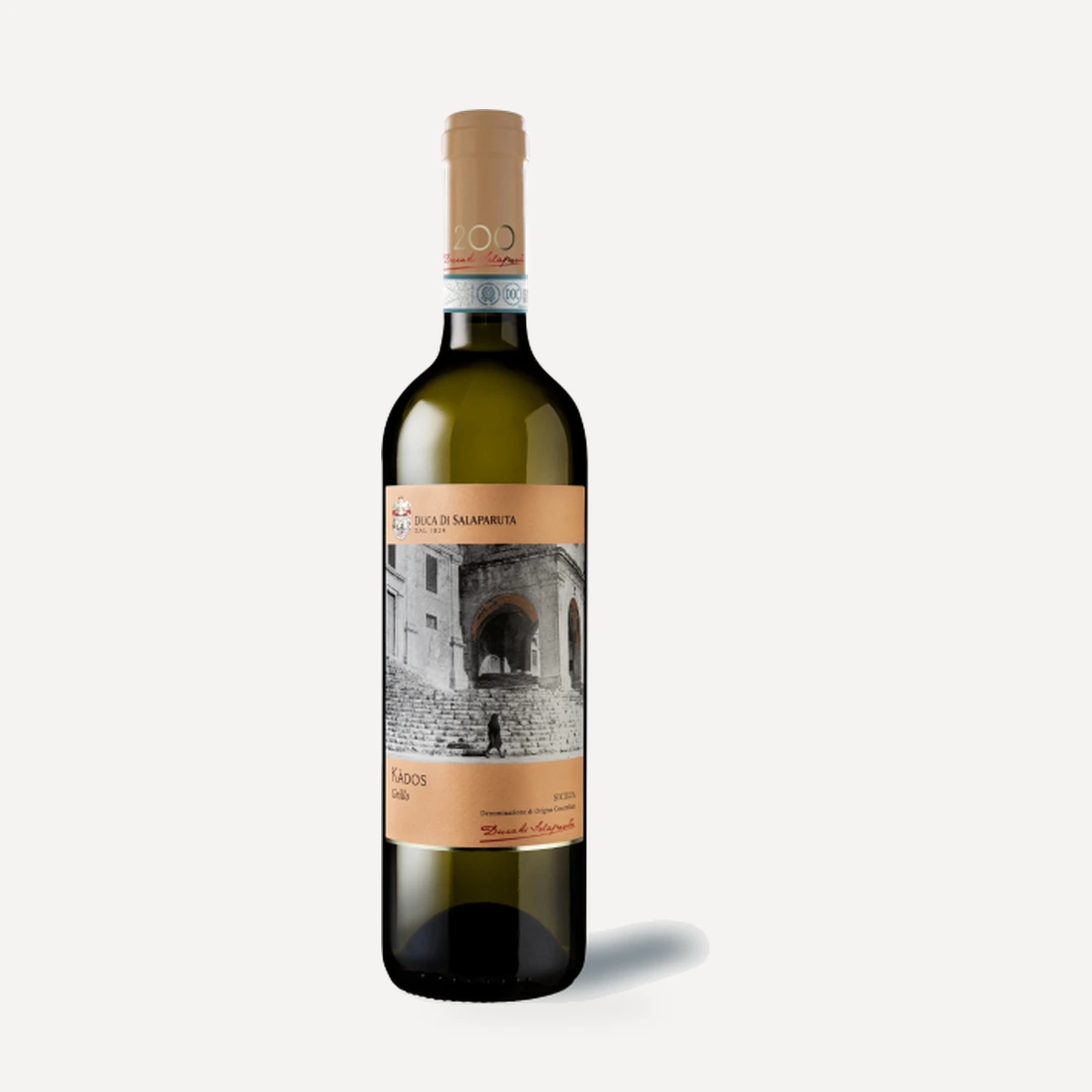
Kàdos
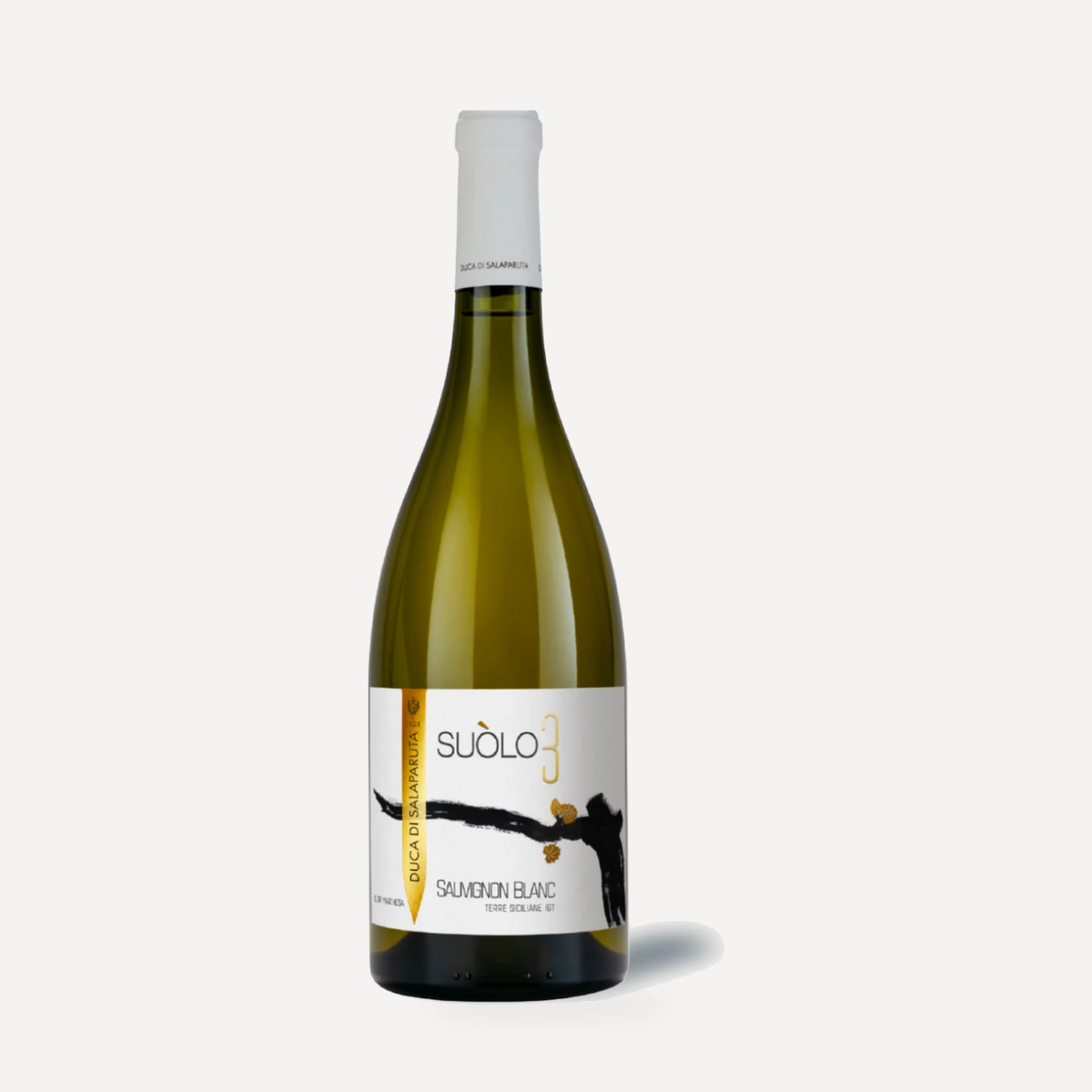
Suòlo 3
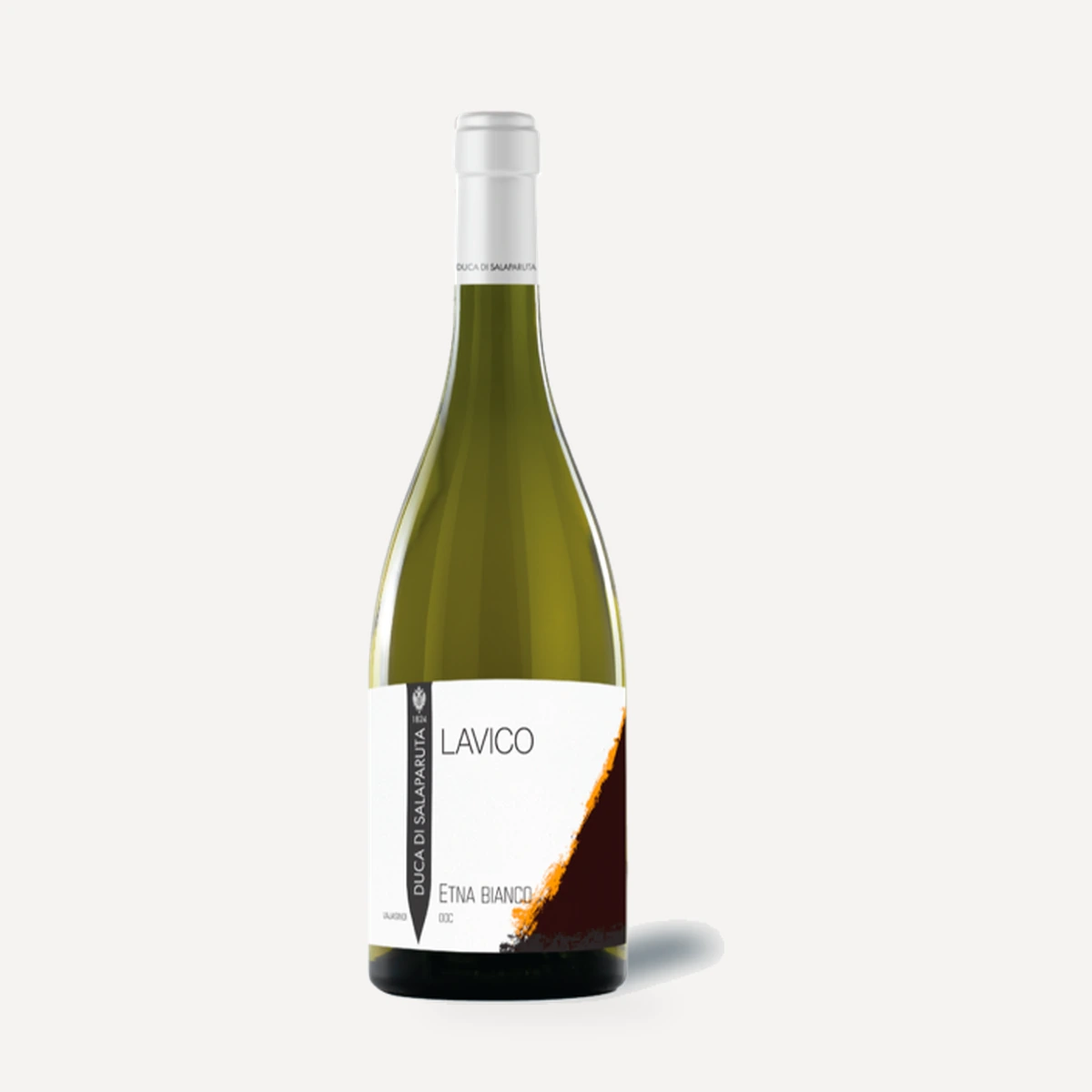
Lavico Etna Bianco
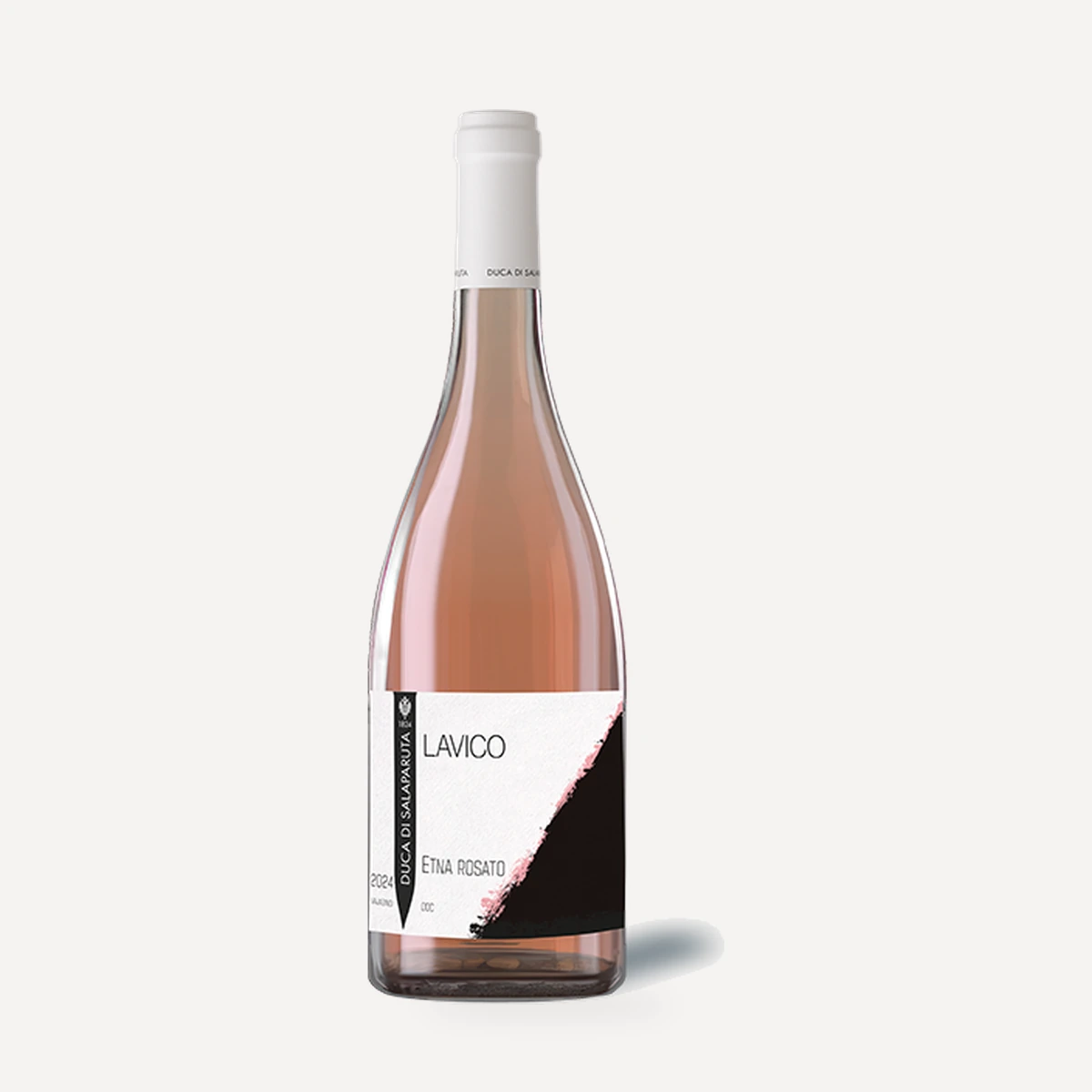
Lavico Rosato
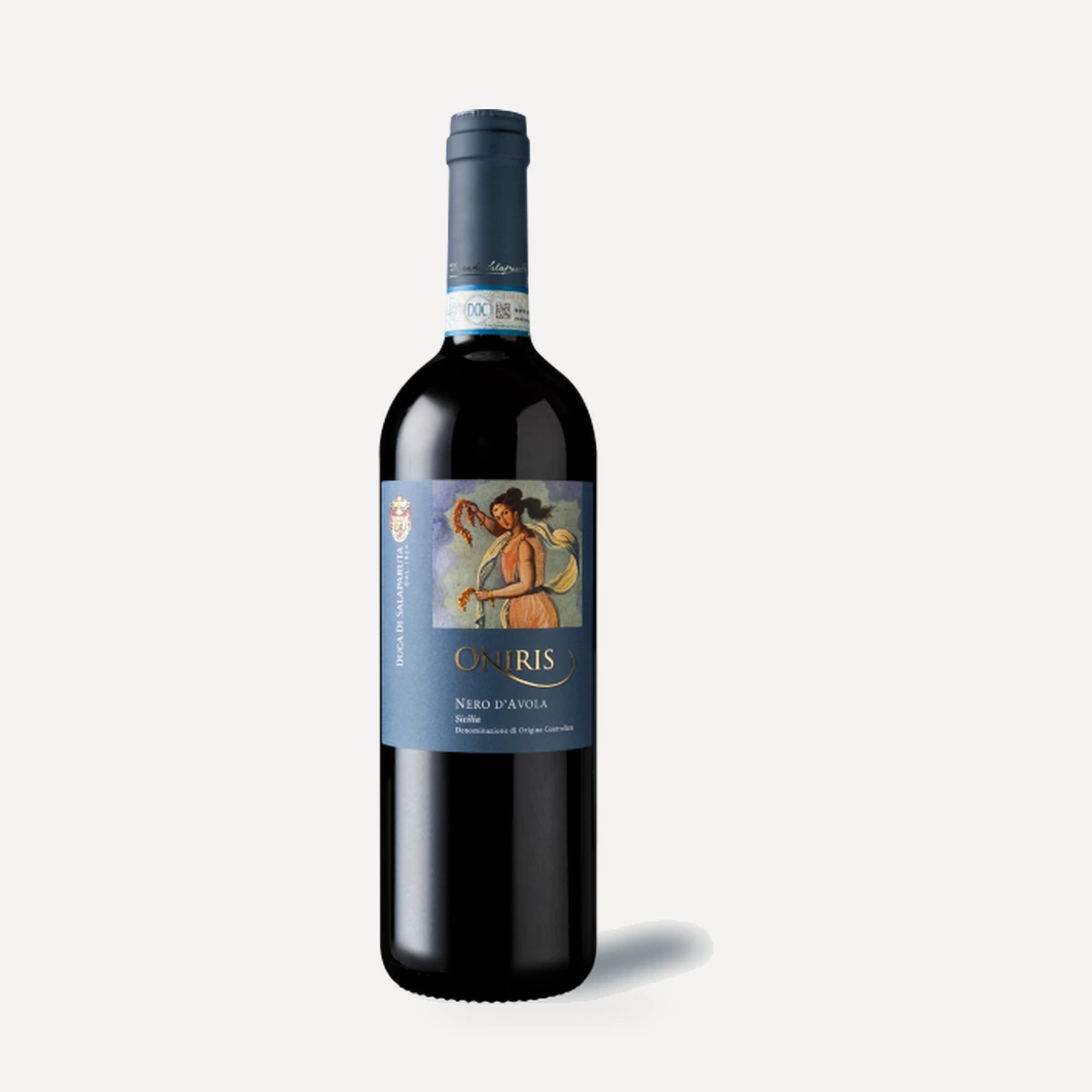
Oniris Rosso
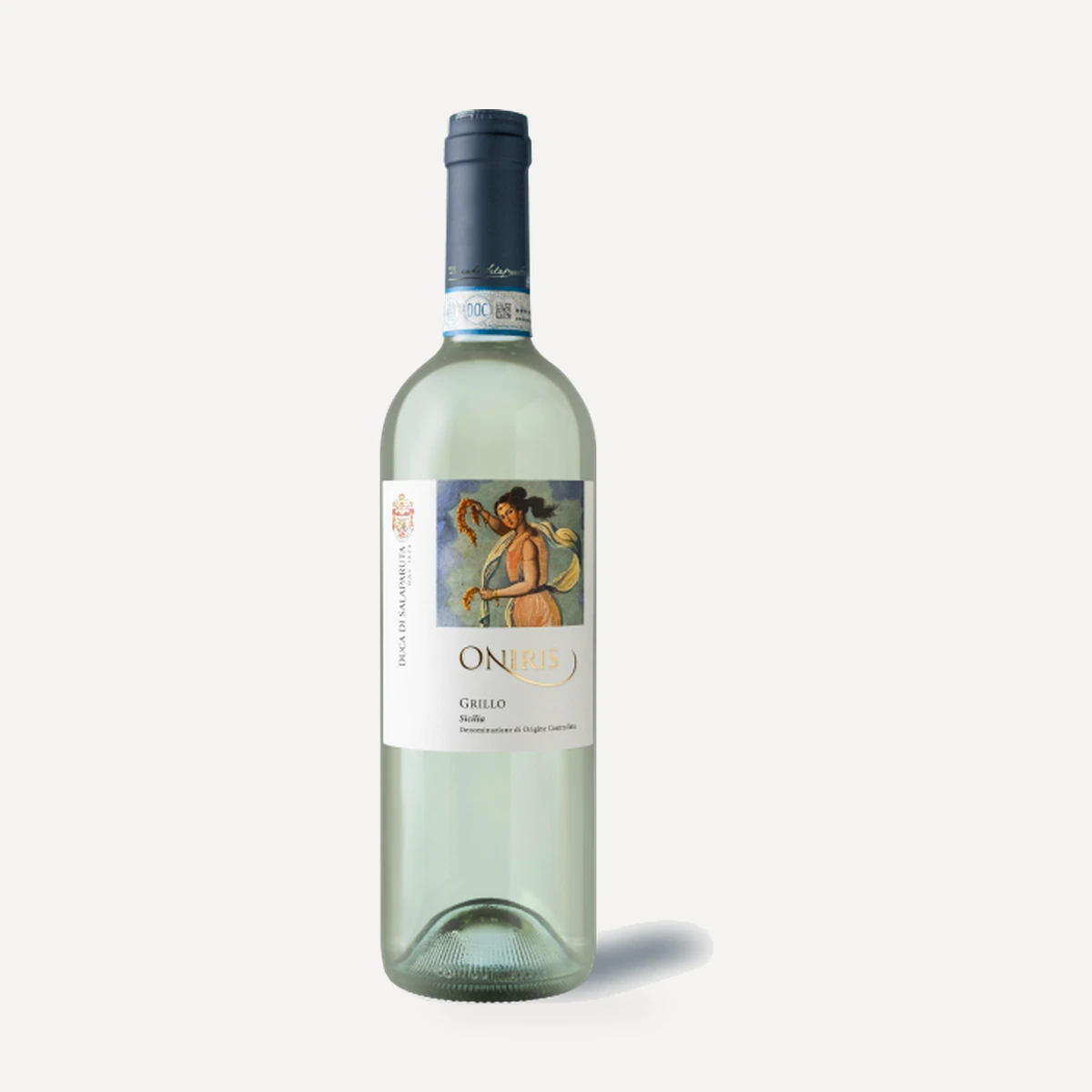
Oniris Bianco
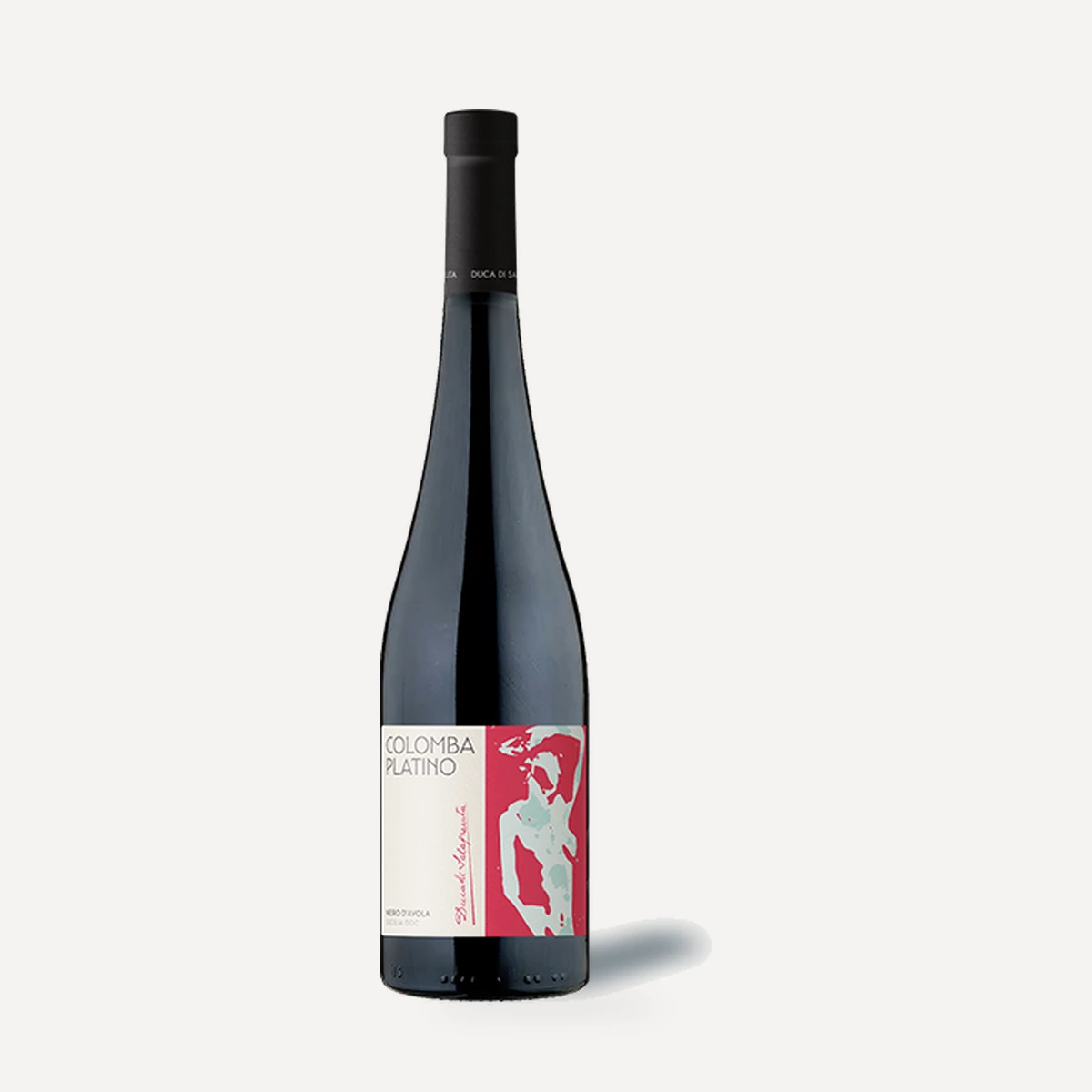
Colomba Platino Nero d'Avola
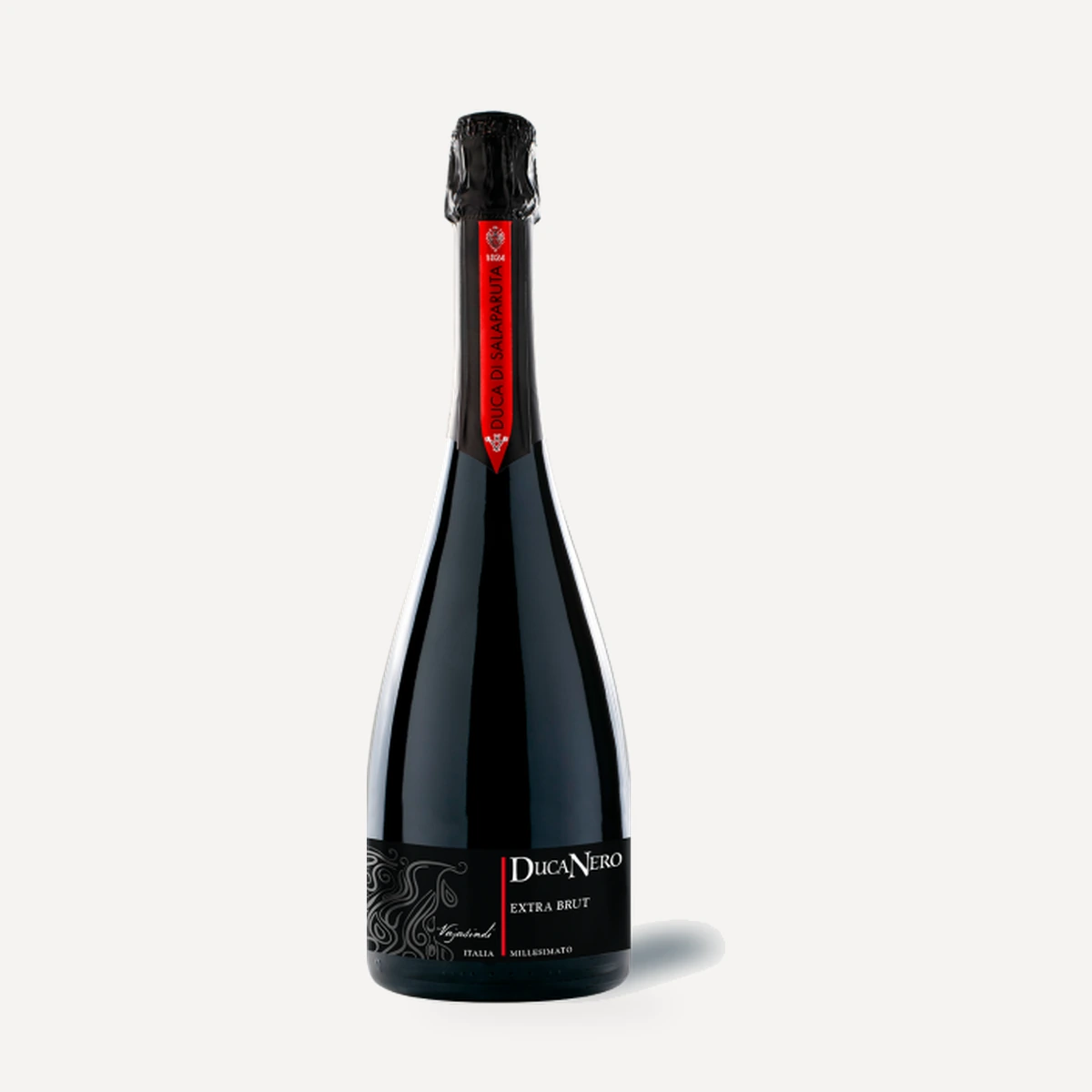
Duca Nero
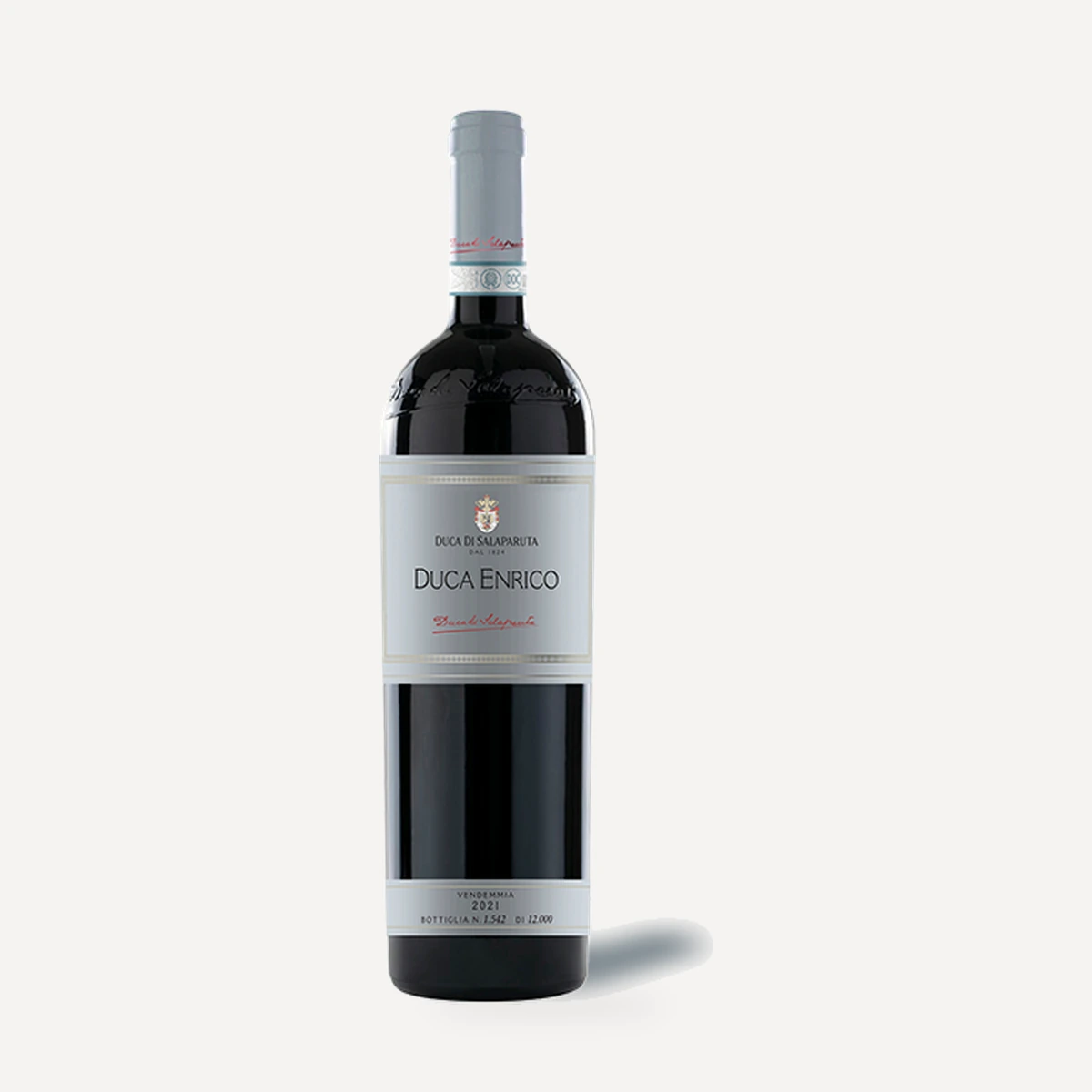
Duca Enrico
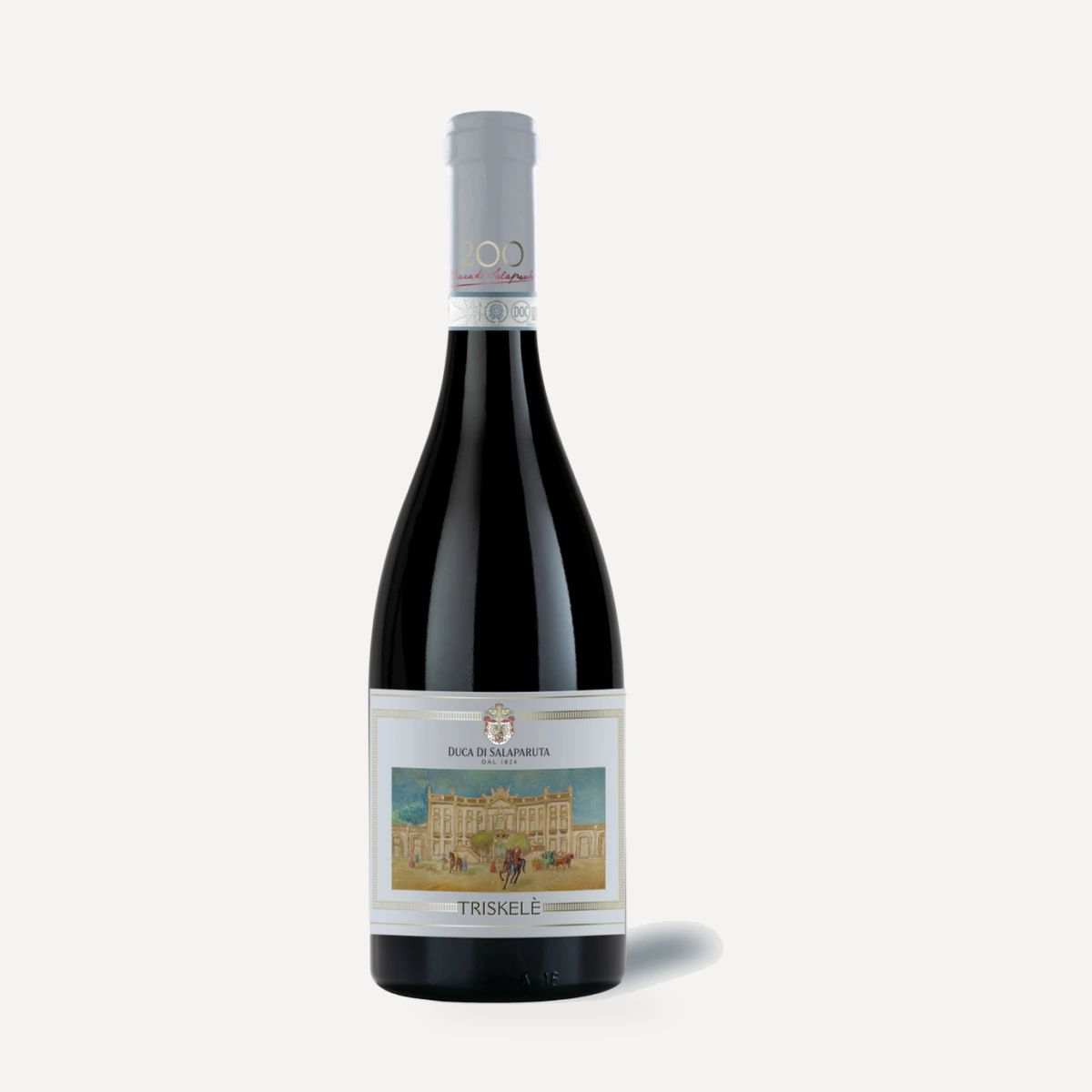
Triskelè
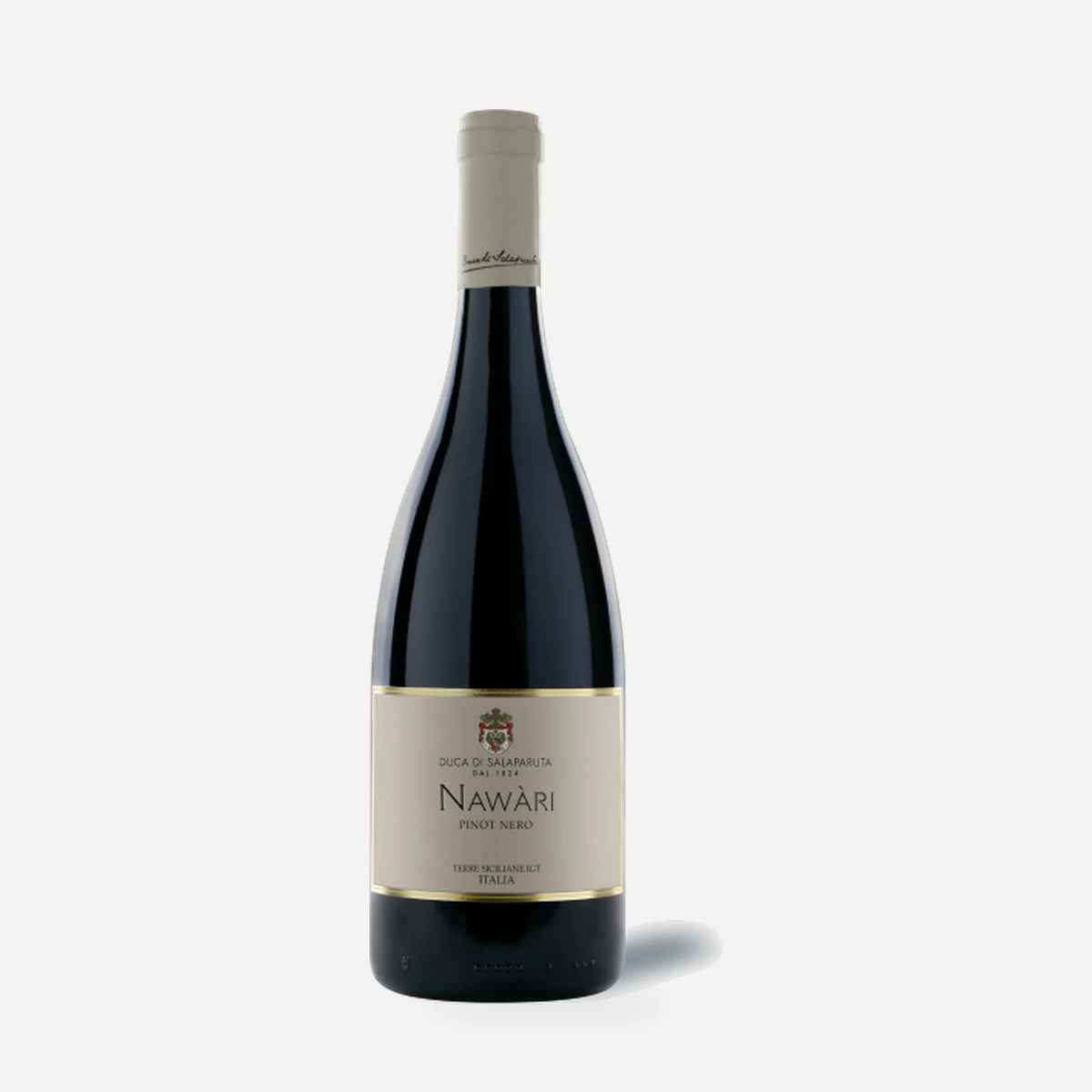
Nawàri
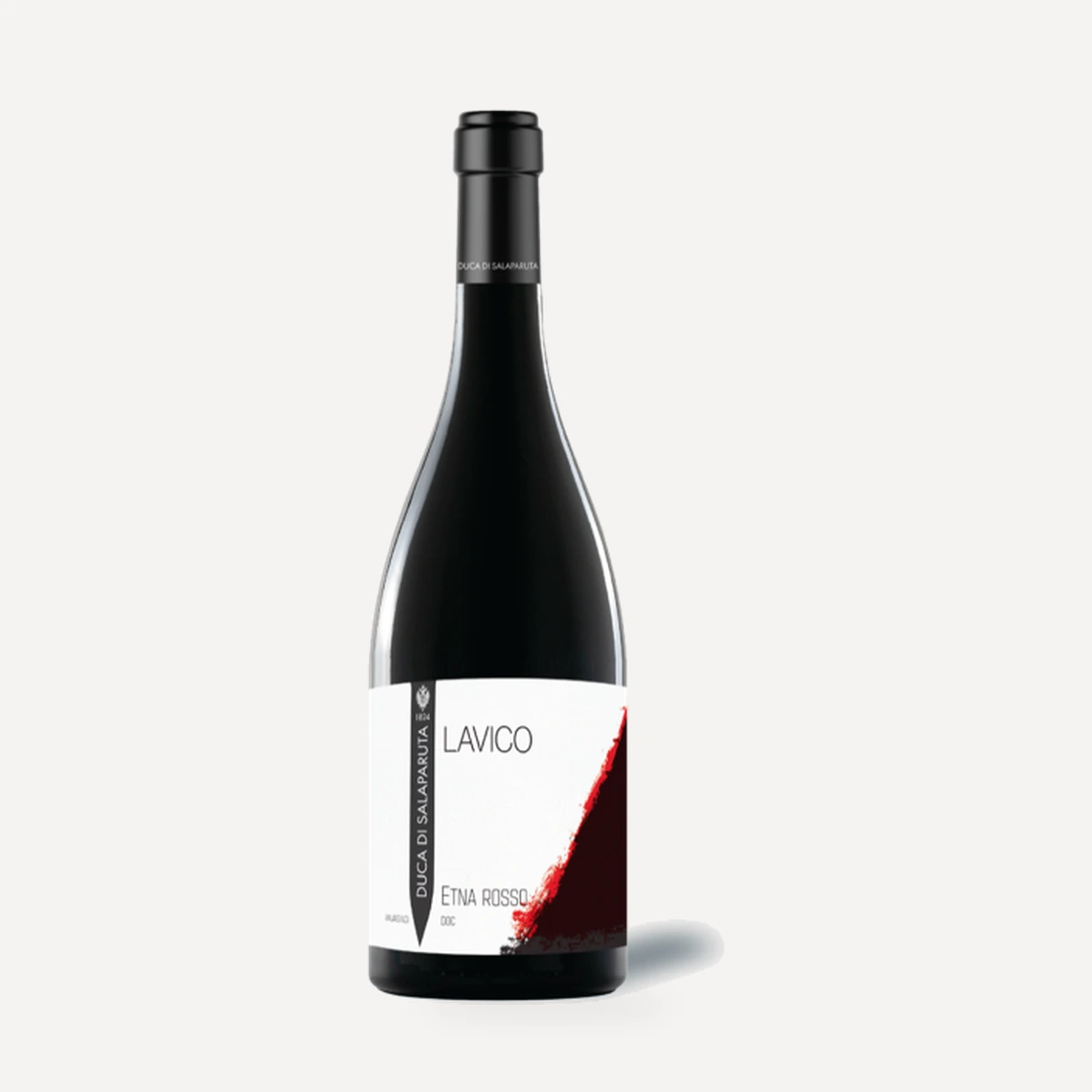
Lavico Etna Rosso
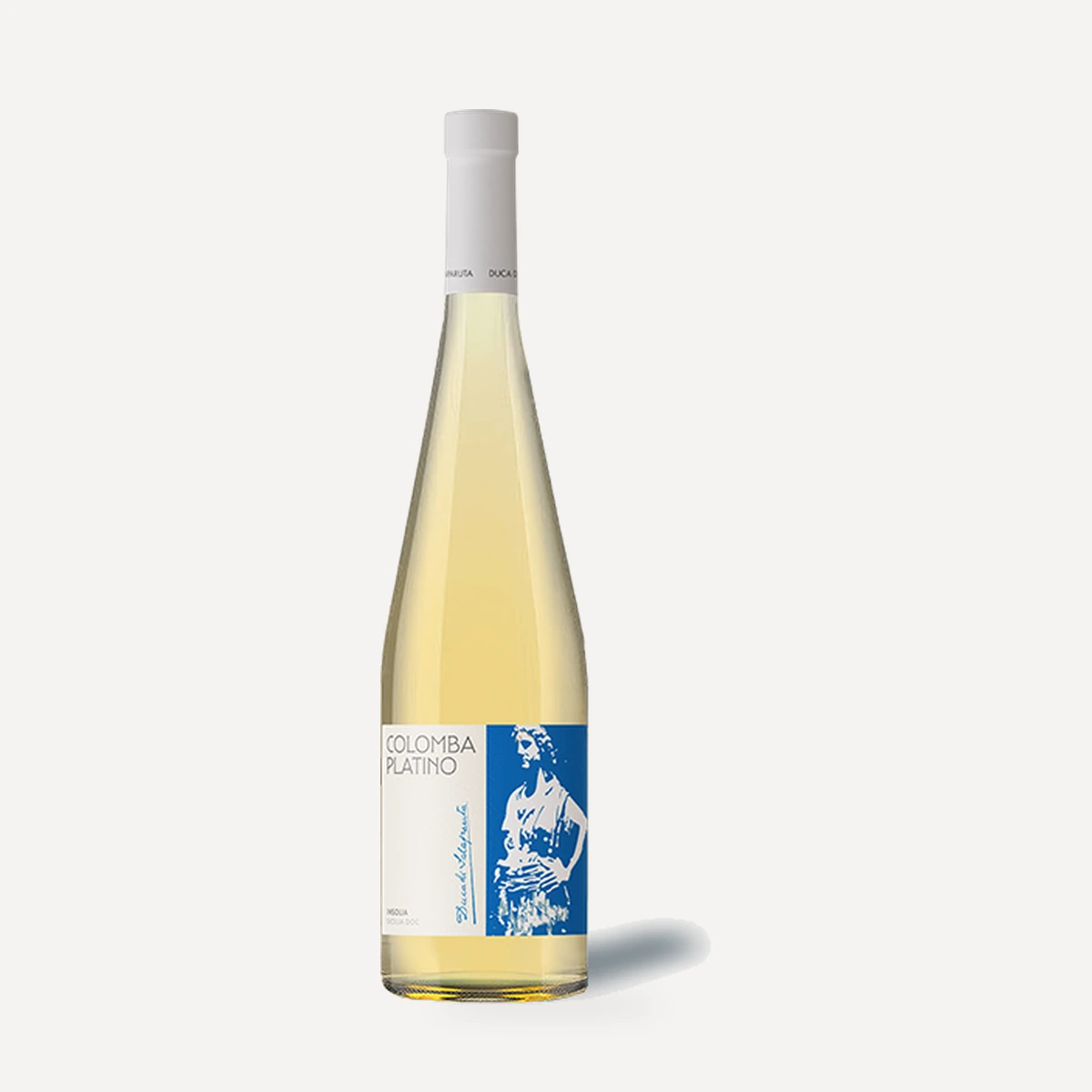
Colomba Platino Insolia
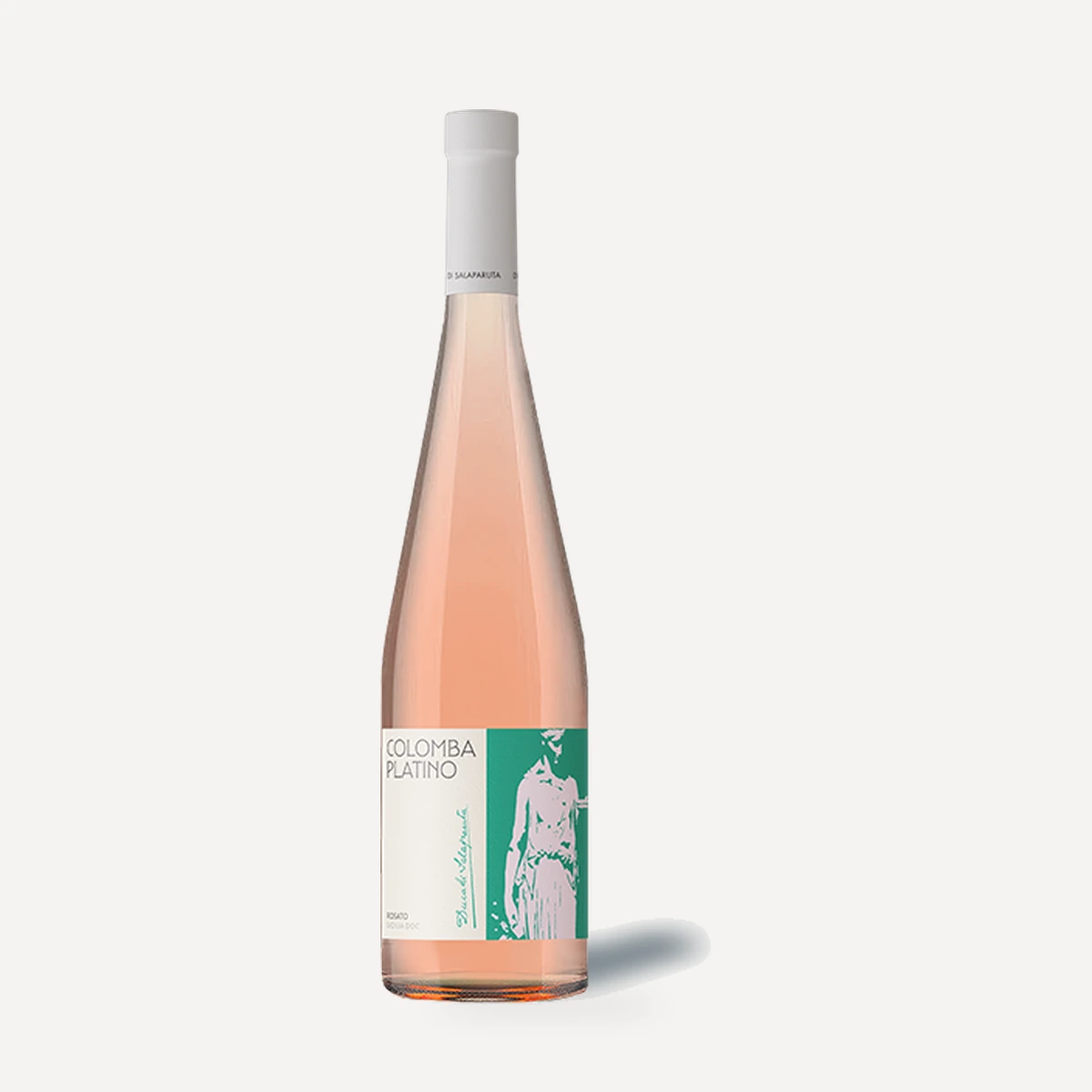
Colomba Platino Rosato
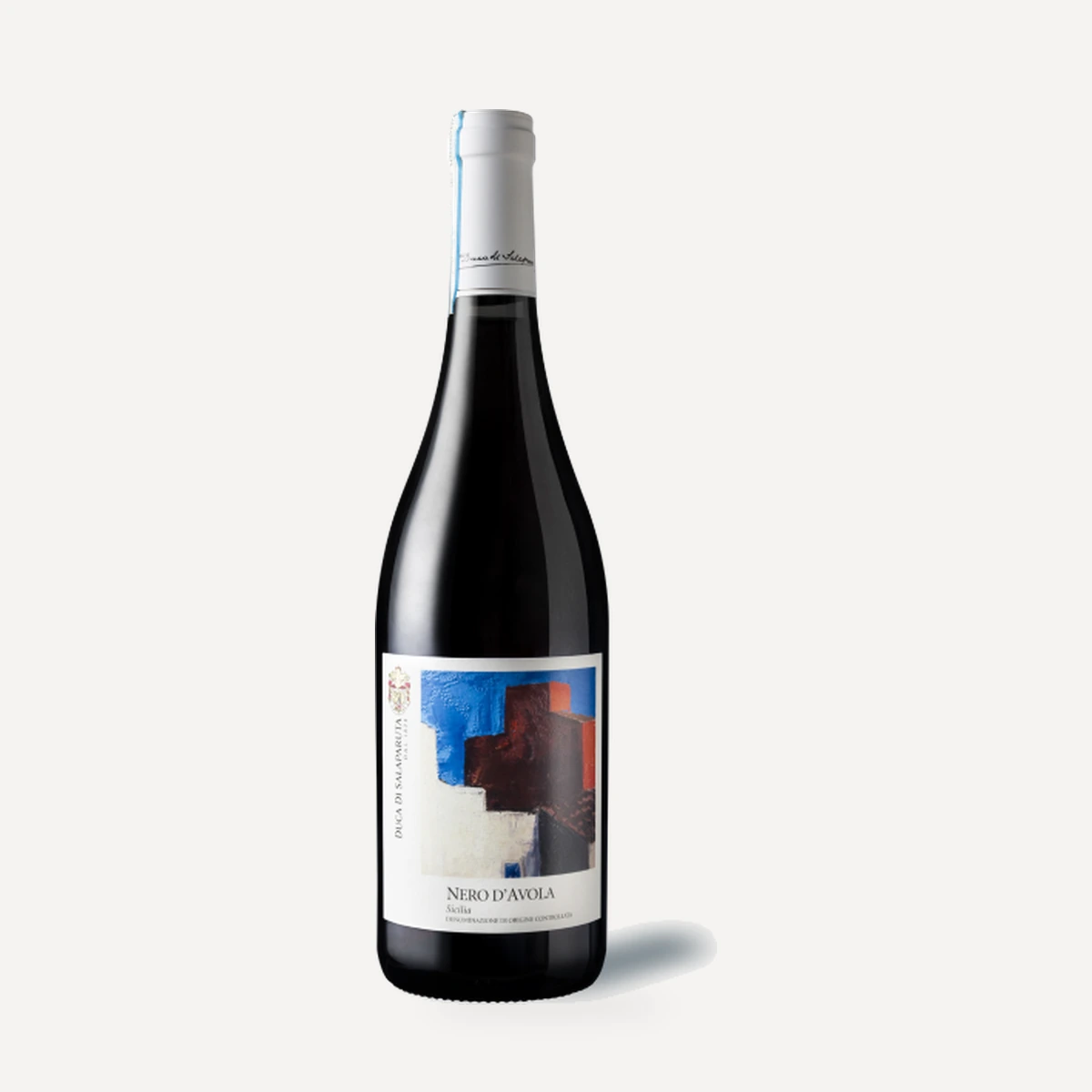
Nero d'Avola
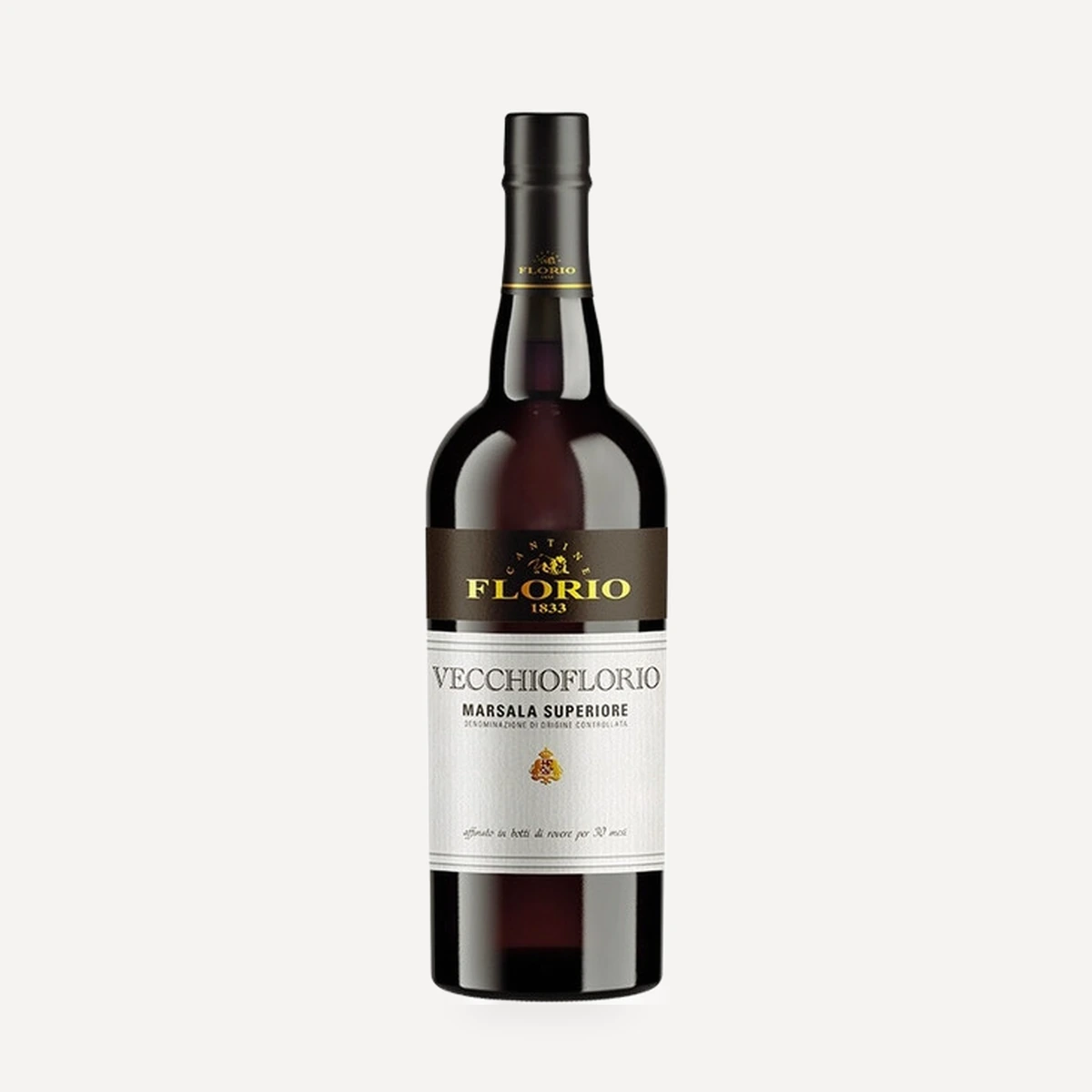
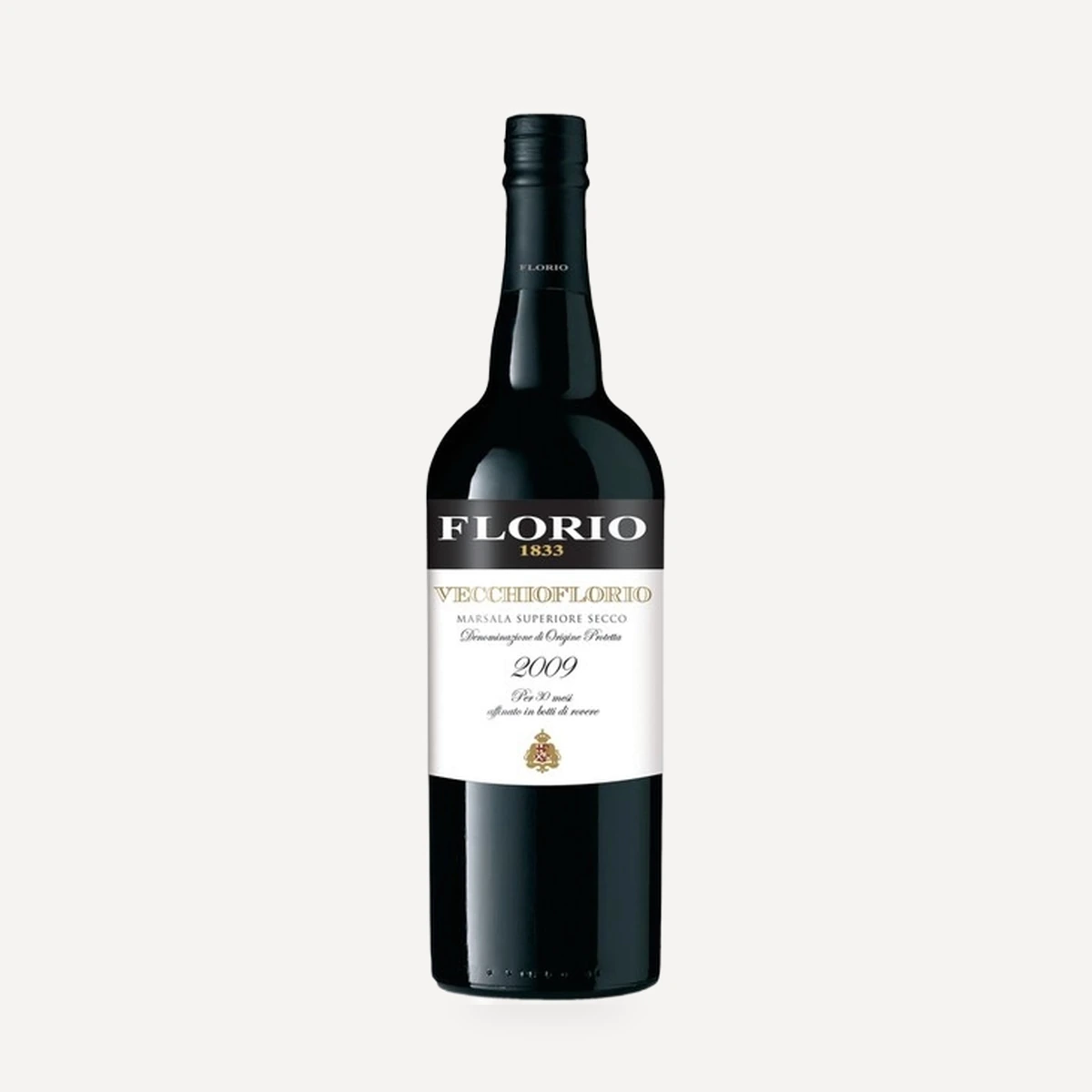
Vecchio Florio Marsala Superiore DOC
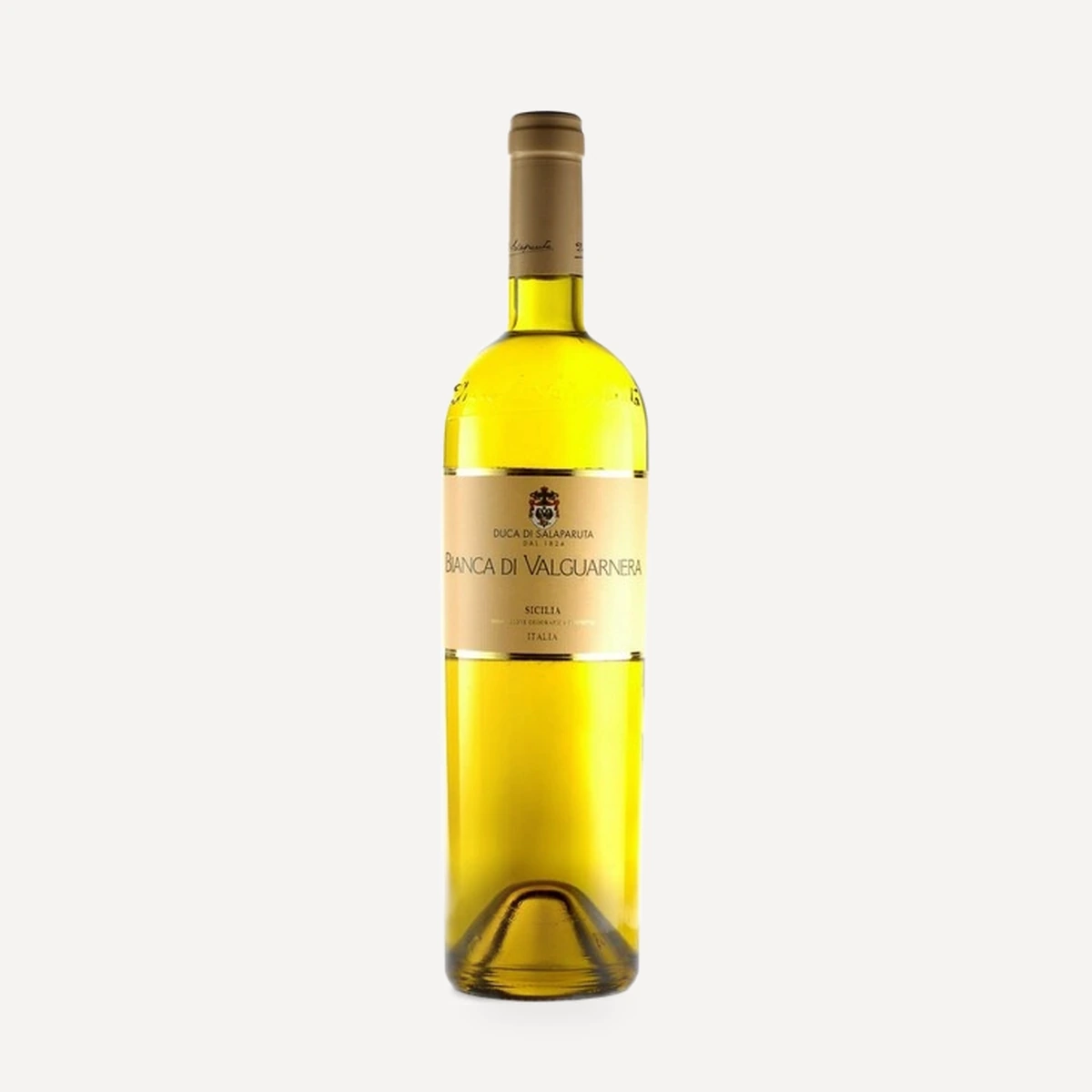
Bianca di Valguarnera
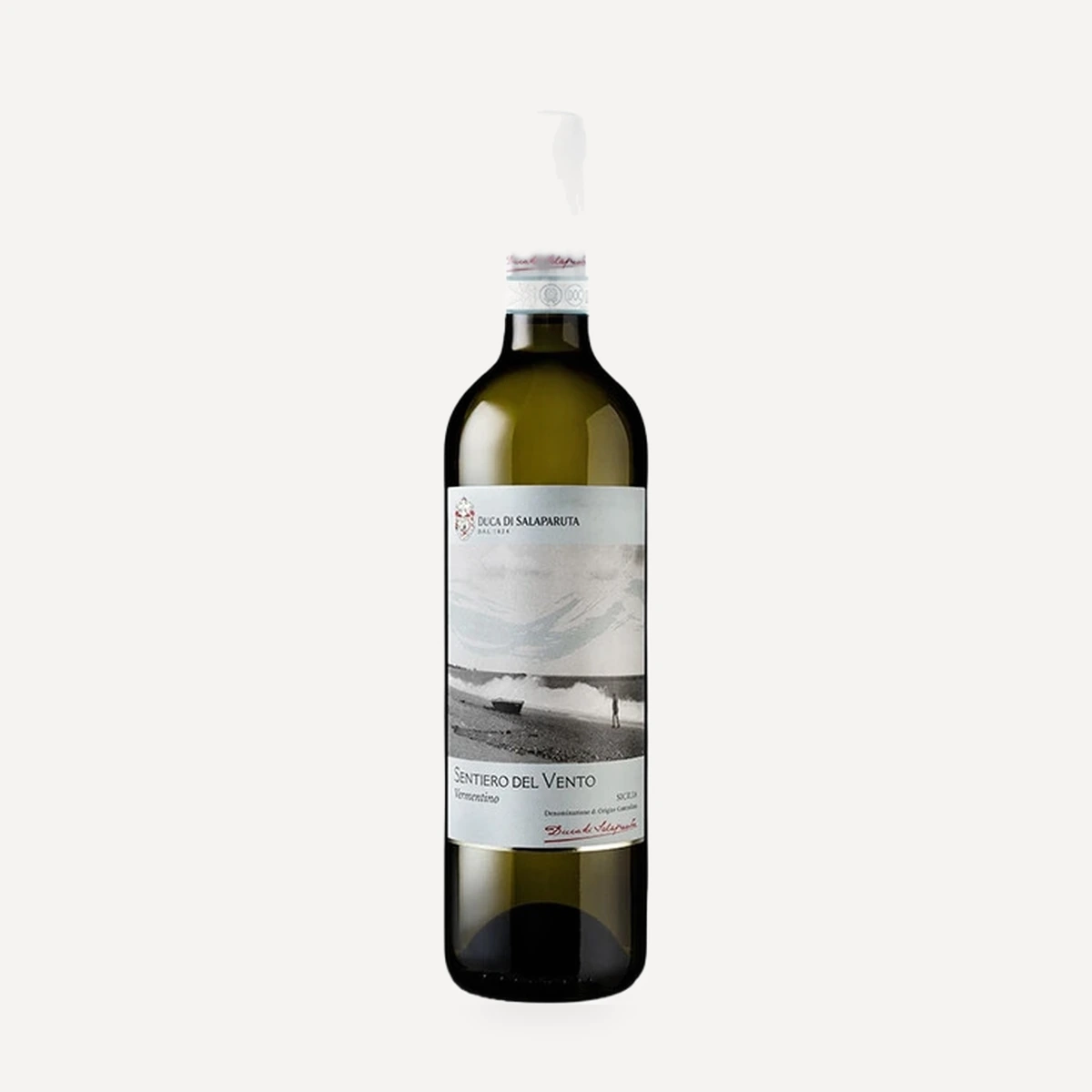
Sentiero del Vento
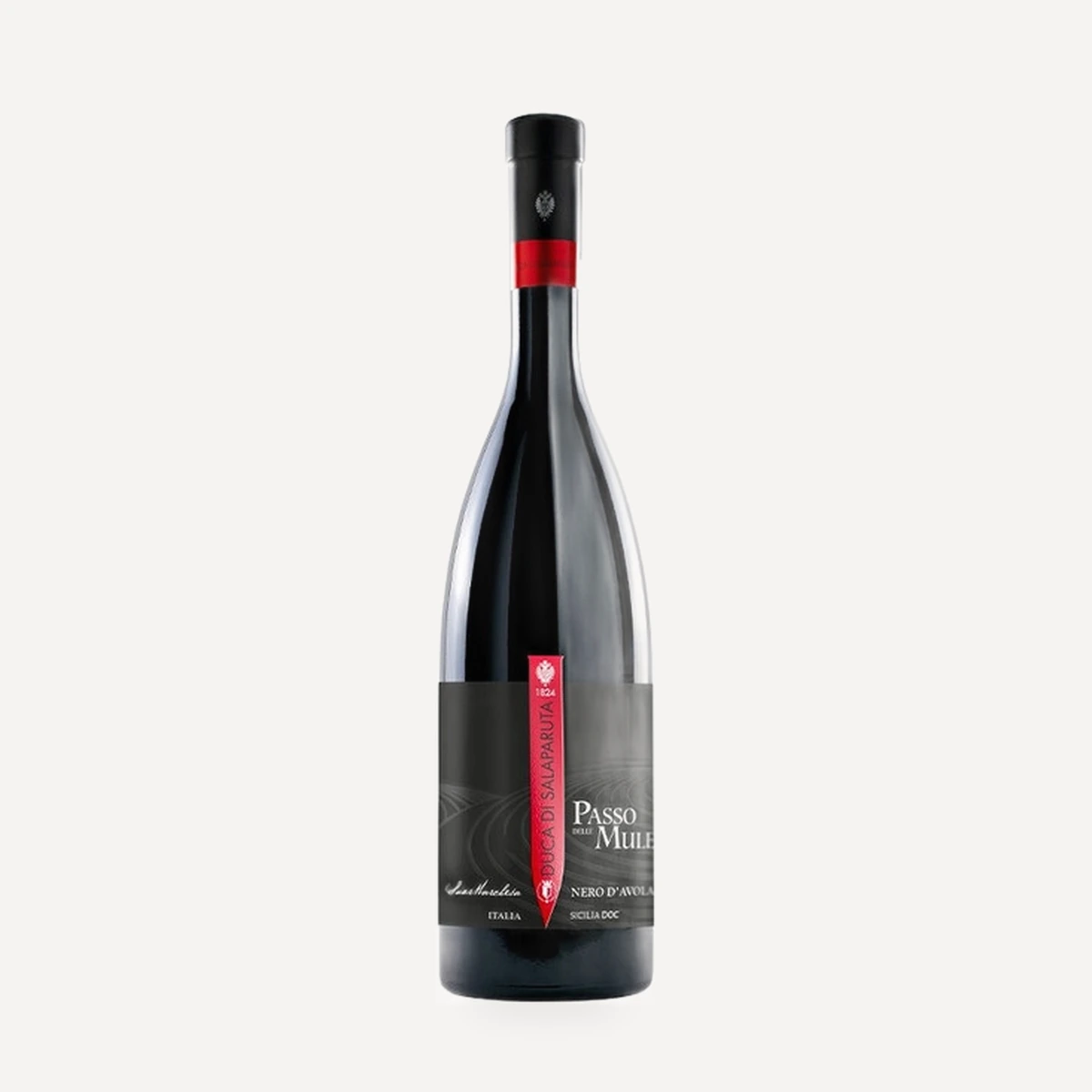
Passo delle Mule
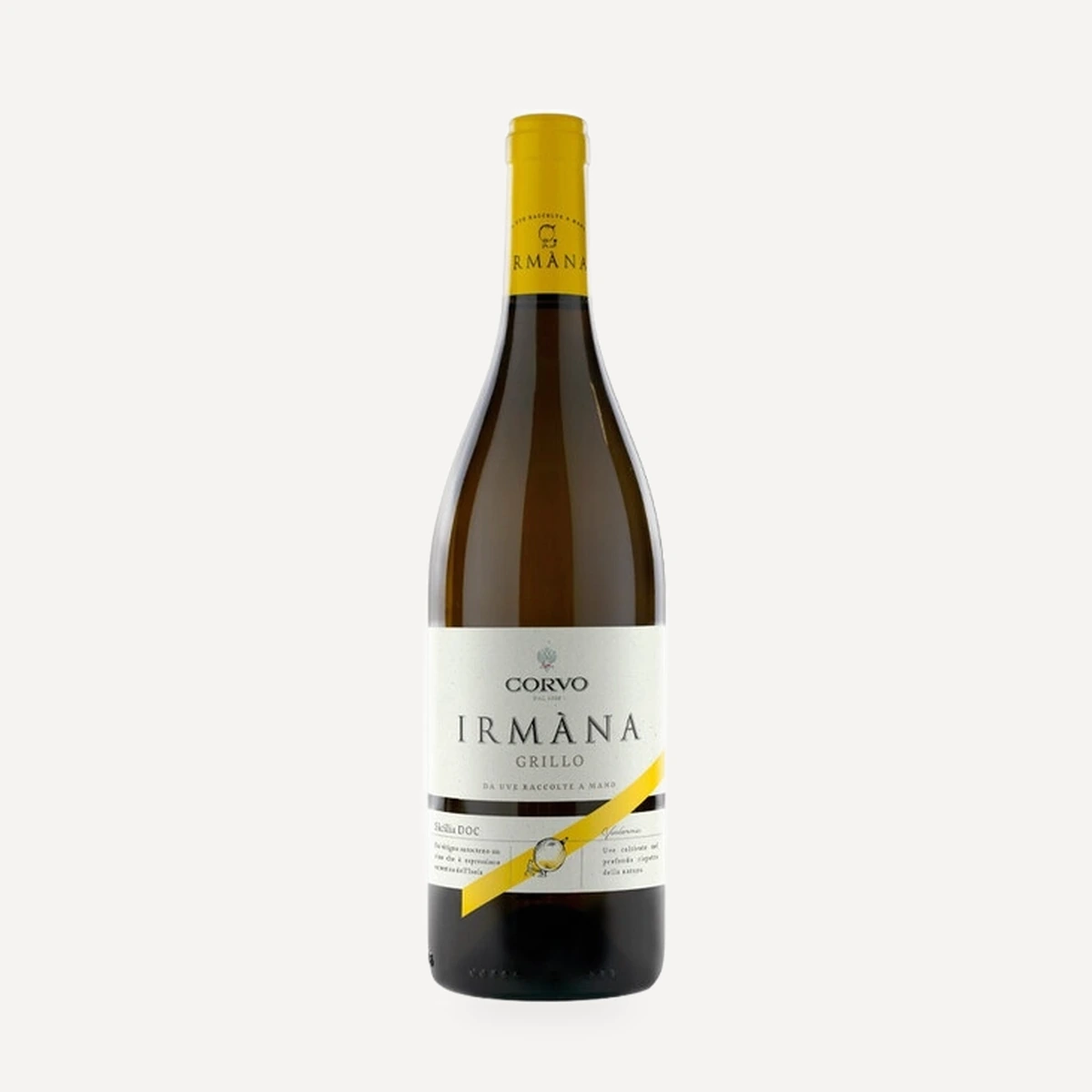
Grillo
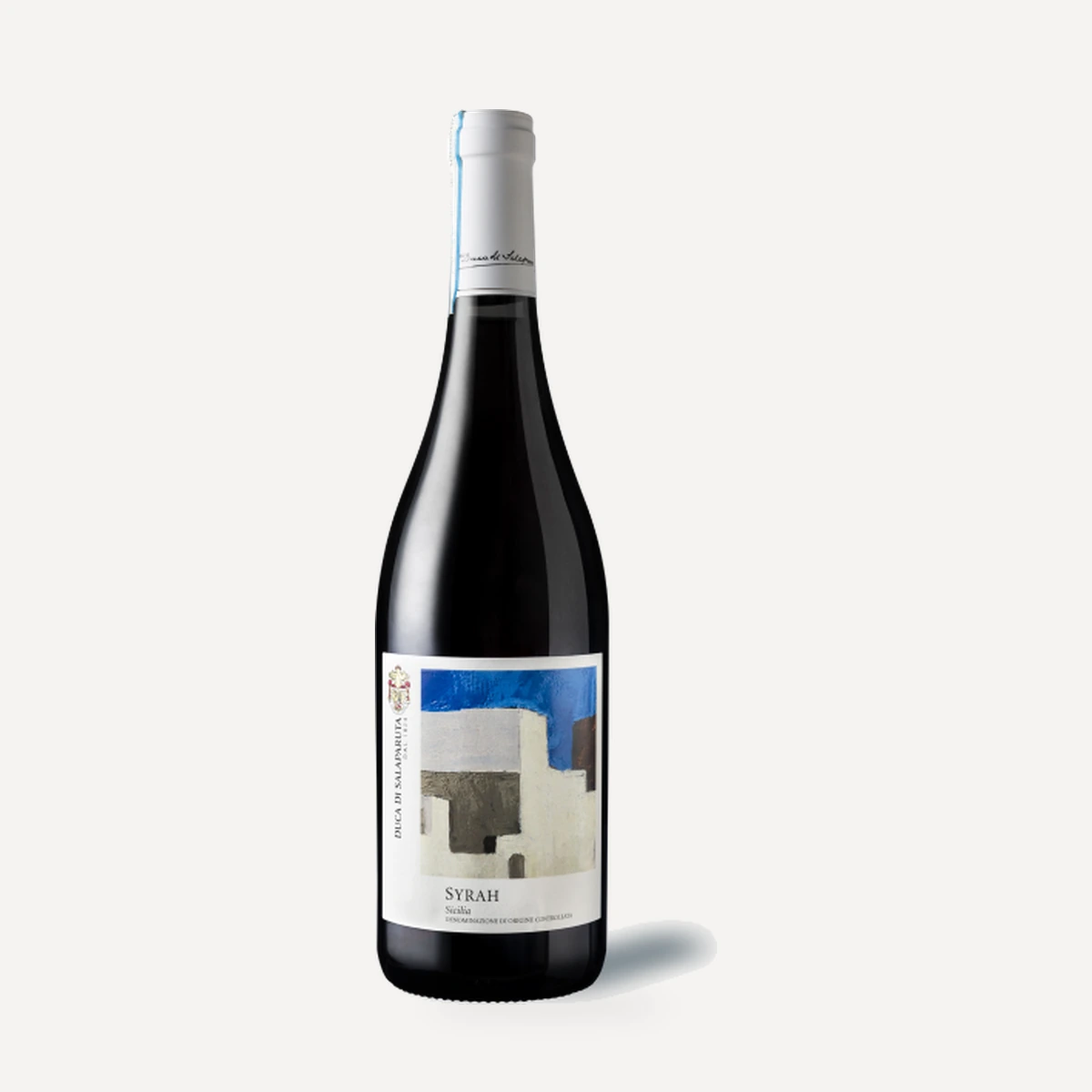
Syrah
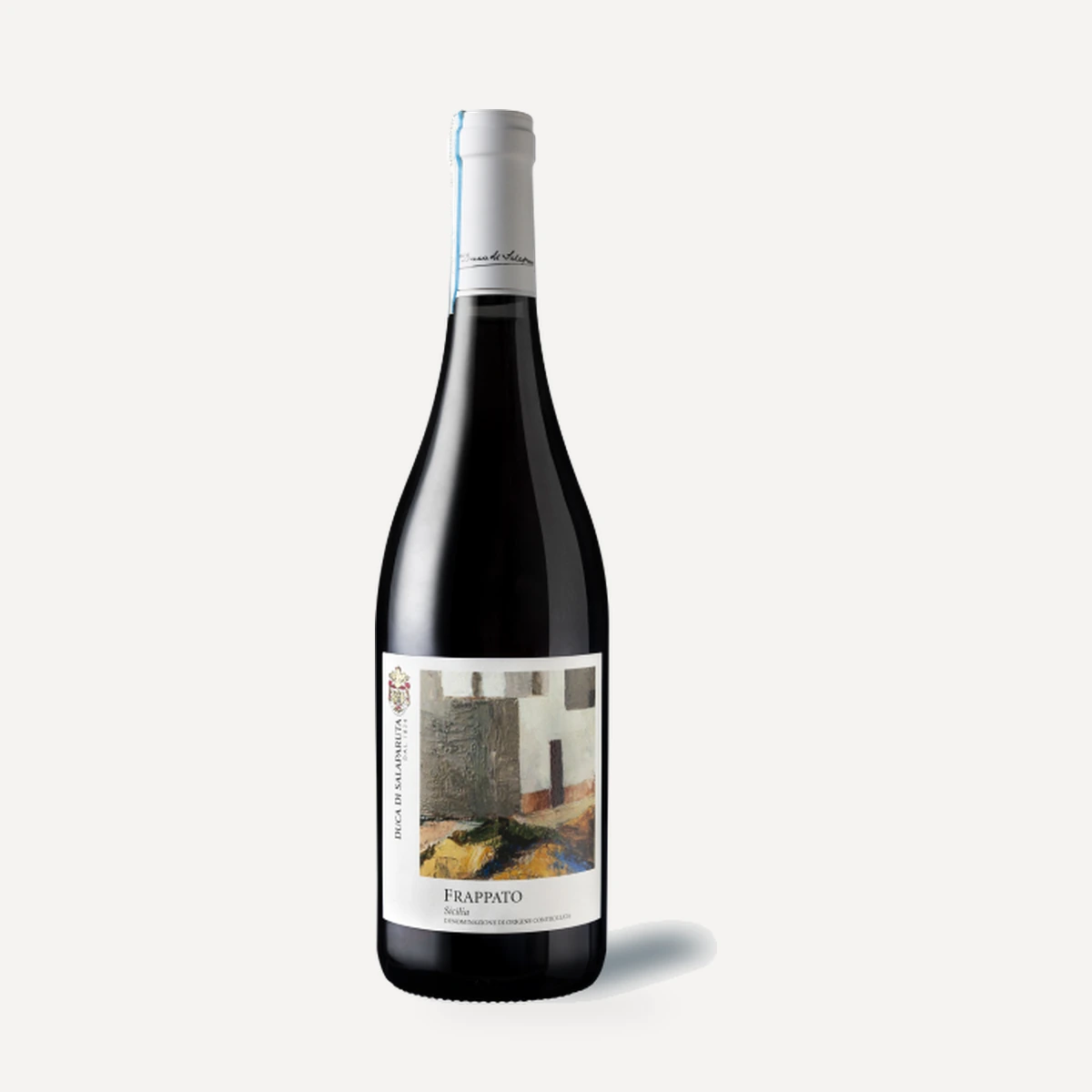
Frappato
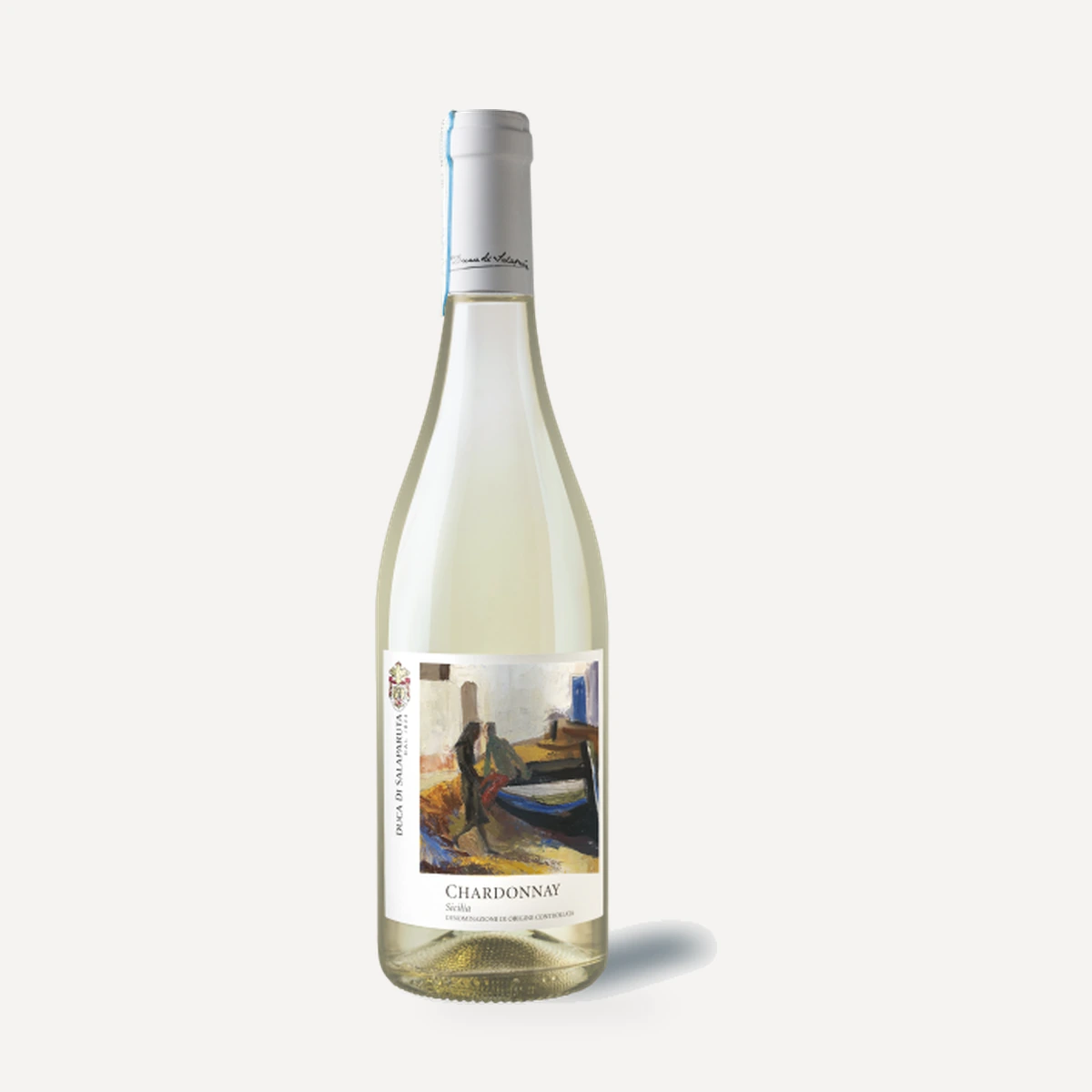
Chardonnay
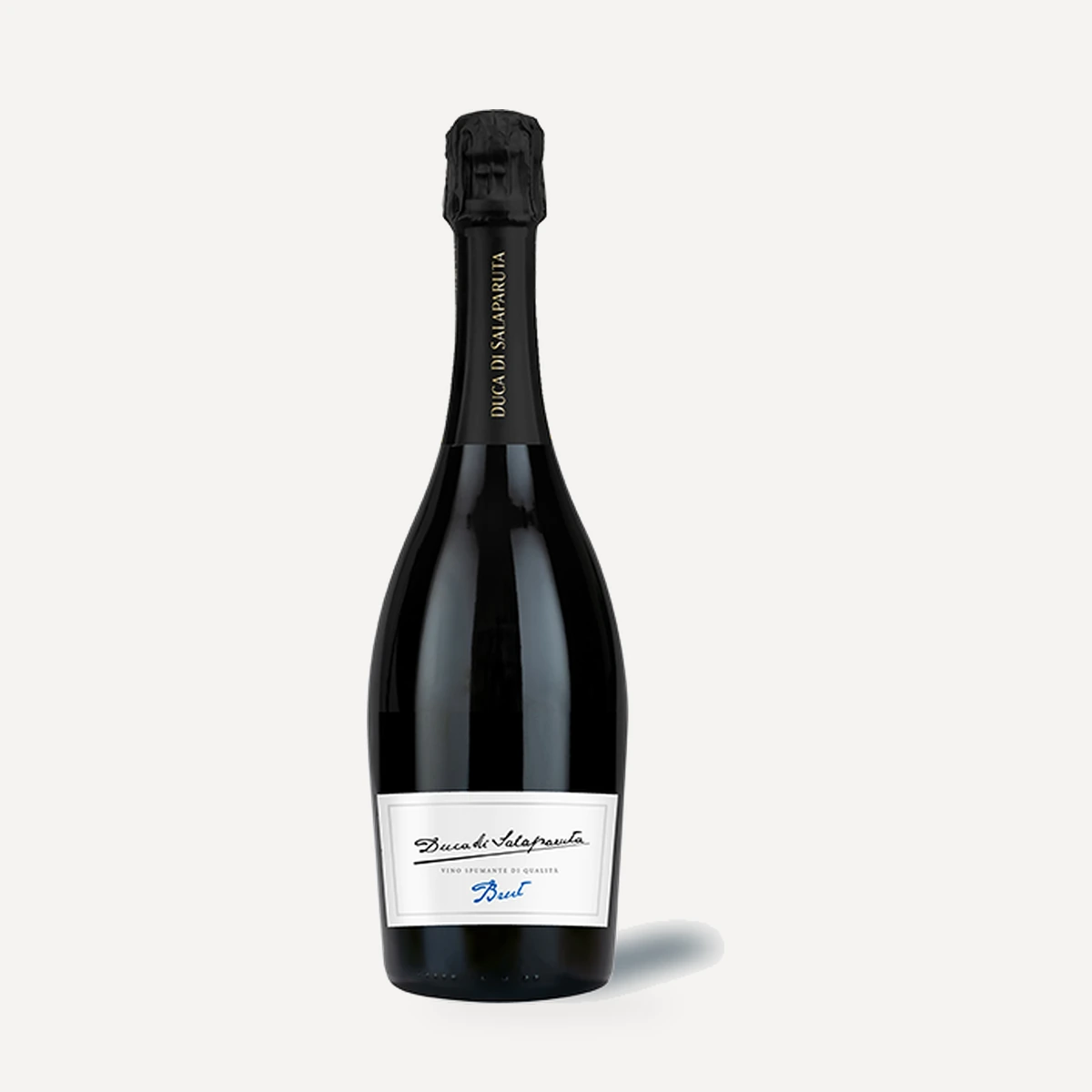
Duca Brut
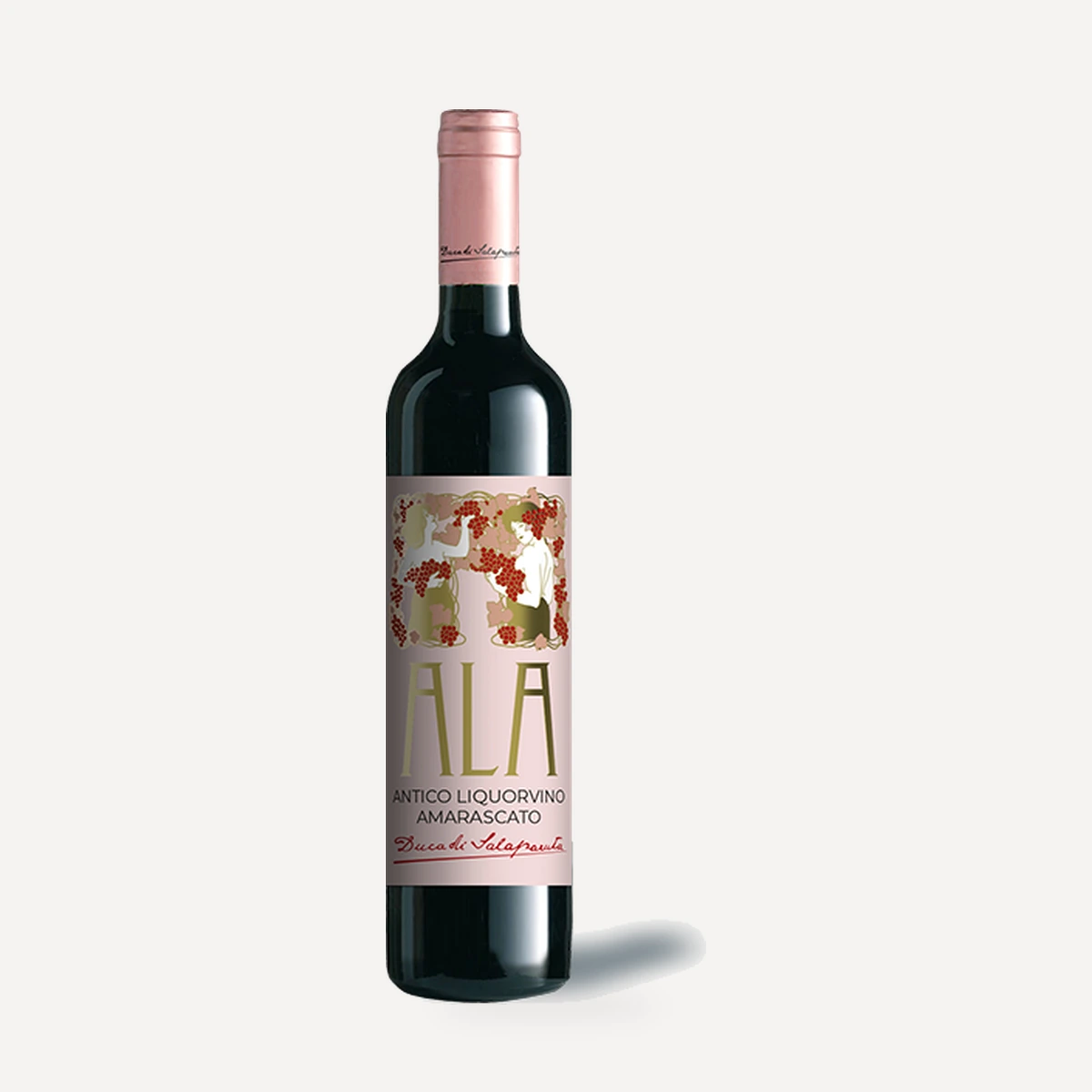
Ala
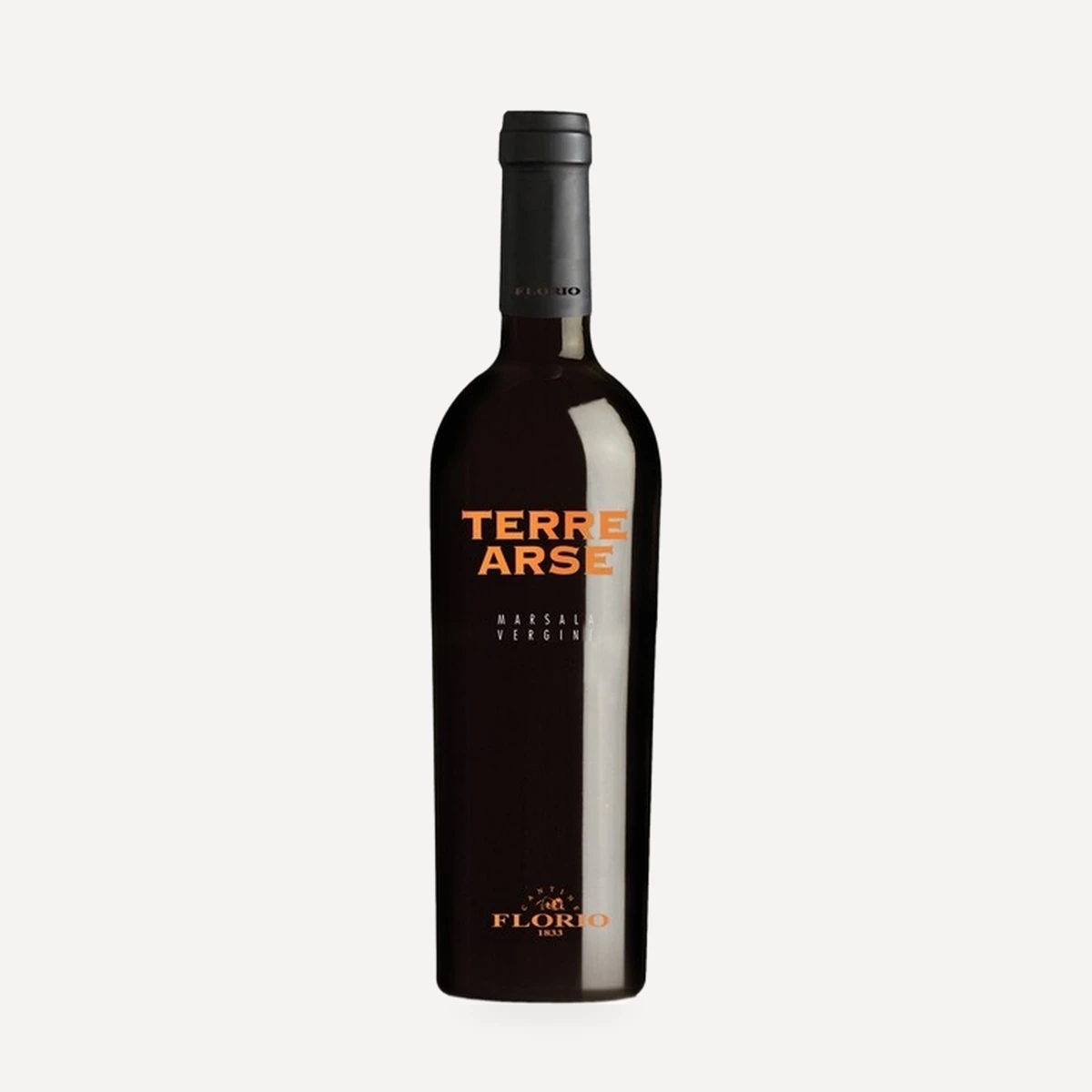
Terre Arse Marsala DOC
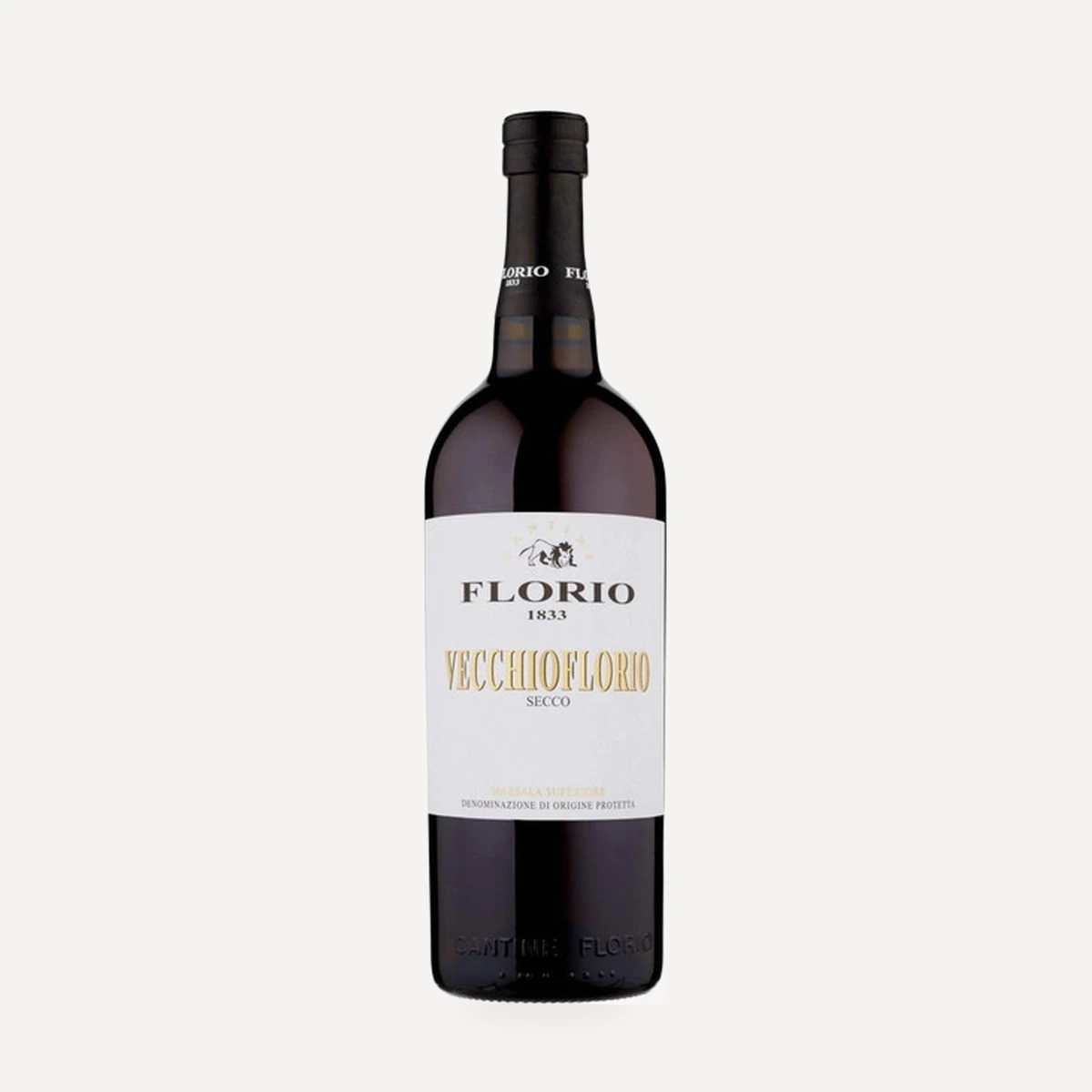
Vecchio Florio Secco Marsala Superiore DOP
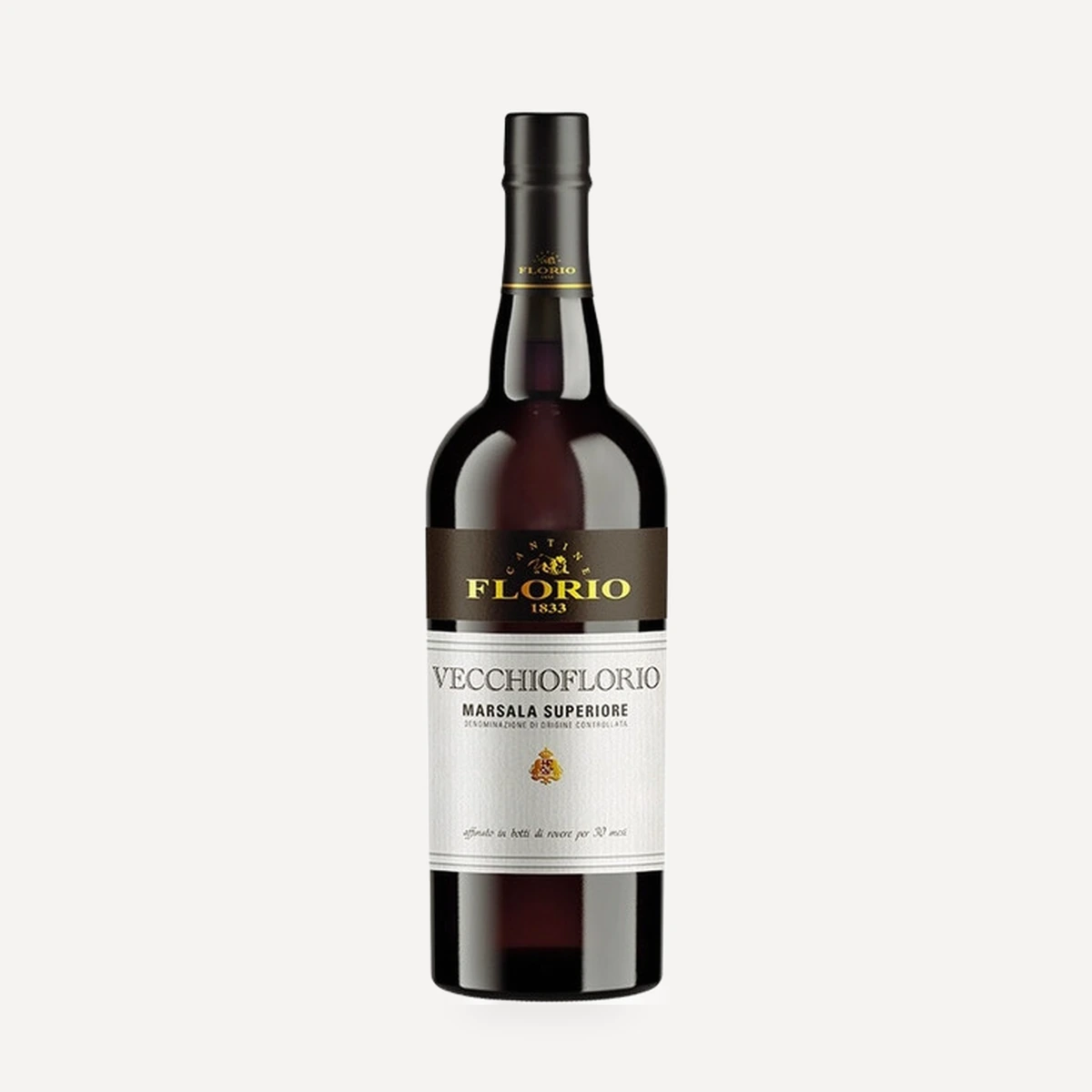
Vecchioflorio Marsala Superiore DOC
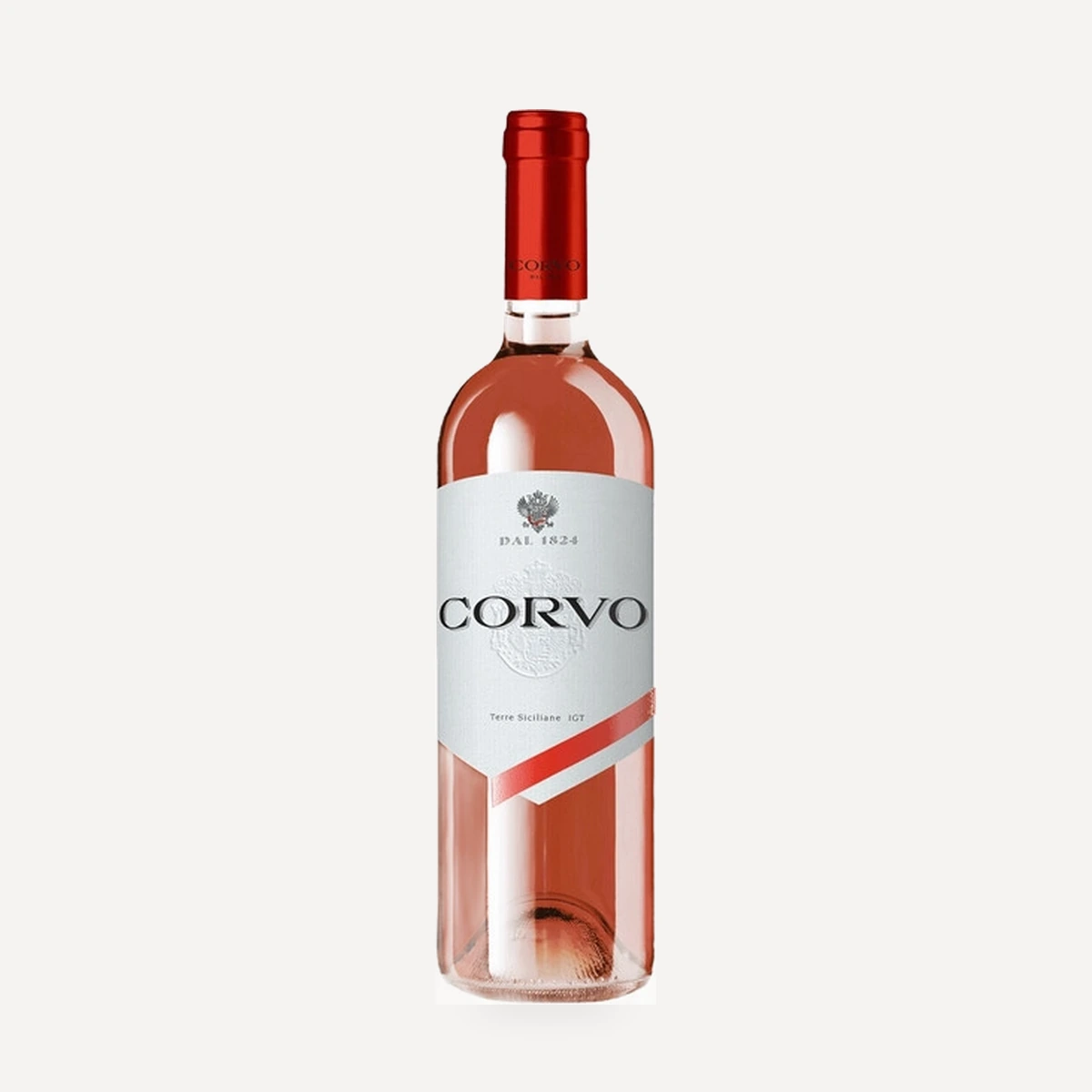
Corvo Rosa Terre Siciliane IGT
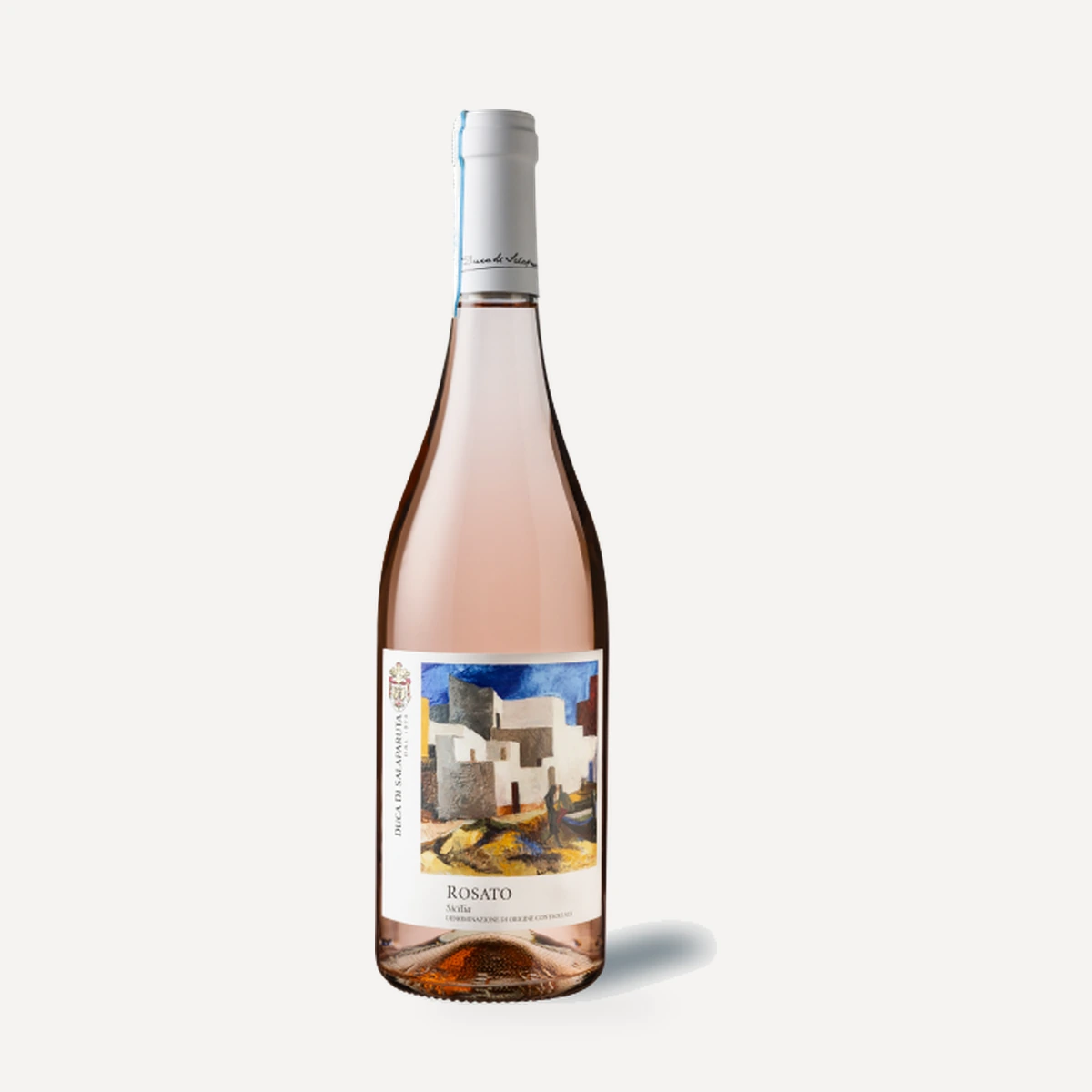
Rosato
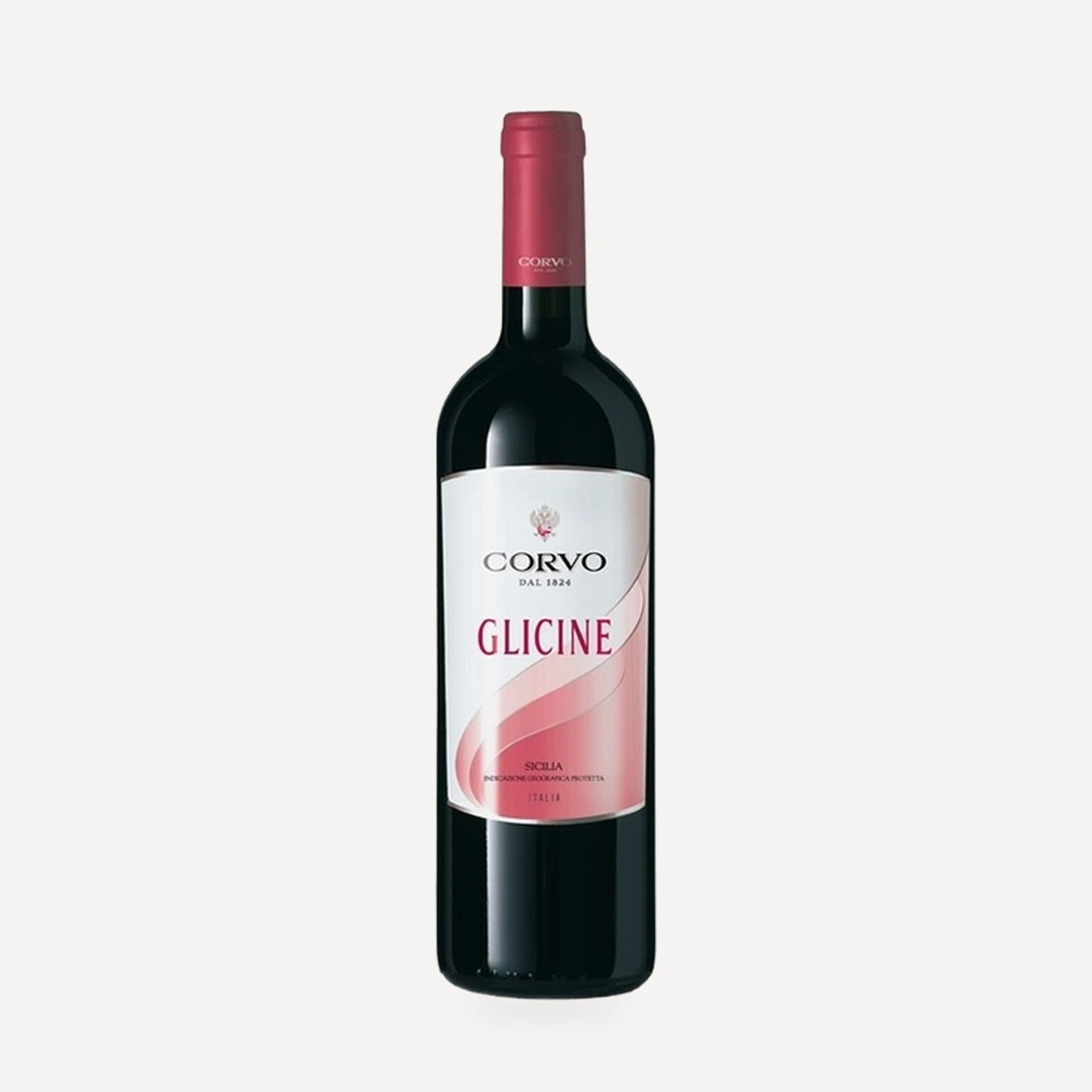
Corvo Glicine Rosso IGT
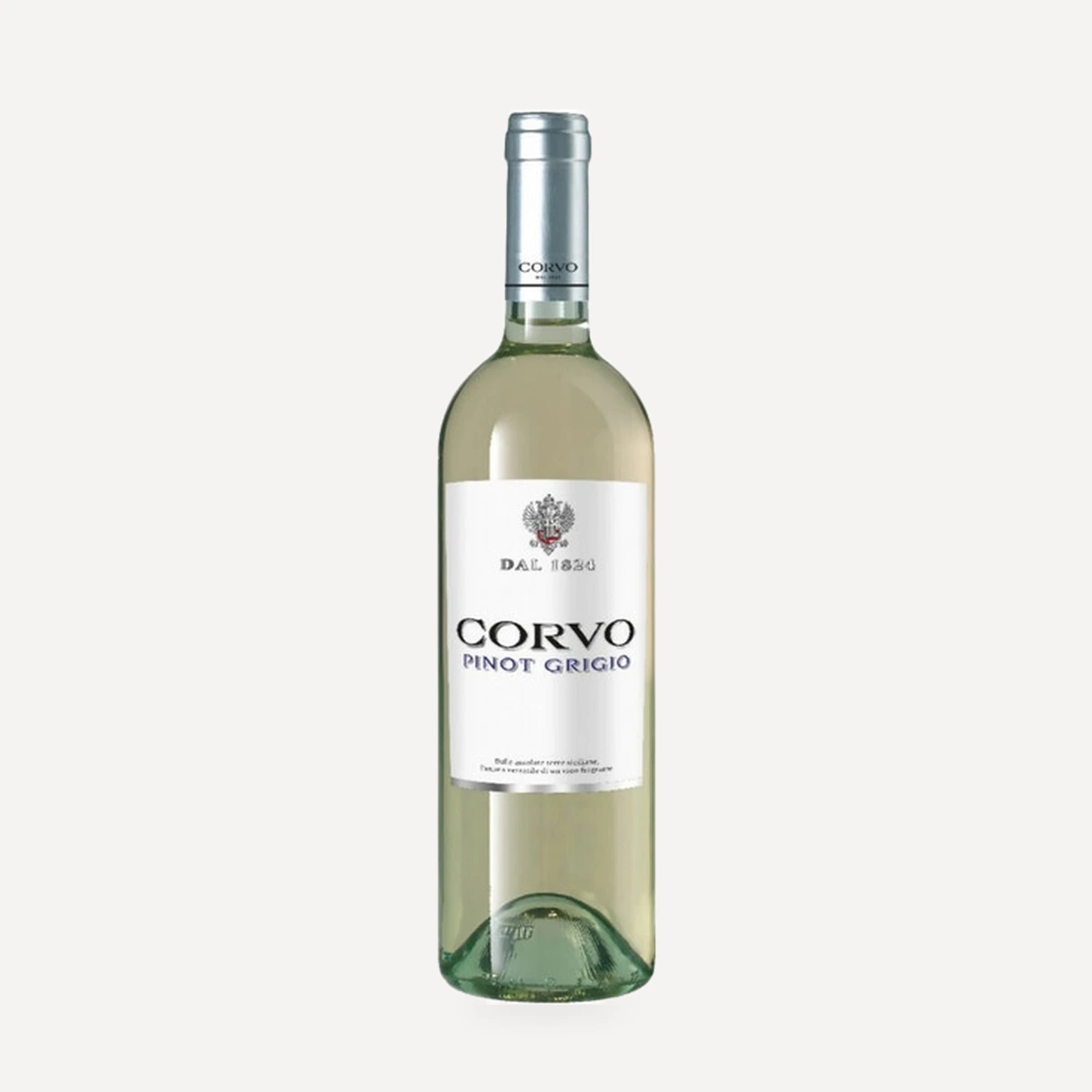
Corvo Pinot Grigio Sicilia IGT
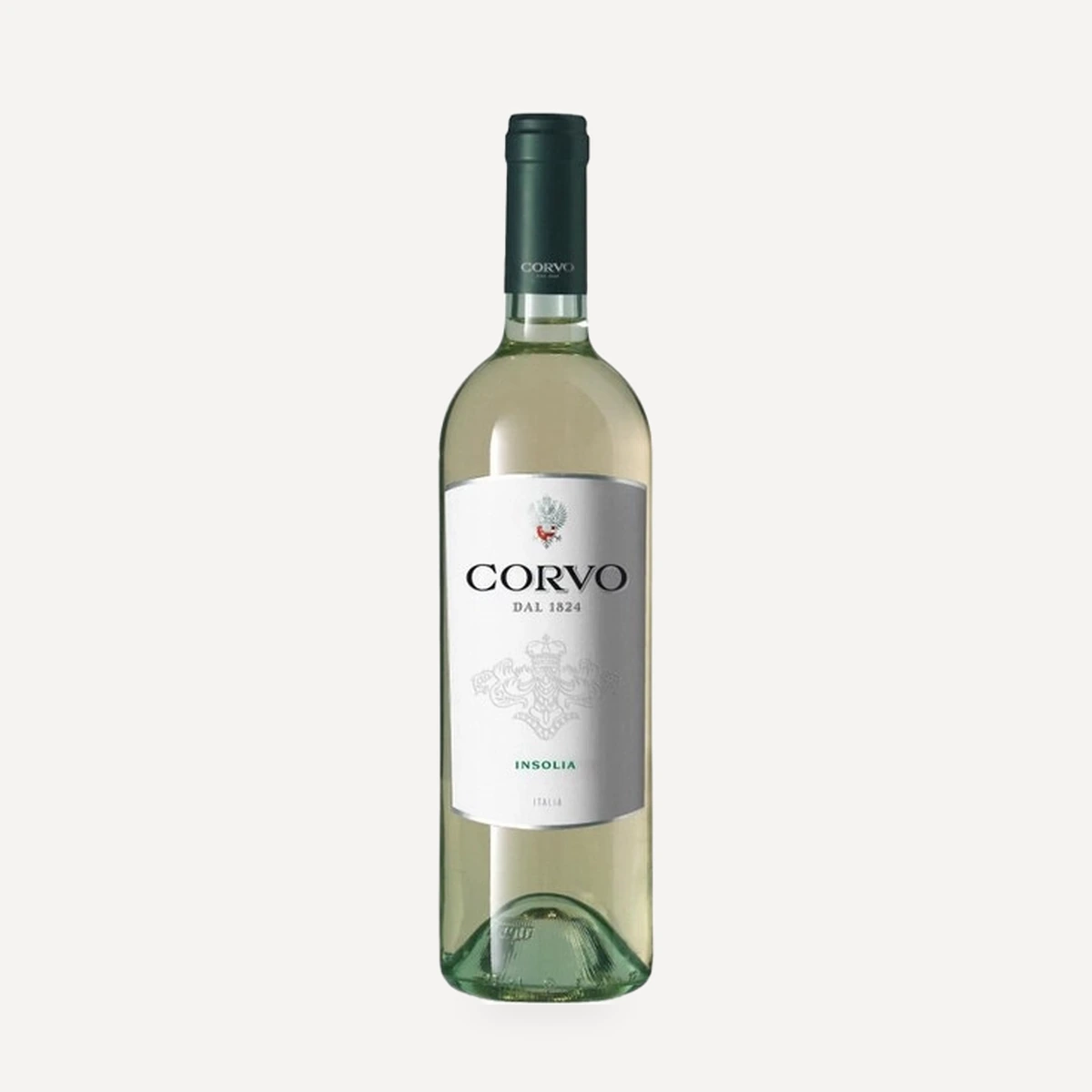
Corvo Insolia Terre Siciliane IGT
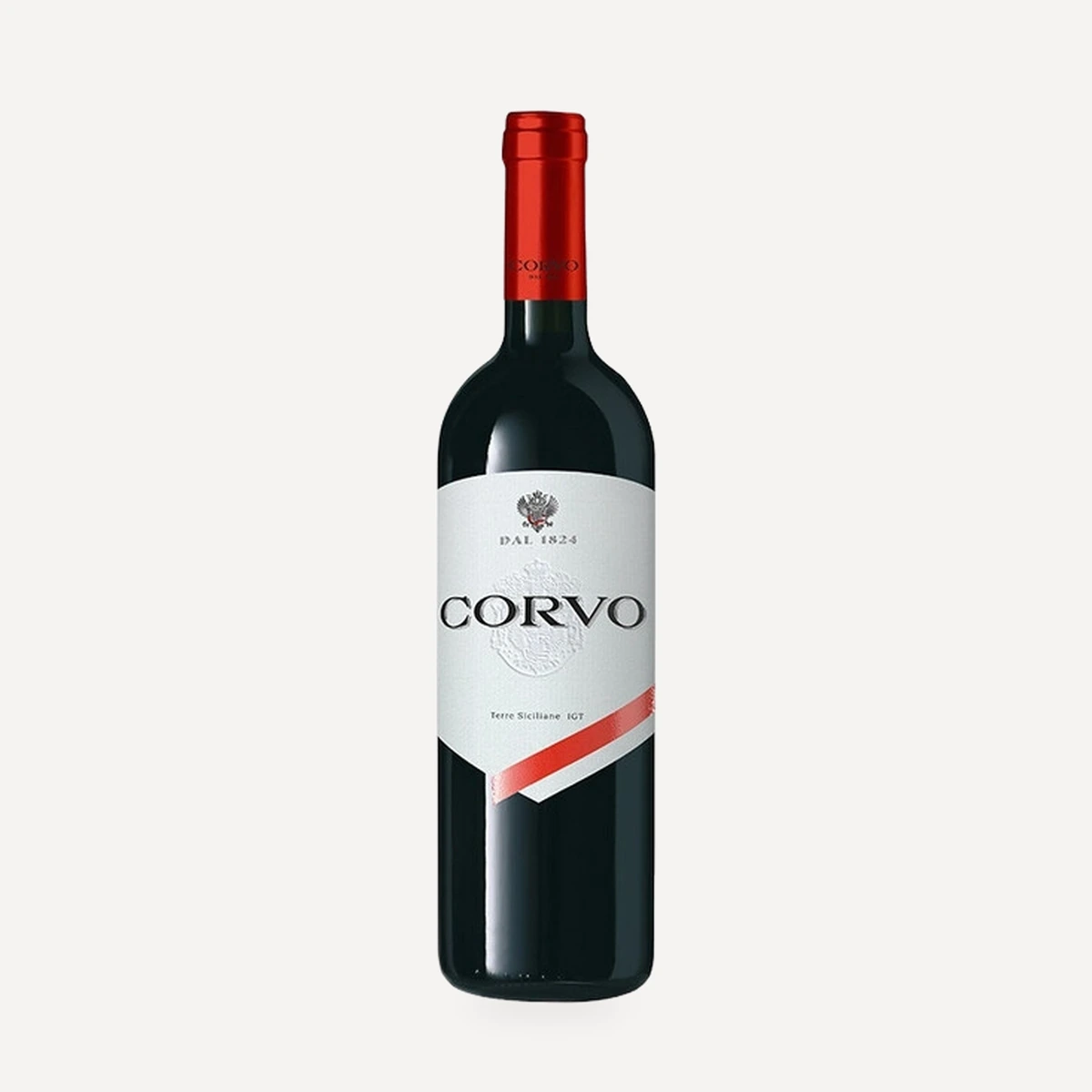
Corvo Rosso Terre Siciliane IGT
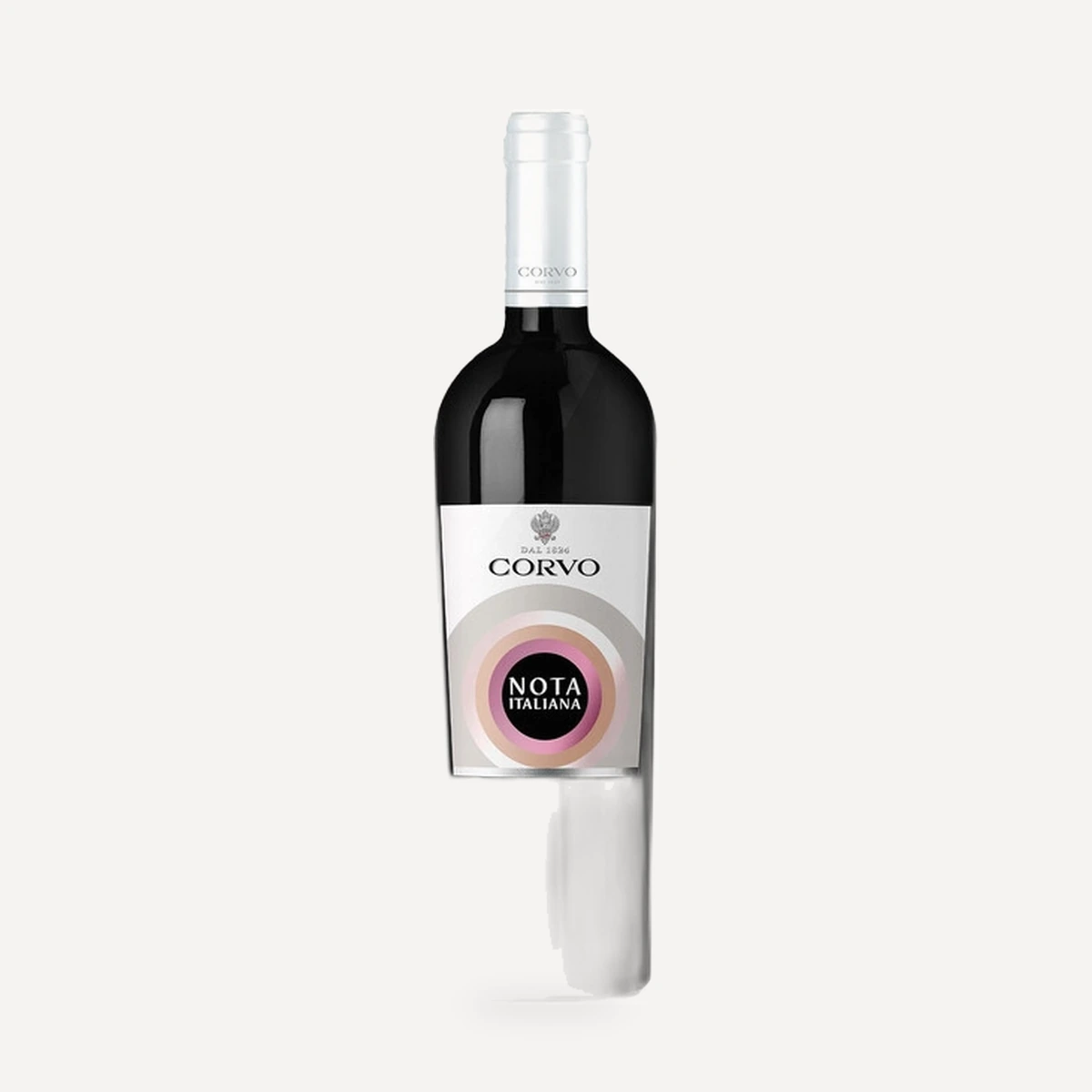
Nota Italiana Rosso Terre Siciliane IGT