History
Tommaso Bussola joined the small winery of his uncle Giuseppe in 1977.
At first he followed traditional Valpolicella Classica production under the initials BG. The wines spent predetermined, relatively short periods in barrel, but Tommaso wanted to experiment.
In 1983 he personally directed grape selection for Amarone and Recioto for the first time. This vintage established the new direction of the winery.
A new cellar was built between late 1992 and early 1993. The introduction of the first barriques allowed the wines to complete fermentation and maturation through a continuously refined process. The initials TB identified the new style.
Tommaso’s wife Daniela joined permanently in 1995.
Their sons Paolo and Giuseppe entered the company in 2005. The current legal company is Bussola Tommaso S.S.A. di Bussola Paolo e Giuseppe.
Terroir
The vineyards are located in the hills near Negrar di Valpolicella at elevations from approximately 280 to 450 m.
Vigneto Alto covers 1.0943 ha at 280 m. The soil is disintegrated volcanic basalt known locally as toar. It is planted at 3,300 vines/ha to Corvina, Corvinone, Rondinella and Molinara with south/east row exposure.
Casalin covers 1.9009 ha at 295 m. Northern sections combine basaltic toar with slight clay; southern sections combine toar with white, slightly calcareous scrosar. It is planted at 3,300 vines/ha to Corvina, Corvinone, Rondinella, Molinara and Dindarella with south/east exposure.
Tenda covers 2.8823 ha at 450 m on volcanic clay. It is planted at 3,300 vines/ha to Corvina, Corvinone, Rondinella and Molinara with southern exposure.
Coare Longhe e Giulia covers 2.81 ha at 420 m on calcareous clay. It is planted at 6,000 vines/ha to Cabernet Franc, Cabernet Sauvignon, Merlot, Rondinella and Corvina.
Winemaking
All grapes are harvested strictly by hand and every bunch is selected.
Grapes destined for drying are selected before grapes intended for immediate pressing.
The estate states that it uses natural methods for soil fertilisation and pest prevention.
Training systems include Pergola Veronese and Guyot, depending on vineyard and wine. Published planting densities are 3,300 or 6,000 vines/ha.
Individual wine pages document vines ranging from 5 years to as old as 75–90 years.
The estate combines experimentation with Valpolicella tradition.
Valpolicella Classico ferments with indigenous yeasts after harvest in the second week of October. It remains on skins for approximately 15 days with pump-overs and cap submersion, then ages ten months in stainless steel and two months in bottle. Production is approximately 3,500 bottles.
Valpolicella Classico Superiore is produced from two equal portions. Half is vinified immediately in truncated-conical oak with indigenous yeasts. The other half dries for three months. The lots are combined during a second fermentation. The wine ages 32 months in new 700 L barrels and ten months in a 75 hl barrel, followed by bottle aging. Production is approximately 12,000 bottles.
Recioto TB uses grapes from 60–65-year-old vines dried naturally for six months. After maceration and fermentation, it matures for 80 months in new 225 L barriques and one year in bottle. Production is approximately 1,000 bottles.
L’Errante is made from Merlot, Cabernet Franc and Cabernet Sauvignon dried for three months. It ages 40 months in new 225 L barriques and 24 months in a 25 hl barrel, followed by eight months in bottle. Production is approximately 3,000 bottles.
Amarone Vigneto Alto comes from vines 75–90 years old and receives exceptionally long wood and bottle maturation.
Across the range, the cellar uses selected or indigenous yeasts, pump-overs, cap submersion, délestage, stainless steel, barriques, tonneaux and large barrels according to the wine.
Philosophy
Since Tommaso’s first independent vinification in 1983, the winery has pursued experimentation and empirical research.
Innovation in vineyard and cellar is described as a daily challenge that must not separate the wines from Valpolicella tradition.
The family aims to enhance what the land provides in each vintage and to make wines that represent the people who produce them.
Patience is essential: the process must respect the limits and potential of every vine, from natural vineyard methods and manual selection to long drying, fermentation and aging.
Wines
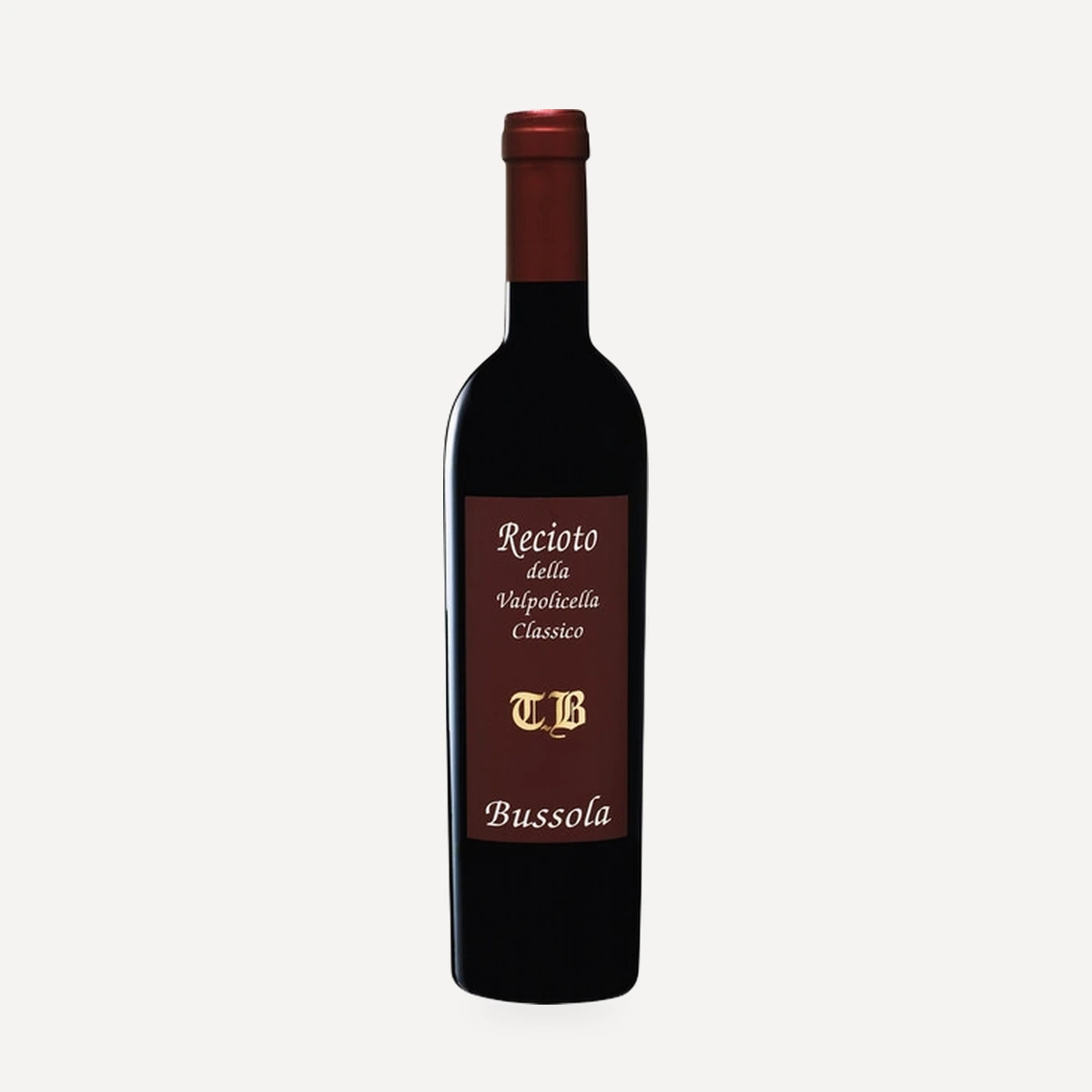
Recioto della Valpolicella Classico TB
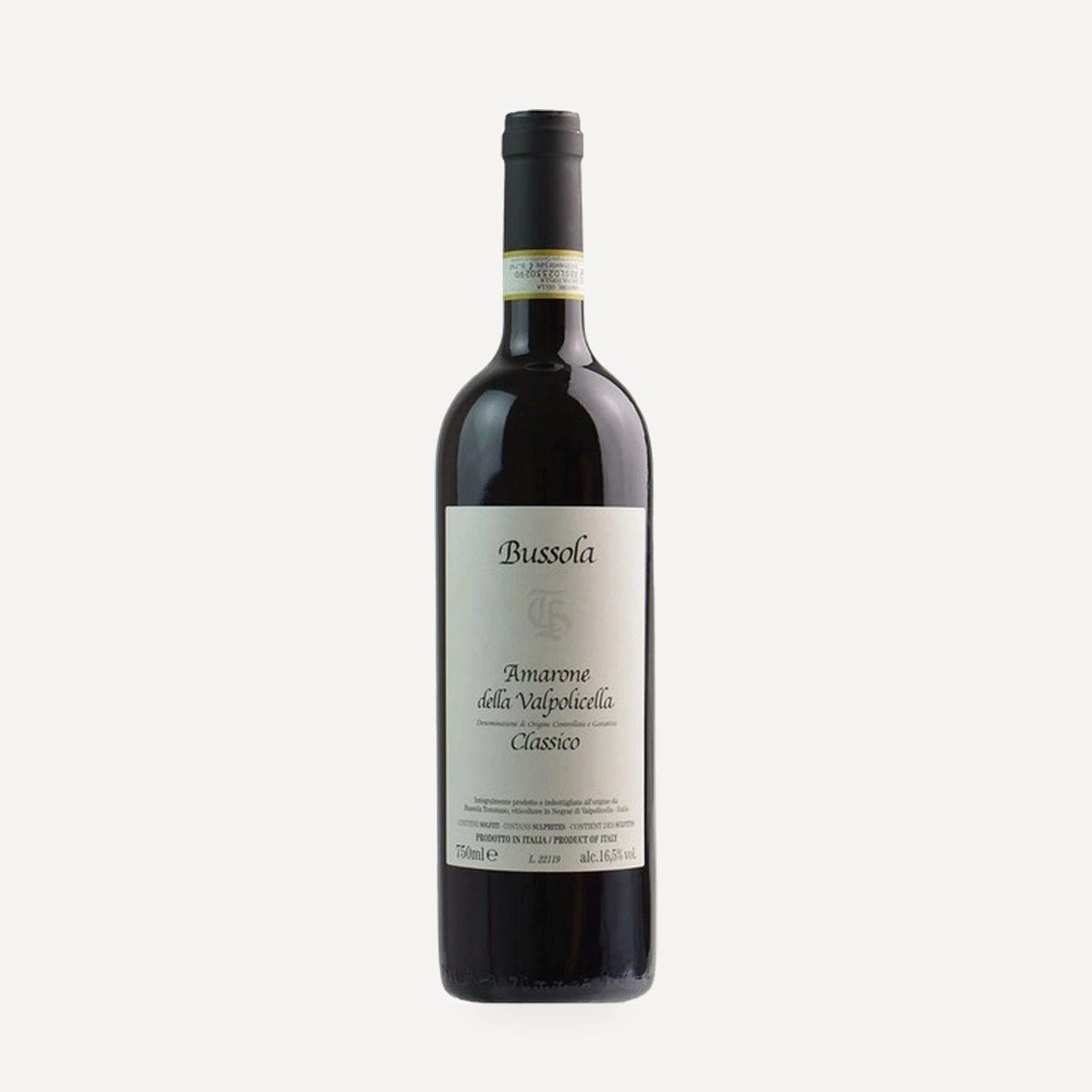
Amarone della Valpolicella Classico
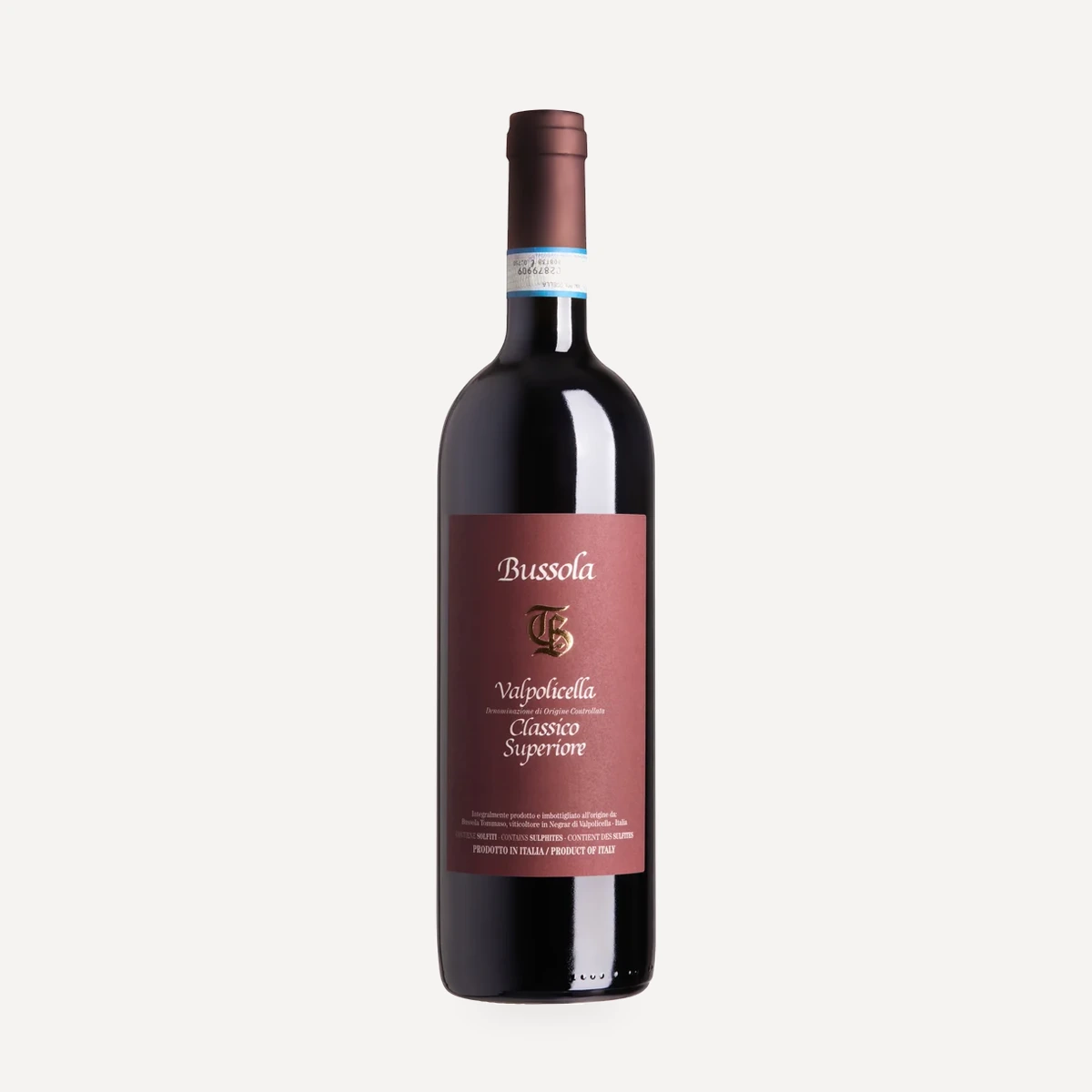
Valpolicella Classico Superiore
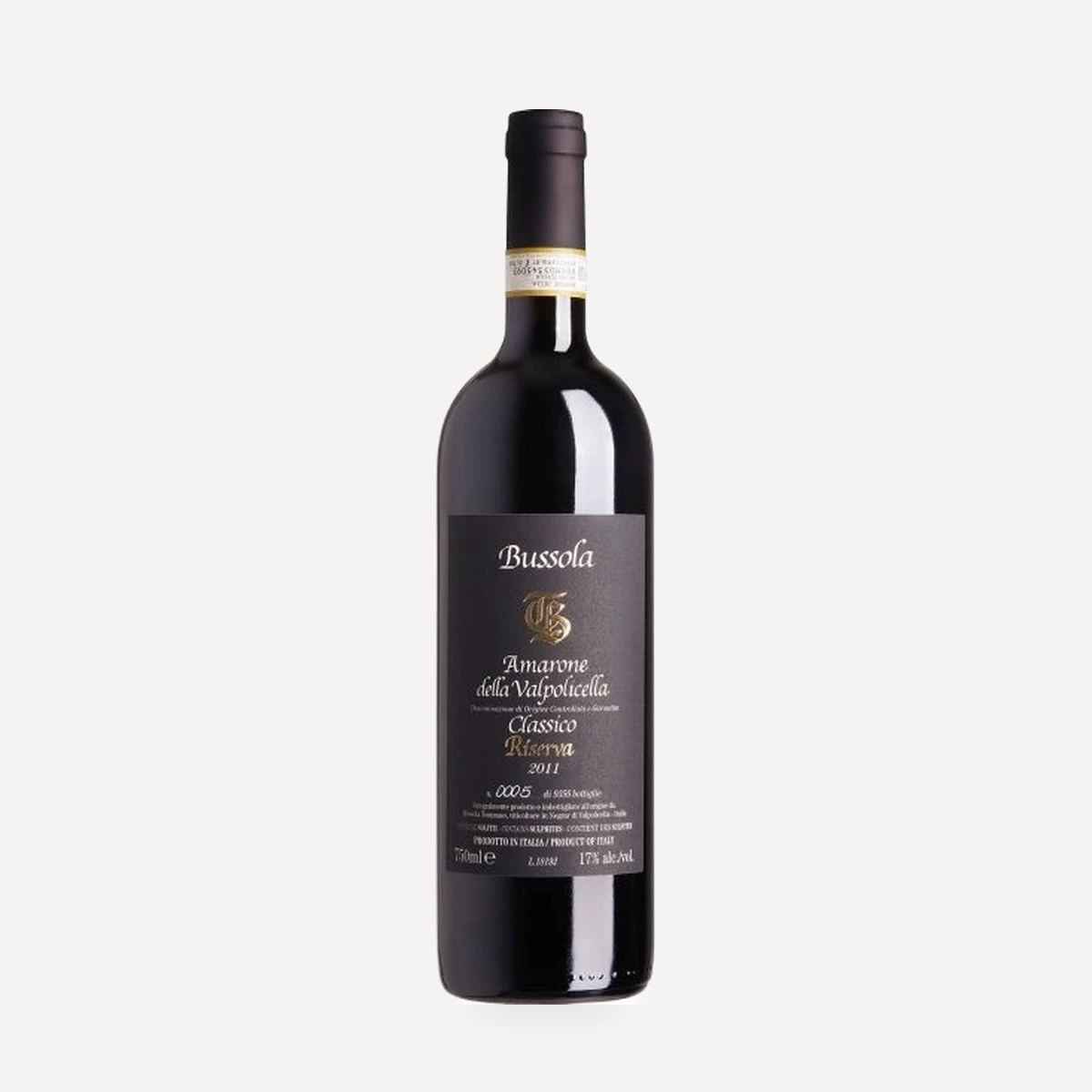
Amarone della Valpolicella Classico Riserva TB
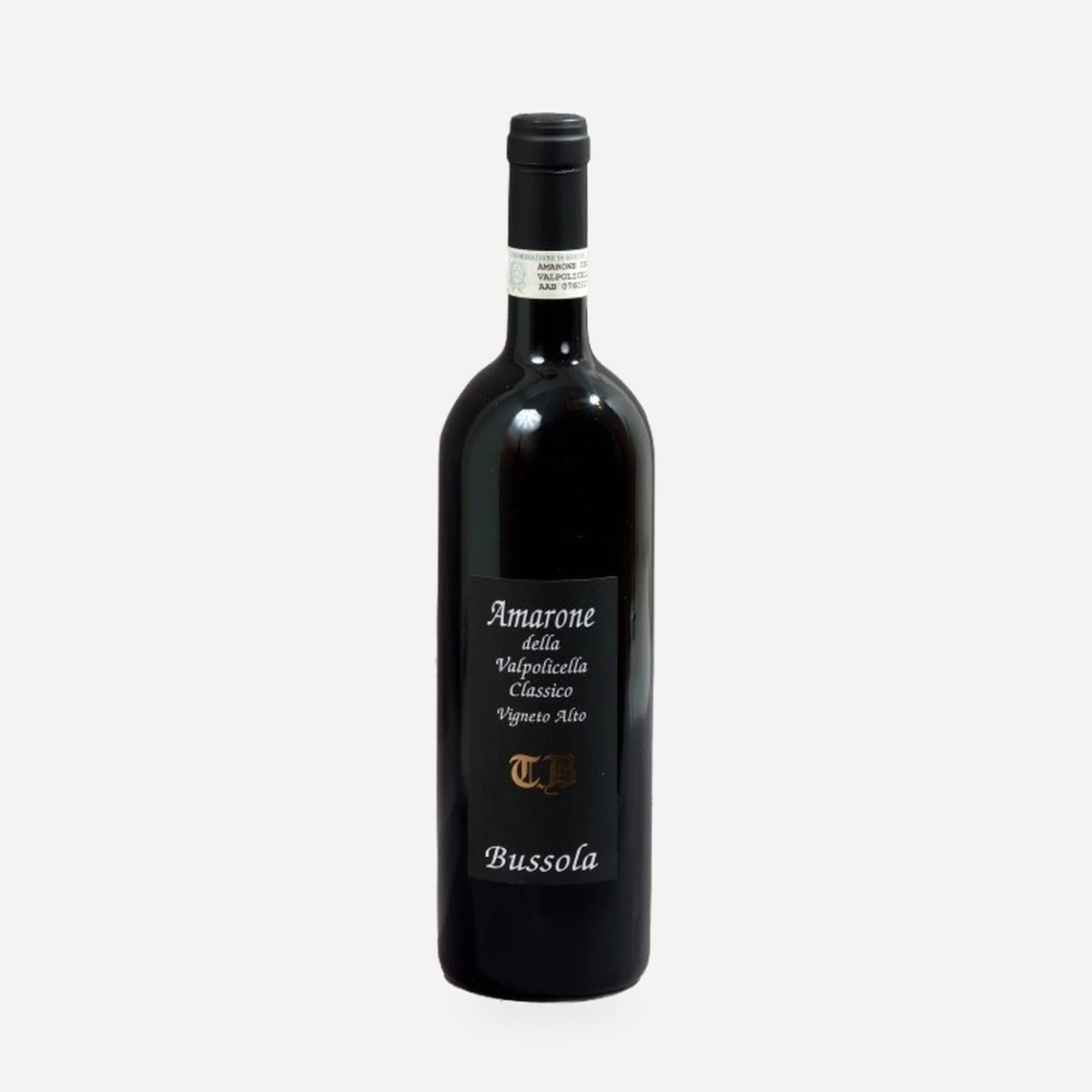
Amarone della Valpolicella Classico Vigneto Alto
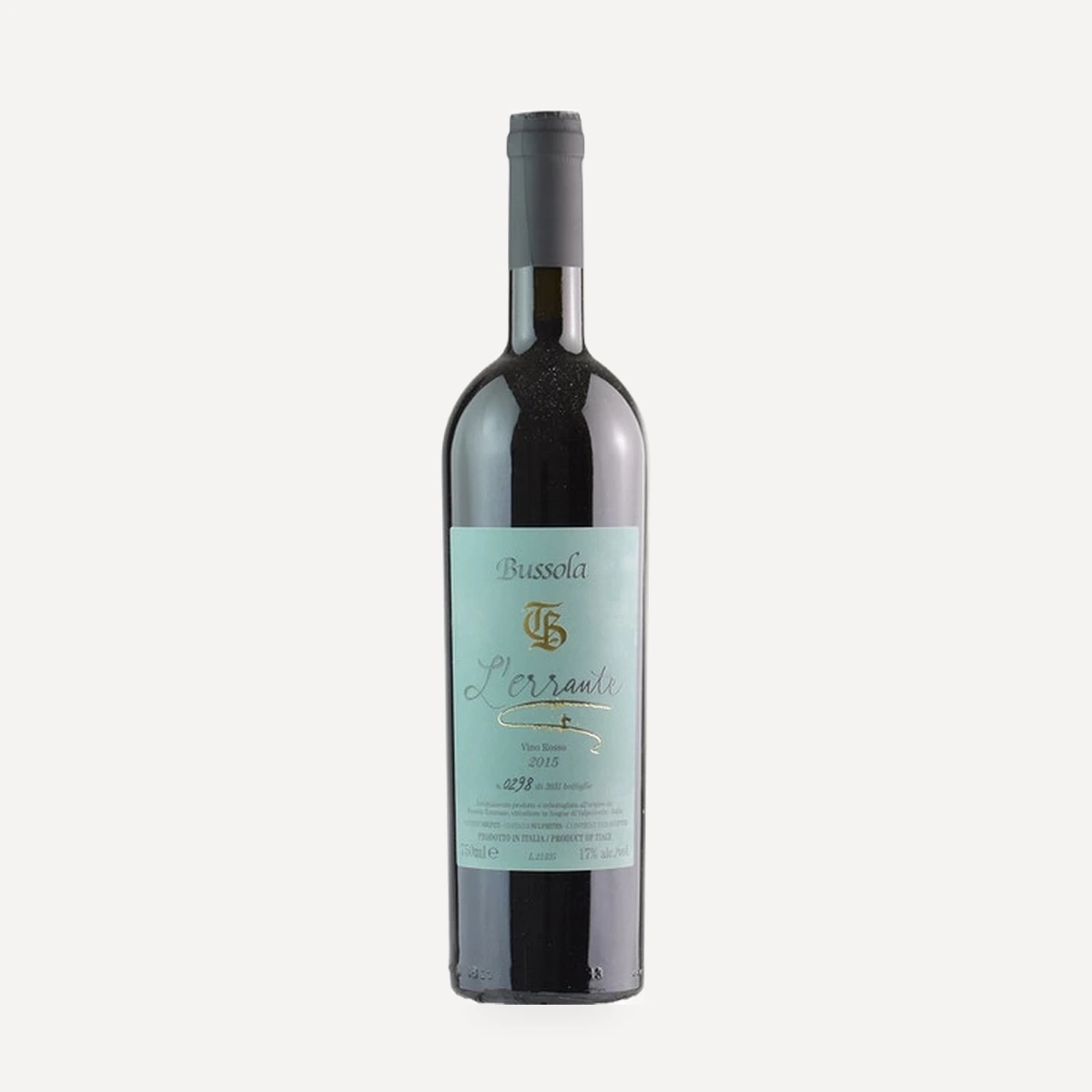
L’Errante
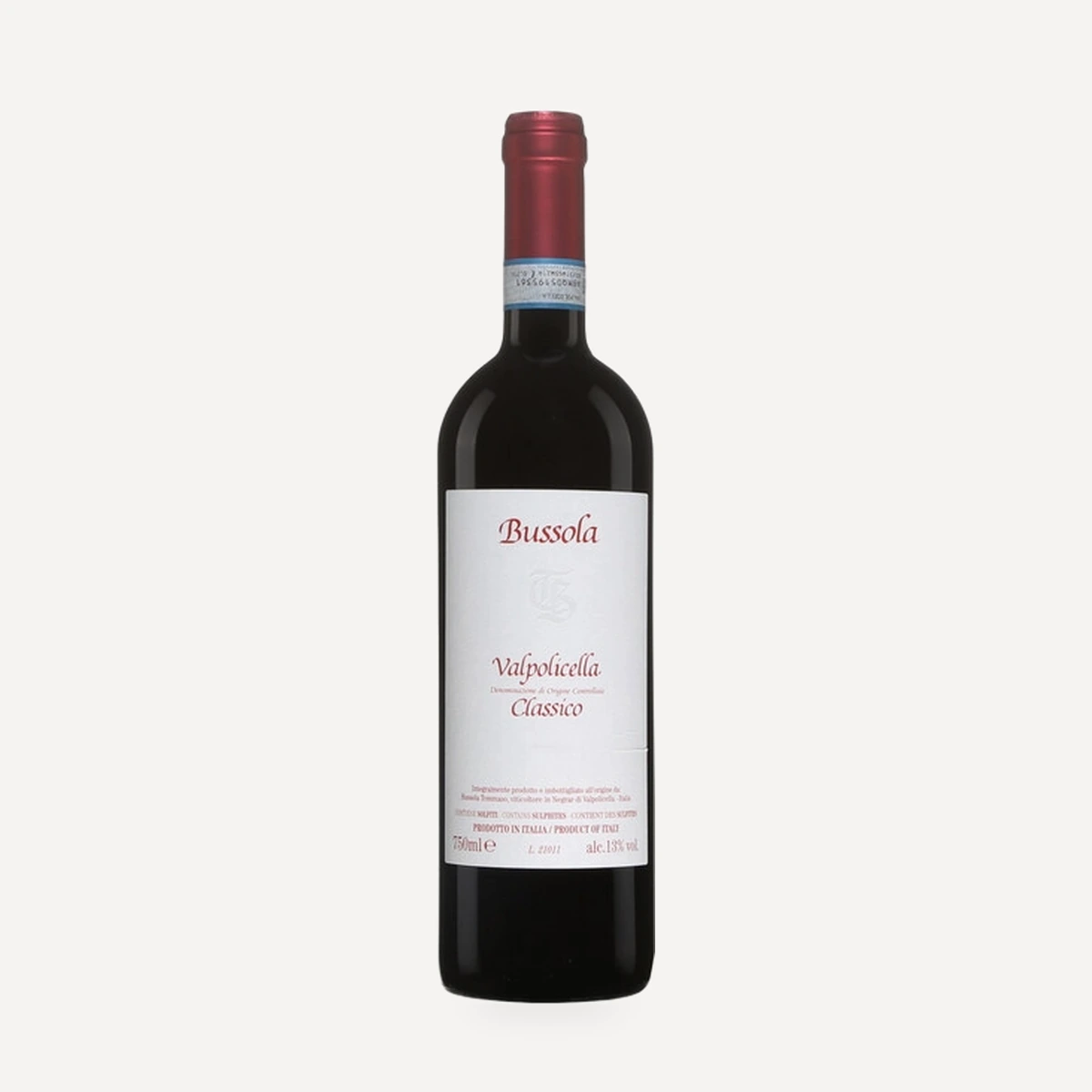
Valpolicella Classico
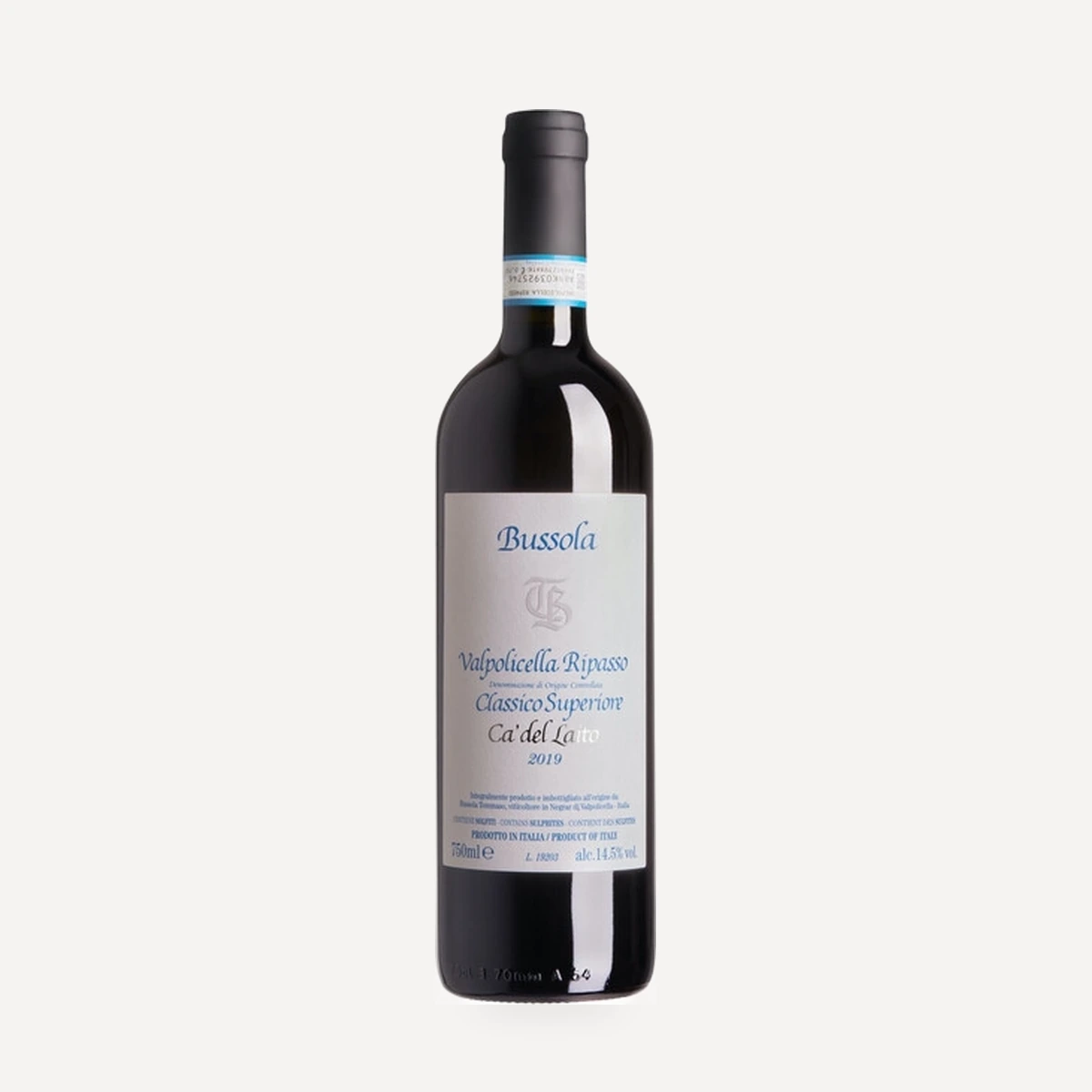
Valpolicella Ripasso Classico Superiore