Storia
Historical setting
Ama was already recognized as a distinguished agricultural place long before the modern estate. In Relazioni sul governo della Toscana of 1773, Grand Duke Pietro Leopoldo described the hills and valleys surrounding the castle of Ama as among the finest in Chianti, with grain fields, olive trees and well-exposed vineyards maintained like gardens. The hamlet retains eighteenth-century buildings, including Villa Pianigiani and Villa Ricucci, while the fifteenth-century chapel of San Lorenzo gave its name to the valley facing the villas.
1972–1978: land acquisition and foundation
The San Lorenzo vineyard was purchased in 1972. Castello di Ama was formally founded in 1976 by four families from Rome who shared an interest in wine and sought to restore an established wine estate and the village of Ama. The original property comprised 55 hectares in Chianti Classico.
The founders invested heavily in the vineyards, applying contemporary agronomic techniques, and built a new production cellar with stainless-steel tanks, temperature control and extensive working areas. These facilities placed the young estate among the technically advanced producers of its area.
Vigneto Bellavista produced its first vineyard-designated Chianti Classico with the 1978 vintage. Merlot was also initially grafted onto a small parcel previously planted with Canaiolo and Malvasia Bianca. Its results ultimately justified a separate wine, L’Apparita. The vineyard associated with L’Apparita dates from 1978.
1982–1990: Marco Pallanti and the cru program
Marco Pallanti arrived in 1982 as a young agronomist and assumed responsibility for the estate’s viticultural and oenological direction. His appointment began a sustained pursuit of quality independent of changing market fashions.
During the 1980s, Castello di Ama contributed to the establishment of the cru concept in Chianti Classico through a sequence of vineyard selections: Vigneto Bellavista from 1978, Vigneto San Lorenzo from 1982, Vigneto La Casuccia from 1985 and Vigneto Bertinga from 1988. San Lorenzo was released as a namesake cru from 1982 through 1990; its Sangiovese later became a central component of Castello di Ama San Lorenzo Gran Selezione.
L’Apparita made its debut in 1985 as a varietal Tuscan Merlot. Its parcel took its name from the distant appearance of Siena’s town-hall tower when viewed from the vineyard’s highest point.
Lorenza Sebasti, the daughter of one of the founding partners, joined the business in 1988 and subsequently became chief executive officer. The shared direction established by Sebasti and Pallanti brought wide critical recognition from the 1990s onward.
1997–2002: Montebuoni and vineyard renewal
The Montebuoni vineyard was purchased and replanted in 1997. Its current plantings include 7.74 hectares of Sangiovese planted in 1998, 2.76 hectares of Merlot planted between 1999 and 2002, 1.97 hectares of Cabernet Franc planted in 2001 and 1.84 hectares of Malvasia Nera planted in 2002, each at 5,500 vines per hectare.
Across the estate, nearly all vineyard hectares were progressively replanted as agronomic experience and scientific knowledge developed. Medium-density vineyards of approximately 5,500 vines per hectare became the preferred model. The program employed advanced clonal selections of Sangiovese and complementary varieties, while terracing modified the slopes to secure more favorable exposures.
Since 2000: sustainability and contemporary art
The estate began experimenting with mating disruption in 2000 and subsequently adopted it throughout the vineyards, eliminating the need for insecticides. The Castello di Ama contemporary-art collection also began in 2000 with Michelangelo Pistoletto’s site-specific installation L’albero di Ama: moltiplicazione e divisione dello specchio. Daniel Buren followed in 2001 with Sulle vigne: punti di vista.
Marco Pallanti served as president of the Consorzio Vino Chianti Classico from 2006 to 2012. His tenure included a contribution to the creation of the Gran Selezione category, intended to emphasize the quality and diversity of the denomination.
Il Ristoro di Castello di Ama opened in Villa Pianigiani in 2014. Initially conceived as a simple refreshment point for visitors, it developed into a dining experience joining estate visits, wine and seasonal cooking.
Beginning with the 2018 vintage, the estate committed itself to producing wines with zero detectable residue of synthetic chemical molecules. Vineyard protection became more tightly planned and analyzed, with extraordinary treatments close to harvest excluded. In 2019, beneficial Cryptolaemus ladybirds and Anagyrus parasitoids were released in Bellavista to control mealybugs and help restore balance among vineyard species.
The Equalitas sustainability standard for the wine supply chain was adopted and certified in 2022. A photovoltaic electricity system was planned from 2024 as part of continuing work on energy management.
The estate today
Castello di Ama owns and manages approximately 75 hectares of vineyards and 40 hectares of olive groves. More than 60 people work for the estate, including permanent vineyard workers; outside contractors are not used. The four principal vineyard valleys are all within 1.5 kilometres of the production cellar, allowing harvested grapes to reach it rapidly. Average annual production is approximately 320,000 bottles, the majority within Chianti Classico DOCG.
Terroir
Castello di Ama lies around the hamlet of Ama in the municipality of Gaiole in Chianti, within the Gaiole in Chianti Additional Geographical Unit of Chianti Classico. The vineyard landscape occupies four neighboring valleys—Bellavista, San Lorenzo, La Casuccia and Montebuoni—within 1.5 kilometres of the production cellar.
The vineyards range from approximately 420 to 527 metres above sea level. The estate’s broader description centers on limestone-and-clay soils, an elevation close to 500 metres, a mild climate and the interaction between place and grape variety. Individual valleys vary substantially: San Lorenzo combines chalk with clay-rich schist; Bellavista has pebbly, predominantly clay-and-chalk soils; L’Apparita is clay-and-chalk; La Casuccia is clay-rich with abundant stones; and Montebuoni changes from clay-rich lower ground to chalky, stony upper slopes.
Terracing is an important element of the vineyard terrain. It has been used both to reshape slopes for favorable exposure and, at La Casuccia, to orient Sangiovese rows precisely north–south. Exposures range from east/southeast at San Lorenzo to south/southwest at Bellavista and Montebuoni, while L’Apparita’s rows run north–south.
Vinificazione
Castello di Ama manages its vineyards under a sustainable-agriculture program and derives its production from vineyards cultivated by the estate. Almost the entire vineyard surface has been replanted over time to incorporate developing scientific and agronomic knowledge. The preferred model is a medium-density vineyard of approximately 5,500 vines per hectare, using advanced clonal selections of Sangiovese and complementary varieties. Terracing has been employed to improve vineyard exposure.
Proximity is a central operational choice: the four valleys lie within 1.5 kilometres of the cellar. Rapid movement of sound, ripe grapes into production is intended to reduce the need for additives, excessive sulfur dioxide, stabilization and extraordinary clarification.
Mating disruption has been tested and used since 2000, eliminating the need for insecticides. Biological control also includes beneficial organisms: in Bellavista, Cryptolaemus ladybirds and Anagyrus parasitoids were introduced to control mealybugs and restore balance among species. Vineyard protection is supported by targeted monitoring, analysis and carefully timed intervention.
Beginning with the 2018 vintage, the estate adopted the objective of wines with zero detectable residue of synthetic chemical molecules, below legal thresholds. Extraordinary protective treatments close to harvest are excluded. Continuous vineyard renewal, investment in machinery and the use of permanent employees rather than outside contractors form part of the environmental and social program.
Equalitas certification under the sustainability standard for the wine supply chain was adopted in 2022. The program treats environmental, economic and social responsibility as interdependent and continuing rather than as a fixed end state. More than 60 people are employed directly, including the workers who tend the vineyards throughout the year.
The modern production cellar was constructed following the estate’s foundation and was equipped from the outset with stainless-steel tanks, temperature control and large working areas. These investments accompanied the renewal of the vineyards and provided the infrastructure for precise production.
All four principal vineyard valleys lie within 1.5 kilometres of the cellar. This short journey allows ripe, healthy fruit to be handled quickly and is intended to limit corrective intervention, including additives, excessive sulfur dioxide, stabilization and extraordinary clarification.
Production averages approximately 320,000 bottles per year and is divided between Chianti Classico and IGT labels, with the majority falling under Chianti Classico DOCG. The production philosophy emphasizes vineyard identity, cru selection and the capacity of each parcel to determine the expression of its grapes. Detailed cellar protocols for fermentation, maceration, malolactic conversion, oak regime, filtration and bottle maturation are not presented as general estate-wide methods.
Filosofia
Castello di Ama defines terroir as the interaction of soil, climate and grape variety, with human work positioned at the center but remaining subordinate to the place. Marco Pallanti’s formulation is that wine should emerge from the vineyard’s rock and reflect its characteristics; technique serves to reveal the originality of the specific growing environment.
The estate’s direction is based on fidelity to land, viticulture and vintage rather than adaptation to market fashion. Vineyard selections, beginning with Vigneto Bellavista in 1978, express the belief that individual sites can carry distinct identities. Quality is pursued through repeated vineyard renewal, scientific observation, technological tools and restrained corrective action in the cellar.
Sustainability is understood as a continuous balance among environmental, economic and social development. Human intervention is regarded as unavoidable, but the objective is to establish the most constructive relationship between people and nature. Permanent employment, investment in machinery that supports skilled work, biological vineyard protection and better energy management belong to the same framework.
The contemporary-art program extends this idea beyond wine. Artists are invited to interpret Ama as winemakers interpret grapes and land, producing site-specific works whose form depends upon the hamlet, vineyards and buildings. Sebasti and Pallanti regard both wine and art as different expressions of the same sense of place.
Vini
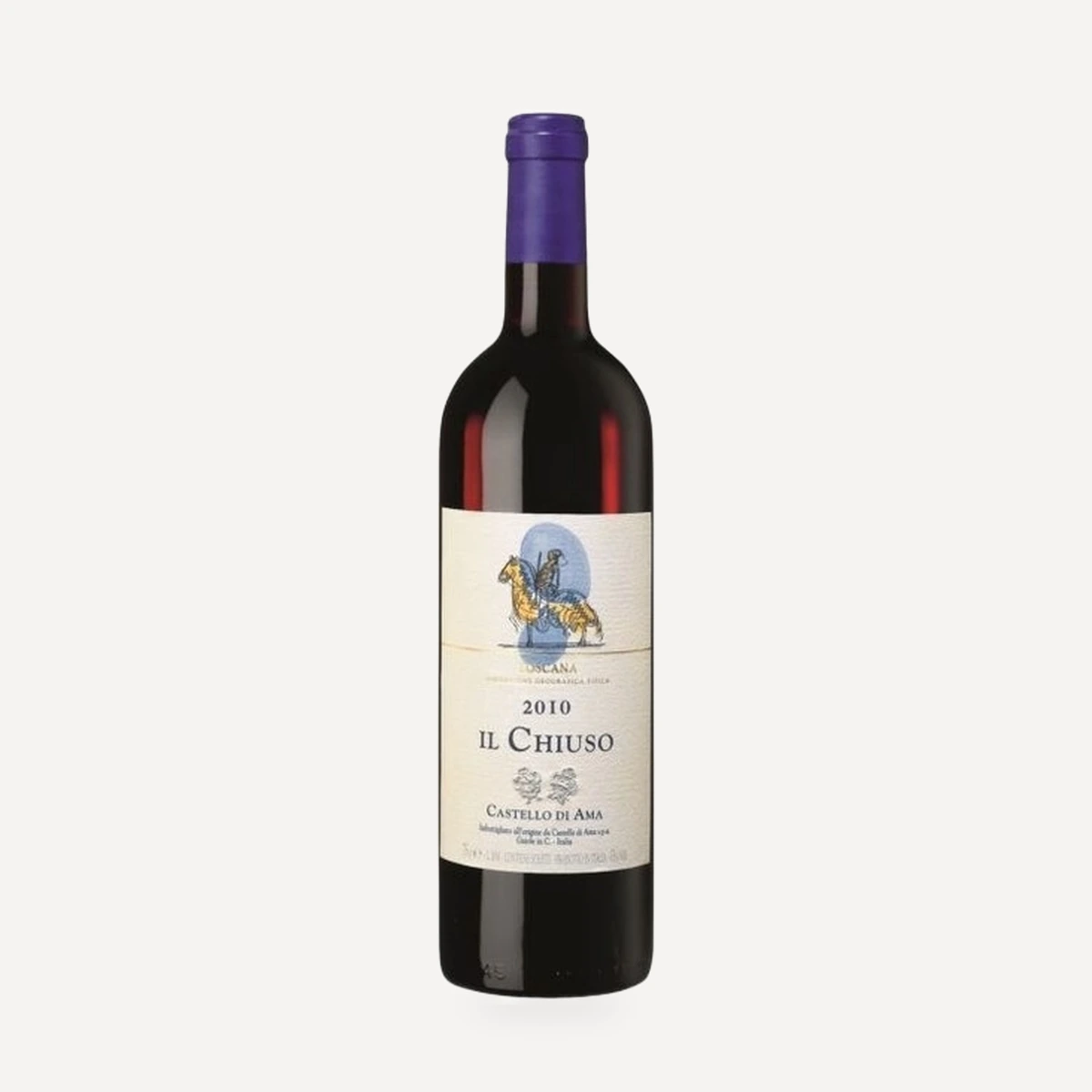
Il Chiuso
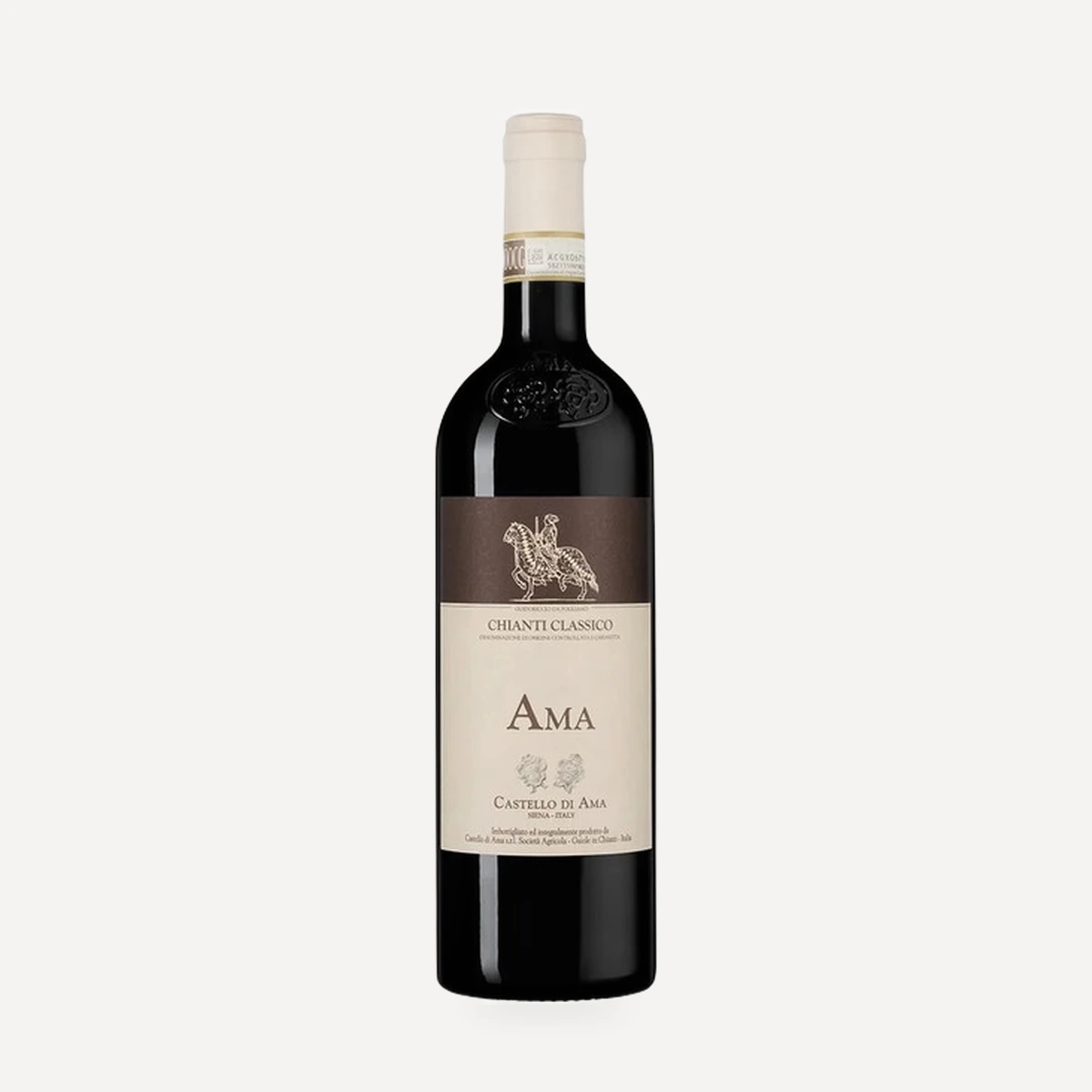
Ama
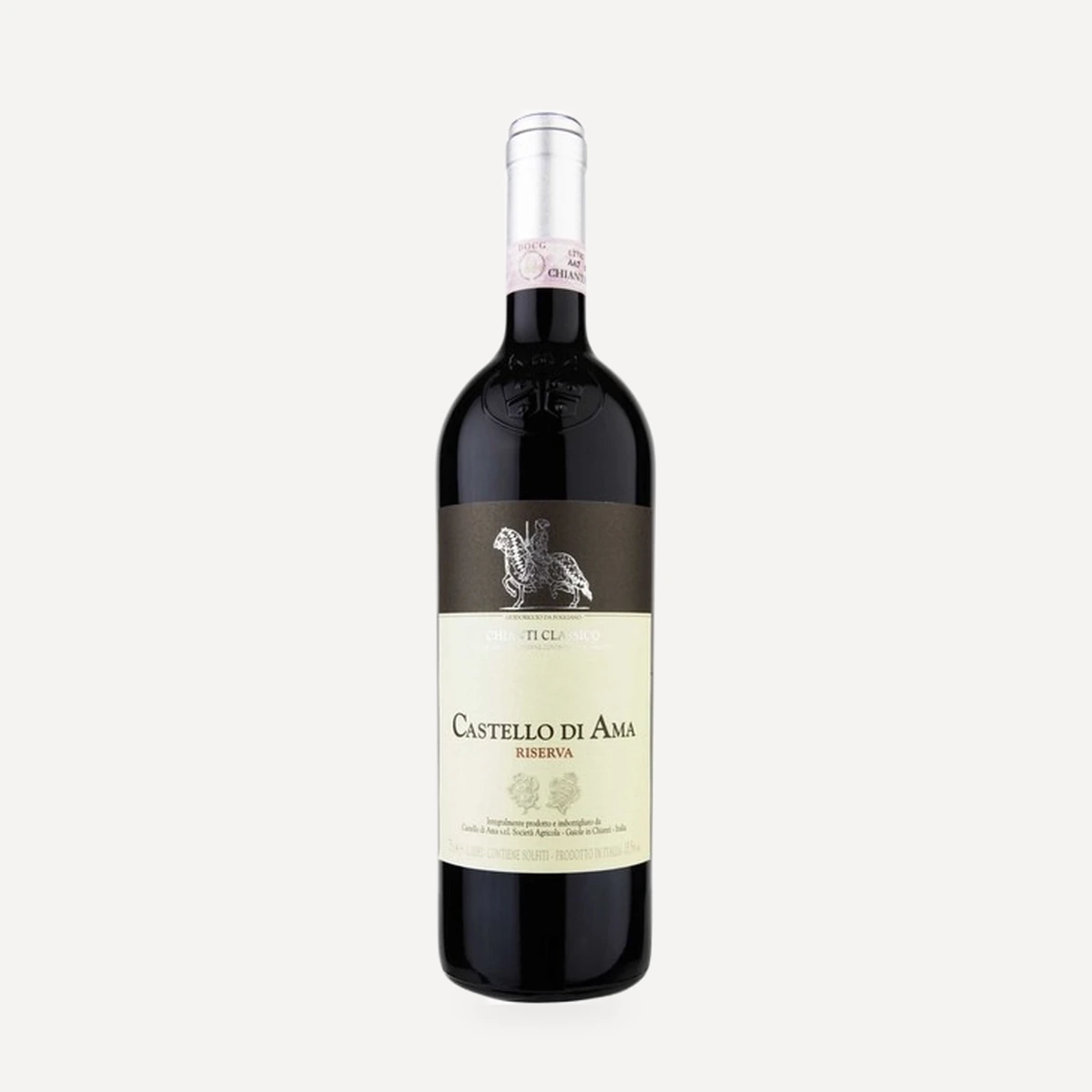
Castello di Ama Riserva
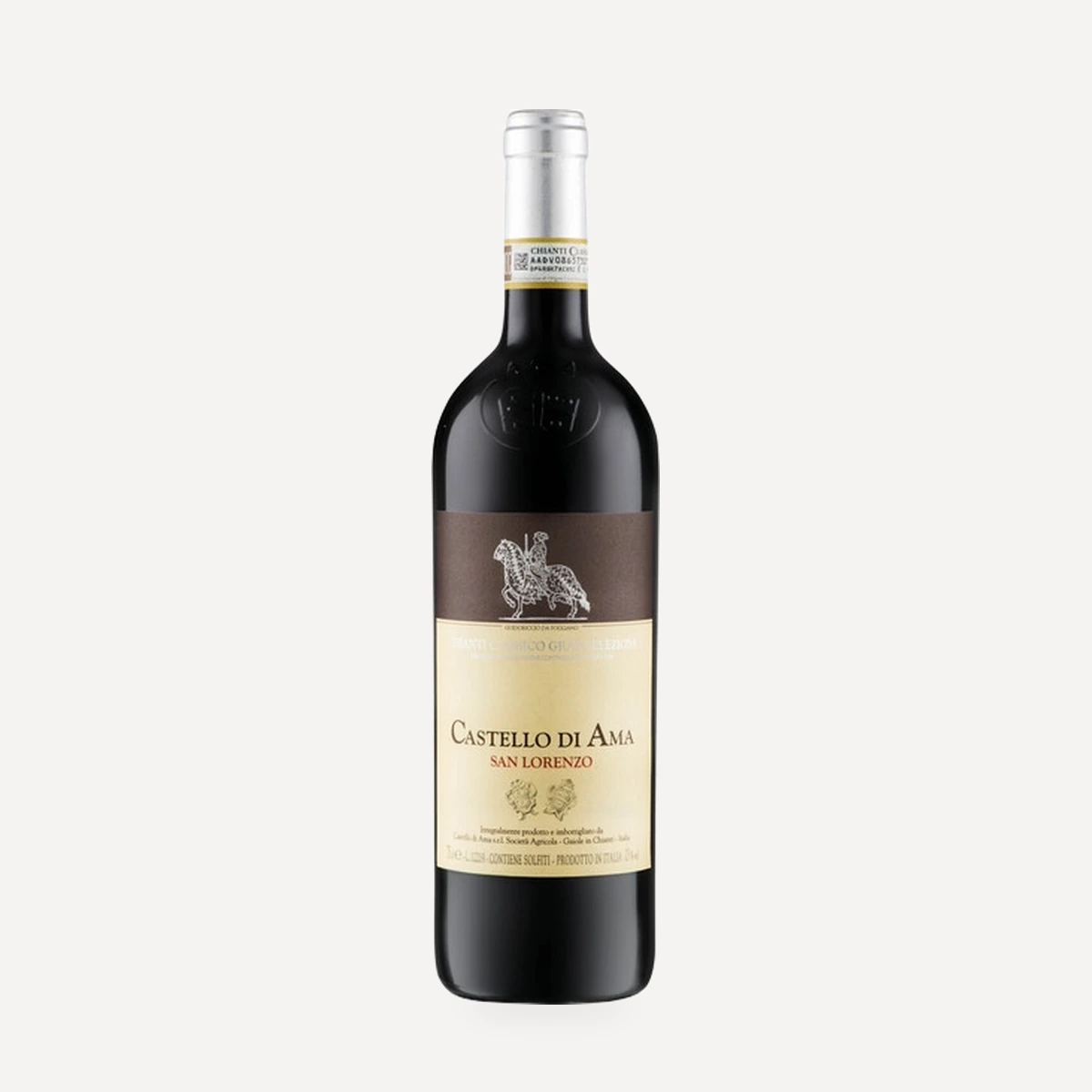
Castello di Ama San Lorenzo
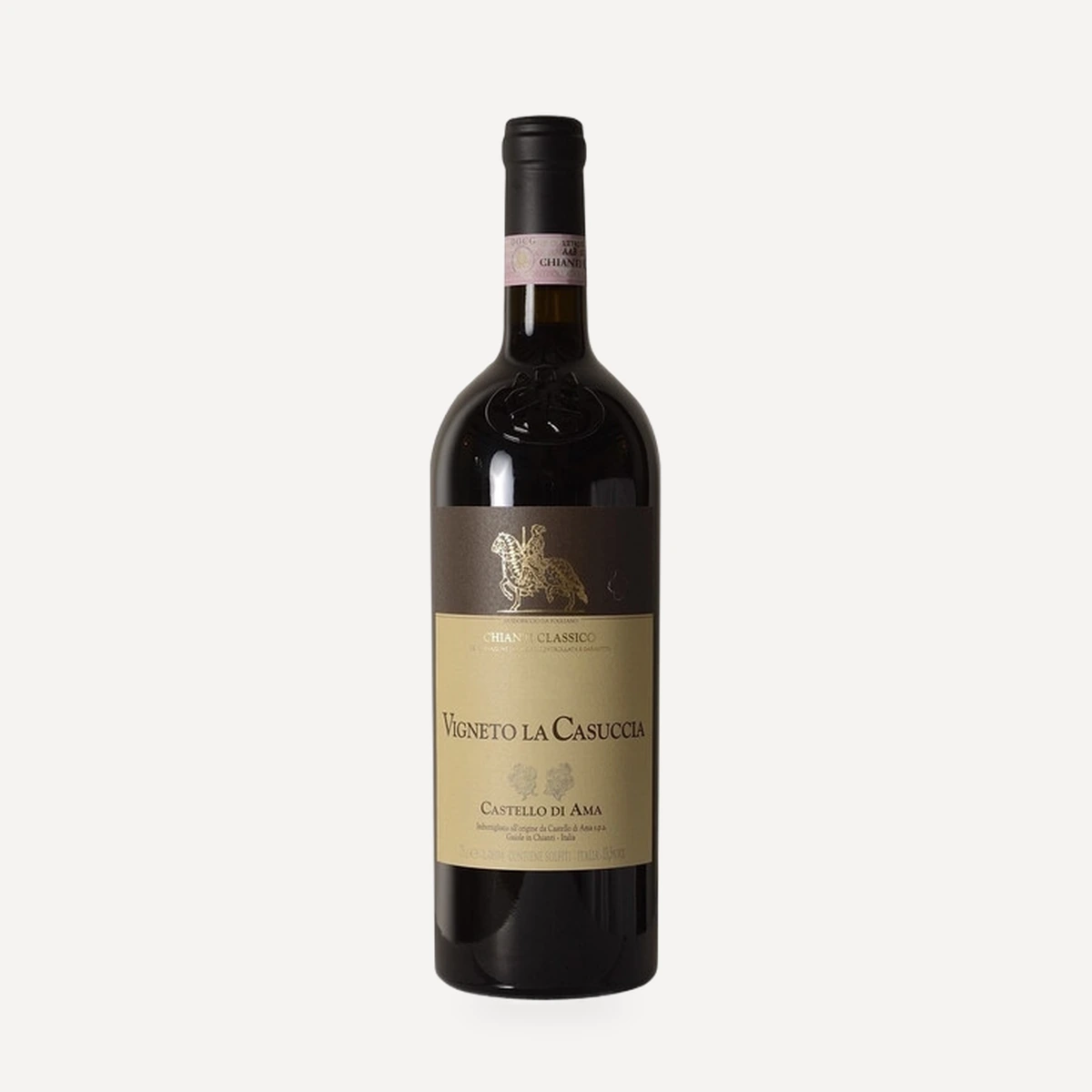
Vigneto La Casuccia
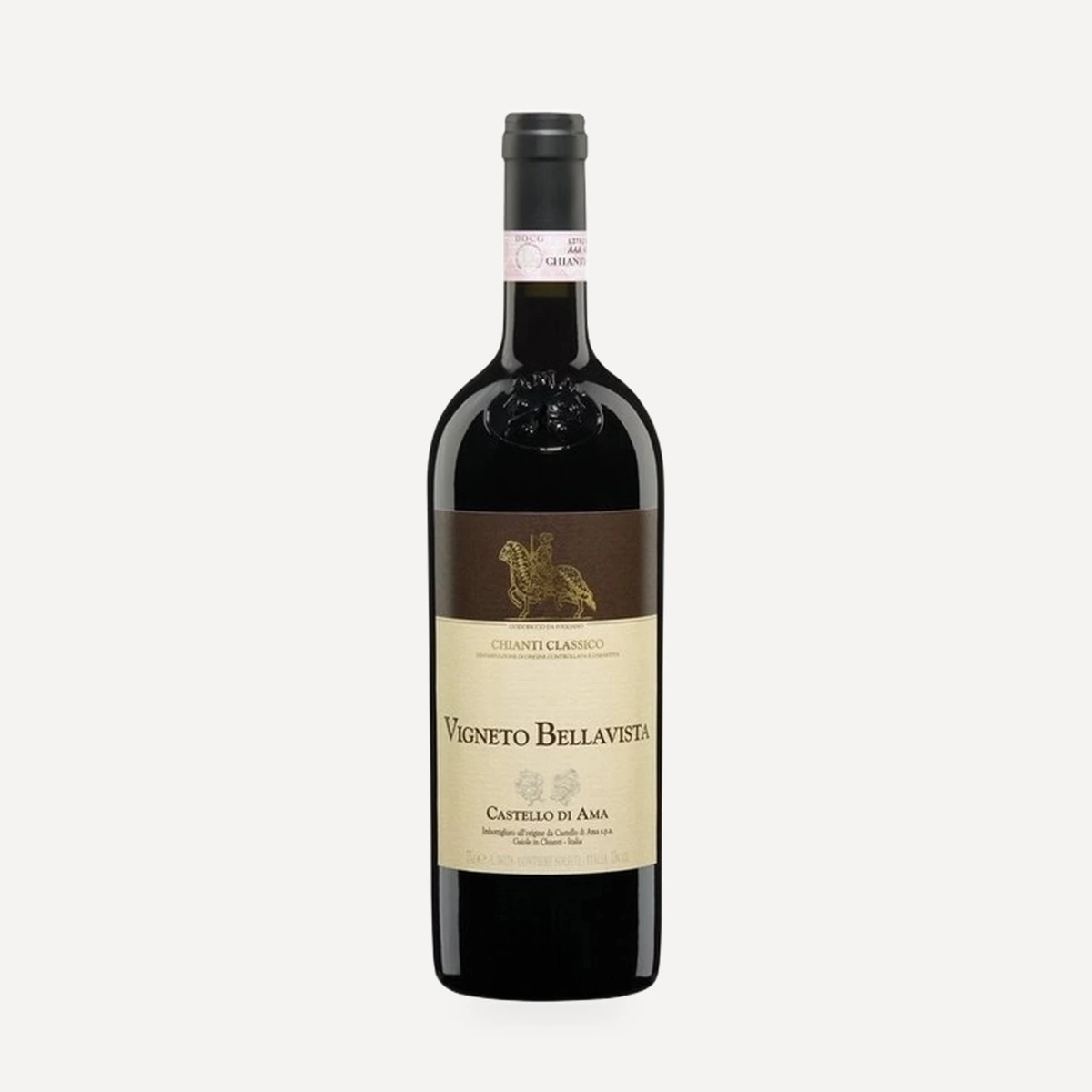
Vigneto Bellavista
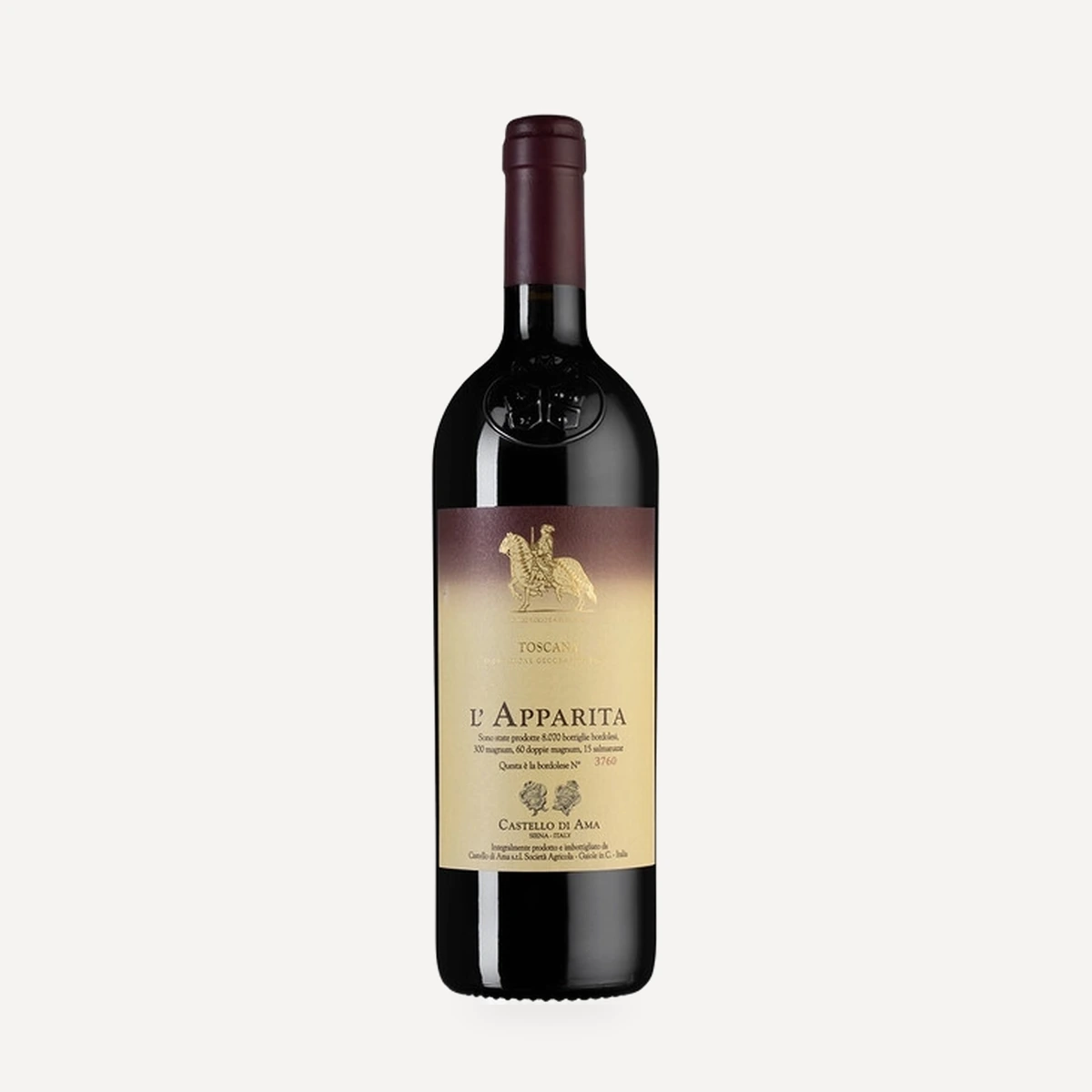
L’Apparita
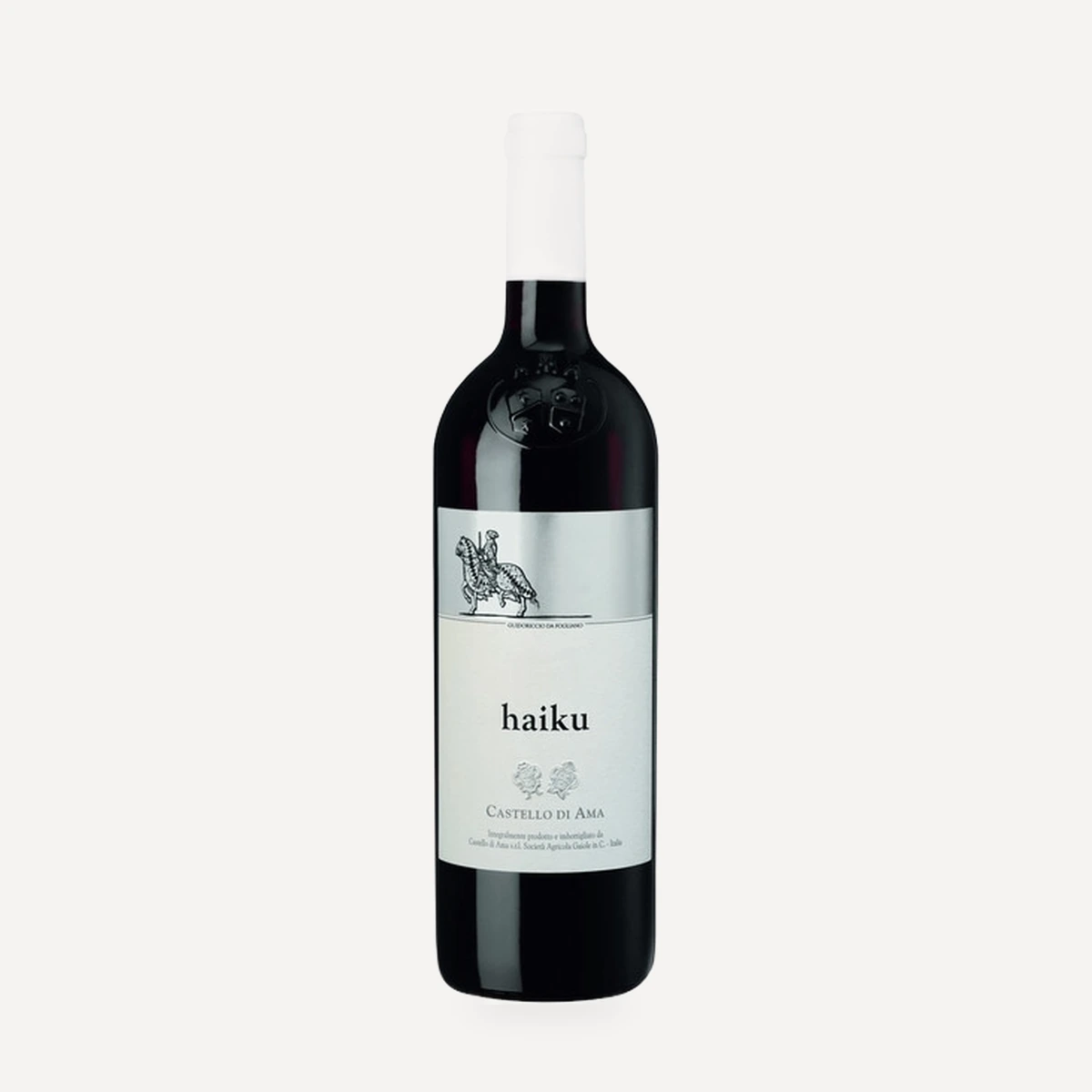
Haiku
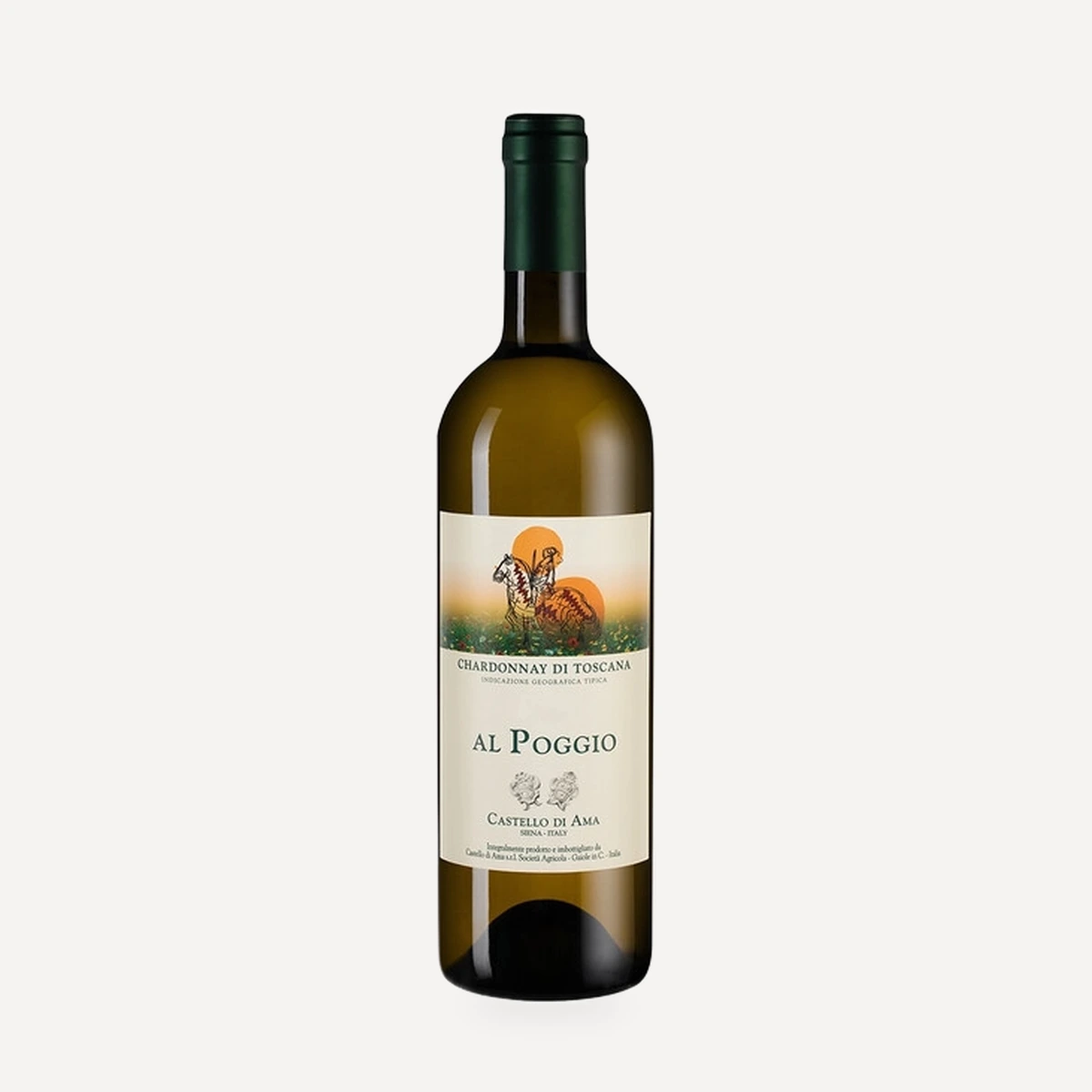
Al Poggio