Storia
Ferruccio Lamborghini and the return to agriculture
Lamborghini dates its foundation to 1968. At the end of the 1960s, Ferruccio Lamborghini encountered the area between the southern shore of Lago Trasimeno and Panicale while travelling through Umbria. Attracted by its rolling landscape, he acquired the property and, after leaving his automobile-manufacturing activity, returned to his agricultural roots.
The new estate combined several activities. Its total 100 hectares were divided among vineyards, an agriturismo and a nine-hole golf course conceived by Ferruccio Lamborghini.
Ferruccio initially planted both red- and white-berried varieties. Alongside the established Sangiovese and Ciliegiolo, he selected Merlot and Cabernet Sauvignon, choices presented as unusual for the area at that time.
Second-generation management
In the mid-1990s, Ferruccio's daughter Patrizia Lamborghini assumed management. She continued and strengthened his ambition to produce high-quality wines.
Most of the vineyards were subsequently replanted, with emphasis on Sangiovese, Merlot, Cabernet Sauvignon and Grechetto. One stage of this redevelopment produced more than 20 hectares of new vineyards planted with selected clones, while the longer-term programme envisaged renewal of the entire vineyard surface and the return of white varieties. The present vineyard area is 38 hectares.
Vineyard and cellar renewal
The pursuit of higher quality was accompanied by changes in both vineyard management and winemaking. Riccardo Cotarella took charge of oenological supervision and has guided the wines for more than 20 years. The estate links this collaboration to a substantial shift toward modern wines intended to express the character of the territory.
The grapes are now grown under Italy's Sistema di Qualità Nazionale di Produzione Integrata, or SQNPI, establishing integrated production as the estate-wide farming framework.
Terroir
The estate lies in Umbria between the southern side of Lago Trasimeno and the medieval village of Panicale, close to the boundary with Tuscany. Cortona and the Val di Chiana are only a few tens of kilometres away.
Its setting is characterised by gently rolling hills overlooking the estate and Lago Trasimeno. The property address is Località Soderi di Panicarola in the commune of Panicale, province of Perugia.
Vinificazione
All estate grapes are grown under the Sistema di Qualità Nazionale di Produzione Integrata (SQNPI), Italy's national integrated-production quality system.
The modern vineyard programme has centred on renewal rather than preservation of the original planting pattern. Most vineyards were replanted with selected material, concentrating on Sangiovese, Merlot, Cabernet Sauvignon and Grechetto. More than 20 ha of selected clones were established during this process, and the broader programme envisaged renewal of the complete vineyard surface and renewed attention to white varieties.
Spurred cordon is used for the principal red-wine plantings, commonly at 5,000 vines/ha, while Grechetto is Guyot-trained. Selection of grapes is a recurring production principle across the still- and sparkling-wine ranges.
Oenological work has been supervised by Riccardo Cotarella for more than 20 years. The production strategy combines a stated objective of expressing the territory with modern cellar practices and careful grape selection.
Still wines
The classic red range is based on selected Sangiovese, Merlot and Cabernet Sauvignon. Fermentation is managed to preserve the grapes' natural aromas and flavours. Depending on the range, maturation uses tonneaux or French-oak barriques; the flagship red programmes also include subsequent bottle ageing.
Grechetto production employs cold skin maceration followed by fermentation at low temperature. The rosé range is Merlot-based. At least one rosé bottling is bottled without filtration, allowing possible natural sediment.
Sparkling wines
Most sparkling wines use the Martinotti–Charmat method. The production programmes include selected estate grapes as well as Pinot and Chardonnay or Glera, depending on the range. Charmat wines may undergo 10–20 days of secondary fermentation and one to two months on the lees; longer programmes for some Brut wines extend secondary fermentation to three or four months and ageing to four to six months. The Valdobbiadene Prosecco Superiore DOCG programme uses 25–30 days for the prise de mousse and one to three months on the lees.
The Metodo Classico range is made from Pinot Nero and includes both white and rosé organic expressions. These wines remain on the lees for 24 months.
Ageing vessels and stylistic range
The cellar works with stainless steel for alcoholic fermentation, large Slavonian-oak vessels, tonneaux and French-oak barriques across its still-wine production. The broader portfolio spans still reds, white and rosé wines, Charmat sparkling wines, traditional-method sparkling wines and alcohol-free sparkling and still grape-based beverages.
Filosofia
Lamborghini frames quality as the product of two connected aims: rigorous improvement in vineyard and cellar management, and clear expression of the estate's territory. The transition under Patrizia Lamborghini retained Ferruccio's original agricultural project while introducing extensive vineyard renewal and a more ambitious oenological programme.
Tradition and modernity are treated as complementary rather than opposing ideas. Traditional regional varieties and Umbrian identity sit alongside Merlot and Cabernet Sauvignon, modern vineyard material, French oak and several sparkling-wine techniques. Riccardo Cotarella's long-term supervision provides continuity to this technical evolution.
The estate also presents selection as a central quality principle, from vineyard material and harvested grapes to the construction of its different ranges. Integrated production under SQNPI supplies the environmental and agronomic framework for the estate vineyards.
Vini
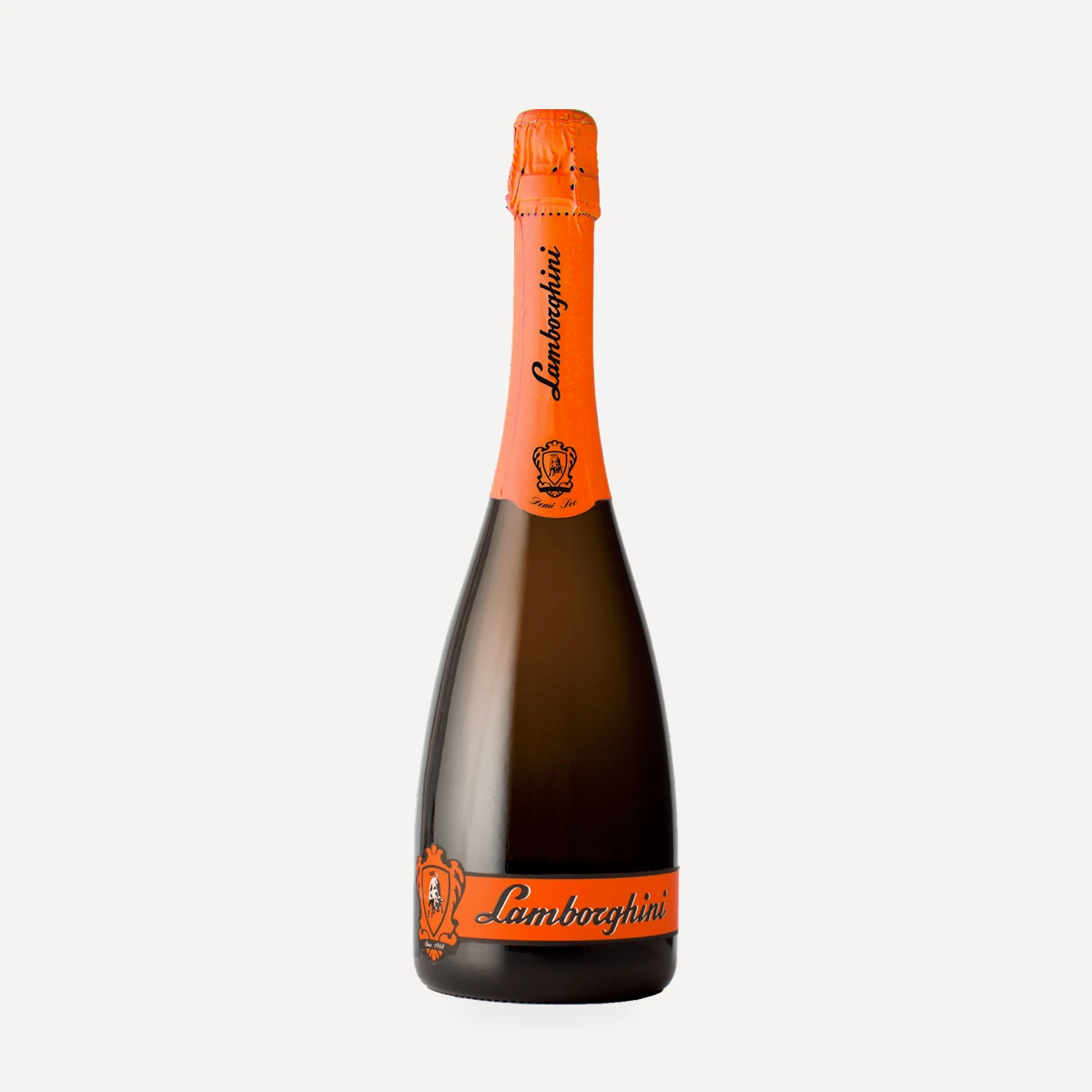
Demi Sec Prosecco D.O.C.G.
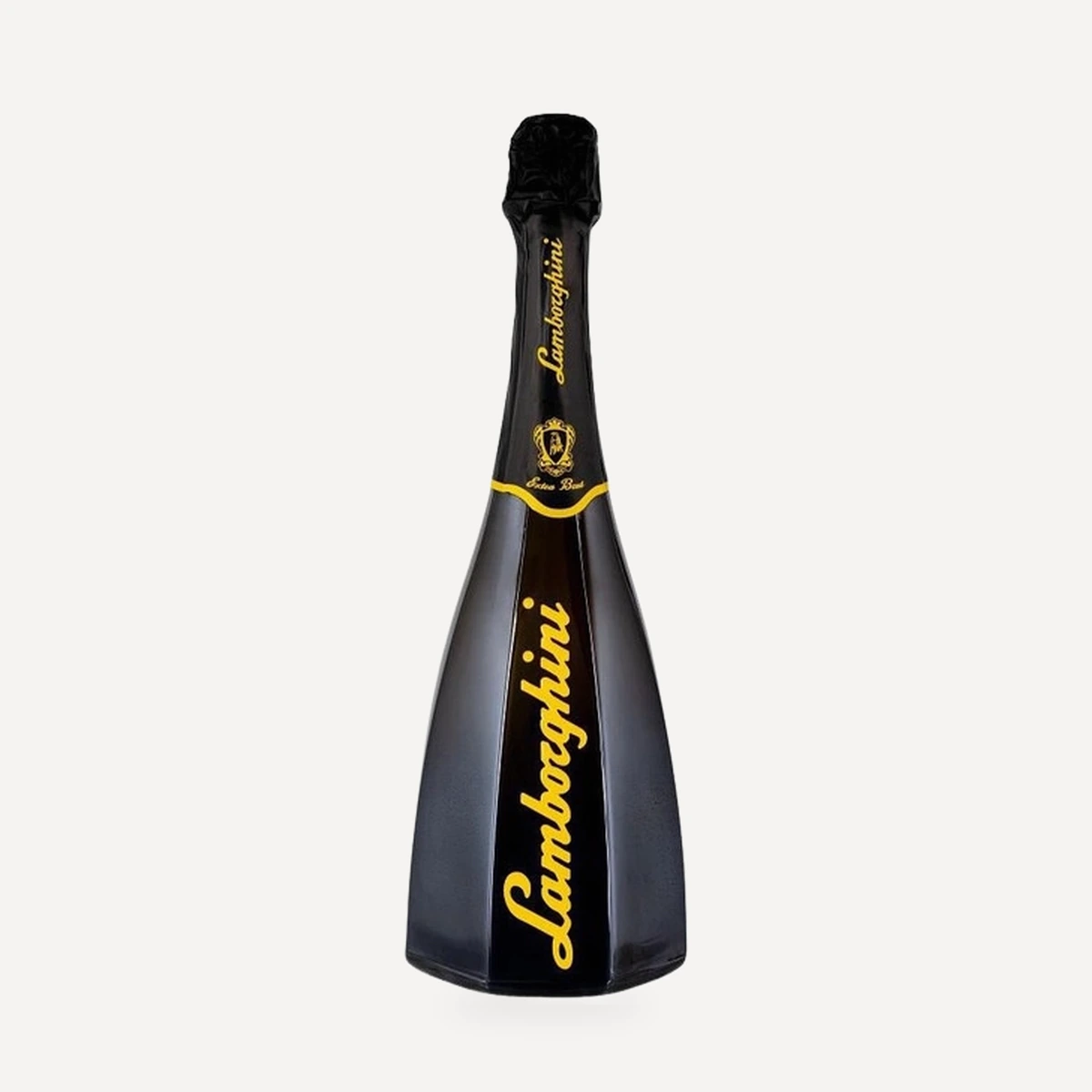
Ottagonale Extra Brut Prosecco DOCG
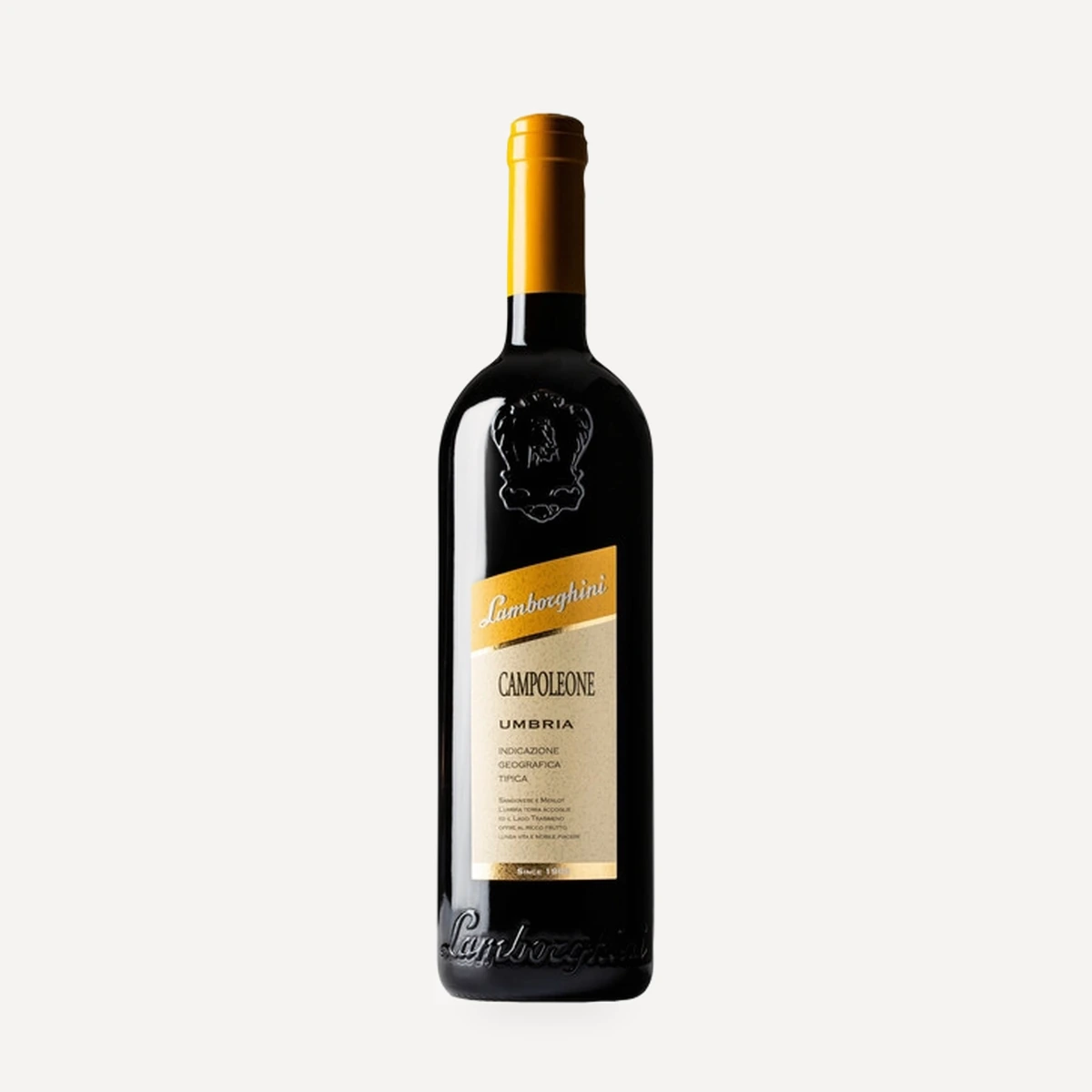
Campoleone Umbria IGT
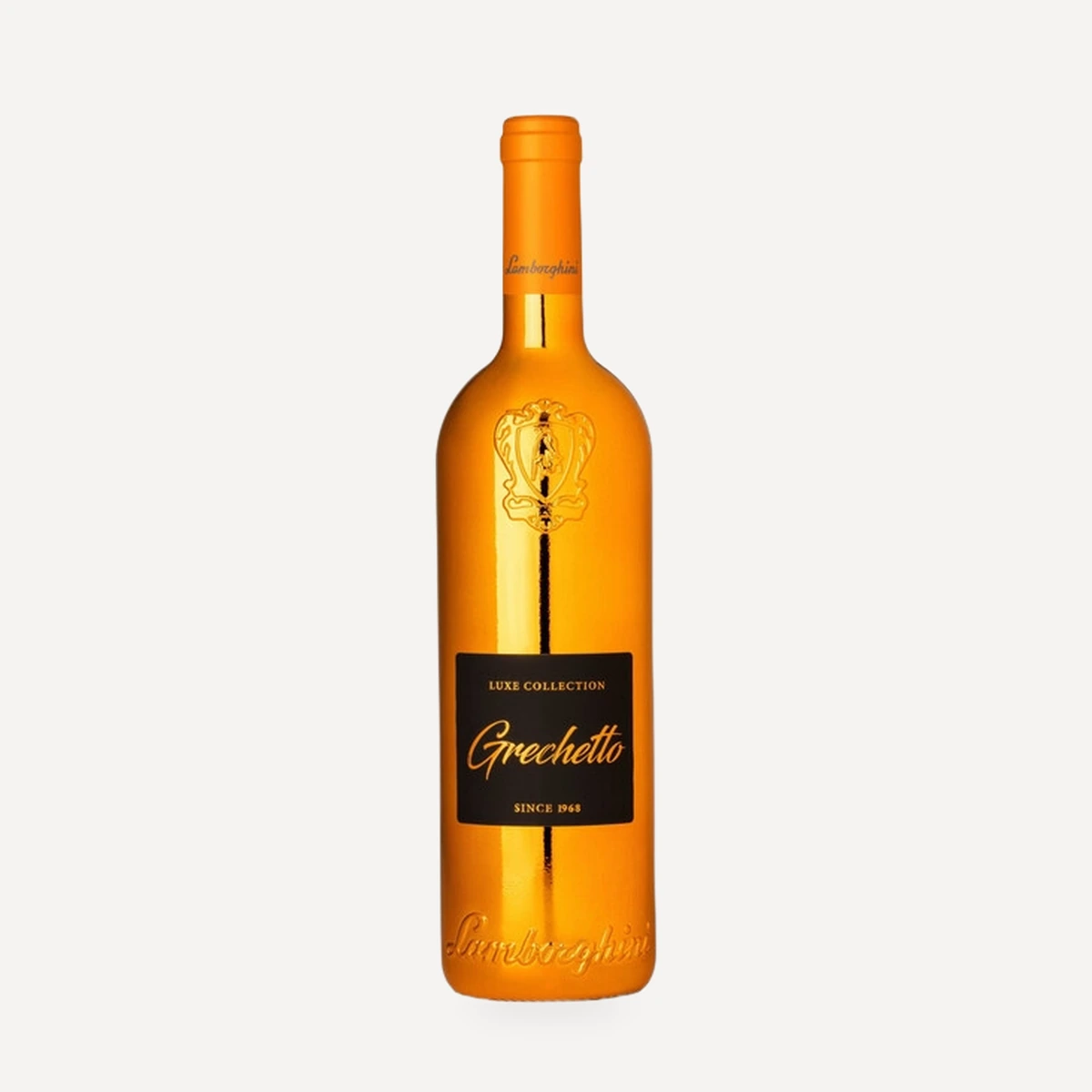
Luxe Collection Grechetto Umbria IGT
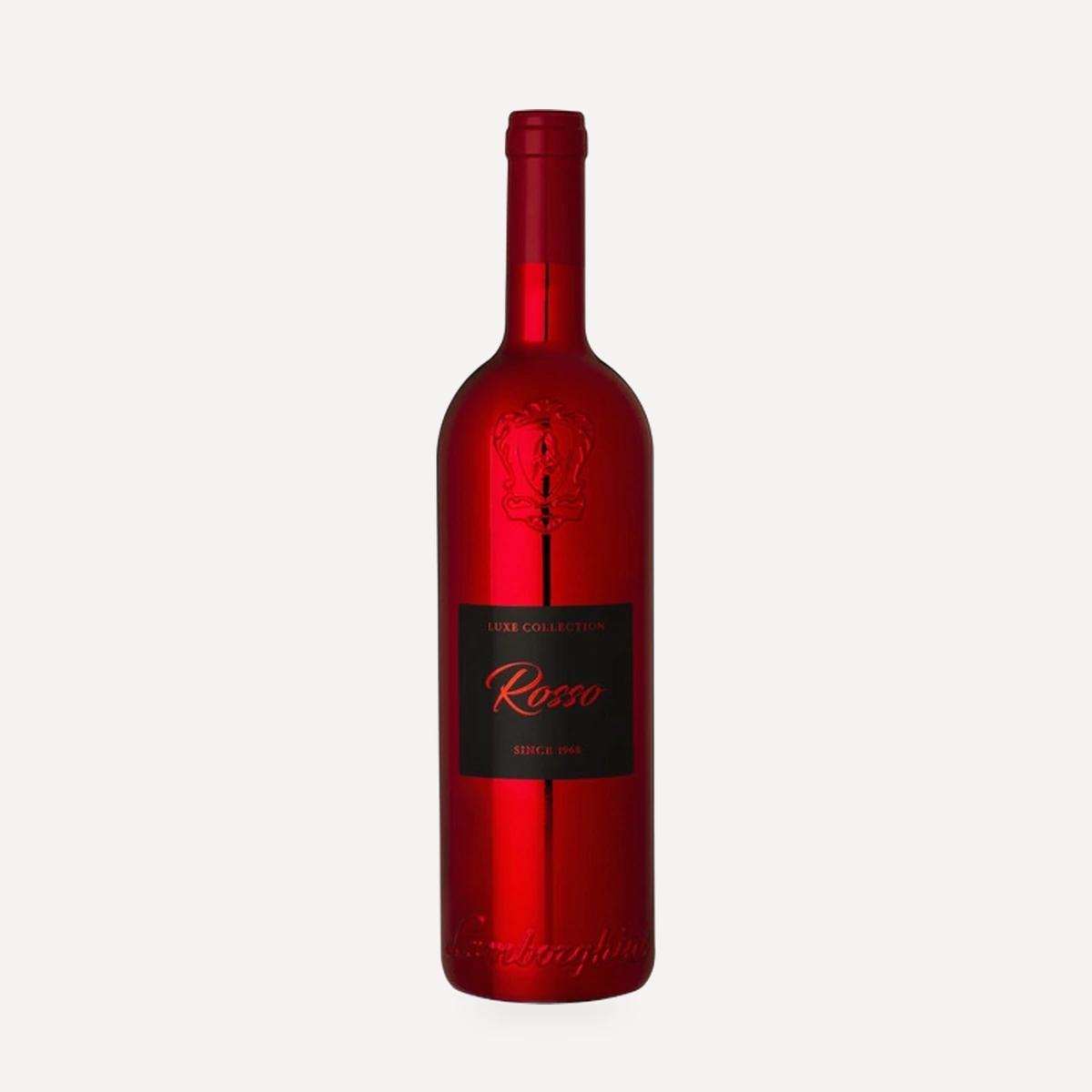
Luxe Collection Rosso Umbria IGT
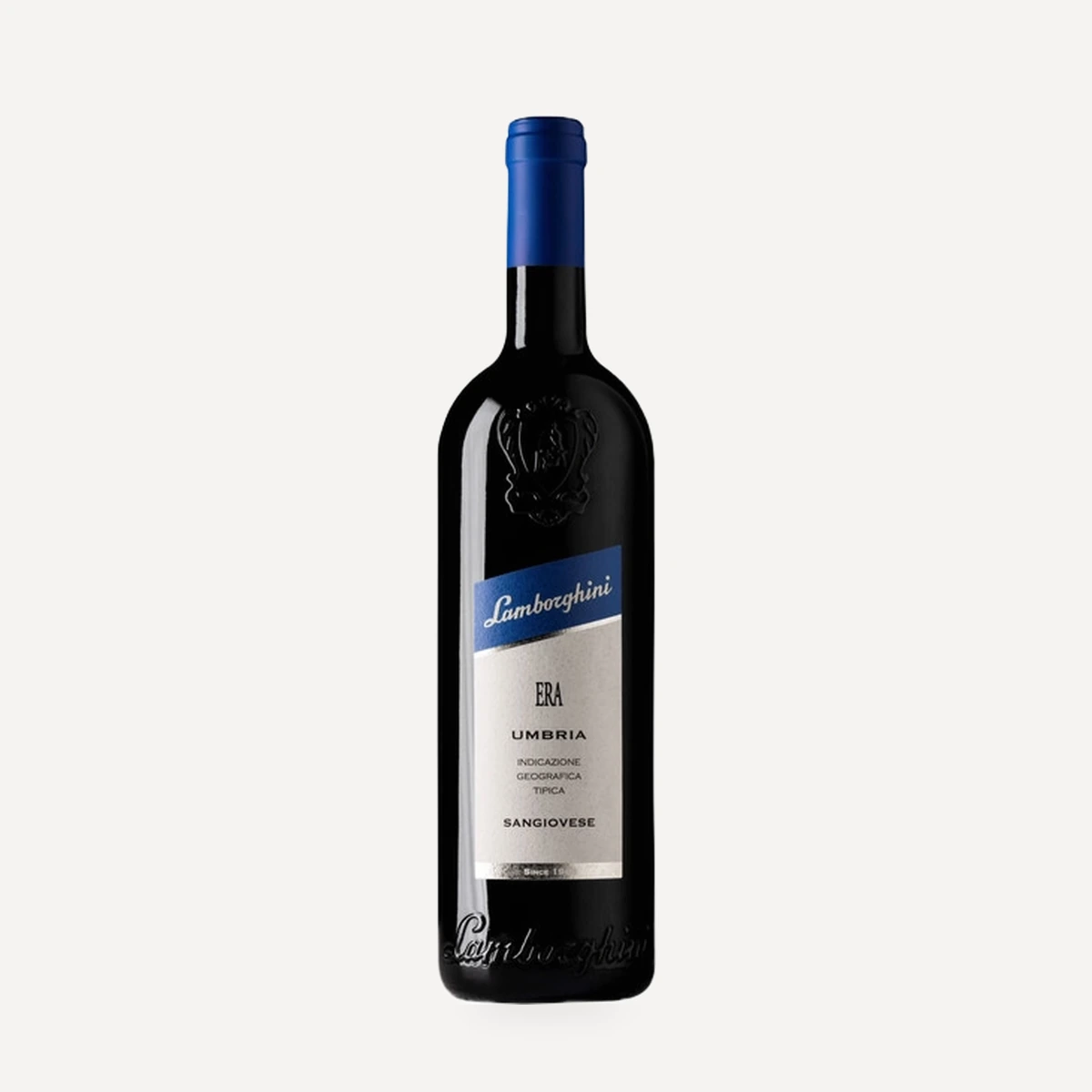
Era Umbria IGT
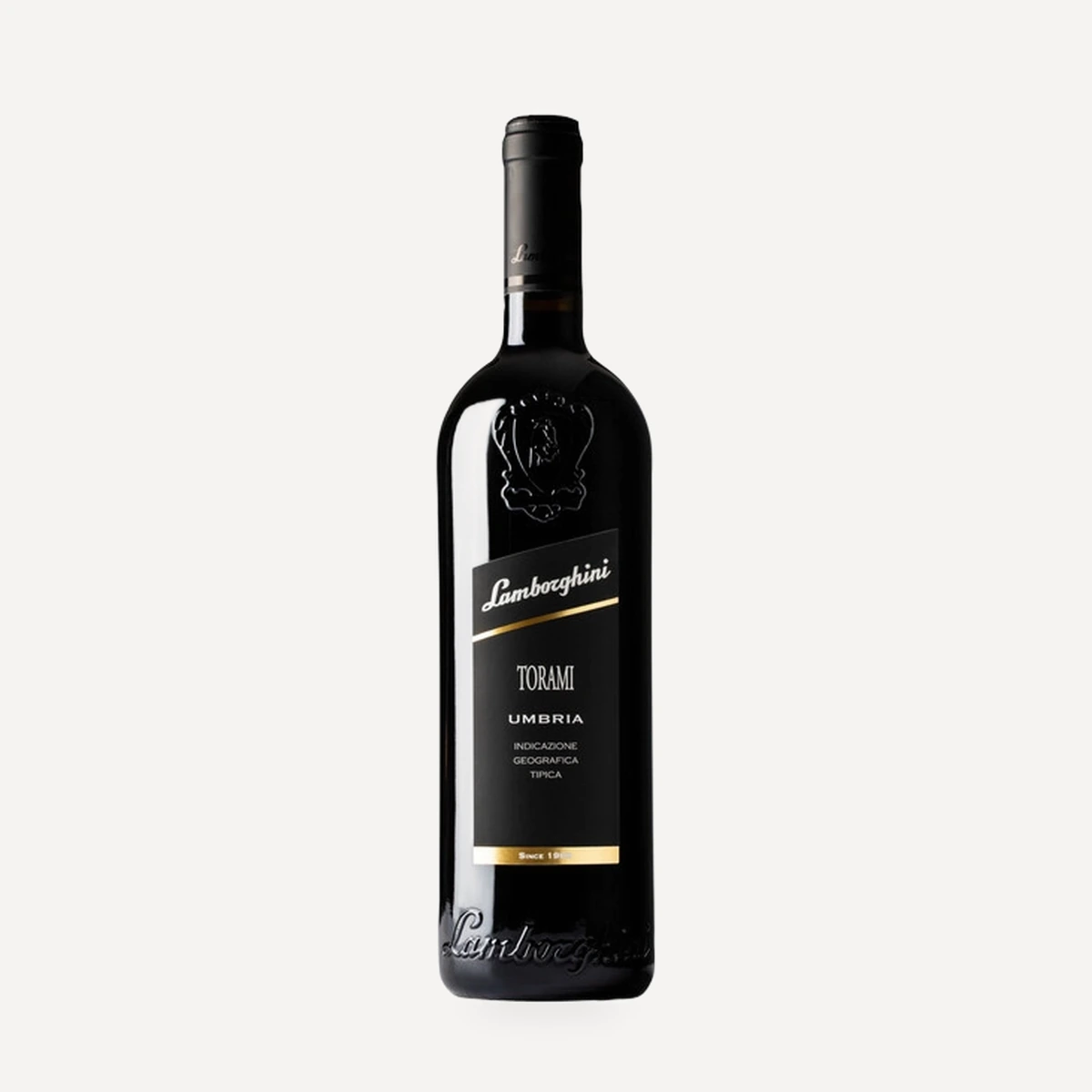
Torami Umbria IGT
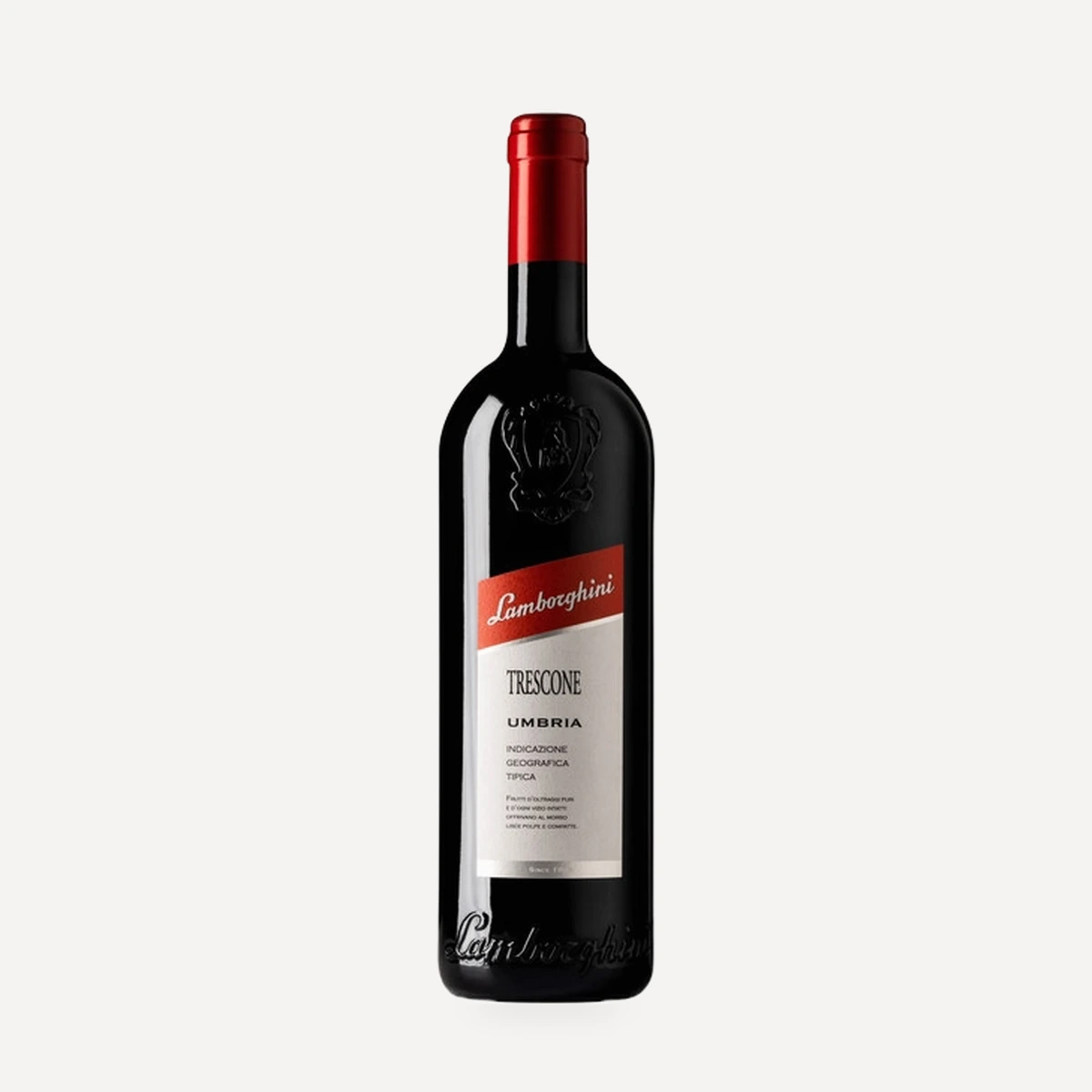
Trescone Umbria IGT
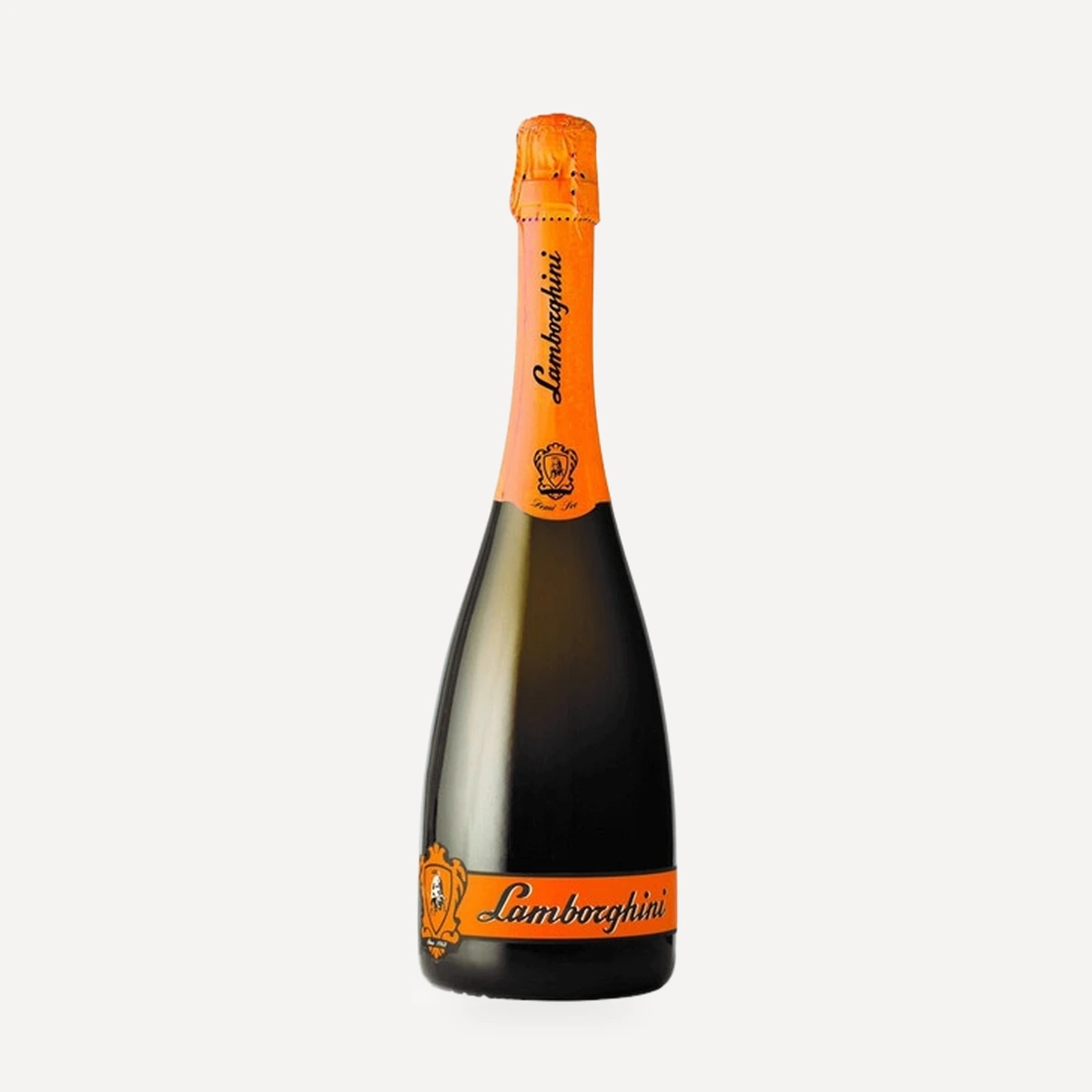
Prosecco Superiore Valdobbiadene Millesimato Demi Sec DOCG
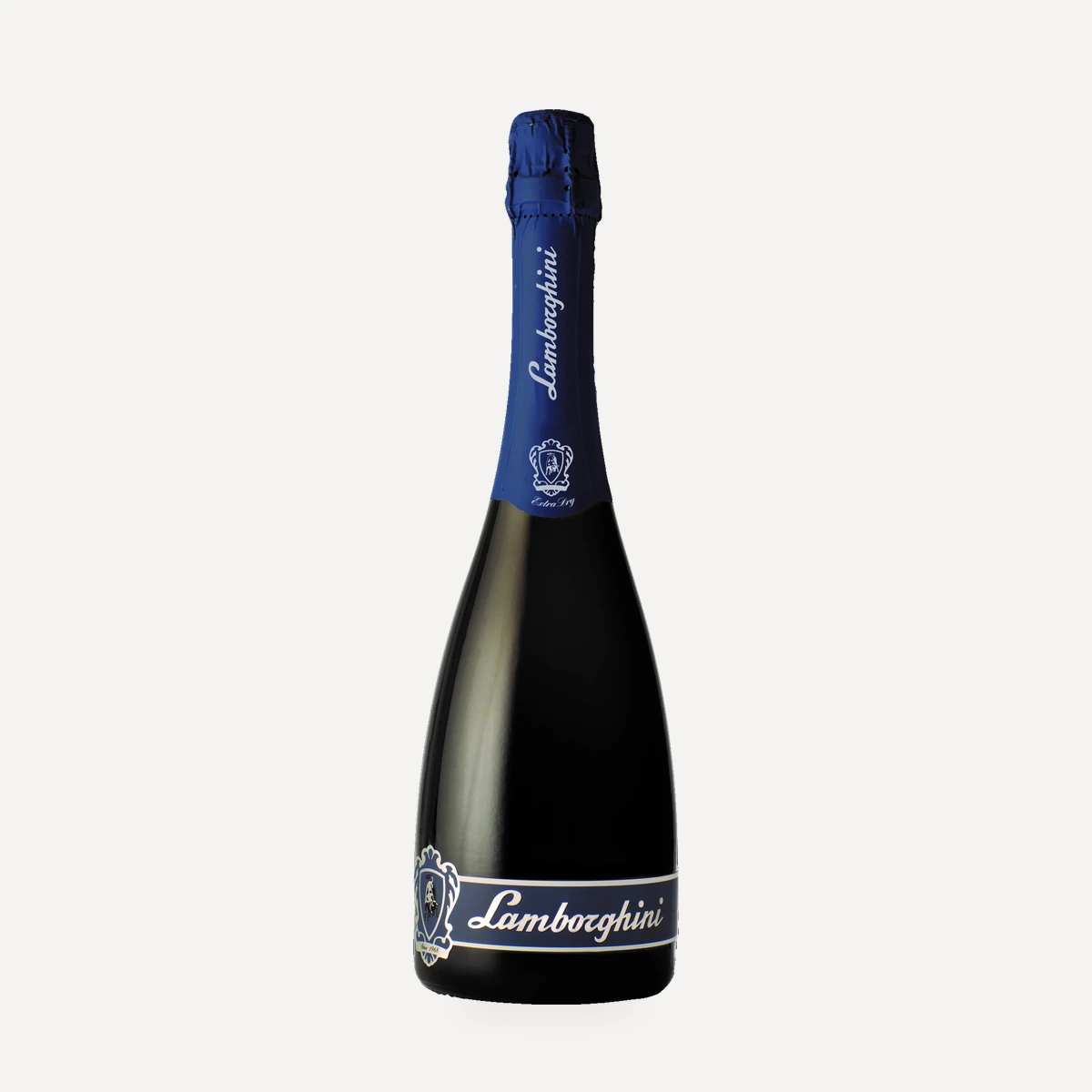
Extra Dry Prosecco D.O.C.
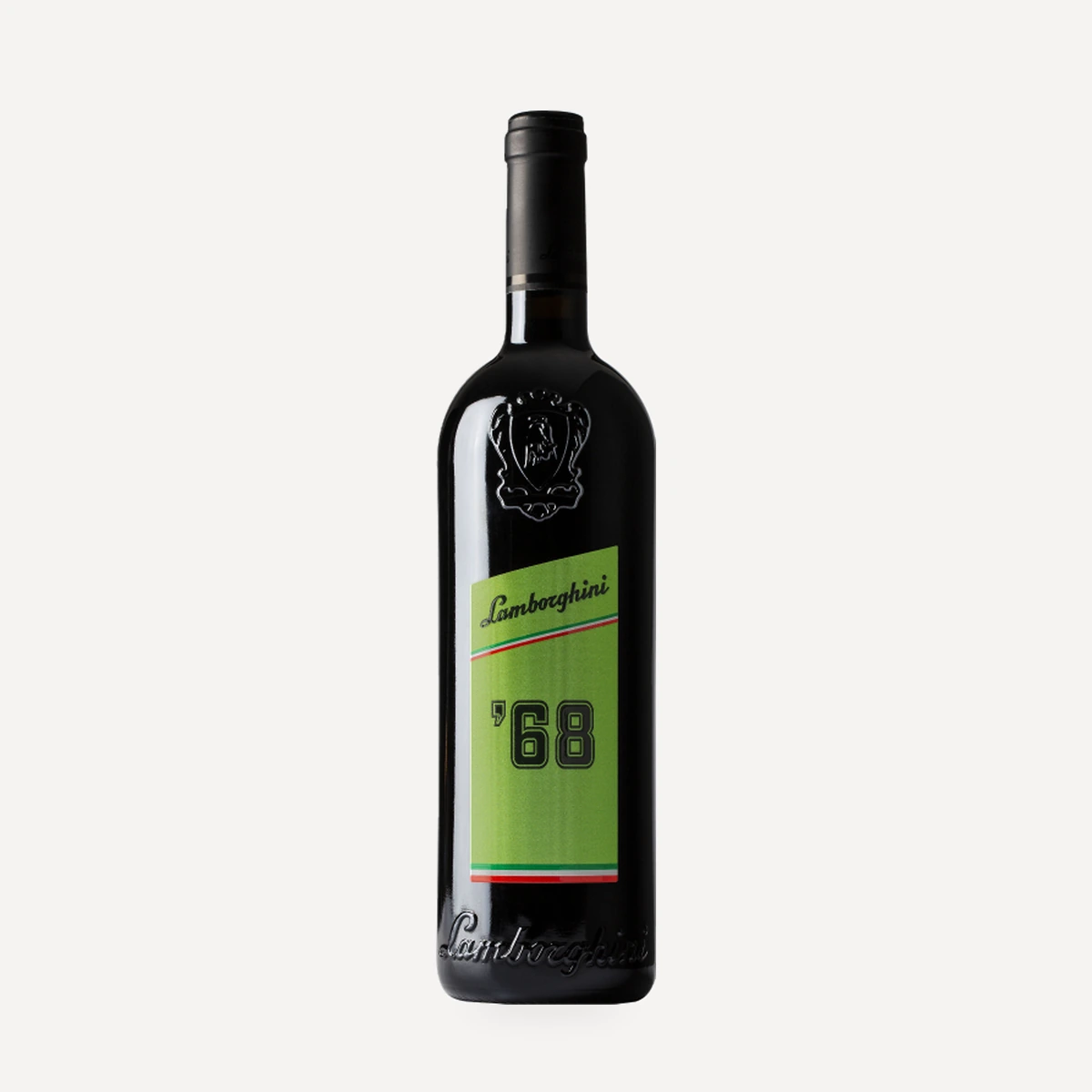
'68 Umbria Rosso IGT
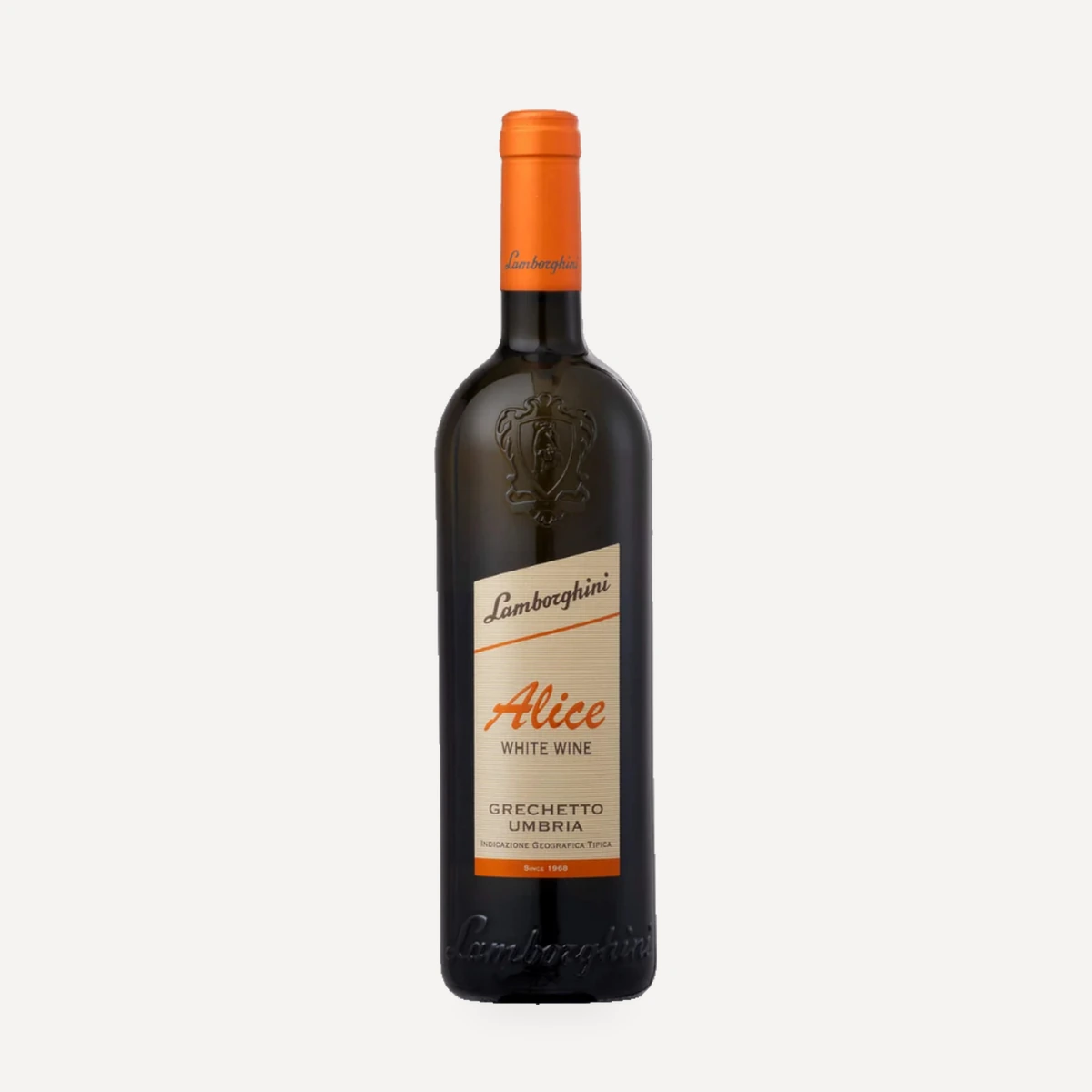
Grechetto Alice Umbria DOC
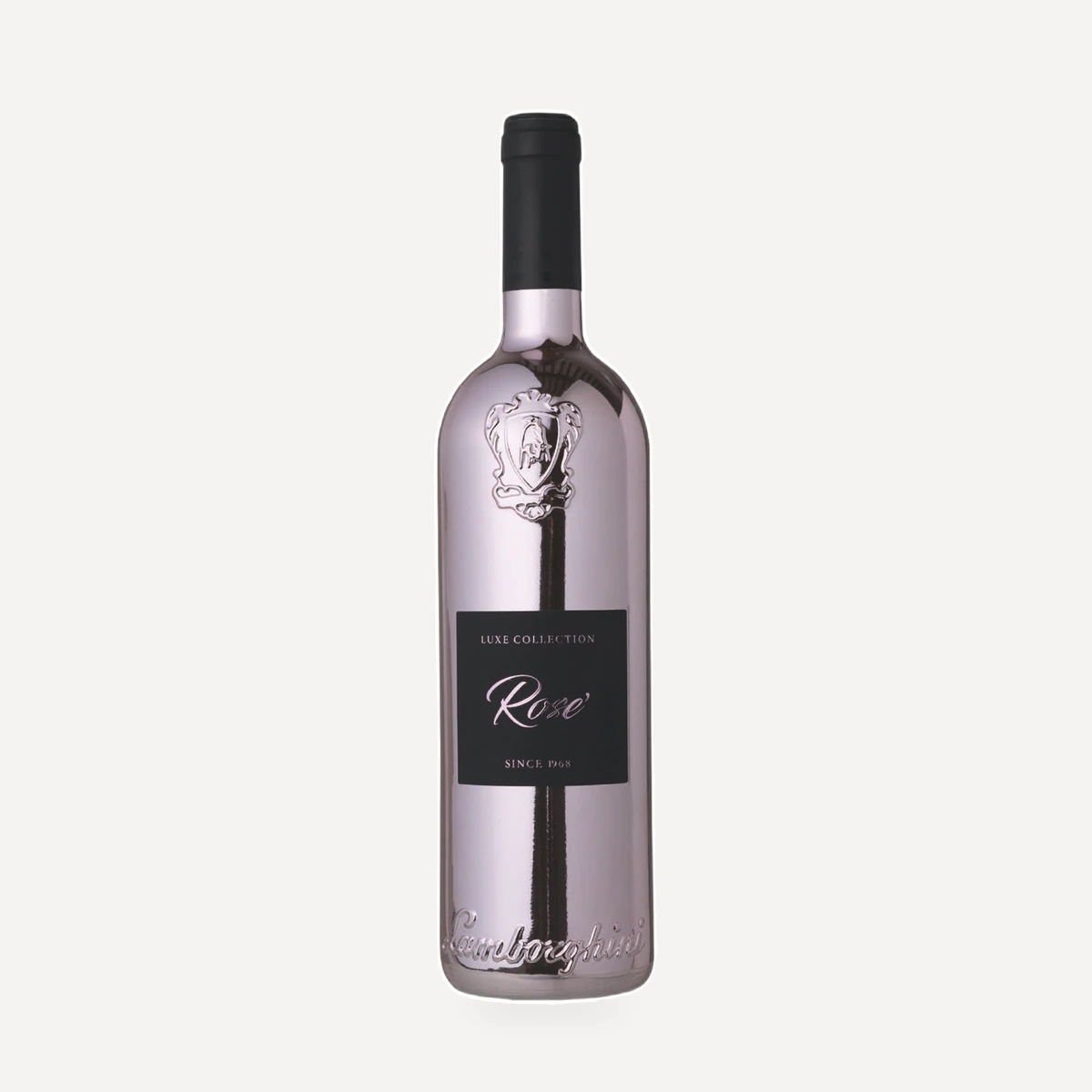
Luxe Collection Rosè Merlot Umbria IGT
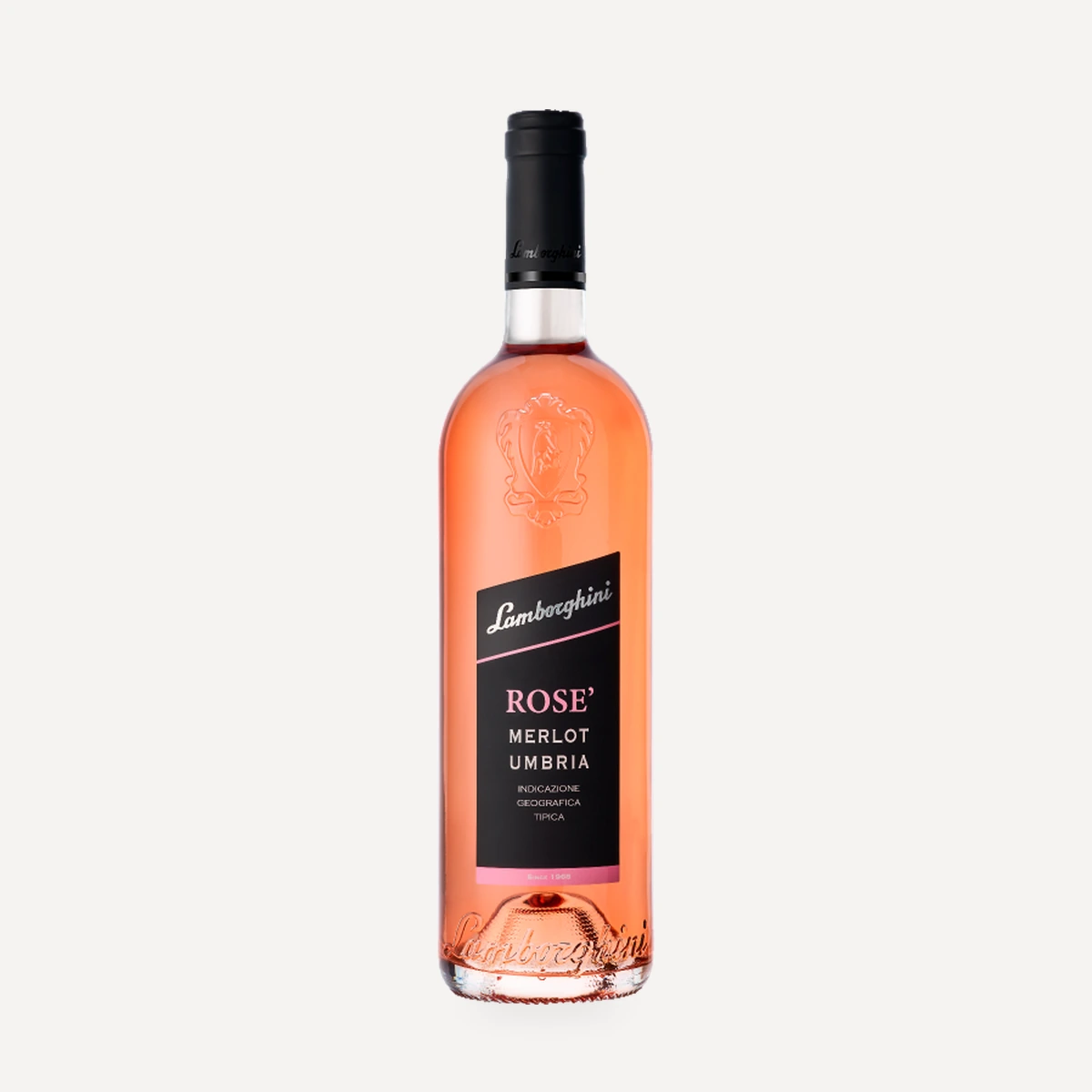
Rosè Merlot Umbria IGT
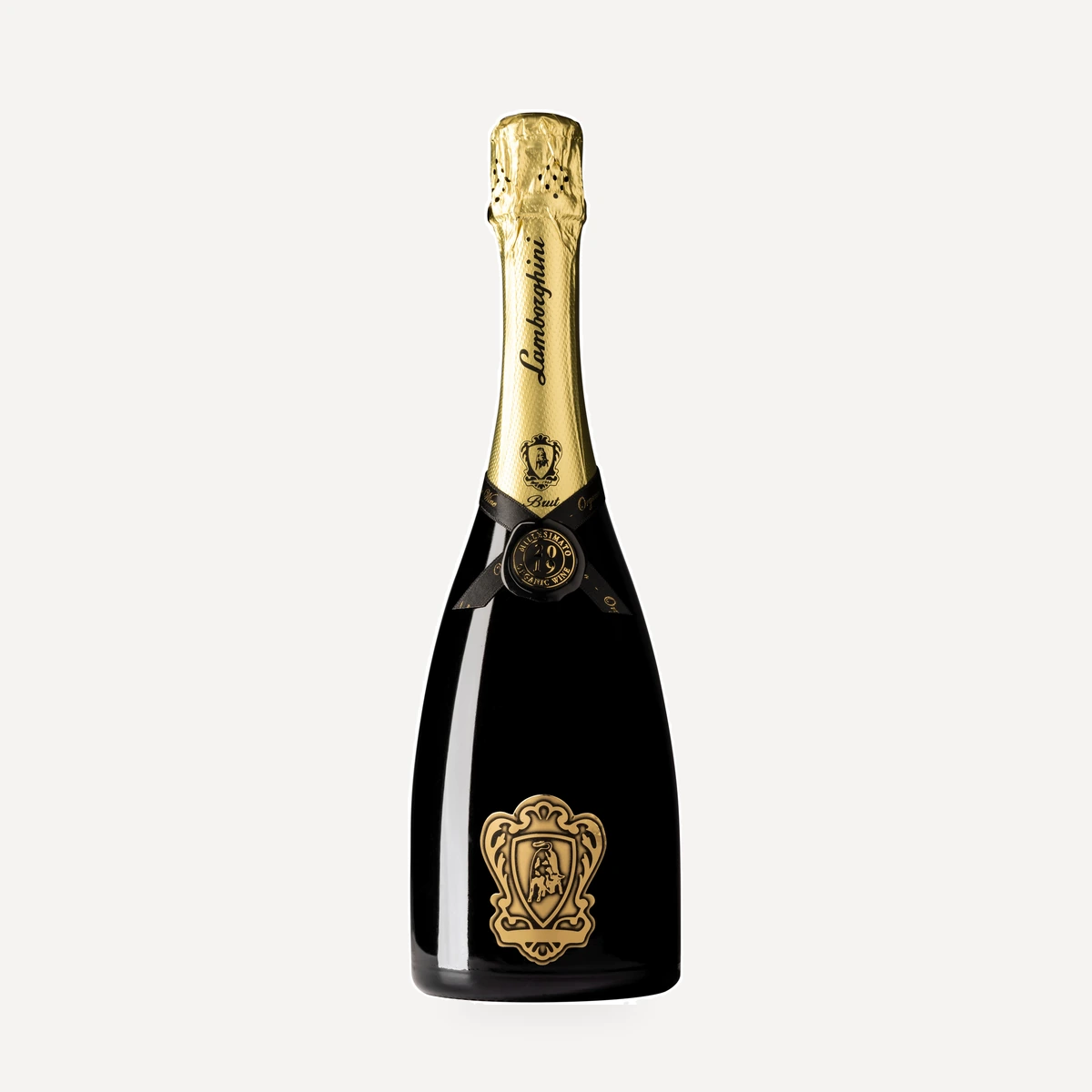
The Legend Metodo Classico
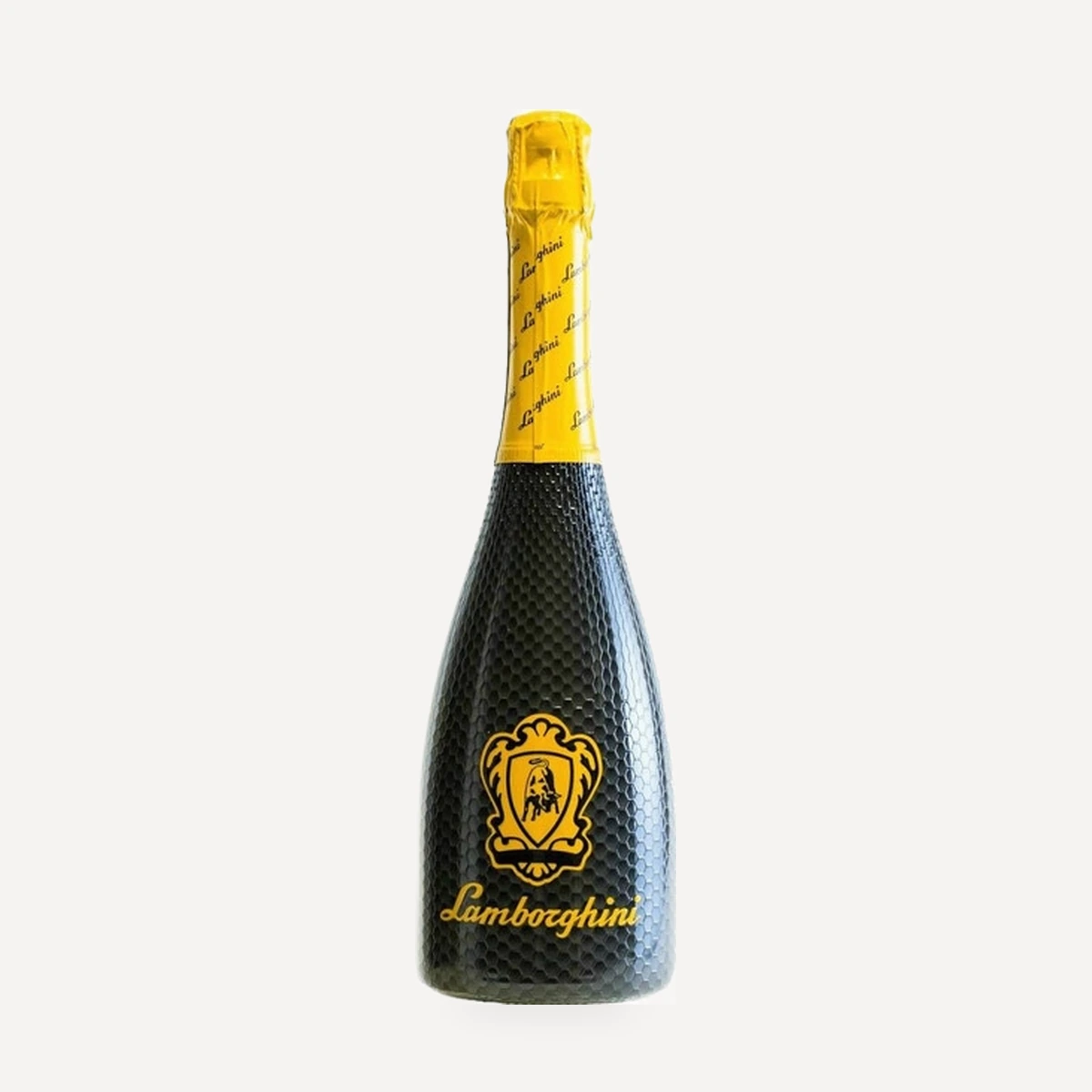
Lamborghini Pinot-Chardonnay Brut
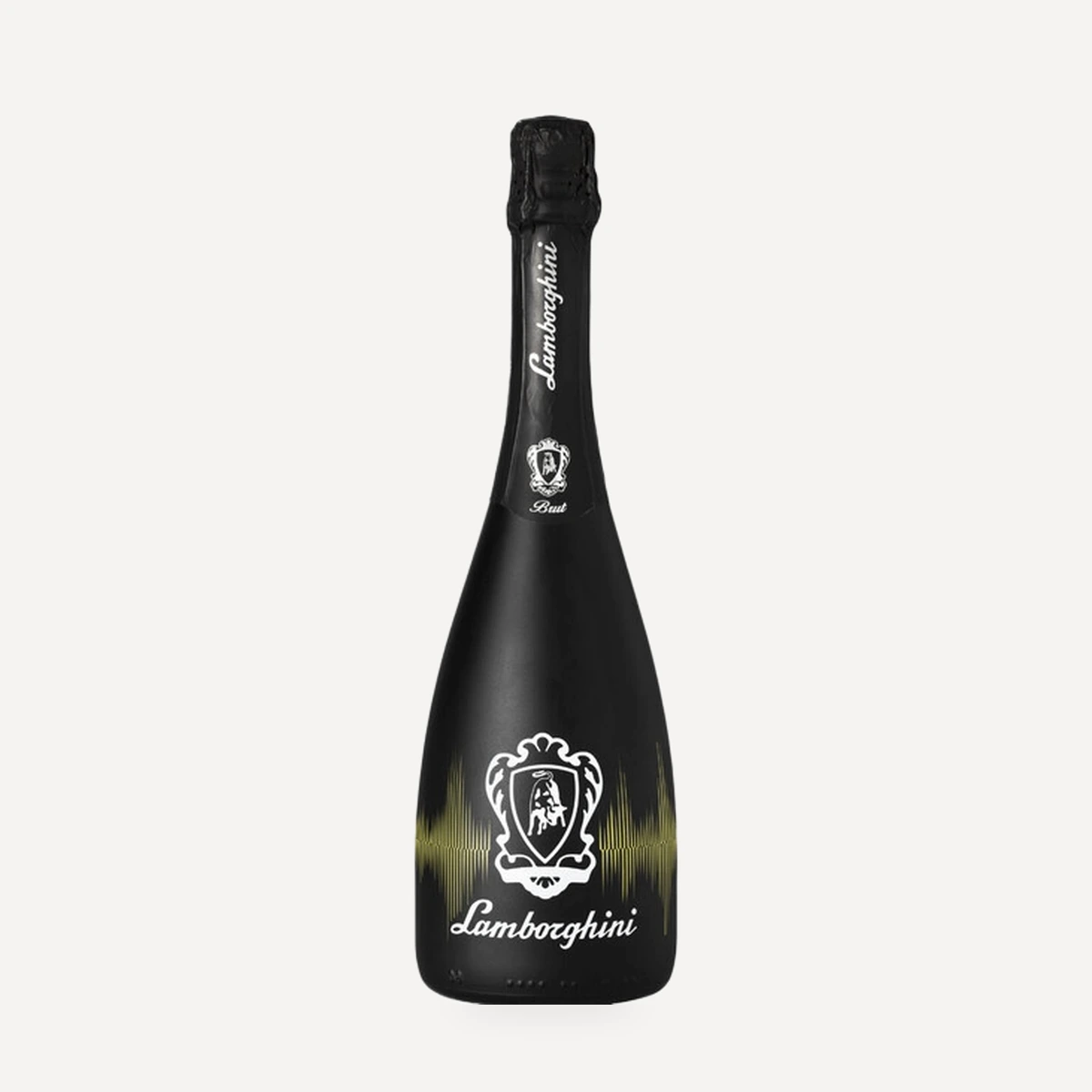
DJ Brut
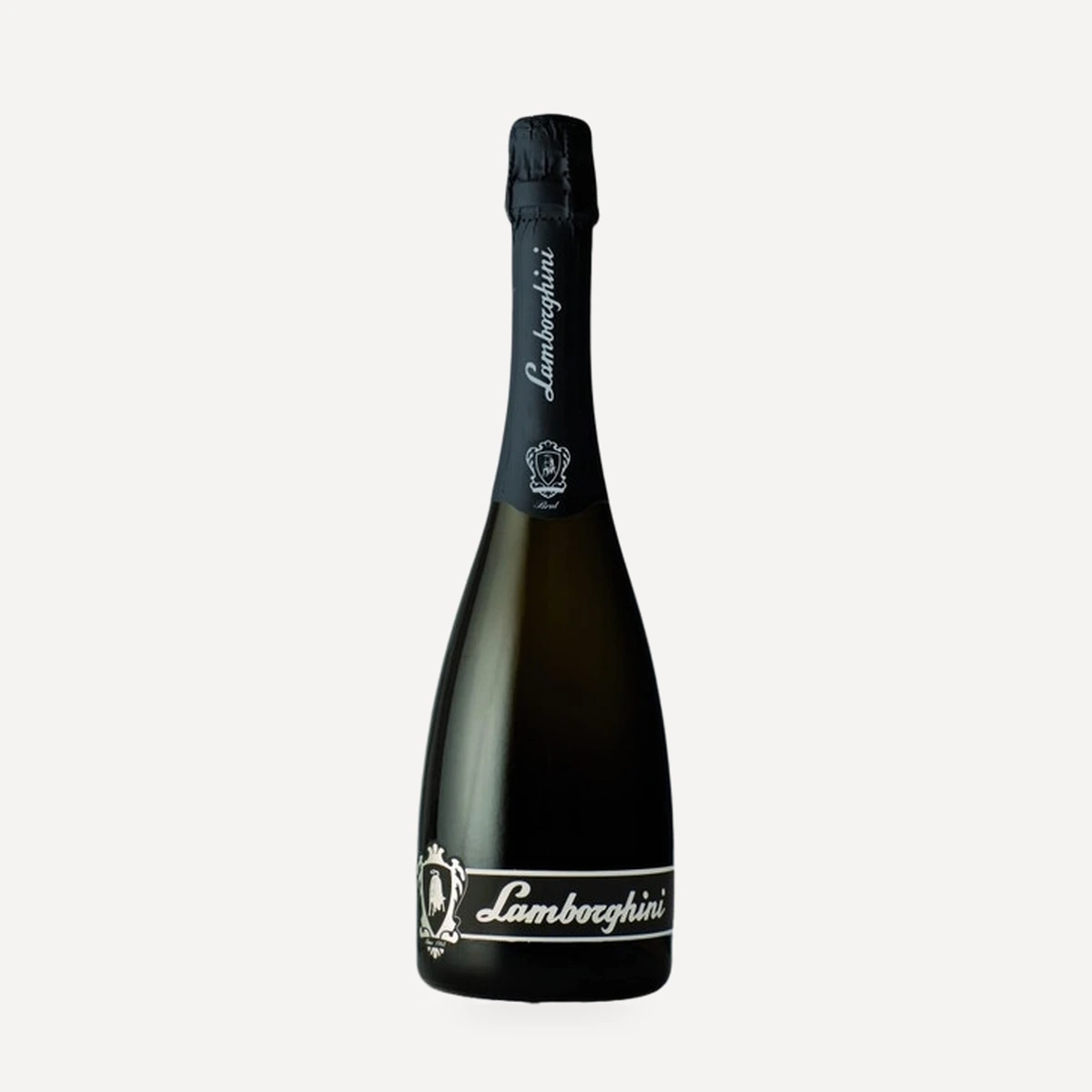
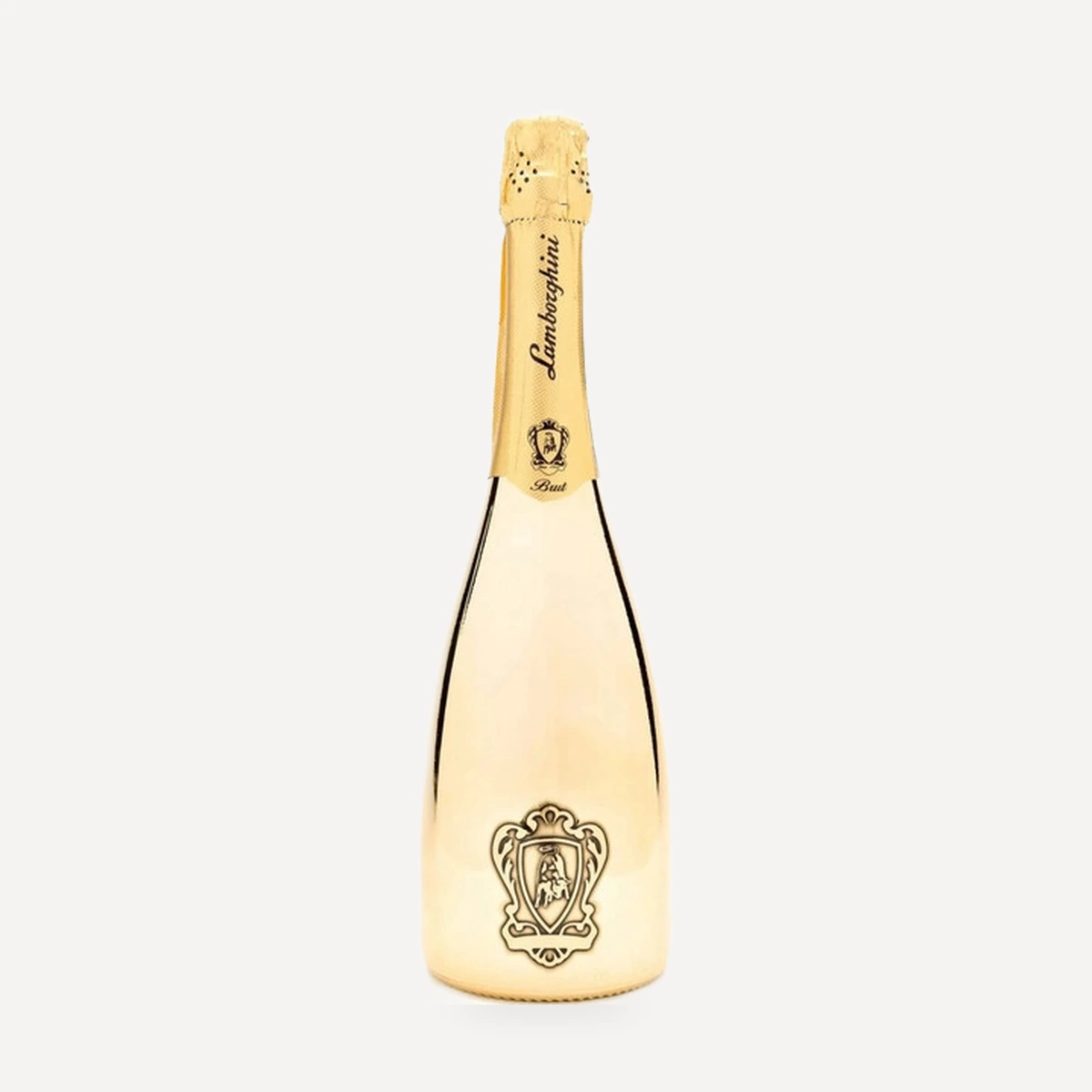
Brut
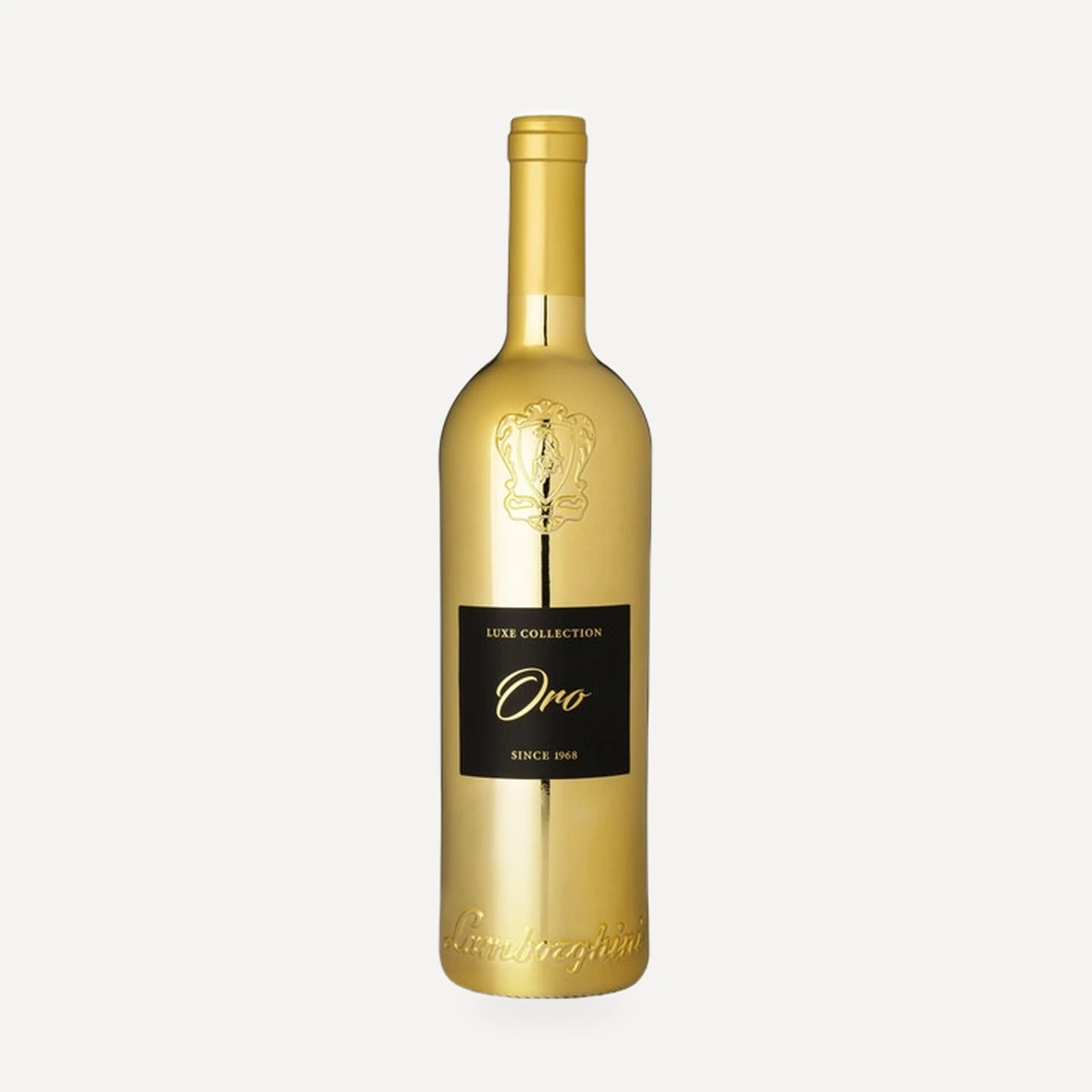
Luxe Collection Oro Umbria IGT
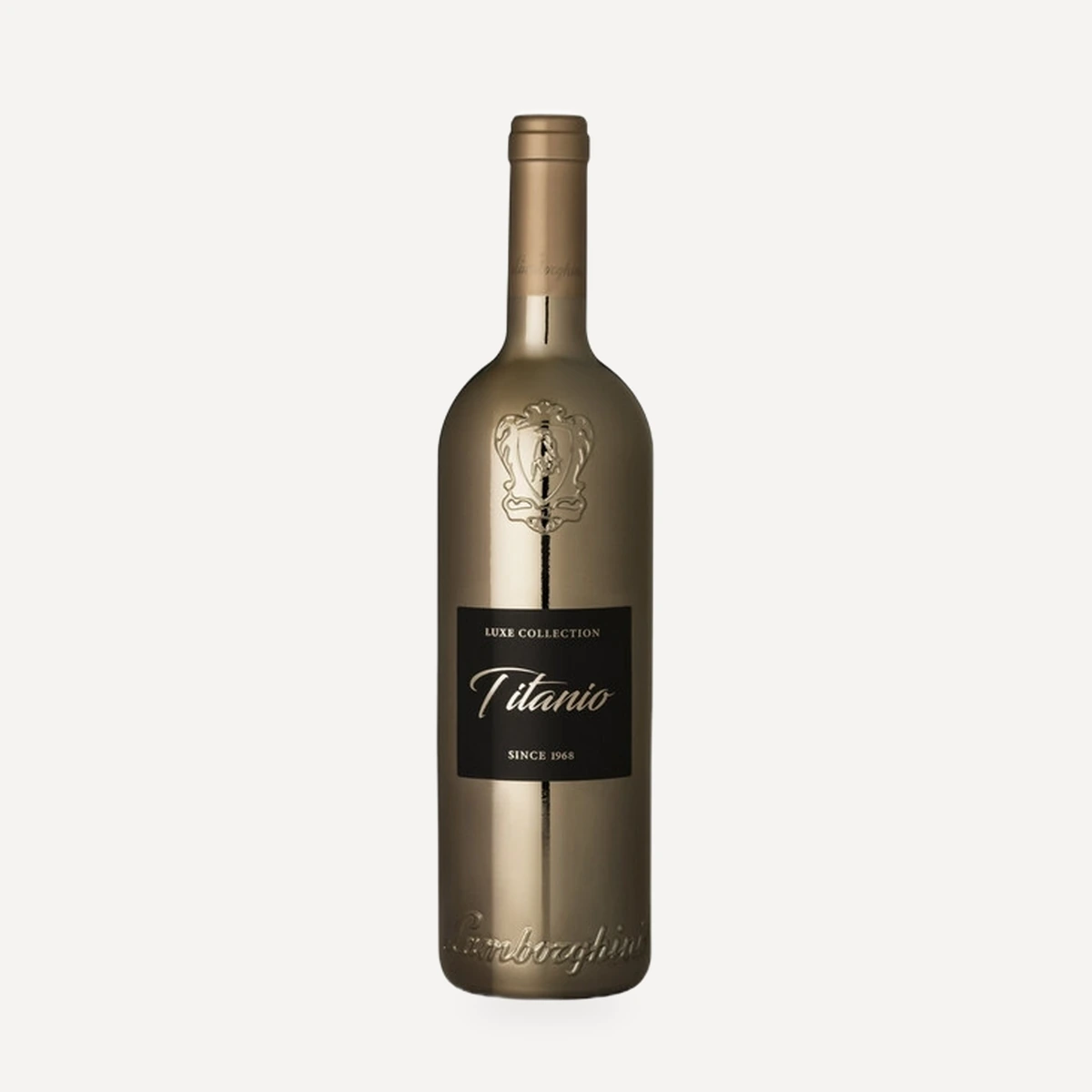
Luxe Collection Titanio Umbria IGT
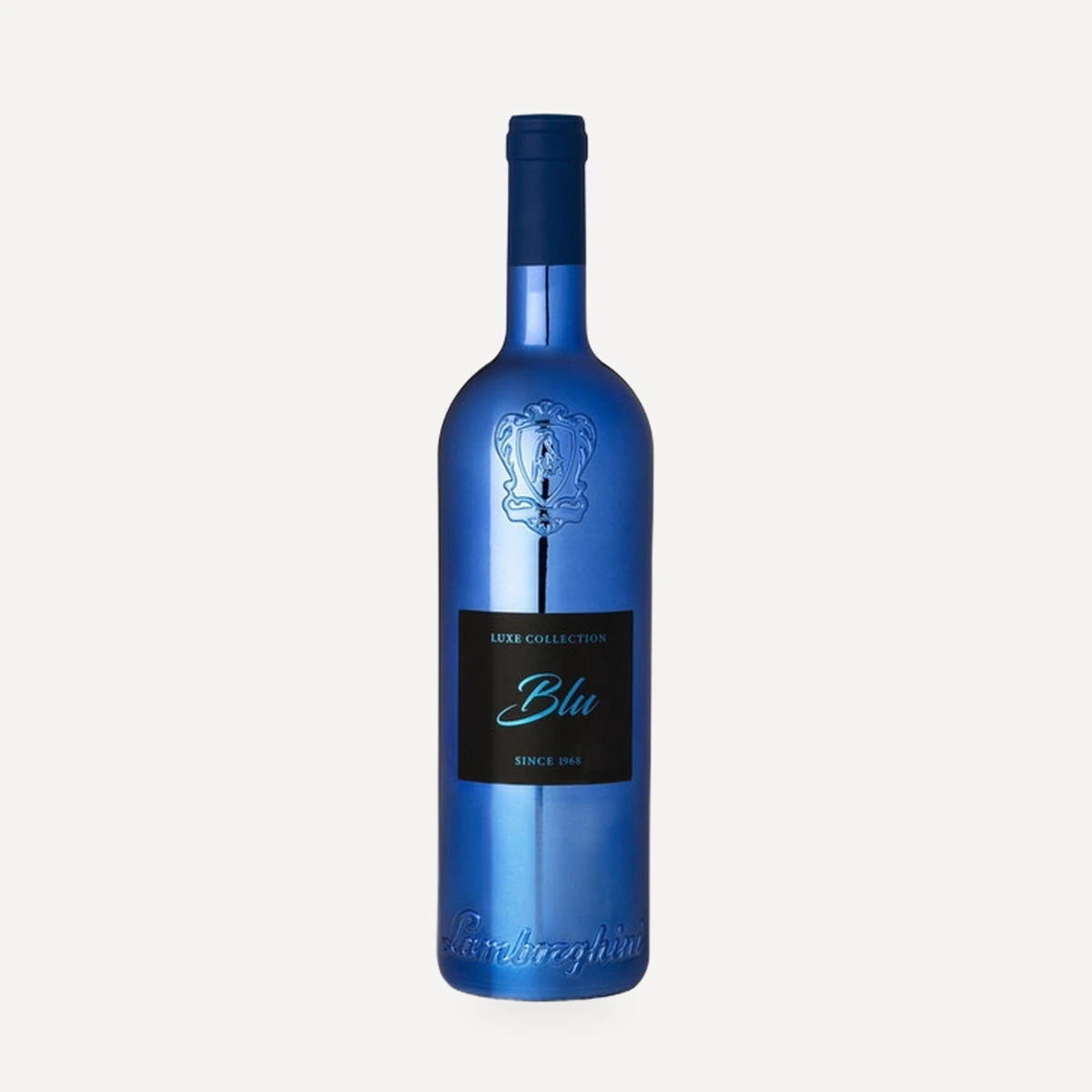
Luxe Collection Blu Umbria IGT
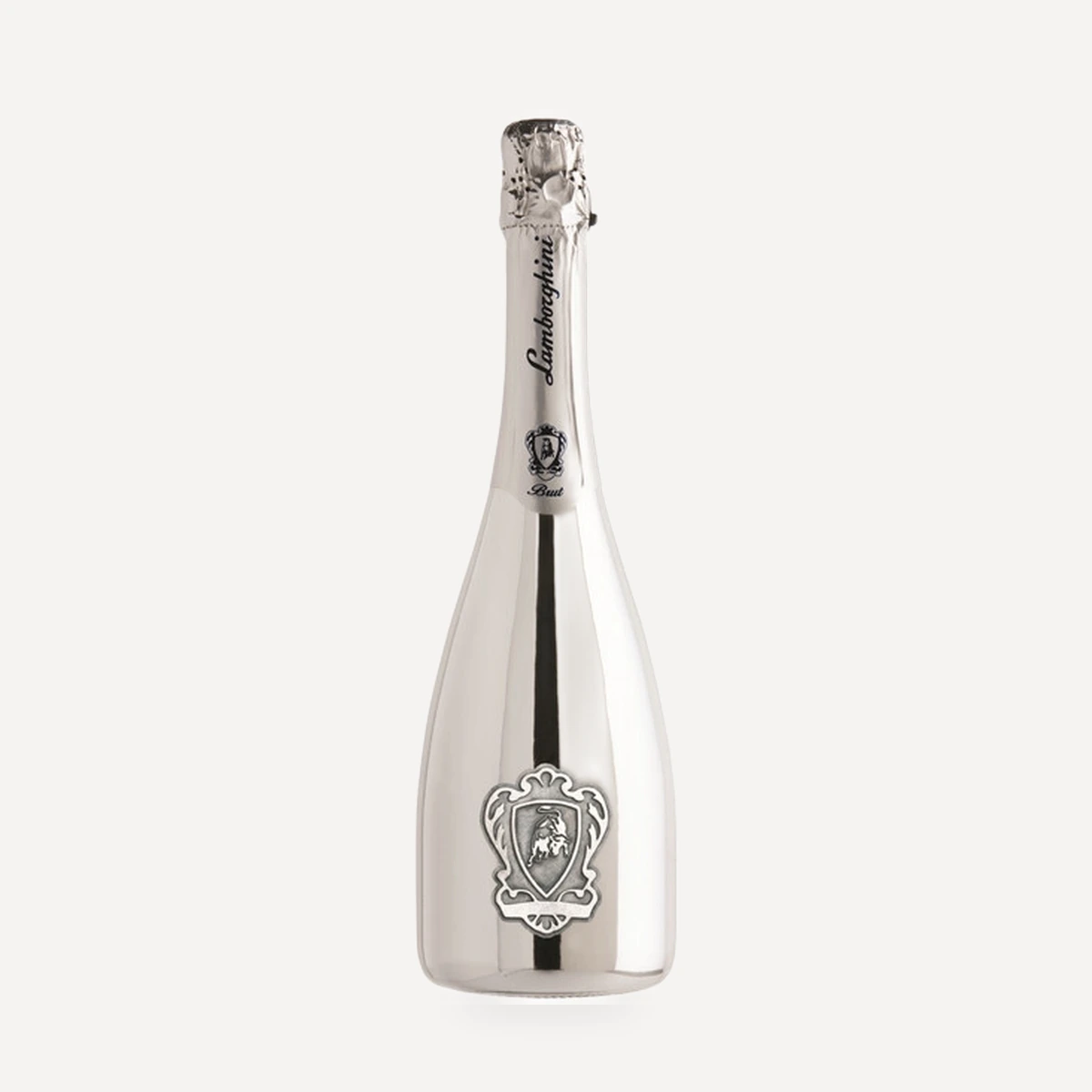
Silver Brut
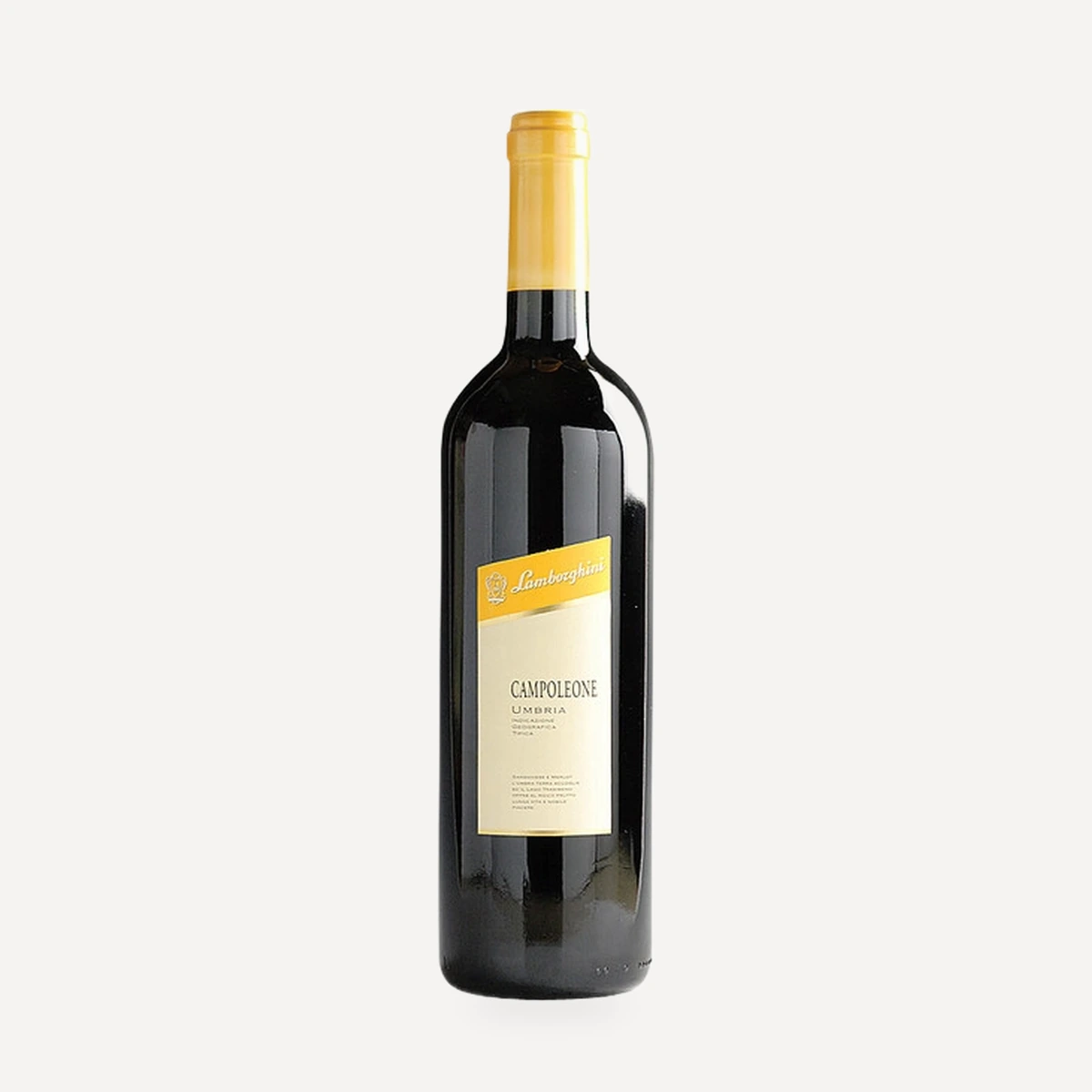
Lamborghini La Fiorita Campoleone Umbria IGT
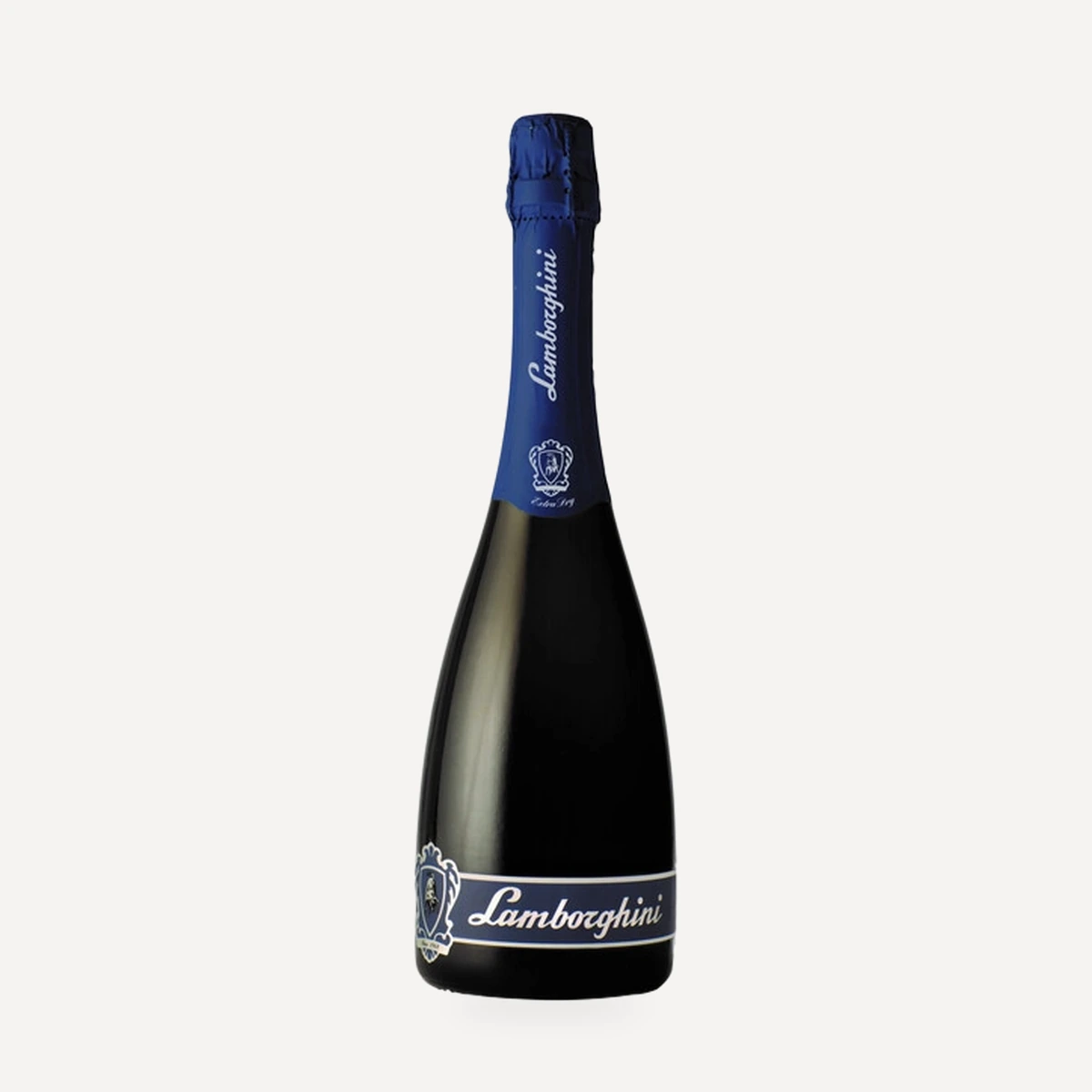
Extra Dry Prosecco Treviso DOC
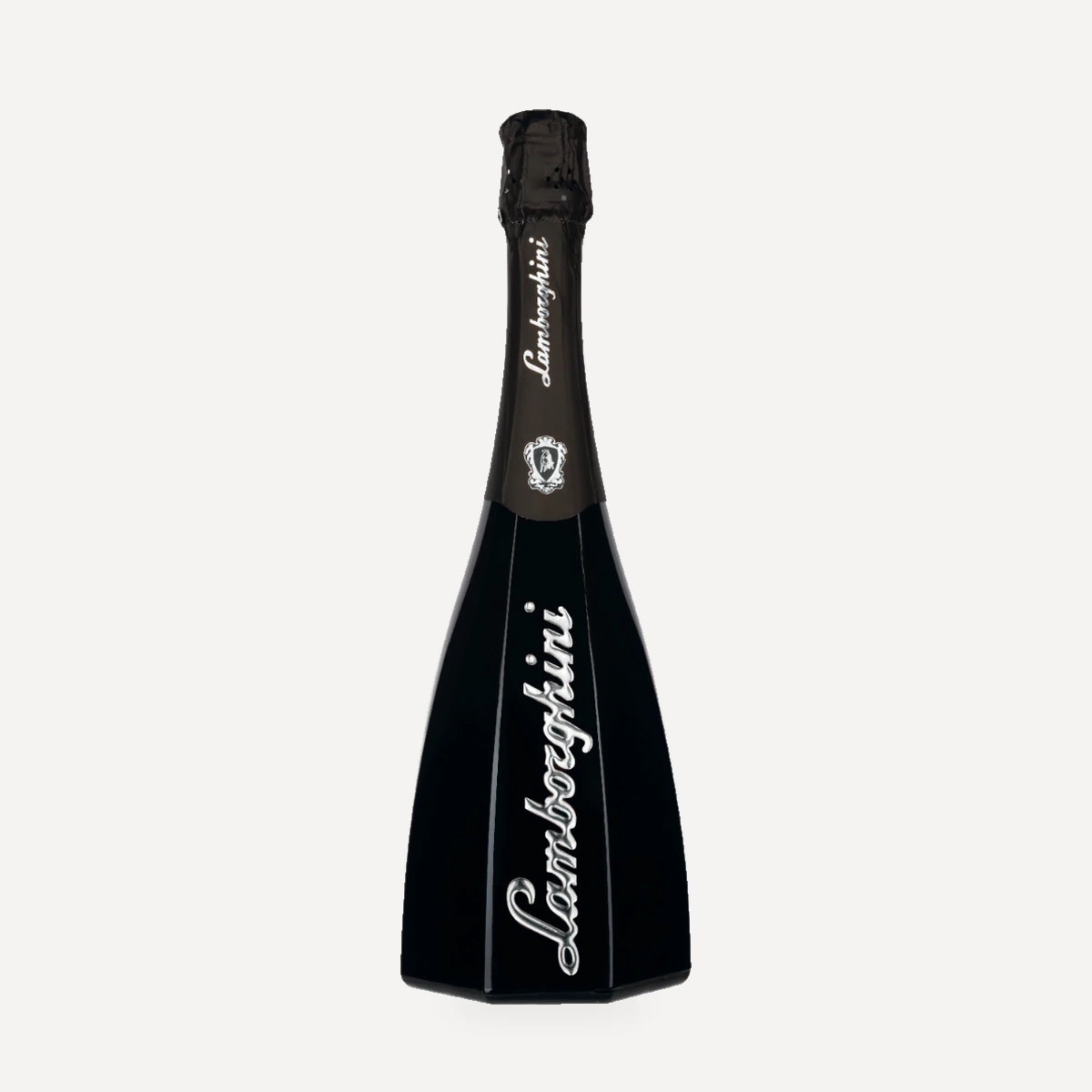
Ottagonale Extra Dry – Silver Label
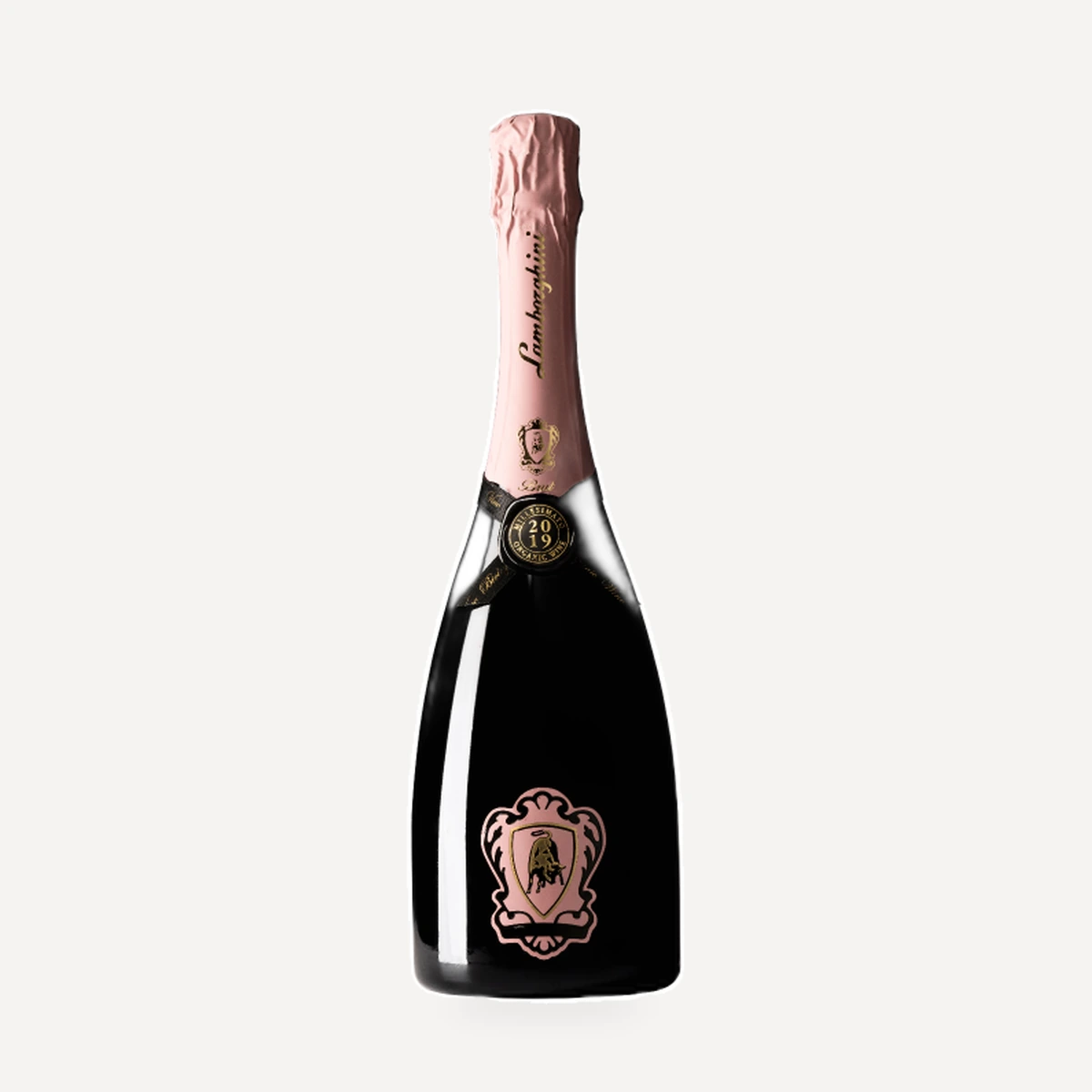
The Legend Metodo Classico Rosé
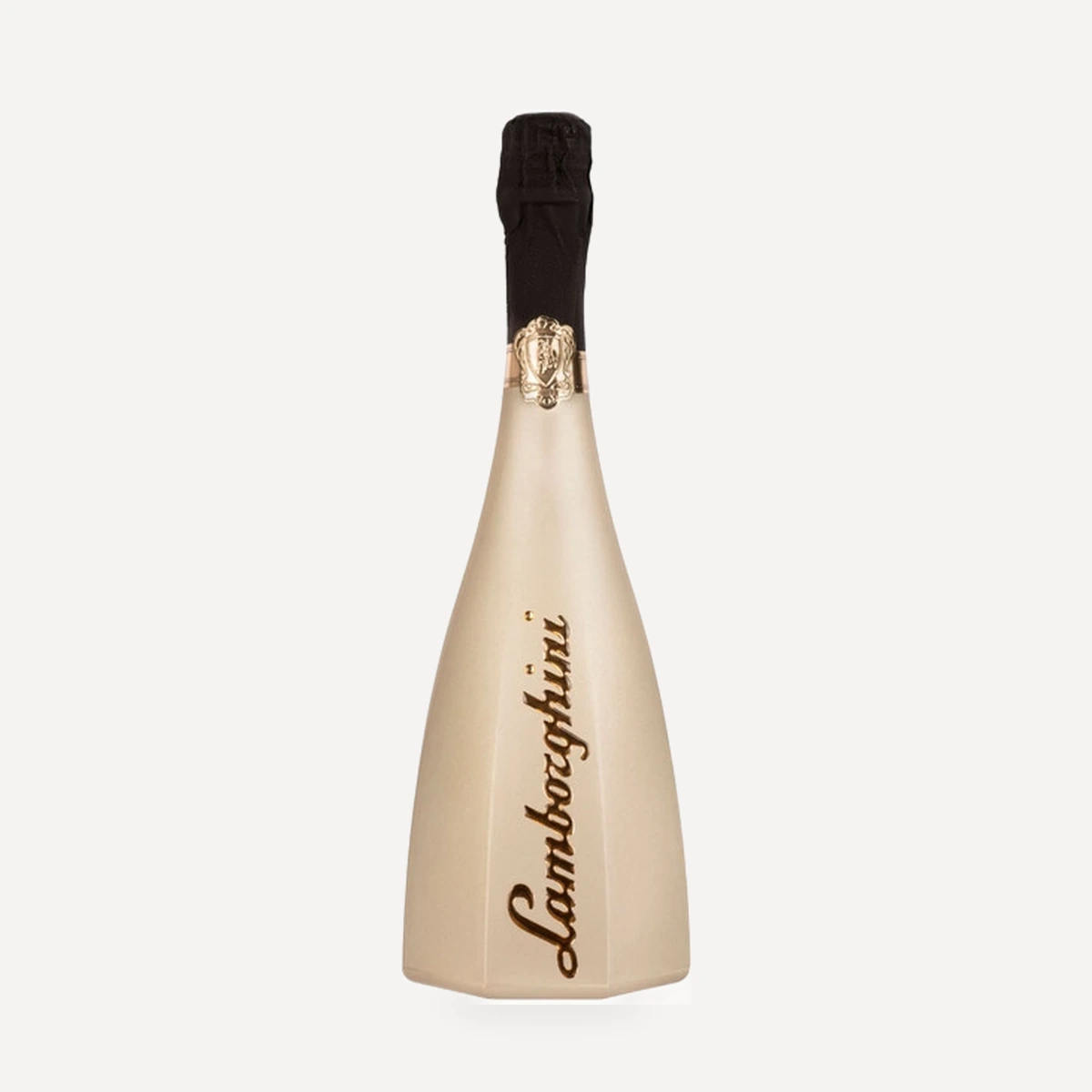
Ottagonale Icona Oro Pinot - Chardonnay Brut
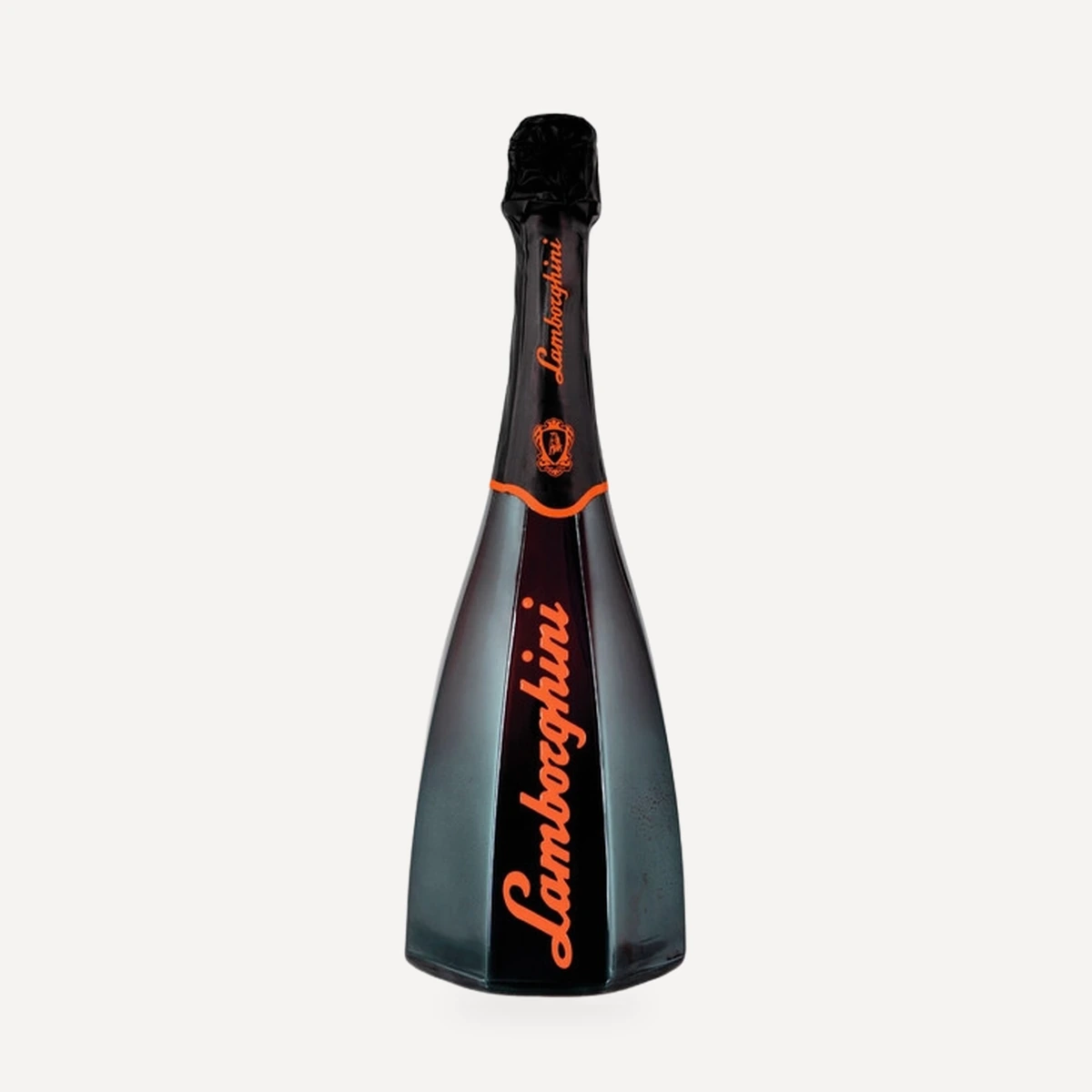
Ottagonale Brut
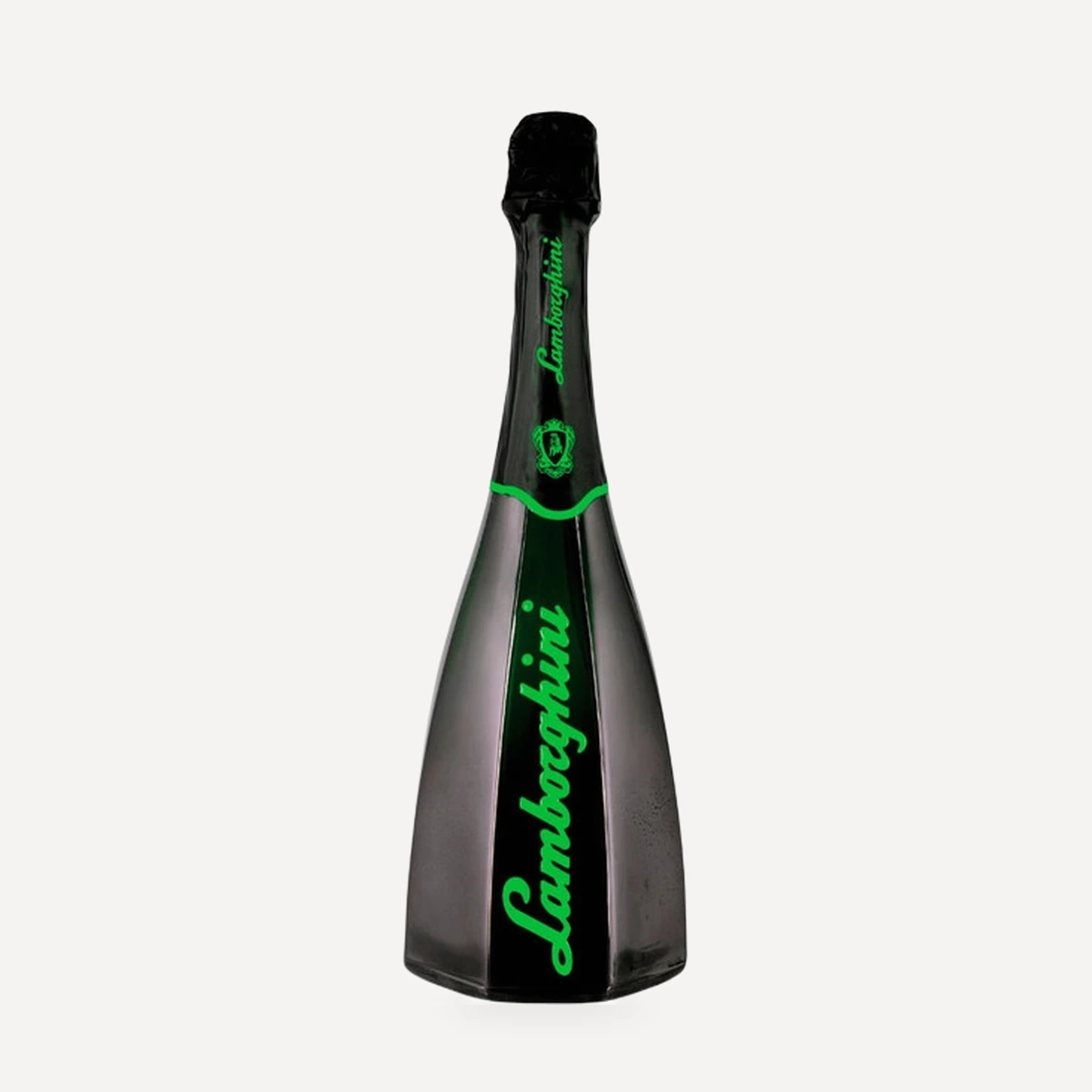
Ottagonale Green Label Demi Sec
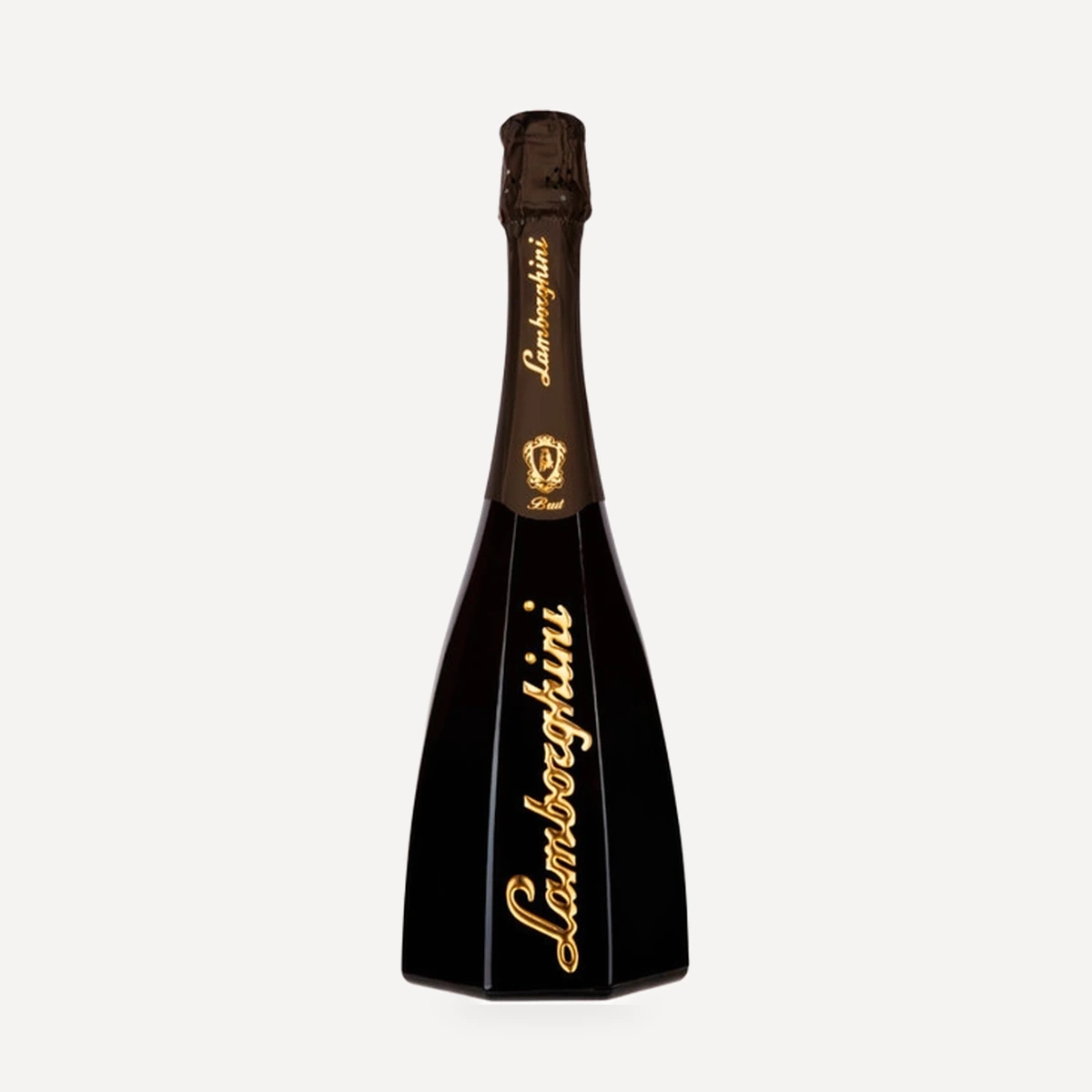
Ottagonale Gold Label Extra Brut
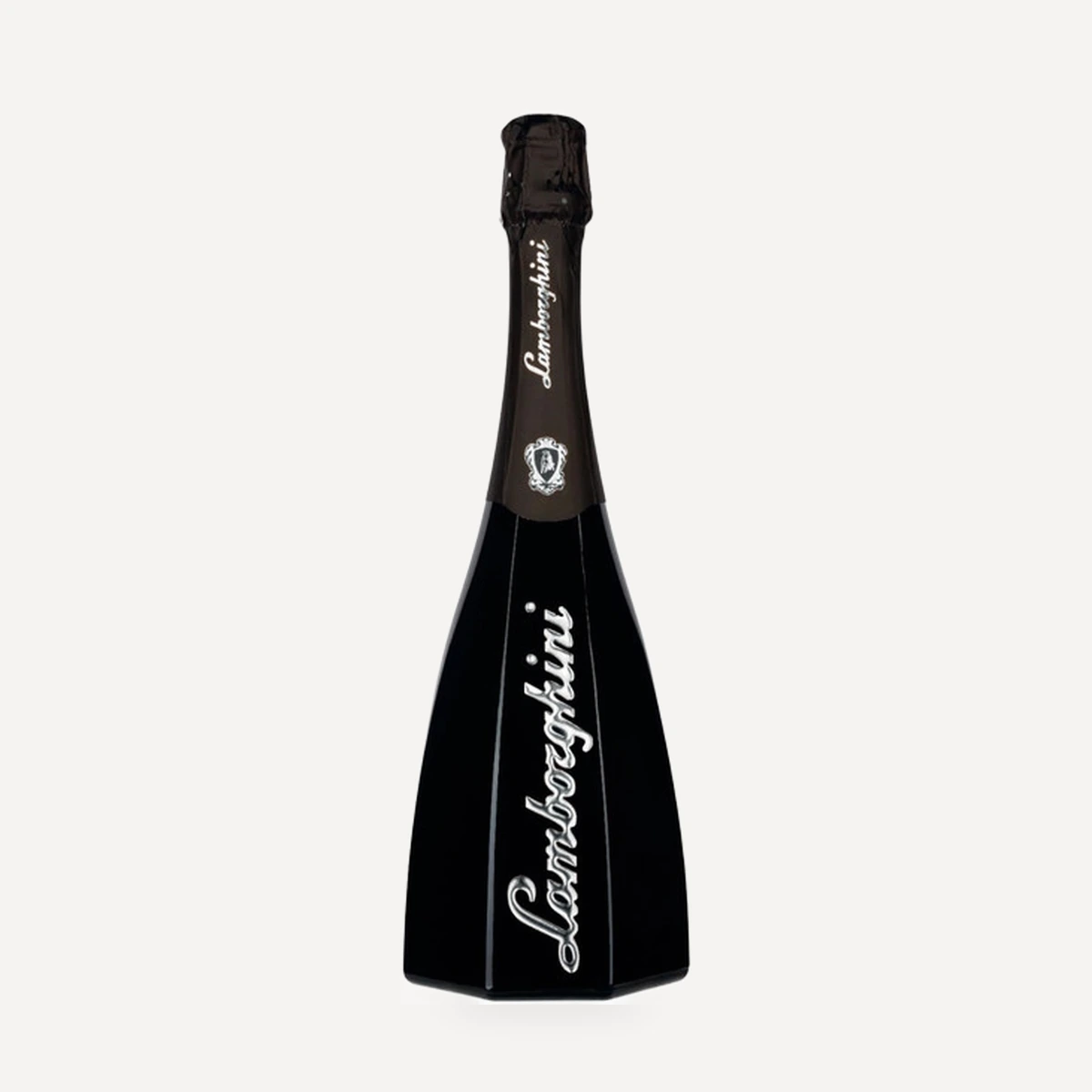
Ottagonale Silver Label Extra Brut
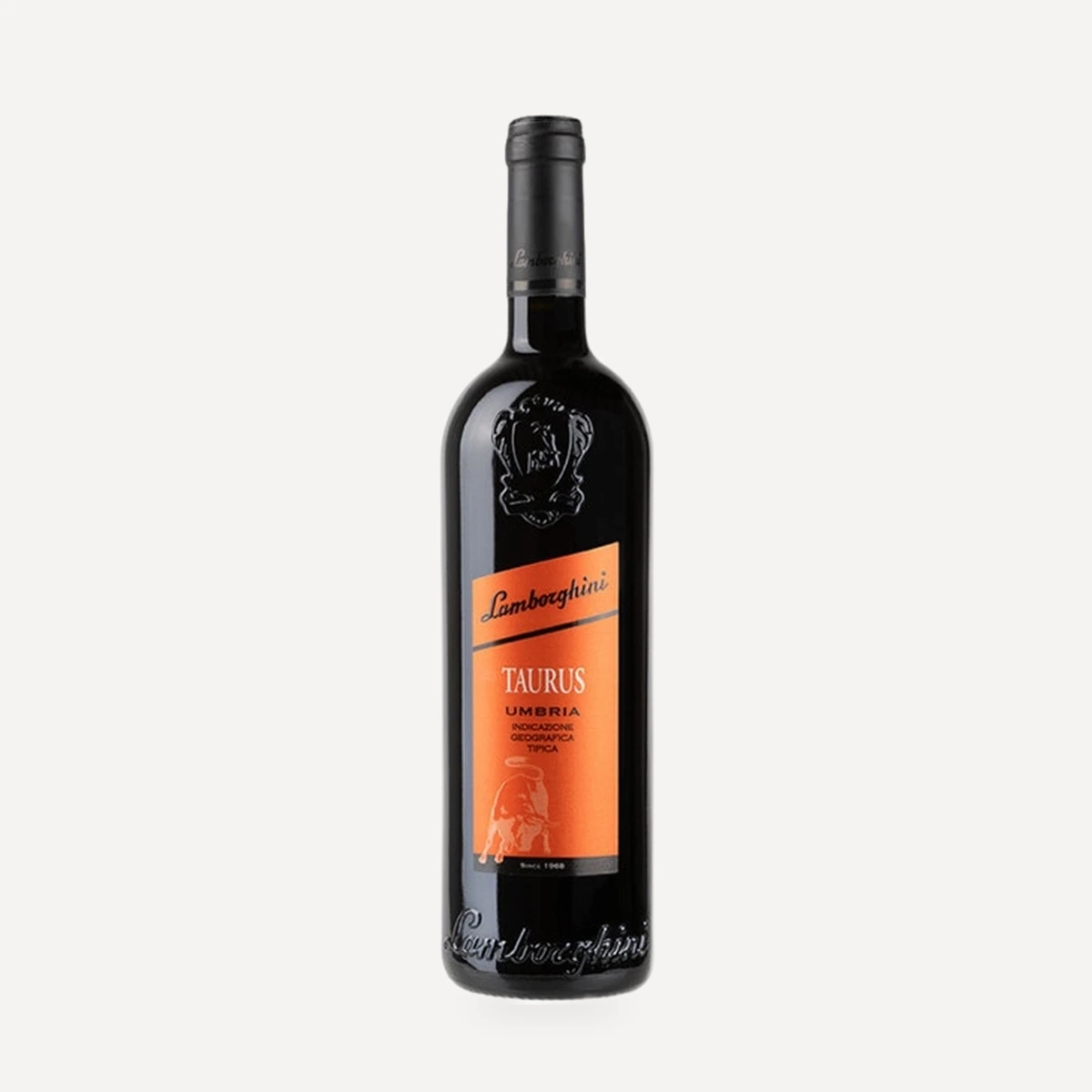
Taurus Umbria IGT