Storia
Founding\nGiorgio Lungarotti founded Cantine Giorgio Lungarotti in the early 1960s and became one of the people who helped shape modern quality winemaking.\n\n### Growth of Torgiano as a wine area\nThanks to the efforts of the Lungarotti family, Torgiano became one of the first wine-growing areas to receive DOC status in 1968. Its wines have held DOCG classification since the 1983 vintage.\n\n### Cultural initiatives\nGiorgio Lungarotti's wife, Maria Grazia Marchetti, took on a major role in the company, focusing on wine culture and its centuries-old history. Through her efforts, Lungarotti opened the Wine Museum in 1974, housed in a 17th-century palace, followed by the Olive Oil Museum in 2000.\n\n### Present day\nToday Giorgio Lungarotti's two daughters, Chiara and Teresa, carry on the family wine business, combining interest in new ideas with respect for family traditions.
Early 1960sGiorgio Lungarotti founds Cantine Giorgio Lungarotti.
1968Torgiano becomes one of the first wine-growing areas to receive DOC status.
1974The Wine Museum opens in a 17th-century palace, through the efforts of Maria Grazia Marchetti.
1983Torgiano wines are granted DOCG classification, starting with that vintage.
2000The Olive Oil Museum opens.
PresentChiara and Teresa Lungarotti, Giorgio's daughters, carry on the family wine business.
Terroir
The Lungarotti family's vineyards are located in Torgiano (40 ha) and Montefalco (20 ha), part of the family's total 260 ha of vineyards.
Vinificazione
Yield limitationStrict limits are placed on yields in the vineyards.
Environmental respectVines are farmed with careful respect for the environment.
Olive growingThe estate also grows olive trees, feeding into its olive oil and balsamic vinegar production.
The vines are farmed using advanced methods, with strict limits on yields and careful respect for the environment.
Besides wine, Lungarotti also grows olive trees and produces balsamic vinegar.
Filosofia
The family describes its approach as combining an interest in new ideas with respect for family traditions, an outlook it says has helped drive the development of winemaking throughout the region. Maria Grazia Marchetti's efforts reflect a strong focus on wine culture and its centuries-old history.
Vini
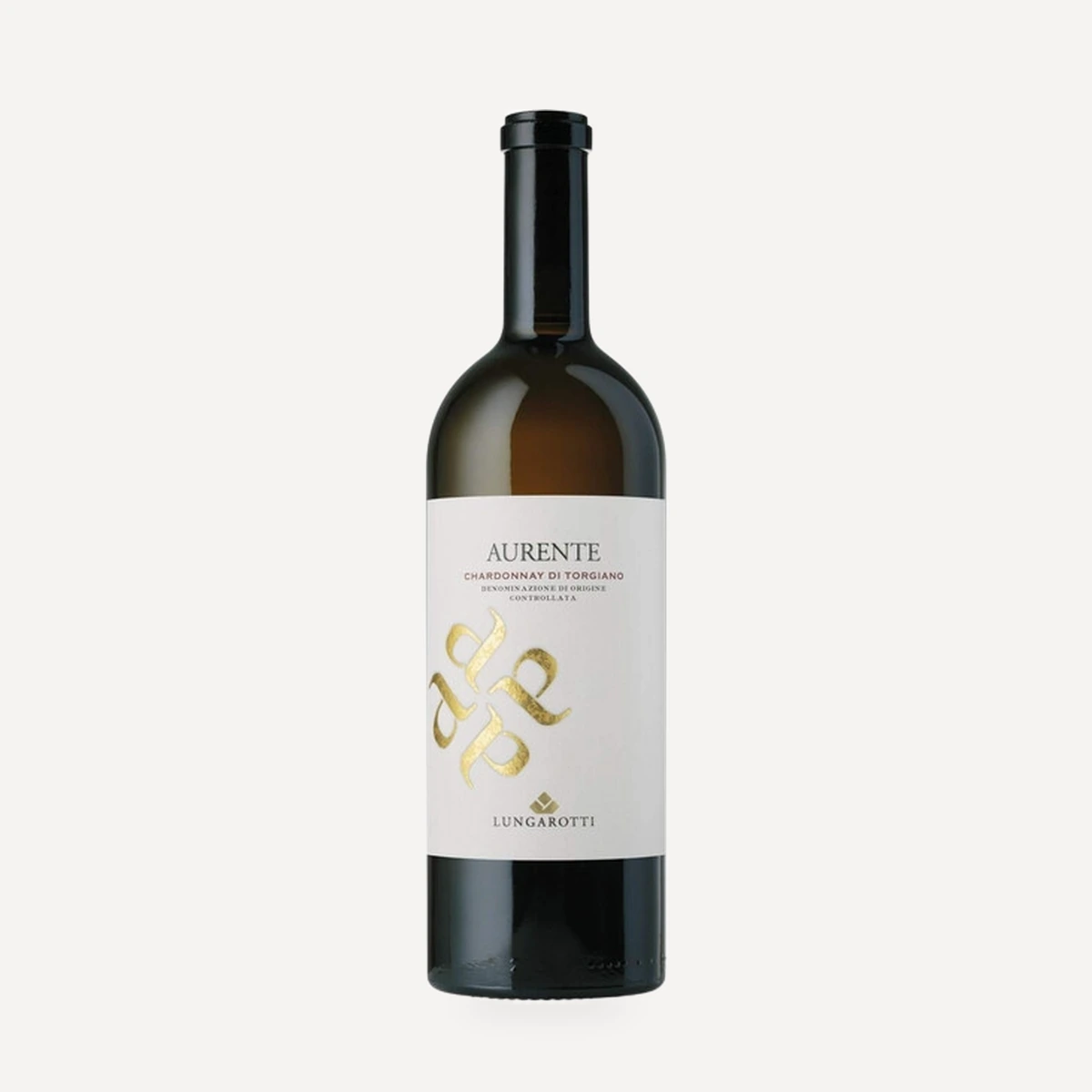
Aurente Chardonnay di Torgiano DOC
Chardonnay, Grechetto · Torgiano DOC
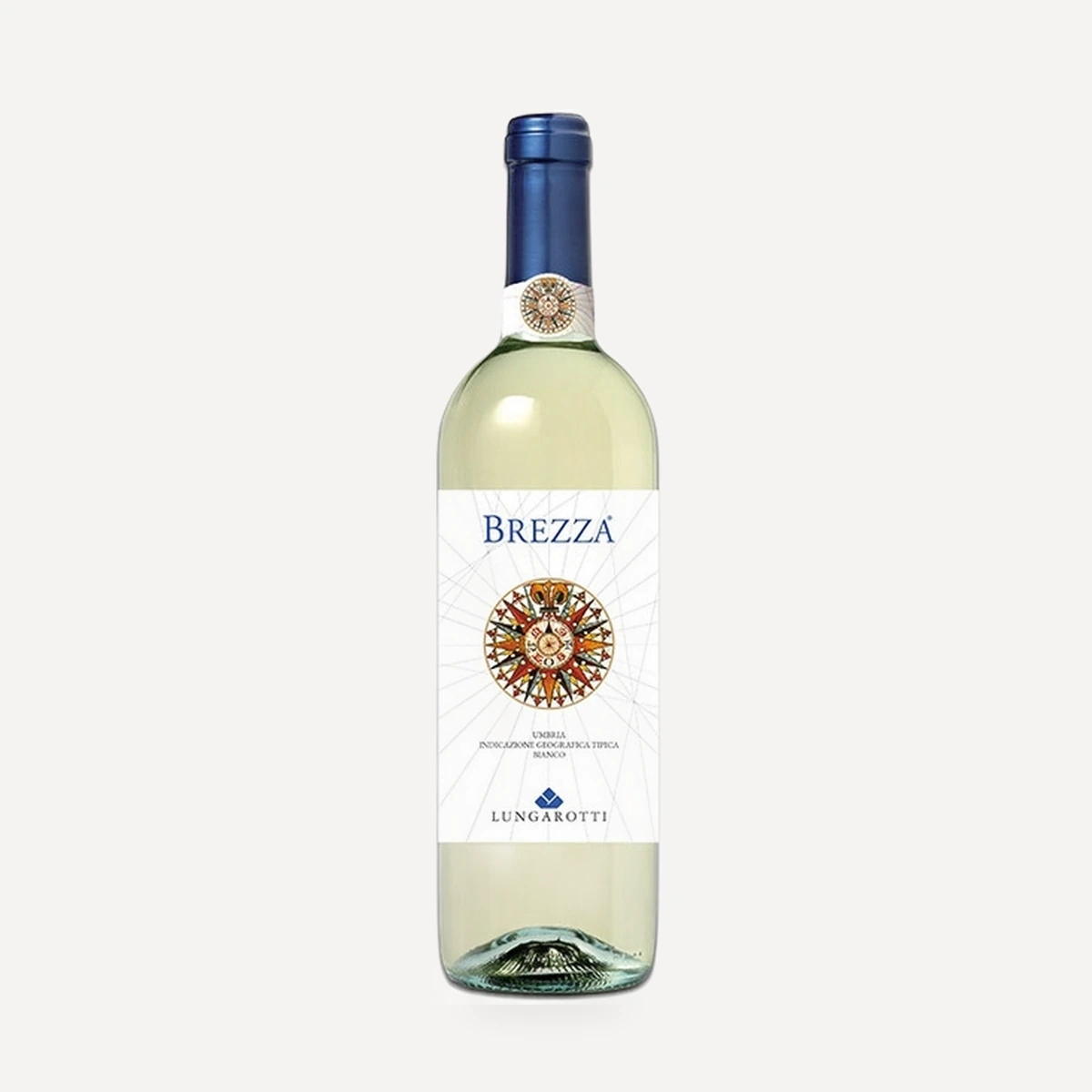
Brezza Bianco Umbria IGT
Pinot Grigio, Grechetto, Chardonnay · Umbria IGT
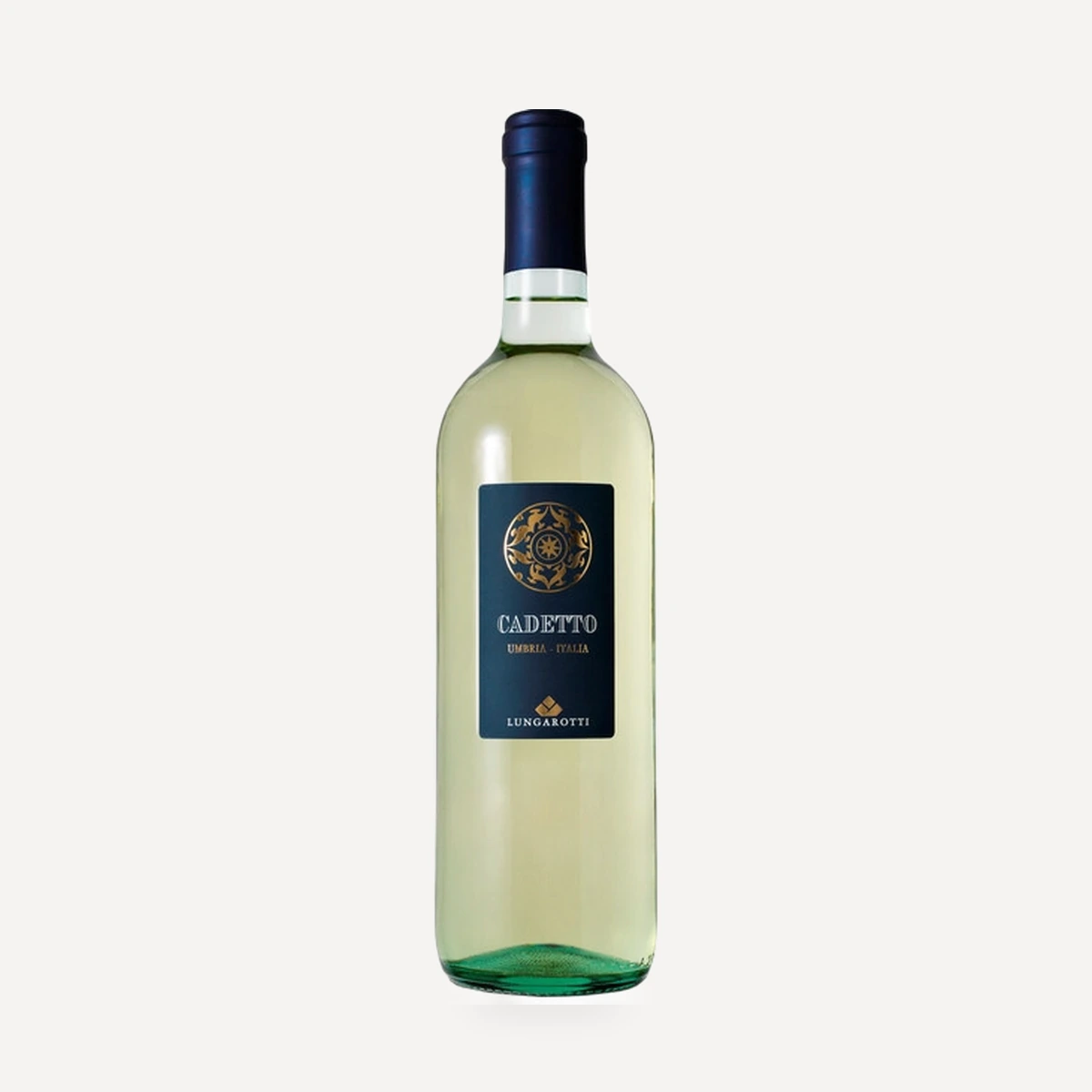
Cadetto Bianco Umbria IGT
Trebbiano Toscano, Grechetto · Umbria IGT
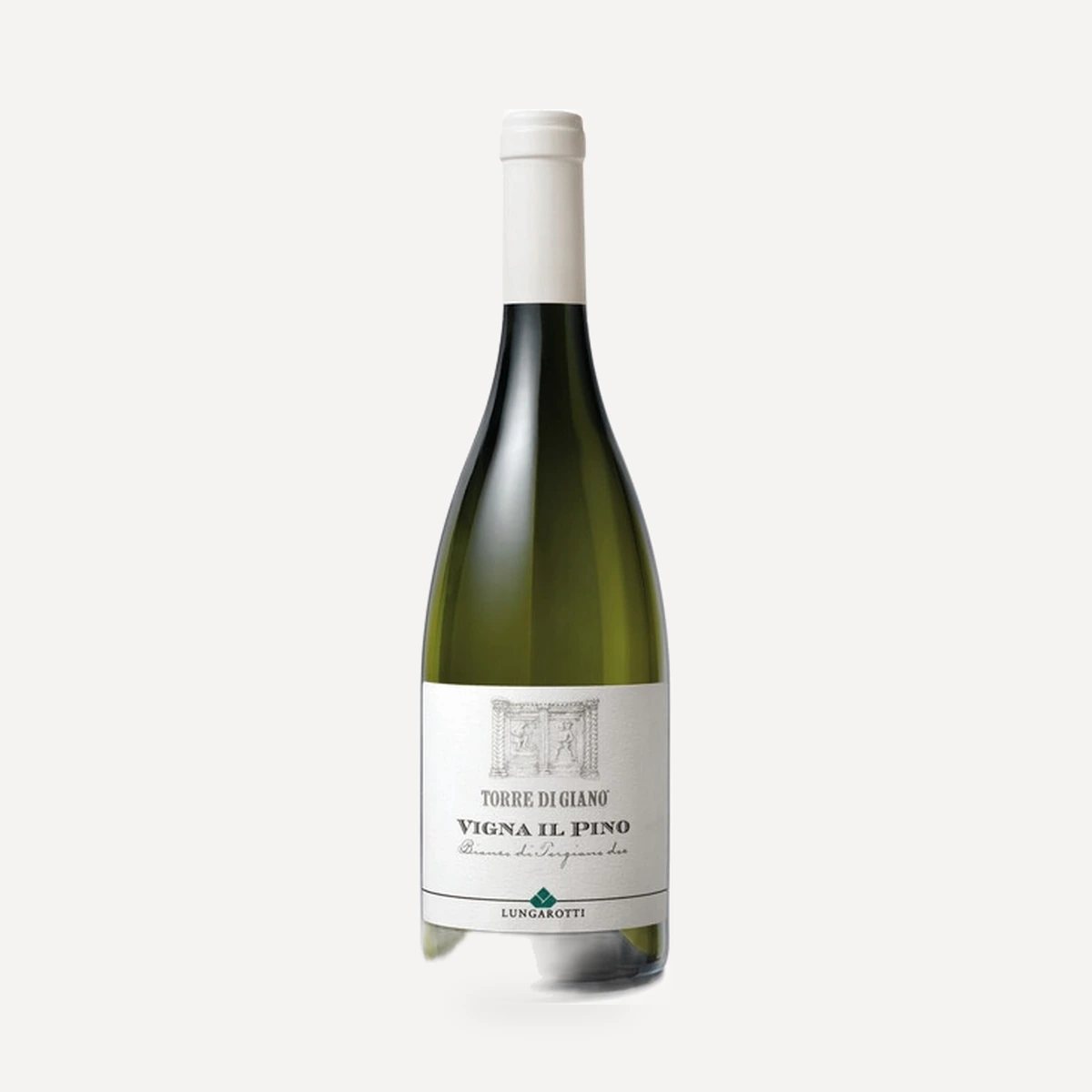
Torre di Giano Vigna il Pino Bianco di Torgiano DOC
Trebbiano Toscano, Vermentino, Grechetto · Torgiano DOC
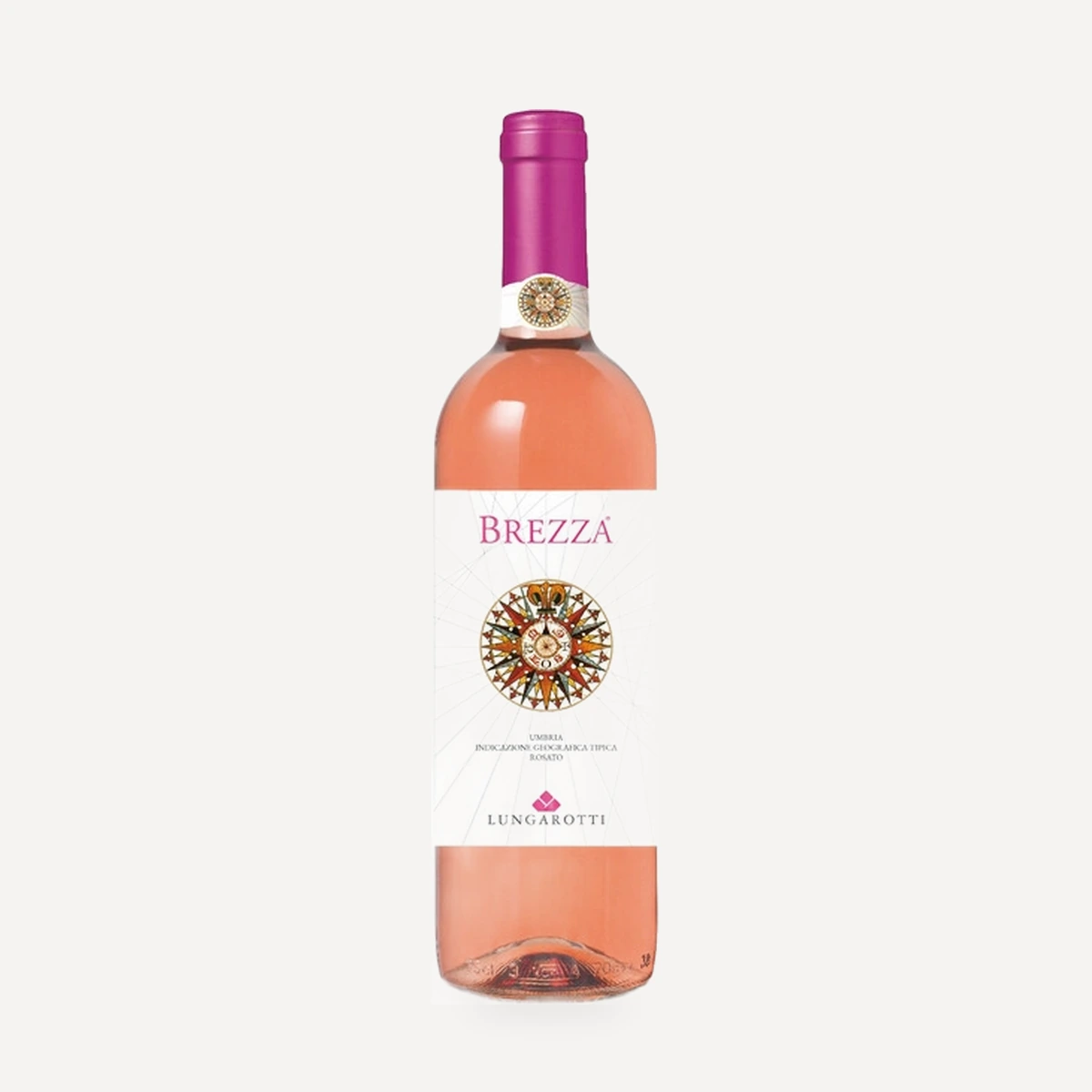
Brezza Rosato Umbria IGT
Sangiovese · Umbria IGT
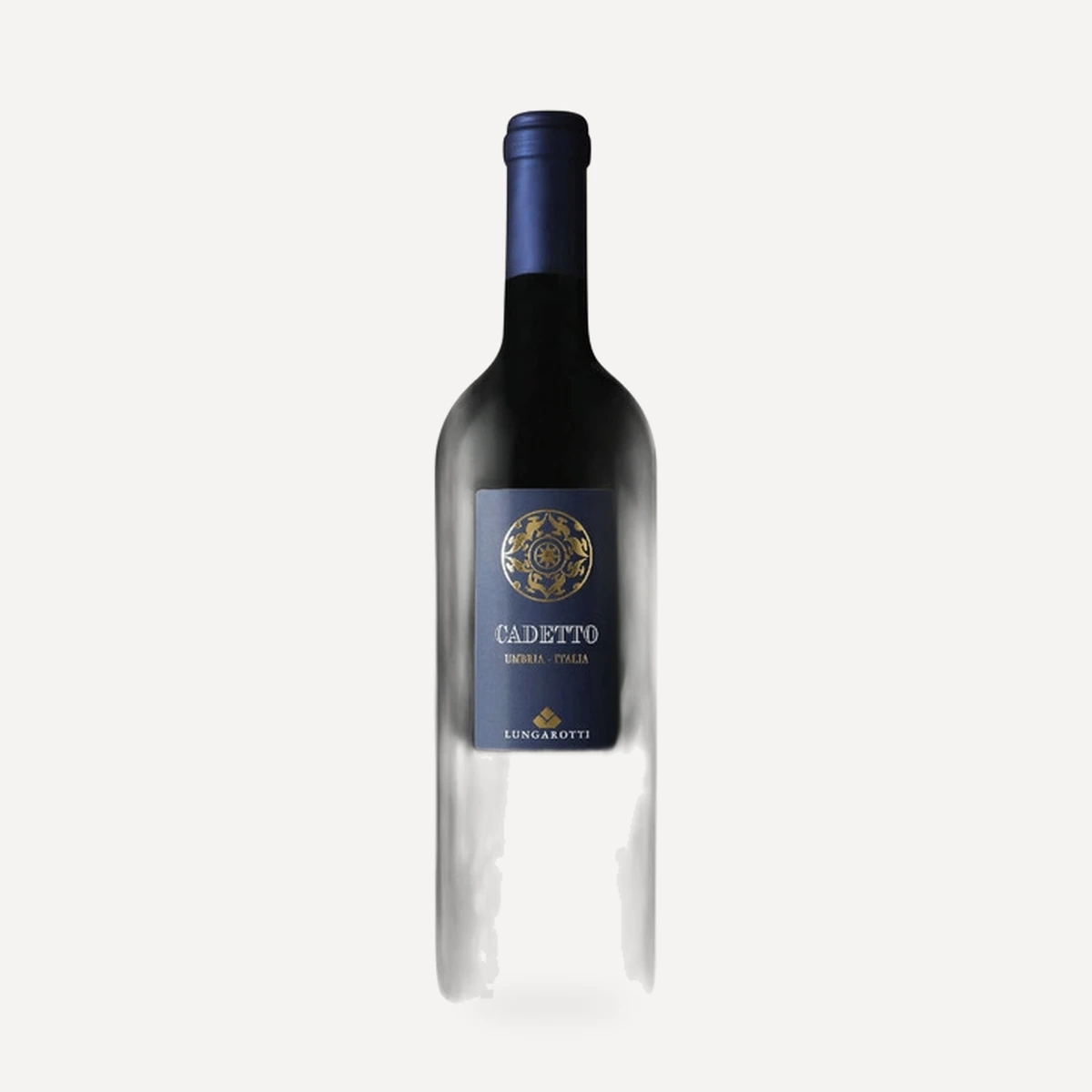
Cadetto Rosso Umbria IGT
Sangiovese, other red varieties · Umbria IGT
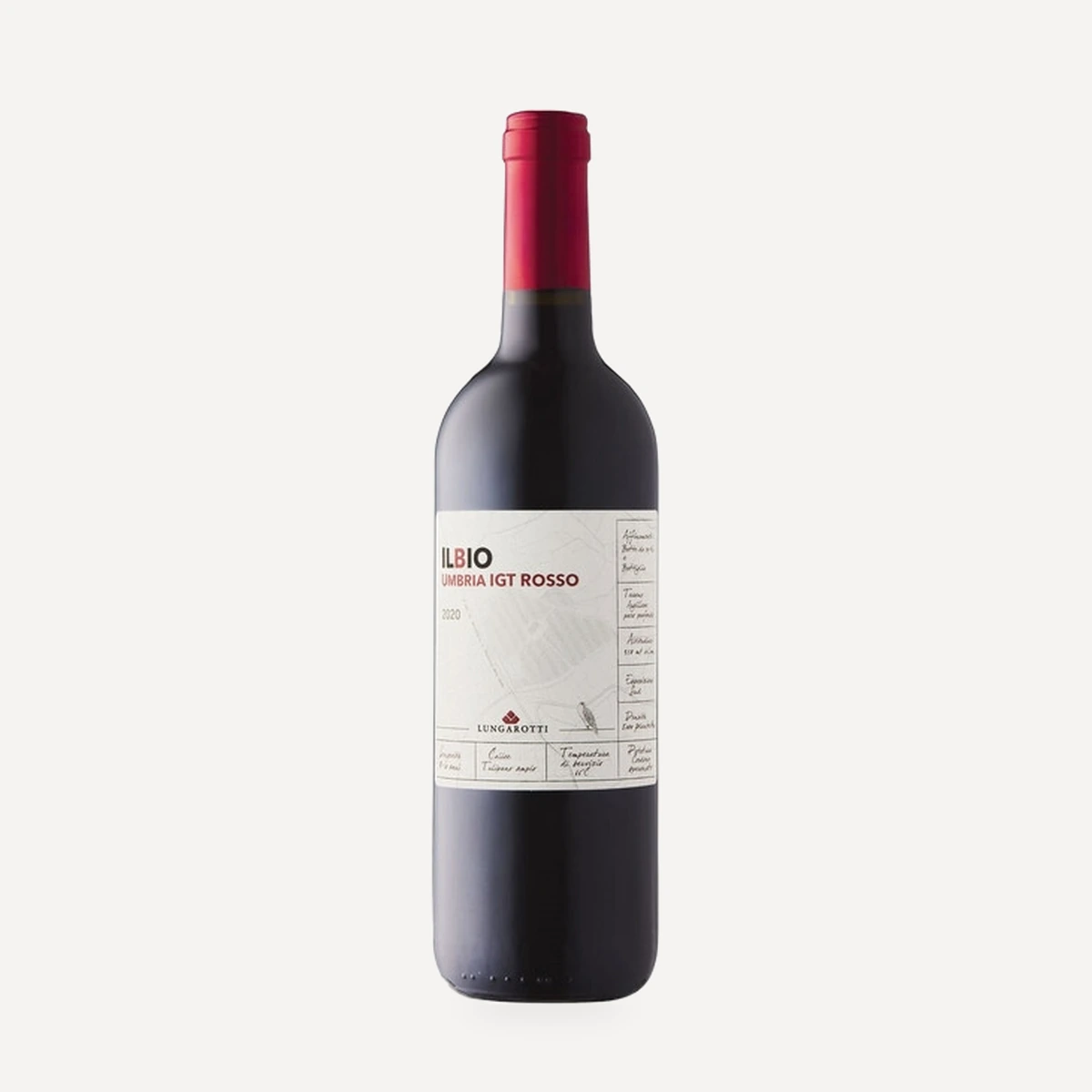
IlBio Umbria Rosso IGT
Sagrantino · Umbria IGT
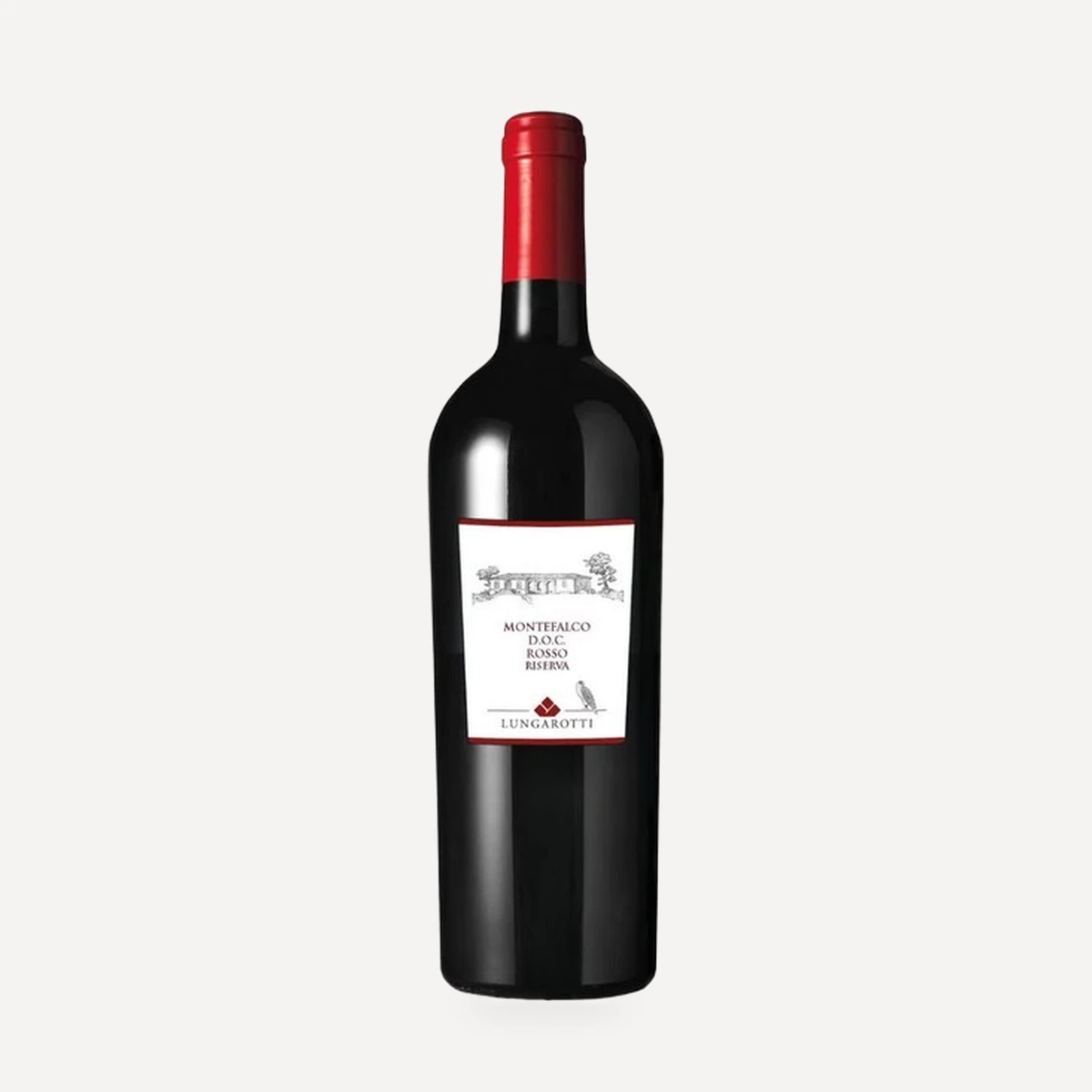
Montefalco Rosso Riserva DOC
Sangiovese, Merlot, Sagrantino · Montefalco DOC
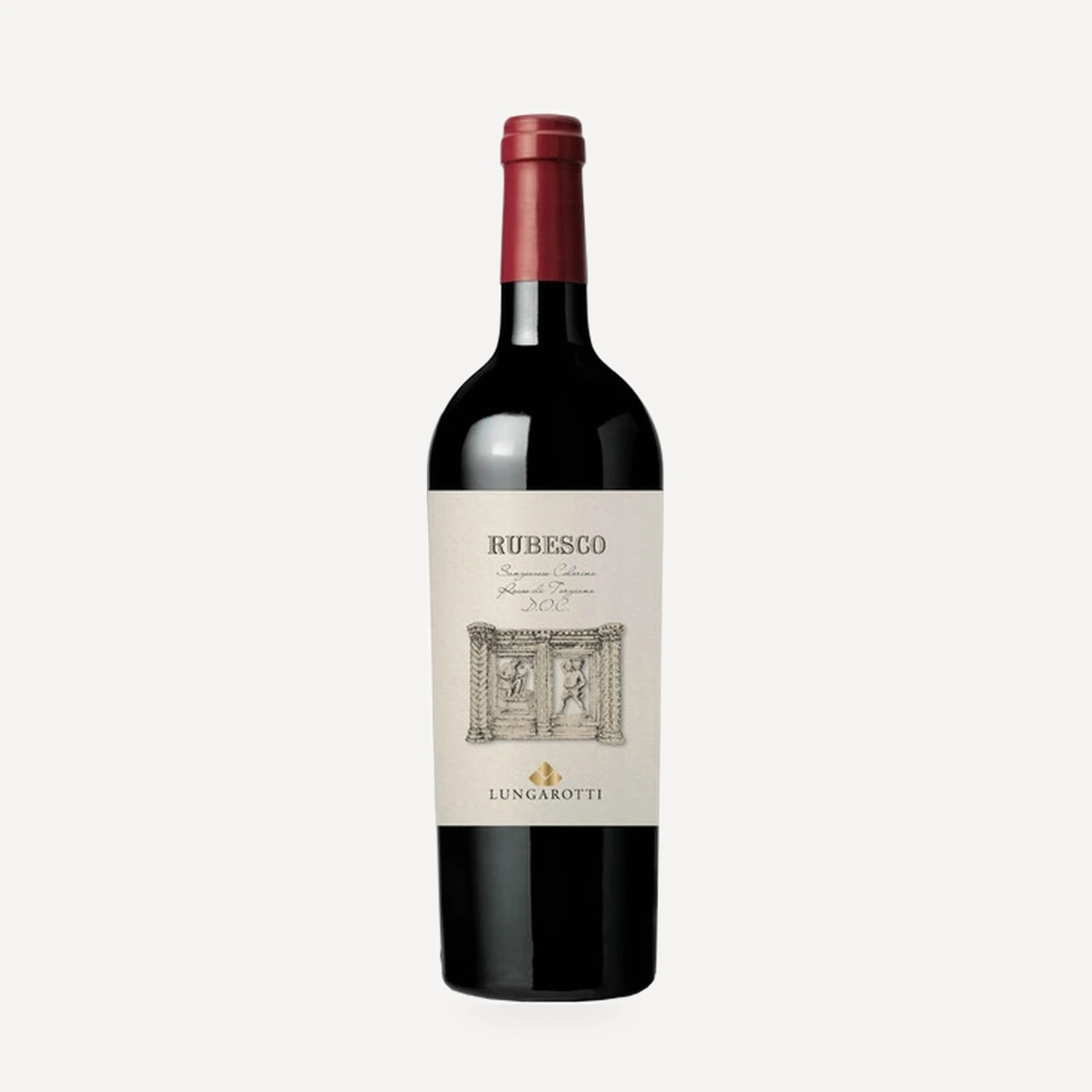
Rubesco Rosso di Torgiano DOC
Sangiovese, Colorino · Torgiano DOC
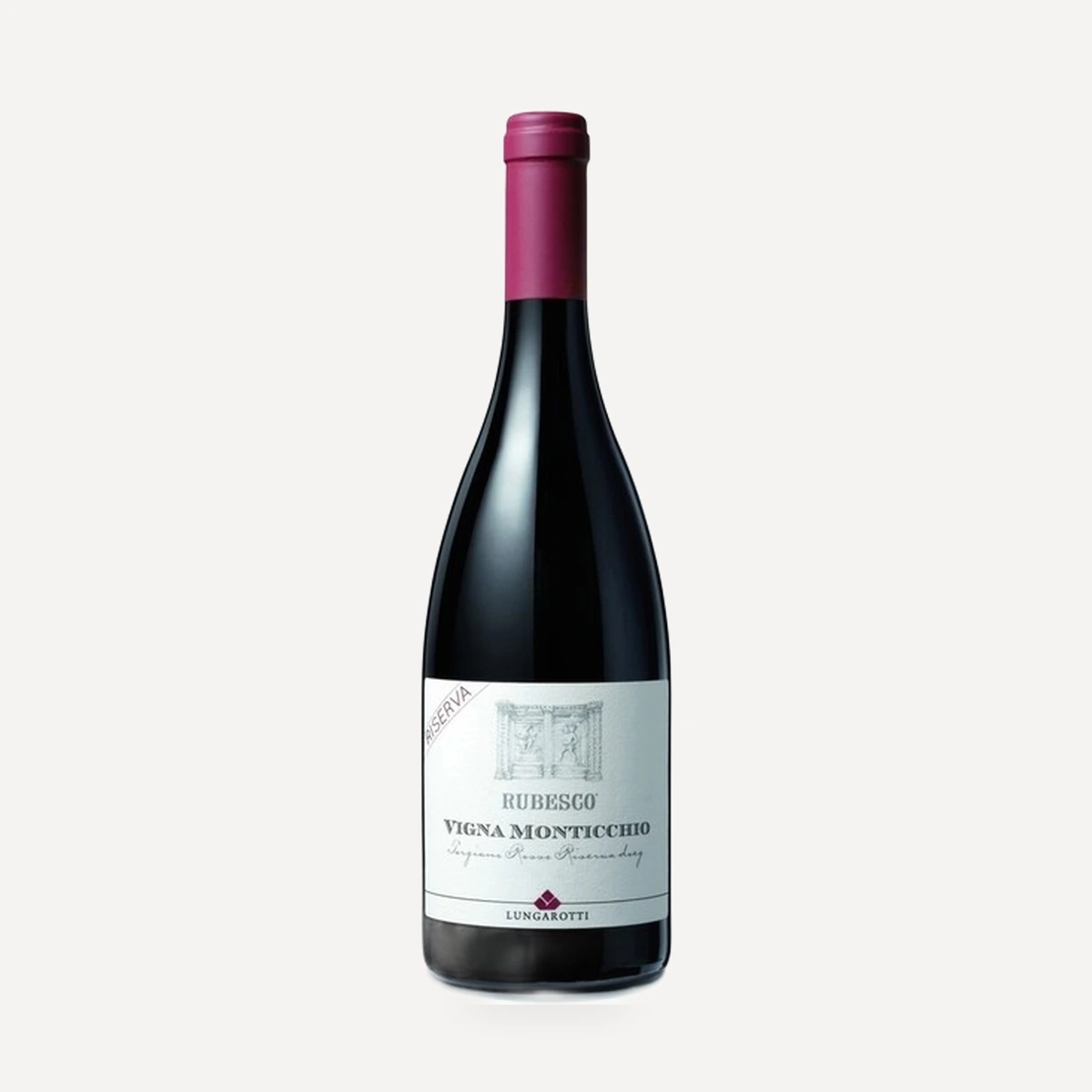
Rubesco Riserva Vigna Monticchio Torgiano Rosso Riserva DOCG
Sangiovese, Canaiolo Nero · Torgiano DOC
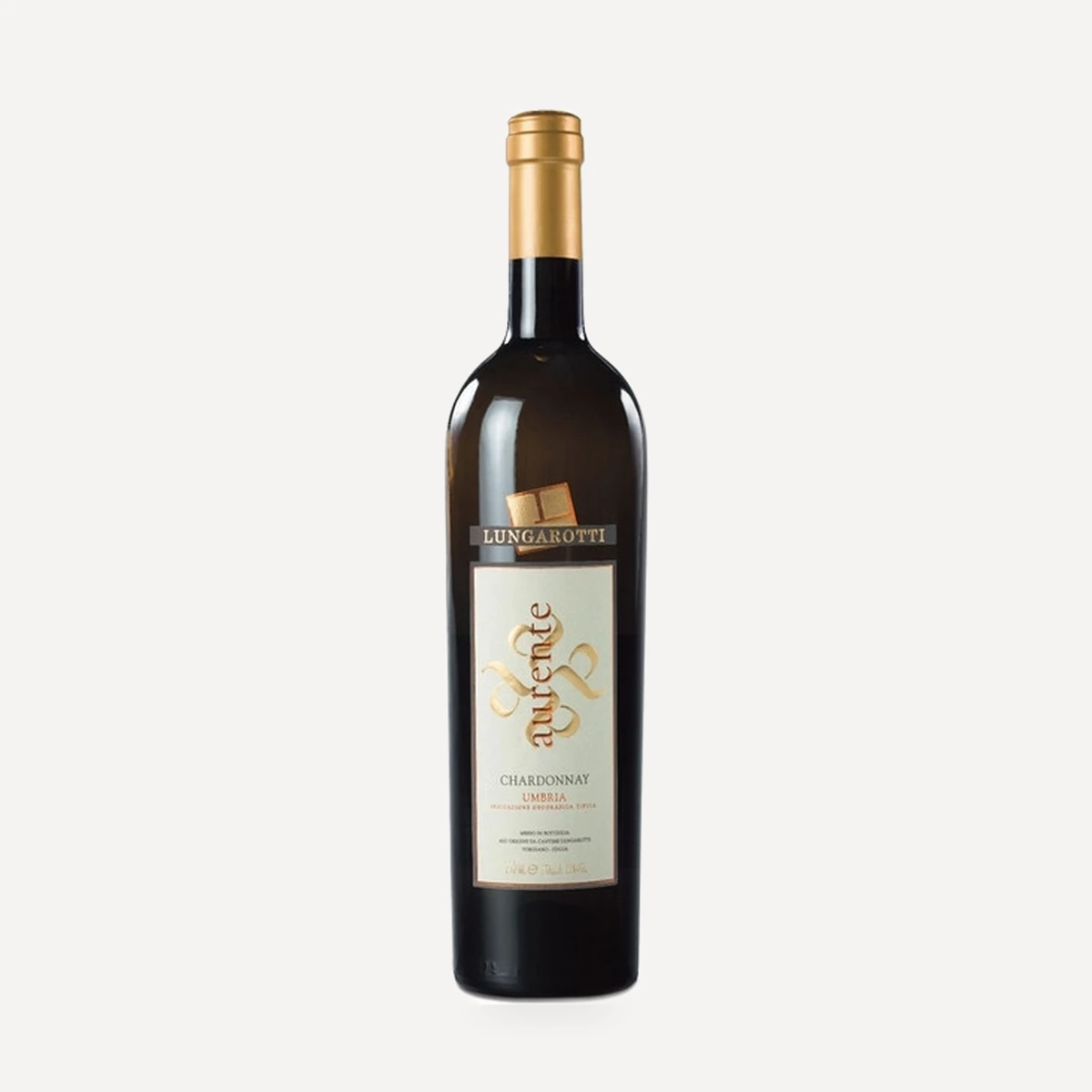
Aurente Chardonnay Umbria IGP
Chardonnay, Grechetto
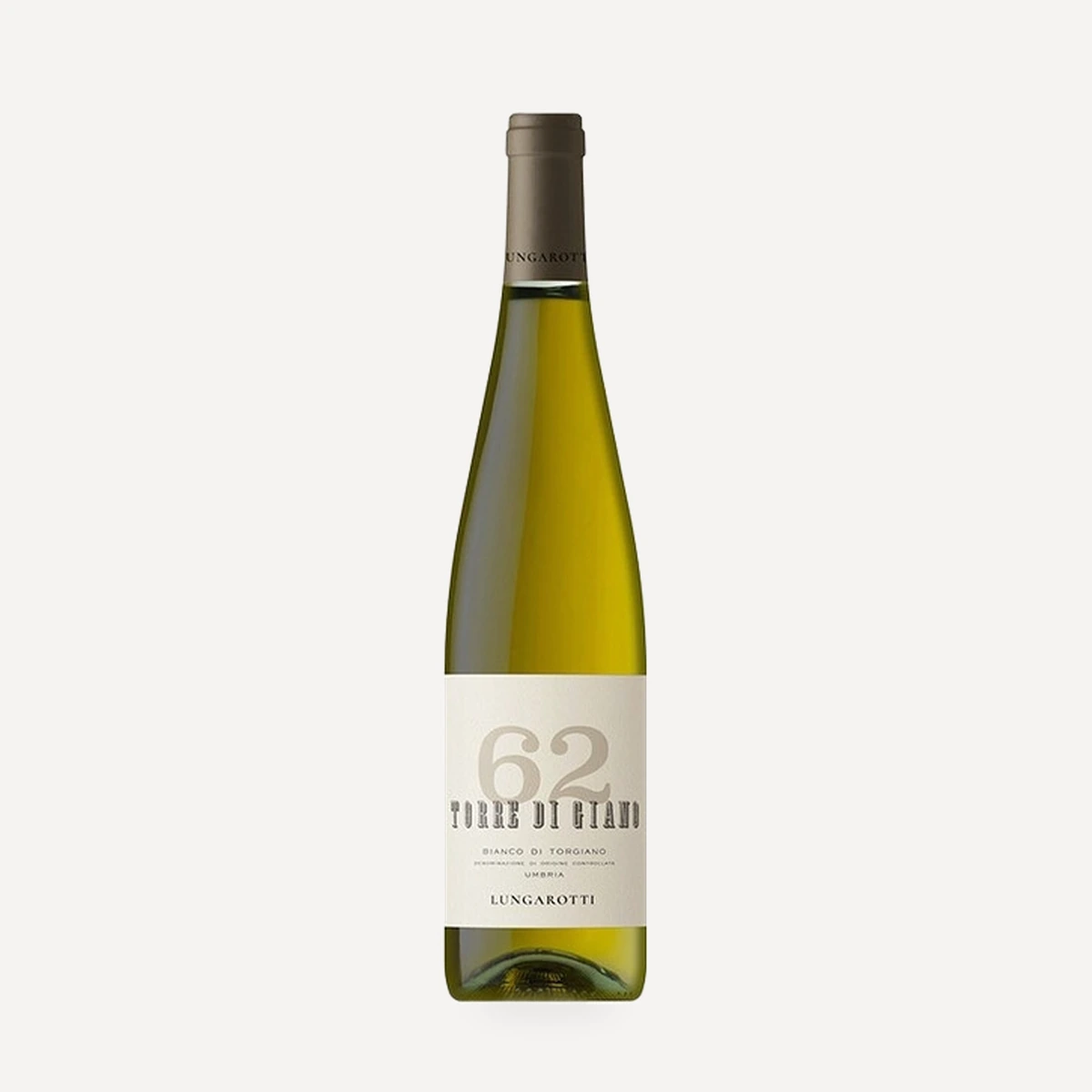
Torre di Giano 62 Torgiano DOC
Trebbiano Toscano, Grechetto · Torgiano DOC
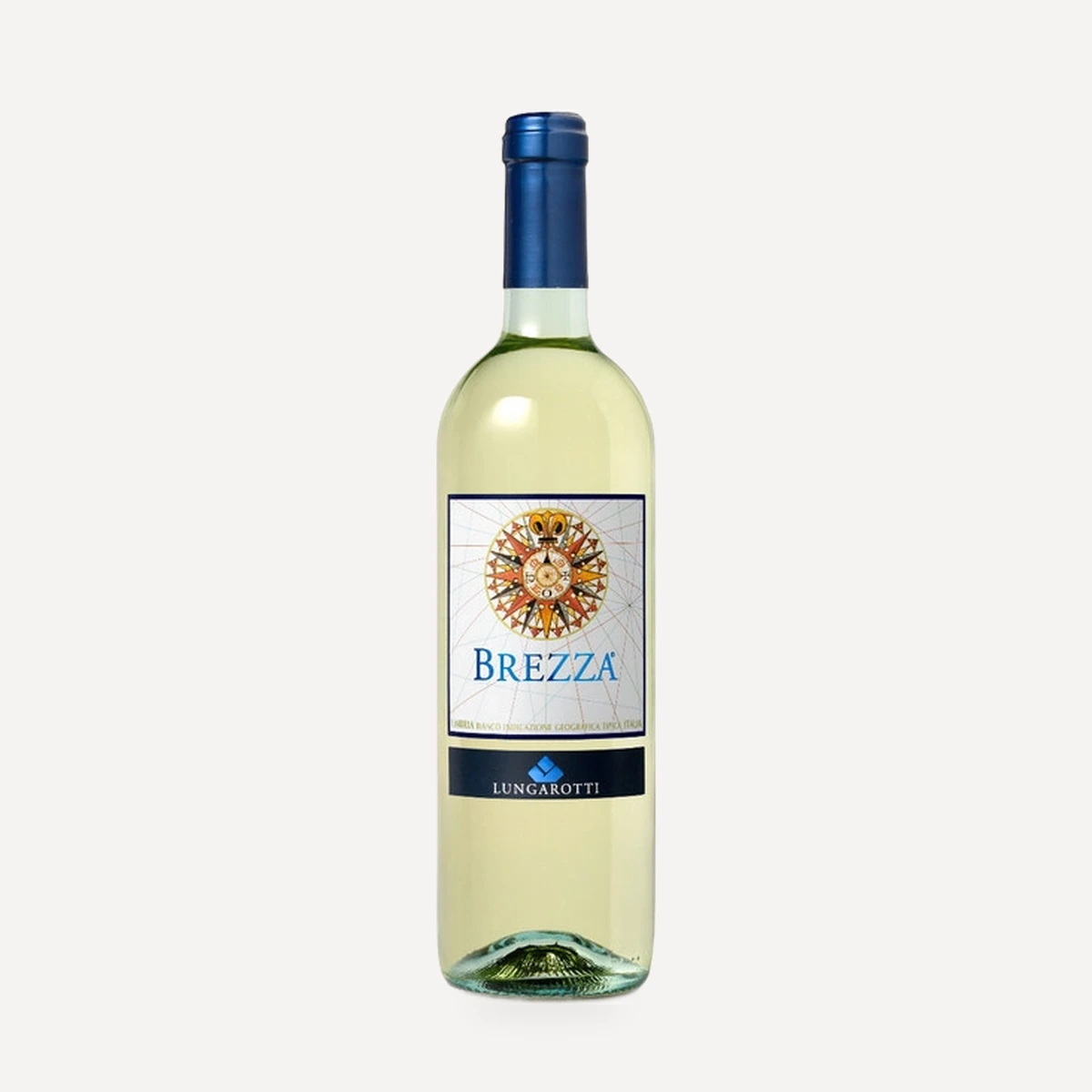
Brezza Bianco dell'Umbria IGT
Grechetto, Pinot Grigio, Chardonnay · Umbria IGT
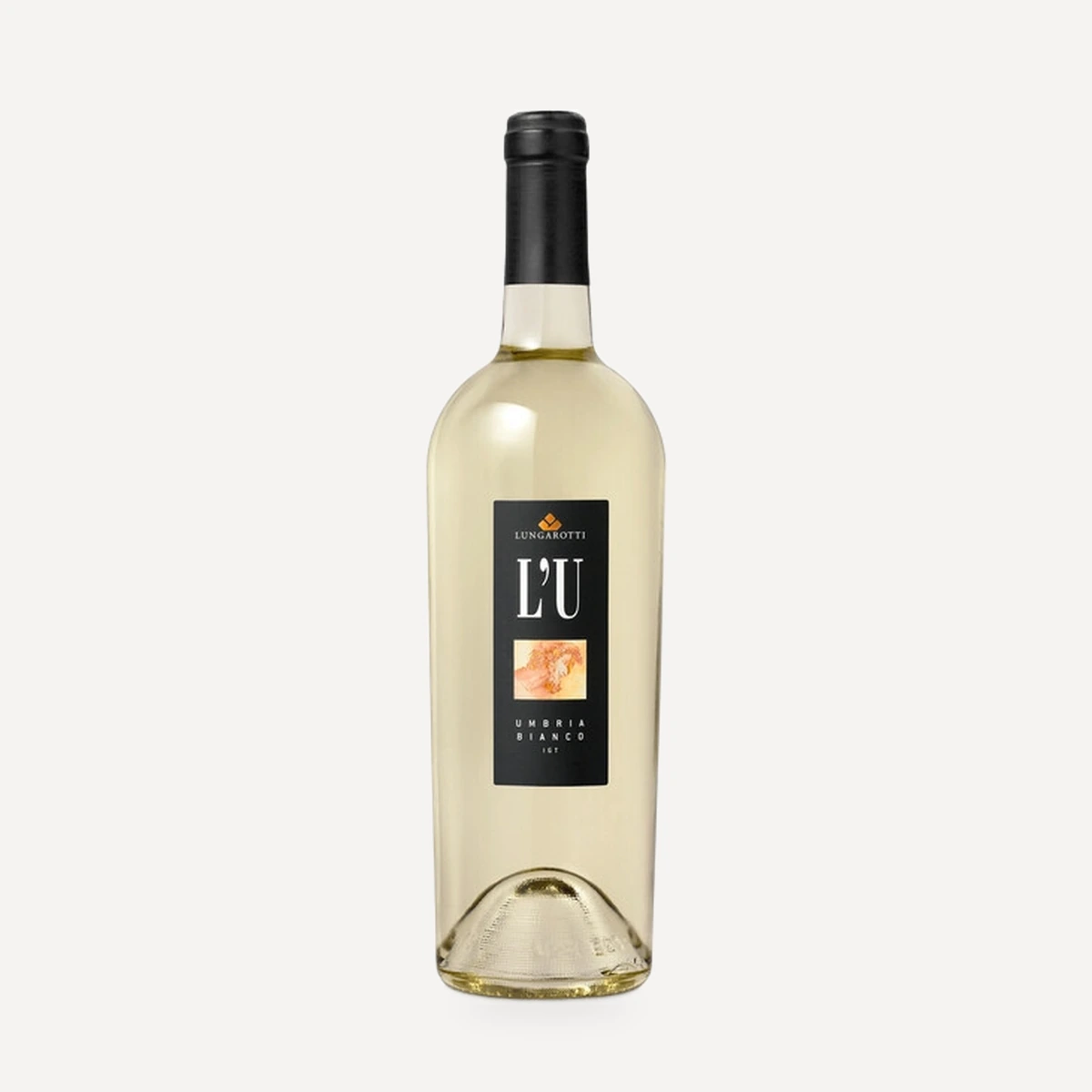
L'U Bianco Umbria IGT
Vermentino, Chardonnay · Umbria IGT
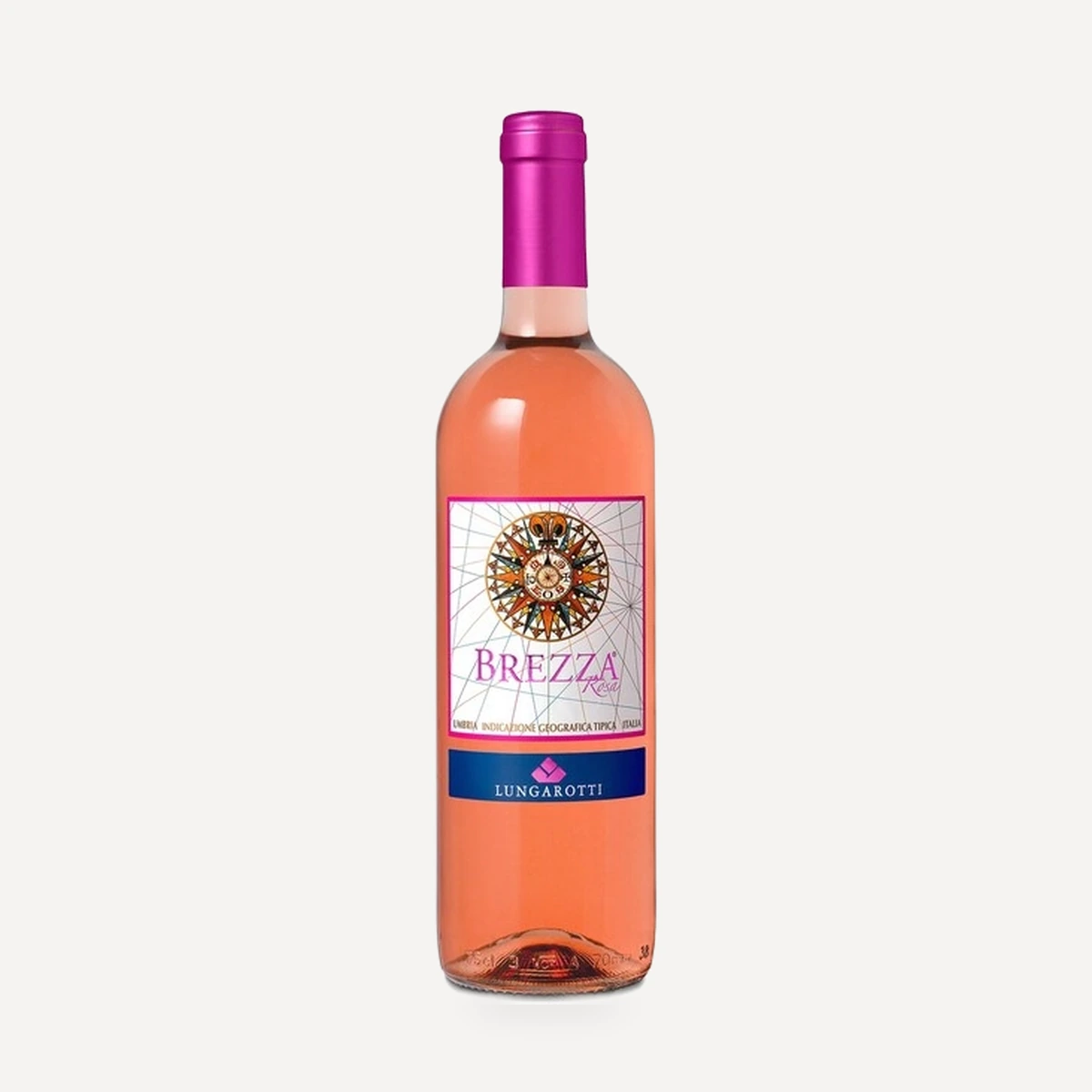
Brezza Rosa Umbria IGT
Sangiovese, Merlot · Umbria IGT
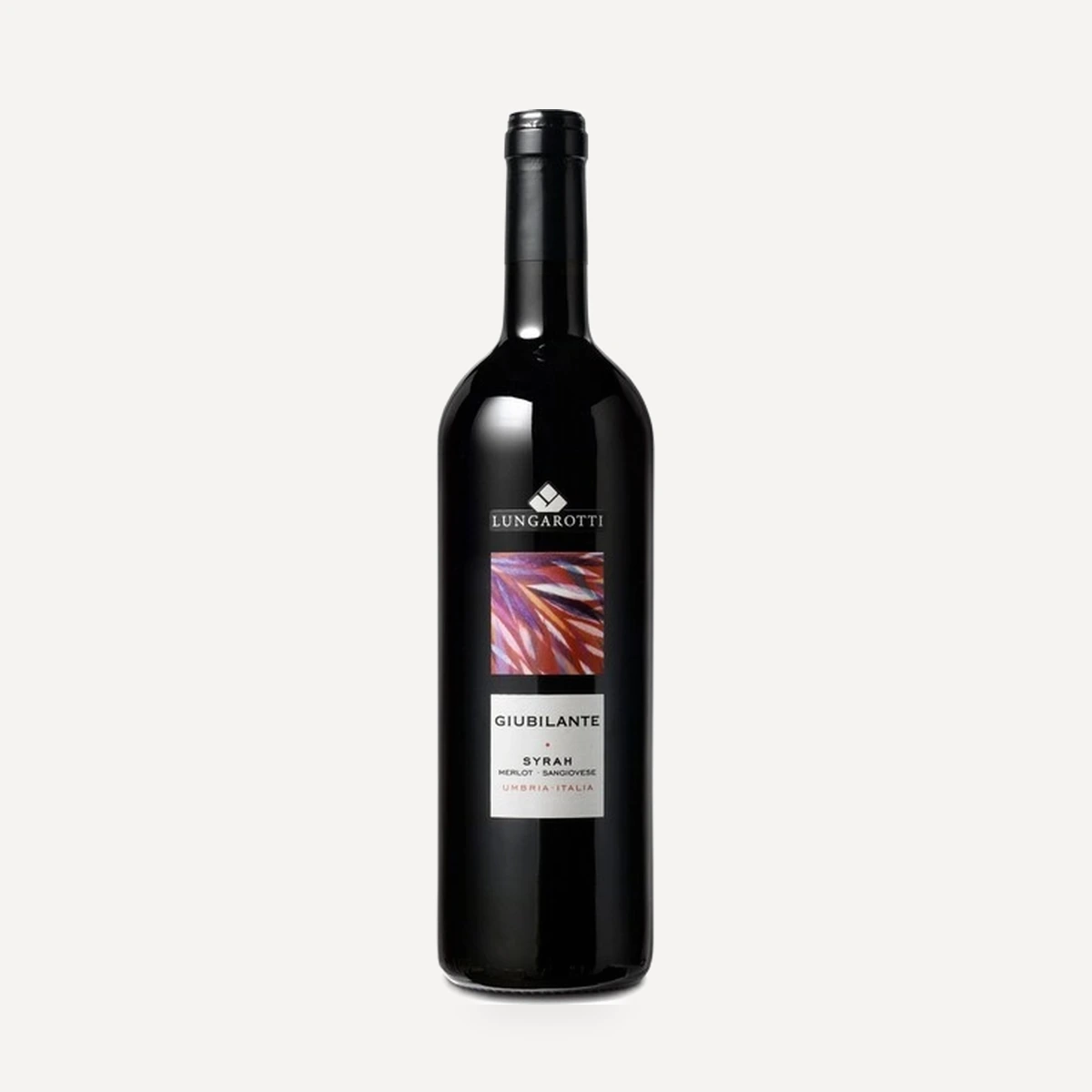
Giubilante Rosso dell'Umbria IGT
Sangiovese, Merlot, Syrah · Umbria IGT
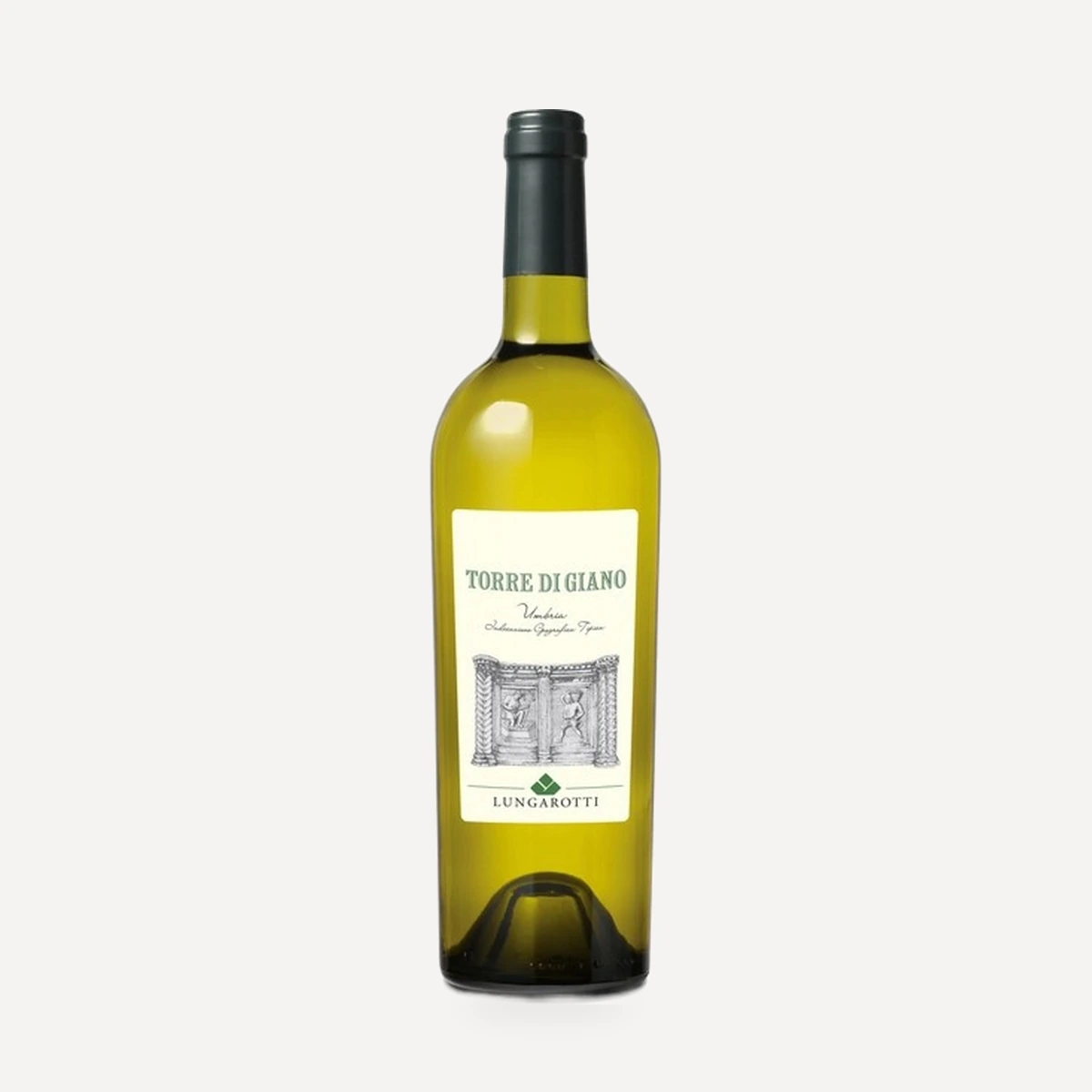
Torre di Giano Umbria IGT
Vermentino, Trebbiano Toscano, Grechetto · Umbria IGT
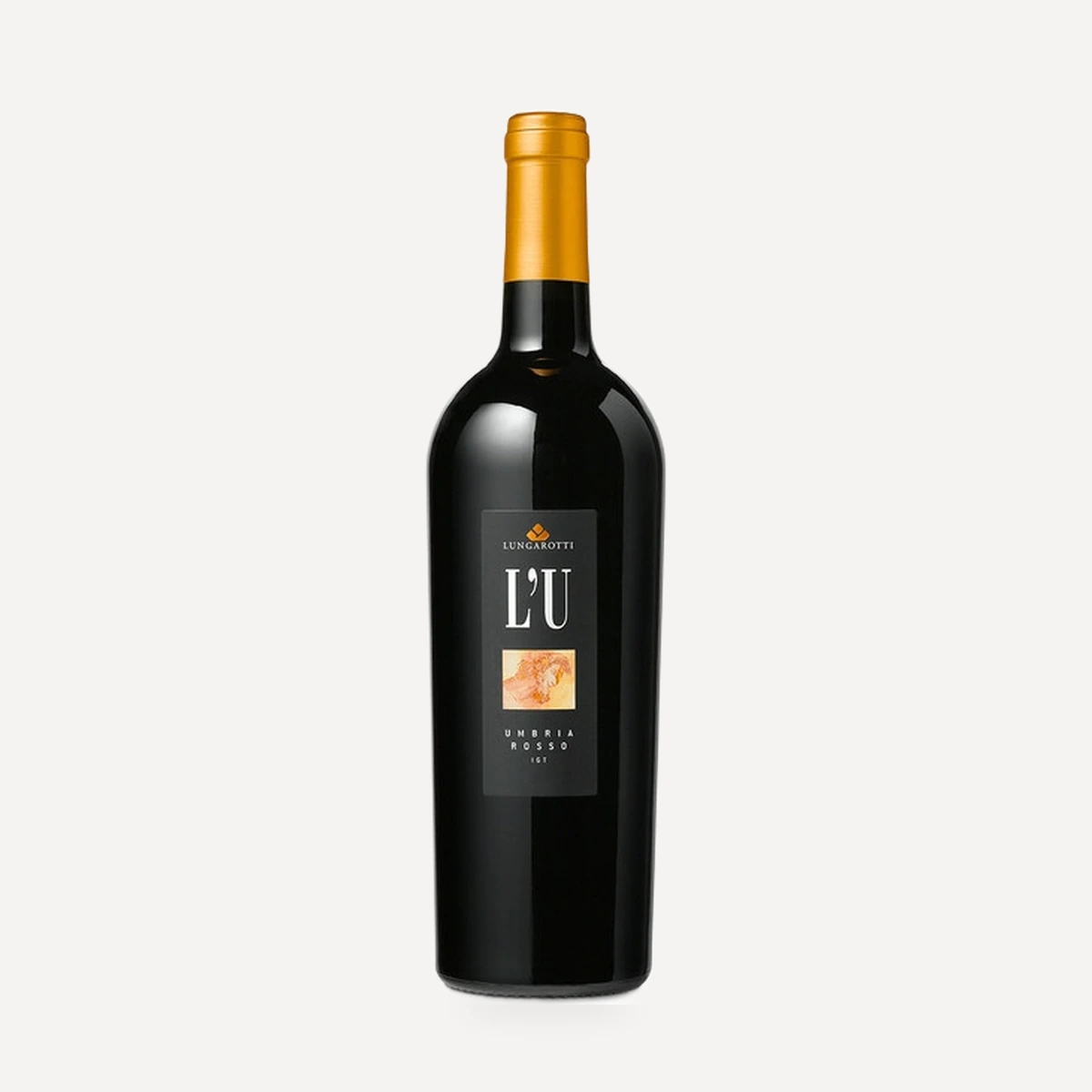
L'U Rosso Umbria IGT
Merlot, Sangiovese · Umbria IGT
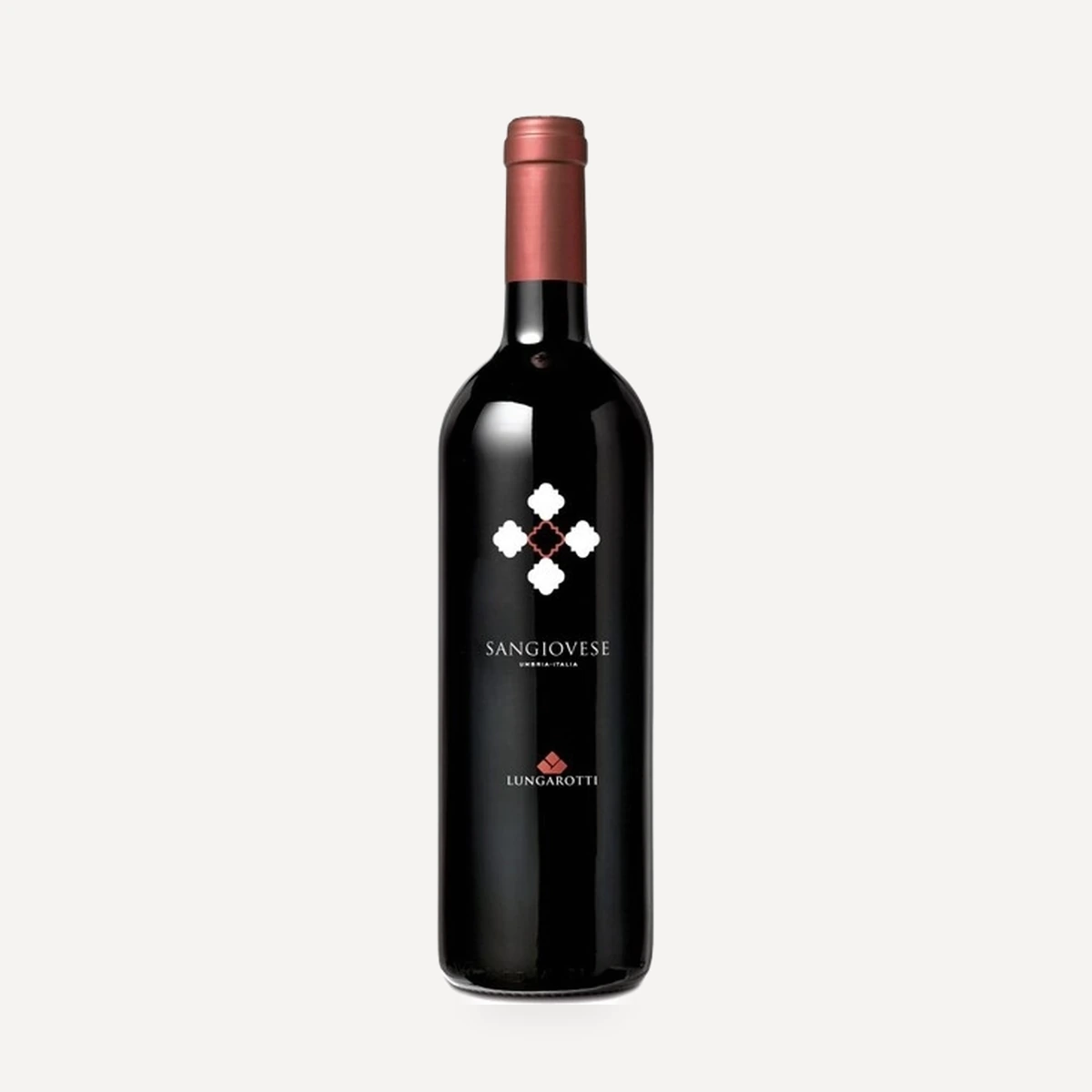
Sangiovese Umbria IGT
Sangiovese · Umbria IGT
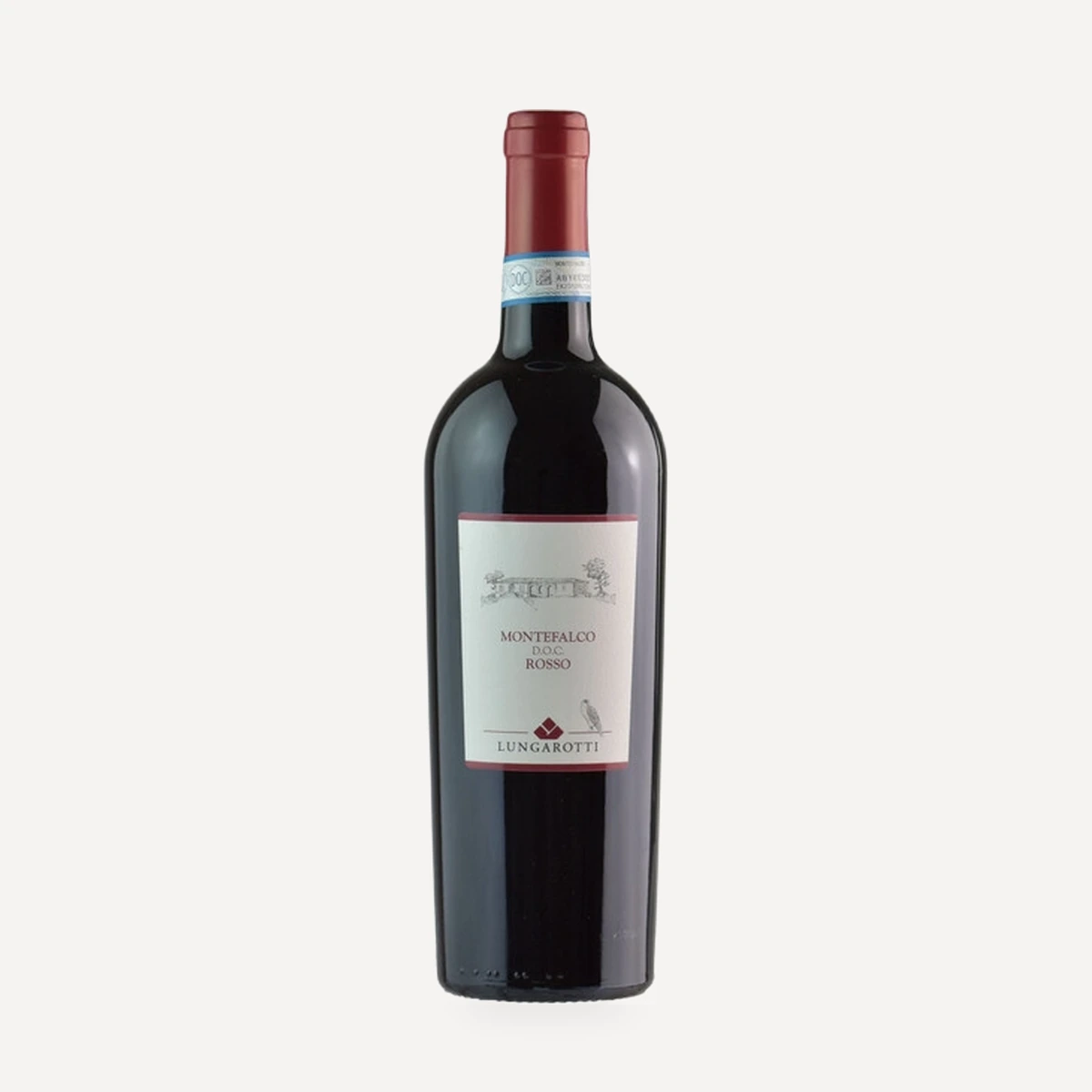
Montefalco Rosso DOC
Sangiovese, Merlot, Sagrantino · Montefalco DOC
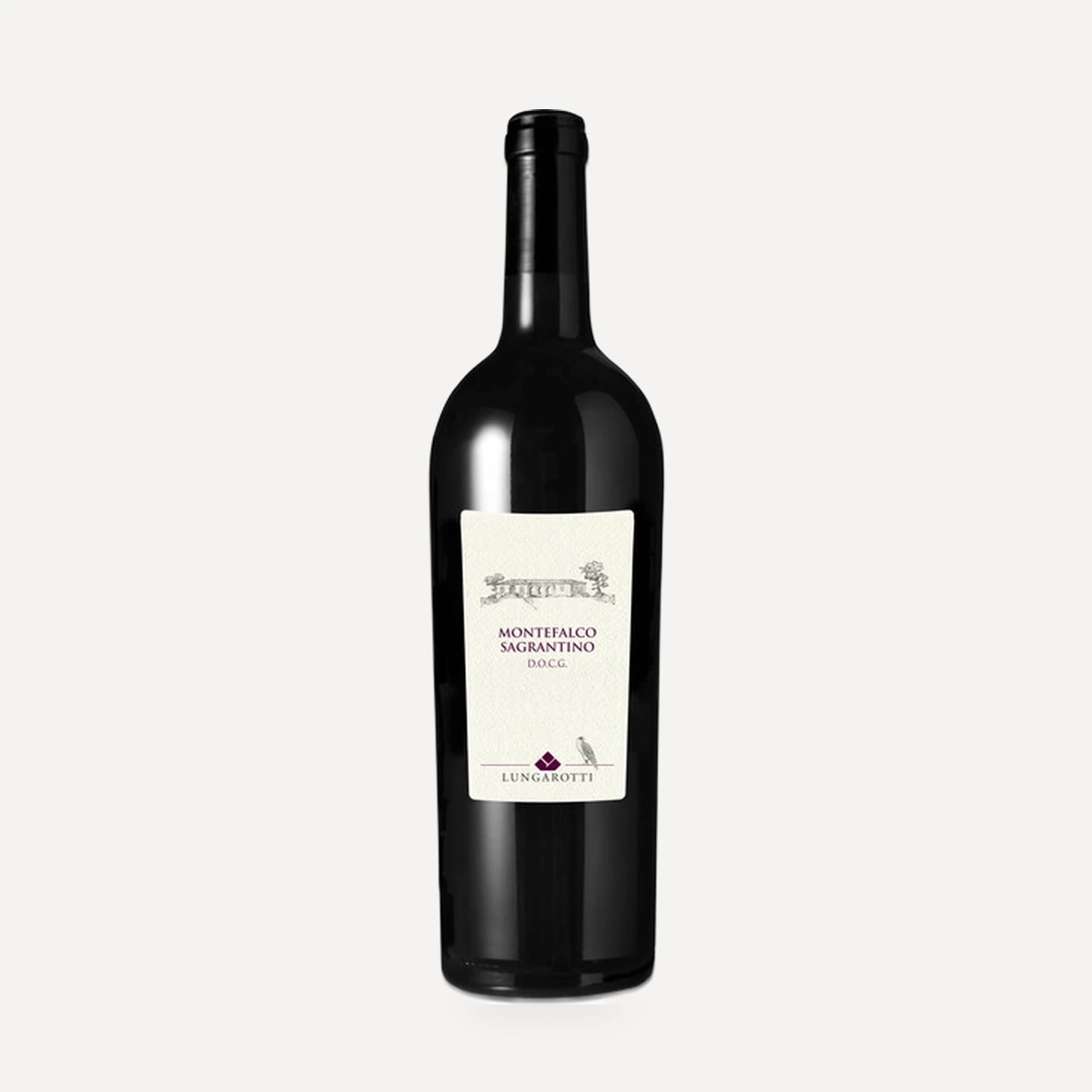
Sagrantino di Montefalco DOCG
Sagrantino · Montefalco Sagrantino DOCG
Brezza Rosso Umbria IGT
Sangiovese, Merlot · Umbria IGT