Storia
Historical setting
Wine forms part of the historical and cultural identity of the Terricciola area, where viticulture is presented as a thread of continuity extending from the Etruscans to the present. The property also contains a group of rural buildings dating from the late eighteenth century, constructed in traditional Tuscan style.
The Lunelli family arrives in Tuscany
At the beginning of the 2000s, after three generations of winemaking experience, the Lunelli family expanded its still-wine project toward Italian regions associated with red-wine production. Drawn to the hills of the Costa Toscana and the vine-covered rise surrounding the historic Casale Podernovo, the family acquired 40 hectares in the commune of Terricciola.
The estate was subsequently restored, and a winery was constructed to follow the natural morphology of the hill. Local stone quarried from the surrounding countryside and colours chosen to harmonise with the landscape were used to reduce the building's visual impact. The adjacent late-eighteenth-century rural complex was also restored and converted into guest apartments.
First wines and organic certification
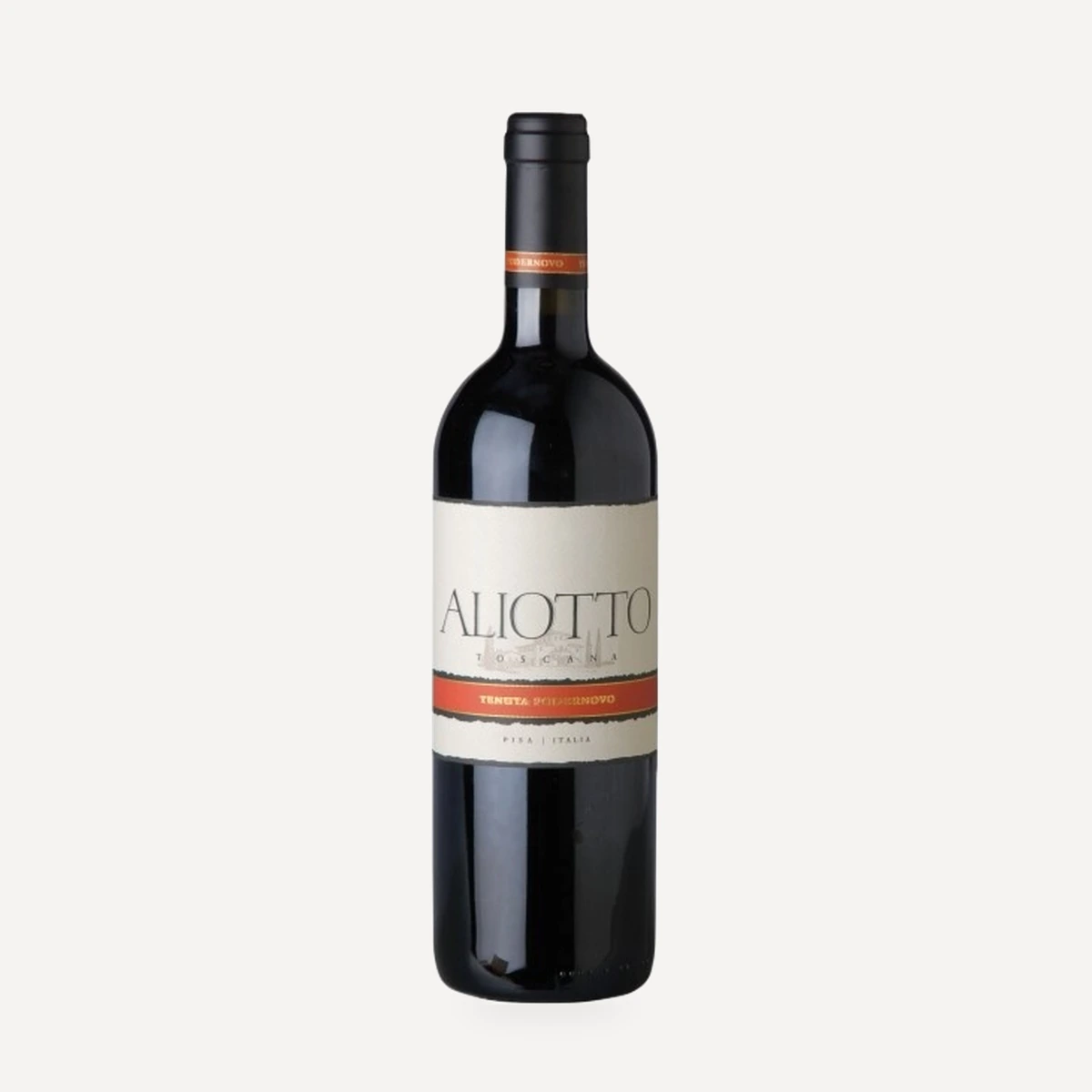
The first vintage of Teuto was produced in 2003, followed by Aliotto in 2004. Aliotto became the first organically certified wine within the Lunelli estates. In 2012, Tenuta Podernovo became the first Tuscan property in the group to obtain organic certification.
In 2014 the family brought Podernovo and its other estates together under the Tenute Lunelli identity, associating the project with sustainability, elegance and longevity. In December of the same year, Podernovo joined the Toscana Wine Architecture circuit, a network of 25 wineries across six Tuscan provinces selected for contemporary or carefully restored wine architecture.
Precision viticulture and new estate selections
The 2015 vintage marked the first production of both Auritea and Solenida. Auritea was made from Cabernet Franc grown in the Olmo vineyard on the eastern side of the Podernovo hill. Its grapes were the first to complete the full Animavitis precision-viticulture programme, coordinated by oenologist Monica Rossetti. The programme monitors and manages vines individually while seeking to minimise environmental impact.
Solenida originated through a collaboration with oenologist Luca D’Attoma. It is based on Sangiovese, much of it derived from massal selection of an old Podernovo vineyard present since the 1980s. Animavitis enables individual microzones to be harvested separately. The wine was introduced publicly in 2020, using the 2015 vintage.
Auritea was launched at the end of 2018. The project subsequently earned Tenute Lunelli the 2019 Organic Initiative of the Year title at The Drinks Business Green Awards, recognising the combination of organic farming and the Animavitis programme employed at Podernovo.
Recent recognition
In 2025, Tenuta Podernovo was included in Forbes Italia's 100 Iconic Wineries selection. Its citation highlighted the estate's commitment to organic Tuscan winegrowing and its modern interpretation of Sangiovese.
Terroir
Tenuta Podernovo occupies a vine-covered hill in the commune of Terricciola, in the colline pisane and only a few kilometres from the Tuscan coast. Its geographic position and fossil-rich soils create a distinct microclimate suited to vine cultivation.
The vineyards extend around the knoll on which the winery stands. Broad estate descriptions indicate west-, south- and east-facing slopes, while another description characterises the vineyards surrounding the knoll as having a complete 360-degree range of exposures. Documented vineyard sites reach 137 metres above sea level. The Olmo vineyard lies specifically on the eastern side of the hill.
Soils are medium-textured and vary from loamy sand with clay to silty clay loam. A defining feature is the abundance of fossilised marine shells. These remains were deposited more than three million years ago, when the hills formed part of the seabed. Named fossils include Arca aurita and shells of the Solenidae family, both of which inspired wine names.
Vinificazione
Tenuta Podernovo has been certified organic since 2012, making it the first estate within the Lunelli family's wine properties to achieve that status. Its vineyards have also carried Biodiversity Friend certification since 2015. The latter certification is associated with the Worldwide Biodiversity Association.
The estate uses Animavitis, a non-intrusive precision-viticulture programme coordinated by oenologist Monica Rossetti. It monitors and manages the vineyard plant by plant, with the objective of reducing environmental impact. Vineyard mapping also allows individual microzones to be harvested separately. This selection focuses on zones producing small clusters and relatively light, concentrated berries.
Sangiovese material from an old vineyard present since the 1980s is maintained through massal selection. The standard documented training system is spur-pruned cordon at 5,680 vines per hectare.
The broader environmental programme combines grape quality with protection of vineyard workers and the surrounding environment. It includes cultivation of plant species intended to support biodiversity and attention to air, water and soil quality.
The winery was built to follow the natural morphology of the Podernovo hill and to preserve the surrounding landscape. Local stone from the nearby countryside and colours coordinated with the environment integrate the building into its setting. The visitor route passes through working spaces containing vats and barrels.
Across the estate's production, the documented cellar equipment includes stainless-steel vats, oak fermentation vessels, terracotta amphorae, barriques, tonneaux and large casks. Cold pre-fermentation maceration and extended skin contact are employed for selected red-wine lots. Oak used for maturation includes French and Slavonian material. Bottle ageing is also an established part of the production cycle.
Microzone selection through Animavitis allows separately harvested vineyard sections to be handled individually in the cellar. One Sangiovese selection is vinified partly in terracotta amphorae, demonstrating the estate's combination of conventional temperature-controlled vessels with alternative maturation materials.
Filosofia
The Lunelli family's approach centres on interpreting the identity and traditions of each territory while accepting responsibility for the environment in which the grapes are grown. At Podernovo, this is expressed through organic certification, biodiversity protection, precision viticulture and architecture designed to remain subordinate to the landscape.
The family describes sustainability as a means of bringing together grape quality, vineyard-worker health and environmental protection. Innovation and technological progress are treated as tools for reducing impact rather than replacing the agricultural identity of the place.
Time is another declared principle. The family compares its work to that of an “artisan of time”: waiting for grapes to ripen, allowing wines to mature in the cellar and aiming for elegance and longevity. The moon-phase identity adopted for Tenute Lunelli symbolises this relationship with time.
Vini
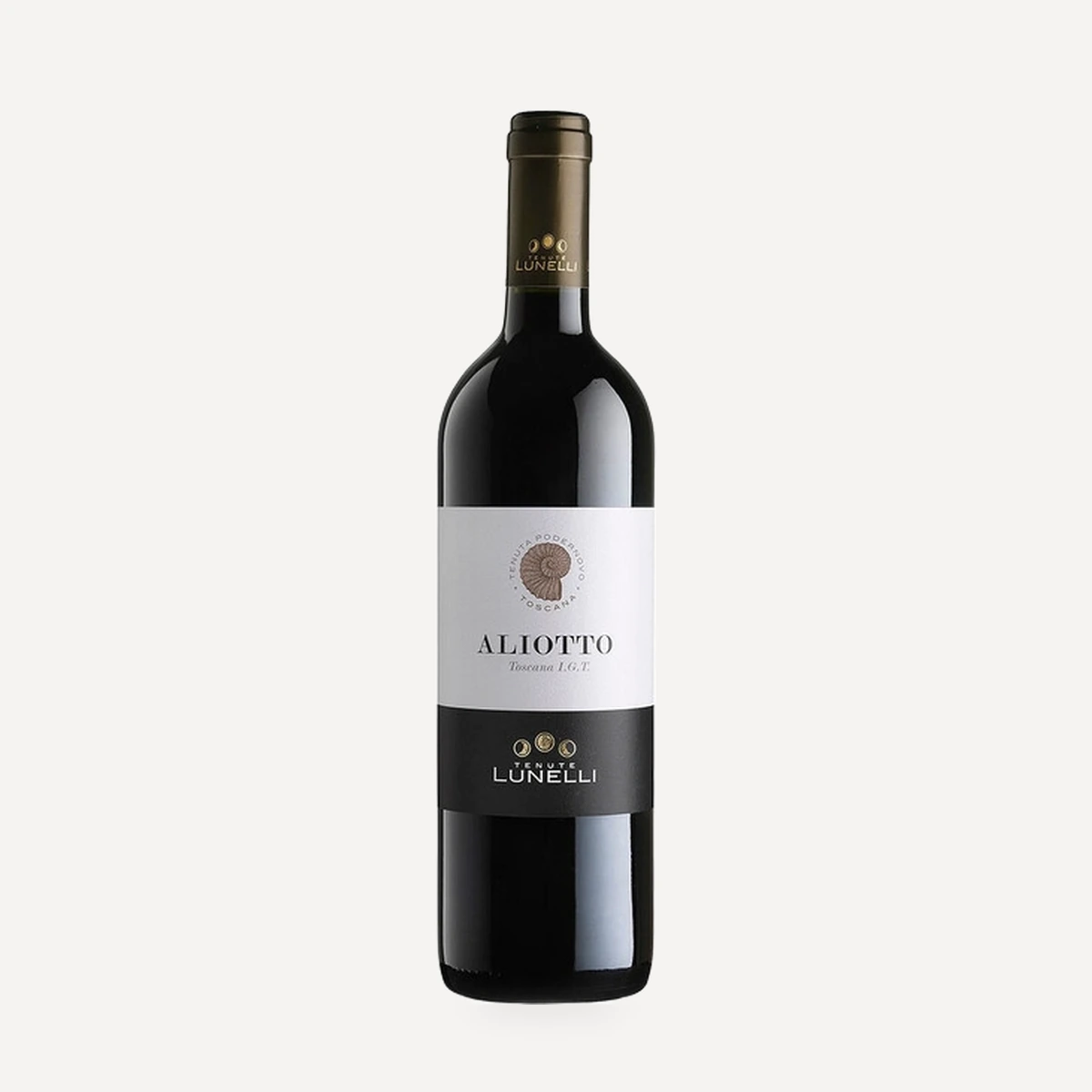
Aliotto
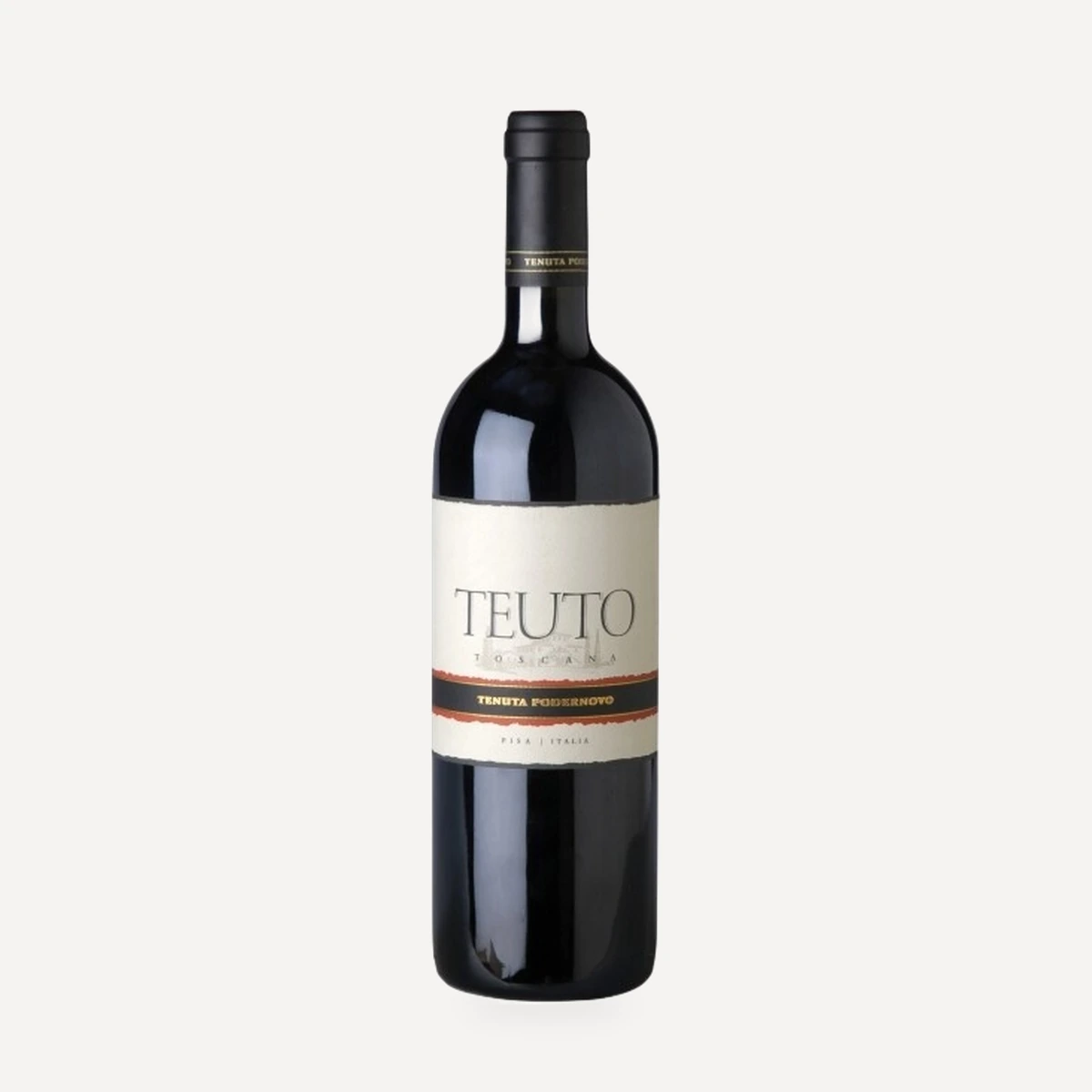
Teuto Costa Toscana IGT