Storia
Family roots and the Monti Garbi decision
Armando, Tiziano, Paolo and Massimo Castagnedi grew up among their father Antonio’s vines at San Zeno di Colognola ai Colli. Antonio supplied grapes to the local cooperative, while his sons worked alongside him and accumulated experience both as wine consultants and by tending vineyards for producers in Tuscany, Sicily and Lazio. The brothers wanted to control the entire chain and make their own wines.
In 1989 they bought a 50-hectare property on Monti Garbi. The hard, poor and supposedly unproductive ground had previously been treated as land of little value, but the brothers judged it capable of quality viticulture. They planted new vines beside existing vineyards and laid the foundations of the estate.
1995–2000: the first wines and a purpose-built winery
The 1995 vintage was the first produced and bottled under the newly created Tenuta Sant’Antonio brand. The initial identity rested on the traditional denominations Soave DOC, Valpolicella DOC and Amarone della Valpolicella, subsequently DOCG.
In 2000 a winery was built on Monti Garbi for crushing, vinification and bottling. The complex included the barrel cellar that continues to house the maturation of the estate’s leading wines. Monti Garbi consequently became both the production base and a place for welcoming visitors.
2004–2014: growth and diversification
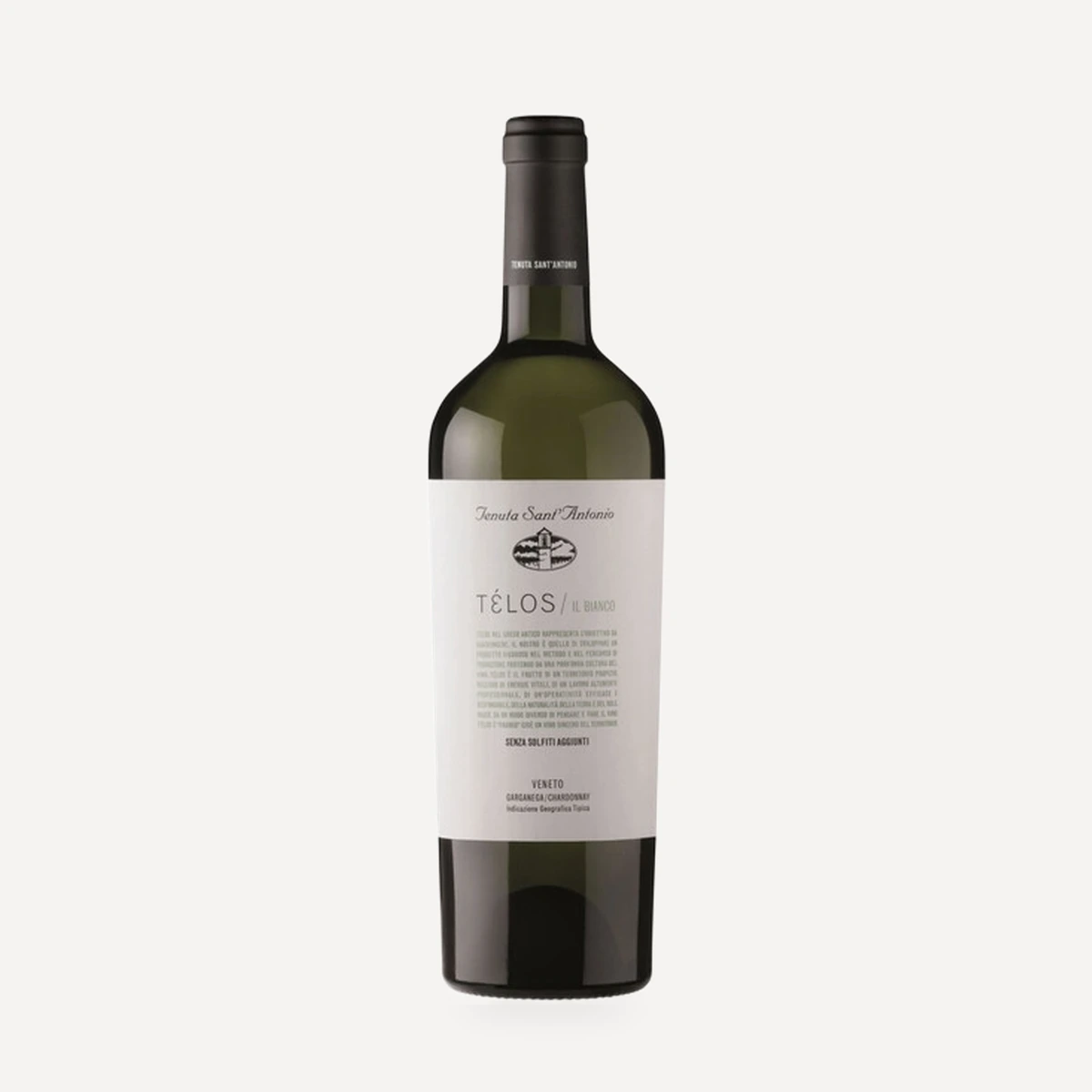
In 2004 the wider family business acquired additional vineyard land and created SCAIA as a separate brand for a more contemporary interpretation of local grapes under IGT denominations. Further development produced the first TÉLOS bottles around 2010–2011, establishing a separate research-led project devoted to wines without added sulphites, chemical or animal-derived synthesis products and with vegan certification.
By 2014, the business cultivated more than 80 hectares. Its development had combined new plantings with established vineyards, an advanced maturation centre and continued investment in estate-grown production. The year also marked the first commercial release of TÉLOS Amarone from the 2010 vintage.
2016–2017: reduced intervention and family identity
In 2016 the Castagnedi brothers articulated their idea of “soft vitienology”: reducing vineyard and cellar interventions to protect varietal identity, consumers and the environment. The approach had been driven furthest by TÉLOS, but it expressed a broader commitment to low-impact cultivation, intact grapes and fewer inputs. In April 2017, “Famiglia Castagnedi” was added to the Tenuta Sant’Antonio logo and labels. The redesign placed the family name above the distinction between the traditional Tenuta Sant’Antonio wines and the group’s research-and-development projects.
2020–2021: the first quarter-century
Tenuta Sant’Antonio celebrated 25 years from its first vintage in 2020 with another territorially focused logo. By then it had grown beyond 100 cultivated hectares and operated an advanced maturation centre. The same year brought the complete Famiglia Castagnedi identity together as the shared signature of Tenuta Sant’Antonio, SCAIA and TÉLOS, reflecting 25 years of the four founders’ experience.
In 2021 new investments were directed to vineyards, winery equipment, logistics, communication and new oenological projects. Across the family business, more than €3 million was allocated to the 2021–2023 period, including Industry 4.0 machinery, new warehouse-management systems and measures intended to improve efficiency and reduce impact.
2023–2024: parcels, signature vineyards and contemporary whites
The estate intensified the parcel-by-parcel study of its vineyards and formalized three Single Vineyard references: VIGNA Monte Ceriani in Soave, La Bandina in Valpolicella and Campo dei Gigli for Amarone. This “tailor-made” division of the vineyards is intended to preserve each cru’s identity and express verticality, minerality and graceful complexity. In 2023 Pinot Grigio delle Venezie DOC joined the white-wine range. Monte di Colognola, representing a Soave additional geographical unit, followed in 2024 and completed a quartet with VIGNA Monte Ceriani, Vecchie Vigne and Pinot Grigio.
The 2024 harvest began with Pinot Grigio and was scheduled to conclude by the end of October with red grapes destined for Amarone drying. Climatic pressure following May rain and summer heat required close support of the vines. The estate also introduced a renewed appassimento system combining empirical practice with controlled ventilation, weighted monitoring of grape mass loss, human inspection and scientific measurement of selected parameters.
Terroir
Between Valpolicella and Soave
The vineyards occupy the hills of eastern Valpolicella and western Soave, including the Illasi and Mezzane valleys and sites close to the Alps. Lake Garda moderates the climate and sends breezes through the vineyard belt.
Valpolicella
The Valpolicella vineyards lie at approximately 250–350 metres above sea level. Their soils are compact and contain a limestone skeleton, with high calcium-carbonate content also associated with acidity in the fruit. Monti Garbi reaches 350 metres and benefits from natural ventilation. Although its height and hard, poor ground appeared difficult when purchased in 1989, those characteristics have become useful under warmer and more variable climatic conditions.
Soave
The Soave sites belong to the Eastern Lessini Mountains and generally lie around 120–130 metres above sea level. The area was covered by the sea millions of years ago and experienced submarine volcanic activity. Its geology combines basalt from volcanic flows with calcareous sediments of fossil origin. Individual descriptions also characterize the eastern Veronese hills as volcanic and sulphurous. The mild influence of Lake Garda supports vine growing.
Monte Ceriani is presented as a small, strongly differentiated parcel whose volcanic and sulphurous mineral character is central to the estate’s interpretation of Soave. The Monte di Colognola U.G.A. is one of the denomination’s larger and more westerly hill units.
Vinificazione
The family describes its approach as “soft vitienology”: vineyard and cellar practices are reduced to the level needed to obtain intact grapes, lower environmental pressure and preserve varietal identity. The work prioritizes the condition of the grapes and seeks to limit contamination by unnecessary chemical inputs.
Soil cultivation without herbicides, compost-based fertilization in place of more conventional inputs, preventive vineyard management and careful stewardship of water and soil formed part of the practices discussed during the estate’s 2016 technical program. The family has also reassessed Pergola Veronese in relation to Guyot: the pergola shades soil and fruit and helps retain soil moisture. New irrigation techniques are intended to reduce water loss.
Harvest selection for the Amarone vineyards is performed by hand, cluster by cluster, in historically significant parcels and favored exposures. Bunches are selected for uniform color and ripeness, sound berries, quality and comparatively high base acidity. After the first selection, the remaining fruit—described as about 50%—is harvested separately and can provide the base for Valpolicella Ripasso.
Seasonal decisions remain responsive to the vine. During the difficult 2024 season, following rain in May and summer heat, vineyard work was framed as supporting the plant’s needs rather than forcing it. Harvest began with Pinot Grigio and was scheduled to continue through all cultivated varieties, finishing by late October with red grapes intended for Amarone drying.
The Monti Garbi winery, completed in 2000, houses crushing, vinification and bottling. Its historic barrel cellar is used to mature the leading Tenuta Sant’Antonio wines, while the wider operation includes an advanced maturation centre.
For Amarone, selection begins in the vineyard with hand-picked bunches chosen in several passes. Selected fruit is dried through appassimento. By the 2024 harvest, the renewed drying system combined empirical experience with advanced controls: managed ventilation, weighted measurement of mass loss, human quality assessment and scientific monitoring of selected parameters.
Fruit remaining after the dedicated Amarone selection is harvested separately. It can become the base for Valpolicella Ripasso, which undergoes refermentation on skins previously used for Amarone.
The production philosophy favors limited intervention and the preservation of grape and parcel identity. The estate’s development program has included increasingly precise separation of crus, research and development in vineyard and cellar, new logistics-management systems and Industry 4.0 equipment intended to improve efficiency and reduce operational impact.
Filosofia
The Castagnedi brothers’ project joins rural family roots to a deliberate pursuit of quality. Their stated priorities are control at every stage, close knowledge of the vineyards and continuous improvement through study, work and experience.
The estate seeks to interpret rather than standardize its territory. Individual vineyards are valued for their distinct geology and microclimate, and the parcel program is intended to transfer those differences into wines marked by verticality, minerality, cleanliness, drinkability and restrained complexity. Vintage variation is treated as an opportunity to improve and to respond more precisely to the plant.
“Soft vitienology” defines the family’s reduced-intervention position. Its purpose is both environmental and expressive: fewer practices and inputs in vineyard and cellar should protect resources, consumers, workers and the authentic character of Corvina, Garganega and the other cultivated varieties.
Tradition and technology are treated as complementary. Traditional forms such as Pergola Veronese, hand selection and appassimento are reassessed in light of water conservation, climatic change, controlled ventilation, scientific monitoring and precise parcel management. The family’s broader objective is to make wines with a recognizable contemporary identity while retaining the soul of eastern Valpolicella and western Soave.
Vini
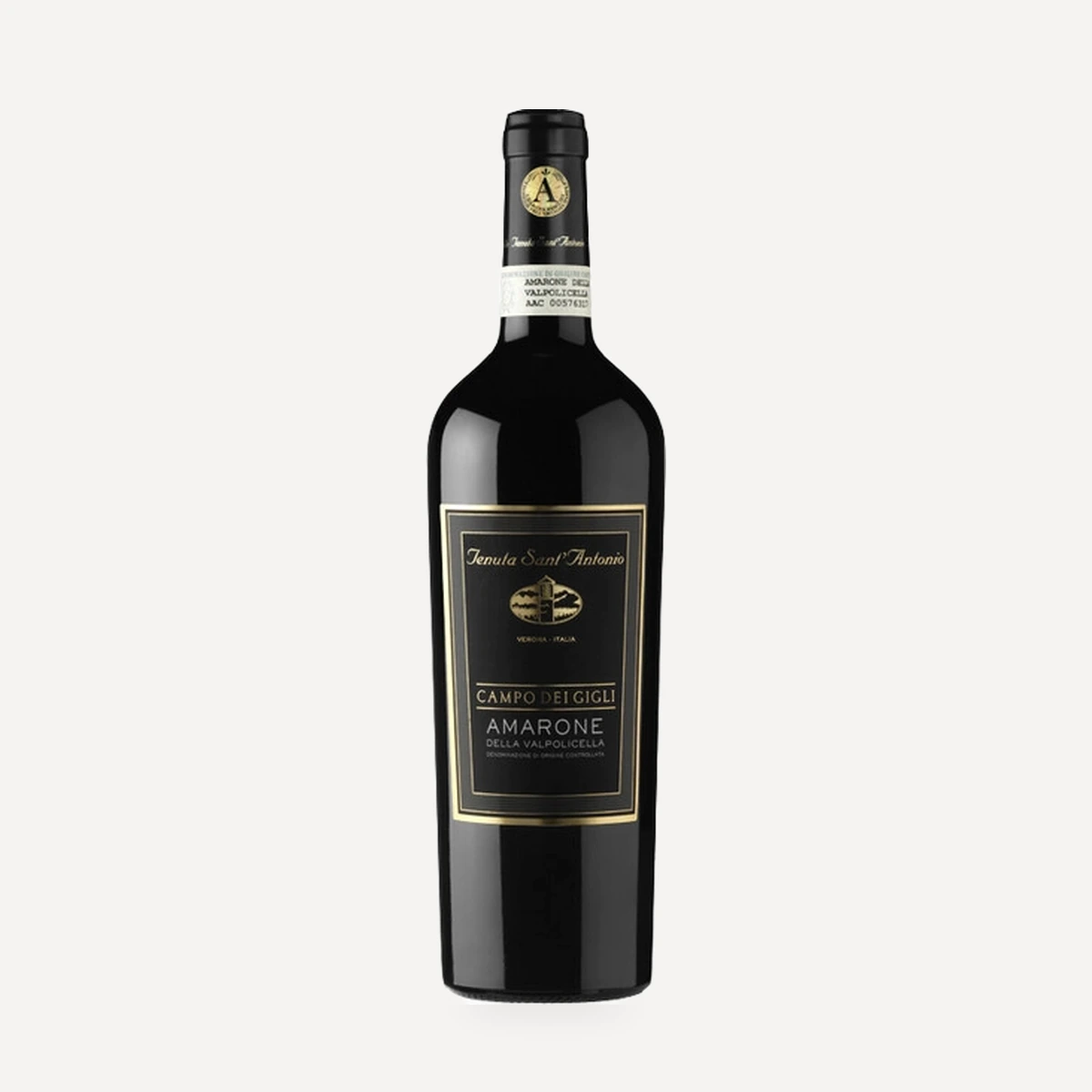
Campo dei Gigli – Amarone della Valpolicella
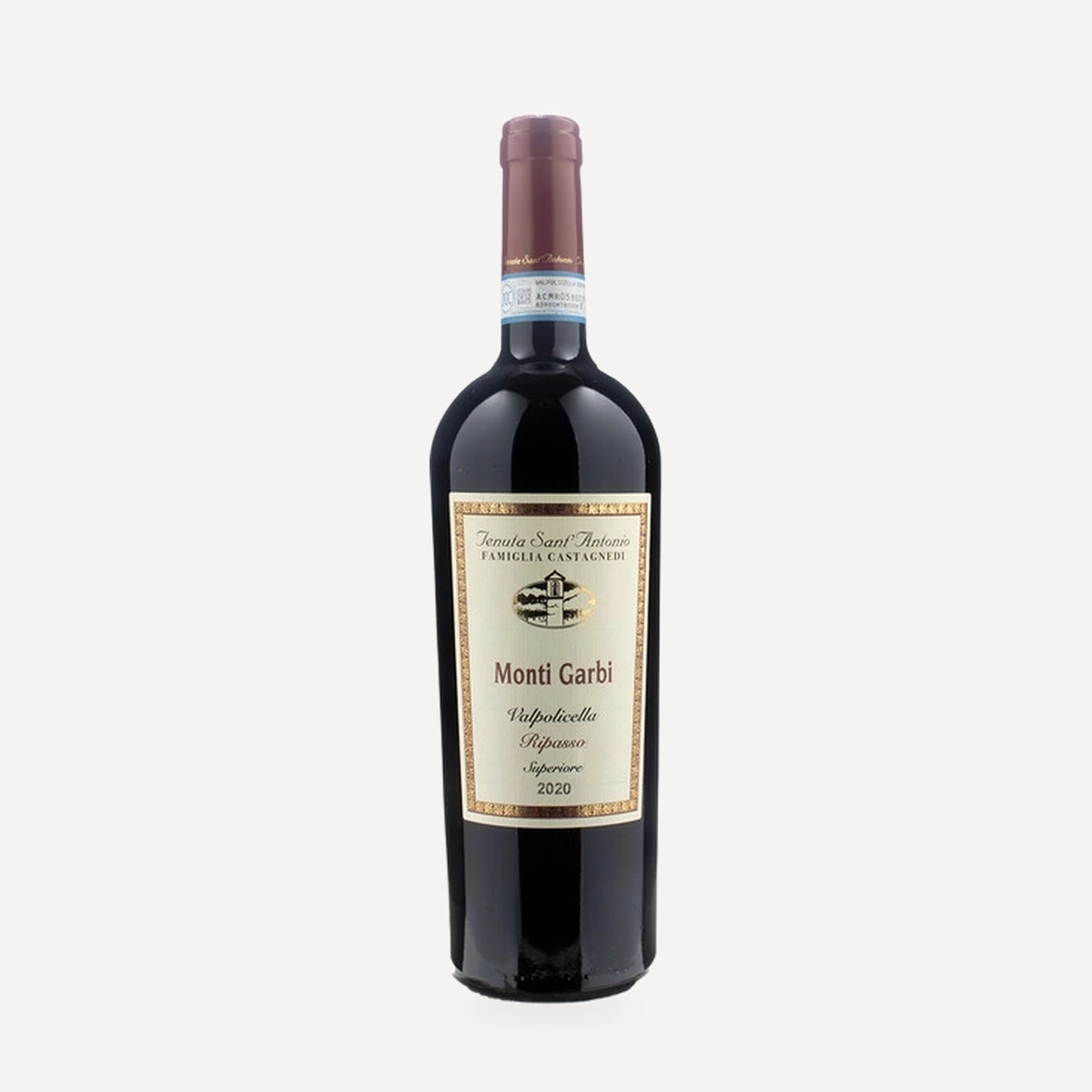
Monti Garbi – Valpolicella Ripasso
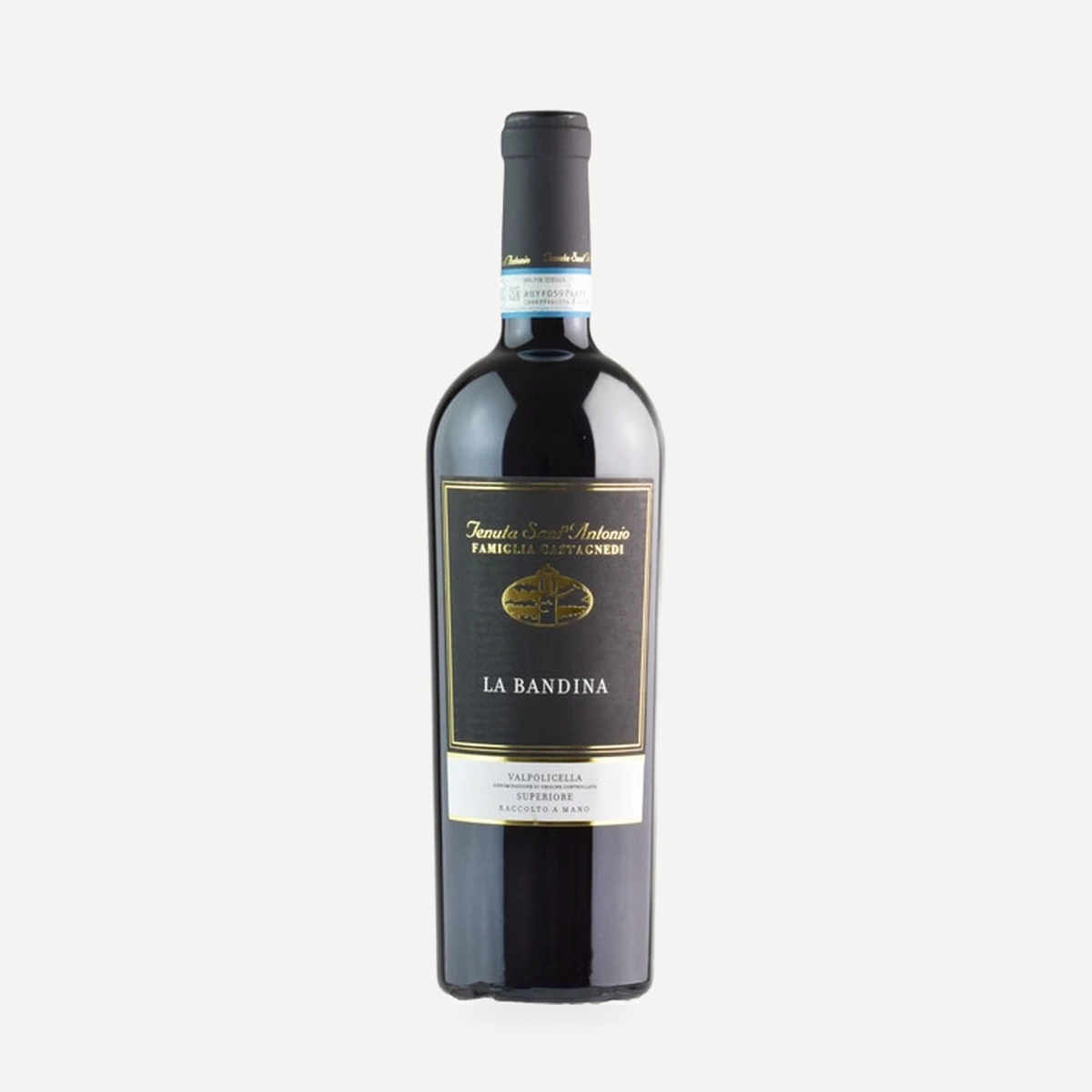
La Bandina – Valpolicella Superiore
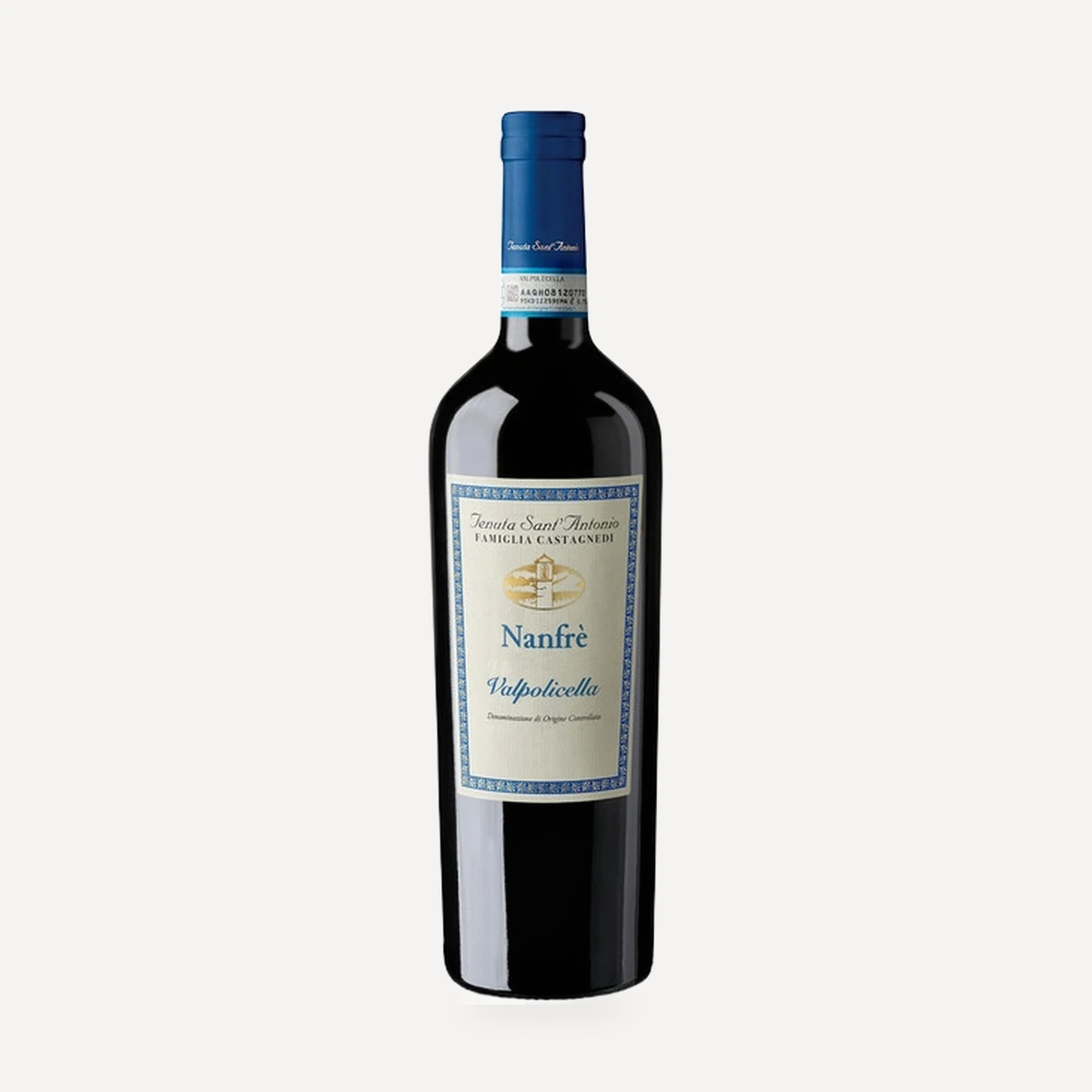
Nanfrè – Valpolicella
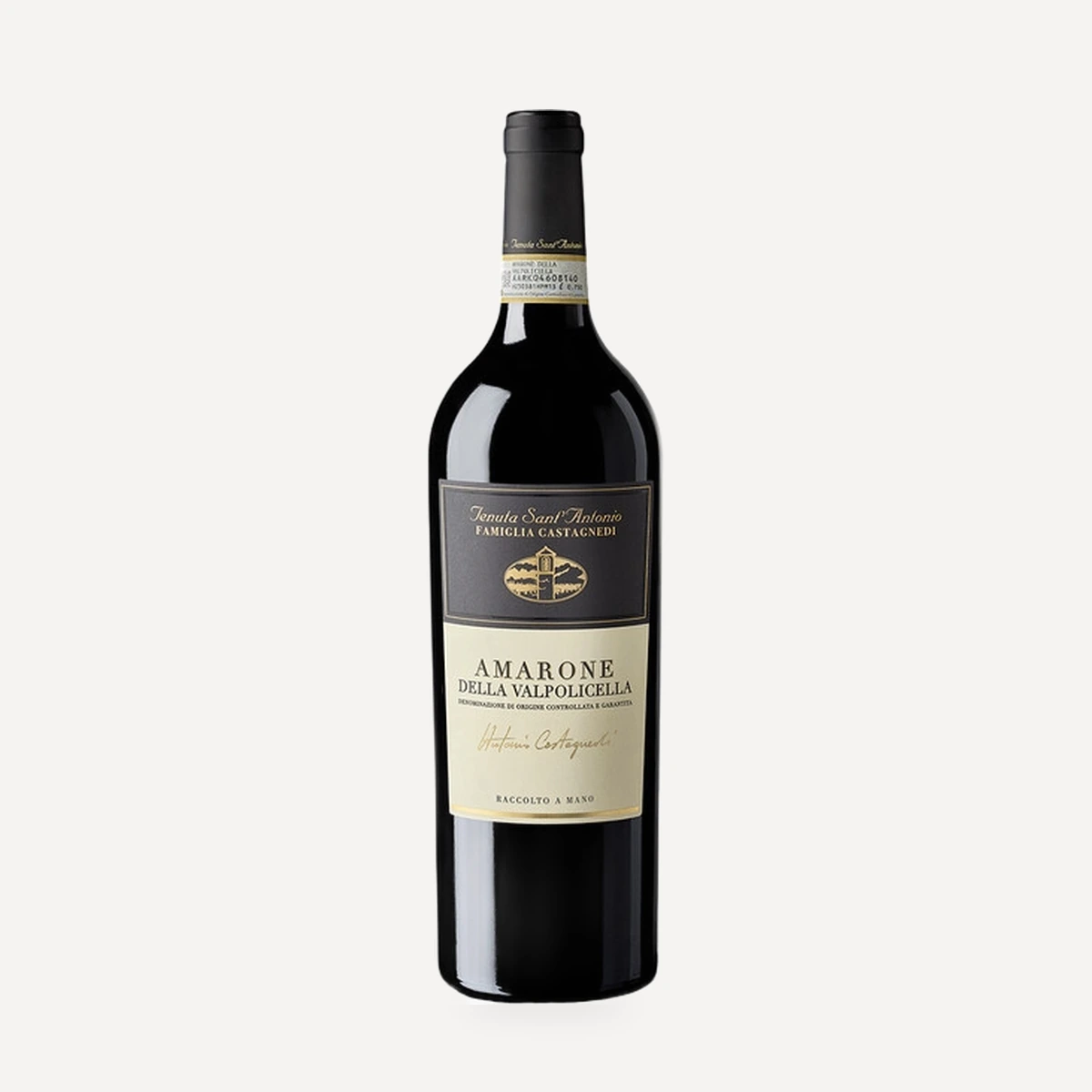
Antonio Castagnedi – Amarone della Valpolicella
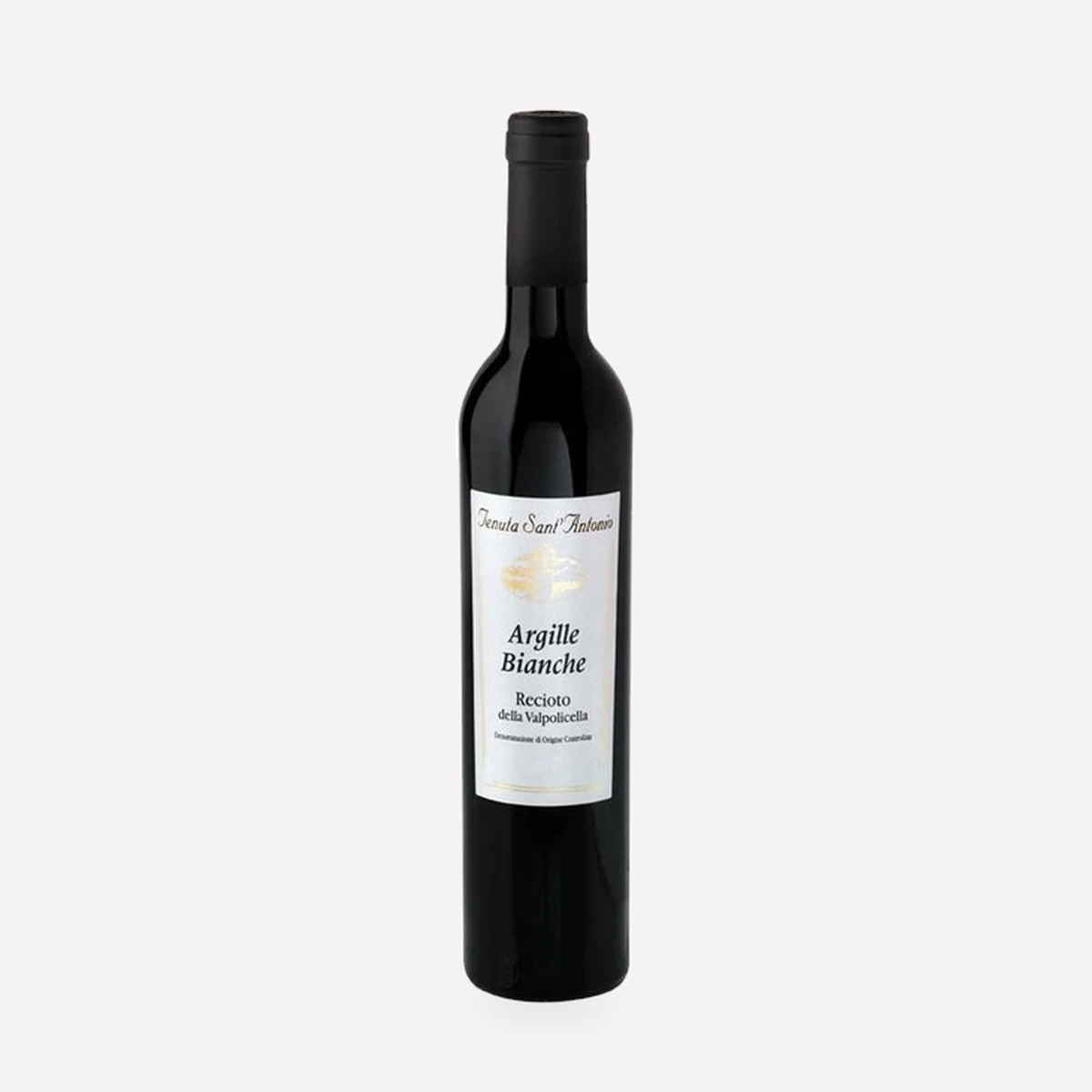
Argille Bianche Recioto della Valpolicella DOC
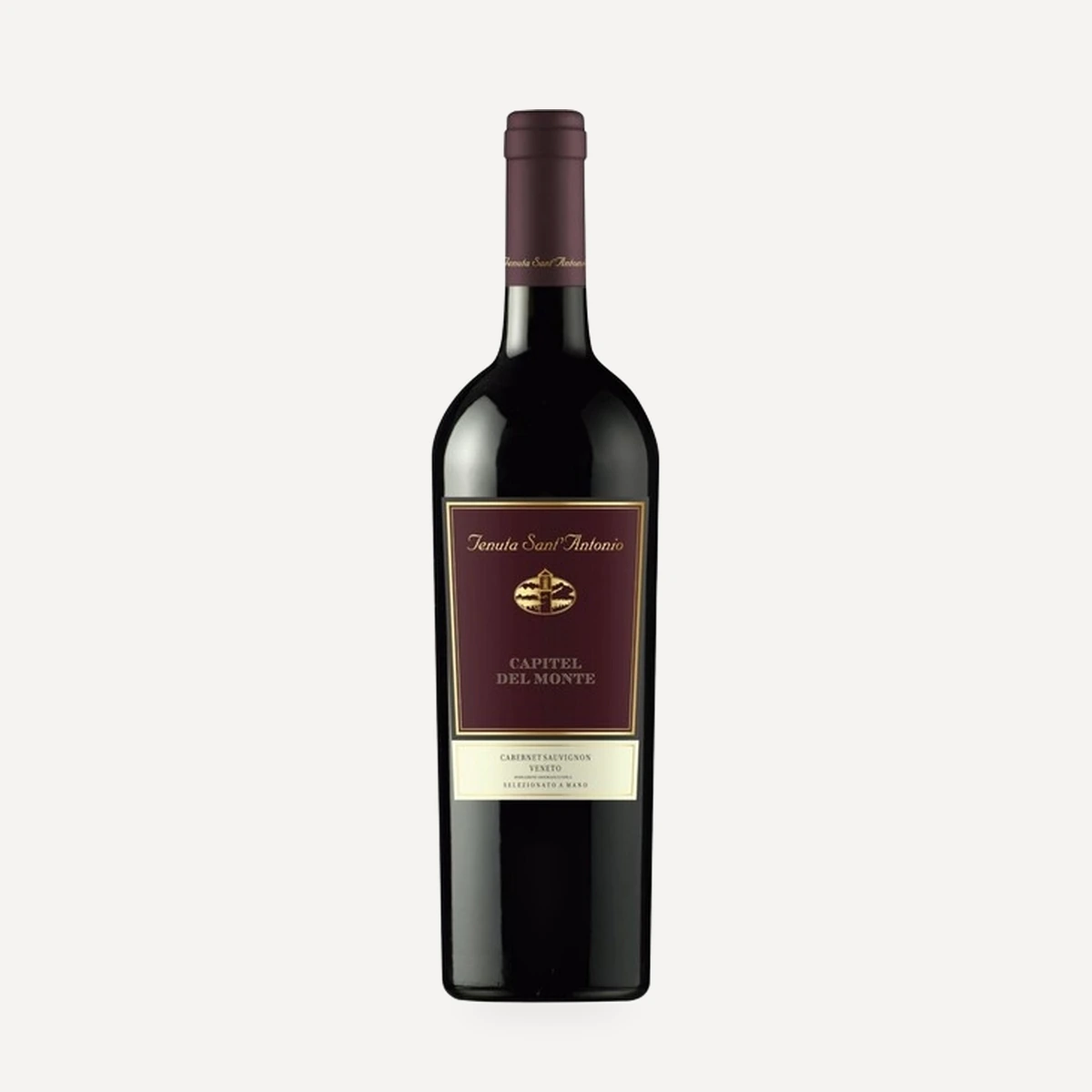
Capitel del Monte Cabernet Sauvignon Veneto IGT
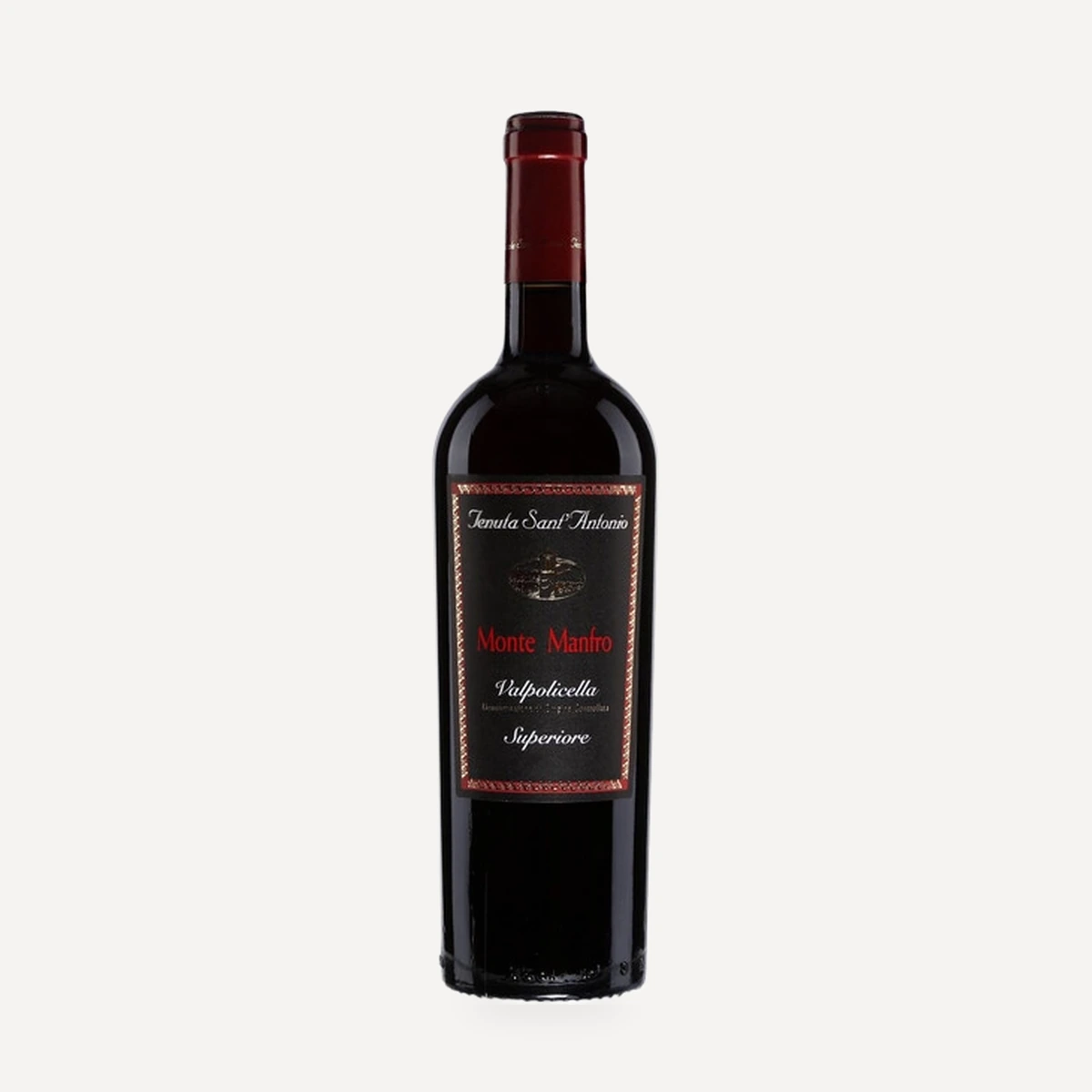
Monte Manfro Valpolicella Superiore DOC
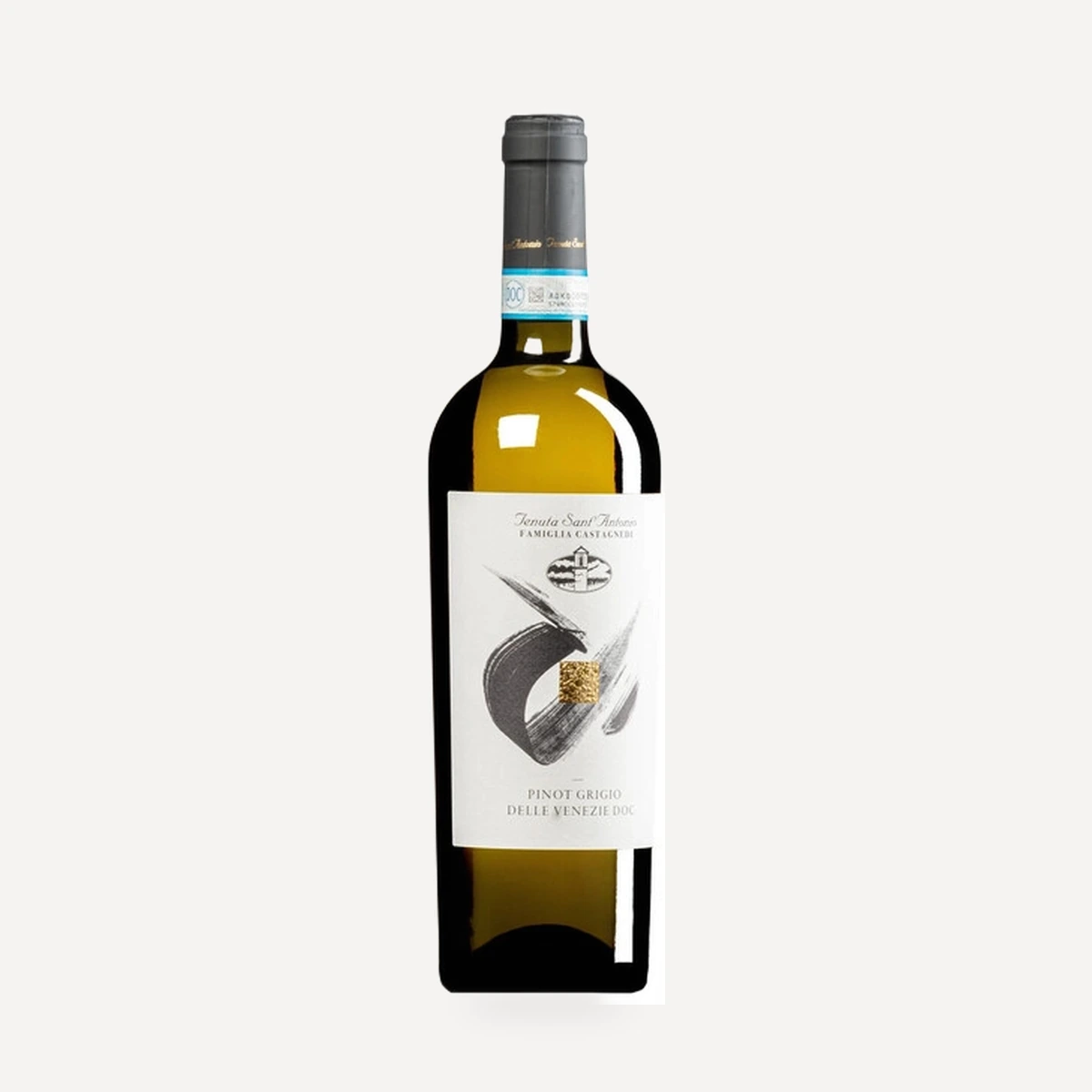
Pinot Grigio – Delle Venezie DOC
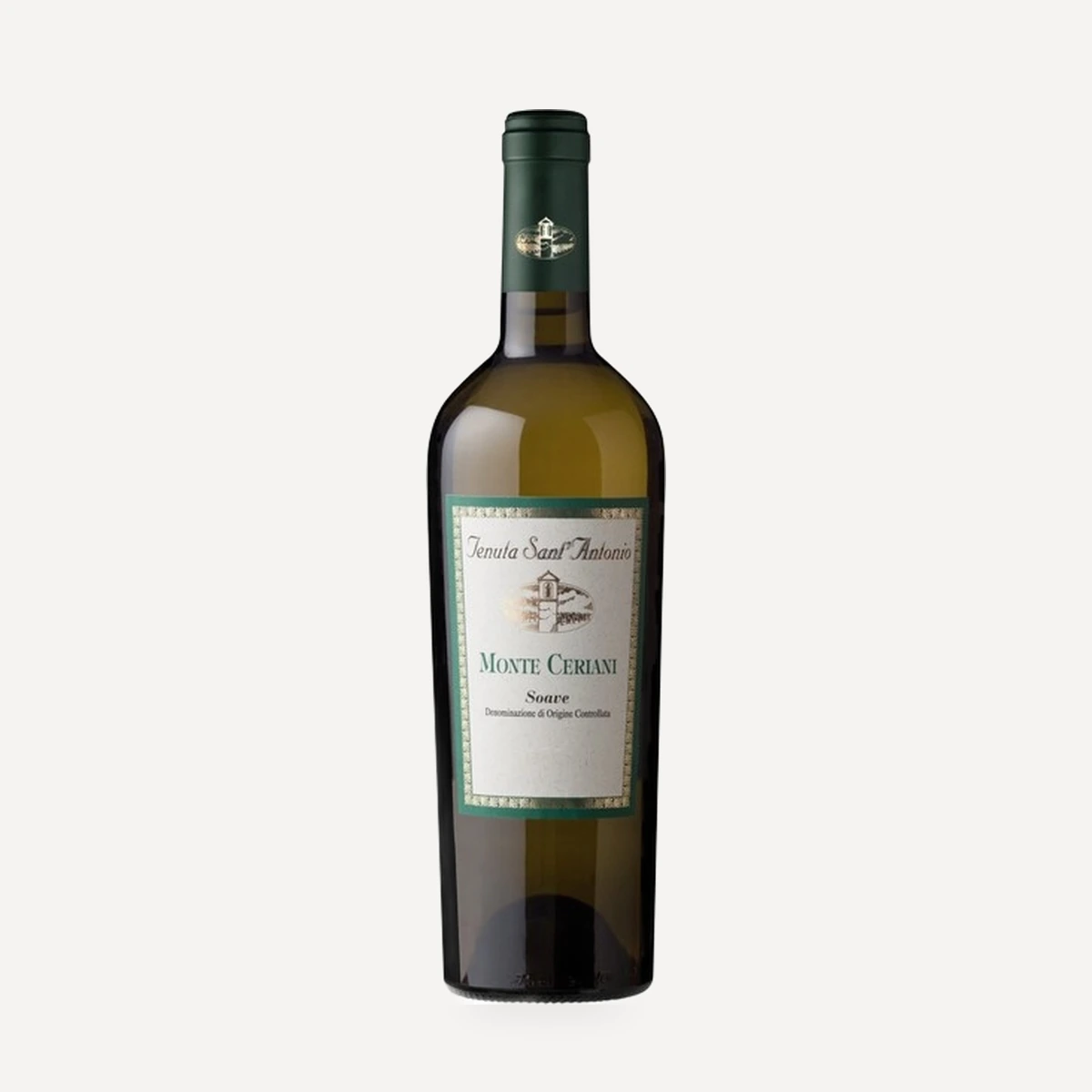
Vigna Monte Ceriani – Single Vineyard
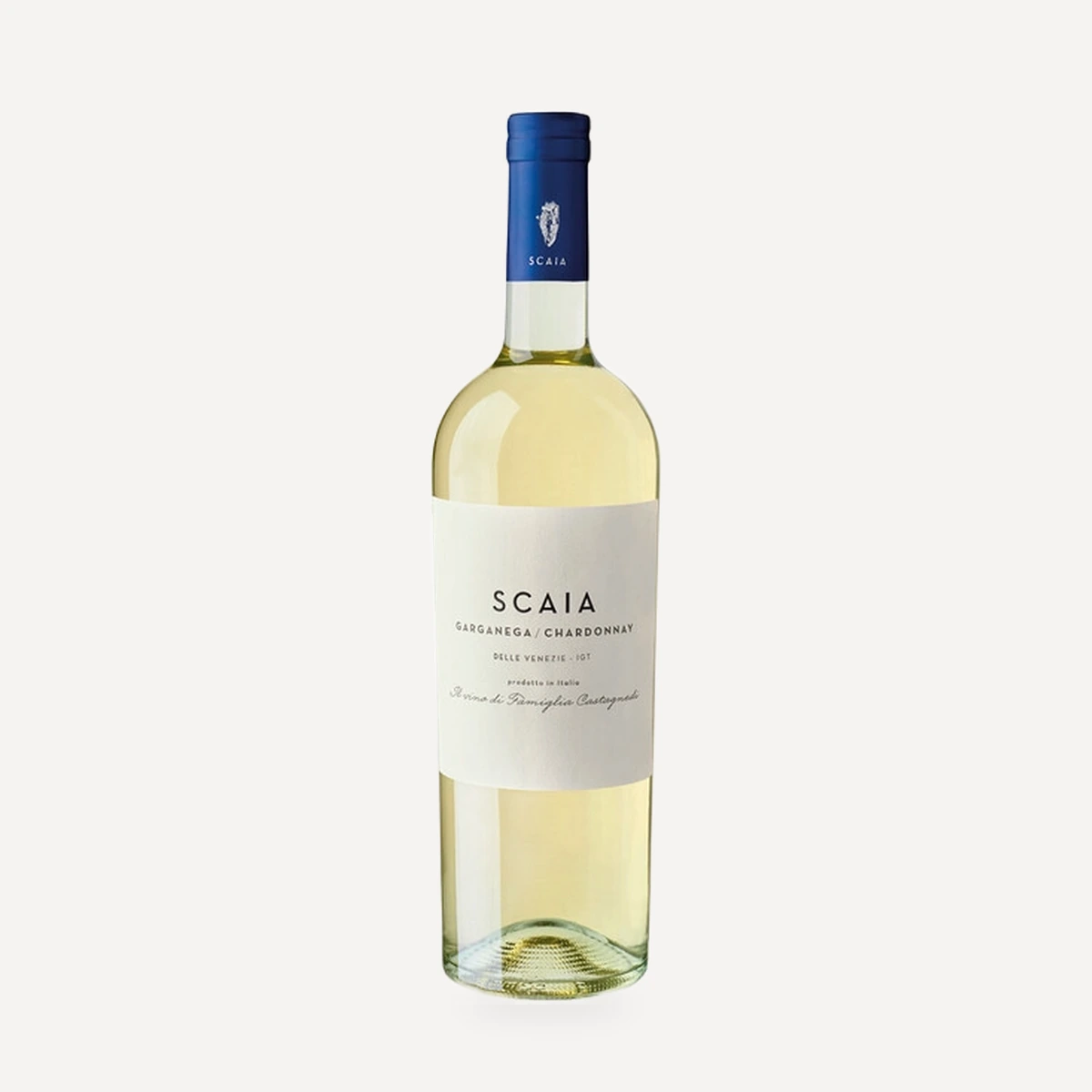
Scaia Garganega/Chardonnay Trevenezie IGT
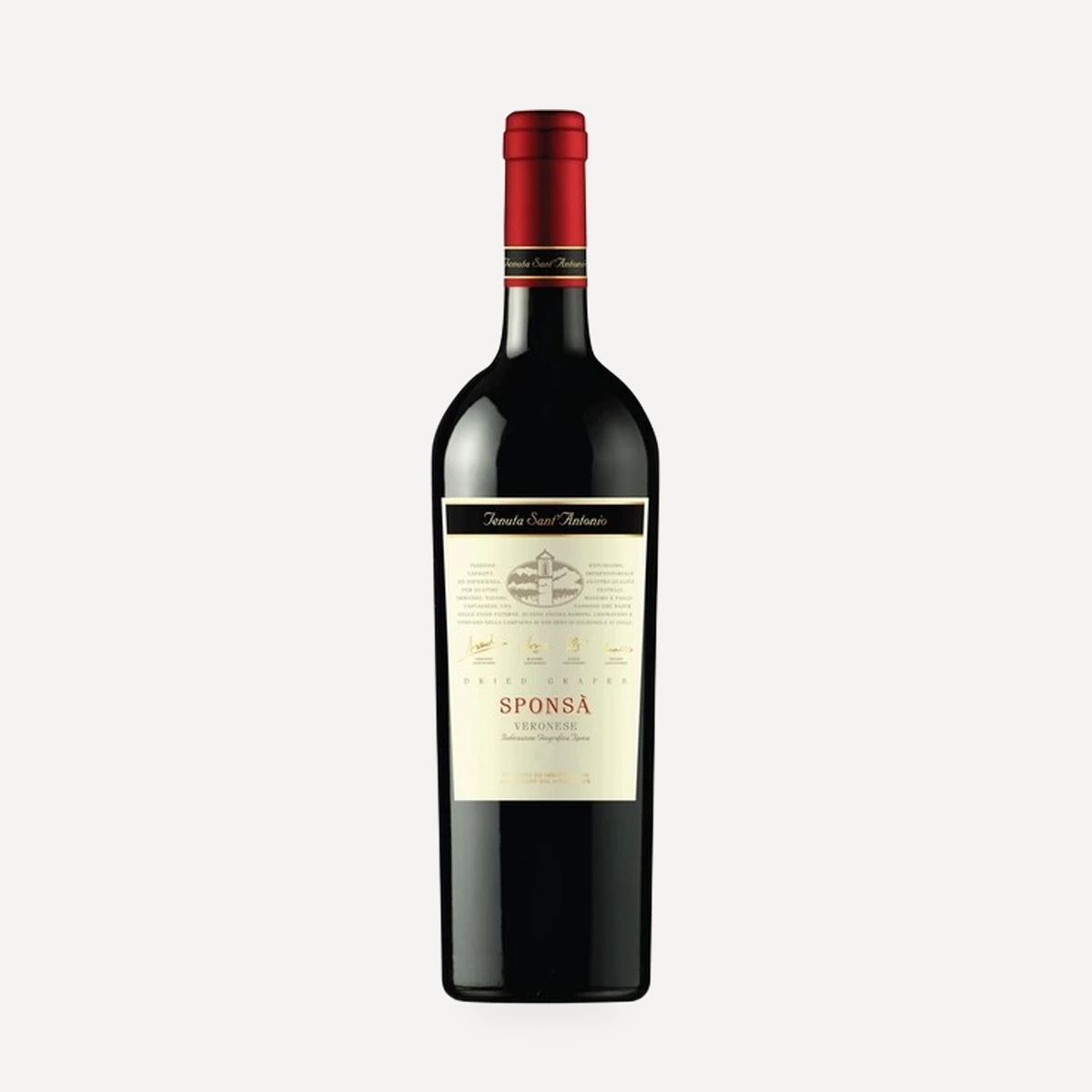
Sponsa Veronese IGT
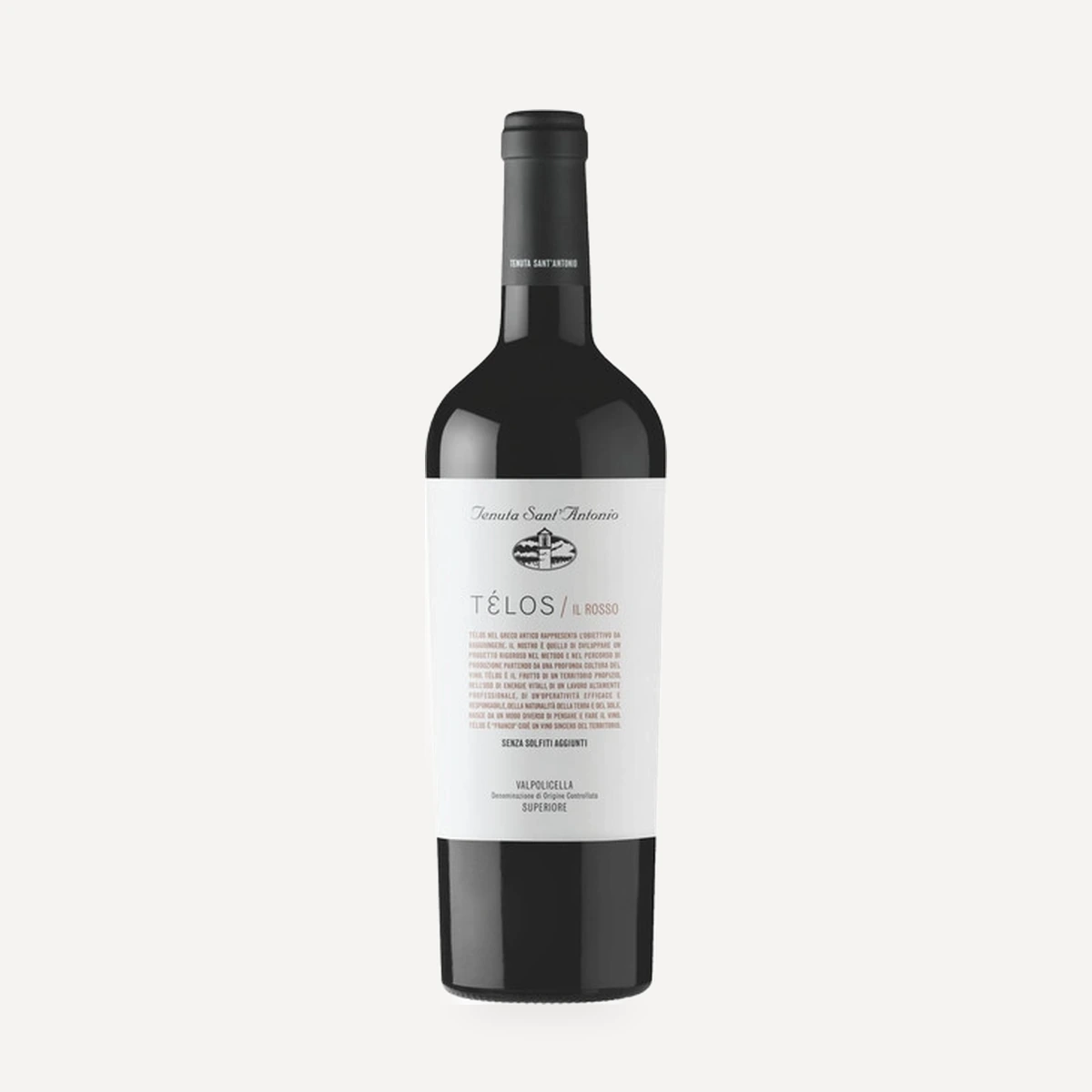
Telos Il Rosso Valpolicella Superiore DOC
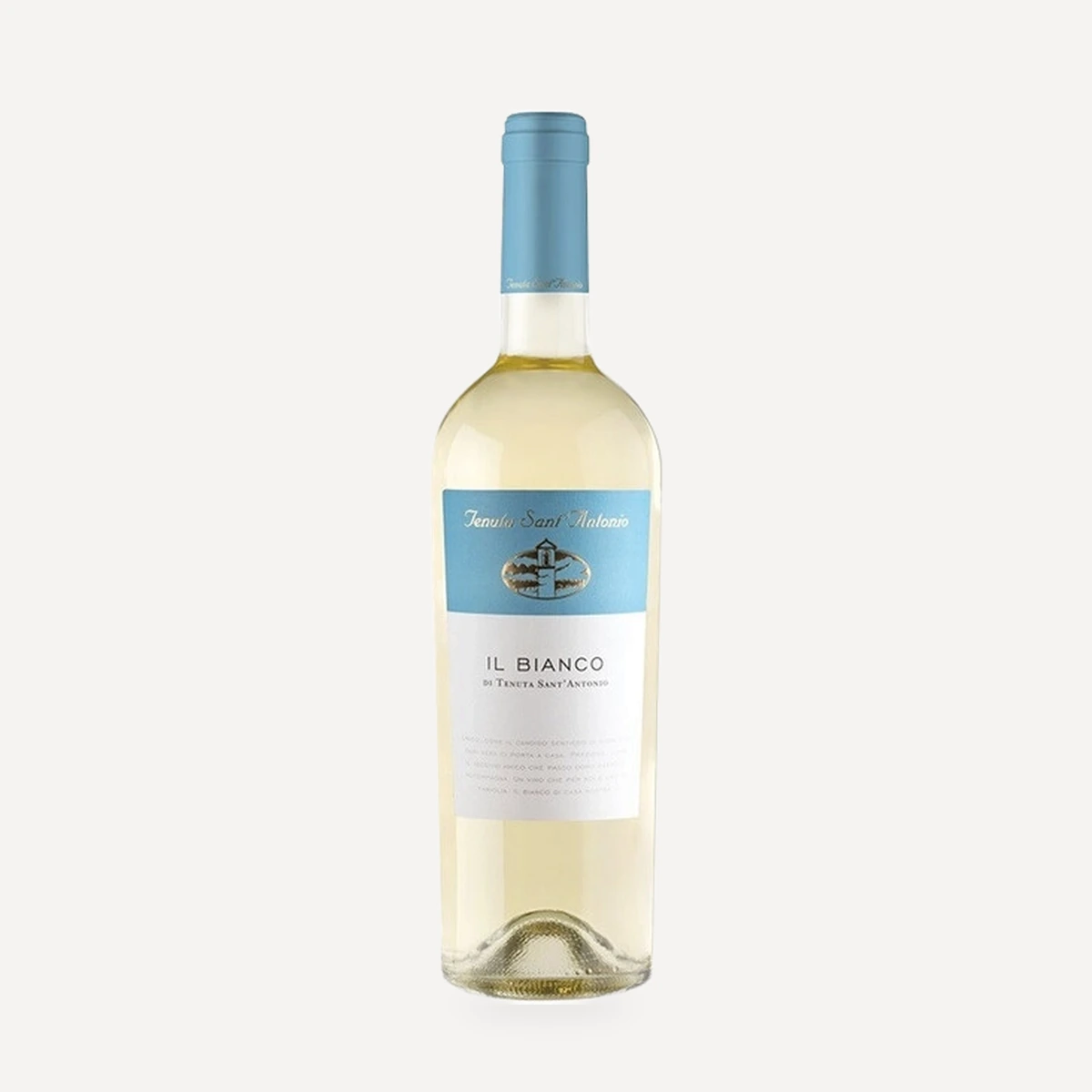
Il Bianco
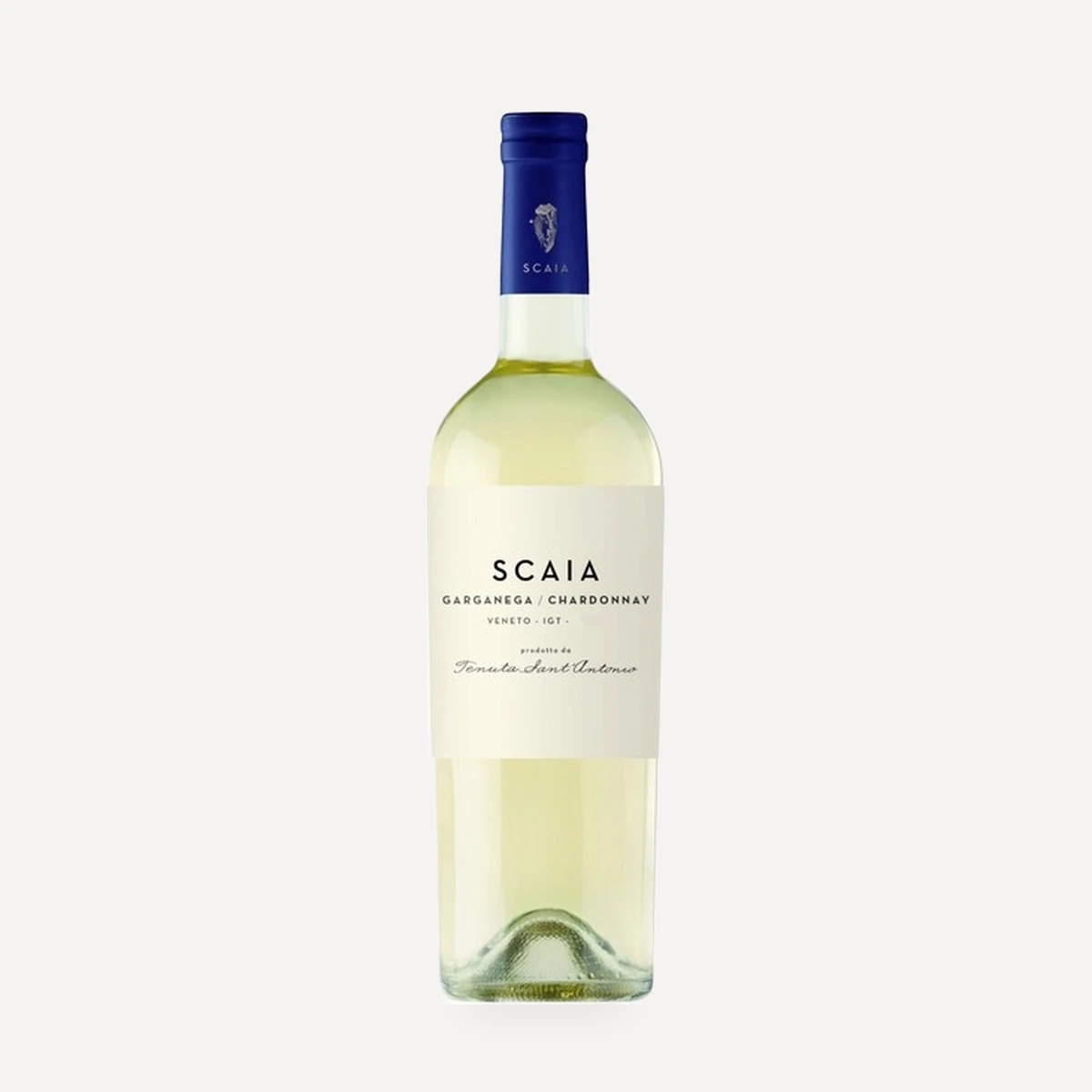
Scaia Garganega/Chardonnay Veneto IGT
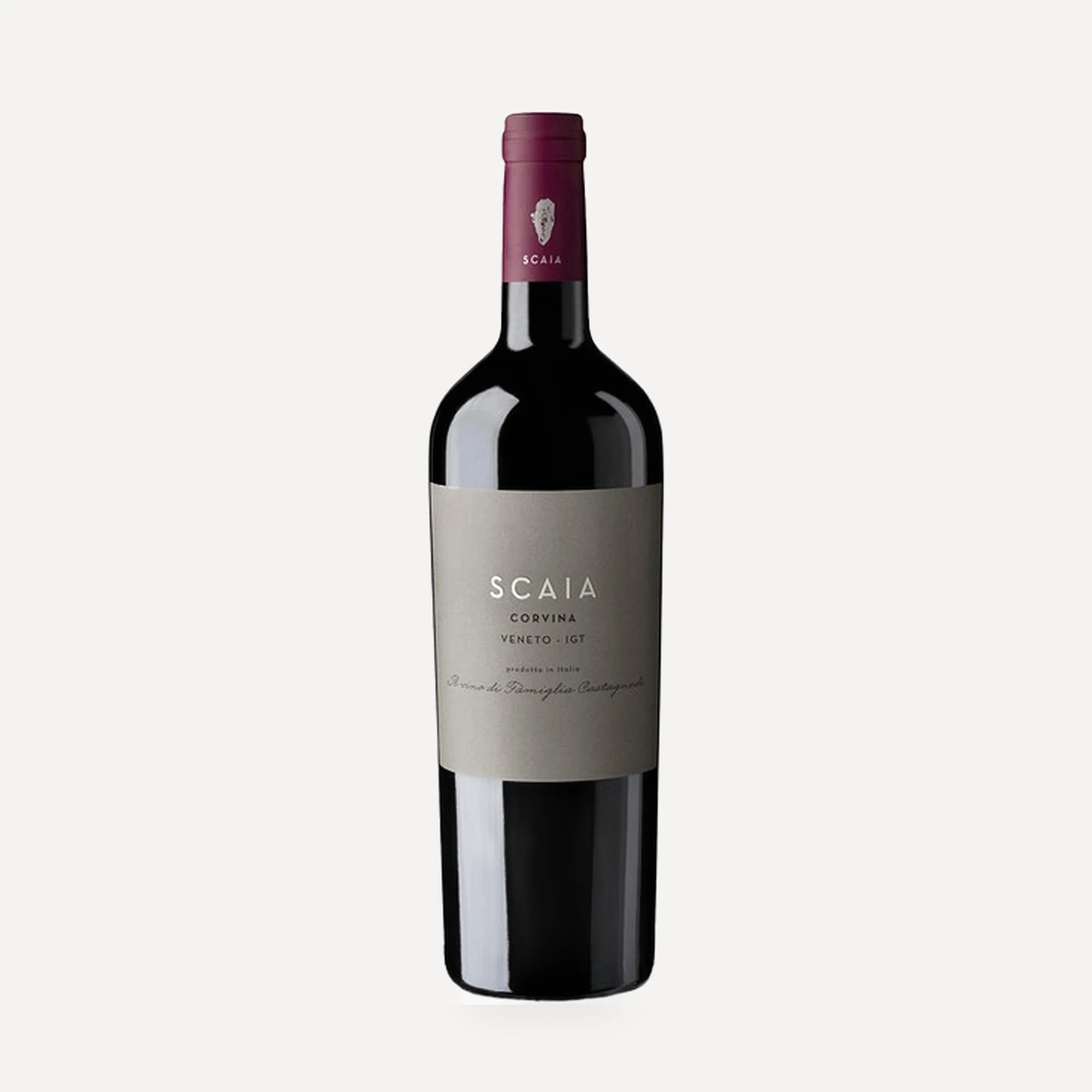
Scaia Corvina Veneto IGT
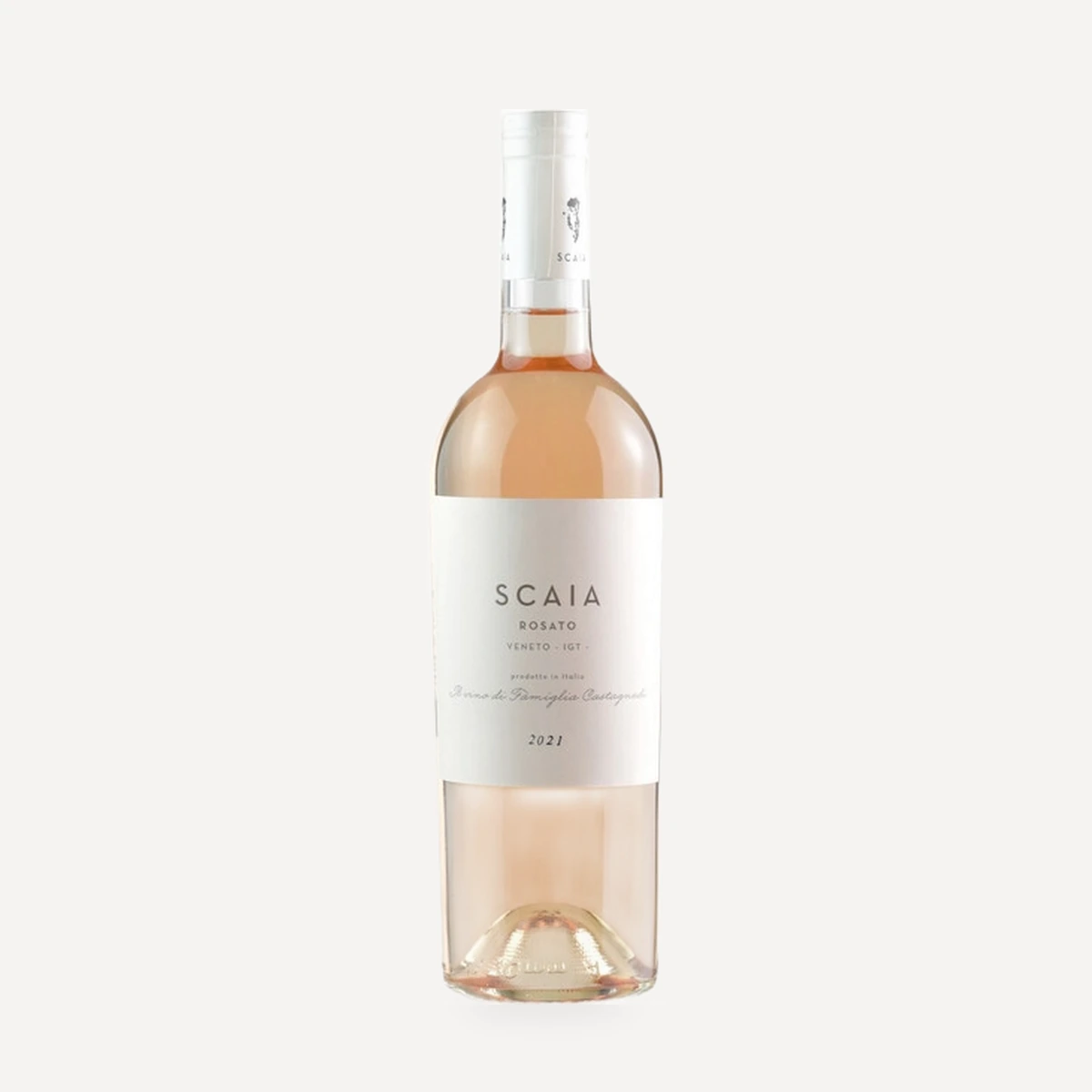
Scaia Rosato Veneto IGT
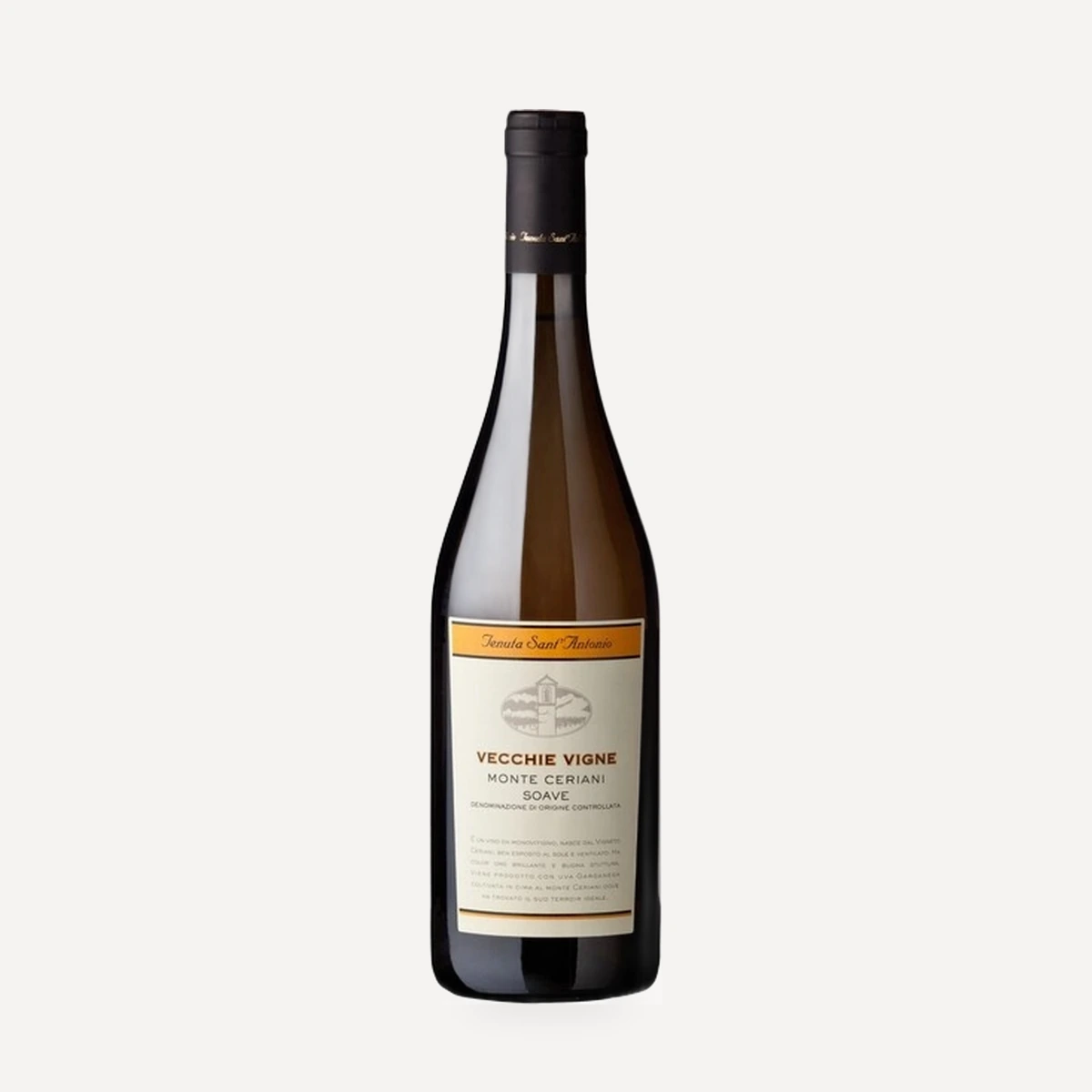
Vecchie Vigne – Soave Cru
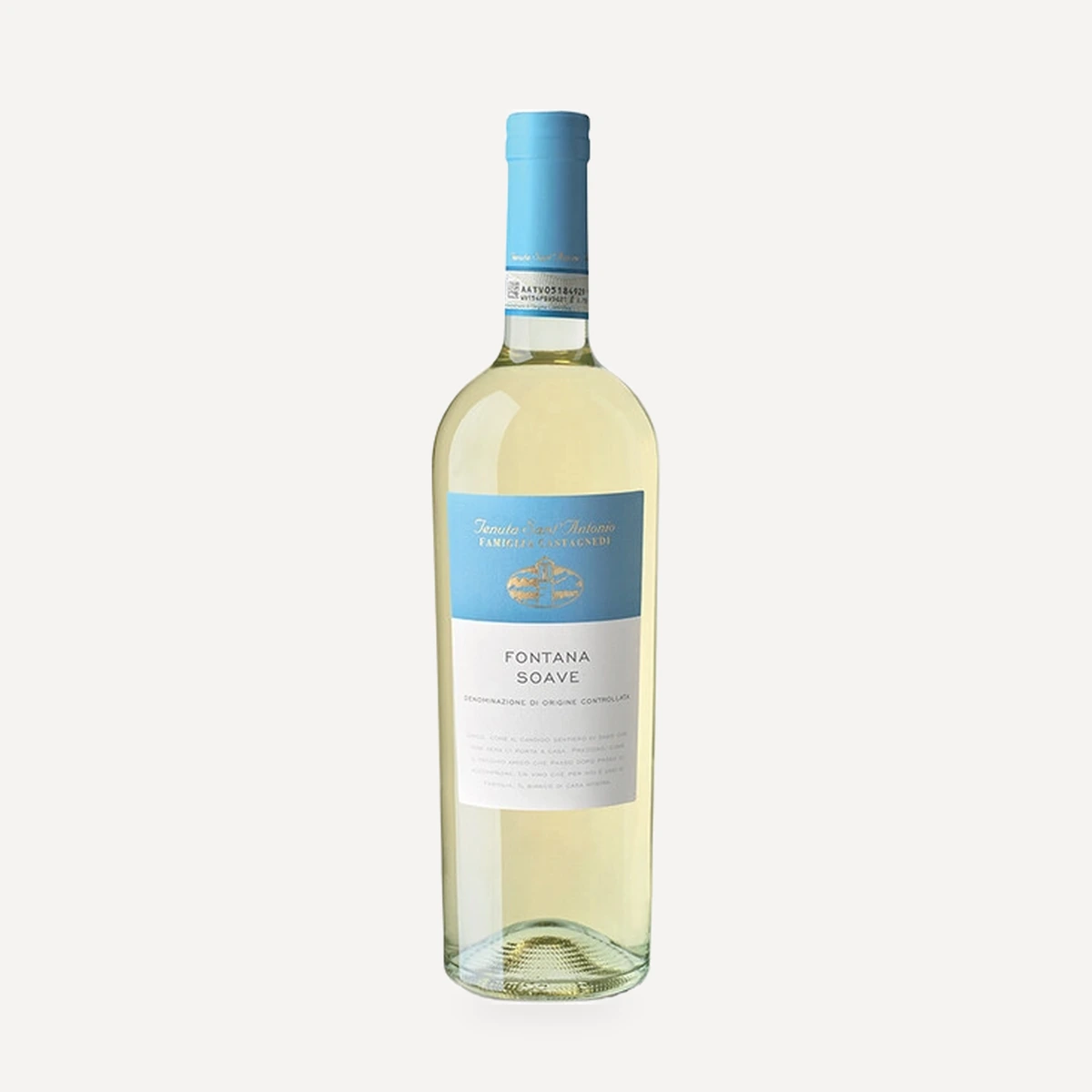
Fontana Soave DOC