Storia
1870: Bartolomeo Zeni
The family enterprise began in Bardolino in 1870 with Bartolomeo Zeni. A painter by inclination and a cart driver by profession, he carried fish, olive oil, wine and other local goods to settlements around Lake Garda and as far as Lombardy. Wine became the product he understood most closely, and he moved from transporting it into trading it.
The second and third generations
Bartolomeo’s son Gaetano continued the business and began working as a wine broker. Gaetano’s eldest son Francesco, the father of seven children, transmitted the family’s agricultural attachment to the next generation.
The 1930s: a permanent winery in Bardolino
The business subsequently passed to the brothers Faustino and Ernesto. In the 1930s they gave it a concrete winemaking base by establishing a small cellar at 16 Borgo Garibaldi in Bardolino’s historic centre. Their responsibilities were divided: Faustino managed the vineyards, while Ernesto supervised vinification. This marked the gradual transformation of a productive family tradition into a commercial wine enterprise.
Nino Zeni and a new production philosophy
After Faustino’s death, his son Gaetano—universally known as Nino—took over and worked alongside his uncle Ernesto. Recognizing a rapidly expanding market, particularly abroad, they changed the production philosophy. Grapes from different growing areas were no longer blended indiscriminately but vinified separately. Pedoclimatic conditions, planting density and vine age became core quality criteria, while close selection of vineyards and grapes became a defining practice.
Nino’s guiding conviction was that wine is made in the vineyard rather than in the cellar. He pursued better wine through healthier fruit and less processing, and introduced wines including Cruino and Costalago.
1966: the Costabella winery
In 1966 the business entered a new phase with construction of a larger, more practical winery on the Costabella hills above Bardolino, overlooking Lake Garda. The site remains the headquarters. The move created room for continued improvements in quality and technological development.
Expansion into Valpolicella
During the 1960s, Bardolino was the winery’s principal product and enjoyed strong export demand. Nino nevertheless anticipated growing interest in more structured wines and established a separate winery in the Valpolicella area. This early investment gave the family experience with Valpolicella Classico, Valpolicella Superiore, Recioto della Valpolicella and Amarone della Valpolicella before market demand fully shifted toward those styles. The Fumane facility is now dedicated to receiving, drying and vinifying Valpolicella grapes; maturation takes place in Bardolino.
The 1980s and 1991
The Vigne Alte selection emerged in the 1980s from the family’s early program of higher-quality grape selection. In 1991 Nino created the Wine Museum within the Bardolino winery. Its thematic displays trace cultivation, harvesting, grape transformation and bottling through historical and modern tools, grafting material and examples of cultivation methods.
2006 and the fifth generation
Nino died in 2006. His children Fausto, Elena and Federica became the fifth generation to lead the winery, supported by their mother, Mariarosa Montecchi. Fausto assumed responsibility for both oenology and agronomy; Elena and Federica specialized in exports and sales, wine tourism and group hospitality.
2014–2017: quality systems and hospitality
The company’s quality-management system was first certified in 2014. The later ISO 9001:2015 certificate applied to wine production, ageing, bottling and commercialization at both Bardolino and Fumane.
In 2017 the GO Olfactory Gallery, conceived by Elena Zeni, opened to the public. Designed as Italy’s first olfactory gallery devoted entirely to wine, it added a sensory and educational dimension to the family’s hospitality program.
2020 and the 150th anniversary
The 2020 Lugana VigneAlte and Marogne bottlings were presented with SQNPI certification under Italy’s voluntary integrated-production system. In the same year, Zeni 1870 marked 150 years and five generations of family activity. The anniversary connected the original values of local roots, experimentation, commercial initiative, elegance and hospitality with the fifth generation’s emphasis on research, innovation and international distribution.
Terroir
A network of Veronese territories
The vineyards extend across five principal Veronese wine areas, from the southeastern shore of Lake Garda to the hills east and north of Verona: Bardolino, Custoza, Lugana, Valpolicella and Soave. Lake Garda, Monte Baldo, the Pre-Alps, the Lessini Mountains, the Adige and Mincio rivers, glacial landforms and volcanic formations create markedly different environments.
Bardolino
Bardolino lies between Lake Garda’s eastern shore and the morainic hills inland, among vineyards and olive groves. The amphitheatre of hills was shaped by retreat of the Adige glacier during the Riss and Würm glaciations. Pebbly and silty deposits formed light, deep, skeletal soils that warm rapidly even in winter.
Lake Garda moderates the climate. Mean annual temperature is approximately 12–13°C and mean relative humidity about 70%. January averages 2–3°C, with little snow, while July temperatures reach about 26°C. The vineyards are situated on gentle lakeside hills in Bardolino’s historic Classica zone.
Custoza
Custoza occupies the southern Garda morainic hills, southwest of Lake Garda’s morainic amphitheatre and bounded by the Mincio. Its soils combine red and brown horizons over variably compact, often sandy debris with pale morainic-glacial soils of light structure. Gravelly-calcareous and gravelly-sandy skeleton is common. The lake’s thermal influence produces a generally mild climate with moderate rainfall.
Lugana
Lugana follows the southern shore of Lake Garda from Desenzano through Sirmione and Peschiera, continuing into Pozzolengo and Lonato. Once known as the marshy Selva Lucana, the area now carries vineyards on soils that become muddy after heavy rain and stone-hard during drought.
An upper clay-limestone layer rests on mineral-rich morainic material. The lake supplies high humidity across the zone. These conditions influence vineyard layout: rows are spaced to encourage airflow, and the canopy and fruiting zone are kept at an appropriate height above the ground.
Valpolicella
The Valpolicella vineyards occupy predominantly hilly country north of Verona. The Lessini Mountains separate the area from Trentino to the north; the Adige divides it from the Garda morainic hills to the southwest; Monte Pastello marks its northwestern boundary toward Val d’Adige. Nearby Lake Garda moderates temperatures, while cool, ventilating air descends from the Lessini Mountains.
Marine-origin soils include compact red calcareous earth, Cretaceous marl and basalt. The broader soil mapping also identifies chalk-derived, basalt-derived, paleolithic-landslide, colluvial and alluvial formations, ranging from neutral, non-calcareous basalt soils to strongly or extremely calcareous, moderately alkaline hillside profiles.
Soave
Soave lies in the eastern Veronese hills. Its volcanic, tuffaceous soils have a significant limestone component. In the Classico zone, a local volcanic tuff called tovo distinguishes the area from the historical soils of Bardolino and Valpolicella. Average temperatures are mild, with temperate summers and winters that are not excessively severe.
Broader soil diversity
The mapped vineyard environments include deep calcareous clay loams and silty clay loams over glacial material; moderately deep, gravelly and strongly to extremely calcareous chalk-derived hillside soils; deep, moderately fine, neutral and non-calcareous basalt soils; slightly calcareous landslide soils; colluvial soils; and alluvial plains formed by pre-Alpine streams and fluvioglacial processes. Textures range from fine to coarse, and the amount of gravel varies from sparse to abundant.
Vinificazione
Fausto Zeni personally directs agronomy as well as oenology. His work begins with the potential and specific character of each soil, matching grape varieties to individual vineyards and adapting cultivation to the balance and timing of each site.
The objective is healthy, high-quality fruit with the least possible intervention in nature. In the vineyard, copper and sulfur are used in place of other chemicals. Environmental sustainability is treated as a combined vineyard-and-cellar responsibility rather than a separate program.
Selection is central to the estate’s viticulture. Grapes from different production zones are kept distinct, and pedoclimatic conditions, planting density and vine age are used as quality criteria. The Vigne Alte range is based on bunches selected at optimum ripeness. Valpolicella fruit destined for drying is chosen directly in the vineyard from the healthiest and most intact bunches, then placed carefully in a single layer in plastic crates or on traditional bamboo arele.
Lugana’s humid lakeside conditions shape vineyard design: adequate spacing between rows supports airflow, while leaves and fruit are trained at sufficient distance from the soil. The 2020 Lugana VigneAlte and Marogne bottlings carried SQNPI certification, a voluntary Italian integrated-production scheme emphasizing traceability and controlled plant-protection choices.
Two production sites
The principal winery stands in Costabella, on the hills above Bardolino. A second facility at Via dei Progni in Fumane is dedicated exclusively to grapes for Valpolicella wines. Fruit for those wines is received, dried and vinified in Fumane; maturation subsequently takes place in Bardolino.
Processing and fermentation
The Bardolino production area has undergone extensive structural enlargement and technological modernization. Equipment includes temperature-controlled stainless-steel vats, systems for soft pressing and facilities for cold skin contact of white grapes. Technology is adjusted to fruit ripeness and used to reduce inputs, including sulfur dioxide.
The overall aim is to intervene as little as possible during processing. One practical expression is I Filari del Nino, a Bardolino made without added sulfites from sound fruit and natural yeasts selected for not producing sulfites.
Appassimento and Valpolicella methods
The best, healthiest Valpolicella bunches destined for Amarone and Recioto are selected in the vineyard. They are arranged in a single layer in plastic crates or on bamboo arele, allowing air circulation and preventing crushing, then moved to large, dry, well-ventilated fruttai. Drying lasts three to four months and reduces grape weight by approximately 30–40%, concentrating sugars, glycerol, extract and aromas.
Crushing and fermentation take place in winter to benefit from naturally low temperatures. After fermentation, the wines receive at least 12 months in small Slavonian and Allier oak barrels. Duration varies by vintage and style: Recioto generally receives a shorter maturation, while Amarone is longer; Amarone DOC Classico is matured for at least two to three years in Slavonian oak. Bottle ageing follows.
Recioto grapes are generally harvested later and dried longer than those for Amarone. Fermentation stops naturally because the very high sugar level restricts yeast activity; timing of devatting can further adjust sweetness. Ripasso is made through a second fermentation of Valpolicella on still-rich dried pomace from Recioto and/or Amarone.
Barrel maturation
The underground Bardolino barrel cellar covers 1,400 m². Surrounding earth and stone provide natural insulation and limit temperature fluctuation, reducing cooling demand. Temperature and humidity are also monitored and held constant with a conditioning system.
The cellar contains 225-litre barriques, tonneaux and large vessels reaching 156 hl, made from French, Slavonian and Austrian oak. Wood origin, seasoning and toast are selected according to the intended wine. Fausto Zeni also chooses barrel size and toast as part of his responsibility for the complete production process.
A separate area holds old vintages and wines requiring additional bottle maturation. A dedicated drying area was built for Costalago and Cruino fruit, while an air-conditioned finished-goods warehouse provides controlled storage for wines awaiting release.
Bottling and quality management
The bottling line has been repeatedly renewed and improved. The published ISO 9001:2015 certificate covered production, ageing, bottling and commercialization at both Bardolino and Fumane. The associated quality policy emphasizes legal compliance, personnel training, monitoring supplies, preventive control of non-conformities, continual improvement and reduction of environmental impact.
Filosofia
Respect is the organizing principle: respect for land, vines, seasons and the generations that shaped the family’s territory. Every vineyard and cellar decision is intended to convey origin while following natural rhythms.
The family’s central production belief, inherited from Nino Zeni, is that wine is made in the vineyard. High-quality, healthy grapes make it possible to reduce human intervention in the cellar. This principle underlies the personal union of agronomy and oenology in Fausto Zeni’s role, as well as the separation of grapes by production area.
Research accompanies the traditional approach through improved winemaking, refinement of maturation techniques and continued study of grape varieties and terroir. The objective is balance rather than a choice between tradition and technology: modern equipment is used to protect grape quality and reduce inputs, while site, local varieties, appassimento, oak maturation and generational knowledge retain their place.
Family identity remains inseparable from the business. Fausto, Elena and Federica describe their work as the fifth generation of a history built on local roots, experimentation, commercial initiative, elegance and hospitality. Their horizon is international, but their declared starting point remains Bardolino, Lake Garda and Valpolicella.
Vini
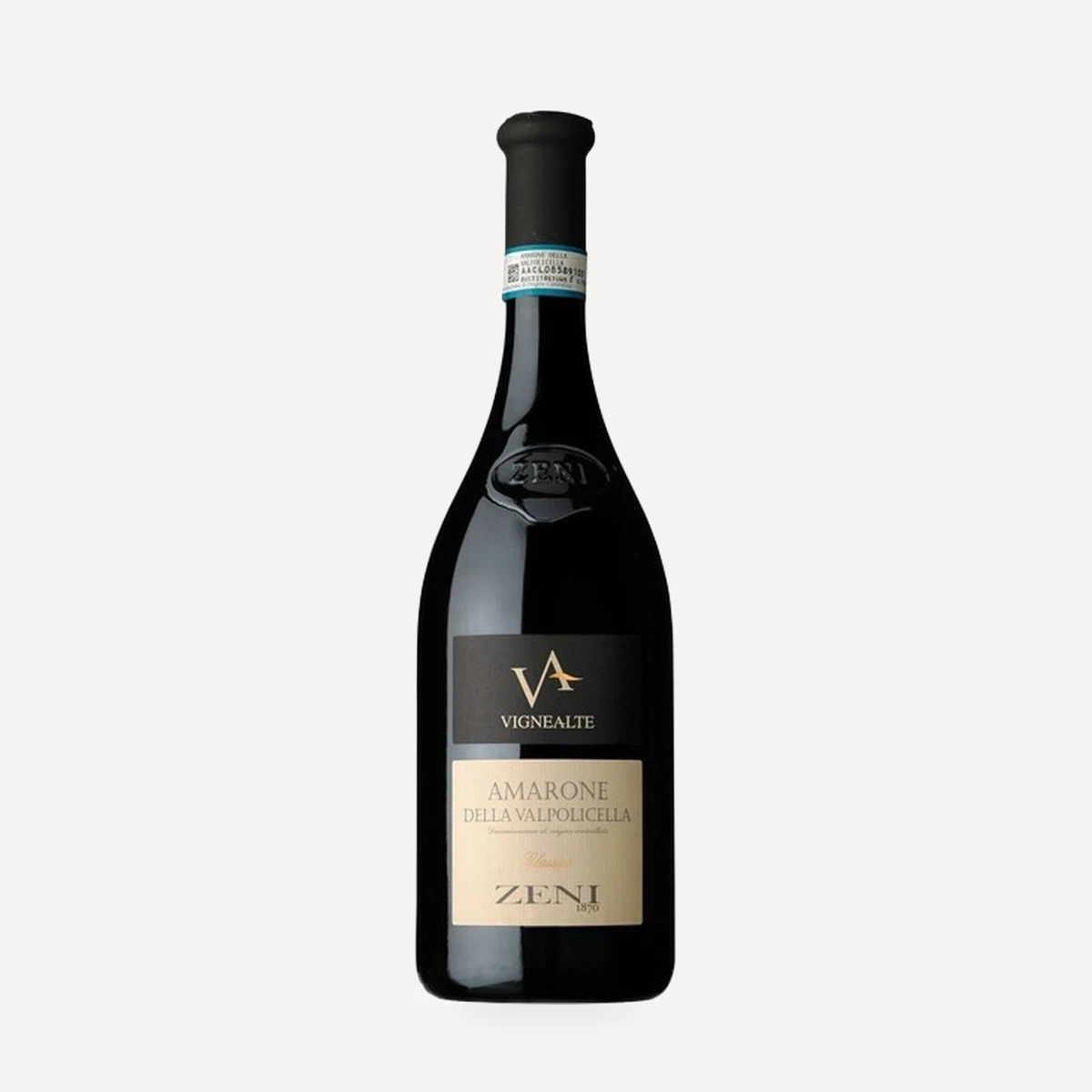
Vigne Alte Amarone della Valpolicella Classico DOC
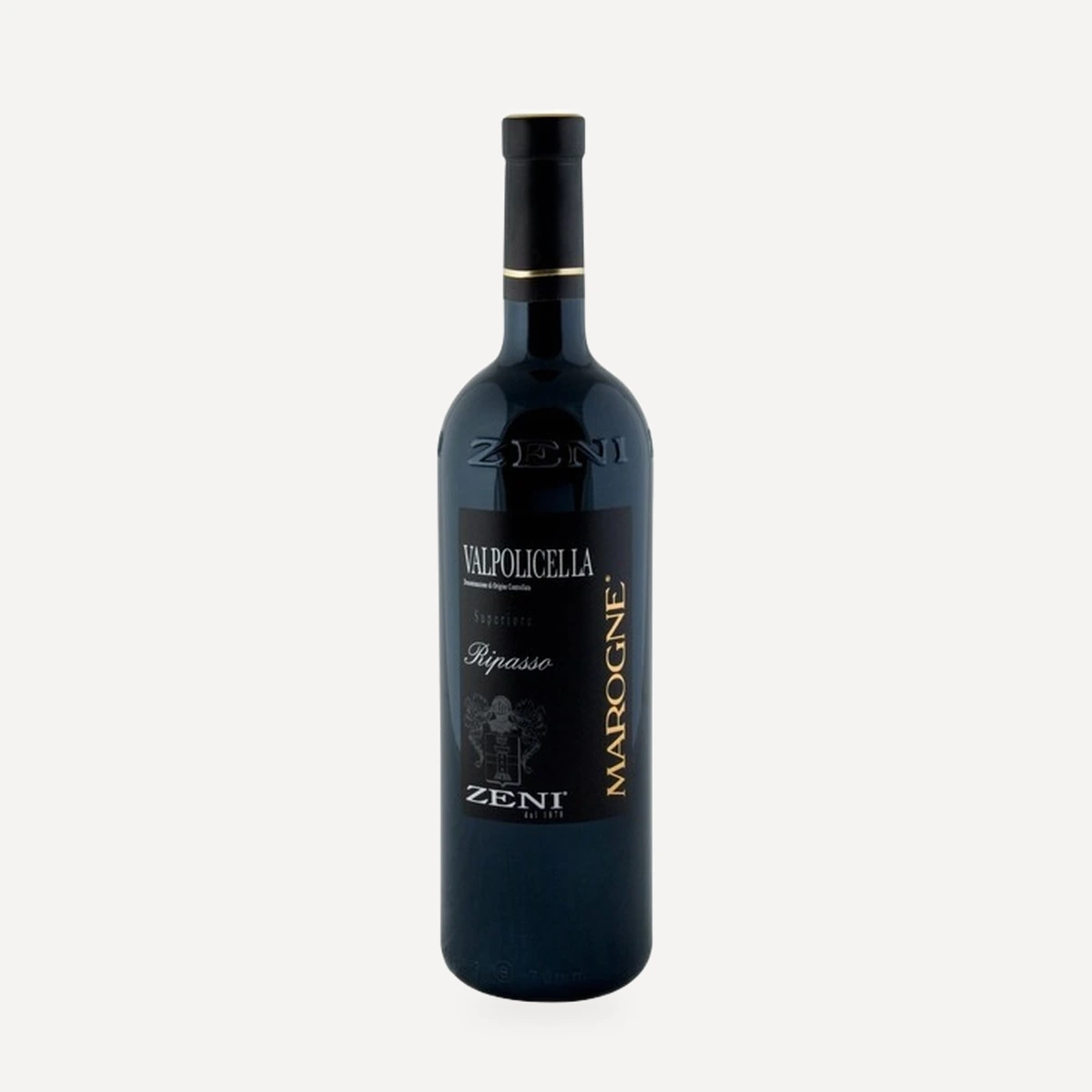
Marogne Valpolicella Superiore Ripasso DOC
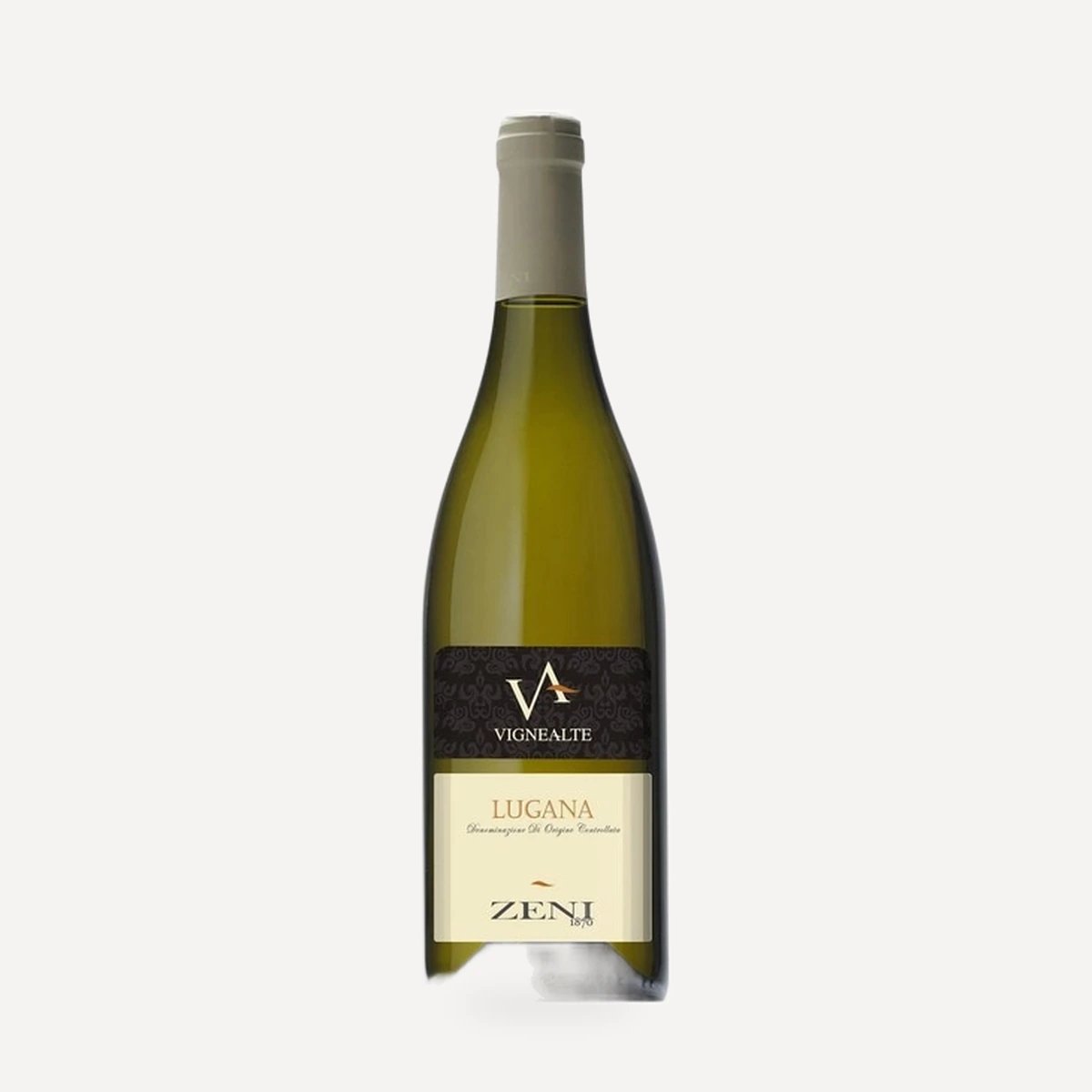
Vigne Alte Lugana DOC
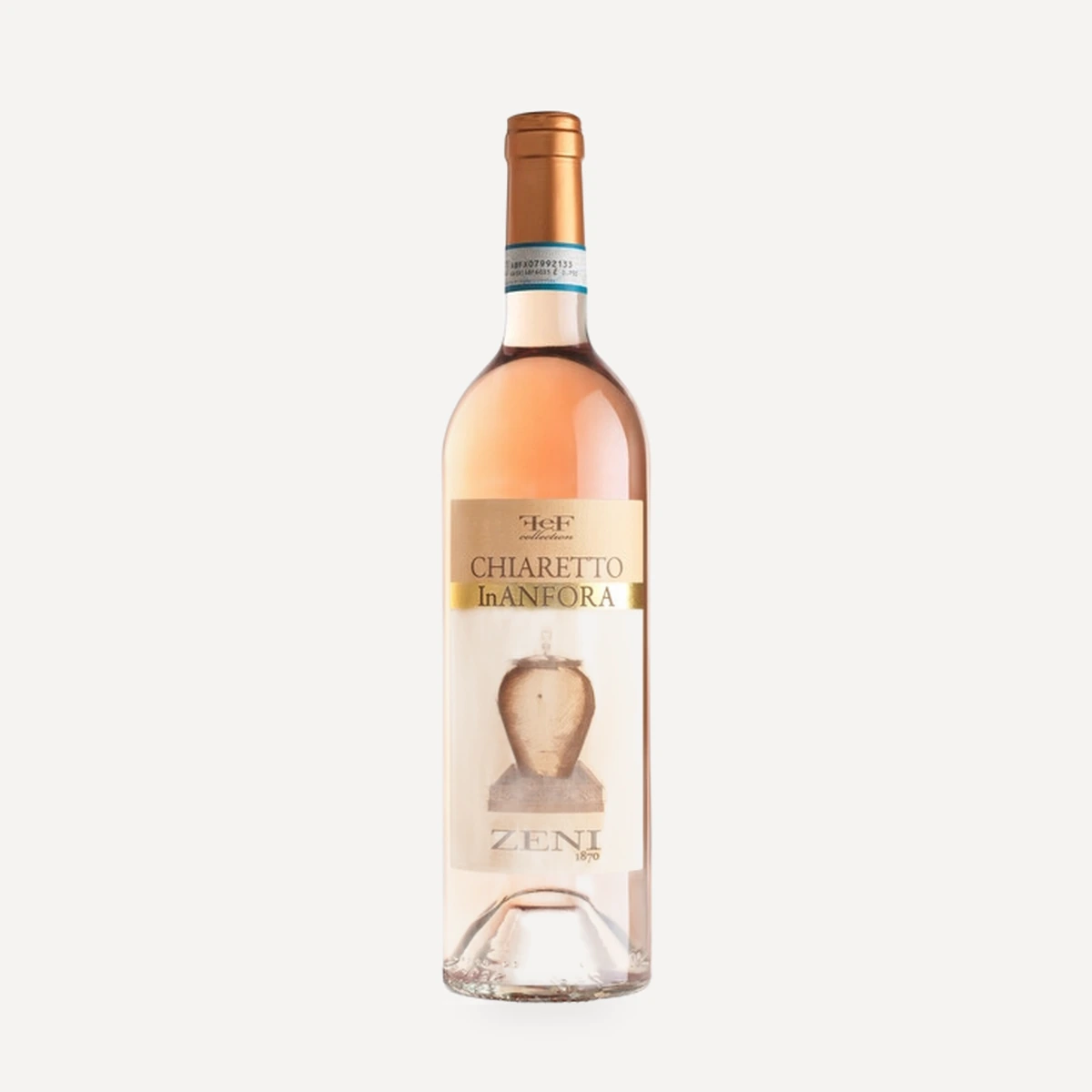
Chiaretto In Anfora Bardolino Classico DOC
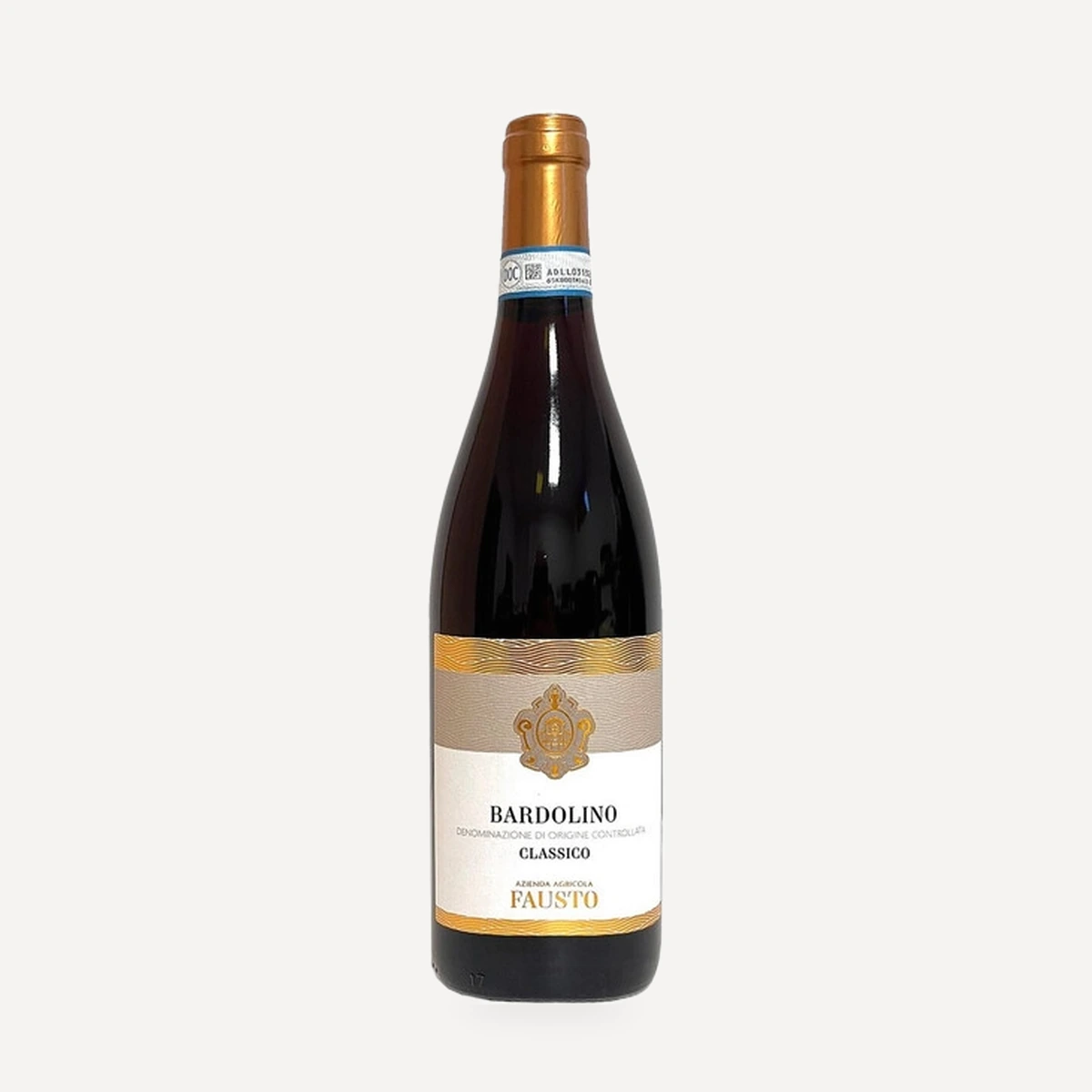
Bardolino Classico DOC
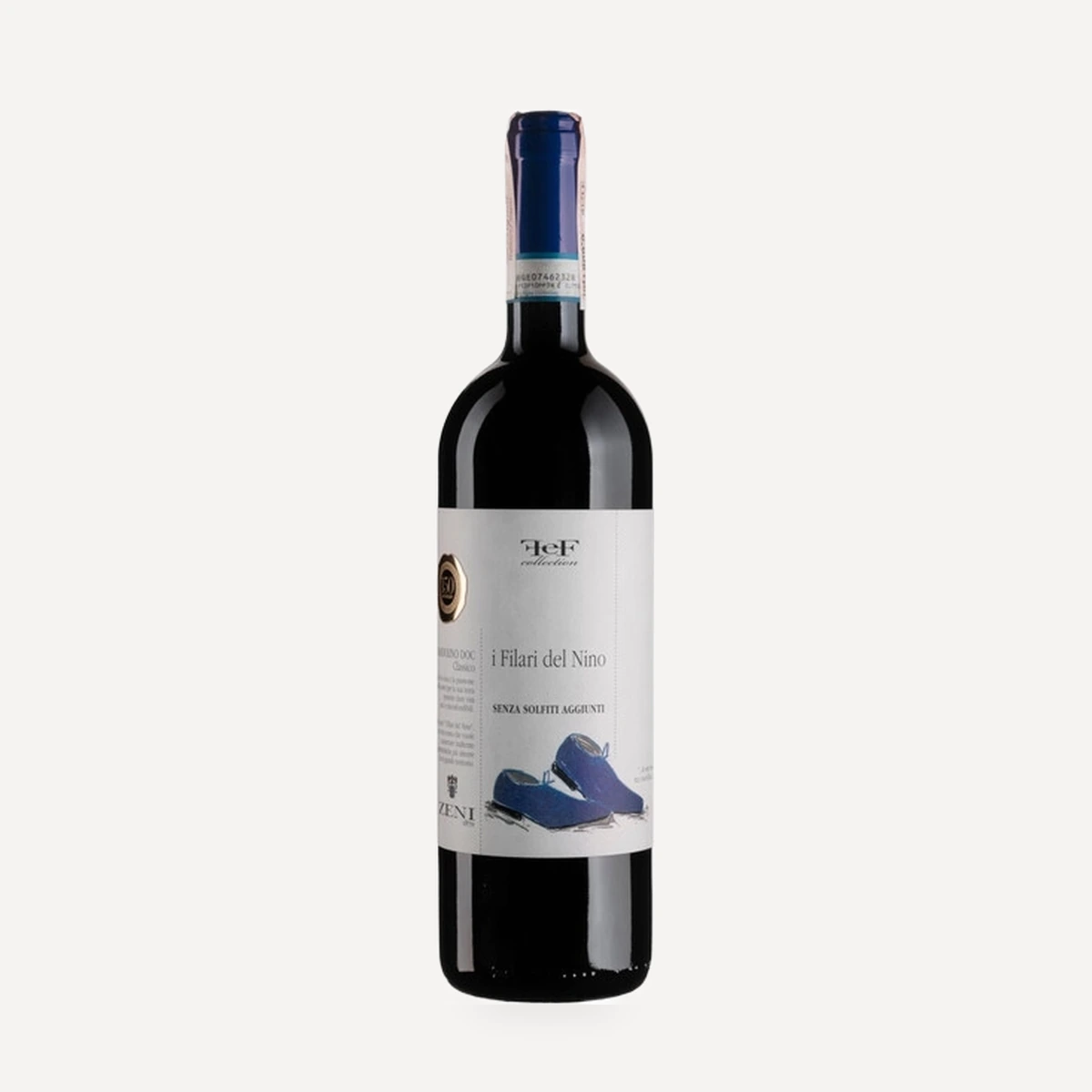
I Filari del Nino Bardolino Classico DOC
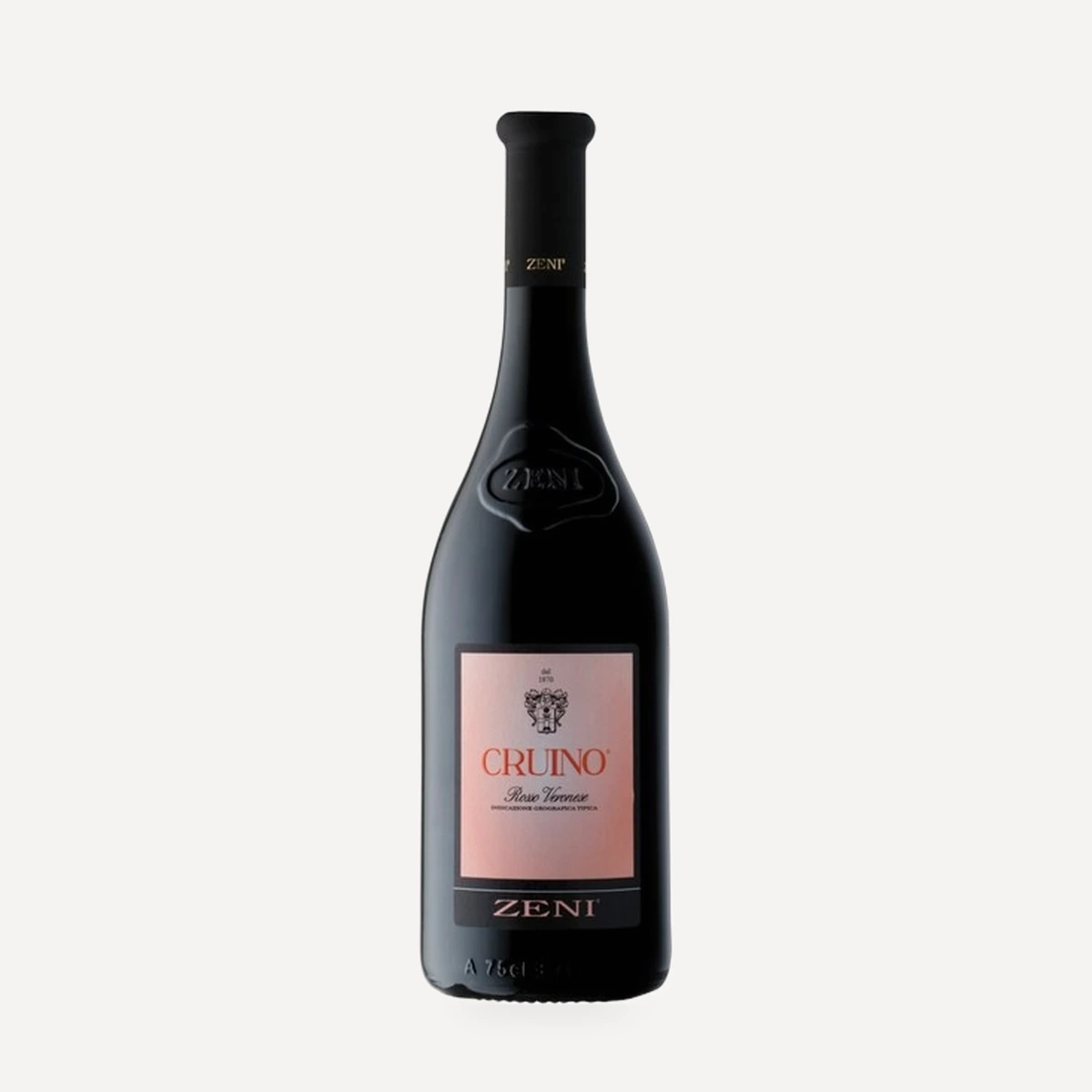
Cruino Rosso Veronese IGT
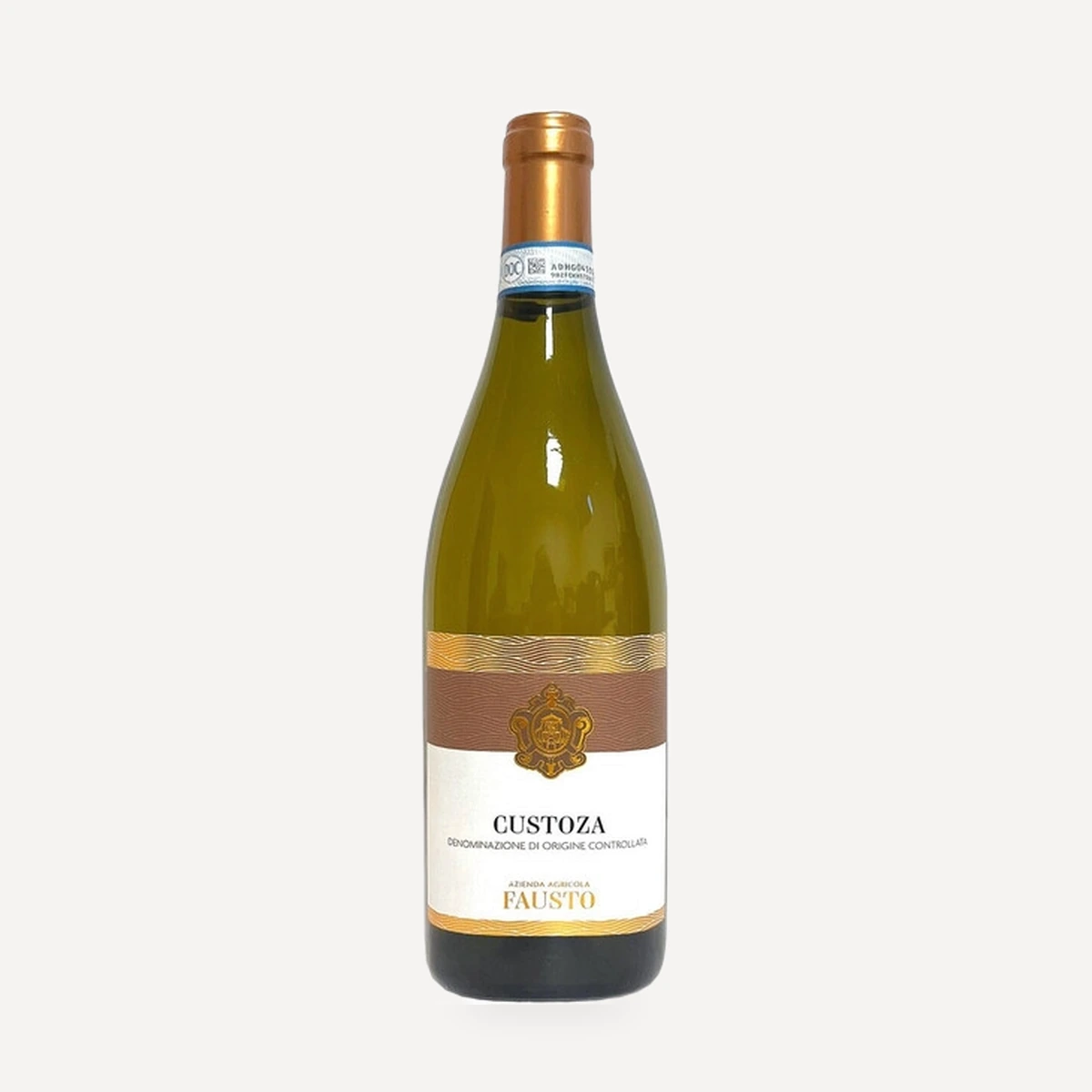
Custoza DOC
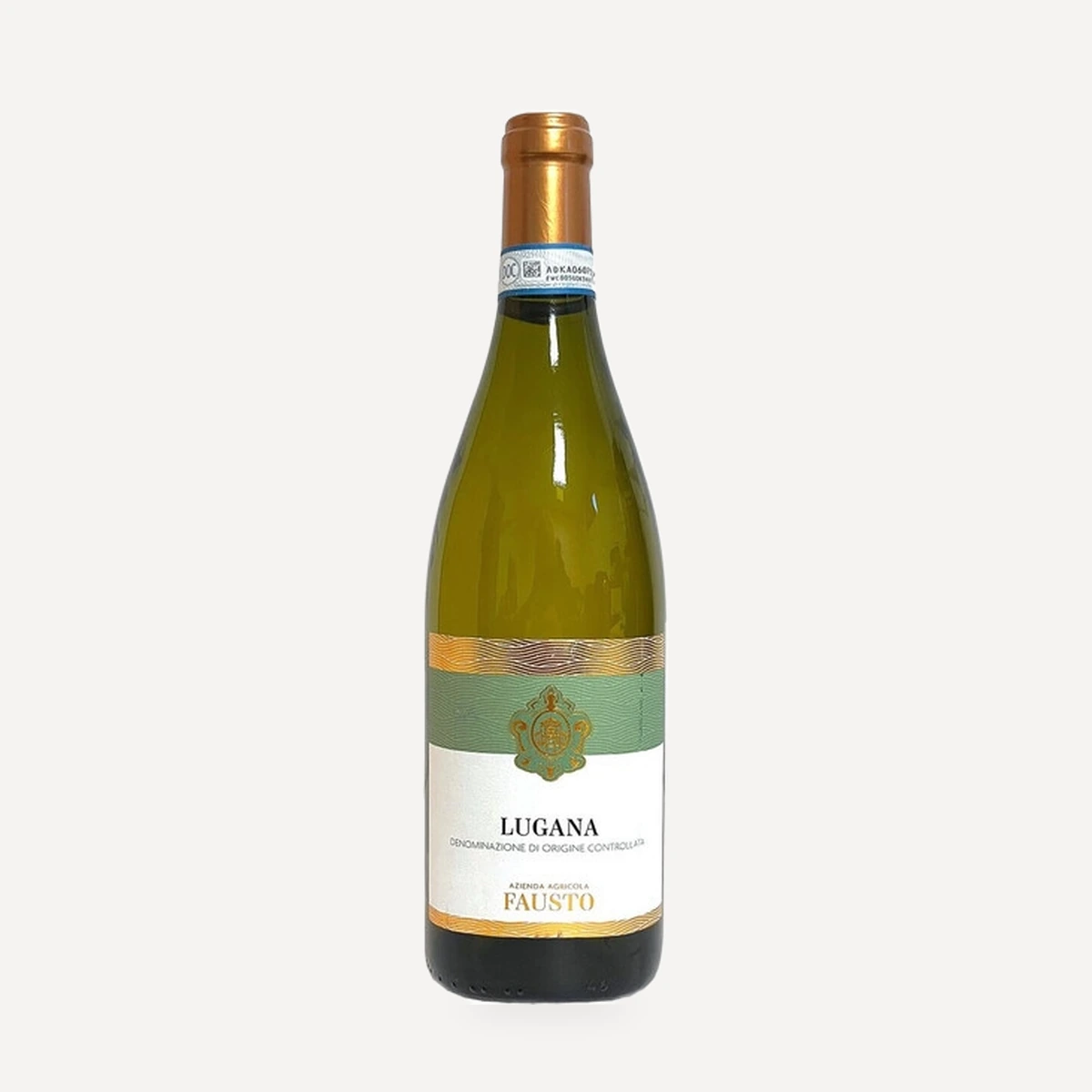
Lugana DOC
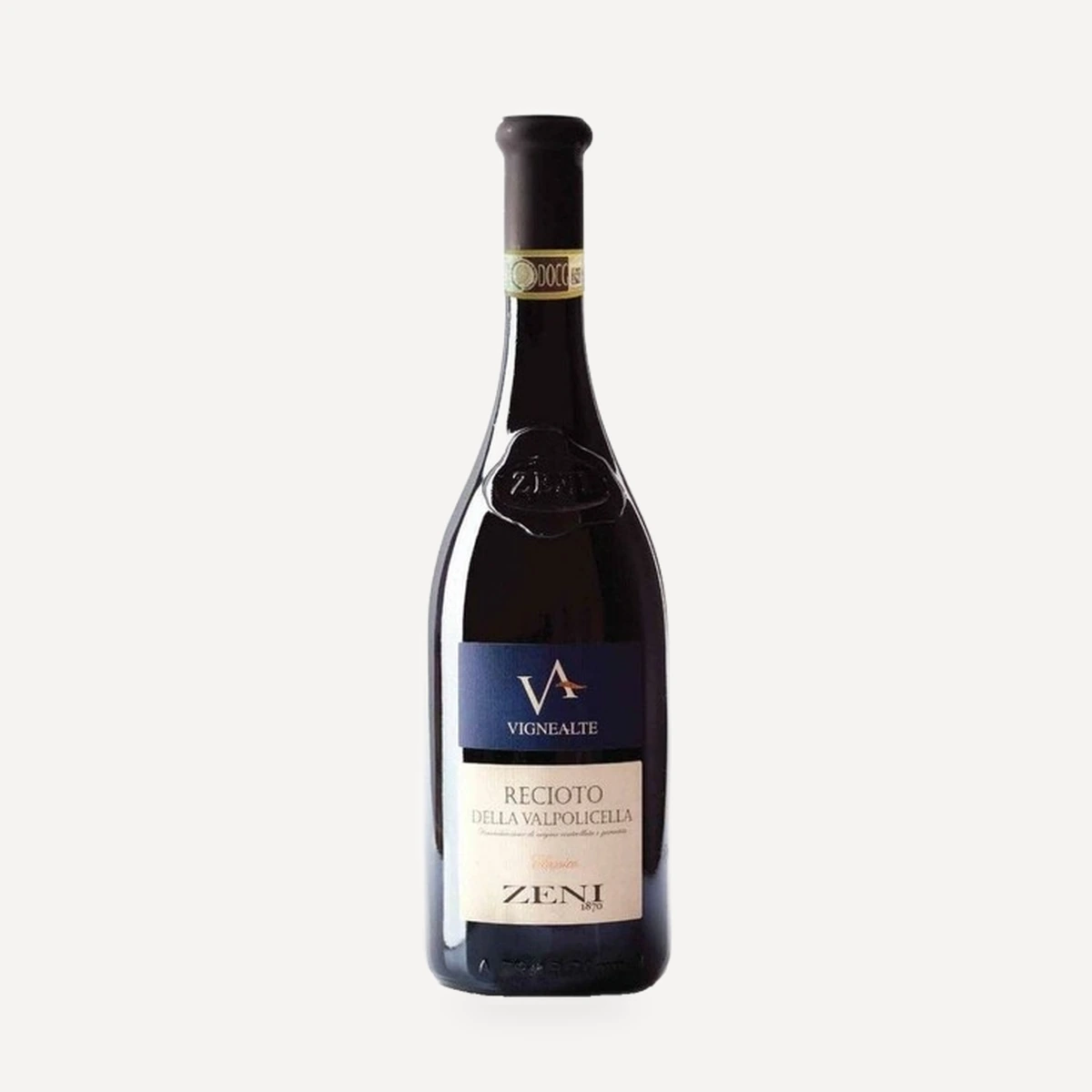
Vigne Alte Recioto della Valpolicella Classico DOCG
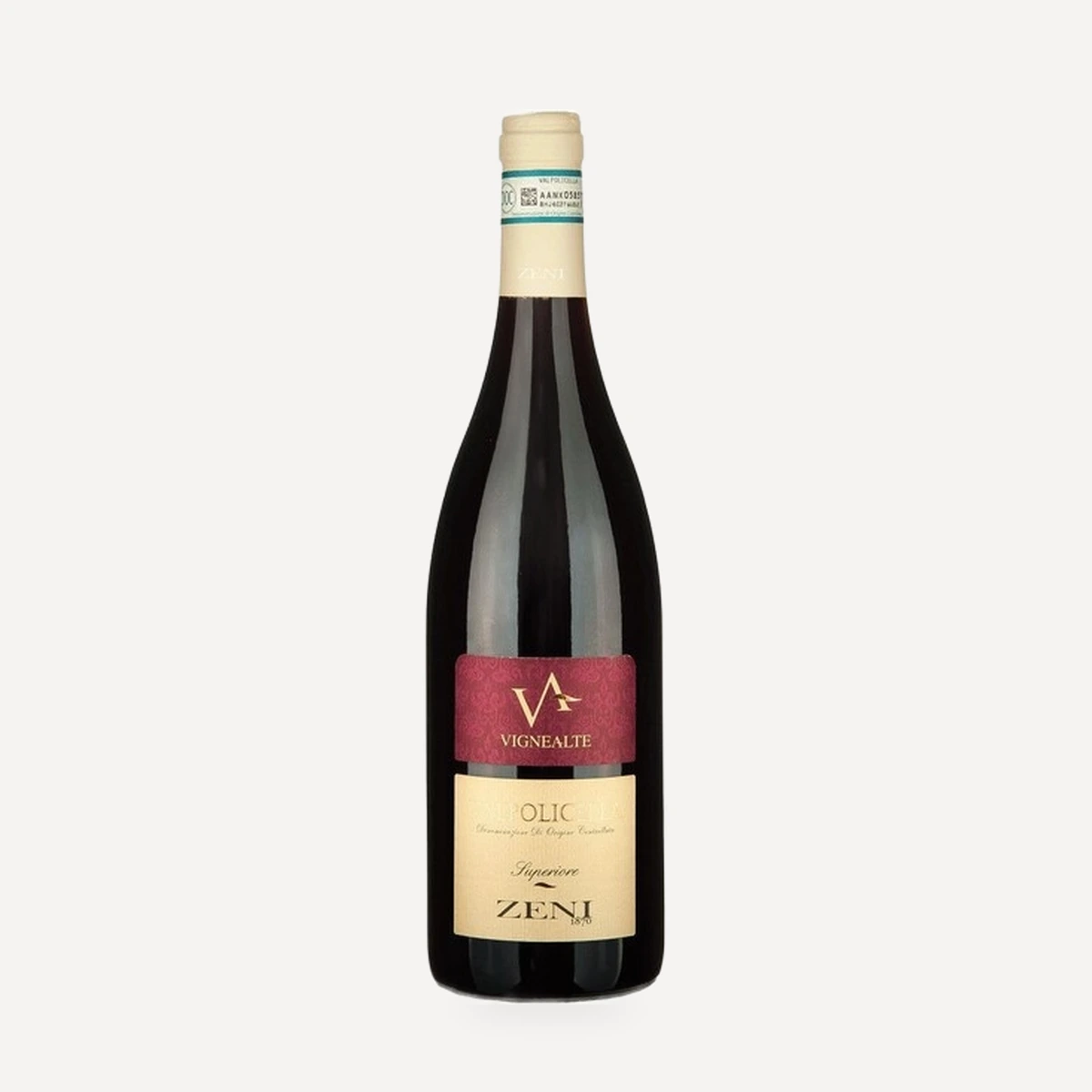
Vigne Alte Valpolicella Superiore DOC
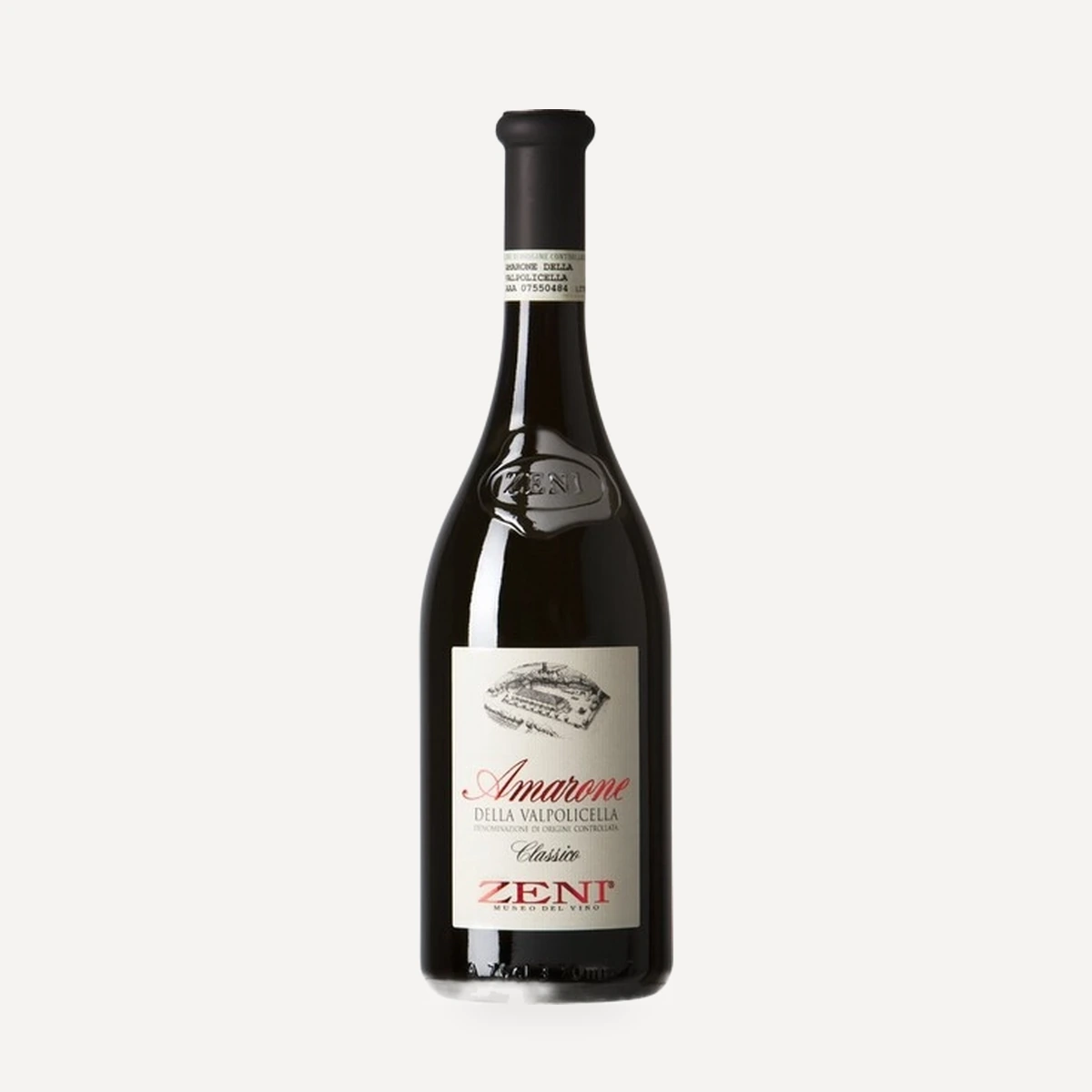
Amarone della Valpolicella Classico DOCG
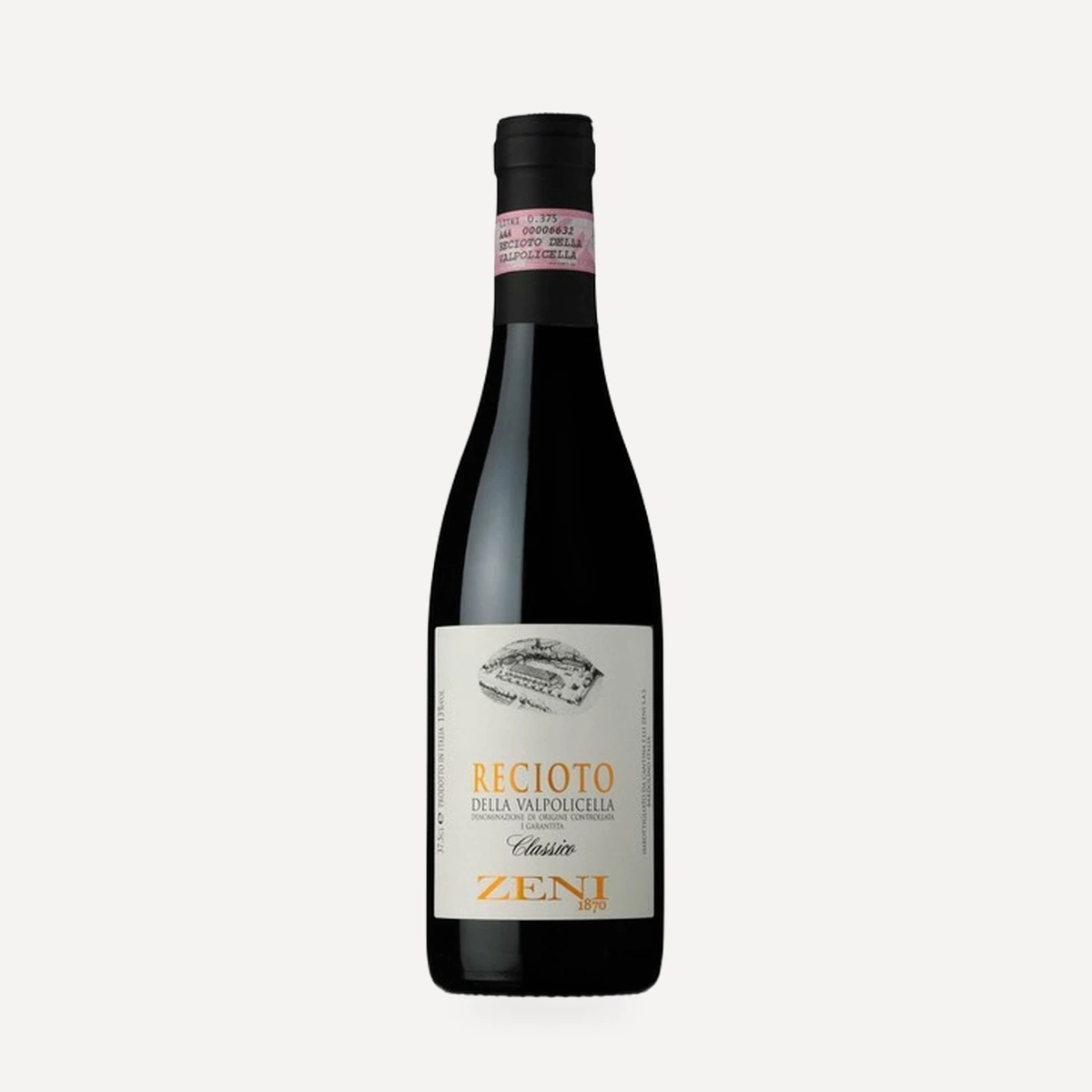
Recioto della Valpolicella Classico DOCG
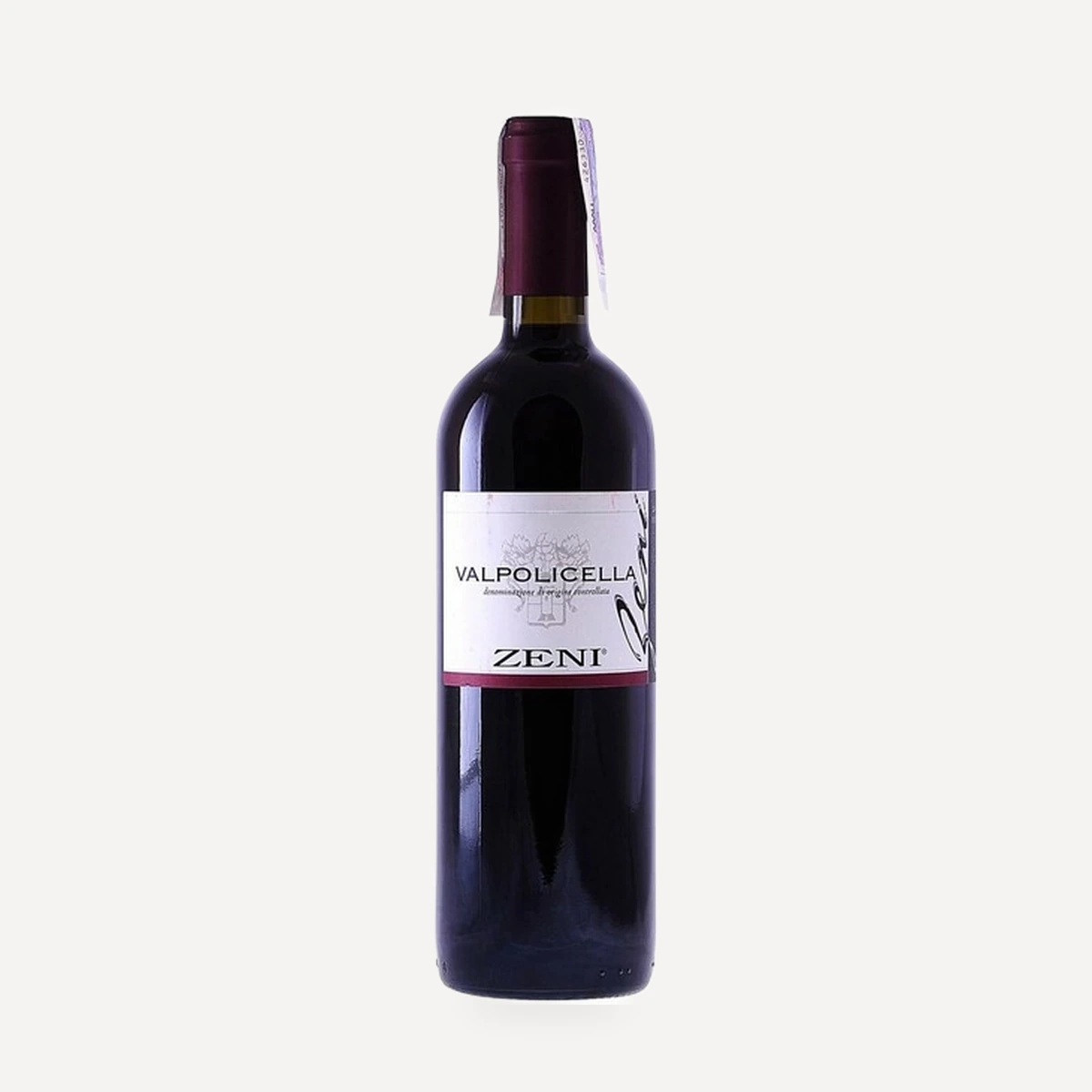
Valpolicella DOC
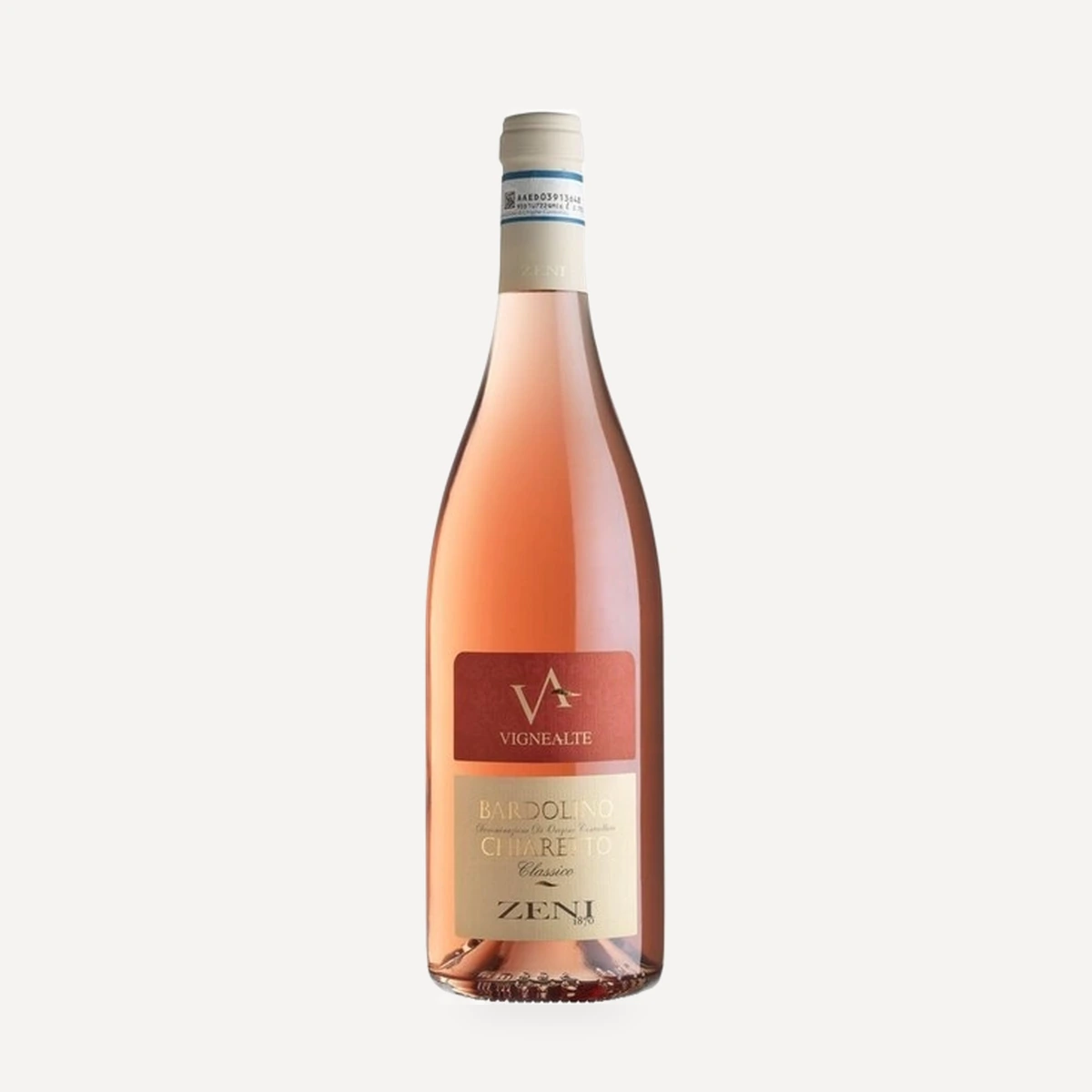
Vigne Alte Bardolino Chiaretto Classico Rose DOC
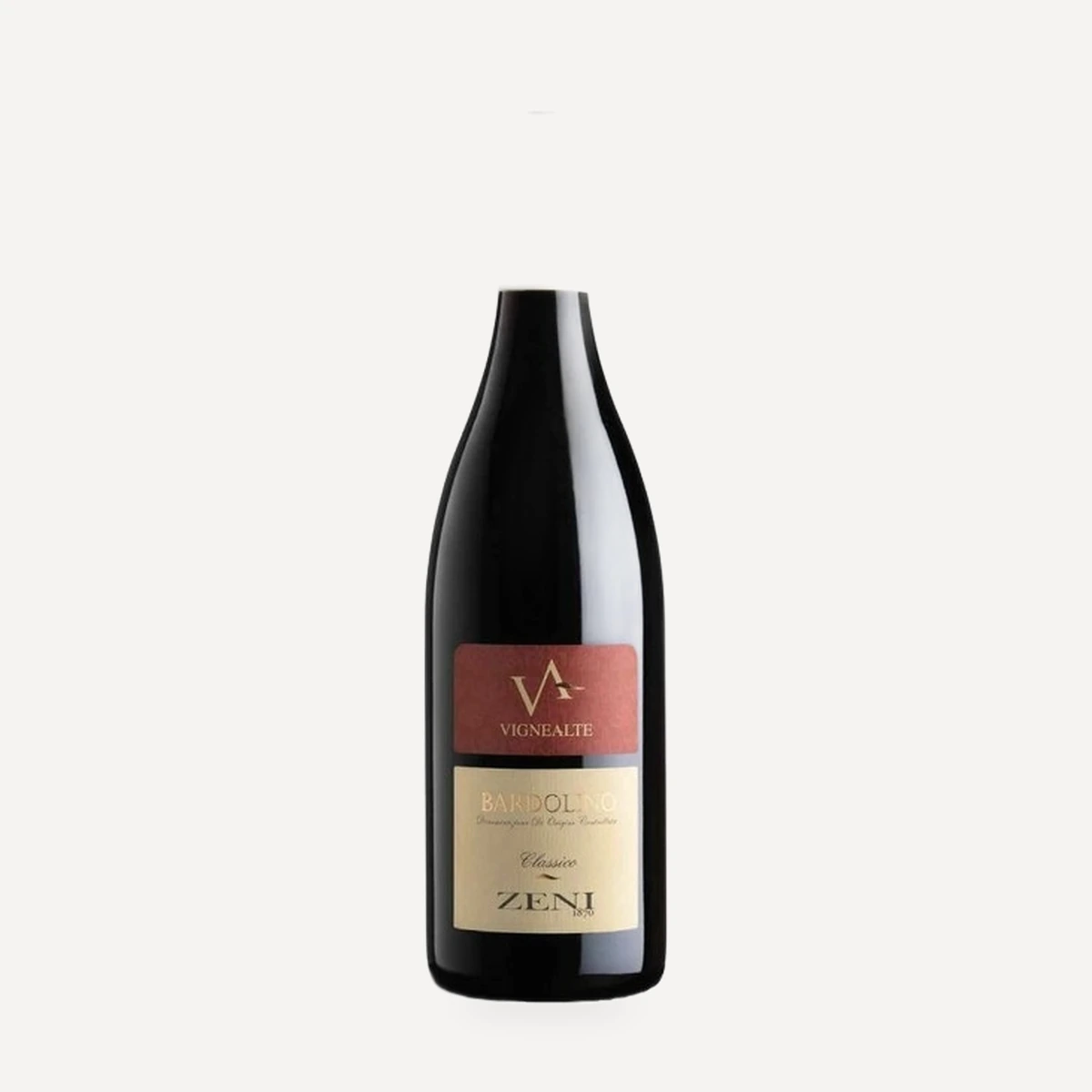
Vigne Alte Bardolino Classico DOC
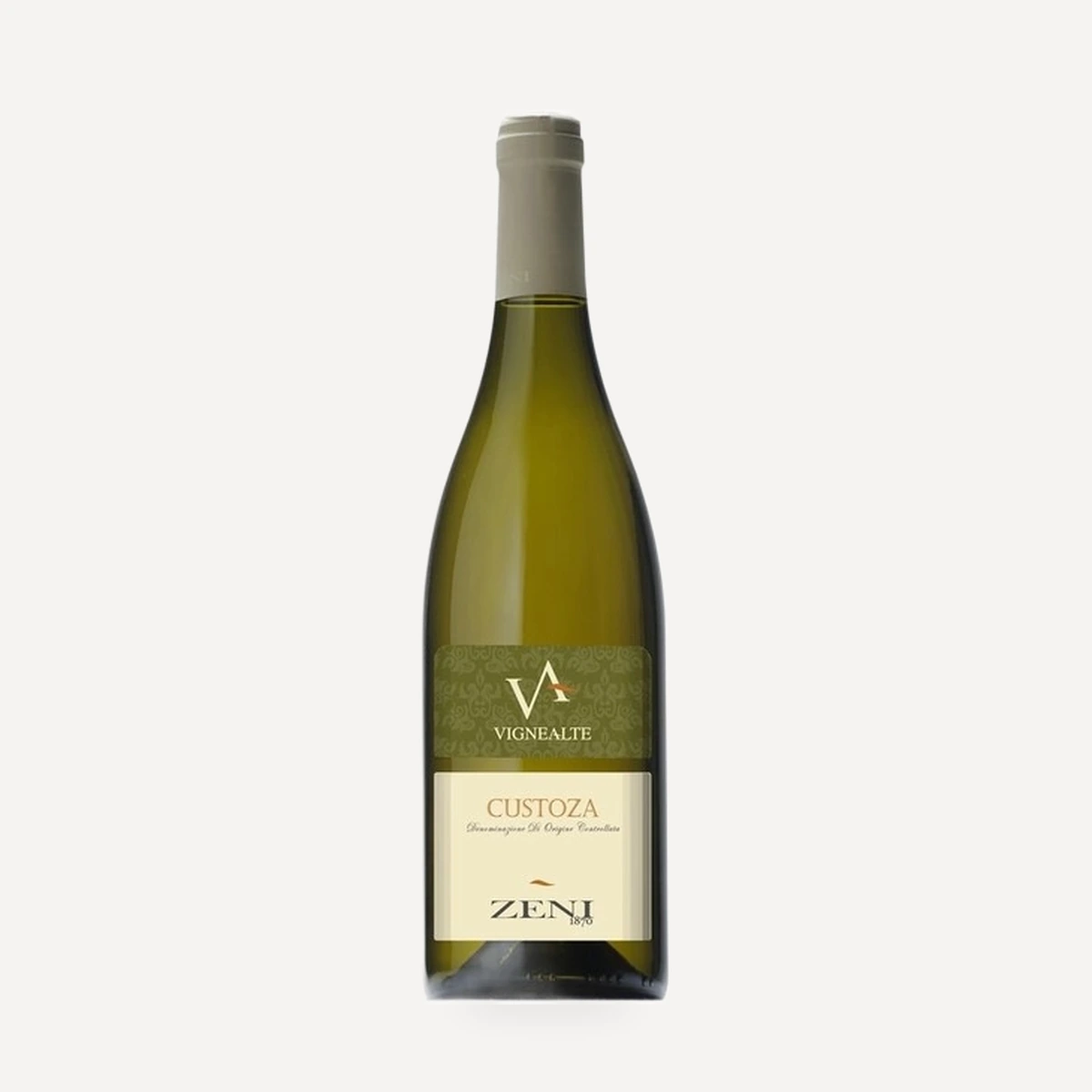
Vigne Alte Bianco di Custoza DOC
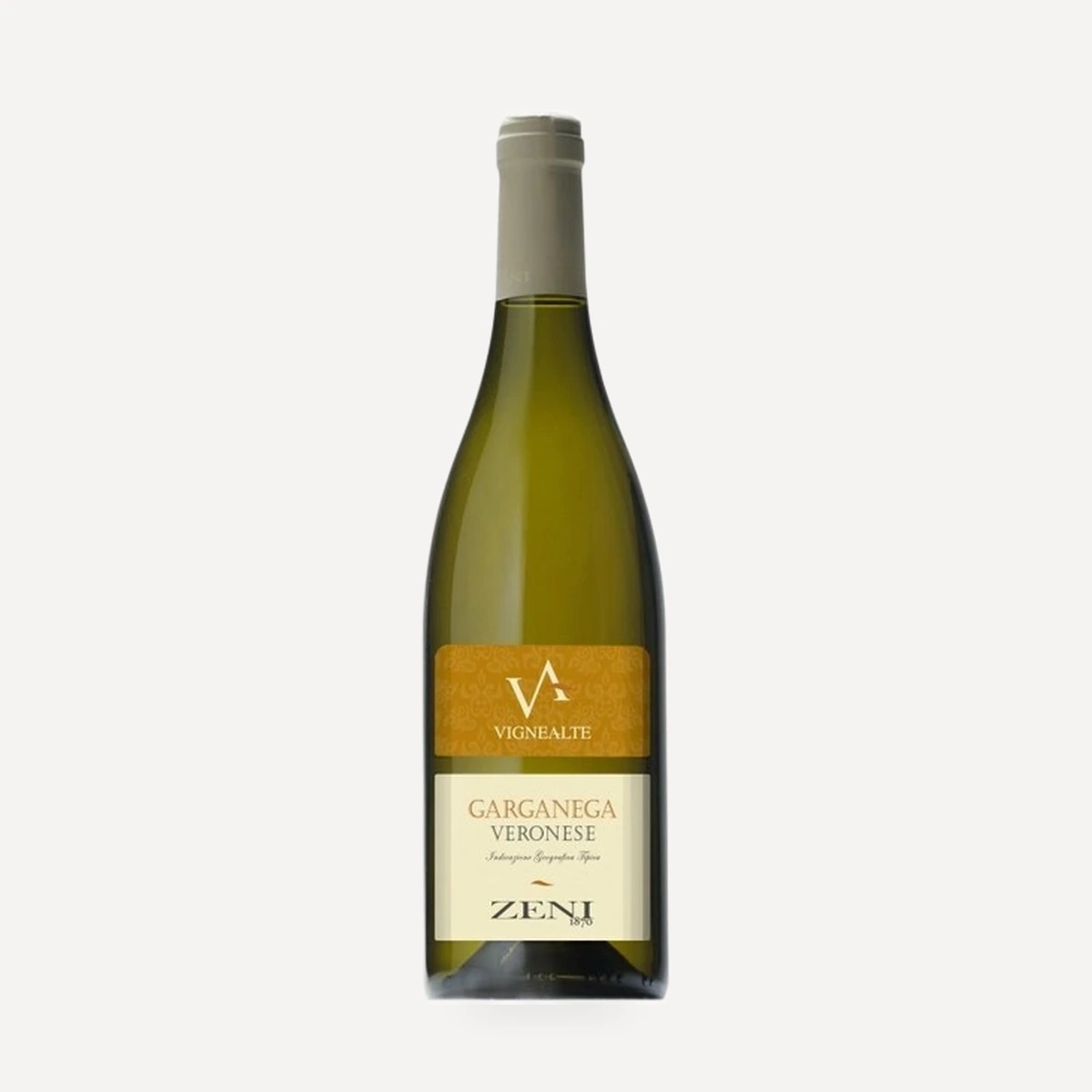
Vigne Alte Garganega Veronese IGT
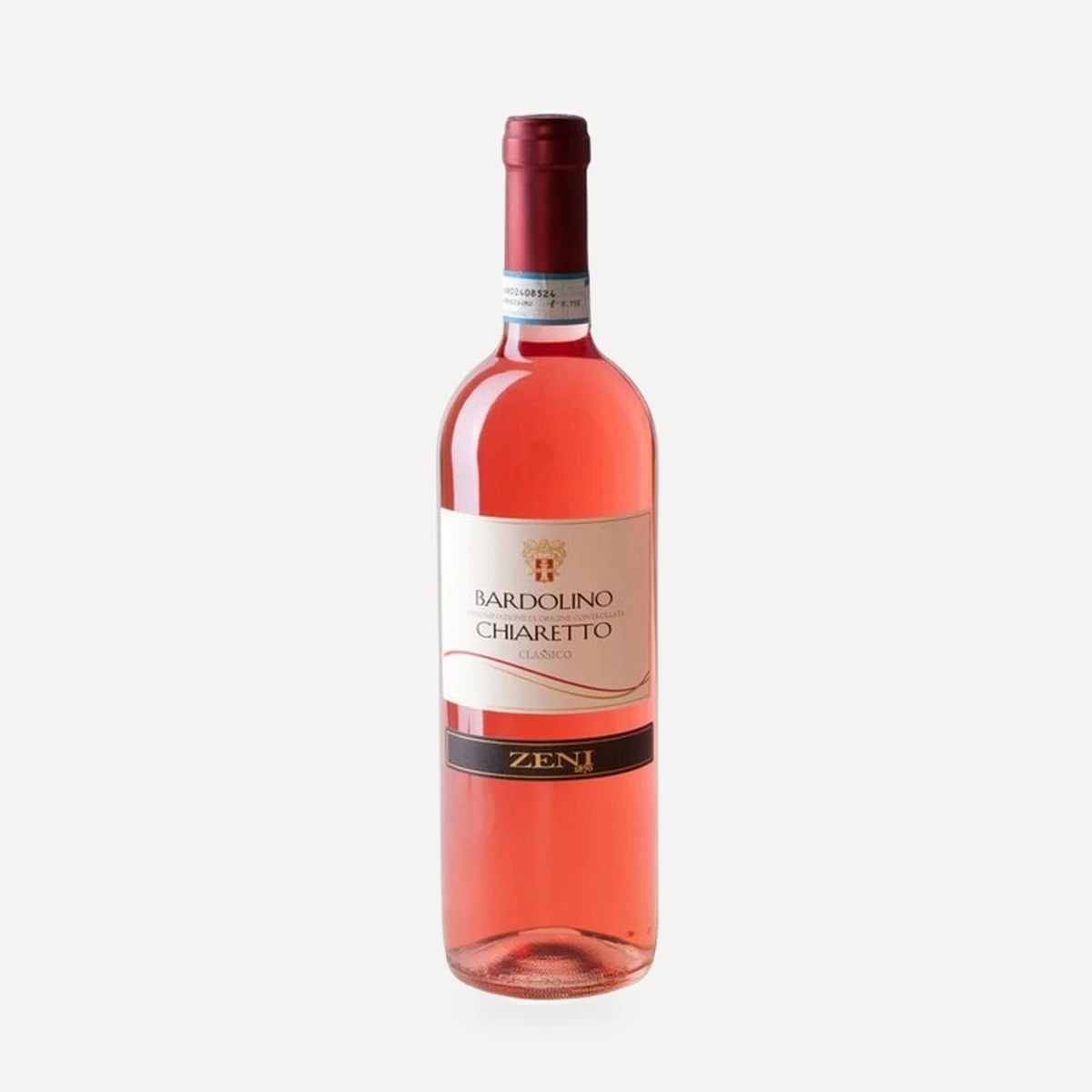
Bardolino Chiaretto Classico DOC
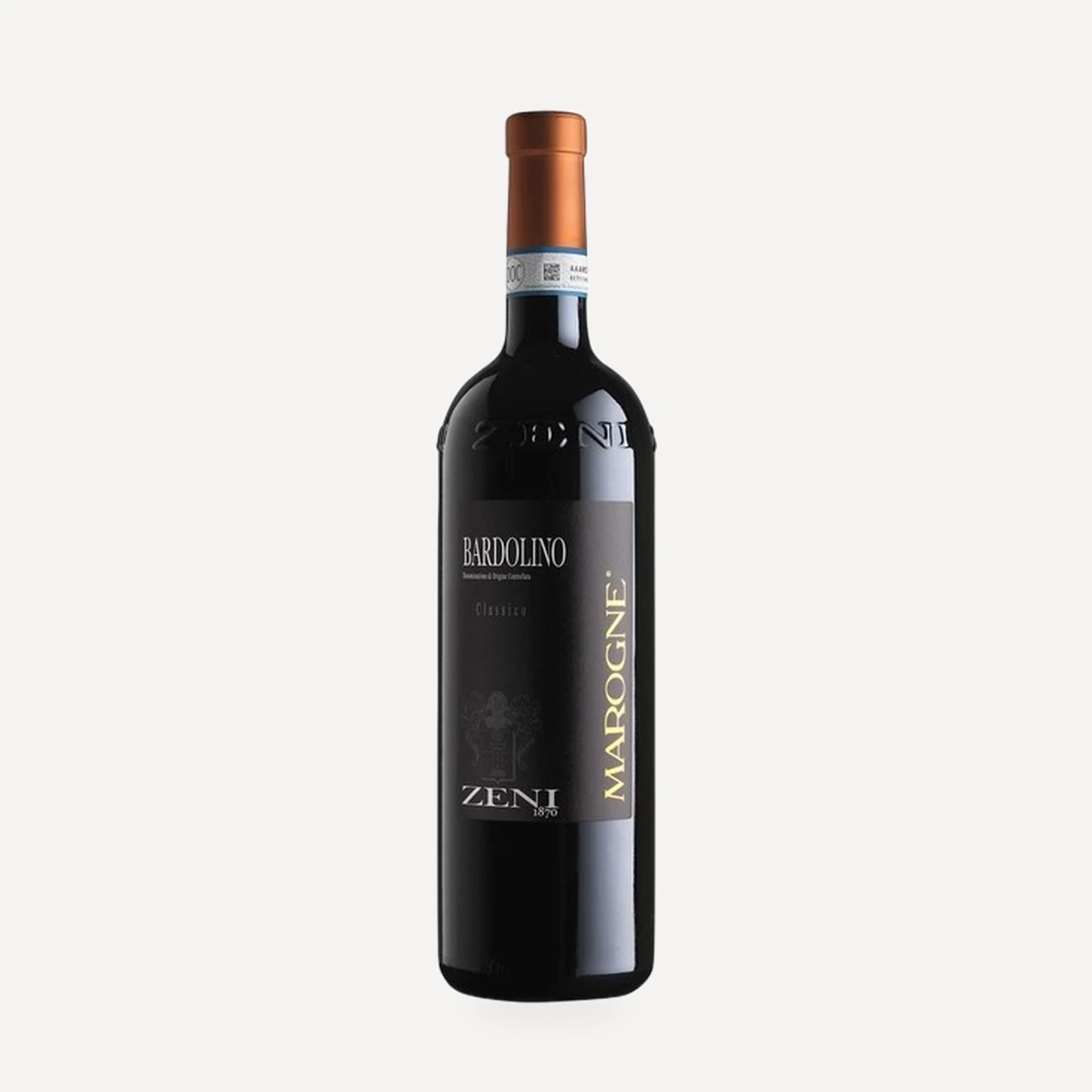
Marogne Bardolino Classico DOC
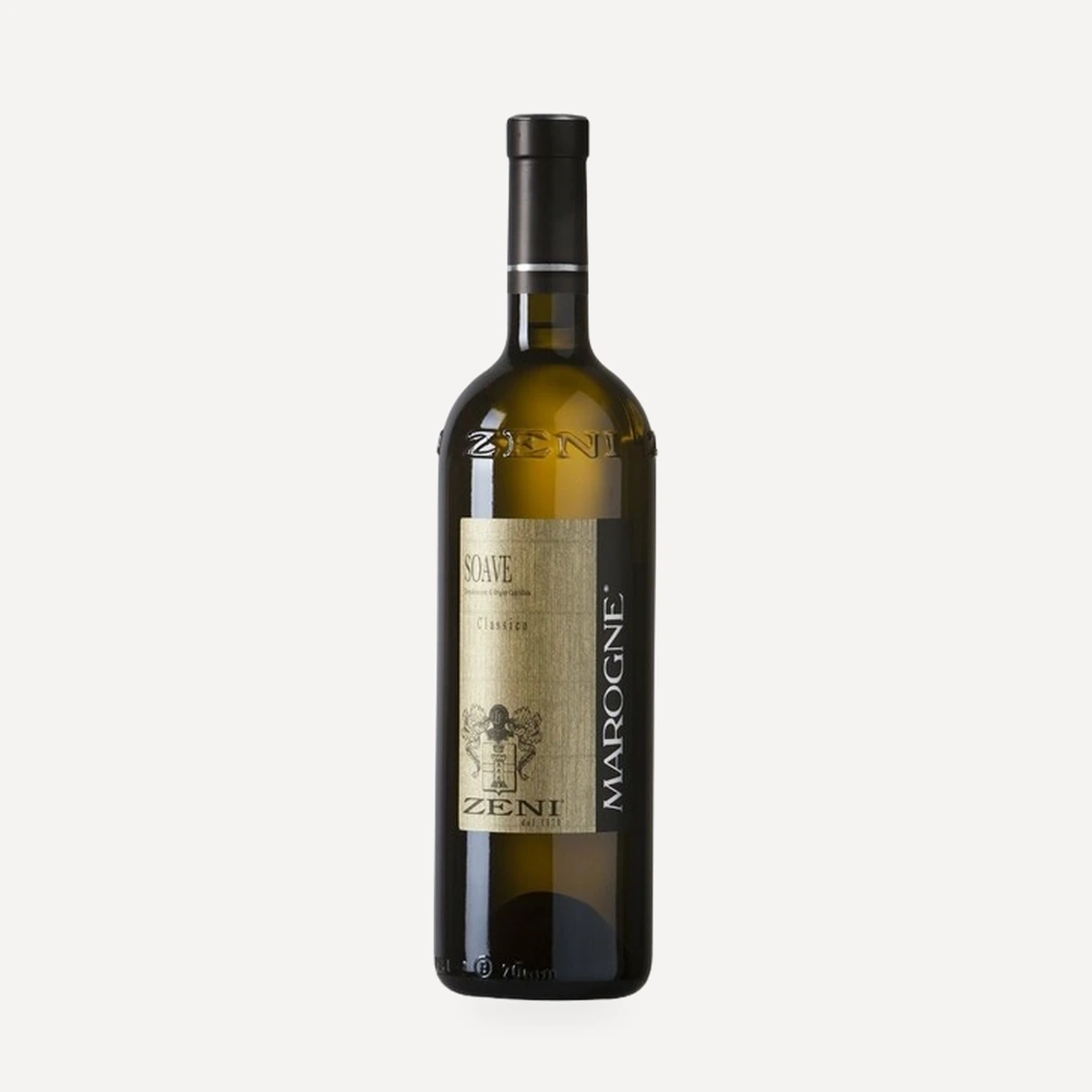
Marogne Soave Classico DOC
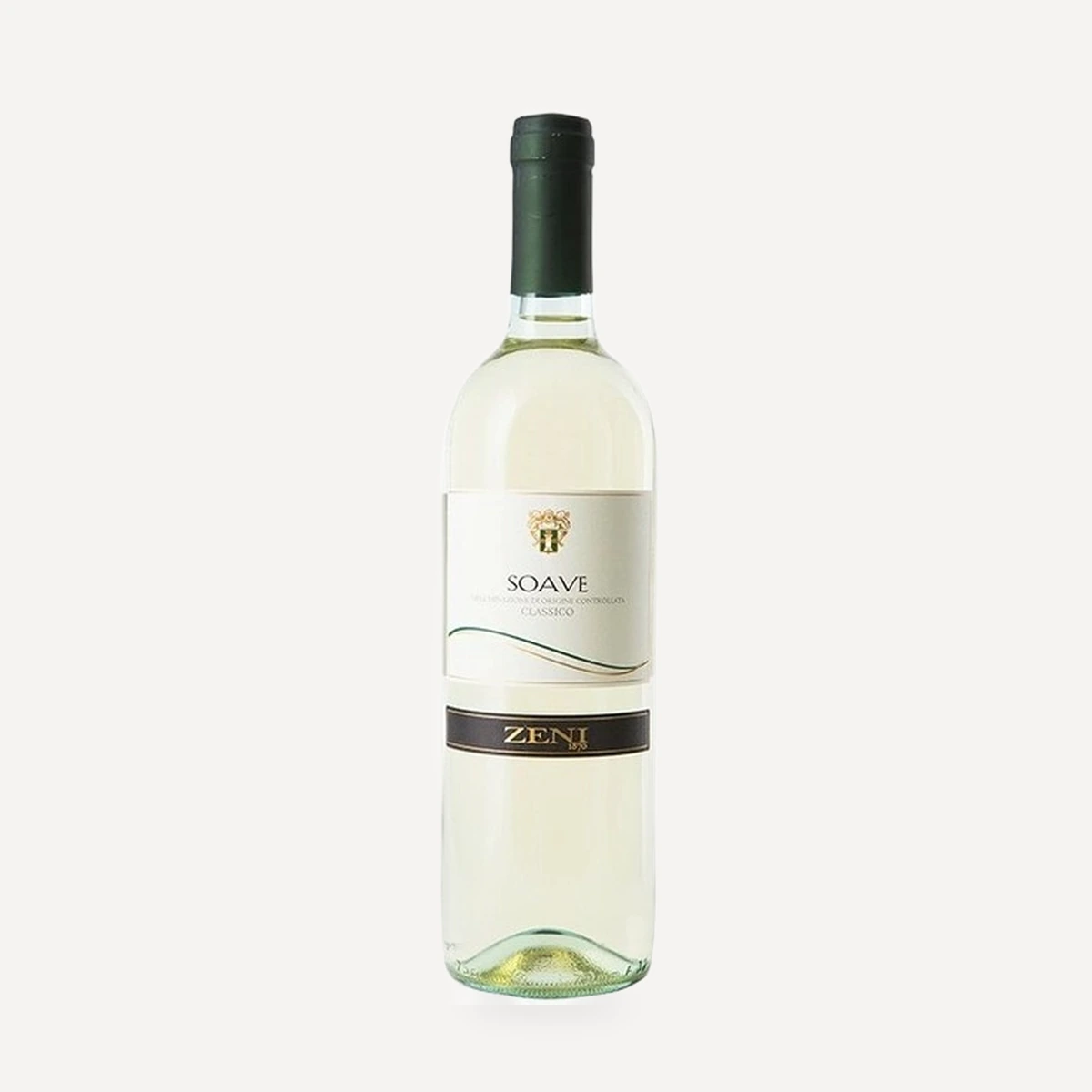
Soave Classico DOC
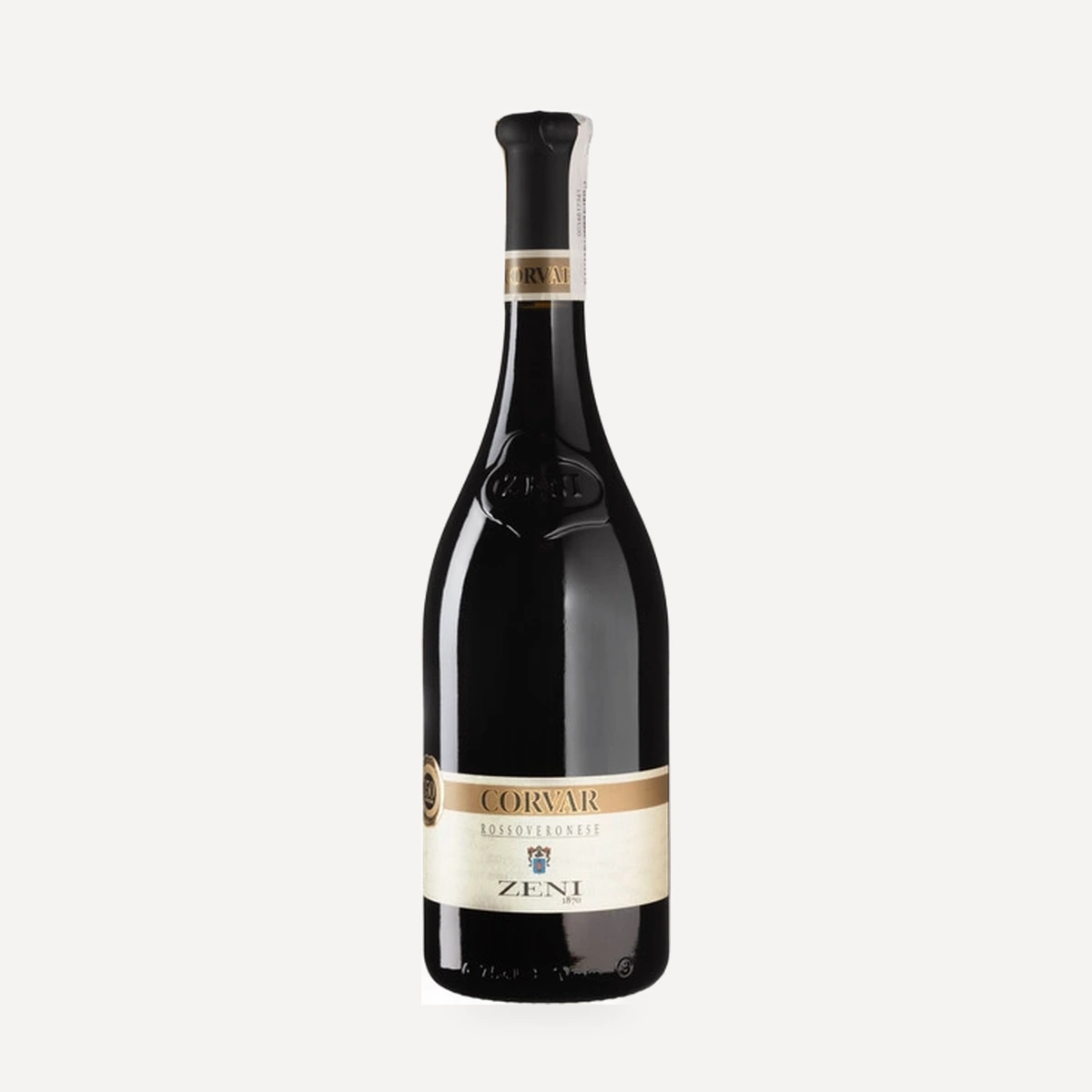
Corvar Rosso Veronese IGT
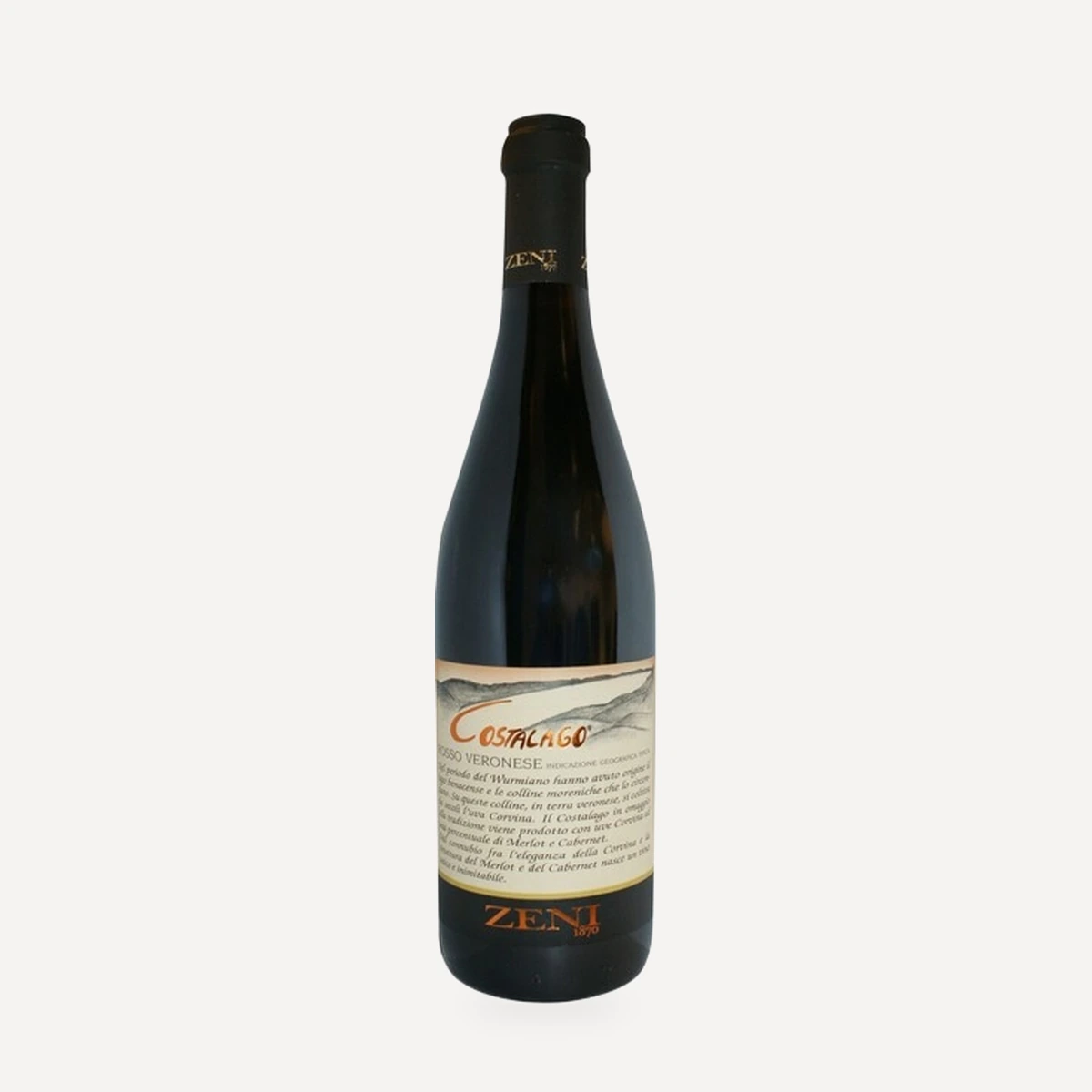
Costalago Rosso Veronese IGT
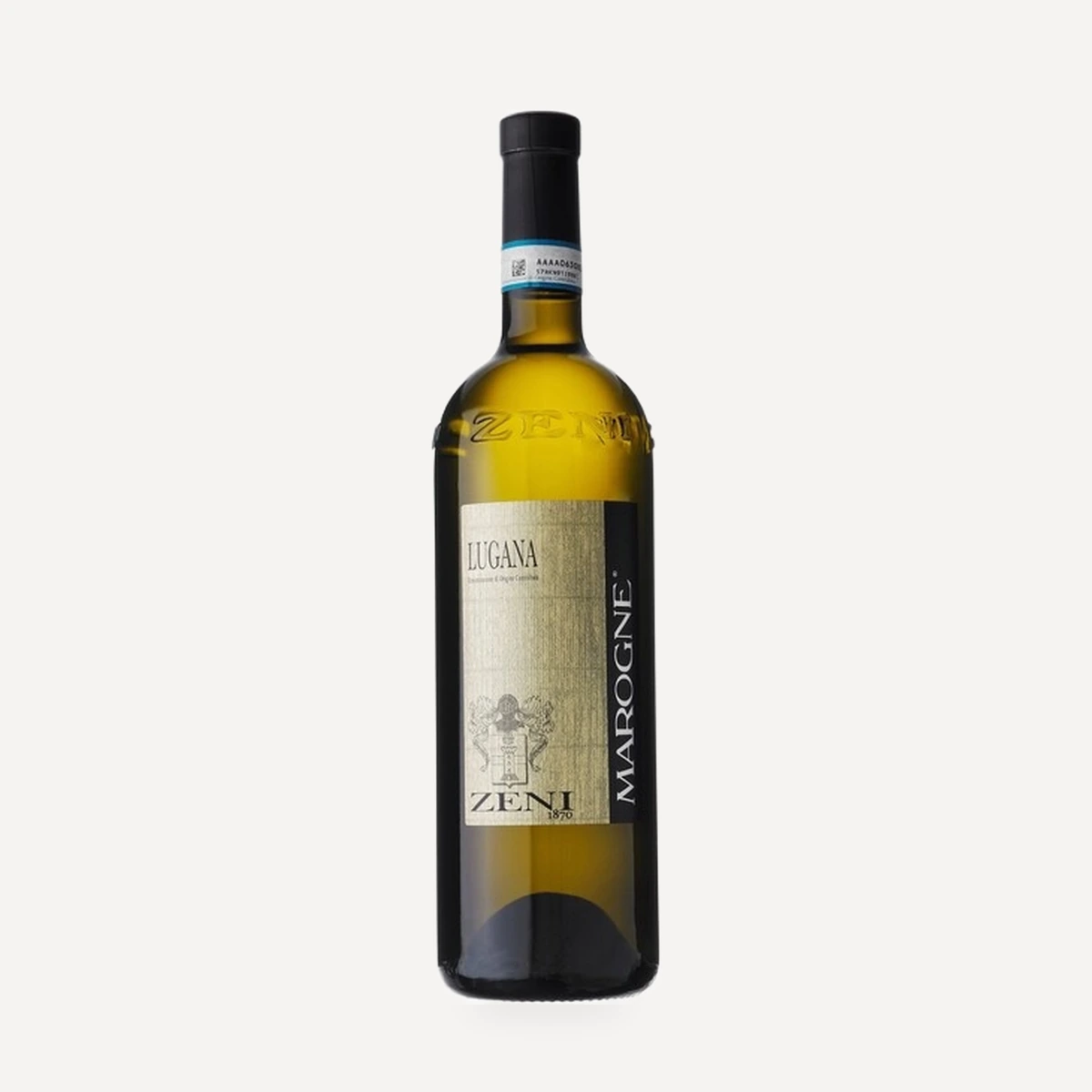
Marogne Lugana DOC
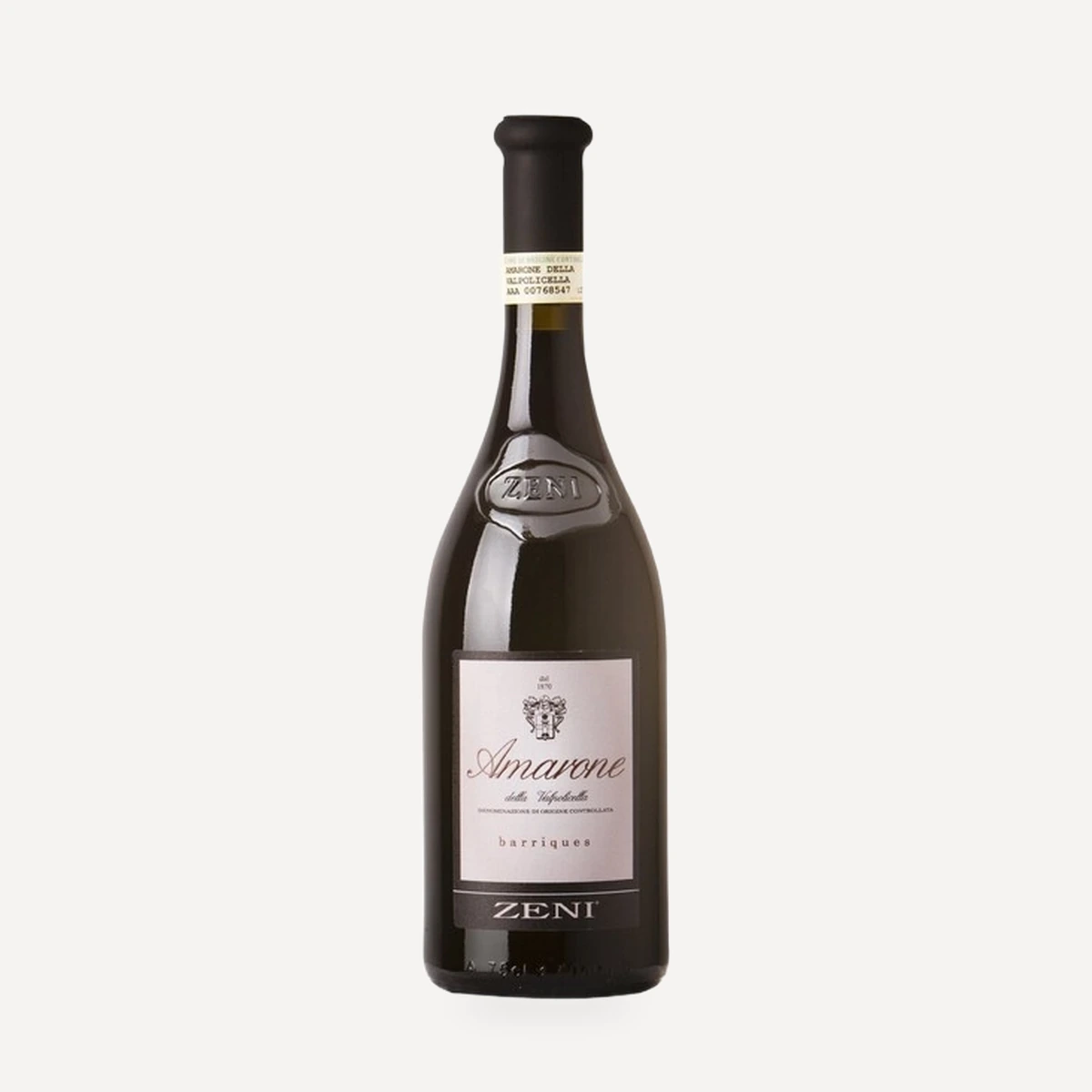
Amarone della Valpolicella Barriques DOC