Storia
1902–1940: from a small holding to family ownership
Tommasi Viticoltori began in 1902, when Giacomo Tommasi acquired a small parcel in Valpolicella Classica. At the site now known as Rafaèl, he planted the first vines and built the family home.
In 1920 Giacomo obtained the 10-hectare Pedemonte farm and its historic house from the Counts Campostrini Boccoli under a sharecropping arrangement. The house later became the image shown on the Amarone label. In 1940, under the second generation, the sharecropping relationship ended and the Tommasi family gained full ownership of the land.
1959–1986: Amarone, a new winery and export growth
The first official vintage of Tommasi Amarone Classico was produced in 1959 through the natural appassimento of Corvina, Rondinella and Molinara. The family subsequently treated each harvest as a continuing search for improvement while retaining Giacomo Tommasi’s production principles. The success of this wine became the foundation for the modern expansion of the business.
When Valpolicella DOC was formally recognized in 1968, the third generation began expanding sales beyond Verona. A new winery was built in 1970, consolidating the Italian market and supporting distribution abroad. Company recollections date the first export market to 1971. By 1986, the family was consolidating its presence in the United States, Switzerland, Canada and Ireland.
1990–2000: hospitality, the fourth generation and vineyard development
The family acquired the historic 16th-century Villa Quaranta in 1990 and began developing a major hospitality project in Valpolicella. Michela Tommasi joined Villa Quaranta in 1992 while studying at the University of Verona.
The fourth generation formally entered key company positions in 1997. That year also brought two vineyard initiatives: the family challenged convention by asking the preceding generation to plant Cabernet Franc in the Conca d’Oro cru, creating the basis for a blend with Corvina and Oseleta; and it launched a Pinot Grigio project in the hilly Valpolicella Classica zone. In August 1997, Pierangelo Tommasi’s first American market tour with his uncle Dario established his path in export management.
Tommasi launched its first Ripasso in 1995 and became an early producer to place the term prominently on the label. The technique referments Valpolicella on Amarone pomace—historically Recioto pomace—and came to embody the combination of tradition, resource reuse and contemporary production.
In 2000 the family acquired La Groletta on Monte La Grola. The same year marked Giancarlo Tommasi’s first harvest as oenologist; he became the reference figure directing production.
2012–today: a dedicated Amarone cellar and fourth-generation management
For the family’s 110th anniversary, a new maturation cellar devoted entirely to Amarone was created. Its centerpiece is the 33,000-litre Botte Magnifica, presented as the world’s largest oak cask.
In 2022 the family celebrated 120 years since Giacomo’s first purchase. Tommasi Viticoltori now serves as the Valpolicella headquarters of the family’s wine and hospitality activities. Nine great-grandchildren of Giacomo, comprising the fourth generation, hold key management roles. The vineyards associated with the winery cover 242 hectares across historic denominations in the province of Verona.
The contemporary program combines preservation of the Valpolicella traditions—Pergola Veronese, dry-stone terraces, bamboo arele, appassimento and maturation in large Slavonian oak—with experimentation, integrated vineyard management, more efficient cellar operations and lower-impact packaging. In 2024, the 30th-anniversary Ripasso project introduced a 420 g bottle and a commemorative limited edition. The 2025 harvest delivered healthy fruit selected for drying after a technically demanding second half of the season.
Terroir
Tommasi Viticoltori’s holdings extend through several distinct environments in Veneto, with their historic core in the hills of Valpolicella Classica north of Verona.
Valpolicella Classica
La Groletta occupies an exposed site on Monte La Grola. Sunlight and constant cool breezes from Lake Garda combine to form its particular microclimate. The site favors concentrated fruit, darker spice characters and structured wines suited to bottle ageing.
Conca d’Oro contains abundant stony material, fossils and active limestone. The calcareous component is associated with fragrance, floral clarity, finesse and elegance, while the site also supports structure, aromatic complexity and longevity.
Rafaèl lies on a hill beside Monte Masua at San Pietro in Cariano. It was selected early for Valpolicella Superiore and is planted to the traditional Corvina, Rondinella and Molinara blend. Ca’ Florian lies in the hills of Pedemonte, where the oldest family vineyards are arranged on dry-stone marogne terraces. Le Prunée, at Sant’Ambrogio, faces southeast and has a stony, clay-rich soil. Le Rosse is also situated in the hilly Valpolicella Classica zone.
Lake Garda and Lugana
The Le Fornaci vineyards lie near Sirmione and Desenzano del Garda. One parcel has stratified calcareous and clay-rich soil; two others are sandier and rich in silt. The clay-based ground contributes body and structure, while the sandier components favor aroma and elegance. The San Martino parcel combines fine sedimentary layers of clay, limestone and loam.
Villa Fontana, in Castelnuovo del Garda, grows on morainic soils east of Lake Garda. Bosco del Gal occupies glacial-origin ground on the hills of Castelnuovo del Garda and is surrounded by woodland.
Eastern Veneto and Valdobbiadene
Le Volpare lies on Monte Foscarino in the historic area of Monteforte d’Alpone, on basaltic soils of volcanic origin. The Filodora hillside vineyards in the Valdobbiadene area grow on morainic-origin soils with rock-rich deeper layers.
Vinificazione
The vineyard program follows an integrated-production system intended to manage agricultural activity sustainably. La Groletta is specifically identified as being in organic conversion, while no estate-wide organic status is claimed.
Work in the vineyards is adapted to changing climatic conditions, with particular attention to vine health and the selection of sites at meaningful elevations where possible. The family’s sustainability program treats land, air and water as long-term resources and links ecological responsibility with the economic continuity of quality wine production.
Manual harvesting and bunch selection are used for the principal appassimento wines and for the top Turbiana selection. At Ca’ Florian, fruit is collected in 5–6 kg crates and undergoes a second selection before drying. The Le Fornaci vineyards are harvested at night, helping preserve the condition of the grapes before processing.
Training systems vary by site. Pergola Veronese remains integral to Rafaèl and Ca’ Florian and is also used alongside Guyot at Le Volpare. Le Prunée and Villa Fontana are Guyot-trained, while Le Fornaci combines Guyot with high planting density. The historic Ca’ Florian terraces retain dry-stone marogne walls.
The broader Tommasi Naturae program seeks to conserve natural resources, support biodiversity, avoid waste and recycle wherever possible. The 2025 harvest demonstrated the role of careful agronomic decisions under meteorological pressure: the second half of the season required precise management, but healthy grapes were selected and delivered for drying.
Appassimento and grape reception
Appassimento remains the defining traditional technique. Selected bunches are laid on arele, handmade bamboo racks, in large, well-ventilated drying rooms. Depending on the selection, drying lasts about 100 days or a minimum of 110 days. Air circulation is kept high and constant, and the grapes are repeatedly checked to prevent mildew. Ca’ Florian fruit is pressed in January after 100 days of drying.
Manual selection is central to the leading appassimento lots. Ca’ Florian grapes arrive in 5–6 kg crates and are selected again before entering the drying loft. For the principal Amarone selection, hand-harvested fruit dries for roughly three months before a 25-day fermentation in stainless steel at 25–30°C.
Fermentation and extraction
Stainless-steel fermentation is widely used. Documented red-wine fermentations range from approximately 12 to 25 days, normally under temperature control. The traditional Ripasso method gives Valpolicella a second fermentation on Amarone pomace: one protocol lasts 12–13 days, while another runs about eight days with daily pumping over.
Ca’ Florian ferments slowly for 30 days in oak vats using exclusively indigenous yeasts. Conca d’Oro fruit destined for the Cabernet Franc–Corvina–Oseleta blend undergoes a 15-day maceration at 21–23°C.
For the Lake Garda rosé project, Turbiana and Rondinella are selected and harvested at the same time but processed separately. Each spends one hour in the press for skin contact, followed by two hours of pressing to obtain the free-run musts. The two musts are blended, chilled and racked; selected yeasts are then inoculated, and fermentation proceeds for ten days at 15–18°C.
Maturation
Large Slavonian oak casks are a recurring element of the cellar. The principal Amarone matures for three years in 35 hl casks. Ripasso can mature for at least 18 months in 65 hl Slavonian oak followed by six months in bottle. Rafaèl spends 15 months in 65 hl Slavonian casks.
Ca’ Florian follows a longer sequence: one year in barriques, three years in 35 hl Slavonian oak and at least one year in bottle. The Conca d’Oro blend matures for six months in barriques, another 12 months in 65 hl Slavonian oak and six months in bottle.
Fresh white and red selections are generally fermented and matured in stainless steel. For the top Turbiana selection, whole bunches are pressed gently; after a 10–12-day stainless-steel fermentation, 25% matures in 500-litre French oak and 75% in stainless steel for 18 months. The components are then blended, bottled and held for a further six months.
Resource management and packaging
Cellar procedures seek to optimize water, energy and other resources, reduce waste and recycle where possible. Animal-derived products and allergen-containing processing aids are excluded from the documented production protocols. Clean energy, water recycling and lower carbon emissions form part of the wider operational program.
Selected wines use 420 g lightweight bottles, FSC-certified organic corks or carbon-neutral closures, FSC-certified label paper and recycled cardboard. The patented carbon-neutral closures are designed to provide predictable oxygen transmission and reduce oxidation, reduction and cork-taint risks.
Filosofia
Tommasi’s philosophy is grounded in direct family responsibility for land, collaborators, production and markets. The family treats land as a long-term commitment and describes the relationship between people and nature as a pact based on care, respect and trust.
Tradition is not treated as immobility. Pergola Veronese, appassimento, arele and large Slavonian oak remain central, but the family also values scientific progress, experimentation and new expressions of established places. The 1997 Cabernet Franc planting in Conca d’Oro exemplifies this approach: an unconventional idea was pursued without abandoning the site’s native Corvina and Oseleta.
Giancarlo Tommasi’s production approach changes vineyard management and oenological style to suit each territory rather than imposing a single Valpolicella model everywhere. Within Tommasi Viticoltori, the stated objective is to preserve elegance, balance and vintage character, particularly in Amarone, while continuing the founder’s pursuit of improvement.
Sustainability encompasses ecological, social and economic health. It includes sensitivity to each place and the people working there, responsible use of soil, air and water, safe working conditions, biodiversity, resource efficiency and packaging choices. The long-term aim is to leave productive land and a healthier environment to future generations.
Family continuity is another core principle. The fourth generation describes its task as transforming a hands-on family business into a professionally structured company still directed by shared responsibility, humility and long-term thinking. Customer relationships, hospitality and personal trust are treated as extensions of the same family culture.
Vini
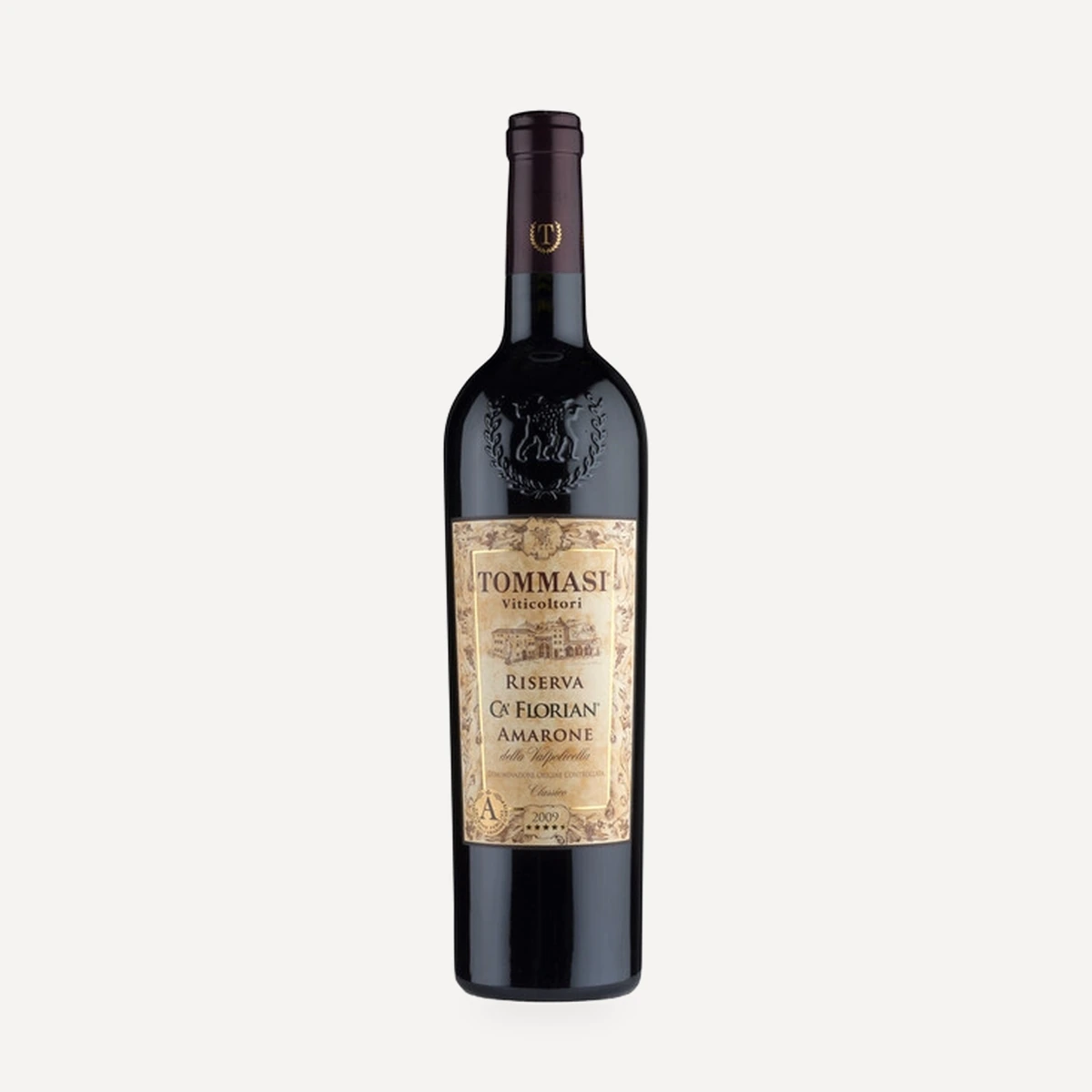
Ca’ Florian Amarone della Valpolicella Classico Riserva DOCG
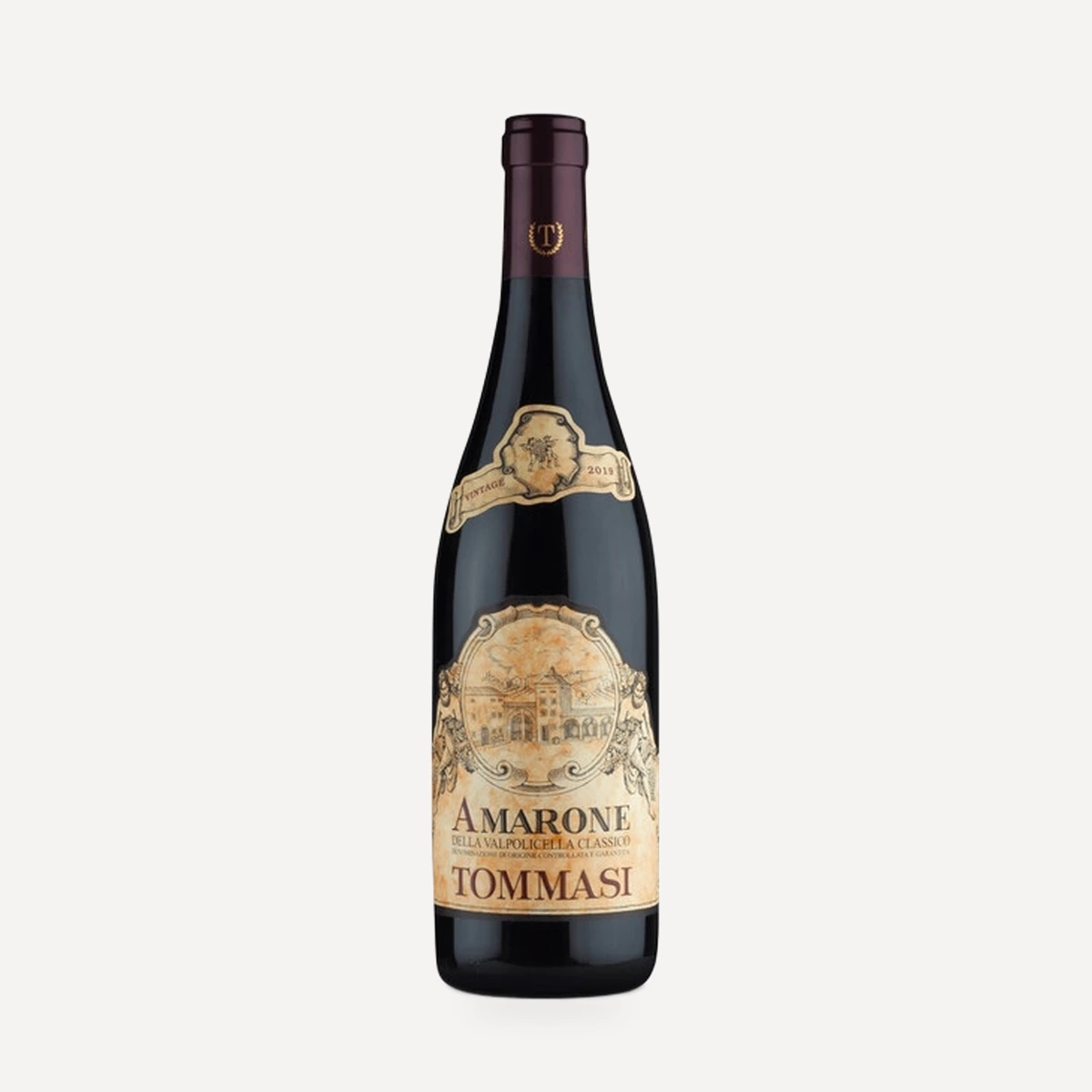
Amarone della Valpolicella Classico DOCG
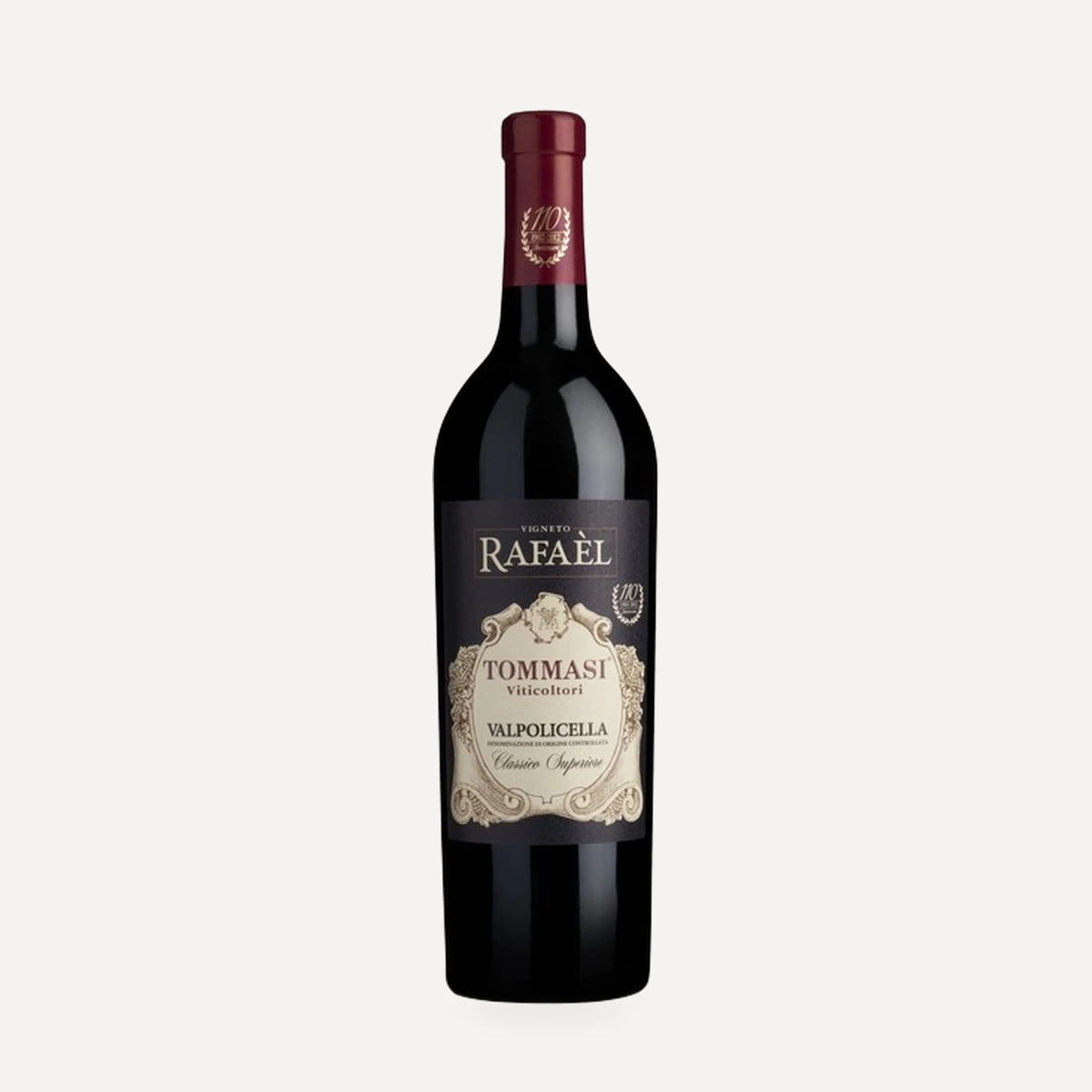
Rafaèl Valpolicella Classico Superiore DOC
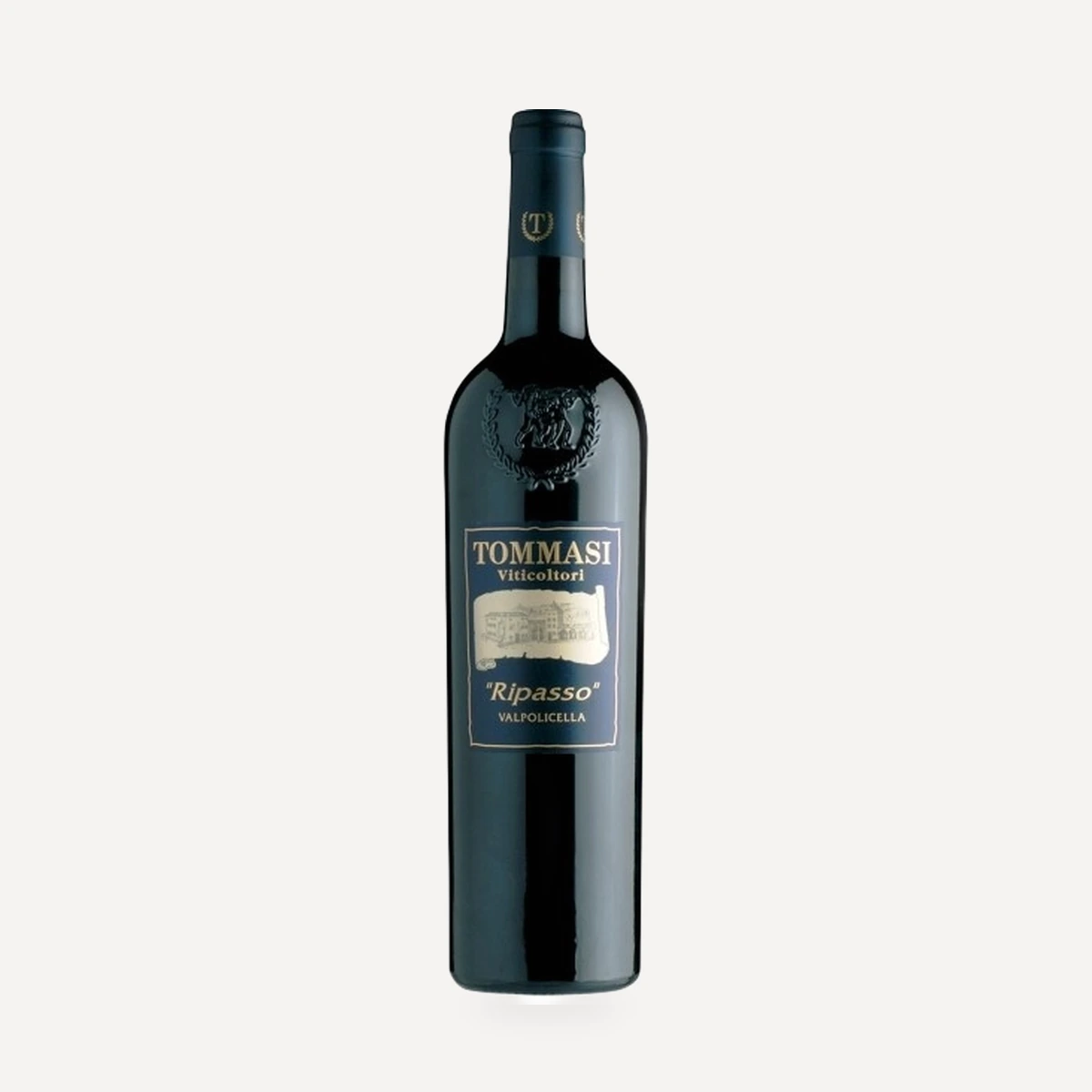
Ripasso Valpolicella Classico Superiore DOC
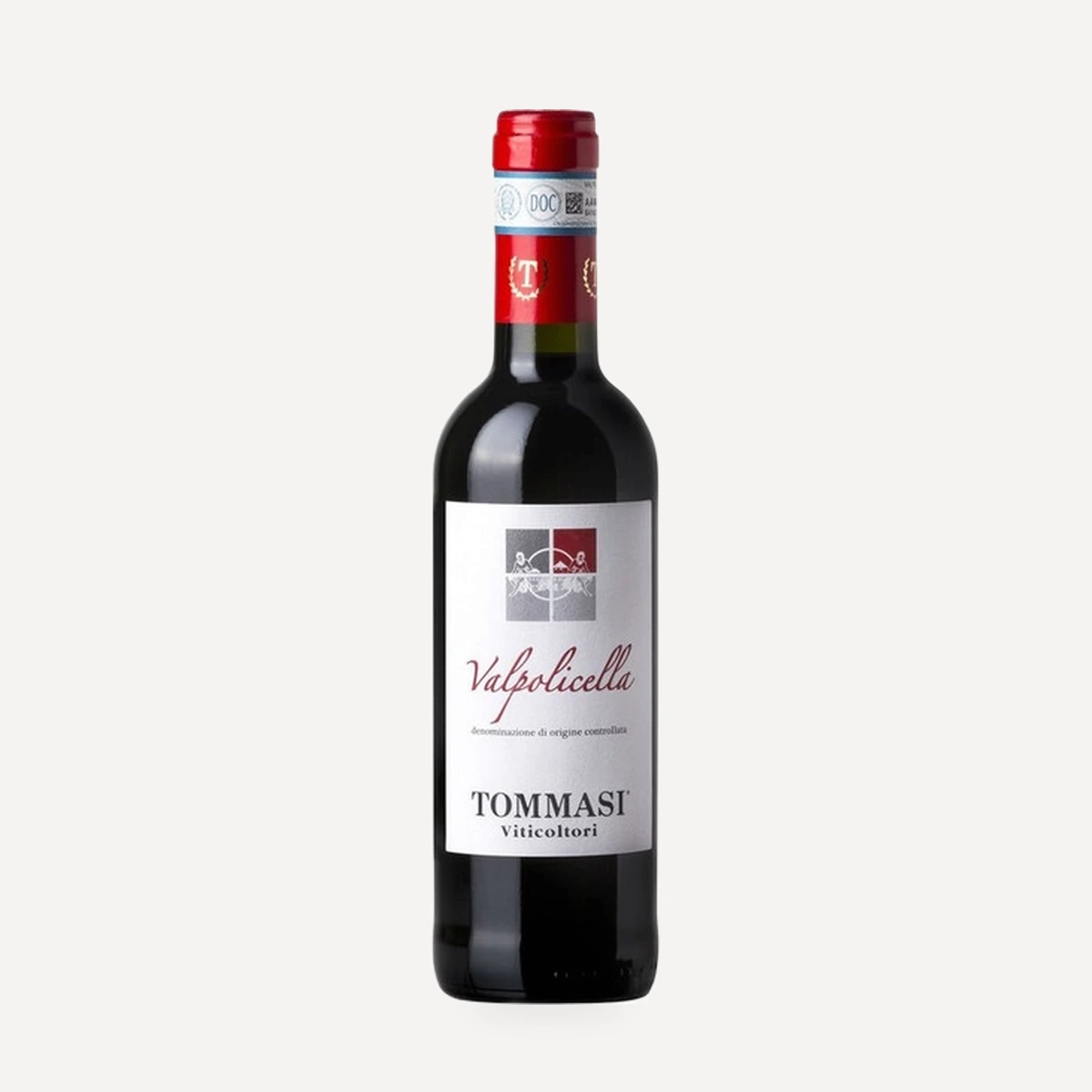
Valpolicella DOC
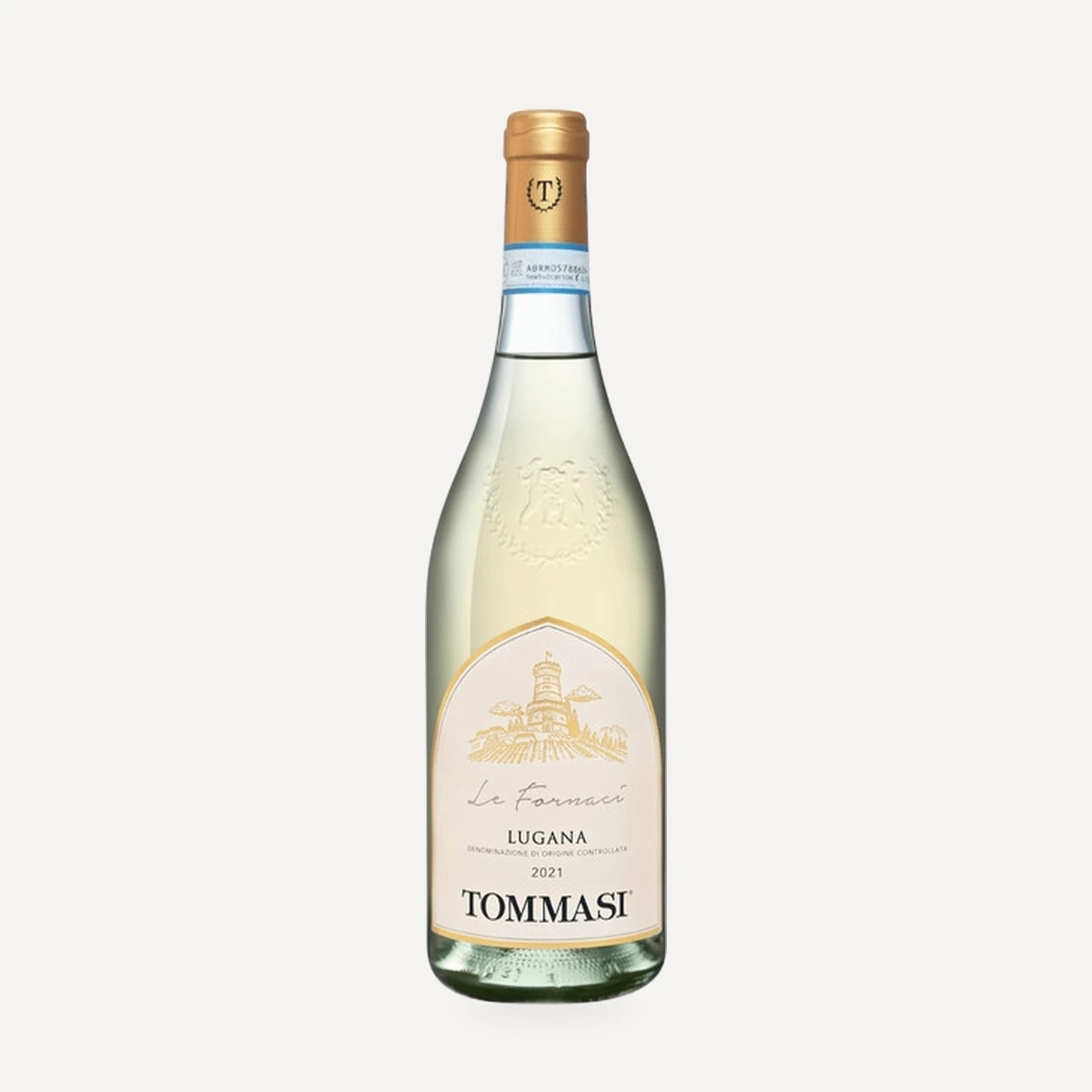
Le Fornaci Lugana DOC
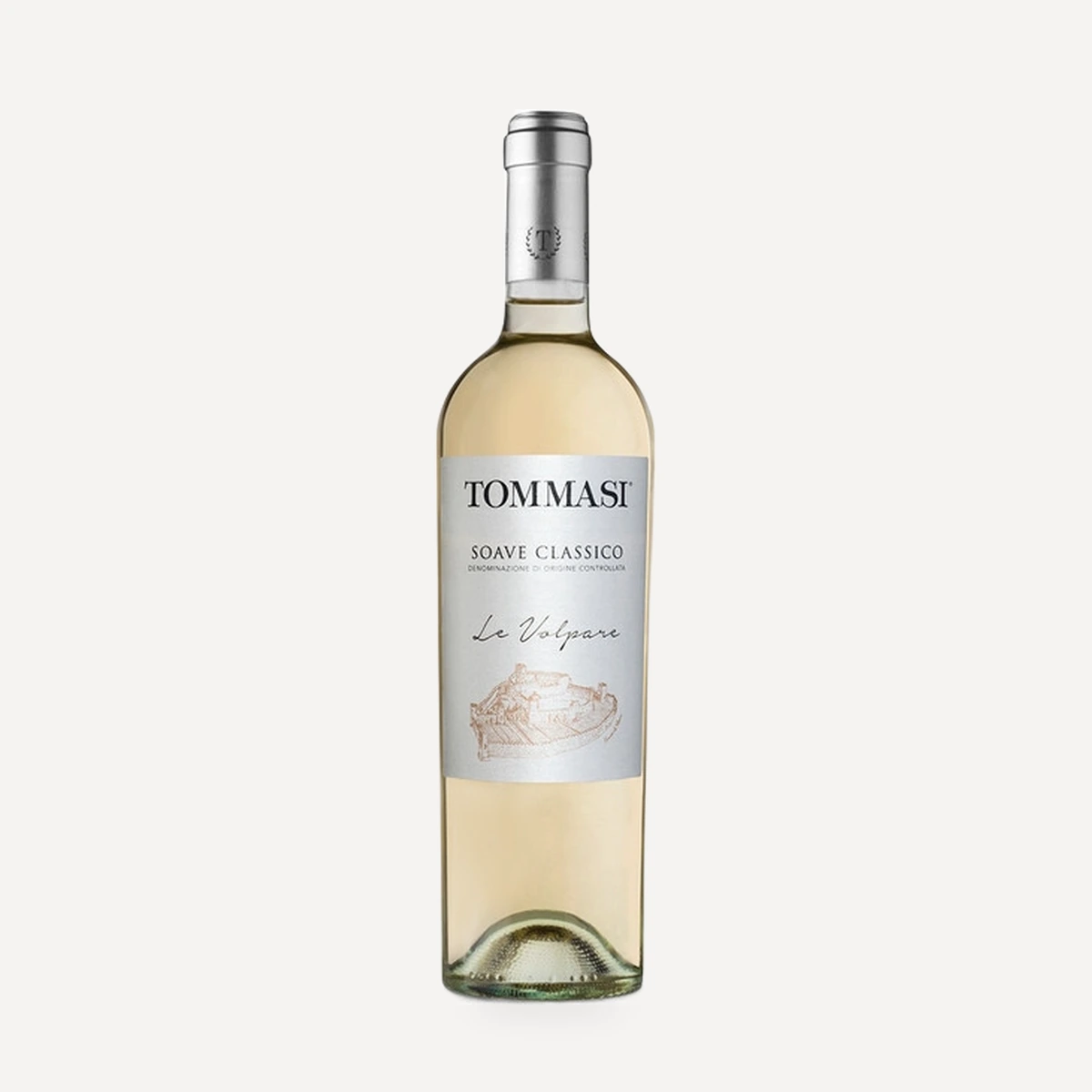
Le Volpare Soave Classico DOC
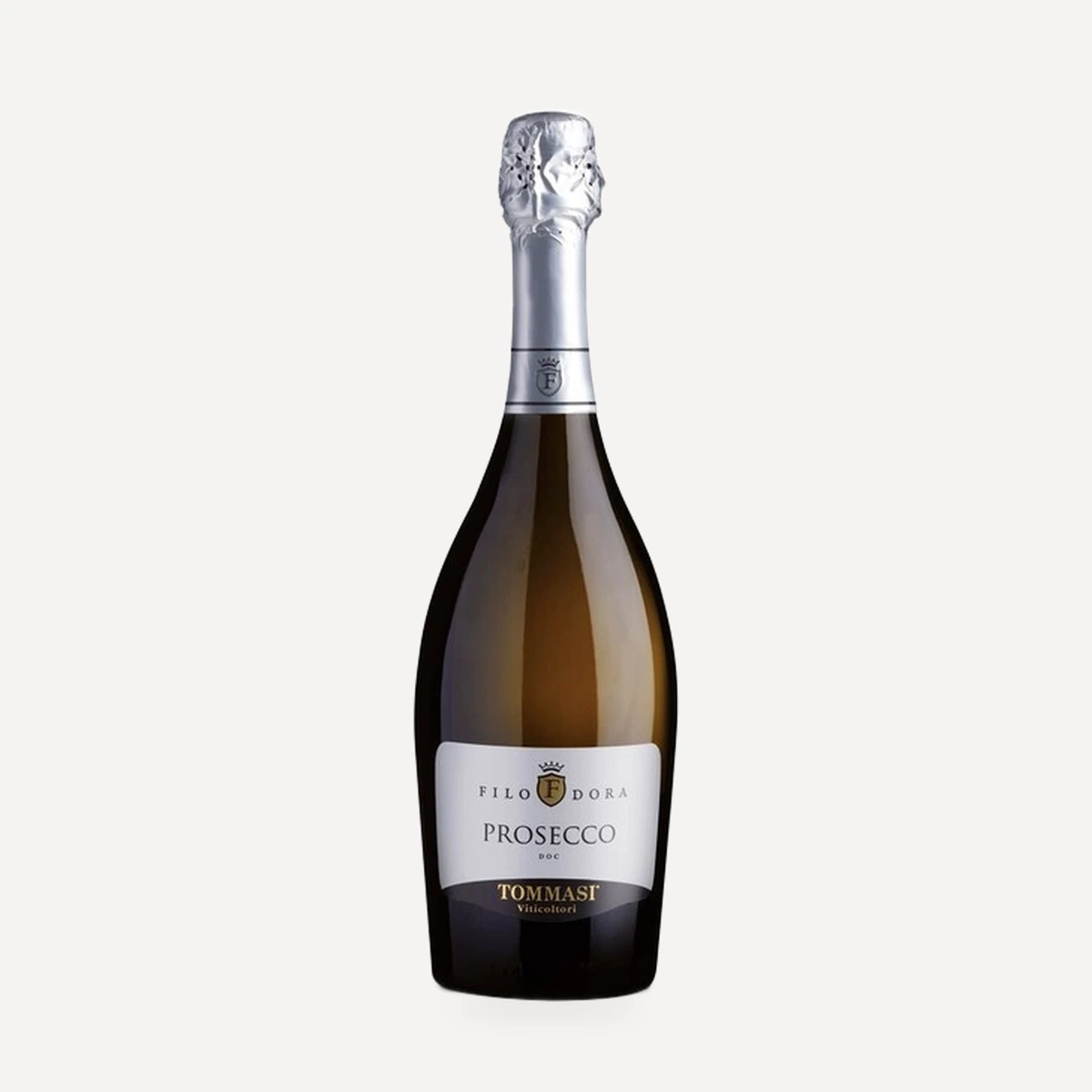
Filodora Prosecco DOC
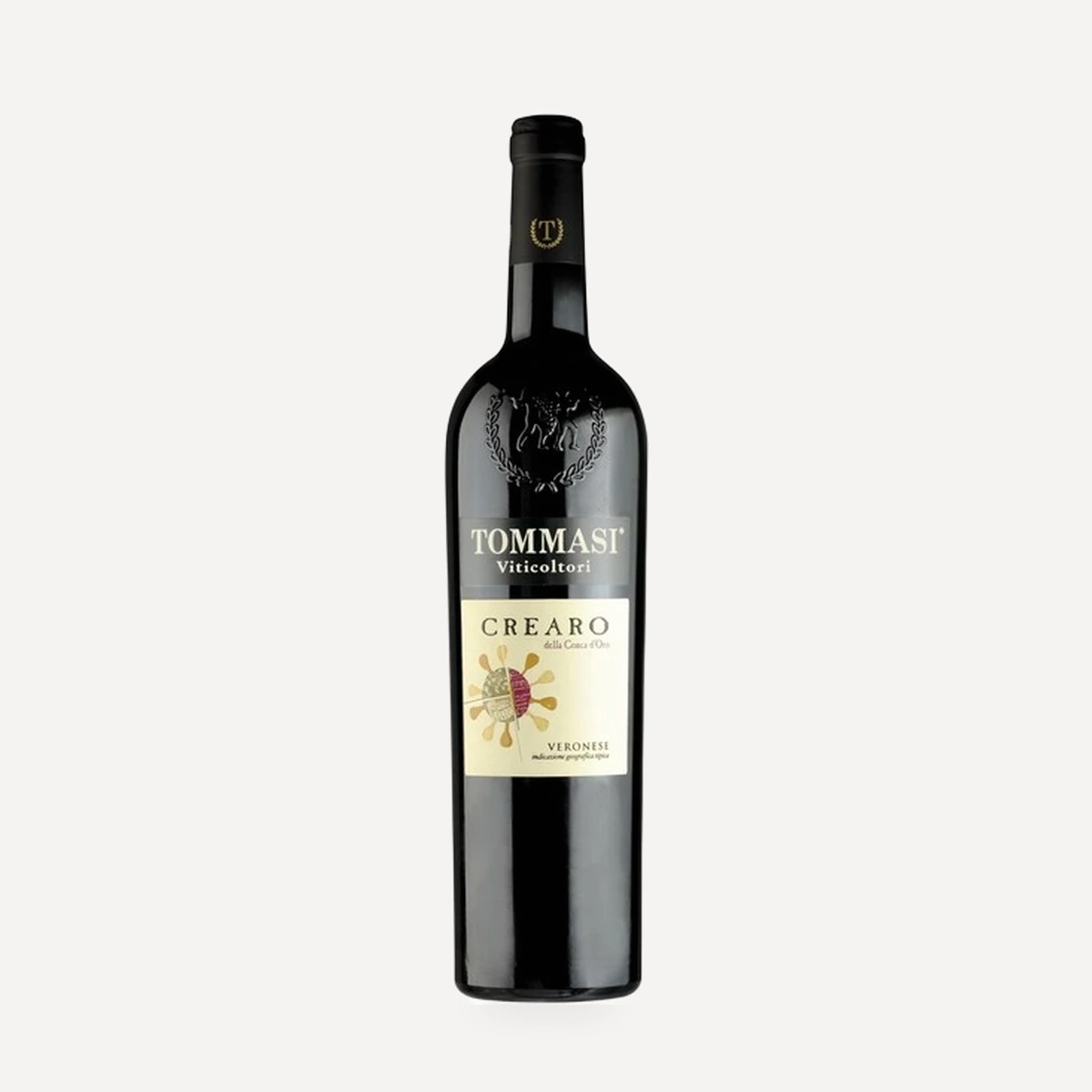
Crearo Conca d’Oro Rosso Verona IGT
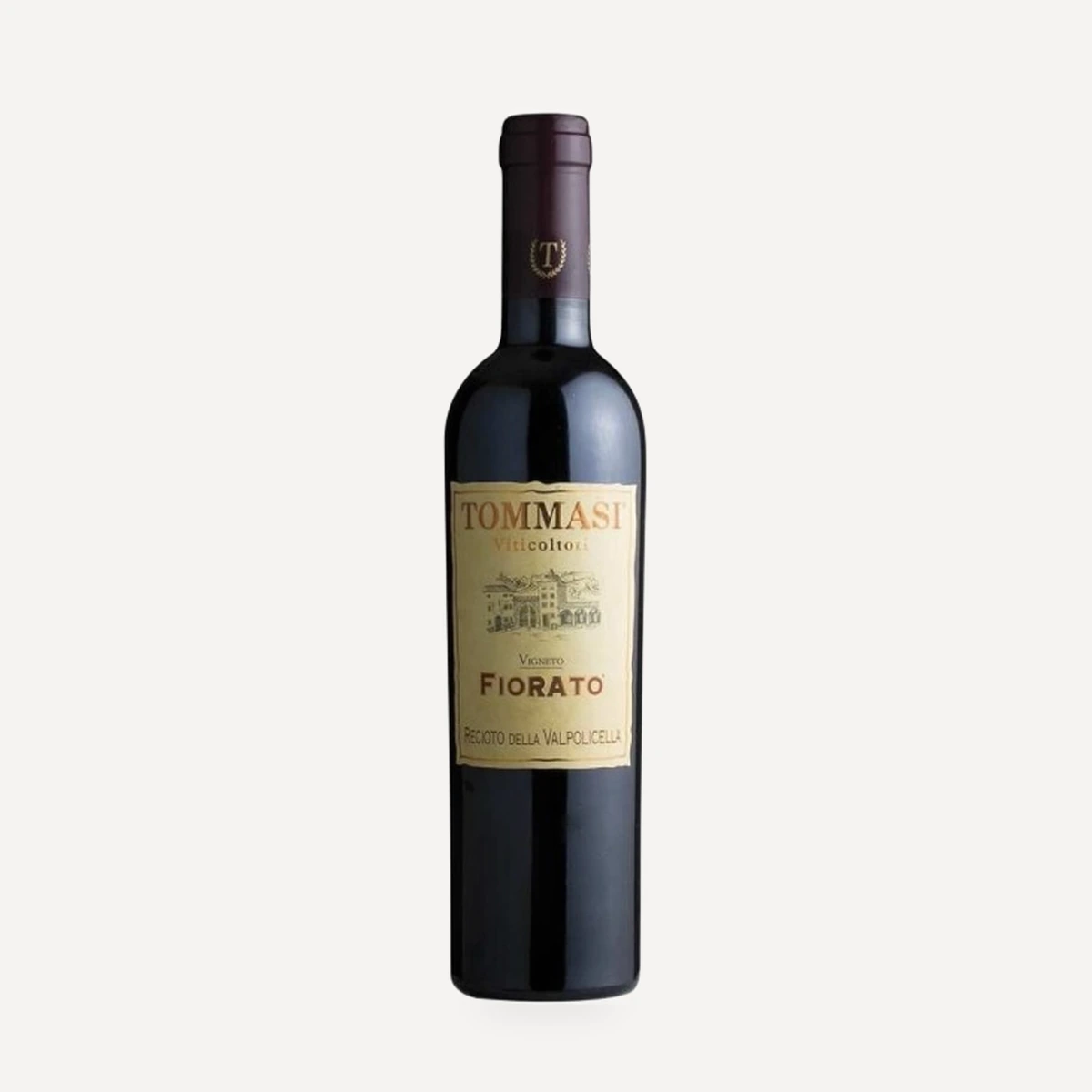
Fiorato Recioto della Valpolicella Classico DOCG
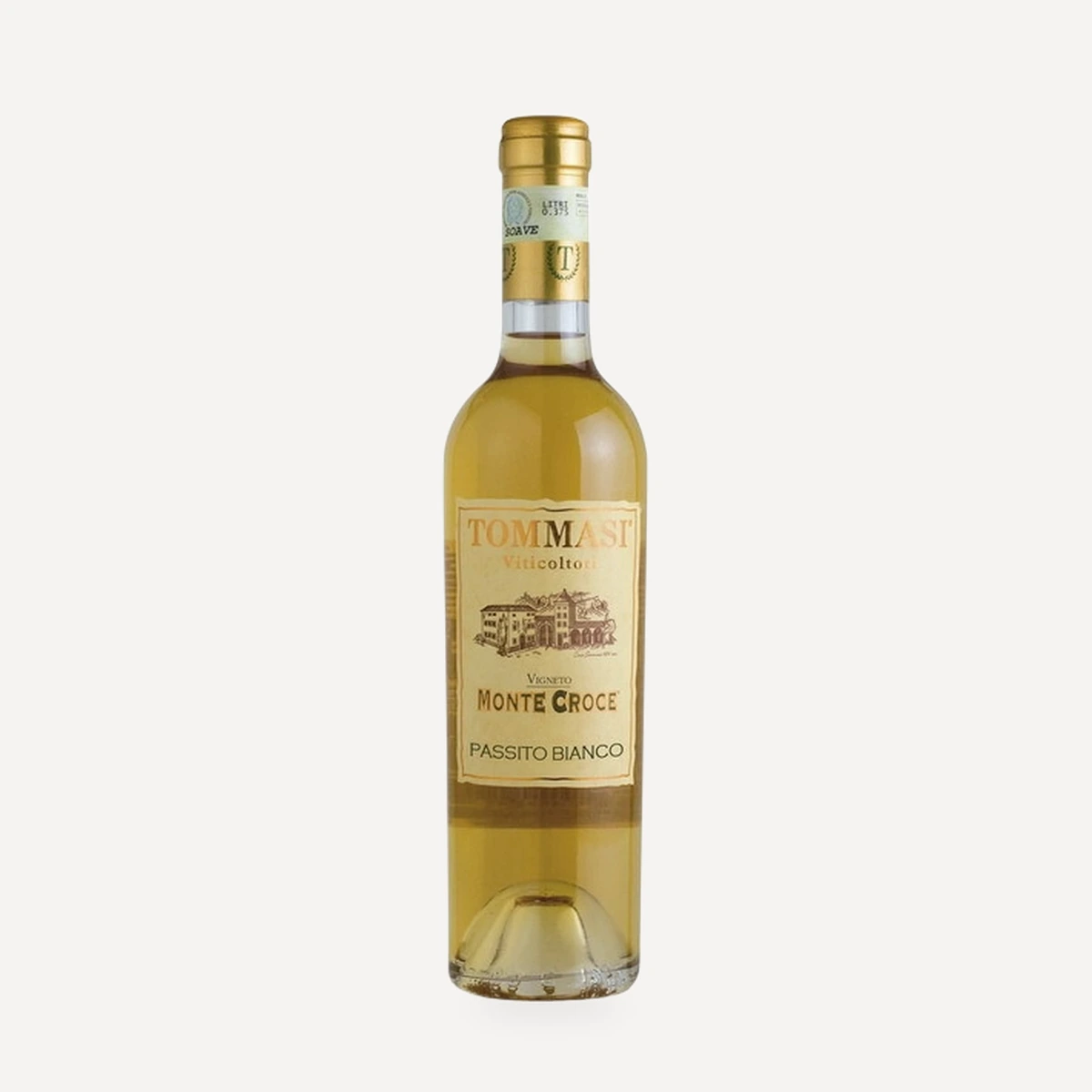
Monte Croce Passito Bianco IGT
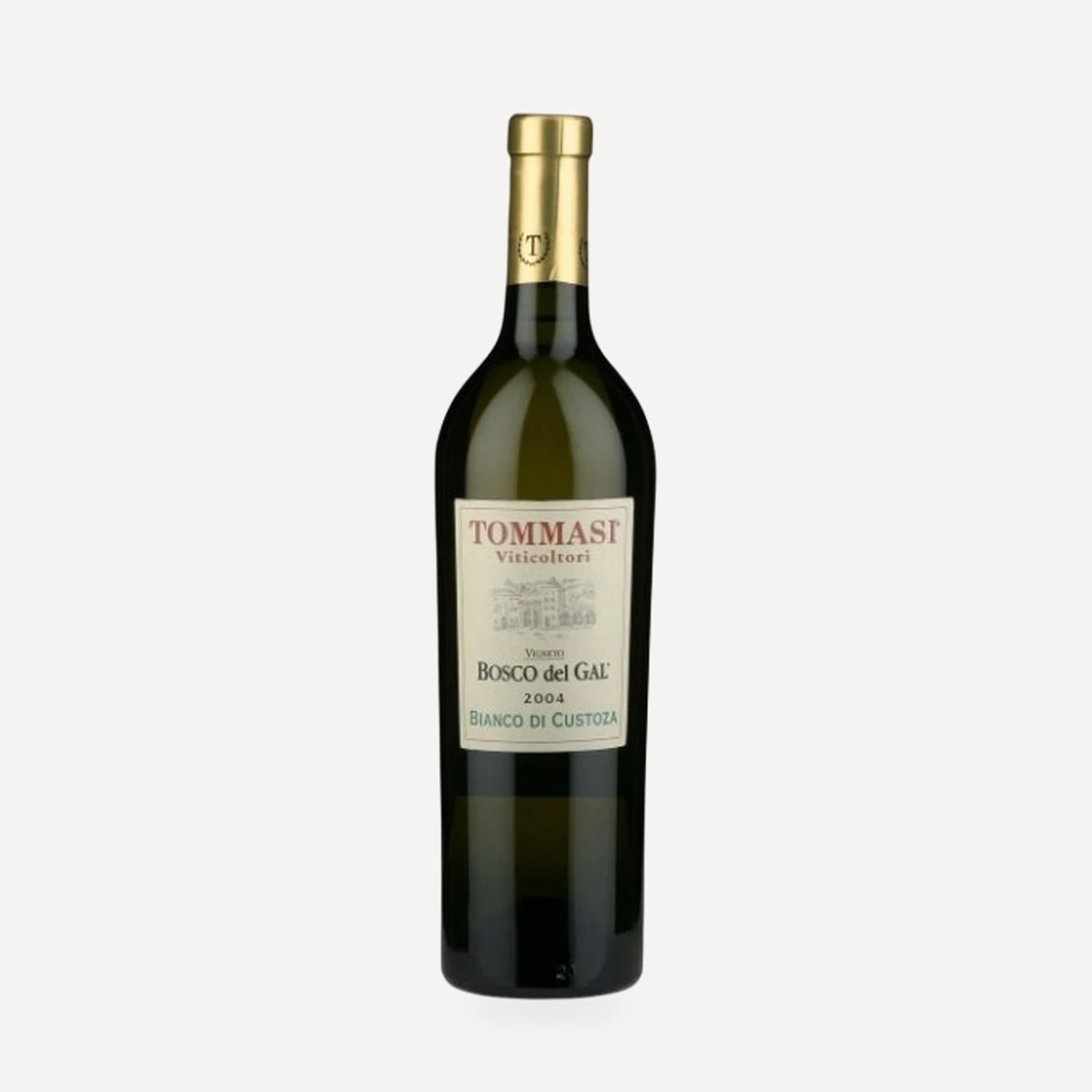
Bosco del Gal Custoza DOC
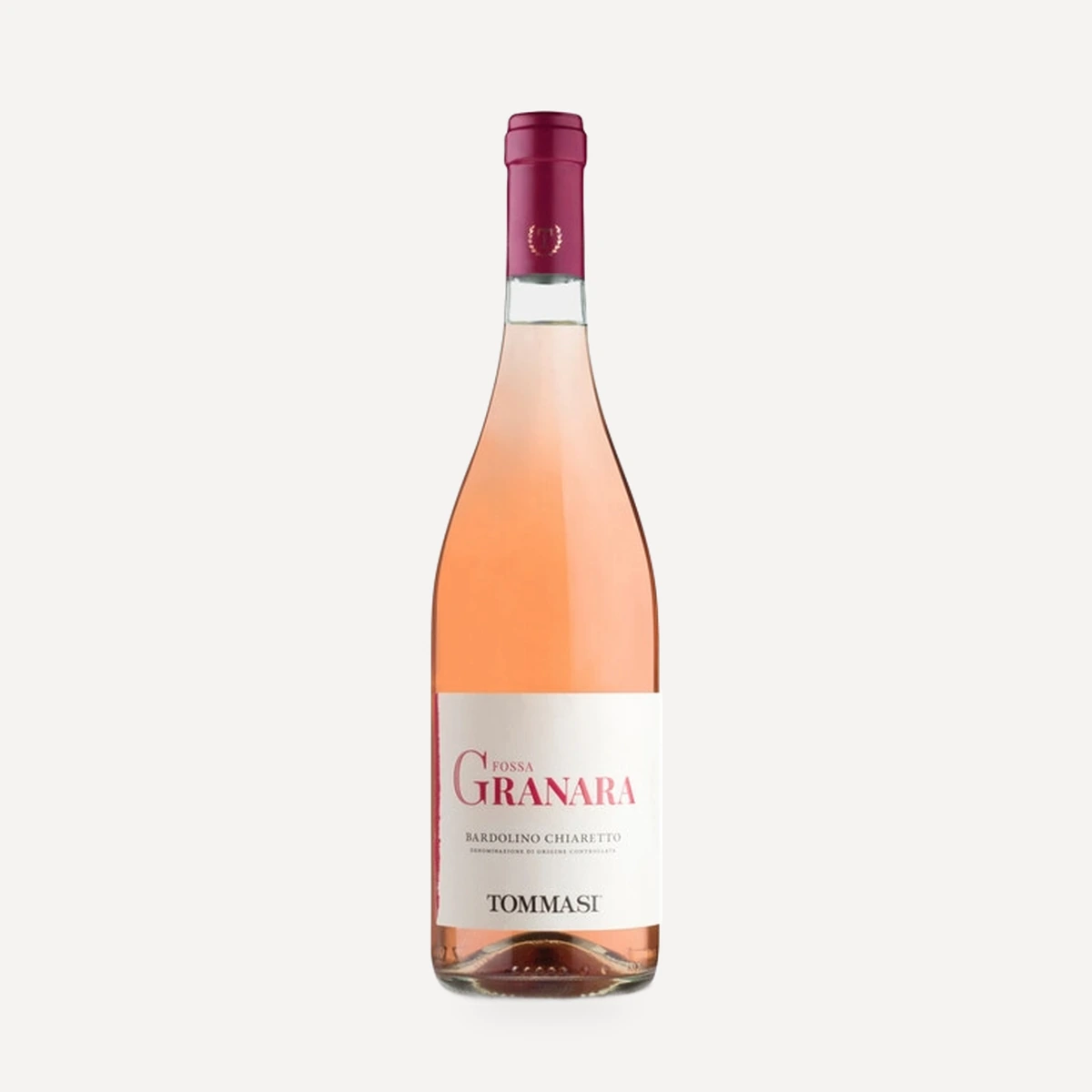
Granara Chiaretto Bardolino Rosé DOC
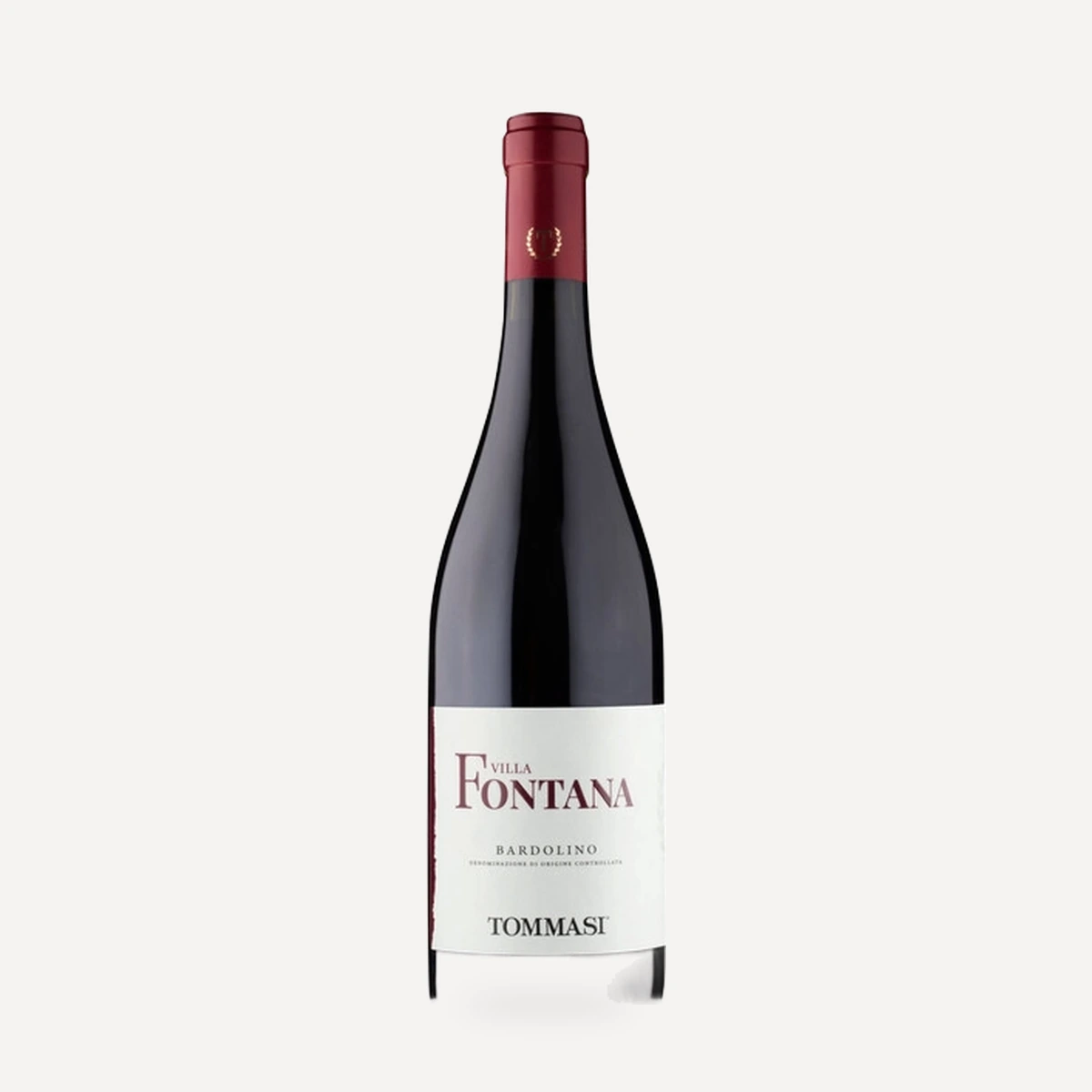
Villa Fontana Bardolino DOC
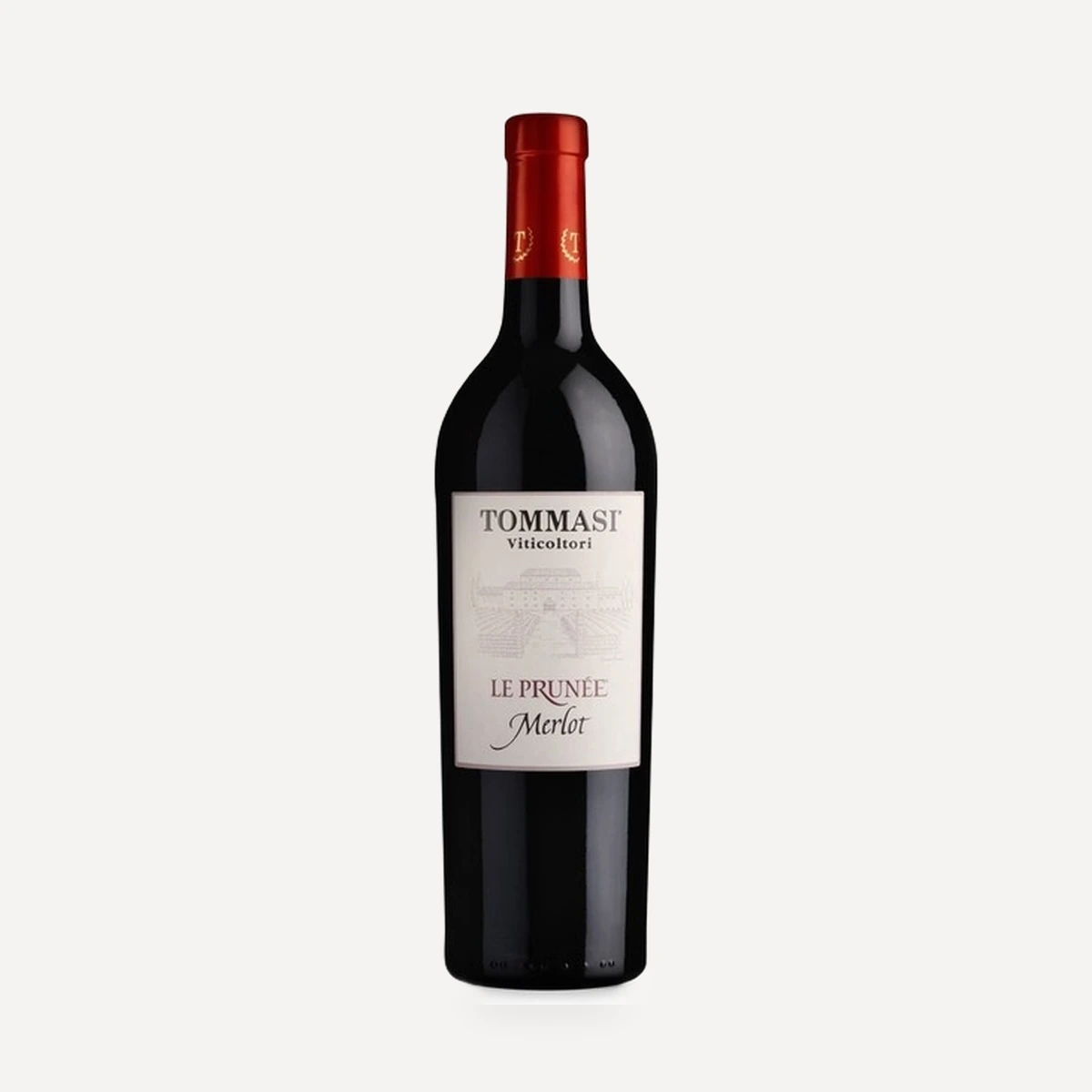
Le Prunée Merlot Trevenezie IGT
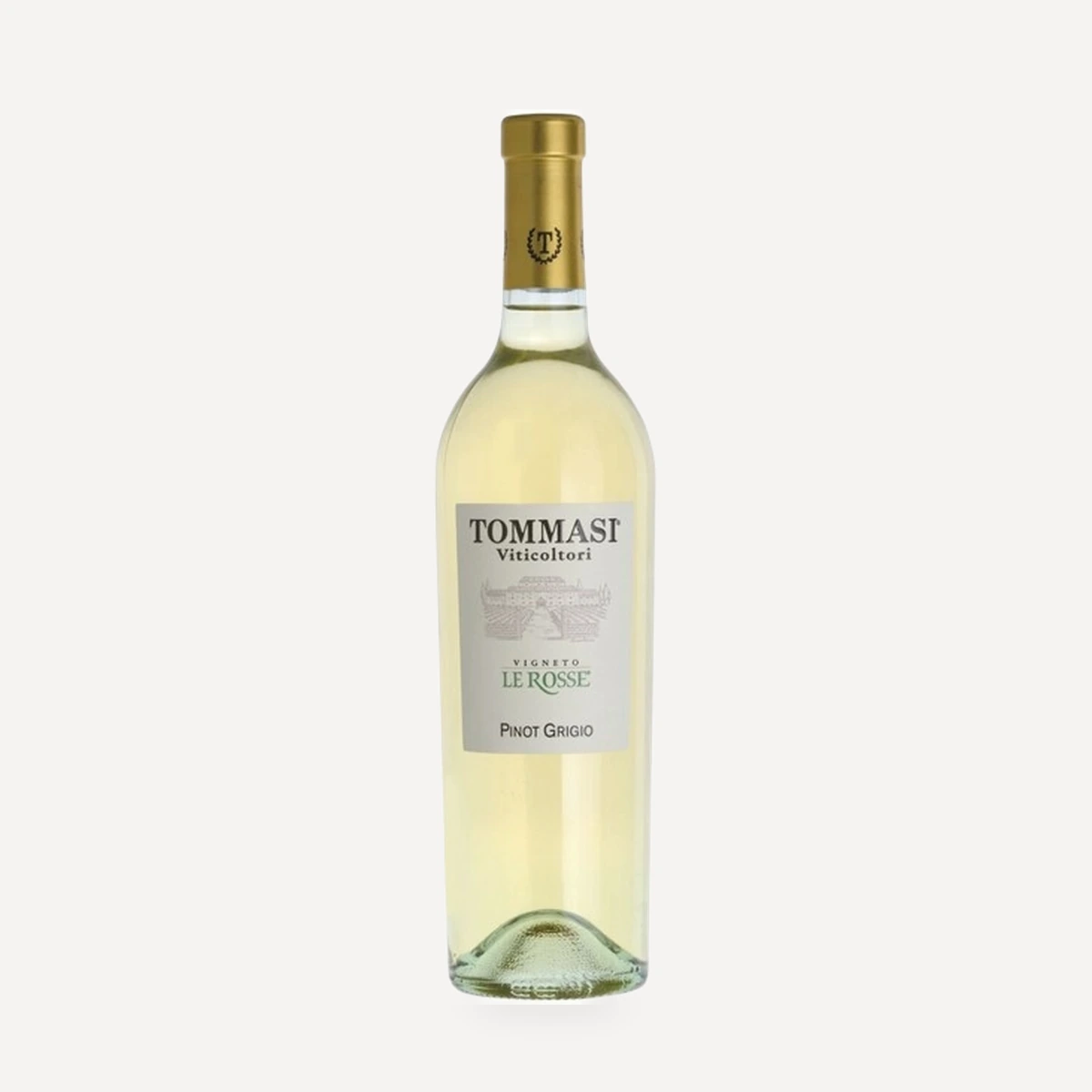
Le Rosse Pinot Grigio delle Venezie DOC
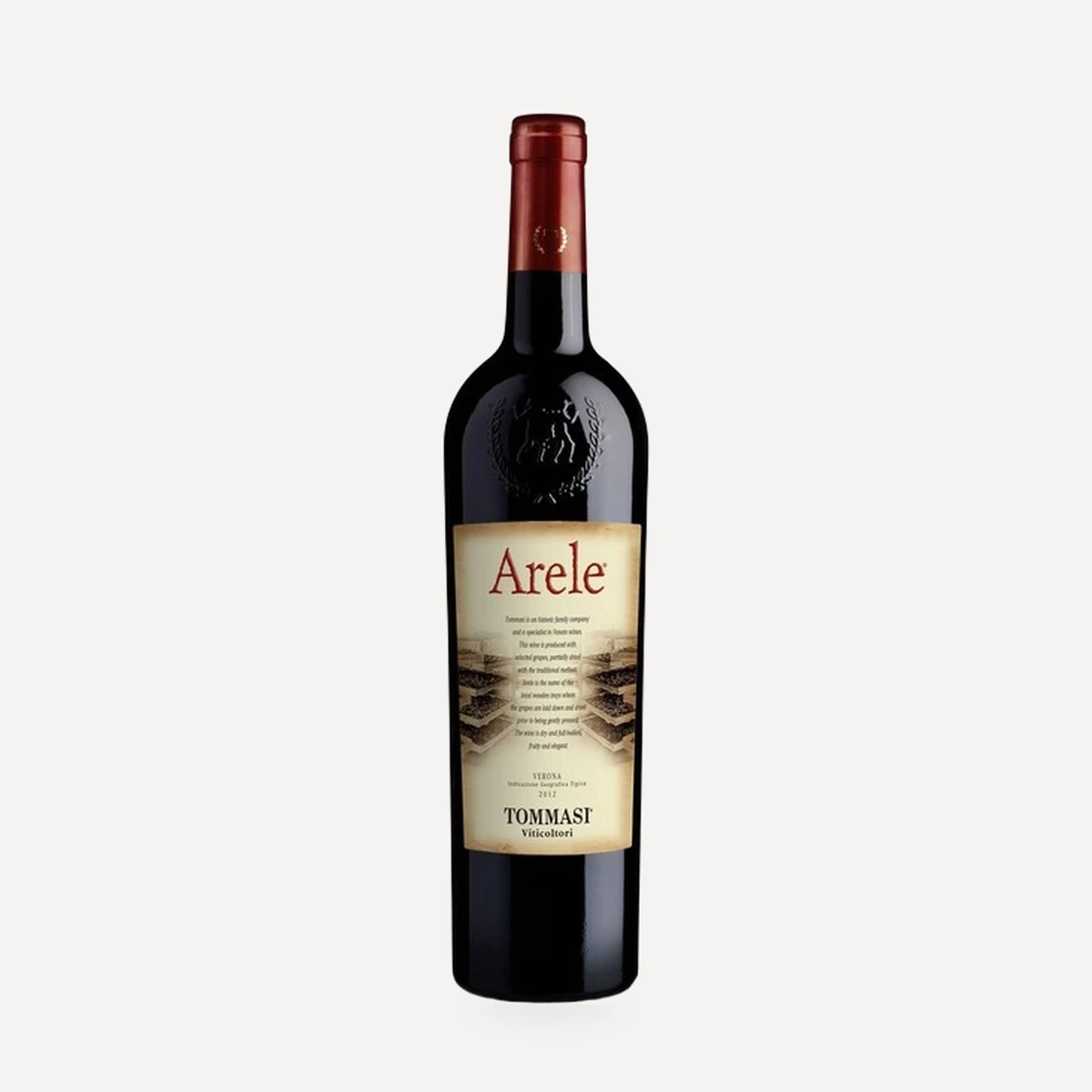
Arele Verona IGT
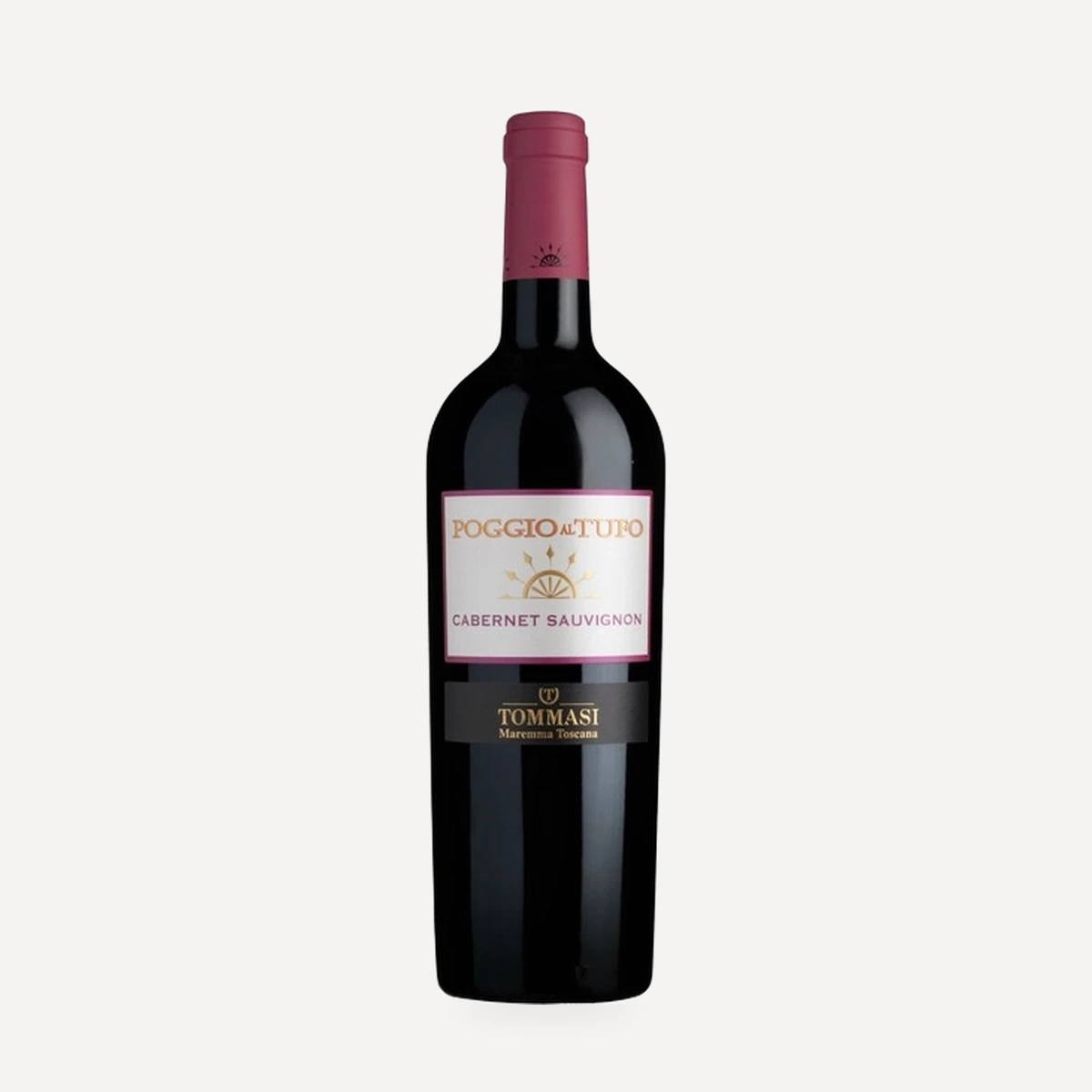
Poggio al Tufo Cabernet Sauvignon Maremma Toscana IGT
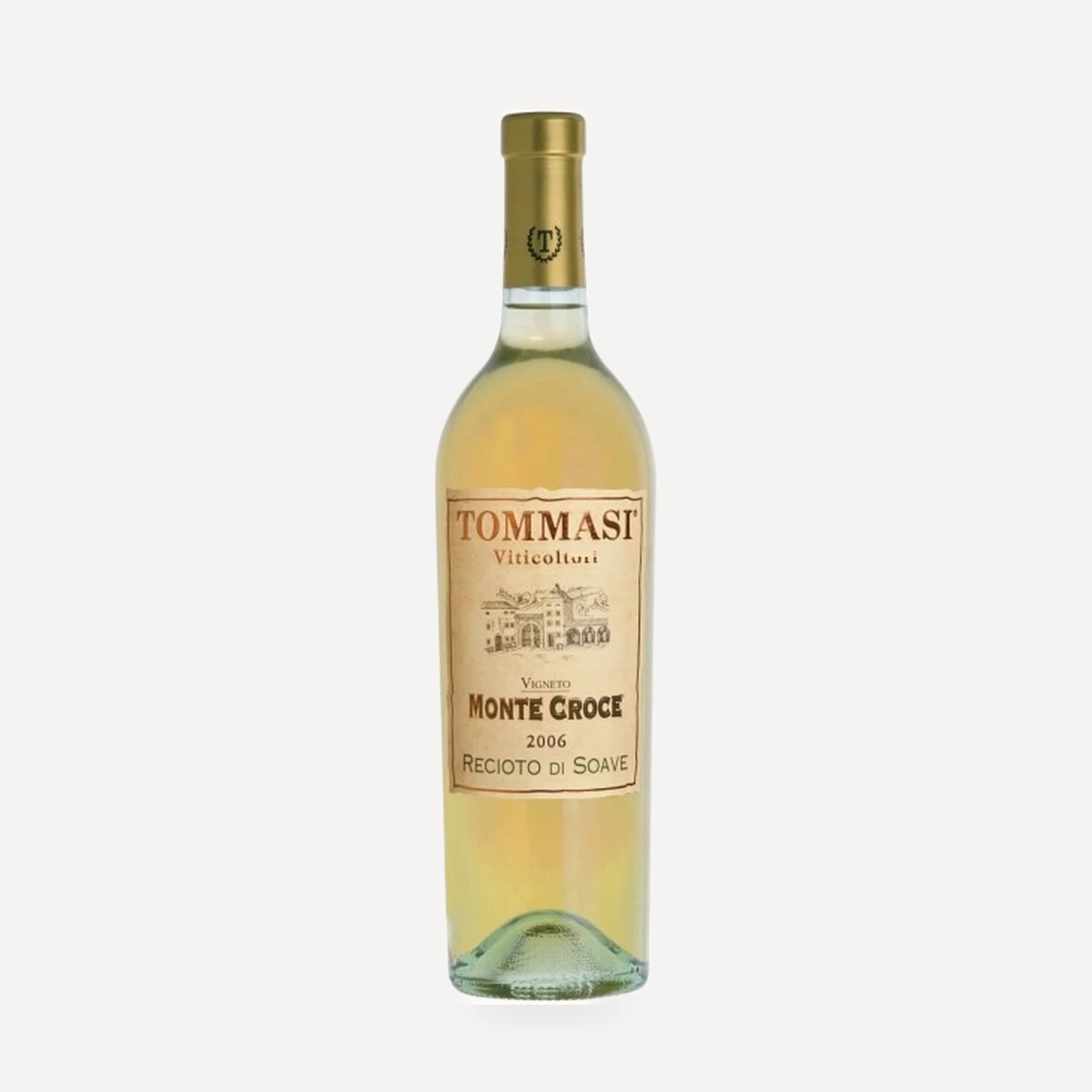
Tommasi Recioto di Soave Classico Monte Croce DOCG
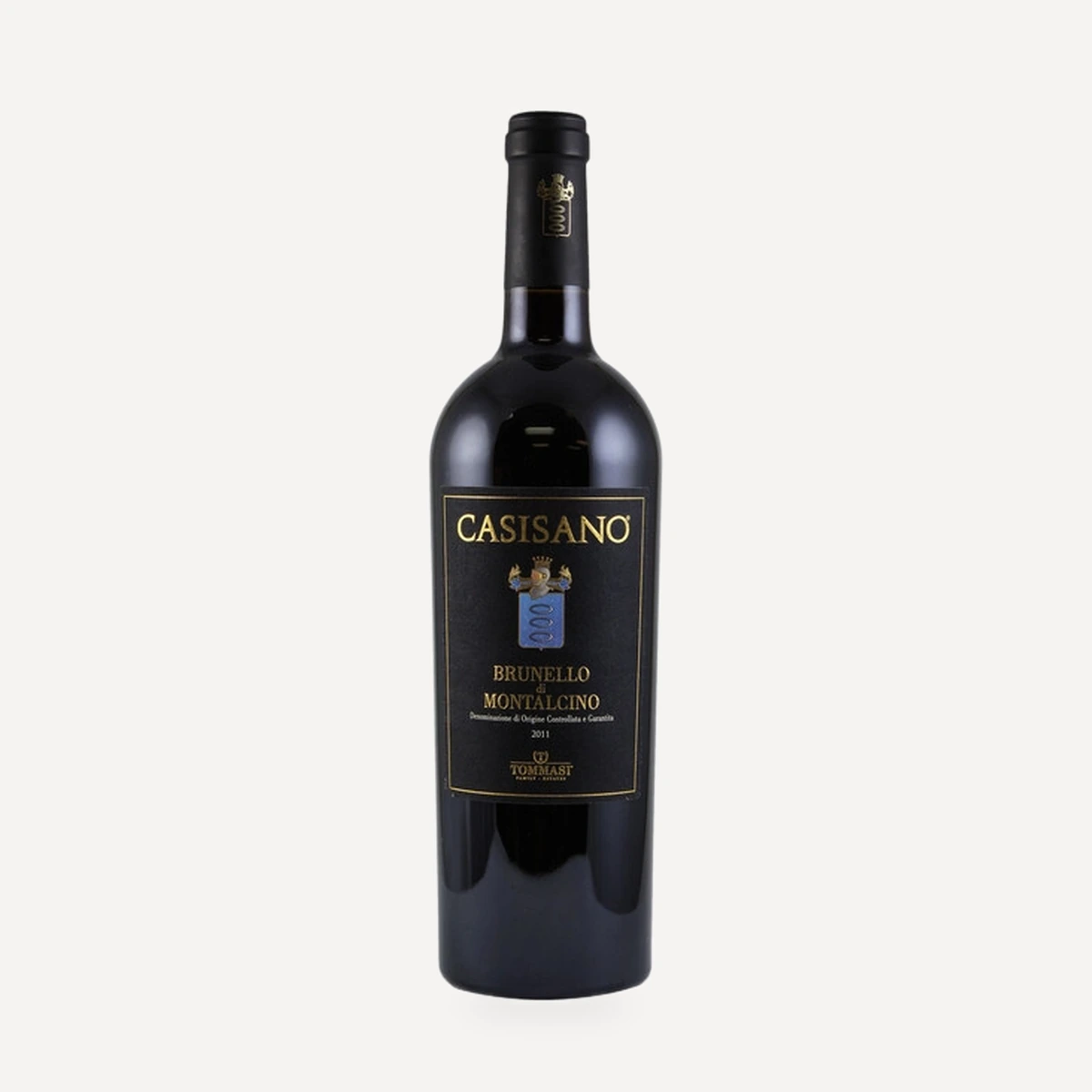
Brunello di Montalcino DOCG
Le Fornaci Lugana Riserva DOC
Il Sestante Amarone della Valpolicella DOCG
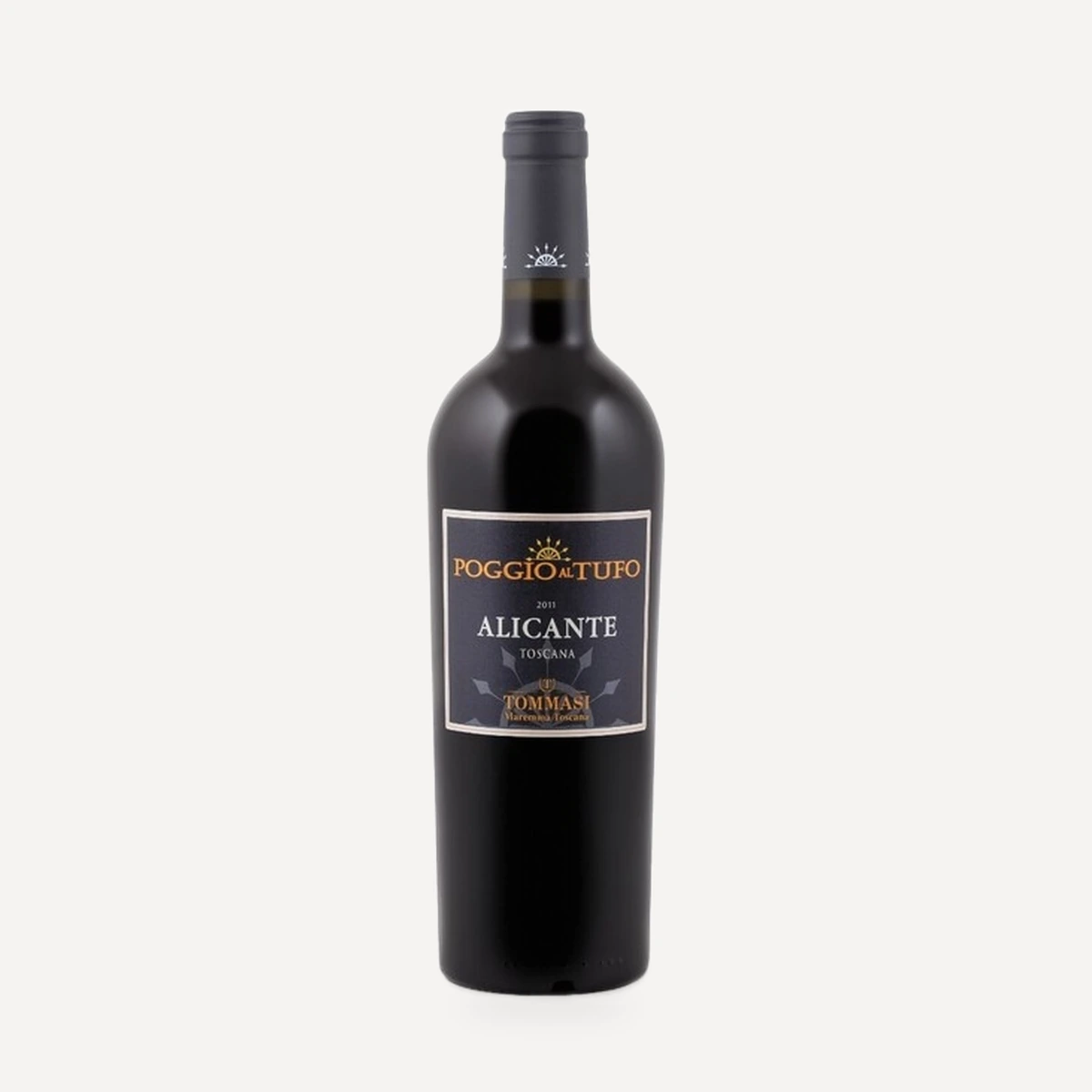
Poggio al Tufo Alicante Maremma Toscana IGT
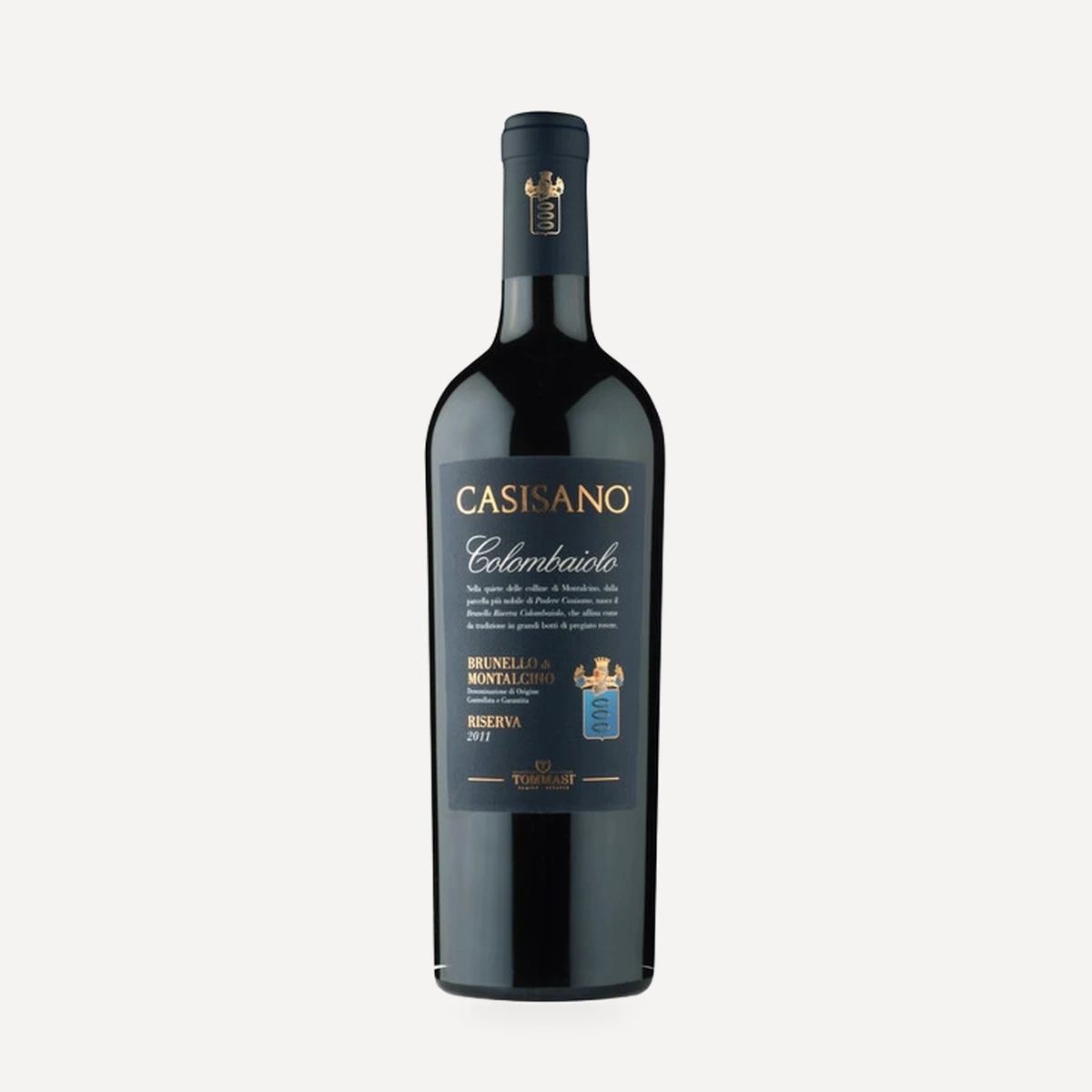
Colombaiolo Brunello di Montalcino Riserva DOCG
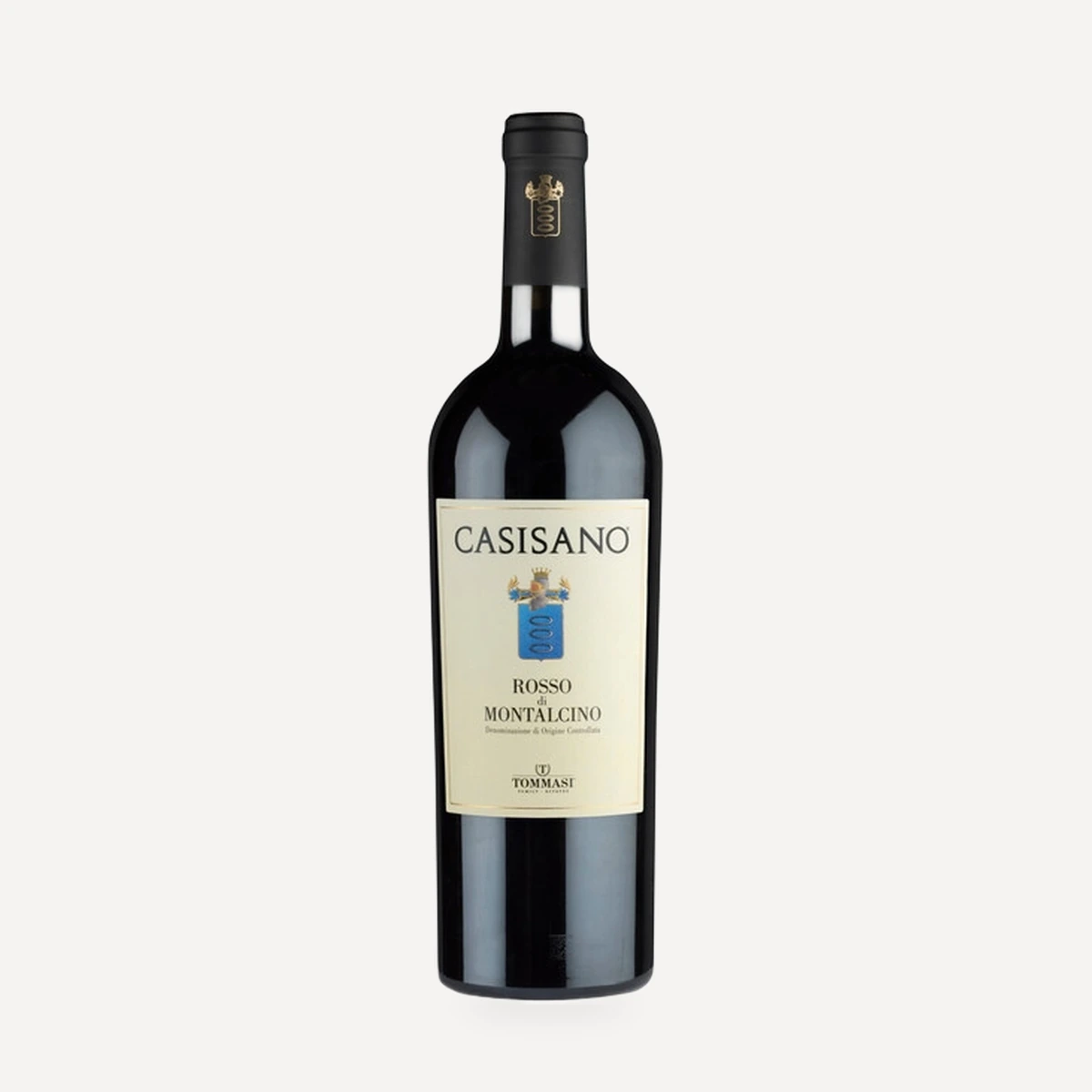
Rosso di Montalcino DOC
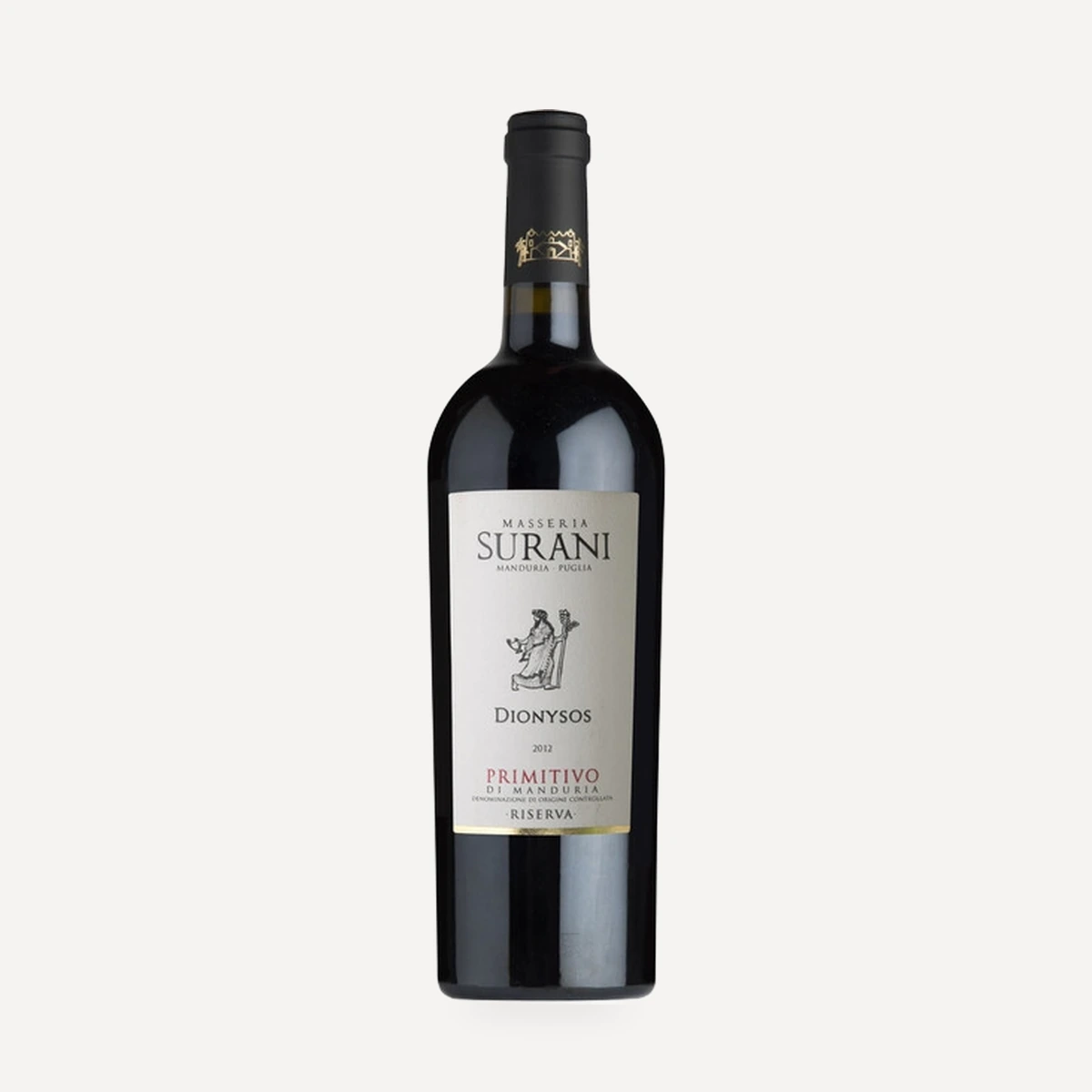
Dionysos Primitivo di Manduria Riserva DOC
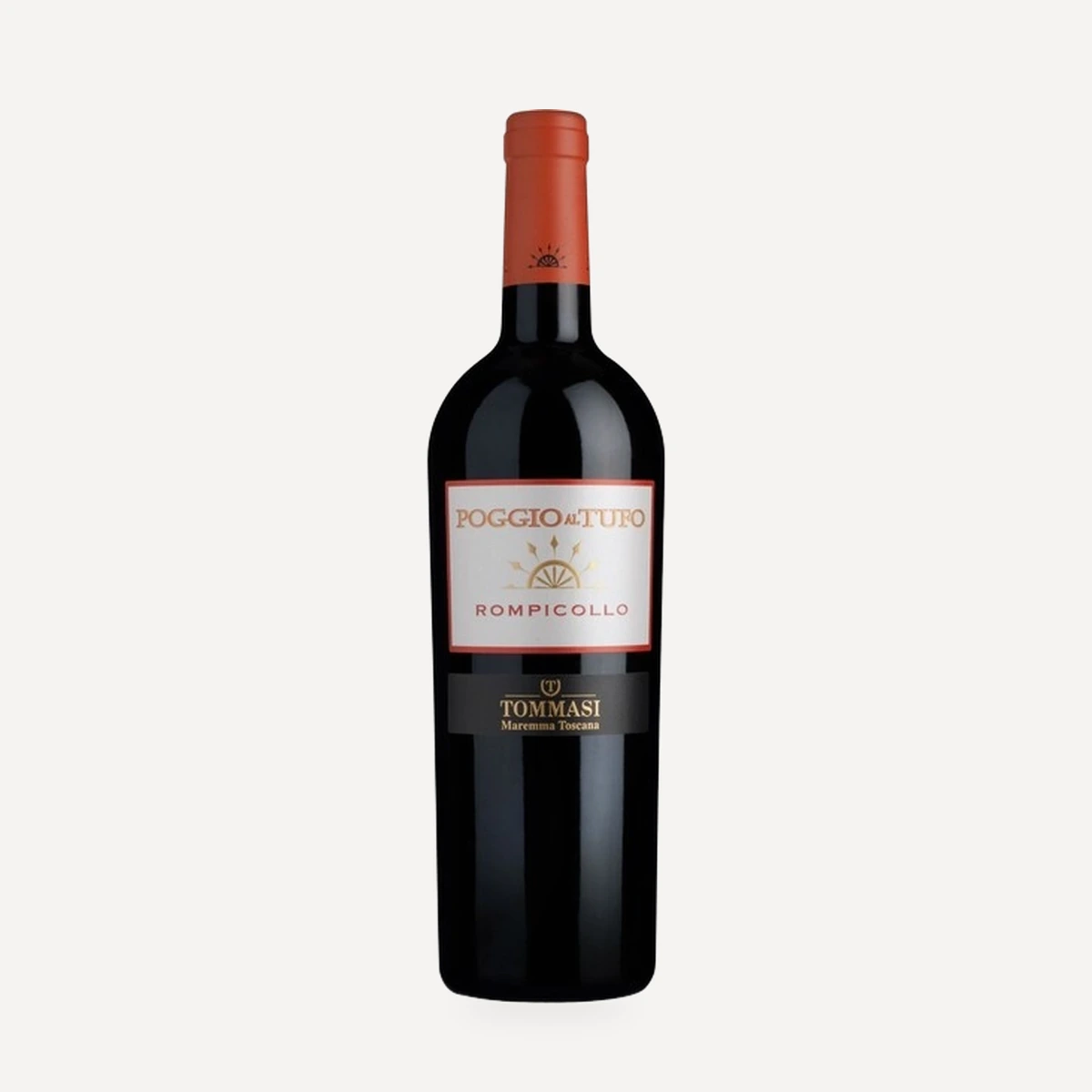
Poggio al Tufo Rompicollo Maremma Toscana IGT
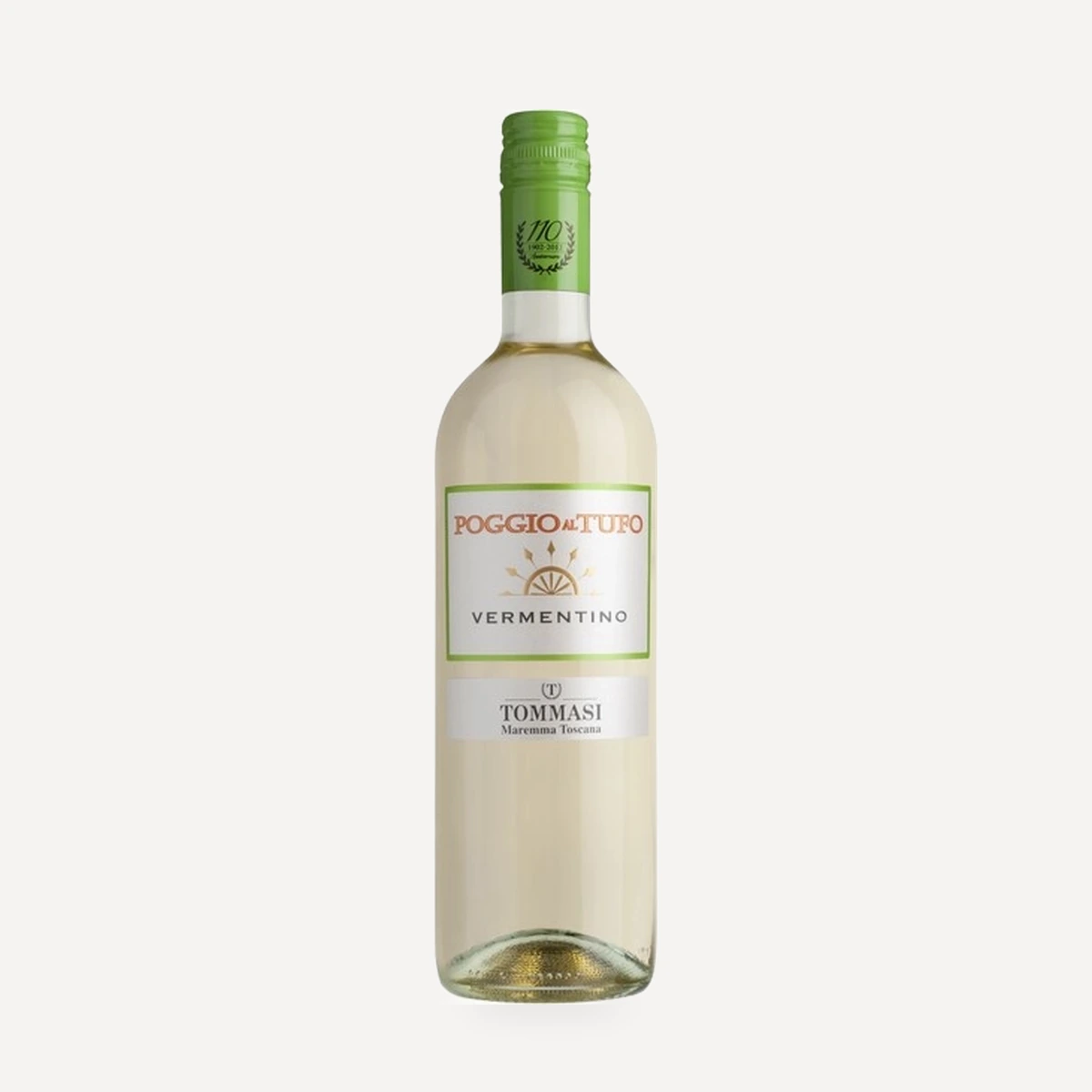
Poggio al Tufo Vermentino Maremma Toscana IGT
Il Sestante Ripasso Valpolicella Superiore DOC
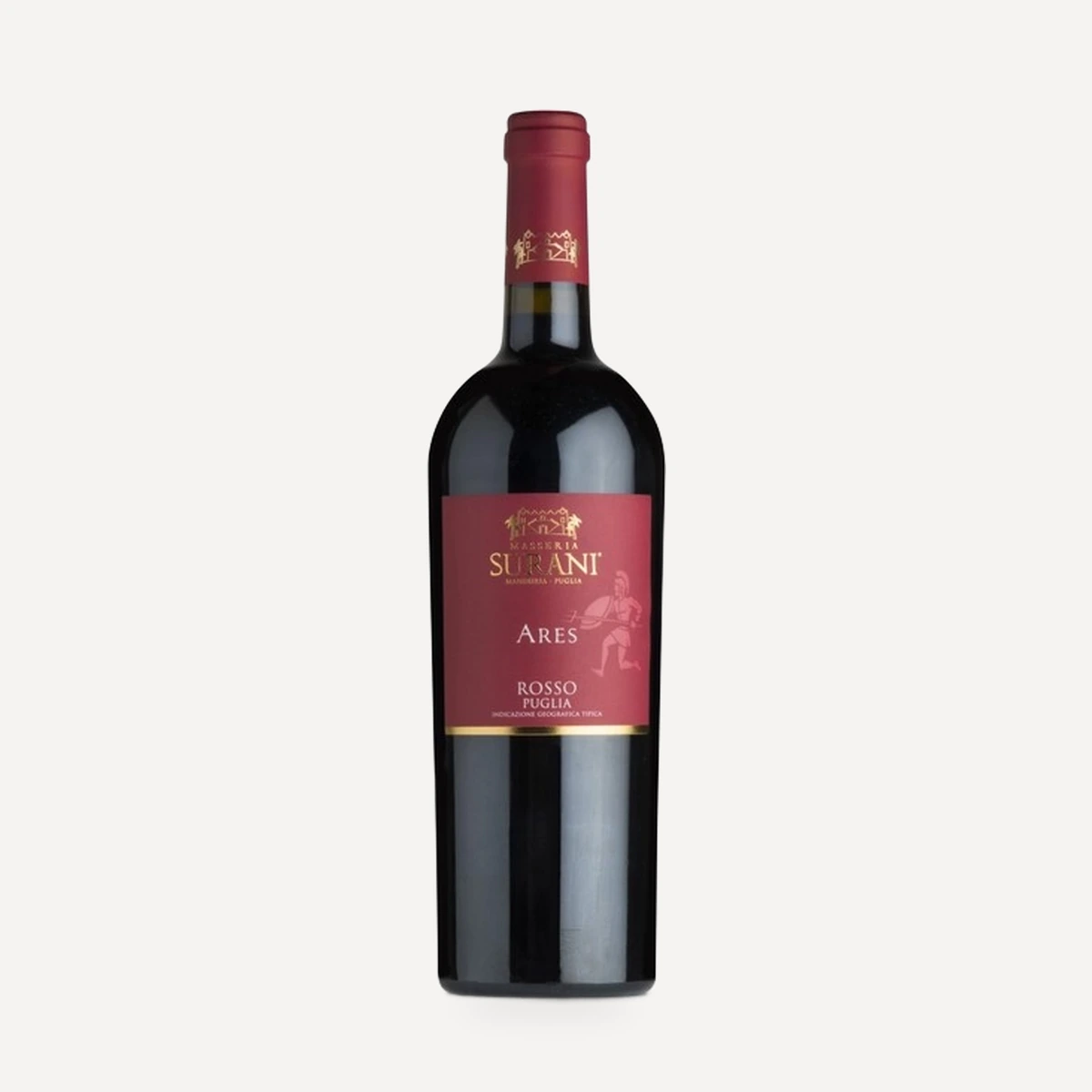
Ares Rosso Puglia IGT
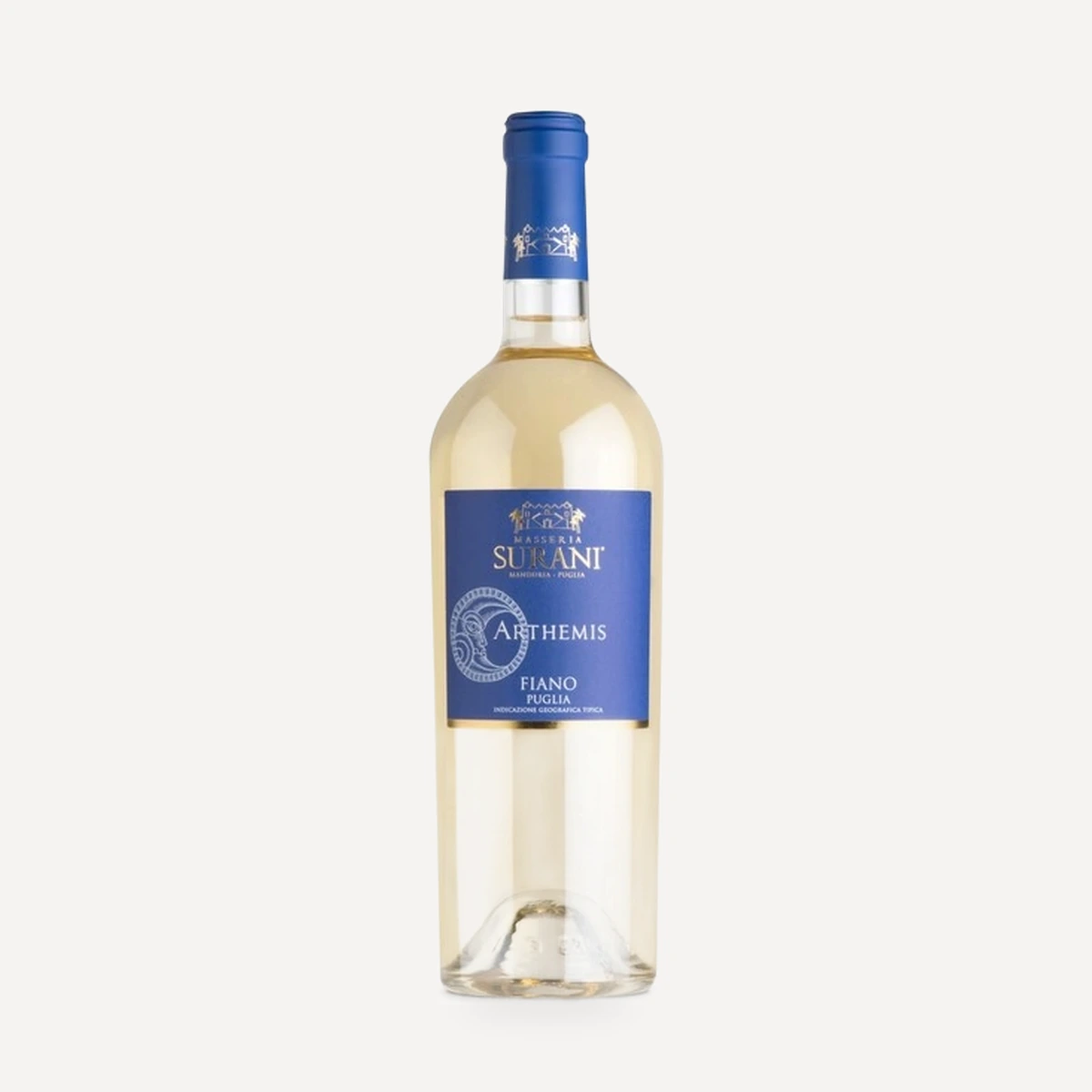
Arthemis Fiano Puglia IGT
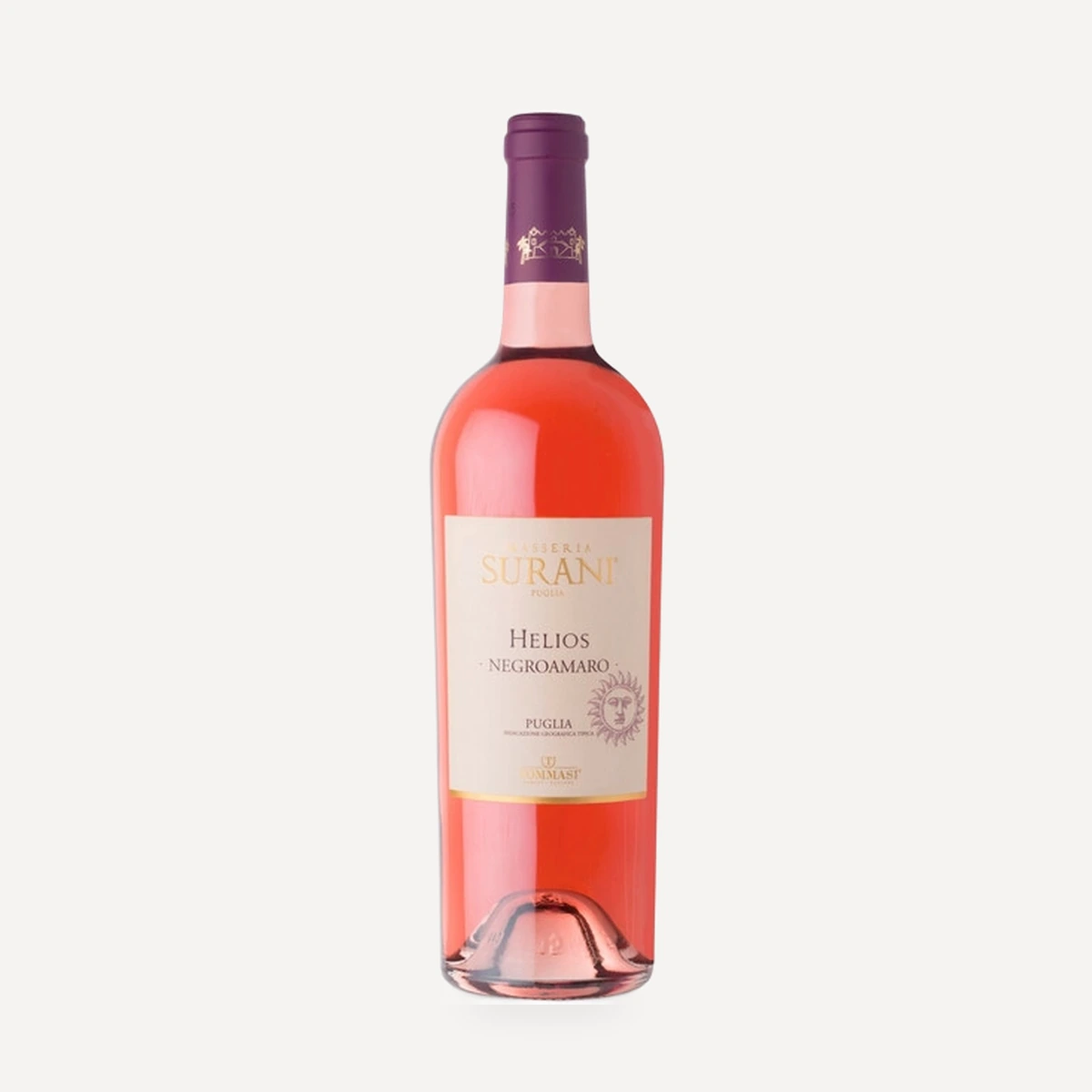
Helios Negroamaro Puglia IGT