History
Avignonesi takes its name from a noble family of the 16th century, a cultural link with Montepulciano that precedes the modern wine estate. The modern Avignonesi estate was founded in Montepulciano in the 1970s inside an agricultural tradition oriented toward the future. In 1987 the winery became the first in Tuscany to produce a barrel-aged white wine, Il Marzocco, from grapes grown at the foot of Cortona. In 1988, the friendship between Avignonesi in Montepulciano and Capannelle in Chianti Classico gave rise to 50&50, one of the early joint-venture wines in Italy, built on the meeting of Sangiovese and Merlot. In 2009 Virginie Saverys began the transition to biodynamic farming and expanded the estate. Since 2013, Lodola has been the centre for vinification and ageing, allowing each parcel to be handled separately. In 2024, the passage from Virginie Saverys to her children Basile and Eline Aloy opened a new phase of conscious continuity: an evolution of the same long-term vision around agriculture, responsibility, cultural depth, people and future generations.
Terroir
Avignonesi is a living agricultural ecosystem of 310 hectares between Montepulciano and Cortona, where vineyards, woods, olive groves and people share the same seasonal rhythm. The estate cultivates 177 hectares between Montepulciano and Cortona and vinifies only what it grows. Sangiovese is the central variety for Montepulciano: more than 100 hectares are harvested as more than 60 distinct micro-parcels and vinified separately. Sangiovese is treated as a sensitive grape that reflects differences in soil, exposure and water availability. For Vino Nobile and the single-vineyard wines, the underground world is described as a thick clay layer capped by a thin limestone layer; the clay acts as a water reserve, releasing the right amount to the vineyards and shaping the tasting spectrum of Sangiovese according to the geolocation of the lots. Cortona adds the history of international-variety experimentation in Tuscany, with Merlot central to Desiderio and Chardonnay at the foot of Cortona for Il Marzocco. Le Capezzine, founded in the 19th century as a model farm by philanthropist and scientist Angelo Vegni, remains the heart of hospitality and an agricultural landmark within the estate.
Winemaking
Agriculture comes first. The vineyards are farmed organically and biodynamically, with each parcel observed as a living system. Cover crops are sown, soils are worked carefully and biodiversity is measured. The La Stella vineyard is the clearest regenerative project: its row layout is designed to reduce erosion; the cultivation system improves disease prevention, water efficiency and worker ergonomics; 5% of vines have been replaced by resilient shrub hedges; married vines revive a historical agroforestry system; pomegranates, almonds, peaches and pears diversify the production; geese support weed control without compacting the soil; and an ecological corridor slows water runoff and links the area to the nearby park.
The cellar combines technical precision with careful listening to the material. Amphorae, stainless steel tanks, concrete eggs, barriques, large casks and caratelli are treated as tools in service of the wine rather than protagonists. Time, whether short or long, is part of the process. The Vin Santo wines age for more than ten years in caratelli in the vinsantaia. Da•Di explores Tuscan clay and amphora work, setting aside steel and oak for specific wines.
Philosophy
Wine is treated as time made visible: the time of soil, seasons, ageing, decisions and consequences. The philosophy is to work today with awareness of what remains tomorrow. Production, hospitality and distribution are part of one living system that adapts, transforms and regenerates over time. Organic and biodynamic farming are used because soil is not a resource to exploit but a living organism to accompany. To regenerate means improving inherited conditions. The estate’s language is long-term: being a good ancestor, leaving the soil better than it was found, remaining transparent, and allowing wine to carry memory, culture and future responsibility.
Wines
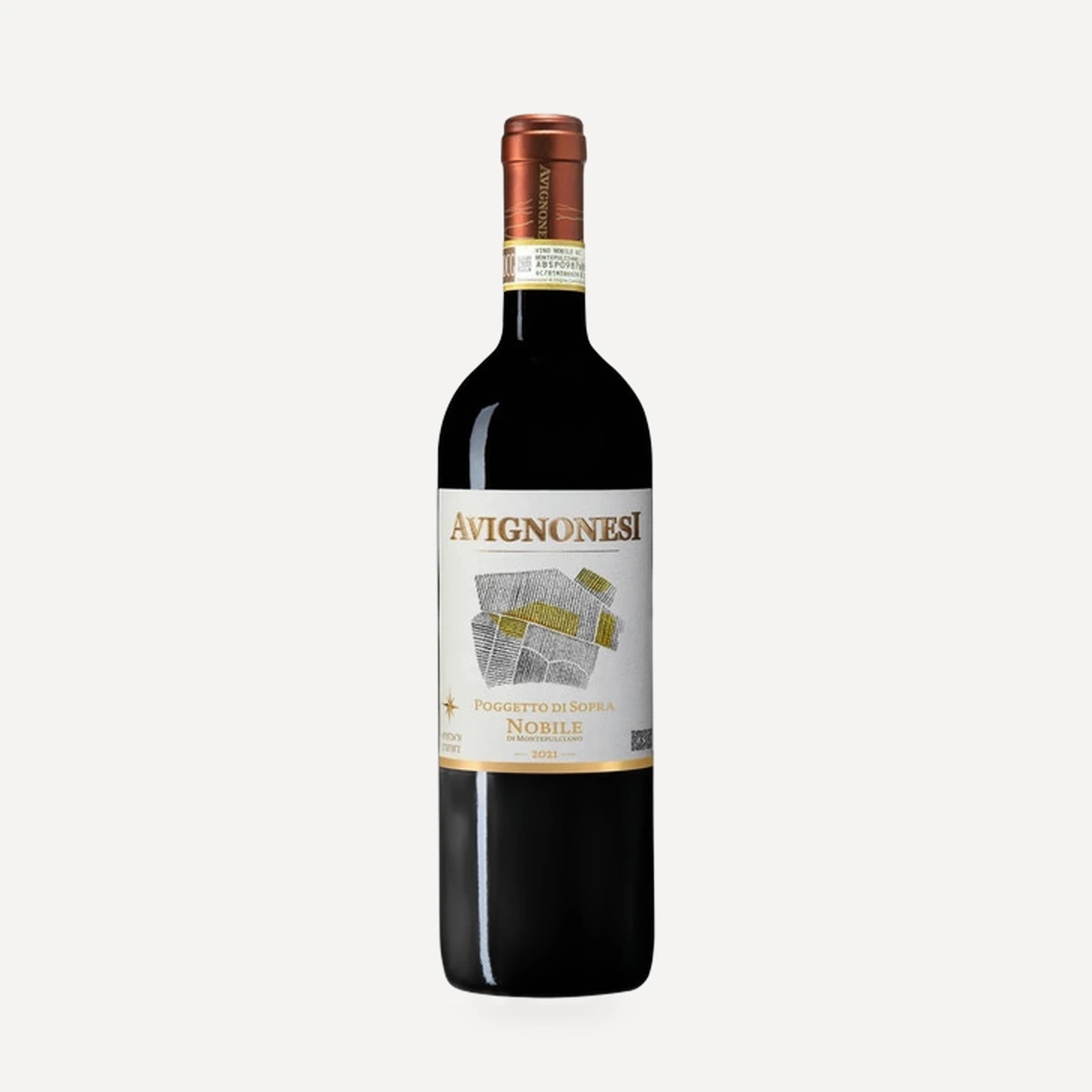
Poggetto di Sopra Vino Nobile di Montepulciano Toscana DOCG
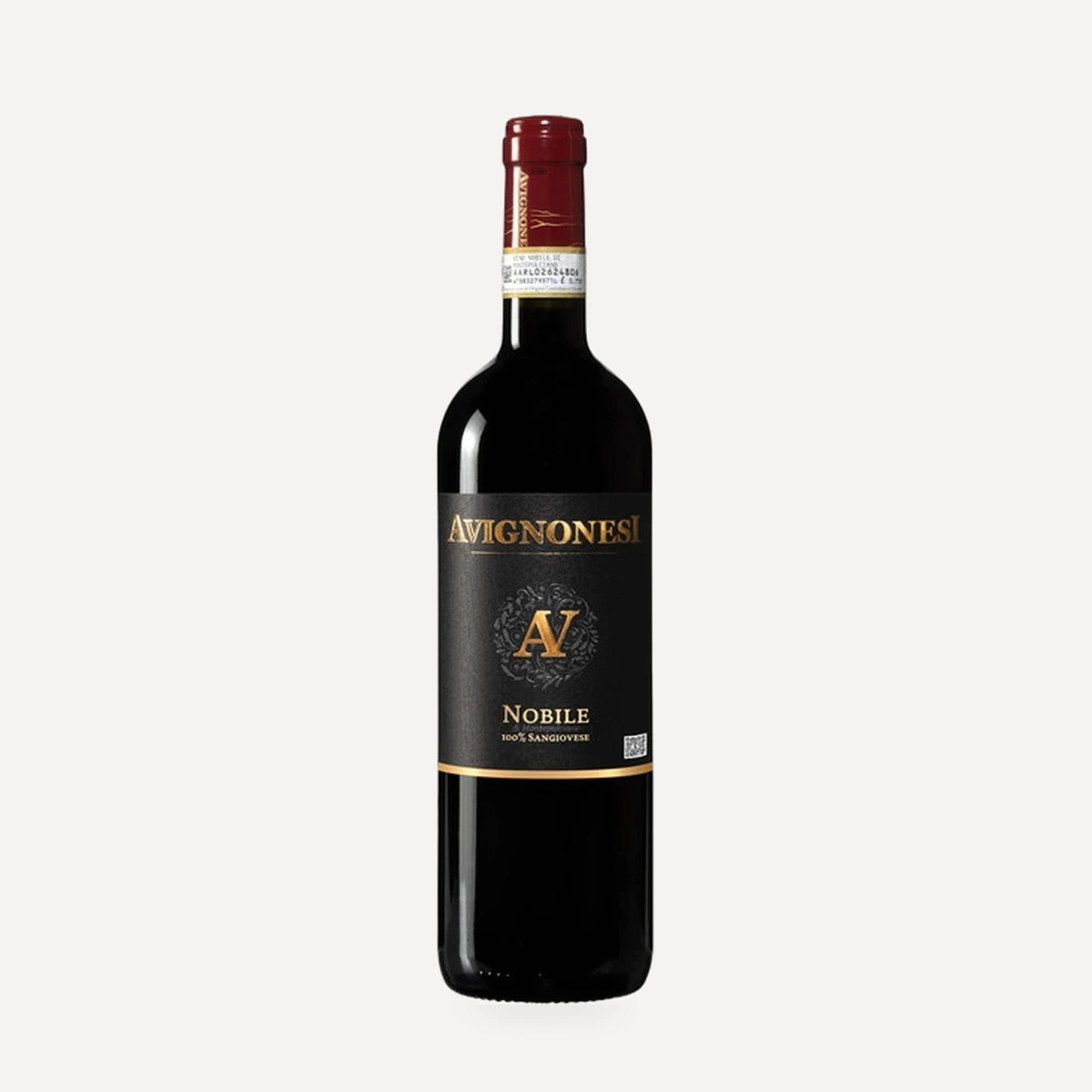
Vino Nobile di Montepulciano Toscana DOCG
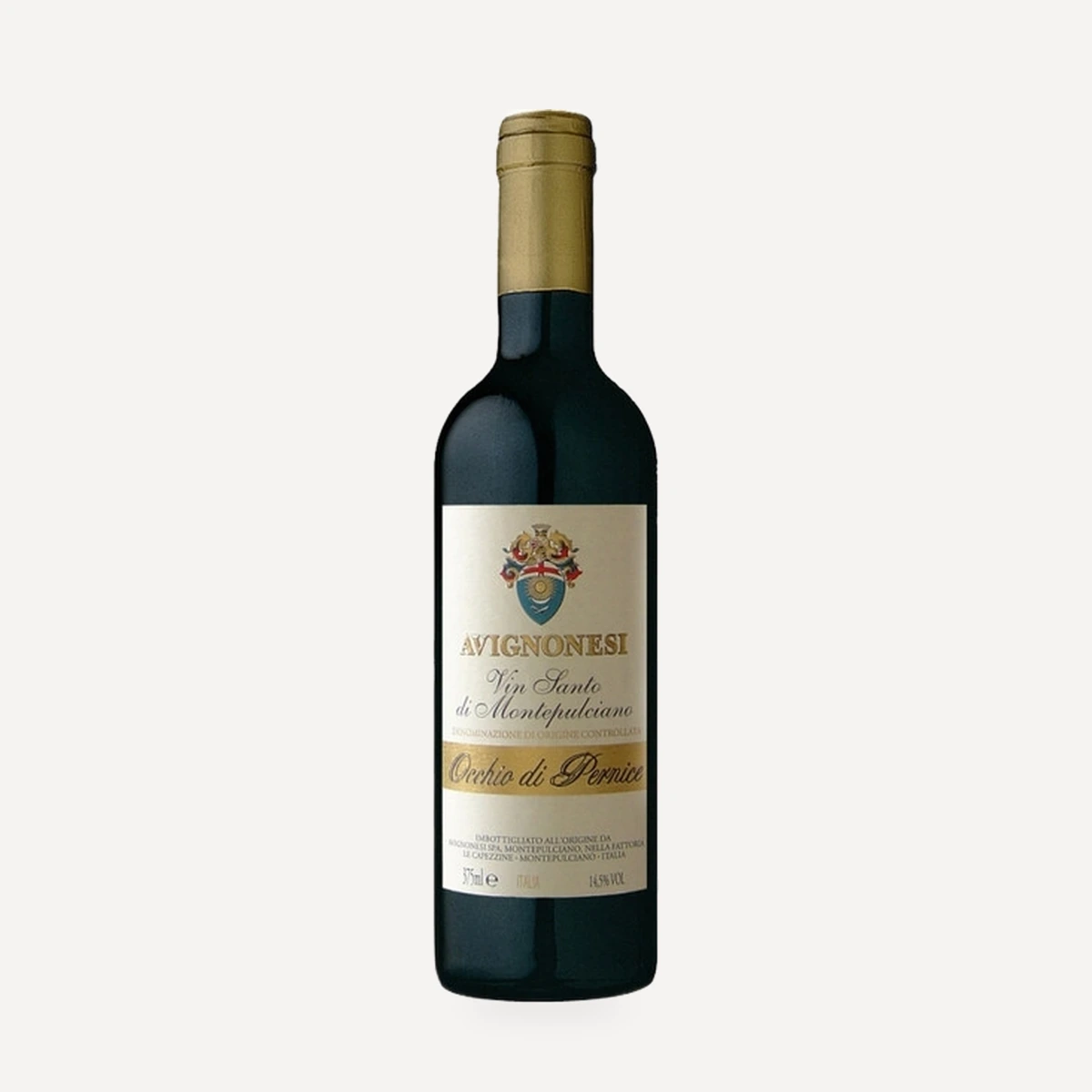
Occhio di Pernice Vin Santo di Montepulciano Toscana DOC
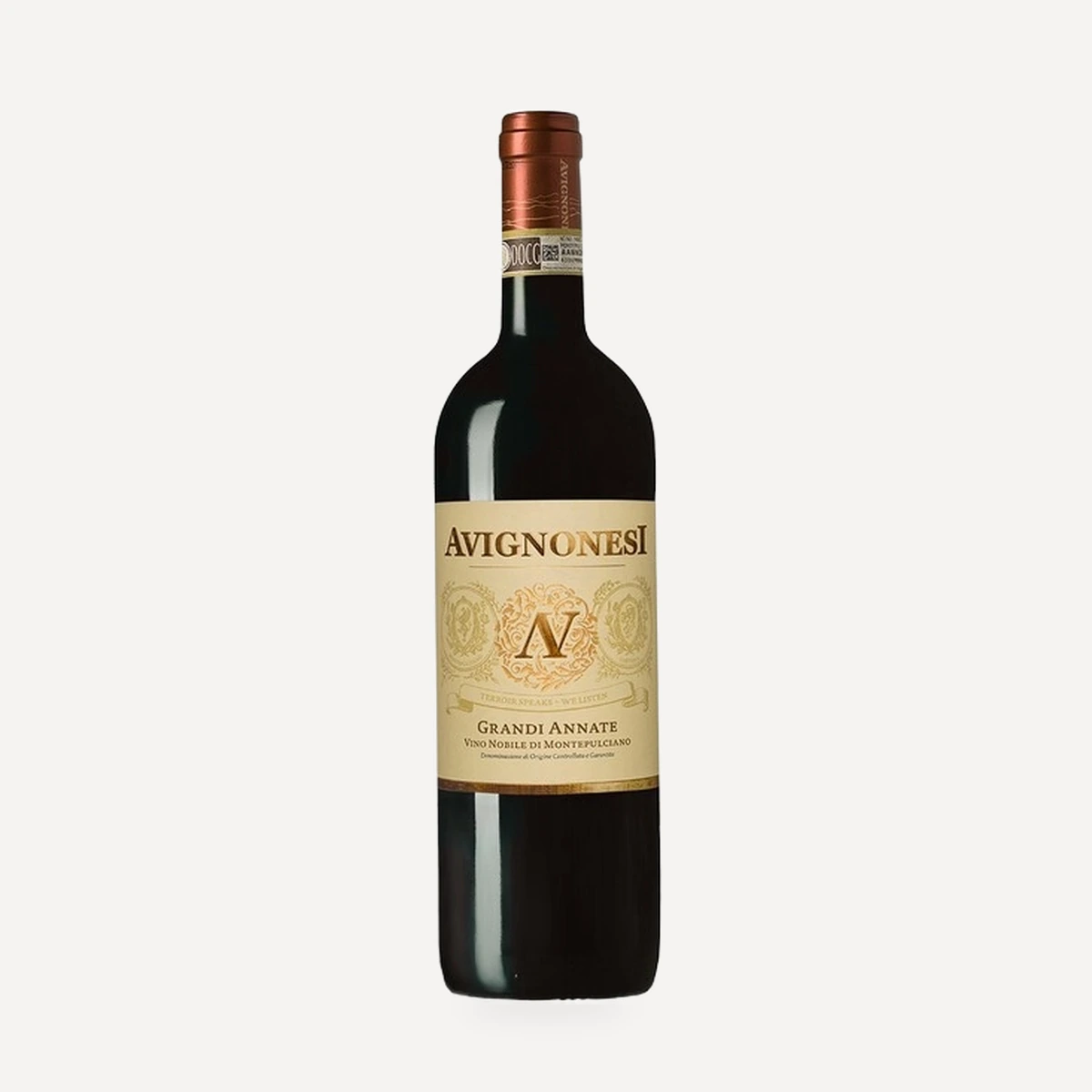
In Grandi Annate Toscana Sangiovese IGT
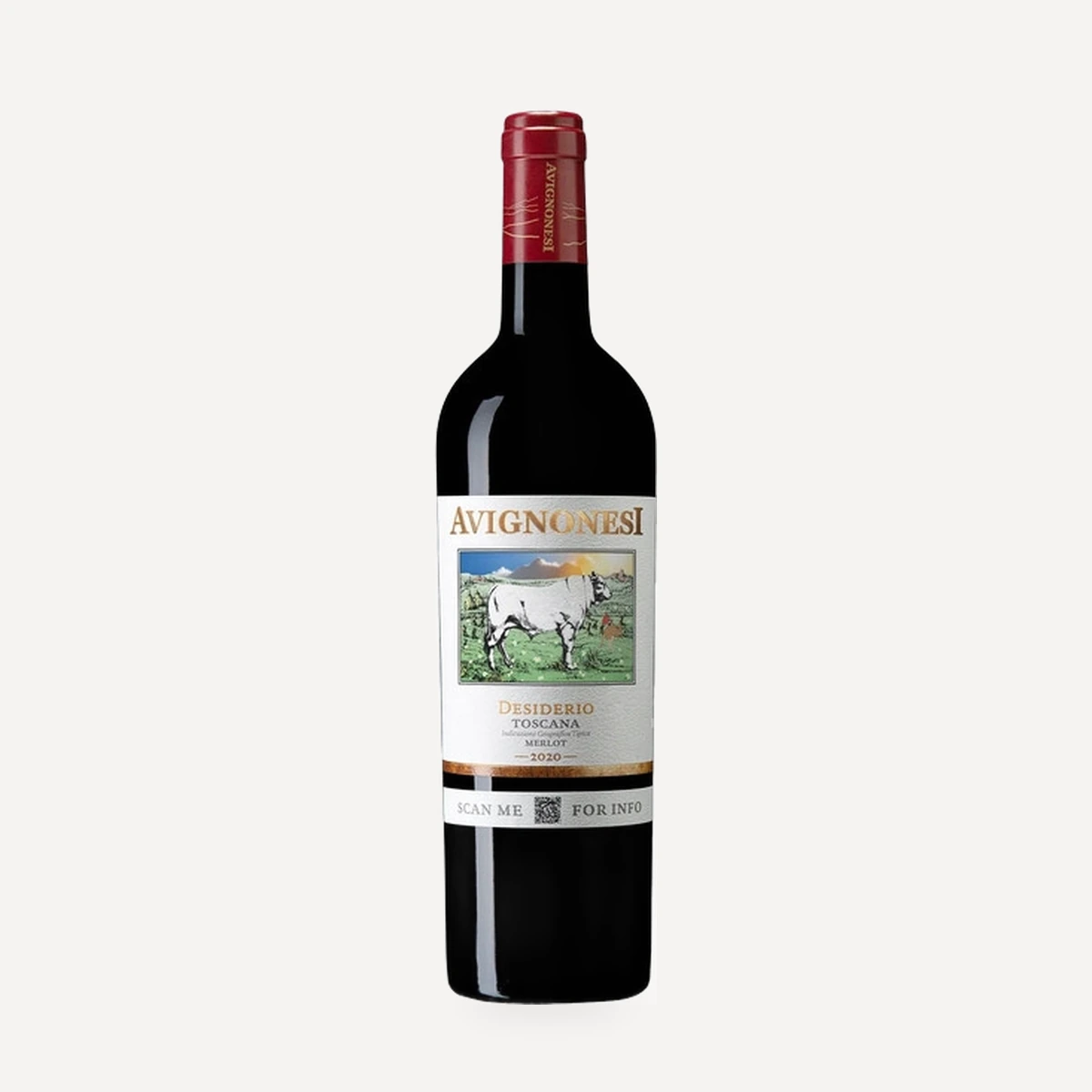
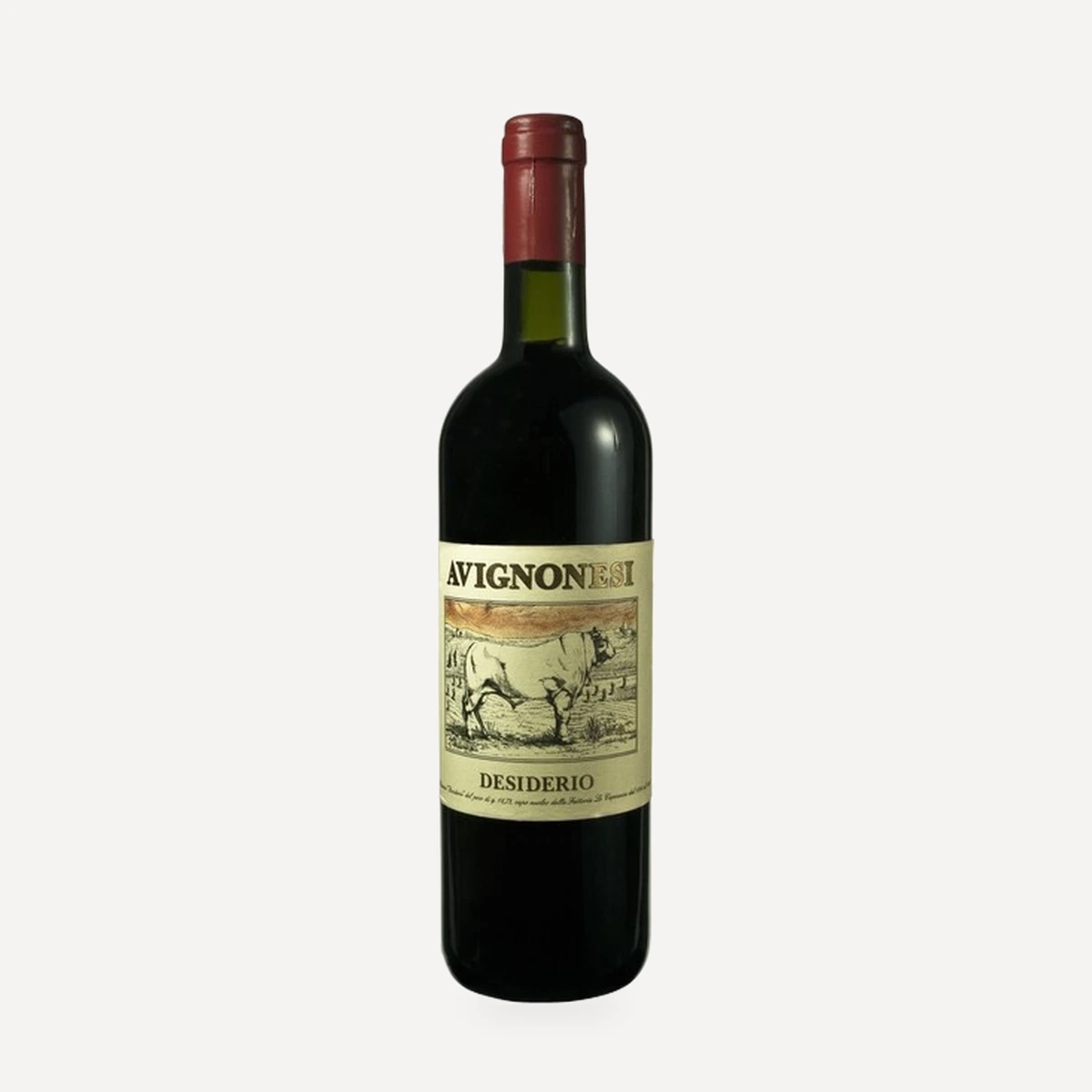
Desiderio Toscana Merlot IGT
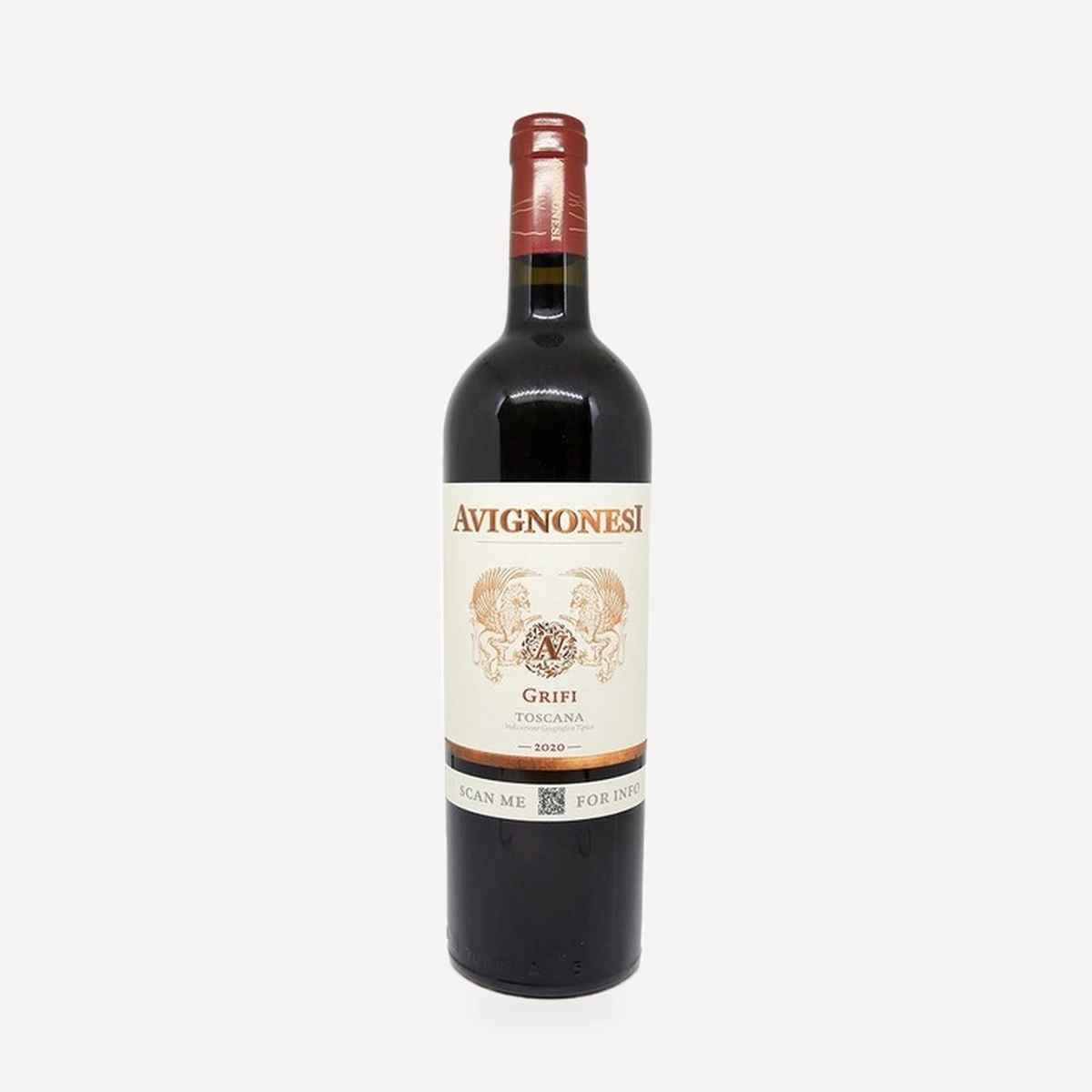
Grifi Toscana IGT
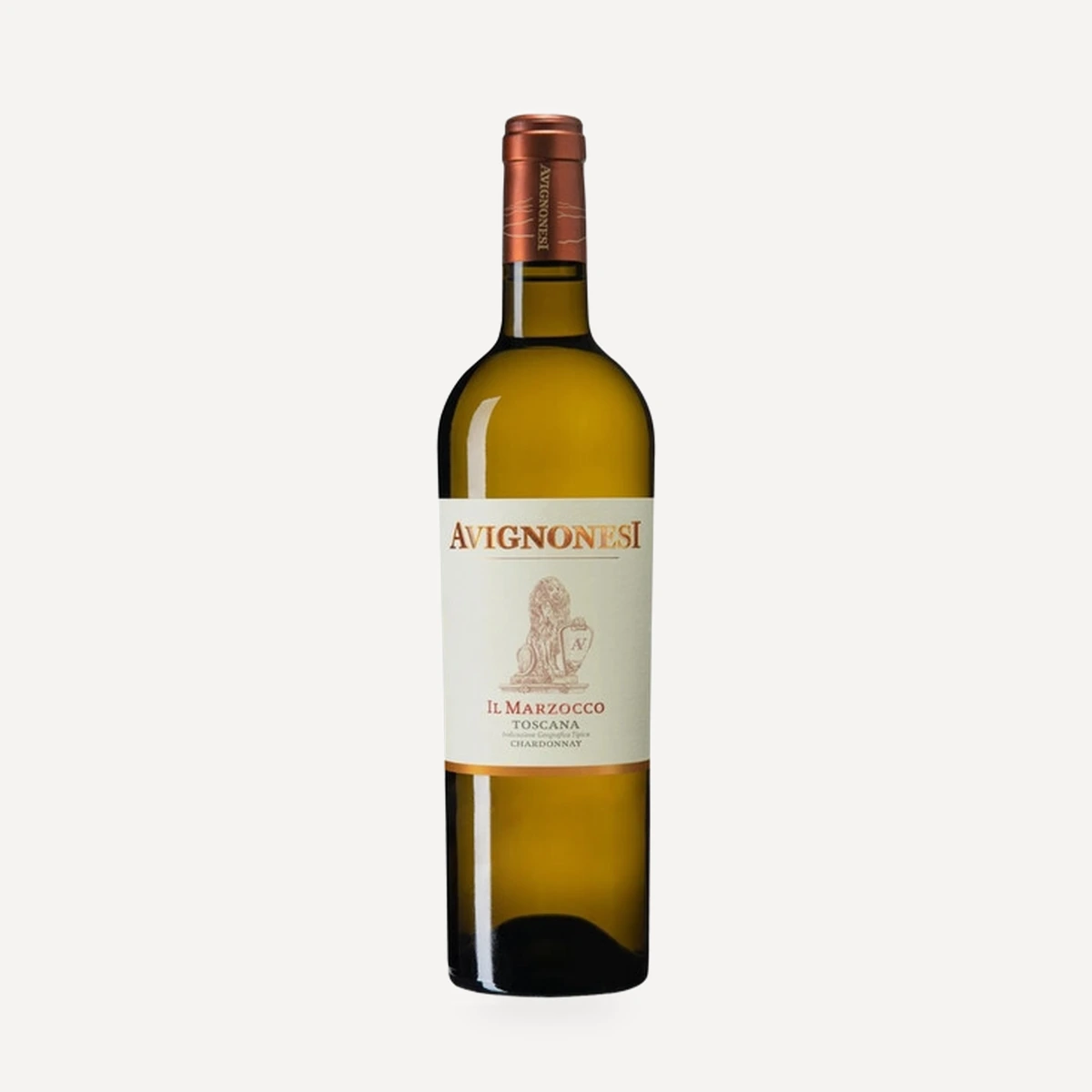
Il Marzocco Toscana Chardonnay IGT
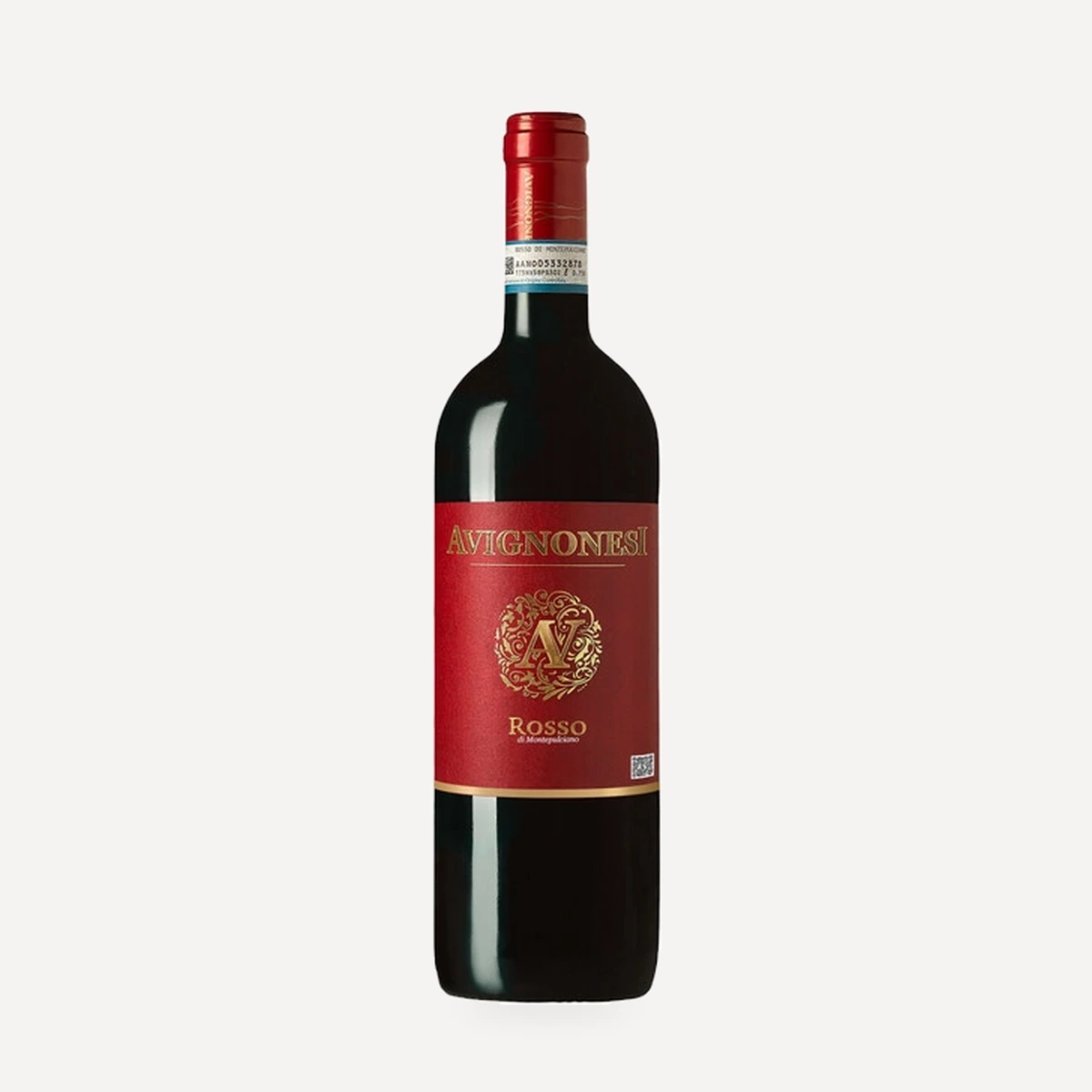
Rosso di Montepulciano Toscana DOC
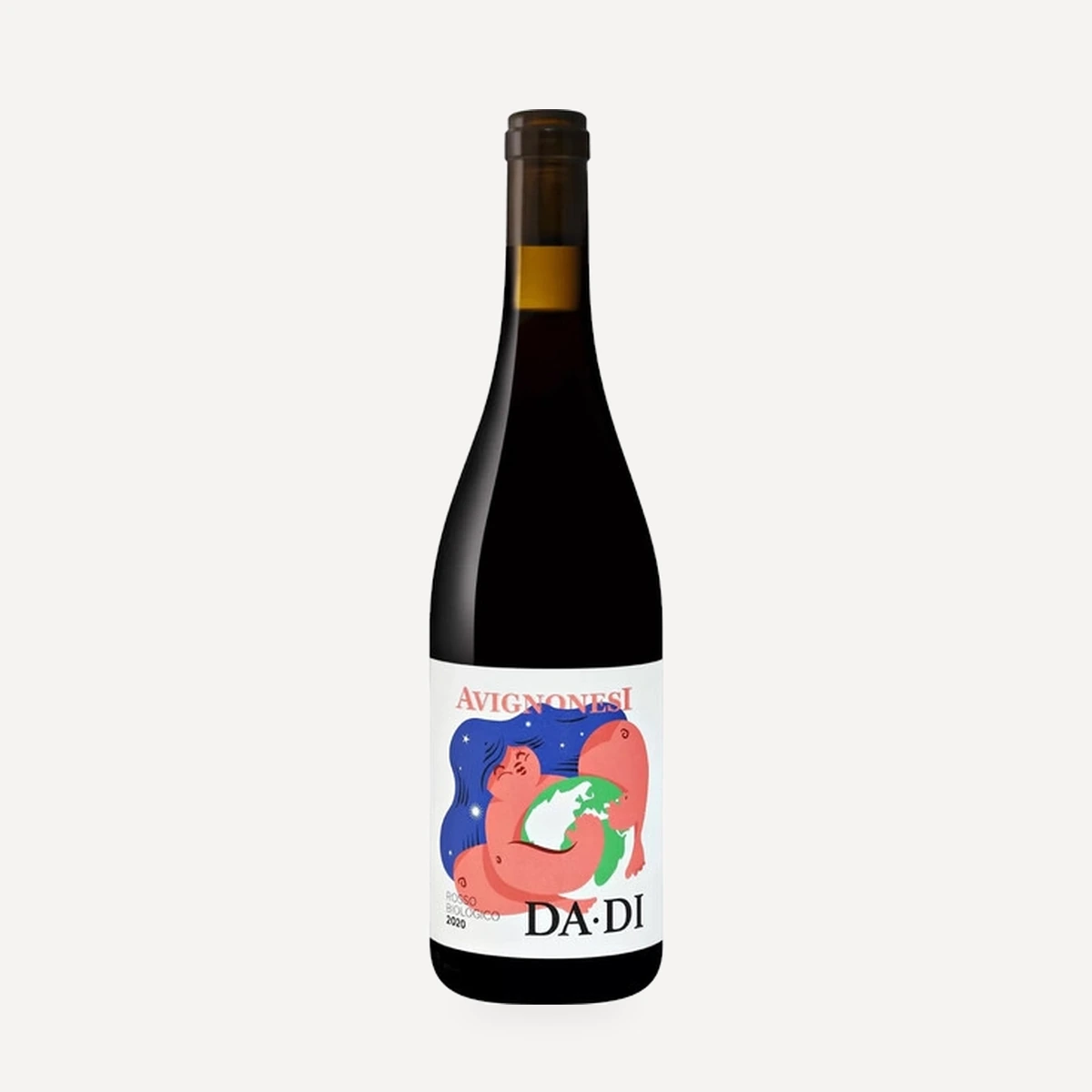
Da•Di Toscana Rosso IGT
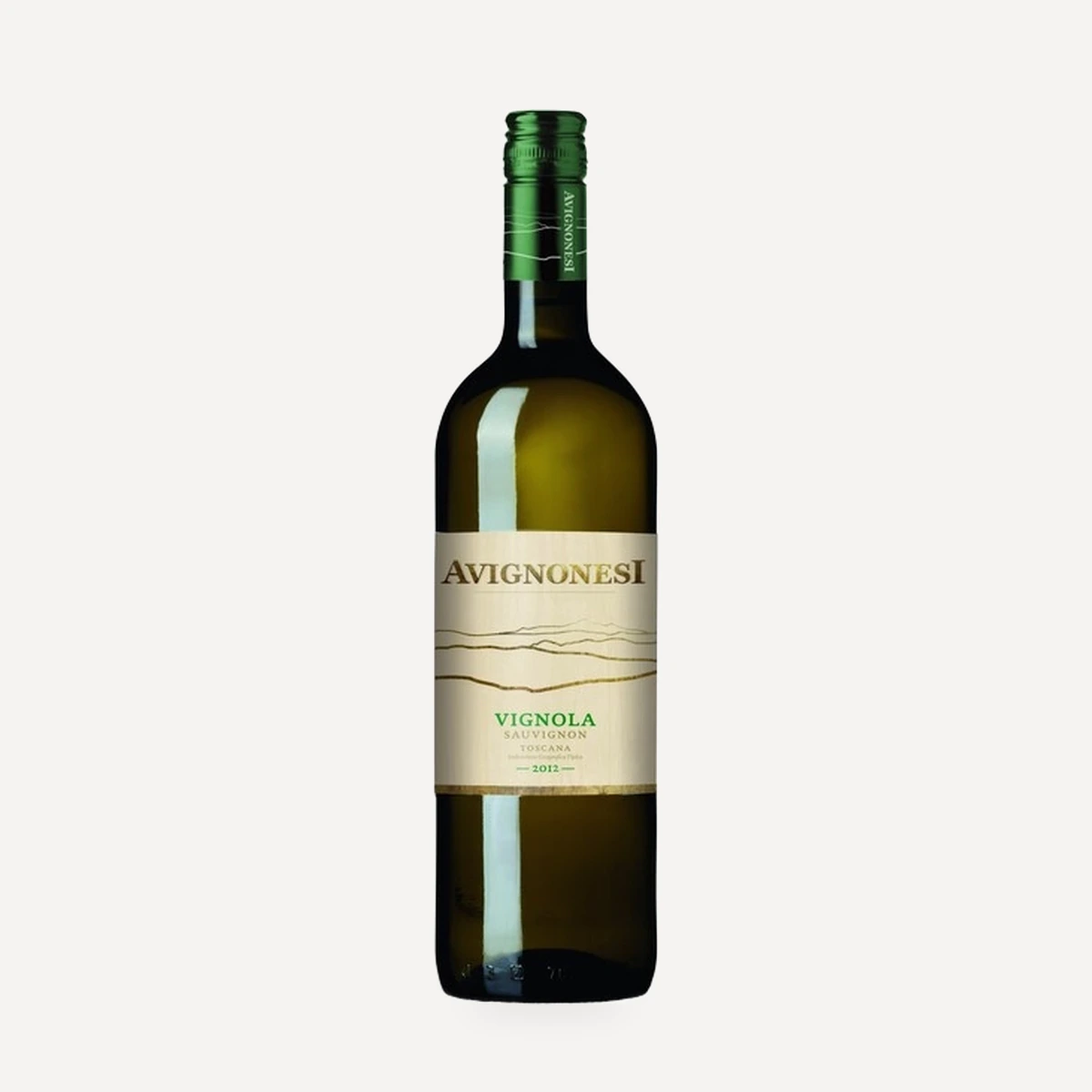
Vignola Toscana IGT
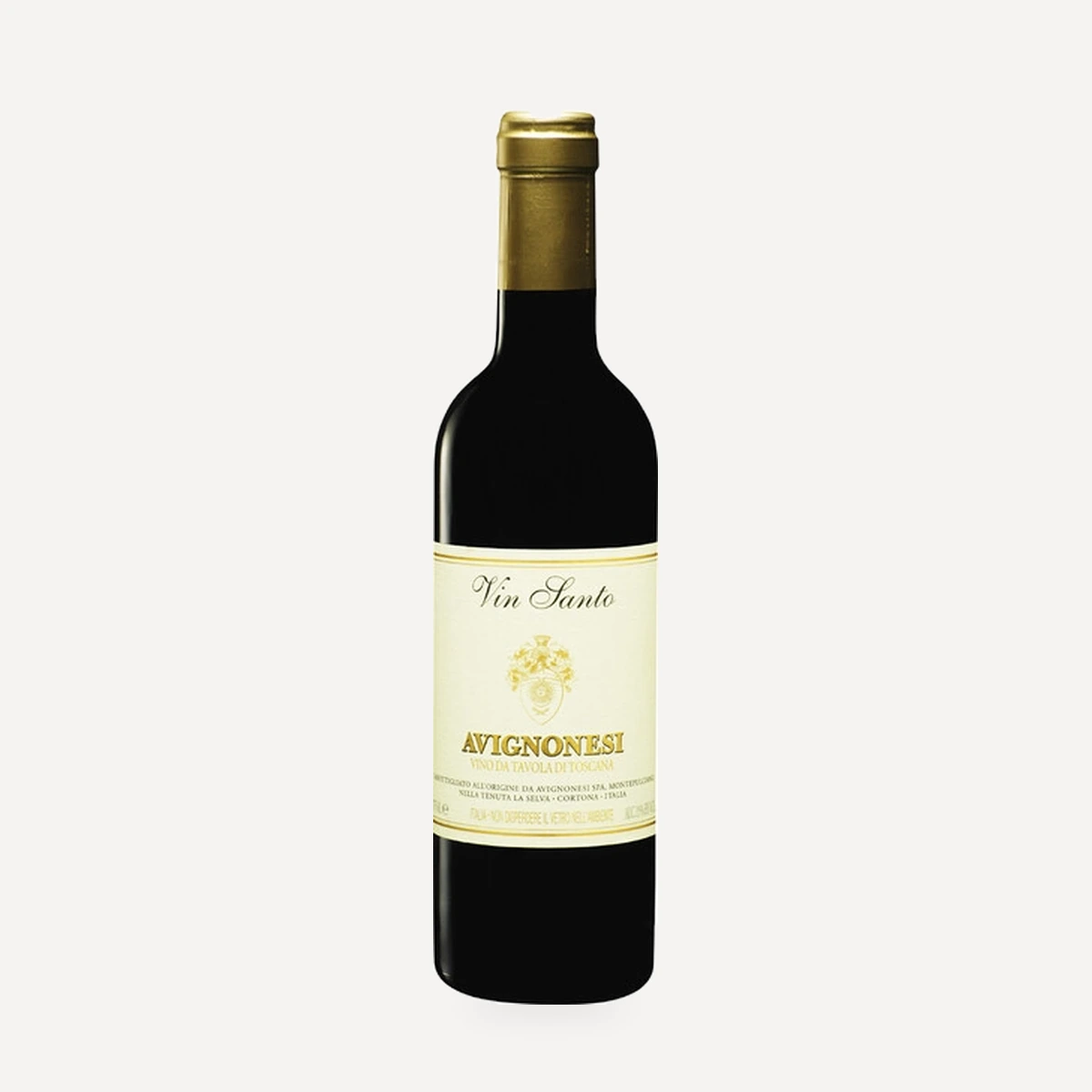
Vin Santo di Montepulciano Toscana DOC
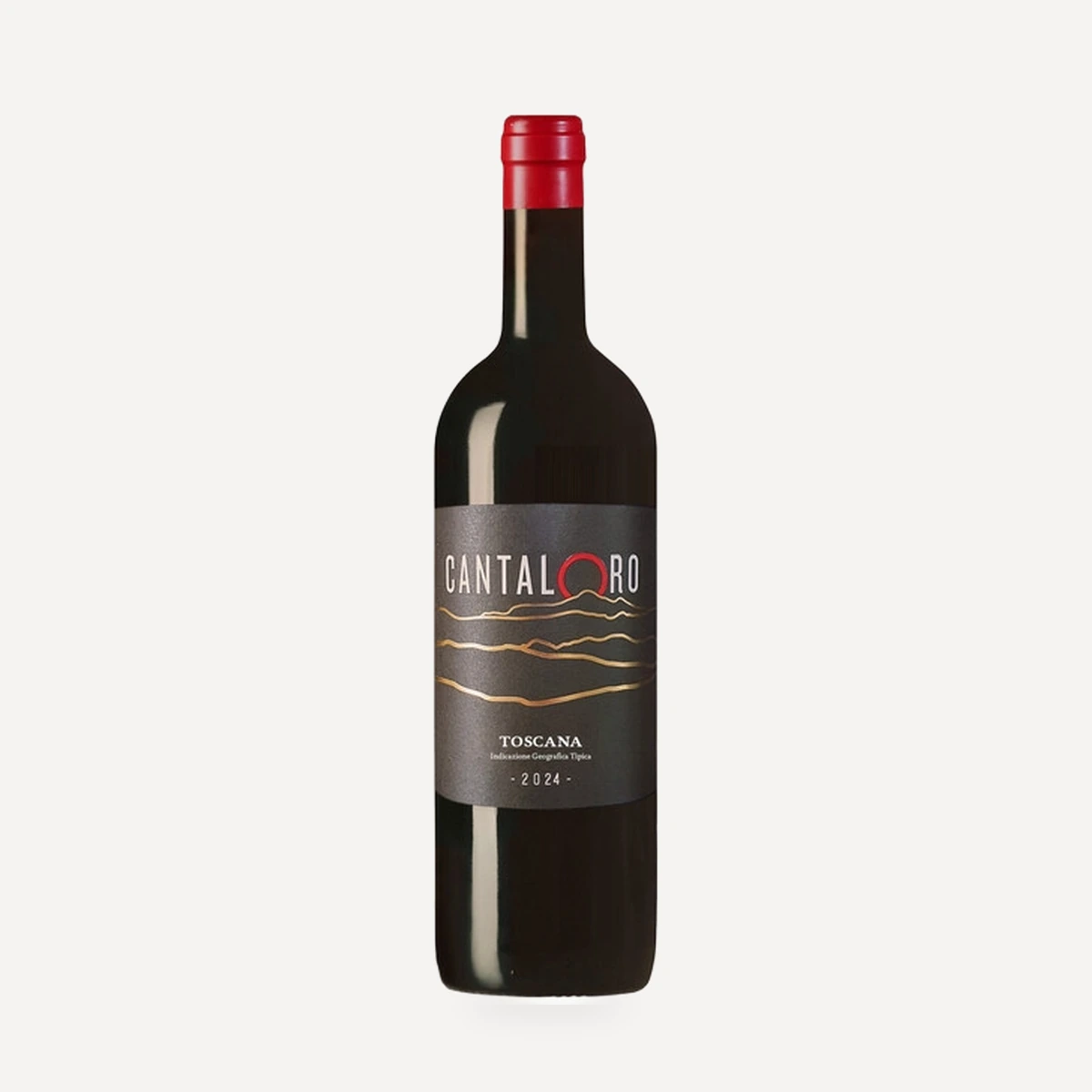
Cantaloro Rosso Toscana IGT
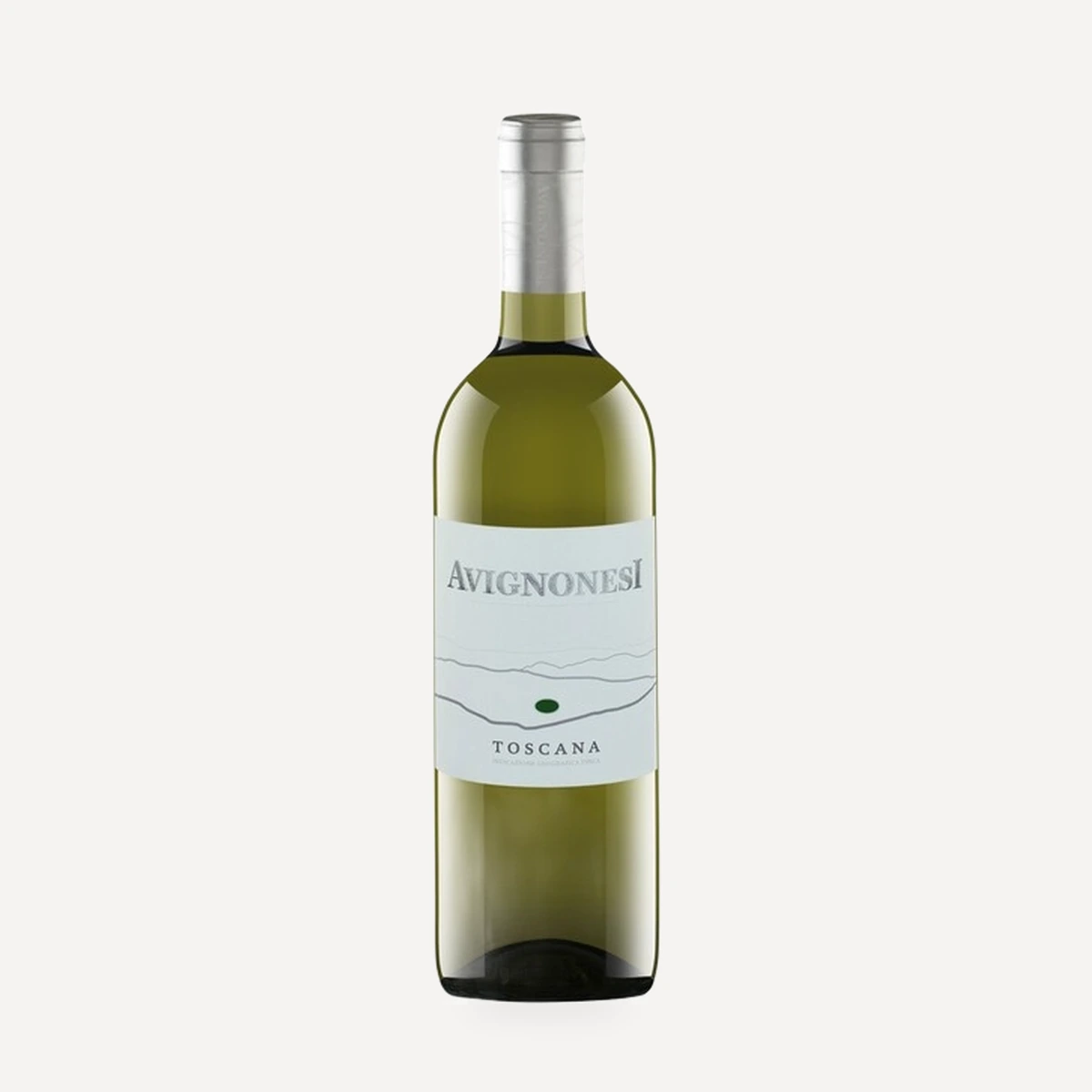
Avignonesi Bianco Toscana IGT
50&50 Toscana IGT