History
The historical setting of Cascina Spagna
Ca’ Bianca’s present headquarters occupy Cascina Spagna, a high-hill farmstead whose history reaches back to the 1620s, when Spain was at war with France and the Venetian Republic. The elevated position was strategically important because it commanded the routes passing through the valley below.
Foundation in 1952
Casa Vinicola Ca’ Bianca was established in 1952 in the Alessandria sector of Alto Monferrato, in what is now the small municipality of Alice Bel Colle, a few kilometres from Acqui Terme. Its name derives from the local place-name “al ca’ bianche.”
The move to Cascina Spagna
During the 1980s, Cascina Spagna was acquired and became the winery’s headquarters. The vinification cellar now stands at the centre of the estate’s compact holding, with the surrounding land arranged around it in a single block.
Expansion through Cascina Polsino
In August 1997, Ca’ Bianca expanded with the acquisition of Cascina Polsino. This farm contributed approximately 9 ha of contiguous vineyards situated in one of the estate’s more highly regarded areas.
Terroir
Alice Bel Colle and the estate
Ca’ Bianca is based at Alice Bel Colle in the Alessandria sector of Alto Monferrato, a few kilometres from Acqui Terme. The estate covers more than 24 ha in a compact block arranged around the vinification cellar. Its elevated central position overlooks the surrounding valley.
Geological origin
The estate’s soils originated approximately 13 million years ago during the Miocene. They developed from the sandy bed of an ancient, relatively shallow sea. Within the Barbera d’Asti hills, the geological profile alternates sandy sandstone with clay-rich marl.
Moscato hills
Moscato Bianco is cultivated at Alice Bel Colle on calcareous-clay hills at approximately 360 metres above sea level.
Other Piemonte territories represented in the range
The Gavi production area lies in the southern part of Alessandria province, close to the Ligurian Apennines. Deep valleys, proximity to the sea and the local microclimate expose the area to saline maritime breezes.
Nebbiolo is associated with the Langa areas around Asti and Alba, particularly the hills overlooking Alba. Roero, the source area for the estate’s Arneis bottling, extends between the provinces of Asti, Cuneo and Turin.
Winemaking
Moscato Bianco at Alice Bel Colle is trained using the traditional Guyot system, with each fruiting cane pruned to 8–10 buds. Within the operating model applied to the wineries owned by Gruppo Italiano Vini, vineyard cultivation and harvest are followed through the production chain under agronomic, oenological and cellar-management supervision.
The vinification cellar occupies a central position within Ca’ Bianca’s compact estate holding, while the present headquarters are housed at Cascina Spagna. The production model applied to Gruppo Italiano Vini’s wineries encompasses vineyard cultivation, harvest, vinification, maturation and bottling, with oversight by agronomic, oenological and cellar-management specialists. No estate-specific fermentation, extraction, maturation, stabilization or bottling parameters are defined.
Philosophy
Ca’ Bianca presents its identity through the connection between its wines, vineyards and the landscape of Alto Monferrato. Tradition, local wine culture and a sense of place form the framework through which the estate introduces both its vineyards and its range.
Wines
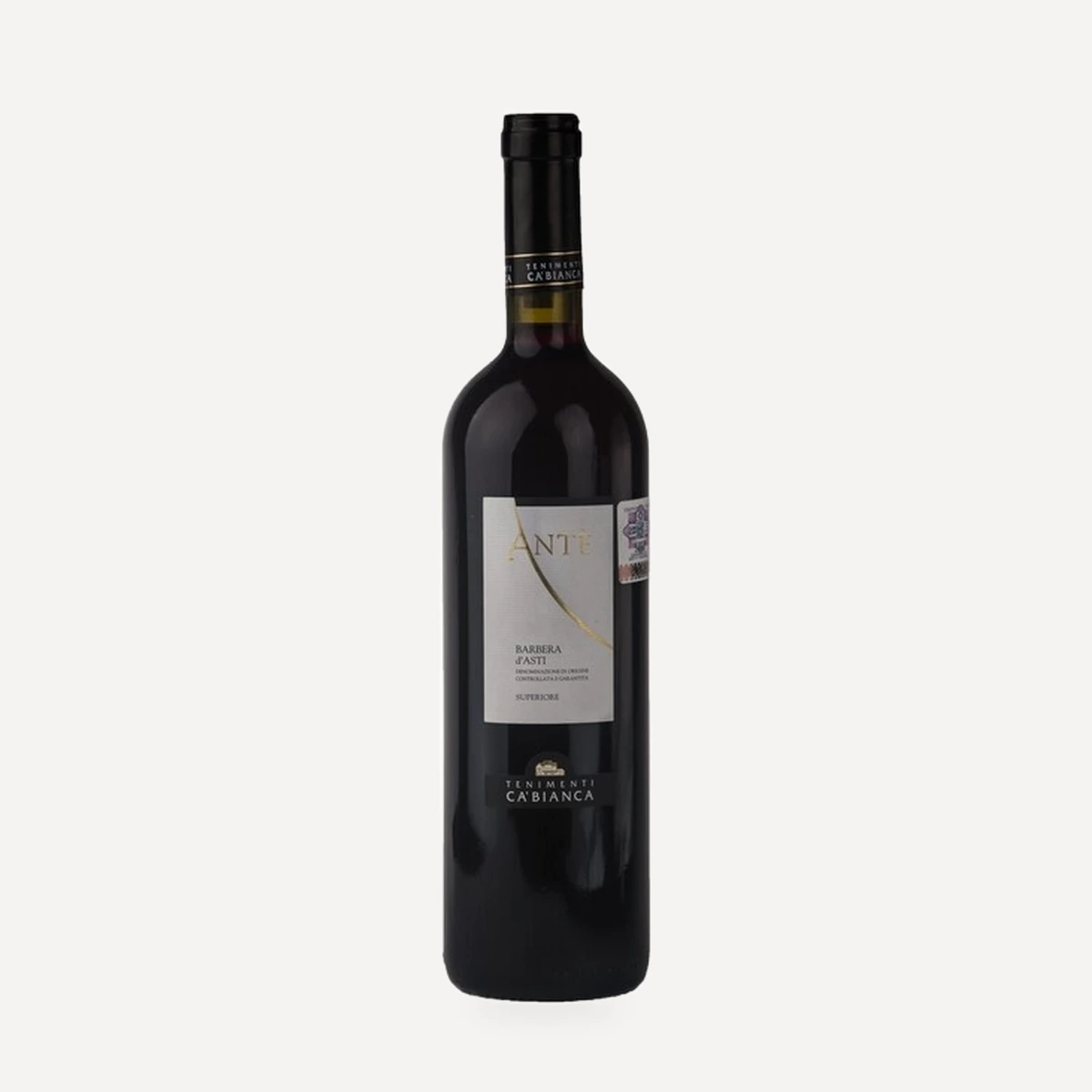
Ante Barbera d'Asti Superiore DOCG
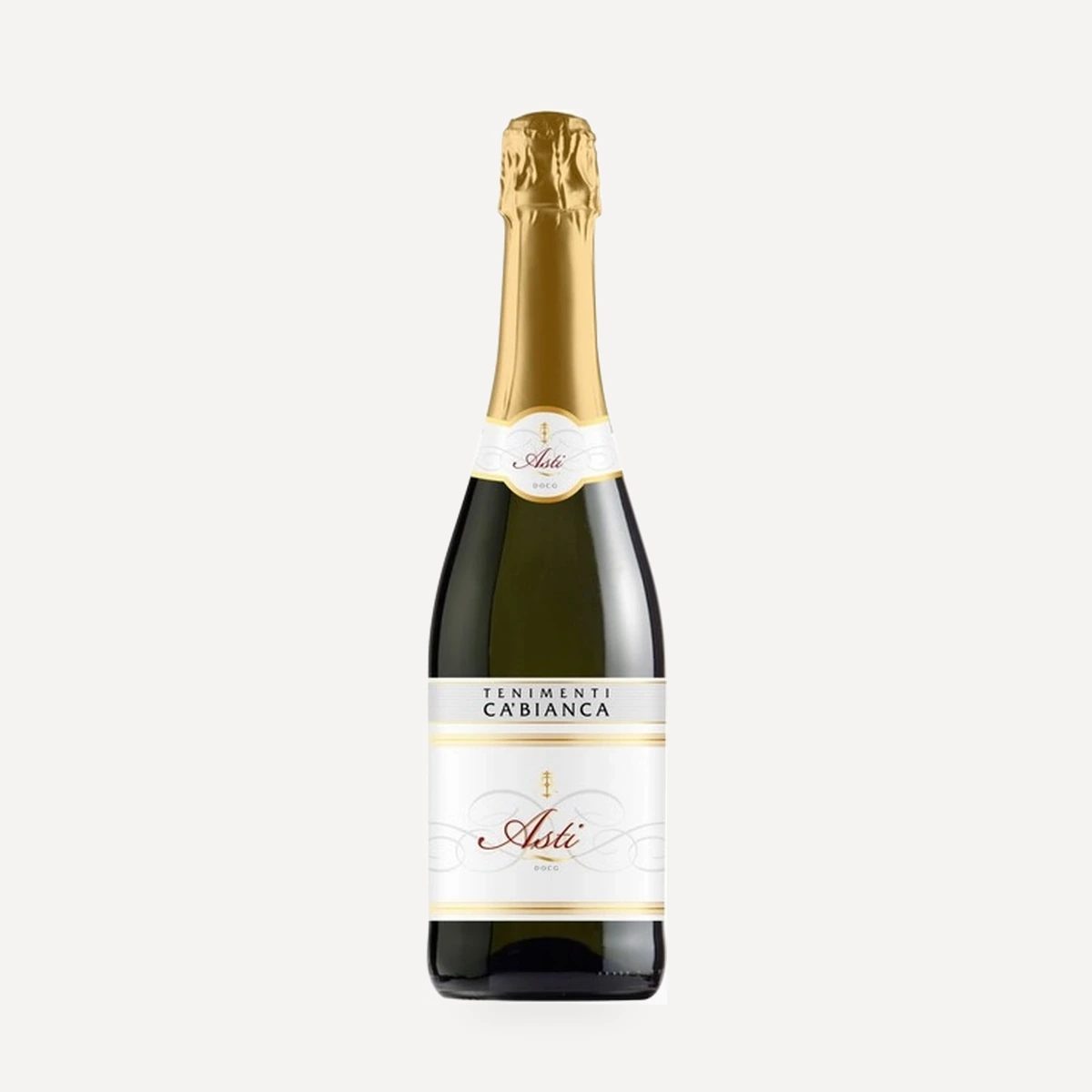
Asti Spumante DOCG
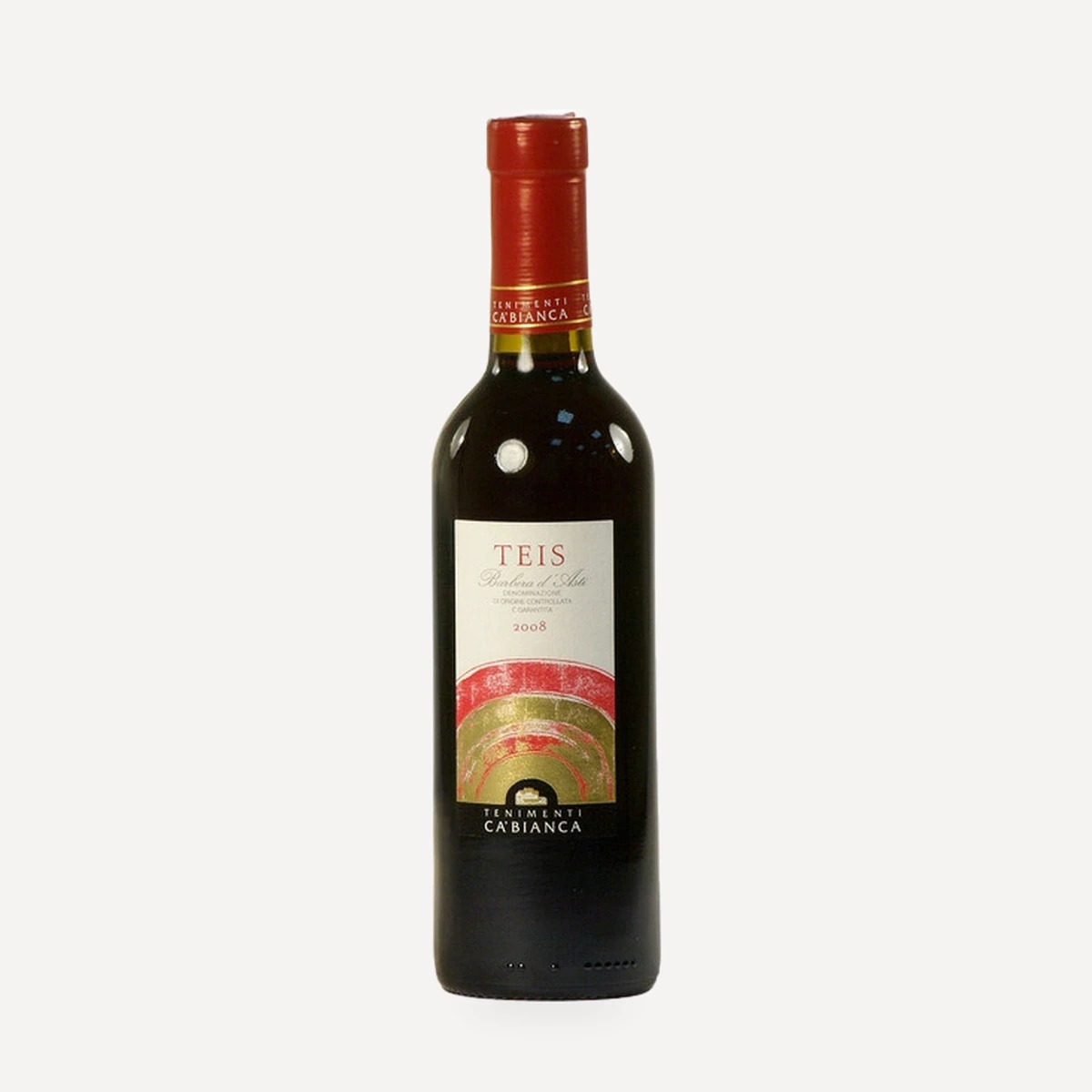
Ca'Bianca Teis Tenimenti Barbera D'Asti DOCG
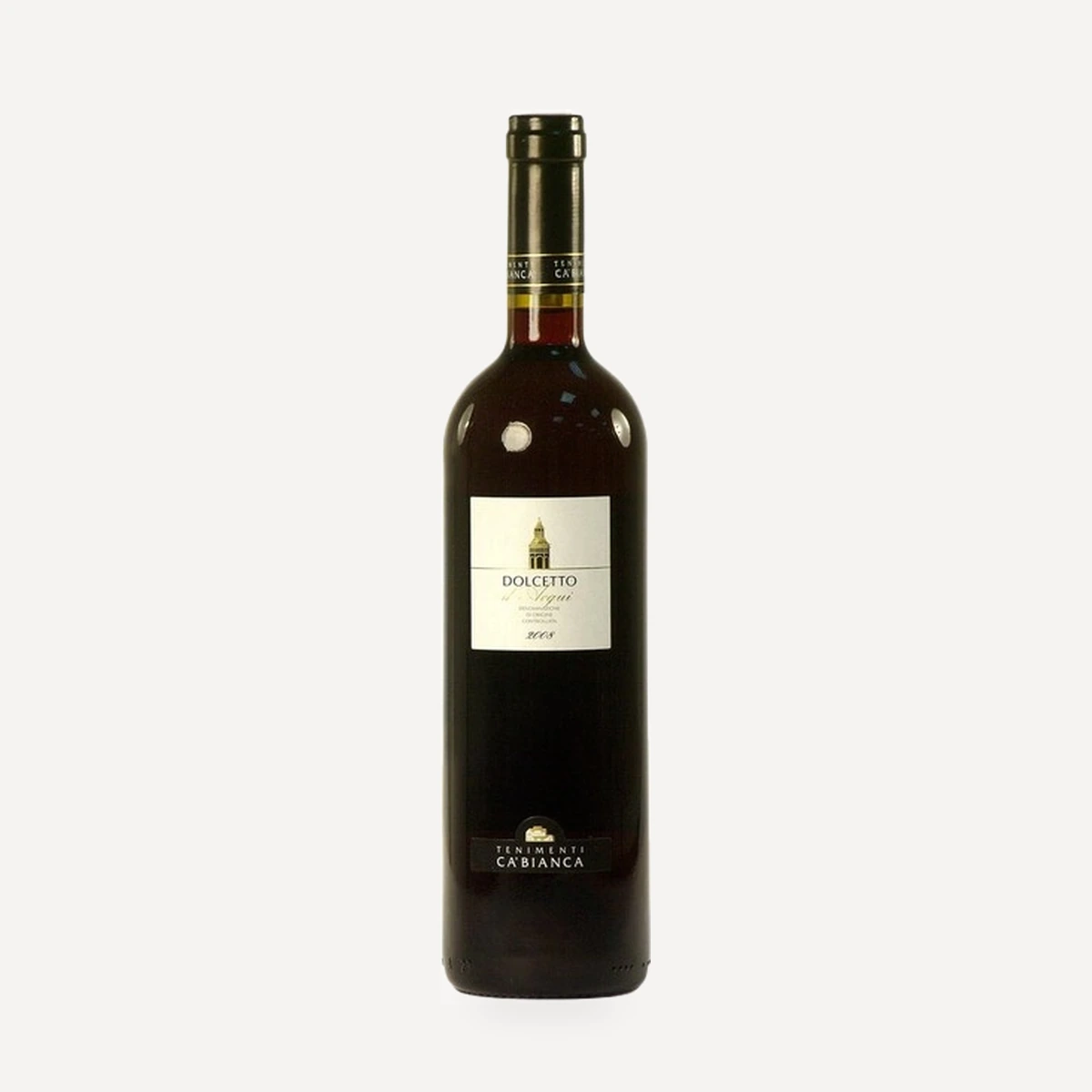
Ca'Bianca Tenimenti Dolcetto D'Acqui DOC
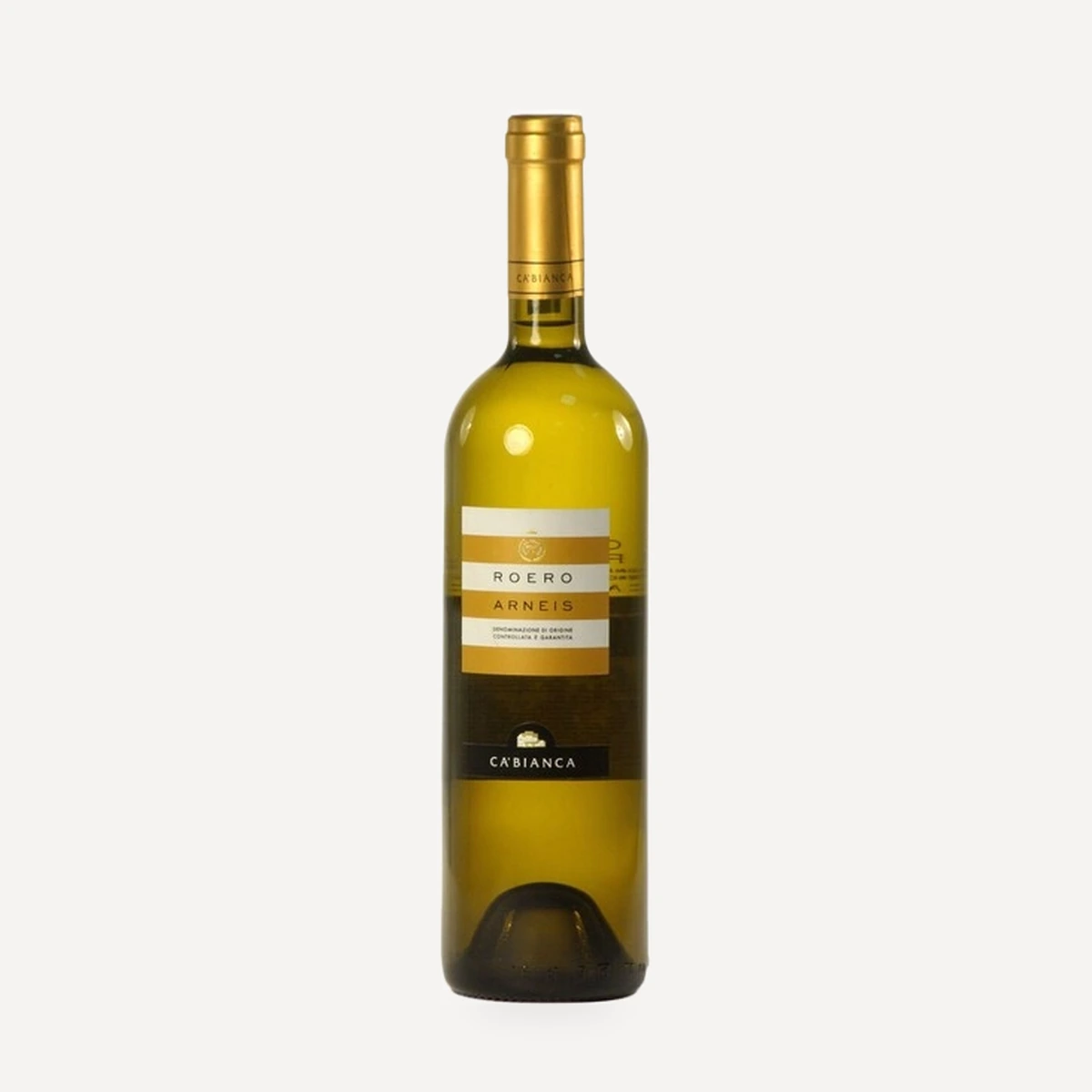
Arneis Roero
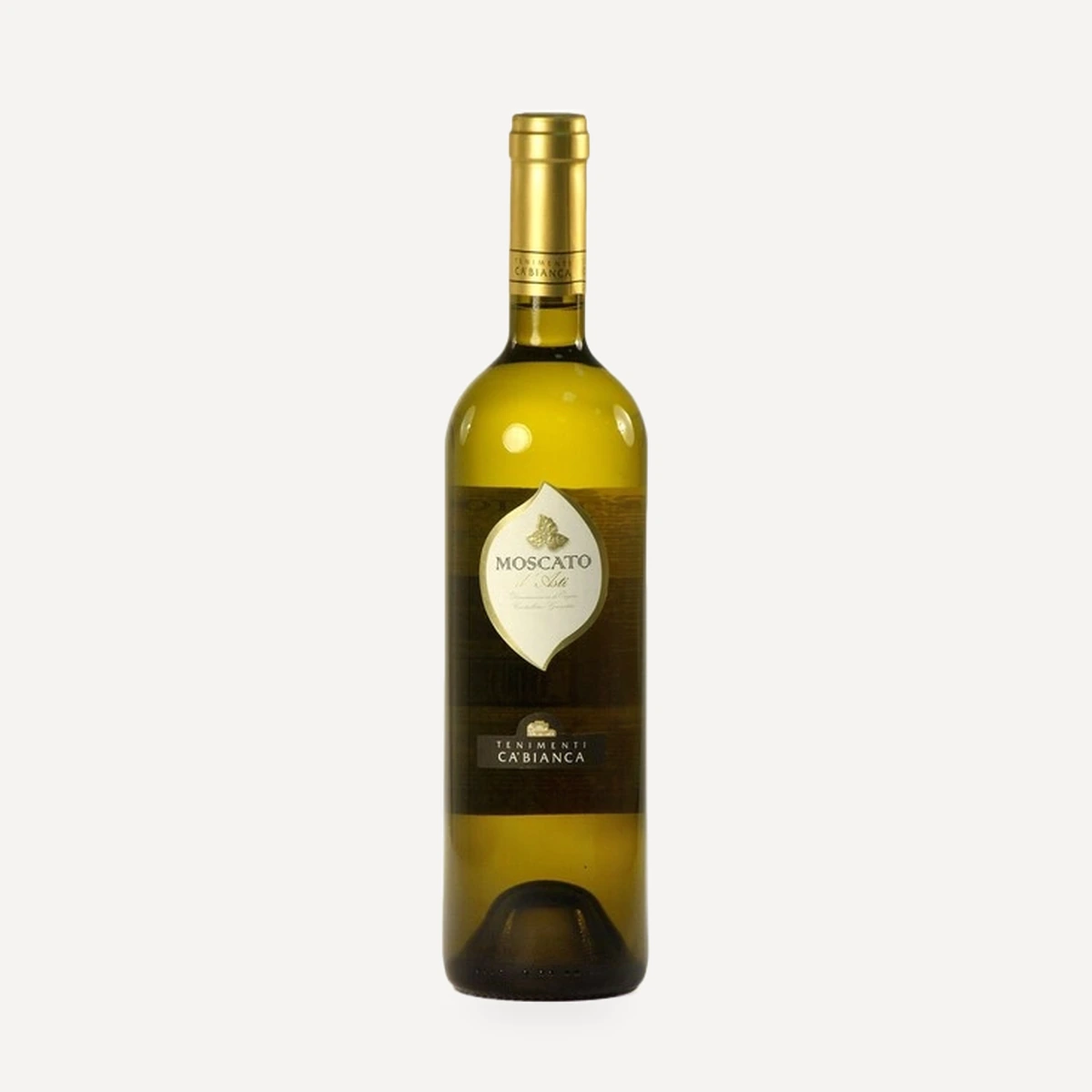
Ca'Bianca Moscato D'Asti Tenimenti
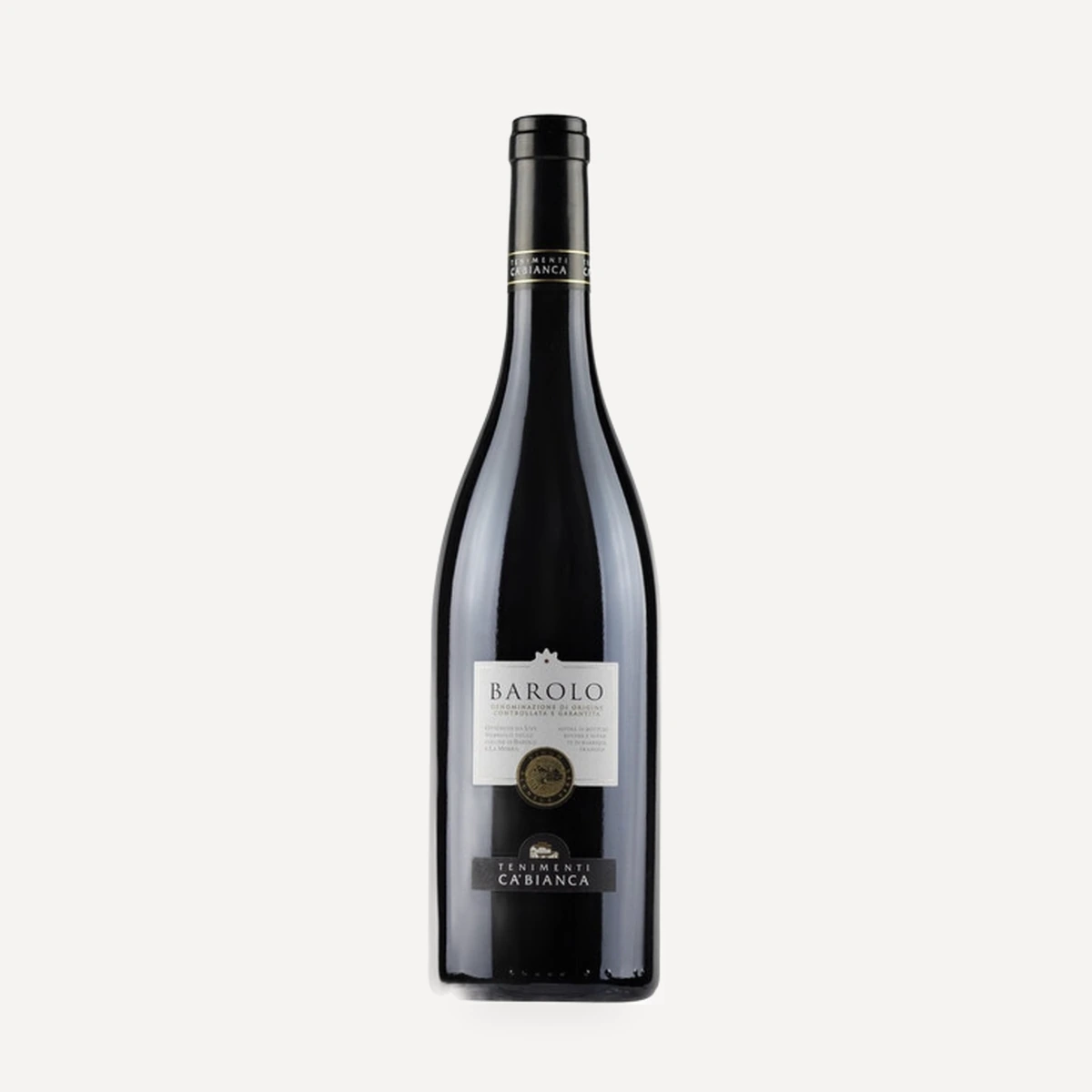
Barolo DOCG