History
Foundation in Illasi
Cantina Santi was founded in 1843 in Illasi, at the eastern edge of the province of Verona and near the Lessini Mountains. Carlo Santi established the cellar beneath the village's medieval castle, in a valley then known as Longazeria, to produce the traditional wines of the area.
From the beginning, the Santi family pursued rigorous raw-material selection, initially working only with the best grapes from estate vineyards in the most suitable sites. The success of the wines prompted the business to obtain additional fruit from local growers. Long-standing relationships of trust with these growers eventually developed into the direct management of their vineyards.
Attilio Gino Santi and early innovation
Carlo Santi was succeeded by Cavaliere Attilio Gino Santi, an academic of vine and wine who combined strict grape selection with research and technical innovation. In 1928, Cantina Santi produced its first bottle of Recioto Amaro Santi.
During the 1930s, Attilio was among the first producers in Italy to install modern sparkling-wine equipment. His investment in developing a production method for sparkling wines made him a reference for Italian schools of oenology that were beginning to investigate quality sparkling-wine production.
The third generation
Guido Santi represented the family's third generation. He consolidated the cellar's specialization in prestigious products, completely discontinued basic-wine production and implemented a quality-focused change that anticipated a broader direction later followed by the Italian wine industry.
In 1939, King Victor Emmanuel conferred an honour on Guido Santi. In 1961, President of the Republic Giovanni Gronchi awarded Guido the title of Knight.
Gruppo Italiano Vini and expansion
Cantina Santi joined Gruppo Italiano Vini in 1974. The change brought investment in buildings and production facilities while reinforcing the focus on quality and the connection with the production area. Output was concentrated further on denominations associated with Verona and the Adige Valley.
In 1982, Cantina Santi acquired vineyards on Lake Garda.
Renovation and contemporary leadership
Alessandro Nogara joined Gruppo Italiano Vini in 2015 while still completing his university education in Viticulture and Oenology. After contributing to the management of wineries in southern Italy, he moved to Cantina Santi in 2016 as a laboratory technician.
The winery was completely renovated in 2016 to accommodate the oenological philosophy developed by Cristian Ridolfi. The work created an indoor grape-drying area beside the vinification facilities and enlarged the maturation cellar. Its wood-vessel collection subsequently reached approximately 230 casks and barrels of different capacities and origins.
Mentored by Ridolfi, Nogara developed his analytical and production abilities, sensitivity in interpreting the grapes, attention to detail and strategic approach to cellar decisions. In 2019, he became Cantina Santi's oenologist. He was appointed winery director in March 2026.
Cantina Santi now concentrates on wines representing Valpolicella and the Venezie, with an emphasis on its origins and the culture of its production territories.
Terroir
Cantina Santi is based a short distance from the centre of Illasi, a historic village surrounded by vineyards at the eastern edge of the province of Verona. The village stands near the foothills of the Lessini Mountains and is distinguished by historic villas and a medieval castle. The cellar itself lies in the heart of Val d'Illasi, a territory with a long viticultural tradition.
Its vineyard base is conceived as a “widespread vineyard.” Long experience in Valpolicella has enabled Cantina Santi to select vineyards not only within Val d'Illasi but also in other valleys. This distribution provides different exposures and microclimates that can be combined in pursuit of a consistent house style. Vineyards acquired on Lake Garda in 1982 extended the geographical base beyond the Illasi valley.
Winemaking
The original vineyard policy was based on strict selection of the best grapes from estate-owned vineyards in the most suitable sites. As demand grew, Cantina Santi developed durable relationships with local growers. Those relationships now permit the direct management of the associated vineyards.
Corvina has a predominant place in the viticultural and stylistic approach. It is valued for its fruit potential and is managed both in the vineyard and in the cellar to preserve an elegantly fruity expression. Cantina Santi's Valpolicella work is focused on native grapes, particularly Corvina, Molinara and Rondinella.
Grapes intended for traditional drying are harvested by hand and placed on racks holding 6–7 kg. The racks are transferred to dry, well-ventilated rooms, where the fruit is monitored continuously through a drying period of three to four months.
Cellar and drying facilities
The winery was completely renovated in 2016 to support the production philosophy developed by Cristian Ridolfi. An indoor drying area was created immediately beside the vinification facilities, and the maturation cellar was expanded. The cellar now contains approximately 230 wooden vessels of different origins and capacities.
Traditional grape drying is used in the production of Amarone and, consequently, Ripasso. Hand-picked bunches are arranged on racks holding 6–7 kg and kept for three to four months in dry, well-ventilated rooms. The grapes are monitored continuously until evaporation has reduced their weight by approximately half and concentrated the desired sugars.
Drying also changes the fruit's chemical and aromatic composition: total acidity increases; malic acid declines until it is almost absent; the glucose-to-fructose ratio changes; polyphenols become concentrated; glycerine rises substantially; and numerous other compounds, especially aromatic substances, form. The dried grapes are subsequently crushed and fermented.
Local woods
Alongside oak, Cantina Santi uses cherry, chestnut and small quantities of acacia, woods historically associated with the local vineyard landscape. Cherry contributes sweet tannins, supports tannic structure and natural volume, and emphasizes Corvina's fruit. Porous chestnut provides comparatively strong oxygen exchange, accelerates maturation, stabilizes colour early, preserves purplish hues and accentuates pepper-like notes associated with Corvinone. Acacia contributes honeyed aromas and polysaccharides that add weight and roundness; it is used for sweet wines such as Recioto and in small proportions for Ripasso.
Cantina Santi and the University of Udine have undertaken a scientific project examining the oxygenation behaviour of Corvina and the transfer of aromas from native woods.
Large-cask maturation
The traditional maturation phase runs from the end of fermentation to bottling and takes place in wooden containers of different sizes and species. For Amarone, Cantina Santi uses casks ranging from 25 to 80 hl, with an average capacity of 40 hl.
Large casks provide a low ratio of wine to wood surface, limiting the uptake of wood-derived aromas and moderating oxygen exchange. The precise relationship is adjusted to the wine and the intended style. Slow polymerisation of phenolic compounds accompanies prolonged ageing, while the micro-oxygenating environment encourages the formation of complex, stable aromatic molecules and greater structural balance.
Over several years, wine is racked from one cask to another so that material precipitating to the bottom can be removed. This traditional approach is intended to retain clearer varietal aromas in Amarone. After four years, the wine is considered chemically, physically and organoleptically stable, with the aromatic and structural complexity required for extended bottle ageing.
Philosophy
Corvina, large casks and local woods
Cantina Santi defines its oenological identity through three central elements: the predominance of Corvina, the use of large casks rooted in Italian tradition and maturation in native woods alongside oak. Corvina is treated as the leading variety of the territory and the basis of an elegantly fruity house style. Large-format vessels are intended to support gradual development and longevity while avoiding excessive wood-derived aromas.
Reconnecting wine and the local landscape
Acacia, cherry, chestnut and oak historically grew alongside the vines and formed part of the vineyard landscape. With the emergence of intensive viticulture in the mid-19th century and its wider adoption from the mid-20th century, these trees were increasingly relegated to vineyard margins. Their wood nevertheless continued to serve wine production, first in fermentation vats and especially in maturation vessels.
Cantina Santi seeks to restore the relationship between local grapes and local woods that diminished around the middle of the 20th century. The purpose is not simply to add wood character, but to use each species to emphasize particular sensory traits of Valpolicella varieties: cherry for sweet tannins and Corvina fruit; chestnut for oxygen exchange, colour stability and Corvinone's peppery character; and small amounts of acacia for honeyed aromas, polysaccharides, weight and roundness.
Research and traditional maturation
The approach combines historical practice with controlled research. A scientific collaboration with the University of Udine examines Corvina's oxygenation and the aromatic transfer produced by native woods that are now uncommon in winemaking.
Large-cask ageing is understood as a long, low-intervention evolution between fermentation and bottling. Restricted wine-to-wood contact, slow phenolic polymerisation, measured micro-oxygenation and periodic racking are intended to preserve varietal identity, create balance and develop stable aromatic complexity. The desired result is a wine capable of long bottle development rather than one dominated by the flavour of its maturation vessel.
Wines

SANTICO Amarone della Valpolicella DOCG

CARLO SANTI 1843 Amarone della Valpolicella DOCG

VENTALE Valpolicella Superiore DOC

CRINAIA Rosso Veneto IGT

CALESELLE Valpolicella Classico DOC
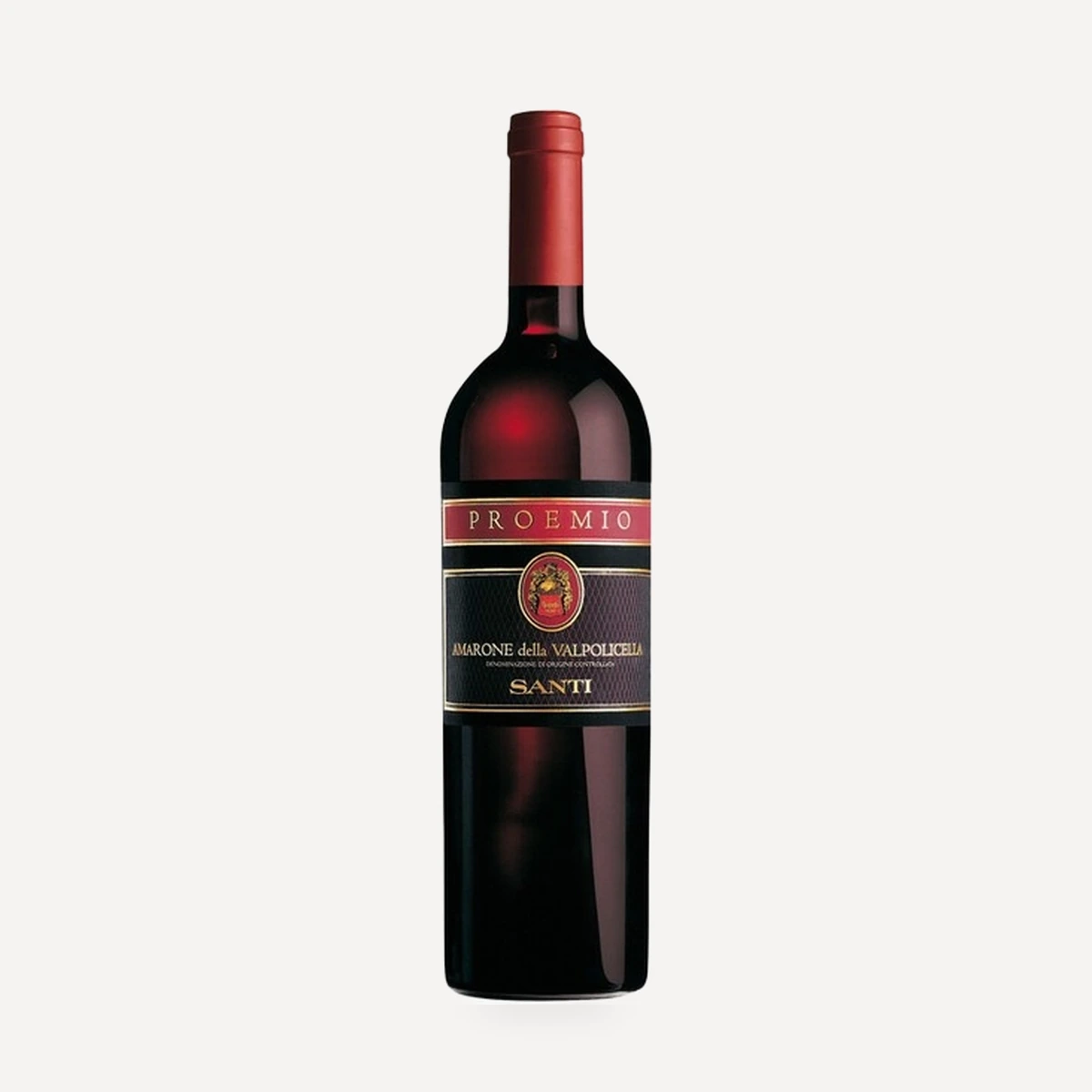
Proemio Amarone della Valpolicella DOC

FOLAR Lugana DOC
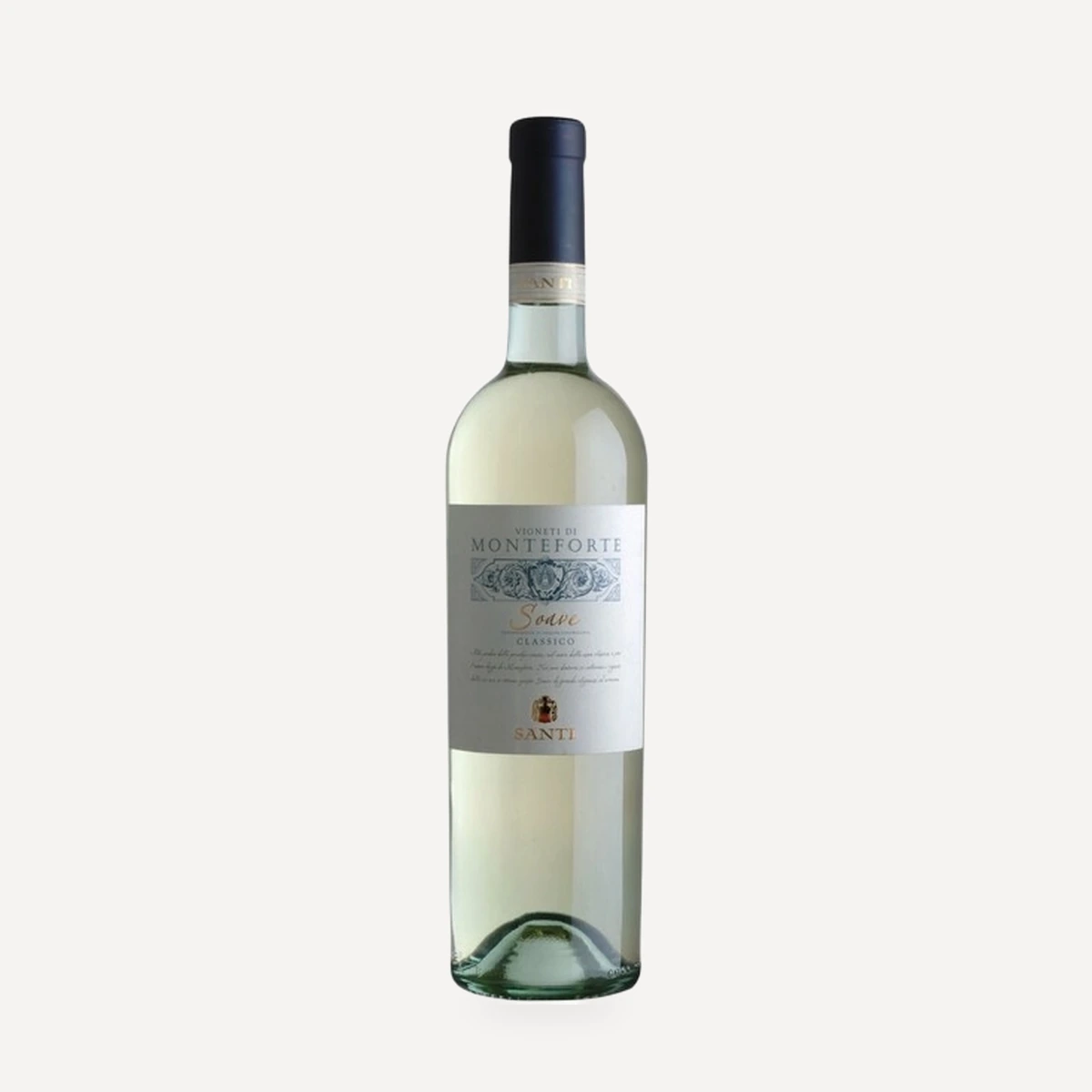
Vigneti di Monteforte Soave Classico DOC
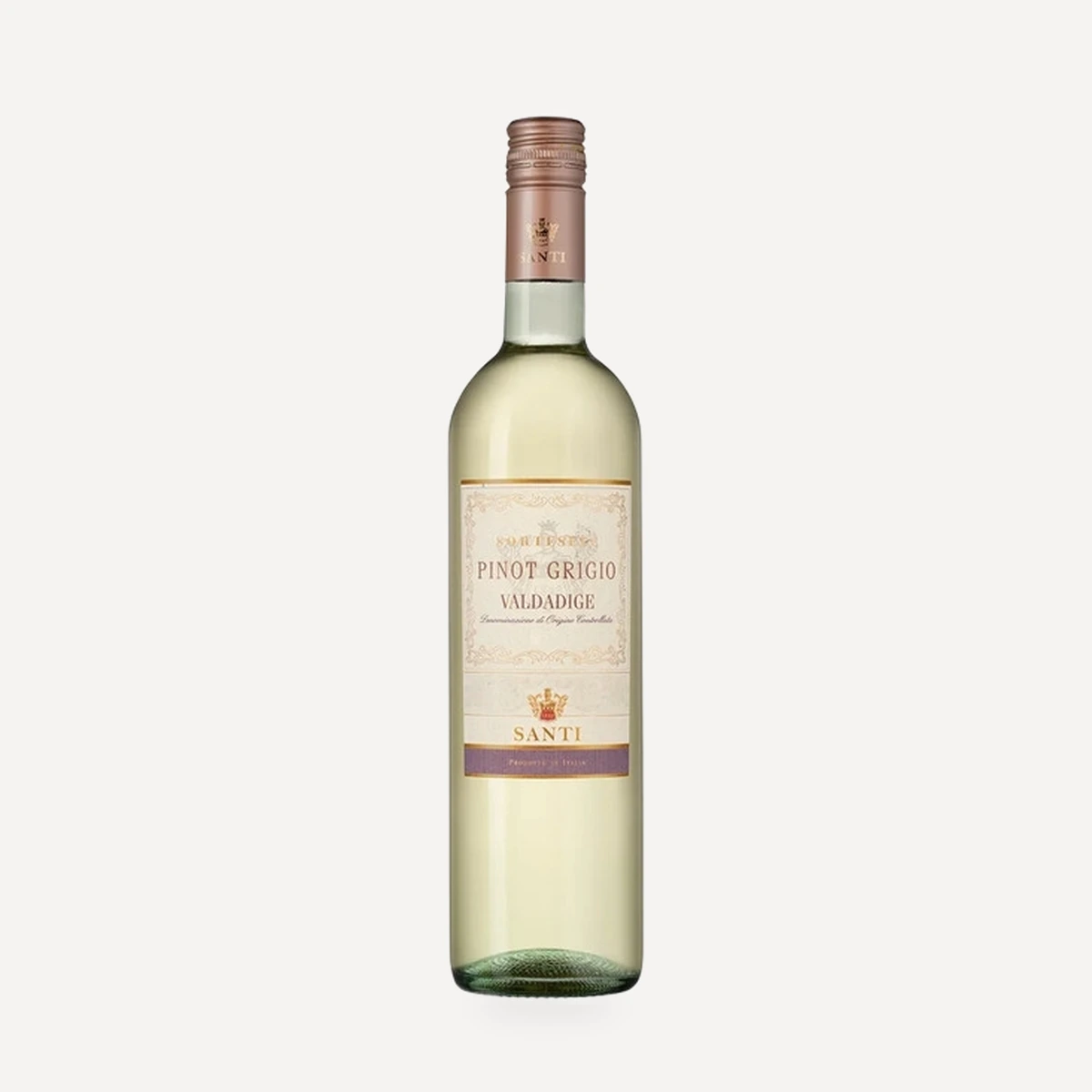
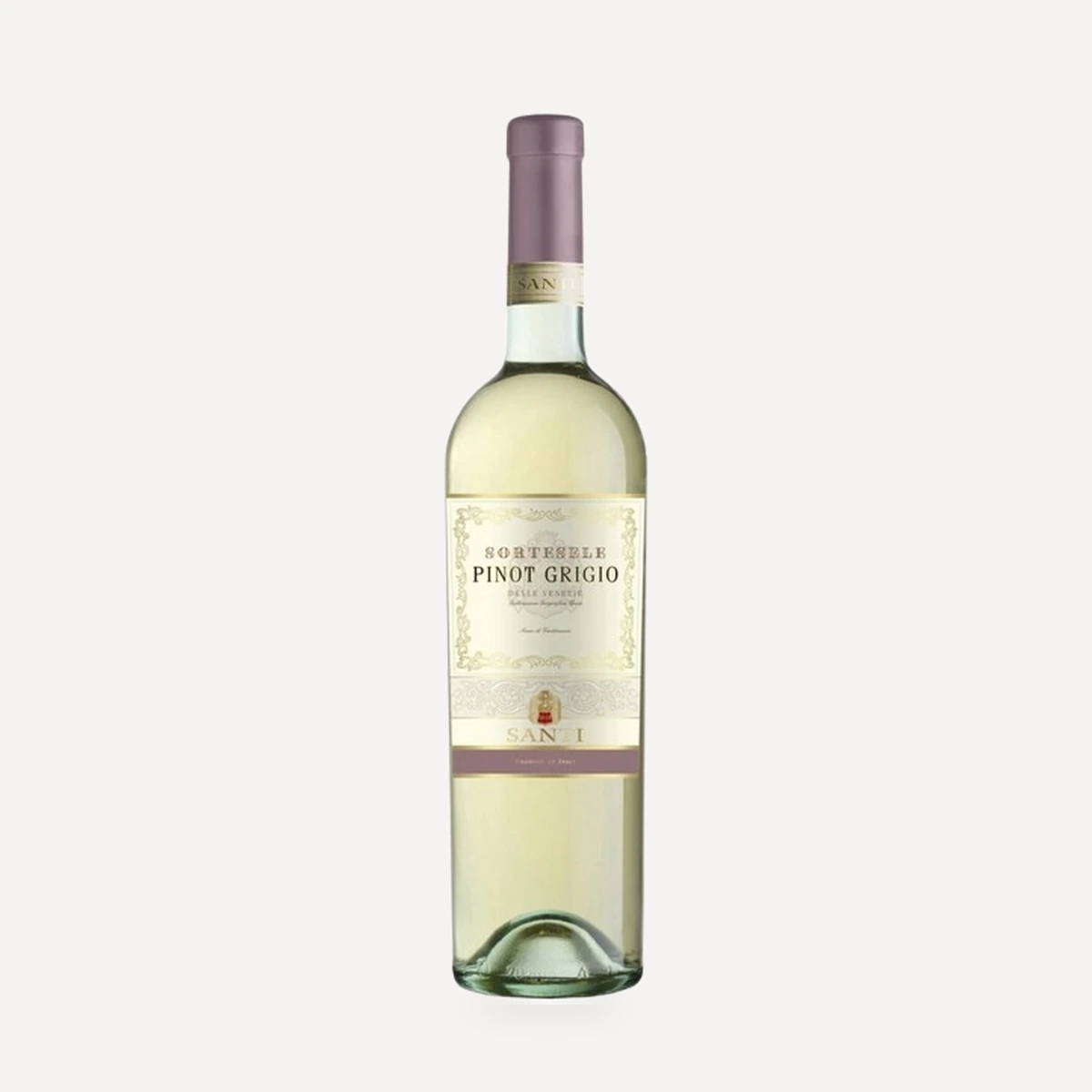
Sortesele Pinot Grigio Valdadige DOC
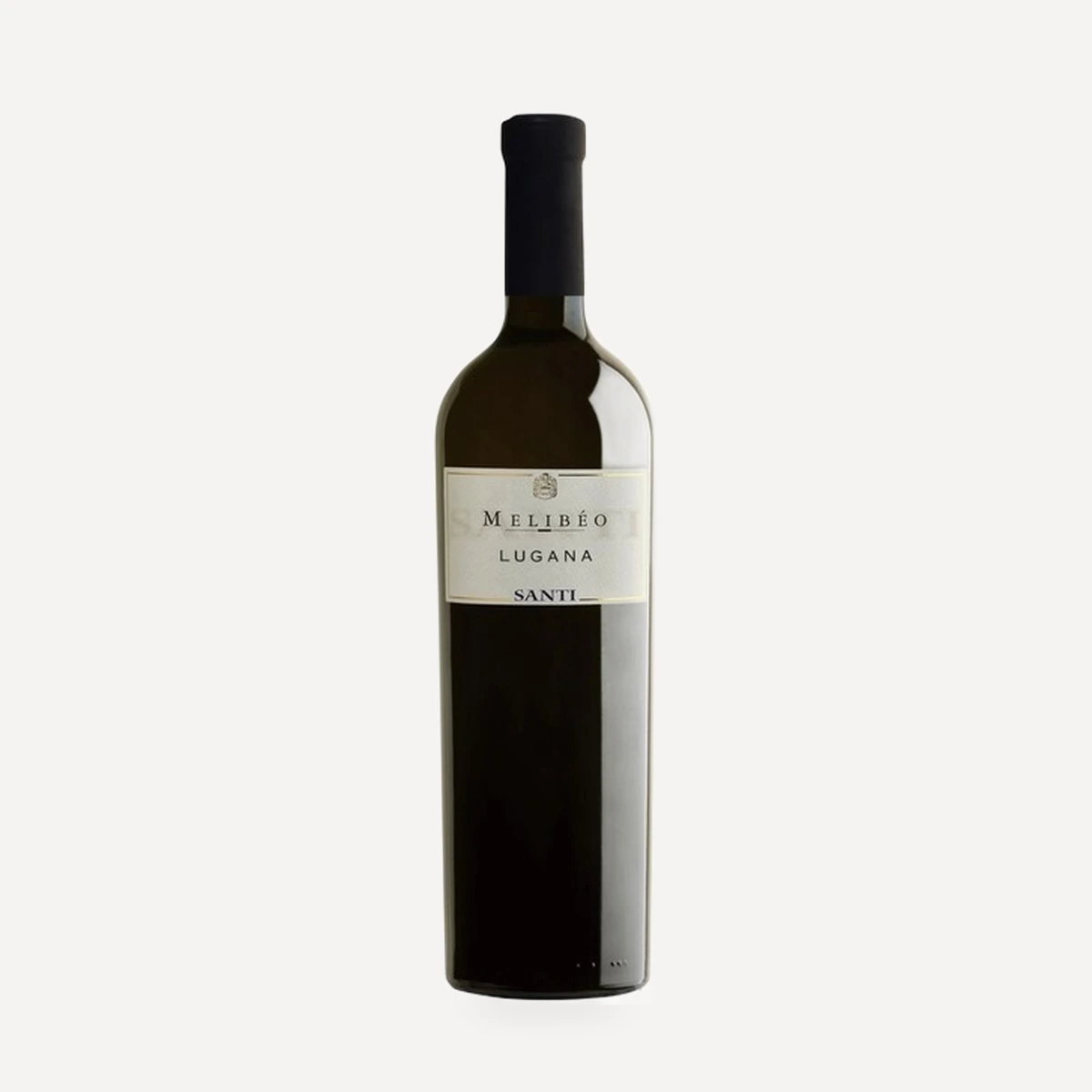
Melibeo Lugana DOC
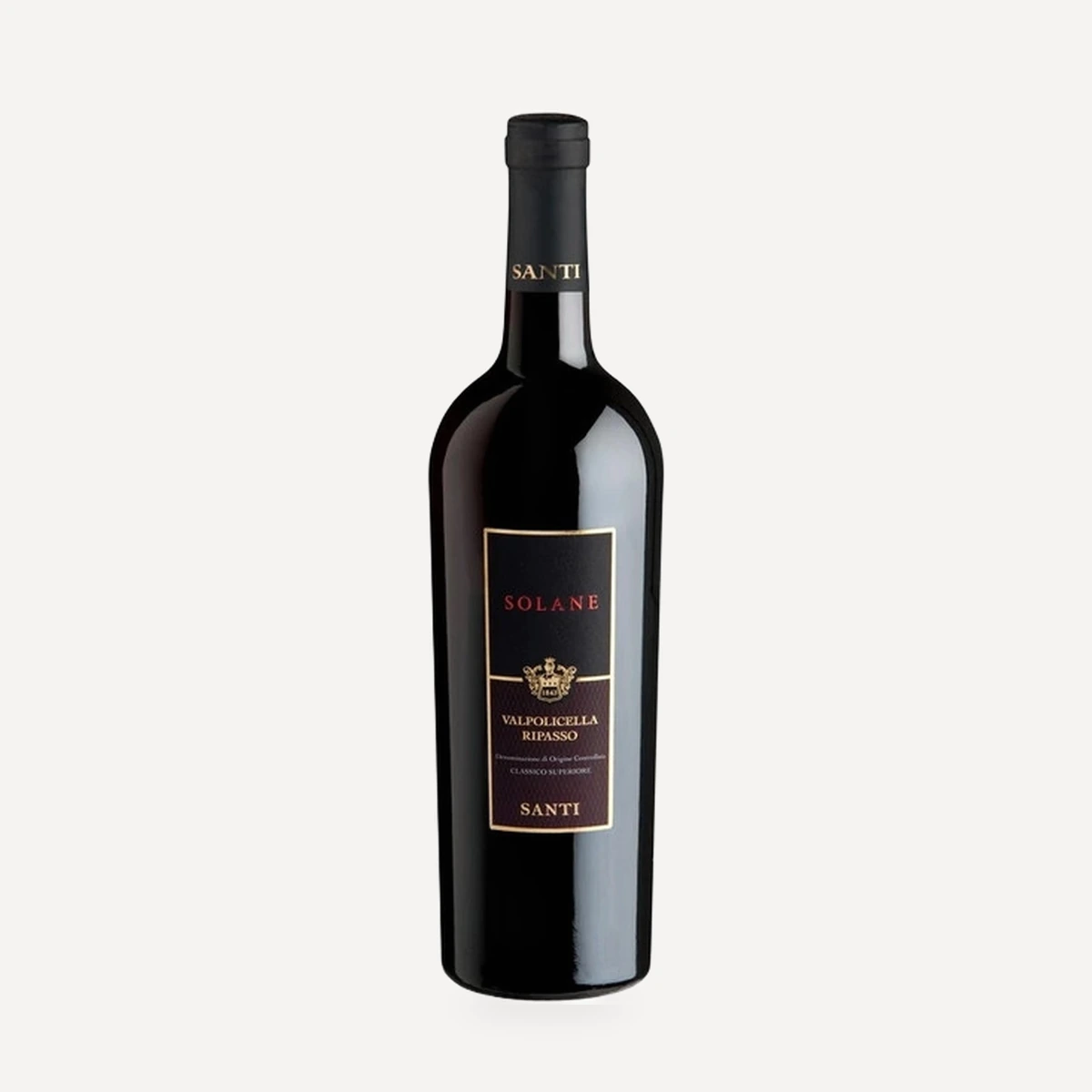
SOLANE Valpolicella Ripasso Superiore DOC
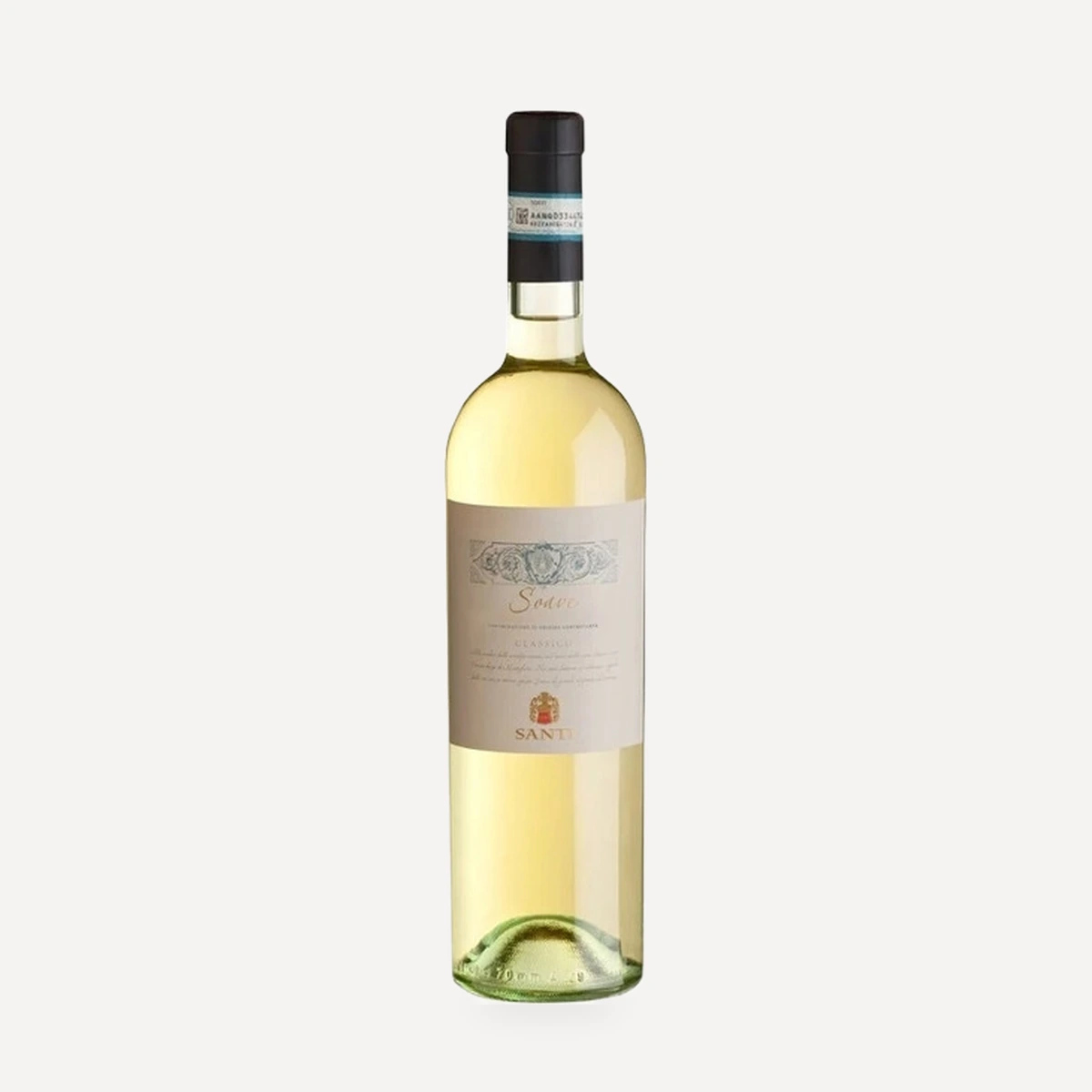
COLFORTE Soave Classico DOC

BORDENIS Bardolino Classico DOC

INFINITO Chiaretto di Bardolino DOC
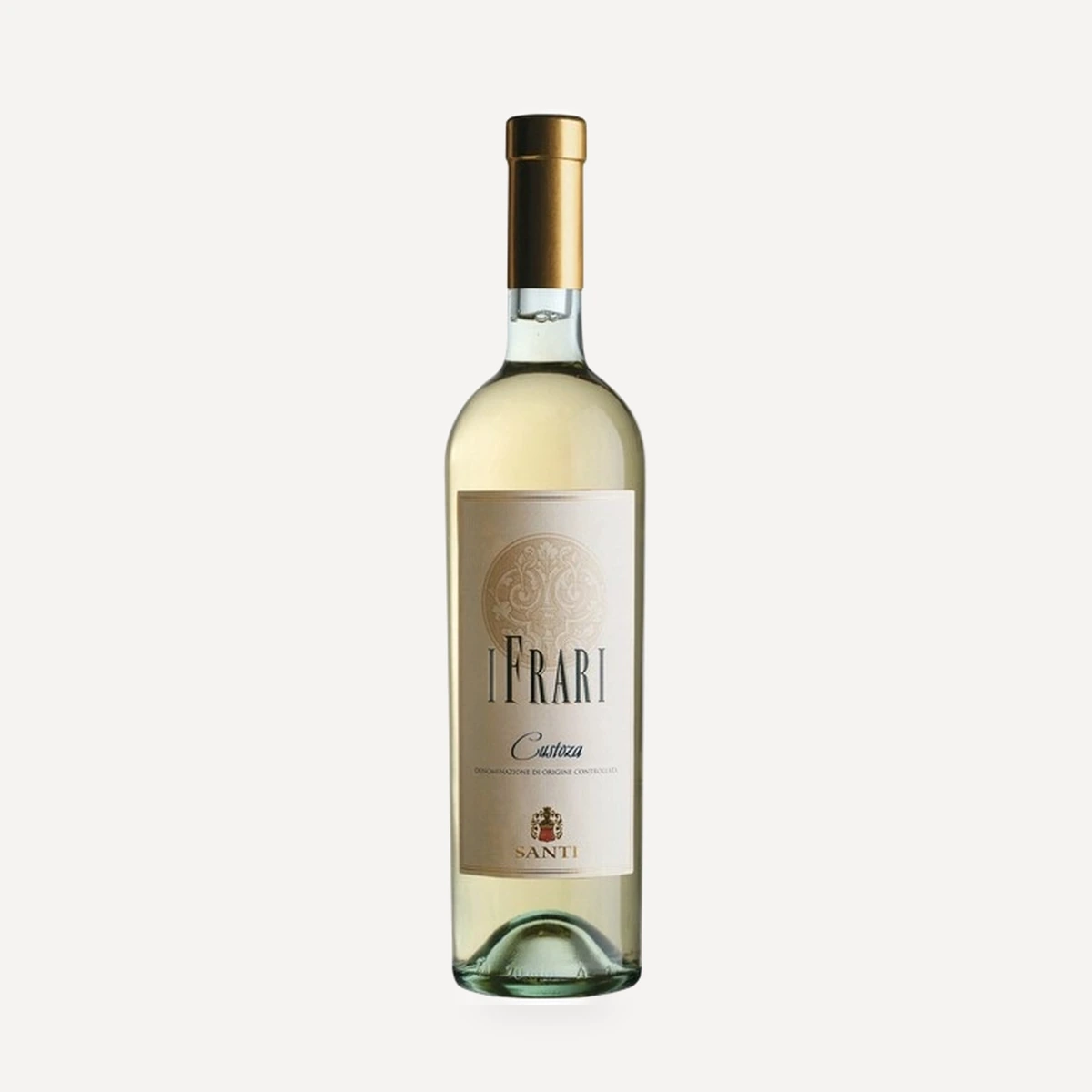
I Frari Bianco di Custoza DOC
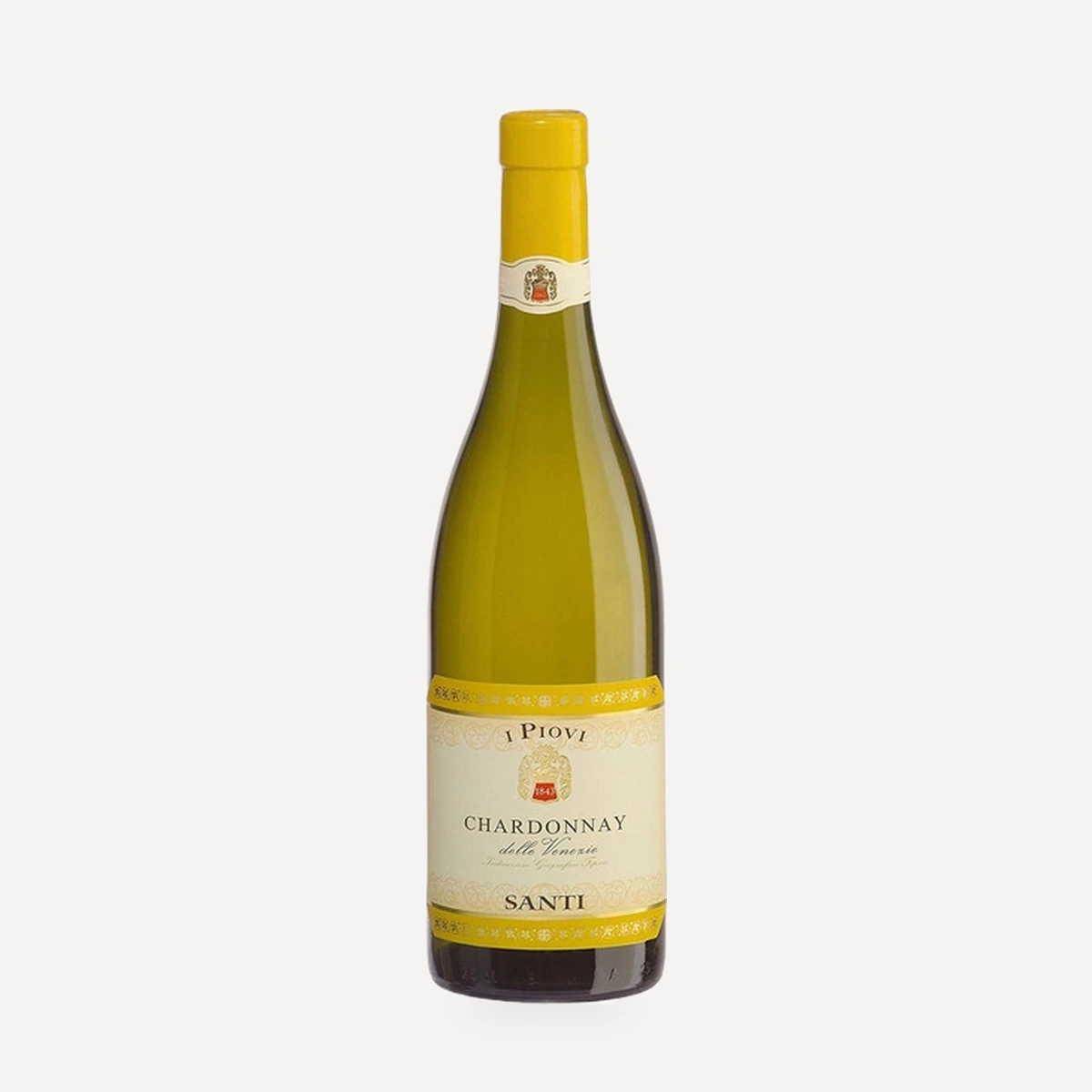
I Piovi Chardonnay Trevenezie IGT
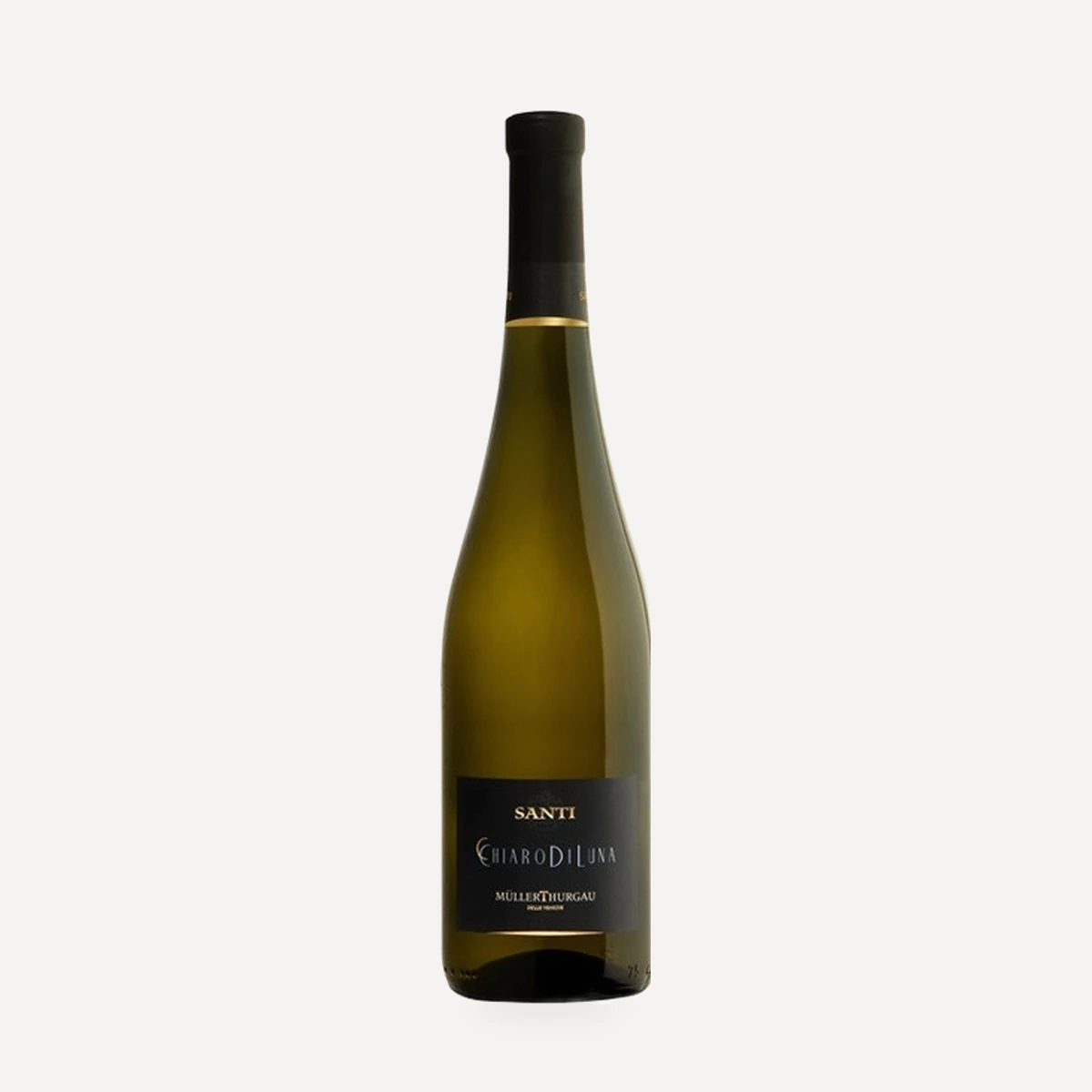
Chiaro di Luna Muller-Thurgau Trevenezie IGT